
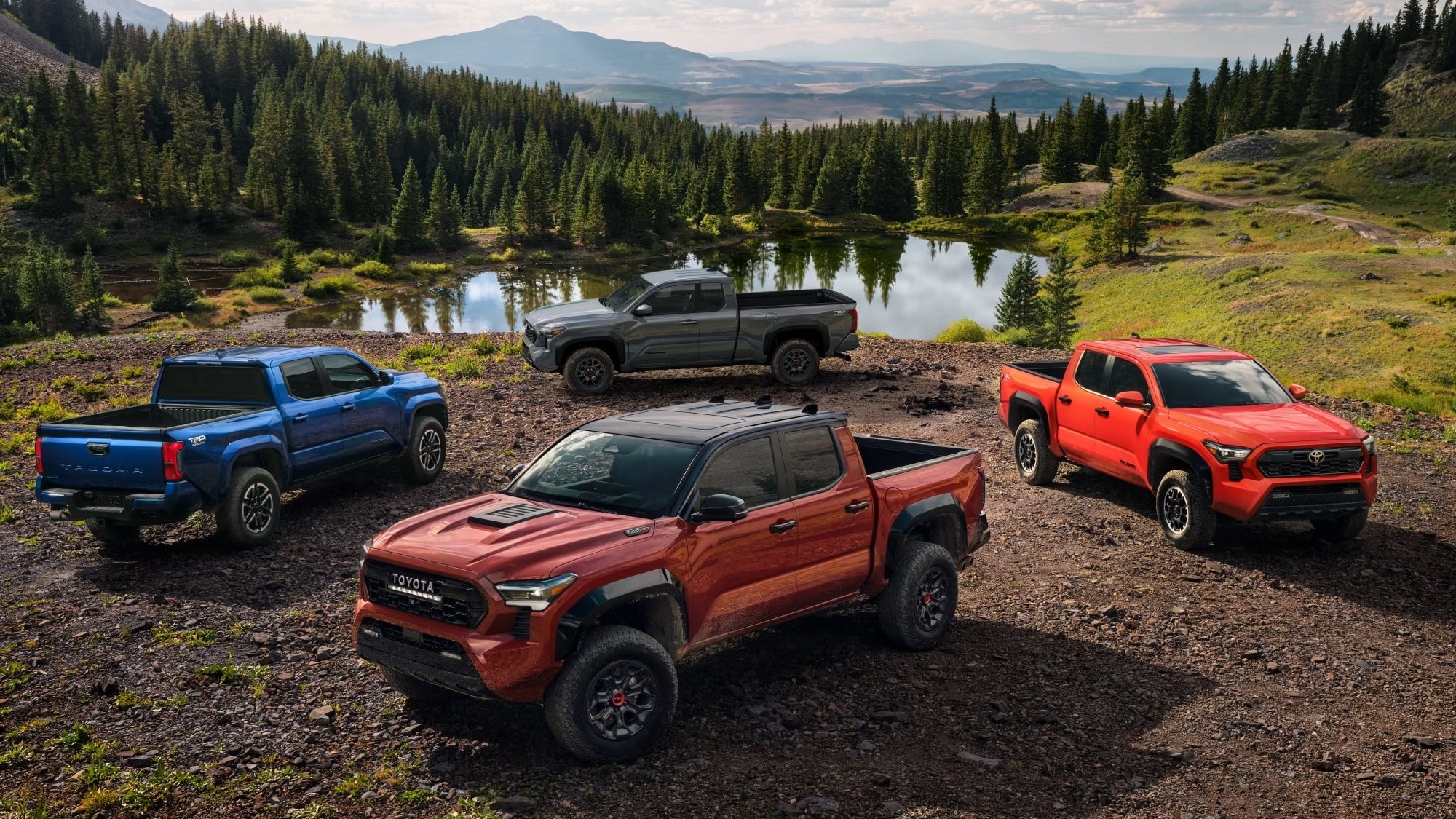
When people think of reliable pickup trucks, the Toyota Tacoma often comes to mind. For many drivers in the United States, this truck represents durability, practicality, and strong resale value.
Through the years, the Tacoma has built a reputation for being dependable and rugged, and it is loved both by those who need a work truck and those who simply want a vehicle that can handle outdoor adventures.
But while this model line has seen plenty of strong production years, it is also true that not every release has performed the same way. Some Tacoma model years stand out for their impressive reliability, while others have been plagued by mechanical problems that leave owners frustrated. Buying a truck is no small investment, and nobody wants to end up with a model that spends more time in the repair shop than on the road.
That is why it helps to know which Tacoma years are considered dependable and which years have been filled with complaints about frequent breakdowns. Many truck owners rely on this knowledge to make better decisions when purchasing a used Tacoma, since not every buyer wants to spend money on a brand-new model.
Over the years, Toyota has updated the Tacoma’s design, powertrain, and features to keep it competitive in the pickup segment. These updates have sometimes led to great improvements in performance and dependability, while other times they have introduced issues that caused plenty of concern.
Some model years are praised for their long-lasting engines, durable frames, and strong transmission systems, while problems with rust, weak automatic transmissions, and electrical faults have marked others.
We will take a close look at five Toyota Tacoma years that have earned a reputation for rarely breaking down, and then compare them with five years that have often left owners dealing with constant issues.
Suppose you are planning to purchase a Tacoma, or you are simply curious about the strengths and weaknesses of different years. In that case, this breakdown will help you understand which models deserve attention and which ones should be approached with caution.
5 Toyota Tacoma Years That Rarely Break
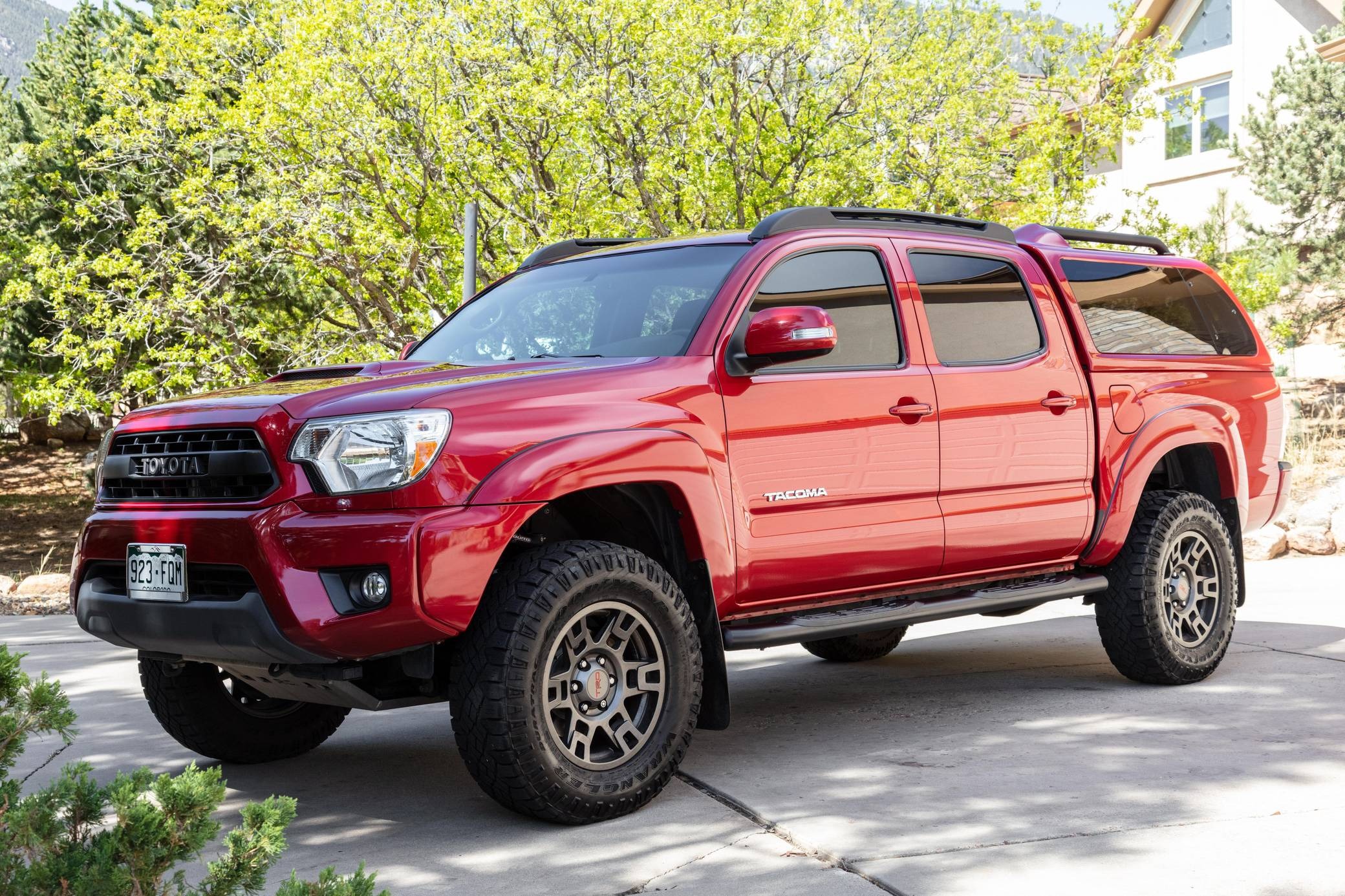
1. 2015 Toyota Tacoma
The 2015 Toyota Tacoma is often described by drivers as one of the most dependable versions of this truck. It represented the final year of the second generation before Toyota introduced a major redesign in 2016.
By the time 2015 arrived, Toyota had spent a full decade improving and refining the second-generation Tacoma, which meant that many of the earlier issues had already been addressed. Owners regularly mention how the 2015 model offers a smooth driving experience combined with a very strong build quality.
One reason the 2015 Tacoma is praised is its engine lineup. Buyers had the option of either a 2.7-liter four-cylinder engine or a stronger 4.0-liter V6. Both engines were known for their durability, with the V6 in particular often reaching high mileage with little trouble.
Drivers who used this truck for heavy work or long trips often found that it could withstand years of demanding use without developing major problems. This is why the 2015 Tacoma is still a popular choice in the used truck market.
The transmission options, which included a five-speed manual and a five-speed automatic, also received good feedback for being consistent and reliable. While automatic transmissions in some other Tacoma years faced complaints of jerky shifting or premature failure, the 2015 units did not generate the same level of concern.
Many owners still report that their trucks move smoothly after years of use. Another factor that sets the 2015 Tacoma apart is its interior and technology. While not the most advanced compared to modern trucks, the cabin design was practical and comfortable, offering features like Bluetooth connectivity, a touchscreen system, and supportive seating.
For drivers who prioritize functionality and comfort without unnecessary extras, the 2015 version still feels like a good fit. Rust was one common issue in older Tacoma models, especially for those used in snowy or wet climates, but Toyota had made efforts to improve frame durability by the time 2015 arrived.
This meant fewer complaints about premature rust compared to earlier models. Taken together, these qualities make the 2015 Tacoma a year that drivers trust to deliver consistent service with fewer trips to the mechanic.
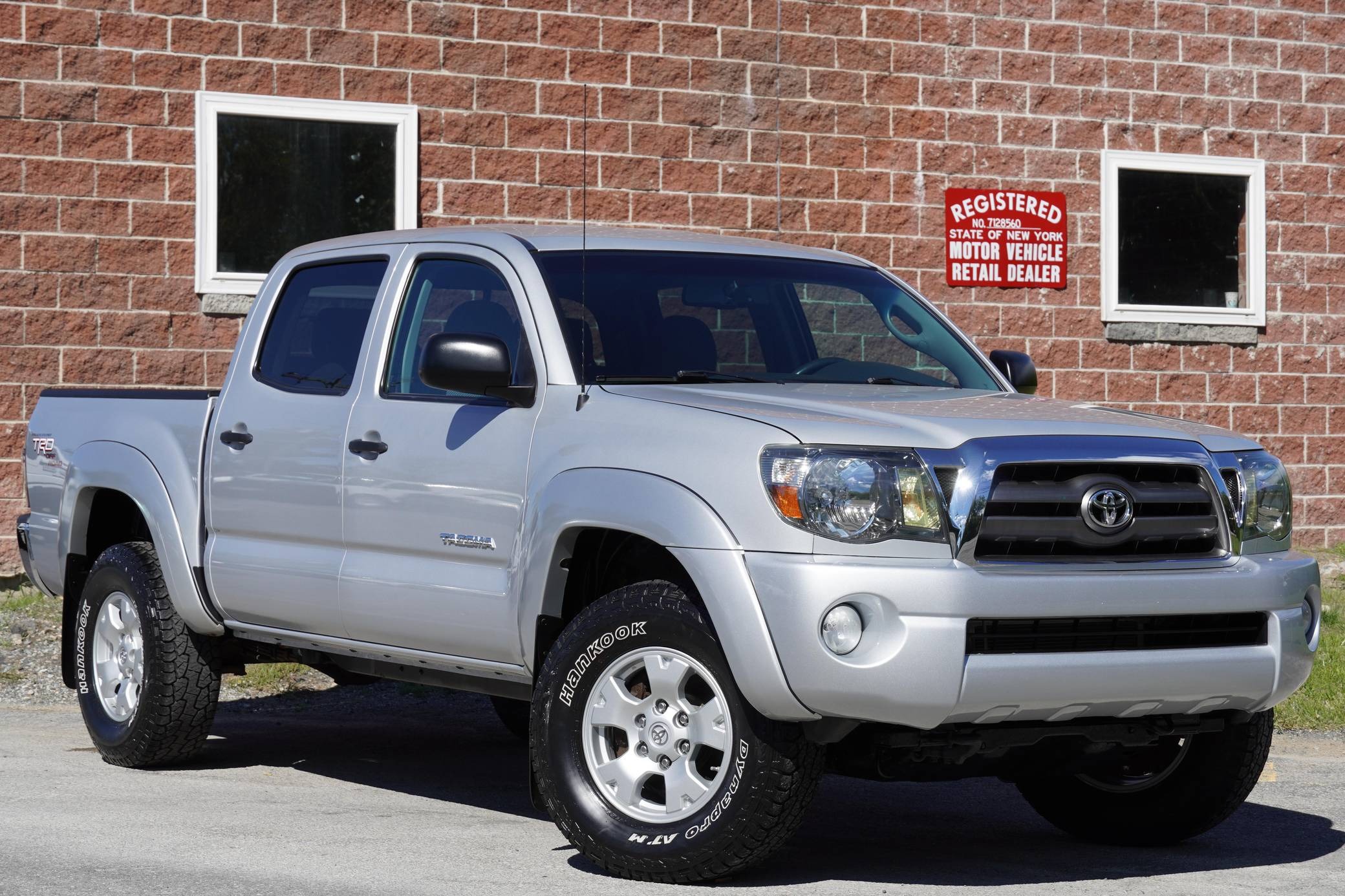
2. 2010 Toyota Tacoma
The 2010 Tacoma is another year often highlighted for its dependability. This version belonged to the second generation as well, and Toyota had already worked on addressing concerns from the earlier mid-2000s models. By 2010, the truck had reached a stage where both the powertrain and suspension had been refined for better durability.
Buyers in 2010 had several configurations to choose from, including different cab sizes and bed lengths, which meant the truck could meet different needs. The reliability of the powertrain stood out, with both the four-cylinder and V6 engines proving dependable across many years of use.
Drivers who purchased this model and kept up with routine maintenance often saw the truck lasting well beyond 200,000 miles, which is a strong point for those seeking long-term ownership. The suspension system also received attention, as it provided a good balance between comfort and off-road readiness.
Owners who used the 2010 Tacoma for both city driving and rugged terrain praised its ability to handle rough roads without developing excessive problems. The steering remained responsive, and the truck was considered easy to handle compared to larger full-size pickups.
Transmission reliability was also a strong point for the 2010 Tacoma. Unlike some later years where drivers complained about inconsistent shifting, the 2010 models did not face the same volume of issues.
Whether paired with manual or automatic gearboxes, the transmissions proved stable and long-lasting. Interior quality, while simple, was built to last. The seats were supportive enough for long drives, and controls were designed straightforwardly.
Though technology at the time was limited compared to modern standards, buyers appreciated the truck’s practical approach. This simplicity often meant fewer electronic failures, which is part of why the 2010 Tacoma continues to be viewed as a reliable option.
Rust treatment on frames had not yet fully improved during this period, but Toyota did introduce extended warranty coverage for frames around this time, giving many buyers peace of mind. Considering its strong engine performance, dependable transmission, and solid handling, the 2010 Tacoma remains an example of a year that rarely leaves owners dealing with constant breakdowns.
Also Read: 5 Toyota Highlander Years Worth Owning vs 5 That Aren’t
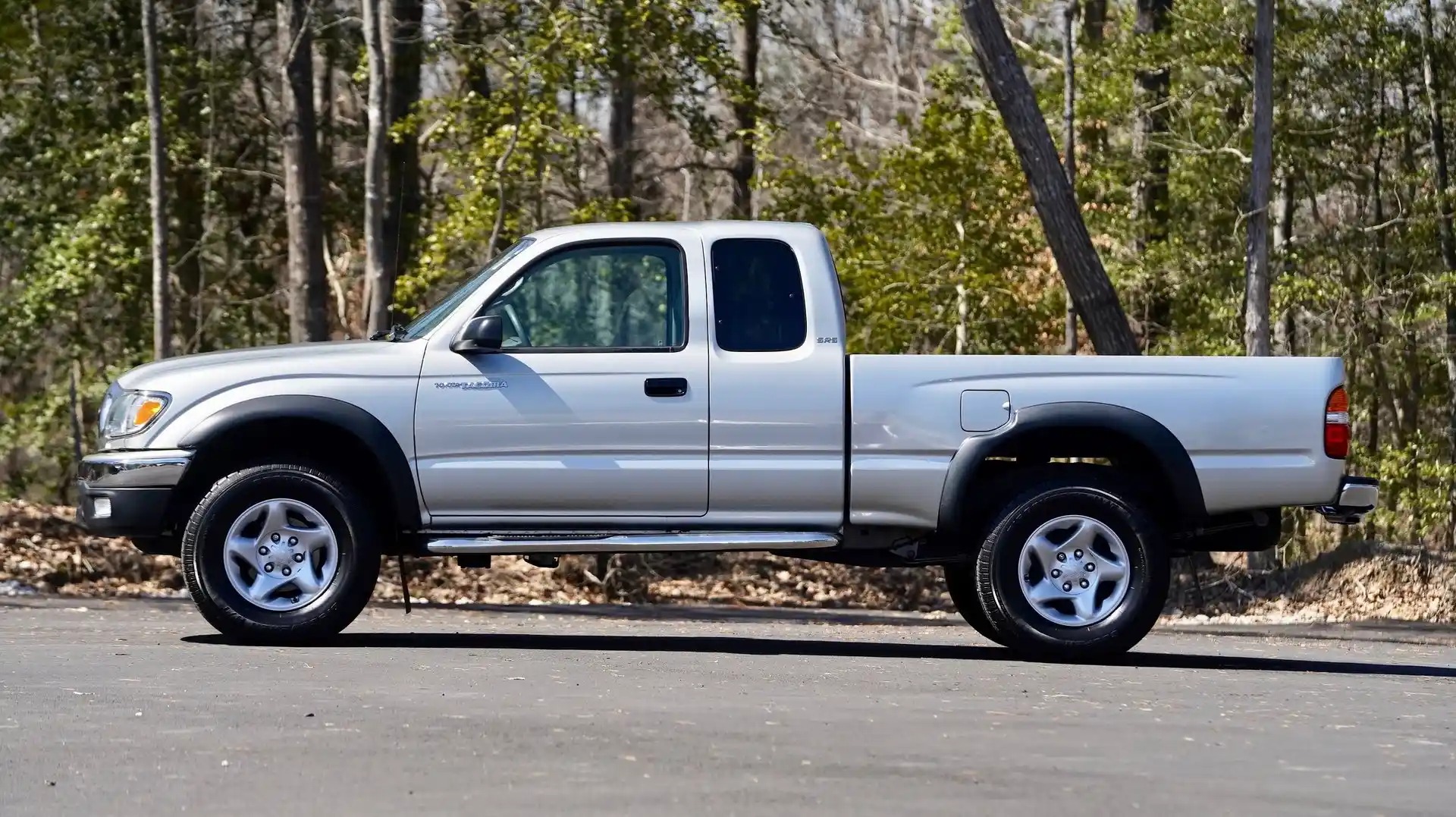
3. 2004 Toyota Tacoma
The 2004 Toyota Tacoma belongs to the first generation, yet it still earns strong marks for reliability. Many buyers from that period found that the first-generation Tacoma was built with simplicity in mind, and that simplicity made it more dependable.
The 2004 model benefited from Toyota’s careful engineering, with fewer electronic components that could fail, which is often seen as a strength in older vehicles. This model came with different engine options, including a 2.4-liter four-cylinder, a 2.7-liter four-cylinder, and a 3.4-liter V6. All three engines earned reputations for being durable when properly maintained.
Drivers who stuck to regular oil changes and servicing often reported that their 2004 Tacoma could handle high mileage without major repairs. The 3.4-liter V6 in particular was praised for its smooth power delivery and long-lasting nature.
Another reason 2004 stands out is the transmission system. Both manual and automatic versions proved durable, with fewer reports of failures compared to some later Tacoma generations. This meant drivers could depend on their trucks for both work and personal use without worrying about costly gearbox repairs.
Off-road performance was also strong, as Toyota designed the Tacoma to appeal to drivers who wanted a rugged pickup. Suspension components and four-wheel drive systems held up well, and the truck could handle rough conditions without frequent breakdowns.
The interior of the 2004 Tacoma was simple and functional. Though not luxurious, it was designed to last, with fewer electronic gadgets that might fail. For many truck owners, this kind of durability was more important than having the latest technology.
Rust did become an issue in some regions, especially in northern states where road salt was common, but many 2004 models have survived well when properly cared for. Taken together, the 2004 Tacoma’s simple engineering, strong engines, and dependable transmission make it a year that rarely breaks down compared to others.
4. 2018 Toyota Tacoma
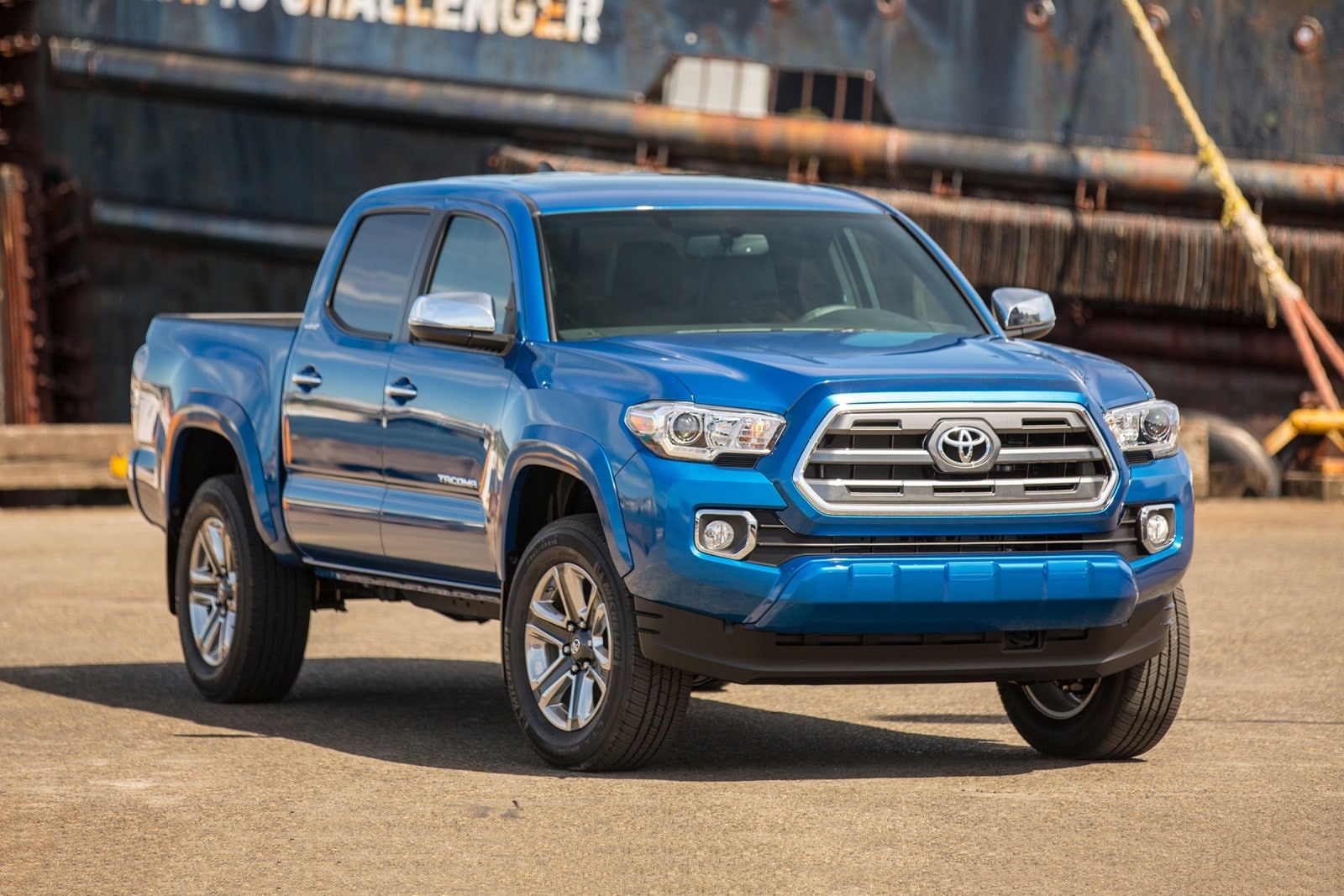
The 2018 Toyota Tacoma is widely appreciated for its balance of rugged performance and improved technology. By this year, the third generation of the Tacoma was already in its stride, and Toyota had corrected several issues that appeared when the new design first launched in 2016.
Drivers who bought the 2018 model often mention that it feels more modern than earlier trucks while still carrying the strong dependability that made the Tacoma popular.
Under the hood, the 2018 Tacoma offered two main engine options: a 2.7-liter four-cylinder and a 3.5-liter V6. The V6 was the more popular choice among buyers because of its better towing capacity and stronger highway performance.
While some critics described the four-cylinder as underpowered, the V6 proved both durable and capable, especially when matched with the six-speed automatic transmission that had improved software compared to the 2016 and 2017 models.
Many drivers have since reported that the gearbox feels smoother and more consistent this year compared to earlier third-generation versions. The suspension setup of the 2018 Tacoma also added to its reputation. With strong off-road trims like the TRD Off-Road and TRD Pro available, this truck became a favorite for outdoor enthusiasts.
These trims featured tougher shocks, skid plates, and improved ground clearance, allowing the Tacoma to tackle difficult terrains without excessive strain. Reliability feedback shows that even with rough use, many of these trucks continue to perform well with only routine maintenance.
Inside, the 2018 Tacoma moved closer to modern standards with features such as a larger touchscreen interface, advanced safety systems like Toyota Safety Sense, and more comfortable seating. The addition of adaptive cruise control and lane departure warning gave drivers a sense of security, while also making long drives less stressful.
Importantly, the electronic systems in this model did not generate as many complaints as some competing trucks from the same year, which strengthens its reputation for dependability. Rust issues were less common in the 2018 Tacoma compared to older generations, thanks to Toyota’s better protective coatings on frames.
Owners also liked the truck’s resale value, which remains among the highest in its class. This combination of updated technology, strong V6 performance, and durable construction makes the 2018 Tacoma a vehicle that rarely breaks down.
5. 2008 Toyota Tacoma
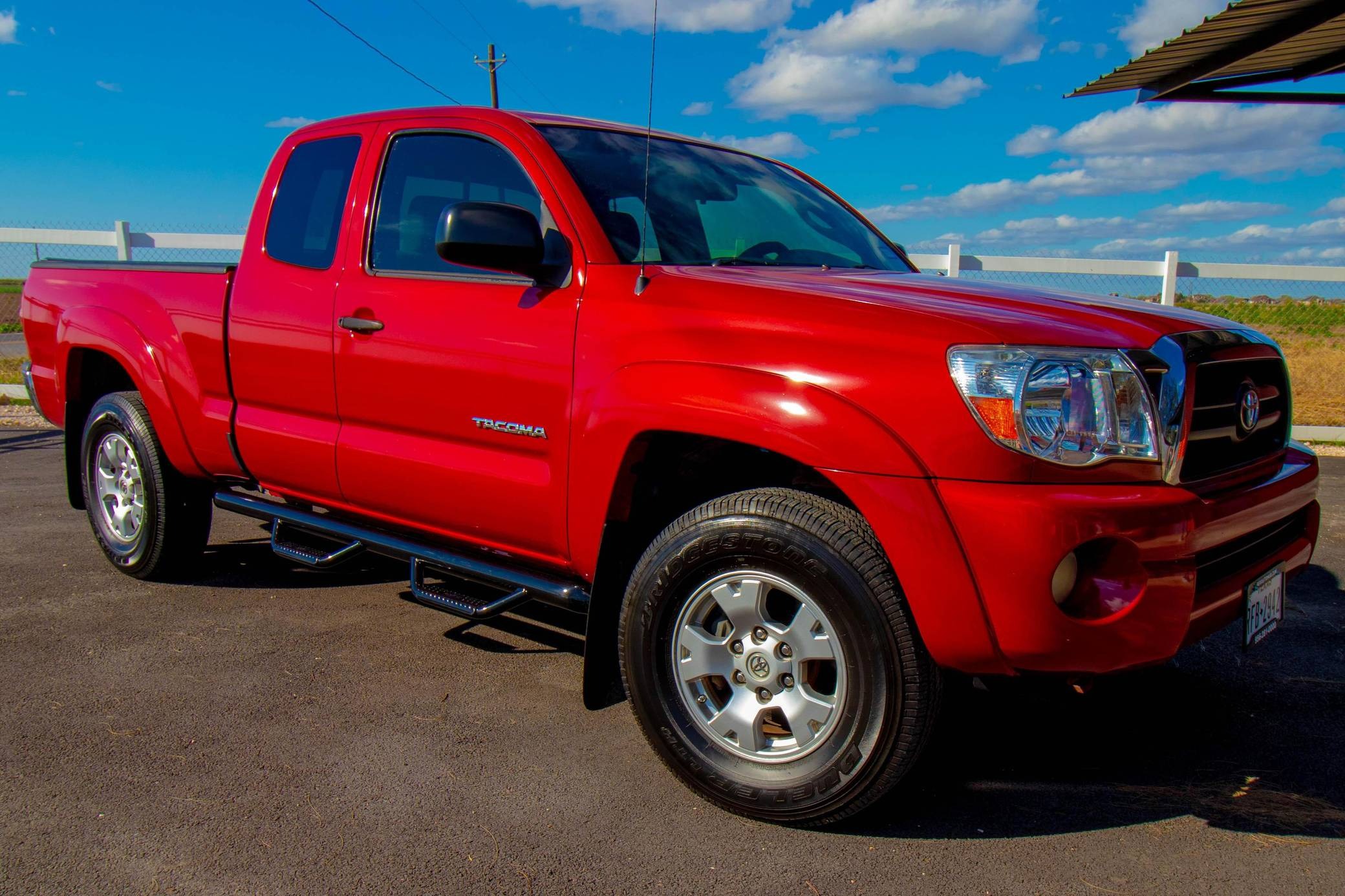
The 2008 Toyota Tacoma closes out the list of years that rarely break down, and it is remembered as a model that offered both strength and reliability at a time when many rivals struggled with long-term durability.
Positioned within the second generation, the 2008 Tacoma benefited from design updates introduced a few years earlier and had not yet encountered the later issues that appeared in some 2016 and onward models.
Buyers of the 2008 Tacoma could select between a range of configurations, including the popular Access Cab and Double Cab versions. Engine options included the 2.7-liter four-cylinder and the 4.0-liter V6, both of which were considered strong performers.
Owners consistently highlight the 4.0-liter V6 as an engine capable of lasting hundreds of thousands of miles with minimal trouble, provided maintenance was done on schedule. This durability is one reason the 2008 Tacoma is still sought after in the used market.
The automatic and manual transmissions paired with these engines also proved reliable, with fewer reports of failures compared to some later third-generation gearboxes. Drivers found the shifting smooth, and many vehicles still on the road today retain their original transmissions without major overhauls.
Safety features in 2008 were basic by modern standards, but the truck’s build quality helped it maintain a good reputation. Owners often describe the Tacoma from this period as a vehicle that feels tough and able to withstand hard use. Whether used for work, off-road driving, or family transport, the 2008 Tacoma generally avoided serious mechanical issues.
One area where Toyota had to address customer complaints in earlier models was frame rust, and by 2008, the company had started offering extended coverage for affected trucks. While rust could still occur depending on climate conditions, Toyota’s warranty measures and improved coatings made this less of a deal breaker.
Interior features were practical and durable, with controls designed to be straightforward rather than flashy. This meant fewer electronic failures, which helped the truck maintain its dependable record. With its strong V6 engine, consistent transmission, and rugged construction, the 2008 Tacoma remains a vehicle that is rarely associated with constant breakdowns.
5 Toyota Tacoma Years That Constantly Break
1. 2005 Toyota Tacoma
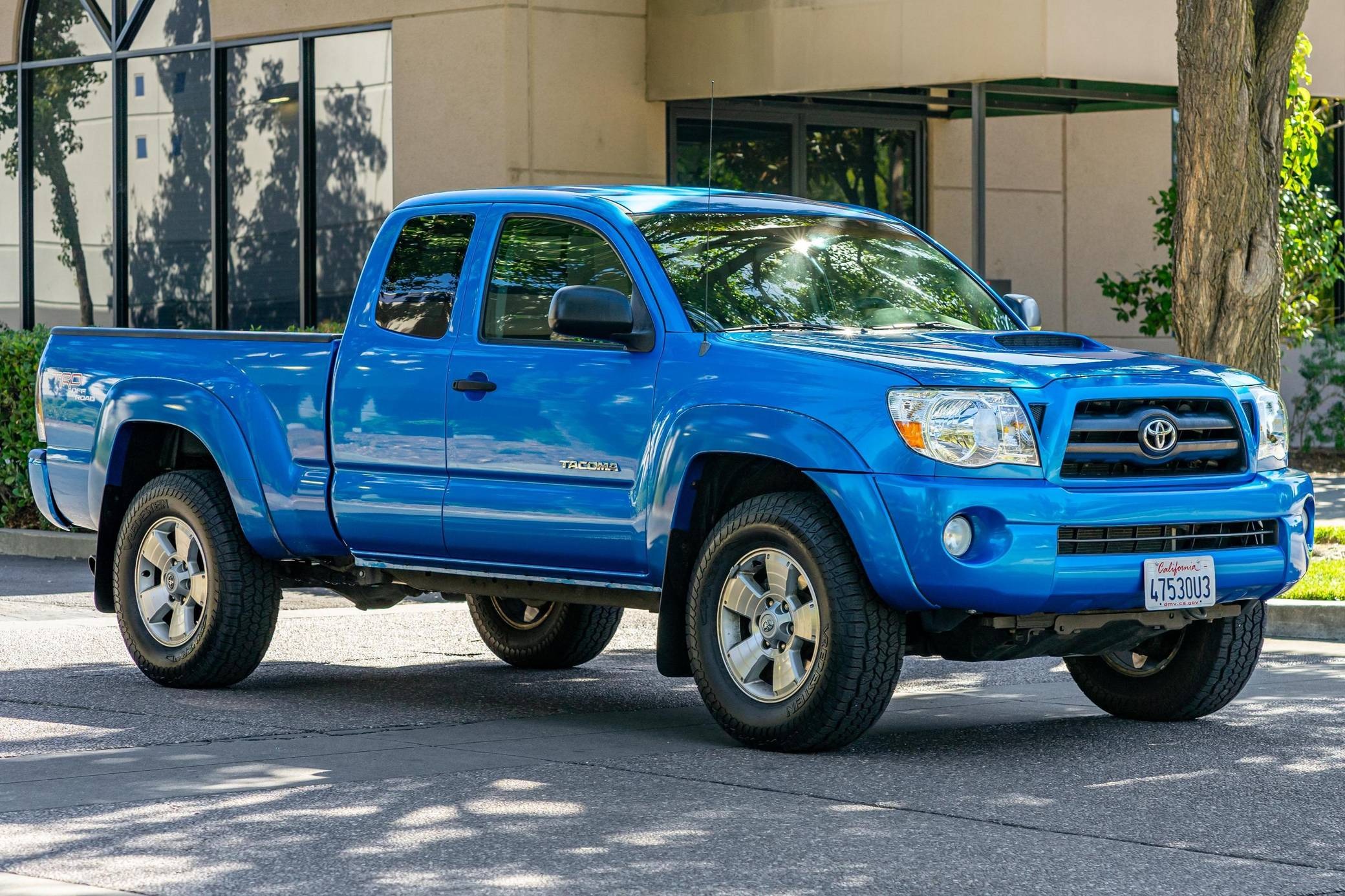
The 2005 Tacoma marked the introduction of the second generation, and while the redesign impressed buyers with a bigger frame, more power, and updated features, it also introduced many problems that made this year troublesome.
Owners soon discovered that this version had several issues that affected long-term dependability, making it one of the Tacoma years most often linked with frequent breakdowns. One major complaint from 2005 Tacoma owners was frame rust. In fact, this issue became so widespread that Toyota had to extend frame warranty coverage for many of these trucks.
Rust often appeared earlier than expected, especially for drivers in northern states where roads are salted in winter. In many cases, frames developed severe rust damage that made the truck unsafe to drive, forcing Toyota to either repair or buy back affected models.
Transmission problems also plagued some 2005 trucks. While not every unit failed, there were enough complaints about rough shifting and premature wear to create concern. Drivers who opted for the automatic transmission sometimes faced expensive repairs earlier than they had expected.
The 4.0-liter V6 engine, while powerful, also developed issues with the head gasket in certain cases. This problem could lead to coolant leaks and overheating if not caught early, which could mean costly repairs. Combined with frame problems, this made the 2005 Tacoma a year that many buyers now avoid when shopping for a used truck.
Interior quality was another area of concern. Some owners reported that the materials used inside the cabin wore out faster than expected, with cracked dashboards and worn seats appearing earlier in the truck’s life cycle. Electrical problems, such as faulty sensors, also added to the frustration.
Although the 2005 Tacoma looked impressive at launch, with new design elements and increased towing capacity, its record for reliability has been stained by these problems. Many owners eventually had to deal with expensive repairs, making this year one of the least dependable options for used truck buyers.
2. 2006 Toyota Tacoma
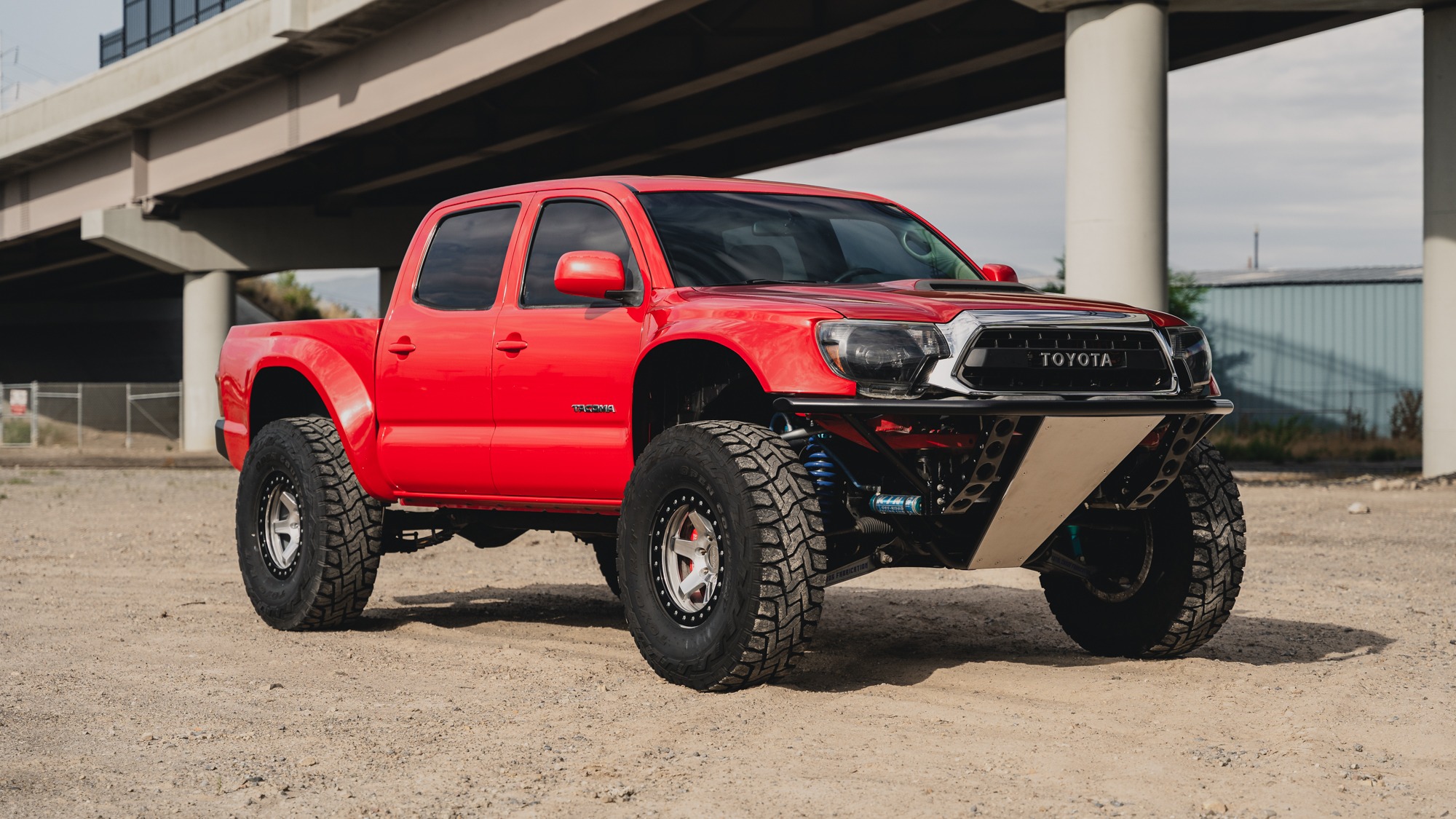
The 2006 Tacoma followed right after the redesigned 2005 version, and while Toyota attempted to refine the truck, many of the same problems carried over. In fact, for some owners, the 2006 model brought even more frustration. This has placed the 2006 Tacoma among the least dependable years in the lineup.
One of the most serious concerns was again related to the frame. Rust problems did not disappear after 2005, and many 2006 trucks faced severe corrosion that affected safety and long-term use. Reports show that frames in certain regions weakened faster than expected, leaving owners with costly repair bills or facing buyback programs from Toyota.
Even today, buyers are often warned to carefully check the underbody before considering a 2006 Tacoma. Transmission complaints were also common. Some owners with the automatic transmission described jerky shifting, slipping gears, or delayed engagement.
While these problems did not affect every unit, enough reports surfaced to damage the reputation of the 2006 model. Repairing or replacing a transmission is an expensive process, which adds to the perception that this year was prone to breakdowns.
Electrical issues became another source of trouble. Drivers reported faulty sensors, malfunctioning lights, and occasional wiring concerns that created unnecessary expenses. While not every Tacoma had these issues, the frequency of complaints was higher compared to reliable years like 2010 or 2015.
The interior did little to improve customer experience, as material quality was still below expectations. Cracked dashboards, fading panels, and premature wear on upholstery were common frustrations. For buyers who had hoped the 2006 Tacoma would improve on the 2005 release, these problems made ownership difficult.
Despite having a powerful V6 engine option and good towing capacity, the general dependability of the 2006 Tacoma was weakened by frame rust, transmission problems, and electrical complaints. This combination makes it one of the years often avoided by those searching for a used truck.
3. 2016 Toyota Tacoma
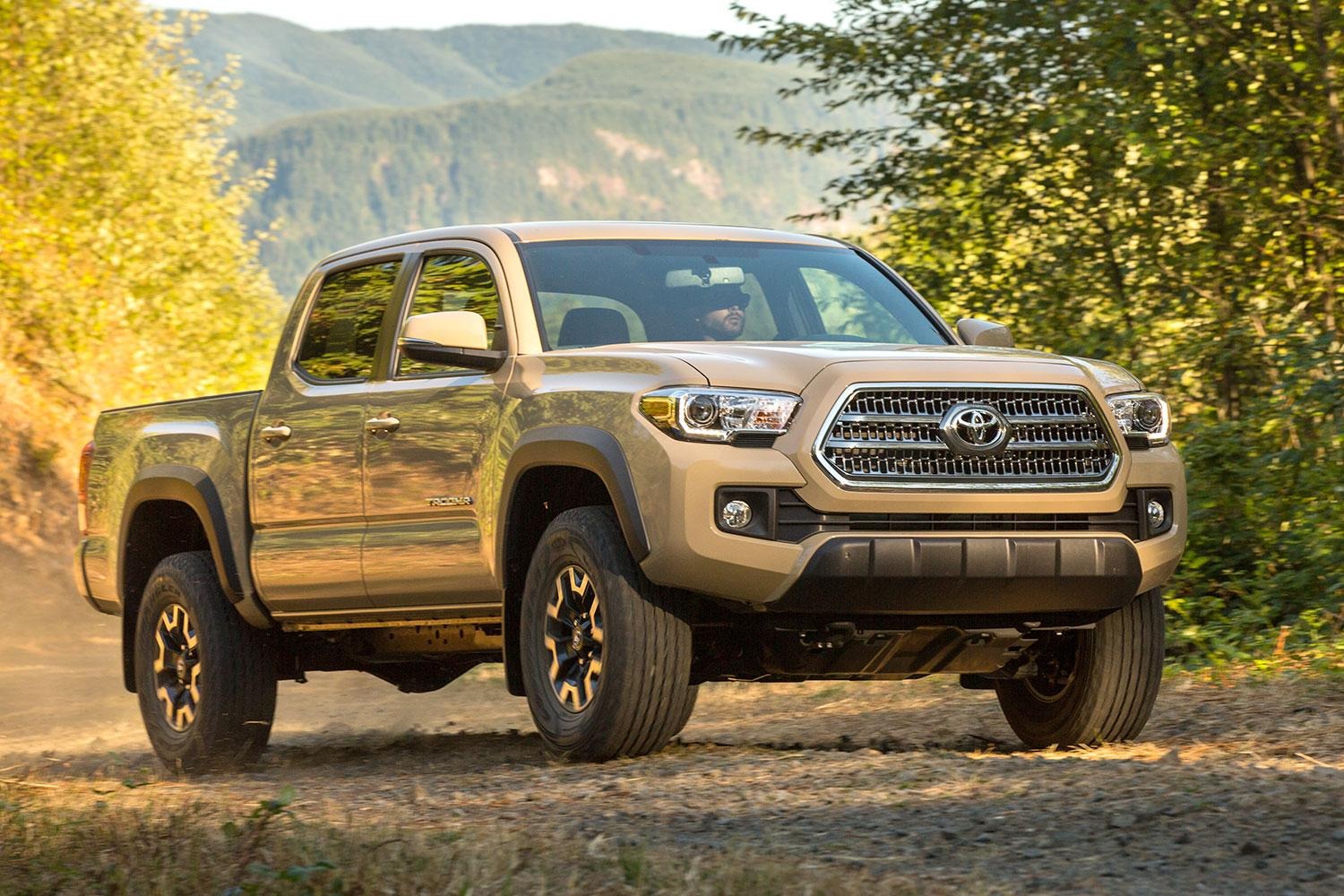
The 2016 Tacoma introduced the third generation of the truck, with a fresh design, updated technology, and a new 3.5-liter V6 engine. Many buyers were excited by these changes, but soon after release, complaints began to surface.
While the new generation looked modern and more aggressive, the 2016 Tacoma quickly became known as one of the least reliable years. A major issue was with the six-speed automatic transmission.
Many drivers reported rough shifting, hesitation, and delayed gear engagement, especially when driving at low speeds or climbing hills. Some owners described the transmission as unpredictable, which made the driving experience frustrating and, at times, unsafe. Even after software updates, complaints about transmission behavior remained widespread.
The new 3.5-liter V6 engine was designed for better fuel efficiency compared to the old 4.0-liter, but some owners felt it lacked the same durability. Reports of weak acceleration, stalling, and inconsistent performance led to dissatisfaction. For a truck that had built its reputation on power and dependability, this was a major problem.
Interior technology, while more advanced than older Tacomas, also brought new problems. The touchscreen system occasionally froze or malfunctioned, and some owners faced problems with Bluetooth connectivity. Safety features, although improved, added complications that sometimes resulted in false warnings or sensor failures.
Another problem area was the suspension, as certain owners reported premature wear on shocks and uneven ride comfort. While this may not have affected every unit, it added to the number of complaints surrounding this model year.
The 2016 Tacoma was supposed to signal a new chapter for Toyota’s midsize pickup, but the combination of transmission troubles, underwhelming engine performance, and electronic glitches left many buyers frustrated. This is why the 2016 version is often listed among the Tacoma years to avoid.
4. 2017 Toyota Tacoma
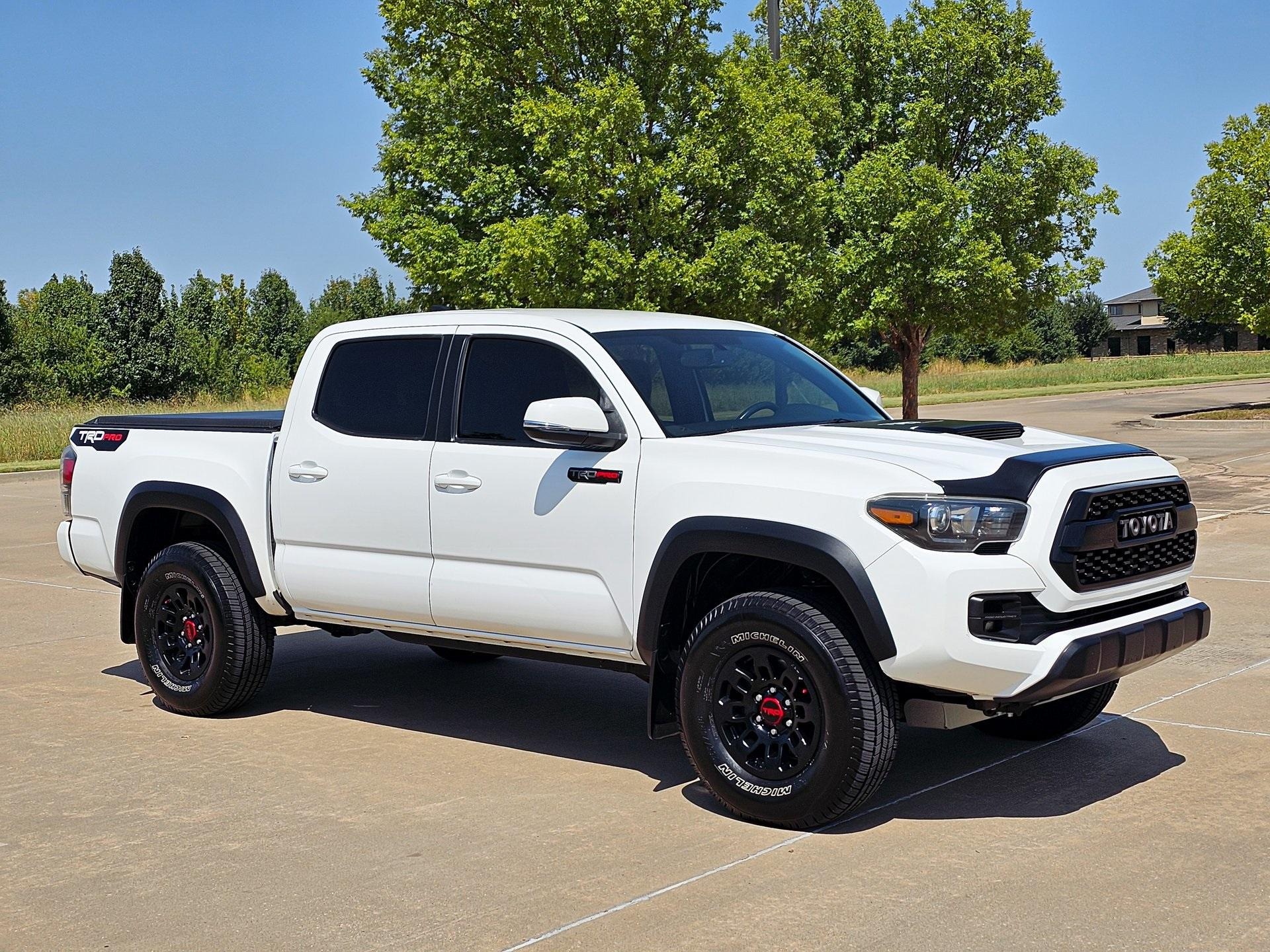
The 2017 Tacoma carried forward many of the problems first noticed in 2016, which is why this year also appears on the list of models that constantly break down. Although Toyota made some updates, the most frequent complaints remained tied to the six-speed automatic transmission.
Drivers often mentioned that the transmission hesitated when shifting, especially between first and second gears. Some trucks experienced sudden jerks or clunky movements during normal driving. These issues made daily use inconvenient and created long-term concerns about reliability.
For many owners, fixing these problems required multiple visits to the dealer, and in some cases, replacement parts did not fully solve the issue. The 3.5-liter V6 engine, while newer and more fuel-efficient, was also a source of dissatisfaction.
Owners described it as less powerful than expected and reported that it sometimes struggled during towing or highway merging. Combined with transmission complaints, this left the driving experience far less satisfying than older Tacomas with the 4.0-liter V6.
Interior comfort also fell short for some buyers. Seats were described as stiff, and the cabin layout did not appeal to everyone. More importantly, the increased use of electronics led to complaints about malfunctioning infotainment systems and faulty safety sensors.
Suspension problems, such as premature wear on leaf springs, were also mentioned in owner reports. This reduced ride comfort and created extra expenses. While the truck maintained Toyota’s tough exterior design and off-road trims, many owners were frustrated that daily reliability was not as strong as in previous years.
As a result, the 2017 Tacoma is grouped with the 2016 model as a year that failed to live up to the brand’s strong dependability record. Many buyers who wanted long-lasting performance instead found themselves dealing with repeated issues.
Also Read: 7 Mistakes That Destroy a Toyota C-HR Before 150k
5. 2007 Toyota Tacoma
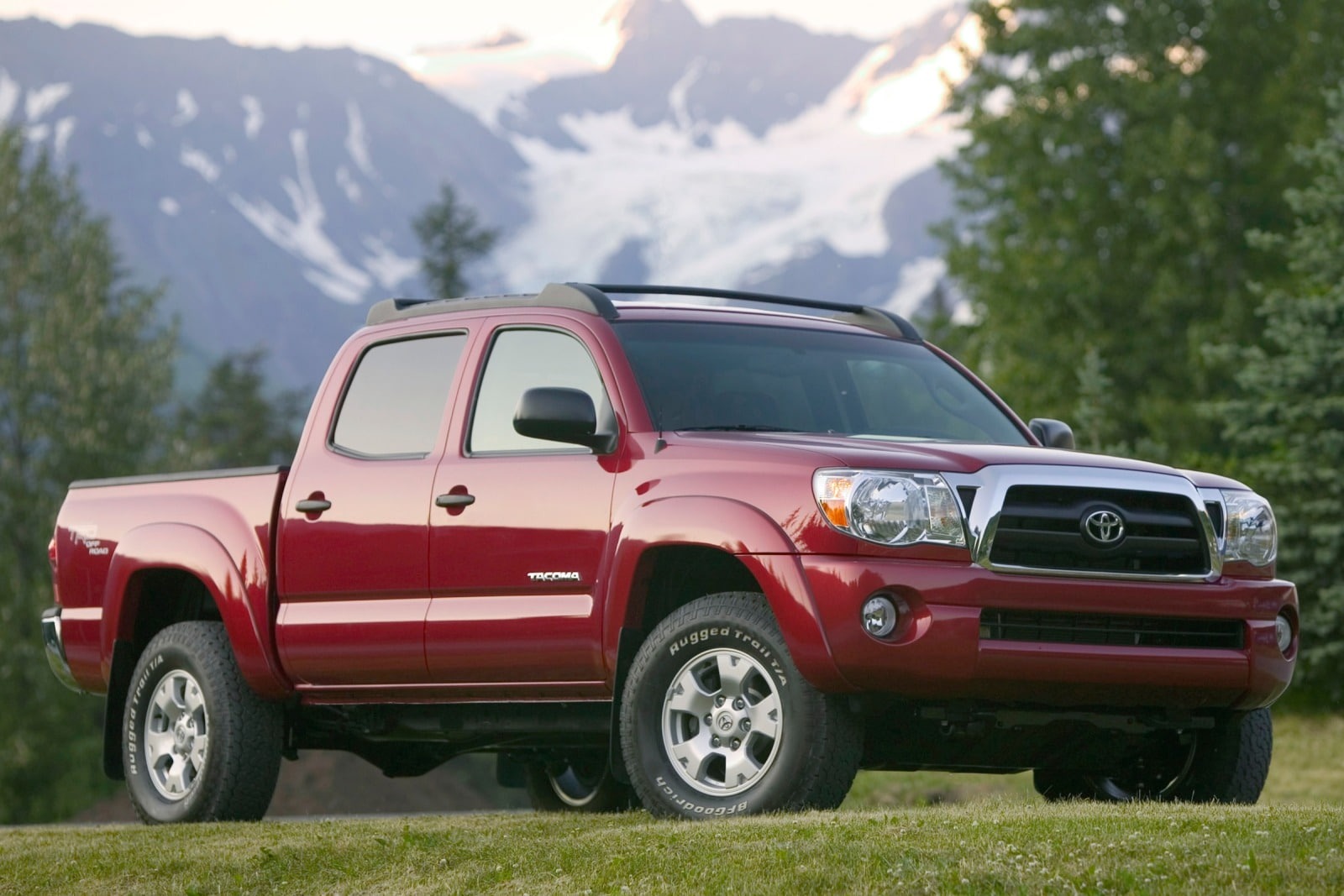
The 2007 Tacoma also belongs to the list of years that constantly break, and its problems echo those of the 2005 and 2006 models. While Toyota had made some progress in fixing frame concerns, rust still appeared as a recurring issue for many 2007 trucks. Owners in colder climates especially complained that the frame corroded too quickly, threatening the safety and durability of the truck.
Another concern was with suspension components. Several drivers reported that leaf springs in the rear suspension were prone to breaking or wearing out earlier than expected. This led to recalls and created frustration for owners who expected Toyota trucks to handle tough conditions without constant repair needs.
The V6 engine, while generally strong, also developed occasional head gasket problems. While this did not affect every truck, those who faced the issue had to deal with expensive repair bills. Combined with frame rust and suspension concerns, this created a reputation for unreliability.
Interior wear was also reported, with dashboards, door panels, and seats showing signs of aging earlier than expected. Electrical issues like faulty airbag sensors or malfunctioning lights added to the complaints.
While the 2007 Tacoma still carried the rugged appeal of the second generation, the frequency of frame and suspension problems made it a year that many truck buyers prefer to avoid. The combination of safety recalls, rust damage, and costly repairs places the 2007 Tacoma firmly among the models known for constant breakdowns.
