
Engines are the heart of every vehicle, and their durability often determines how long a car can run without requiring heavy repairs. Among the various parts that demand attention, valves play a crucial role in regulating airflow and maintaining proper combustion.
When valves wear out or lose adjustment, a repair known as a valve job becomes necessary. This process involves restoring valve seats, regrinding surfaces, and ensuring proper sealing. While a valve job can extend the life of an engine, it is an expensive and time-consuming procedure that most drivers would prefer to avoid.
Some engines are engineered in such a way that valve problems are rare even after years of use. Good metallurgy, effective lubrication systems, precise tolerances, and thoughtful engineering design all contribute to this reliability.
On the other hand, certain engines are notorious for requiring valve work more frequently than expected. Sometimes the problem comes from weak materials, poor oil flow, or design flaws that place too much stress on the valve train.
For car owners, knowing which engines are less prone to valve issues can help them make better purchase decisions. It can also guide mechanics and enthusiasts when choosing which powerplants to rebuild or swap. Reliability and maintenance history often define how people view specific engines, and valves play a larger part in this than many might think.
Now let’s look closely at five engines that rarely require valve jobs and have a strong reputation for durability. After that, we will examine five engines that have gained a reputation for constant valve-related problems.
Each section will provide a detailed explanation of why these engines fall into their category, covering design, reliability, and long-term ownership experience. By the end, readers will have a clear picture of which engines are more likely to run without valve headaches and which ones will keep mechanics busy.
5 Engines That Rarely Need Valve Jobs
1. Toyota 2JZ-GTE
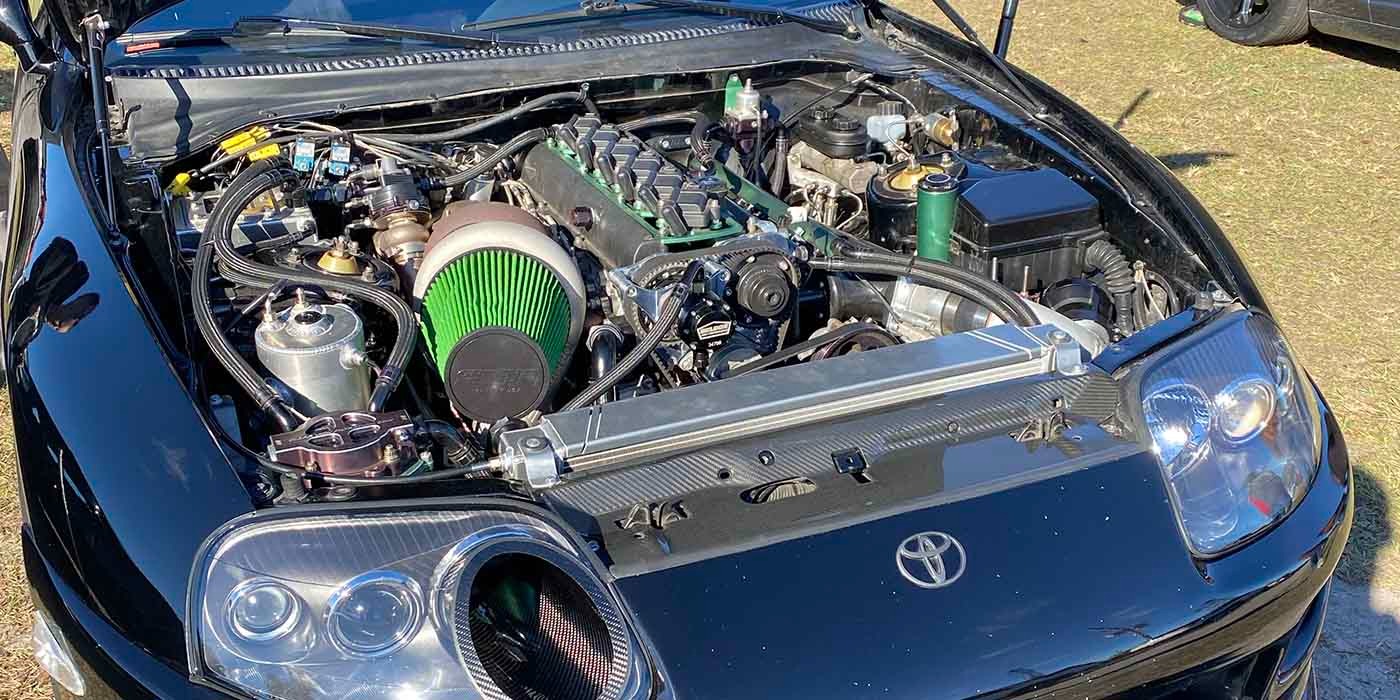
The Toyota 2JZ-GTE has become one of the most respected inline-six engines ever produced, and its reputation is not only tied to performance but also to durability. When owners discuss engines that rarely need valve jobs, the 2JZ often sits at the top of the list.
This Japanese masterpiece was first introduced in the 1990s and powered the Toyota Supra as well as other luxury sedans. It quickly earned a reputation for handling huge amounts of boost without internal failure.
One reason the 2JZ does not require frequent valve work is its use of high-quality forged internals combined with precision-engineered cylinder heads. Toyota used hardened valve seats that resist wear even under heavy loads.
The valve train components were carefully designed for stability, and the oil system delivers excellent lubrication that prevents overheating of critical areas. All these details reduce the chances of valve burning or leakage.
Owners often report that these engines can run for more than 300,000 miles without a single valve-related repair. Even with modifications that increase horsepower, the valves continue to seal efficiently. Proper oil changes and regular maintenance make this engine nearly bulletproof in terms of valve reliability. Mechanics who have rebuilt the 2JZ often note that valve seats and guides still look fresh even after years of hard use.
Another factor is the non-interference design. If the timing belt breaks, valves will not collide with pistons, which prevents catastrophic damage that would require an immediate valve job. This makes the 2JZ safer to maintain compared to interference engines.
Because of this combination of thoughtful engineering and high-strength parts, the Toyota 2JZ remains one of the few engines enthusiasts can push hard without worrying about valve damage.

2. Honda K-Series
Honda’s K-series engines have become legendary in both performance and reliability circles. From the K20 to the K24, these four-cylinder engines are widely praised for their balance of power and efficiency. Drivers also appreciate that they rarely need valve jobs, even after years of spirited driving. Honda designed the K-series with attention to detail, and the results speak for themselves.
The K-series features aluminum cylinder heads with strong valve seats that hold up well against wear. Honda also designed its i-VTEC system to adjust valve timing and lift for optimal performance and efficiency. This clever technology reduces stress on valves because it allows the engine to breathe efficiently under different conditions. Less stress means less wear, which reduces the need for valve reconditioning.
Another strength lies in Honda’s ability to control heat inside the engine. The cooling passages in the cylinder head are designed to reduce hot spots that can damage valves. Combined with high-quality metallurgy and precision machining, the K-series offers impressive longevity. Many drivers have pushed their K20 and K24 engines past 250,000 miles without any valve-related issues.
Even when these engines are turbocharged or swapped into performance builds, the valve system continues to hold strong. Mechanics often remark that when they inspect K-series cylinder heads, the valves show minimal wear compared to other engines of similar age. The reliability is so strong that many tuners choose these engines as a foundation for high-performance builds.
Honda also made the K-series relatively easy to service. Valve adjustments are straightforward, and when maintenance is performed on schedule, the valves remain in excellent condition. This mix of smart design, efficient cooling, and precision engineering is why the K-series stands among engines that rarely need valve jobs.
Also Read: 5 V6 Engines That Surprise Owners With Longevity vs 5 That Don’t Last

3. GM LS V8
General Motors’ LS family of V8 engines has powered countless vehicles since the late 1990s. Known for their performance, affordability, and adaptability, the LS engines also stand out for their valve reliability. Despite being used in trucks, SUVs, sports cars, and even custom builds, these engines rarely demand valve jobs under normal conditions.
The LS design uses cathedral-port and rectangular-port cylinder heads that flow air efficiently without overstressing the valves. High-quality valve materials combined with excellent oiling systems help prevent common issues like burnt valves. GM engineered the heads to resist warping and ensure tight sealing, which reduces the chance of leakage and the need for regrinding.
Truck owners often rack up hundreds of thousands of miles on LS engines without ever needing major valve work. Even when these engines are subjected to towing, hauling, or performance modifications, the valve systems remain durable. One reason is the pushrod design, which simplifies the valve train and reduces the number of components that could fail.
Another advantage is the strong aftermarket support. Replacement parts, upgrades, and maintenance tools are widely available, making it easier for owners to keep valves in good condition. Even when LS engines are boosted or modified for racing, valve issues are less common compared to many rivals.
Mechanics often prefer working on LS engines because of their straightforward design. Valve jobs are rarely requested, as inspections typically reveal clean valve seats and consistent sealing. For this reason, the LS family has become a favorite for both performance enthusiasts and drivers seeking long-term reliability. It shows how American engineering can match Japanese precision when designed with durability in mind.
4. BMW M54
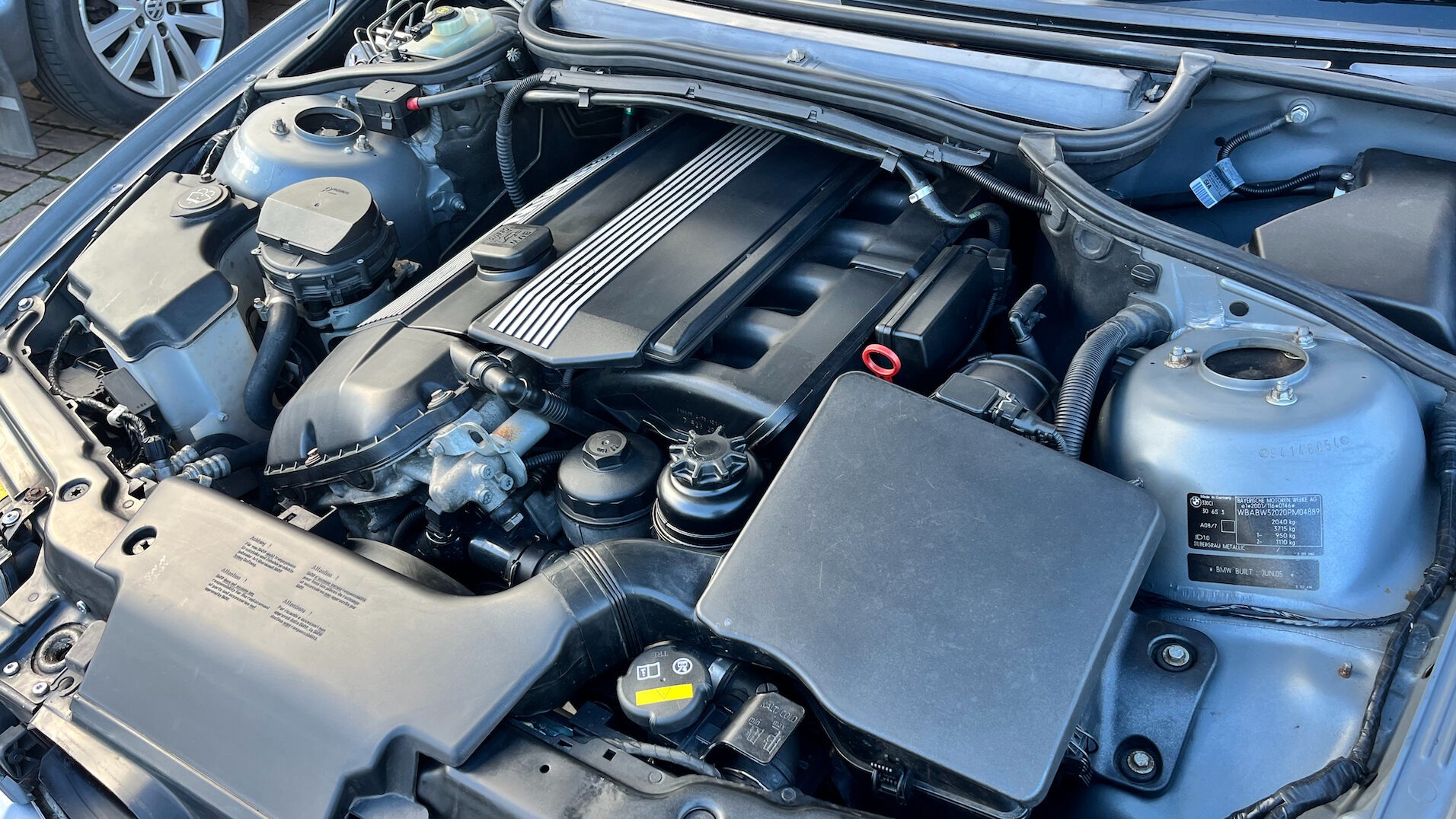
BMW’s M54 inline-six engine, introduced in the early 2000s, is another example of an engine that seldom requires valve jobs. Found in models like the BMW 3 Series and 5 Series, the M54 gained popularity for its smooth power delivery and reliability. While some BMW engines are known for expensive repairs, the M54 is often regarded as one of the more dependable options.
The M54 cylinder head is well-designed, with hardened valve seats that resist wear and maintain sealing for long periods. BMW also engineered the cooling system to protect the valves from excessive heat, which often causes failure in less durable engines. Combined with high-quality fuel injection and strong internals, the valves stay cleaner and last longer.
Owners often push their M54 engines past 200,000 miles without major valve-related problems. Regular oil changes and proper care are usually enough to keep these engines healthy. Even in performance driving, the valves maintain good sealing, and mechanics rarely find issues requiring full valve jobs.
Another factor is that the M54 is naturally aspirated, which reduces the stress on the valve train compared to turbocharged engines. The simplicity of the design allows the valves to operate in stable conditions, reducing wear. This reliability has made the M54 a popular choice for engine swaps and rebuilds, as enthusiasts know the valves are not a weak link.
While BMW engines often get criticized for expensive parts, the M54 remains one of the easiest and most affordable engines to maintain. Its valve reliability contributes to its reputation as a dependable engine, and for many owners, this makes the M54 stand out among European six-cylinders of its era.
5. Toyota 1ZZ-FE
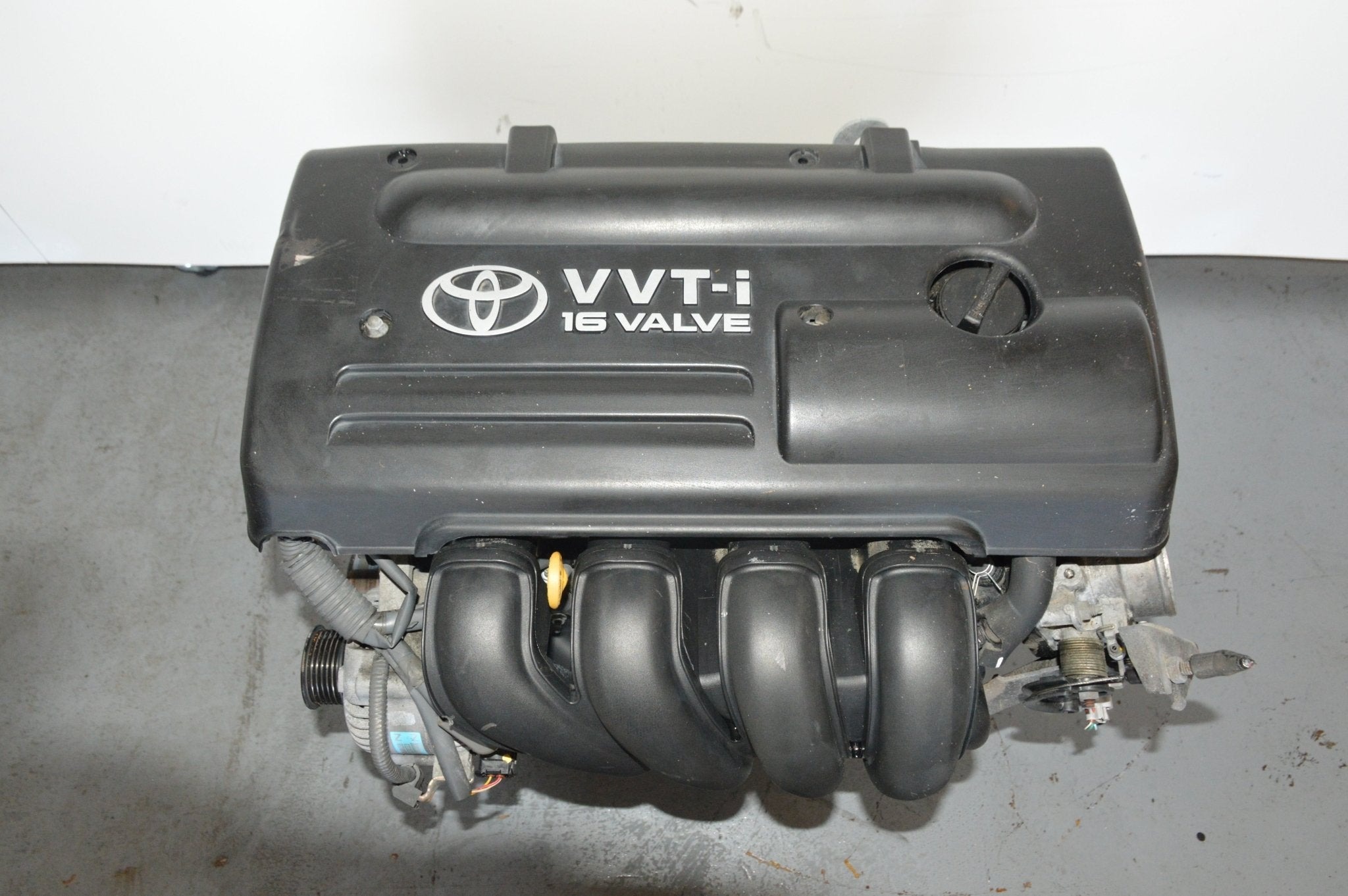
Toyota’s 1ZZ-FE four-cylinder engine, found in cars like the Corolla, Celica, and Matrix, is often praised for its simple yet durable design. Among its strongest qualities is valve reliability, as this engine rarely requires valve jobs even after long-term use.
The 1ZZ-FE was designed with fuel economy and everyday usability in mind. Toyota used durable materials in the cylinder head and engineered the valve seats to withstand thousands of miles without losing sealing efficiency. Because this engine was targeted toward daily drivers, engineers prioritized long-term reliability over extreme performance. This focus paid off, as valve problems are uncommon.
Owners often drive these engines past 250,000 miles with only basic maintenance. The valve system handles stress well, thanks to a conservative compression ratio and efficient combustion chamber design. Toyota also made the 1ZZ-FE with hydraulic lifters in many versions, reducing the need for frequent valve adjustments.
Mechanics often find that even after years of neglect, the valves remain in good condition. While other parts of the engine may show wear, the valves continue to seal properly. This makes the 1ZZ-FE one of the most dependable small engines Toyota has produced.
For drivers seeking an engine that provides long service without frequent repairs, the 1ZZ-FE has proven itself. Its combination of durability, simplicity, and low-cost maintenance keeps it on the list of engines that rarely require valve jobs.
5 Engines That Constantly Require Valve Jobs
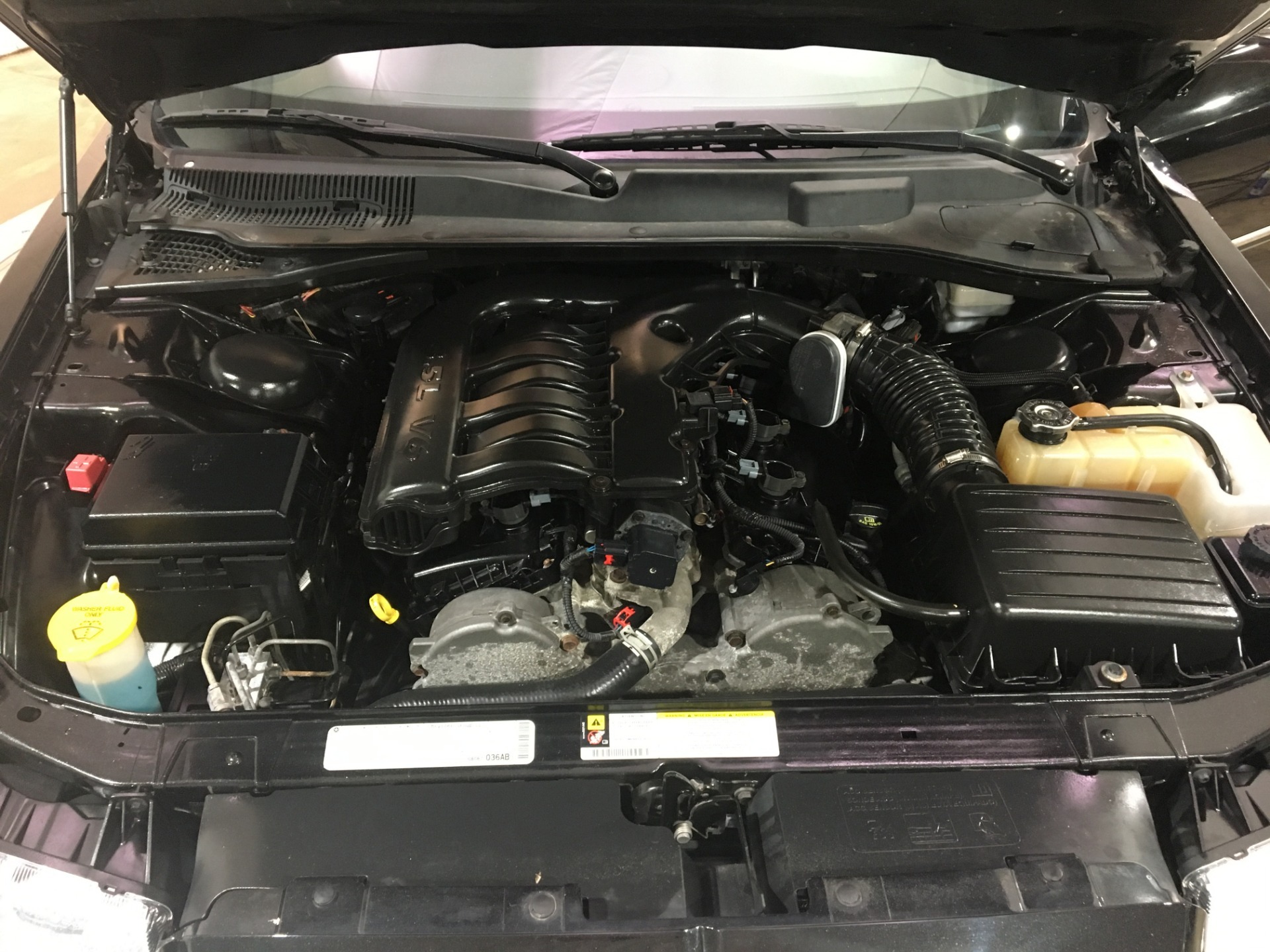
1. Chrysler 2.7L V6
The Chrysler 2.7L V6 engine, used in cars like the Dodge Intrepid and Chrysler Sebring during the late 1990s and early 2000s, developed a reputation for being troublesome. Among its most common issues was valve damage, which often led to frequent valve jobs or complete engine rebuilds. Many owners were disappointed by how often these engines developed top-end problems compared to rivals.
One of the biggest weaknesses of the 2.7L V6 was its poor oiling system. Sludge buildup became a widespread complaint, as oil passages inside the engine were narrow and prone to clogging. When oil failed to reach the valves properly, wear increased rapidly. Burnt valves, poor compression, and misfires became common symptoms that forced owners into costly repairs.
The cooling design also contributed to valve stress. The engine was prone to overheating, and high heat levels damaged valve seats and caused warping of the cylinder heads. Once that happened, a valve job was often the only way to restore proper sealing. Many mechanics reported that even engines with low mileage could develop valve problems if regular oil changes were skipped or if sludge accumulated.
Because this engine was used in affordable family sedans, many owners expected it to be dependable for long commutes. Instead, it developed a reputation for unreliability, especially in the top-end. While Chrysler attempted to improve the design after a while, the early versions left a lasting negative impression.
Mechanics often caution buyers to avoid vehicles with the Chrysler 2.7L V6 unless they are prepared for major repairs. Valve jobs, timing chain failures, and oil starvation issues continue to define its legacy. For anyone looking at used cars from this era, the 2.7L V6 is one of the engines most likely to require valve work far earlier than expected.
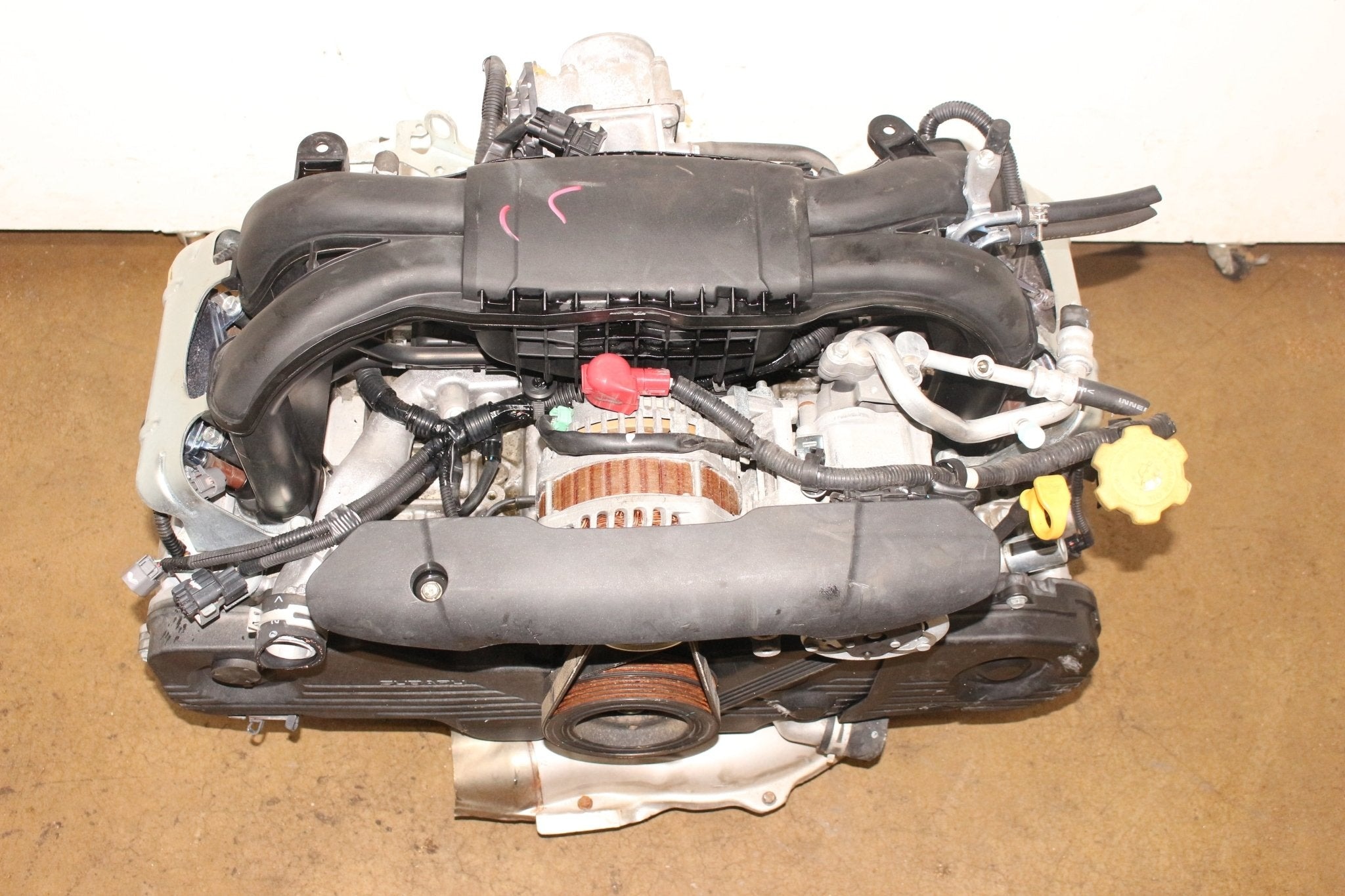
2. Subaru EJ25
Subaru’s EJ25 flat-four engine has been widely used across models such as the Outback, Forester, and Legacy. While Subaru vehicles have earned respect for their all-wheel-drive systems and handling, the EJ25 engine has become notorious for frequent valve-related repairs. Owners often report needing valve jobs sooner than they expected, and mechanics confirm this as a recurring weakness.
The biggest contributor to valve wear in the EJ25 is its chronic head gasket problems. When head gaskets fail, coolant leaks into the combustion chamber, which damages valves and seats. Overheating also becomes a concern, and once valves are exposed to extreme heat, they often lose their sealing ability. This leads to misfires, compression loss, and expensive repairs.
The design of the EJ25 also places added stress on the valve system. Being a boxer engine, the layout creates unique cooling challenges. When the engine runs hot, the valves on certain cylinders face more thermal stress than others, accelerating wear. Mechanics frequently report finding burnt valves when tearing down these engines for rebuilds.
Another factor is Subaru’s use of thinner valve materials in certain versions of the EJ25. After a while, these valves struggle under repeated cycles of heating and cooling. Owners who neglect maintenance or run low-quality oil often find themselves facing valve jobs before reaching 150,000 miles, which is much earlier than expected for a modern engine.
Although Subaru loyalists appreciate the driving dynamics of vehicles powered by the EJ25, they also recognize the high probability of valve repairs. Many aftermarket specialists even offer reinforced valves and upgraded head gaskets as a preventative measure. Without such upgrades, the EJ25 remains one of the engines that frequently sends owners to the shop for valve jobs.

3. Volkswagen 1.8T
The Volkswagen 1.8T turbocharged four-cylinder engine, used in vehicles like the Jetta, Passat, and Audi A4 during the late 1990s and early 2000s, combined performance with efficiency. However, its valve reliability has always been a sore spot. Many owners have experienced valve problems long before they expected them, making this engine one of the common candidates for valve jobs.
Turbocharging places extra stress on the valve train, and in the case of the 1.8T, the factory design did not handle heat very well. Valves were frequently exposed to high exhaust gas temperatures, which caused them to wear or burn prematurely. Once that happened, misfires, poor fuel economy, and loss of power became common complaints.
Another issue came from Volkswagen’s recommendation for long oil change intervals. Many drivers followed those guidelines, which led to sludge buildup inside the engine. Just like with Chrysler’s 2.7L V6, oil starvation often caused valve train wear. By the time owners noticed rough running or smoke from the exhaust, the valves already needed attention.
The 1.8T was otherwise praised for being fun to drive, but its valve weakness damaged its long-term reputation. Mechanics often had to replace burnt exhaust valves, resurface seats, or perform full valve jobs after only 100,000 miles. This is far earlier than engines from Honda or Toyota that could easily double that mileage without valve repairs.
Even today, enthusiasts who keep the 1.8T alive often upgrade valves to stronger aftermarket versions. Those who do not take preventative measures usually end up facing the same issues that plagued these engines when new. While loved for its punchy performance, the Volkswagen 1.8T remains infamous for needing valve jobs far too often.

4. Ford 5.4L Triton V8
The Ford 5.4L Triton V8, part of the modular engine family, powered F-150 trucks, Expeditions, and other large vehicles for years. While it was known for delivering solid torque and hauling capability, it developed a reputation for valve-related problems. Many mechanics consider it one of the engines most likely to require valve jobs during its lifespan.
The main weakness was the valve seat design. Some versions of the 5.4L Triton had valve seats that were pressed into the aluminum cylinder heads. Under certain conditions, these seats could loosen or drop out, leading to catastrophic damage. When a valve seat dropped, the engine often lost compression instantly and required major repairs, including a valve job or complete rebuild.
Another common issue was spark plug ejection, which, while not directly a valve problem, often led to cylinder head damage that exposed weaknesses in the valve system. Once cylinder pressure was compromised, valves suffered from abnormal wear, making valve jobs necessary.
The Triton engines also developed problems with valve guide wear. Owners often complained of ticking noises or rough idling, which were traced back to valve sealing problems. Mechanics found themselves regrinding seats or replacing valves more frequently than with rival truck engines from GM or Dodge.
Despite its strong pulling power, the 5.4L Triton gained a reputation for expensive top-end repairs. Truck owners who relied on these engines for heavy workloads often faced costly valve jobs long before reaching the kind of mileage seen with Toyota or GM powerplants. This history has kept the Triton on the list of engines prone to valve-related issues.
Also Read: 5 Diesel Engines That Outlive Pickups vs 5 That Crack Under Pressure

5. Mitsubishi 3.0L V6 (6G72)
Mitsubishi’s 3.0L V6 engine, known as the 6G72, was widely used in vehicles like the Dodge Caravan, Mitsubishi Montero, and Chrysler minivans throughout the 1990s. While it powered a wide range of family vehicles, it became known for frequent valve problems that sent many owners to the mechanic for repairs.
One of the recurring issues was valve guide wear. As these engines aged, the guides often became loose, causing valves to wobble and fail to seat properly. This led to oil consumption, blue smoke from the exhaust, and loss of compression. The only permanent solution was a valve job, which was expensive and time-consuming.
Burnt valves were also common, especially on high-mileage versions of the 6G72. Exhaust valves in particular suffered from overheating, leading to pitting and sealing failure. Mechanics often had to resurface or replace these valves when customers brought in vehicles with misfires or loss of power.
Because the 6G72 was used in family cars and minivans, many owners did not expect such high repair costs. For drivers who maintained their engines carefully, the valves still wore down faster than expected compared to competitors like Toyota’s 1MZ-FE. This made the 6G72 less attractive in the long term, even though it was initially praised for smoothness and decent performance.
Even today, mechanics who rebuild older Mitsubishi or Chrysler vehicles with the 6G72 expect to perform a valve job as part of the process. The engine’s history with valve guide wear and burnt valves places it firmly on the list of engines that constantly require valve attention.
