The Dodge Journey has long been a budget-friendly option in the midsize crossover segment, offering three-row seating, practical storage, and basic family-oriented features. Over its lifespan, the Journey has experienced significant ups and downs in reliability, performance, and technology.
While some model years exemplify Dodge’s commitment to affordability and dependability, others are marred by systemic mechanical and electrical issues.
Understanding which Journeys are worth keeping and which are best avoided can save buyers time, money, and frustration. In this article, we highlight five Dodge Journey model years that deliver the most dependable driving experience, alongside five years where recurring issues and safety concerns suggest caution.
By examining performance, comfort, interior quality, and owner-reported reliability, prospective buyers can make informed decisions, whether seeking a practical family SUV or a low-cost used vehicle that won’t compromise peace of mind.
5 Dodge Journey Years Worth Keeping
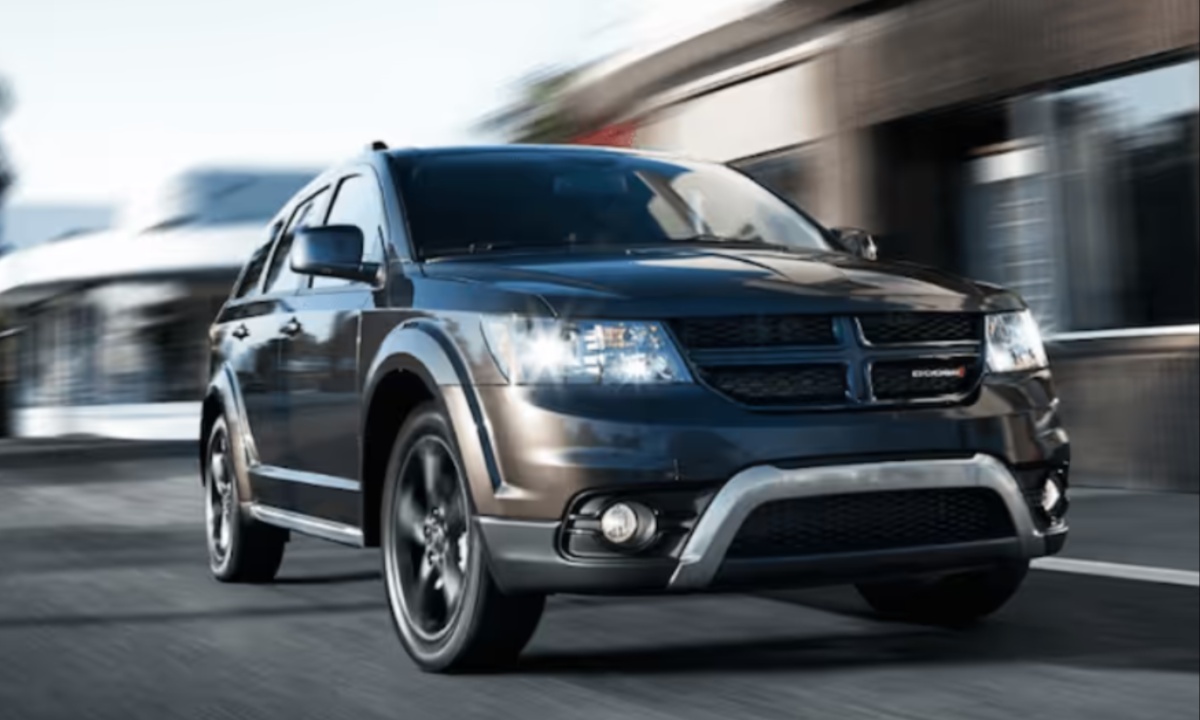
1. 2020 Dodge Journey
The 2020 Dodge Journey is widely regarded as the most reliable model year of the Journey lineup, according to owner reports and the National Highway Traffic Safety Administration (NHTSA). With only 17 complaints filed and no recalls, this model benefited from refinements made during the vehicle’s final production years.
Some minor issues were noted, including occasional glitches with the Uconnect infotainment system and reversing camera. Critics have also highlighted the low-quality cabin materials, though these do not significantly affect the vehicle’s reliability.
The 2020 Journey represents the last generation of a model first introduced in 2009, with the base trim renamed SE Value, while the GT trim and V6 engine were discontinued.
By 2020, Dodge had simplified the Journey considerably. Only two trims were available, paired with a single four-cylinder engine and a four-speed automatic transmission. All-wheel drive was eliminated, leaving only front-wheel-drive options.
While the Journey once offered a more diverse lineup with a V6 engine and multiple trim levels, the final model emphasized affordability over features or performance.
The low-cost interior, underpowered engine, and subpar driving dynamics leave the Journey trailing behind modern competitors, even with its budget-friendly price. Vehicles such as the Kia Sorento, Volkswagen Tiguan, and Mitsubishi Outlander outperform the Journey in space, features, and driving experience.
Performance is a weak point for the 2020 Journey, earning a 5.5/10 rating. Its four-cylinder engine struggles with acceleration, and the four-speed automatic transmission is outdated compared to rivals’ six- or eight-speed systems.
Steering is light but lacks precision, and the suspension produces noticeable wobbling in corners. Braking is adequate for everyday driving but less reliable during emergency stops.
Comfort is slightly better, rated 6.5/10. While the suspension cushions road bumps effectively, it can feel bouncy at higher speeds. Driver and passenger seats offer mixed support, with firm lumbar support for the driver but stiff third-row seating for adults.
The interior is functional but uninspired, earning a 6.5/10 rating. Front and second-row seating is reasonably spacious, though third-row accommodations are cramped. Controls and the touchscreen are mostly intuitive, though certain features, like the wiper-turn signal stalk and trip computer, are poorly designed.
The 8.4-inch Uconnect infotainment system is the cabin’s highlight, with optional navigation and upgraded audio. Storage is limited, with a maximum capacity of 67.6 cubic feet and minimal trunk space when the third row is in use.
Hidden cubbies provide some relief, but towing capacity is just 1,000 pounds, well below competitor standards.
Fuel economy and value present additional drawbacks, rated 5/10 and 5.5/10, respectively. The 2.4-liter engine delivers an EPA estimate of 21 mpg (19 city/25 highway), which lags behind rivals due to its outdated transmission.
While the Journey’s starting price is low, the interior’s cheap materials and limited features make it difficult to justify against competitors offering better performance, design, and warranties.
Basic coverage of three years/36,000 miles and a five-year/60,000-mile powertrain warranty aligns with industry standards, but rivals often provide superior protection. While the 2020 Dodge Journey is reliable, it falls short in nearly every other aspect, making it a less compelling choice in the small SUV segment.
2. 2019 Dodge Journey
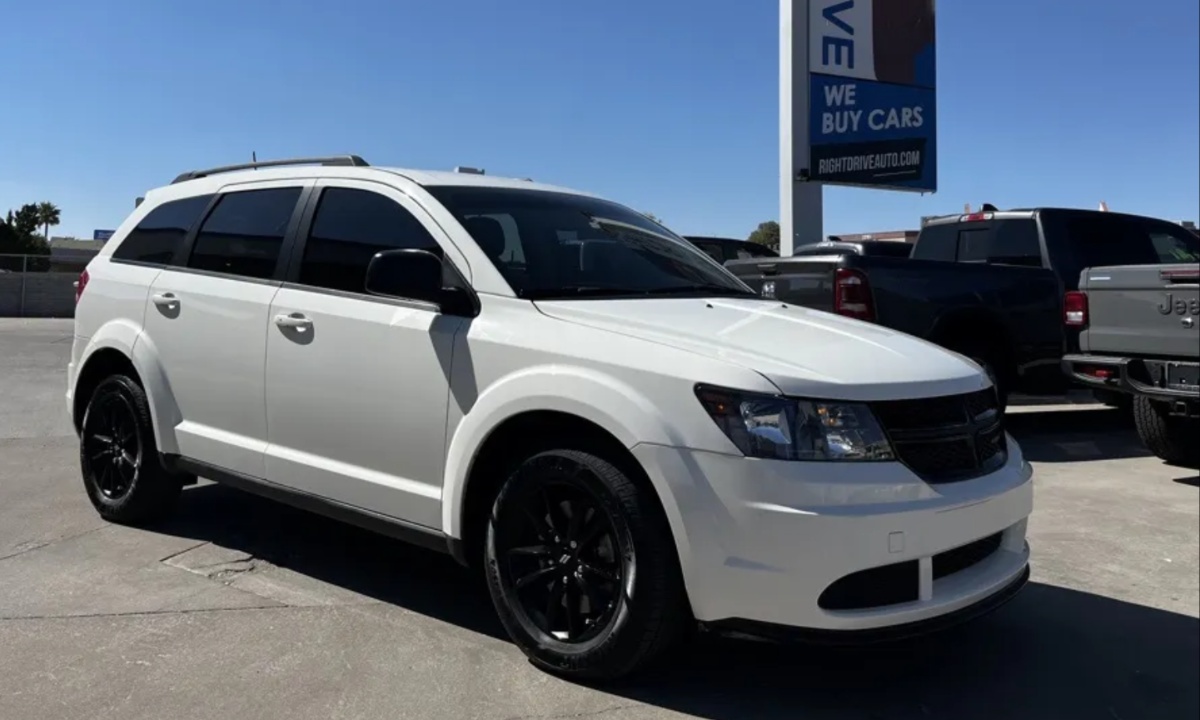
The 2019 Dodge Journey continues the model’s reputation for reliability, with low owner complaints and no recalls reported by the National Highway Traffic Safety Administration (NHTSA).
A total of 39 complaints were recorded, mostly minor issues involving the rearview camera, automatic transmission, or second-row seat mechanisms. Dodge made modest adjustments for this year, discontinuing the SXT trim while adding features to the SE trim and offering new front and rear bodywork for V6-equipped models.
As part of the first-generation Journey introduced in 2009, the 2019 model shows its age, with little evolution in interior quality, driving dynamics, or technology compared to newer SUVs.
The 2019 Journey comes in three trims: SE, Crossroad, and GT, following the discontinuation of the SXT. While Dodge migrated some SXT features to the SE, the styling and cabin quality still feel dated. A new Destroyer Gray paint option adds visual appeal, but aesthetic updates alone cannot compete with more modern rivals.
Even fully equipped, the 2019 Journey lacks many of the safety features now standard on competitors such as the Kia Sorento, GMC Acadia, or Volkswagen Tiguan.
The base four-cylinder engine paired with a four-speed automatic transmission struggles to deliver strong acceleration or efficient fuel economy, while the optional V6 improves power slightly but remains underwhelming in comparison.
Performance remains a weak point, earning a 5.5/10 rating. Even with the optional V6, acceleration is sluggish, steering is light but vague, and handling feels loose and imprecise.
Braking is adequate for everyday driving, though panic stops reveal a soft pedal and occasional tracking issues. Ride comfort, rated 6.5/10, is decent for city driving due to a soft suspension that cushions bumps, but it can feel overly bouncy at higher speeds.
Seat comfort varies, with firm lumbar support for the driver but stiff third-row seating. Noise insulation is mixed, with road and tire noise muted but traffic and wind noise still perceptible inside the cabin.
The Journey’s interior is functional but uninspired, rated 6.5/10 for comfort. Visibility is strong, and front-row ergonomics are adequate, but second- and third-row usability is limited, especially for adults.
Interior quality suffers from hard plastics and stiff seat materials, and occasional rattles undermine perceived durability. Storage is reasonable, with numerous cubbies and built-in second-row booster seats, but cargo capacity is limited at 67.6 cubic feet.
Towing is also underwhelming, with a maximum of 2,500 pounds, far below most three-row competitors.
Technology is one of the 2019 Journey’s weakest areas, rated 4/10. The touchscreen interface is functional but outdated, with clunky navigation and poor voice control. Bluetooth pairing works but lacks smartphone integration, and driver aids are virtually nonexistent. Audio quality is average, and only one USB port is available.
While the 2019 Dodge Journey offers low purchase cost and basic functionality, it falls short in technology, driving dynamics, interior quality, and safety features.
Its strengths lie mainly in reliability and practical storage, but in nearly every other category, modern competitors outperform it, making it a less compelling choice in the three-row SUV segment.
3. 2018 Dodge Journey
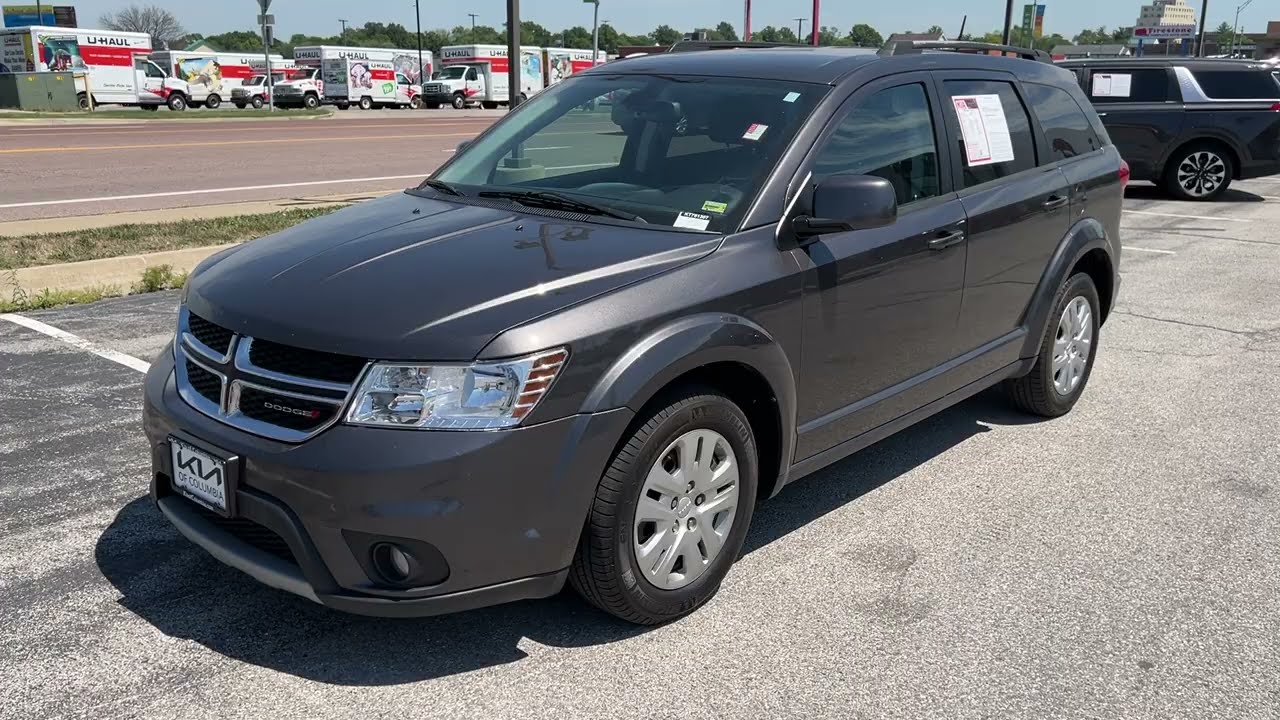
The 2018 Dodge Journey shows a pattern familiar to the model’s later years: fewer issues appear in more recent models. While this year recorded 145 complaints, higher than the 2019-2020 models, it remains relatively low for the Journey lineup.
Common problems included intermittent power loss at speed and Bluetooth connectivity issues with Uconnect. Six recalls were issued for both AWD and FWD models, addressing reversing camera malfunctions, cruise control faults, and exterior lighting issues.
Notably, this year made the third-row seat standard across all trims, maintaining the Journey’s appeal as an affordable three-row crossover despite its age and dated design.
By 2018, the Dodge Journey was essentially the same vehicle introduced in 2009, with few substantial updates. The interior and exterior design remained largely unchanged, reflecting a decade-old platform.
While the V6 engine was optional, the base four-cylinder paired with a four-speed automatic resulted in lackluster performance and poor fuel economy. Upper trims featured the 8.4-inch Uconnect infotainment system, though it lacked modern smartphone integration via Apple CarPlay or Android Auto.
The vehicle’s low starting price and three-row seating were its primary selling points, but safety features and technology lagged far behind competitors like the Kia Sorento, GMC Acadia, and Volkswagen Tiguan.
Driving performance is modest, earning a 5.5/10 rating. Acceleration is slow even with the 283-horsepower V6, taking 7.8 seconds to reach 60 mph, while the base four-cylinder struggles further.
Braking is adequate, with a firm feel in town, but noticeable nosedive and squirm during panic stops. Steering is light yet uncommunicative, and handling feels sloppy, with significant body roll through corners.
Drivability suffers from the four-speed automatic, which shifts too quickly at times and too slowly on inclines. The 2018 Journey is adequate for highway cruising but falls short of the refined dynamics offered by newer three-row SUVs.
Comfort is a relative strength, rated 6.5/10. Seats are generally supportive, with six-way power adjustments for the driver and sliding/reclining rear seats, though the third row is suitable only for children.
The suspension cushions most bumps effectively, and cabin noise is well controlled, though engine revving can become pronounced on climbs. Interior space is comparable to compact SUVs, offering family-friendly accommodations but less room than rivals such as the Honda CR-V or Chevrolet Equinox.
Visibility is good thanks to a large windshield, though rear headrests and pillars limit sightlines. The cabin features a functional layout with an easy-to-use touchscreen, though controls are somewhat jumbled.
The 2018 Journey provides reasonable utility and storage, earning a 6/10 rating. Hidden compartments and under-floor storage compensate for a small glovebox, while cargo space is average for the class. Technology lags behind competitors: the infotainment system works well but lacks smartphone integration, and driver aids are minimal.
The 2018 Dodge Journey remains a low-cost, practical option for families needing three-row seating, but it is outclassed in performance, interior quality, and features by more modern SUVs.
Its strengths are affordability, basic reliability, and a comfortable ride, making it a decent choice for budget-conscious buyers willing to overlook dated technology and driving dynamics.
5. 2017 Dodge Journey
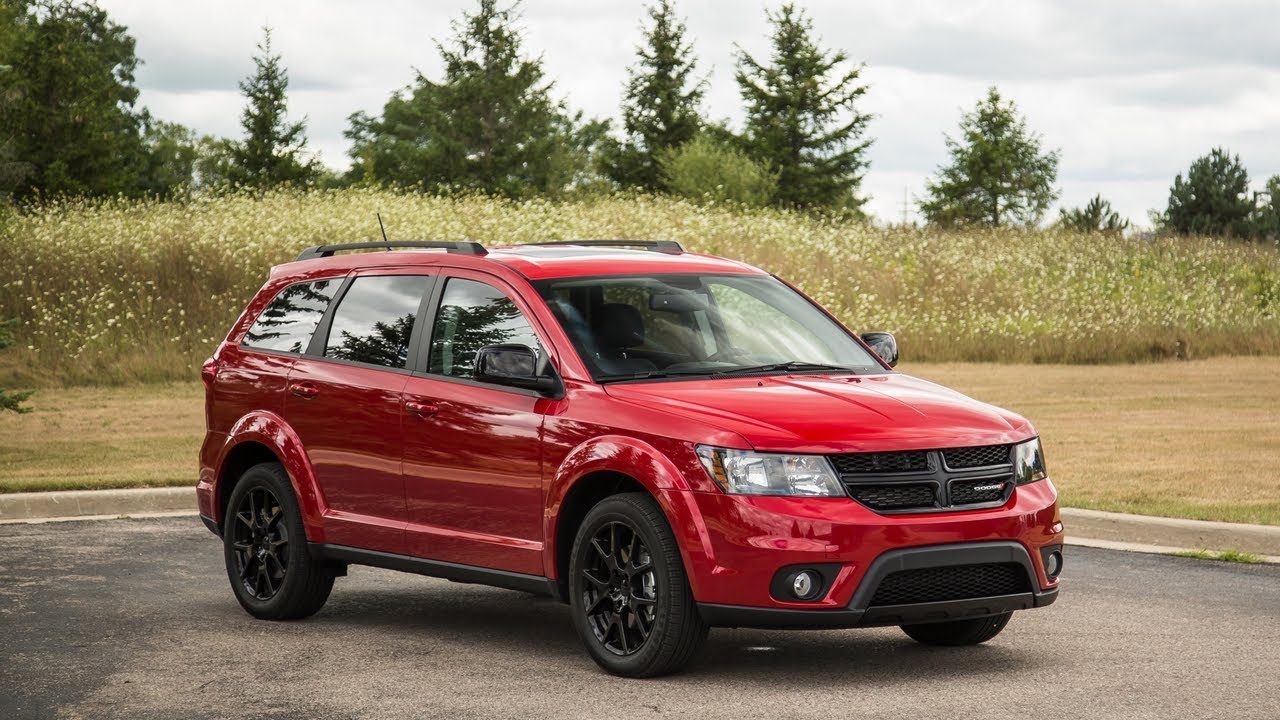
The 2017 Dodge Journey remains largely unchanged from prior years, carrying forward the same platform introduced in 2009. A new top-level GT trim replaced the R/T, and the V6 engine became standard with all-wheel drive unless paired with the GT.
While aging, the Journey continues to provide affordable three-row seating and family-friendly features. Standard safety includes antilock brakes, traction and stability control, front and side airbags, side curtain airbags, and a driver knee airbag.
Integrated second-row booster seats are optional, and a rearview camera and parking sensors are available. Advanced driver aids like blind-spot monitoring and lane departure warning are not offered, reflecting the Journey’s dated design.
Despite its age, the 2017 Journey has maintained a functional and family-oriented design. The interior materials are generally acceptable for their price, with a contemporary dashboard and clear gauges.
Storage options abound, including cubby holes under the floor and throughout the cabin, along with integrated booster seats. The available third-row seat accommodates children and comes with a separate rear air-conditioning system.
Maximum cargo capacity is 67.6 cubic feet with all seats folded, which is average for the class. The optional 8.4-inch Uconnect touchscreen remains a highlight, praised for its large icons, intuitive menus, and user-friendly design.
Driving performance varies significantly depending on the engine choice. The base four-cylinder engine is underpowered, noisy, and paired with a four-speed automatic that limits fuel efficiency and acceleration.
The recommended 3.6-liter V6 improves performance, though its six-speed automatic can be slow to downshift when needed. Handling is soft, with noticeable body lean in corners, while steering feels slow and less communicative.
Braking performance is adequate; a V6-equipped FWD Journey stopped from 60 mph in 124 feet, typical for this class. The 2017 Journey feels heavier and less responsive than newer small SUVs, though it remains manageable for everyday driving.
The 2017 Journey scores reasonably well for comfort and usability. The front seats are supportive, while the second row provides sufficient legroom, and the third row accommodates children. Ride quality is smooth over rough pavement, though the soft suspension contributes to body roll in turns.
Noise insulation is fair, and the cabin remains quiet on highways. Getting in and out is easy thanks to standard SUV seat height and door dimensions. While interior space is not class-leading, it is adequate for families who need a low-cost, three-row crossover.
The 2017 Dodge Journey continues to offer value for families seeking a budget-friendly three-row SUV. Its technology package is limited but includes the highly regarded Uconnect infotainment system, though it lacks smartphone integration and advanced driver aids.
The optional 8.4-inch Uconnect touchscreen remains a highlight, praised for its large icons, intuitive menus, and user-friendly design. Cargo capacity and storage solutions are practical, making them functional for family outings, groceries, or sports equipment.
Despite its affordability, the Journey’s dated performance, handling, and technology mean that competitors like the Kia Sorento or Honda CR-V may offer a more refined experience.
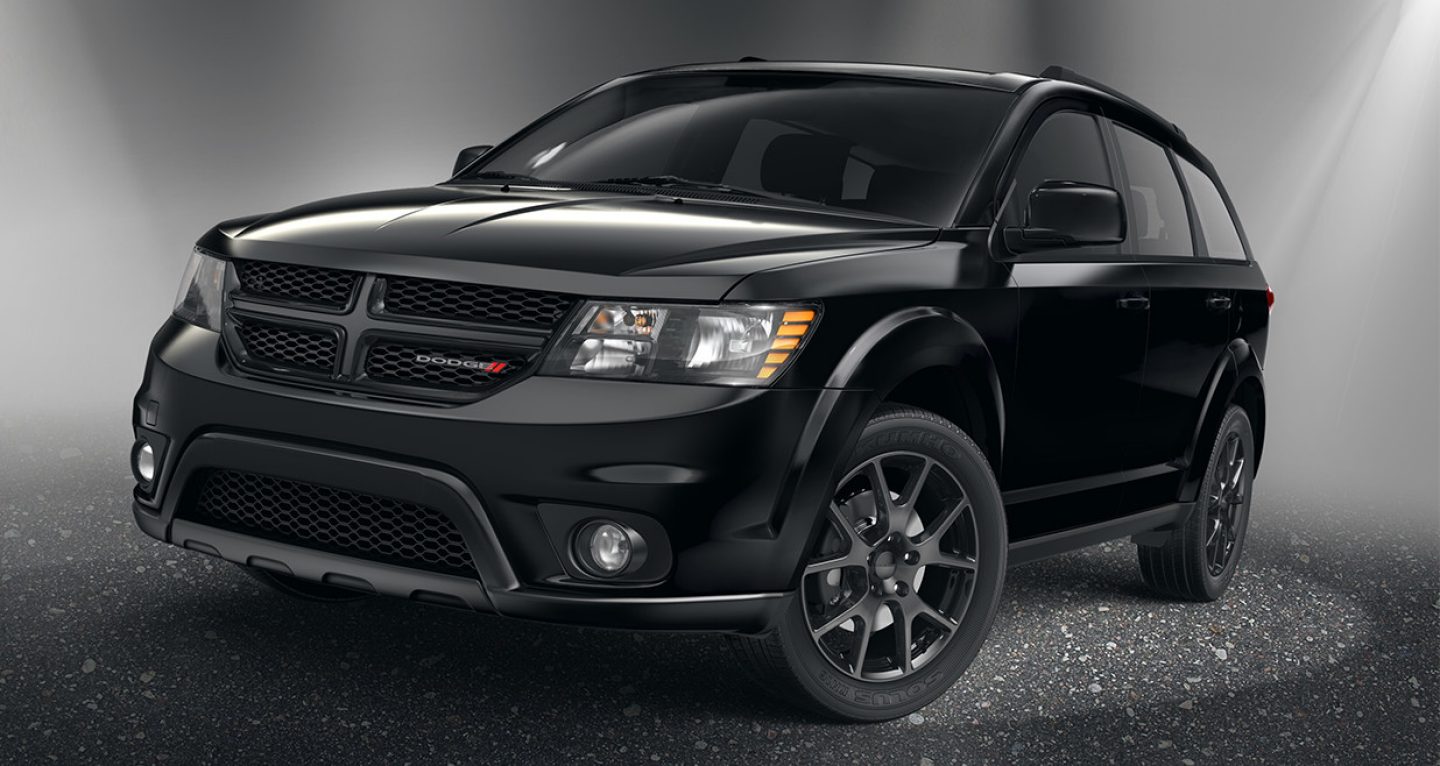
5. 2016 Dodge Journey
The 2016 Dodge Journey remains largely unchanged from previous years, continuing the same platform introduced in 2009. While aging, it still serves as an affordable three-row crossover with family-friendly features.
Standard safety equipment includes antilock disc brakes, traction and stability control, front and side airbags, side curtain airbags, and a driver knee airbag.
Optional features include integrated second-row booster seats, a rearview camera, and rear parking sensors, while advanced technologies like blind-spot monitoring and lane-departure warning are absent.
Despite its age, the Journey continues to offer solid reliability for budget-conscious buyers, although it lags behind competitors in refinement and modern features.
The 2016 Journey is available in SE, SXT, Crossroad, Crossroad Plus, and R/T trims, with front-wheel drive standard and all-wheel drive optional on most trims. The base engine is a 2.4-liter four-cylinder producing 173 hp, while the optional 3.6-liter V6 offers 283 hp and smoother acceleration.
The interior features a functional dashboard with contemporary gauges and generally pleasing materials for its price. The available 8.4-inch Uconnect touchscreen remains a highlight, praised for its large icons, intuitive menus, and ease of use.
Clever storage solutions, including cubbies under the floor and optional integrated booster seats, make the cabin practical for families. Maximum cargo capacity with all seats folded is 67.6 cubic feet, which is average for the class.
Performance varies significantly by engine choice. The four-cylinder engine is underpowered and noisy, coupled with a four-speed automatic that limits fuel efficiency and acceleration.
The V6 paired with a six-speed automatic provides sufficient power, though the transmission can be slow to downshift when needed. Acceleration from 0-60 mph in a V6-equipped FWD Journey is 7.8 seconds, modest for a crossover of this size.
The ride is smooth over rough surfaces, but steering is slow, and body roll through corners is noticeable. The 2016 Journey drives solidly on highways but feels heavy and less responsive compared to modern small SUVs.
Comfort is a relative strength, rated around 6.5/10. Seats are supportive, with ample adjustability in the front row and sliding/reclining second-row seats. The third row is suitable for children and comes with a rear air-conditioning unit.
Noise insulation is adequate, providing a quiet ride on highways. Interior materials are generally good for the segment, with a contemporary and functional layout.
The cabin is family-friendly, with integrated child booster seats, multiple storage compartments, and user-friendly controls. Visibility is acceptable, though tall passengers may feel cramped in the third row.
The 2016 Dodge Journey remains an affordable option for buyers needing three-row seating without breaking the bank. Utility is practical, with hidden storage compartments, fold-flat seating, and average cargo space.
Technology is adequate for the time, with the Uconnect touchscreen standing out, though modern smartphone integration and advanced driver aids are lacking. Safety ratings are mixed: the Journey received four out of five stars in government crash testing but earned a “Poor” in the small-overlap frontal-offset test by IIHS.
The 2016 Dodge Journey delivers reliable, budget-friendly family transport, though it is outclassed in performance, technology, and refinement by more modern competitors.
Also Read: 5 Nissan Leaf Years Worth Owning vs 5 To Avoid
5 Dodge Journey Years To Skip
1. 2009 Dodge Journey: Electrical Nightmare
The 2009 Dodge Journey is widely regarded as the least reliable model year, with a staggering 1,587 complaints and eight recalls recorded by NHTSA as of 2025. Electrical issues dominate owner complaints, accounting for over 800 reports.
Problems ranged from minor annoyances like faulty radios, unresponsive door locks, stuck ignition keys, slow windshield wipers, and malfunctioning signal lights to severe hazards, including flashing warning lights, dead batteries, and even vehicles catching fire.
Owners frequently reported repeated battery failures, power window malfunctions, and dashboard gauges acting erratically.
The extensive problems prompted Dodge to recall more than 800,000 vehicles, citing causes such as defective Totally Integrated Power Modules (TIPM), failed ignition switches, damaged wiring harnesses, and corroded electrical connectors.
Beyond electronics, other systems were unreliable, including airbags that deployed unexpectedly, brake malfunctions, and transmission concerns.
The 2009 Journey’s pervasive electrical failures significantly undermined the vehicle’s safety and usability, making it a cautionary example for prospective buyers and setting a low benchmark for subsequent model years.
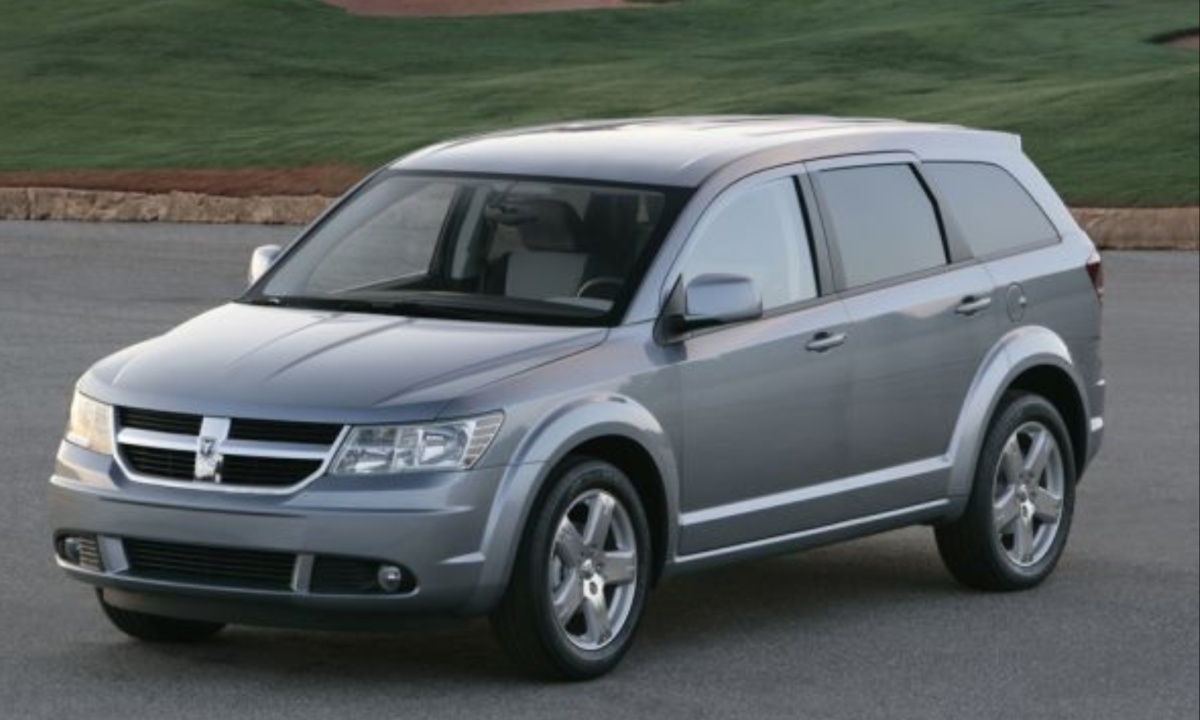
2. 2010 Dodge Journey: Continuing Concerns
The 2010 Dodge Journey continued to struggle with reliability, recording 1,073 complaints and four recalls to date. Electrical issues persisted, including faulty wiring, malfunctioning accessories, and unintended airbag deployments, posing safety risks.
Engine failures emerged as another major concern, especially for vehicles with higher mileage. Owners reported engines shutting down unexpectedly, sometimes within just 20 minutes of driving, leaving drivers stranded.
Brake system problems also surfaced, with pedals sticking or failing, intermittent ABS and traction control warnings, and difficulty maintaining consistent braking performance.
Steering issues were notable, including repeated power steering failures caused by fractured or improperly assembled hoses, which led to fluid leaks and even fire hazards. Dodge conducted recalls to address these critical steering defects, but the recurrence of similar issues indicated systemic weaknesses in the vehicle’s design.
Despite a 3.5L six-cylinder engine option, the combination of outdated four-speed transmissions, inconsistent brakes, and recurring electrical problems made the 2010 Journey a challenging vehicle for reliability-conscious drivers, reinforcing a reputation for persistent mechanical vulnerabilities.
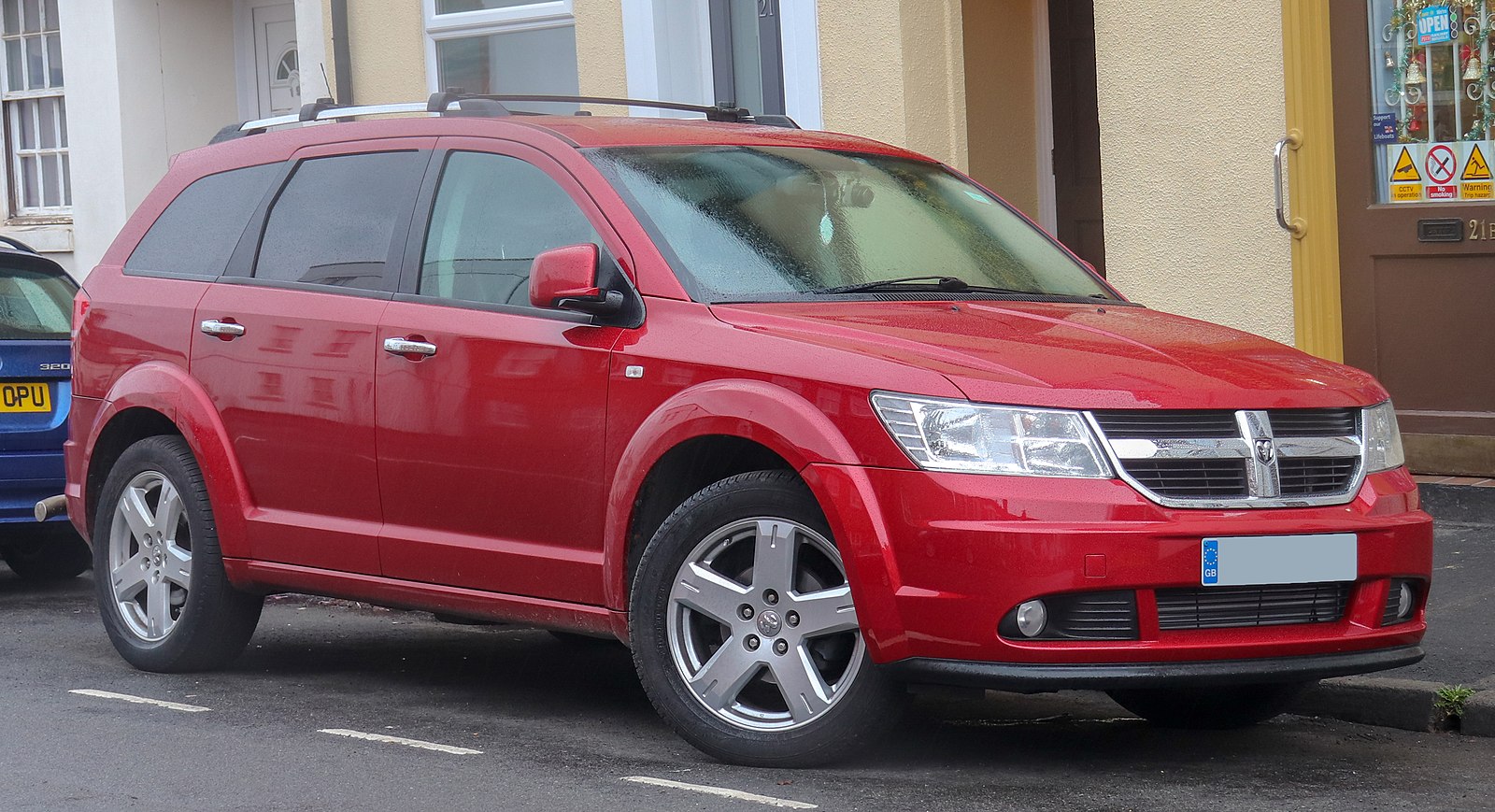
3. 2012 Dodge Journey: Partial Improvements
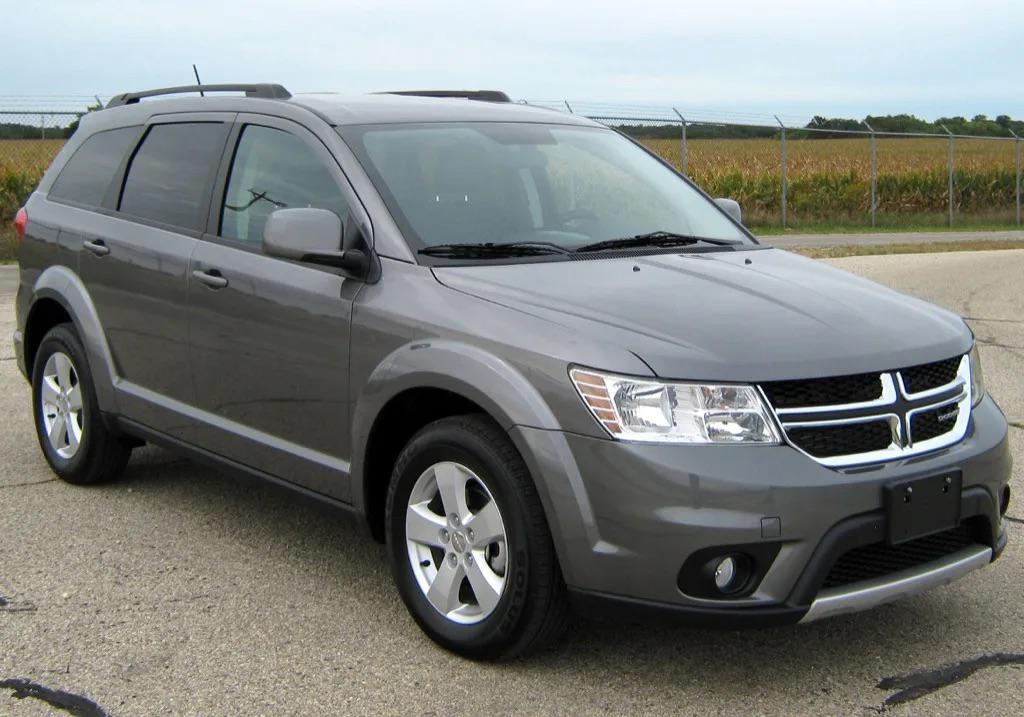
By 2012, the Dodge Journey showed modest improvements, yet reliability problems persisted, with 365 complaints and six recalls noted by NHTSA. Electrical and engine issues remained the primary concerns, though less severe than earlier models.
Owners frequently cited malfunctions in the electronic stability control (ESC) system, often linked to defective ABS modules that allowed water ingress, impairing both ESC and traction control functions. Reports included sudden speed drops and warning lights, particularly in wet conditions, which required towing and repairs.
While these issues affected fewer vehicles than in 2009 or 2010, the ESC defects posed serious safety risks, as compromised stability could increase the likelihood of accidents. Braking system complaints continued, often associated with warning lights triggered by ABS or ESC malfunctions.
Though the 2012 model was a step forward, the vehicle’s electronics and powertrain still displayed systemic vulnerabilities, reminding buyers that, despite incremental fixes, the Journey remained a model requiring vigilance regarding maintenance and operational safety, particularly in older or higher-mileage units.
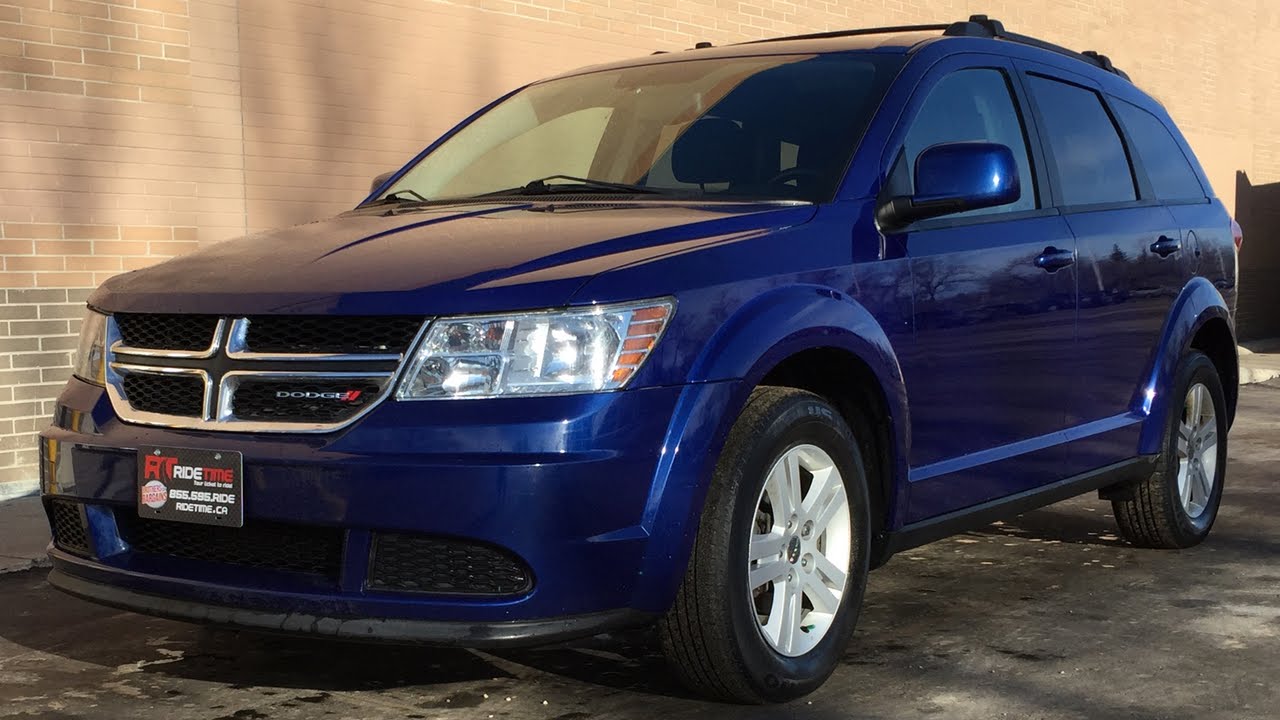
4. 2014 Dodge Journey: Recurring Safety and Mechanical Issues
The 2014 Dodge Journey continued the pattern of moderate reliability, with 396 complaints and seven recalls noted by NHTSA. Electrical system problems remained prevalent, though engine issues became more prominent. Airbag malfunctions drew attention, including headrest airbags deploying spontaneously, risking occupant injury.
The airbag warning light is frequently illuminated due to faulty wiring harnesses, requiring expensive repairs. Steering concerns were also reported, with some vehicles experiencing hard steering or complete wheel lock-ups.
Transmission performance was inconsistent, manifesting as hard shifting, jerking, fluctuating oil pressure, and illuminated Check Engine lights. The combination of these recurring mechanical and electronic problems indicated that while Dodge addressed specific recalls, systemic weaknesses persisted across multiple systems.
Owners continued to report diminished confidence in vehicle reliability, particularly concerning safety-critical components like airbags, brakes, and steering.
Though improvements in some areas were noted, the 2014 model reinforced the Journey’s reputation for requiring diligent maintenance and careful monitoring to mitigate the risk of failures.
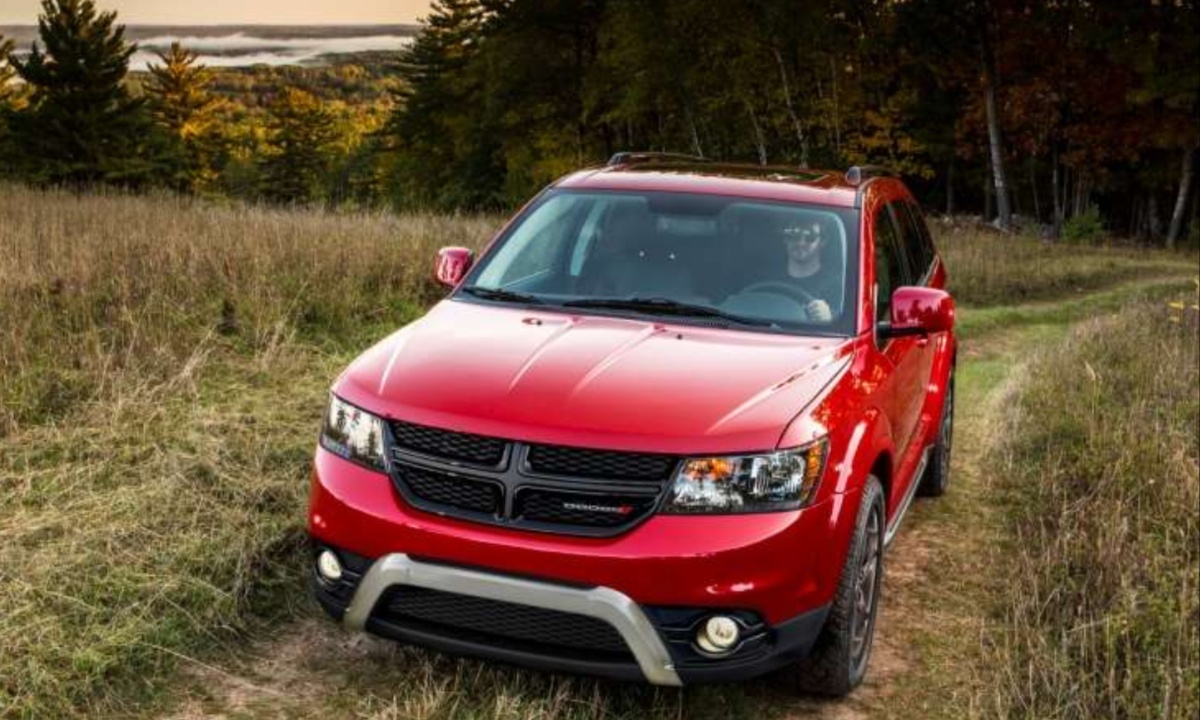
5. 2015 Dodge Journey: Reliability Still Lacking
By 2015, the Dodge Journey remained far from reliable, with 524 complaints and six recalls. Engine failures continued to plague owners, often manifesting as sudden shutdowns or a noticeable loss of power while driving, sometimes without warning.
Transmission issues were frequent, including grinding, jerking, slipping, and hard shifting, leading to repeated replacements in many cases. The braking system continued to exhibit problems, with ABS lights triggering unexpectedly and affecting other systems like ESC.
Airbag complaints also persisted, especially regarding unexpected headrest deployments, highlighting ongoing safety concerns. While Dodge implemented recalls to address specific defects, systemic vulnerabilities in electronics, powertrain, and safety systems meant that even the newer model years could present significant reliability risks.
Despite incremental improvements compared with the early years, the 2015 Journey could not fully shake its reputation for mechanical and electrical failures, emphasizing that prospective buyers should approach this model with caution and prioritize inspection and maintenance to ensure operational safety.

Choosing the right Dodge Journey requires a careful balance of reliability, comfort, and value. Our analysis shows that the 2016 through 2020 models, particularly the 2020 Journey, offer the most dependable ownership experience, combining functional interiors, family-friendly seating, and fewer reported issues.
Conversely, earlier models, including the 2009, 2010, and 2015 Journeys, reveal recurring electrical, engine, and safety-related problems that can pose significant challenges for owners.
By focusing on the years most likely to deliver consistent performance and minimal maintenance headaches, buyers can enjoy the practical benefits of the Journey without the stress of frequent repairs.
Ultimately, while the Journey may not match modern SUVs in refinement or technology, selecting the right model year ensures a reliable, affordable, and versatile crossover suitable for families, daily commutes, and weekend adventures alike.
Also Read: 5 Honda SUVs That Rarely Break vs 5 That Constantly Do