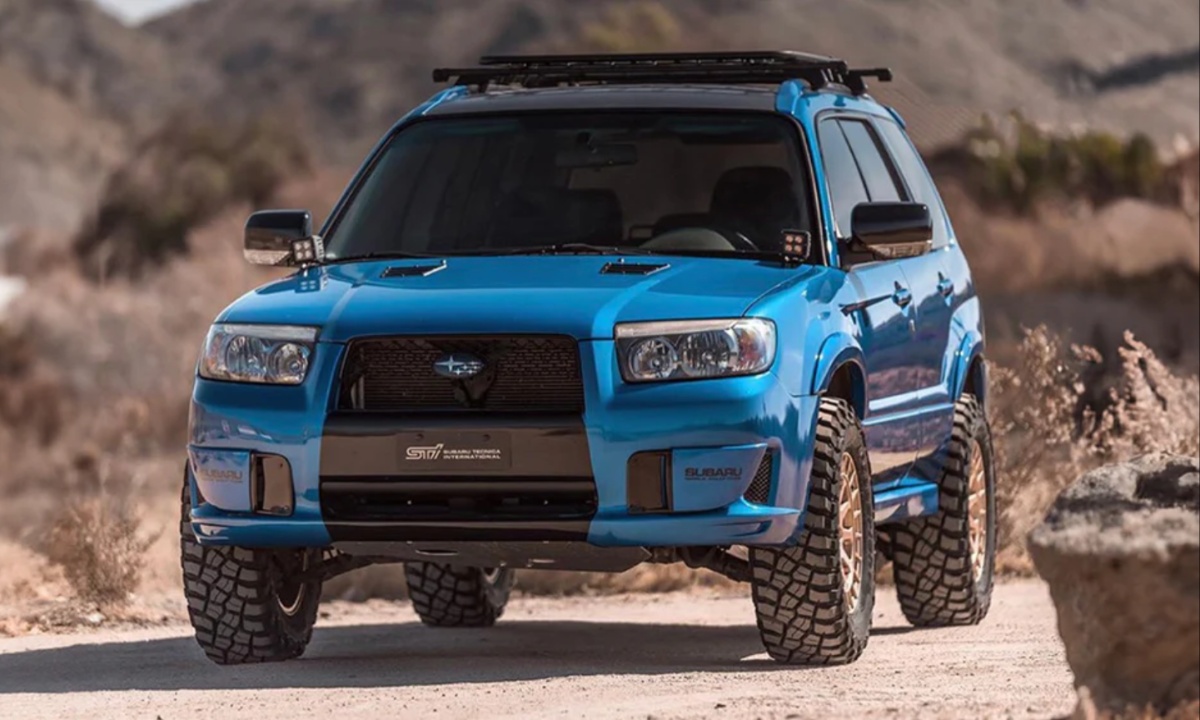
Over the decades, certain SUVs have distinguished themselves not just by their utility, style, or luxury but by an extraordinary longevity that seems almost mythical in today’s automotive world.
Vehicles with “unkillable” engines demonstrate reliability and durability that span hundreds of thousands of miles, often exceeding the expectations of their owners and the market. Among these models, brands like Toyota, Honda, Subaru, GMC, Ford, and Lexus have consistently delivered vehicles capable of exceptional endurance.
High-mileage SUVs reflect the combination of engineering excellence, thoughtful design, and diligent maintenance. This compilation highlights a range of SUVs, from compact crossovers to full-size off-road beasts, illustrating how each one has achieved incredible mileage while offering unique capabilities.
By examining powertrain specifications, drivability, towing capacity, and fuel efficiency, it becomes clear why these SUVs are trusted by long-term owners. The models included here have proven their mettle in real-world conditions, often under rigorous use, making them benchmarks for reliability in their segments.
Each SUV has its own story of resilience, some surpassing 1,000,000 miles, others setting records in hybrid technology or luxury comfort. As we explore these exceptional vehicles, readers will gain insight into what makes an SUV truly durable.
Beyond mechanical reliability, these vehicles also offer lessons in design, versatility, and engineering foresight. The following sections provide detailed profiles of some of the most impressive SUVs with the highest mileage ever recorded.
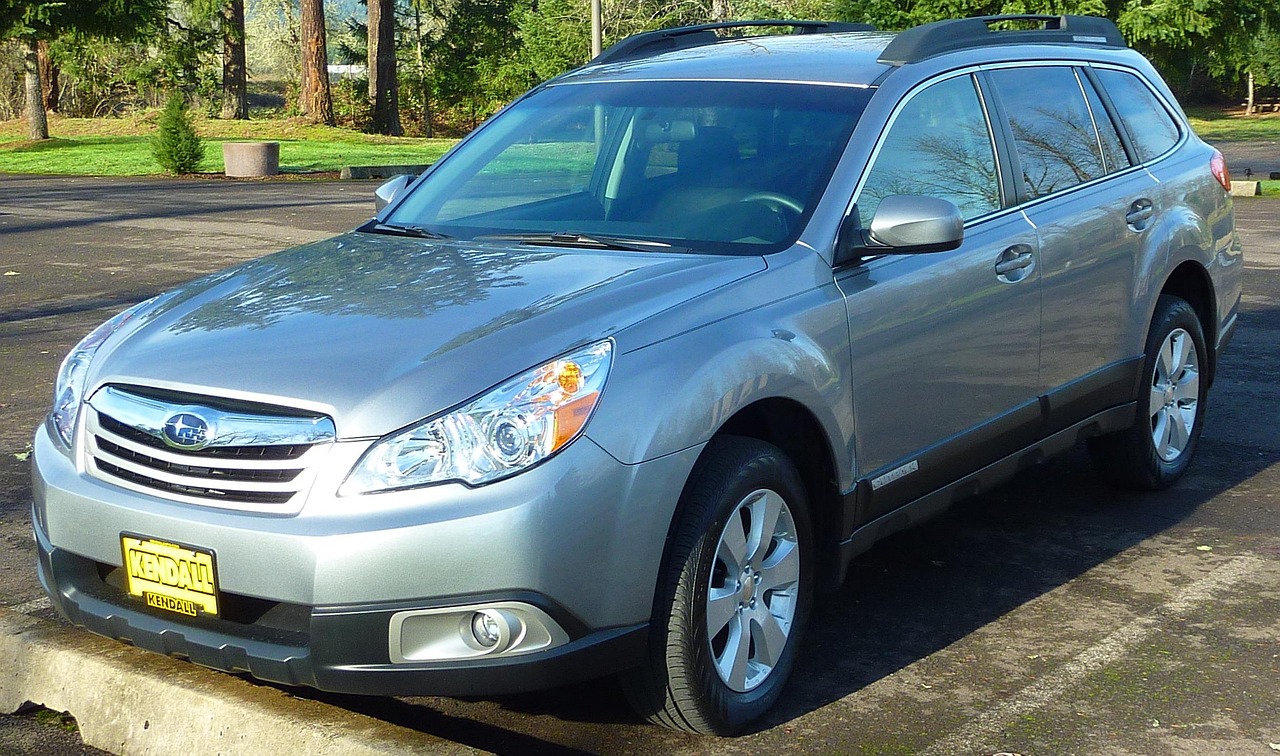
1. 1995-1999 Subaru Outback: The Cult Classic Off-Roader
The first-generation Subaru Outback, spanning 1995 to 1999, earned a cult following as a compact wagon with the versatility of an off-road vehicle. Essentially a lifted variant of the Subaru Legacy, the Outback combined everyday usability with adventure-ready capabilities.
A standout feature was its robust 2.5-liter flat 4-cylinder engine paired with a 5-speed manual transmission, producing 165 horsepower and 162 lb-ft of torque. Its all-wheel-drive system provided excellent traction on dirt roads, snow, or light trails, making it a favorite among outdoor enthusiasts.
Fuel efficiency was respectable for its time, with 18 mpg in the city and 24 mpg on highways. Towing capacity, though modest at 2,000 pounds, allowed owners to haul small trailers or recreational equipment.
Early Outbacks were celebrated not only for their mechanical resilience but also for their ability to maintain performance over extensive mileage; one model was recorded at 300,000 miles. The longevity was largely attributed to Subaru’s attention to durable powertrains, thoughtful engineering, and loyal maintenance practices by owners.
Inside, the Outback offered a functional cabin that could accommodate gear, pets, or passengers comfortably, though luxury features were minimal. Its success prompted Subaru to evolve the Outback into a standalone model, cementing its reputation as a dependable, versatile, and adventure-ready vehicle.
The early Outback demonstrated that small SUVs could survive both the rigors of the road and decades of use, setting a standard for future generations.
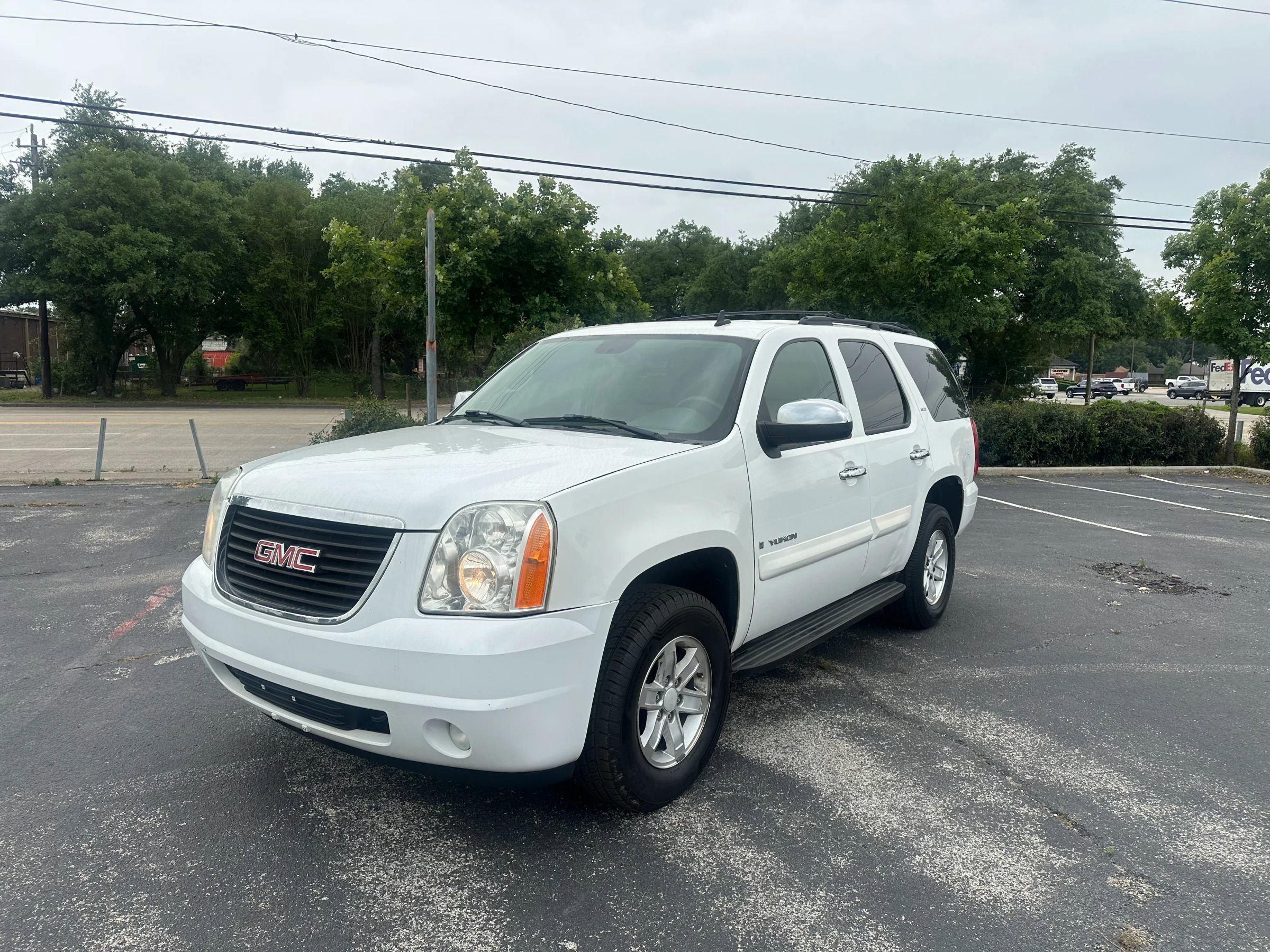
2. 2007-2014 GMC Yukon/Yukon XL: Full-Size Durability
The 2007 GMC Yukon, including the Yukon XL variant, showcased longevity in full-size SUVs with a 5.3-liter V8 engine capable of remarkable mileage. One model achieved over 302,000 miles, proving that large, powerful engines could endure extensive use with proper maintenance.
The V8 engine, producing 320 horsepower and 335 lb-ft of torque, paired with a 6-speed automatic transmission, enabled smooth acceleration and towing efficiency. Rear-wheel drive was standard, and fuel efficiency ranged from 15 mpg in the city to 21 mpg on highways, which was typical for a full-size SUV of this class.
Its towing capacity of 8,500 pounds allowed owners to haul heavy trailers, boats, or equipment confidently. The Yukon’s interior design emphasized passenger comfort, with seating for up to nine occupants, and a spacious cabin that catered to family and utility needs alike.
The Denali variant added even more power and luxury, combining upscale materials with high-performance capability. Owners praised its ride quality, which managed to absorb road imperfections despite the vehicle’s size.
The Yukon’s reliability and robust construction made it a top choice for those seeking longevity alongside comfort and capability. Its continued relevance in the market speaks to GMC’s commitment to building full-size SUVs that combine utility, durability, and a sense of presence on the road.
The Yukon’s combination of endurance and comfort has made it a benchmark for large SUVs with extended lifespans.
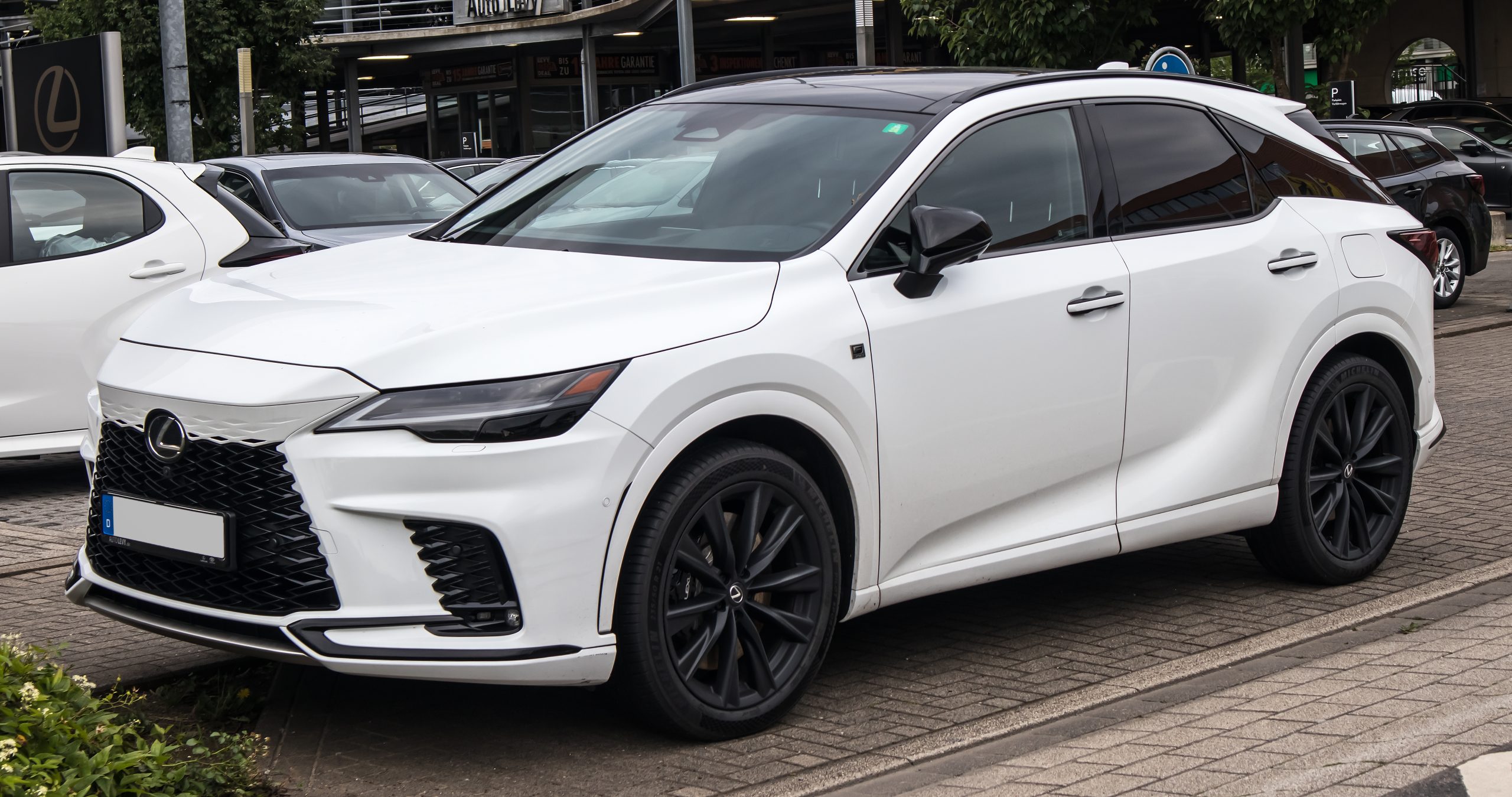
3. 2004-2009 Lexus RX: Luxury Meets Longevity
The 2007 Lexus RX 350 demonstrated that a luxury SUV could achieve durability typically reserved for mainstream models, reaching over 307,000 miles.
Powered by a 3.5-liter V6 engine producing 270 horsepower and 251 lb-ft of torque, coupled with a 5-speed automatic transmission, this SUV offered smooth acceleration and dependable performance.
The front-wheel-drive variant prioritized fuel efficiency, delivering 18 mpg in city driving and 23 mpg on highways, while providing a towing capacity of 3,500 pounds. The RX 350 combined Lexus’ renowned reliability with a high-quality, luxurious interior that included premium materials, advanced technology, and a quiet cabin.
Comfort-oriented suspension and ergonomically designed seating made long trips pleasurable, while the SUV’s moderate size ensured maneuverability in urban and suburban environments.
Its high mileage achievement illustrates the resilience of Lexus engineering, where regular maintenance can extend the life of both engine and drivetrain components. The RX 350 became a benchmark for owners who desired both refinement and long-term reliability in a luxury SUV.
It offered peace of mind to drivers, proving that durability and luxury could coexist without compromise. Beyond mechanical performance, its resale value remained strong, reflecting consumer confidence in the model’s longevity.
This Lexus SUV bridged the gap between a comfortable daily driver and a long-lasting vehicle capable of handling years of varied driving conditions.
4. 1998-2007 Toyota Land Cruiser: The Off-Road Legend
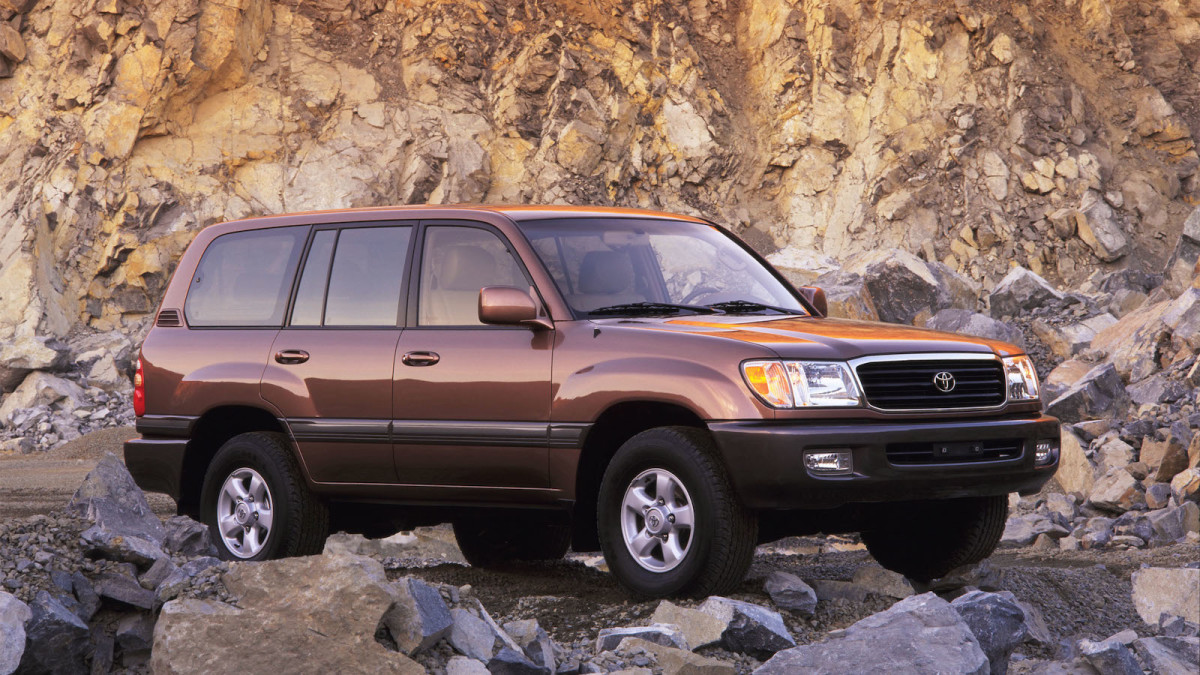
The Toyota Land Cruiser has long been synonymous with durability and off-road capability, and the 2001 model achieved over 310,000 miles. Its 4.7-liter V8 engine, delivering 230 horsepower and 320 lb-ft of torque, coupled with a 4-speed automatic transmission and 4WD system, provided unmatched off-road performance.
Fuel efficiency ranged from 12 mpg in city conditions to 15 mpg on highways, reflecting its full-size SUV status. With a towing capacity of 6,500 pounds, the Land Cruiser could haul substantial loads, making it suitable for both recreational and practical applications.
The interior combined rugged utility with luxury touches, including spacious seating and premium materials. Owners praised its ability to handle remote terrain without mechanical issues, often crediting Toyota’s engineering for its resilience.
The Land Cruiser’s long wheelbase, powerful drivetrain, and robust suspension system contributed to a smooth ride even under challenging conditions. Its longevity is a testament to Toyota’s meticulous build quality and emphasis on durability over flashy features.
Over time, the Land Cruiser became a preferred choice for adventurers, families, and those who required both luxury and off-road dependability.
Its reputation for longevity has inspired a loyal following, and the model remains an icon in the full-size SUV segment. The combination of off-road capability, towing capacity, and mechanical endurance makes it one of the most sought-after SUVs for long-term ownership.
5. 2001-2007 Toyota Sequoia: Big SUV, Big Reliability
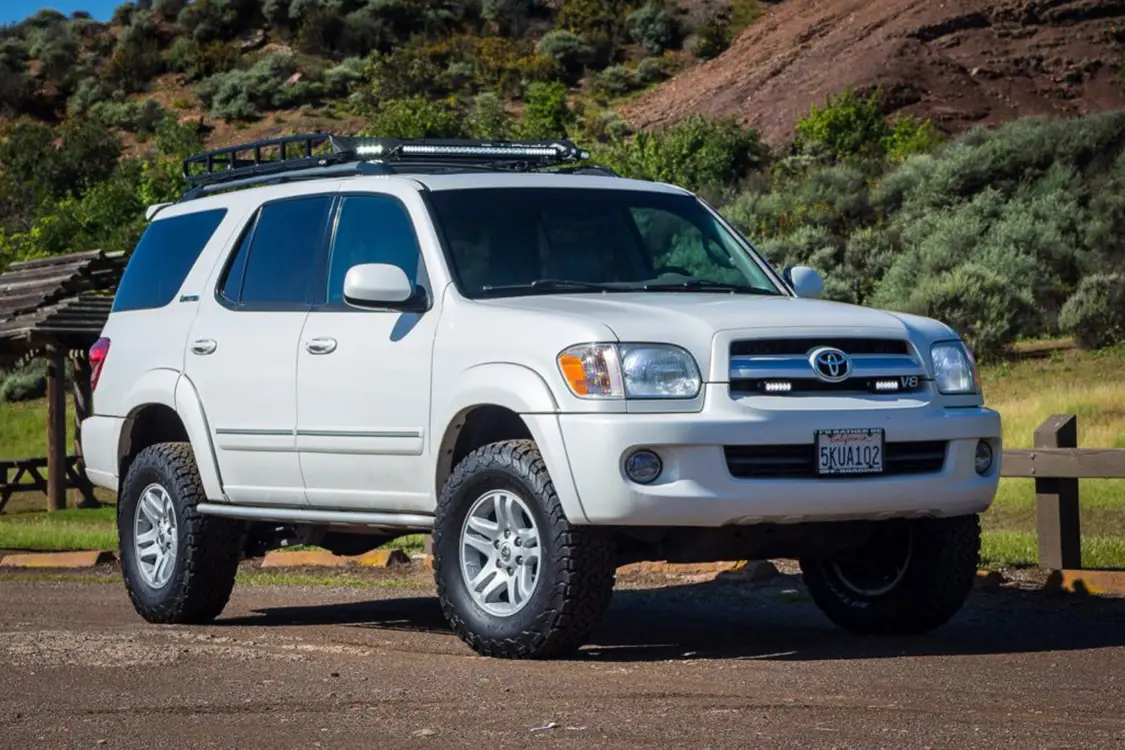
The Toyota Sequoia, particularly the 2003 model, demonstrated impressive longevity, with at least one example reaching 350,000 miles. Equipped with a 4.7-liter V8 engine producing 240 horsepower and 315 lb-ft of torque, paired with a 4-speed automatic transmission, this SUV combined substantial power with dependable performance.
Its 4WD system allowed for confident handling on various terrains, while fuel efficiency ranged from 13 mpg in the city to 17 mpg on highways. Like the Land Cruiser, the Sequoia offered a towing capacity of 6,500 pounds, making it suitable for large trailers and recreational vehicles.
The interior could accommodate eight passengers comfortably, with practical features and a versatile layout for family or cargo needs. Despite its size, the Sequoia was surprisingly agile, enhancing drivability in urban and suburban environments.
Reliability stemmed from Toyota’s focus on robust engineering, especially in the engine and drivetrain, enabling these vehicles to withstand decades of use. The Sequoia’s blend of space, power, and longevity made it an attractive option for large families and adventure enthusiasts alike.
Its high-mileage capability proved that even full-size SUVs could combine utility and endurance without excessive maintenance demands. This model remains a notable example of Toyota’s ability to engineer vehicles that continue to perform reliably well past 300,000 miles.
Also Read: 5 Honda Insight Years Worth Buying vs 5 To Avoid
6. 2001-2007 Toyota Highlander: The Dependable Midsize SUV
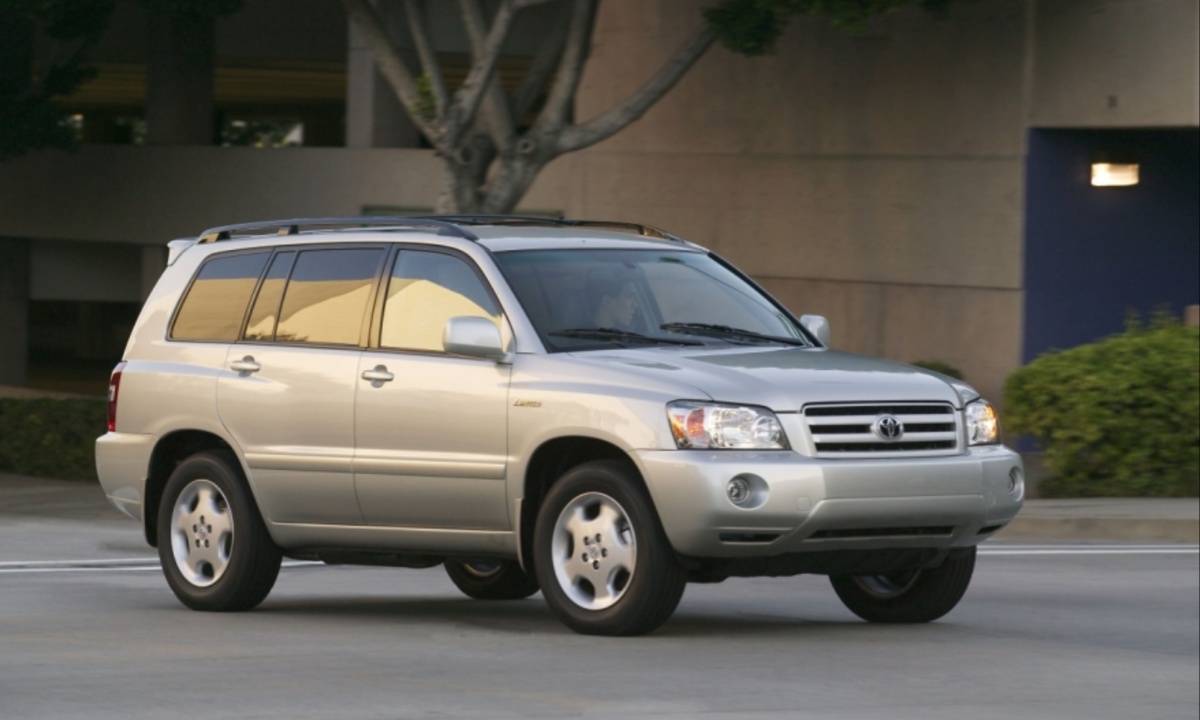
The early 2000s Toyota Highlander, particularly the 3.3-liter V6 models, demonstrated remarkable endurance with recorded mileage exceeding 388,000 miles.
Its 215-horsepower engine, paired with a 5-speed automatic transmission and all-wheel drive, provided a smooth and responsive driving experience while maintaining efficiency at 16 mpg city and 22 mpg highway.
With a towing capacity of 3,500 pounds, the Highlander balanced practical utility with manageable size. Known for car-like handling, it offered drivers a more nimble alternative to full-size SUVs, making it suitable for families and daily commuters.
The cabin emphasized safety and comfort, with later models introducing additional airbags to improve protection. Owners praised its ability to perform consistently over extended periods, with minimal mechanical issues when properly maintained.
The Highlander’s reputation for longevity contributed to Toyota’s broader image of reliability in the midsize SUV segment. Its combination of fuel efficiency, ride comfort, and utility made it a versatile choice for those who needed the SUV experience without excessive bulk.
Over the years, the Highlander proved that long-lasting vehicles could also be practical, efficient, and family-friendly. Its enduring appeal highlights the balance between dependability and usability that has defined Toyota’s SUV lineup for decades.
7. 1997-2002 Ford Expedition: The American Full-Size Classic
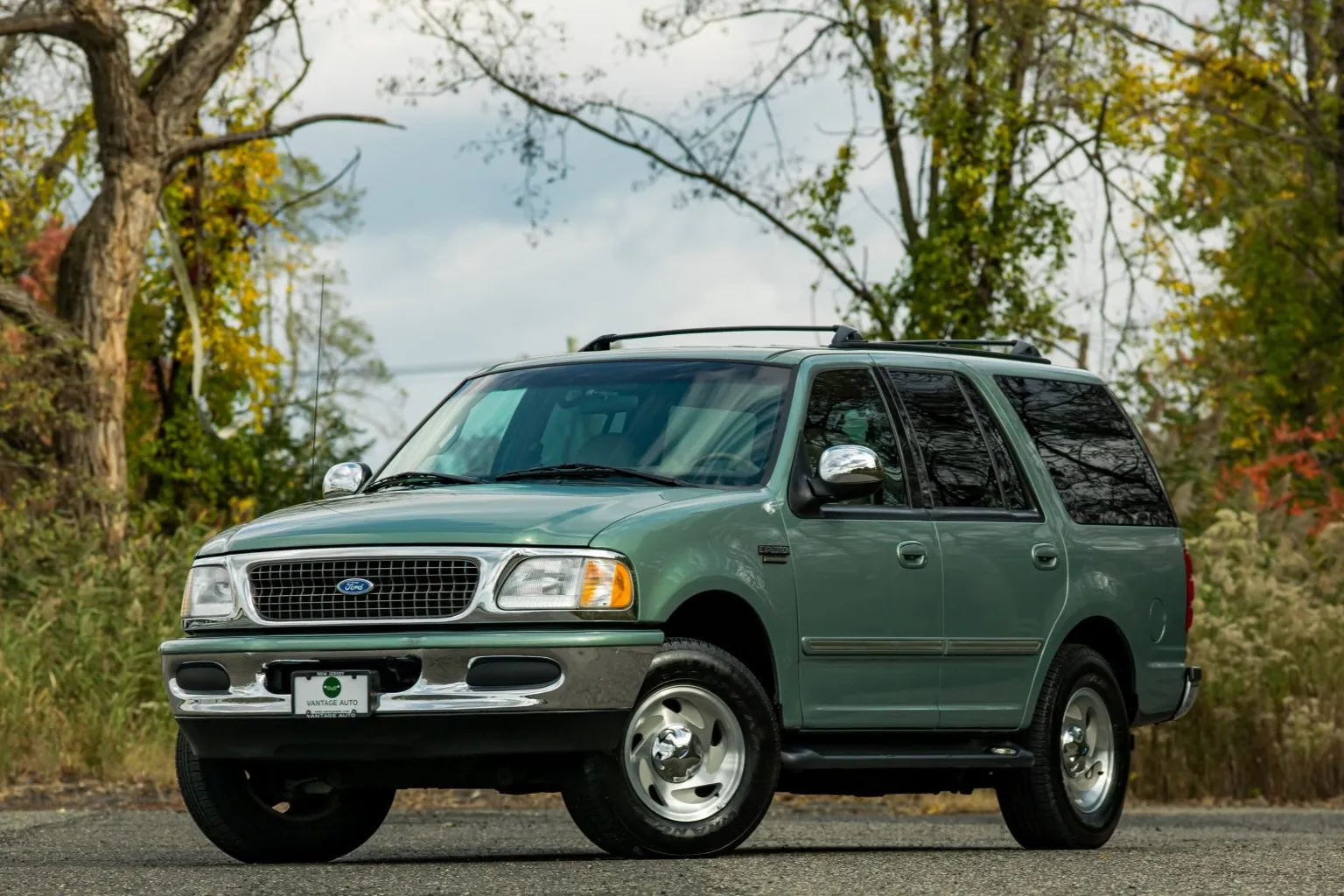
The first-generation Ford Expedition earned recognition for both size and durability, with several models surpassing 300,000 miles and some reaching 450,000 miles.
Equipped with a 4.6-liter V8 engine producing 232 horsepower and 291 lb-ft of torque, paired with a 4-speed automatic transmission, this rear-wheel-drive SUV offered power and versatility.
Fuel efficiency ranged from 14 mpg city to 19 mpg highway, and towing capacity reached 8,100 pounds, accommodating heavy trailers and boats. The Expedition’s interior was spacious, offering comfort and utility for families or work purposes, often including rear entertainment systems, second-row captain’s chairs, and sunroofs.
Its robust construction allowed it to withstand years of use, from daily commutes to long-distance travel. Owners valued its capability to carry passengers and cargo simultaneously without compromising performance or comfort.
Despite its size, it offered solid handling and stability, characteristics that contributed to its long-term reliability. The Expedition exemplified American full-size SUV engineering focused on strength, endurance, and family-friendly features.
Its longevity reinforced Ford’s reputation in the large SUV market. Even decades later, these vehicles continue to perform well, often exceeding 400,000 miles, proving that American engineering could compete with global benchmarks in reliability and lifespan.
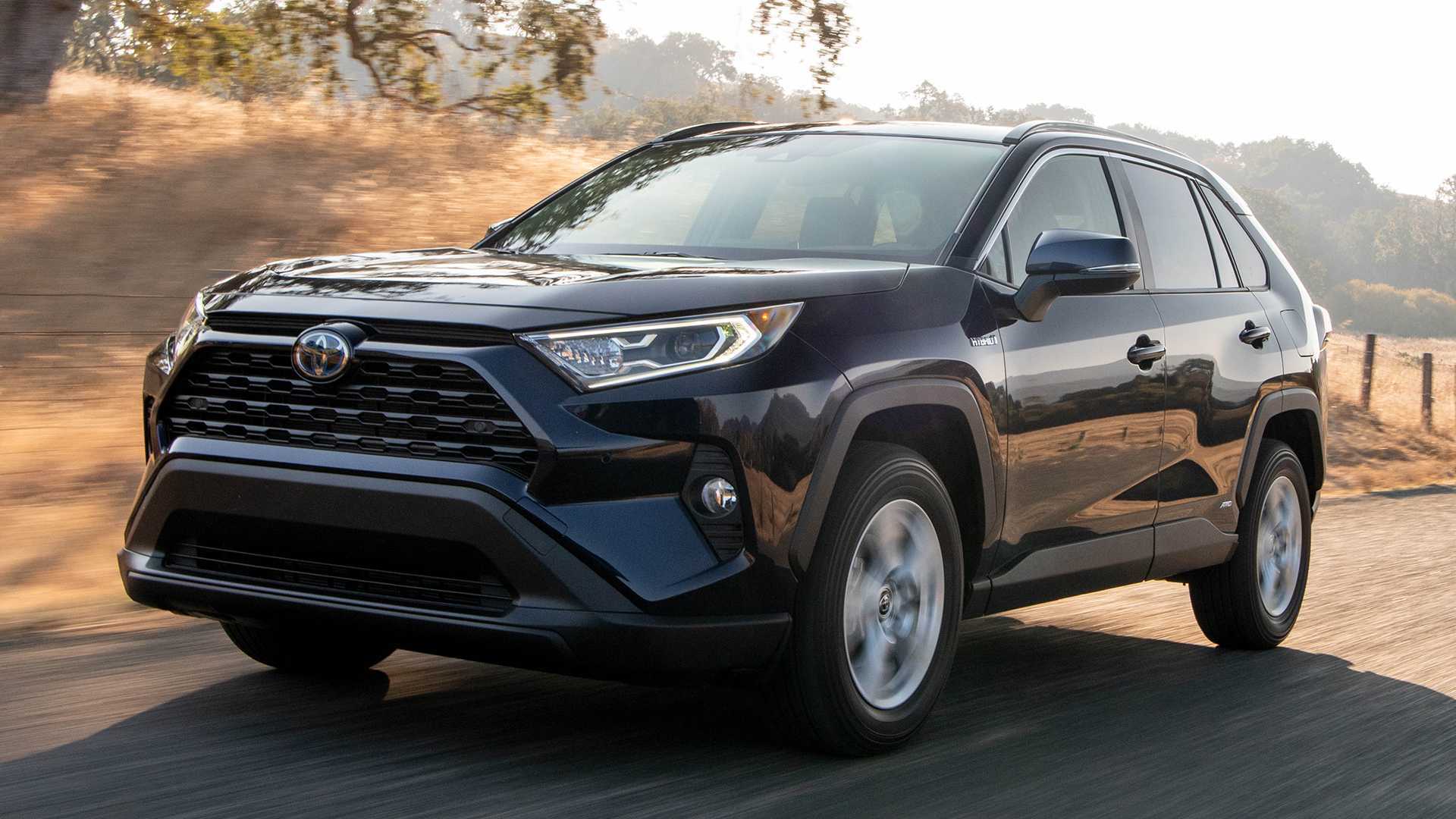
8. 2019-Present Toyota RAV4 Hybrid: Modern Efficiency Meets Longevity
The 2020 Toyota RAV4 XSE Hybrid stands out as a compact SUV, achieving over 450,000 miles in just a few years, remarkable for a modern hybrid vehicle.
Its 2.5-liter 4-cylinder hybrid engine, producing 219 horsepower and 163 lb-ft of torque with a CVT transmission, combines efficiency and longevity, delivering 41 mpg city and 38 mpg highway.
All-wheel drive ensures stability across varied road conditions, while towing capacity is modest at 1,750 pounds. Despite being a newer model, its quiet and comfortable cabin, ample cargo space, and user-friendly technology have made it popular among urban and suburban drivers alike.
The RAV4 Hybrid proves that longevity is no longer limited to traditional gasoline engines; hybrid technology can also endure extensive use when properly maintained.
Owners report consistent performance, minimal maintenance issues, and a smooth driving experience, reflecting Toyota’s engineering focus on reliability even in modern, fuel-efficient platforms. This SUV demonstrates how the evolution of powertrains does not compromise durability.
Its record-setting mileage challenges perceptions of hybrid lifespan, offering both environmental benefits and long-term reliability. As such, the RAV4 Hybrid represents a bridge between traditional automotive endurance and modern efficiency, confirming that hybrid SUVs can be equally unkillable.
9. 2005-2007 Honda CR-V: The Compact Legend
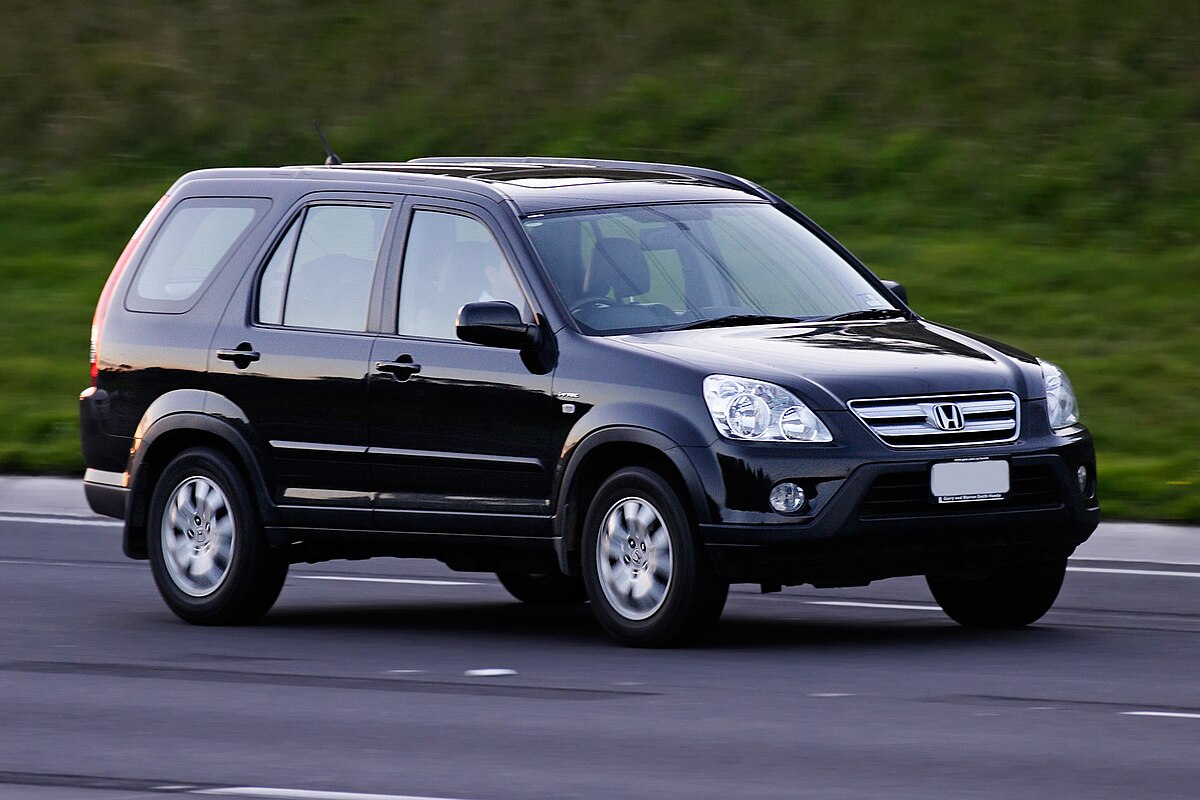
The 2007 Honda CR-V achieved astonishing longevity, reportedly reaching nearly 1,000,000 miles, showcasing the resilience of compact SUVs.
Powered by a 2.4-liter 4-cylinder engine producing 166 horsepower and 161 lb-ft of torque, mated to a 5-speed automatic transmission with all-wheel drive, it provided both reliability and fuel efficiency, delivering 19 mpg city and 26 mpg highway.
Towing capacity was modest at 1,500 pounds, but the CR-V excelled in versatility and usability. The interior was thoughtfully designed, offering comfort, high-quality materials, and family-friendly features. Its compact size allowed easy maneuvering while retaining practical cargo capacity.
This CR-V’s longevity highlights Honda’s engineering excellence and the benefits of diligent maintenance. It proves that even smaller SUVs can deliver extraordinary durability without sacrificing comfort, fuel economy, or driving experience.
The CR-V remains a benchmark for reliability in the compact SUV segment, often serving as a reference point for consumers seeking long-term value.
Its nearly one-million-mile achievement is exceptional, emphasizing the synergy of quality engineering and owner care. This vehicle’s enduring popularity underscores the importance of practicality and mechanical resilience in achieving extreme mileage.
10. 1983-1989 Toyota 4Runner: The Million-Mile Pioneer
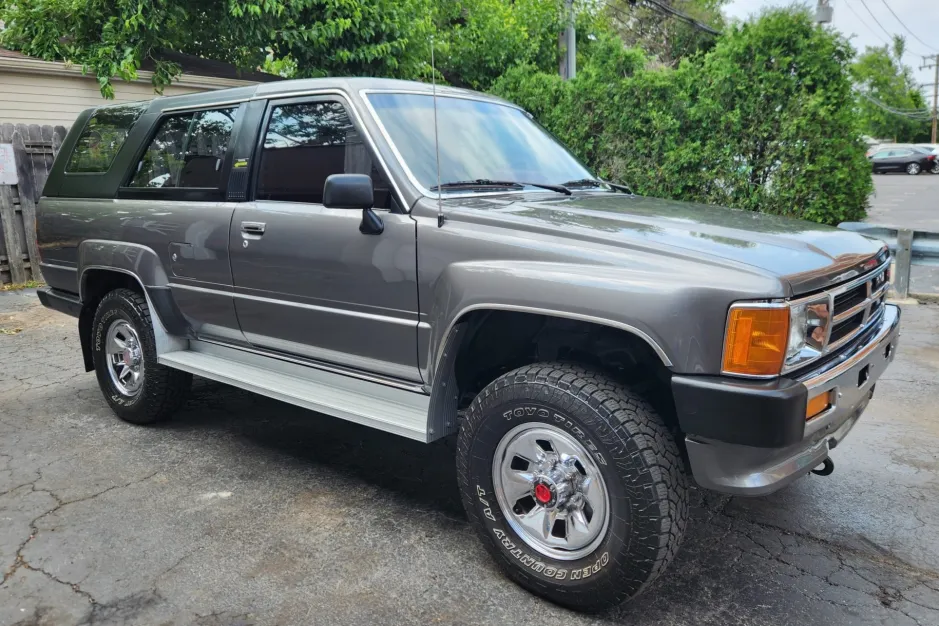
The first-generation Toyota 4Runner, produced between 1983 and 1989, stands as one of the most remarkable examples of SUV durability, with reported mileage surpassing 1,442,000 miles.
Powered by a 2.4-liter 4-cylinder engine producing 116 horsepower and 140 lb-ft of torque, with a 4-speed automatic transmission and 4WD system, it combined simplicity and reliability for decades of use. Fuel efficiency ranged from 17 mpg city to 20 mpg highway, and towing capacity reached 3,500 pounds, offering practical utility.
As one of the earliest off-road-focused four-door SUVs, the 4Runner set new standards in the market, providing both versatility and longevity. Its compact but capable frame allowed it to tackle trails while accommodating family and cargo needs.
Owners praised the unkillable nature of its engine and drivetrain, with routine maintenance ensuring decades of performance. This 4Runner became iconic, shaping the off-road SUV segment and proving that high mileage could coexist with rugged capability.
Its historical significance lies in both pioneering design and unparalleled endurance. Even decades later, the first-generation 4Runner continues to serve as a benchmark for durability, inspiring modern SUVs to balance reliability, versatility, and off-road performance.
The spectrum of SUVs, highlighted from the rugged 1980s Toyota 4Runner to the modern hybrid Toyota RAV,4 illustrates the evolution of automotive engineering focused on longevity. Each model demonstrates how design, powertrain resilience, and careful maintenance can combine to achieve extraordinary mileage.
From compact, family-friendly vehicles like the Honda CR-V to full-size, luxury off-roaders such as the Lexus RX and Toyota Land Cruiser, these SUVs reveal that enduring performance is achievable across segments.
Consistent themes emerge: robust engine construction, efficient drivetrains, practical yet comfortable interiors, and attention to reliability all contribute to long-lasting vehicles. High-mileage records not only reflect the engineering quality but also the care taken by owners, proving that regular maintenance is as crucial as initial build quality.
The diversity of SUVs achieving remarkable longevity underscores that durability is not restricted to one brand, size, or era. Modern hybrids, mid-size crossovers, and full-size off-roaders all demonstrate that vehicles can endure extreme mileage while adapting to evolving automotive technologies and consumer expectations.
These SUVs provide benchmarks for buyers seeking both reliability and utility. Collectively, they celebrate the remarkable capability of vehicles to serve generations of drivers, reinforcing the notion that some automobiles are engineered not merely for the present but to last a lifetime.
Also Read: 10 Cars That Rarely Sit Unsold In The Lot Due To High Demand in 2025