Engines are the heart of any vehicle, and throughout automotive history, certain powerplants have earned legendary status due to their combination of durability, versatility, and performance.
From classic American inline-sixes to modern V8s and high-revving four-cylinders, some engines have proven themselves capable of running hundreds of thousands of miles while maintaining reliability under diverse conditions.
These engines not only powered daily drivers and commercial workhorses but also found their way into performance vehicles, luxury sedans, and even motorsport applications.
Innovations in materials, design, and engineering have allowed these engines to withstand extreme stress, adapt to various vehicle types, and remain relevant across decades of production.
This article explores ten of the most reliable and versatile engines ever produced, including the Chrysler Slant-Six, Ford 300, Mercedes OM617, Toyota UZ and JZ series, BMW M50, Volkswagen ABF, GM LS, Honda K-series, and Toyota 2GR, highlighting the engineering brilliance and enduring appeal that make them icons in automotive history.
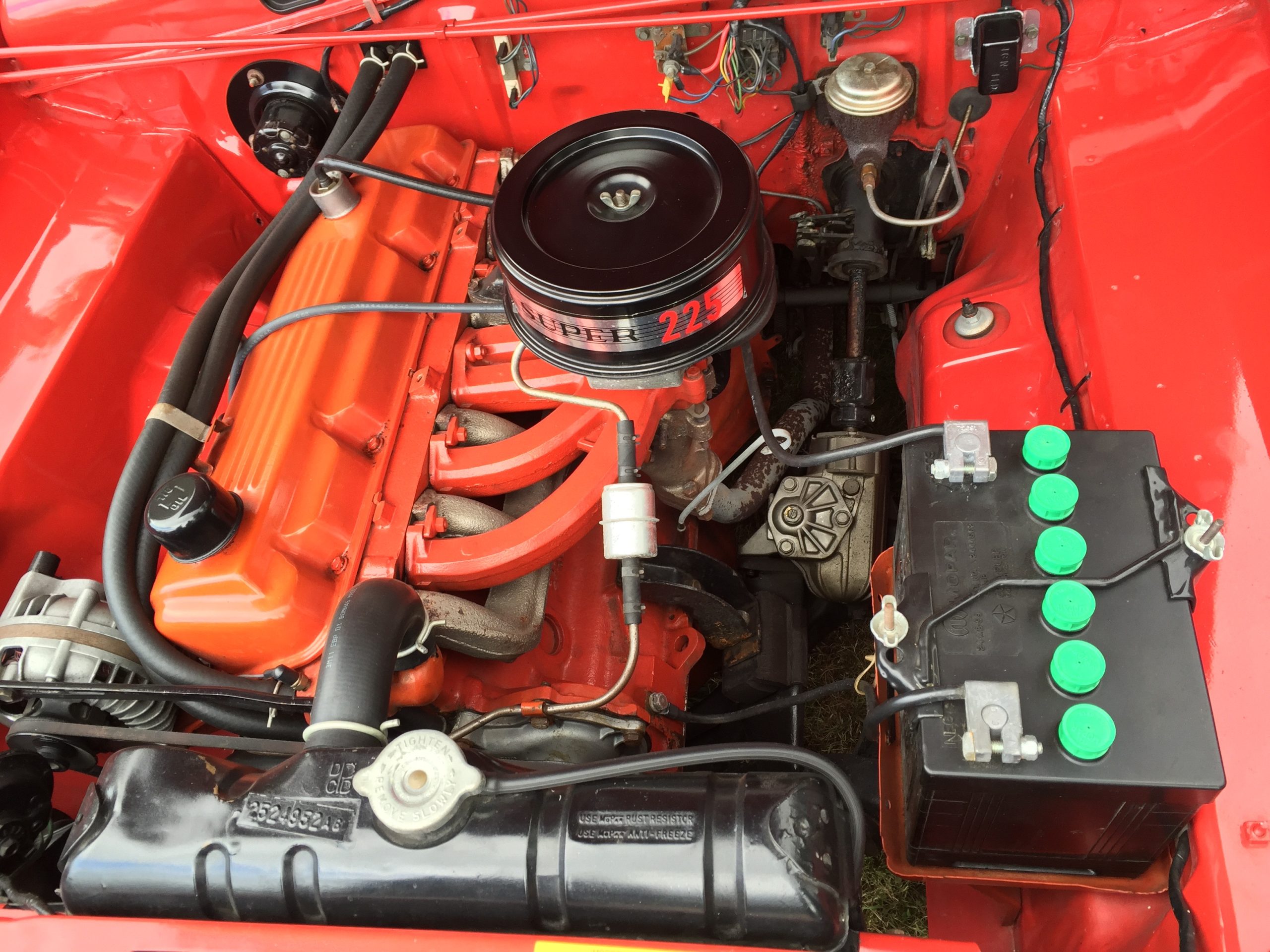
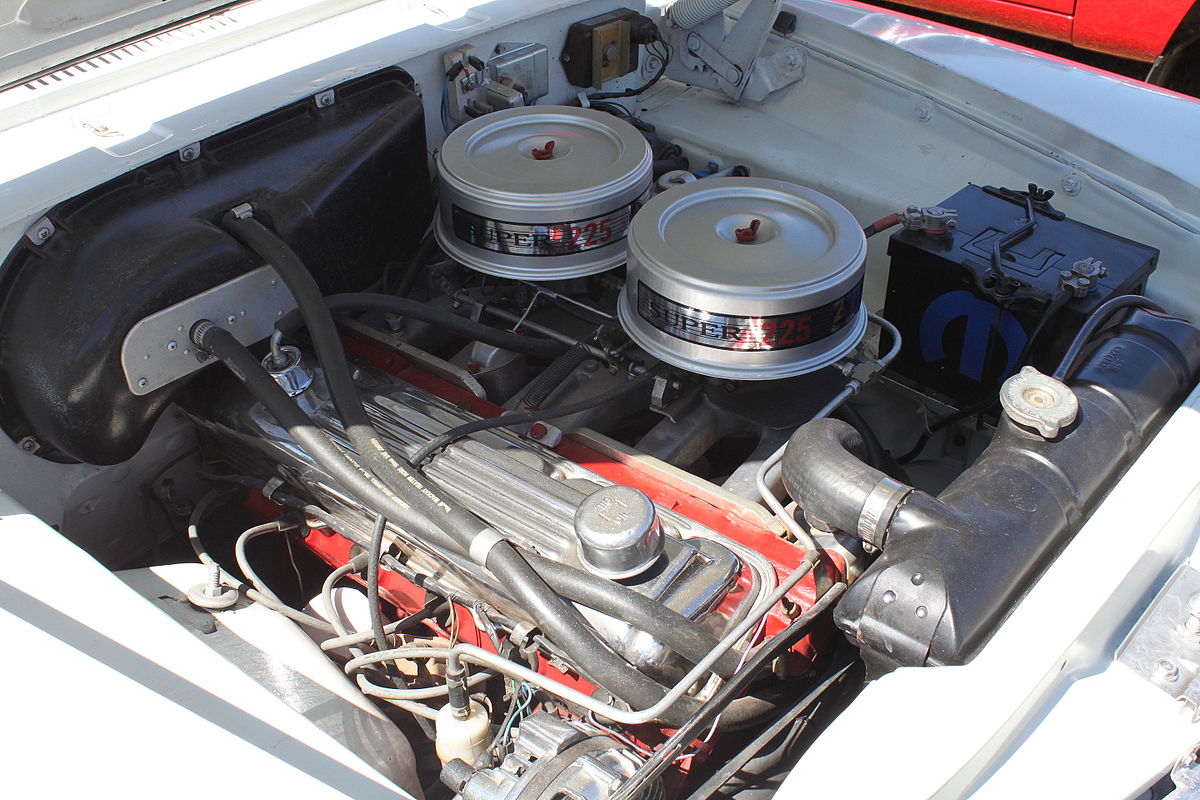
1. Chrysler Slant-Six/G-Engine: A Versatile Inline-Six
The Chrysler Slant-Six, also known as the G-Engine, is one of the most durable and adaptable engines in automotive history, produced from 1959 to 2000. It was an inline-six canted at 30 degrees, offering unique packaging advantages under the hood and enabling a lower center of gravity for the vehicles it powered.
Its widespread use across 31 Chrysler, Dodge, and Plymouth models, including the Cordoba, LeBaron, Charger, Dart, and Barracuda, demonstrates its remarkable flexibility.
The Slant-Six came in three primary displacements: 170, 198, and 225 cubic inches (2.8, 3.2, and 3.7 liters), each with multiple variants that included short and tall blocks, different numbers of main bearings, and subtle design tweaks.
Despite these variations, the engine maintained a robust and rigid design, excellent cooling properties, and suitability for performance applications. Both cast iron and aluminum blocks were employed throughout its lifespan, yet reliability remained consistent.
The Slant-Six earned a reputation as a motor that “never dies,” capable of thriving under heavy usage while also being adaptable to motorsport and daily driving needs.
Its longevity, combined with simplicity and mechanical soundness, allowed it to remain in production for four decades, an uncommon feat for any internal combustion engine, especially one spanning multiple brands and vehicle types.
The engine’s canted design also made maintenance easier, and its widespread adoption in the American market cemented its legacy as a durable, versatile, and dependable powerplant.
2. Ford 300 Straight-Six: The Workhorse of Trucks
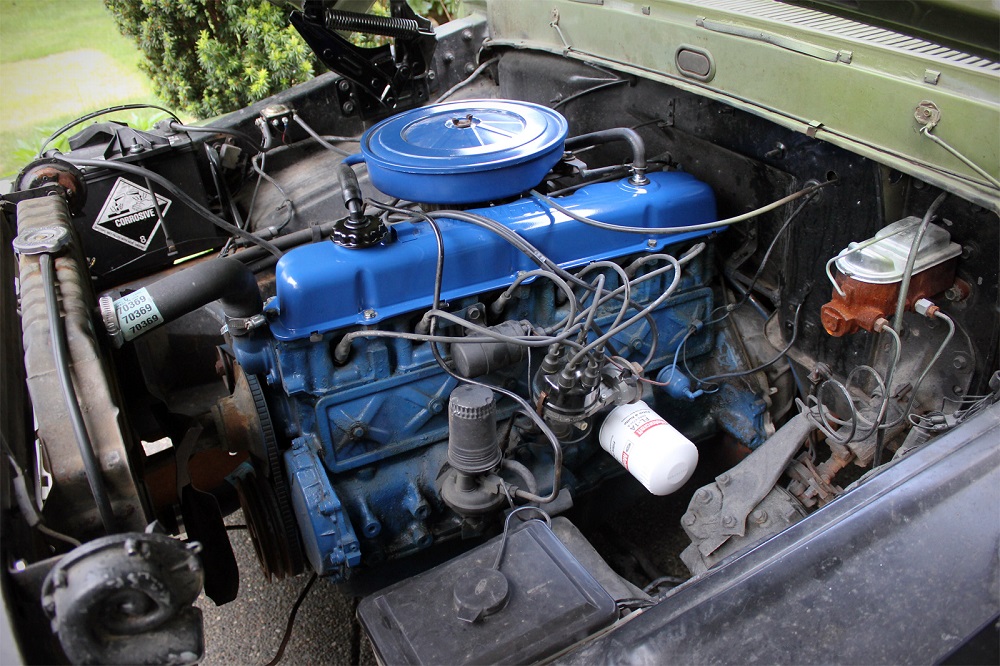
The Ford 300 Straight-Six, produced from 1964 to 1996, is considered one of the most indestructible engines in history. Initially introduced as a 300-cubic-inch gasoline six-cylinder in the fourth-generation F-Series pickup, it was a long-stroke evolution of the 240 engine.
Early models produced 170 horsepower, though net ratings dropped to 114 hp in 1978 due to measurement standard changes. Despite its modest output, the Ford 300 became synonymous with reliability, serving as a base engine in trucks, industrial equipment, tractors, water pumps, wood chippers, ski lifts, and even UPS vehicles.
Its heavy-duty internals, including forged components, ensured it could endure immense stress, making it a favorite for off-road and utility applications. The engine’s reputation was further cemented when it powered vehicles to multiple Baja 1000 victories.
Minimal maintenance was required, and countless anecdotal reports describe these engines surviving low oil conditions and years of neglect without major issues. Power output gradually increased, reaching 150 hp by the late 1980s after transitioning to fuel injection.
Even after production ended in the U.S., the engine continued in global markets, demonstrating its adaptability. Its simple yet robust design, coupled with widespread parts availability, allowed it to thrive in commercial and recreational contexts alike.
The Ford 300 Straight-Six is often lauded as a model of mechanical longevity, proving that a straightforward, well-engineered inline-six can serve multiple industries reliably for decades.
3. Mercedes-Benz OM617: Legendary Diesel Longevity
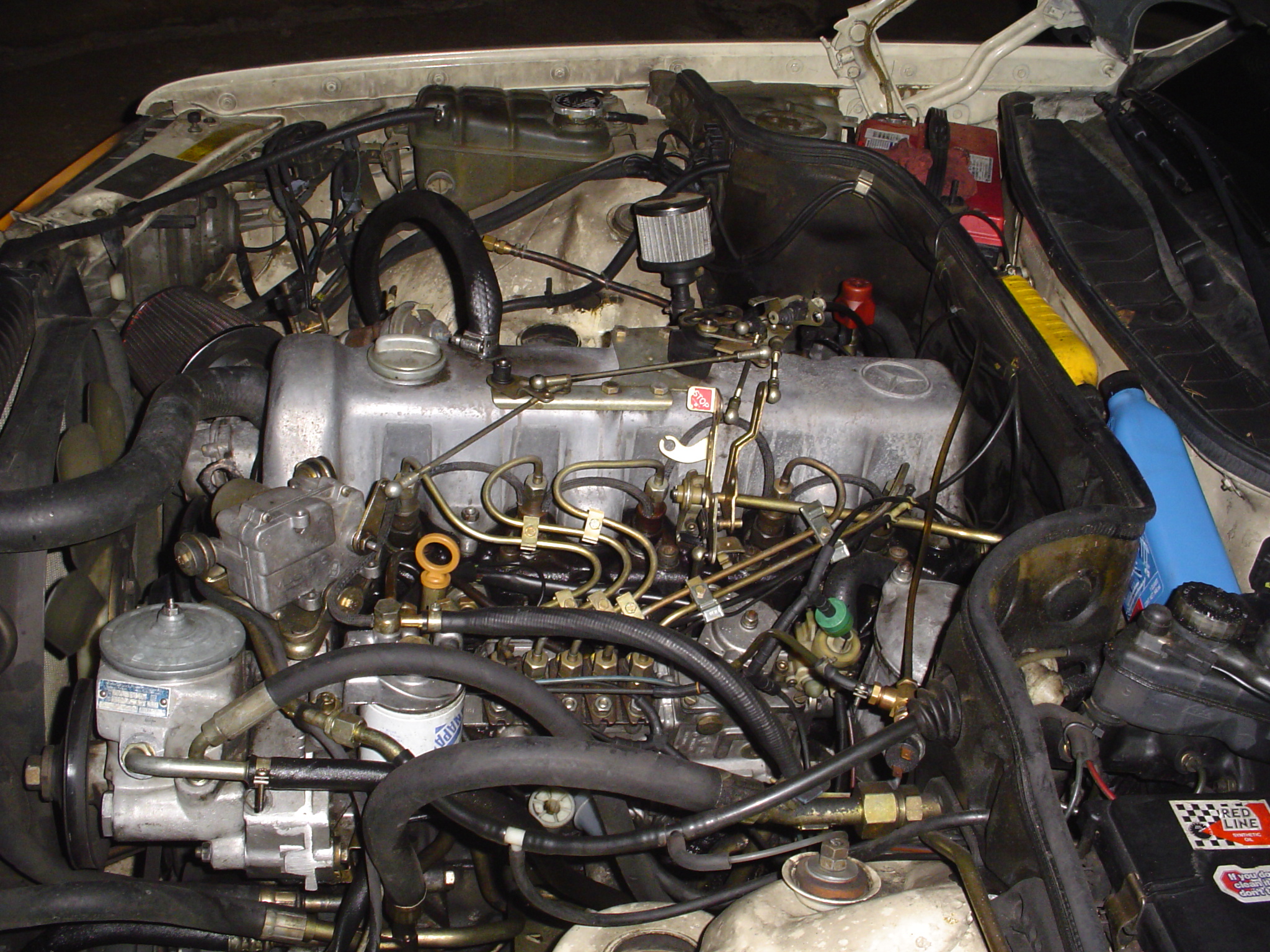
The Mercedes-Benz OM617, a five-cylinder diesel produced between 1974 and 1991, became legendary for its high mileage and exceptional reliability.
The 3.0-liter engine featured a cast-iron block and head, with a chain-driven single overhead camshaft, providing a durable foundation for decades of use in taxis, private vehicles, and commercial fleets.
Initially outputting 79 hp in naturally aspirated form, the OM617 later gained a turbo-diesel variant producing 187 hp, which powered the Mercedes C111-IID concept and helped set 16 world land speed records. A subsequent 1978 update increased output to 227 hp, further showcasing its versatility.
The engine evolved from the OM616 four-cylinder, maintaining Mercedes’s reputation for combining durability and adequate power.
Its exceptional build quality, high-torque characteristics, and ability to tolerate rigorous use made it a preferred choice for North American markets, where it powered the W116 300SD, the first turbodiesel production sedan.
Owners often reported surpassing 600,000 miles without opening the engine, highlighting the OM617’s mechanical integrity. Its role in establishing Mercedes-Benz as a symbol of reliable engineering in the 1980s cannot be overstated.
The OM617’s combination of simplicity, robustness, and low-maintenance operation contributed to its iconic status, representing a benchmark in diesel engine design and proving that longevity can coexist with adequate performance in passenger vehicles.
4. Toyota UZ V8: Reliability Across Luxury Applications
The Toyota UZ family of 90-degree V8 engines, produced between 1989 and 2013, has become synonymous with reliability in both luxury and performance contexts.
Debuting in the Lexus LS 400, the 1UZ-FE set a standard for smoothness, refinement, and longevity, while subsequent 2UZ and 3UZ variants powered SUVs, pickup trucks, and luxury sedans worldwide.
Displacements ranged from 4.0 to 5.0 liters, with output spanning 256 to 500 hp in various applications, including racing derivatives for Japanese Super GT and Grand-Am series.
Known for being under-stressed, the engines exhibited extraordinary durability, handling high mileage with minimal maintenance while maintaining consistent performance. The UZ engines were even adapted for marine and aviation uses, underscoring their robustness and engineering versatility.
Reliability stems from precise tolerances, durable materials, and balanced internal components, making them ideal for applications ranging from commuter vehicles to heavy-duty SUVs. Their longevity has resulted in widespread aftermarket support and a strong following among enthusiasts seeking dependable V8 power.
Throughout their production, the UZ engines consistently provided smooth power delivery, low vibration, and minimal mechanical failures, cementing their status as a benchmark in V8 reliability.
Toyota’s commitment to precision engineering and quality control ensured that these engines performed dependably in diverse environmental and operational conditions, further solidifying their place among the most trusted automotive powerplants in modern history.
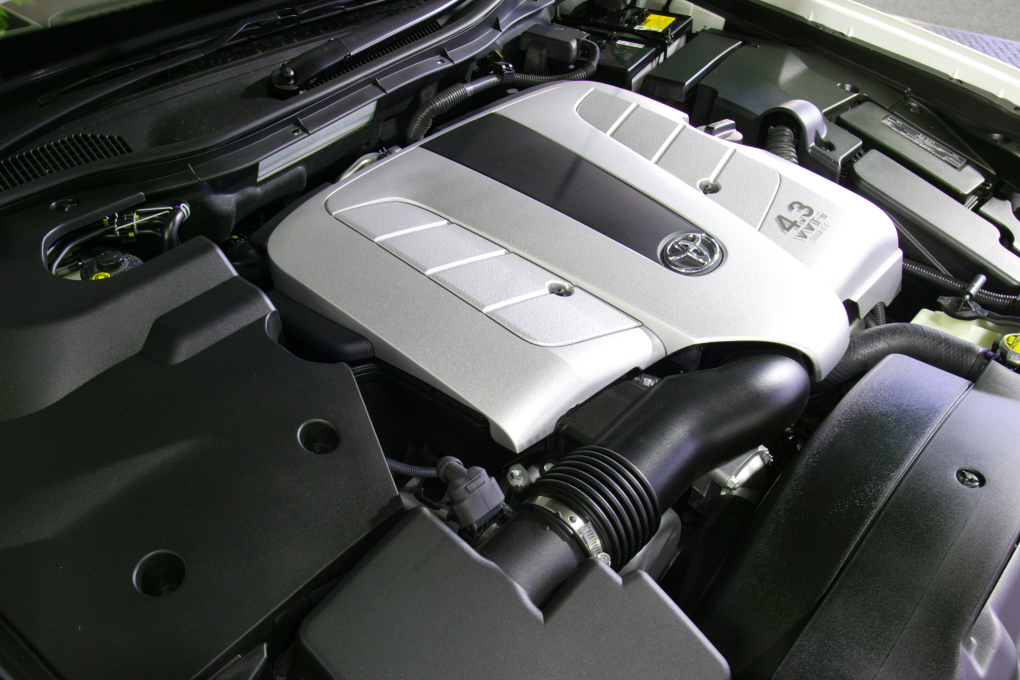
5. BMW M50: Inline-Six Innovation
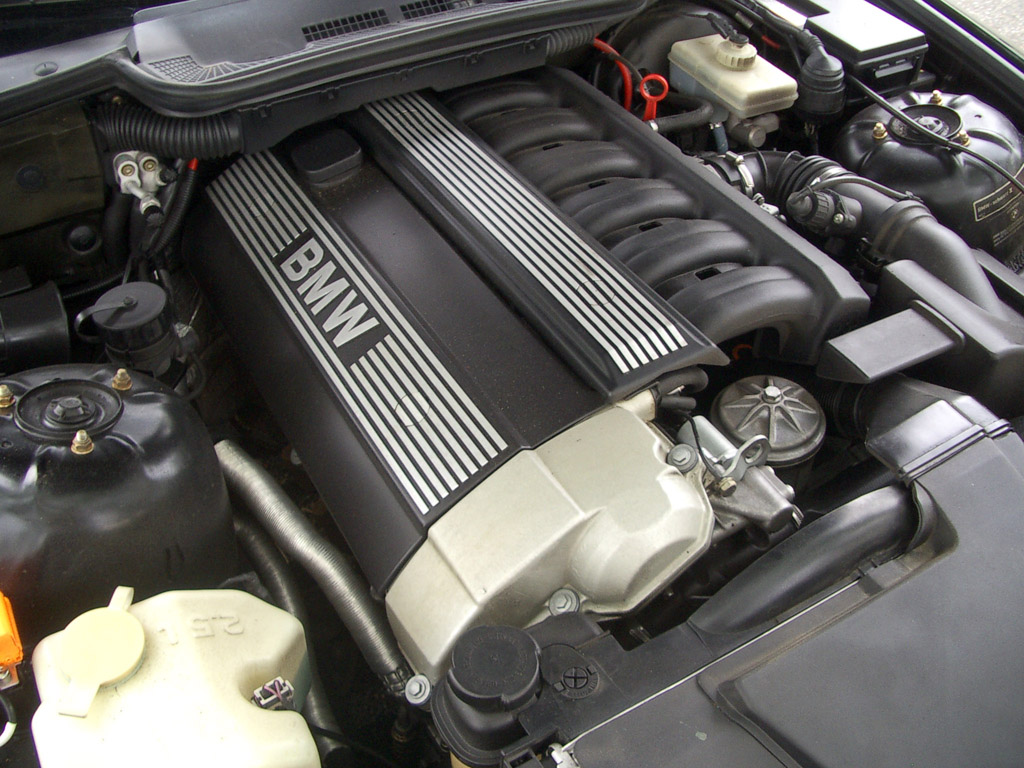
The BMW M50, produced from 1990 to 1996, is celebrated for its blend of reliability, performance, and engineering innovation. Serving as a replacement for the M20 engine in the E34 5 Series, the M50 offered 2.0- to 2.5-liter inline-six configurations with outputs ranging from 148 to 189 hp.
A landmark update in 1992 introduced single VANOS variable valve timing on the intake cam, marking BMW’s first foray into this technology. The M50 also formed the basis of the S50 engine used in the E36 M3, demonstrating its adaptability to high-performance applications.
Its cast-iron block provided structural rigidity and resilience, making it capable of handling forced induction when modified for turbocharging. The engine’s mechanical soundness, precise engineering, and well-balanced components contributed to low maintenance requirements and long-term reliability.
Enthusiasts praised the M50 for its smooth operation, tunability, and robust design, which inspired subsequent generations of BMW inline-sixes. This combination of performance potential and dependable operation solidified the M50 as a milestone in BMW engine development.
Its reputation persists among enthusiasts and engineers alike, with the engine often regarded as a platform for both reliable daily driving and spirited performance builds. The M50 exemplifies BMW’s approach to engineering inline-sixes that balance refinement, reliability, and enthusiast appeal in a mechanically sound package.
Also Read: 5 Engines That Stay Strong and 5 That Collapse Under Load
6. Toyota 1JZ/2JZ: Bulletproof Inline-Sixes
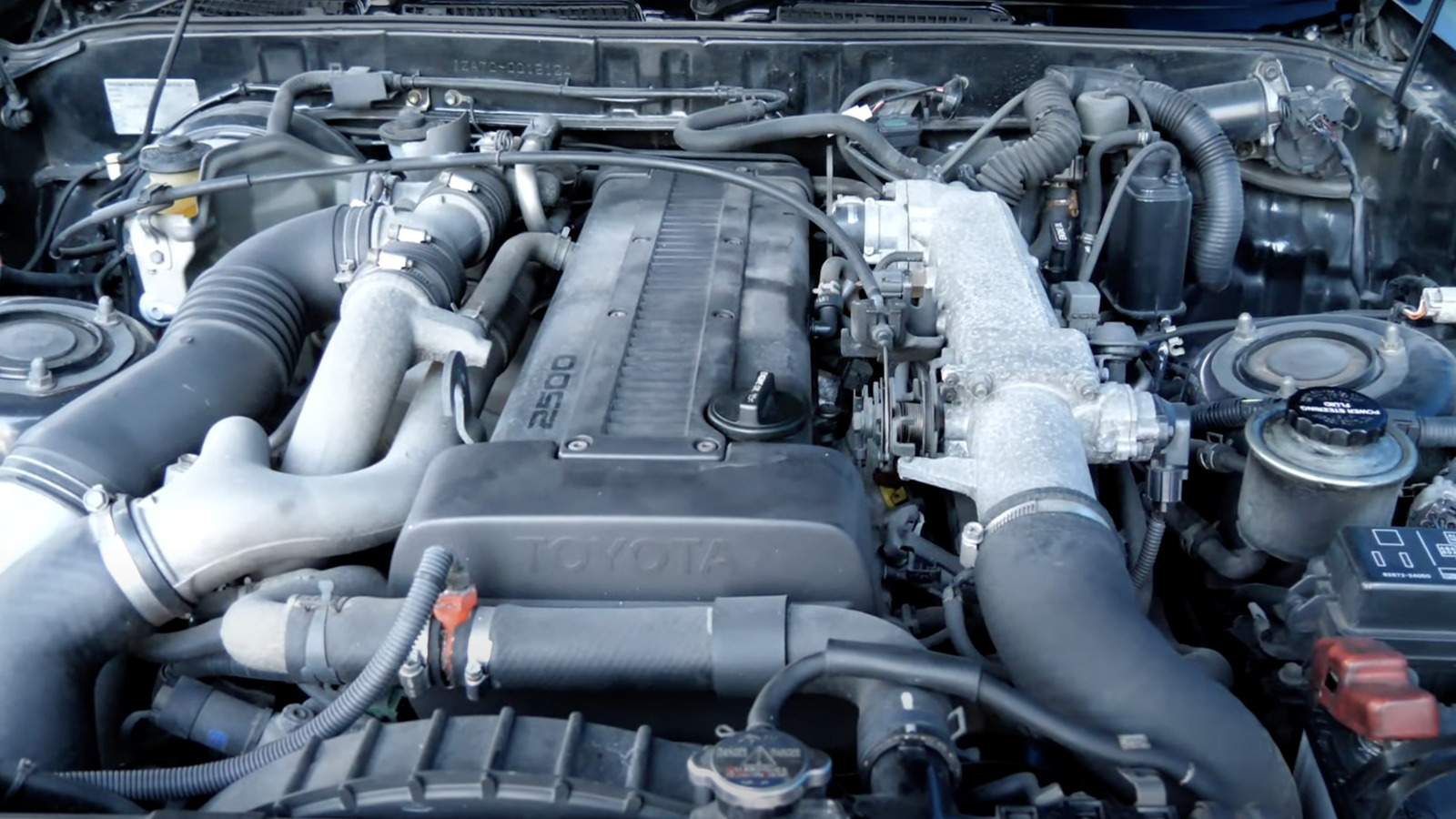
The Toyota 1JZ and 2JZ engines, produced from 1990 to 2007, have achieved legendary status among performance enthusiasts for their durability and tuning potential. The 1JZ is a 2.5-liter inline-six, while the 2JZ spans 3.0 liters, both featuring cast-iron blocks and aluminum heads.
Naturally aspirated outputs began at 168 hp, with turbocharged versions reaching 276 hp (1JZ) and 320 hp (2JZ), and highly modified engines achieving nearly 1,000 hp on stock internals. Their mechanical robustness allowed them to endure high boost levels, aggressive tuning, and extensive mileage with minimal maintenance.
The 2JZ in the Mk IV Toyota Supra is particularly famous for surviving decades of spirited driving while maintaining reliability. Both engines gained renown for smooth operation, exceptional internal balance, and consistent performance across thousands of miles.
They became a global benchmark for tunable yet reliable motors in sports cars and high-performance applications. The longevity and engineering quality of the JZ engines exemplify Toyota’s approach to crafting engines that marry performance with bulletproof dependability.
Even stock examples remain highly sought after for their reliability and minimal upkeep requirements, highlighting the exceptional foresight in their design and material selection. Collectively, the JZ engines represent the pinnacle of Toyota’s inline-six engineering, blending long-term reliability with immense tuning flexibility.
7. Volkswagen ABF: High-Rev Four-Cylinder Performance
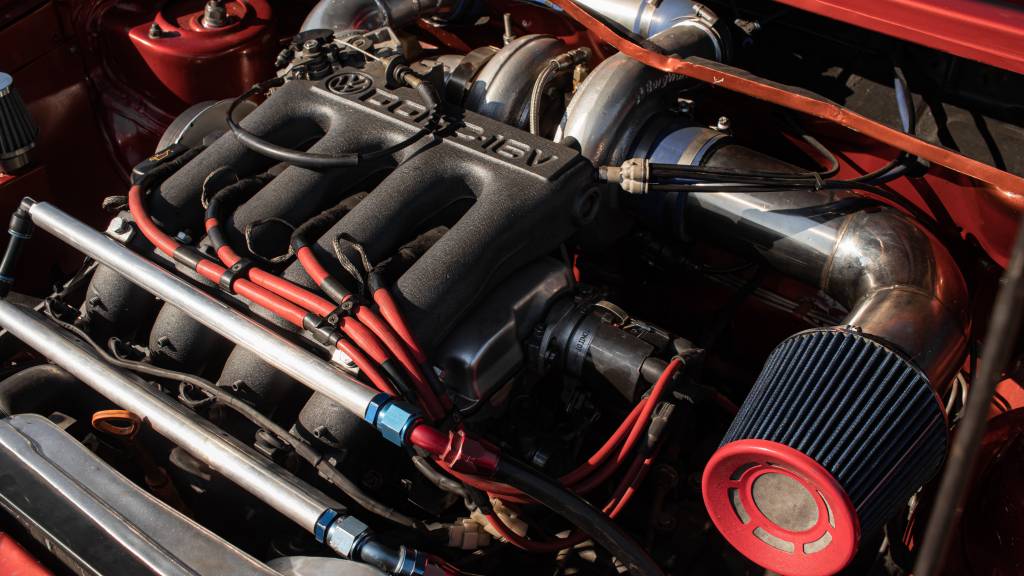
The Volkswagen ABF engine, produced from 1992 to 1999, is a 2.0-liter, 16-valve inline-four that earned a reputation for reliability and spirited performance. Found in models like the Mk III Golf GTI and fourth-generation Passat, it delivered 148 hp at 6,000 rpm and 133 lb-ft of torque at 4,800 rpm, paired with a cast-iron block and aluminum head.
Equipped with hydraulic lifters and fuel injection, the ABF was known for rev-happy behavior, durability, and dependable performance even under aggressive driving. Its mechanical integrity made it a popular choice for engine swaps and performance upgrades within the Volkswagen community.
While parts are increasingly scarce and expensive, the engine itself rarely experiences major failures, with common issues typically limited to ancillary sensors, such as the throttle position sensor. ABF engines have been reported to reach 250,000 miles with minimal mechanical intervention.
The engine’s rev-friendly nature, reliability, and high performance for its size made it a benchmark among naturally aspirated four-cylinder engines of the era.
Its design balance between mechanical simplicity, durability, and spirited operation has contributed to its enduring reputation as a dependable performance motor in both stock and modified configurations.
Enthusiasts continue to value it for its ease of maintenance, longevity, and ability to deliver reliable performance over extended periods.
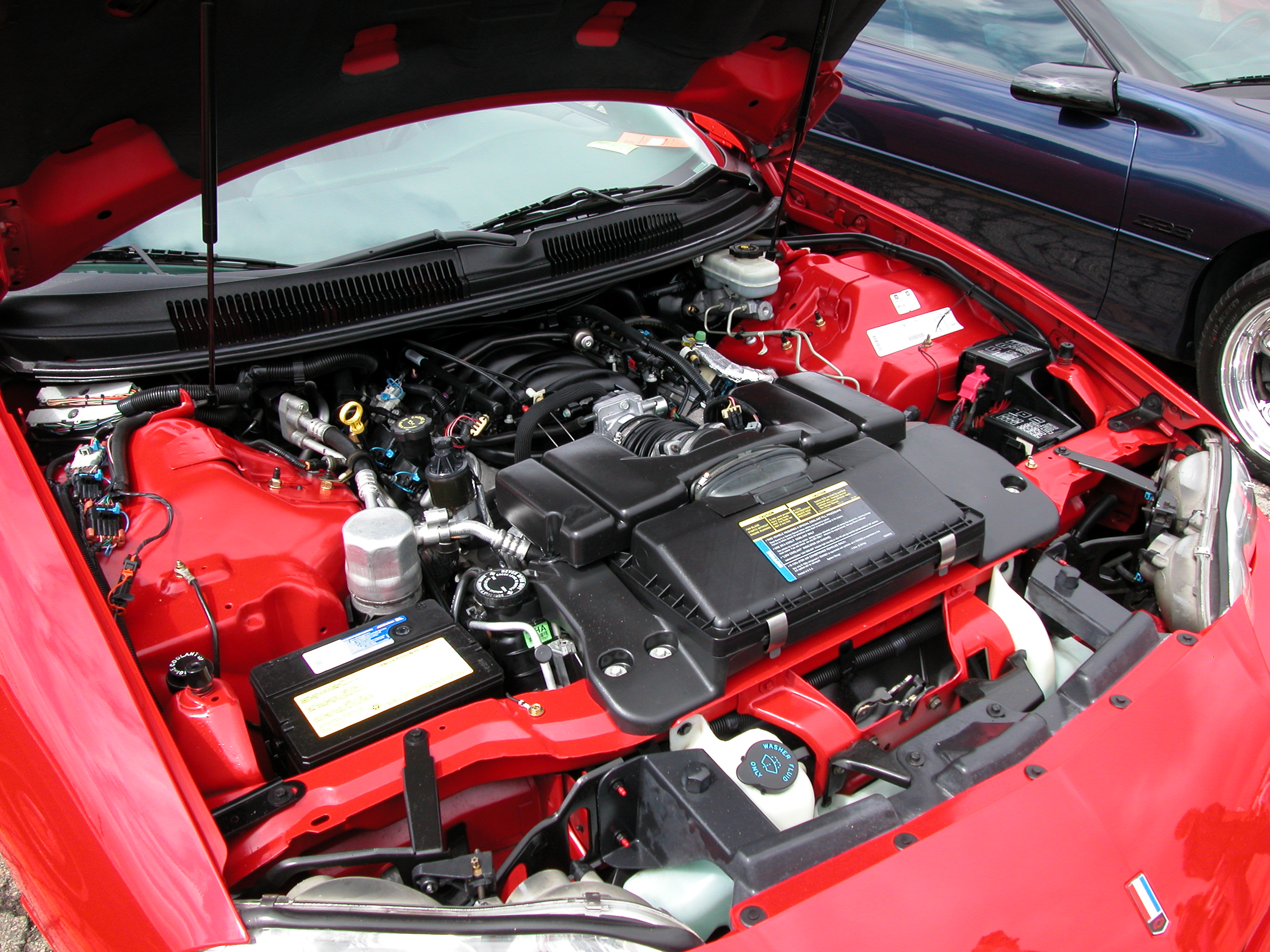
8. GM LS V8: American Small-Block Excellence
The GM LS family, introduced in 1997, is a small-block V8 engine series renowned for its reliability, tunability, and widespread use across GM vehicles. Spanning three generations and soon entering a fourth, LS engines have powered everything from Chevrolet Silverados to Camaros.
Displacements range from 4.8 to 7.4 liters, with outputs from 255 hp to 1,250 hp in modern turbocharged variants. Notable examples include the Vortec 4800 LR4 and the LT7 in the Corvette Z06, showcasing immense versatility.
LS engines are celebrated for their mechanical simplicity, robust iron and aluminum construction, and ease of maintenance. Truck owners report hundreds of thousands of miles without major issues, while tuners frequently leverage the platform for reliable high-horsepower builds.
The LS’s strength lies in its design flexibility, allowing use in naturally aspirated, forced induction, and performance applications without compromising reliability. Its aftermarket support, plentiful parts, and proven durability have made it a global favorite for engine swaps and performance projects.
Across decades, the LS series has consistently delivered dependable power, mechanical simplicity, and adaptability, solidifying its reputation as one of the most reliable V8 families in automotive history.
The LS exemplifies how American small-block design principles, combined with modern engineering, can produce engines that remain relevant and dependable across multiple vehicle generations.
9. Honda K-Series: High-Rev Reliable Four-Cylinders
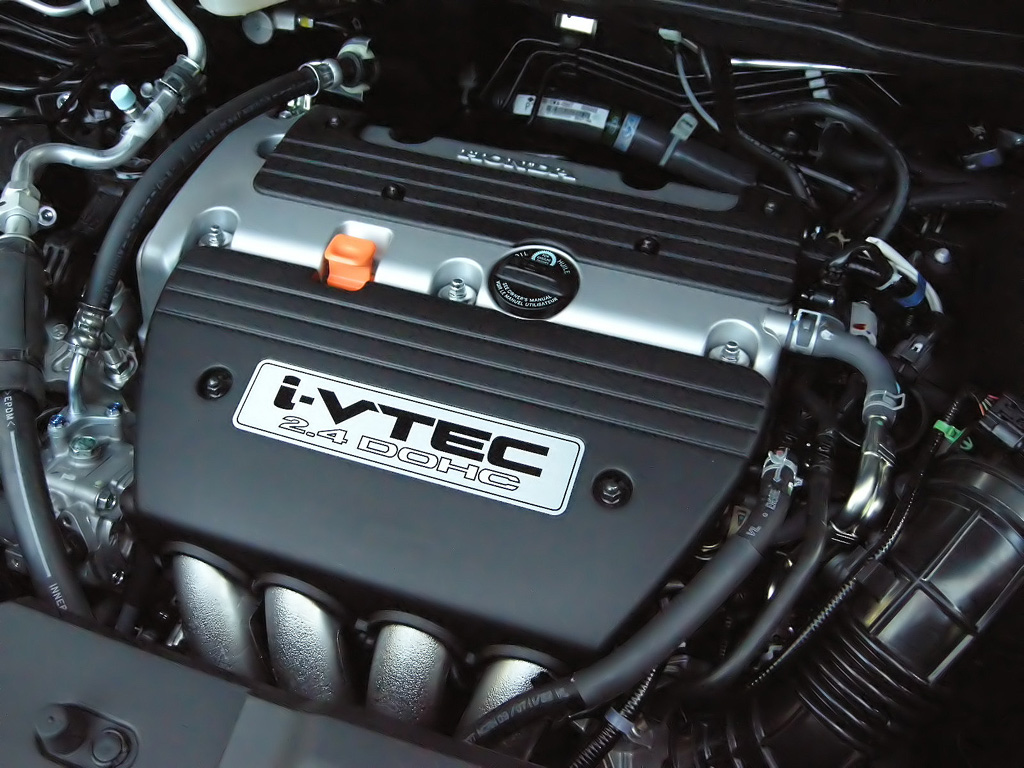
The Honda K-series, introduced in 2001, is a dual-overhead cam (DOHC) inline-four engine family known for reliability, high-revving capabilities, and popularity in performance swaps.
Displacements range from 2.0 to 2.4 liters, powering models such as the Civic Type R, Integra, Accord, CR-V, and Acura RDX. Available in both naturally aspirated and turbocharged forms, the K-series gained a reputation for robust engineering and high durability, making it ideal for enthusiasts seeking rev-happy performance engines.
The K20 and K24 variants, in particular, have become staples in the tuning community due to their combination of reliability, performance potential, and pleasant engine sound. Features such as Honda’s V-TEC system allow variable valve timing, enhancing both efficiency and performance while maintaining long-term reliability.
These engines thrive in high-RPM applications, often exceeding 8,000 rpm without issue when maintained properly. Their strong aftermarket support and versatility make them suitable for both stock and heavily modified vehicles.
The K-series represents a balance of engineering precision, durability, and performance, proving Honda’s mastery in producing reliable, high-revving four-cylinder engines. Its widespread adoption across a variety of vehicles underscores its adaptability, and it remains a benchmark for dependable, enthusiast-friendly motors in the modern era.
10. Toyota 2GR V6: Modern Reliability and Power
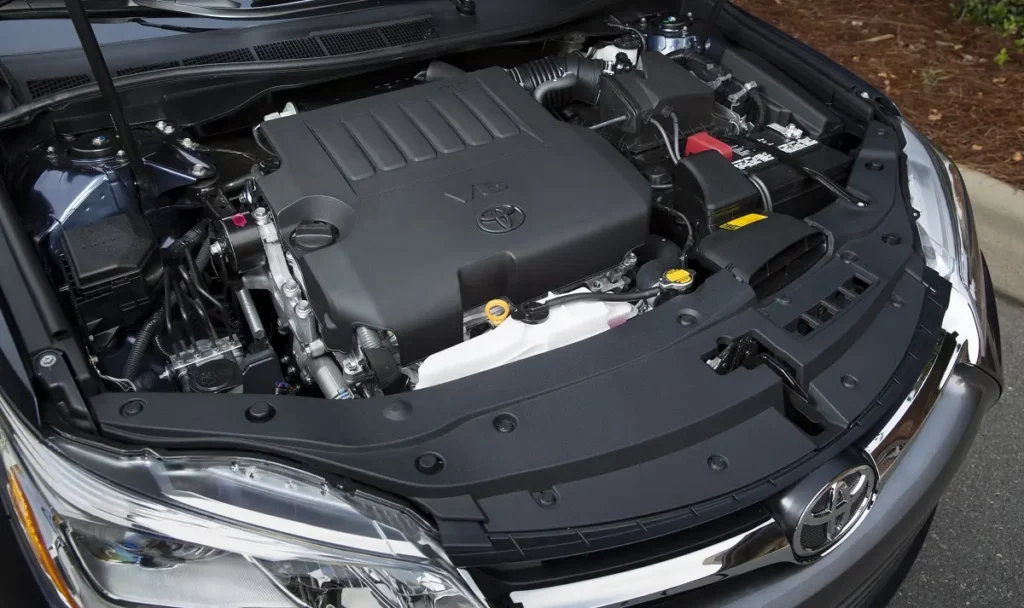
The Toyota 2GR, a 3.5-liter V6 introduced in 2005, is recognized for its robust reliability, power, and widespread global use.
Part of the GR family, the 2GR powered numerous Toyota and Lexus models, including the Camry, Tacoma, Highlander, Avalon, and Lexus ES, GS, IS, and RX, as well as specialty applications like the Lotus Evora and racing variants in the Toyota Corolla.
The 2GR-FSE variant, constructed with a die-cast aluminum block and aluminum head, combines modern engineering with high durability, producing 237-316 hp depending on application. Its robust design has earned multiple spots on Ward’s 10 Best Engines list, demonstrating both performance and long-term reliability.
This engine thrives in diverse environments, from daily commuting to racing conditions, while maintaining low maintenance requirements. Its wide adoption in global best-selling models ensures the availability of parts and aftermarket support, contributing to its longevity.
The 2GR exemplifies Toyota’s modern approach to engineering engines that balance refinement, power, and dependability. Its proven track record across various applications, including trucks, sedans, SUVs, and sports cars, underscores its versatility.
The combination of advanced materials, precise engineering, and broad usability makes the 2GR a benchmark for contemporary engine reliability and performance, reinforcing Toyota’s reputation for building engines that endure and perform under a variety of conditions.
Reliability and performance are not mutually exclusive, and the engines covered in this article exemplify that principle. From the Chrysler Slant-Six’s 41-year production run to the Ford 300’s indestructible workhorse reputation, each engine demonstrates how thoughtful engineering can create powerplants capable of withstanding decades of use.
European and Japanese innovations, like the Mercedes OM617 diesel, BMW M50, and Toyota 1JZ/2JZ, further show that durability and tuning potential can coexist, serving both everyday drivers and enthusiasts alike.
Modern engines such as the Honda K-series and Toyota 2GR illustrate that advances in materials and design have continued this tradition, delivering reliable power across sedans, SUVs, and performance cars.
Across continents and decades, these engines have earned trust, inspired enthusiasts, and reshaped expectations of what a long-lasting, dependable engine can achieve, proving that exceptional design, durability, and versatility are timeless qualities in automotive engineering
Also Read: 5 Engines That Outlive Their Head Gaskets vs 5 That Blow Early