When enthusiasts talk about engine reliability, overheating is often one of the biggest concerns. The cooling system of any motor is its lifeline, ensuring that the metal components stay within safe operating temperatures while producing power efficiently.
Yet, not all engines are created equal. Some are engineered with robust cooling systems, efficient fluid circulation, and durable materials that make overheating a rare occurrence. These motors stand the test of time, earning reputations for running cool under pressure, whether on a summer road trip or in stop-and-go city traffic.
On the flip side, certain engines seem cursed with temperature issues. Whether it’s due to poor coolant flow design, head gasket weaknesses, or compact engine bays with limited airflow, these motors frequently run hot.
Owners often find themselves dealing with radiator replacements, thermostat failures, or worse, full-on engine rebuilds after overheating-induced damage. Unfortunately, a history of overheating can permanently tarnish a motor’s reputation, even when other aspects of its performance are respectable.
For car buyers, enthusiasts, and even weekend mechanics, knowing which engines run cool versus which ones overheat can mean the difference between years of reliable service and constant headaches.
A dependable, cool-running engine not only extends the vehicle’s life but also boosts confidence on long drives and helps preserve resale value. Meanwhile, engines that overheat regularly tend to drain wallets through frequent repairs and can leave drivers stranded at the worst times.
This comparison will spotlight five engines celebrated for their cool, consistent operation, alongside five notorious powerplants known for running dangerously hot. By exploring their design strengths and weaknesses, this article aims to help readers make informed decisions, whether they’re buying used, maintaining their current ride, or simply diving deeper into automotive engineering.
Now, let’s break down the match-up: 5 Engines That Rarely Overheat vs 5 That Constantly Run Hot.
5 Engines That Rarely Overheat vs 5 That Constantly Run Hot
Engines that rarely overheat are often praised not just for their performance but also for their thoughtful engineering. They typically feature efficient water pumps, well-sized radiators, and airflow systems that keep temperatures steady even during demanding conditions.
Reliability here is not just about horsepower but about maintaining thermal stability, which in turn prolongs engine life. Motors like Toyota’s 2JZ-GTE or Honda’s K24 series are legendary examples, where robust design and proper cooling integration keep them running cool in climates and scenarios where lesser engines might struggle.
Conversely, engines that constantly run hot often carry fundamental design flaws. Some have cramped engine bays that suffocate airflow, while others suffer from inadequate head gasket sealing or chronic coolant leaks.
These motors may produce strong performance numbers, but their heat management issues overshadow their strengths. Think of the Chrysler 2.7L V6, infamous for sludge and overheating, or BMW’s N62 V8, which is notorious for cooling system weaknesses that plague even well-maintained examples.
When comparing these two categories, it becomes clear that longevity and driver confidence often stem more from cooling efficiency than outright performance.
A hot-running engine demands constant vigilance, while a cool and steady motor allows drivers to focus on the joy of driving. This balance of engineering reliability and thermal management is why some engines become icons of durability while others live in infamy.
Let’s start with the five engines that rarely overheat before exploring the five that constantly run hot.
ALSO READ: 10 Things Owners Forget That Ruin a Nissan Maxima
1. Toyota 2JZ-GTE
The Toyota 2JZ-GTE, famed for its presence in the Supra, is an icon not just for its tuning potential but also for its ability to run cool under stress. Built with a cast-iron block and designed in the golden age of Toyota engineering, the 2JZ is nearly indestructible.
One of the key reasons it rarely overheats is the robustness of its cooling system. The water pump, radiator capacity, and coolant passages were engineered to support stock and high-performance use. This gave it headroom that tuners later exploited, pushing the motor to over 1,000 horsepower while still maintaining stable operating temperatures.
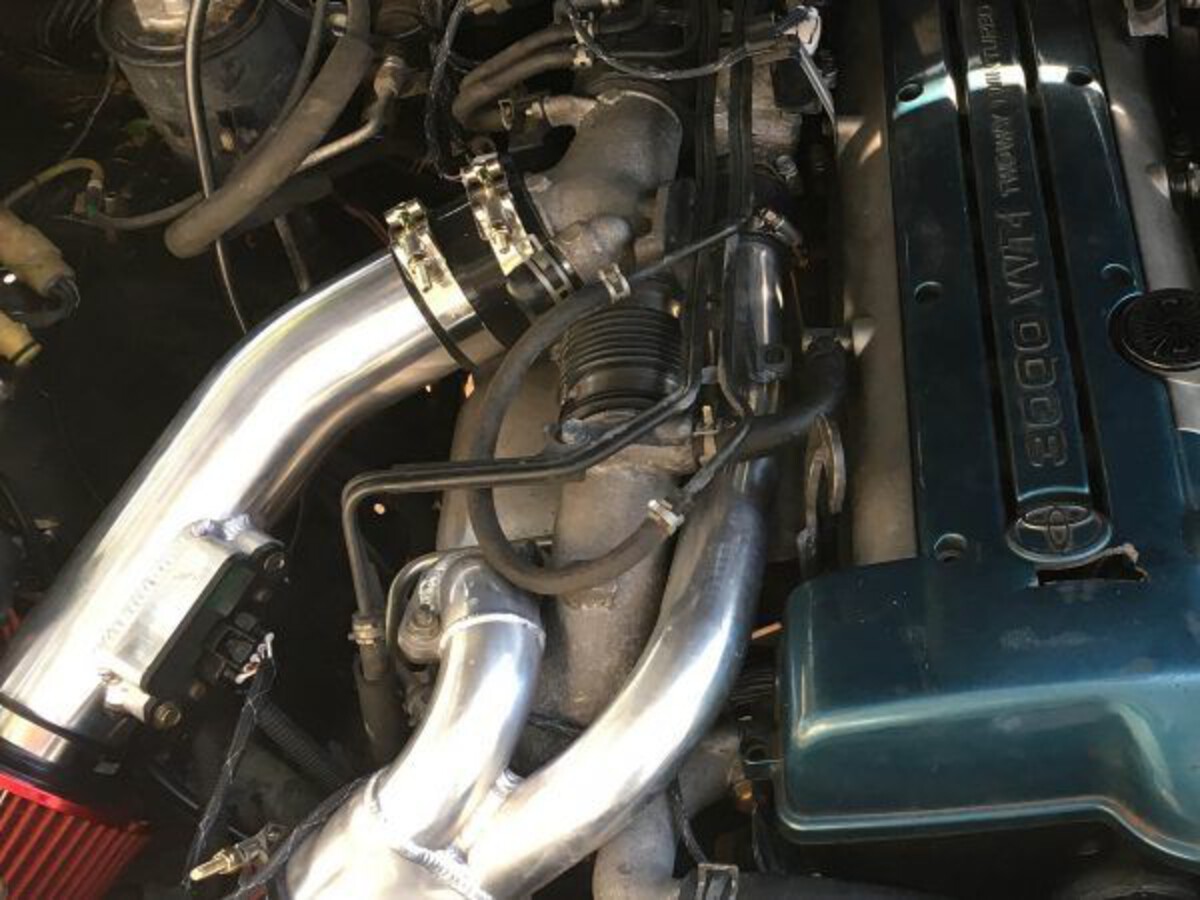
Unlike modern aluminum blocks that expand and contract with temperature fluctuations, the iron block of the 2JZ is more forgiving under heat stress. Combined with a well-designed head gasket and durable internals, the engine simply shrugs off heat where other motors might fail.
Owners also benefit from relatively straightforward maintenance; parts like thermostats and radiators are easy to replace, and Toyota’s reputation for reliability means quality after-market support is abundant.
Enthusiasts often cite the 2JZ’s ability to idle in traffic without worry, perform in hot climates, and endure extended track sessions. It’s a motor that seems almost bored with the concept of overheating, requiring extreme neglect or grossly insufficient cooling modifications to even approach danger. That’s why decades later, the 2JZ remains one of the most respected engines for both daily drivers and high-horsepower builds.
ALSO READ: 10 Fixes That Keep a Toyota Highlander Family-Ready for Decades
2. Honda K24 Series
Honda’s K24 engine series has become one of the most celebrated four-cylinder powerplants for its blend of efficiency, power, and resilience. Found in models like the Accord, CR-V, and even swapped into countless performance builds, the K24’s reputation for staying cool is well deserved.
One of the primary reasons the K24 rarely overheats lies in Honda’s meticulous engineering of its cooling passages and water pump system.
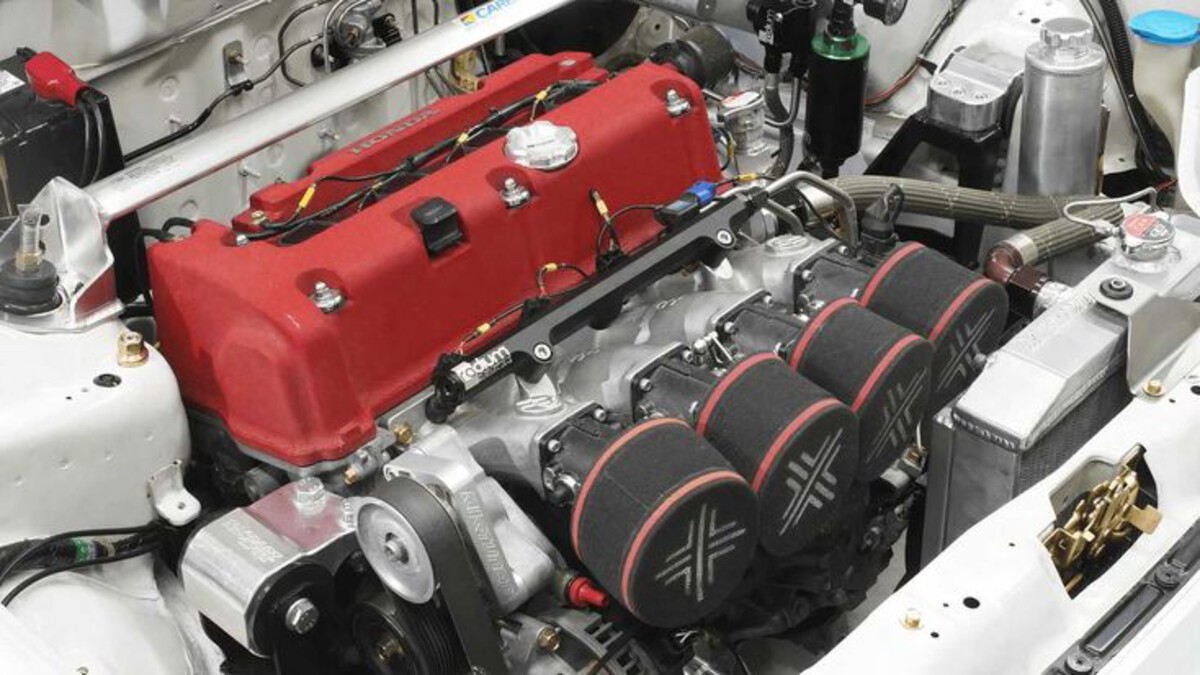
Coolant flows evenly across the cylinder head and block, minimizing hot spots that plague lesser designs. The aluminum block is paired with strong head gaskets that resist warping, even under sustained high-revving use, something Honda engines are famous for.
Owners often push these engines hard, whether through autocross, track days, or spirited canyon driving, yet reports of overheating are surprisingly rare. Even when turbocharged or supercharged in aftermarket builds, the K24 manages temperatures far better than many competitors. Part of this comes from Honda’s efficient radiator designs, which deliver excellent airflow even in compact engine bays.
Routine maintenance, such as replacing coolant and monitoring radiator hoses, keeps the K24 practically immune to overheating issues. Unlike some engines, where one weak link in the cooling system causes cascading failures, the K24 has built-in durability that forgives minor neglect. This explains why so many high-mileage Hondas continue to run strong without signs of thermal distress.
The K24’s mix of lightweight construction, efficient cooling, and durability ensures that overheating remains an afterthought rather than a constant concern. For enthusiasts and daily drivers alike, it’s a motor that inspires confidence.
3. Chevrolet LS Small-Block V8
Chevrolet’s LS small-block V8 has become a legend not just for its power and swapability but also for its cooling reliability. Found in everything from Corvettes to trucks, the LS series represents one of the most balanced engine designs of the modern era. Its ability to resist overheating is a major reason it has gained such a loyal following among hot rodders and tuners.
The LS benefits from an advanced coolant flow system designed for both efficiency and durability. Its aluminum block is lightweight yet manages heat extremely well, aided by precision-machined coolant passages that allow even distribution.
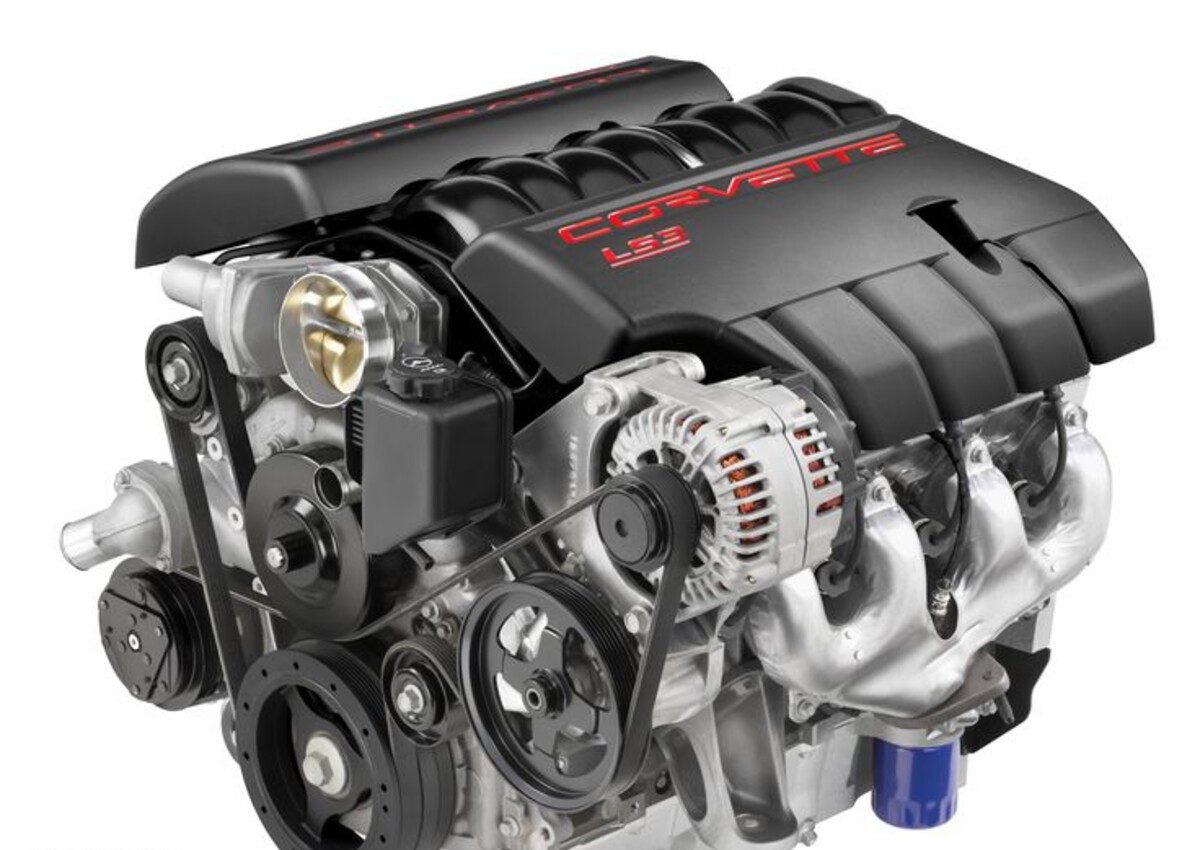
The water pump and thermostat work seamlessly to maintain stable temperatures across varying loads, whether hauling heavy trailers or blasting down a drag strip.
Another strength is the LS’s adaptability. Even when transplanted into older vehicles, builders rarely report overheating issues, provided the cooling system is set up properly. This resilience has made it the go-to choice for project cars where reliability is just as important as performance. LS motors also handle aftermarket modifications exceptionally well. Whether boosted with turbos or superchargers, they generally keep their cool, a testament to their robust design.
Owners often remark how their LS engines run cooler compared to competitors under the same conditions. High-mileage LS-powered trucks continue to prove their mettle, rarely plagued by catastrophic overheating unless severely neglected. It’s this reputation that ensures the LS V8 remains one of the most trusted engines in automotive history, a workhorse that rarely loses its composure under heat.
4. Ford Modular 4.6L V8
The Ford Modular 4.6L V8, found in everything from the Mustang GT to the Crown Victoria, is another motor that rarely struggles with overheating. Introduced in the 1990s, the 4.6 was part of Ford’s move to a more modern overhead-cam design.
Despite its complexity compared to pushrod predecessors, Ford ensured that the cooling system was robust enough to handle both daily use and performance demands. The 4.6L’s large coolant passages, efficient radiator integration, and dependable water pump contribute to its thermal stability.
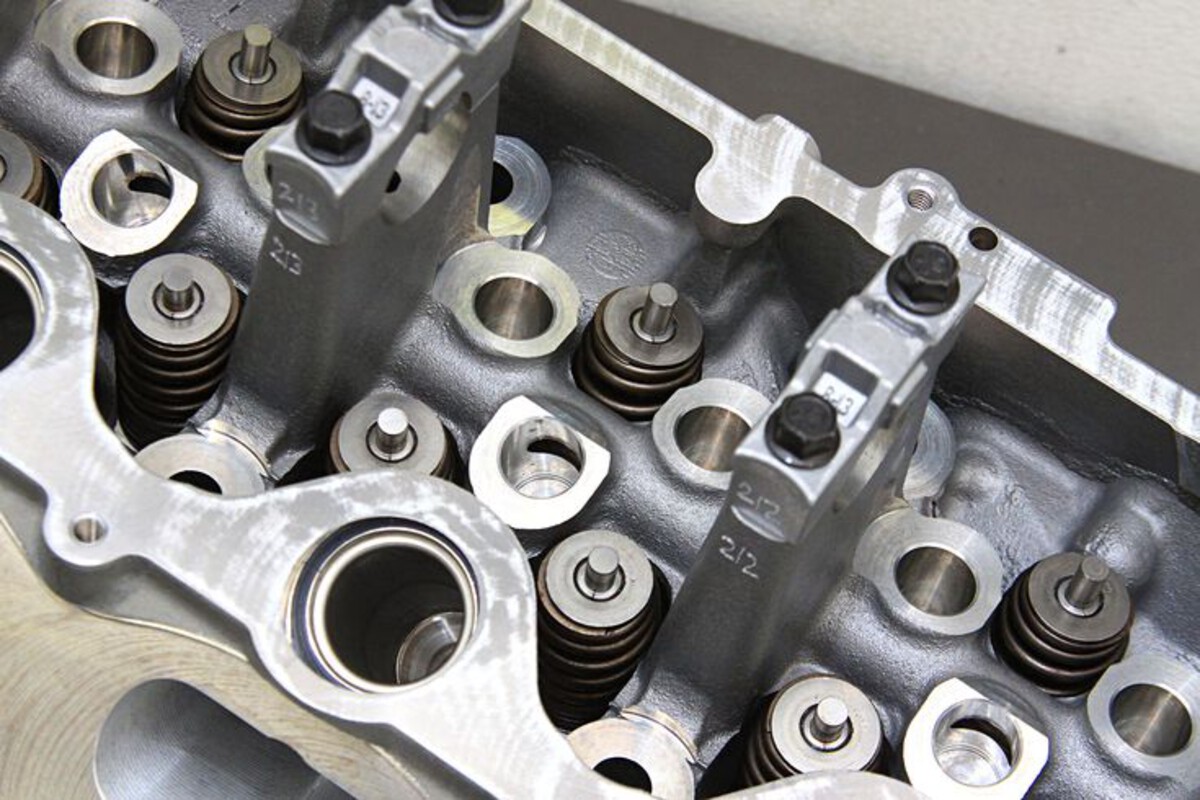
Police interceptors, taxis, and fleet vehicles powered by the 4.6 are particularly strong testaments to its reliability. These cars idled for hours, operated in scorching summer heat, and endured years of abuse with few reports of overheating. That speaks volumes about the engine’s ability to remain cool even under extreme duty cycles.
Even performance variants, such as those found in Mustangs or Lincoln luxury sedans, benefit from the same cooling system resilience. Owners often praise the 4.6 for its ability to stay consistent during spirited driving.
Routine maintenance, like coolant flushes and thermostat changes, keeps the system operating at peak efficiency. Unlike some competitors, the 4.6 rarely suffers from chronic gasket failures or coolant leaks that cause cascading problems.
Because of its balance between durability and cooling reliability, the 4.6 Modular has earned a reputation as a steady workhorse. It may not be the most powerful V8 of its time, but its ability to handle heat without complaint has made it beloved by both enthusiasts and those who simply need an engine that lasts.
5. Toyota 1ZZ-FE
The Toyota 1ZZ-FE, a 1.8-liter inline-four found in vehicles like the Corolla, Celica GT, and Pontiac Vibe, is proof that even small-displacement engines can excel in cooling reliability. Toyota designed the 1ZZ-FE with economy and efficiency in mind, but durability was never sacrificed.
A key reason the 1ZZ-FE rarely overheats lies in its compact yet efficient cooling system. The aluminum block is paired with reinforced cylinder liners, while the water pump and radiator setup are sized appropriately for both city commuting and highway driving. This balance allows the engine to maintain steady operating temperatures without stress.
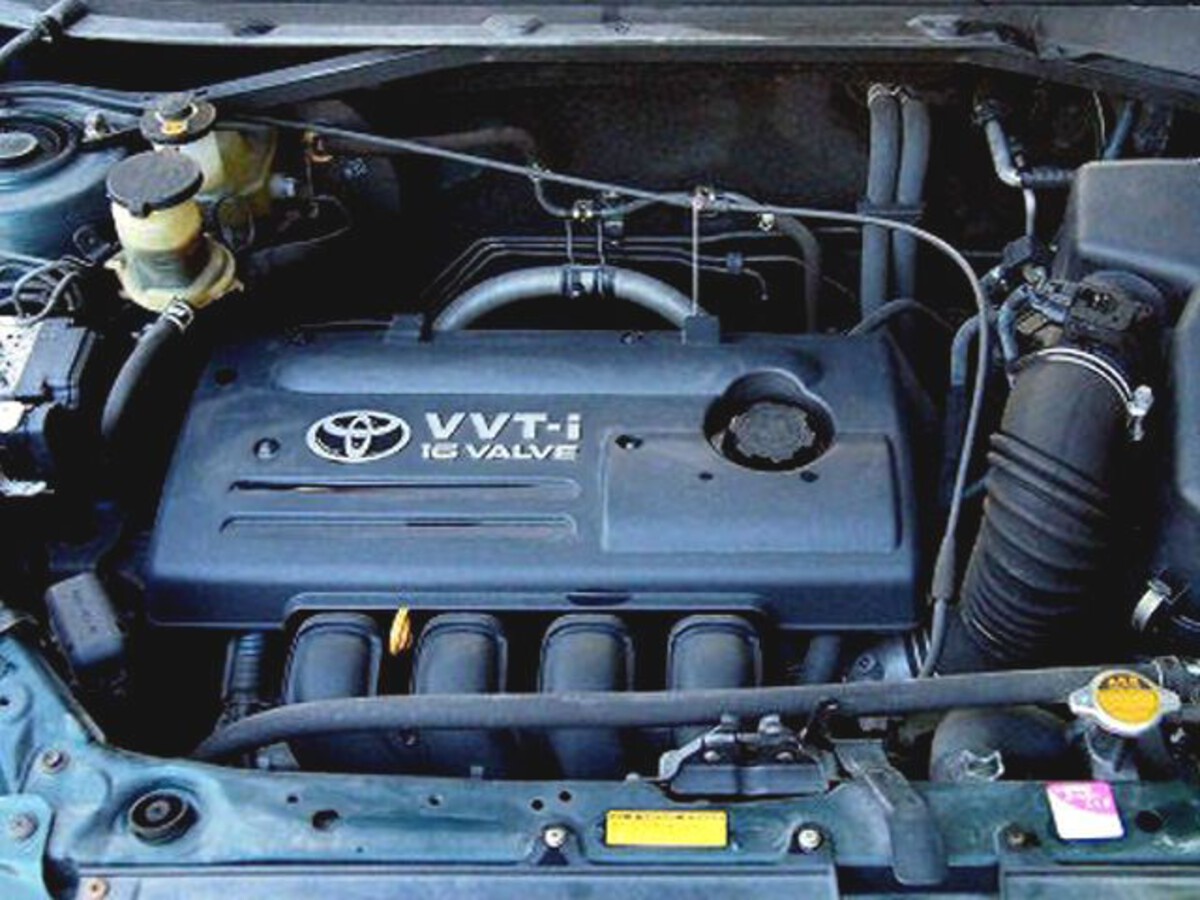
Daily drivers often praise the 1ZZ-FE for its consistency, especially in hot climates where other engines of similar size might show signs of thermal fatigue. It handles long commutes, heavy traffic, and even spirited driving with little risk of overheating. Toyota’s engineering focus on efficiency ensured that even when pushed, the engine remains thermally stable.
Another advantage is its simplicity. Fewer complex parts mean fewer failure points in the cooling system. Even if components like thermostats or hoses wear out, the engine rarely suffers catastrophic overheating before warning signs appear. High-mileage examples, some surpassing 250,000 miles, continue to run without heat-related failures when basic maintenance is followed.
The 1ZZ-FE may not be a performance powerhouse, but its steady, cool-running nature has cemented its reputation as a dependable daily driver engine. It embodies Toyota’s engineering philosophy: simple, reliable, and durable.
5 Engines That Constantly Run Hot
Engines are built to work hard, but some just can’t keep their cool. Whether it’s design flaws, poor cooling systems, or the sheer demands of performance, certain engines have earned a reputation for running hot, and not in the good way.
Overheating isn’t just an inconvenience; it can lead to warped heads, blown gaskets, and catastrophic failures if left unchecked. In this article, we’ll break down five engines that are notorious for running hotter than most, and what that really means for owners, mechanics, and anyone curious about the pitfalls of automotive engineering.
1. Chrysler 2.7L V6
Few engines are as infamous for overheating as Chrysler’s 2.7L V6, used in vehicles like the Dodge Intrepid, Chrysler Sebring, and Concorde during the late 1990s and early 2000s. What should have been a smooth, modern V6 quickly became a nightmare for owners due to severe cooling issues and poor durability.
The biggest flaw of the 2.7L lies in its narrow coolant passages and poor oiling system. Sludge buildup was a chronic problem, which in turn restricted coolant flow and made overheating inevitable.
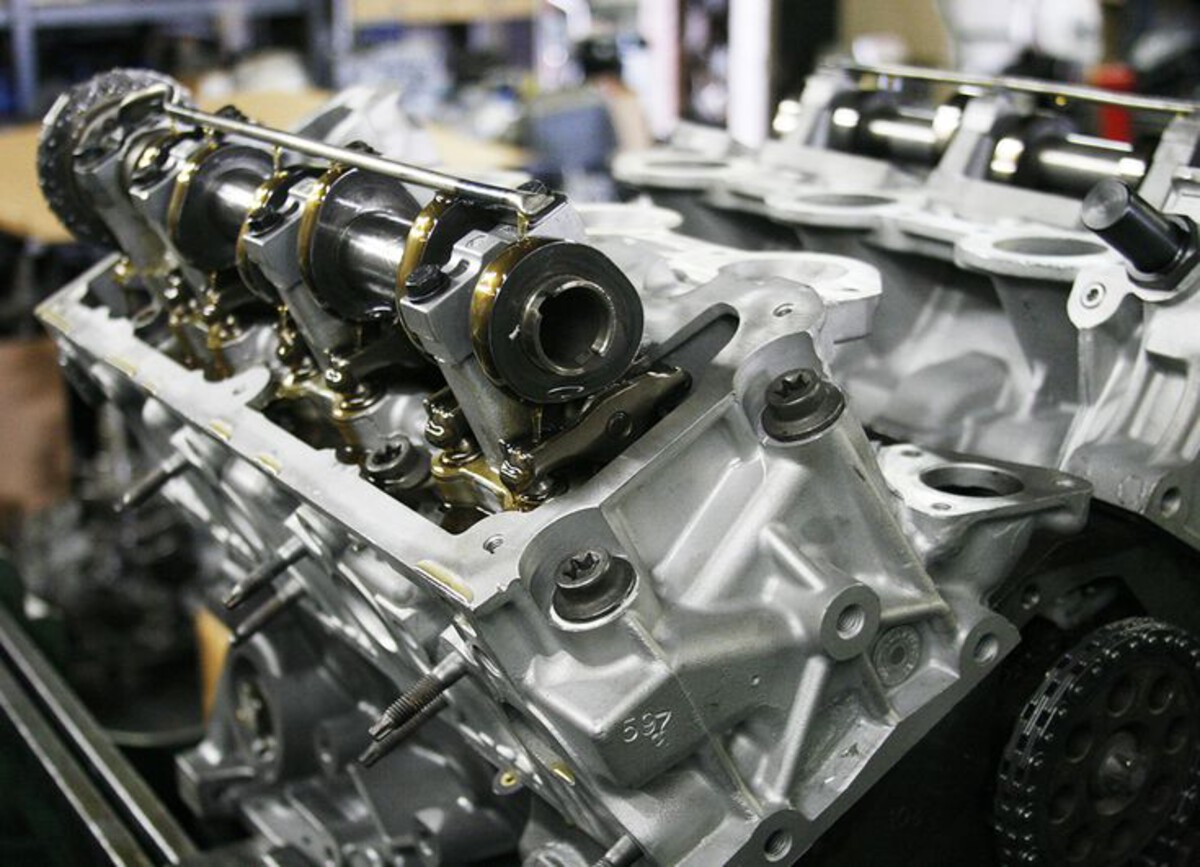
Once overheating began, the head gaskets were quick to fail, leading to a vicious cycle of coolant loss, warped heads, and catastrophic engine failure.
Owners frequently reported engines seizing under normal driving conditions, with many examples failing before reaching 100,000 miles. Even regular maintenance wasn’t always enough to prevent overheating. The cramped engine bay of many Chrysler vehicles also worsened the issue by limiting airflow.
Another frustration was cost. Repairing or rebuilding the 2.7L was often more expensive than the car’s value, leaving owners with little choice but to scrap their vehicles. While Chrysler attempted improvements in later years, the engine’s reputation never recovered.
Today, the 2.7L V6 is remembered as one of the worst offenders in modern automotive history for chronic overheating. It stands as a cautionary tale of how poor cooling design and sludge-prone oiling systems can ruin an otherwise promising engine.
ALSO READ: 9 Ways to Make a Honda Fit Last Beyond 200,000 Miles
2. BMW N62 V8
The BMW N62 V8, found in luxury models like the 5 Series, 7 Series, and X5 during the 2000s, is another engine notorious for overheating issues. While smooth and powerful, it suffers from chronic cooling weaknesses that plague even well-maintained examples.
The N62’s biggest problem is its complex cooling system. With multiple radiators, electric water pumps, and sensitive thermostats, there are countless points of failure. Once one component falters, the entire system struggles to keep temperatures in check.
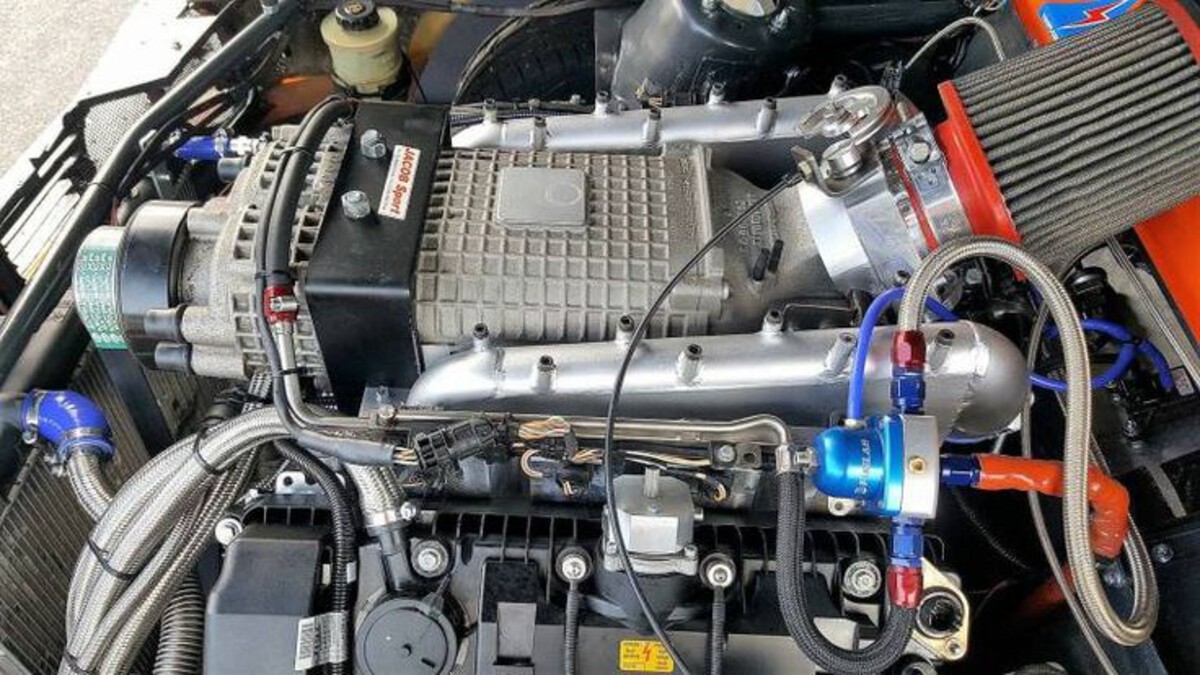
Adding to this, BMW used plastic components for many critical parts, which become brittle with age and heat, leading to leaks.
Another issue is the engine’s tight packaging. Cramped engine bays restrict airflow, especially in models like the 5 Series. Combined with the high operating temperatures BMW engines are tuned for, overheating becomes a regular threat. Head gasket failures, coolant leaks, and warped heads are all common results.
Owners often describe the experience of maintaining an N62 as a battle against constant overheating gremlins. Radiators, water pumps, and hoses require frequent replacement, and repairs are notoriously expensive due to labor-intensive access. Even enthusiasts admit the N62 demands more attention than it gives back.
While the engine delivers silky smooth performance when working properly, its overheating issues have damaged its reputation. For many, the N62 symbolizes the pitfalls of over-engineering without sufficient durability testing in real-world conditions.
3. Subaru EJ25
The Subaru EJ25 engine, used in models like the Impreza, Outback, and Forester, is infamous for overheating due to chronic head gasket failures. Despite Subaru’s loyal fan base, this engine’s tendency to run hot has frustrated countless owners.
The design flaw lies in the flat-four layout combined with inadequate head gasket sealing. Over time, coolant leaks internally or externally, leading to overheating. Once this occurs, the engine often suffers warped heads or complete gasket blowouts.
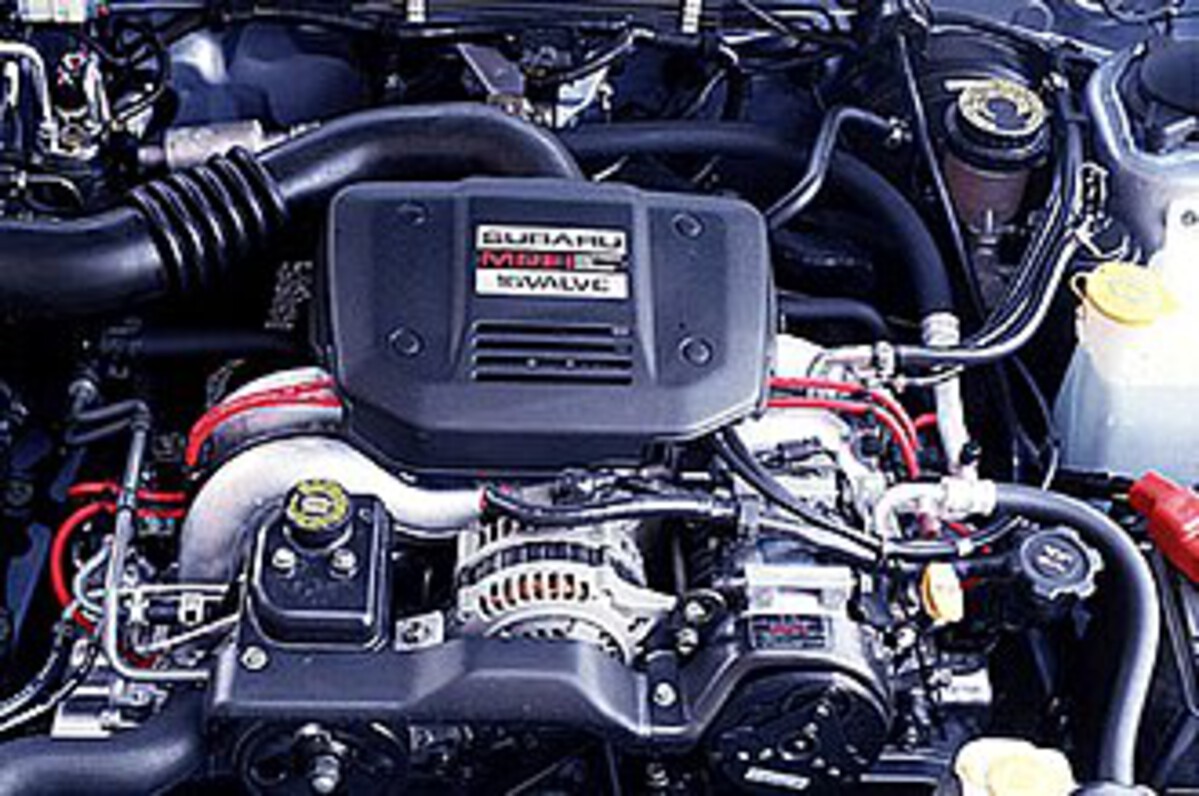
Early EJ25s from the late 1990s through the 2000s were especially prone to this problem, though even later versions weren’t completely free of it.
Drivers often experienced overheating after long highway trips or in stop-and-go traffic, even with seemingly healthy cooling systems. Frequent coolant loss without obvious leaks is a telltale sign of EJ25 head gasket failure. Repairing the issue is costly, requiring engine disassembly, and the problem often recurs if not done with upgraded parts.
Despite the issues, many enthusiasts remain loyal to the EJ25 because of its unique character and all-wheel-drive compatibility. Subaru eventually addressed the head gasket flaws with improved designs, but by then, the EJ25’s reputation was cemented.
For many, owning an EJ25 meant living with the constant anxiety of overheating, a frustrating drawback to an otherwise capable and versatile engine.
4. Ford Triton 5.4L V8
Ford’s Triton 5.4L V8, used extensively in F-Series trucks and SUVs during the late 1990s and 2000s, was notorious for running hot under heavy loads. While durable in some respects, its cooling weaknesses made it a frequent headache for truck owners.
The 5.4L’s problems stemmed from weak cylinder head designs and poor coolant circulation. Under towing or hauling conditions, the engine would often overheat, leading to spark plug blowouts or head gasket failures.
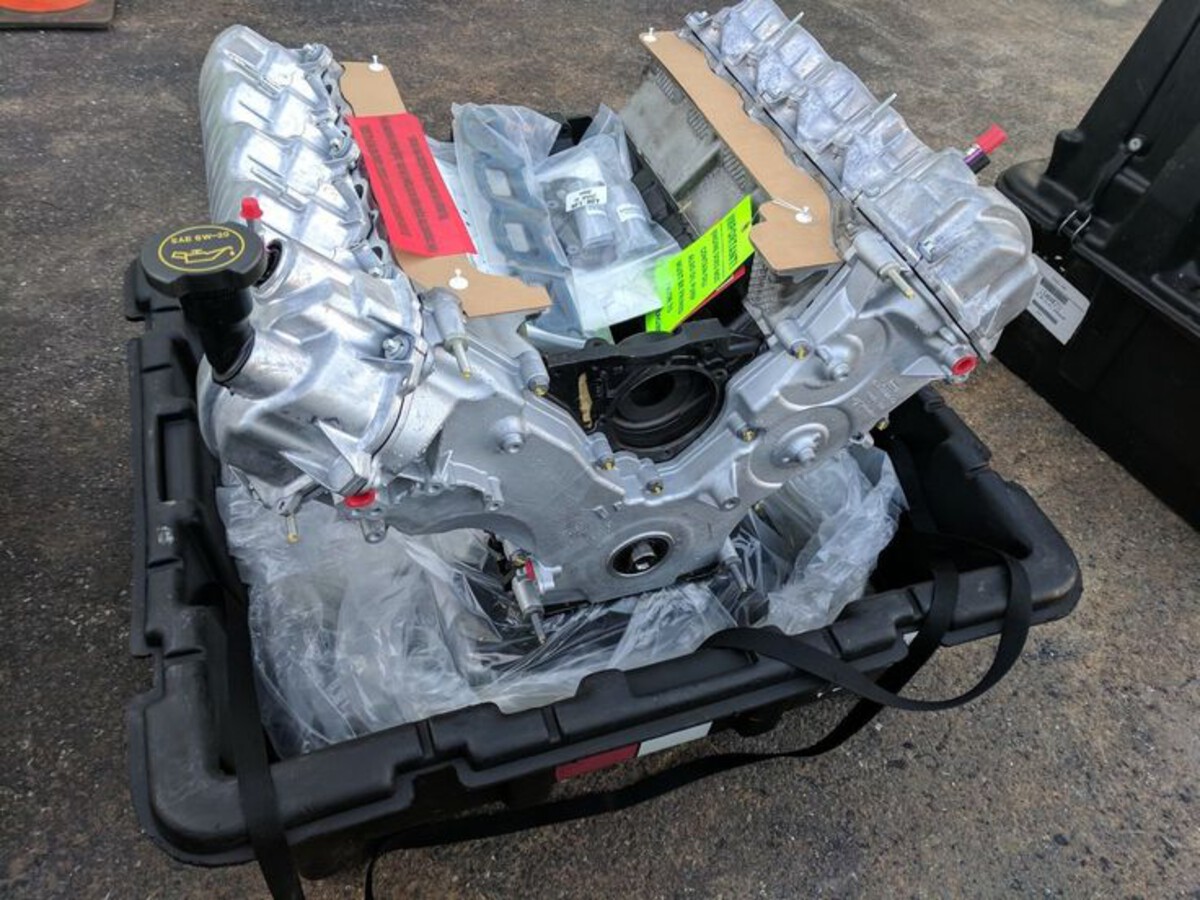
The tight engine bay packaging in trucks like the Expedition compounded the issue, limiting airflow.
Another common problem was the tendency for radiators and thermostats to fail prematurely, straining the system further. Even routine driving in hot climates sometimes pushed the Triton beyond safe temperatures. Repair costs were high, as spark plug threads in the aluminum heads were notoriously fragile, often requiring specialized fixes after overheating damage.
Owners who depended on their trucks for work or towing were particularly frustrated. A truck engine should be built for sustained heavy-duty use, yet the 5.4L frequently left drivers stranded. While Ford made incremental improvements, the engine’s reputation suffered badly.
Today, the 5.4 Triton remains a sore spot for many Ford fans. Despite its widespread use, it’s remembered as a motor that ran hot more often than it should have, undermining its role in otherwise capable trucks.
5. Mazda Rotary 13B
The Mazda rotary 13B, found in the RX-7 and RX-8, is a cult favorite for its unique design and thrilling performance. However, one of its biggest flaws has always been heat management. Rotary engines inherently generate more heat than piston engines, and the 13B’s compact design makes cooling a constant challenge.
The small engine bay of the RX series restricts airflow, and the rotary’s tendency to run at high RPMs exacerbates the heat issue. Cooling systems often struggle to keep up, leading to overheating during spirited driving or track use.
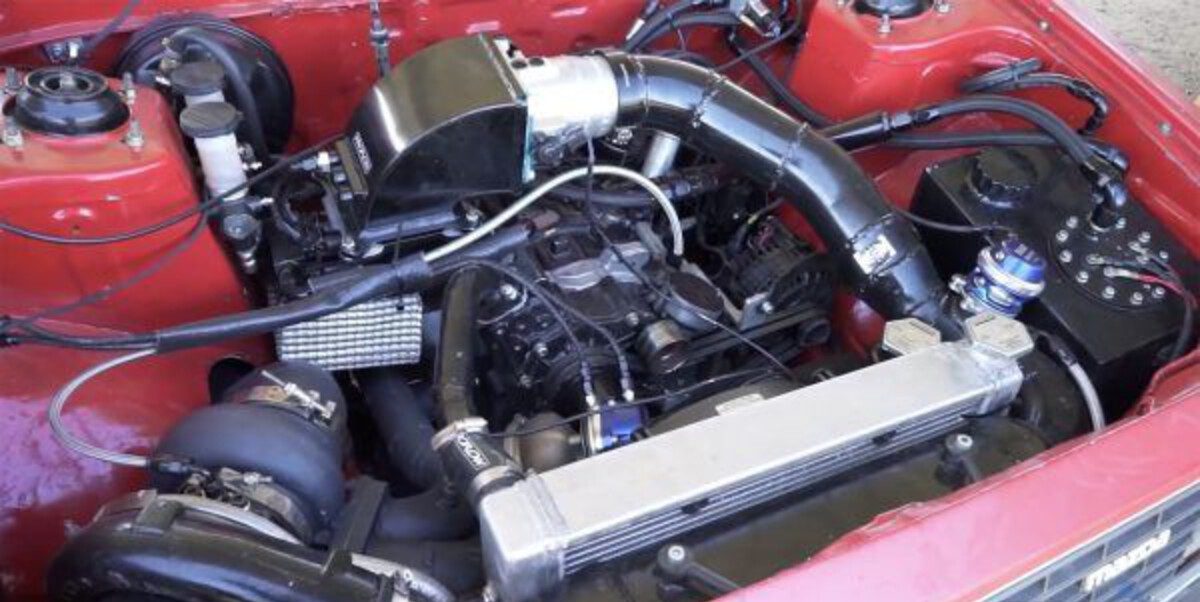
Many owners resort to aftermarket radiators, oil coolers, and upgraded fans just to keep temperatures under control.
Another challenge is the rotary’s oil consumption. Since oil is used to lubricate the apex seals and is burned during combustion, low oil levels further contribute to heat-related wear. Neglecting oil checks accelerates overheating damage, often leading to seal failure and catastrophic engine breakdowns.
While enthusiasts accept these quirks as part of rotary ownership, the 13B’s overheating issues make it a high-maintenance engine. Without meticulous care and upgraded cooling components, running hot is almost inevitable.
Despite these flaws, the rotary’s uniqueness keeps it beloved in enthusiast circles. But when it comes to cooling reliability, the 13B is one of the worst offenders, demanding constant attention to avoid heat-induced destruction.
Engines are not just about horsepower figures or torque delivery, they are about how well they endure real-world conditions. The difference between engines that rarely overheat and those that constantly run hot highlights the importance of cooling system design, engineering foresight, and long-term durability.
For drivers, the lesson is clear: pay attention not only to performance but also to cooling reliability when evaluating an engine. Even the most powerful motor is useless if it cannot sustain safe operating temperatures. Routine maintenance coolant flushes, radiator checks, and thermostat replacements also plays a critical role in preventing issues, even in engines prone to running hot.
Ultimately, an engine that runs cool runs confidently. It provides peace of mind, longevity, and a driving experience free from constant anxiety. For anyone choosing their next vehicle or caring for their current one, knowing which engines shine and which ones suffer in the heat is an invaluable piece of knowledge.