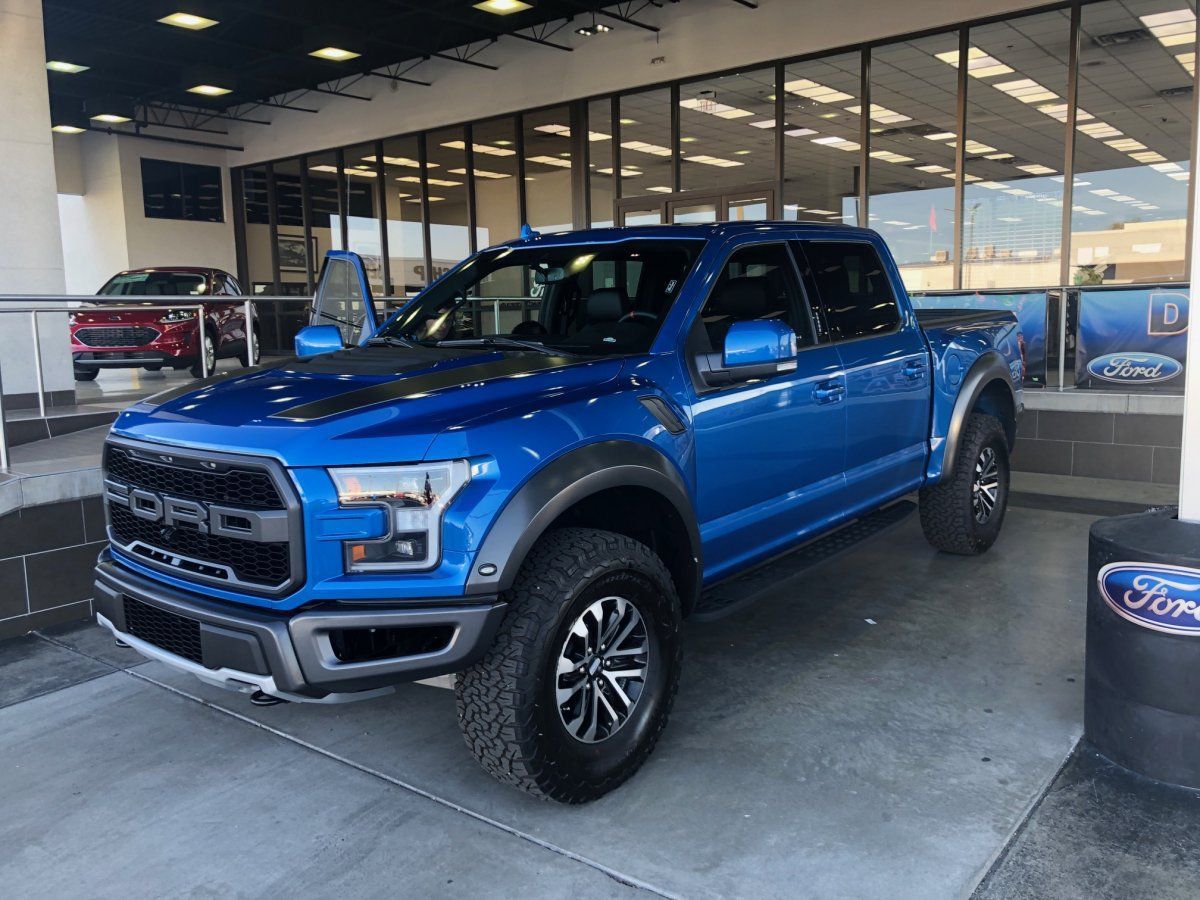
Pickups are built with one big promise: strength. Whether it’s hauling lumber, towing trailers, or cruising down rough back roads, a good pickup must have a suspension that can take a beating without falling apart.
Yet here’s the catch: while some trucks stand tall and keep their suspension strong even after years of abuse, others collapse early, leaving owners with creaks, uneven rides, and costly repairs. Suspension is one of those hidden heroes of a truck. You don’t really notice it when it’s good, but the second it weakens, you feel every bump, every dip, and every pothole.
Now, not every pickup is equal in this department. Some manufacturers get it right by engineering suspensions that handle heavy loads, off-road adventures, and everyday driving with ease. Others cut corners whether in design, material quality, or long-term durability and that shows up in broken leaf springs, sagging rear ends, or premature shock failures.
So here, we’re putting two lists side by side: five pickups that keep their suspension strong and can easily clock 200,000 miles without major issues, versus five pickups that collapse early, often frustrating owners with repairs long before the odometer justifies it.
This isn’t just about specs on paper; it’s about real-world performance, how these trucks handle wear and tear, and the reputation they’ve built with drivers over the years.
5 Pickups That Keep Strong Suspension
When we talk about strong suspension, we’re talking about trucks that can haul, tow, and drive rough without showing signs of weakness. These are the pickups that people buy knowing they’ll last, whether it’s a rancher putting 50,000 miles of dirt-road driving on them or a contractor hauling bricks every day.
The suspension setups here, whether leaf springs, coil springs, or advanced off-road systems, aren’t just durable but dependable over time. Owners report fewer breakdowns, fewer squeaks, and fewer trips to the mechanic for suspension rebuilds.
Let’s look at five trucks that stand out for having suspensions built like tanks.
ALSO READ: 5 Cars That Stay Safe After 200K vs 5 That Don’t
1. Ford F-250 Super Duty
When you think “workhorse,” the Ford F-250 Super Duty instantly comes to mind. This truck is built for punishing workloads, and its suspension system reflects that purpose. Heavy-duty leaf springs in the rear and a solid front axle give the F-250 the kind of rugged strength most half-ton pickups can’t match. Whether you’re towing 15,000 pounds or carrying a bed full of gravel, this truck stays planted and composed.
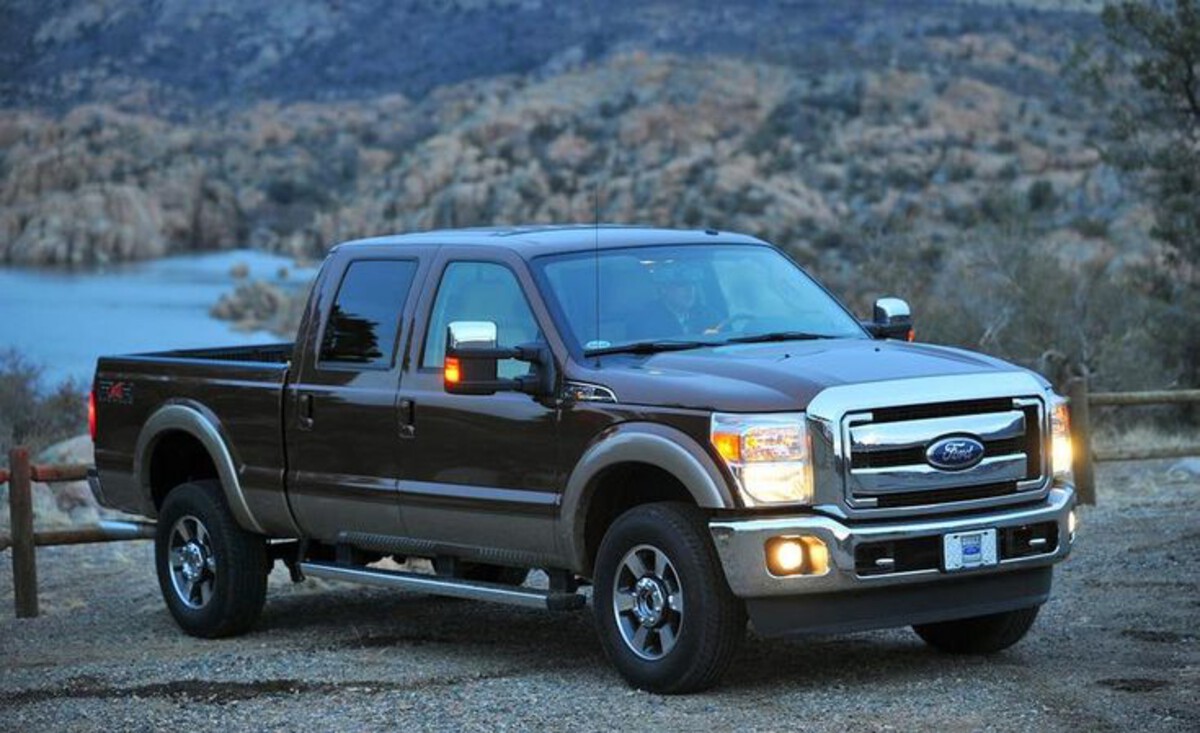
Owners who’ve put hundreds of thousands of miles on F-250s often highlight how the suspension doesn’t sag or collapse the way lighter-duty trucks sometimes do. The beefy shocks and springs are designed to handle overloads better, and aftermarket parts are widely available if you want to push the limits even further.
On rough terrain, the ride is firm, sometimes too firm for those used to daily-driver comfort, but that stiffness is what keeps the truck’s suspension from wearing out early. Ford engineered this truck with utility in mind, and you feel it in every mile. Even when used commercially, reports of major suspension issues before 200,000 miles are rare.
Bottom line: if you need a truck with a suspension that will still feel strong after years of hard hauling, the F-250 Super Duty won’t let you down.
2. Toyota Tundra
The Toyota Tundra might not outsell Ford or Chevy, but what it does bring to the table is unmatched reliability. That reputation extends to its suspension system. The Tundra uses heavy-duty shocks and coil-spring suspension that balance comfort with toughness. Unlike some rivals that start to squeak and sag under consistent towing, the Tundra’s suspension is known to stay solid even after 200,000+ miles.
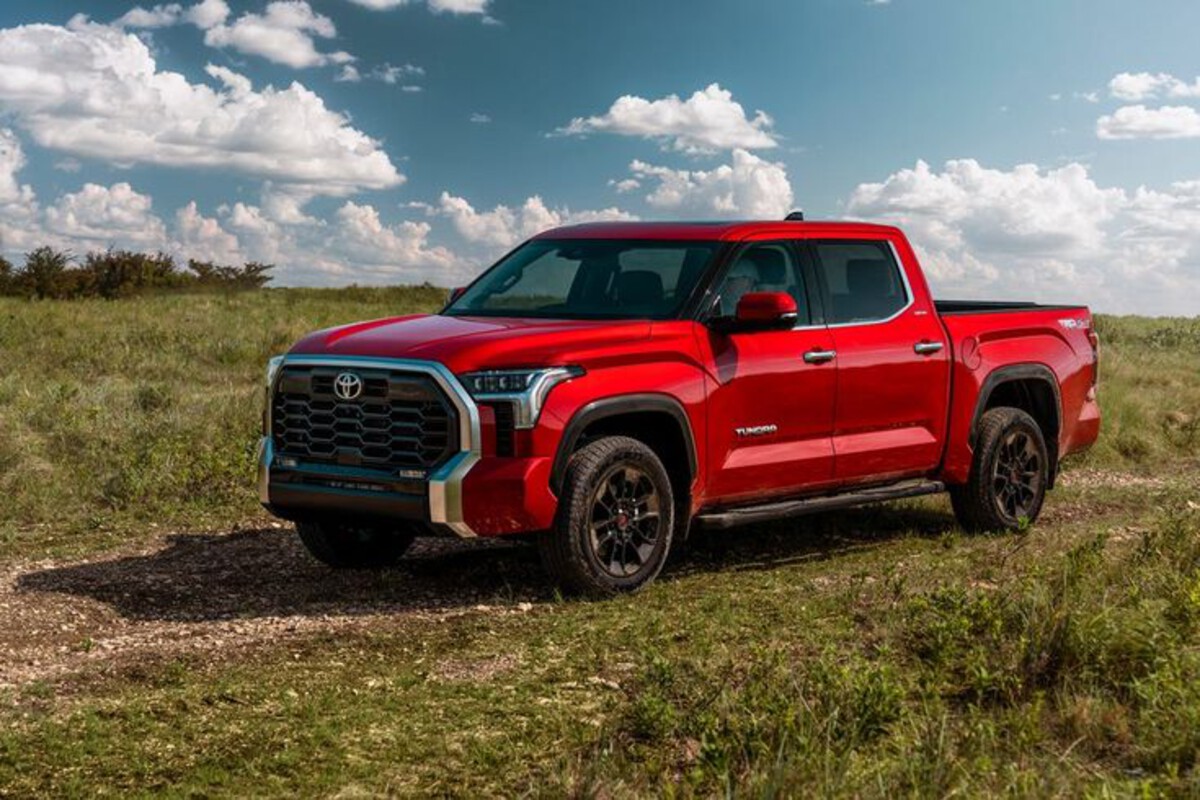
Truck owners often praise it for being a “set it and forget it” vehicle. Even under heavy loads, it doesn’t show much squat in the rear. Toyota’s design leans more toward durability than flash, and that pays off long-term. It’s also surprisingly good off-road. Whether you’re hitting trails or just dealing with uneven construction sites, the suspension remains predictable and resistant to damage.
Independent reliability studies and consumer reports consistently place the Tundra high in suspension longevity, which is something you don’t often see in full-size trucks.
Simply put, if you want a truck that may not be the flashiest but will keep rolling without suspension breakdowns, the Tundra deserves a top spot on the list.
3. Ram 2500
The Ram 2500 has carved out its own space in the heavy-duty pickup world, and a lot of that comes down to its suspension engineering. Unlike many competitors, Ram moved toward using a coil-spring rear suspension (with optional air suspension), which was a bold move in a class where leaf springs dominated. The result? A truck that can handle serious payloads and towing duties while also offering a smoother, more controlled ride.
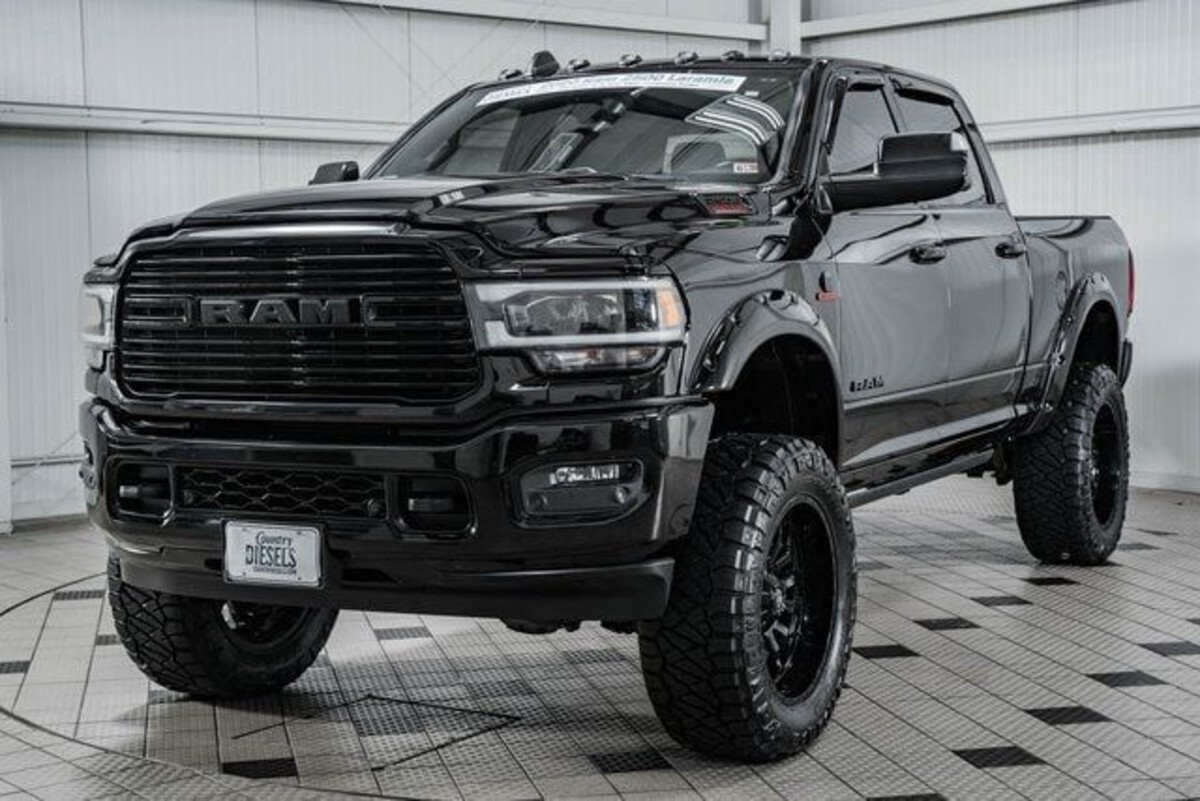
Owners often note how the suspension holds up exceptionally well over time, even with repeated heavy use. The coil-spring setup is less prone to sagging under long-term loads compared to traditional leaf springs. For those who tow often, the optional auto-level rear air suspension helps keep everything balanced, reducing stress on components and ensuring longevity.
When it comes to durability, Ram 2500s have been known to run 200,000–300,000 miles without major suspension rebuilds, provided regular maintenance is done. Even on rugged job sites or rough rural roads, the suspension rarely bottoms out or develops clunks early.
Sure, repairs can get pricey if something eventually fails, but that’s true of any heavy-duty truck. What makes the Ram 2500 stand out is the fact that those failures don’t come early. Its suspension is as tough as its drivetrain, giving owners confidence that it won’t collapse when the going gets tough.
4. Chevrolet Silverado 2500HD
The Silverado 2500HD is another heavy-duty pickup that belongs in the “strong suspension” hall of fame. Chevrolet equips it with independent front suspension and heavy-duty rear leaf springs, designed to withstand serious towing and payload numbers. What makes this suspension shine is its ability to balance strength with drivability. You get a rugged setup that doesn’t feel overly punishing on daily commutes.
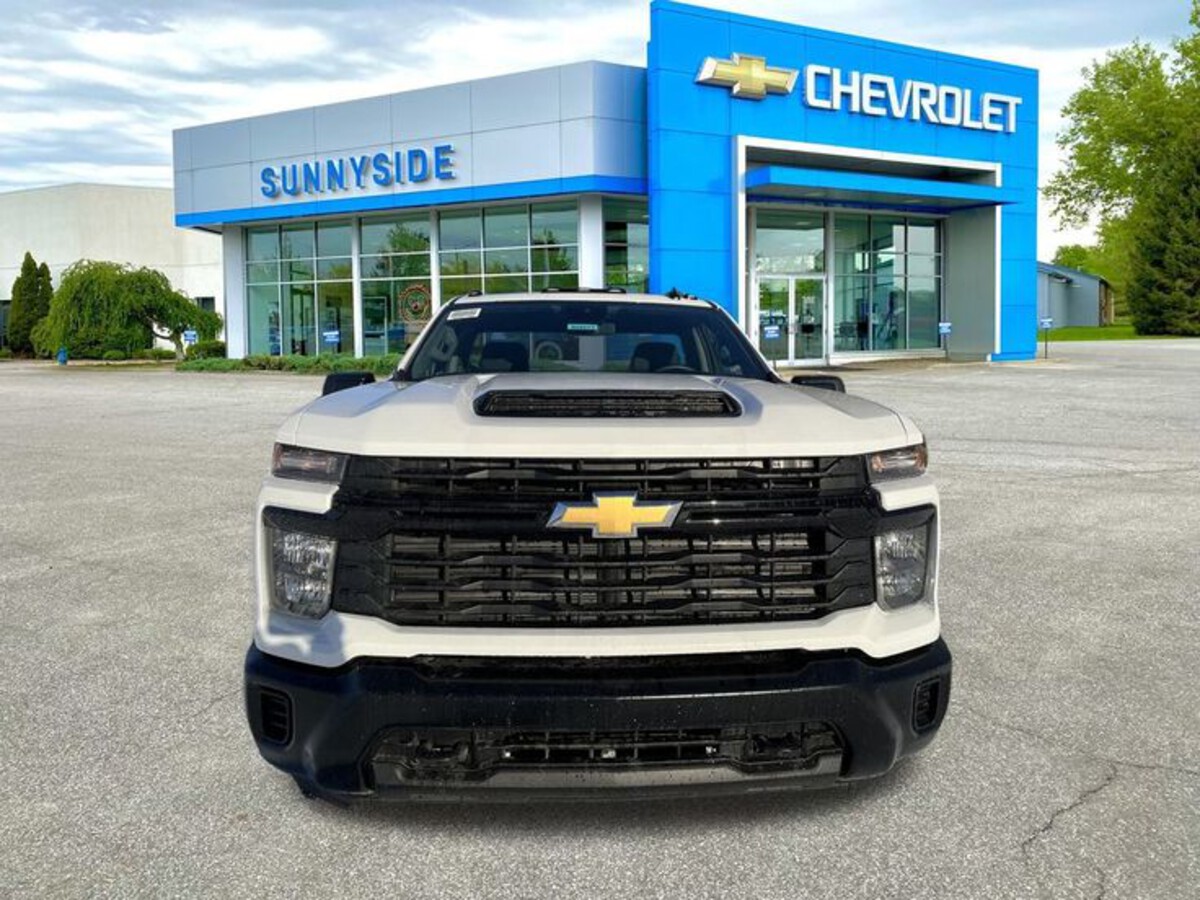
Owners consistently report that the Silverado 2500HD holds its ride height and suspension firmness long after competitors begin to sag. Even when regularly loaded with trailers, heavy equipment, or farm supplies, the suspension keeps its composure. Independent testing has shown that the Silverado’s suspension absorbs shocks from rough terrain while keeping the truck steady, a sign of strong engineering.
What’s more, maintenance costs tend to be lower compared to other heavy-duty trucks. Shocks and bushings don’t wear out as quickly, and the truck doesn’t develop rattles early on. For drivers who need a truck that can move between construction sites and highways without suspension headaches, the 2500HD delivers.
It may not ride as luxuriously as the Ram 2500 or offer Toyota’s reliability rep, but when it comes to holding up under pressure, the Silverado’s suspension stays tough year after year.
5. Nissan Titan XD
The Titan XD sits in that “in-between” category not quite a light-duty, not quite a full heavy-duty truck. But one area where it truly impresses is suspension durability. Nissan built the XD with a reinforced frame and stronger suspension components than the standard Titan, making it a great choice for people who need more than a half-ton but don’t want to jump all the way up to a massive 2500-class truck.
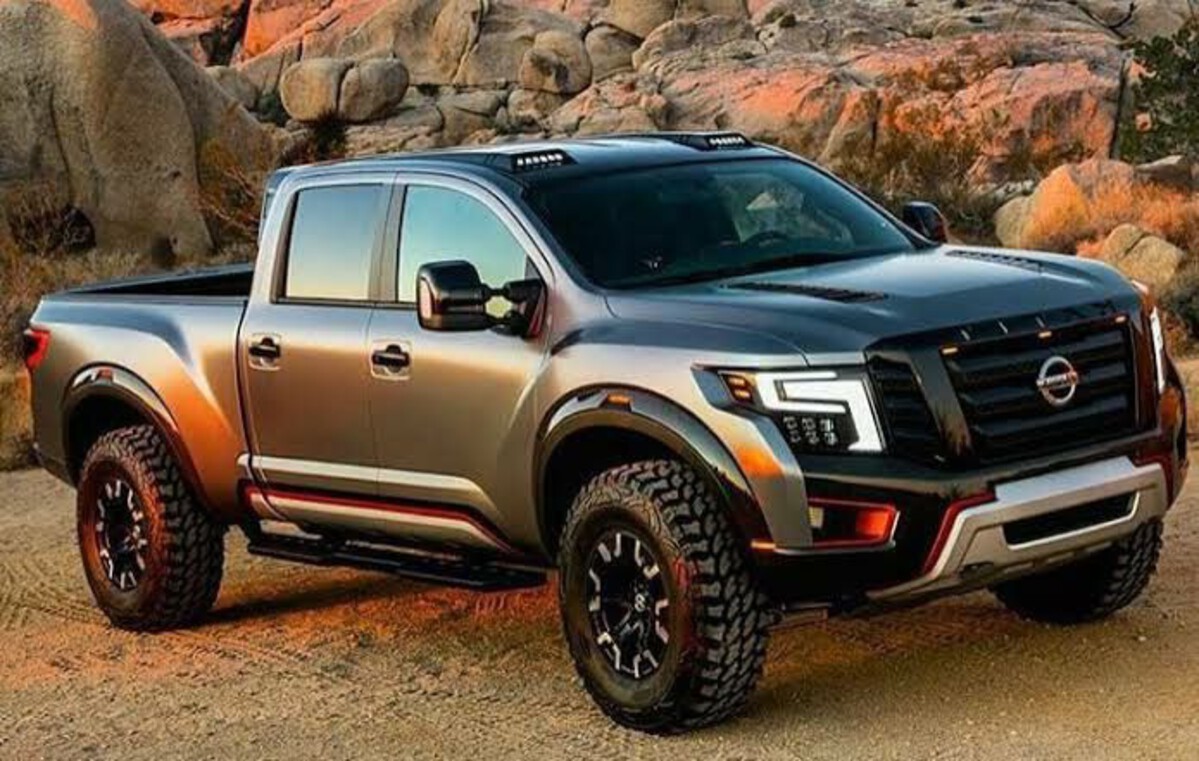
Its suspension is designed for stability and long-term strength. The Titan XD uses heavy-duty shocks and reinforced leaf springs that stand up well to towing and payload stress. Owners often highlight how the truck maintains a level stance under load, unlike some half-ton pickups that squat visibly.
In long-term ownership reports, Titan XDs show fewer suspension failures compared to competitors like the F-150 or GMC Sierra 1500. The parts hold up well, and while it may not be the most popular truck on the market, those who own it swear by its toughness.
Sure, Nissan’s truck division doesn’t get the same spotlight as Ford or Chevy, but the Titan XD’s suspension strength earns it a quiet respect. For anyone wanting a solid middle-ground work truck, it’s proof that strong suspension doesn’t always come from the biggest names in the industry.
5 Pickups That Collapse Early
Now, let’s switch gears. Not every pickup lives up to the “built tough” promise. Some trucks may look great, have flashy interiors, or even strong engines, but their suspensions just don’t hold up. Whether it’s poor design, cost-cutting on parts, or setups that prioritize comfort over durability, these trucks tend to sag, squeak, and fail far earlier than expected.
Owners often complain about worn-out shocks, broken leaf springs, or suspension components that simply can’t handle daily heavy use. The problem isn’t that these trucks can’t haul or tow it’s that doing so consistently shortens their lifespan dramatically. For people who rely on their trucks, these failures can be frustrating and expensive.
Let’s dig into five pickups that have a track record of suspension troubles.
ALSO READ: 5 Inline-6 Engines That Last Forever vs 5 That Constantly Fail
1. Ford Ranger
For all the praise the Ford Ranger gets as a midsize option, one common complaint pops up again and again: suspension issues. The Ranger’s setup of coil springs in the front and leaf springs in the rear is decent on paper, but in real-world use, it tends to wear down faster than competitors. Many owners report squeaks, rattles, and sagging rear suspension even before hitting 100,000 miles.
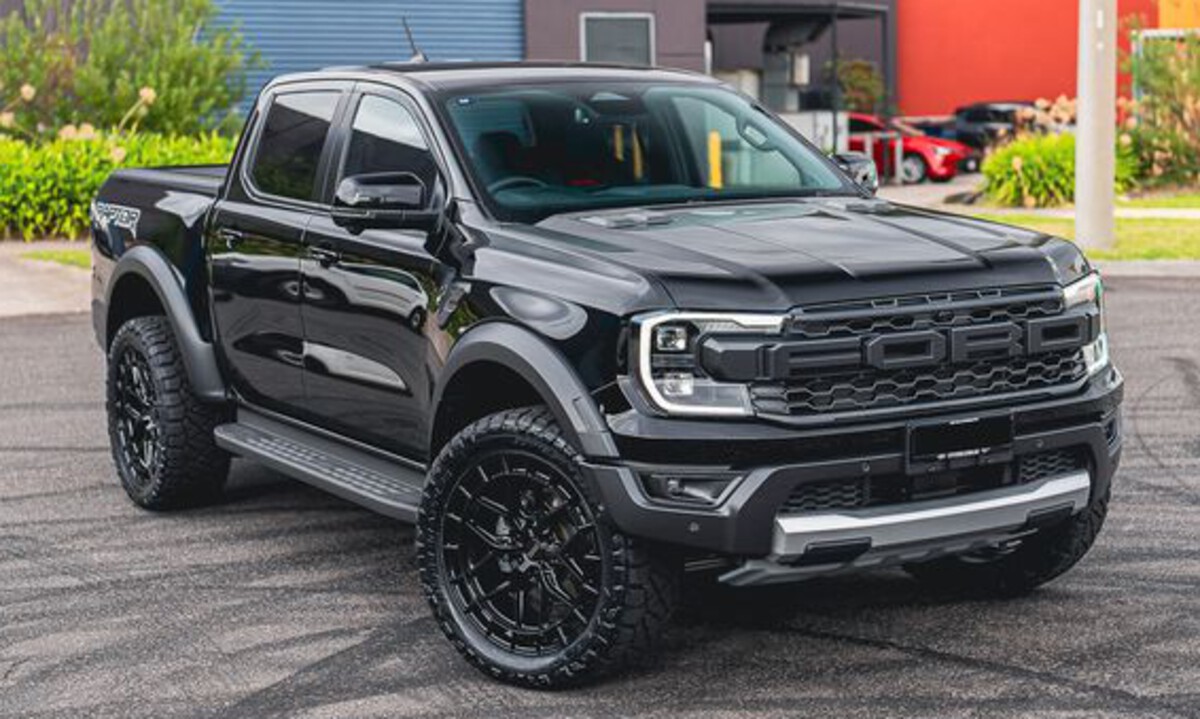
The main issue seems to be that the Ranger was designed more for comfort and light-duty driving than for consistent hauling or towing. Sure, it can tow 7,500 pounds, but doing that regularly takes a heavy toll. Rear shocks wear prematurely, and some owners end up replacing leaf springs within just a few years.
Off-road use also exposes weaknesses. The suspension bottoms out easier than rivals like the Tacoma, and repeated rough terrain can accelerate wear. Repair costs aren’t outrageous, but the frequency of needed work makes it frustrating.
While the Ranger is a solid daily driver for someone who needs a truck look without heavy use, those expecting long-term suspension strength often end up disappointed.
2. Chevrolet Colorado
The Chevrolet Colorado is a popular midsize truck that sells well because of its size, price, and capability. But when it comes to suspension longevity, it just doesn’t keep up with rivals. Owners often complain about clunky noises, worn-out shocks, and rear-end sagging happening earlier than expected. By the time the truck reaches 80,000–100,000 miles, many Colorado drivers find themselves replacing suspension components, which isn’t ideal for a pickup that’s supposed to handle some work.
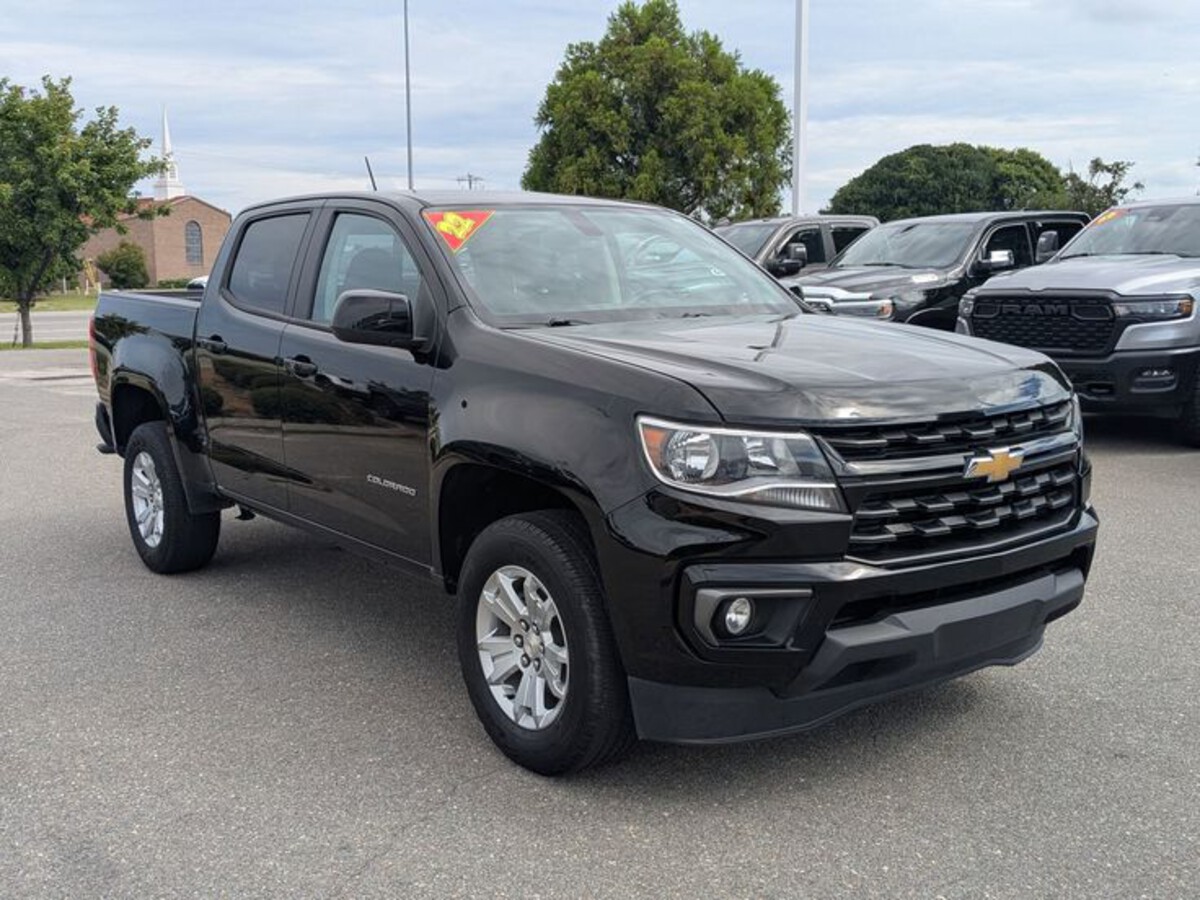
The weak spot lies in its rear leaf springs. They’re simply not as durable as those in the Toyota Tacoma, which is known for holding up better. Load the Colorado with heavy cargo or tow frequently, and you’ll notice the suspension squatting and losing stability over time. Even normal city driving on rough roads tends to rattle the suspension more than it should.
Another issue is off-road performance. While the ZR2 version gets special upgrades, the standard Colorado’s suspension doesn’t handle rough terrain well and wears faster. Repairs aren’t impossible, but the frequency of issues eats into the “value” factor this truck is supposed to offer.
In short, the Colorado is fine if you treat it like a light-use commuter with a truck bed. But if you’re planning to push it as a real workhorse, the suspension is one of the first areas that will let you down.
3. Ram 1500
The Ram 1500 is often praised for having one of the smoothest rides among full-size pickups. That’s thanks to its coil-spring rear suspension (and available air suspension). But here’s the catch: that comfort-focused setup trades away some long-term durability. Owners who use their Ram 1500s for heavy towing or hauling often report rear suspension sagging or failures earlier than expected, sometimes even before 100,000 miles.
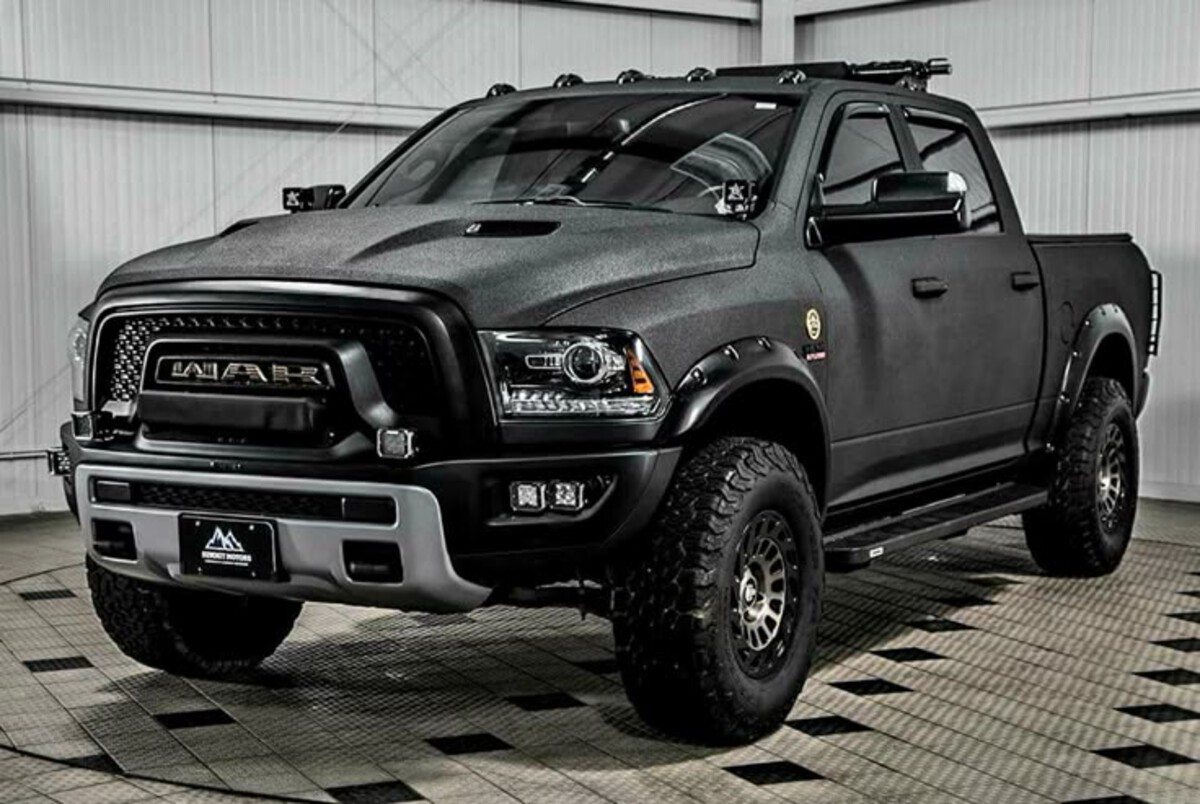
The coil springs offer comfort but don’t hold up as well as leaf springs when the truck is pushed hard. The air suspension system, while great when new, is another weak link. As the truck ages, air compressors and air bags can fail, leading to expensive repairs. And once one part goes bad, the rest of the system often follows suit.
Compared to the Ram 2500, which is built for abuse, the 1500 just doesn’t keep its suspension strength under continuous strain. It’s a truck that shines as a daily driver or light hauler, but anyone expecting it to handle years of work-truck abuse is in for disappointment.
So while the Ram 1500 may win points for comfort, its suspension longevity doesn’t match up with rivals like the Ford F-150 or Toyota Tundra.
4. GMC Canyon
The GMC Canyon is essentially the sibling of the Chevy Colorado, and unfortunately, it shares many of the same suspension weaknesses. Despite being marketed as a versatile midsize pickup, its suspension system struggles under prolonged use. Owners often report issues with noisy shocks, uneven ride height, and premature wear on rear leaf springs.
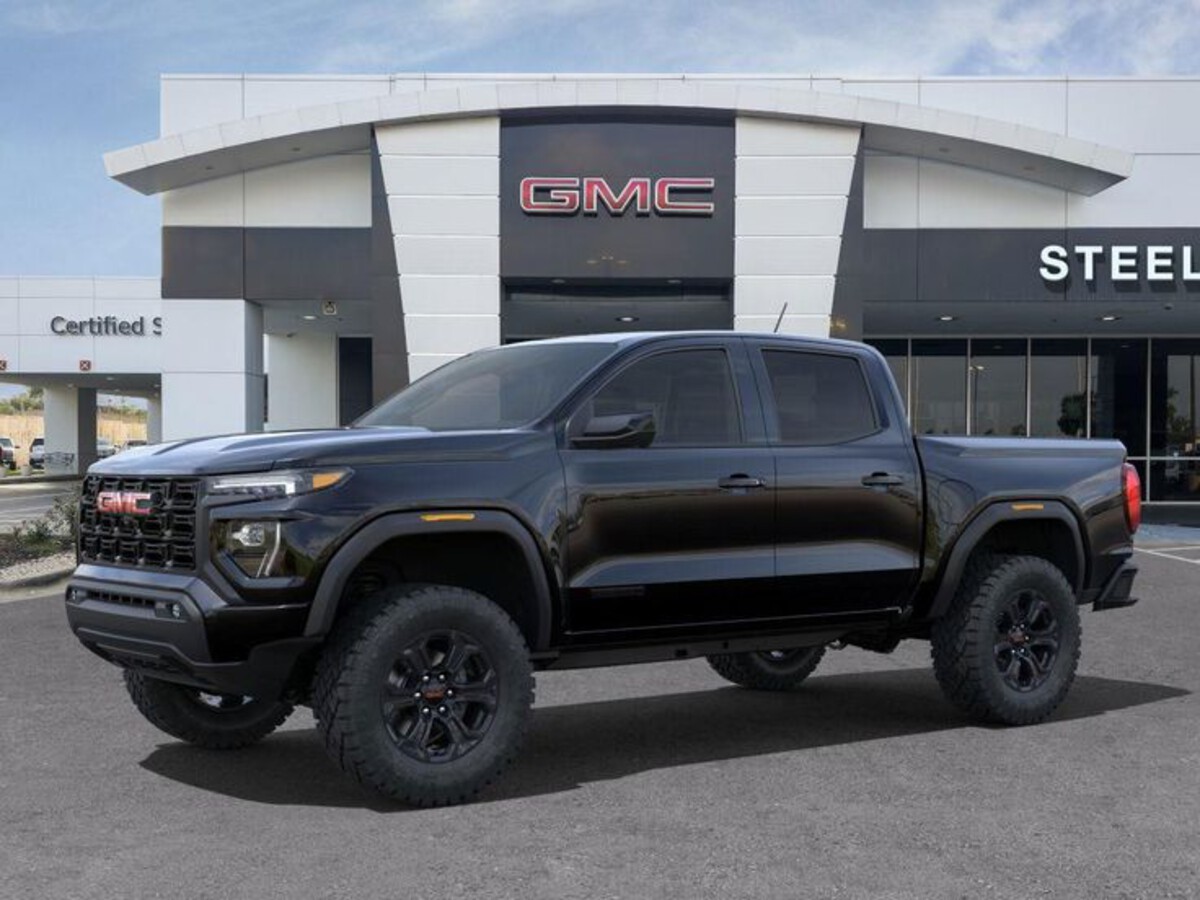
The Canyon does have a comfortable ride compared to some rivals, but that’s exactly where the trade-off happens: comfort over long-term toughness. Load the bed consistently or tow near the maximum rating, and the suspension begins to show stress sooner than it should. For drivers in rural areas or construction-related work, this means frequent trips to the mechanic.
Even the off-road-focused trims don’t completely escape the issue. Yes, they handle rougher terrain better, but suspension wear still occurs sooner than competitors like the Tacoma or Frontier. When repairs are needed, parts aren’t terribly expensive, but having to replace components this often is a turn-off for long-term owners.
The Canyon is a good midsize truck for casual drivers, but if you need dependable suspension strength for heavy-duty use, this is not the one to rely on.
5. Ford F-150
This one may surprise people. The Ford F-150 is America’s best-selling truck and has a great reputation overall. But when it comes to suspension, it’s a mixed bag. While newer F-150s offer decent ride comfort and capability, long-term owners have reported sagging leaf springs and rear suspension weakness earlier than expected, especially on half-ton models used for heavy towing.
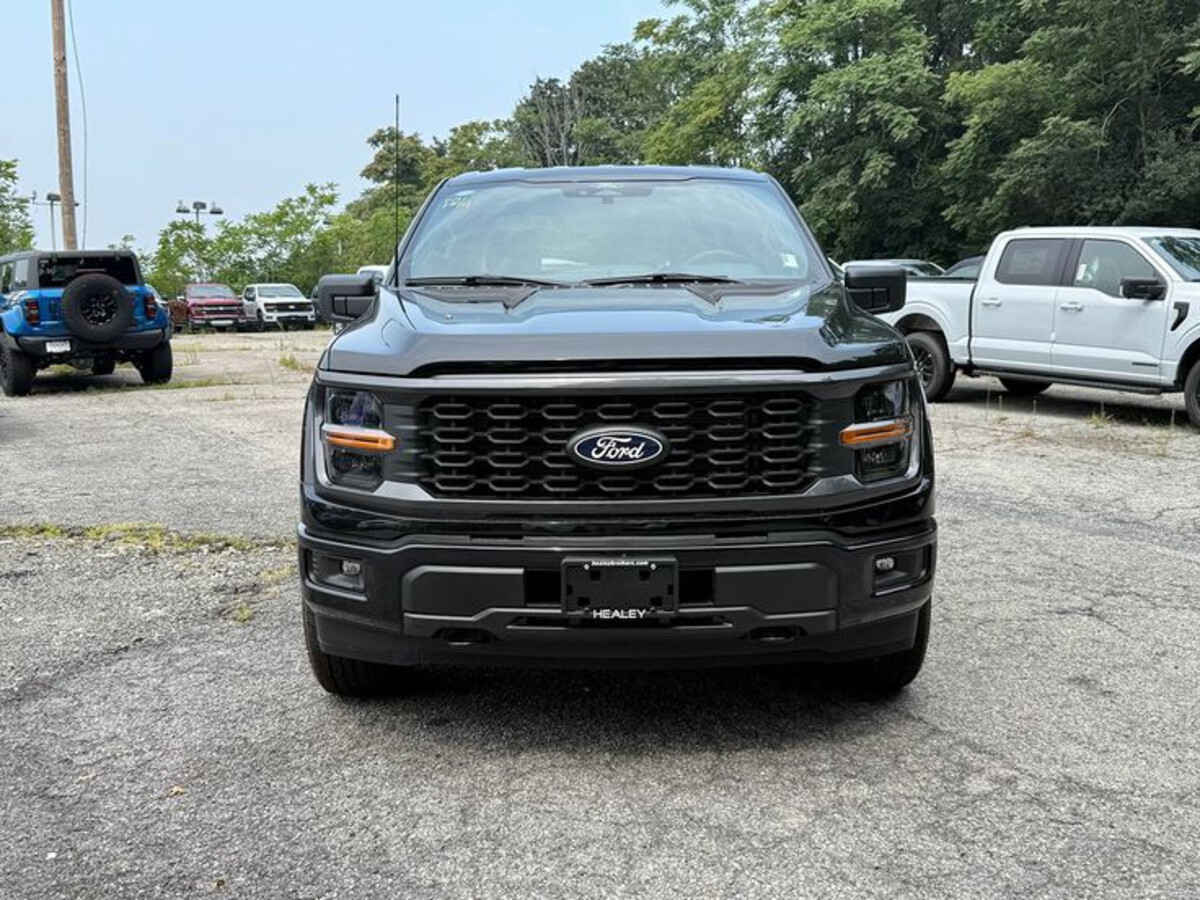
The issue isn’t with the overall build of the truck, it’s that the F-150’s suspension is optimized for comfort and daily driving rather than constant heavy-duty work. Unlike the F-250, which is overbuilt for strength, the F-150’s suspension isn’t meant to take endless abuse. Regularly pushing it near max payload or towing capacity leads to rear-end squat, uneven wear, and suspension noise over time.
Another weak spot has been the shocks. Depending on model year and trim, many owners end up replacing them much sooner than rivals like the Tundra. Some F-150 drivers also complain about front suspension components wearing out prematurely when driving frequently on rough terrain.
Of course, millions of people love their F-150s, and with light to moderate use, the suspension holds up fine. But in the real world, too many owners expecting long-term suspension toughness end up disappointed. It’s a reminder that “best-selling” doesn’t always mean “longest lasting.”
Suspension is one of those things you don’t think about until it starts causing problems. For pickup owners, a weak suspension isn’t just an inconvenience it can mean sagging under loads, uncomfortable rides, costly repairs, and a truck that doesn’t live up to its promises. That’s why it’s worth paying attention to which trucks actually hold their suspension strength over the long haul.
From the tough-as-nails Ford F-250 and Ram 2500 to the underrated Titan XD, the list of strong suspension trucks shows that manufacturers who overbuild their suspensions earn customer loyalty. These trucks don’t just handle heavy use when new, they keep their stance, ride, and dependability well past 200,000 miles in many cases. That’s the kind of strength buyers count on when they’re spending big money on a workhorse.
On the flip side, we also see what happens when design leans more toward comfort or cost-cutting. Trucks like the Ranger, Colorado, Canyon, Ram 1500, and even the beloved F-150 reveal how suspension weakness can undercut a good truck. They’re fine for casual use, but push them harder and the flaws show quickly. For anyone who needs a pickup for serious, long-term work, that’s a costly mistake to discover too late.
The takeaway is simple: if you’re buying a truck and expect it to last, don’t just look at towing numbers or fancy features. Dig into suspension reputation. A strong suspension might not make headlines, but it’s what keeps your truck reliable, sturdy, and worth the investment long after the new-truck shine wears off.