
Power windows have become ubiquitous in modern vehicles, transforming from a luxury feature into standard equipment across nearly all vehicle classes.
While the convenience of fingertip window control is undeniable, the reliability of these systems varies dramatically between manufacturers and models.
Understanding which vehicles excel in window motor longevity versus those prone to frequent failures can save owners thousands of dollars in repair costs and countless hours of frustration.
The power window system consists of several critical components working in harmony: the window motor, regulator mechanism, switches, wiring harness, and control modules.
The window motor, typically a small DC electric motor, provides the power to move the window glass up and down through the regulator assembly.
This system operates under considerable stress, lifting heavy glass panels against gravity, weather seals, and accumulated debris hundreds of times throughout a vehicle’s lifetime.
Window motor failures stem from various factors, with wear and tear being the most common culprit. The carbon brushes within the electric motor gradually deteriorate through repeated use, while moisture intrusion can cause electrical failures and corrosion.
Poor-quality materials, inadequate weatherproofing, and substandard manufacturing tolerances contribute significantly to premature failures. Additionally, extreme temperatures, whether scorching summers or freezing winters, place additional stress on motor components, accelerating their deterioration.
Some manufacturers have earned reputations for engineering robust, long-lasting window systems through superior design, quality materials, and rigorous testing protocols.
These signs include slow or jerky window operation, unusual grinding or clicking noises, windows that work intermittently, or complete failure to respond to switch activation.
5 Cars That Rarely Need Window Motor Fixes
These exceptionally engineered vehicles feature robust window regulator systems and industrial-grade motor assemblies that maintain smooth operation through hundreds of thousands of demanding cycles without failure or performance degradation.
Their thoughtful construction includes oversized gear reductions, premium grease formulations, and heavy-duty motor windings that resist the wear patterns typically created by frequent use and temperature extremes.
From winter ice buildup that stresses lifting mechanisms to summer heat that degrades electrical components, these remarkable systems continue operating like new without experiencing the motor burnout, gear stripping, or cable failures that plague lesser designs.
Strategic component oversizing ensures adequate torque margins even as minor resistance develops from weatherstrip aging, while superior sealing prevents moisture infiltration that destroys electrical connections.
The combination of industrial-grade components, conservative engineering, and excellent environmental protection creates window systems that prove their worth through consistent performance and maintained lifting speed even after hundreds of thousands of up-down cycles, requiring nothing beyond occasional lubrication of guide tracks.
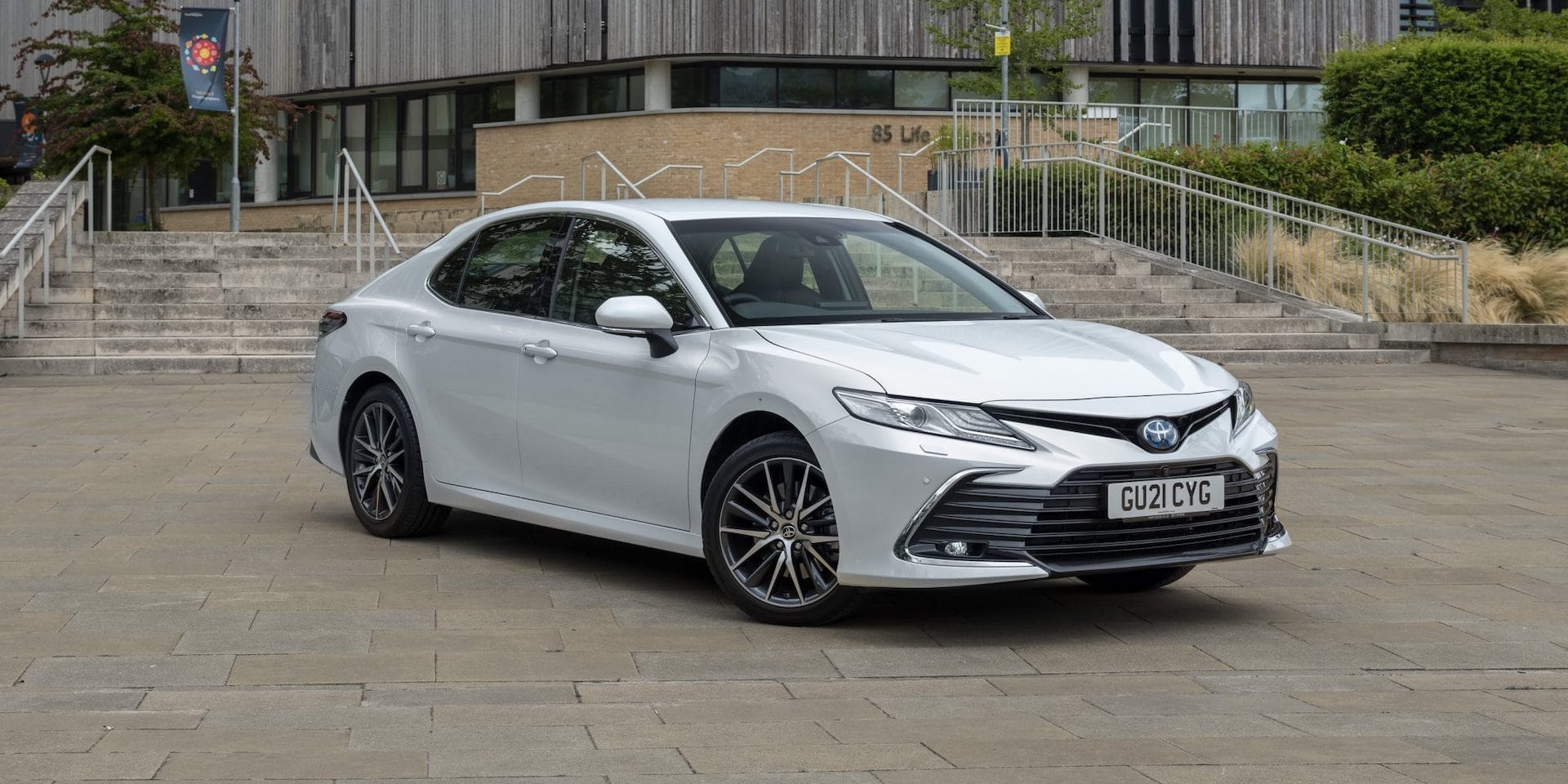
1. Toyota Camry
The Toyota Camry has established itself as a paragon of reliability in the power window department, consistently delivering decades of trouble-free operation across multiple generations.
Toyota’s engineering philosophy emphasizes long-term durability over flashy features, and this approach shines through in their window motor systems. The company utilizes high-quality DC motors with robust carbon brush assemblies that resist wear even under heavy use conditions.
Toyota’s commitment to reliability begins with component selection. They source window motors from tier-one suppliers who meet stringent quality standards, ensuring each motor undergoes extensive testing before approval.
These motors feature enhanced weatherproofing, with multiple seal barriers preventing moisture intrusion that commonly causes electrical failures in competing systems. The motor housing utilizes corrosion-resistant materials and coatings that maintain integrity even in harsh environmental conditions.
The Camry’s window regulator design complements the motor’s durability through careful engineering that minimizes stress on drive components.
Toyota engineers have optimized gear ratios to reduce motor strain while maintaining adequate lifting speed, effectively extending motor lifespan.
Additionally, the switch assemblies are designed with appropriate contact materials that resist corrosion and provide consistent electrical connections throughout the system’s life.
Manufacturing quality control at Toyota facilities maintains exceptionally high standards for window motor assembly. Each motor undergoes individual testing before installation, while automated systems verify proper operation during final vehicle inspection.
This attention to detail catches potential issues before vehicles reach customers, contributing to the Camry’s reputation for window system reliability.
The financial benefits of Toyota’s approach become evident over time. Camry owners routinely report original window motors functioning perfectly after 200,000 miles or more, with some examples exceeding 300,000 miles without replacement.
Independent automotive publications regularly cite the Camry’s window systems as examples of engineering excellence, noting the rarity of motor-related service bulletins or recalls compared to competitors. This track record extends across multiple generations, from the reliable fifth-generation models through the current iteration.
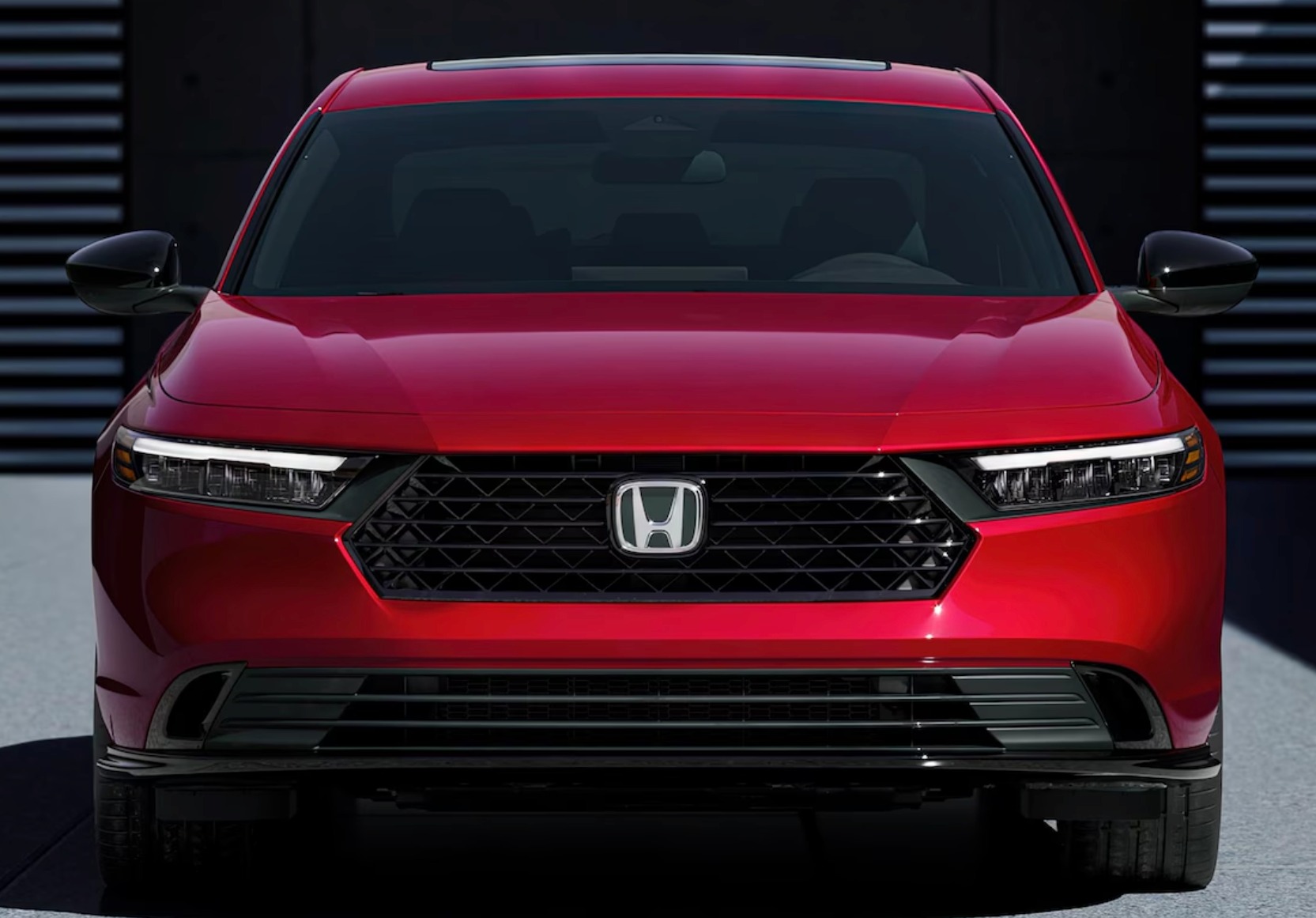
2. Honda Accord
Honda’s engineering excellence in window motor reliability stems from their meticulous attention to component durability and system integration.
The Accord’s power window system exemplifies Honda’s philosophy of building vehicles that maintain their performance characteristics throughout extended ownership periods.
Their window motors feature precision-manufactured components with tight tolerances that ensure smooth, consistent operation across hundreds of thousands of cycles.
The Honda approach to window motor design emphasizes preventive engineering rather than reactive solutions. Their motors incorporate advanced brush materials that resist wear and maintain electrical contact integrity far longer than conventional designs.
The motor housing features multiple drainage channels and enhanced sealing to prevent water intrusion, addressing one of the primary causes of premature window motor failure in competitive vehicles.
Honda’s quality assurance processes include extensive real-world testing that subjects window motors to extreme temperature cycles, moisture exposure, and accelerated wear protocols that simulate years of normal use.
This testing regime helps identify potential weak points before production, allowing engineers to implement design improvements that enhance long-term reliability. The company also maintains strict supplier standards, ensuring component manufacturers meet Honda’s exacting quality requirements.
The Accord’s window regulator mechanism works in harmony with the motor to minimize wear and stress. Honda engineers have optimized the mechanical advantage ratios to reduce motor load while maintaining appropriate window movement speeds.
This careful balance prevents motor overheating and reduces stress on internal components, contributing significantly to the system’s exceptional longevity.
Maintenance requirements for Honda window motors remain minimal throughout the vehicle’s life, with most owners never experiencing motor-related issues during normal ownership periods.
The motors are designed for straightforward removal and installation, reducing labor costs and downtime for owners. This serviceability, combined with the motors’ inherent reliability, makes the Honda Accord an excellent choice for buyers prioritizing long-term window system performance.
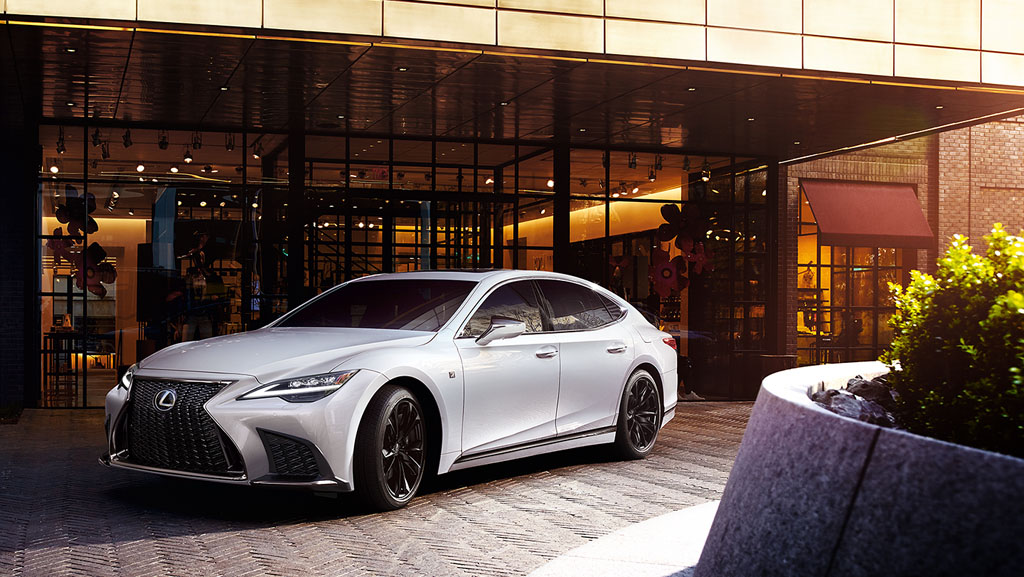
3. Lexus ES Series
Lexus represents the pinnacle of luxury vehicle window motor engineering, combining premium materials with meticulous manufacturing processes to create systems that operate flawlessly for decades.
The ES series exemplifies this commitment through window motors that deliver whisper-quiet operation, precise control, and exceptional longevity that befits the brand’s luxury positioning.
The Lexus approach to window motor reliability begins with premium component selection. Their motors utilize high-grade rare earth magnets that maintain strength over time, while precision-wound copper coils resist thermal degradation.
The carbon brush assemblies feature advanced materials that provide consistent electrical contact while minimizing wear, significantly extending motor lifespan compared to conventional designs found in mass-market vehicles.
Engineering excellence extends to the motor housing and environmental protection systems. Lexus window motors feature multiple sealing layers with premium gasket materials that maintain integrity across extreme temperature ranges.
Advanced drainage systems prevent water accumulation within the motor housing, while corrosion-resistant coatings protect metal components from environmental degradation. These protective measures ensure reliable operation even in harsh coastal or winter environments.
The ES series window control systems incorporate sophisticated electronics that protect motors from damage due to excessive current draw or mechanical binding.
These systems monitor motor current and automatically shut off power if abnormal conditions are detected, preventing damage that could lead to premature failure.
Additionally, the control modules provide smooth acceleration and deceleration curves that reduce mechanical stress on motor components during operation.
This reliability translates into significant value retention, as properly functioning luxury features contribute to higher resale values. Even when service eventually becomes necessary, Lexus dealerships provide expert technician support and access to genuine OEM components that maintain system integrity.
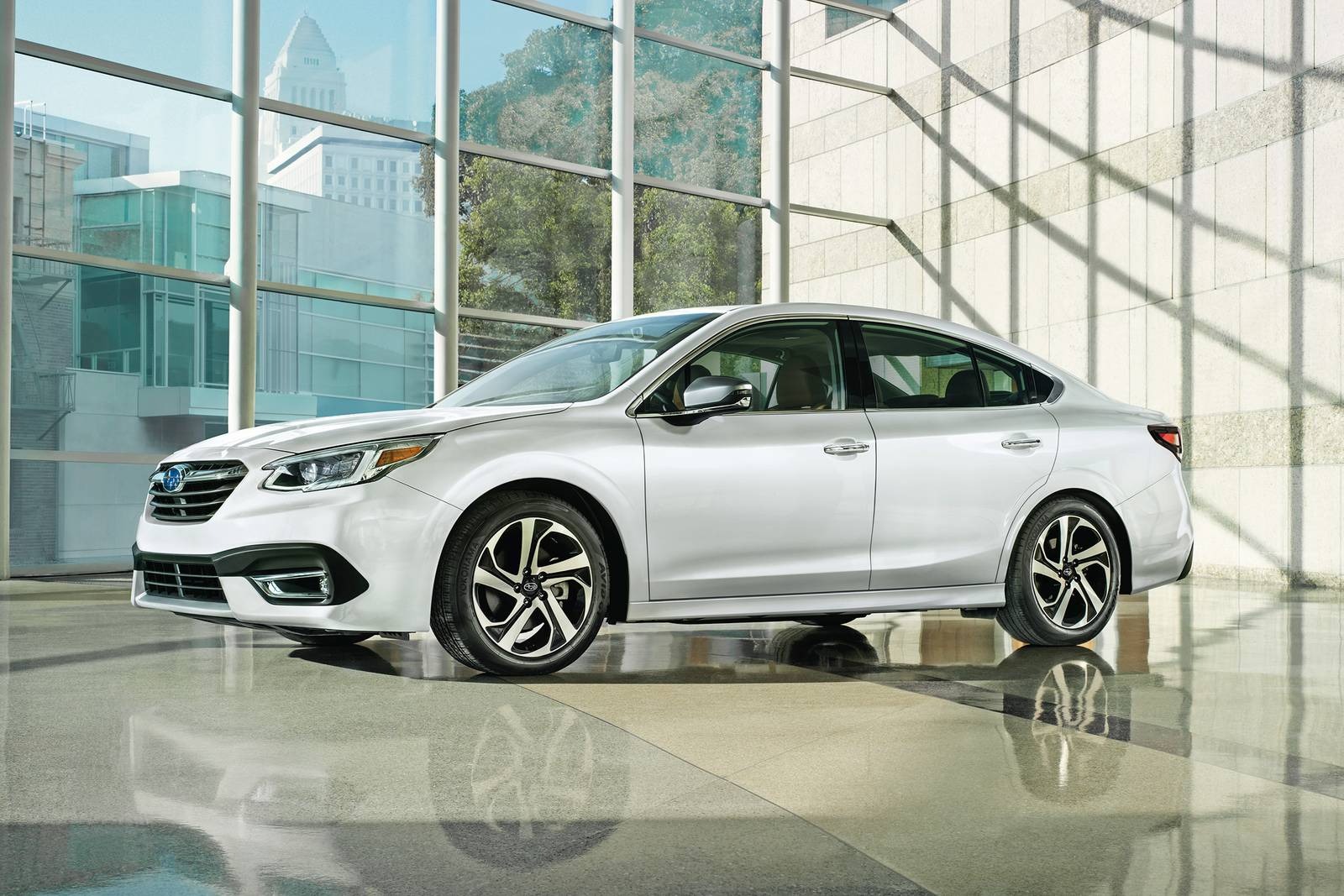
4. Subaru Legacy
Subaru’s engineering philosophy emphasizes durability and all-weather capability, characteristics that translate directly into exceptional window motor reliability.
The Legacy’s power window systems reflect the brand’s commitment to building vehicles capable of withstanding harsh operating conditions while maintaining consistent performance throughout their operational life.
This approach results in window motors that continue functioning reliably even after exposure to extreme temperature variations, moisture, and road salt common in northern climates.
The foundation of Subaru’s window motor reliability lies in its component specification process. Engineers select motors with enhanced environmental protection, featuring advanced sealing systems that prevent moisture intrusion even during severe weather events.
The motor assemblies incorporate corrosion-resistant materials throughout, from housing components to electrical connections, ensuring long-term integrity in challenging environments.
Subaru’s quality control processes include extensive environmental testing that subjects window motors to conditions far exceeding normal operating parameters.
This testing includes freeze-thaw cycles that simulate years of winter driving, salt spray exposure that replicates coastal or winter road salt conditions, and humidity testing that ensures proper function in high-moisture environments.
These rigorous protocols help identify potential weaknesses before production, allowing for design improvements that enhance real-world reliability.
The Legacy’s window regulator design complements motor durability through mechanical engineering that distributes loads evenly across system components.
Subaru engineers have optimized gear ratios and mechanical leverage to minimize motor stress while maintaining adequate window movement speeds. This careful balance prevents motor overheating and reduces wear on internal components, contributing to the system’s exceptional service life.
Legacy owners routinely report original window motors functioning perfectly after 200,000+ miles of driving, including vehicles regularly exposed to harsh winter conditions. This reliability provides peace of mind and significant cost savings, as owners avoid the expense and inconvenience of premature window motor replacement common with less robust systems.
Aslo Read: 10 Smart Fixes That Keep a GMC Sierra Pro Long-Lasting
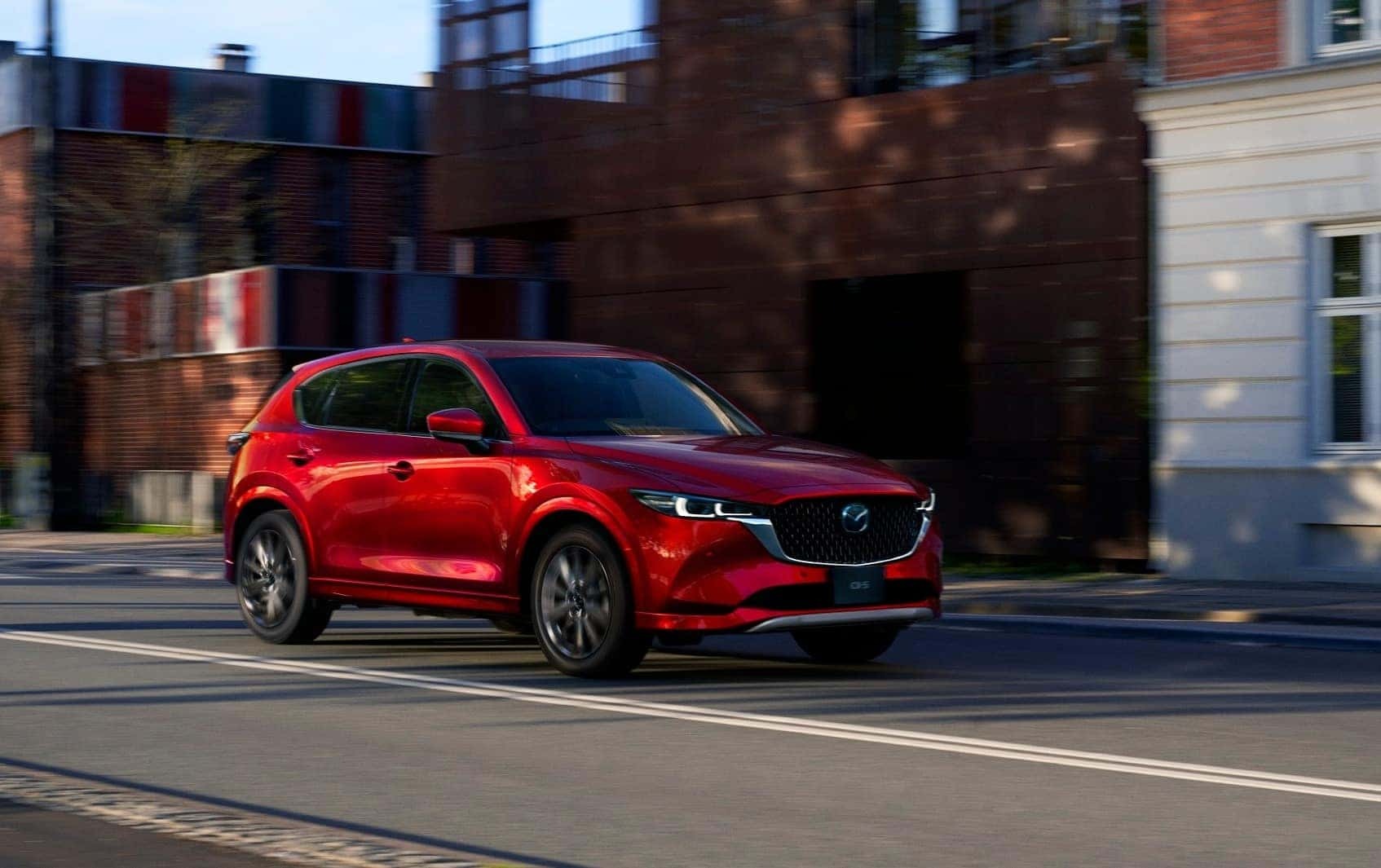
5. Mazda CX-5
Mazda’s SKYACTIV philosophy extends beyond powertrains to encompass all vehicle systems, including power windows, where its focus on efficiency and longevity produces exceptionally reliable motor assemblies.
The CX-5 represents Mazda’s commitment to engineering excellence through window systems that deliver consistent performance while minimizing maintenance requirements and ownership costs throughout the vehicle’s service life.
The Mazda approach to window motor reliability emphasizes efficient design that reduces energy consumption while extending component life. Their motors feature advanced magnetic assemblies and optimized coil windings that generate maximum torque with minimal current draw.
This efficiency reduces heat generation within the motor, significantly extending the life of temperature-sensitive components like carbon brushes and coil insulation.
Engineering excellence at Mazda includes comprehensive testing protocols that subject window motors to accelerated wear testing equivalent to hundreds of thousands of operational cycles.
These tests identify potential failure modes early in the development process, allowing engineers to implement design improvements that prevent premature failures.
The testing regime includes exposure to extreme temperatures, moisture, and vibration that replicate real-world operating conditions over extended periods. The CX-5’s window control systems incorporate intelligent electronics that optimize motor operation for maximum longevity.
These systems monitor motor current and adjust operating parameters to prevent overheating or excessive stress during operation. Additionally, the control modules provide smooth start-stop characteristics that reduce mechanical shock on motor components, contributing to extended service life.
Manufacturing quality control at Mazda facilities ensures each window motor meets exacting performance and durability standards. Individual motor testing verifies proper operation across the full range of operating conditions, while installation procedures ensure correct mounting and electrical connections.
The motors’ efficient operation contributes to vehicle electrical system efficiency while providing years of trouble-free service. This reliability, combined with Mazda’s competitive parts pricing and widespread service network, makes the CX-5 an excellent choice for buyers seeking dependable window motor performance.
5 Cars That Constantly Fail with Window Motor Issues
These problematic vehicles suffer from fundamental cost-cutting in their window regulator systems, featuring bargain-basement motors and plastic gear assemblies that create perfect conditions for premature failure under normal operating conditions.
Their penny-pinching construction shows in undersized motors that overheat from routine lifting loads, cheap plastic gears that strip from minor resistance, and inadequate cable systems that bind or break during temperature changes.
Poor environmental sealing allows moisture to penetrate electrical connections, while insufficient lubrication causes premature wear in critical pivot points and guide mechanisms.
These systems represent the unfortunate consequences of aggressive cost-cutting in everyday convenience features, creating vehicles where simple window operation becomes an expensive maintenance nightmare requiring specialized parts and labor that often exceeds the cost of aftermarket solutions, leaving owners choosing between dealer repairs or permanent manual window operation.
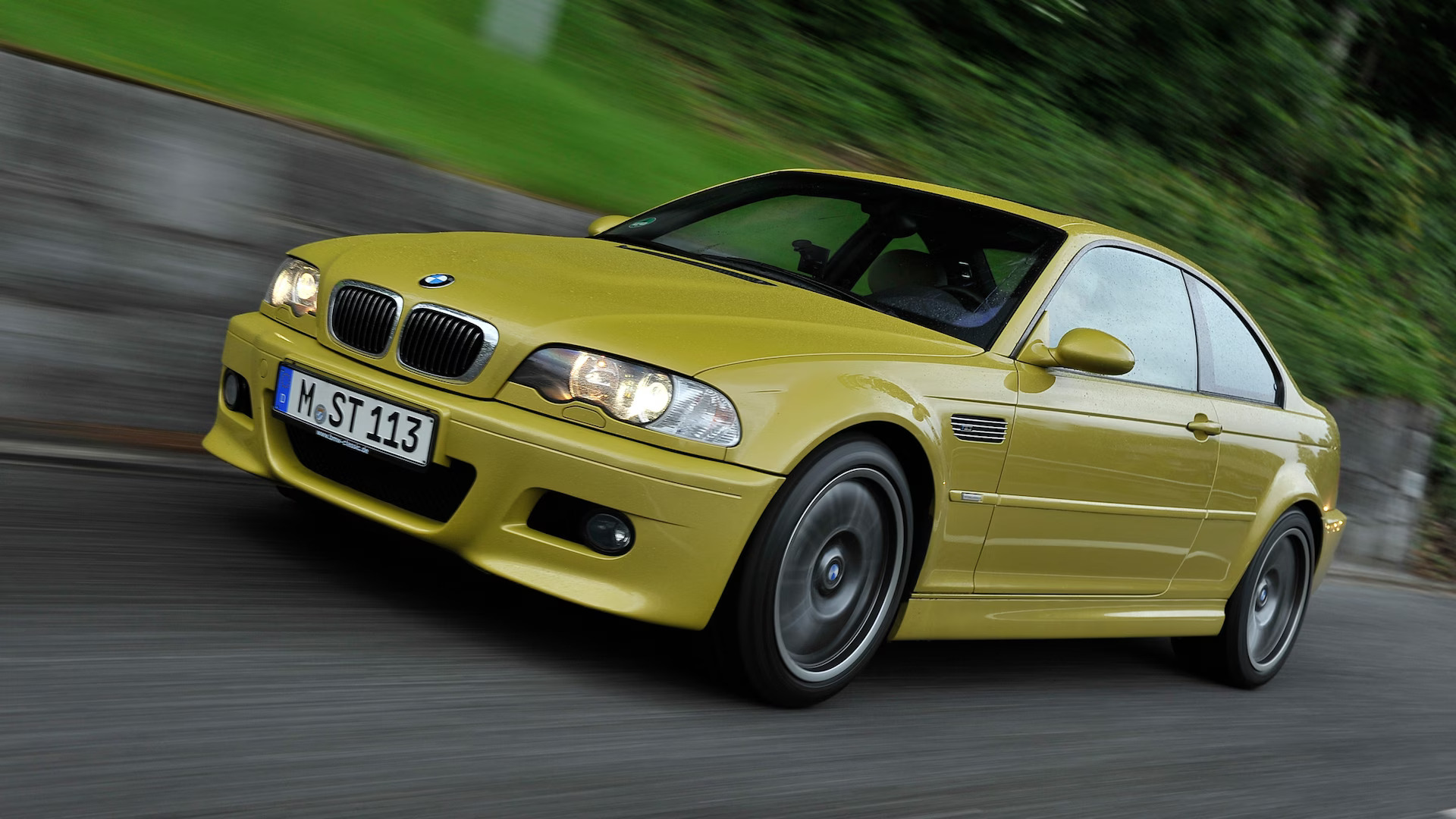
1. BMW 3 Series (E46/E90 Generations)
The BMW 3 Series, particularly the E46 (1999-2006) and E90 (2006-2013) generations, has earned an unfortunate reputation for chronic window motor failures that plague owners throughout the vehicle’s lifecycle.
These sophisticated luxury vehicles incorporate complex window systems with multiple failure points that consistently demonstrate the pitfalls of over-engineering combined with cost-cutting measures in critical components.
BMW’s window motor problems stem primarily from design flaws in the regulator mechanism and motor assembly integration. The company utilized window motors with inadequate power reserves for the weight and size of the glass assemblies, forcing motors to operate near maximum capacity during normal operation.
This constant high-stress operation accelerates wear on carbon brushes, coil windings, and bearing assemblies, leading to premature failures often occurring between 60,000-100,000 miles.
The regulator mechanism itself compounds motor stress through poor mechanical design that creates binding points and uneven loading during window operation.
BMW engineers incorporated plastic components within the regulator assembly that become brittle over time, causing mechanical resistance that forces motors to work harder than intended.
When these plastic components begin to fail, they create additional friction that can burn out motors even if the electrical components remain functional. Environmental protection represents another significant weakness in BMW window motor systems.
The motor housing design provides inadequate weatherproofing, allowing moisture intrusion that causes corrosion of electrical components and mechanical binding of moving parts. The drainage systems often become clogged with debris, creating water accumulation within door panels that accelerates motor deterioration and electrical failures.
OEM replacement parts carry premium pricing that reflects BMW’s luxury positioning, while aftermarket alternatives often fail to provide the longevity that owners expect from such expensive repairs.
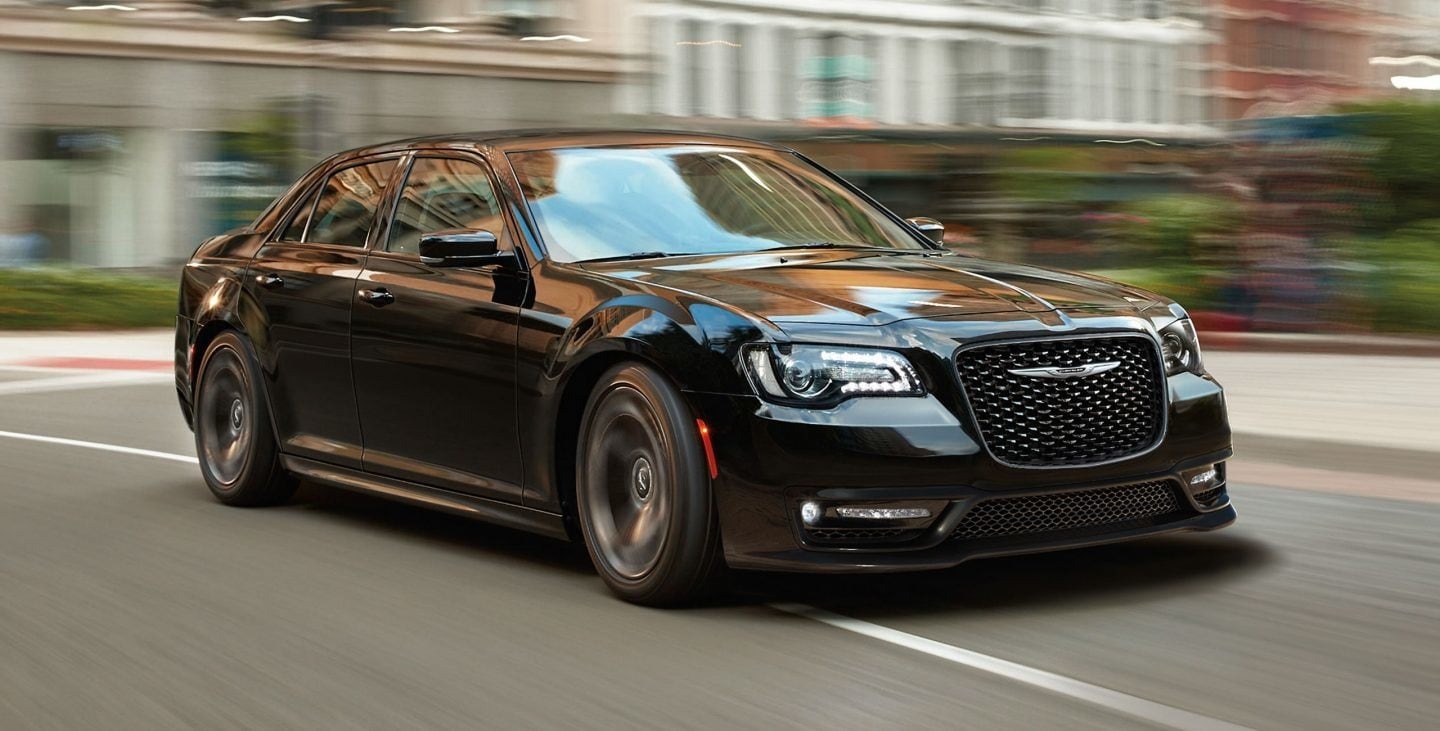
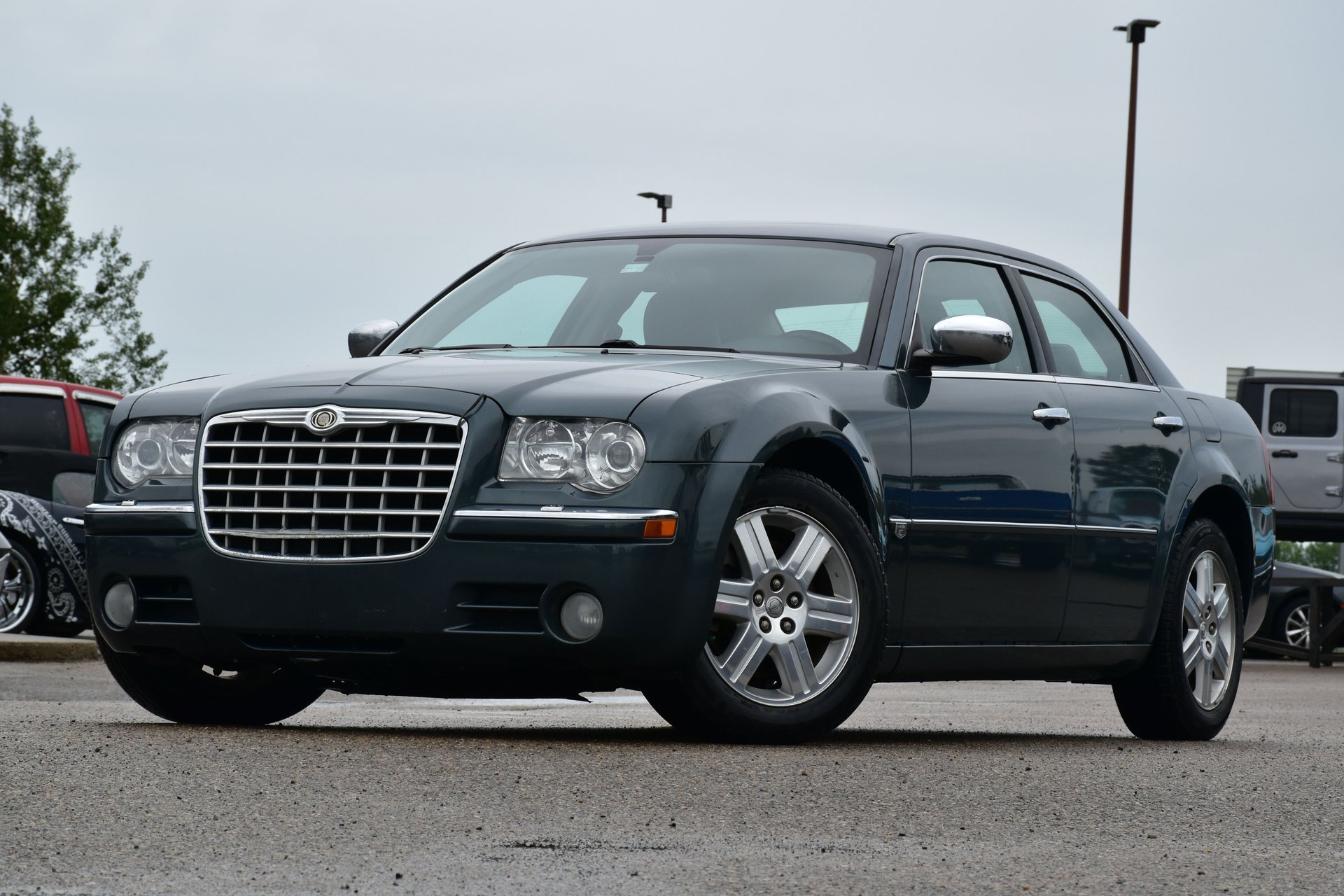
2. Chrysler 300 (2005-2010)
The Chrysler 300’s window motor problems represent a classic case of ambitious design execution hampered by substandard component quality and inadequate testing protocols.
These full-size sedans incorporate power window systems that appear sophisticated but suffer from fundamental reliability issues that consistently frustrate owners and automotive technicians alike.
Chrysler’s approach to cost management during the 300’s development resulted in window motor assemblies that prioritize initial functionality over long-term durability.
The motors utilize lower-grade materials in critical wear components, including carbon brushes that deteriorate rapidly under normal use conditions.
Additionally, the motor housings feature insufficient weatherproofing, allowing moisture intrusion that causes corrosion and electrical failures within relatively short service periods.
The window regulator design compounds motor reliability problems through mechanical engineering that creates excessive loading during operation.
Chrysler engineers utilized regulator mechanisms with poor mechanical advantage ratios, forcing motors to generate higher torque levels than necessary for window movement. This excessive loading accelerates wear on motor internals while generating heat that degrades electrical components and lubricants.
Quality control during manufacturing appears inadequate based on the consistent pattern of premature window motor failures across the 300 model line.
Many vehicles experience their first window motor failure before reaching 75,000 miles, with subsequent failures often occurring at shorter intervals.
This pattern suggests systematic issues in component specification, manufacturing processes, or quality assurance protocols that allow defective assemblies to reach customers.
The electrical integration of Chrysler’s window systems creates additional failure vulnerabilities beyond the basic motor assemblies. The control modules and wiring harnesses often experience premature deterioration that can damage otherwise functional motors through voltage irregularities or improper signal timing.
Technicians often discover additional problems during window motor replacement, including damaged regulators, faulty switches, or deteriorated wiring that adds to repair costs and vehicle downtime. The pattern of recurring failures means many owners face multiple expensive repairs throughout their ownership experience.
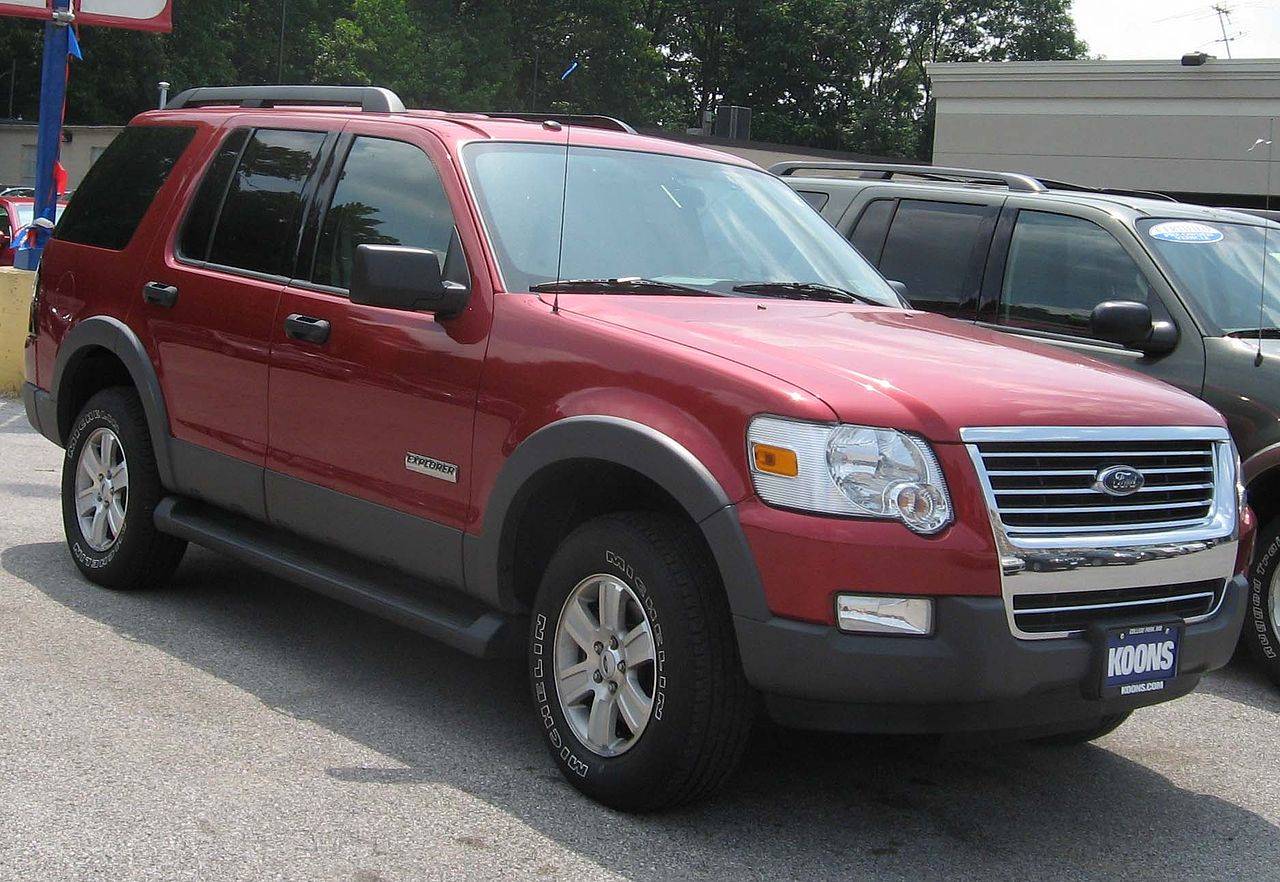
3. Ford Explorer (2002-2010)
The Ford Explorer’s window motor reliability issues exemplify the consequences of cost-reduction engineering applied to complex mechanical systems.
These popular SUVs suffer from systematic window motor failures that stem from fundamental design compromises and inadequate component quality that consistently disappoint owners expecting reliable operation from their substantial investment.
Ford’s approach to window motor specification during this generation prioritized initial cost savings over long-term reliability, resulting in motor assemblies that lack the robust construction necessary for extended service life.
The motors feature carbon brush assemblies with inadequate wear characteristics, leading to rapid deterioration under normal use conditions. Additionally, the motor housing design provides insufficient protection against environmental contamination, allowing debris and moisture to accelerate component wear and cause electrical failures.
The regulator mechanism design creates additional stress on window motors through poor mechanical engineering that increases operational loads beyond optimal parameters.
Ford engineers incorporated plastic components within the regulator assembly that become brittle over time, creating binding points that force motors to operate at higher current levels than intended.
This excessive loading generates heat that degrades motor windings and accelerates brush wear, creating a cascade of failures that often require complete system replacement.
Manufacturing quality control during the Explorer’s production appears inconsistent based on the variable timing of window motor failures across individual vehicles.
Some owners experience failures within the first 50,000 miles, while others may reach 100,000 miles before encountering problems. This variability suggests inconsistent component quality or assembly processes that allow marginal assemblies to reach customers, creating unpredictable ownership experiences.
The integration of window motors with other vehicle electrical systems creates additional failure vulnerabilities that can affect multiple vehicle functions.
The pattern of systematic failures across the model line has created a substantial aftermarket parts industry, but even replacement motors often fail to provide the longevity that owners expect from properly engineered systems.
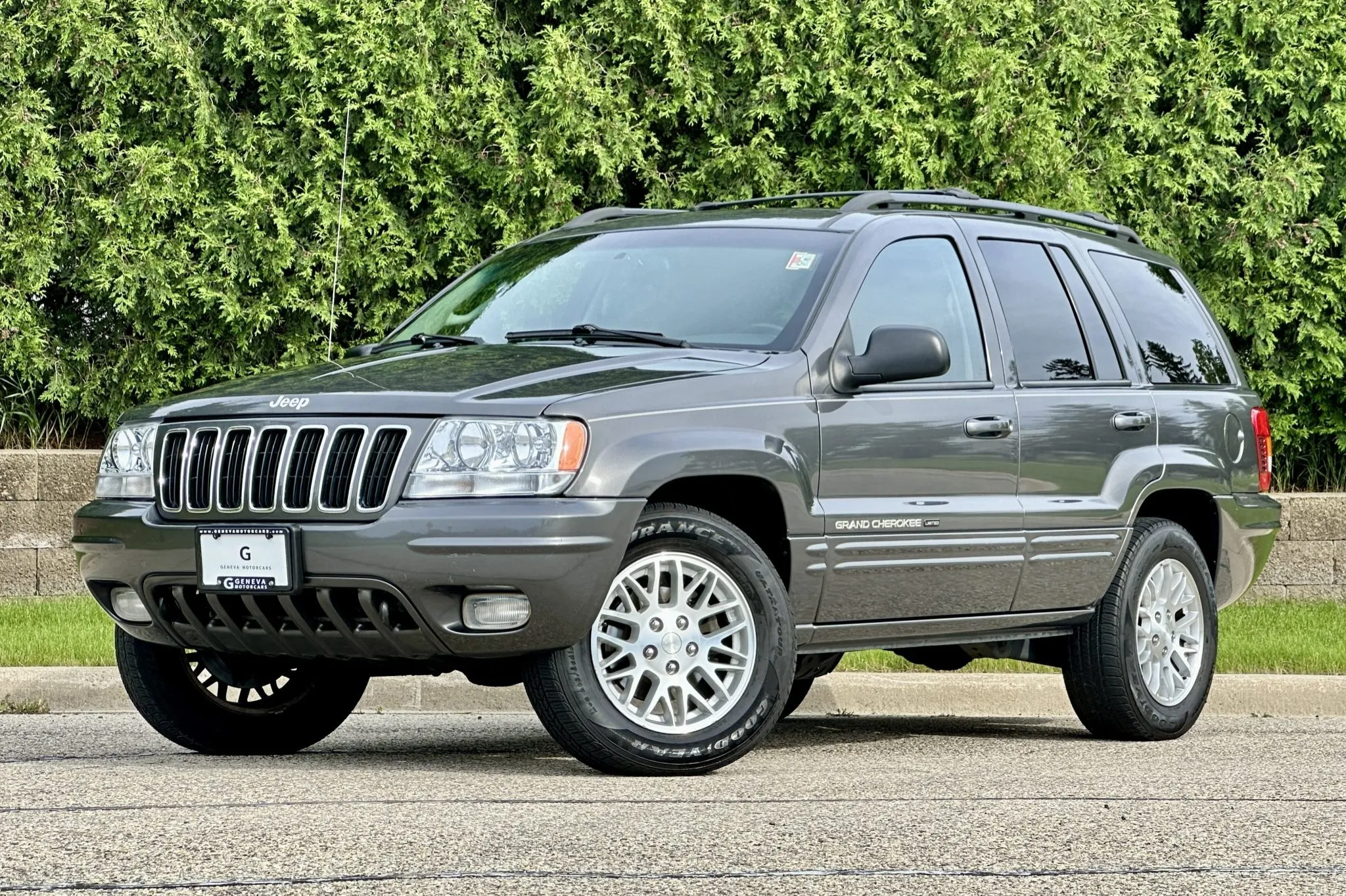
4. Jeep Grand Cherokee (1999-2004)
The Jeep Grand Cherokee’s window motor problems during the WJ generation represent a convergence of design compromises and manufacturing shortcuts that consistently result in premature failures and expensive repairs.
These rugged SUVs, designed for off-road capability and family utility, suffer from window systems that contradict the brand’s reputation for durability and dependability.
Jeep’s engineering approach during this period prioritized cost reduction over component longevity, resulting in window motor assemblies that utilize substandard materials in critical wear components.
The motors feature carbon brush assemblies with inadequate wear resistance, leading to rapid deterioration under normal operating conditions. Additionally, the motor housing design provides insufficient environmental protection, allowing water intrusion that causes corrosion of electrical components and mechanical seizure of moving parts.
The window regulator mechanism compounds motor reliability issues through poor mechanical design that creates uneven loading and binding points during operation.
Jeep engineers incorporated regulator components with inadequate strength margins, leading to premature wear and mechanical failures that increase loading on window motors.
When regulator components begin to fail, they create additional friction that forces motors to operate beyond their design parameters, accelerating electrical and mechanical component deterioration.
Quality assurance during manufacturing appears inadequate based on the consistent pattern of window motor failures across the Grand Cherokee model line during this generation.
Many vehicles experience multiple window motor failures during typical ownership periods, suggesting systematic issues in component specification or manufacturing processes that allow defective assemblies to reach customers consistently.
The electrical architecture of these Grand Cherokees creates additional failure vulnerabilities through inadequate protection of window motor circuits from voltage fluctuations and environmental contamination.
The control modules and wiring harnesses often experience premature deterioration that can damage otherwise functional motors through improper voltage levels or signal timing. These electrical problems compound the basic motor reliability issues and often require extensive diagnostic procedures to identify and resolve.
Repair costs for Jeep Grand Cherokee window motor failures typically exceed expectations due to the complexity of accessing motor assemblies within the door structures and the frequency of discovering related component failures during service.
Many repair procedures require the removal of multiple door components and specialized tools, driving up labor costs significantly. The pattern of recurring failures means owners often face multiple expensive repairs throughout their ownership experience, undermining the vehicle’s value proposition.
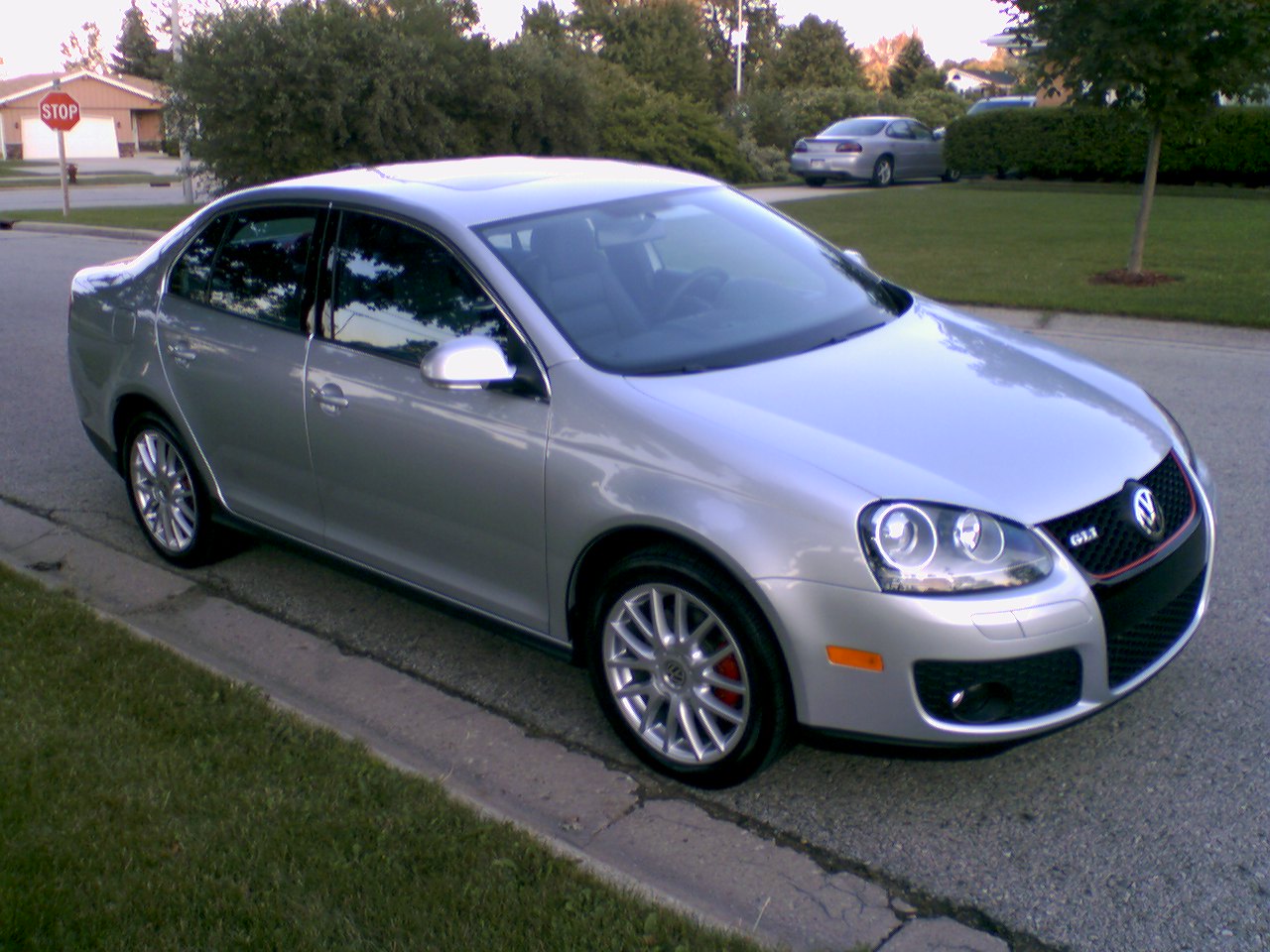
5. Volkswagen Jetta (2005-2010)
The Volkswagen Jetta’s window motor reliability problems during the fifth generation demonstrate how sophisticated European engineering can be undermined by cost-cutting measures and inadequate component quality validation.
These compact sedans feature complex window systems that suffer from systematic failures stemming from fundamental design flaws and manufacturing compromises that consistently frustrate owners and service technicians.
Volkswagen’s approach to window motor design during this period incorporated advanced features like one-touch operation and anti-pinch protection, but the execution suffered from inadequate component specifications that prioritize initial functionality over long-term reliability.
The motors utilize carbon brush assemblies with inadequate wear characteristics for the high-cycle operation required by the sophisticated control systems, leading to premature electrical failures that often manifest as erratic window operation before complete failure.
The regulator mechanism design creates excessive loading on window motors through poor mechanical engineering that fails to optimize force transmission ratios.
Volkswagen engineers incorporated regulator assemblies with multiple pivot points and complex linkages that create binding and uneven loading during operation. These mechanical inefficiencies force motors to operate at higher current levels than optimal, generating heat that degrades electrical components and accelerates wear on mechanical assemblies.
Environmental protection represents a critical weakness in Volkswagen’s window motor systems, with housing designs that provide inadequate weatherproofing against moisture intrusion and contamination.
The German engineering approach often assumes controlled environmental conditions that don’t reflect real-world operating environments, particularly in regions with harsh winters or high humidity.
This inadequate protection allows water and debris to enter motor assemblies, causing corrosion and mechanical binding that leads to premature failures.
The sophisticated electronics integrated with Volkswagen’s window systems create additional failure points beyond the basic motor assemblies. The control modules incorporate complex programming that can malfunction and send incorrect operating signals to window motors, causing erratic operation or a complete system shutdown.
This service complexity, combined with premium parts pricing, creates expensive repair experiences that undermine the vehicle’s value proposition for many owners.
Also Read: 8 Habits That Ruin a Jeep Liberty Renegade Too Soon
