
Time is the ultimate test of automotive engineering excellence. While modern cars are packed with impressive technology and creature comforts, the true measure of a vehicle’s worth reveals itself decades down the road.
Some cars age like fine wine, maintaining their performance, reliability, and driving dynamics even after two decades of service. Others, despite initial promise, deteriorate rapidly, becoming expensive burdens that drain wallets and test patience.
The automotive world is filled with contrasts, legendary models that continue running smoothly at 200,000+ miles versus those that begin showing serious problems before their fifth birthday.
This disparity isn’t always predictable based on price point or brand prestige. Sometimes, a modestly priced economy car outlasts a luxury vehicle costing three times as much.
The key lies in engineering philosophy, build quality, component selection, and design simplicity. Understanding which vehicles stand the test of time can save buyers thousands of dollars and countless headaches.
Whether you’re shopping for a reliable daily driver, considering a long-term investment, or simply curious about automotive longevity, examining the champions and casualties of automotive durability provides valuable insights into what makes cars truly last.
5 Cars That Still Drive Like New After 20 Years
These exceptionally engineered vehicles feature premium construction materials and meticulous assembly techniques that maintain showroom-quality driving dynamics through decades of demanding use and environmental exposure.
Their thoughtful engineering includes precision-machined suspension components, high-grade interior materials, and robust chassis construction that resists the looseness and deterioration patterns typically created by road salt, UV exposure, and constant vibration stress.
The combination of superior materials, precision manufacturing, and excellent corrosion protection creates vehicles that prove their worth through maintained structural integrity and preserved driving dynamics.
1. Toyota Camry (2005-2010 Generation)
The Toyota Camry from the mid-2000s represents automotive reliability engineering at its finest. This generation, built on Toyota’s proven MC platform, demonstrates why the Camry became America’s best-selling car for over a decade.
The secret lies in Toyota’s conservative engineering approach, using time-tested components and prioritizing durability over cutting-edge features. The 2.4-liter four-cylinder and 3.5-liter V6 engines in these Camrys are legendary for their longevity.
The four-cylinder 2AZ-FE engine, while not the most powerful or fuel-efficient by today’s standards, was engineered with generous tolerances and robust internals. Many examples easily surpass 300,000 miles with basic maintenance.
The engine’s chain-driven timing system eliminates the worry of interference damage that plagues belt-driven designs. Oil changes every 5,000 miles and occasional coolant flushes are typically all these engines need to run indefinitely.
The transmission deserves equal praise. Toyota’s U250E five-speed automatic, while criticized by enthusiasts for being unexciting, proves bulletproof in real-world use.
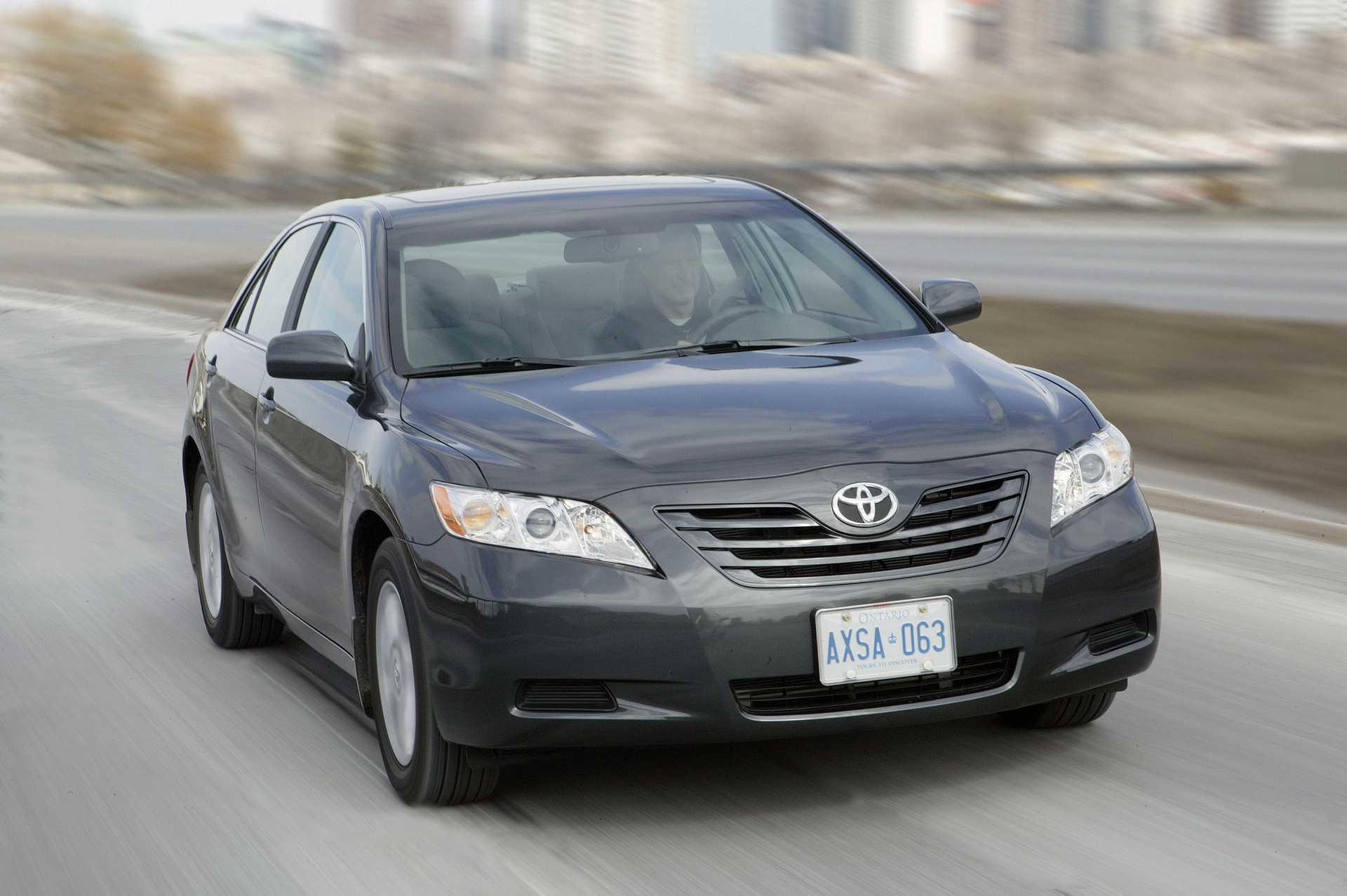
The transmission’s conservative shift programming and robust internal components mean most examples operate smoothly well into high mileage. Unlike many competitors that suffer transmission failures around 100,000 miles, these Camrys commonly reach 200,000+ miles on their original transmissions.
Build quality extends beyond the powertrain. The interior materials, while not luxurious, resist wear exceptionally well. Dashboard plastics rarely crack, seat fabrics hold up to daily use, and electronic components function reliably for decades.
The air conditioning systems, often a weak point in aging cars, typically operate effectively with minimal maintenance. Even the paint quality surpasses many luxury vehicles from the same era.
From a driving perspective, a well-maintained 2005-2010 Camry feels remarkably similar to when it left the showroom. The suspension components, engineered for durability rather than sporty handling, maintain their composure over hundreds of thousands of miles.
Steering remains precise, brakes operate smoothly, and the ride quality stays comfortable. While these cars won’t win any performance awards, they deliver the reliable, comfortable transportation they were designed for, year after year after year.
2. Honda Civic (2006-2011 Generation)
Honda’s eighth-generation Civic stands as a testament to the company’s reputation for building cars that seem to run forever. This generation, spanning 2006 to 2011, represents Honda engineering at a peak moment when reliability took precedence over cost-cutting measures.
The result is a compact car that frequently outlasts vehicles costing twice as much. The R18 1.8-liter four-cylinder engine powering most Civics from this era exemplifies Honda’s naturally aspirated philosophy.
This engine, featuring Honda’s i-VTEC variable valve timing, delivers adequate power while prioritizing longevity and fuel efficiency. The engine’s aluminum construction resists corrosion, while the timing chain eliminates maintenance headaches associated with timing belts.
Many owners report original engines running smoothly past 250,000 miles with nothing more than regular oil changes and occasional tune-ups. Honda’s five-speed automatic transmission in these Civics proves equally durable.
Unlike the problematic transmissions plaguing some Honda models from the late 1990s, this generation’s transmission features improved internal components and better heat management. The result is smooth operation that lasts the life of the vehicle.
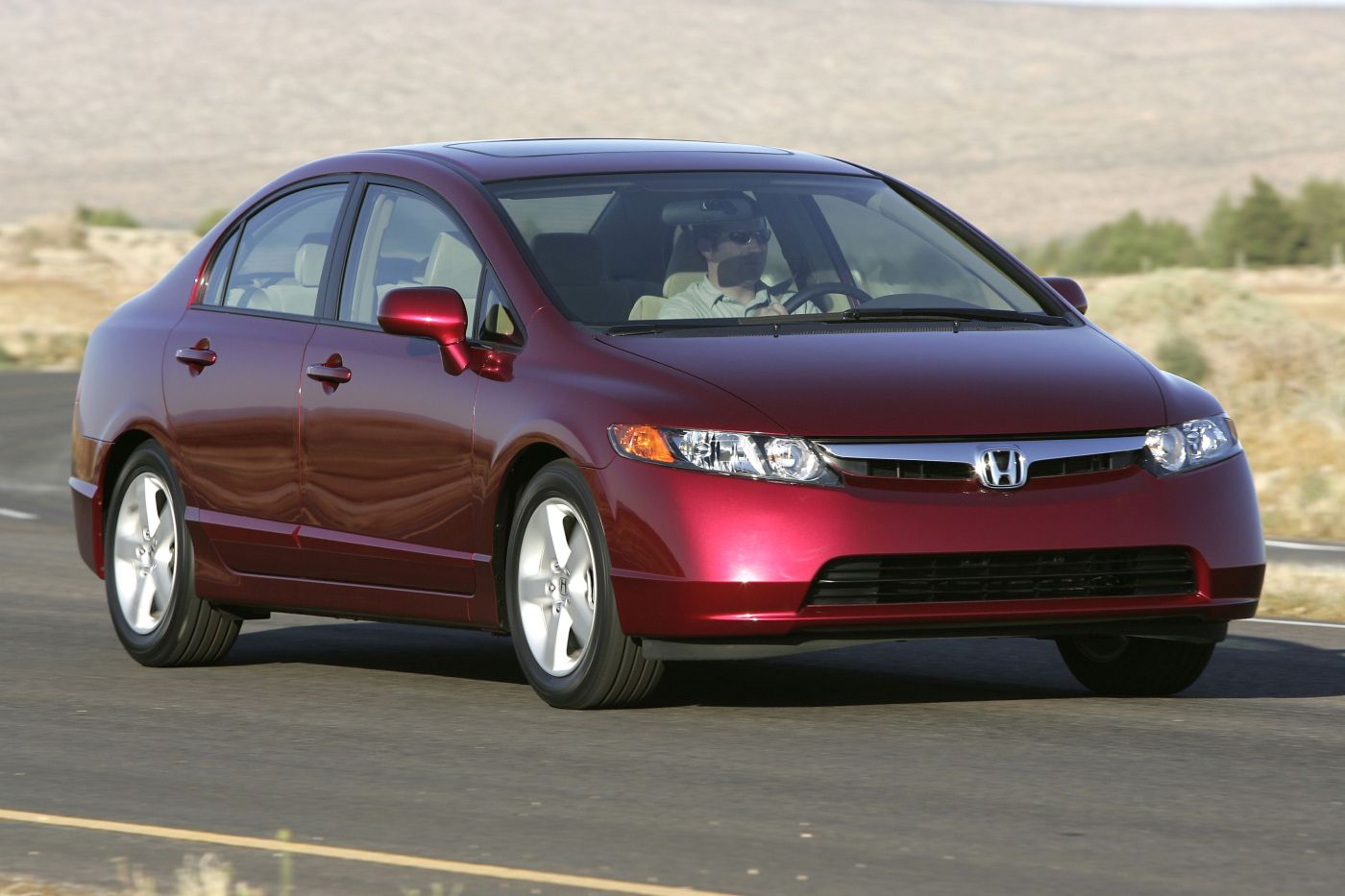
Manual transmission variants are even more bulletproof, with many examples exceeding 300,000 miles without clutch replacement when driven sensibly. The Civic’s construction quality shines through in its aging characteristics.
Body panels resist rust better than most competitors, thanks to Honda’s improved galvanizing process. The interior, while featuring hard plastics that critics initially panned, proves its worth over time by resisting wear, scratches, and UV damage. Dashboard cracking is rare, and even high-mileage examples often retain a fresh appearance.
Mechanically, these Civics age gracefully. Suspension components last longer than expected for a compact car, maintaining ride quality and handling precision well into six-figure mileage.
The MacPherson strut front and multi-link rear suspension design provides a good balance of durability and performance. Brake components are reasonably priced and long-lasting, while the steering system remains precise and responsive even after decades of use.
Perhaps most impressively, a 15-year-old Civic still feels modern to drive. The engine remains smooth and responsive, the transmission shifts cleanly, and the driving experience remains engaging. These cars don’t feel their age, continuing to provide reliable, efficient transportation that rivals newer vehicles in daily usability.
3. Lexus RX 330/350 (2004-2009)
The first-generation Lexus RX redefined the luxury SUV segment, but the second generation (2004-2009) perfected the formula with build quality that rivals Swiss watchmaking.
These vehicles demonstrate how luxury and reliability can coexist, creating SUVs that maintain their premium feel and performance long after their contemporaries have deteriorated into expensive maintenance headaches.
At the heart of every RX 330/350’s longevity lies Toyota’s legendary 3.3-liter (later 3.5-liter) V6 engine. These powerplants, shared with various Toyota and Lexus models, represent decades of refinement and proven durability.
The engines feature all-aluminum construction for weight savings and corrosion resistance, while conservative tuning prioritizes reliability over maximum power output. Many RX owners report original engines running smoothly past 200,000 miles with only routine maintenance.
The timing belt system requires periodic replacement, but this preventive maintenance ensures interference-free operation for hundreds of thousands of miles.
The five-speed automatic transmission deserves special recognition for its durability and refinement. Lexus engineers calibrated this transmission for smooth, luxury-car operation rather than aggressive performance.
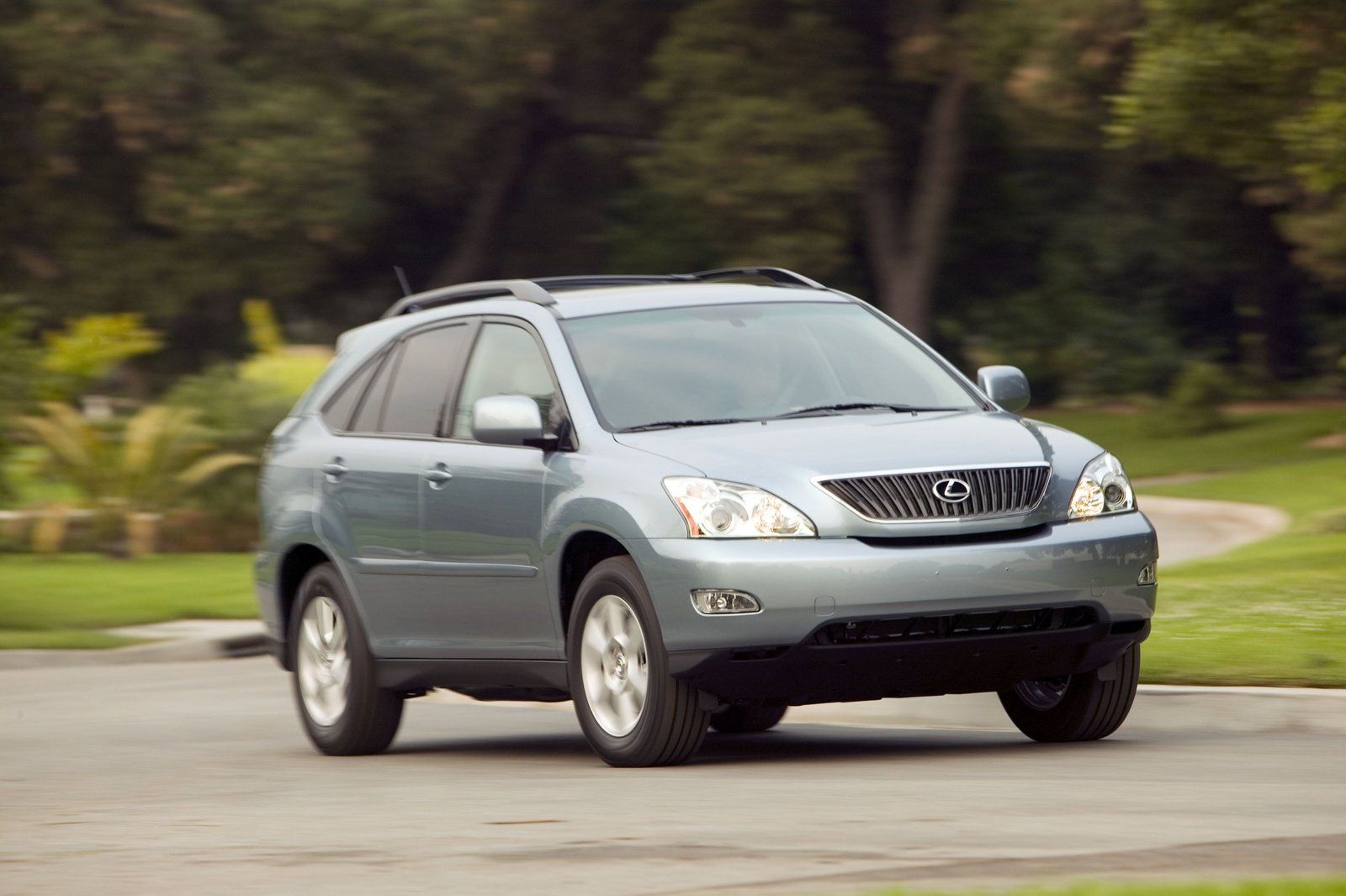
The result is seamless shifting that remains imperceptible even in high-mileage examples. The transmission’s robust construction and conservative shift programming contribute to exceptional longevity, with many examples operating flawlessly well beyond 150,000 miles.
Lexus’s build quality extends to every detail of these vehicles. The interior materials, from leather seats to dashboard components, age exceptionally well. Real wood trim resists warping and cracking, while metal accents maintain their luster.
The seats, upholstered in high-quality leather, often look nearly new even after decades of use. Electronic systems, including the navigation and audio components, typically function reliably long after similar systems in other luxury vehicles have failed.
The engine remains smooth and quiet, the transmission shifts imperceptibly, and the refinement rivals contemporary luxury SUVs. These vehicles don’t just survive, they maintain their premium character while delivering the reliability that made Toyota famous.
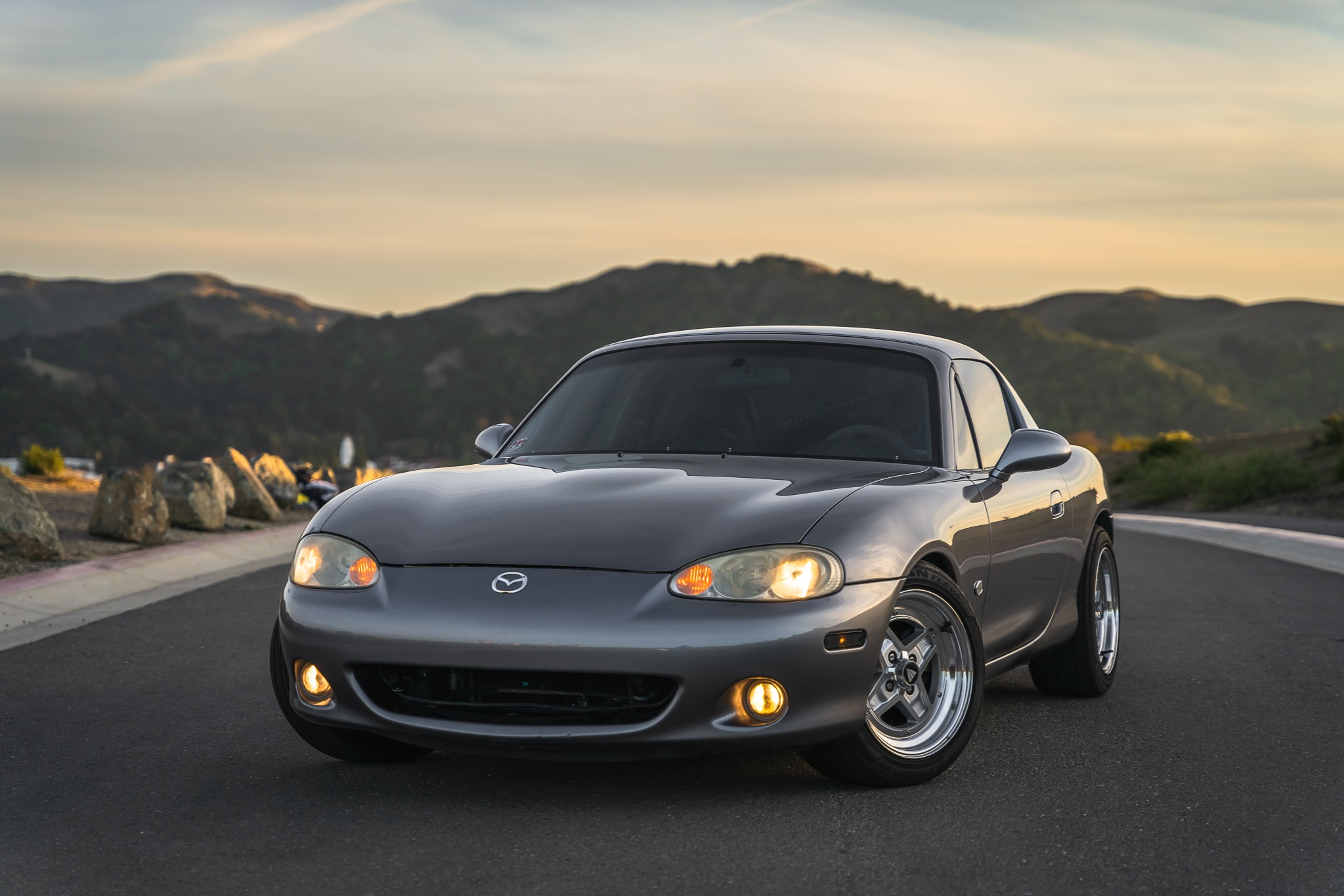
4. Mazda MX-5 Miata (1999-2005 Generation)
The second-generation Mazda MX-5 Miata, known internally as the NB, represents sports car engineering at its purest and most durable. While many performance cars from this era have become maintenance nightmares, the NB Miata continues delivering driving thrills with remarkable reliability.
This generation strikes the perfect balance between engaging performance and long-term dependability, creating a sports car that owners can drive daily without fear of expensive repairs. The heart of the NB Miata’s reliability lies in its naturally aspirated engines.
The base 1.8-liter BP engine, carried over from the previous generation with improvements, and the later 1.8-liter BP-VE with variable valve timing, both prioritize simplicity and durability.
These engines feature robust bottom ends, conservative tuning, and time-tested designs that have powered hundreds of thousands of Mazdas. Unlike turbocharged sports cars that suffer heat and complexity-related failures, these naturally aspirated units run for decades with basic maintenance. Many owners report original engines performing flawlessly past 200,000 miles.
The five-speed manual transmission deserves particular praise for its precision and longevity. The transmission features close-ratio gearing that enhances the driving experience while maintaining excellent durability.
The shifter mechanism, refined from the previous generation, provides precise, mechanical feedback that remains consistent even in high-mileage examples. Clutches typically last 100,000+ miles even with spirited driving, and replacement parts remain reasonably priced.
Mazda’s attention to corrosion protection in the NB generation significantly improved upon earlier Miatas. While not perfect, these cars resist rust much better than their predecessors, particularly in the critical rocker panel and rear wheel arch areas.
The aluminum hood saves weight while eliminating corrosion concerns. Body panels maintain their fit and finish remarkably well, with door gaps and panel alignment remaining consistent over decades.
These cars don’t feel their age because they were engineered right from the beginning, proving that simplicity and quality engineering create lasting performance.
Also Read: 5 Cars That Keep Their Value vs 5 That Become Worthless Fast
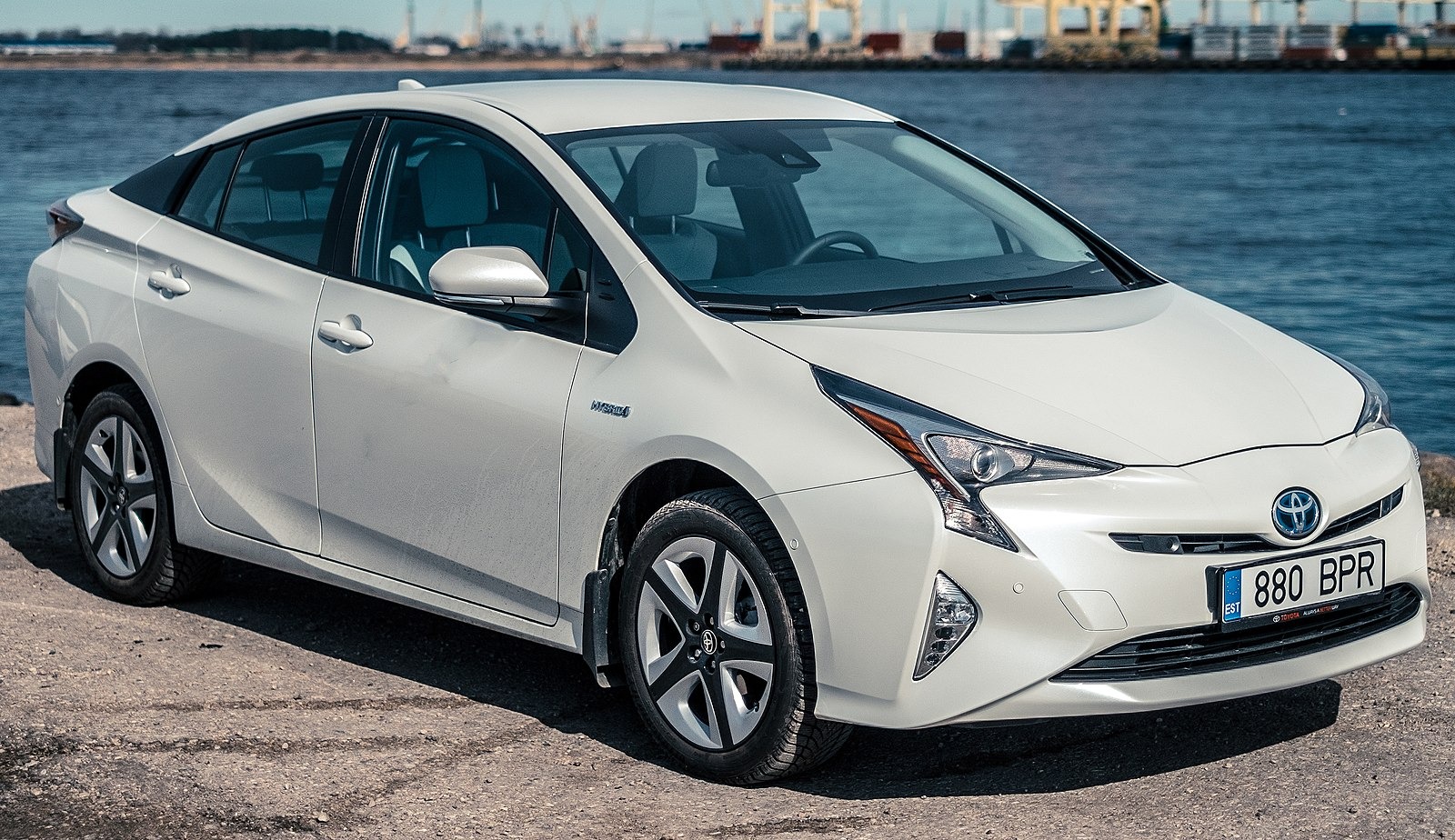
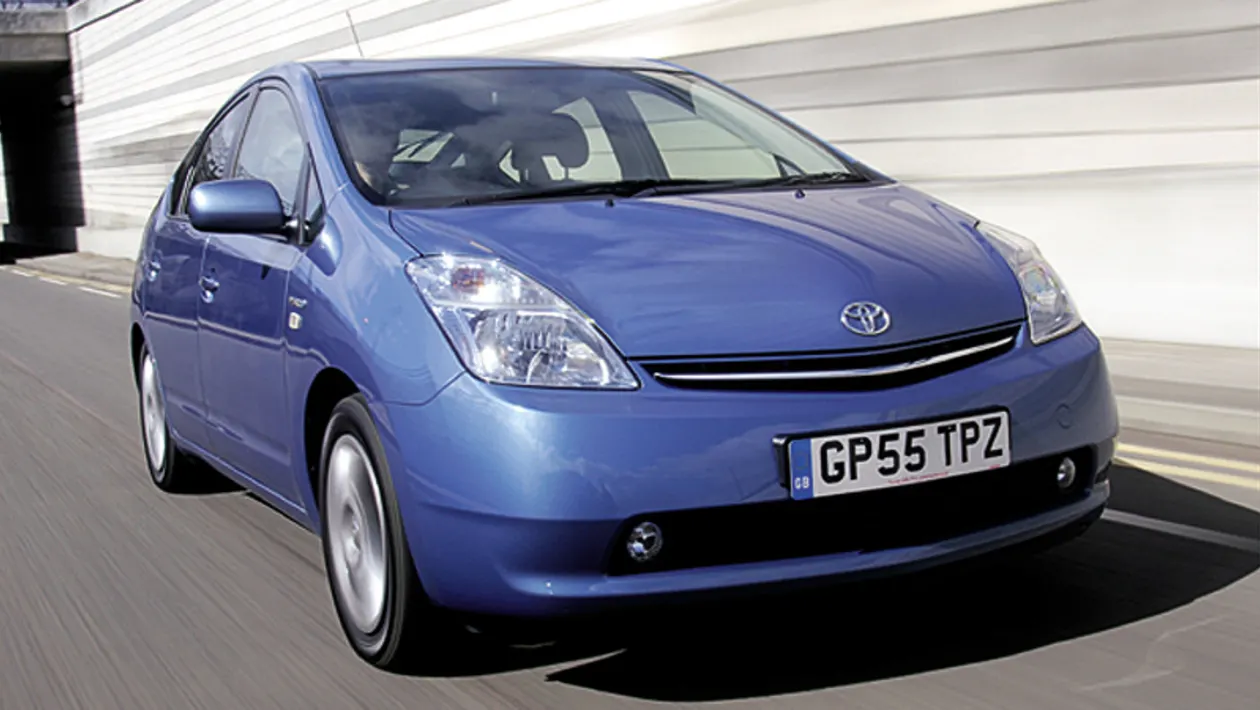
5. Toyota Prius (2004-2009 Generation)
The second-generation Toyota Prius revolutionized automotive technology while establishing hybrid reliability benchmarks that remain unmatched today.
This generation, spanning 2004 to 2009, represents Toyota’s hybrid system reaching maturity, creating vehicles that not only pioneered eco-friendly transportation but did so with exceptional long-term durability.
Despite initial skepticism about hybrid complexity, these Prius models have proven that advanced technology and reliability can coexist. The Prius’s Hybrid Synergy Drive system combines a 1.5-liter Atkinson cycle gasoline engine with electric motors through a sophisticated planetary gear system.
This powertrain, initially viewed with suspicion by traditionalists, has proven remarkably durable in real-world use. The gasoline engine, optimized for efficiency rather than power, operates in a narrow RPM range under light loads, significantly reducing wear and extending life.
Many Prius owners report original engines and hybrid systems functioning flawlessly past 300,000 miles, with some taxi and delivery examples exceeding 500,000 miles.
The hybrid battery system deserves special recognition for its longevity. Toyota’s nickel-metal hydride battery pack, while not the most energy-dense technology available, proves exceptionally durable through careful thermal management and conservative charge/discharge cycling.
The battery management system prevents deep discharge cycles that damage other hybrid systems, while active cooling maintains optimal operating temperatures. Most original battery packs remain functional well beyond 200,000 miles, with gradual capacity degradation rather than sudden failure being the norm.
Build quality in the second-generation Prius exceeds expectations for an economy-focused hybrid. Interior materials, while not luxurious, resist wear exceptionally well. The dashboard’s distinctive design uses hard plastics that prove nearly indestructible over time.
Seat fabrics hold up to daily use, and the unique center-mounted instrument cluster remains clearly visible after decades of sun exposure. Electronic systems, critical in a technology-rich hybrid, typically function reliably throughout the vehicle’s life.
While never exciting to drive, these vehicles provide reliable, efficient transportation that remains relevant in today’s fuel-conscious market. The combination of proven technology and exceptional build quality creates a vehicle that truly drives like new even after two decades.
5 Cars That Don’t Age Well
These rapidly deteriorating vehicles suffer from fundamental cost-cutting in materials and assembly quality that creates perfect conditions for accelerated aging and driving quality degradation under normal operating conditions.
Their bargain-basement construction shows in cheap plastic interior components that crack and rattle, inferior suspension bushings that deteriorate within years, and inadequate sound deadening that allows road noise to penetrate the cabin as seals fail.
Poor corrosion protection leads to premature rust formation that compromises structural rigidity, while thin paint systems allow UV damage to create permanent discoloration and surface degradation.
These cars represent the unfortunate consequences of aggressive cost-cutting that prioritizes initial affordability over long-term durability, creating vehicles that transform from pleasant transportation into uncomfortable, unreliable machines that lose their structural integrity and driving refinement far earlier than reasonable expectations would suggest.
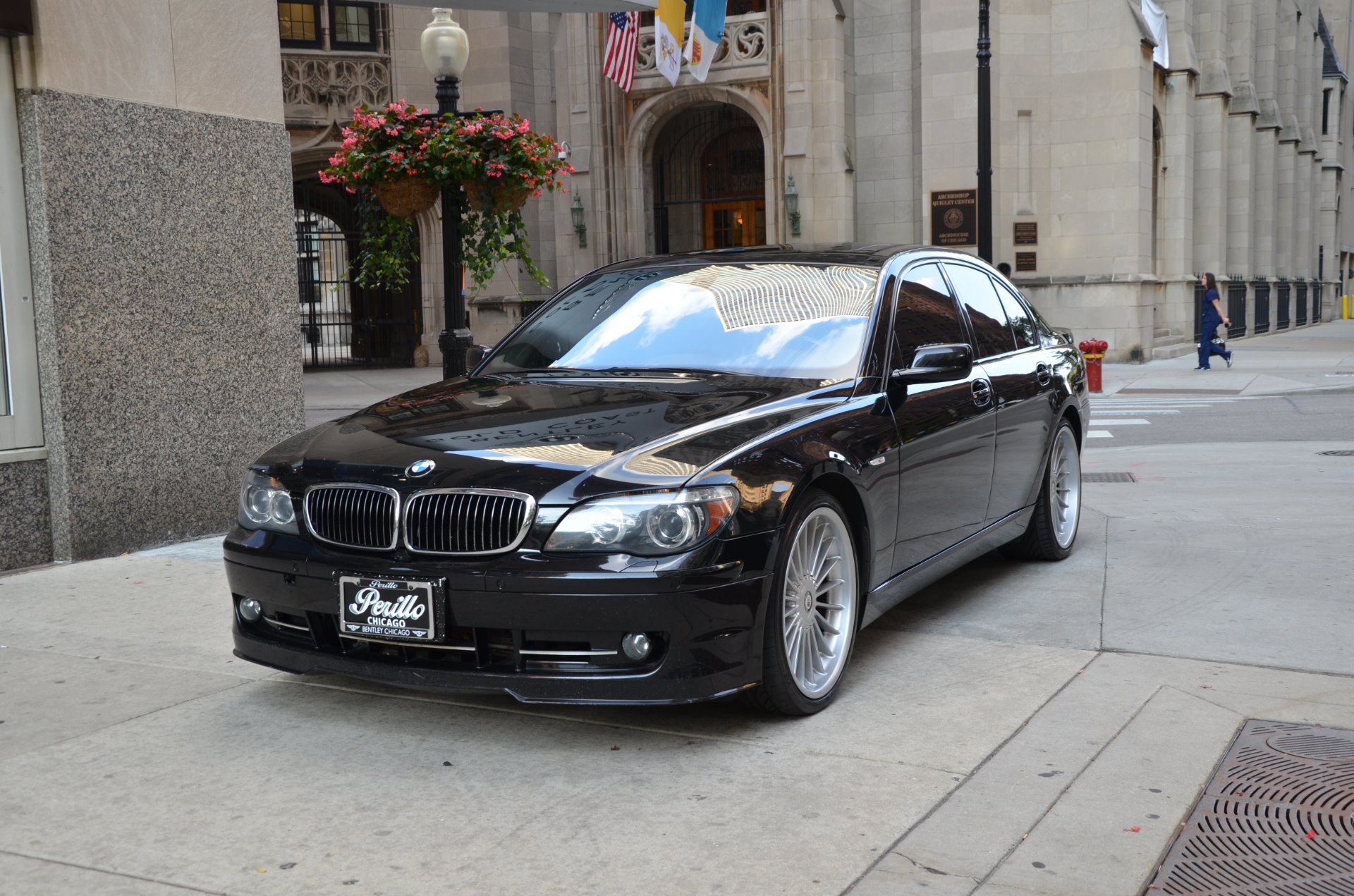
1. BMW 7 Series (2002-2008 Generation)
The E65/E66 generation BMW 7 Series represents one of automotive history’s most ambitious technological overreaches, creating luxury sedans that impressed in showrooms but became financial nightmares as they aged.
This generation introduced groundbreaking technologies like iDrive, active steering, and air suspension, but the complexity proved far beyond the reliability standards expected from vehicles costing six figures when new.
The engine lineup, while powerful and sophisticated, suffers from numerous age-related issues that make ownership expensive and frustrating. The N62 V8 engines, featuring BMW’s first application of Valvetronic variable valve lift, develop costly problems as they age.
The Valvetronic system, while technologically impressive, requires expensive repairs when components fail. Additionally, these engines suffer from timing chain guide failures, often requiring complete engine removal for repair.
The cooling systems, featuring complex routing and multiple electric pumps, frequently fail and can cause catastrophic engine damage if not addressed immediately.
Perhaps most problematic is the air suspension system standard on many models. While providing excellent ride quality when functioning, the air struts, compressor, and control modules fail regularly, often leaving owners with repair bills exceeding the vehicle’s value.
Unlike conventional spring and shock systems that degrade gradually, air suspension failures are sudden and expensive, sometimes stranding drivers when the system fails.
The iDrive system, BMW’s revolutionary interface introduced on this generation, becomes increasingly problematic as vehicles age. The early iDrive controller and display screen suffer from failures that are expensive to repair and difficult to source parts for.
Navigation systems become obsolete quickly, while integration with modern devices becomes impossible as the technology ages. What seemed cutting-edge in 2002 feels ancient and frustrating by today’s standards.
Electronic complexity extends throughout these vehicles in ways that create ongoing reliability issues. The cars feature dozens of control modules managing everything from seat adjustments to parking assistance.
The sophisticated suspension systems that provided superior ride quality when new often leave owners with harsh, uncontrollable rides when components fail. The advanced powertrains that delivered smooth, powerful performance become sources of anxiety as expensive repairs loom.
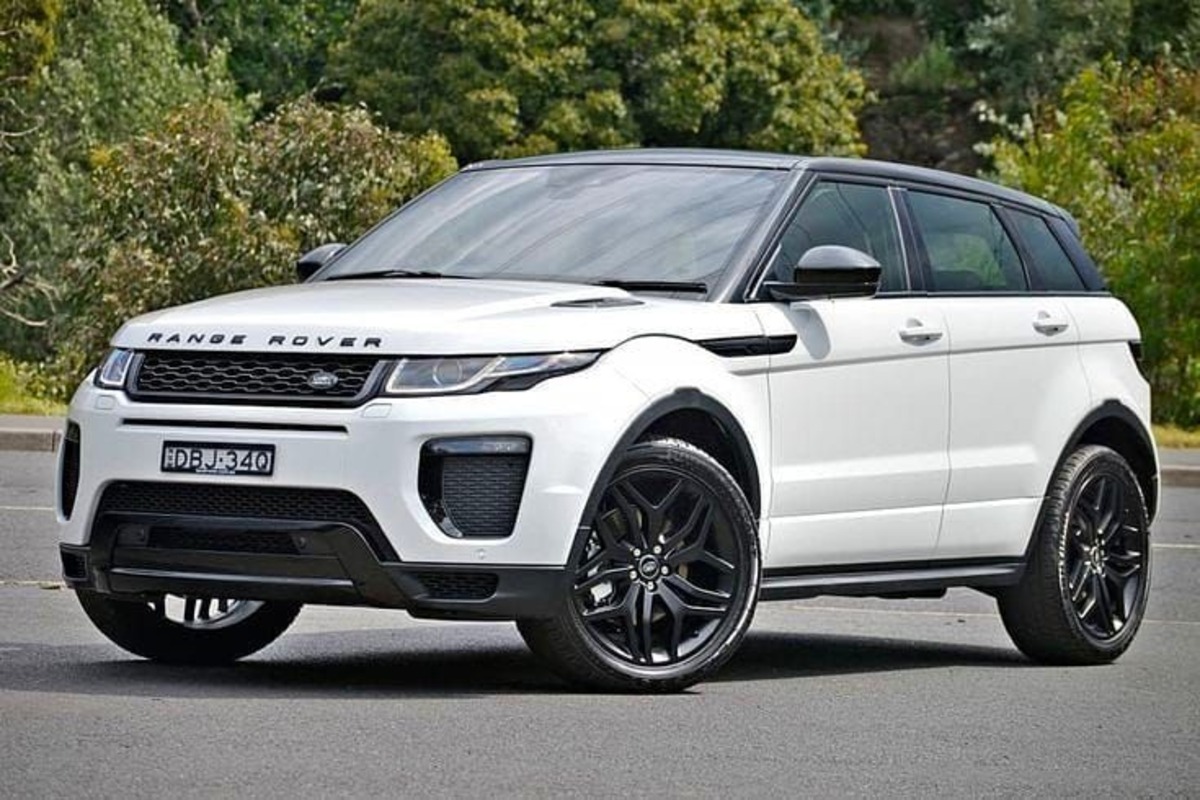
2. Range Rover (2002-2012 Generation)
The third-generation Range Rover, spanning a decade of production, epitomizes the tragic gap between automotive aspiration and execution. These vehicles represented Land Rover’s vision of ultimate luxury SUVs, combining off-road capability with opulent interiors and advanced technology.
Unfortunately, the execution fell far short of the ambitious design goals, creating vehicles that deliver exceptional experiences when functioning but become unreliable burdens as they age.
The engine options, while powerful and refined when new, develop serious reliability issues that make long-term ownership expensive and frustrating.
The supercharged V8 engines, borrowed from Jaguar, suffer from timing chain problems, supercharger failures, and cooling system issues. The naturally aspirated V8s fare somewhat better but still experience problems with valley pan gaskets, water pumps, and electrical systems.
Even the diesel engines, praised for their torque and efficiency, develop expensive fuel system problems and emissions equipment failures as they age.
Perhaps most notorious is the Range Rover’s air suspension system, which fails with predictable regularity. The air struts, compressor, and height sensors are all wear items that require expensive replacement, often multiple times during the vehicle’s life.
When the air suspension fails, the vehicle drops to its bump stops, creating an undriveable situation that requires immediate and costly repair. The complexity of the system means that even experienced mechanics often struggle with diagnosis and repair.
Electrical problems plague these Range Rovers throughout their lives, but become increasingly severe as the vehicles age. The Body Control Module, responsible for numerous vehicle functions, frequently fails and often cannot be repaired.
Engine problems reduce performance and reliability. Electrical issues create unpredictable behavior that can be dangerous in critical situations. What begins as a premium ownership experience becomes an exercise in managing constant mechanical problems while dealing with repair costs that often exceed the vehicle’s remaining value.
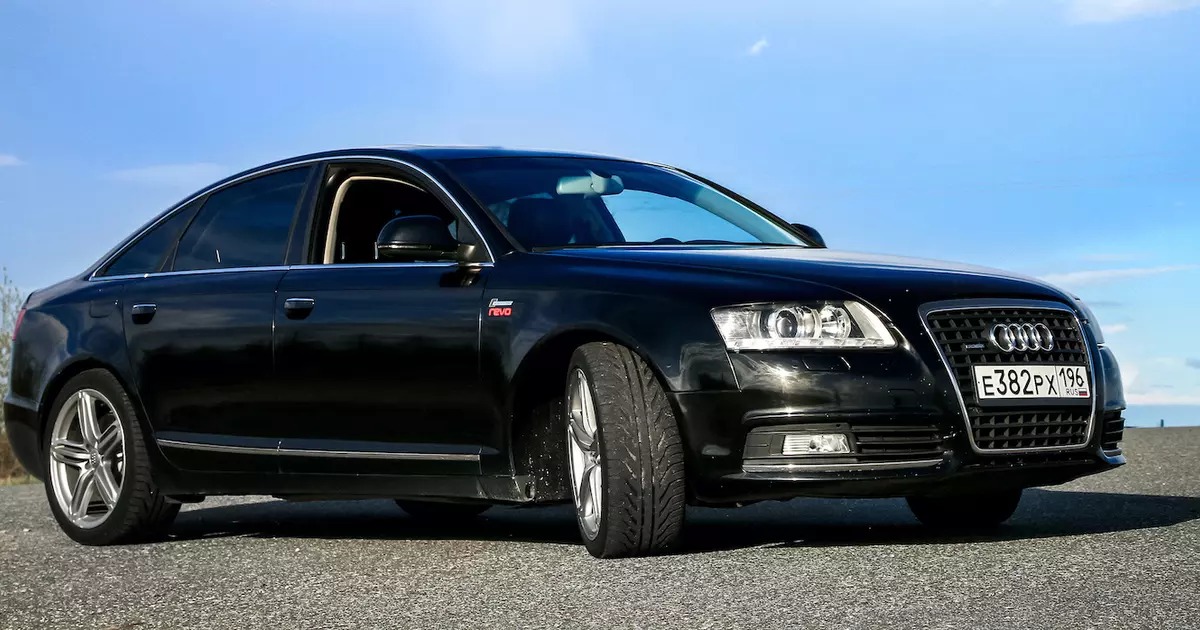
3. Audi A6 with CVT Multitronic (2005-2011)
Audi’s decision to pair their sophisticated A6 sedan with a continuously variable transmission (CVT) represents one of automotive engineering’s most well-intentioned failures.
The Multitronic CVT was designed to provide smooth acceleration and improved fuel economy while maintaining the luxury character expected from Audi. Instead, it created vehicles that drive well initially but become expensive nightmares as the transmission ages and fails.
The Multitronic CVT system differs from conventional automatics by using a chain and variable-diameter pulleys instead of fixed gear ratios. This design provides infinitely variable ratios and smooth acceleration without shift points.
However, the system’s complexity and reliance on precise tolerances make it extremely sensitive to maintenance and prone to expensive failures. The transmission requires special fluid changes at specific intervals, and even minor deviations from the maintenance schedule can result in premature failure.
As these transmissions age, they develop characteristic problems that are both expensive and often terminal. The chain stretches over time, causing slipping and loss of power transfer.
The valve body, responsible for controlling the pulley ratios, becomes contaminated and begins operating erratically. The result is jerky acceleration, unusual noises, and eventual complete failure. Repairs often cost more than the vehicle’s value, and replacement transmissions are expensive and difficult to source.
The engines paired with Multitronic transmissions, while generally reliable on their own, suffer from additional stress caused by transmission problems.
The CVT’s smooth power delivery can mask engine issues initially, but as the transmission begins failing, it places additional strain on the engine. The result is accelerated wear on engine mounts, cooling systems, and other components that must work harder to compensate for transmission inefficiencies.
Beyond the transmission issues, these A6 models suffer from typical German luxury car aging problems. The air suspension systems fail regularly, electronic modules develop faults, and interior components begin malfunctioning.
The combination of expensive CVT repairs, general German luxury car maintenance costs, and rapid depreciation creates vehicles that are expensive to own and nearly worthless to sell. The transmission problems alone often exceed the vehicle’s market value, making repair economically unfeasible for most owners.
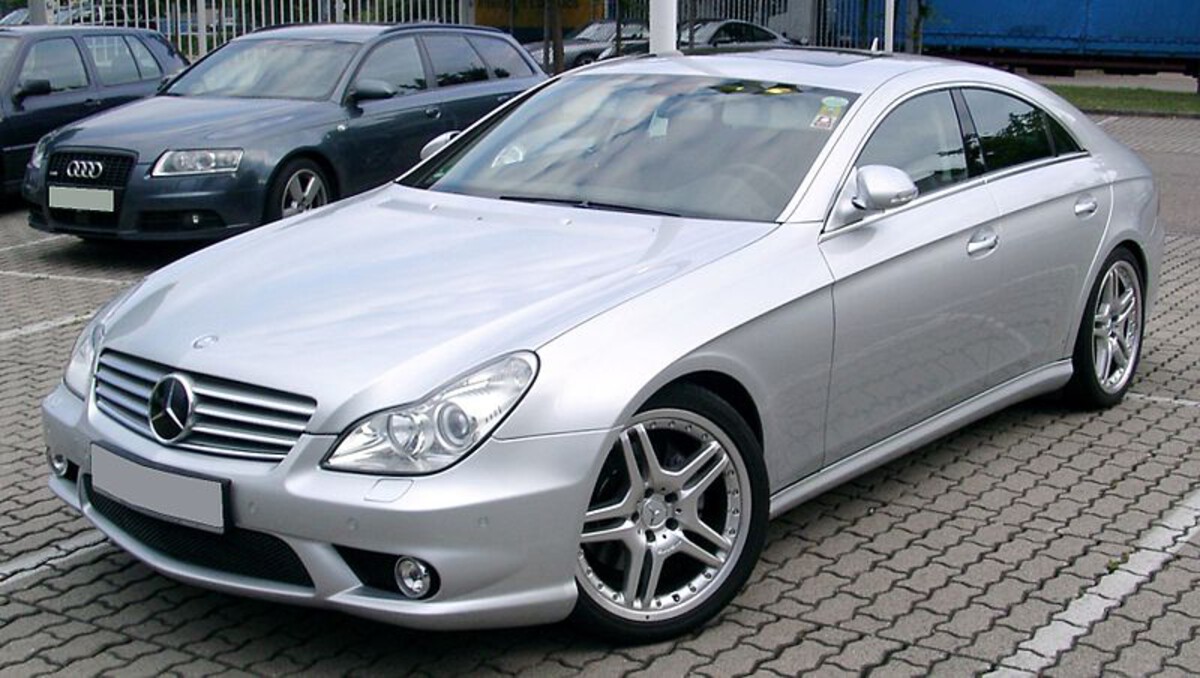
4. Mercedes-Benz S-Class (2000-2006 Generation)
The W220 generation Mercedes-Benz S-Class arrived as the flagship of German luxury engineering, packed with innovative technologies and premium materials designed to establish new benchmarks for automotive excellence.
Instead, this generation became notorious for reliability problems that tarnished Mercedes-Benz’s reputation and created ownership experiences that transformed from luxury to liability as vehicles aged.
The heart of many problems lies in Mercedes’ ambitious AIRMATIC air suspension system, standard on most S-Class models. This system, featuring air struts, electronic controls, and adaptive damping, provided exceptional ride quality when functioning properly.
However, the complexity proved far beyond the reliability standards customers expected. Air struts fail regularly, often requiring replacement in pairs or complete sets.
The compressor, responsible for maintaining system pressure, frequently burns out from overuse caused by leaking struts. When the system fails, the vehicle often becomes undrivable, dropping to its bump stops and requiring expensive towing.
Engine problems compound the ownership difficulties, particularly in the V8 and V12 models. The M113 V8 engines suffer from wiring harness deterioration, causing intermittent electrical problems that are difficult to diagnose.
The timing chain guides wear prematurely, requiring expensive engine-out repairs. The V12 engines, while smooth and powerful, develop cooling system problems, ignition coil failures, and complex electrical issues that make repair costs astronomical.
Perhaps most frustrating are the widespread electrical problems that affect virtually every system in these vehicles. The Command navigation system fails regularly, often taking the climate control and audio systems with it.
Window regulators break frequently, leaving owners with windows that won’t operate. The Electronic Stability Program develops faults that trigger warning lights and reduce vehicle performance. Even basic functions like seat adjustments and mirror positions become unreliable as control modules fail.
The combination of high repair costs and low resale values creates ownership scenarios where repair bills regularly exceed the vehicle’s remaining worth, making continued ownership economically irrational for most people.
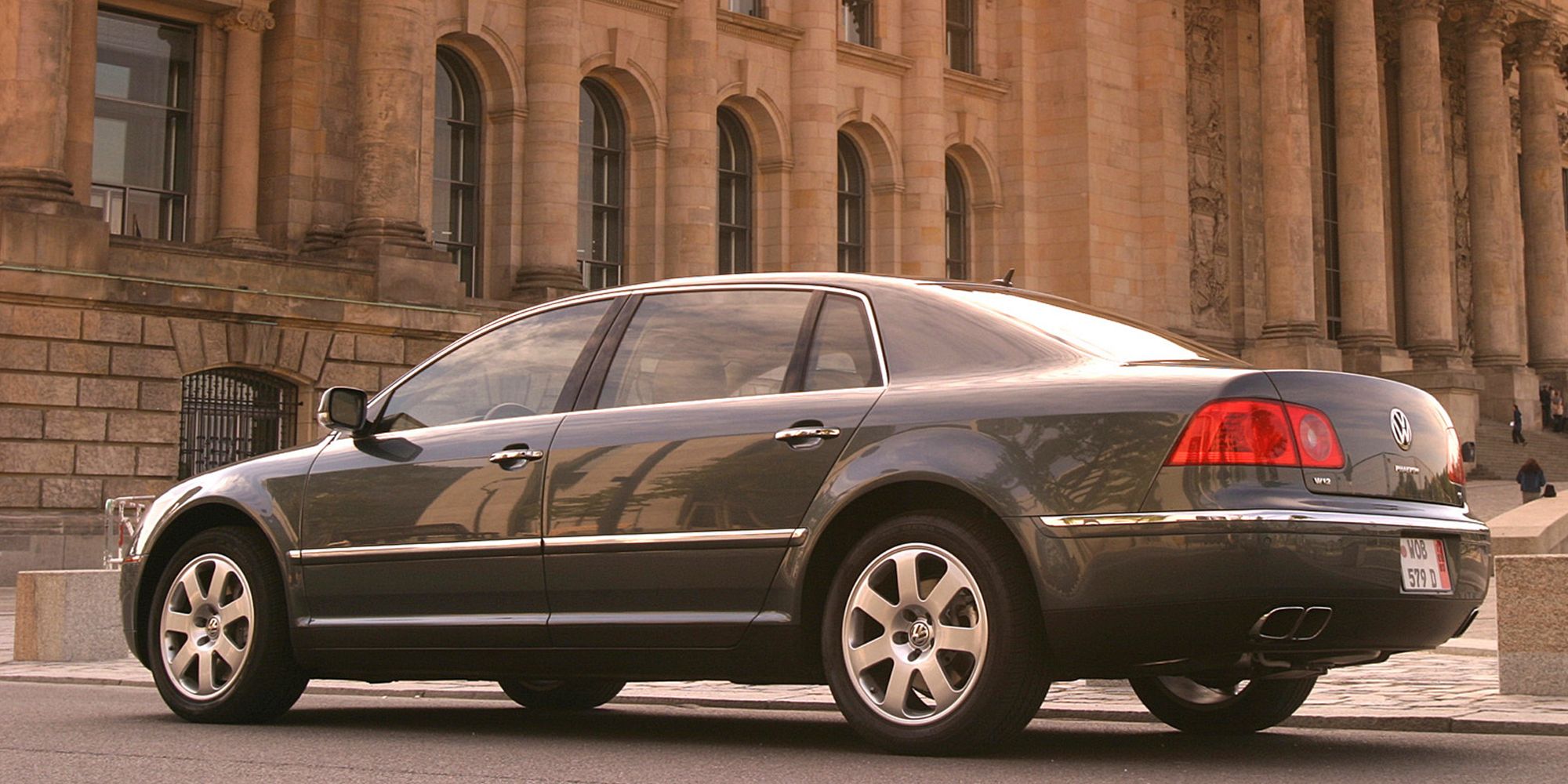
5. Volkswagen Phaeton (2004-2006)
Volkswagen’s Phaeton represented one of automotive history’s most ambitious and ultimately doomed projects, an attempt to create a luxury sedan that could compete directly with Mercedes-Benz and BMW while carrying the Volkswagen badge.
The engineering was extraordinary, the build quality impressive, and the technology advanced, but the complexity created vehicles that became maintenance nightmares as they aged, contributing to the model’s commercial failure and creating expensive problems for owners.
The W12 engine option, borrowed from Bentley and featuring twelve cylinders in a narrow-angle configuration, exemplifies the Phaeton’s over-engineering approach. This power plant, while smooth and powerful, requires specialized knowledge and expensive parts for maintenance.
The engine’s complexity extends to cooling systems with multiple pumps and thermostats, ignition systems featuring twelve coil packs, and fuel systems requiring precise calibration.
As these engines age, they develop problems that are both expensive to diagnose and costly to repair, often requiring dealer-level expertise unavailable at independent shops.
Even the V8 and V6 engine options prove problematic as vehicles age. The 4.2-liter V8 suffers from timing chain problems, carbon buildup issues, and cooling system failures.
The V6 engines develop intake manifold problems and electrical faults that affect performance and drivability. All engines feature complex management systems that rely on numerous sensors and control modules, creating multiple failure points that become increasingly problematic as vehicles age.
The Phaeton’s air suspension system, while providing exceptional ride quality, becomes a source of constant problems in aging vehicles. The system features advanced electronic controls and sophisticated damping adjustment, but the complexity creates numerous failure points.
Air struts leak, compressors fail, and control modules develop faults that leave owners with expensive repair bills and vehicles that may become undrivable when the suspension fails.
The Phaeton’s commercial failure compounds ownership problems by making parts scarce and service expertise rare. Dealers often lack familiarity with these complex vehicles, making diagnosis time-consuming and expensive.
The combination of scarce parts, limited service expertise, and complex systems creates ownership scenarios where continued operation becomes financially irrational, leading most owners to abandon their vehicles rather than continue investing in repairs.
Also Read: 5 Cars That Outlast Their Radios vs 5 With Failing Electronics
