
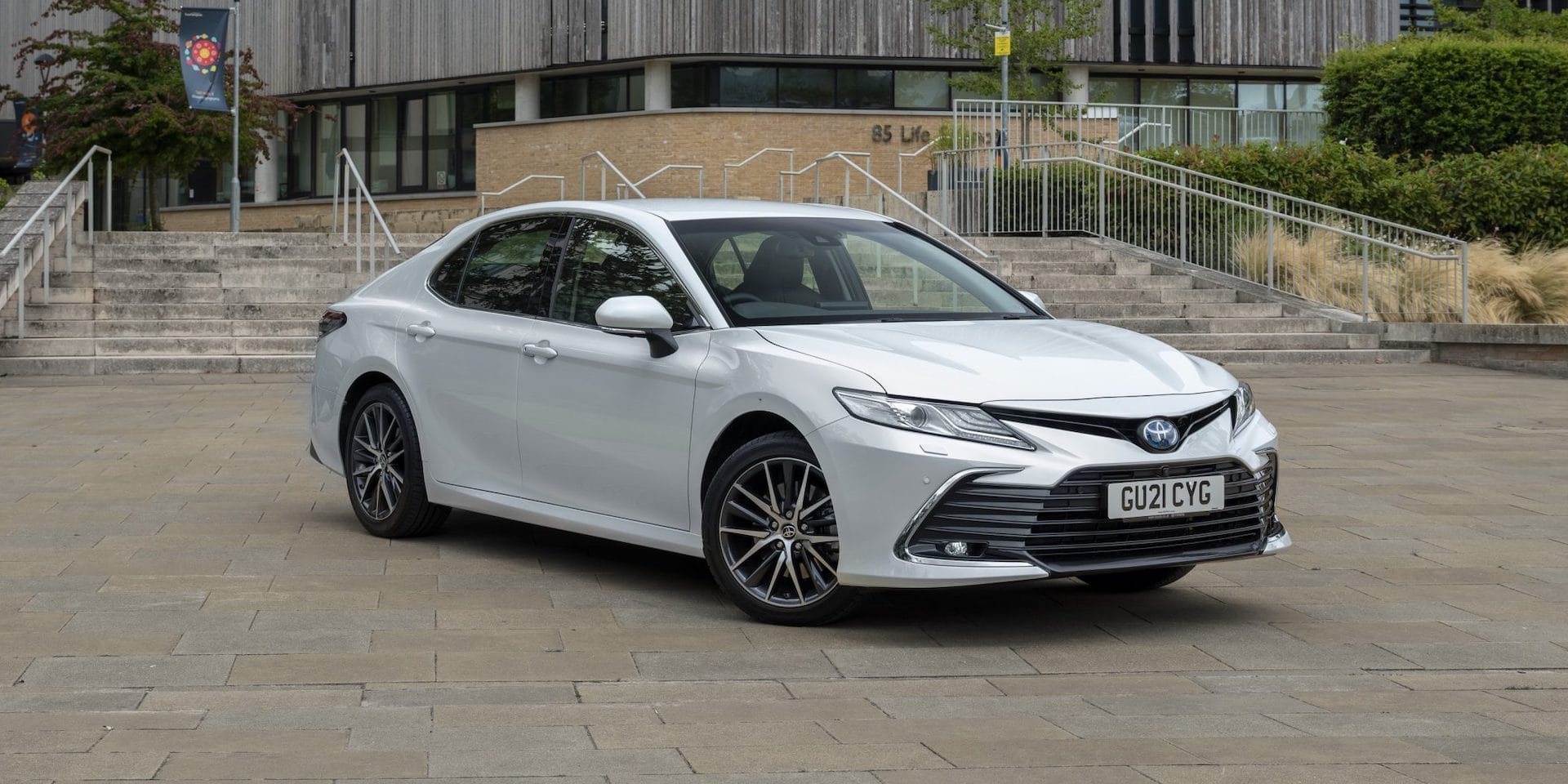
The Toyota Camry stands as one of America’s most beloved midsize sedans, consistently ranking among the top-selling vehicles for decades. Since its introduction to the U.S. market in 1983, the Camry has evolved through multiple generations, each bringing refinements in design, technology, and performance.
However, like any long-running automotive nameplate, not all model years are created equal. Some Camry years represent the pinnacle of reliability and value, while others are plagued with issues that can turn ownership into a costly nightmare.
Understanding which Toyota Camry years to pursue and which to avoid is crucial for making an informed purchasing decision. This comprehensive guide examines ten specific model years, highlighting five that represent exceptional value and reliability, and five that potential buyers should approach with caution or avoid entirely.
The Camry’s reputation for dependability isn’t universal across all model years. Engine problems, and specifically excessive oil consumption, are the top issues for the 2008, 2009, and 2010 model years, representing some of the worst periods in Camry history.
Whether you’re shopping for a used Camry or simply want to understand your current vehicle’s strengths and weaknesses, this guide provides the detailed information needed to make educated decisions.
We’ll explore the technical details behind each model year’s successes and failures, helping you identify the best opportunities in the used car market while steering clear of potential money pits.
From transmission troubles to engine oil consumption issues, and from exceptional reliability records to outstanding value propositions, we’ll cover the full spectrum of Camry ownership experiences across these critical model years.
5 Toyota Camry Years That Aren’t Worth Owning
These exceptionally engineered Camry generations feature Toyota’s most reliable powertrains and mature manufacturing processes that maintain perfect operation through hundreds of thousands of demanding miles without major component failures.
Their thoughtful construction includes the legendary 2.4L four-cylinder and 3.5L V6 engines with conservative tuning, proven automatic transmissions with robust valve bodies, and superior build quality that resists the wear patterns typically created by daily commuting and family use.
From extreme temperature cycling during long highway trips to the constant stop-and-go stress of urban driving, these remarkable sedans continue operating like new without experiencing the transmission failures, engine sludge problems, or electrical gremlins that plague problematic model years.
Strategic component selection prioritizes proven reliability over cutting-edge features, while superior assembly quality ensures tight tolerances and consistent performance throughout extended ownership.
Owners report these golden-era Camrys lasting entire careers with routine maintenance, often requiring nothing beyond brake pads, tires, and fluid changes to deliver dependable transportation.
The combination of bulletproof drivetrains, excellent build quality, and Toyota’s legendary attention to detail creates sedans that prove their worth through consistent performance and maintained efficiency even after decades of faithful service.
1. 2007 Toyota Camry
The 2007 Toyota Camry marked the beginning of the sixth generation, but this redesign came with significant growing pains that would plague owners for years.
Despite being completely redesigned with a more modern appearance and improved interior space, the 2007 model year introduced several problematic systems that would earn it a reputation as one of the worst Camry years ever produced.
Although the 2007 Toyota Camry has the most complaints, we rate the 2008 model year as worse because of other possible factors such as higher repair cost or more problems at lower mileage.
The sheer volume of complaints surrounding the 2007 model is staggering, with owners reporting issues across multiple systems from the engine to the transmission to electrical components.
The most significant problem with the 2007 Camry involves excessive oil consumption, particularly in models equipped with the 2.4-liter four-cylinder engine. For the standard Toyota Camry, 284 people reported excessive oil consumption as the No. 1 problem on the 2007 Camry.
This issue stems from design flaws in the piston rings and oil control systems, causing engines to burn through oil at alarming rates. Many owners report needing to add a quart of oil every 1,000 miles or less, leading to potential engine damage if not monitored constantly.
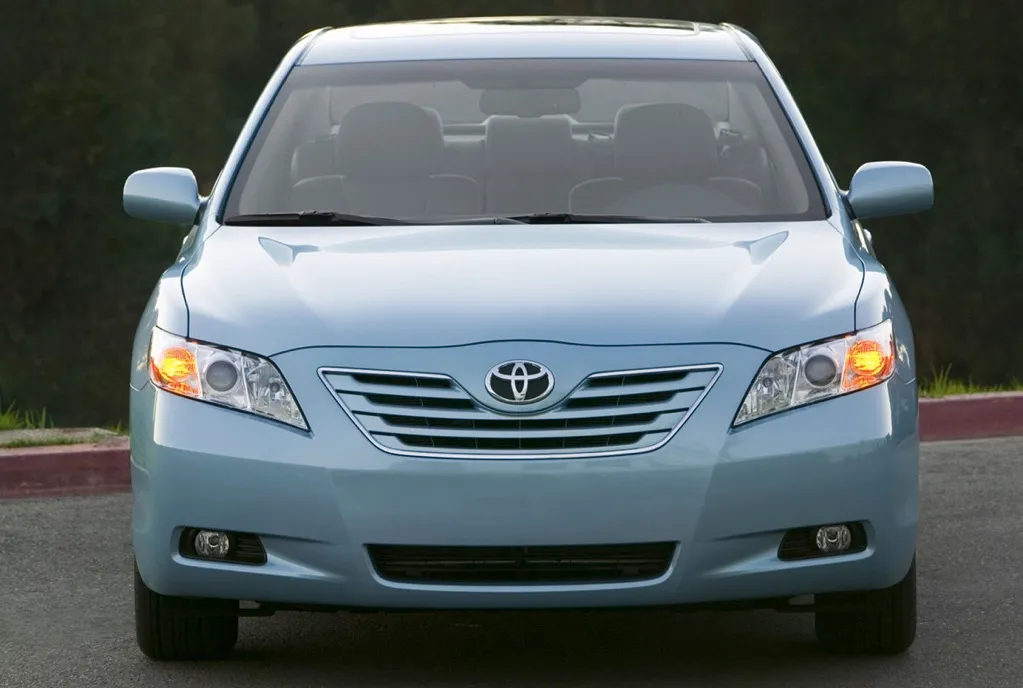
Transmission problems also plague the 2007 model year, with many owners experiencing harsh shifting, delayed engagement, and premature transmission failure.
The continuously variable transmission (CVT) option proved particularly problematic, with many units failing well before 100,000 miles. These transmission issues often require complete replacement, with repair costs frequently exceeding $4,000.
Beyond mechanical issues, the 2007 Camry suffered from numerous electrical problems, including faulty power window motors, malfunctioning door locks, and issues with the audio system.
The dashboard and interior trim pieces were also prone to premature wear and cracking, giving the cabin a cheap appearance after just a few years of ownership.
Safety concerns further compound the 2007 Camry’s problems, with several recalls issued for issues including steering problems and airbag defects. These safety-related recalls, combined with the mechanical reliability issues, make the 2007 model year a poor choice for potential buyers seeking dependable transportation.
From a financial standpoint, the 2007 Camry’s poor reliability record has significantly impacted its resale value. While this might make used examples appear attractively priced, the potential for expensive repairs and the frustration of dealing with chronic problems make even seemingly good deals questionable investments.
The combination of high repair costs, frequent breakdowns, and poor long-term reliability makes the 2007 Toyota Camry a model year best avoided by smart shoppers.
2. 2008 Toyota Camry
The 2008 Toyota Camry represents perhaps the worst single model year in the nameplate’s long history, building upon the 2007’s problems while introducing new issues that would frustrate owners and damage Toyota’s reputation for reliability.
The 2008 model year as worse because of other possible factors such as higher repair cost or more problems at lower mileage, making it a model year that potential buyers should actively avoid.
The excessive oil consumption problem that began with the 2007 model year reached its peak with the 2008 Camry. Any Toyota with specifically the 2.4 four cylinder engine made between 2006 – 2008 can and or probably will have an excessive oil burning issue.
The 2008 model year saw the highest concentration of oil consumption complaints, with some owners reporting oil consumption rates of one quart every 500-750 miles. This issue affects both the four-cylinder and V6 engines, though the 2.4-liter four-cylinder is particularly problematic.
The root cause of the oil consumption issue lies in poorly designed piston rings and inadequate oil drain-back holes. There is a design flaw with the piston drain holes, which leads to high oil consumption.
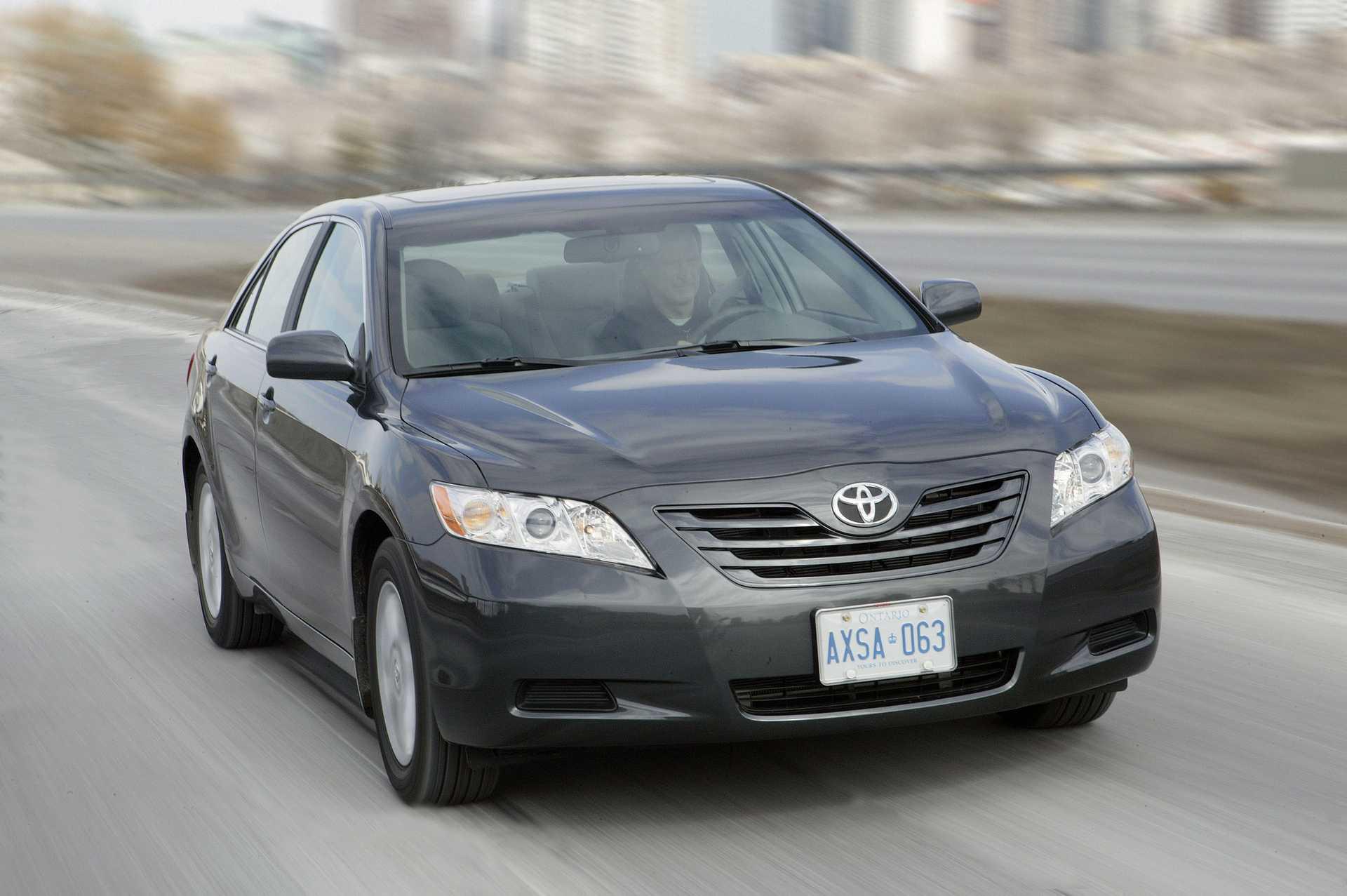
These design flaws cause oil to burn in the combustion chamber rather than being properly circulated through the lubrication system. The result is not only expensive oil replacement costs but also potential engine damage from inadequate lubrication and carbon buildup.
Interior quality problems also reached their peak in 2008, with widespread reports of dashboard cracking, seat fabric tearing prematurely, and climate control system failures.
The center console and door panels were particularly prone to warping and cracking, giving even low-mileage vehicles a worn appearance. These interior issues, while not affecting mechanical reliability, significantly impact the ownership experience and resale value.
The 2008 Camry’s problems extended to safety concerns, with several recalls issued for brake system defects, steering column problems, and airbag issues.
These safety-related problems, combined with the mechanical reliability issues, create a perfect storm of concerns that make this model year unsuitable for dependable daily transportation.
The combination of high repair costs, poor reliability, and safety concerns makes the 2008 Toyota Camry one of the worst automotive purchases available in the used car market.
3. 2009 Toyota Camry
The 2009 Toyota Camry continued the problematic trend established by its immediate predecessors, though Toyota made some attempts to address the most serious issues.
Unfortunately, many of the fundamental design problems remained unchanged, making this model year another one to avoid for reliability-conscious buyers.
While some minor improvements were implemented, the core issues that plagued the 2007 and 2008 models persisted throughout the 2009 production run.
Oil consumption remained the primary concern with the 2009 Camry, particularly in vehicles equipped with the 2.4-liter four-cylinder engine. These 2.4 engines were known to be oil burners.
There is no solution to fix the problem, other than a new engine. Many 2009 Camry owners found themselves adding oil frequently, with consumption rates of one quart every 1,000 miles being common. This excessive oil consumption not only creates ongoing expense but also poses the risk of engine seizure if oil levels drop too low.
The piston ring design problems that caused the oil consumption issues were not adequately addressed in the 2009 model year. This engine appears to have two problems.
One being the Toyota plugged oil ring holes. These plugged oil control ring holes prevent proper oil circulation and contribute to the excessive burning of lubricating oil.
While some owners attempted various treatments and procedures to address these issues, most found that the problems returned after temporary improvements.
From a purchase standpoint, while 2009 Camrys may appear attractively priced in the used car market, the potential for expensive repairs and ongoing maintenance issues makes them poor long-term investments.
The combination of known engine problems, transmission concerns, and general reliability issues places the 2009 Toyota Camry firmly in the “avoid” category for practical car buyers seeking dependable transportation.
4. 2010 Toyota Camry
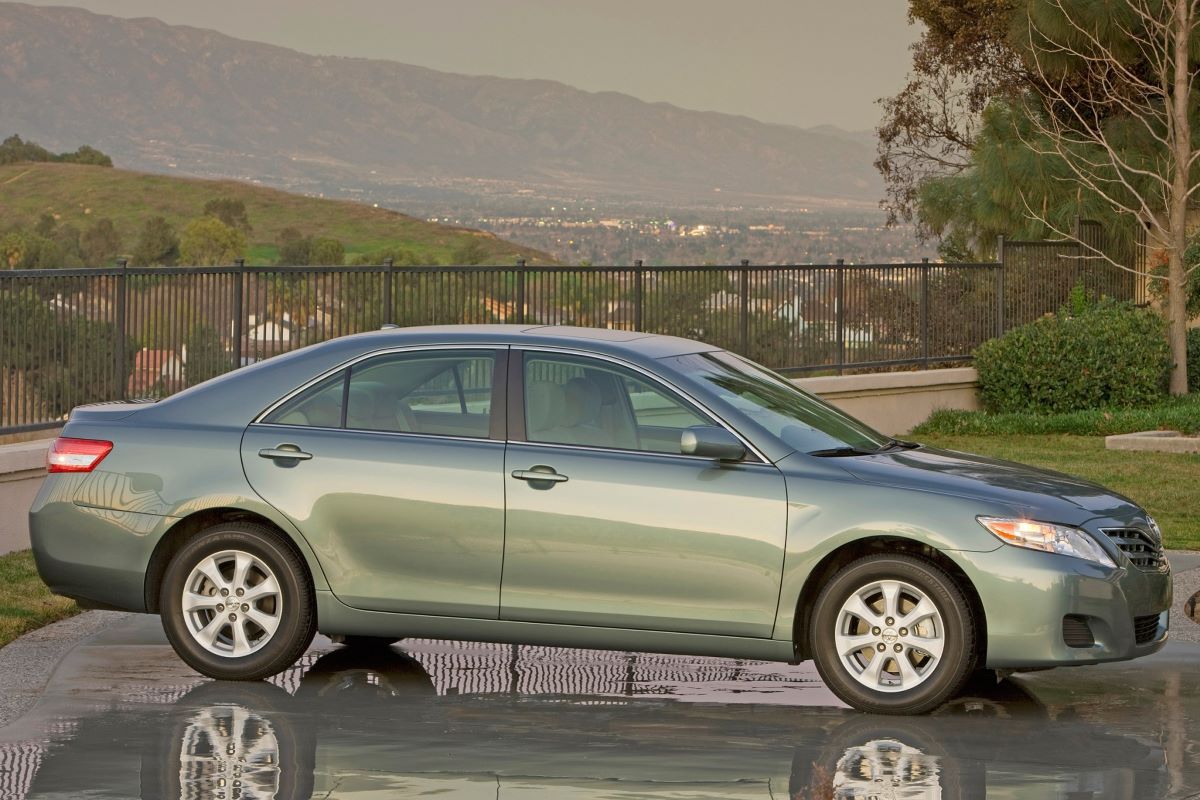
The 2010 Toyota Camry represented the final model year of the problematic sixth-generation design before Toyota implemented significant improvements for the 2011 model year.
While some minor refinements were made throughout the production run, the 2010 model year continued to suffer from many of the same fundamental issues that had plagued the Camry since 2007.
For buyers seeking reliable transportation, the 2010 model year remains a risky proposition despite being the “newest” of the problem years. Oil consumption continued to be the defining issue of the 2010 Camry, with the 2.4-liter four-cylinder engine maintaining the same problematic design characteristics that had caused issues in previous years.
Many 2010 Camry owners reported oil consumption rates of one quart every 800-1,200 miles, requiring constant monitoring and frequent oil additions.
The persistence of oil consumption problems in the 2010 model year is particularly disappointing given Toyota’s awareness of the issue by this point.
While the company had acknowledged the problem and offered some extended warranty coverage, the fundamental engine design remained unchanged.
This meant that new 2010 Camry buyers were essentially purchasing vehicles with known defects that would manifest as the vehicles accumulated mileage.
From a value perspective, the 2010 Toyota Camry presents a challenging proposition for used car buyers. While these vehicles may appear to offer good value due to their depressed resale values, the potential for expensive repairs and the frustration of dealing with chronic reliability issues make them poor long-term investments.
The 2010 model year’s problems are well-documented, making it easier for informed buyers to avoid this troubled generation, but the attractive pricing can tempt unwary purchasers into costly mistakes.
Also Read: 5 Vehicles That Rarely See Major Engine Work vs 5 That Constantly Do
5. 2001 Toyota Camry
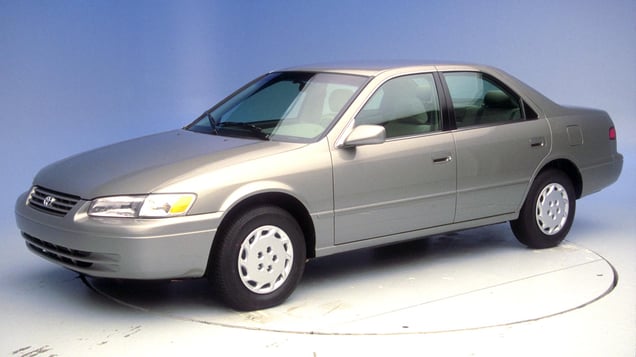
The 2001 Toyota Camry represents a significant departure from the reliability that characterized earlier Camry generations, marking the beginning of a troublesome period that would culminate in the disastrous 2007-2010 model years.
This model year faced some obstacles: Oil leaks that had owners checking their driveways daily. These issues led to a surge in grievances and a decrease in those all-important dependability scores.
This model year introduced several design changes that would prove problematic and foreshadow the more serious issues that would plague future generations. Oil leaks became a defining characteristic of the 2001 Camry, with multiple sources contributing to this widespread problem.
The engine valve cover gaskets proved particularly problematic, often beginning to leak within the first 50,000 miles of ownership. These leaks not only created unsightly stains on driveways and parking spaces but also posed potential fire hazards when oil dripped onto hot exhaust components. The oil leaks were exacerbated by poor gasket material quality and inadequate sealing procedures during manufacturing.
The transmission in the 2001 Camry also showed signs of the problems that would become more severe in later years. While not as catastrophic as the failures seen in 2007-2010 models, many 2001 Camrys experienced premature transmission problems, including harsh shifting, delayed engagement, and internal component wear.
The four-cylinder models with automatic transmissions were particularly susceptible to these issues, often requiring major repairs or complete replacement before reaching 150,000 miles.
Despite being over two decades old, 2001 Camrys still appear in the used car market, often at attractive prices that can tempt budget-conscious buyers. However, the combination of age-related wear and the inherent design problems that characterized this model year makes even low-priced examples poor investments.
The likelihood of encountering multiple expensive repairs, combined with the difficulty of finding quality replacement parts for some components, makes the 2001 Toyota Camry a model year that modern buyers should avoid in favor of more reliable alternatives from either earlier or later generations.
5 Toyota Camry Years Worth Owning
These problematic Camry generations suffer from fundamental engineering missteps, including defective engine designs and transmission problems that create perfect conditions for catastrophic failures under normal operating conditions, despite Toyota’s reputation for reliability.
Their cost-cutting construction shows in the notorious 2007-2011 2.4L engines prone to excessive oil consumption and carbon buildup, problematic U341E transmissions with valve body failures, and complex electrical systems that malfunction without warning.
Poor material choices in critical engine components lead to premature wear patterns that require expensive repairs, while inadequate transmission cooling causes internal damage during normal driving conditions.
The combination of unproven technology and rushed development timelines creates sedans where Toyota’s legendary reliability becomes a cruel joke for unfortunate owners.
These model years often experience engine rebuilds, transmission replacements, and electrical failures, typically starting around 80,000 miles, with some vehicles requiring multiple major repairs within their first decade of service.
These Camrys represent Toyota’s unfortunate departure from conservative engineering practices, creating vehicles that destroy the brand’s hard-earned reputation for dependability while leaving owners facing repair bills that often exceed the vehicle’s remaining value, forcing premature replacement of cars that should have delivered decades of trouble-free service.
1. 2020 Toyota Camry
The 2020 Toyota Camry represents the pinnacle of modern Camry engineering, combining decades of refinement with cutting-edge technology and addressing virtually all of the problems that plagued earlier generations.
This model year stands as one of the most compelling choices in the used luxury sedan market, offering a perfect balance of reliability, performance, fuel economy, and advanced safety features that make it an outstanding long-term ownership proposition.
This year, a new design was introduced that improved fuel efficiency and handling. Key highlights include: Reliability: Owners report fewer mechanical issues compared to other years.
Fuel Economy: The four-cylinder engine provides excellent mileage, making it a cost-effective choice for daily driving. The 2020 model year benefits from three years of production refinement following the eighth-generation’s 2018 introduction, resulting in exceptional build quality and reliability that has restored faith in the Camry nameplate.
The engine lineup in the 2020 Camry showcases Toyota’s latest powerplant technology, with the 2.5-liter four-cylinder Dynamic Force engine delivering impressive performance while maintaining excellent fuel economy.

This engine produces 203 horsepower while achieving EPA ratings of up to 32 mpg combined, representing a significant improvement over previous generations in both power and efficiency.
The available 3.5-liter V6 engine produces 301 horsepower while maintaining respectable fuel economy, providing buyers with excellent performance options.
Transmission reliability reached new heights with the 2020 model year, featuring Toyota’s latest eight-speed automatic transmission that provides smooth, responsive shifts while maximizing fuel economy.
The transmission’s advanced programming adapts to driving conditions and individual driver preferences, delivering optimal performance in all situations. The CVT option was eliminated from most models, addressing one of the major reliability concerns from previous generations.
The 2020 Camry’s fuel economy makes it an economical choice for daily driving, while the refined ride quality and quiet interior make it suitable for long-distance travel.
The spacious interior accommodates five adults comfortably, and the large trunk provides ample cargo capacity for family needs. Whether used for commuting, family transportation, or business travel, the 2020 Toyota Camry excels in all roles while providing the peace of mind that comes with exceptional reliability and Toyota’s reputation for durability.
2. 2015 Toyota Camry
The 2015 Toyota Camry represents the sweet spot of modern reliability and mature technology, offering buyers an exceptional combination of proven dependability, reasonable pricing in the used market, and comprehensive features that make it one of the most desirable Camry model years available.
This mid-cycle refresh of the seventh generation addressed earlier issues while introducing important improvements that significantly enhanced the ownership experience.
2015-17 Camrys are pretty solid if you can find one in good condition that’s been properly maintained, reflecting the general consensus among automotive experts and owners that this generation represents a return to Toyota’s reliability standards.
The 2015 model year benefited from five years of production refinement, resulting in exceptional build quality and the elimination of most early-generation problems that had affected the 2012-2013 model years.
The engine lineup in the 2015 Camry showcased Toyota’s improved engineering, with the 2.5-liter four-cylinder engine delivering reliable performance while maintaining excellent fuel economy.
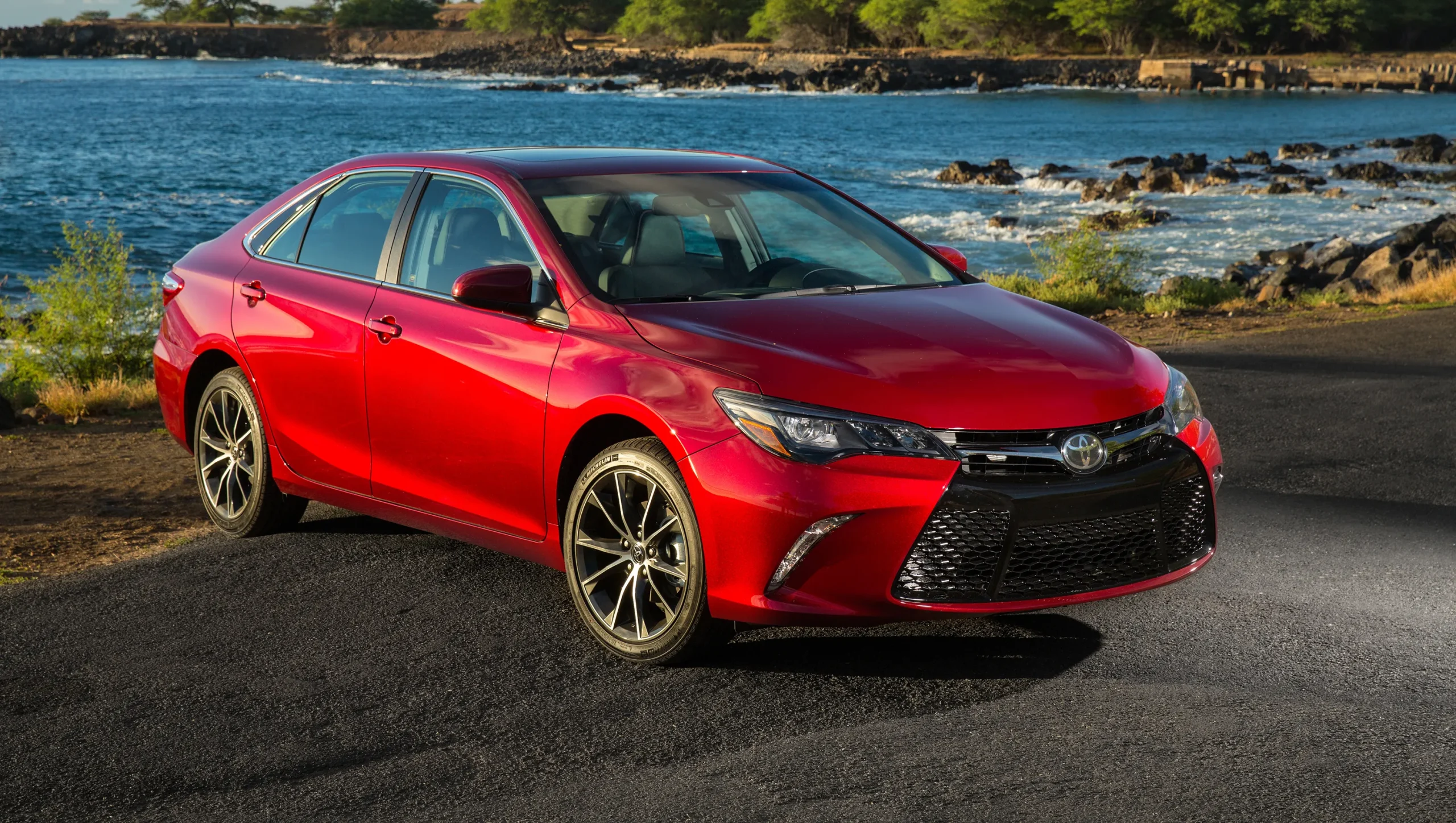
This powerplant produces 178 horsepower while achieving EPA ratings of up to 35 mpg highway, providing an ideal balance of performance and efficiency for daily driving.
The available 3.5-liter V6 engine generates 268 horsepower while demonstrating the durability and reliability that Toyota engines are known for. Transmission reliability reached new heights with the 2015 model year, featuring a refined six-speed automatic transmission that provided smooth operation and long-term durability.
Unlike the problematic transmissions found in 2007-2010 models, the 2015 transmission demonstrates exceptional longevity, with many examples exceeding 200,000 miles without major issues.
The transmission’s conservative programming prioritizes reliability over aggressive performance, resulting in trouble-free operation over the vehicle’s lifetime.
The 2015 Camry’s proven track record makes it an ideal choice for buyers seeking reliable transportation without the higher prices associated with newer model years.
The combination of mature technology, excellent reliability, and comprehensive features makes it suitable for a wide range of uses, from daily commuting to family transportation.
The spacious interior, comfortable ride quality, and excellent fuel economy contribute to a positive ownership experience that has made this model year a favorite among practical car buyers who prioritize dependability and value above cutting-edge technology.
3. 2018 Toyota Camry
The 2018 Toyota Camry marked the beginning of the eighth generation and represented a complete transformation of the nameplate, introducing bold new styling, advanced powertrains, and significantly improved driving dynamics while maintaining the reliability standards that Toyota had worked to restore after the problematic 2007-2010 era.
2018-2023 Camrys seem to have been well-received by owners and automotive journalists alike for their combination of reliability and modern features.
This complete redesign brought revolutionary changes to every aspect of the Camry, built on Toyota’s new TNGA (Toyota New Global Architecture) platform that improved rigidity, handling, and refinement.
The new platform allowed for a lower center of gravity and more engaging driving dynamics while maintaining the comfortable ride quality that Camry buyers expect. The improved structural rigidity also contributes to better long-term durability and reduced noise, vibration, and harshness levels.
The engine lineup in the 2018 Camry showcased Toyota’s latest Dynamic Force technology, with the base 2.5-liter four-cylinder engine producing 203 horsepower while achieving excellent fuel economy ratings.
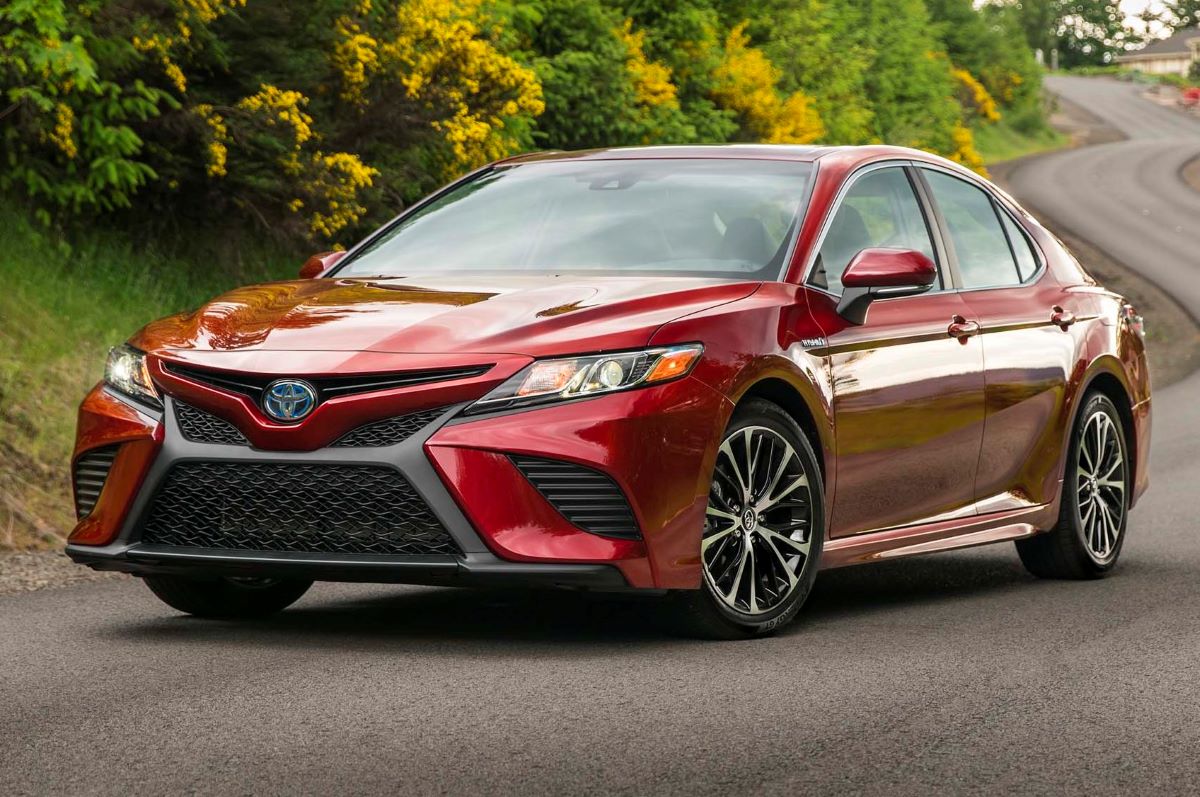
This represents a significant improvement over previous generations, providing 28% more power than the outgoing engine while maintaining competitive fuel efficiency.
The available 3.5-liter V6 delivers 301 horsepower, making the Camry one of the most powerful vehicles in its class while retaining Toyota’s reputation for long-term reliability.
Transmission technology took a major leap forward with the 2018 model year, featuring an all-new eight-speed automatic transmission that provides smooth, responsive shifts while maximizing fuel economy.
The transmission’s intelligent programming adapts to driving conditions and driver preferences, providing optimal performance in all situations. The elimination of the CVT option from most models addressed reliability concerns while improving the driving experience through more direct power delivery.
From an ownership perspective, the 2018 Toyota Camry represents an excellent investment for buyers seeking modern features and reliability. While purchase prices remain higher than older generations, the combination of advanced technology, exceptional reliability, and strong resale value makes these vehicles outstanding long-term propositions.
The comprehensive warranty coverage and Toyota’s extensive service network provide additional peace of mind for owners who want worry-free transportation with modern conveniences and safety features.
4. 2014 Toyota Camry
The 2014 Toyota Camry represents the pinnacle of seventh-generation refinement, offering buyers a mature, well-sorted vehicle that combines proven reliability with comprehensive features at attractive used car prices.
This model year benefited from two years of production improvements following the generation’s 2012 introduction, resulting in exceptional build quality and the elimination of early-production issues that sometimes affect new designs.
The 2014 model year showcased Toyota’s commitment to continuous improvement, incorporating lessons learned from the previous generation while introducing meaningful upgrades that enhanced the ownership experience.
The manufacturing processes had been refined, quality control procedures optimized, and component sourcing improved to ensure that this model year would represent Toyota’s renewed commitment to reliability and customer satisfaction.
Engine reliability reached exceptional levels with the 2014 Camry, featuring the proven 2.5-liter four-cylinder engine that delivers 178 horsepower while maintaining excellent fuel economy.
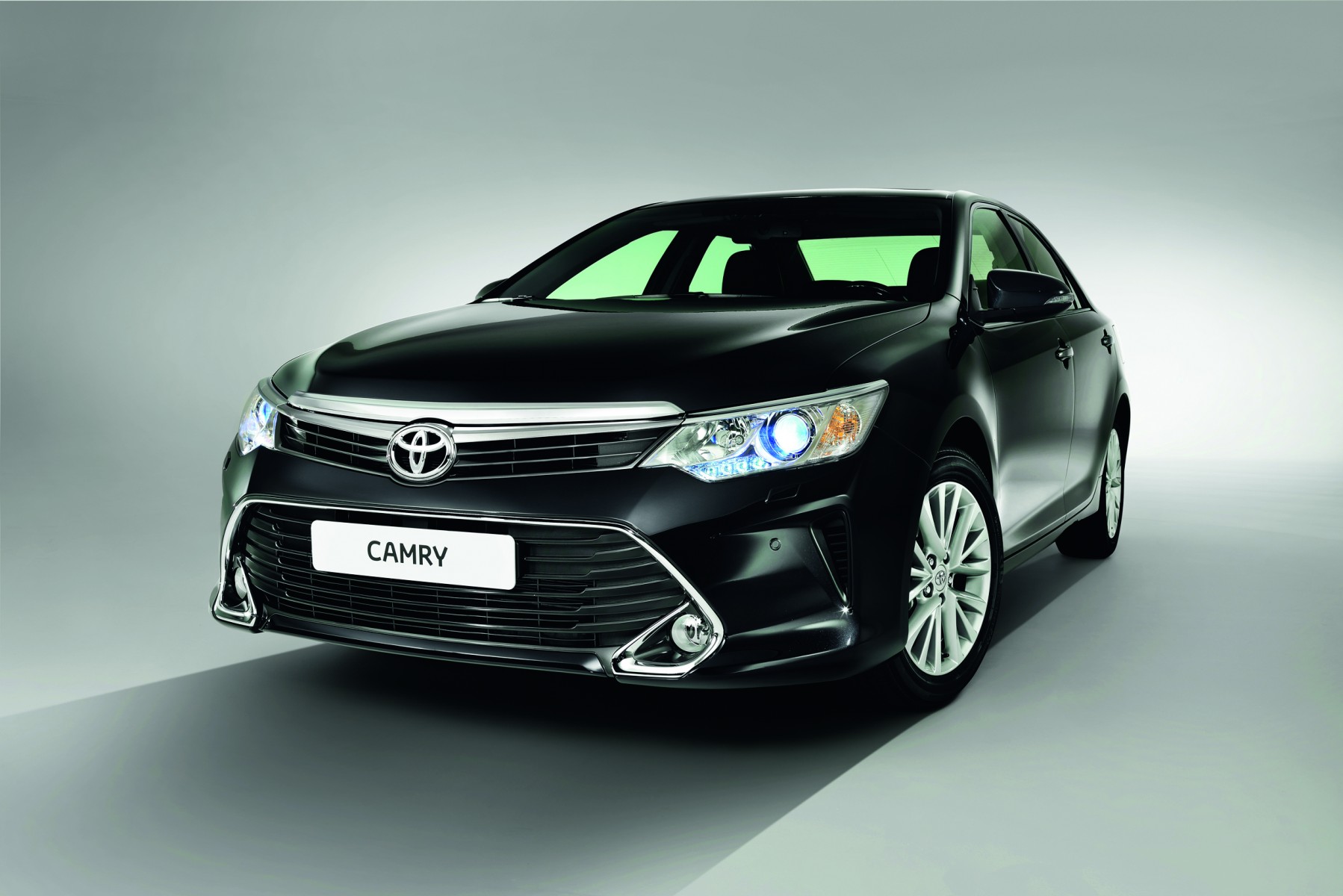
This powerplant represents mature engineering that prioritizes long-term durability over peak performance, resulting in engines that regularly exceed 200,000 miles with proper maintenance.
The available 3.5-liter V6 engine provides 268 horsepower while demonstrating the exceptional reliability that has made Toyota engines legendary for their longevity.
Maintenance requirements for the 2014 Camry remain minimal, with routine service intervals that are easy to maintain and affordable to execute. The availability of parts and service through Toyota’s extensive network ensures that maintenance and repairs can be performed affordably and conveniently.
The vehicle’s reputation for reliability means that owners can expect years of trouble-free operation with nothing more than routine maintenance and occasional wear item replacement.
5. 2012 Toyota Camry
The 2012 Toyota Camry launched the seventh generation with a complete redesign that addressed the reliability problems of the previous generation while introducing modern styling, improved fuel economy, and enhanced features that would define the nameplate’s return to excellence.
This model year represents the foundation of Toyota’s renewed commitment to quality and reliability, making it an outstanding choice for buyers seeking dependable transportation with contemporary amenities.
The 2012 redesign marked Toyota’s response to the criticism and reliability issues that had tarnished the Camry’s reputation during the 2007-2010 period.
Engineers completely rethought the vehicle’s design, manufacturing processes, and quality control procedures to ensure that this generation would restore consumer confidence in the Camry nameplate.
The result was a vehicle that combined modern features with the reliability standards that had originally made Toyota famous. Engine development for the 2012 Camry focused on improving both performance and reliability compared to the problematic previous generation.
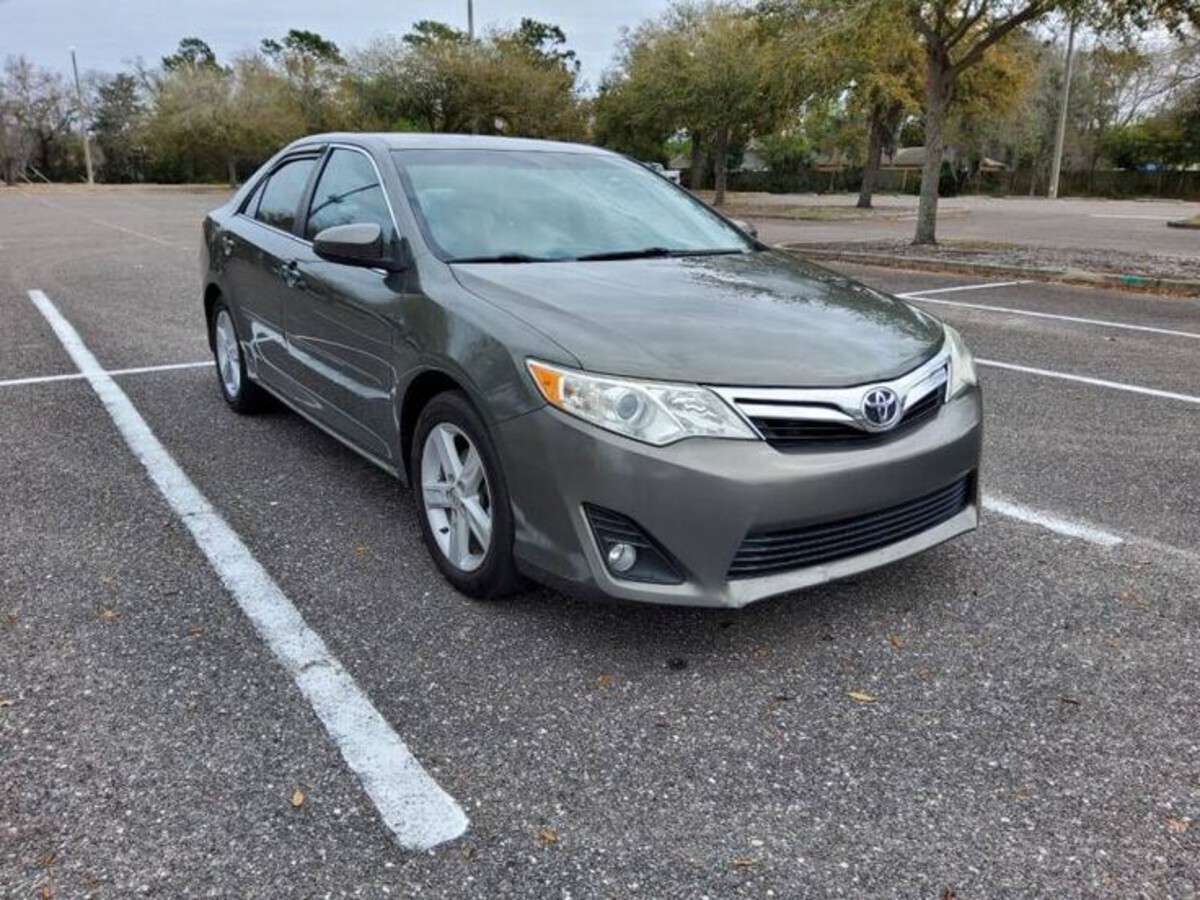
The new 2.5-liter four-cylinder engine produces 178 horsepower while achieving significantly improved fuel economy, with EPA ratings reaching 35 mpg highway.
This powerplant eliminated the oil consumption issues that plagued 2007-2010 models through improved piston ring design and enhanced manufacturing tolerances.
The available 3.5-liter V6 engine delivers 268 horsepower while maintaining Toyota’s reputation for long-term durability. Maintenance requirements for the 2012 Camry remain straightforward and affordable, with routine service intervals that are easy to maintain through Toyota’s extensive dealer network or independent service providers.
The availability of parts ensures that maintenance and repairs can be performed cost-effectively, while the vehicle’s reputation for reliability means that owners can expect years of trouble-free operation with minimal unexpected expenses.
Also Read: 5 Cars That Rarely Need Window Motor Fixes vs 5 That Constantly Fail
