
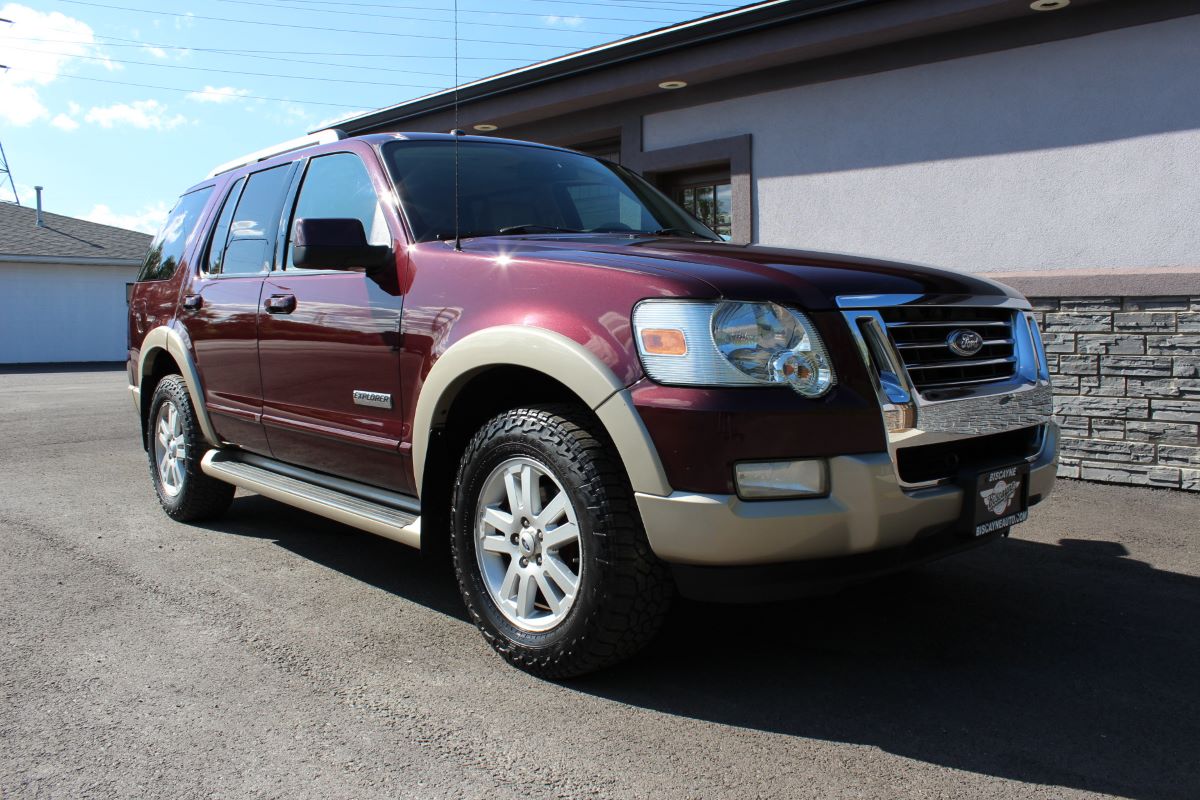
For decades, the Ford Explorer has been one of the most recognizable SUVs in the United States. First introduced in 1991, the Explorer quickly became a staple for families, outdoor adventurers, and commuters alike.
Its combination of size, comfort, and capability helped define the SUV market. However, like many long-running models, not all years have been created equal.
Some Explorers are known for lasting reliability, smooth driving experiences, and strong resale value, while others are plagued with costly mechanical issues that leave owners frustrated.
If you’re considering buying a Ford Explorer, especially in the used market, knowing which years are worth owning and which ones to avoid is essential.
Below, we break down five of the best years that tend to deliver dependable performance and five model years that often come with headaches for their owners.
Ford Explorer Years Worth Owning
The Ford Explorer has been a fixture on American roads for over three decades, but not every model year has lived up to its reputation. Some years delivered the perfect mix of reliability, comfort, and capability, while others left owners dealing with constant repairs.
If you’re shopping used, knowing which Ford Explorer years are actually worth owning can save you money and headaches. Here are the model years that stand out for the right reasons.
1. 2019 Ford Explorer
The 2019 Explorer is one of the most solid options in the lineup, coming at the tail end of its fifth generation. By this point, Ford had ironed out many of the issues seen in earlier years of the same generation.
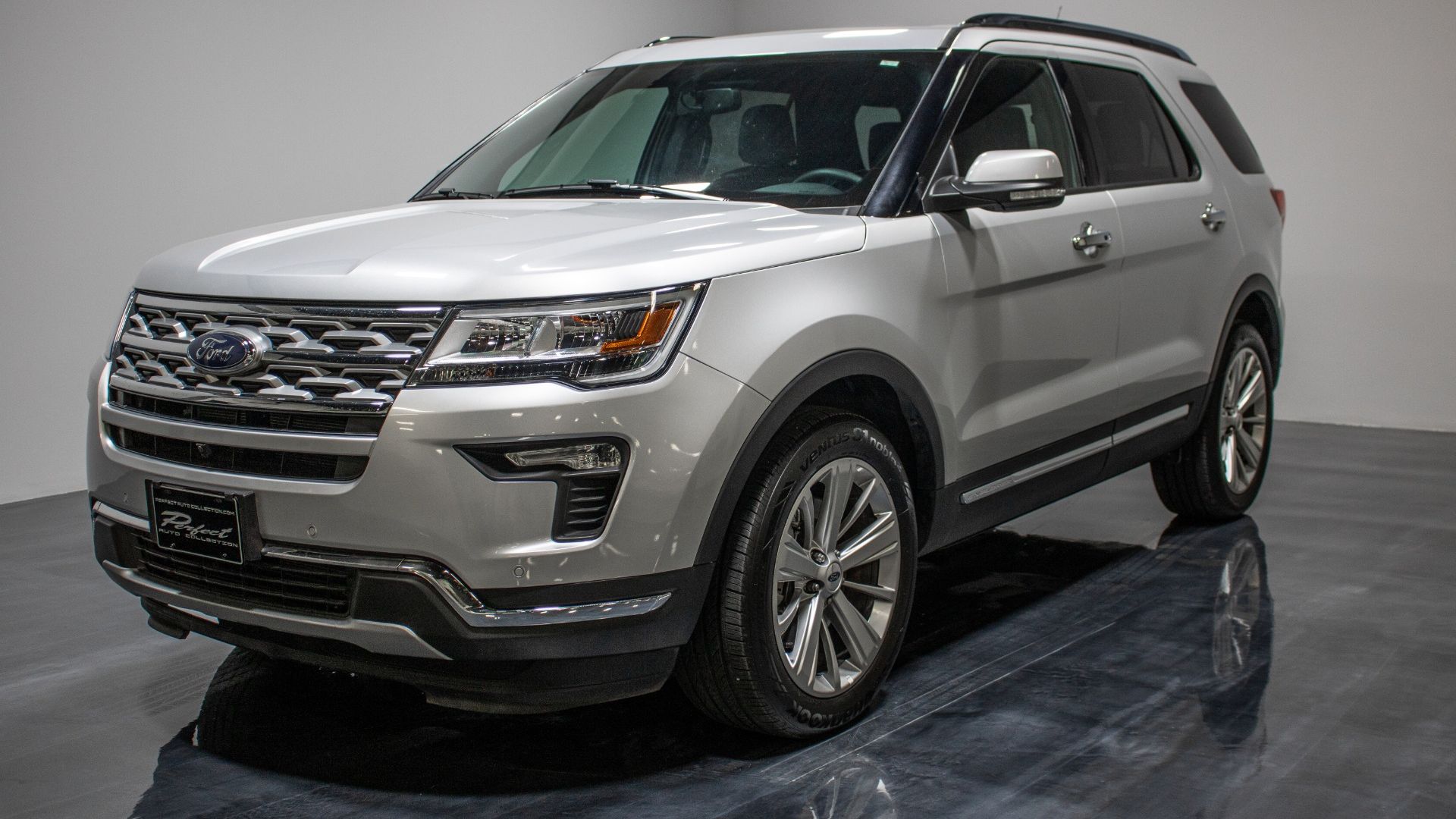
The 2019 model offers multiple engine options, including the reliable 3.5-liter V6 and a fuel-efficient turbocharged 2.3-liter EcoBoost. It also features strong towing capabilities, comfortable three-row seating, and an intuitive infotainment system.
Reliability scores improved significantly, making this model year an excellent choice for buyers who want a newer SUV without the high cost of a brand-new vehicle.
At first glance, the Ford Explorer comes across as an upscale SUV, borrowing much of its styling from the luxury-focused Land Rover Range Rover. A closer inspection, though, reveals its real character: the cabin is built to be practical, durable, and family-friendly rather than truly premium.
Technology such as a touchscreen infotainment system, onboard Wi-Fi, and driver-assistance features are available, but since most competitors also offer them, and many even make them standard, the Explorer no longer stands apart in this regard.
While it remains a capable and agreeable SUV, its reign as the king of the three-row crossover segment is now just a memory.
The Explorer hasn’t undergone any major redesign since its 2016 refresh, but Dodge has added a few minor updates for 2019. Most of these involve adjustments to standard equipment and the repackaging of driver-assistance options. .
The XLT trim introduces a new Desert Copper appearance package, which brings 20-inch wheels and black accents inside and out. Meanwhile, the Limited trim gains a Luxury Limited package that adds 20-inch wheels, chrome mirror caps, and interior finishes that blend leather with faux suede for a more polished look.
Pricing for the 2019 Ford Explorer starts at $33,360 for the base model and can reach as high as $55,260 at the Platinum trim level, with the lineup also including the XLT at $35,495, the Limited at $43,860, and the Sport at $47,720.
Of these, the Sport stands out as the most appealing choice. While it is far from the most affordable, it comes with the standard 365-horsepower twin-turbo V-6, easily the most refined and powerful engine in the lineup.
The Sport also includes all-wheel drive, an 8.0-inch infotainment touchscreen with Apple CarPlay and Android Auto, and power-folding third-row seats.
Buyers who opt for the 401A Equipment Group package gain additional features such as cooled front seats, heated second-row seats, a front camera, ambient interior lighting, and more, making the Sport trim feel far more complete.
When it comes to performance, the Explorer’s base V-6 and available turbocharged four-cylinder engines handle daily duties adequately, though neither shines. The V-6 can feel a little unrefined, while the turbo four hesitates slightly when pulling away from a stop.
For buyers who want something more engaging, the twin-turbo V-6 found in the Sport and Platinum models is a standout, delivering quick, refined power. The Explorer can tow up to 5,000 pounds, which is respectable but still lags behind rivals like the Dodge Durango, which offers a maximum of 7,400 pounds.
On the road, the Explorer feels larger than its dimensions suggest, favoring comfort over agility. Its well-damped ride makes it pleasant for long trips and rough roads, though it sacrifices the kind of sharp handling some drivers may want.
The steering could provide more feedback, but it remains light and responsive enough for daily errands and family duties. Braking performance is competitive, with testing showing a 174-foot stopping distance, though the brake pedal itself feels somewhat soft.
Also Read: 10 Checks That Stop a Chevy Impala From Becoming Unsafe
2. 2010 Ford Explorer
As one of the last years of the fourth generation, the 2010 Explorer represents the end of an era when body-on-frame SUVs were still the norm.
This model year is praised for its durability and truck-like strength, making it appealing to drivers who value towing and off-road capabilities.
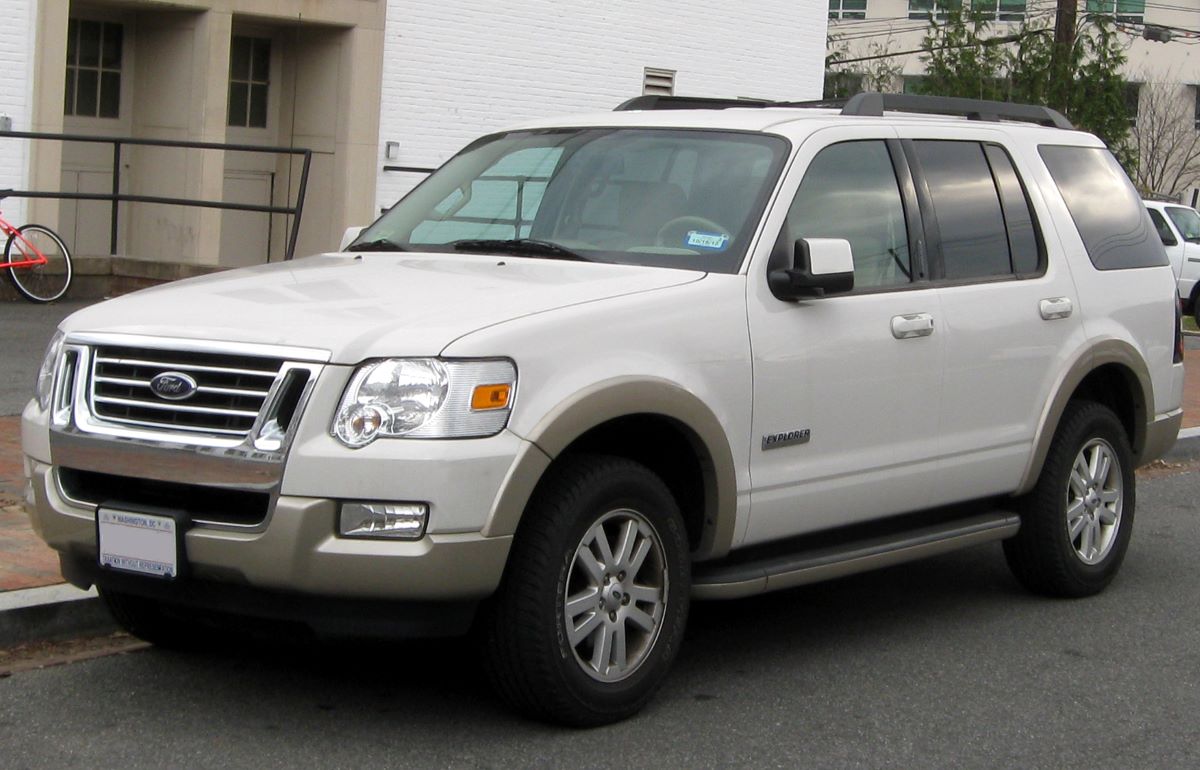
The 2010 Explorer is often described as rugged and reliable, with fewer complaints compared to earlier fourth-gen models. Owners frequently report satisfaction with its handling, build quality, and longevity when properly maintained.
3. 2007 Ford Explorer
While mid-2000s Explorers have mixed reputations, the 2007 stands out as one of the better years. It benefited from a mid-cycle refresh that improved interior quality, safety features, and overall drivability.
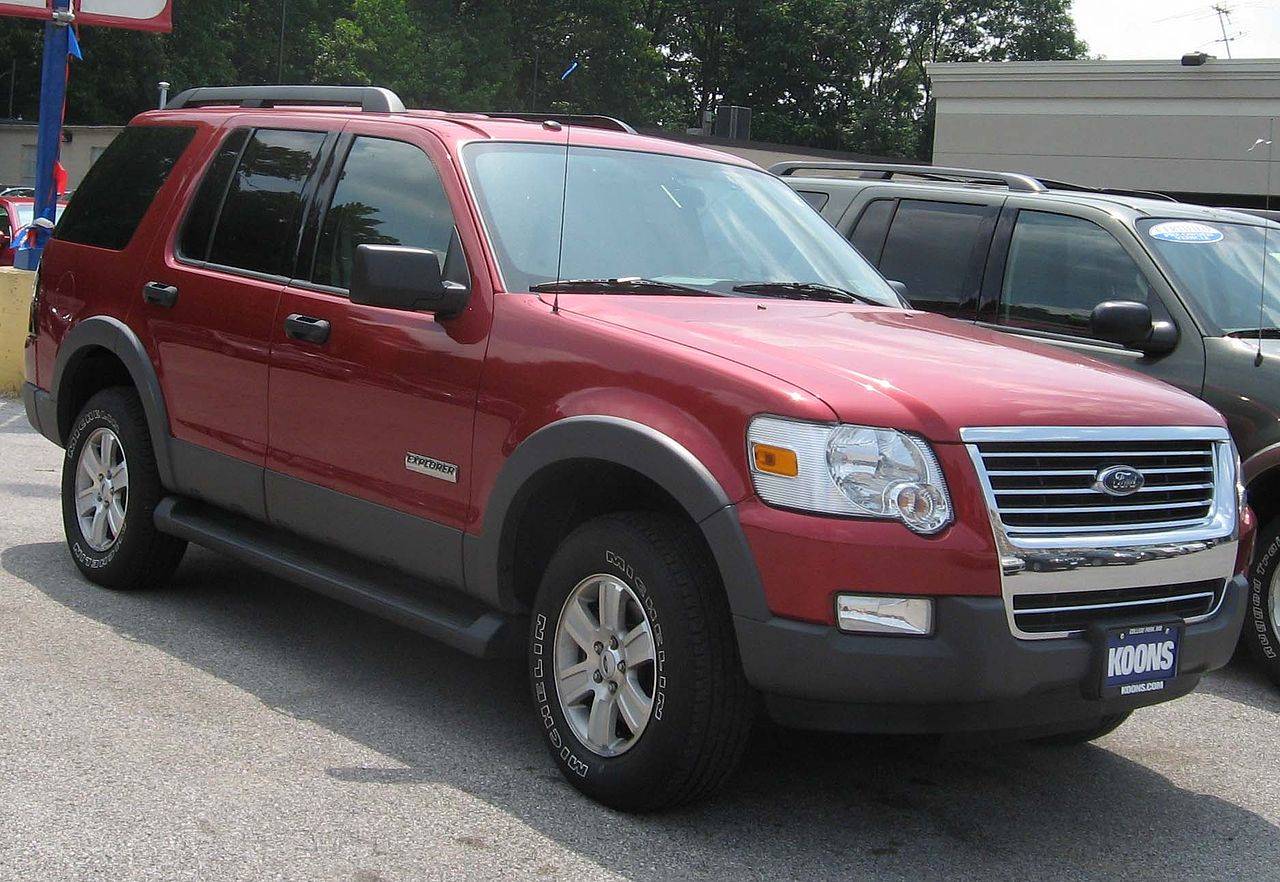
The optional V8 engine is known for its durability, and the ride comfort is excellent for a vehicle of this size and age. With proper upkeep, the 2007 Explorer can still serve as a dependable family SUV or work vehicle, offering a balance of power and comfort.
4. 2002 Ford Explorer
The 2002 Explorer marked the beginning of the third generation, and despite some early complaints, it has become one of the more respected older models over time.
Its independent rear suspension improved ride quality compared to earlier models, and it offered better handling for an SUV of its era.
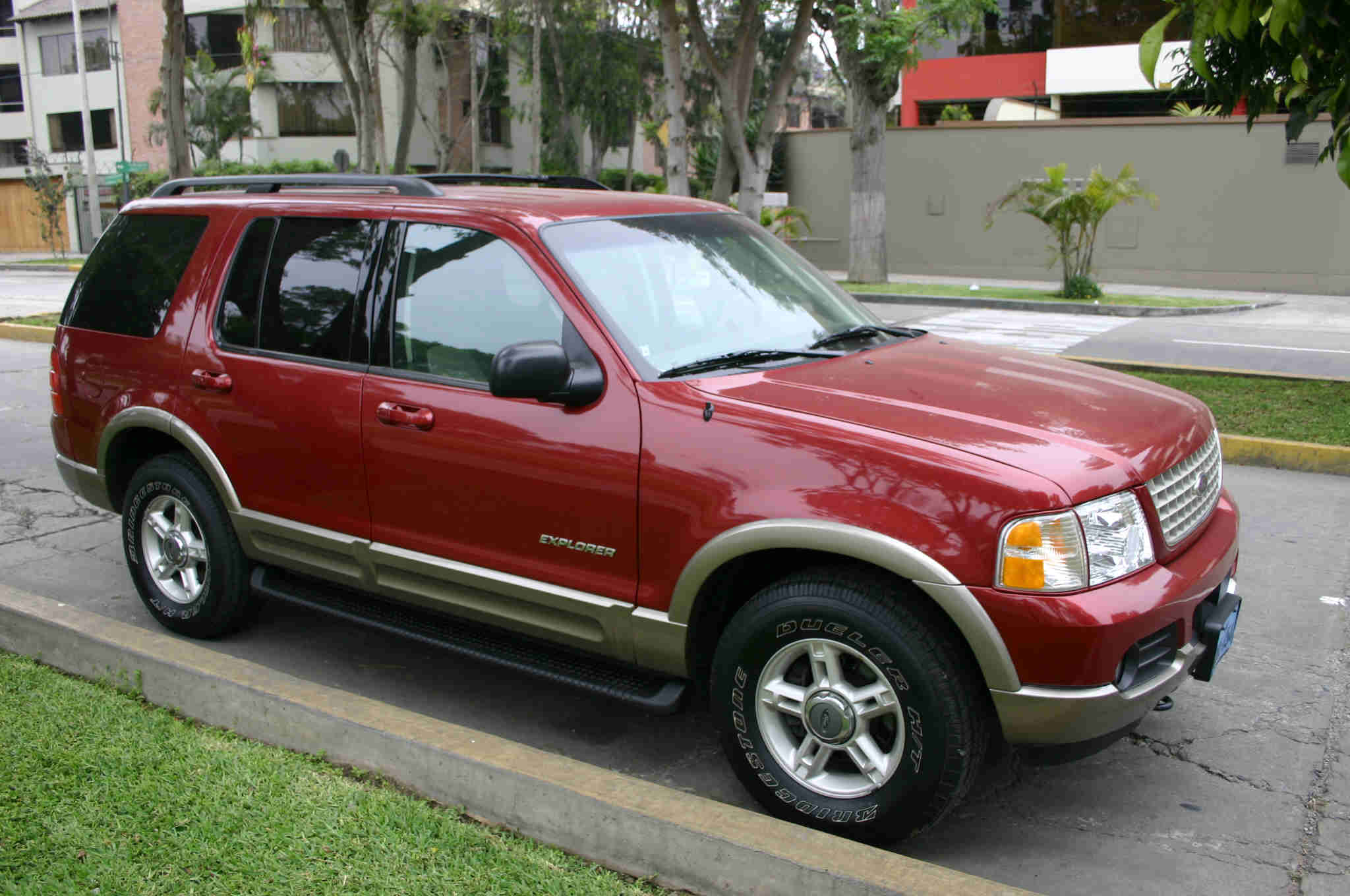
Many owners report their 2002 Explorers lasting well past 200,000 miles with regular maintenance. For buyers seeking a budget-friendly SUV that can still deliver on reliability, the 2002 model is a strong contender.
Since its debut in 1990, Ford’s Explorer has dominated the SUV market, designed to capture the widest audience possible and ultimately becoming a massive success for the Blue Oval brand. By the early 2000s, however, the model had started to feel dated, and in response Ford rolled out a full redesign for 2002.
The 2002 Explorer is offered in four trim levels: XLS, XLT, Eddie Bauer, and Limited, with the XLT being the volume seller. For those who want a more premium experience, the Eddie Bauer and Limited trims stand out, offering upscale amenities such as heated leather seats, automatic climate control, and an in-dash six-disc CD changer.
Across all trims, standard safety features include ABS with electronic brake distribution and a Securilock passive anti-theft system, while optional upgrades like side curtain airbags and a Reverse Sensing System add an extra layer of protection.
Buyers can choose between two engines: a 4.0-liter V6 producing 210 horsepower or a new 4.6-liter V8 generating 240 horsepower. Both are paired with a five-speed automatic transmission.
The V8 delivers smooth, confident power, though its fuel economy leaves something to be desired. On the outside, the 2002 model wears larger clear-lens headlights, integrated bumpers, and blacked-out B- and D-pillars, creating a sharper, more refined look.
The most impactful updates, however, come inside and underneath. Ford debuts an all-new independent rear suspension with a unique porthole-in-frame design, which lowers the rear floor by 7 inches to make room for an optional third-row seat while simultaneously boosting ground clearance to 9.2 inches.
Cargo capacity checks in at 88 cubic feet with the standard five-passenger setup and 81.3 cubic feet when equipped with the third-row.
The revised suspension improves both ride and handling, making the Explorer feel more planted and composed on the road, with flatter cornering. A wider stance by 2.5 inches and a longer wheelbase by 2 inches further enhance stability and interior space.
Additional improvements for 2002 include larger door openings with a reduced step-in height for easier entry, a stiffer body shell, and a lower front bumper designed to improve crash compatibility with smaller cars.
Later in the model year, buyers will also see the introduction of rollover protection sensors and the AdvanceTrac traction and stability control system.
Despite setbacks like the 2000 Firestone tire scandal, the Explorer’s complete overhaul for 2002 restores confidence in Ford’s best-selling SUV and positions it strongly to remain America’s favorite sport-ute.
5. 1999 Ford Explorer
The 1999 Explorer belongs to the second generation and is often remembered as one of the more durable versions. By this time, Ford had refined the Explorer’s design, offering strong engine options like the 4.0-liter V6 and the 5.0-liter V8.
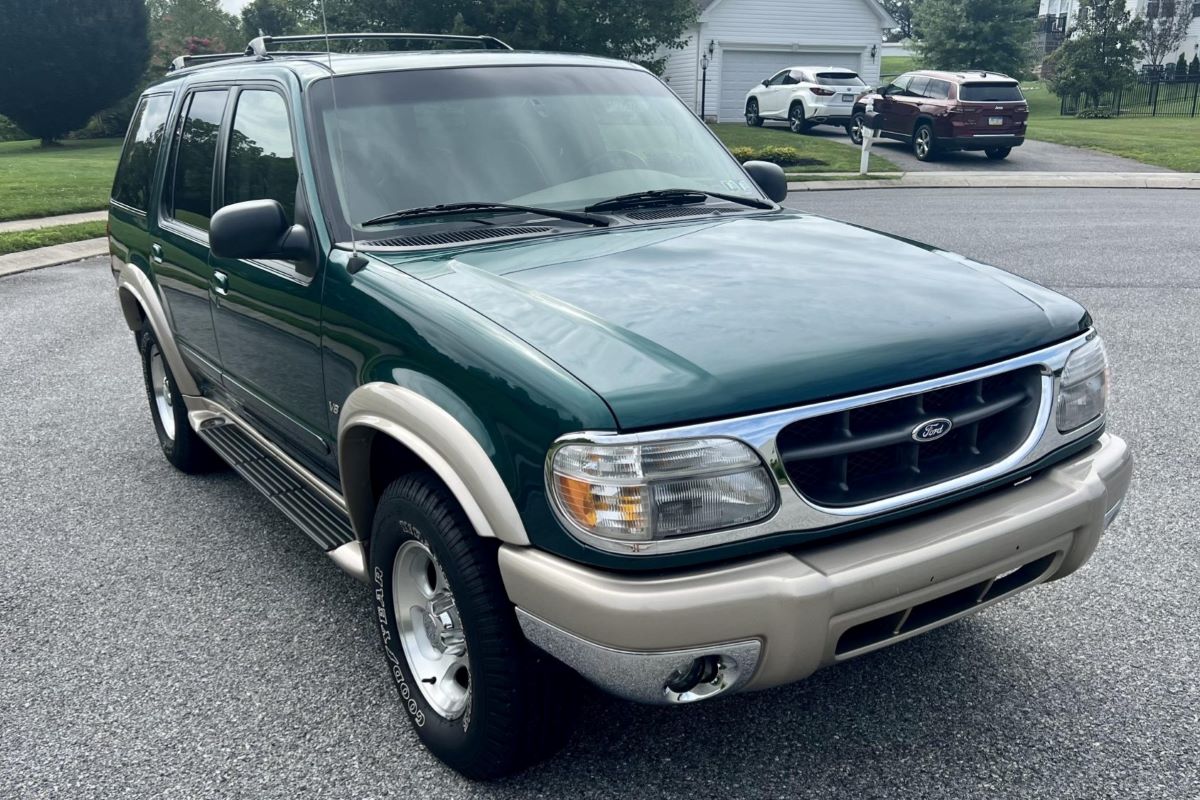
Owners frequently praise its toughness and ability to handle both city driving and outdoor adventures. Many 1999 Explorers are still on the road today, a testament to their longevity and rugged build.
Also Read: 10 Affordable Cars That Feel Faster Than They Look
Ford Explorer Years to Avoid
The Ford Explorer has been one of America’s most popular SUVs for decades, praised for its versatility, comfort, and family-friendly design. But like any long-running model, not every year has been a winner.
Some model years suffer from reliability issues, costly repairs, or poor performance that make them far less appealing on the used market. If you’re thinking about buying a pre-owned Explorer, it pays to know which years to steer clear of, and which ones are worth your money.
1. 2020 Ford Explorer
Although the 2020 Explorer introduced the much-anticipated sixth generation, it quickly developed a reputation for reliability issues.
Owners reported problems ranging from transmission failures to software glitches in the new infotainment system.
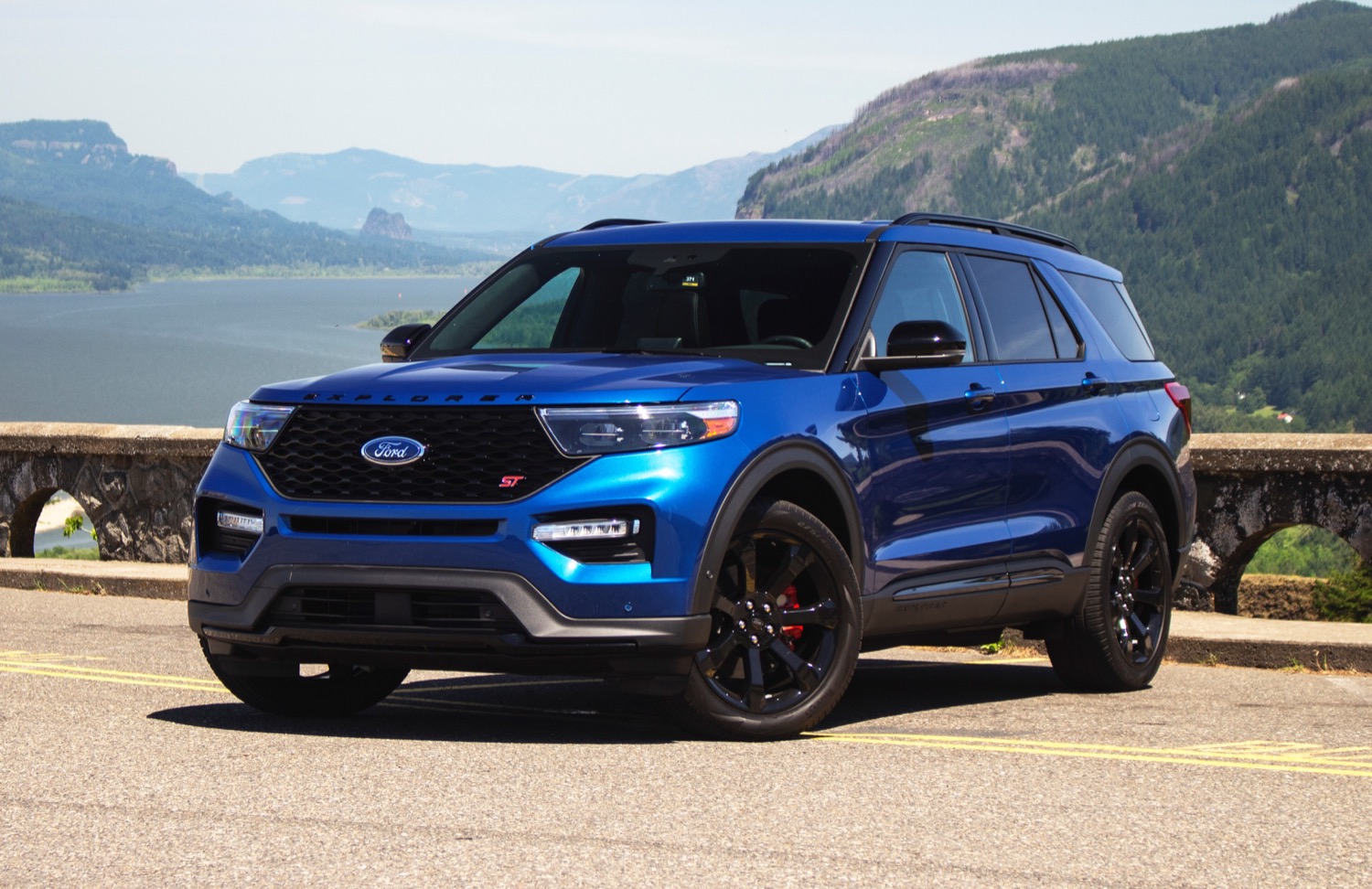
Since it was the debut year of a redesign, many buyers experienced frustrating “first-year bugs.” While later sixth-gen models improved, the 2020 Explorer remains one of the least reliable in recent memory, with costly repairs common for early adopters.
2. 2013 Ford Explorer
The 2013 Explorer is widely considered one of the worst years in the SUV’s history. Owners frequently complain about engine problems, transmission failures, and electrical issues.
Ford’s use of the EcoBoost engine in this generation was innovative but not without flaws, leading to concerns about long-term durability.
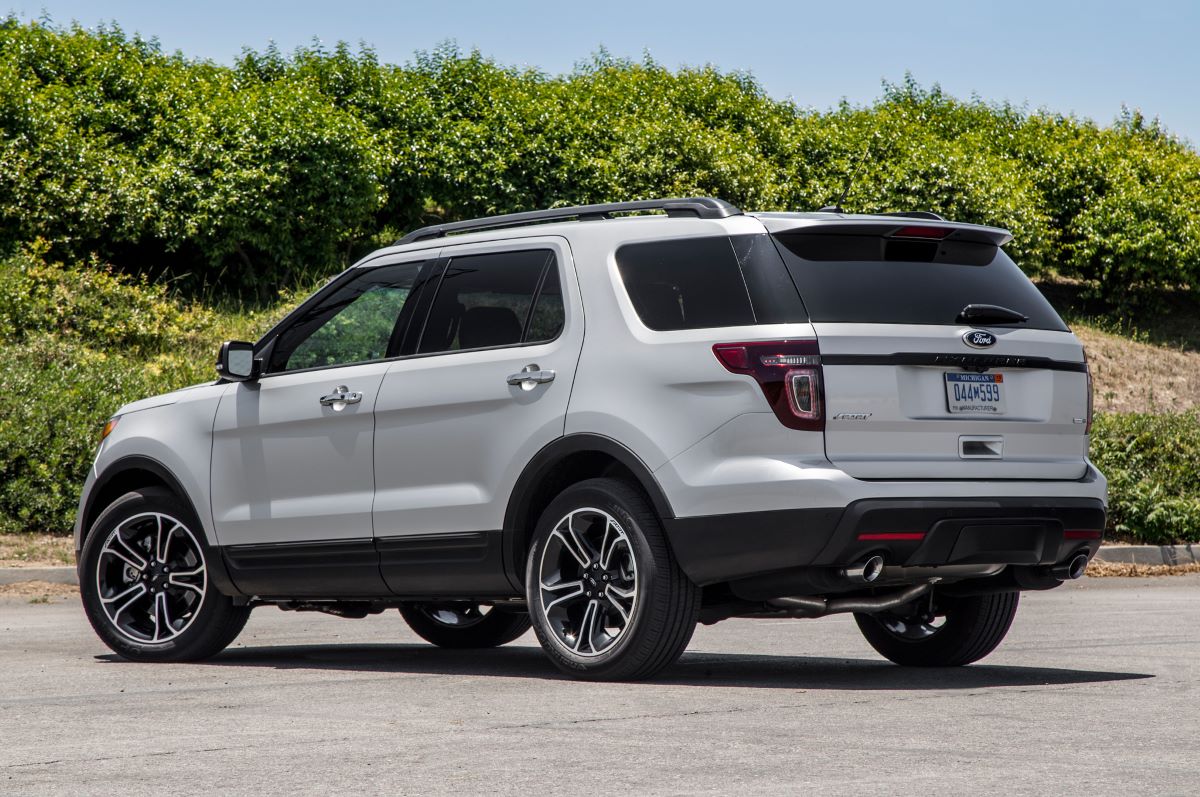
Many reports highlight problems with the MyFord Touch infotainment system as well, which was prone to freezing and malfunctions. Buyers looking at used Explorers should steer clear of this year.
Some would argue that the Ford Explorer sparked America’s fascination with SUVs, and over the years, the Explorer has evolved to keep pace with changing times. With a complete redesign just two years prior, the 2013 Ford Explorer stands as the most efficient and upscale version yet.
It’s also among the most technologically advanced large crossovers on the market, boasting refined driving dynamics and a quiet cabin that rivals many luxury-brand competitors.
The redesign shifted the Explorer from its old truck-based platform to a unibody design, a move that improved interior space while reducing weight. Those changes brought better fuel economy and sharper handling.
Inside, the Explorer offers a stylish, well-appointed cabin with seating for up to seven. Tech features abound, including the voice-activated Sync system, the MyFord Touch touchscreen interface, and a long list of safety technologies. New for 2013 are lane-departure warning and lane-keeping assist, joining options such as second-row seatbelt airbags and adaptive cruise control with collision warning.
Under the hood, the Explorer comes standard with a 290-horsepower V6, the go-to choice for most buyers. Ford also offers a turbocharged EcoBoost four-cylinder, which costs more upfront but delivers best-in-class fuel economy and pays dividends over time in fuel savings.
For those seeking more muscle, the new Sport trim debuts with a 365-horsepower turbocharged V6, firmer suspension tuning, upgraded steering for better road feel, unique 20-inch wheels, and exclusive design touches inside and out.
3. 2006 Ford Explorer
As the first year of the fourth generation, the 2006 Explorer came with high expectations but fell short. It suffered from widespread transmission problems and poor fuel economy.
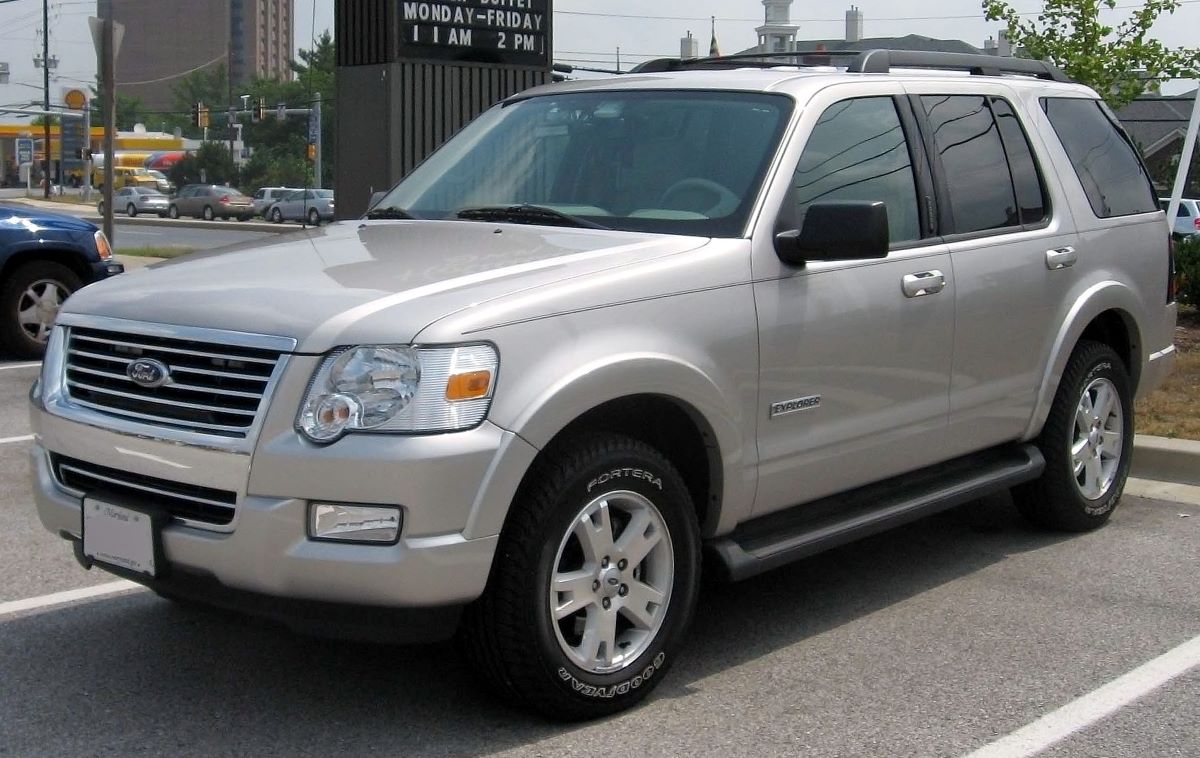
While it introduced a redesigned frame and new V8 option, mechanical issues overshadowed its strengths. Many owners faced costly repairs within the first 100,000 miles, which makes this year one to avoid if long-term dependability is a priority.
4. 2004 Ford Explorer
The 2004 Explorer was plagued with reliability issues, most notably transmission failures and rear differential problems. These issues often led to expensive repair bills that frustrated owners.
Additionally, the interior quality in this year was below average for the segment, leaving the SUV feeling dated even at the time of release. Because of its reputation for breakdowns, the 2004 model is best left off any used car shopping list.
The Ford Explorer has long been America’s best-selling sport utility vehicle, holding the crown for 12 consecutive years. For 2004, the Explorer adds second-row sport bucket seats on the Eddie Bauer and Limited trims, while all models now offer a fold-flat third-row seat that enables comfortable seven-passenger seating.
This added versatility is made possible through the SUV’s compact independent rear suspension, a design that not only increases interior space but also enhances driving dynamics and ride comfort. Safety remains a central focus for the 2004 Explorer.
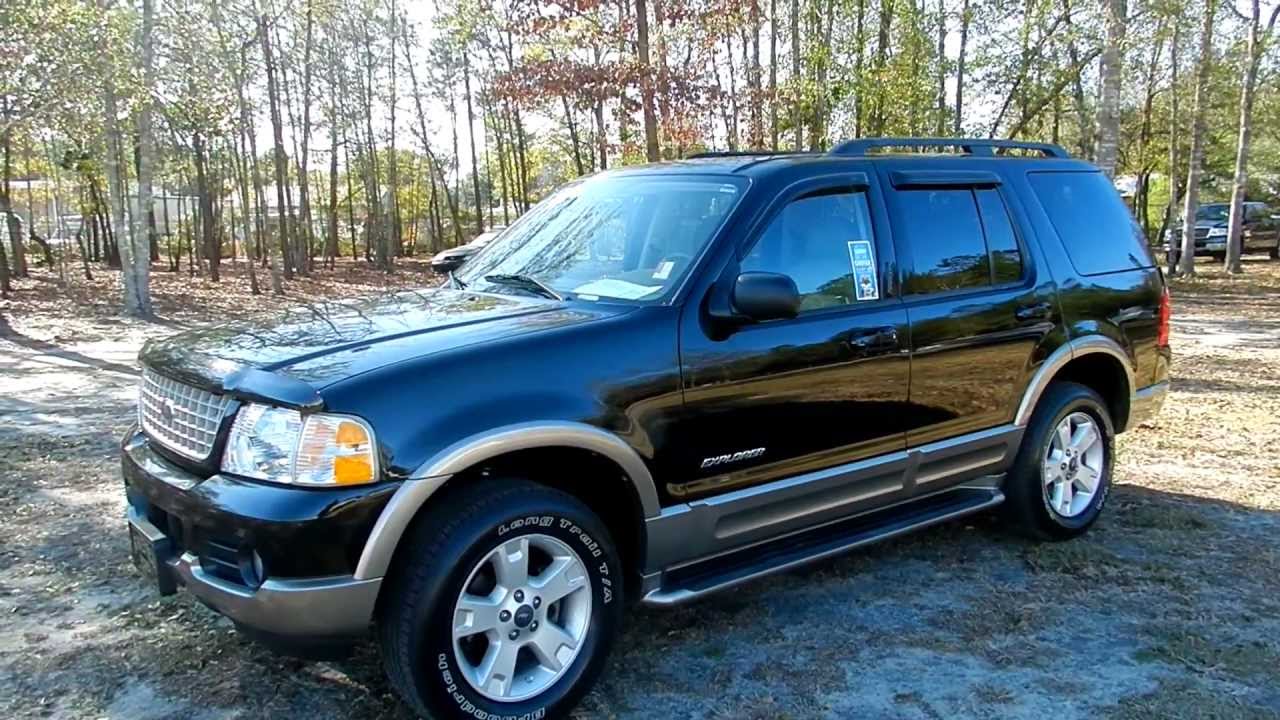
From a design standpoint, the Explorer features clean, rounded forms, uncluttered body panels, and a bold grille with the familiar egg-crate insert that defines Ford SUVs. Durable, high-quality materials are used throughout the cabin and exterior.
The Explorer also leads its class in third-row headroom and legroom. Seven-passenger models feature a 40/20/40 split-folding second row that allows easy access to the third row and offers flexibility for carrying long or oddly shaped cargo.
Responding to customer demand, the Explorer NBX trim returns for 2004, featuring unique two-tone black bumpers, matching side moldings, wheel lips, and step bars.
Under the hood, the 2004 Explorer offers two capable engine options. The 4.6-liter V8, with its aluminum block and heads and overhead-cam design, delivers 239 horsepower and 282 pound-feet of torque, with a 100,000-mile tune-up interval.
The 4.0-liter V6, which produces 210 horsepower and 254 pound-feet of torque, offers flexible-fuel capability, making the Explorer the only SUV in its class with this feature as standard.
When it comes to safety credentials, the Explorer has a solid track record. In U.S. NHTSA crash tests, the 2002 model earned four stars for the driver and five stars for the front passenger in frontal impacts.
Reinforced steel beams in the doors help protect against side impacts, while crush zones absorb collision energy. Standard four-wheel disc anti-lock brakes further enhance control, and advanced options include the Safety Canopy curtain airbag system, power-adjustable pedals, a tire-pressure monitoring system, and AdvanceTrac stability control.
5. 2003 Ford Explorer
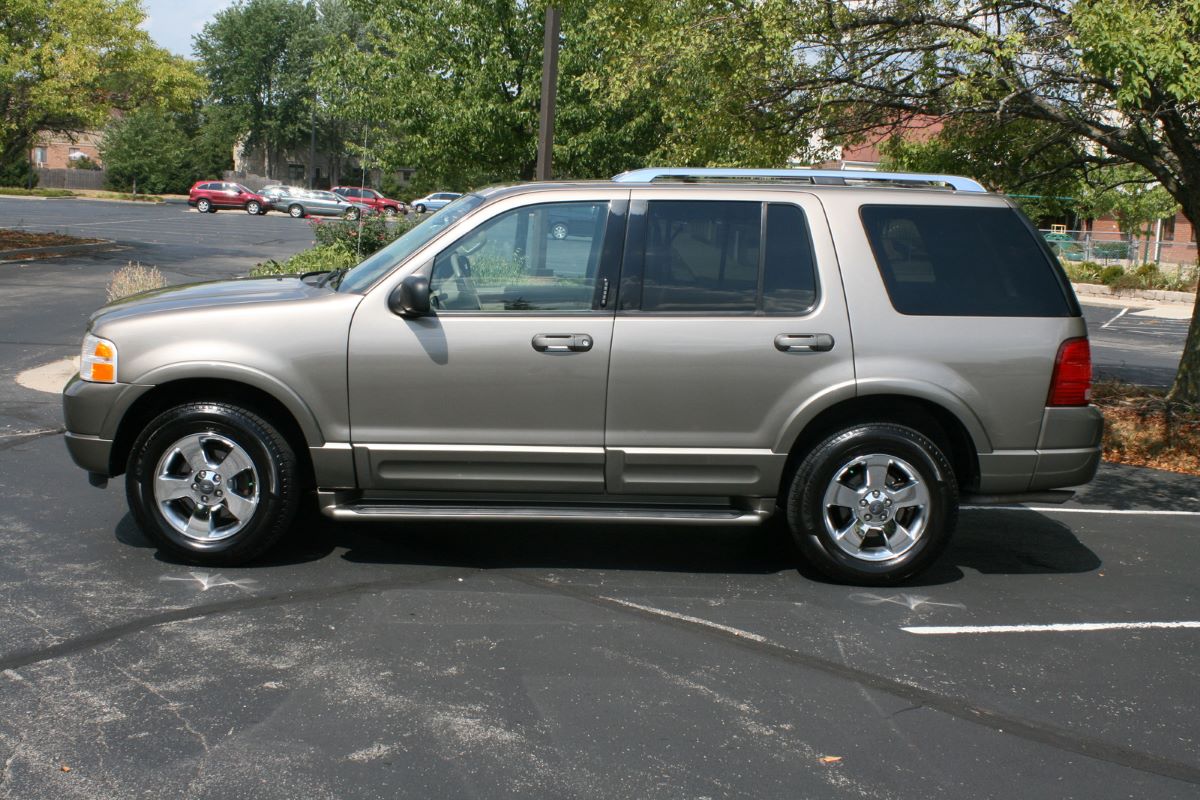
While some early 2000s Explorers earned a reputation for toughness, the 2003 model is one of the least reliable. It suffered from timing chain issues, suspension problems, and persistent transmission failures.
Many owners reported that repairs piled up quickly, making ownership costs unreasonably high. Given its troubled track record, the 2003 Explorer is not a safe bet for anyone looking for a long-lasting SUV.
The Ford Explorer has a mixed history, with some years proving to be durable, family-friendly SUVs and others causing more stress than they’re worth.
The Ford Explorer made its debut in 1990 as a 1991 model and quickly became a hit, carving out a place in a segment it helped define. At the time, compact, functional, four-door SUVs were gaining momentum.
Jeep had introduced the Cherokee in 1984, but by the early ’90s, Ford, GM, Nissan, and Toyota were all bringing their own takes to the market. Built on the Ford Ranger pickup platform, the original Explorer struck the right balance of size, style, and utility, making it an instant favorite.
Buyers could choose between the volume-selling four-door model or the less popular two-door, which replaced the Bronco II in Ford’s lineup. Initially offered in just XLS and XLT trims, the lineup expanded in 1992 with the Eddie Bauer edition and later a Limited model.
The first significant update came in 1995, when the Explorer adopted a new front suspension, refreshed styling, and a redesigned interior. This version carried through to 2001 with minimal changes, but its reputation took a major hit in the late 1990s due to widespread reports of tire failures and rollover accidents.
Ford pointed the finger at supplier Firestone, claiming its Wilderness AT tires were defective, while Firestone blamed the Explorer’s design and Ford’s recommendation of a relatively low 26 psi tire pressure.
Neither company addressed the role of consumer habits, such as neglecting tire pressure checks, overloading vehicles, treating the SUV like a car in terms of handling expectations, or overlooking seatbelt use, in contributing to blowouts and fatalities. The controversy culminated in a massive recall that cast a long shadow over the model.
By 2002, as the fallout from the tire debacle began to subside, Ford introduced a fully redesigned Explorer. This new generation brought major improvements, including a wider track, longer wheelbase, independent rear suspension, and seating for up to seven adults.
It was a more refined and capable vehicle that should have reignited sales, but the lingering Ford-Firestone dispute kept many buyers away. To keep sales moving, Ford had to rely heavily on rebates and low-interest financing.
The redesign applied only to the four-door Explorer, while the two-door Explorer Sport and four-door Explorer Sport Trac pickup continued on the older, first-generation platform.
If you’re shopping for a used Explorer in the U.S., models like the 2019, 2010, 2007, 2002, and 1999 are worth considering thanks to their stronger reliability and owner satisfaction.
On the other hand, years like the 2020, 2013, 2006, 2004, and 2003 should be approached with caution or avoided entirely due to their costly issues.
When shopping, it’s also important to remember that individual vehicle history matters just as much as model year reputation. A well-maintained Explorer from a “bad” year can sometimes outperform a neglected one from a “good” year.
Always review maintenance records, get a pre-purchase inspection, and consider extended warranties if you’re buying from one of the riskier production years.
For American buyers seeking a versatile SUV, the Ford Explorer can still be a solid option just make sure you choose the right year before signing on the dotted line.
