Performance cars have a reputation for being thrilling on the road but punishing in the repair shop. High maintenance costs and complex engineering often leave enthusiasts hesitant to commit, fearing their dream machine could quickly turn into a financial burden.
But what if you could have the excitement of a performance car without the fear of constant, costly repairs? That’s where this list comes in. 10 Performance Cars That Won’t Bankrupt You on Repairs explores a lineup of machines that blend driving excitement with surprising affordability.
From American muscle to Japanese icons and even Korean challengers, these cars prove that speed, style, and reliability don’t have to be mutually exclusive.
Whether you want a daily driver with extra punch or a weekend toy built for curves, each model highlighted here delivers the performance you crave while keeping ownership costs in check.
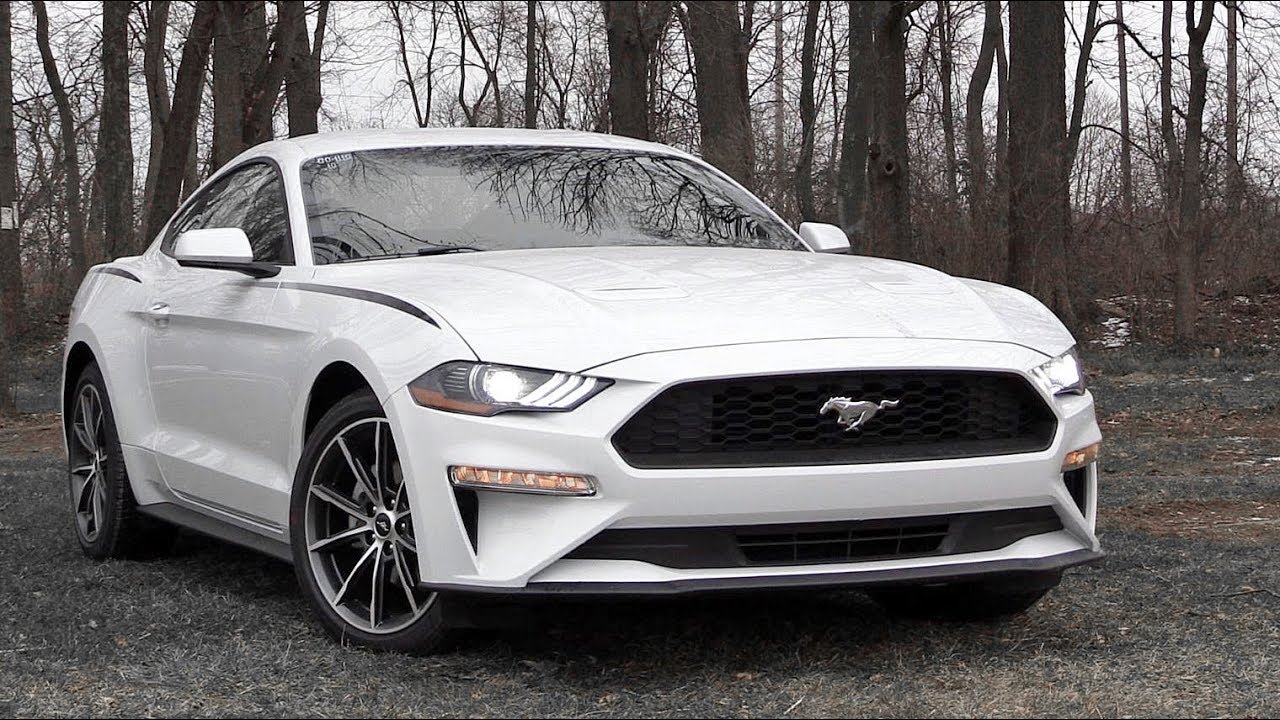
1. 2019 Ford Mustang EcoBoost: Affordable Performance with Everyday Comfort
The 2019 Ford Mustang EcoBoost proves you don’t need a V8 to enjoy a thrilling ride. Powered by a 2.3-liter turbocharged four-cylinder engine, it delivers 310 horsepower and 350 lb-ft of torque, paired with either a six-speed manual or ten-speed automatic transmission.
The result is sharp acceleration, with 0–60 mph achieved in 5.1 seconds and a top speed of 145 mph. With average annual maintenance costs of just $709, it blends driving excitement with relative affordability.
A major leap in the Mustang’s refinement came in 2015, when it adopted independent rear suspension for the first time in half a century. This transformed its ride quality and handling, making it more comfortable and sophisticated.
By 2019, Ford had added new trim options like the California Special and Bullitt edition, while also teasing enthusiasts with the upcoming GT500. Even the EcoBoost benefits from upgrades such as the optional dual-mode active exhaust, giving its four-cylinder engine a sportier tone.
Behind the wheel, the Mustang impresses with engaging handling, well-weighted steering, and predictable braking. Its suspension strikes a balance between sporty responsiveness and ride comfort, while supportive seats and solid interior quality make it surprisingly livable for long drives.
Noise levels are kept in check, though the optional exhaust adds character when pushed. Interior space is adequate up front, though the back seats remain cramped. Cargo capacity, however, is more practical than rivals like the Chevrolet Camaro.
Technology also shines in this model. Standard Apple CarPlay and Android Auto make connectivity easy, while optional features such as the digital instrument panel and Shaker audio system enhance the modern feel. Safety and driver aids, including blind-spot monitoring and adaptive cruise control, are well-tuned and user-friendly.
Rated 7.9/10 by Edmunds, the 2019 Mustang EcoBoost blends muscle-car spirit with everyday usability. It may not roar like its V8 siblings, but it delivers quick performance, enjoyable handling, and surprising comfort at a reasonable cost of ownership.
Against competitors like the Camaro and Challenger, the Mustang stands out as the most well-rounded choice for drivers who want excitement without sacrificing practicality.
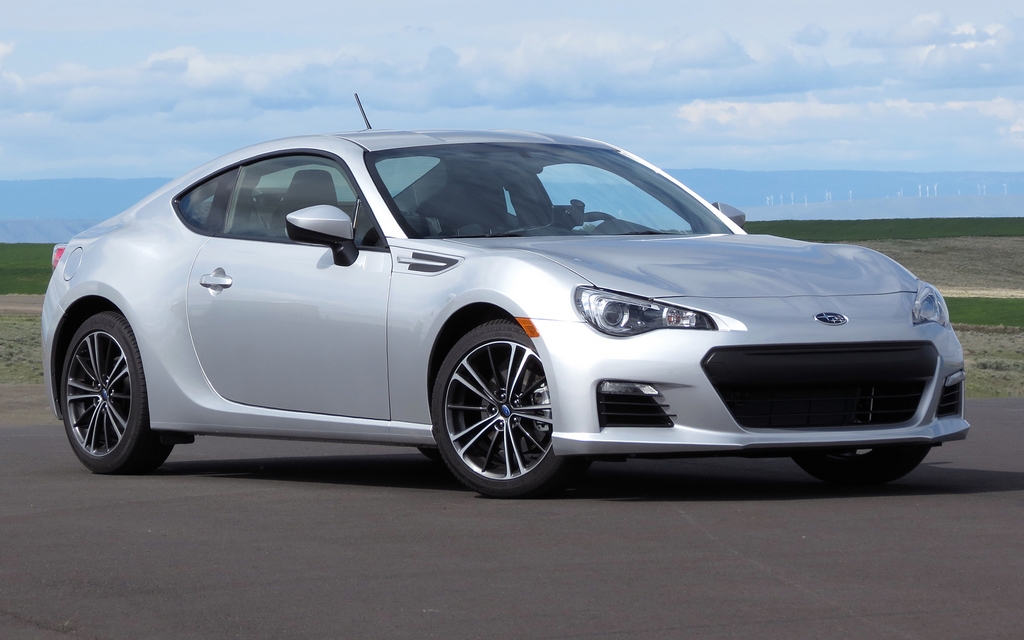
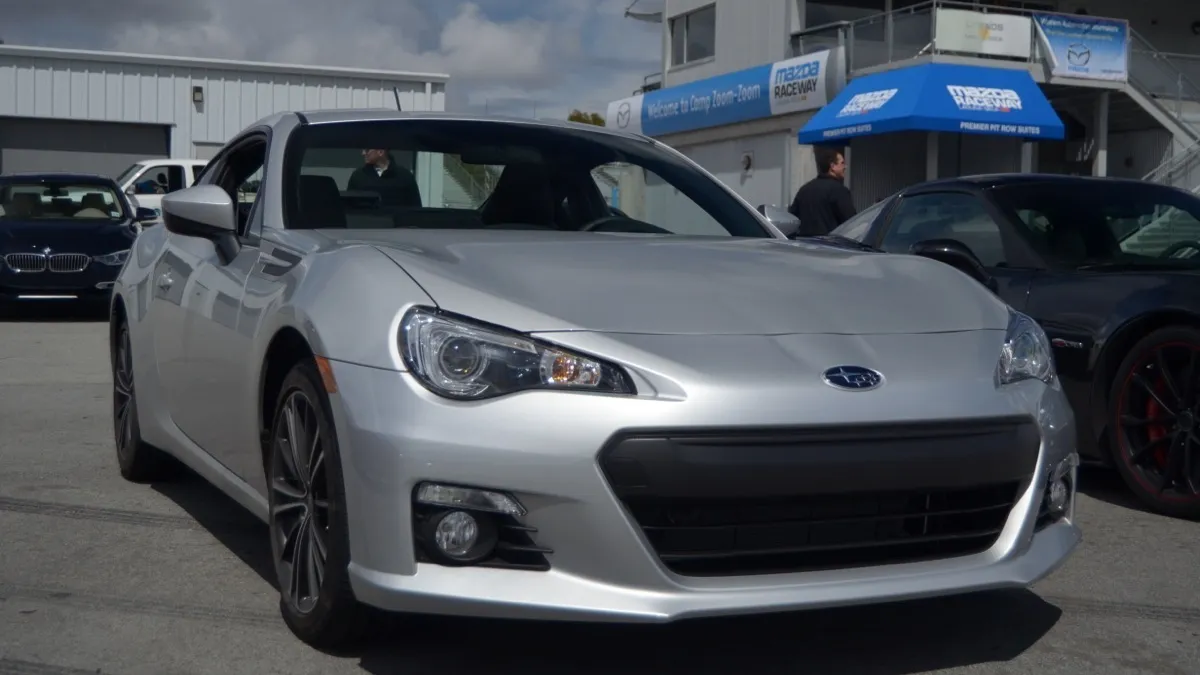
2. 2013 Subaru BRZ: A Lightweight Sports Coupe with Precision Handling
The 2013 Subaru BRZ stands out as one of the most engaging small sports coupes of its time. Born from a partnership between Subaru and Toyota, it offers an affordable entry into the performance car world while keeping maintenance costs reasonable at an average of $672 per year.
Although its J.D. Power Quality and Reliability score of 67/100 places it on the lower end, the BRZ delivers excitement where it matters most on the road.
Under the hood, the BRZ features a naturally aspirated 2.0-liter flat-four engine paired with either a six-speed manual or automatic transmission. Producing 200 horsepower and 151 lb-ft of torque, this powertrain sends energy exclusively to the rear wheels, making it the only Subaru without all-wheel drive.
With a 0-60 mph time of around 6.8 seconds (manual) and a top speed of 143 mph, the BRZ is not the quickest in its class but offers a balanced and rewarding driving experience.
The BRZ’s charm lies in its engineering. A low curb weight of about 2,700 pounds, combined with a rearward-set boxer engine and low center of gravity, gives the car sharp handling and precise steering. Its chassis feels composed, the brakes are strong, and the gearbox is satisfying to use.
Rather than brute force, the BRZ emphasizes agility, driver engagement, and control qualities that make it a favorite among enthusiasts who value cornering finesse over raw speed.
Inside, the BRZ’s cabin is minimalist yet functional. It blends Subaru and Toyota elements, with supportive front seats and a low hood line that provides excellent visibility.
However, practicality is limited: the rear seats are cramped, cargo space is just 6.9 cubic feet, and the infotainment interface can be frustrating. Still, standard features like navigation, HD radio, and Bluetooth connectivity ensure a modern touch.
On safety, the BRZ performs well, earning top ratings from the IIHS and offering stability and traction control with adjustable settings. While road noise can be noticeable, the BRZ balances everyday drivability with weekend thrill potential.
For those seeking a pure driver’s car that prioritizes precision handling over excess horsepower, the 2013 Subaru BRZ remains an excellent choice.
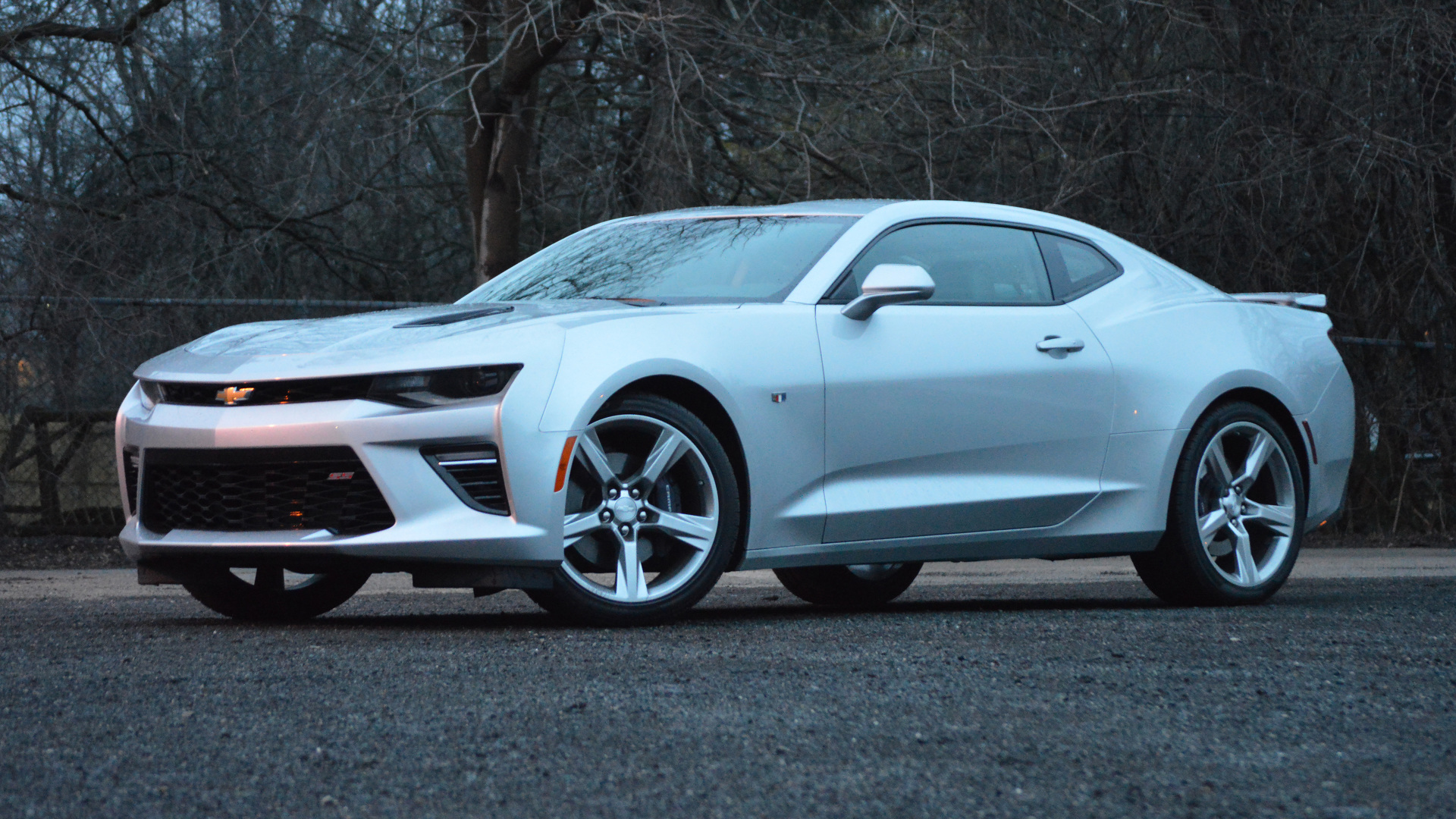
3. 2016 Chevrolet Camaro: A Modern Muscle Icon with Refined Performance
The 2016 Chevrolet Camaro represents a major step forward for one of America’s most recognizable muscle cars. With average annual maintenance costs of just $656 and a strong 78/100 J.D. Power reliability score, the Camaro balances raw performance with everyday livability, making it a compelling option for enthusiasts and commuters alike.
Chevrolet redesigned the Camaro for 2016 using the lighter and more compact Alpha platform, shedding about 200 pounds compared to the previous generation. This change dramatically improved agility, making the car not only faster in a straight line but also sharper and more composed in corners.
Under the hood, buyers could choose from three engines: a turbocharged 2.0-liter four-cylinder with 275 horsepower and 30+ mpg on the highway, a 3.6-liter V6 producing 335 horsepower and a 0–60 mph time around 5.1 seconds, or a Corvette-derived 6.2-liter V8 in the SS with 455 horsepower capable of 0–60 mph in just 4 seconds.
Each engine pairs with either a six-speed manual or an eight-speed automatic, with the SS manual offering rev-matching downshifts for added precision.
On the road, the Camaro’s lighter build and available Magnetic Ride Control suspension deliver a blend of refinement and ferocity. It corners with confidence, shrugs off bumps with ease, and feels significantly more polished than the outgoing model.
Fuel economy is also competitive, with the turbo-four achieving up to 25 mpg combined, making the Camaro versatile for both spirited drives and daily use.
Inside, the Camaro borrows cues from the Corvette, featuring a flat-bottom steering wheel, a modernized driver display, and Chevrolet’s latest infotainment system with Apple CarPlay and Android Auto.
While the front seats are supportive, the back seats are cramped, and outward visibility remains a weakness due to the car’s low roofline and narrow windows. Safety features include a standard rearview camera, multiple airbags, stability control, and available blind-spot monitoring and lane departure warning.
In a competitive segment that includes the Ford Mustang EcoBoost and Dodge Challenger, the 2016 Camaro stands out as the most balanced. It offers tire-burning power, improved handling, and just enough refinement to fit comfortably in the modern era of performance cars.
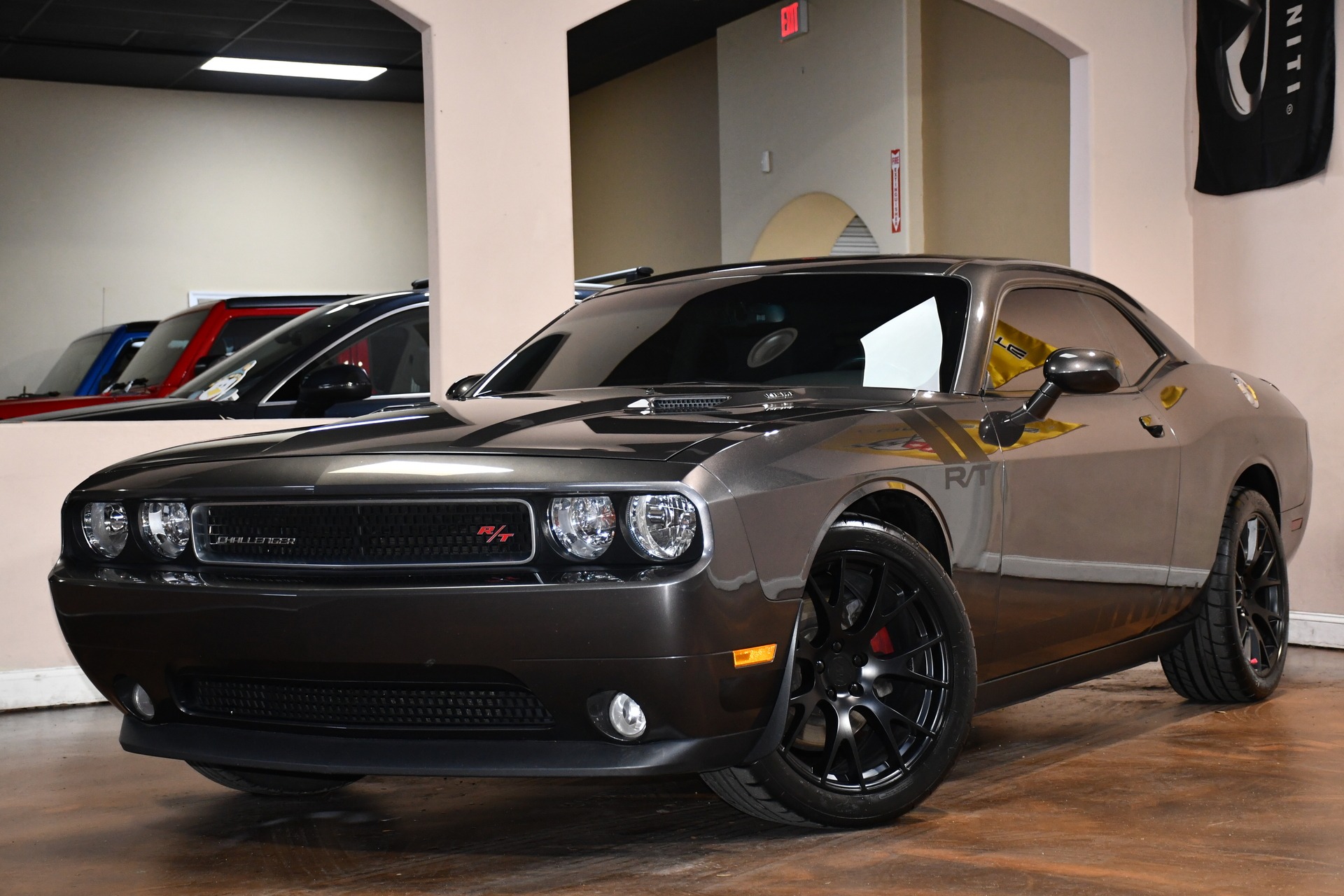
4. 2013 Dodge Challenger R/T: Classic Muscle with Everyday Comfort
The 2013 Dodge Challenger R/T blends retro-inspired muscle car design with modern livability, making it one of the most versatile choices in its class. With average annual maintenance costs of $650 and a solid 78/100 J.D. Power reliability rating, the Challenger balances durability, performance, and comfort in a package that appeals to both enthusiasts and practical drivers.
At its heart, the R/T model is powered by a 5.7-liter Hemi V8, paired with either a six-speed manual or a five-speed automatic transmission. The manual produces 375 horsepower and 410 lb-ft of torque, while the automatic delivers slightly less at 372 horsepower and 400 lb-ft.
With a 0–60 mph time of around 5.3 seconds and a top speed near 150 mph, the Challenger R/T provides plenty of muscle car thrills. For those craving even more, Dodge also offered the 6.4-liter SRT8 392 with 470 horsepower and 0–60 times in the mid-4-second range.
Unlike some rivals, the Challenger pairs this performance with surprising comfort. It features a smooth ride, generous interior space, and the most usable rear seats in the muscle car segment.
The trunk is equally impressive at 16.2 cubic feet, rivaling midsize sedans for practicality. On long drives, wide and supportive front seats enhance comfort, though they lack aggressive bolstering for hard cornering.
Performance isn’t sacrificed for comfort, however. The R/T comes standard with a performance-tuned suspension, responsive steering, and strong brakes.
While it may not match the agility of the Ford Mustang or Hyundai Genesis Coupe, the Challenger delivers a planted and confident feel, especially in higher-performance trims. Safety is also well covered, with standard stability control, multiple airbags, and excellent braking performance.
Inside, the Challenger’s design is functional but less stylish than its competitors. Soft-touch materials and a user-friendly layout keep it practical, though rearward visibility is hampered by thick roof pillars. Still, the Challenger’s strengths lie in its blend of brute force and everyday usability.
For those who want muscle car performance without sacrificing space and comfort, the 2013 Dodge Challenger R/T makes a compelling case as the most livable option among American muscle coupes.
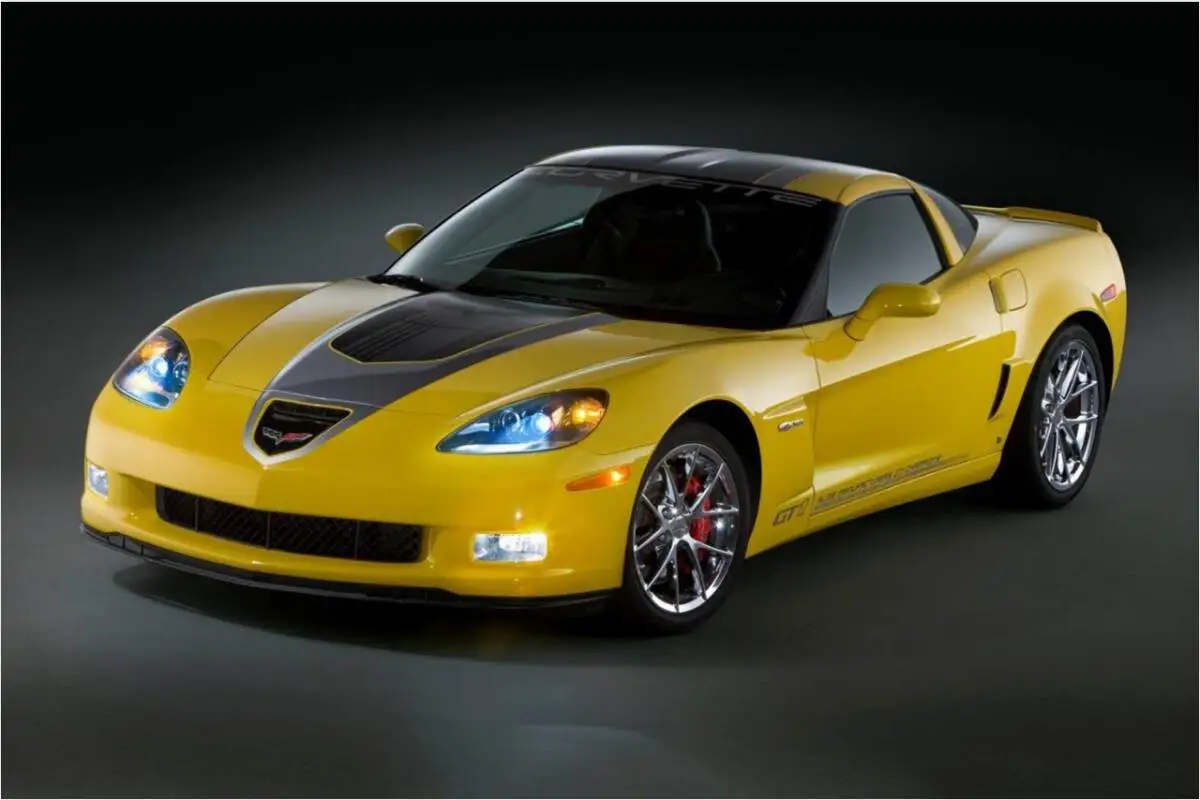
5. 2009 Chevrolet Corvette C6: America’s Everyday Supercar
The 2009 Chevrolet Corvette C6 proves that world-class performance doesn’t always come with sky-high maintenance bills. With average annual maintenance costs of just $621 and a strong 86/100 J.D. Power reliability score, the Corvette offers sports car thrills with surprising practicality, making it one of the most affordable supercar-level options on the market.
Under the hood, the base Corvette is powered by a 6.2-liter V8, paired with a six-speed manual transmission as standard. Output reaches 430 horsepower and 424 lb-ft of torque, or 436 hp and 431 lb-ft with the optional Z51 package.
This translates to a 0–60 mph time of 4.2 seconds and a top speed of 186 mph, performance figures that rival cars costing twice as much. For enthusiasts craving more, Chevrolet offered the 505-hp Z06 and the extreme 638-hp ZR1, a supercharged monster that remains one of the most powerful production Corvettes ever built.
Despite its raw performance, the Corvette delivers surprising daily comfort. Ride quality is more compliant than many European rivals, and the cabin is spacious enough for longer trips.
Cargo space is another standout: 22 cubic feet in the coupe makes it one of the most practical sports cars on the road. Fuel economy is also respectable, with the base model returning up to 26 mpg on the highway, matching some midsize sedans.
Driving the Corvette is always engaging, thanks to its snarling V8 and immense grip. Steering feedback isn’t as sharp as competitors like the Porsche Cayman, but its capability is undeniable.
Even with track-focused trims, the Corvette remains docile in traffic, with a forgiving clutch and user-friendly controls. Safety features such as strong antilock brakes and GM’s “Active Handling” stability system further inspire confidence.
The C6’s cabin is functional and straightforward, with large gauges and intuitive controls. While interior materials can’t match European rivals, fit and finish have improved over earlier generations.
Optional leather packages elevate the experience, and the convertible body style offers open-air excitement without compromising drivability.
Blending supercar speed, everyday usability, and low ownership costs, the 2009 Chevrolet Corvette C6 embodies the idea of an accessible American icon that delivers more than just muscle; it delivers true value.
Also Read: 5 Dodge Engines That Rarely Break vs 5 That Constantly Fail
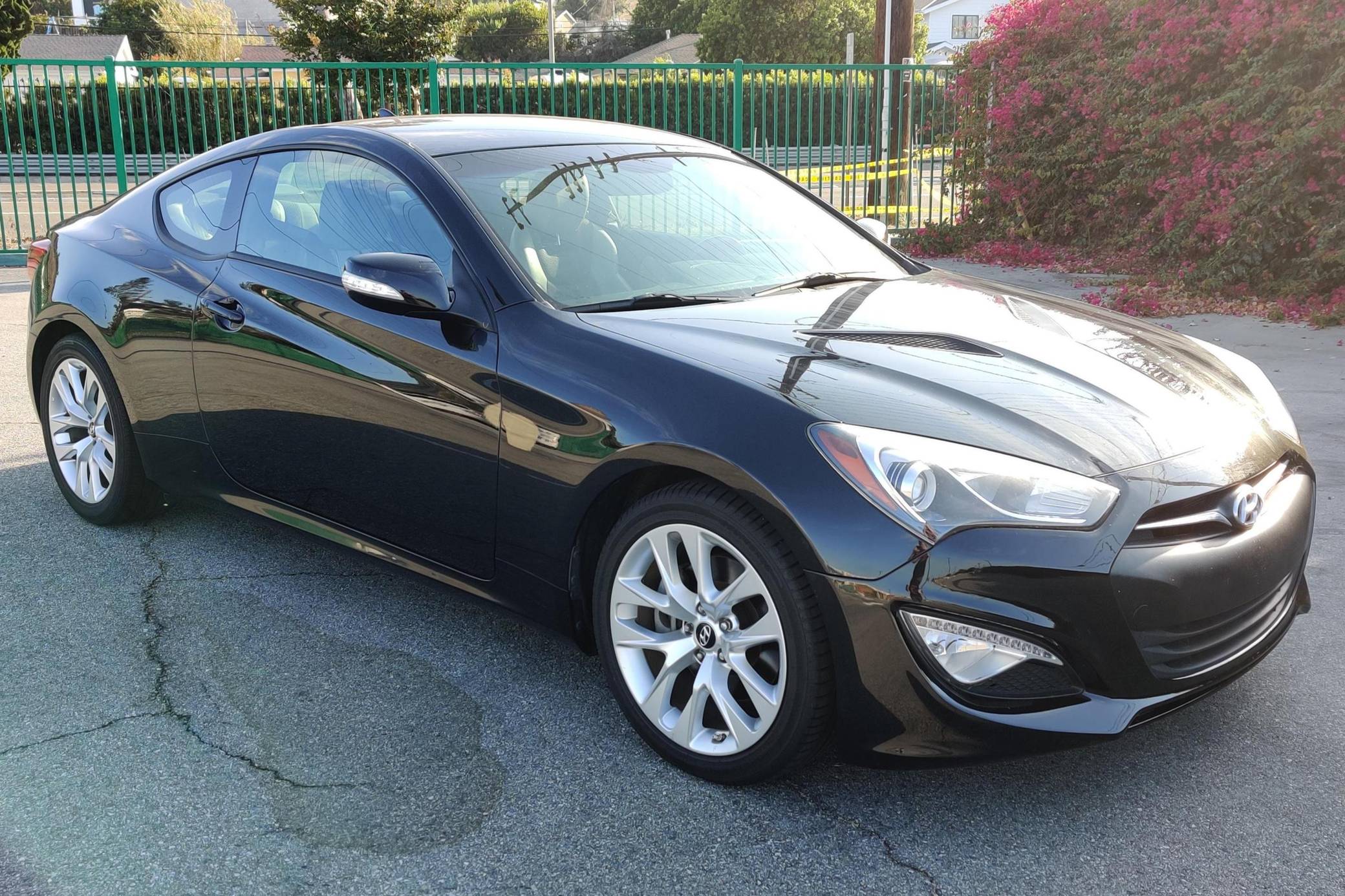
6. 2016 Hyundai Genesis Coupe: Korea’s Muscle Car Alternative
The 2016 Hyundai Genesis Coupe marked Hyundai’s bold attempt to build a rear-wheel-drive performance car that could rival American muscle and Japanese sports coupes. With average annual maintenance costs of only $580 and a solid 80/100 J.D. Power reliability rating, it offered affordable thrills without punishing ownership expenses.
At its heart is a 3.8-liter V6, delivering 348 horsepower and 295 lb-ft of torque to the rear wheels through either a six-speed manual or a quick-shifting eight-speed automatic with paddle shifters.
This powertrain launches the coupe from 0–60 mph in 5.3 seconds and on to a 144-mph top speed, putting it firmly in the performance conversation. Fuel economy is respectable for its class, with an EPA rating of 19 mpg combined.
On the road, the Genesis Coupe delivers engaging acceleration and a throaty exhaust note, enhanced by a sound tube channeling engine noise into the cabin.
The base suspension strikes a comfortable balance for daily driving, while R-Spec and Ultimate trims sharpen handling with firmer setups, though at the cost of ride comfort. Braking performance could be better, but the Genesis still proves to be a capable and enjoyable sports coupe.
Inside, the Genesis Coupe’s cabin is driver-focused, featuring supportive sport seats, straightforward controls, and a tilt-and-telescoping steering wheel for a custom fit. Rear seats are more decorative than functional, but that’s expected in this segment.
Cargo space is modest at 10 cubic feet, with fold-down seatbacks for extra flexibility. Material quality is decent, though some hard plastics and dated auxiliary gauges betray its budget-friendly origins.
The 2016 Hyundai Genesis Coupe may not match the refinement of a BMW or the raw polish of a Nissan 370Z, but it compensates with value, warranty coverage, and sheer character. It’s proof that Hyundai could build a legitimate performance car and one that still stands out as a unique alternative to the usual suspects.
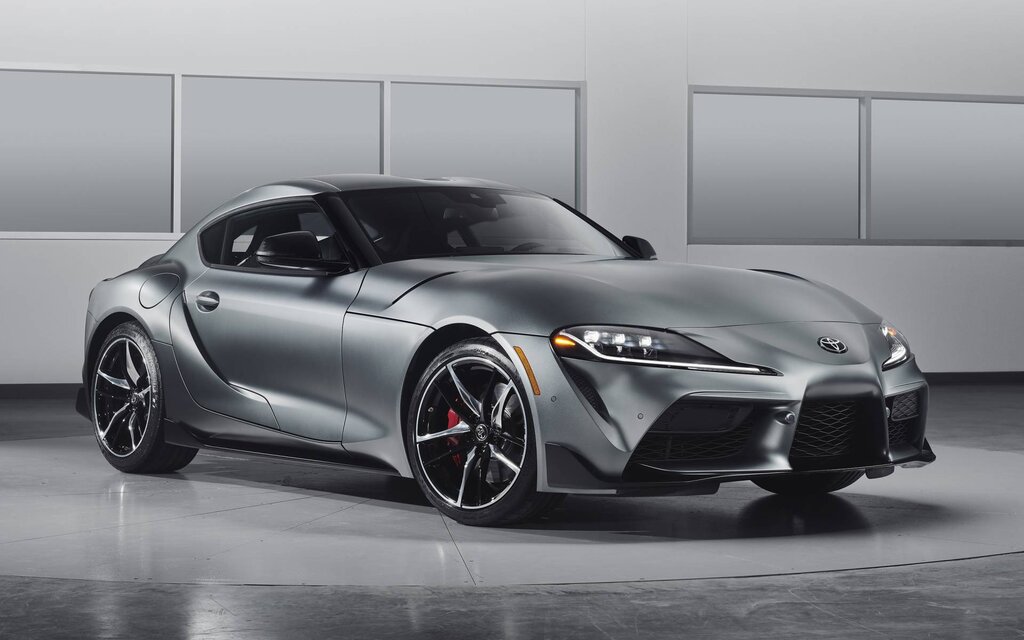
7. 2020 Toyota GR Supra: The Icon Returns
Few comebacks stirred more excitement than the 2020 Toyota GR Supra, a car that revived an icon after a two-decade hiatus. Built in partnership with BMW, the fifth-generation Supra blends Japanese styling with German engineering.
Despite a J.D. Power score of 75/100, ownership costs remain modest at just $561 annually, making it one of the most affordable modern sports cars to maintain.
Under the hood lies a BMW-sourced 3.0-liter turbocharged inline-six, paired exclusively to an eight-speed ZF automatic in its debut year. With 335–340 horsepower and 365 lb-ft of torque, it rockets from 0–60 mph in 4.2 seconds and hits a 155-mph top speed.
Later updates boosted output to 382 hp and reintroduced the long-awaited six-speed manual, while a short-lived 2.0-liter four-cylinder offered solid 4.8-second runs to 60. Regardless of trim, the Supra delivers a balanced chassis, eager handling, and braking power that stops from 60 in just 105 feet.
Inside, the Supra reveals its BMW DNA with a familiar shifter, infotainment interface, and premium finishes. Toyota-specific touches include a digital gauge cluster and bold branding.
The cabin is tight but driver-focused, with supportive sport seats and well-placed controls, though storage and visibility are limited. Cargo capacity is modest at 10.2 cubic feet, but pass-through functionality adds a touch of practicality.
On the road, the GR Supra is equally capable as a track toy or a daily driver. The suspension is firm but livable, steering is sharp and communicative, and the turbo-six provides muscular thrust comparable to American V8 rivals. Fuel economy is another surprise: an impressive 26 mpg combined, often exceeding real-world expectations.
The 2020 GR Supra may wear German bones, but Toyota infused it with heritage, character, and fun. It’s a stylish, capable, and surprisingly efficient sports car that proved the legend was worth reviving.
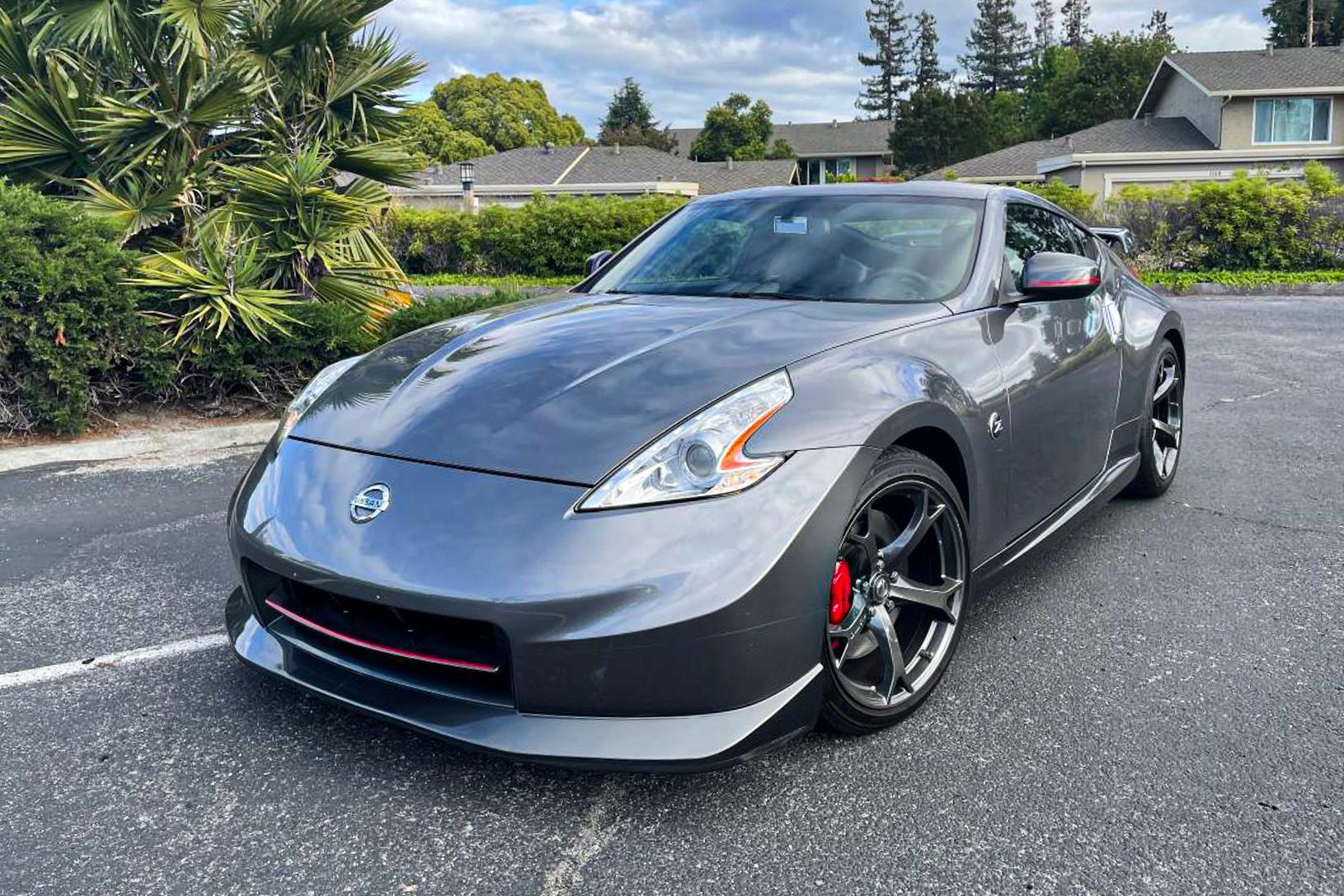
8. 2014 Nissan 370Z: Classic Z Performance at a Bargain
Few nameplates embody Nissan’s spirit like the Z-car, and the 2014 370Z continues that heritage with sharp styling, rear-drive dynamics, and surprisingly low ownership costs. With an annual maintenance average of just $553 and a J.D. Power score of 71/100, it delivers strong value for enthusiasts who want performance without breaking the bank.
Under the hood, every model is powered by a 3.7-liter V6, producing 332 horsepower and 270 lb-ft of torque, while the performance-focused NISMO trim bumps output to 350 hp. Buyers get a choice of a six-speed manual with SynchroRev Match or a seven-speed automatic with paddle shifters.
The coupe sprints from 0–60 mph in 5.1 seconds (5.5 in the heavier Roadster), with a governed top speed of 155 mph. Braking performance is equally strong, with upgraded Sport-package models stopping from 60 in just 101 feet. Fuel economy is modest but competitive for a V6 sports car, averaging 21–22 mpg combined.
Behind the wheel, the 370Z feels purpose-built. The steering is heavy but precise, handling is crisp, and the suspension balances responsiveness with surprising comfort, though noise levels are high on longer trips. The V6 delivers muscular acceleration, but its coarse note at high RPM leaves some wishing for the refinement of pricier rivals.
Inside, the cabin features a driver-focused layout with the signature three-gauge cluster, quality materials, and supportive sport seats. Space is tight, visibility is limited, and cargo capacity is just 6.9 cubic feet in the coupe, but the design emphasizes its two-seat sports car focus.
The 2014 Nissan 370Z isn’t perfect; competitors like the Ford Mustang and Chevy Camaro offer more practicality and stronger engines. But for pure rear-drive sports car thrills at an accessible price, it remains one of the most authentic choices in its class.
9. 2015 Mazda MX-5 Miata: Lightweight Fun at Its Finest
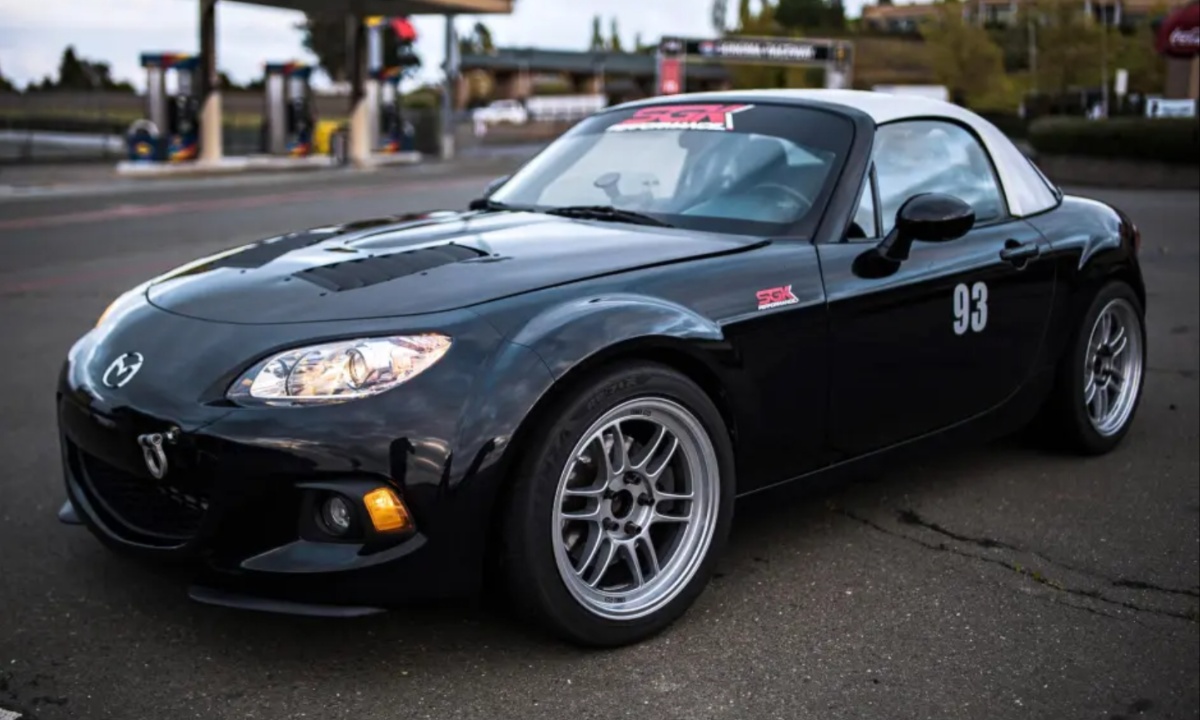
When it comes to affordable driving excitement, few cars deliver like the 2015 Mazda MX-5 Miata. With an average annual maintenance cost of just $417 and a stellar 85/100 J.D. Power score, it proves that fun doesn’t have to be expensive.
Light, nimble, and endlessly engaging, the Miata remains a pure driver’s car, one that rewards skill and makes even a slow drive feel like an event.
Under the hood sits a 2.0-liter four-cylinder, producing 167 horsepower and 140 lb-ft of torque with the manual or 158 hp with the automatic. Transmission choices include a five-speed manual in the Sport trim, a six-speed manual in higher trims, or a six-speed automatic with paddle shifters.
While the power output may seem modest, the Miata’s lightweight chassis makes it quick and lively, hitting 0–60 mph in 6.8 seconds and topping out at 135 mph. Fuel economy is solid for a sports car, averaging 23–25 mpg combined, depending on transmission choice.
On the road, the Miata is unmatched in its segment. The steering is communicative, the chassis is perfectly balanced, and the short-throw manual gearbox is a joy to use.
It’s equally happy carving corners or cruising with the top down, though engine drone at highway speeds can be tiresome. Ride quality is comfortable for daily use, but body roll and stability control intervention may frustrate those pushing hard on track.
Inside, the cabin is snug but driver-focused, with simple, legible controls. Taller drivers may feel cramped, and storage is minimal, with only 5.3 cubic feet of trunk space. Features are basic by modern standards.
Bluetooth is limited to higher trims, and there’s no navigation or USB input, but the car’s simplicity adds to its charm. The available power-retractable hardtop adds refinement, reducing noise and improving livability, though both soft and hardtop versions are easy to operate.
Competitors like the Scion FR-S or Mini Cooper offer extra seats and practicality, but none capture the same pure, open-air driving experience. After 25 years, the 2015 Mazda MX-5 Miata proves why it’s still the go-to choice for enthusiasts seeking lightweight fun at a budget-friendly price.
10. 2004 Honda S2000: A High-Revving Icon
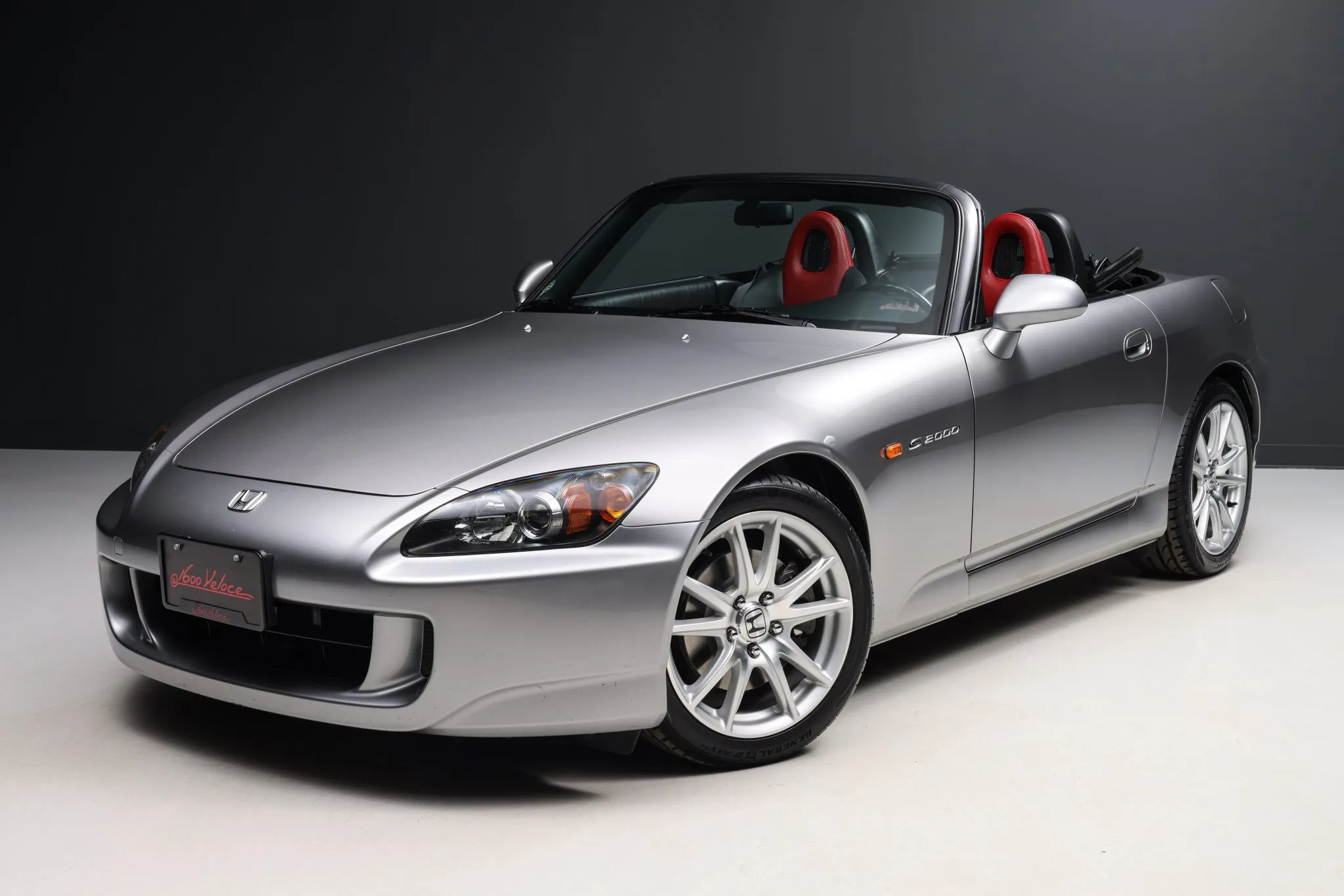
The 2004 Honda S2000 remains one of the most celebrated roadsters of its era, blending Honda’s engineering precision with pure driving excitement. With an average annual maintenance cost of $404, it’s also relatively affordable to keep on the road, making it a desirable choice for enthusiasts even today.
At its core, the S2000 is powered by a 2.0-liter four-cylinder VTEC engine, producing 240 horsepower and 153 lb-ft of torque. Paired exclusively with a six-speed manual transmission and rear-wheel drive, the roadster rockets from 0–60 mph in just 5.6 seconds and reaches a top speed of 149 mph.
Honda later enhanced the formula by introducing a 2.2-liter engine with revised gearing, offering smoother power delivery while maintaining the car’s thrilling character.
Beyond its engine, the 2004 model year brought several refinements: updated suspension tuning, larger brakes, 17-inch wheels, revised bumpers, and new headlights and taillights.
Inside, Honda improved comfort with more shoulder and hip room, a redesigned center console with cupholders, and a storage tray, all while adding modern touches like a seatbelt reminder system.
The S2000’s timeless styling, razor-sharp handling, and exhilarating high-revving performance ensure its place as a true driver’s car that continues to captivate enthusiasts.
Owning a performance car doesn’t have to mean emptying your wallet every time you visit the mechanic. The models featured in 10 Performance Cars That Won’t Bankrupt You on Repairs strike the rare balance between power and practicality, offering enthusiasts the joy of spirited driving without the financial stress often associated with high-performance vehicles.
From the lightweight precision of the Subaru BRZ to the legendary muscle of the Chevrolet Corvette, these cars show that accessible performance is alive and well. Each combines reasonable maintenance costs with features that make them enjoyable in everyday life, whether that’s comfort, technology, or reliability.
For drivers who refuse to compromise between passion and practicality, these vehicles stand as proof that you can enjoy the thrill of the road without the fear of constant, expensive upkeep. The right performance car can be both exhilarating and attainable.