
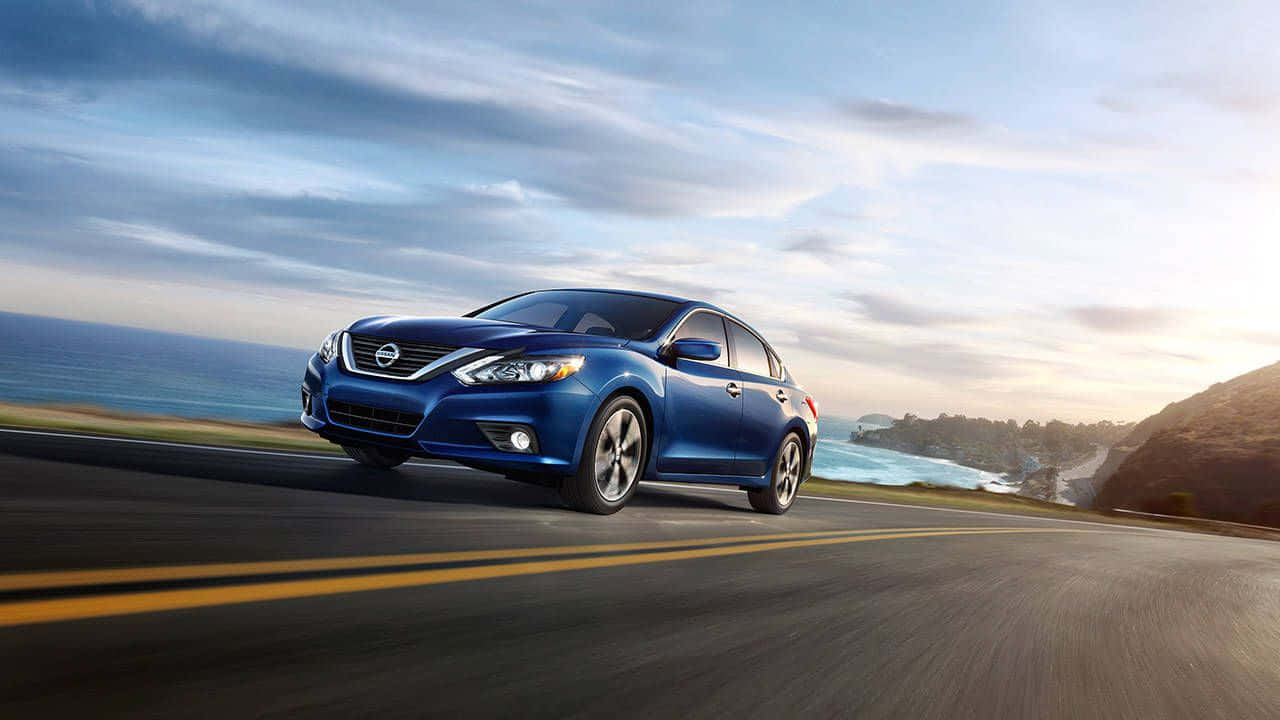
The Nissan Altima has been a consistent choice for drivers who want a balance of comfort, efficiency, and affordability.
Over the years, the Altima has proven that some model years stand out for their ability to withstand heavy use, whether that means long commutes, city traffic, or thousands of miles spent on highways.
For drivers who put their cars to the test, these versions of the Altima demonstrate a surprising ability to hold up under pressure.
Not every sedan in its class is known for longevity, but certain Altima years built a reputation for lasting longer than expected when given proper care.
Owners who clock high mileage often point to these models as reliable daily companions, surviving situations that would wear out less durable cars.
While the Altima has evolved in styling, technology, and performance, the years highlighted here have consistently shown a blend of engineering quality and real-world toughness.
Heavy driving brings unique challenges to a vehicle. Engines face extended hours of operation, transmissions endure constant shifting, and suspension systems take on the stress of uneven roads.
Cars that survive this level of use must be more than just economical; they need to be mechanically sound and easy to maintain.
Nissan has had its share of ups and downs, but specific Altima years have risen above expectations, making them solid bargains for those who demand more from their cars.
This article looks at eight Altima years that have proven themselves as dependable under heavy driving conditions.
Each entry focuses on why that year stands out, what makes it reliable, and how it continues to serve drivers who rack up serious mileage.
Also Read: 8 Trucks That Prove Built Tough Isn’t Just Marketing
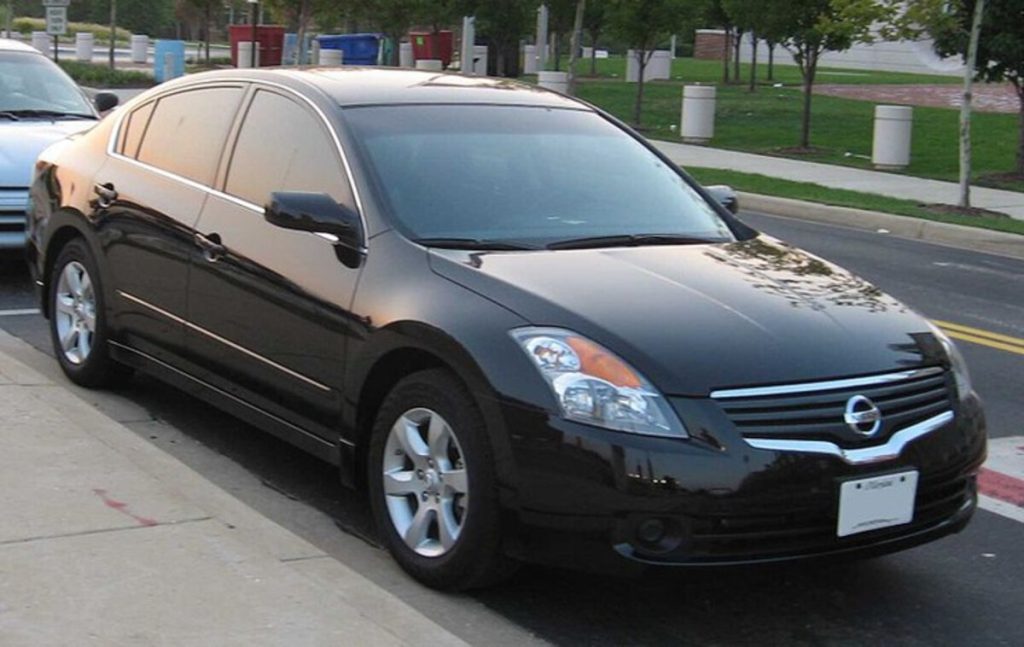
1. 2007 Nissan Altima
The 2007 Nissan Altima remains one of the standout years for this midsize sedan, particularly for those who subject their cars to heavy daily driving.
This generation marked a major redesign for the model, and Nissan focused on durability, practicality, and an improved driving experience. For buyers in need of a sedan that could hold its ground under constant use, the 2007 Altima delivered.
One of the strongest points of the 2007 Altima is its available 2.5-liter four-cylinder engine. Known for balance between efficiency and strength, this powerplant has proven capable of lasting well beyond 200,000 miles with regular oil changes and maintenance.
For drivers who prefer more power, the 3.5-liter V6 version offered a thrilling ride while still maintaining impressive reliability. The engines from this year were known to resist common issues that plagued earlier versions, making them favorites among long-term owners.
Transmission options also contribute to the 2007 Altima’s endurance. While Nissan’s continuously variable transmission (CVT) was still relatively new, it performed better than in some later years, particularly when maintained with proper fluid changes.
Manual transmission versions, though less common, became known for their resilience under demanding driving conditions. This combination gave buyers the flexibility to choose the setup that best suited their driving style.
Comfort and practicality also play roles in why this model survives heavy use. The redesigned interior was more durable, with materials that resisted early wear.
Supportive seating and an improved suspension system made long commutes less taxing on both the driver and the car. Even under stressful conditions like stop-and-go traffic or extended highway trips, the 2007 Altima proved it could stay dependable.
Another factor that supports its reputation is affordability of ownership. Replacement parts are widely available, and mechanics are very familiar with this generation, which keeps repair costs lower than many rivals.
The Altima also benefited from Nissan’s focus on fuel efficiency, meaning heavy drivers could keep costs under control while logging significant mileage.
Owners who selected the 2007 Altima often found themselves holding onto it for many years, confident in its ability to withstand demanding schedules.
It may not have been the flashiest sedan of its time, but it proved that reliability and comfort could come together in a practical package. For those who put thousands of miles on their cars every year, the 2007 Altima stood as a strong partner built to handle the challenge.
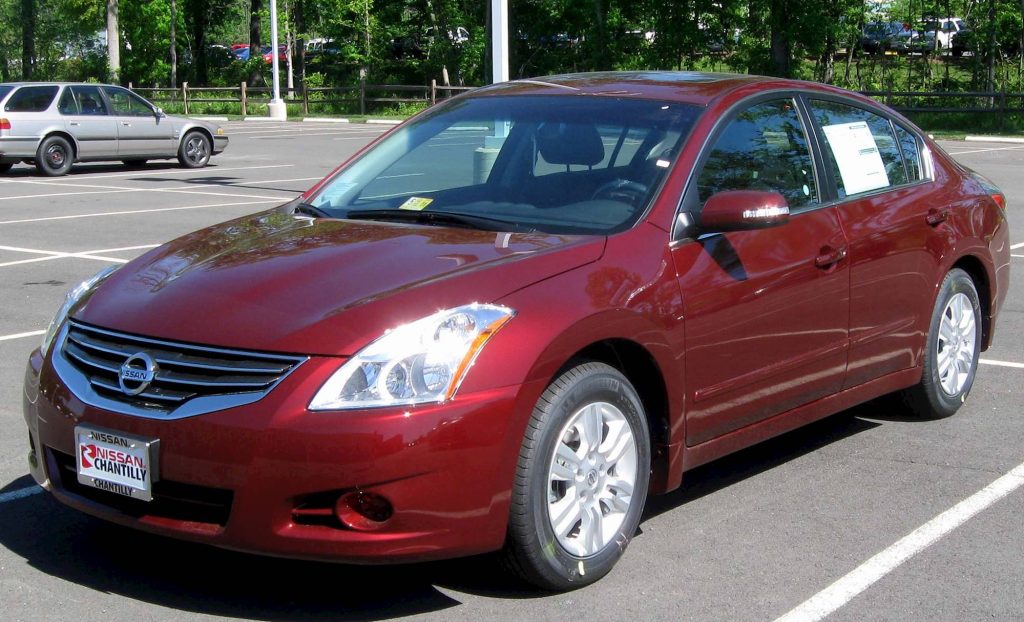
2. 2010 Nissan Altima
The 2010 Nissan Altima is another model year that continues to earn respect from drivers who demand a car capable of handling serious mileage.
Positioned in the heart of the fourth generation, this year blended proven engineering with refinements that made it especially appealing for long-term ownership.
Drivers who needed a dependable vehicle for work commutes, road trips, or constant city travel often found the 2010 Altima up to the task.
Under the hood, the 2010 Altima offered two standout engines. The base 2.5-liter four-cylinder was efficient yet durable, providing more than enough strength for daily driving without compromising on reliability.
Many owners have reported these engines lasting well over 200,000 miles with proper maintenance. The available 3.5-liter V6 was a powerhouse, delivering strong acceleration while maintaining Nissan’s reputation for engine durability.
Both engines were designed to handle extended driving conditions, making them excellent options for those putting significant miles on the odometer.
The 2010 Altima also benefited from improvements in build quality and ride comfort. Its suspension tuning balanced handling with smoothness, ensuring the car could withstand rougher roads without becoming uncomfortable.
The interior featured supportive seating and materials that aged well, which is especially important for drivers spending hours behind the wheel every day.
Transmission reliability was another strong point. By this year, Nissan had made refinements to its CVT system, improving both performance and durability.
While CVTs require regular fluid service to reach their full potential, many 2010 models continue to operate smoothly even after a decade of demanding driving. For buyers who wanted a more traditional setup, manual transmission versions were still offered and remain highly valued for their resilience.
Another reason the 2010 Altima survives heavy driving is affordability of ownership. Replacement parts remain inexpensive and easy to find, thanks to the model’s popularity.
Routine repairs such as brakes, suspension components, and fluids are straightforward, keeping maintenance costs within reach for the average owner.
Fuel economy was another benefit, as both engine options provided respectable mileage, further supporting its case as a reliable high-use sedan.
Owners who rely on their cars day after day appreciate the 2010 Altima’s blend of practicality, comfort, and endurance. It may not be a luxury vehicle, but it offers exactly what heavy drivers need: steady performance, resilience under stress, and manageable upkeep costs.
For these reasons, the 2010 Altima continues to be recognized as one of the model’s best years for surviving heavy use.
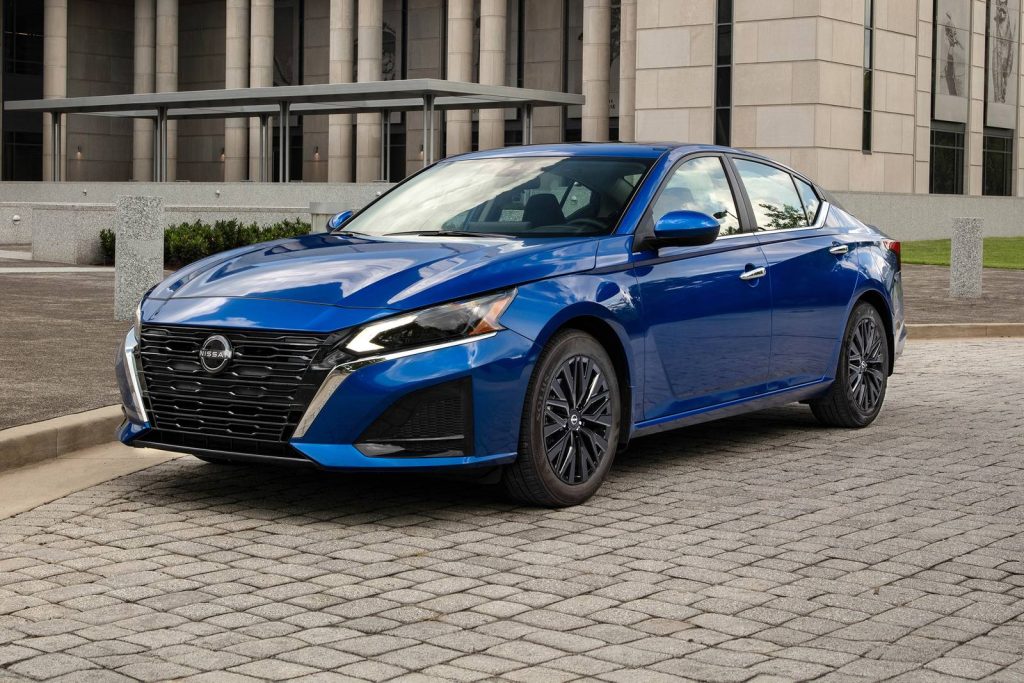
3. 2012 Nissan Altima
The 2012 Nissan Altima is often praised as one of the most dependable model years for drivers who put a lot of miles on their cars. As the final year of the fourth generation, it represented a refined version of everything Nissan had developed over several years.
By this time, most early issues had been ironed out, leaving buyers with a sedan that was smooth, durable, and ready for demanding use.
One of the strongest aspects of the 2012 Altima is its pair of proven engines. The 2.5-liter four-cylinder remained a favorite for commuters, delivering a balance of fuel efficiency and longevity. When well cared for, it could surpass 200,000 miles without major repairs.
The 3.5-liter V6, known for its robust power, also stood out as a reliable option. Even with spirited driving, many owners reported extended life with minimal issues.
These engines had already built a reputation for strength, and the 2012 model year benefited from years of refinement.
Transmission performance also held up well in 2012. Nissan’s CVT system, while sometimes criticized in later years, was well-tuned during this period. With proper fluid service, it could handle the stress of stop-and-go traffic or long highway stretches effectively.
Drivers who opted for the manual transmission enjoyed a nearly bulletproof system, further strengthening the car’s reputation for longevity.
Beyond mechanical reliability, the 2012 Altima offered comfort that supported heavy driving. The cabin design emphasized durability, with seats that resisted wear and materials that stayed solid even after years of use.
For those who spent hours on the road, the ride quality was smooth and quiet, adding to the car’s appeal for commuters and long-distance travelers.
Another reason the 2012 Altima survives heavy use is cost of ownership. Replacement parts are affordable and widely available, and independent mechanics are very familiar with the model.
Repairs like brakes, suspension work, and filters are simple, helping owners keep maintenance on track without major expenses. Fuel efficiency added further savings, making the car not only durable but also cost-effective for high-mileage drivers.
Owners who selected the 2012 Altima often remark that it feels like a dependable companion even after years of demanding schedules.
By combining proven powertrains, improved build quality, and affordable upkeep, this model year remains a standout option for drivers who put reliability above all else.
The 2012 Altima represents the best of its generation and continues to impress those who push their cars to the limit.
4. 2013 Nissan Altima
The 2013 Nissan Altima marked the beginning of the fifth generation, and it came with significant updates in styling, efficiency, and overall refinement. Despite being a redesign, the 2013 Altima quickly established itself as a durable option for heavy drivers.
For those putting thousands of miles on their cars each year, this version balanced modern upgrades with the kind of strength that owners expect from a long-lasting sedan.
One of the standout qualities of the 2013 Altima is its efficiency without sacrificing reliability. The 2.5-liter four-cylinder engine received updates that improved fuel economy, making it one of the most efficient sedans in its class at the time.
More importantly, it maintained the durability that had defined earlier versions. Drivers often reported high mileage with only routine maintenance, proving that this engine could handle the stress of heavy daily use.
The available 3.5-liter V6 carried over its reputation for strength, giving drivers who wanted more power a dependable choice.
The CVT in the 2013 Altima was also improved compared to earlier iterations. Nissan worked to refine the system, resulting in smoother operation and better longevity when maintained correctly.
Regular fluid changes remain key, but owners who stayed on top of maintenance often found that the transmission could last for many years of demanding driving.
Comfort was another strong point for this model year. The 2013 Altima introduced “zero gravity” seats designed to reduce fatigue during long drives.
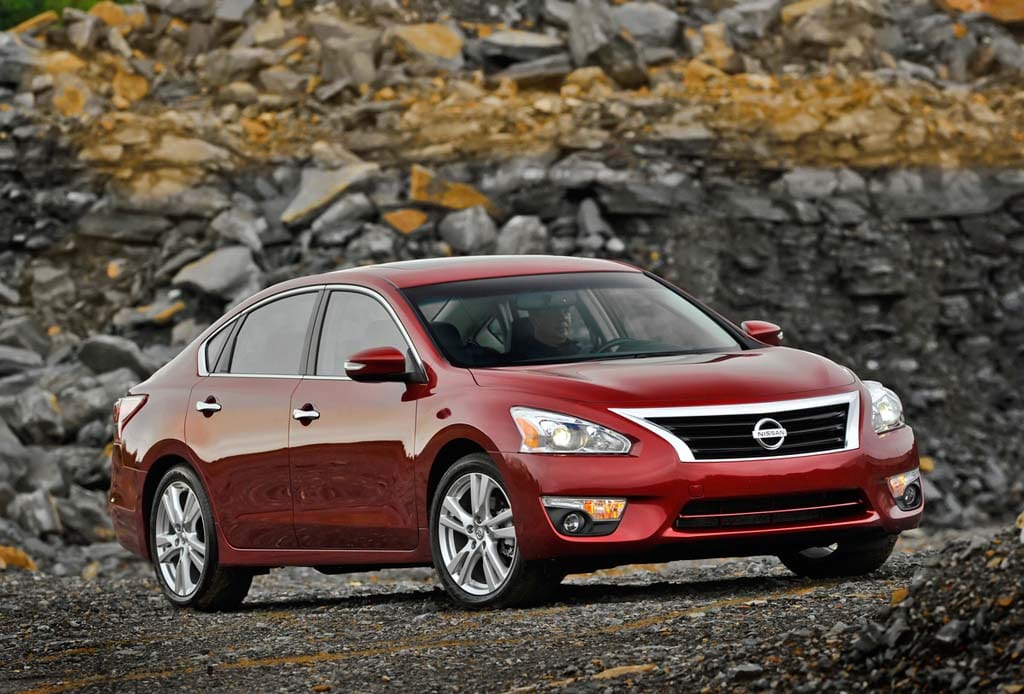
For drivers covering hundreds of miles a week, this feature made a noticeable difference. The cabin materials also felt more upscale and durable, ensuring the car aged gracefully even after years of use.
Affordability of upkeep also plays into why the 2013 Altima thrives under heavy use. Replacement parts are easy to find, and mechanics are experienced in servicing this generation.
Combined with strong fuel economy, the car provided significant cost savings for drivers who spend more time on the road than average.
The 2013 Altima’s redesign might have been focused on modern appeal, but it also retained the mechanical strength that keeps it reliable today.
By blending comfort, efficiency, and proven durability, this year stands out as a model that not only survives heavy driving but makes the experience more manageable. For many owners, it remains a trusted workhorse that meets the demands of daily life with resilience.
5. 2014 Nissan Altima
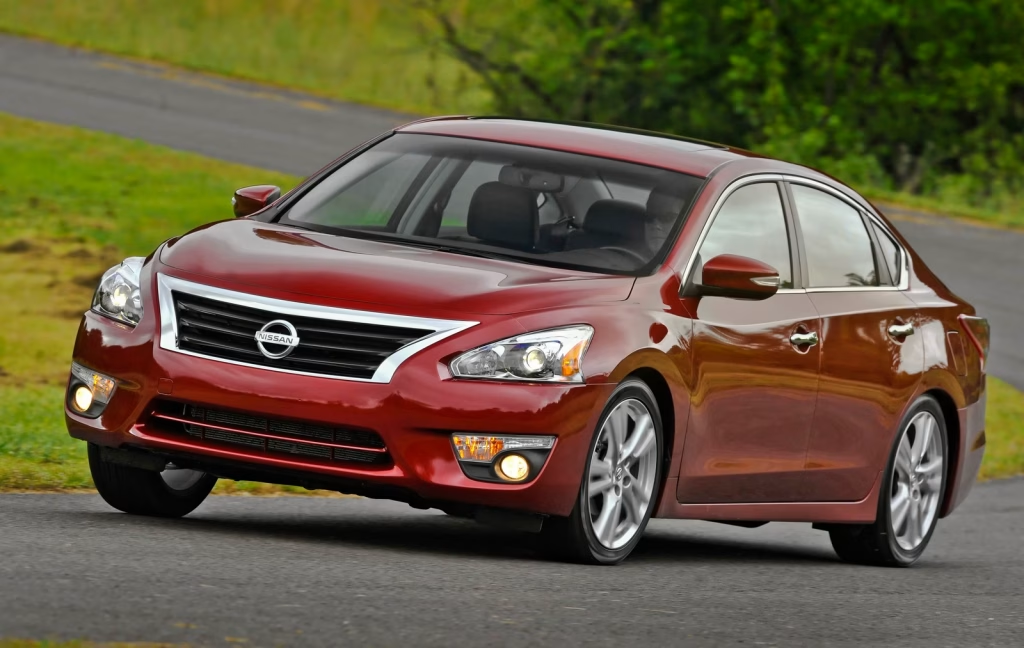
The 2014 Nissan Altima carried forward the updates introduced in the previous year and quickly earned a reputation as a dependable sedan for drivers who cover serious mileage. Positioned in the early years of the fifth generation, it struck an appealing balance between comfort, efficiency, and long-term resilience.
For those needing a car that could handle demanding commutes or long-distance travel, the 2014 Altima proved itself as a strong contender.
A major highlight of the 2014 Altima was its pair of trusted engines. The base 2.5-liter four-cylinder remained the popular choice among buyers, offering excellent fuel economy without sacrificing strength.
This engine consistently performed well under heavy use, with many examples crossing 200,000 miles when maintained properly.
The optional 3.5-liter V6 continued its legacy of delivering strong acceleration while maintaining reliability. Both engines stood out for their ability to survive extended use, which is critical for high-mileage drivers.
Transmission performance also improved in this year. Nissan’s continuously variable transmission, though sometimes viewed skeptically, received refinements that made it smoother and more reliable when paired with regular fluid servicing.
Owners who stayed proactive with maintenance often reported long-lasting performance, proving that this generation’s CVT could endure demanding driving conditions.
Comfort and interior quality added to the car’s ability to withstand heavy usage. The “zero gravity” seats introduced in 2013 were carried forward, providing long-distance comfort that drivers truly appreciated.
The cabin materials were designed to resist early wear, keeping the car’s interior in good shape even as mileage piled up. This focus on durability extended beyond mechanicals into the daily ownership experience.
Cost of ownership also favored heavy drivers. Parts availability was abundant thanks to the Altima’s popularity, and routine services remained affordable compared to other midsize sedans.
Independent mechanics were familiar with the car, which further reduced repair bills. Fuel efficiency, especially with the four-cylinder, made the Altima a practical option for commuters logging thousands of miles annually.
The 2014 Altima may not have been groundbreaking in terms of performance or luxury, but it provided exactly what heavy drivers needed: steady dependability, manageable running costs, and comfort that made long drives less stressful.
For those seeking a model year that could handle relentless mileage while still feeling refined, the 2014 Altima checked every important box.
6. 2015 Nissan Altima
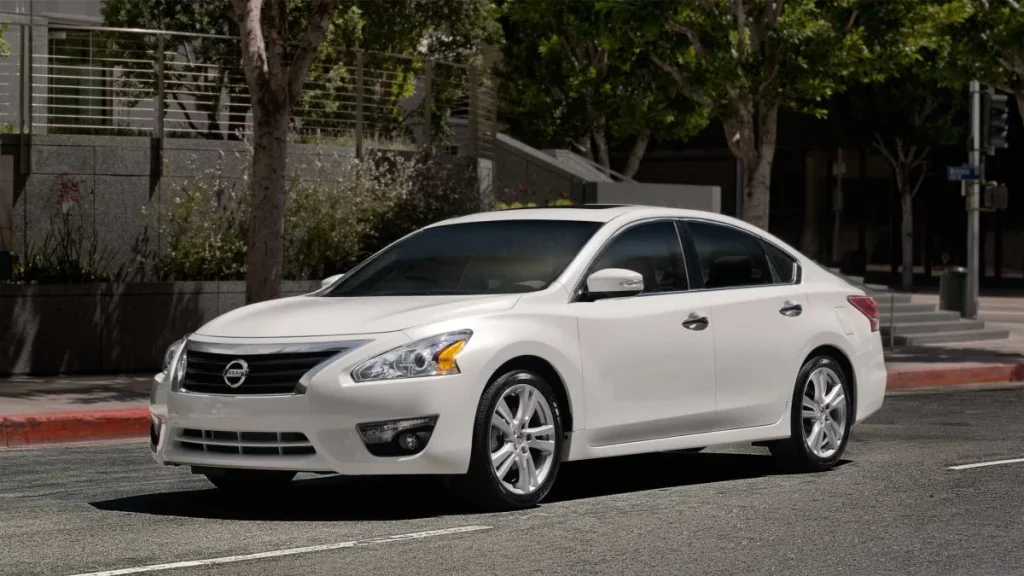
The 2015 Nissan Altima further cemented the model’s place as a dependable sedan for those who rack up serious miles. Building on the strengths of the 2014 version, the 2015 Altima offered slight refinements that made it even more appealing for long-term ownership.
For drivers facing long commutes or frequent highway trips, this model year provided durability that matched its comfort and efficiency.
The engine lineup carried over unchanged, but both the 2.5-liter four-cylinder and 3.5-liter V6 continued to impress with their resilience. The four-cylinder engine was particularly well-suited for high-mileage drivers thanks to its balance of fuel economy and longevity.
With proper oil changes and routine care, it was not unusual to see these engines last far beyond 200,000 miles. The V6 offered more power without sacrificing reliability, appealing to drivers who wanted performance with endurance.
Transmission reliability also remained a strong point. By 2015, Nissan had continued refining its CVT, resulting in a system that could handle heavy driving better than earlier iterations.
Regular fluid servicing was key, but owners who followed maintenance schedules often enjoyed years of trouble-free operation. The transmission’s smooth performance also contributed to reduced driver fatigue during long trips.
Interior comfort once again stood out. The zero gravity seats provided excellent support for extended journeys, and the cabin remained quiet and refined.
This level of comfort ensured the Altima wasn’t just mechanically durable but also enjoyable for drivers who spent hours on the road daily. Materials held up well under repeated use, proving that Nissan had designed the Altima with longevity in mind.
Another advantage of the 2015 Altima was affordability of ownership. Replacement parts were easy to source, and independent shops were very familiar with servicing this generation.
Combined with excellent fuel efficiency, the car remained budget-friendly even for drivers covering high mileage each year.
The 2015 Altima’s appeal lies in its ability to deliver consistent performance year after year. It didn’t require extravagant upkeep or expensive repairs, making it a trustworthy companion for heavy drivers.
For those seeking a midsize sedan that could reliably take on long-distance or high-mileage use, the 2015 Altima proved itself as one of the most dependable options in its class.
7. 2016 Nissan Altima
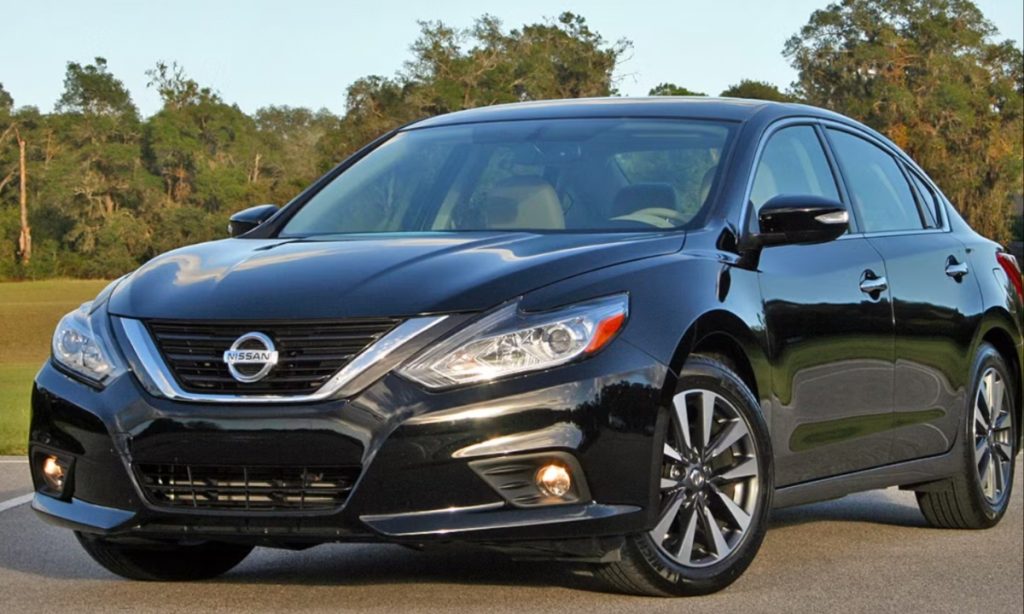
The 2016 Nissan Altima represented a mid-cycle refresh of the fifth-generation model, and it quickly stood out as a reliable year for drivers who put their vehicles through constant use.
With updated styling and subtle mechanical improvements, the 2016 Altima combined durability with a modern look, making it a smart choice for those seeking a midsize sedan capable of surviving heavy driving demands.
One of the biggest strengths of this year was its proven engine lineup. The 2.5-liter four-cylinder remained the workhorse of the range, delivering excellent fuel economy while holding up under long commutes and high-mileage use.
When paired with routine oil changes and timely servicing, this engine demonstrated remarkable staying power, often crossing 200,000 miles without major issues.
The optional 3.5-liter V6 was equally dependable, providing more power for drivers who valued acceleration but without sacrificing reliability.
The continuously variable transmission, a key feature of this generation, benefitted from refinements in 2016 that made it more durable.
Earlier CVT concerns had been addressed by this point, and with regular fluid maintenance, many units performed reliably under heavy use.
For drivers who pushed their Altima through city traffic or extended highway trips, this improved CVT proved itself capable of enduring the pressure.
Interior durability added another layer of appeal for heavy drivers. Nissan’s zero gravity seats continued to offer comfort for long journeys, reducing fatigue during demanding drives.
The cabin materials were upgraded slightly during the refresh, helping them resist wear and tear better than earlier models. Combined with a quieter cabin, the 2016 Altima provided an experience that remained comfortable even as the miles piled on.
Ownership costs also favored heavy drivers. Routine parts such as brakes, filters, and belts were inexpensive and widely available, and independent mechanics were well-acquainted with the Altima.
Fuel economy was among the best in its class, making the car practical for those logging tens of thousands of miles each year.
What made the 2016 Altima particularly appealing was its combination of refinement and resilience. It didn’t just last mechanically; it also offered a comfortable environment that made high-mileage driving less stressful.
For commuters, delivery drivers, or anyone with demanding daily use, the 2016 Altima delivered the toughness and reliability necessary to stand the test of time.
8. 2018 Nissan Altima
The 2018 Nissan Altima closed out the fifth generation and established itself as one of the most dependable options for heavy drivers.
Positioned just before the launch of the next-generation redesign, the 2018 model had the benefit of years of refinement, making it one of the most reliable Altimas available.
For those requiring a sedan to withstand frequent and extended driving, this year provided confidence in both performance and durability.
The familiar 2.5-liter four-cylinder and 3.5-liter V6 engines returned once again, and by this point, their dependability was well-documented.
The four-cylinder excelled at balancing efficiency with long-term reliability, consistently running strong under high-mileage conditions when maintained properly.
The V6 added extra performance, and while less common, it remained a solid choice for drivers who wanted more power without sacrificing longevity. Both engines were capable of lasting well beyond 200,000 miles with basic care.
Nissan’s CVT also saw meaningful improvements by 2018. Years of refinements meant this transmission was far more reliable than earlier versions, particularly for heavy drivers who kept up with fluid changes.
Many owners who drove their Altimas extensively reported smooth, consistent performance with fewer issues than in the past, making this generation’s final year a safe bet for durability.

The 2018 Altima also benefitted from a refined cabin. Comfort remained a highlight with zero gravity seating, and the materials used throughout the interior showed resistance to wear, even under constant daily use.
For drivers who logged significant hours behind the wheel, this made a tangible difference in long-term satisfaction. The infotainment system, while not cutting-edge, was user-friendly and added to the car’s practicality.
Affordability was another major advantage. Maintenance costs stayed low, and parts were easily sourced thanks to the model’s popularity. Combined with excellent fuel efficiency in the four-cylinder version, the 2018 Altima remained one of the most cost-effective options for high-mileage use.
By the end of its generation, the Altima had become a known quantity: reliable, affordable, and practical.
The 2018 model showcased everything Nissan had learned from previous years, offering a sedan that could handle the demands of heavy driving while maintaining comfort and efficiency. For anyone seeking a dependable pre-owned vehicle, the 2018 Altima remains a standout choice.
Also Read: 8 Vehicles Still Running After Surviving House Fires
