
When a hurricane strikes, the damage is rarely limited to homes and power lines. Vehicles often bear the brunt of flooding, flying debris, and long stretches without proper maintenance.
Saltwater, mud, and intense winds can destroy engines, corrode frames, and ruin electrical systems. For most cars, exposure to these conditions means an early retirement. Yet there are certain vehicles known for surviving disasters that would cripple less durable machines.
Families, rescue workers, and communities hit hardest by hurricanes often rely on these dependable models to help them through recovery.
Their strength comes from robust construction, proven reliability, and the ability to handle abuse that would sideline more fragile cars. Some are rugged trucks designed for tough terrain, while others are sedans and SUVs that keep running even after being subjected to conditions far beyond normal driving.
What sets these vehicles apart is not just the ability to survive a storm but to keep running long after. Owners often find that these models start up even after being partially submerged or sitting idle during lengthy power outages.
Mechanics appreciate them because replacement parts are easy to source and repairs can be done without breaking the bank. In communities where hurricanes are a constant threat, these cars become trusted tools, proving their worth year after year.
This article takes a closer look at ten vehicles that have a reputation for lasting long after surviving hurricanes. They may not be indestructible, but their resilience means they are more likely to still be driving when others have been written off.
From sturdy sedans to rugged off-roaders, each of these vehicles has earned respect for withstanding conditions that push machines to their limits.
Also Read: 10 Classic Cars That Are Still Affordable to Own
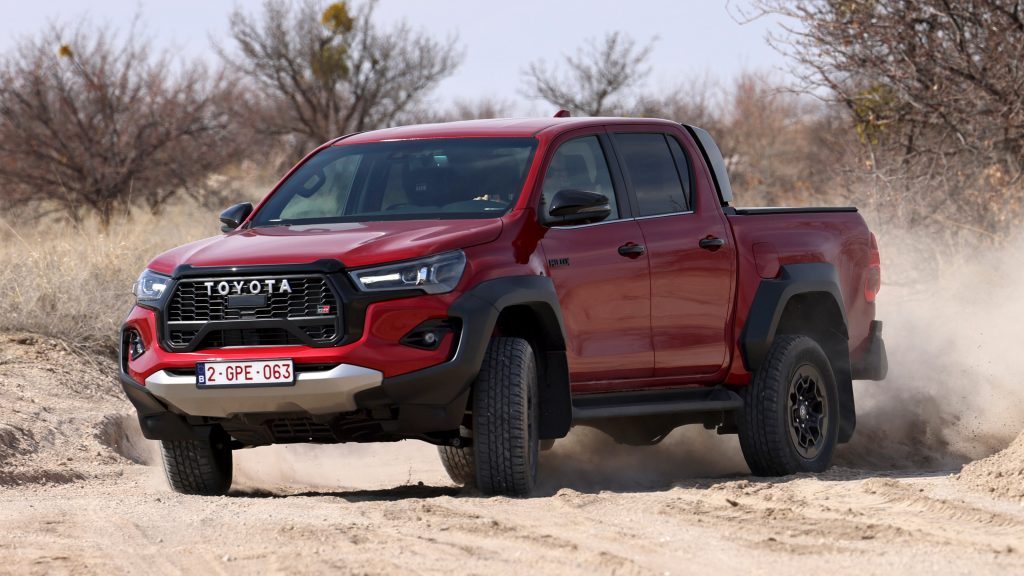
1. Toyota Hilux
The Toyota Hilux is often described as one of the toughest trucks ever built, and its reputation has been earned through decades of use in the harshest environments.
For communities hit by hurricanes, the Hilux has proven to be a lifeline, capable of handling water damage, rough terrain, and heavy loads without giving up.
One of the main reasons the Hilux survives disasters is its simple yet effective engineering. Older models are especially known for their mechanical reliability, with engines that can keep running even after exposure to conditions that would disable most vehicles.
Unlike trucks that rely heavily on electronics, the Hilux’s straightforward design allows it to be repaired quickly, often with basic tools. This becomes vital after a hurricane, when access to parts and professional shops may be limited.
Durability is another standout trait. The Hilux has a robust frame and suspension built to handle punishment. Flood-damaged roads filled with debris are no match for its ground clearance and solid construction.
While water damage is always a concern for any vehicle, Hilux owners report that with proper drying and maintenance, the truck often continues to function well beyond expectations.
Practicality also contributes to its longevity. The bed can carry supplies, tools, and emergency gear, making it useful not just for transportation but also for recovery efforts.
Its diesel variants are particularly valued because of their fuel efficiency and the ability to run on lower-quality fuel if needed during shortages.
The Hilux’s reputation for indestructibility has made it a global symbol of toughness. In hurricane-prone areas, it serves as proof that the right vehicle can withstand nature’s worst and still be ready for the next challenge.
For families and aid workers alike, the Hilux remains one of the most trusted options when survival and reliability are priorities.
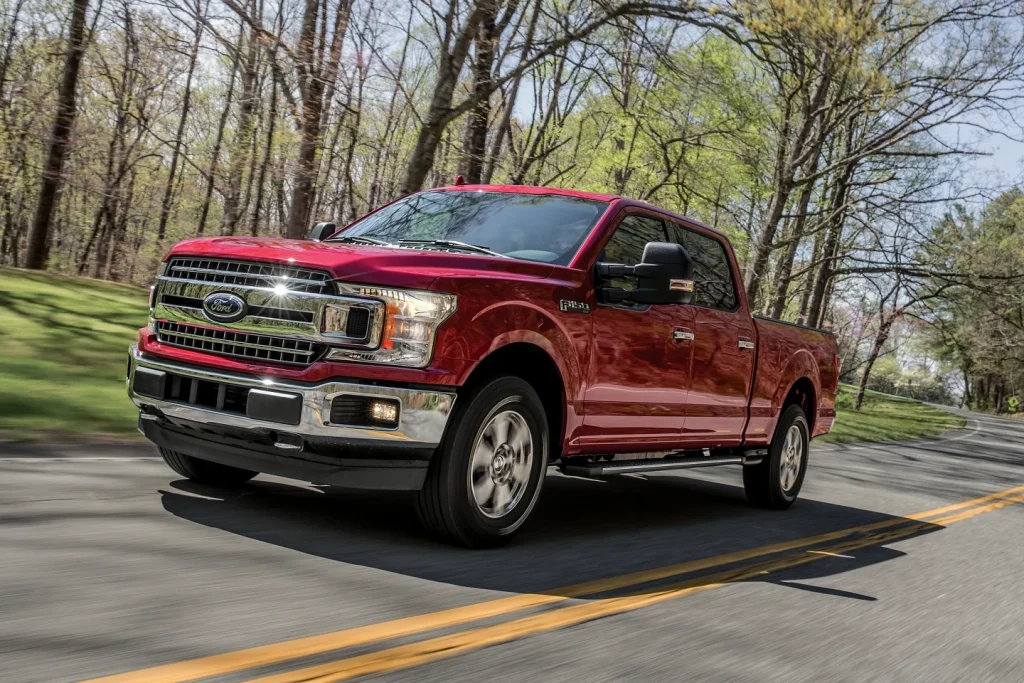
2. Ford F-150
The Ford F-150 is one of the most popular trucks in America, and part of its success comes from its ability to handle extreme conditions, including hurricanes.
When storms leave roads flooded, littered with debris, and nearly impassable, the F-150 often becomes the go-to vehicle for families and recovery crews. Its combination of power, durability, and availability makes it a natural survivor in disaster zones.
The truck’s build quality is a major advantage. With a strong frame and reliable suspension, the F-150 can take heavy punishment without failing. Owners often praise how it continues to run even after being exposed to standing water or mud.
While any vehicle exposed to saltwater is at risk of corrosion, the F-150’s widespread use means parts are cheap and easy to find, which helps keep these trucks on the road long after the storm has passed.
The F-150 also offers flexibility through its range of engines. Older models with simpler V8s are particularly favored during post-hurricane recoveries because they lack complex electronics and can often be repaired with minimal effort.
Many people also choose four-wheel-drive models, which give the truck the traction needed to move across slippery or uneven ground.
Another reason the F-150 survives hurricanes is its massive presence in the market. With millions sold over the decades, parts are readily available in almost every region.
Even after a storm, scrapyards and local shops often carry the components needed to repair flood or wind damage. This availability gives owners confidence that their truck can be fixed and put back into service quickly.
For families needing a dependable vehicle during hurricane recovery, the F-150 is more than just transportation. It is a tool that can tow, haul, and move through harsh conditions without hesitation.
Its reputation for resilience has been proven countless times, making it one of the vehicles most likely to keep running after surviving a major storm.
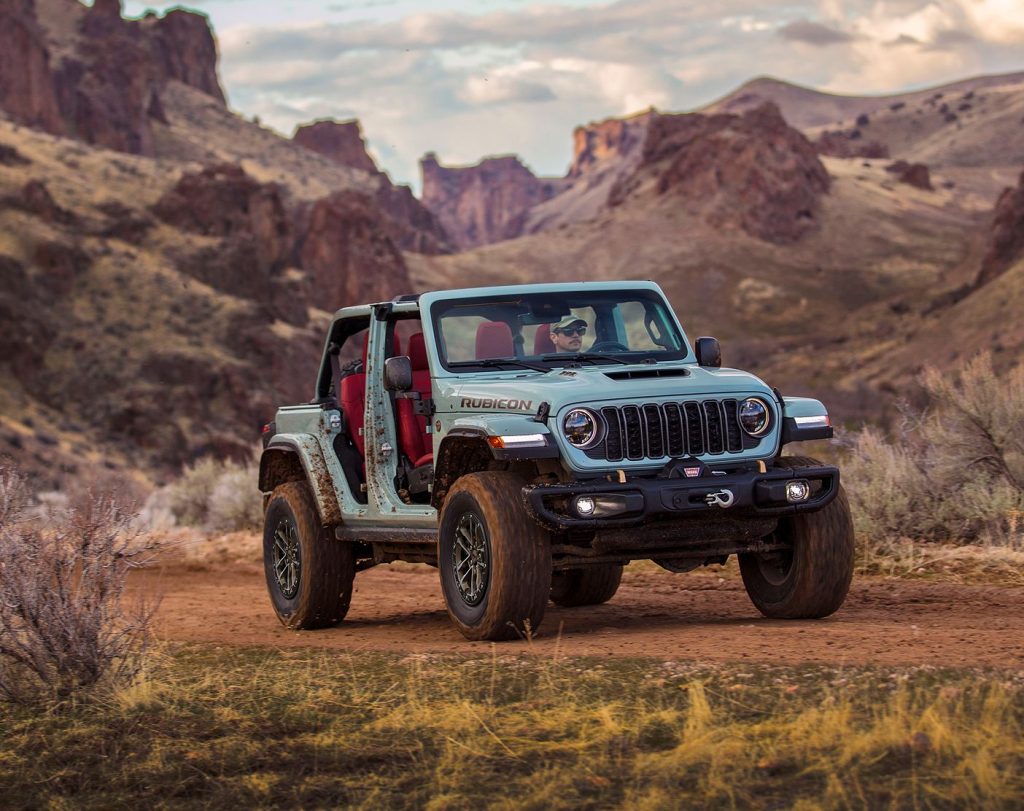
3. Jeep Wrangler
The Jeep Wrangler has long been associated with toughness and adventure, and these traits translate well to hurricane survival.
Built with rugged off-road capability, the Wrangler is naturally suited for conditions where roads may be washed out, blocked by debris, or completely inaccessible. After a hurricane, when infrastructure is compromised, this vehicle often continues to perform when others fail.
The Wrangler’s design is one of its strongest assets. With solid axles, high ground clearance, and a simple body-on-frame construction, it can endure damage that would cripple lighter vehicles.
Waterlogged terrain is less of an issue for the Wrangler, as its drivetrain and suspension are built for mud, rocks, and sand. Owners often report that with basic maintenance, the vehicle continues running even after facing serious flooding.
Older models in particular have a reputation for surviving disasters due to their simpler mechanics. Unlike modern cars packed with electronics that are easily damaged by water, early Wranglers use straightforward systems that can be repaired without advanced equipment.
Even newer Wranglers maintain some of that durability, with parts that are widely available and a strong aftermarket community ready to supply replacements.
Another factor that makes the Wrangler effective after hurricanes is its versatility. Many owners use it as both daily transport and as a rescue tool during emergencies.
Its ability to ford water, climb over debris, and handle unpredictable terrain makes it ideal for reaching areas cut off after a storm. For families, it provides peace of mind knowing the vehicle can still function even when conditions are at their worst.
The Jeep Wrangler is more than a recreational off-roader. In hurricane-prone areas, it is a symbol of dependability and toughness.
Whether carrying supplies, helping with evacuations, or simply starting up after sitting through a flood, it consistently proves its ability to keep running long after a hurricane has passed.
4. Toyota Land Cruiser
The Toyota Land Cruiser has earned a legendary reputation worldwide for its ability to withstand punishing conditions, and hurricanes are no exception.
When severe storms hit, the Land Cruiser often remains one of the few vehicles capable of continuing to function, even after exposure to flooding, wind damage, and rough terrain.
One of the defining features of the Land Cruiser is its engineering. Toyota designed this SUV with reliability as the top priority, equipping it with strong engines, durable transmissions, and a body-on-frame design that holds up against heavy abuse.
In many cases, even when floodwater damages the electrical systems, the Land Cruiser’s mechanical core remains operational with only basic repairs needed.
Another advantage is its off-road capability. Hurricanes often destroy infrastructure, leaving behind washed-out roads, mud, and standing water.
The Land Cruiser’s four-wheel-drive system, combined with its ground clearance, makes it an excellent vehicle for moving through such conditions. Owners often use it to transport supplies and provide aid during recovery, as it can reach places most cars cannot.
Durability also comes from the vehicle’s global support. The Land Cruiser is used heavily in regions prone to extreme weather, and its parts are widely available. Even in areas hit hard by hurricanes, replacement components are usually easy to track down, which helps keep the SUV running for decades.
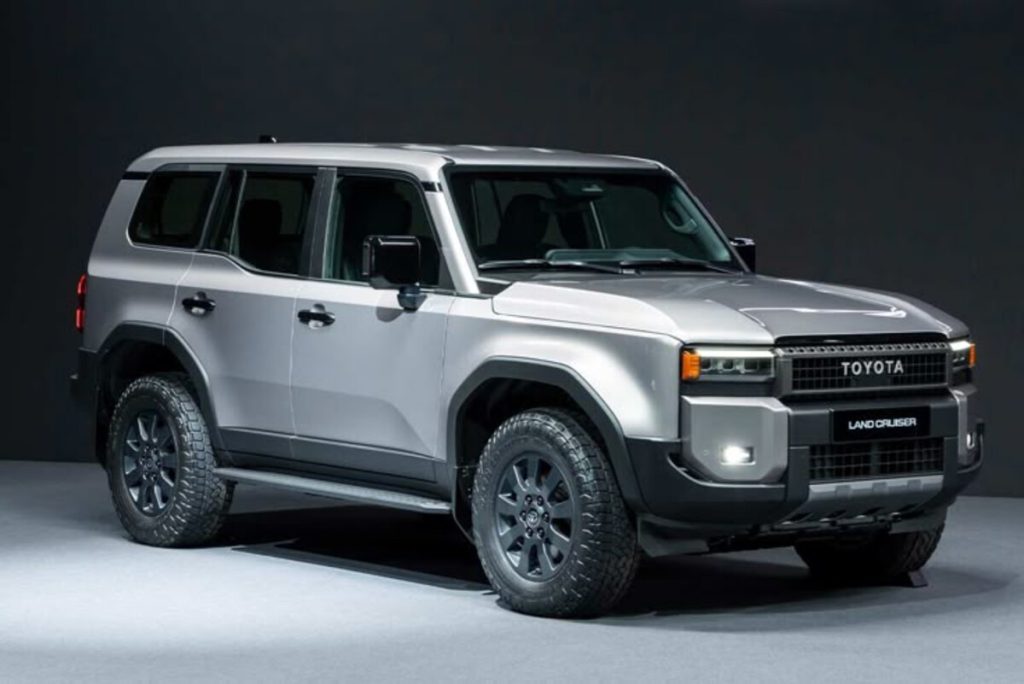
Families appreciate the Land Cruiser because it combines toughness with comfort. While it can handle harsh conditions, it also provides a stable ride for long journeys, making it ideal for evacuations and recovery travel.
Many Land Cruisers on the road today have already surpassed 300,000 miles, which shows just how well they endure even after repeated exposure to storms.
For hurricane-prone areas, the Toyota Land Cruiser stands as a dependable companion. Its combination of strength, reliability, and practicality ensures it will keep running long after lesser vehicles have given up.
5. Chevrolet Silverado
The Chevrolet Silverado is another truck that consistently proves its worth in hurricane-prone areas. Known for toughness and versatility, it has become a trusted vehicle for both families and recovery workers after severe storms.
Its strong build and availability of parts make it one of the trucks most likely to survive long after a hurricane has passed.
The Silverado’s durability begins with its robust frame and reliable suspension. These trucks are built to tow, haul, and handle heavy workloads, which translates well into hurricane recovery.
Roads covered in water or debris often require extra ground clearance and strength, two qualities the Silverado offers in abundance.
Older Silverados are particularly valued in storm zones. Their simpler V8 engines and less complicated electronics mean they are easier to repair after flooding or electrical damage.
Many owners find that even after standing water exposure, with proper cleaning and part replacements, the truck can still operate for years.
Another strength of the Silverado is the widespread availability of replacement parts. With millions of units sold, finding what is needed to repair a flood-damaged truck is rarely a challenge. This accessibility helps keep costs manageable and ensures that the truck can be returned to service quickly.
Families appreciate the Silverado for its large cabin and ability to carry both passengers and supplies during emergencies.
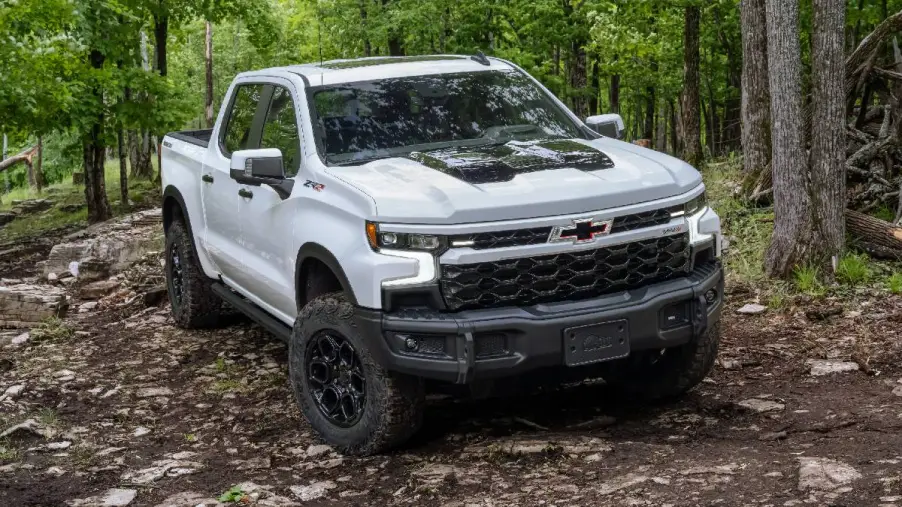
During hurricane recovery, its bed often becomes a lifeline for moving essentials like water, food, and tools. The truck’s towing capacity also comes in handy for pulling trailers or stranded vehicles.
The Chevrolet Silverado is more than just a workhorse. For people living in areas threatened by hurricanes, it represents security and resilience.
Its long-lasting performance ensures that even after storms cause widespread damage, the Silverado often remains ready to start up and serve once again.
6. Honda CR-V
The Honda CR-V might not be the first vehicle that comes to mind when thinking about hurricane survival, but its record of reliability and resilience has made it a favorite for many families in storm-affected regions.
Compact yet tough, the CR-V often proves that a smaller SUV can still be remarkably dependable even after severe weather events.
One of the CR-V’s biggest strengths is its engine reliability. Honda’s engineering emphasizes longevity, and the CR-V is no exception.
Many of these vehicles reach high mileage with minimal mechanical issues, even after facing conditions like flooding or extended periods without use. This consistency makes it a strong option for families looking for a reliable post-storm vehicle.
The CR-V’s size also contributes to its survival in hurricane conditions. It is small enough to maneuver through blocked or damaged roads, yet it provides enough ground clearance to handle shallow flooding and rough terrain. Owners often rely on it for evacuation routes and supply runs when larger vehicles are not available.
Durability is enhanced by the fact that replacement parts are widely available. Because the CR-V has been sold globally in high numbers, finding components to repair storm-related damage is rarely a challenge. Even after water exposure, with proper maintenance, these vehicles often return to reliable daily use.
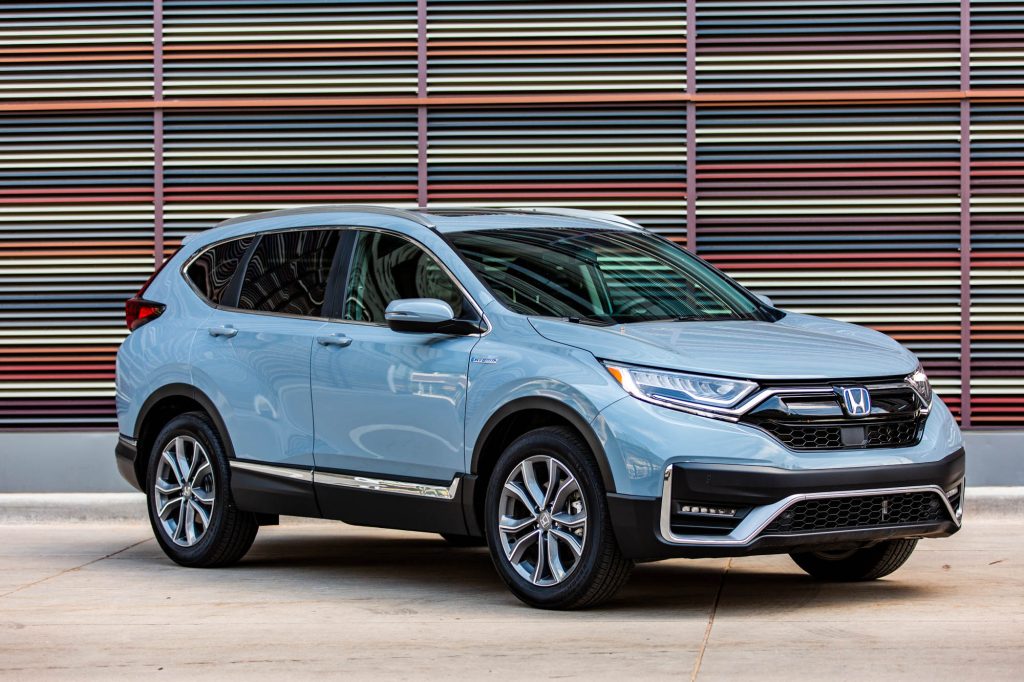
Fuel efficiency is another key benefit. After a hurricane, gas shortages are common, and the CR-V’s ability to stretch fuel farther than larger trucks is invaluable. This makes it an economical yet dependable option when resources are scarce.
For families that need a practical and trustworthy SUV, the Honda CR-V proves its value after hurricanes.
While it may not have the brute force of a large truck, it consistently delivers resilience, fuel economy, and ease of repair, making it a smart choice for surviving and recovering from severe storms.
7. Nissan Frontier
The Nissan Frontier is often considered underrated compared to other midsize trucks, but its toughness makes it a surprising survivor during hurricanes. Built to be practical and reliable, the Frontier has shown time and again that it can continue to run even after exposure to damaging conditions.
One of the reasons the Frontier holds up so well is its straightforward engineering. Unlike modern vehicles overloaded with complex electronics, many Frontiers feature simpler systems that are less vulnerable to water damage.
This makes it easier for owners and mechanics to repair them after flooding or electrical failures caused by a storm.
Durability also comes from the Frontier’s body-on-frame design. It is built like a traditional truck, which allows it to handle rough terrain and heavy use. When hurricanes leave roads covered in debris or washed out entirely, the Frontier often manages to push through where smaller vehicles cannot.
Another key advantage is affordability. Compared to larger trucks like the F-150 or Silverado, the Frontier is less expensive to purchase and maintain, making it accessible to more families. After a hurricane, when finances may be tight, this affordability ensures that repairs and upkeep remain within reach.
The Frontier also provides practical utility. Its bed allows for carrying tools, supplies, and emergency gear during recovery, and four-wheel-drive models add traction for handling muddy or flooded roads.
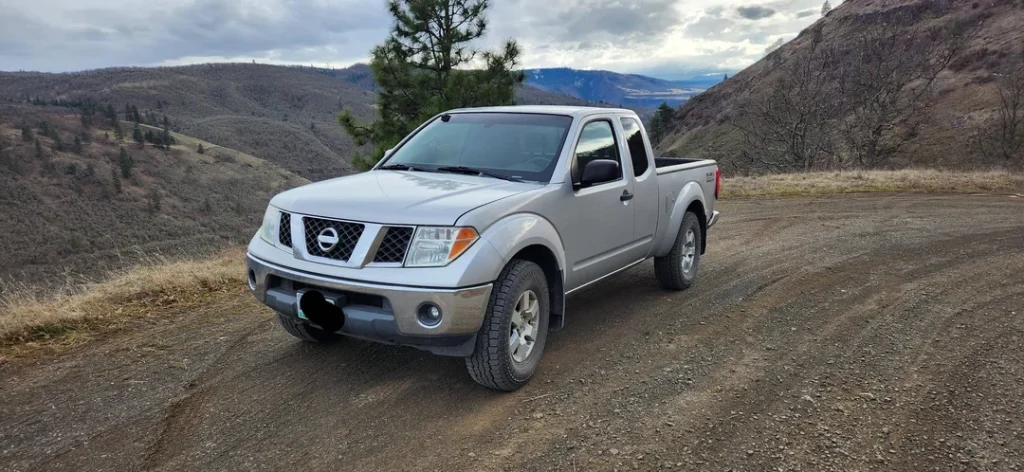
Owners often report that the Frontier holds up better than expected during long periods of heavy use in storm conditions.
For families and workers needing a tough but affordable truck, the Nissan Frontier continues to prove its value.
It may not have the same fame as larger pickups, but its reliability after hurricanes has earned it a loyal following among those who have seen it survive nature’s worst.
8. Subaru Outback
The Subaru Outback has become a favorite in regions that deal with severe weather, including hurricanes. Known for its standard all-wheel drive, dependable engines, and practicality, the Outback is one of the few wagons that consistently proves it can handle tough conditions.
One of the main reasons the Outback survives hurricanes is its traction. With Subaru’s symmetrical all-wheel-drive system, it maintains stability on wet and uneven roads.
After a hurricane, when surfaces are slick with water or mud, this feature helps the vehicle stay on course and reduces the risk of getting stuck.
The Outback’s build also plays a role. While it is not a heavy-duty truck, it has a reinforced structure and durable suspension that hold up well under strain.
Many owners find that even after moderate flooding, with proper drying and care, the Outback continues to perform reliably.
Another benefit is its practicality. The Outback combines car-like efficiency with SUV-level cargo space, which is valuable when transporting supplies during hurricane recovery.
Its fuel efficiency also makes it a strong choice during shortages, as it consumes less gas than larger trucks while still offering plenty of utility.
The Outback also has a loyal owner community and strong parts availability. This makes it easier to keep these vehicles on the road even after damage.
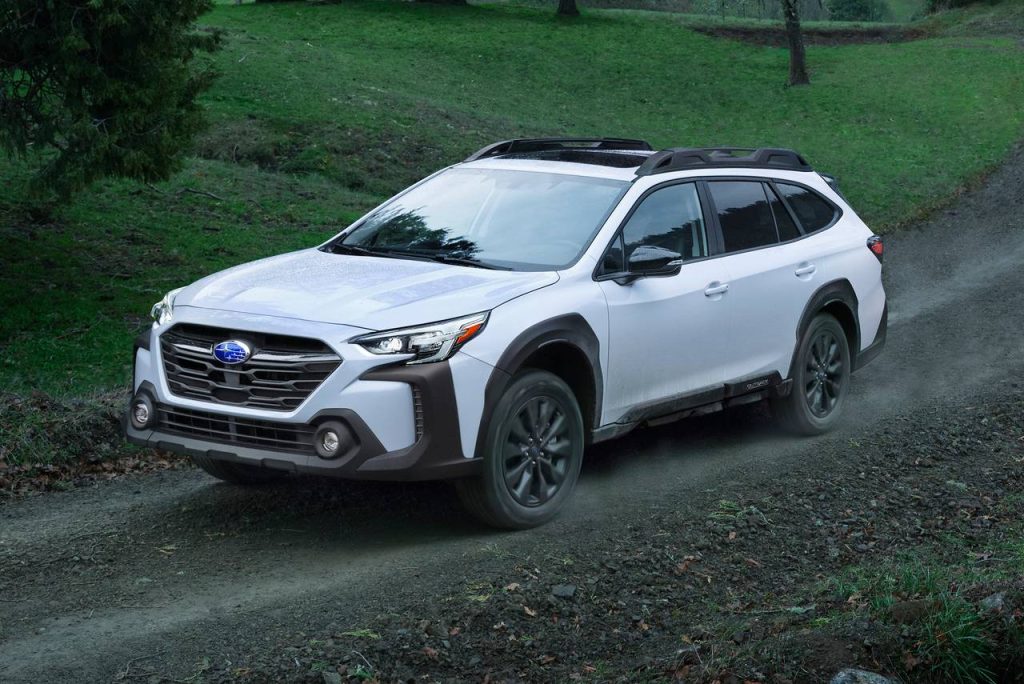
Families often turn to it as a dependable all-around vehicle, suitable for both daily driving and emergency use.
The Subaru Outback may not have the sheer power of a pickup, but its resilience, efficiency, and practicality make it a valuable option in hurricane-prone areas.
It represents a balance between toughness and comfort, proving it can outlast severe storms and continue running when needed most.
9. Toyota Tacoma
The Toyota Tacoma is another truck with a reputation for toughness, making it an ideal survivor after hurricanes. Popular among both off-road enthusiasts and families, it combines reliability with practical size, ensuring it can handle storm recovery while still being manageable for daily use.
One of the Tacoma’s strongest attributes is its reliability. Toyota’s engineering focus ensures that these trucks last for hundreds of thousands of miles, even when subjected to harsh conditions. After a hurricane, owners often find that their Tacoma still starts and runs reliably, even if it has faced water or debris.
The Tacoma’s off-road capabilities also make it well-suited for hurricane recovery. With available four-wheel drive, high ground clearance, and a tough suspension, it can move through damaged areas and handle rough terrain with ease. Families and workers often rely on it to reach places inaccessible to standard cars.
Durability is further enhanced by its body-on-frame design, which helps the Tacoma endure heavy workloads and structural strain. Owners also appreciate that parts are widely available and repairs are straightforward, meaning even after storm damage, the truck can be brought back into service relatively quickly.
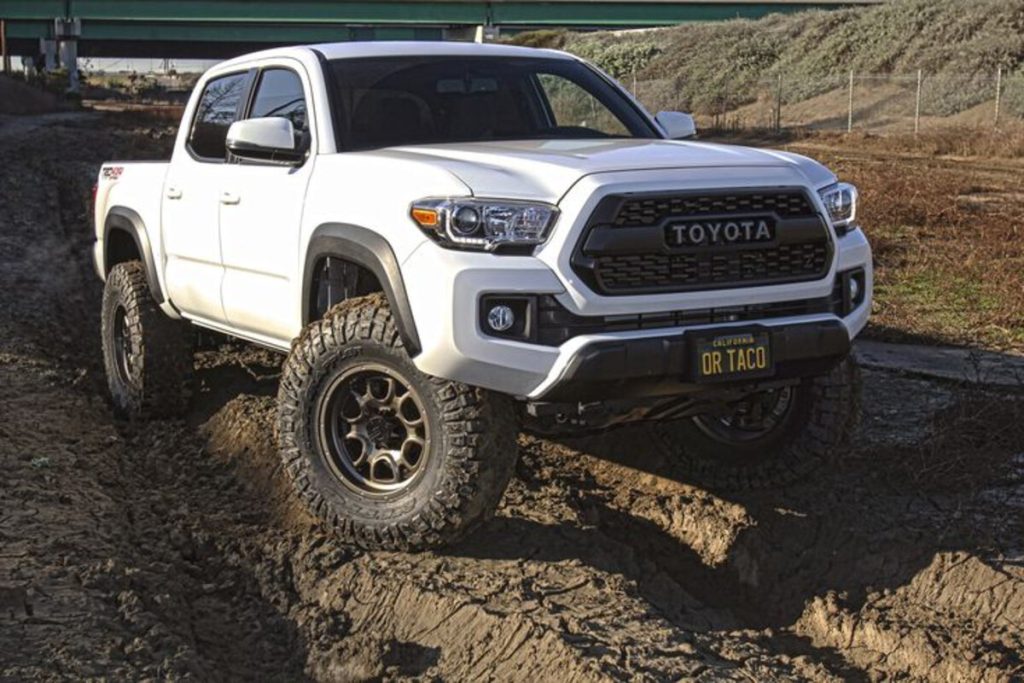
Practicality is another key advantage. The Tacoma’s bed is large enough for hauling supplies and tools, while its cabin provides comfort for long recovery drives. Its smaller size compared to full-size trucks also makes it easier to maneuver in tight or obstructed areas.
The Toyota Tacoma combines toughness, reliability, and practicality, making it one of the vehicles most likely to survive hurricanes. For people who need a truck that works just as well in everyday life as it does in disaster recovery, the Tacoma is a dependable choice that consistently proves its worth.
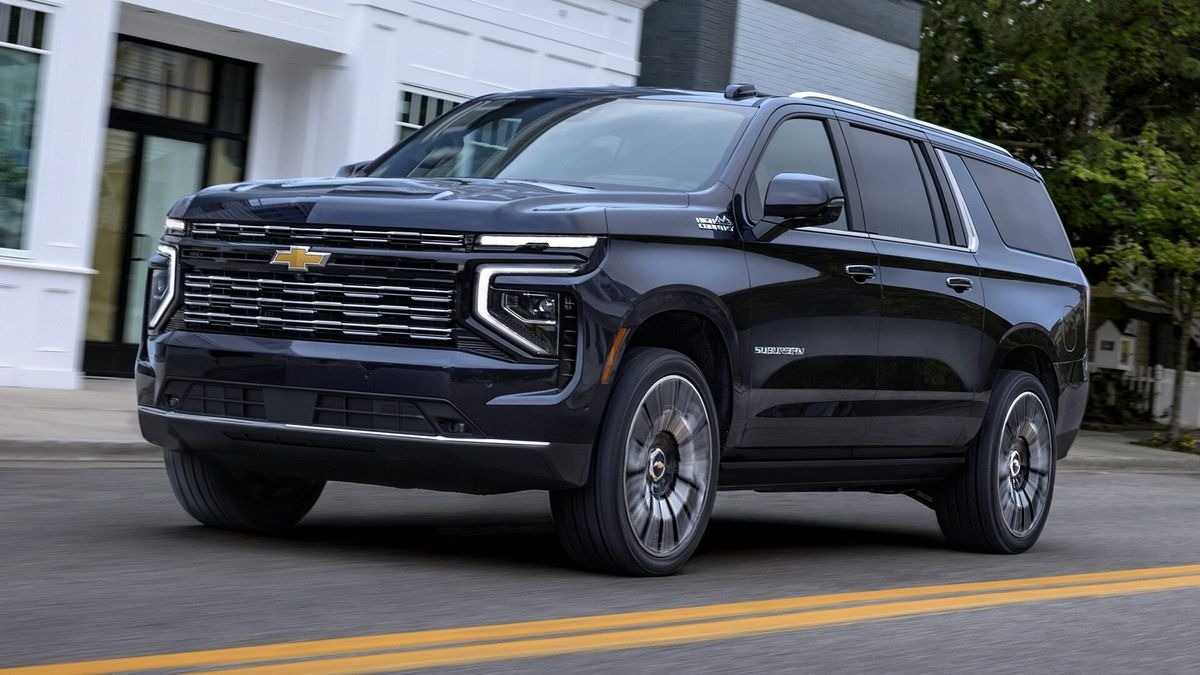
10. Chevrolet Suburban
The Chevrolet Suburban is one of the longest-running names in American automotive history, and its reputation for durability makes it a strong survivor after hurricanes. Known for its size, power, and longevity, the Suburban is a vehicle that families often rely on during emergencies.
One of the biggest advantages of the Suburban is its size and strength. Built on a truck platform, it has a body-on-frame design that allows it to handle heavy use and withstand damage. After a hurricane, when roads are damaged and conditions are unpredictable, the Suburban’s durability helps it stay in service.
Its powerful V8 engines also contribute to its survival. These engines are known for running well even after facing harsh conditions, and their relatively simple design compared to modern turbocharged engines makes them easier to repair. Many Suburbans continue running reliably even after flooding or debris-related damage.
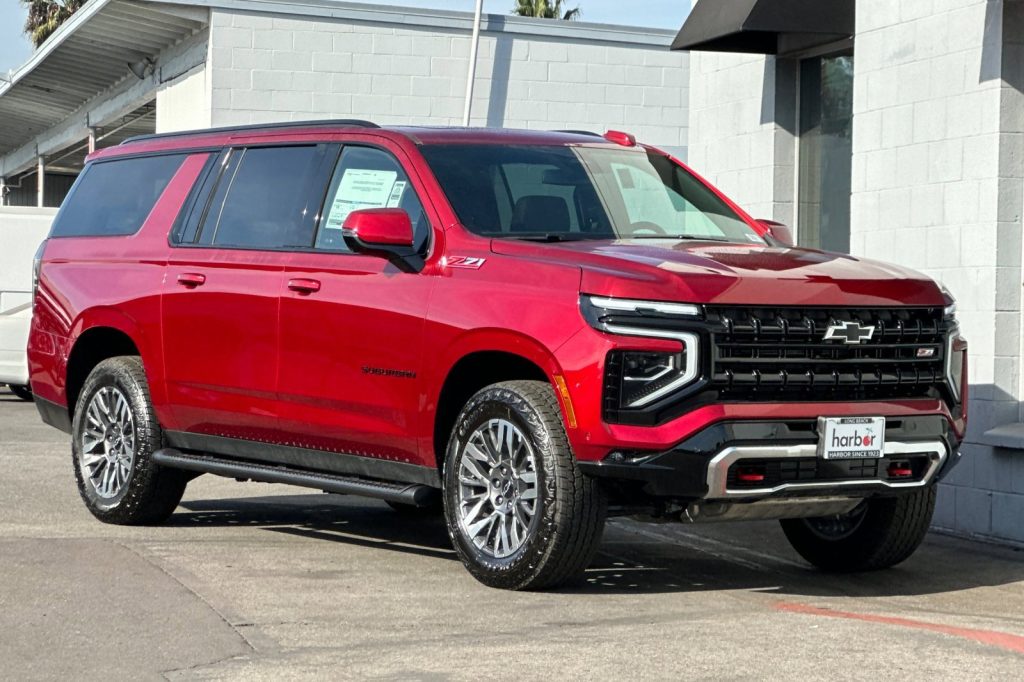
Another benefit is the vehicle’s massive capacity. The Suburban can carry large families, supplies, and emergency gear, making it invaluable during recovery. It also has strong towing capability, which is useful when trailers or boats need to be moved after a storm.
Parts availability is another reason the Suburban thrives after hurricanes. With decades of production and widespread use, components are easy to find, and mechanics are familiar with the vehicle. This ensures that even after sustaining damage, a Suburban can often be returned to working order quickly.
For families living in hurricane-prone areas, the Chevrolet Suburban represents security and resilience. Its size, strength, and long-term dependability make it one of the vehicles most likely to keep running long after a major storm has passed.
