
Cars are often thought of as machines with a certain lifespan, yet some manage to hold their strength, reliability, and comfort even after two decades of service.
For many drivers, the thought of owning a twenty-year-old vehicle suggests endless repair bills or constant breakdowns. However, there are models that prove this wrong.
Built with durable engines, solid transmissions, and designs that withstand the test of time, these cars still manage to feel dependable long after most others would have been scrapped.
What makes these vehicles stand apart is not just the engineering but also how they were received by owners. A strong foundation in design, combined with proper maintenance, allows them to remain practical and enjoyable to drive.
They may not have the advanced technology of new models, but they make up for it with consistency and a driving feel that continues to satisfy.
For car buyers on a budget, or enthusiasts who appreciate vehicles that deliver long-term value, these models stand as proof that not every car needs to be replaced after a decade. Many of these vehicles have proven their worth by reaching high mileage without losing performance.
This article highlights nine cars that continue to drive well even after twenty years on the road. Each one represents a balance of engineering quality and owner satisfaction.
They are not merely old cars still running, but machines that retain their usefulness and reliability even with age. These vehicles remind us that longevity is possible with the right design and care.
Also Read: 9 Cars With Small Engines That Pack a Huge Punch
1. Toyota Corolla
Few cars can match the reputation of the Toyota Corolla when it comes to long-term dependability. Even models from the early 2000s still run with minimal issues if they have been reasonably maintained. The strength of the Corolla lies in its simplicity.
It is powered by small four-cylinder engines that focus on efficiency rather than high performance, which means there is less stress on the internal components. These engines often run smoothly even after clocking hundreds of thousands of miles, making them a preferred choice for daily commuting.
The automatic and manual transmissions used in these models are straightforward and sturdy. Owners rarely complain about major failures, provided regular fluid changes were done.
This reliability extends to the suspension system, which, while not sporty, handles daily driving with ease. Even after two decades, many Corollas still ride comfortably on city streets and highways.
Another reason the Corolla continues to be practical after twenty years is the affordability of parts. Since so many units were sold globally, replacement parts remain easy to find and inexpensive. That allows owners to keep their cars in good condition without spending more than the car’s worth.
Inside, the Corolla from this era offers basic but durable interiors. The plastics may not be luxurious, yet they resist wear better than many rivals from the same period. The seating is comfortable enough for daily use, and the cabin insulation keeps noise levels manageable.
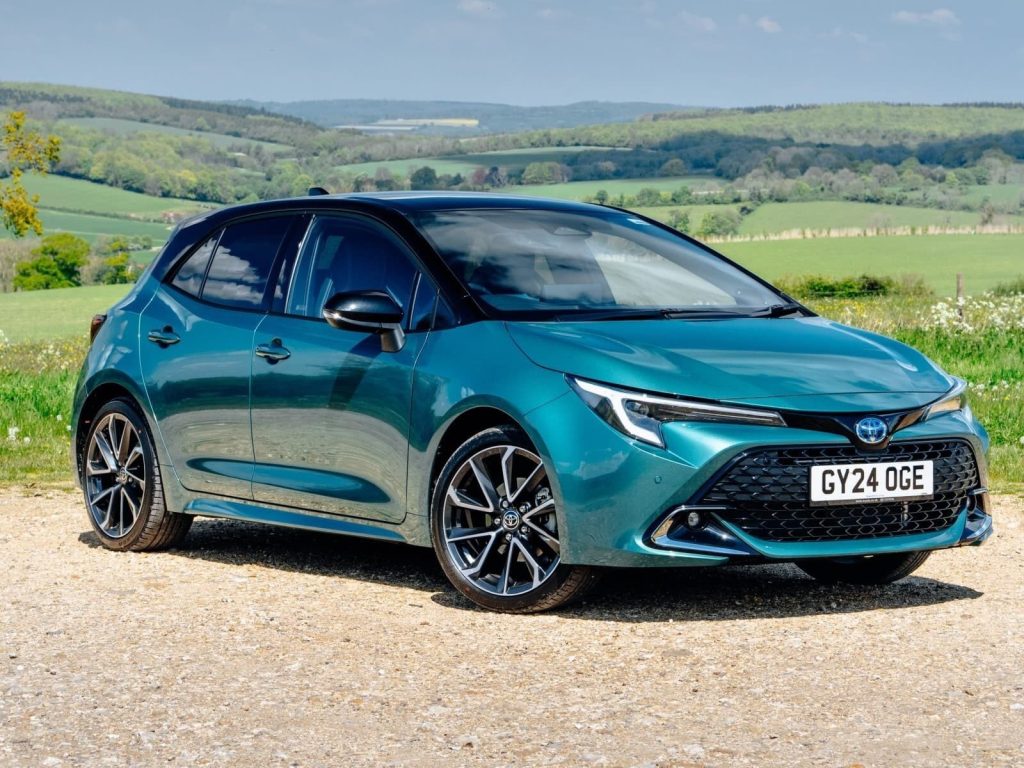
The overall appeal of a twenty-year-old Corolla is its ability to keep running without drama. It is not flashy, nor is it packed with advanced features, but it delivers steady performance, good fuel economy, and a long-lasting structure.
That combination explains why so many Corollas are still on the road today, proving their worth well beyond the expected lifespan of an average compact car.
2. Honda Civic
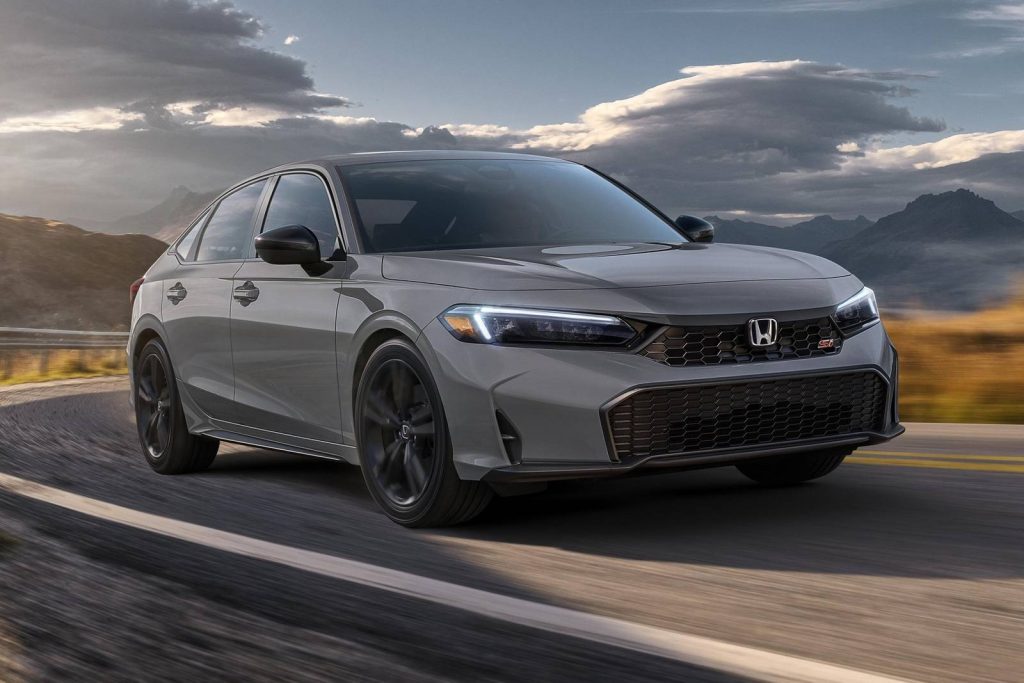
The Honda Civic has always been known for balancing practicality with a fun driving experience, and even after twenty years, it still shows those qualities.
Early 2000s Civic models remain popular because of their efficient engines, comfortable design, and strong aftermarket support. Owners continue to enjoy them for daily commuting, as well as for projects where modifications are common.
One of the Civic’s strongest qualities is its engine lineup. The four-cylinder engines are durable, offering excellent fuel efficiency and smooth operation. Many Civics from this period have crossed well over 200,000 miles with original powertrains still intact.
This reliability is partly due to Honda’s engineering approach, which emphasizes balanced performance over stress-heavy output. With proper maintenance, these engines rarely give serious trouble.
Transmission options in these models include both manual and automatic. Enthusiasts often prefer the manual versions for their engaging nature, while the automatics provide steady, low-maintenance operation. Both types tend to last long, which explains why so many Civics remain on the road today.
The Civic’s suspension system delivers a ride that feels stable, even after years of use. While not luxurious, the handling is precise enough to give drivers a sense of control and confidence. This makes it stand apart from many other compact cars of its time.
Inside, the Civic from two decades ago offers practicality and comfort. The cabin design may appear simple now, but the seating position is ergonomic, and visibility is excellent. Materials used inside are resilient, holding up against wear.
Another advantage is the wide availability of replacement parts and upgrades. Because the Civic has a massive fan base, parts are not only easy to find but often affordable. That gives owners confidence in keeping their cars maintained without much hassle.
Even twenty years later, the Civic delivers reliability, efficiency, and enjoyable driving dynamics. It is a compact car that proves age does not necessarily strip away practicality or character.
3. Toyota Camry
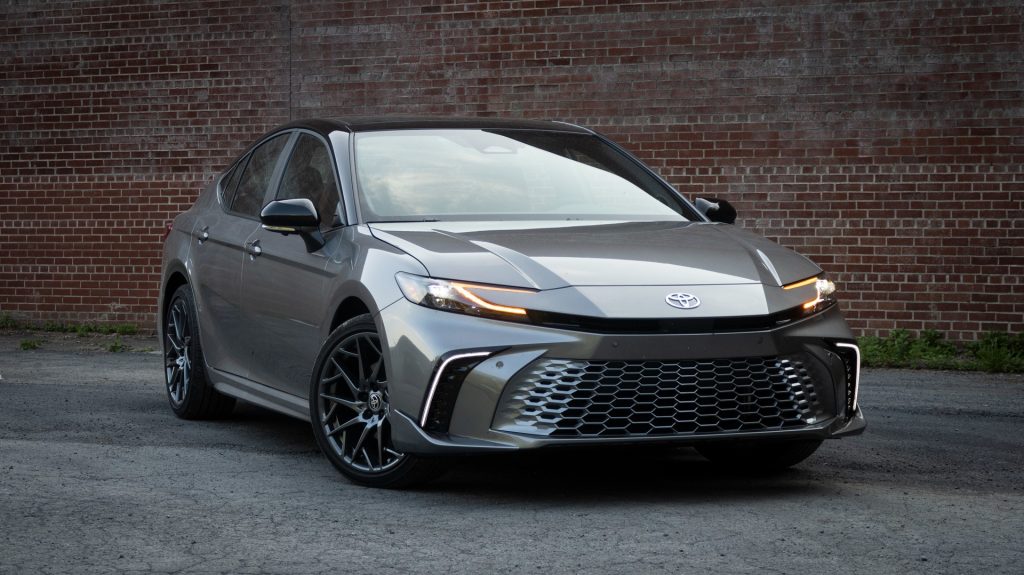
The Toyota Camry has long been a symbol of family reliability, and models from the early 2000s still prove their worth on the road. Known for a balance of comfort, durability, and practicality, the Camry continues to serve owners reliably, even when it has crossed the twenty-year mark.
One of the main reasons the Camry holds up so well is its engine lineup. The four-cylinder version offers excellent efficiency, while the available V6 provides stronger performance without sacrificing reliability.
Both engines were designed with durability in mind, and they are known to keep running smoothly with routine maintenance. Many Camrys from this period easily exceed 250,000 miles without serious engine problems.
The transmission options are also highly durable. The automatic gearboxes are built to handle years of driving without major issues, provided fluid changes were done on schedule. This consistency is one of the reasons families and individuals alike have trusted the Camry for long-term use.
Inside, the Camry offers a more spacious cabin compared to compact rivals, which adds to its comfort on long drives.
The seats remain supportive, and the materials used in the early 2000s models hold up well over time. While the styling might feel conservative, it contributes to a clean, uncluttered environment that ages gracefully.
Driving a Camry from this era is not about excitement but about peace of mind. The suspension is tuned for comfort, absorbing bumps with ease, and the steering feels predictable. For many drivers, that reliability is more valuable than flashy performance.
Another factor that supports its long-lasting appeal is the wide network of Toyota service availability. Finding parts is rarely an issue, and the cost of ownership remains reasonable compared to many other mid-size sedans.
After twenty years, the Camry still represents a dependable choice. It demonstrates how thoughtful engineering and a focus on longevity can result in a car that continues to meet driver needs long after most cars its age have been retired.
4. Honda Accord
The Honda Accord has built a reputation for being one of the most balanced midsize sedans ever produced, and its longevity proves this reputation is well earned.
Early 2000s Accord models remain common on the road today, with many still serving as reliable daily drivers. Their combination of durability, comfort, and performance has helped them maintain value even two decades later.
The Accord’s engines are among its strongest qualities. Both the four-cylinder and V6 options are known for their resilience. With regular oil changes and timely maintenance, these engines can surpass 250,000 miles without needing major repairs.
The four-cylinder variant appeals to those who prioritize efficiency, while the V6 offers stronger acceleration without sacrificing reliability.
Transmission reliability in these models is generally strong, though the V6 automatic has had some reported issues. However, when properly cared for, even these gearboxes often hold up well. Manual transmission versions are particularly sought after for their sturdiness and engaging driving experience.
Inside, the Accord provides comfort beyond what many competitors of its time could match. The cabin offers generous space, supportive seating, and durable materials that age gracefully. Owners often note that even after twenty years, the interior feels solid with fewer rattles than rival sedans from the same period.
Driving the Accord is another reason it stands out. The suspension provides a balance between comfort and control, making it more engaging to drive than the typical family sedan. Its handling still feels reassuring, even when compared to newer vehicles.
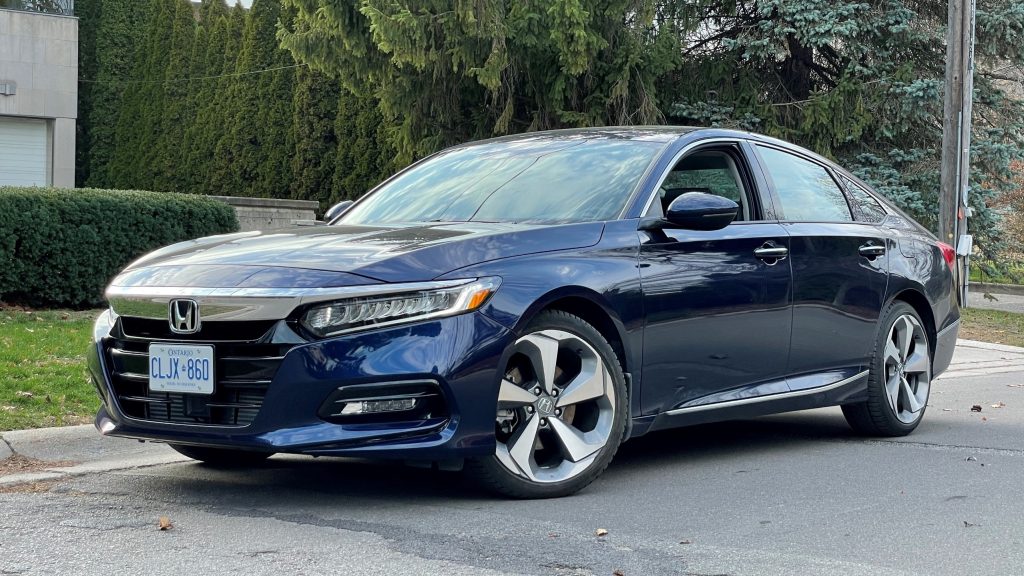
Parts availability remains excellent, thanks to the Accord’s long-standing popularity. Affordable repair costs make it easy for owners to keep their vehicles running smoothly. This affordability, paired with lasting quality, explains why so many twenty-year-old Accords remain in daily use.
Even after two decades, the Accord manages to deliver a blend of reliability, comfort, and driving satisfaction that few other sedans can replicate.
5. Ford Crown Victoria
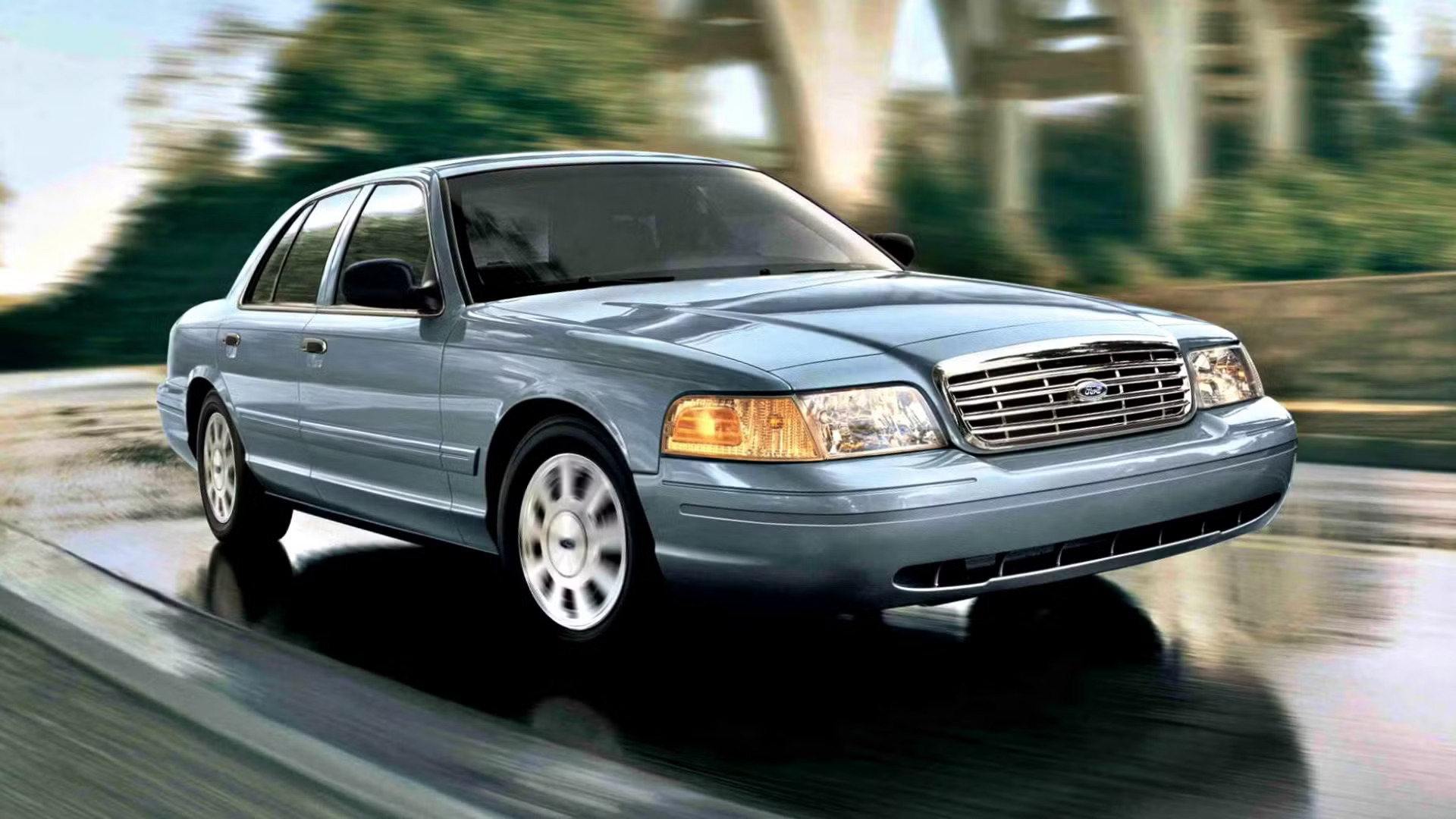
The Ford Crown Victoria holds a special place among vehicles that last. Known widely as the choice for police fleets and taxi services, it built a reputation for toughness and durability. Models from the early 2000s are still on the road today, a clear indication of just how reliable they are even after twenty years.
Under the hood, the Crown Victoria features the legendary 4.6-liter V8 engine. While not built for high-speed thrills, this engine prioritizes durability and steady performance.
It is known for handling high mileage without significant issues, which is why law enforcement agencies and taxi companies relied on it for years. The engine’s design is straightforward, making it easier to maintain compared to more complex modern setups.
The transmission used in these cars is another point of strength. The automatic gearboxes are sturdy and can last well past 200,000 miles with routine service. This combination of a strong V8 and reliable transmission gave the Crown Victoria its reputation for long-term dependability.
Inside, the cabin is simple but spacious. The seating is comfortable for long drives, and while the design may look dated today, it was built to withstand constant use. Materials used inside the car tend to resist wear, which is why older Crown Victorias often look better than their age suggests.
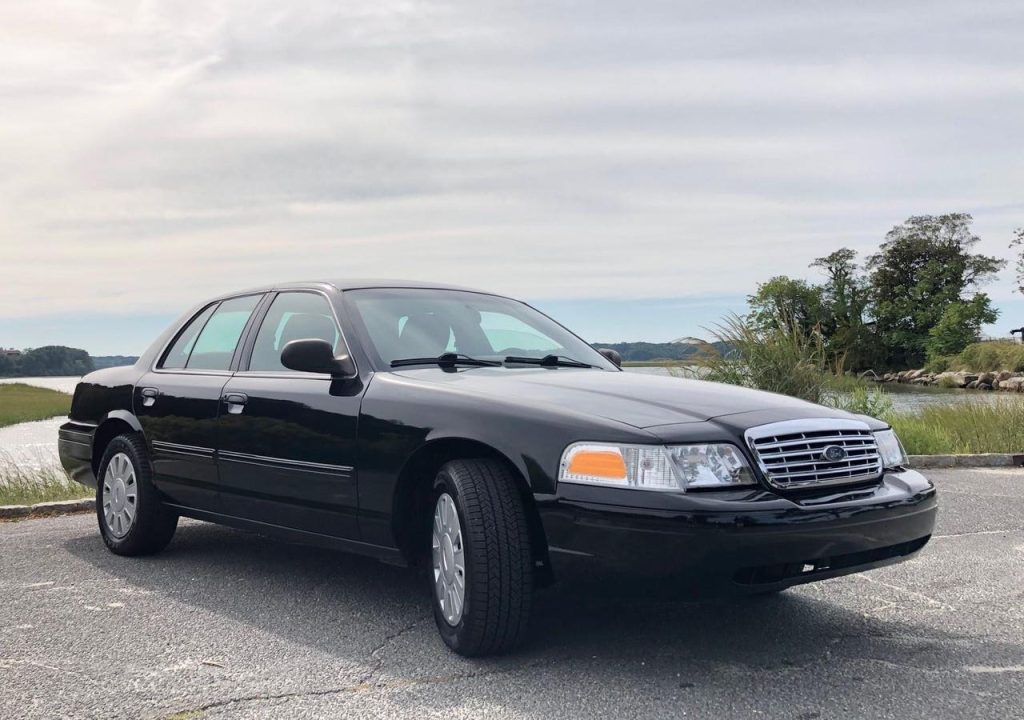
The suspension system provides a smooth ride, particularly on highways. It is not sporty, but the car’s focus was never on sharp handling. Instead, it delivers steady, predictable performance that makes long drives more comfortable.
Another reason for its longevity is the wide availability of parts. Since so many were produced and used in fleets, parts are easy to find and usually inexpensive. Owners can maintain them without major financial strain.
After two decades, the Crown Victoria remains a symbol of durability. It may not be flashy, but it continues to serve as proof that solid engineering and practical design can extend a car’s life well beyond expectations.
6. Lexus LS400
The Lexus LS400 is often praised as one of the finest examples of Japanese luxury engineering, and its ability to last decades only strengthens that reputation.
Even models from the late 1990s and early 2000s continue to run smoothly, delivering comfort and refinement that rival many newer luxury cars.
At the heart of the LS400 is a 4.0-liter V8 engine, known for its smoothness and reliability. This engine is capable of surpassing 300,000 miles when maintained properly.
Owners often describe it as one of the most dependable luxury powertrains ever built. The combination of refined performance and bulletproof reliability is rare, yet the LS400 manages to achieve both.
The automatic transmissions paired with these engines are equally strong. They shift smoothly, and when serviced on schedule, they last for many years without major issues.
This reliability made the LS400 an attractive choice for buyers who wanted luxury without the constant repair headaches often associated with European rivals.
Inside, the LS400 showcases Lexus’s commitment to craftsmanship. Leather seating, real wood trim, and high-quality materials all contribute to an interior that holds up well over time.
Even after twenty years, many LS400 cabins look remarkably well-preserved. The comfort offered is exceptional, with quiet operation that makes every drive pleasant.
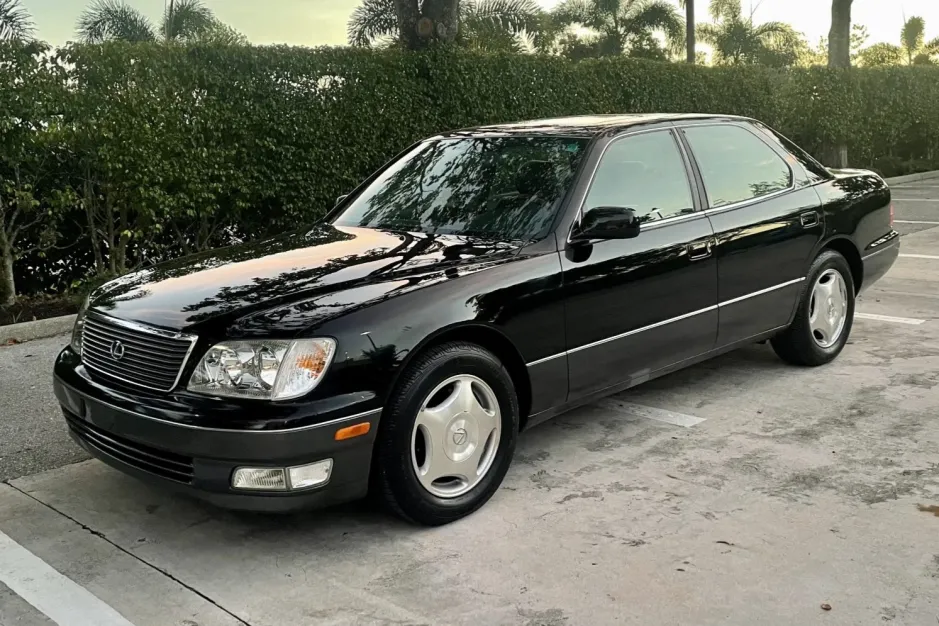
The suspension system provides a balance between comfort and control. Long highway trips feel effortless, and the car remains stable at all speeds. While it may not be sporty, it excels at delivering a calm, composed ride.
Another factor in the LS400’s continued strength is the availability of parts and a strong community of enthusiasts. Maintenance is straightforward compared to some other luxury vehicles, which helps keep ownership costs reasonable.
Even after two decades, the Lexus LS400 remains a benchmark for longevity in the luxury segment. It combines timeless design, outstanding reliability, and refined comfort in a way few cars ever manage.
7. Subaru Outback
The Subaru Outback stands out for its versatility and ruggedness, making it a vehicle that continues to perform well even after twenty years.
Known for its all-wheel-drive system, it appeals to drivers who value safety and capability in all weather conditions. Early 2000s models have proven themselves reliable for both daily commuting and adventurous trips.
Under the hood, the Outback typically features a four-cylinder or six-cylinder engine. The four-cylinder engine is simple and fuel-efficient, while the six-cylinder provides more power without compromising reliability.
Both engines have earned praise for longevity, often surpassing 200,000 miles when maintained properly. Subaru’s approach to engineering ensures that these engines are durable and resilient.
The transmission options include both manual and automatic, and both are robust when serviced correctly.
The automatic, often paired with the all-wheel-drive system, delivers smooth operation and long-term reliability. Many older Outbacks remain fully functional with their original transmissions, even after years of use.
Inside, the Outback provides a practical and comfortable environment. The cabin is spacious, with durable materials that resist wear and tear. The seats remain supportive, and the simple interior layout has aged well. This combination of comfort and practicality contributes to its continued usability.
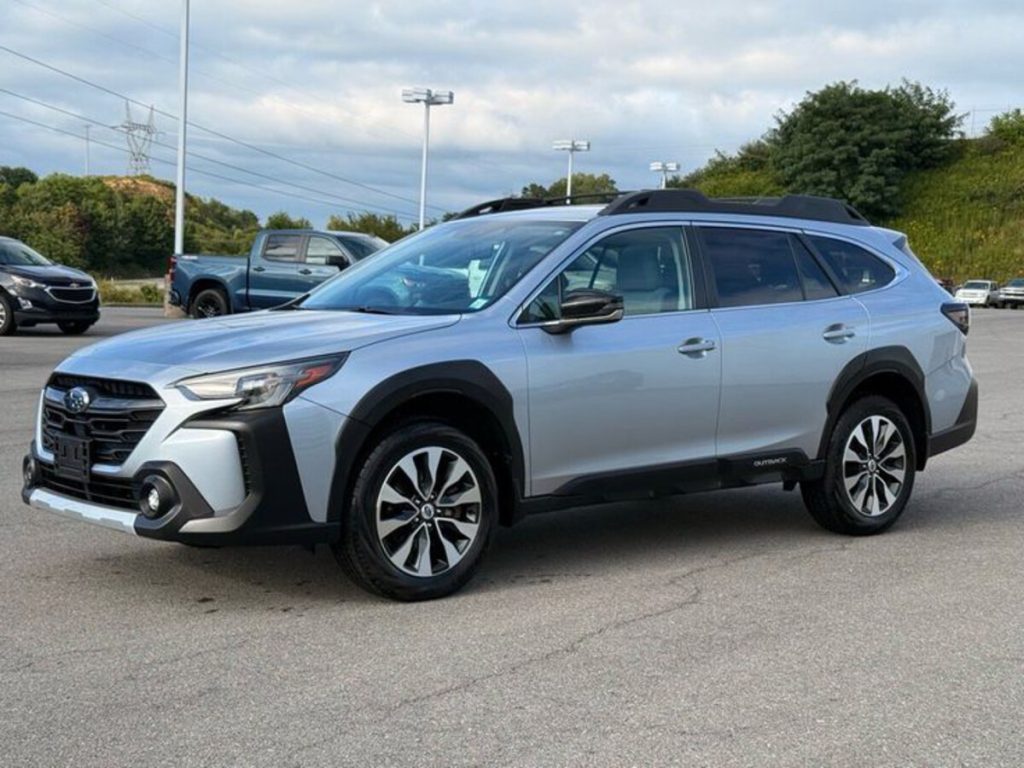
The suspension and chassis are designed to handle a variety of conditions, from city streets to gravel roads. The ride remains composed and stable, while the all-wheel-drive system adds confidence during rain, snow, or light off-road travel.
Another factor supporting longevity is the widespread availability of parts and Subaru’s strong aftermarket support. Repairs and replacements are manageable, making it easier for owners to keep the vehicle in top shape.
Even twenty years later, the Subaru Outback continues to prove itself as a reliable, versatile car. Its balance of comfort, utility, and dependable engineering allows it to remain useful and enjoyable for drivers who expect performance and safety over long periods.
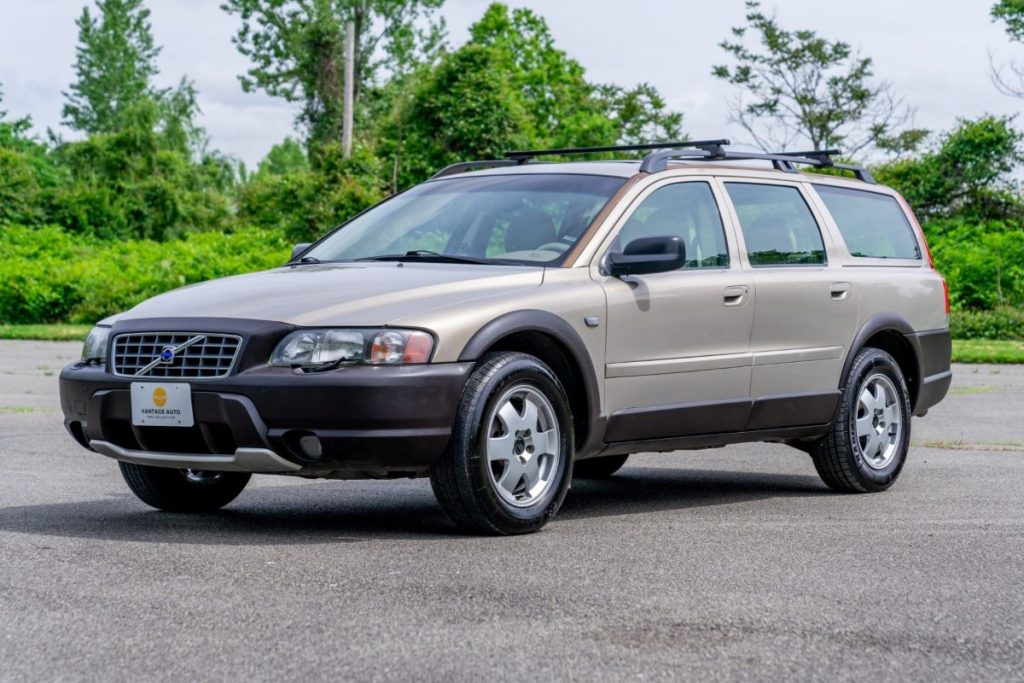
8. Volvo XC70
The Volvo XC70 is a crossover wagon built with durability and safety in mind, making it a model that stands the test of time.
Early 2000s versions continue to serve families and outdoor enthusiasts, offering a combination of robust engineering and practicality that remains relevant decades later.
Under the hood, the XC70 often features a turbocharged five-cylinder engine or naturally aspirated six-cylinder units.
While turbocharged engines require slightly more attentive maintenance, both types have proven resilient when serviced regularly. High-mileage XC70s remain common on roads worldwide, demonstrating the reliability of Volvo’s mechanical design.
The automatic transmissions paired with these engines are known for long life, provided routine maintenance is followed.
Many owners report smooth operation after twenty years, even on vehicles that have traveled extensively. Volvo’s focus on building components for longevity contributes to the XC70’s lasting appeal.
The cabin remains practical and comfortable, with durable materials and a layout designed for functionality. Leather seating and high-quality plastics age well, and the seating position offers excellent visibility. The XC70 provides ample cargo space, making it a practical choice for families and outdoor enthusiasts alike.
The suspension system is tuned for comfort, absorbing road imperfections with ease. Handling is predictable, and the all-wheel-drive system enhances stability in adverse conditions. This combination makes the XC70 reliable in varied driving situations, from highways to snow-covered roads.
Another advantage for longevity is Volvo’s commitment to safety and maintenance. Parts are readily available, and the cars are straightforward to repair for those familiar with the brand. This ease of maintenance encourages owners to keep their vehicles in good condition over many years.
After two decades, the Volvo XC70 remains a testament to thoughtful engineering. It delivers a safe, comfortable, and dependable driving experience that has allowed it to maintain value and usability long after many other vehicles of the same era have been retired.
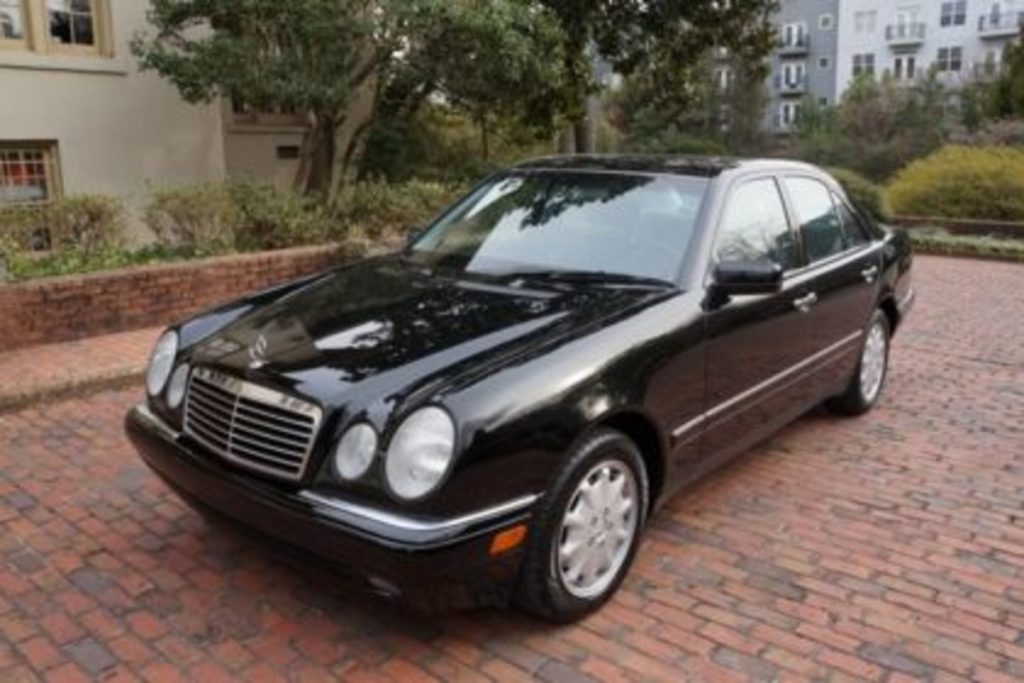
9. Mercedes-Benz E-Class W210
The Mercedes-Benz E-Class W210, produced in the late 1990s and early 2000s, is a luxury sedan that has earned a reputation for durability when properly maintained.
While European cars are sometimes considered expensive to keep, the W210 demonstrates that careful engineering and robust design can extend a vehicle’s life well beyond twenty years.
At the core of its longevity is a range of inline-four, V6, and V8 engines. These engines are designed with durability in mind, and with regular maintenance, they continue to provide smooth, reliable performance.
The V6 models are especially popular among long-term owners for their balance of power and reliability.
The automatic transmissions in the W210 are generally dependable, with many vehicles still operating on their original gearboxes after two decades. Routine service and attention to fluid changes are crucial, but these models reward careful owners with long-lasting performance.
Inside, the W210 offers a combination of luxury and practicality. The interior materials, including leather and wood trim, tend to age gracefully, giving older models a classic and refined feel. The cabin remains spacious and comfortable, making it suitable for both long-distance travel and daily commuting.
The suspension system is another reason the W210 continues to perform well. Designed for comfort, it absorbs bumps effectively while maintaining stability in corners. This balance allows the car to feel composed on highways, even years after it first rolled off the assembly line.
Parts availability for the W210 remains reasonable thanks to the car’s popularity and large production numbers. Owners who keep up with preventive maintenance are often rewarded with vehicles that continue to operate without major issues.
After twenty years, the Mercedes-Benz E-Class W210 stands as an example of a luxury sedan that can remain reliable, comfortable, and enjoyable to drive.
Its combination of quality materials, solid engineering, and consistent performance allows it to retain value and usability long after most comparable vehicles have been retired.
Also Read: 10 Sports Cars That Are Shockingly Cheap to Maintain
