
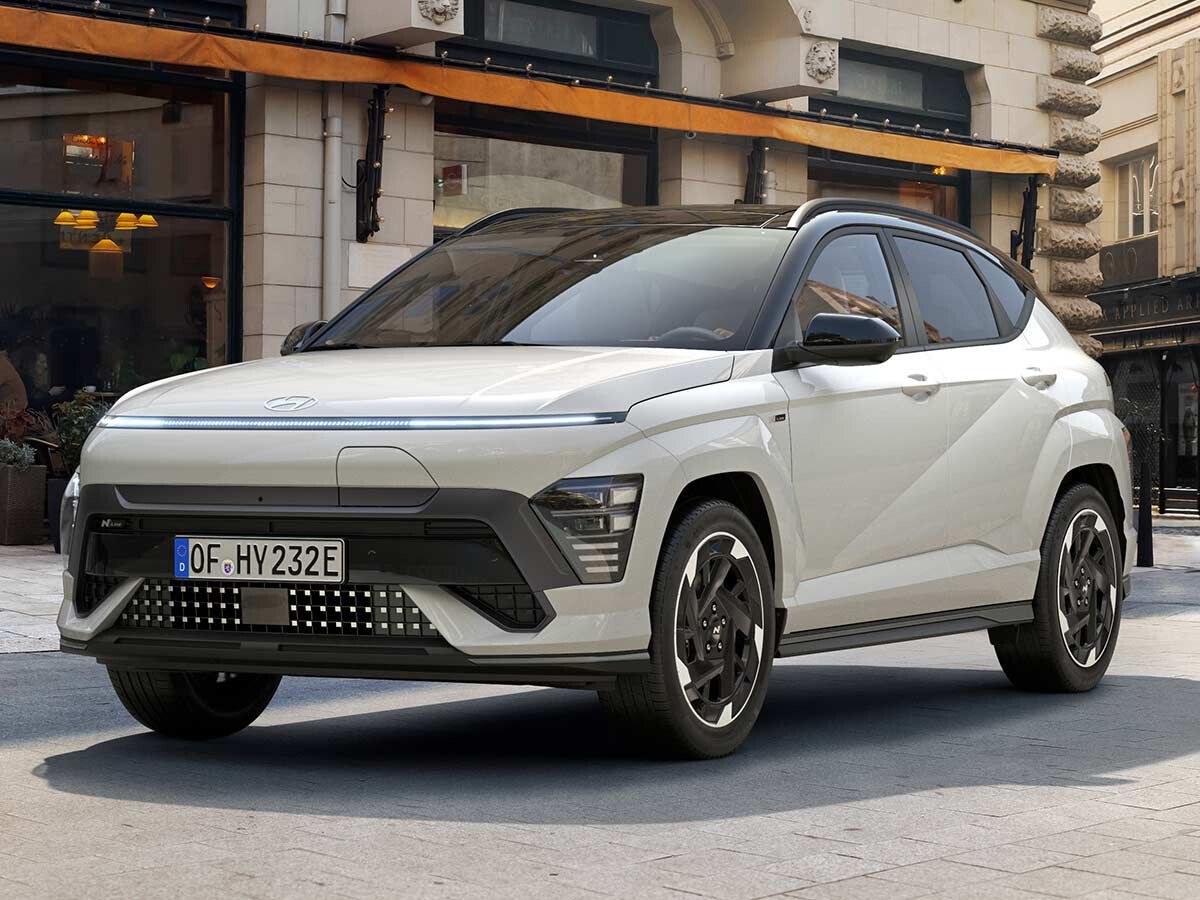
Electric vehicles (EVs) are often seen as modern investments in transportation, offering efficiency, lower running costs, and reduced emissions.
However, one concern many buyers have is depreciation. Like all vehicles, EVs lose value over time, but some hold their worth far better than expected. Several models retain strong resale value due to reliability, brand reputation, battery longevity, and consumer demand.
Battery technology plays a significant role in an EV’s long-term value. Vehicles with proven battery performance, such as those that maintain high capacity over many years, tend to command higher resale prices.
Consumers are increasingly aware of this factor, and they often prefer EVs that can travel long distances without significant battery degradation. This awareness drives demand for certain models and helps them maintain value.
Another factor is build quality and reliability. EVs that have fewer mechanical problems, well-designed interiors, and durable materials are more likely to retain their worth. Even in a rapidly evolving market, buyers are willing to pay for a vehicle they know will remain functional and comfortable for many years.
In addition, brand reputation influences resale. EVs from manufacturers known for quality, safety, and consistent support are often in higher demand in the used market.
Vehicles from companies that provide comprehensive warranties and battery guarantees are particularly attractive to second-hand buyers, which further slows depreciation.
This article highlights nine electric vehicles that retain value better than most people expect. Each entry examines why these EVs hold their worth, looking at performance, reliability, battery durability, and demand.
Understanding these factors can help prospective buyers make informed decisions, whether they are purchasing a new EV or considering one on the second-hand market.
Also Read: 10 EVs That Are Holding Up Surprisingly Well
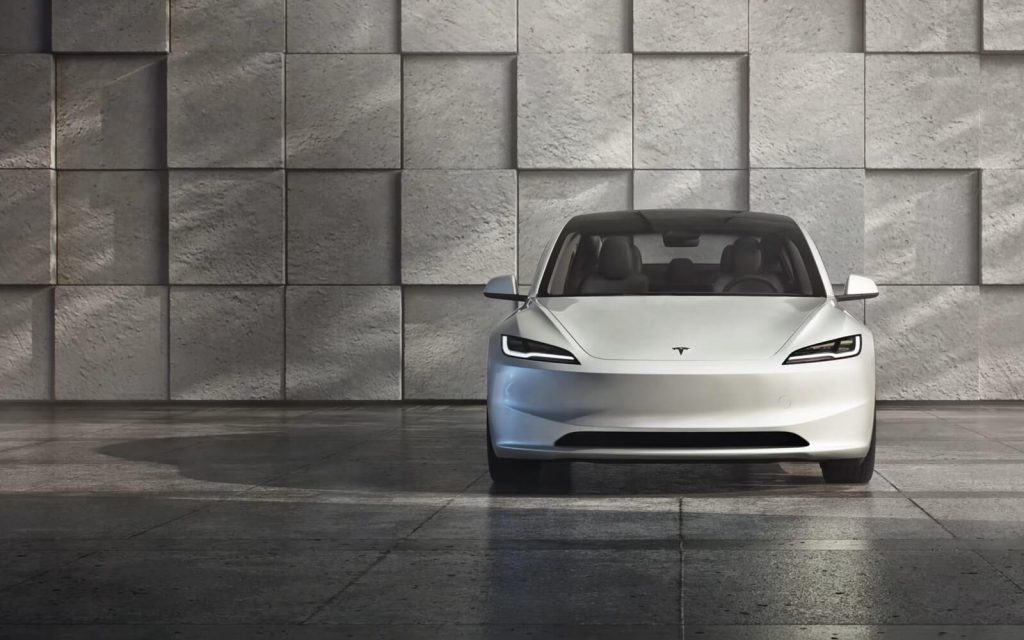
1. Tesla Model 3
The Tesla Model 3 has become a benchmark for long-term value in the electric vehicle segment. Its combination of performance, range, and technology makes it one of the most sought-after EVs on the used market, allowing it to maintain resale prices better than many competitors.
One of the main reasons the Model 3 holds value is its battery technology. Tesla’s batteries are known for maintaining capacity over time, which means even vehicles that are several years old can still achieve respectable range. Buyers are aware of this reliability, and the strong reputation of Tesla’s battery management systems keeps demand high.
Another factor is the car’s overall build quality and driving experience. The Model 3 offers a modern interior, advanced infotainment, and strong acceleration that appeals to a broad audience. Even older models remain enjoyable to drive, making them attractive in the second-hand market.
Software updates also play a role. Tesla regularly provides over-the-air updates that improve features, enhance efficiency, and add new functionalities. This keeps older Model 3s relevant, even as newer models are released. Vehicles that continue to feel modern naturally retain higher resale value.
The Model 3 also benefits from Tesla’s network of service centers and Supercharger availability.
Easy access to maintenance and fast charging infrastructure increases buyer confidence. Consumers are more willing to pay a premium for a vehicle that will continue to perform well and integrate seamlessly into existing charging networks.
Finally, the market perception of Tesla as a leader in EV technology further strengthens its resale value. Buyers recognize that a used Model 3 still represents advanced engineering, long range, and a well-supported ecosystem, which is why depreciation is slower than many other EVs.
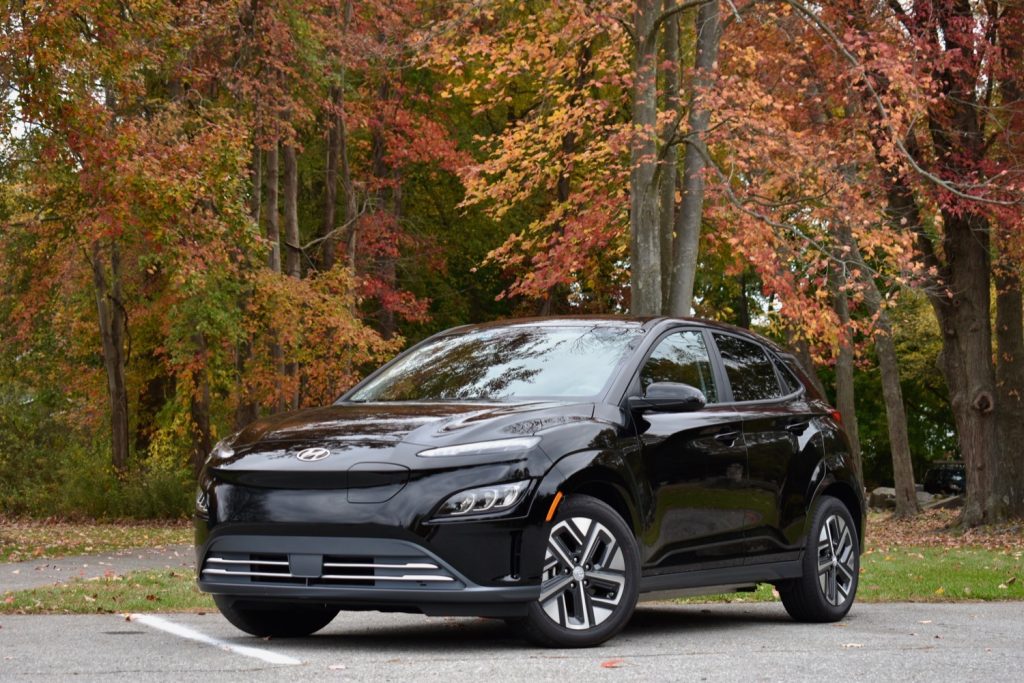
2. Hyundai Kona Electric
The Hyundai Kona Electric has emerged as an EV that retains value impressively, particularly in markets where compact crossovers are popular. Its combination of reliability, efficient battery performance, and practical design makes it attractive to used-car buyers.
A major contributor to its value retention is the battery system. The Kona Electric features a well-tested lithium-ion battery pack that maintains capacity effectively over time.
Owners report minimal range loss even after several years, which reassures potential buyers. Hyundai also provides long battery warranties, which further boosts confidence in the vehicle’s longevity and resale potential.
Reliability is another key factor. The Kona Electric uses proven components and has a simple mechanical layout, reducing the chances of expensive repairs. This makes it easier for owners to keep the vehicle in good condition and enhances its appeal on the second-hand market.
Practicality also helps. The Kona Electric offers a compact but comfortable cabin, decent cargo space, and user-friendly controls. It appeals to a wide range of buyers looking for an EV that is convenient for urban and suburban driving. This combination of usability and efficiency keeps demand consistent, which supports resale value.
Another consideration is efficiency. The Kona Electric provides strong range for its size and consumes less energy per mile than many competitors. Used buyers recognize that an efficient vehicle with a reliable battery will remain cost-effective, which slows depreciation.
Finally, brand perception contributes to retained value. Hyundai is viewed as a trustworthy manufacturer with solid support networks and warranty coverage.
This reputation, combined with real-world reliability data, keeps buyers interested in pre-owned Kona Electrics. The result is a vehicle that holds its worth better than many other compact EVs, even several years after purchase.
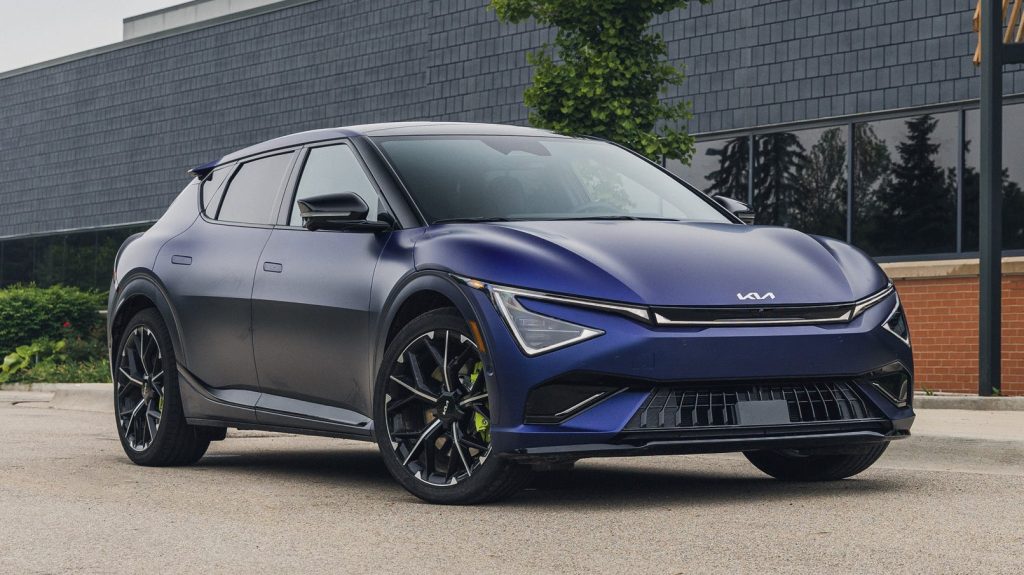
3. Kia EV6
The Kia EV6 is a newer entry that has quickly gained recognition for holding value well in the electric vehicle market. Its combination of performance, range, and practical design ensures it remains desirable even on the used-car market.
One of the primary reasons the EV6 retains value is its advanced battery system. Using a high-capacity lithium-ion battery, the EV6 offers long range and efficient energy use.
The battery management system ensures minimal degradation, which keeps older models appealing to buyers seeking dependable long-range performance.
The car’s performance also contributes to its strong resale value. With quick acceleration, agile handling, and modern driving aids, the EV6 delivers an experience that feels contemporary even a few years after release.
Buyers are willing to pay a premium for used models because they still deliver a near-new driving experience.
Interior quality plays a role as well. The EV6 features high-quality materials, a modern digital dashboard, and spacious seating.
Practicality and comfort in older models remain strong, maintaining demand in the resale market. Vehicles that age gracefully in terms of cabin usability are naturally more valuable.
Kia’s warranty coverage adds further confidence. With generous battery and powertrain warranties, potential buyers feel reassured about the longevity of their purchase.
This warranty support makes the EV6 more attractive on the used market compared to competitors with shorter coverage periods.
Another factor is overall demand. Compact to midsize EVs that combine range, performance, and practicality are increasingly popular. The EV6 fits this niche perfectly, which maintains buyer interest and slows depreciation.
Finally, reliability and build quality contribute to value retention. Fewer reported mechanical issues, combined with strong customer support, create confidence in the car’s ability to perform for years.
As a result, the Kia EV6 consistently shows slower depreciation than many other contemporary electric vehicles, making it a smart choice for those concerned about long-term value.
4. Chevrolet Bolt EV
The Chevrolet Bolt EV is a compact electric vehicle that has shown remarkable value retention over the years. Its combination of affordability, efficiency, and practical design has made it a favorite among buyers looking for a reliable second-hand EV.
One key factor in the Bolt’s value retention is its battery system. The Bolt uses a high-capacity lithium-ion battery that has proven durable in real-world use.
Owners have reported minimal degradation over several years, and Chevy’s warranty coverage adds an extra layer of assurance for second-hand buyers. Vehicles with reliable batteries are in high demand, which helps keep resale prices steady.
Reliability is another reason the Bolt holds its value. Its straightforward design minimizes the risk of costly mechanical issues. Routine maintenance is simple, and replacement parts are widely available, making it easier for owners to keep the vehicle in good condition over time.
The Bolt also benefits from practicality and urban usability. Its compact size, roomy interior for its class, and respectable cargo space make it appealing to city drivers. Combined with efficient energy consumption, it remains a cost-effective option even on the used market.
Software updates have also contributed to the vehicle’s longevity. Over-the-air updates improve efficiency, add features, and maintain the overall user experience, which keeps older Bolts competitive with newer EVs. Buyers appreciate vehicles that feel modern and functional even after a few years.
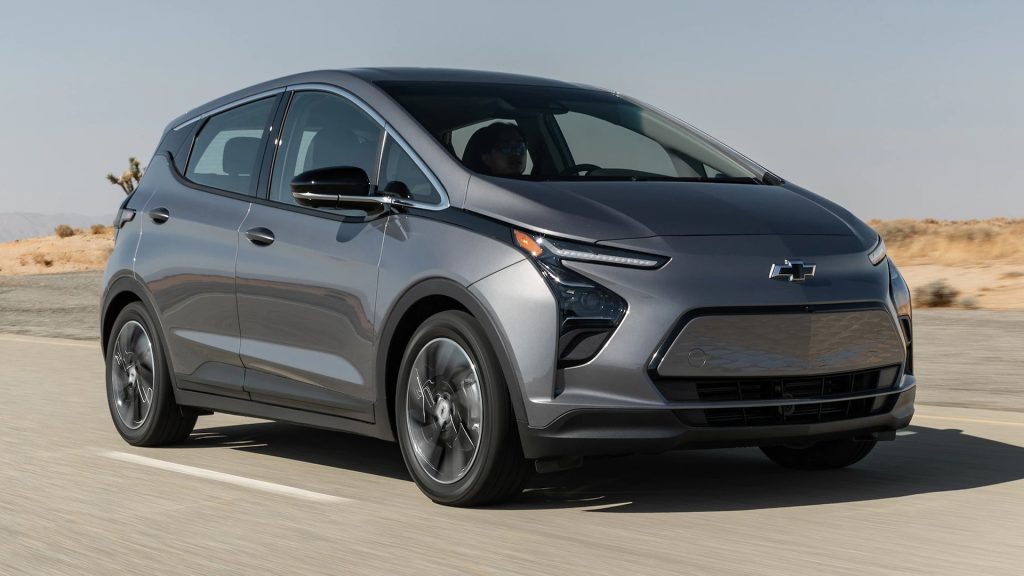
Another factor supporting the Bolt’s retained value is consumer perception. Chevrolet has built a reputation for producing reliable and practical EVs, which encourages second-hand buyers to pay a premium compared to less-known competitors.
In combination, battery durability, reliability, practicality, and brand trust allow the Chevrolet Bolt EV to maintain its value better than many early compact EVs. Buyers who prioritize long-term usability and cost-effective ownership often view it as one of the safer choices in the used EV market.
5. Nissan Leaf
The Nissan Leaf is one of the pioneering electric vehicles, and it has managed to retain value well, particularly in markets that appreciate proven reliability. Its long-standing presence in the EV market gives it an advantage, as consumers are familiar with its performance and battery behavior.
Battery technology plays a central role in the Leaf’s retained value. Early models used smaller battery packs, but later versions feature higher-capacity units with improved longevity.
Buyers are increasingly confident in the battery’s ability to retain range, which reduces depreciation concerns. Nissan’s battery warranties also provide reassurance, enhancing resale potential.
Reliability and ease of maintenance further support value retention. The Leaf’s mechanical layout is simple, with fewer moving parts than traditional vehicles, which reduces the risk of expensive repairs. The simplicity and predictability of the drivetrain make the Leaf attractive to buyers who prioritize long-term usability.
The Leaf’s interior, while minimal, is practical and comfortable. Its cabin layout and controls remain easy to use over time, and seating is sufficient for daily commuting or small families. Vehicles that maintain usability over years naturally appeal to second-hand buyers.
Efficiency is another advantage. The Leaf offers competitive energy consumption and low running costs, making it a cost-effective option even when purchased used. Buyers recognize that an efficient, reliable EV translates to ongoing savings, supporting resale value.
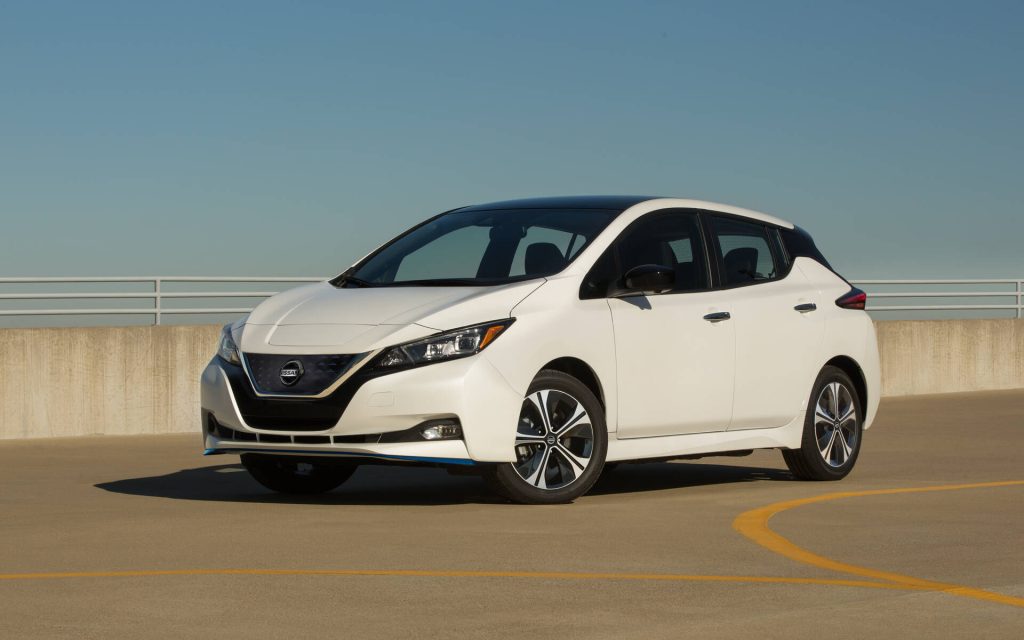
Another factor is Nissan’s reputation as a long-standing EV manufacturer. The brand’s experience and established support networks provide confidence to buyers. Parts availability is strong, and service options are widely accessible, which helps maintain the car’s overall value.
In combination, strong battery performance, reliability, practicality, and brand trust allow the Nissan Leaf to maintain its worth over time.
It demonstrates that even older EVs can remain relevant and desirable in the used-car market, especially for buyers looking for proven technology.
6. BMW i3
The BMW i3 stands out as an electric vehicle that retains value due to its unique design, premium feel, and strong engineering. It has a reputation for quality and practicality, making it appealing in the second-hand EV market.
Battery longevity is a significant factor in the i3’s retained value. BMW designed the battery pack to maintain performance over many years, and most units experience minimal degradation when properly maintained.
Buyers are confident that the i3 will continue to offer sufficient range even after several years of use. BMW also provides strong warranty coverage for the battery, adding reassurance for resale buyers.
The i3’s reliability contributes to its value retention. Its electric drivetrain is compact and mechanically straightforward, which reduces the chances of costly failures.
Routine maintenance is manageable, and replacement parts are available through BMW’s service network. This reliability encourages buyers to pay more for a well-maintained used i3.
Interior quality is another selling point. The i3 features a modern, high-quality cabin with durable materials that age well. The layout is functional and ergonomic, and the seating is comfortable, which makes the vehicle attractive even after years of use. Vehicles that maintain their comfort and usability retain higher resale value.
Driving experience also plays a role. The i3 is compact, agile, and fun to drive, offering responsive handling and a smooth ride. Buyers seeking a premium yet practical city EV appreciate that older models still provide a satisfying driving experience.
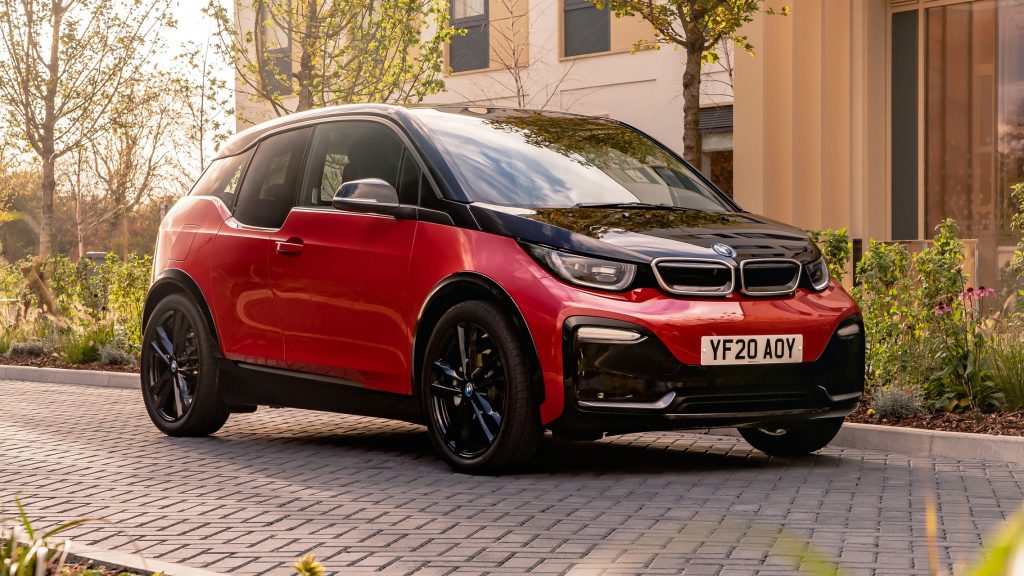
Brand perception further supports the i3’s value. BMW is known for engineering precision and quality, and the i3 benefits from this reputation. Combined with strong warranty support and widespread service availability, these factors ensure that the i3 remains desirable on the used market.
Overall, battery longevity, mechanical reliability, cabin durability, driving enjoyment, and brand reputation allow the BMW i3 to maintain value better than many other EVs.
Buyers seeking a premium compact electric vehicle often find it to be a smart investment even several years after its initial release.
7. Ford Mustang Mach-E
The Ford Mustang Mach-E has quickly become a popular electric SUV, and it shows strong value retention due to its combination of performance, range, and brand appeal. Buyers in the used market are drawn to its sporty design, advanced features, and reliable powertrain.
Battery performance is a central factor in the Mach-E’s retained value. The lithium-ion battery pack offers long range, and the battery management system ensures minimal degradation over time. Ford’s warranty coverage further reassures buyers, making older models appealing even several years after their release.
Reliability and build quality also play a significant role. The Mach-E’s drivetrain is robust, and with routine maintenance, mechanical issues remain rare. This predictability in ownership makes it a safer bet for resale value compared to some newer or less-proven EVs.
Interior design contributes to appeal as well. The Mach-E features a modern, user-friendly cabin with high-quality materials and advanced technology. Even older models retain comfort, usability, and a premium feel, which encourages buyers to pay more for a well-maintained vehicle.
Performance adds another layer of value retention. The Mach-E delivers strong acceleration, precise handling, and an enjoyable driving experience, which makes it stand out among electric SUVs. Vehicles that remain fun and capable to drive are more attractive in the resale market.
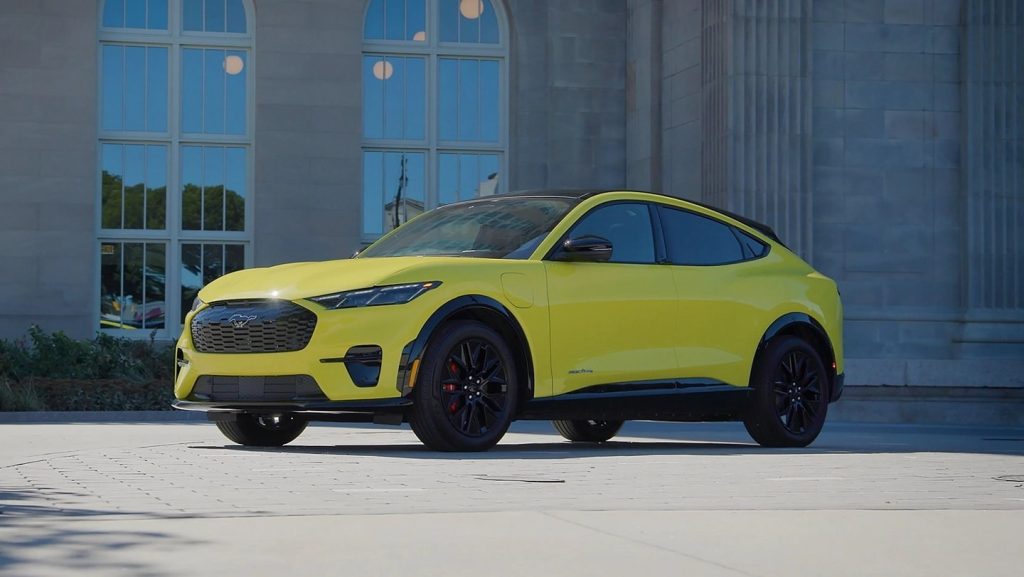
Brand perception also supports retained value. The Mustang nameplate has long been associated with performance and quality, and the Mach-E benefits from this reputation. Buyers recognize that they are purchasing a vehicle from a trusted brand with solid engineering and support.
Overall, the combination of battery reliability, mechanical durability, modern interior, engaging performance, and strong brand recognition helps the Mustang Mach-E maintain value better than many other electric SUVs. This makes it a practical choice for buyers who are concerned about long-term resale potential.
8. Volkswagen ID.4
The Volkswagen ID.4 is a compact electric SUV that has shown impressive value retention due to its combination of practicality, efficiency, and build quality. Its design, range, and brand reliability make it appealing in the used-car market.
Battery technology is a major contributor to the ID.4’s retained value. Volkswagen’s lithium-ion battery packs maintain energy capacity well over time, ensuring that the vehicle continues to provide practical range even after several years. Strong battery warranties enhance buyer confidence in used models.
Reliability also supports resale value. The ID.4’s drivetrain is mechanically simple, reducing the risk of expensive repairs. Routine maintenance is straightforward, and replacement parts are readily available, which encourages buyers to invest in pre-owned vehicles.
The interior adds another dimension of appeal. Spacious seating, high-quality materials, and user-friendly controls make the ID.4 a practical choice for families and commuters alike. Vehicles that maintain comfort and usability over time are naturally more attractive on the resale market.
Efficiency and cost-effectiveness also contribute to value retention. The ID.4 offers good energy consumption and low running costs, making it an appealing option for buyers who want to save on fuel expenses. Vehicles that remain economical to operate retain stronger demand.
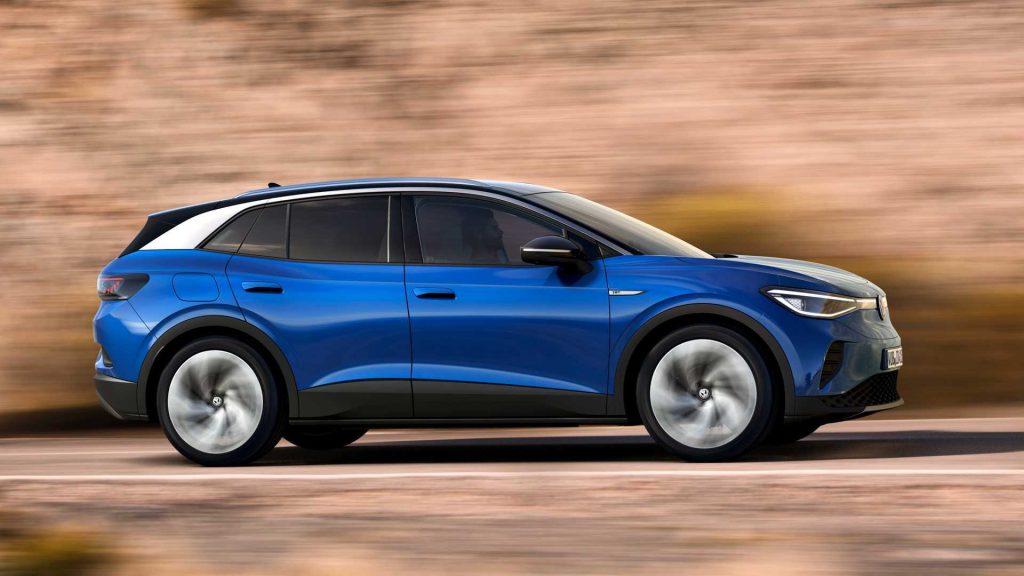
Volkswagen’s reputation for quality and support further reinforces retained value. Buyers trust the brand for reliability, service availability, and long-term ownership experience. The combination of a trusted manufacturer and proven performance ensures that the ID.4 maintains demand in the used market.
Overall, battery durability, drivetrain reliability, interior comfort, efficiency, and brand reputation allow the Volkswagen ID.4 to retain value better than many other compact EVs. Buyers looking for a practical, reliable electric SUV will find the ID.4 remains desirable years after its initial release.
9. Polestar 2
The Polestar 2 is a premium electric vehicle that has quickly established a reputation for holding value well. Its combination of performance, technology, and Scandinavian design makes it an attractive option for buyers seeking a stylish and reliable EV in the used market.
Battery longevity is a major factor in its retained value. The Polestar 2 uses a high-capacity lithium-ion battery with efficient thermal management, which minimizes degradation over time. The battery warranty further reassures buyers, contributing to slower depreciation compared to less-established EVs.
Mechanical reliability supports its value as well. The Polestar 2’s electric drivetrain is straightforward, and regular maintenance ensures long-term performance. Fewer mechanical issues make the vehicle more appealing on the resale market, particularly for buyers who want minimal hassle.
The cabin design also adds to desirability. Premium materials, modern digital interfaces, and a comfortable seating layout create an interior that remains appealing even after several years. A vehicle that ages well in terms of comfort and usability naturally retains value.
Performance enhances resale potential. With strong acceleration, precise handling, and responsive driving dynamics, the Polestar 2 delivers an engaging experience that attracts buyers who value both practicality and excitement. EVs that remain enjoyable to drive maintain stronger demand over time.
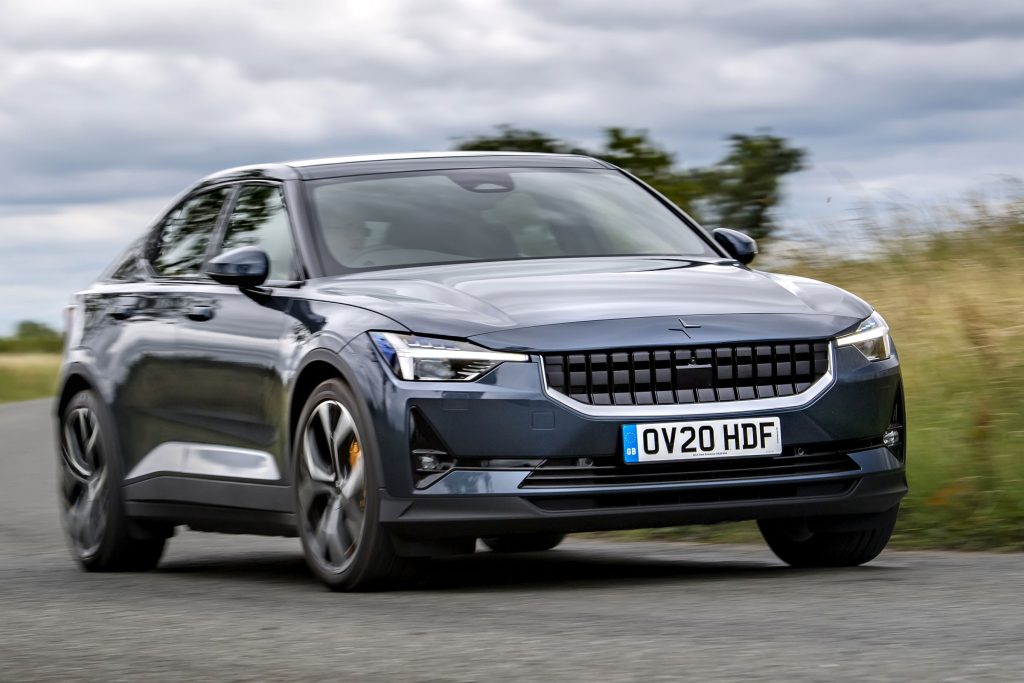
Brand perception further reinforces retained value. Polestar is known for innovation, quality, and design, and the 2 benefits from that reputation. Buyers recognize that they are purchasing a vehicle from a respected manufacturer with solid support and engineering.
Efficiency and usability contribute as well. The Polestar 2 offers competitive range and low energy consumption, making it a practical choice for daily commuting or long trips. Vehicles that continue to provide utility and performance remain attractive in the used market.
Overall, battery reliability, mechanical durability, premium cabin, performance, and brand trust allow the Polestar 2 to retain value better than many other EVs.
For buyers seeking a long-term investment in an electric vehicle, it represents a strong option even several years after its release.
