Collectible cars capture the imagination of enthusiasts and investors alike, blending performance, design, and rarity into vehicles that can define an era.
Today’s market features an exciting mix of cars poised to become future classics, from the American muscle of the Ford Mustang and Dodge Challenger to modern engineering icons like the Chevrolet Corvette C8 and GR Toyota Supra.
Each of these vehicles offers something unique, whether it’s the first mid-engine Corvette, the off-road capability of the Ford Bronco, or the lightweight agility of the Mazda MX-5 Miata.
Owning one isn’t just about driving excitement; it’s about securing a piece of automotive history that could grow in value. For those looking to combine passion with potential investment, these ten cars deserve attention now.
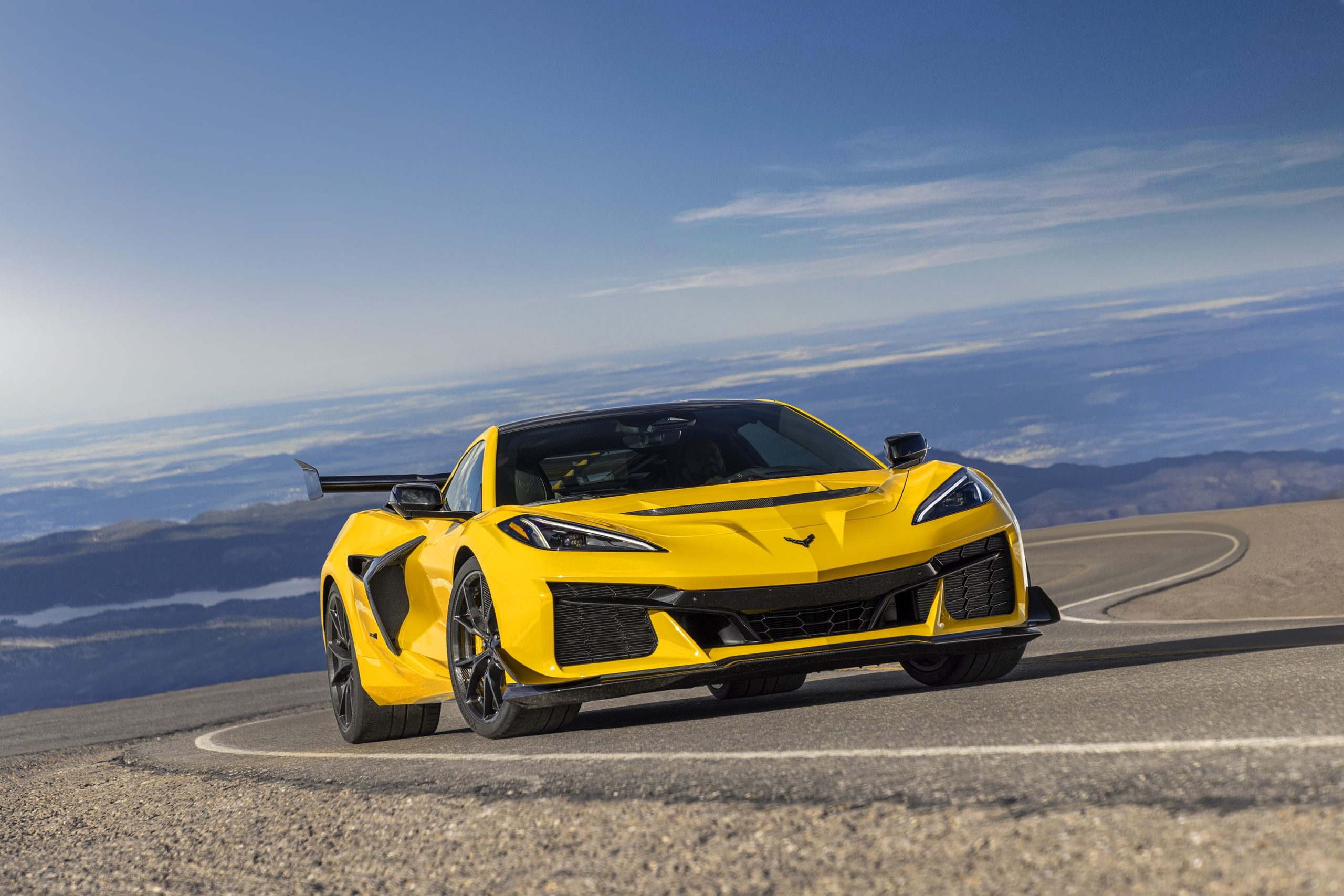
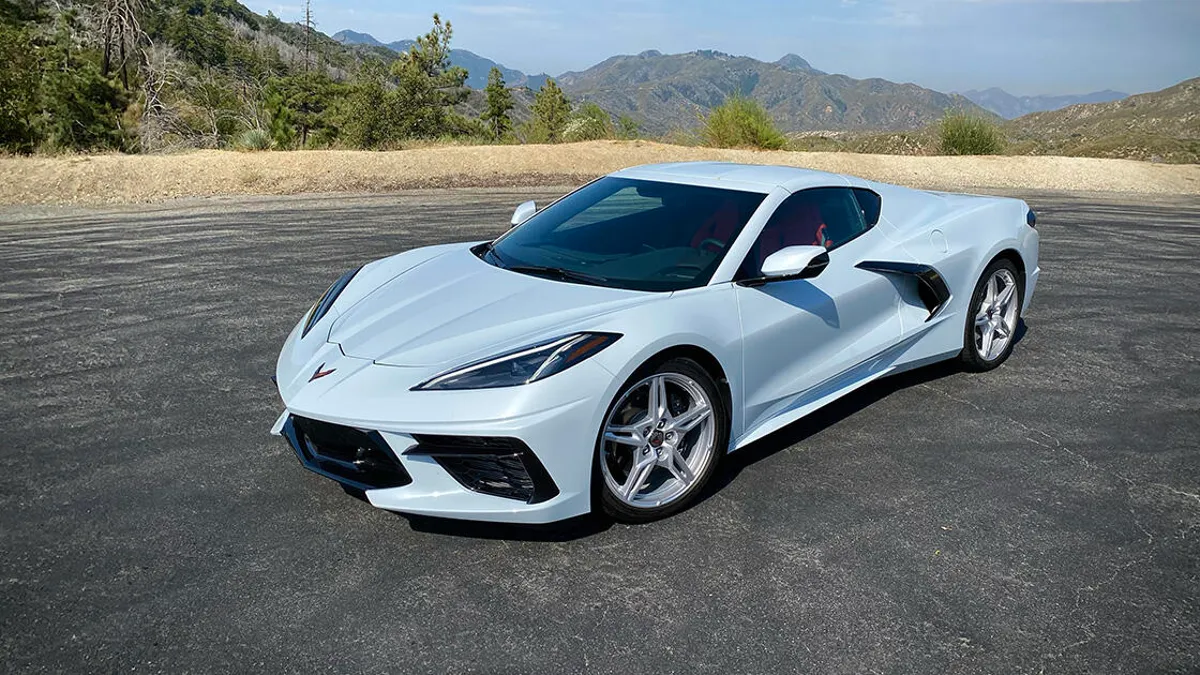
1. Chevrolet Corvette (C8)
The Chevrolet Corvette C8, introduced in 2020, represents a historic transformation for one of America’s most iconic sports cars. Marking the Corvette’s first-ever mid-engine layout, the C8 delivers a supercar-like stance and significantly enhanced handling.
With a naturally aspirated DOHC V8 engine, advanced aerodynamics, and a refined interior, the C8 balances high performance with everyday usability. Prices range between $60,000 and $80,000, making it a relatively accessible entry into the mid-engine sports car segment.
Over its production span, Chevrolet has expanded the lineup to include the more powerful Z06, the hybrid E-Ray, and the upcoming ZR1, which is expected to exceed 1,000 horsepower.
Performance is a standout feature of the C8. Equipped with an eight-speed automatic transmission and advanced launch control, the 3LT coupe accelerates from 0 to 60 mph in 3.6 seconds (3.3 with rollout) and completes the quarter-mile in 11.8 seconds at over 118 mph. The Z51 Performance package further improves these numbers to 3.4 seconds and 11.5 seconds at 120 mph, respectively.
Braking is strong, though slightly limited by narrow front tires, with stopping distances ranging from 105 to 109 feet from 60 mph. Steering and handling are highly responsive, offering confidence even to drivers with moderate experience, while the transmission delivers smooth, quick shifts.
Despite its performance focus, the Corvette remains remarkably comfortable. The optional MagneRide adaptive suspension provides excellent compliance over varying road surfaces, minimizing the impact of bumps.
GT2 bucket seats offer long-distance comfort without sacrificing support during spirited driving. Wind and engine noise are relatively low, though tire noise can be noticeable on rough roads. Climate control and seat heating/ventilation add to the vehicle’s usability for extended drives.
The C8’s interior is visually striking but not without quirks. Controls, especially climate buttons, are not always intuitively arranged, and rear visibility is limited due to significant blind spots.
Entry and exit can be cumbersome, particularly in tight spaces, though camera-based aids help mitigate these challenges. The interior complements the Corvette’s performance-focused character while maintaining a degree of luxury expected in a modern sports car.
2. Ford Bronco (6th Generation)
The sixth-generation Ford Bronco, relaunched in 2021, brings a modern twist to a legendary nameplate while preserving its rugged, iconic design. Offered in both two- and four-door configurations, the Bronco features removable roofs, advanced off-road capabilities, and highly customizable options.
With prices ranging from $30,000 to $50,000, the Bronco positions itself as a versatile, adventure-ready SUV aimed at enthusiasts and casual drivers alike. For 2025, Ford introduces the “Free Wheeling” package, inspired by 1970s styling, while the design and hardware largely continue the same approach as previous years.
Performance is competent for both on- and off-road driving. Buyers can choose between a turbocharged four-cylinder or a turbo V6 engine paired with a smooth 10-speed automatic transmission. The V6 accelerates from 0 to 60 mph in 7.3 seconds, adequate for a large off-road SUV.
Braking, however, is less impressive: panic stops from 60 mph take around 146 feet with rugged Sasquatch-package tires, highlighting the trade-off between off-road capability and on-road performance.
The Bronco’s independent front suspension enhances steering precision and stability at highway speeds, ensuring confidence during long-distance drives, though it is less agile on twisty roads.
While not a luxury vehicle, the Bronco is more comfortable than many rivals, including the Jeep Wrangler. Seats are supportive and adjustable, reducing fatigue on long drives, while dual-zone climate control and fast-heating front seats add convenience.
Its truck-based construction results in a slightly firm ride, and the removable roof introduces wind noise, yet the SUV remains comfortable and enjoyable on longer journeys. Off-road rattles and vibrations are noticeable but expected for this type of vehicle.
The Bronco’s interior emphasizes practicality and usability. Large, chunky controls are easy to operate with gloves, and the driver enjoys generous seat and steering adjustments.
Ample headroom gives a spacious feel, particularly in the rear seats, though accessing the back of two-door models can be tight. Grab handles throughout the cabin assist with entry and exit, maintaining the vehicle’s off-road readiness while providing everyday functionality.

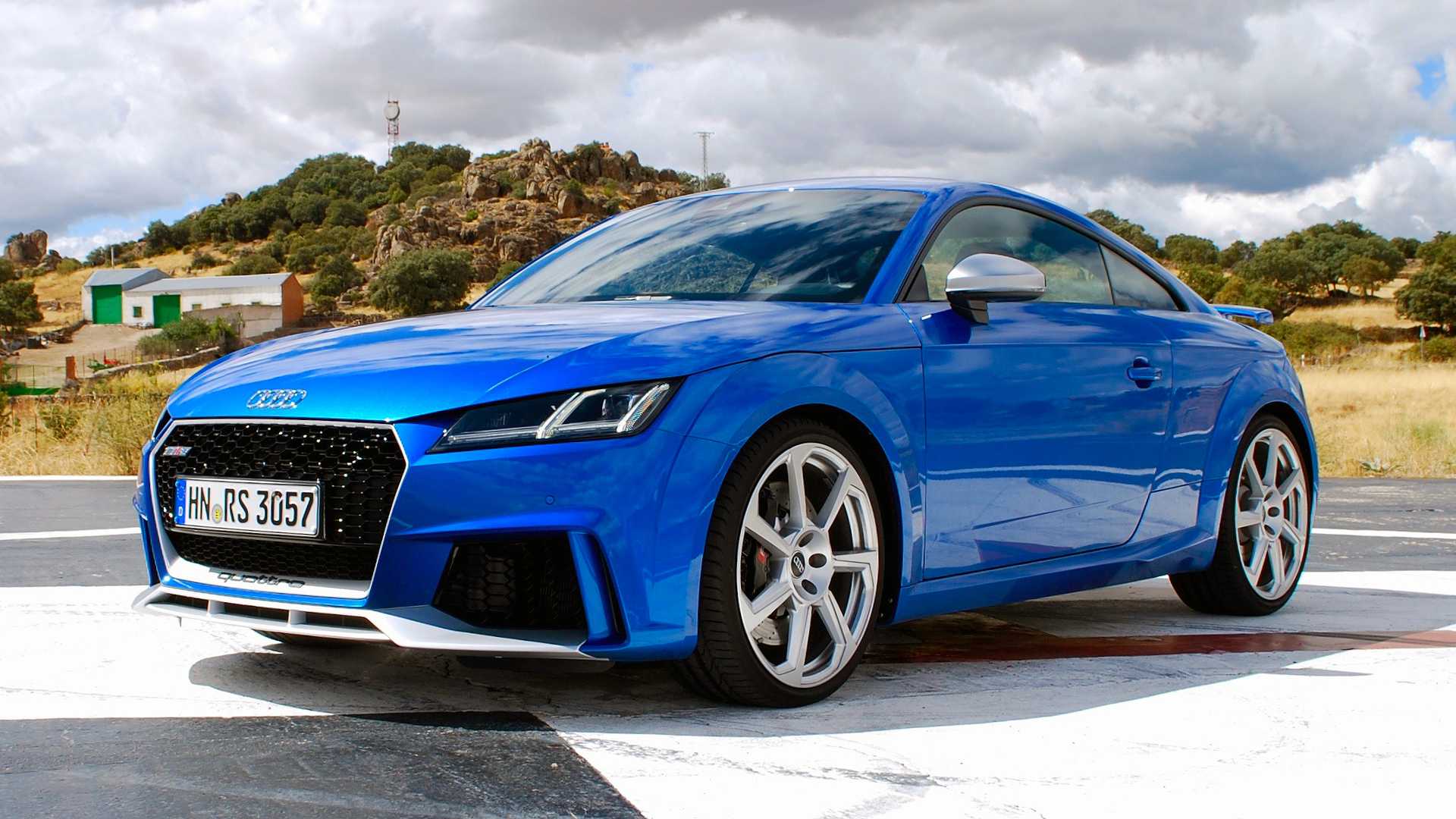
3. Audi TT RS
The Audi TT RS, produced from 2016 to 2022, delivers a compact, high-performance sports coupe that blends luxury, technology, and thrilling driving dynamics. Priced between $40,000 and $60,000, the TT RS is distinguished by its turbocharged five-cylinder engine, the Quattro all-wheel-drive system, and sharp styling.
Celebrating its 10th anniversary in 2022, Audi released a limited Heritage Edition with unique interior trim and decorative rear-window etchings, marking the model’s farewell to the U.S. market. Even standard models maintain impressive performance and a driver-focused, tech-forward cabin, positioning the TT RS as a likely future classic.
Performance is the TT RS’s strongest suit. Its turbocharged inline-five engine accelerates from 0 to 60 mph in just 3.6 seconds, offering linear, predictable power delivery.
Gear changes are smooth and quick, and the car handles sharp turns with precision, inspiring confidence in drivers. Braking is solid, with a 60-0 mph stop of 105 feet, while city driving remains easy thanks to the car’s maneuverability and responsive steering.
Comfort is adequate but secondary to performance. The TT RS seats are supportive, featuring extendable thigh rests for taller drivers, yet the ride is stiff and jostles over rough surfaces.
Cabin noise is notable, especially in non-adaptive suspension models, reflecting the coupe’s sporty focus. Long-distance comfort is acceptable, but the driving experience prioritizes engagement over plushness.
The TT RS offers a driver-focused layout. Front occupants enjoy generous space and excellent visibility, while rear seats are extremely small and impractical. Controls are well-placed, though the virtual instrument panel has a learning curve due to the absence of a central infotainment screen.
Audi’s MMI system provides clear graphics, intuitive controls, and voice-activated navigation. Safety features are limited to blind-spot monitoring and parking sensors.
Storage is minimal, with a small center console, limited cupholder space, and a modest cargo area, though rear seats fold flat. Fuel economy is respectable for a sports coupe, with EPA estimates of 23 mpg combined and real-world results around 25.8 mpg.
Build quality and material selection are excellent, creating a luxurious feel that justifies the $70,000–$80,000 price range, though compromises in comfort and storage reflect the car’s performance-oriented nature.
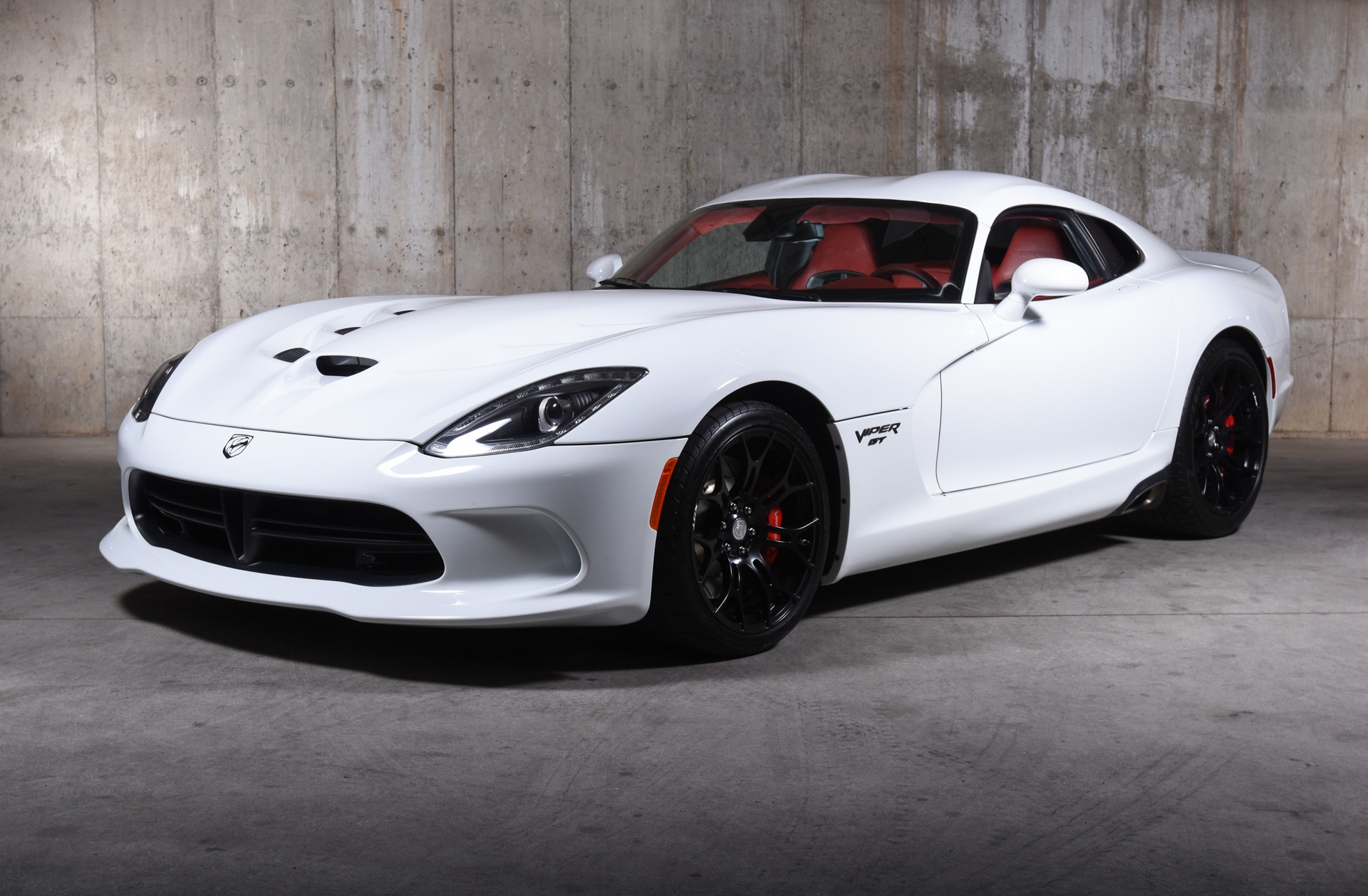
4. Dodge Viper (5th Generation)
The fifth-generation Dodge Viper, produced from 2013 to 2017, is a raw, unfiltered American sports car built for speed enthusiasts. With prices ranging from $90,000 to $120,000, it features a massive 8.4-liter V10 engine paired with a six-speed manual transmission, delivering a 0–60 mph time of 3.5 seconds and a top speed of 206 mph.
Its aggressive styling, low production numbers, and status as the final iteration of the Viper enhance its collectible potential. The car is designed for thrill-seekers rather than comfort or practicality, offering a visceral, race-car-like driving experience.
The Viper’s performance is its defining characteristic. Power delivery is brutish and immediate, with rear tires struggling for traction under heavy throttle. Unlike computer-controlled sports cars, the Viper feels raw and unfiltered, rewarding skilled drivers who can harness its immense V10 power.
High-speed cornering is thrilling, though the long, wide chassis and tight cabin can feel unyielding. The ACR trim enhances track capability with stickier tires and aerodynamic improvements. Braking is strong, with a 60–0 mph stop of 103 feet, but highway driving exposes the car’s loud engine and firm suspension, making long trips exhausting.
Comfort is minimal. Seats provide limited support, and the ride is stiff and noisy. Entry and exit are awkward, compounded by hot side-mounted exhaust pipes, while visibility is restricted by low rooflines and wide pillars.
The cabin is tight, especially for taller occupants, and lateral space is limited by a prominent transmission tunnel. Storage is sparse, with a small trunk and minimal interior compartments, making the Viper impractical for long trips or carrying cargo.
The interior does feature some refinement, including soft-touch surfaces and the Uconnect infotainment system, which is intuitive and responsive. Standard safety features include antilock brakes, stability control, side-door airbags, and a rearview camera.
Compared to similarly priced sports cars, the Viper sacrifices civility and comfort for raw performance, but its aggressive character and exclusivity make it highly desirable for collectors seeking an unfiltered driving experience.
The fifth-generation Viper remains a singular automotive statement: mean, powerful, and uncompromising, designed for those who prioritize adrenaline over practicality.
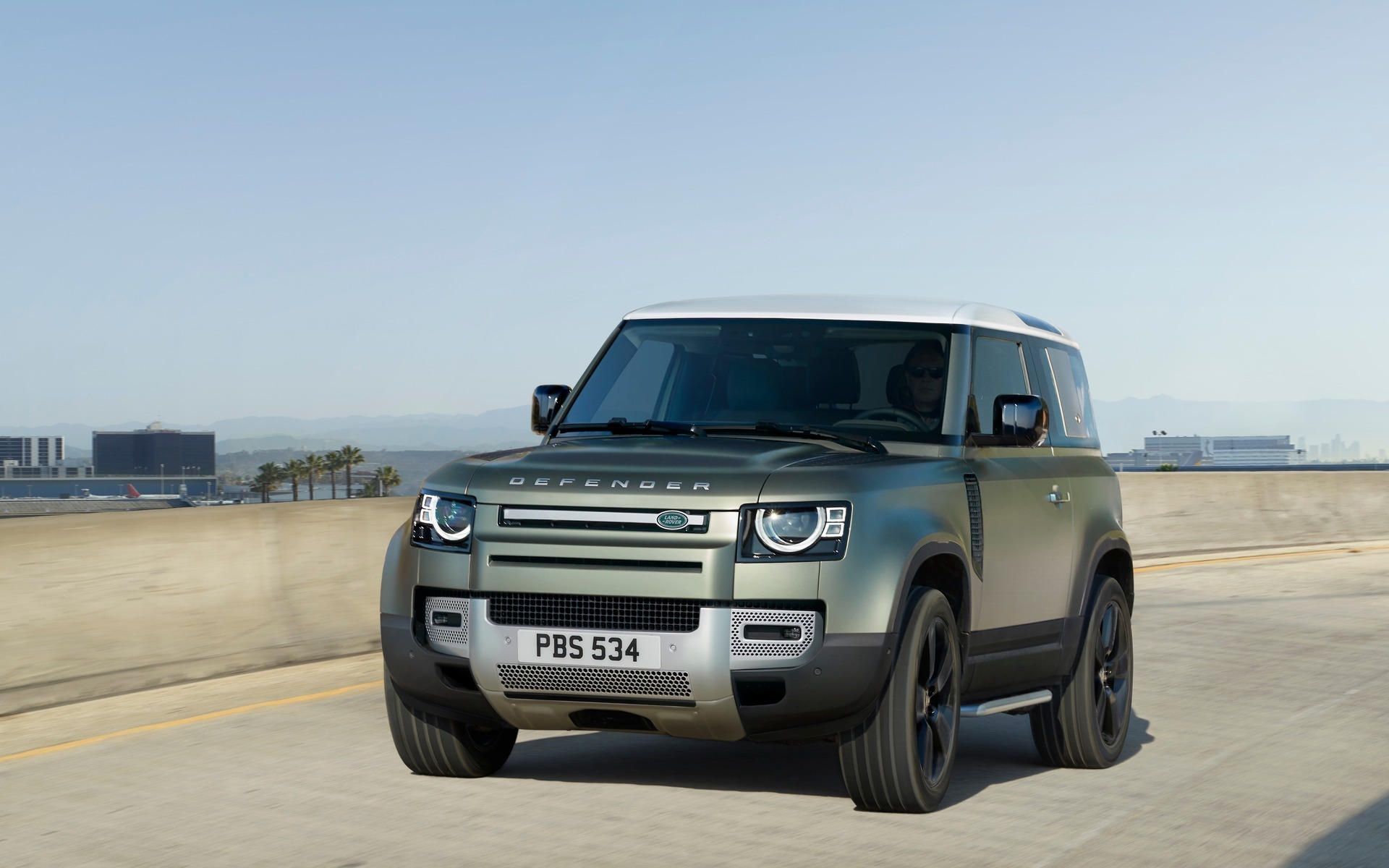
5. Land Rover Defender (New Generation)
The new-generation Land Rover Defender, produced from 2020 to the present, merges modern luxury with legendary off-road capability. Priced between $50,000 and $70,000, it is available in multiple configurations: the two-door Defender 90, the four-door Defender 110, and the three-row Defender 130, with options for additional cargo space in lieu of the third row.
Its rugged yet refined design, advanced features like Terrain Response and ClearSight Ground View, and available high-output engines position it as a strong contender in the premium SUV segment and a likely future classic.
The Defender balances off-road prowess with on-road composure. Equipped with an inline six-cylinder engine, the two-door Defender 90 accelerates from 0 to 60 mph in 6.2 seconds, while the four-door Defender 110 does so in 6.7 seconds.
Despite its substantial weight of over 5,200 pounds, the SUV delivers smooth gear shifts and controlled braking. The Octa V8 variant for 2025 produces 626 horsepower with specialized suspension for improved wheel control, enhancing both trail performance and highway handling. Braking and steering are precise, making the Defender easy to manage in daily driving situations.
Comfort is a key strength of the Defender. The cabin remains quiet and largely insulated from road vibrations, even with optional large wheels and all-terrain tires.
Seats offer extensive adjustability, with optional heating and ventilation, and the climate system maintains cabin temperature effectively. The ride is slightly firm over bumps, particularly with larger wheels, yet the refinement still meets the expectations of a luxury SUV.
The Defender’s interior is spacious, with generous headroom, legroom, and shoulder room across all configurations. Access to the cabin is aided by large doors, grab handles, and height-adjustable air suspension, though the two-door 90 is less convenient for rear passengers.
Some controls have a learning curve, such as multifunction dials for climate, drive modes, and seat functions. Large windows and well-sized mirrors provide excellent visibility, and the cabin remains quieter than expected for an off-road SUV.
The Land Rover Defender combines modern luxury, practical interior space, and extraordinary off-road capability. With multiple configurations, advanced technology, and powerful engine options, it offers a versatile package for both adventure and daily driving, making it a compelling choice in the premium SUV segment.
Also Read: 5 Lexuses With Long Engine Life vs. 5 Models With Early Oil Consumption
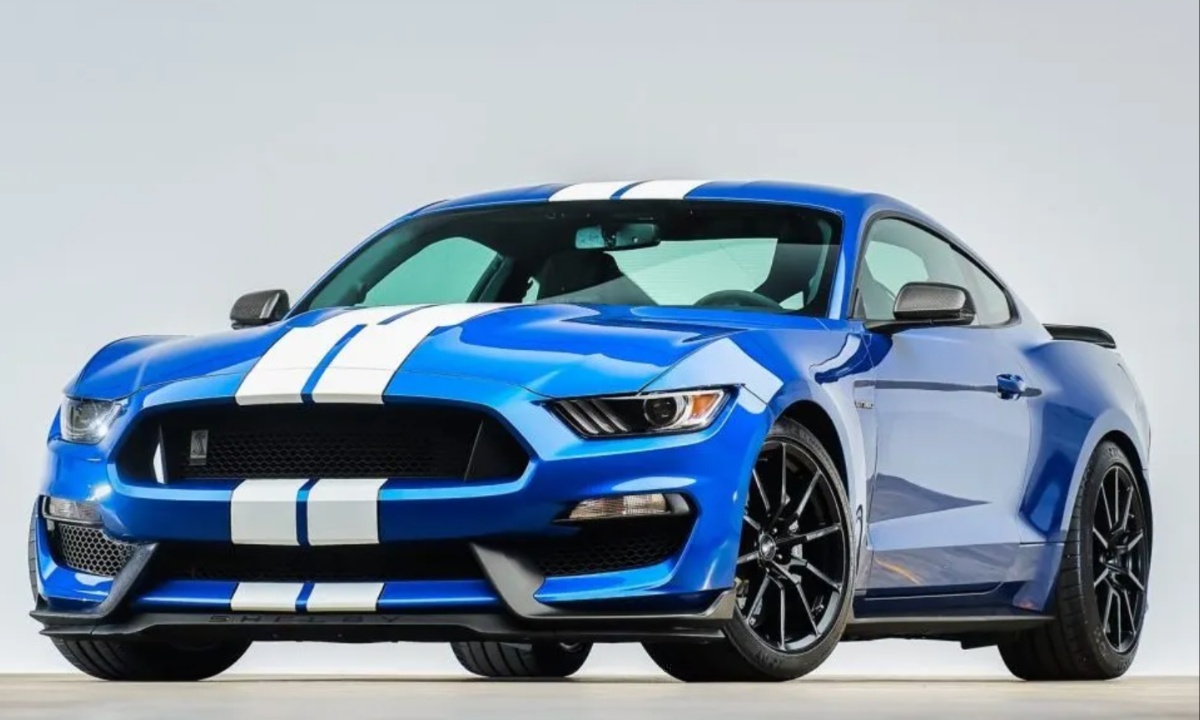
6. Ford Mustang (S550)
The ninth-generation Ford Mustang (2015–2023) combines classic muscle car design with modern performance and technology, making it a likely future collectible.
Priced variably depending on trim and configuration, the Mustang offers options ranging from a turbocharged four-cylinder to high-performance V8 variants like the Shelby GT350, GT500, and Mach 1. N
otably, this generation introduced an independent rear suspension, improving handling and ride quality. With the seventh-generation Mustang debuting in 2024, the S550 stands as a well-refined, long-lived iteration.
Performance is a highlight of the Mustang. The GT’s V8 delivers quick acceleration, covering 0–60 mph in 4.6 seconds, with strong braking that stops the car from 60 mph in 118 feet. Steering feedback varies with drive modes but remains precise, and the Mustang corners well despite body roll, aided by the independent rear suspension.
The 10-speed automatic transmission is intuitive and responsive, optimizing gear selection without intruding on driver engagement. Even without summer tires, handling remains stable, making it both fun and manageable on twisty roads.
The Mustang is surprisingly comfortable for a performance-focused muscle car. Seats provide excellent support, and the cabin is relatively quiet, allowing for long drives without fatigue.
Climate control and ventilated seats are efficient, maintaining consistent cabin comfort. While the V8 produces an exhilarating soundtrack, it does not overwhelm the cabin during extended highway drives.
The interior is functional and driver-focused, with adjustable seats and steering wheel positions accommodating most drivers. Rear passenger space is limited, and long doors make tight parking maneuvering tricky.
The Mustang features Ford’s Sync interface, an 8-inch touchscreen, Apple CarPlay and Android Auto integration, and optional digital instrumentation. Safety features include blind-spot monitoring, lane-keeping assist, forward-collision warning, and adaptive cruise control, all tuned to avoid false alarms.
The Mustang’s 13.5-cubic-foot trunk offers decent cargo space, though rear seat access is tight. Fuel economy is average for the class, with real-world results around 15–24 mpg depending on driving style. The Mustang provides strong performance, modern technology, and muscle car heritage at competitive pricing within its segment, offering solid value for enthusiasts.
7. GR Toyota Supra (A90)
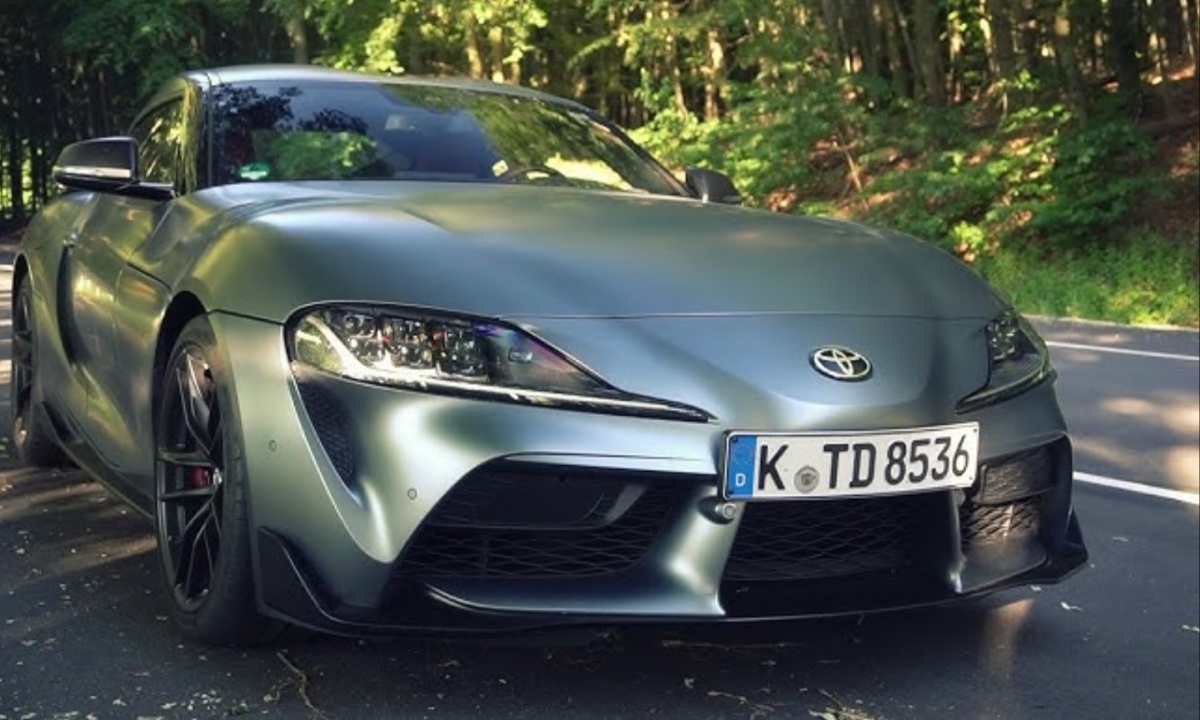
The GR Toyota Supra (A90), produced from 2019 to the present, blends Japanese design with German engineering, resulting from Toyota’s collaboration with BMW. Priced between $40,000 and $60,000, the A90 Supra pays homage to its predecessors while adopting modern aerodynamic styling.
Sharing a platform with the BMW Z4, it retains a distinct character thanks to Toyota’s tuning, which emphasizes liveliness and precision. The current generation is exclusively offered with a turbocharged inline-six engine, appealing to enthusiasts and collectors alike.
Performance is a standout attribute for the GR Supra. Its inline-six delivers rapid acceleration, reaching 0–60 mph in just 4.4 seconds in automatic form. Steering provides adequate feedback, and the tires generate ample grip, making cornering engaging and playful.
Braking is strong, with a 60–0 mph stop of 105 feet, although track-focused drivers may benefit from upgraded brake pads. Unlike earlier Supras, which favored straight-line speed, the A90 balances both agility and power. The car is also manageable for daily driving, offering a sporty experience without being overly demanding.
Comfort in the Supra is reasonable for a performance sports car. Seats are supportive but may feel slightly confining at the shoulders, and the ride is firm without being harsh.
Cabin noise includes some road and wind intrusion, though the induction and exhaust notes add character rather than distraction. Climate control is functional but lacks synchronized dual-zone operation, and fan performance could be stronger at maximum settings.
The interior is driver-focused but compact. The infotainment system, derived from BMW, requires some acclimation for new users but is otherwise straightforward. Door access is generally easy, though the cabin prioritizes performance over spaciousness.
Headroom and cockpit space are adequate, though competitors like the Porsche Cayman or BMW M2 feel more generous. Controls are logically placed, and materials are well-finished, maintaining a quality feel despite the compact layout.
The GR Toyota Supra (A90) successfully revives a legendary sports car with modern technology and performance. Its turbocharged inline-six, balanced handling, and distinctive styling make it engaging both on the road and for collectors.
While comfort and interior space are limited, the Supra’s driving dynamics and enthusiast-focused character ensure it remains a compelling choice in the sports car segment.
8. Honda Civic Type R
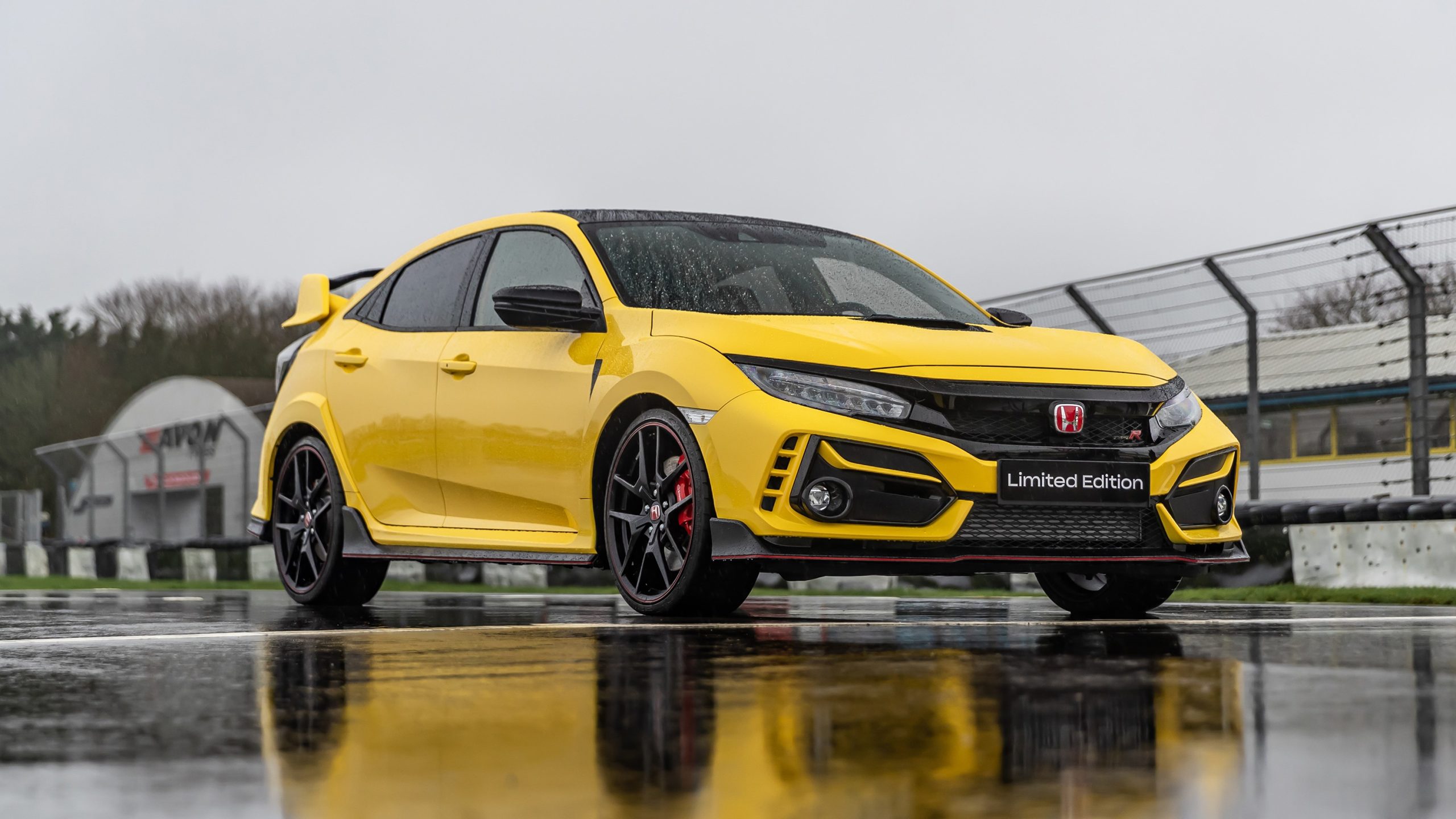
The Honda Civic Type R, produced from 2017 to the present, is a standout hot hatch that combines aggressive styling with exceptional performance, making it a strong contender for future classic status.
Priced between $35,000 and $45,000, the Type R features a turbocharged engine, a six-speed manual transmission, a limited-slip differential, precise suspension, and wider bodywork. Its blend of Japanese reliability, sporty aesthetics, and engaging driving dynamics makes it highly desirable for enthusiasts and collectors alike.
Performance is the Type R’s defining strength. The turbocharged engine produces 315 horsepower, propelling the car from 0–60 mph in 5.5 seconds. Braking is strong, with a 60–0 mph stop of 108 feet, and the Type R achieved 1.07 g of grip on the skidpad, outperforming many vehicles costing twice as much.
Handling is precise and planted, with sharp steering, well-calibrated throttle, and a perfectly weighted shift lever. Cornering is particularly thrilling, combining agility, stability, and confidence, making the car enjoyable at both city speeds and on winding roads.
Despite its high-performance chassis, the Type R offers a surprisingly comfortable ride. Its adjustable Comfort mode softens the firm suspension for daily driving while maintaining excellent body control.
Seats are both supportive and comfortable, holding occupants in place during spirited driving. Cabin noise is noticeable, particularly tire roar, but the ride remains more than acceptable for a hot hatch, balancing sportiness and usability.
The interior largely mirrors a standard Civic but features performance-focused upgrades such as red carpeting, Type R badging, and a low, driver-focused seating position. The driver’s seat is adjustable and ergonomically placed, while the rear seats offer ample legroom for two passengers.
Interior materials and design elements, including the aluminum shift knob, enhance the cabin subtly without compromising functionality. Storage and passenger convenience are adequate, though a center armrest and rear vents would have been welcome additions.
The Honda Civic Type R is a highly capable, daily-drivable hot hatch that delivers thrilling performance, precise handling, and driver-focused comfort. Its combination of sporty design, engaging dynamics, and Honda reliability makes it an appealing choice for enthusiasts and a likely future classic in the hot hatch segment.
9. Mazda MX-5 Miata (ND)
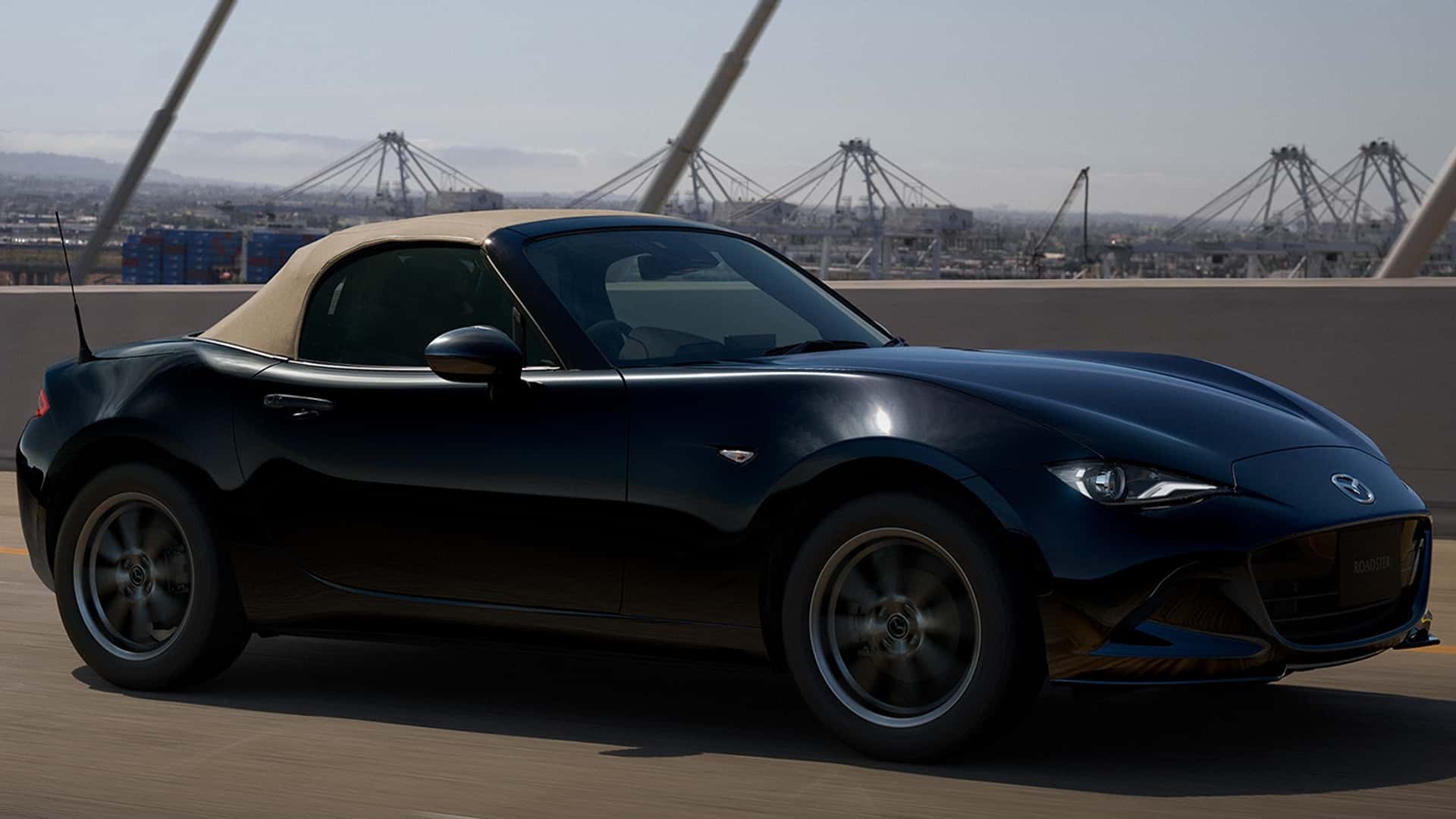
The Mazda MX-5 Miata (ND), produced from 2016 to the present, is a lightweight, rear-wheel-drive roadster that has become a modern icon for affordable, engaging sports cars. Priced between $25,000 and $35,000, it combines classic roadster styling with precise handling and driver-focused dynamics, making it a likely future classic.
The Miata remains faithful to its ethos: a simple, fun-to-drive two-seater with a manual transmission, perfect for enthusiasts seeking thrills without breaking the bank. For 2025, Mazda celebrates the Miata’s 35th anniversary with a limited-edition model, emphasizing its enduring appeal.
Performance is a hallmark of the ND Miata. Powered by a 2.0-liter four-cylinder engine producing 181 horsepower and 151 lb-ft of torque, the Miata accelerates from 0–60 mph in 6.4 seconds. Its lightweight construction, rear-wheel drive, and six-speed manual transmission make it remarkably agile and responsive.
Braking is effective, with a 60–0 mph stop measured at 113 feet. The Miata excels around corners, offering predictable handling, excellent road feel, and well-balanced dynamics. While it leans toward aggressive driving, the car remains composed and easy to control, ensuring both safety and enjoyment for drivers of varying skill levels.
While small roadsters aren’t known for comfort, the Miata is surprisingly livable. Seats are supportive and comfortable, with effective seat heaters for colder weather.
The ride is firm, so large bumps are noticeable, but smaller road imperfections are absorbed well. The main drawback is cabin noise: wind and road noise are prominent with the top up, though driving with the top down mitigates this issue.
The interior is compact but driver-centric. Controls are within easy reach, though some, like the infotainment knob and cupholders, are awkwardly positioned. Headroom and legroom are limited, particularly for taller drivers and passengers.
Despite its small footprint, the Miata maximizes usability, and the soft top is manually operated with minimal effort, allowing quick retraction for open-air driving.
The Mazda MX-5 Miata (ND) is an affordable, fun, and engaging sports car that delivers pure driving enjoyment. Its lightweight chassis, precise handling, and classic roadster design make it a standout in its segment.
While space and cabin noise are minor compromises, the Miata’s driving dynamics and enthusiast-friendly nature secure its status as a future classic.
10. Dodge Challenger
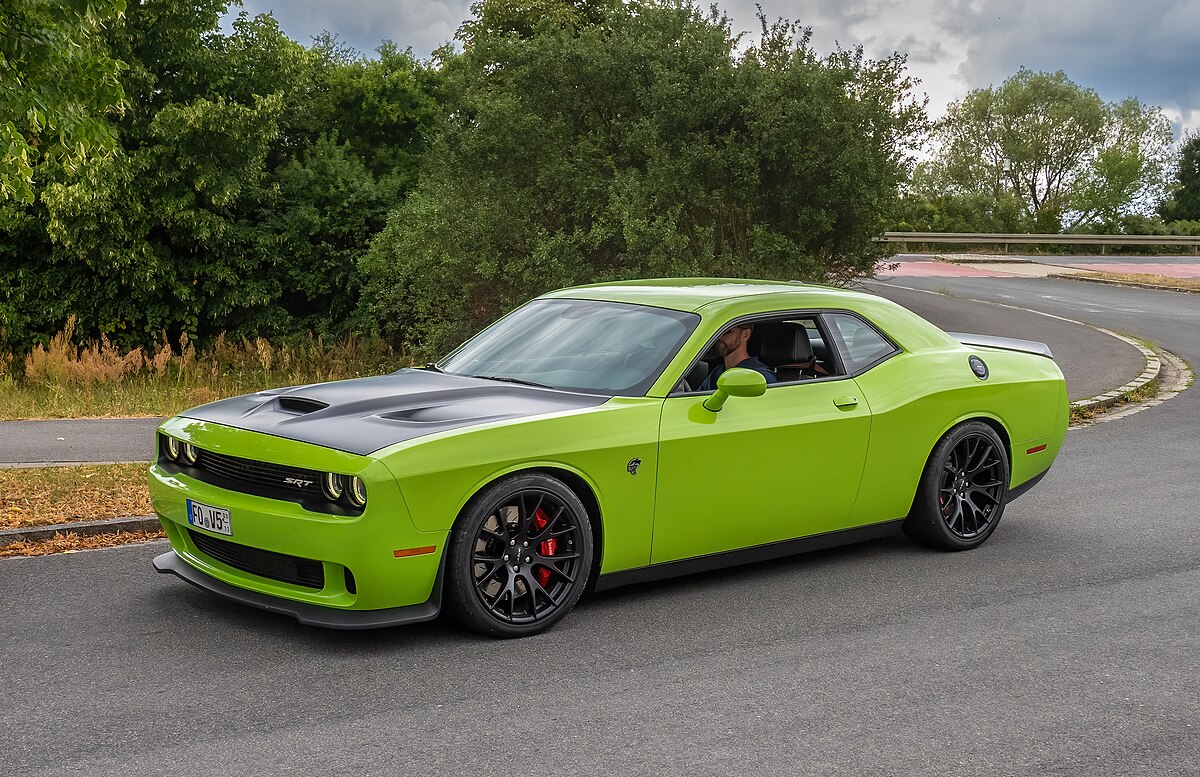
The Dodge Challenger (2015–2023) is a quintessential American muscle car, blending retro-inspired styling with modern performance. Its price varies by model and configuration, with high-performance variants such as the SRT Hellcat, Demon, and Demon 170 achieving cult status among enthusiasts.
As Dodge prepares to phase out the internal-combustion Challenger in favor of future electrified models, this generation’s V8-powered models are likely to become sought-after collectibles. The Challenger offers a wide range of engines, from a 303-hp V6 in the base SXT/GT trims to supercharged V8s producing up to 1,025 hp in the Demon 170.
Performance is a core strength of the Challenger. Even with the standard 6.4-liter V8, acceleration is impressive, with 0–60 mph achieved in 4.9 seconds for the R/T Scat Pack Widebody. Braking is strong, taking 105 feet to stop from 60 mph.
While the Challenger excels on open roads and drag strips, its substantial size and weight make it less agile in tight corners or urban driving. The Demon 170 represents the pinnacle of performance, boasting sub-two-second 0–60 times and an NHRA-certified quarter-mile under nine seconds.
Comfort is surprisingly good for a muscle car. The Widebody suspension provides a firm but manageable ride, while seats are supportive and well-cushioned. The cabin is quiet at highway speeds, with dual-zone climate control and optional heated/ventilated seats enhancing daily usability.
Interior space is generous, especially in the rear, where three passengers can fit more comfortably than in competitors’ coupes. Outward visibility is limited, but safety features like blind-spot monitoring and a rearview camera help compensate.
The Challenger features Dodge’s Uconnect infotainment system with Apple CarPlay and Android Auto, offering straightforward operation. Small-item storage is adequate, and the trunk delivers 16.2 cubic feet of cargo space with foldable rear seats, giving it a practical edge among muscle coupes.
Fuel economy is low, with the 6.4-liter V8 averaging 17 mpg combined, further reduced by the Widebody’s larger tires. Nonetheless, the Challenger delivers solid value, providing immense horsepower, distinctive styling, and generous interior and cargo space relative to competitors. Its combination of performance and practicality secures its place as a modern muscle car icon.
Future collectible cars are defined by rarity, performance, and lasting appeal, and the ten vehicles featured here excel in all three. From the raw adrenaline of the Dodge Viper to the refined handling of the Audi TT RS, each car provides an unforgettable driving experience while offering potential long-term value.
Whether it’s the legendary muscle of the Mustang, the practicality and thrill of the Honda Civic Type R, or the versatility of the Land Rover Defender, these vehicles stand as investments in both driving pleasure and automotive history. Securing one today ensures not only excitement on the road but a place in the story of tomorrow’s classics.
Also Read: 5 Honda Sedans That Rarely Break vs 5 That Constantly Do