Japanese sports cars have earned a legendary reputation for combining innovative engineering, striking design, and thrilling performance. Beyond well-known icons like the Nissan GT-R, Mazda RX-7, and Toyota 2000GT, a select group of rare models has emerged whose scarcity and racing heritage make them highly sought after.
From the race-bred Nismo 400R to the rotary-powered Mazda Cosmo 110S, these cars are more than just vehicles; they are milestones of Japanese automotive achievement. Limited production, distinctive engineering, and timeless styling have caused values to climb rapidly, attracting both collectors and enthusiasts.
This article presents 10 rare Japanese sports cars rising in value fast, showcasing the performance, history, and exclusivity that make each model a standout among high-performance automobiles.
1. Nismo 400R
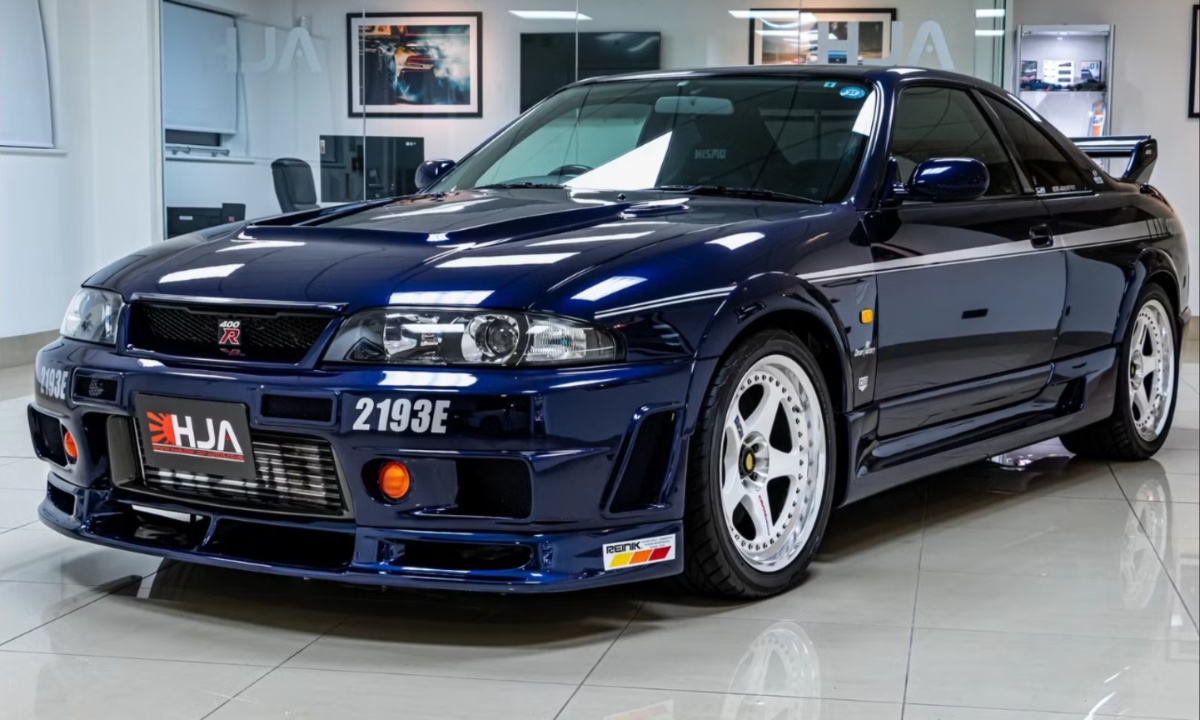
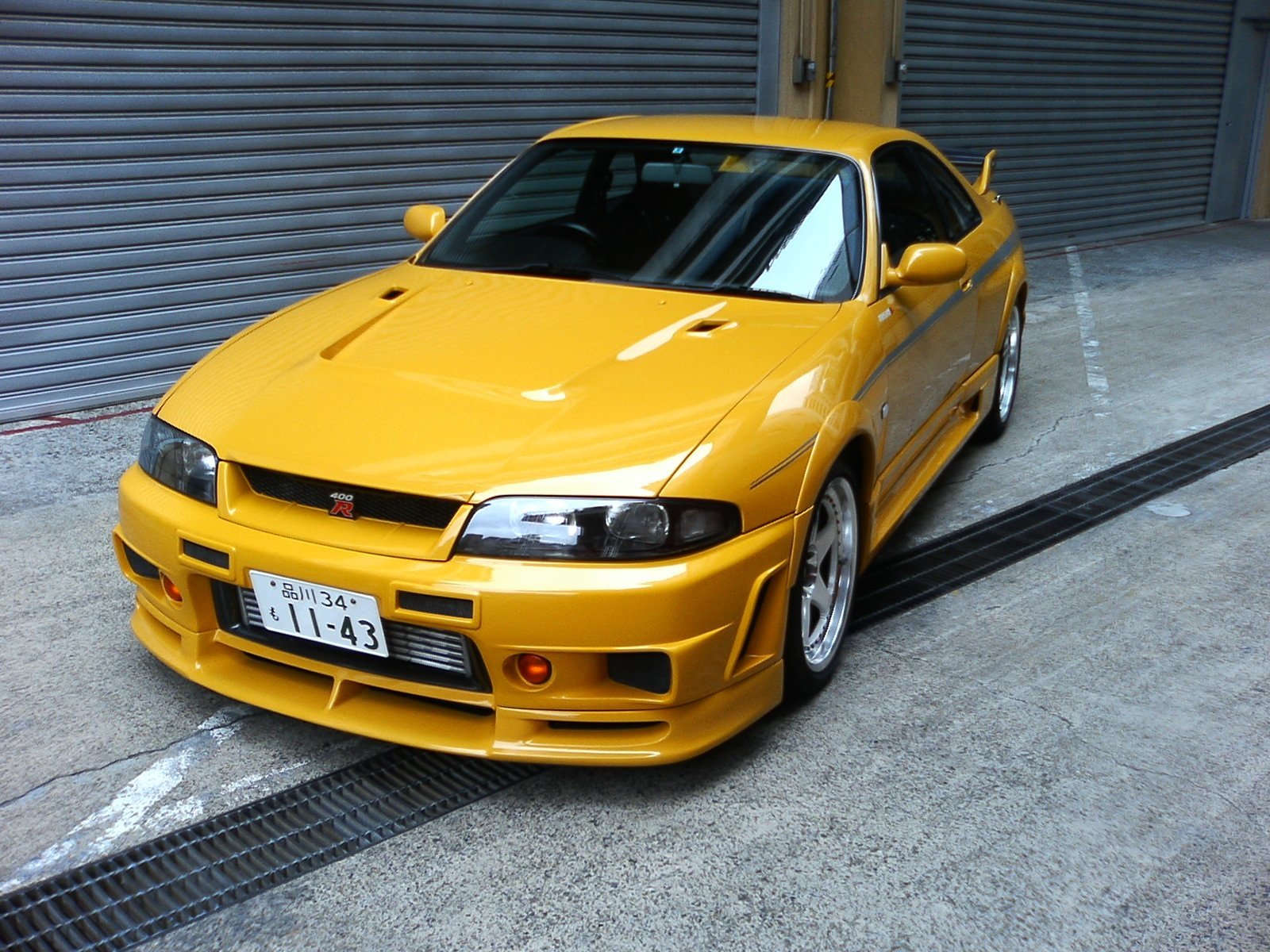
The Nismo 400R represents the ultimate evolution of the R33 Nissan Skyline GT-R, a rare, race-bred machine that has become a legend among enthusiasts. Limited to just 44 units, the 400R is highly sought after, with prices today soaring well over $1 million. Its rarity alone makes it an automotive treasure, but the engineering and performance credentials elevate it beyond a collectible to a true performance icon.
At the heart of the 400R is the specially engineered RB-X GT2 engine, a 2.8-liter straight-six developed by REINIK and inspired by Nissan’s JGTC race program. Based on the RB26DETT, the engine was bored and stroked with titanium internals, a carbon-fiber driveshaft, and a titanium strut brace.
Boosted to 1.1 bar, it produces 400 PS and 346 lb-ft of torque, propelling the car from 0-60 mph in just four seconds and achieving a top speed of 186 mph. The power delivery is entirely analog; no artificial smoothing or soft throttle mapping is making the driving experience visceral and engaging.
Beneath the skin, the 400R underwent extensive performance upgrades. Bilstein dampers were tuned specifically for the car, paired with Type D stiffer springs and a titanium exhaust system. The car also features wider tracks, LM GT1 wheels, and an LM-style hood, giving it a purposeful stance.
The interior carries bespoke Nismo touches, such as specialized dials, a titanium shift knob, and even a kill-switch cigarette lighter. Many of these parts are now collectors’ items themselves.
Despite a curb weight exceeding 3,400 pounds, the 400R feels surprisingly nimble. Nissan’s ATTESA all-wheel-drive system and Super HICAS active rear-wheel steering provide exceptional agility and rotation through corners, offering a driving experience that communicates directly through the chassis and steering wheel.
The car feels alive, especially when pushed hard, revealing the full capabilities of its race-derived underpinnings.
Key highlights of the Nismo 400R include its ultra-limited production run, the 2.8L RB-X GT2 engine, advanced AWD and rear-wheel steering, and its exclusive Club Le Mans trim, which ties it to Nissan’s JGTC racing heritage. Beyond performance, it became an iconic figure in popular culture, notably featured in the Gran Turismo series, cementing its status among enthusiasts.
While not the fastest or the most technologically advanced GT-R, the 400R is widely regarded as the most special. Its analog character, race-bred engineering, and rarity combine to create an unforgettable driving experience, earning it the title of the greatest GT-R ever made in the eyes of those fortunate enough to drive it.
2. Mazda Cosmo 110S
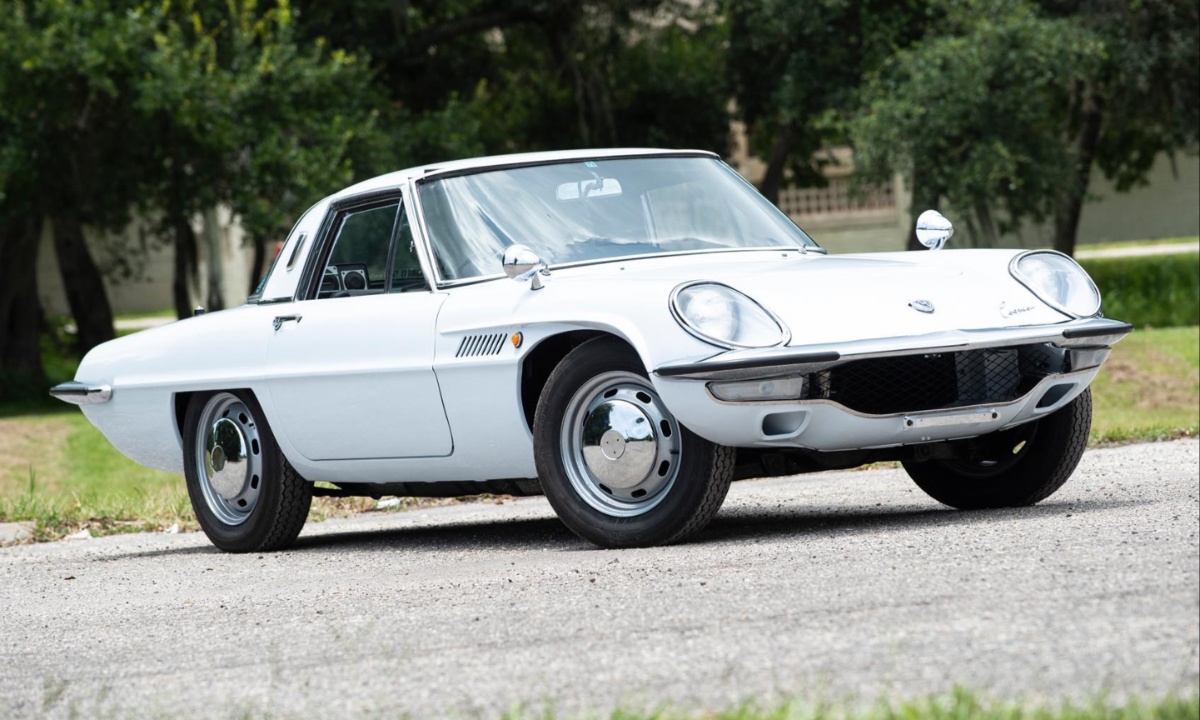
The Mazda Cosmo 110S holds a special place in automotive history as the first Mazda to feature a rotary engine, marking the beginning of the company’s long and celebrated rotary journey.
Introduced in 1967, the Cosmo 110S combined innovative engineering with striking styling, earning a dedicated cult following despite its relative obscurity compared to other Mazda icons.
Today, these cars are extremely rare and highly valuable, with the Series II version of which only 833 were produced, selling for hundreds of thousands of dollars. In the United States, only around six Series II units were ever imported, further adding to their exclusivity.
The Cosmo emerged as Mazda evolved from producing three-wheeled trucks and microcars to building proper passenger vehicles. By the mid-1960s, Mazda had already launched the Familia and Luce, attractive cars influenced by Italian design, thanks in part to Giorgetto Giugiaro.
The Cosmo 110S, however, was styled internally by Mazda’s chief designer, Heiji Kobayashi. Its design balanced influences, with a front reminiscent of the Alfa Romeo Duetto Spider and a rear that called to mind the smaller scale of the 1966 Ford Thunderbird. The resulting coupe was elegant and slightly futuristic, befitting its engineering innovations.
Mazda’s real breakthrough with the Cosmo was under the hood. The car utilized a twin-rotor 982cc engine, based on technology purchased from German manufacturer NSU.
Mazda engineers, led by Kenichi Yamamoto, overcame significant challenges in rotor tip sealing, experimenting with a wide range of materials, including animal bone, before finally settling on an aluminum and carbon-composite solution.
This innovative approach allowed Mazda to launch a rotary-powered car that was both reliable and performance-oriented, achieving 128 horsepower at an astonishing 7,500 rpm, a figure impressive even by modern standards.
Production of the Cosmo 110S was limited, with only 1,176 units made between 1967 and 1972, almost entirely by hand. The car’s rarity, combined with its engineering significance, makes it a highly sought-after collectible, with well-preserved examples fetching $85,000–$110,000 or more.
In addition to its engineering, the Cosmo’s interior reflects the 1960s ethos: a compact cockpit with a Nardi wood-rimmed steering wheel, black crackle-finish dashboard, toggle switches, and white-on-black dials. Even small details, like an adjustable map light, demonstrate thoughtful design.
On the road, the Cosmo 110S is surprisingly engaging. The rotary engine initially feels uncouth at idle, but becomes smooth and responsive as revs climb. The car’s lightweight design, just under one tonne, allows the relatively small engine to perform admirably, while the four-speed gearbox requires a firm hand to negotiate precisely.
Despite its modest size and power by modern standards, the Cosmo feels lively and unique, offering a direct connection between driver and machine. Braking and chassis limitations remind drivers of the era, but the car’s charm lies in its combination of innovative engineering, distinctive styling, and driving character.
Ultimately, the Mazda Cosmo 110S is not just a vehicle; it is a milestone in Mazda’s history. It symbolizes the birth of the rotary engine, the company’s willingness to innovate, and the beginning of a legacy that continues to inspire enthusiasts worldwide.
Its rarity, engineering ingenuity, and evocative design ensure the Cosmo remains a treasured classic, admired both for its historical significance and its engaging driving experience.
3. Nissan GT-R50 by Italdesign
To mark the 50th anniversary of the GT-R badge, Nissan teamed up with Italdesign for their first-ever collaboration, resulting in the GT-R50, a highly exclusive, bespoke supercar limited to just 50 units.
Based on the 2018 Nissan GT-R NISMO, this commemorative model pushes both design and performance boundaries, making it one of the most striking interpretations of the GT-R lineage.
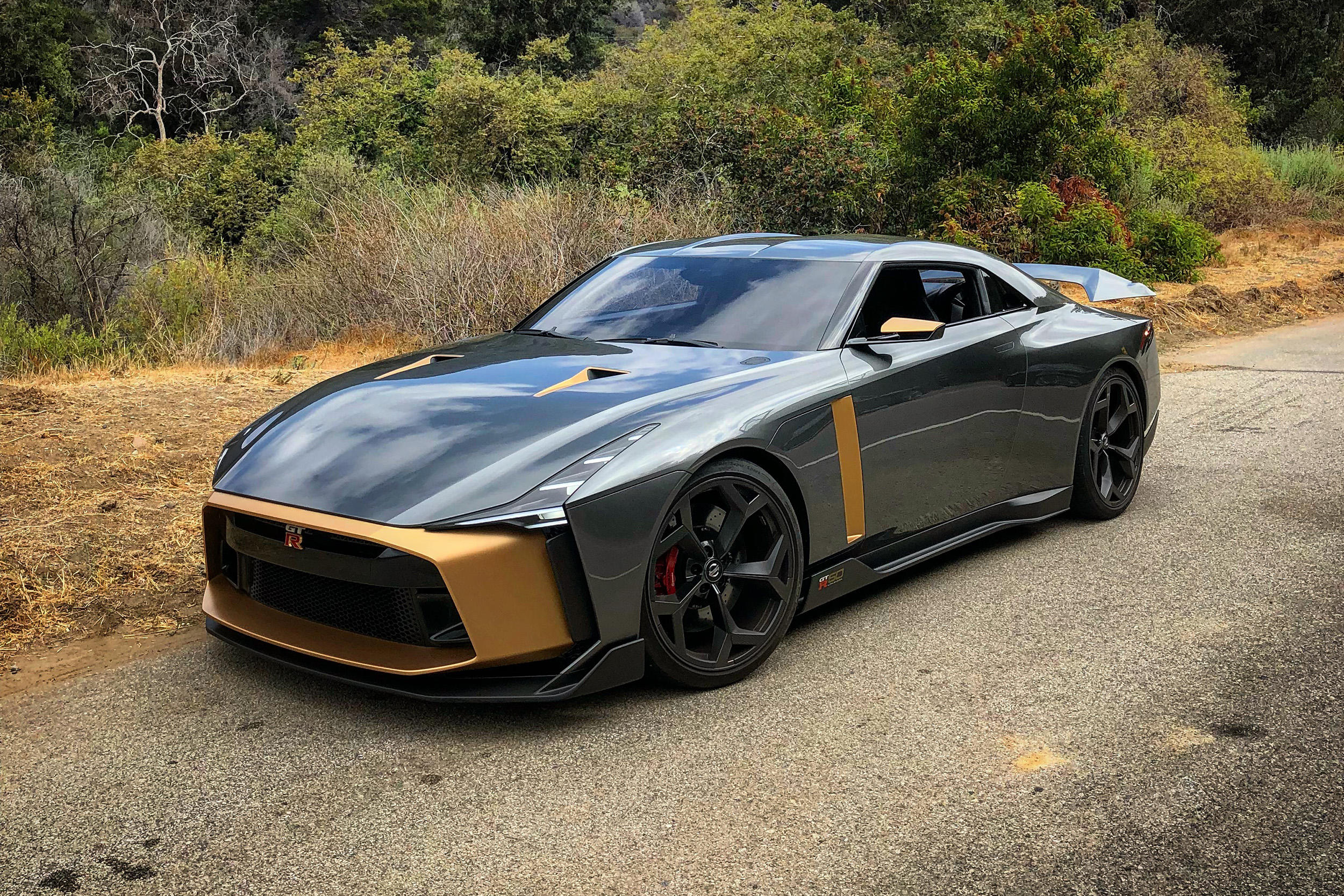
The GT-R50’s design is polarizing yet unmistakably unique. At the front, a golden inner element spans almost the full width of the car, while a pronounced hood bulge and thin LED headlights add an aggressive touch.
The side profile showcases a lowered roofline reduced by 54 millimeters with a muscular curvature and enhanced “samurai blade” cooling outlets highlighted with gold inlays.
At the rear, the car’s wide track is emphasized by muscular fenders, a descending rear window line, and twin round taillights reimagined as floating light rings. A large, adjustable rear wing completes the dramatic silhouette.
Custom 21-inch wheels, paired with a Liquid Kinetic Gray exterior and Energetic Sigma Gold accents, underscore the car’s bold, anniversary-themed presence.
Inside, the GT-R50 continues the bespoke treatment. Carbon fiber panels, black Alcantara®, and fine Italian leather dominate the cabin, while gold accents echo the exterior’s celebratory palette.
The steering wheel features a flat-bottom design with carbon fiber hub and spokes, complementing race-inspired switchgear and reinforcing the car’s high-performance ethos. Every detail emphasizes precision, luxury, and a driver-focused environment.
Performance is equally extraordinary. Nissan’s NISMO team upgraded the hand-assembled 3.8-liter VR38DETT twin-turbo V6 engine to deliver 720 PS and 780 Nm of torque.
Key enhancements include GT3-spec twin turbochargers, larger intercoolers, reinforced internals such as crankshaft and pistons, high-flow fuel injectors, and optimized intake, exhaust, and ignition systems.
Power is sent through a strengthened dual-clutch six-speed sequential transaxle and reinforced differentials to the wheels, ensuring every bit of output is usable.
The GT-R50’s chassis has also been reworked to match the power. A BILSTEIN DampTronic® I continuously adjustable suspension system provides precise handling, while Brembo six-piston front and four-piston rear brakes ensure strong stopping power. Michelin Pilot Super Sport tires (255/35 R21 front, 285/30 R21 rear) provide the grip required to harness the car’s immense performance potential.
The Nissan GT-R50 by Italdesign is a showcase of engineering and styling excellence, a bold reinterpretation of a modern icon that blends cutting-edge performance with avant-garde design. With only 50 units produced, it is as rare as it is extreme, celebrating half a century of GT-R heritage in a car that is truly unmistakable on every level.
4. Lexus LFA Nürburgring Edition
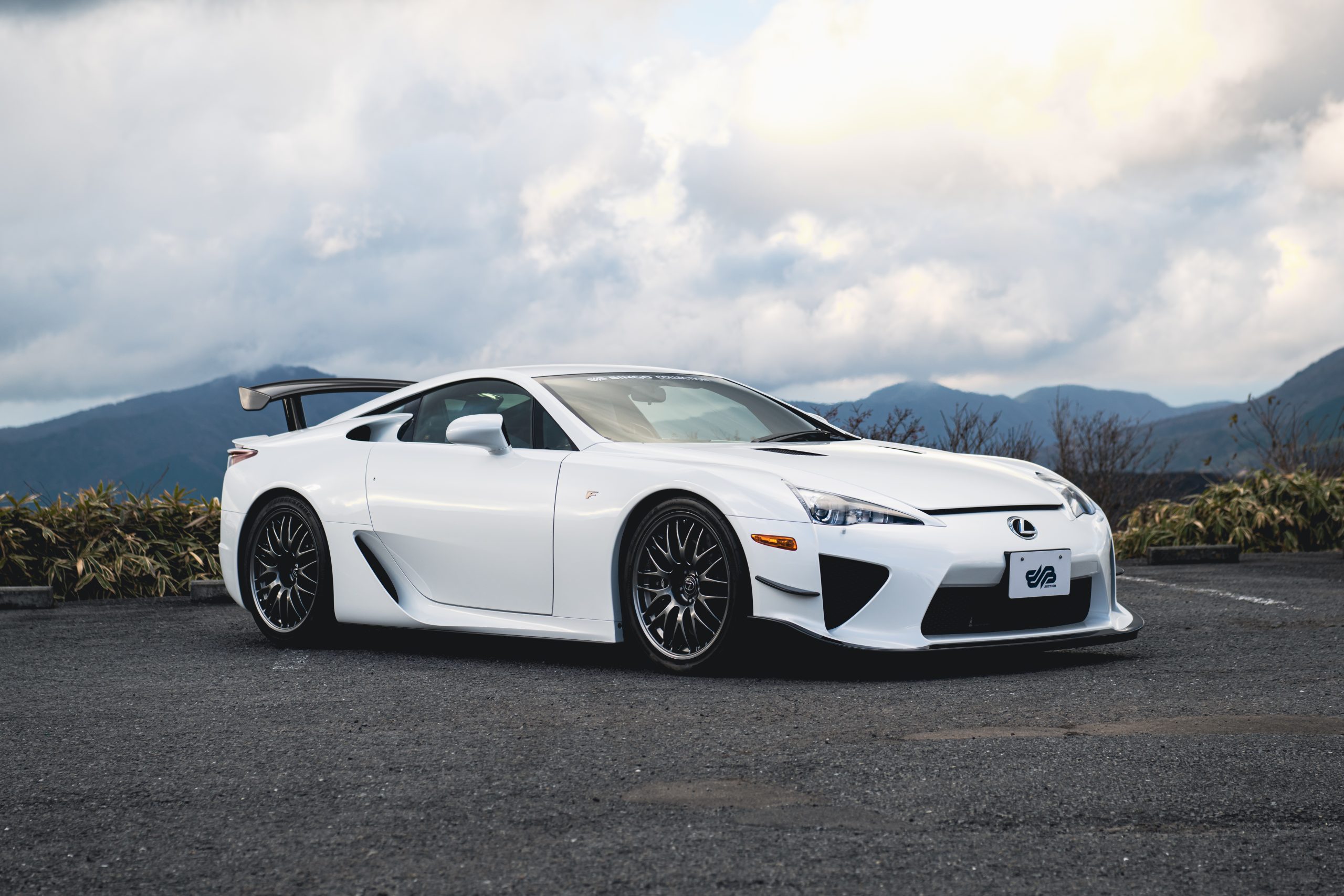
The Lexus LFA Nürburgring Edition is the ultimate expression of Lexus’ first true supercar, combining track-focused engineering with road-legal usability. Produced in extremely limited numbers, just one-tenth of total LFA output, this edition is highly coveted, with examples fetching upwards of $700,000.
It represents the pinnacle of the LFA’s development, drawing directly from extensive testing at Germany’s legendary Nürburgring Nordschleife circuit.
Unlike the standard LFA, which was a road car honed on the Nürburgring, the Nürburgring Edition is a track-prepared supercar with road capabilities. Chief engineer Haruhiko Tanahashi and test driver Hiromu Naruse logged extensive laps around the 12.9-mile, 73-corner Nordschleife, shaping the car’s handling, stability, and aerodynamic balance.
Aerodynamic improvements define this edition. Carbon fiber reinforced plastic (CFRP) components include a larger front chin spoiler with corner winglets to improve downforce and airflow, while canards enhance cornering stability.
At the rear, a fixed GT-style wing replaces the standard retractable spoiler, balancing front and rear downforce and improving traction on the driven wheels. These refinements make the car more planted at high speed without compromising agility.
Performance upgrades include a sport-tuned suspension lowering the car by 10mm, lightweight forged mesh-style alloy wheels, and Bridgestone Potenza RE070 extreme-performance tires.
To offset the additional drag of the aerodynamic enhancements, maximum power was increased to 563 bhp. Coupled with a lightning-fast 0.15-second gear shift, the Nürburgring Edition accelerates from 0-62 mph in 3.7 seconds while retaining a top speed of 201 mph.
Exclusivity extends to styling and interior appointments. Exterior colors are limited to matte black, black, white, and orange, while interiors offer three schemes: black and red, black and purple, or all-black.
All models feature CFRP center consoles and door panels, and the bucket seats are trimmed in slip-resistant Alcantara rather than leather, reinforcing the car’s track-focused character.
The Lexus LFA Nürburgring Edition exemplifies Japanese engineering at its finest. Every detail from the aerodynamic bodywork to suspension, tires, and drivetrain was designed to maximize track performance while remaining street-legal.
Its rarity, Nürburgring pedigree, and enhanced capabilities make it one of the most desirable and respected supercars of its era, cementing the LFA’s legacy as a benchmark in automotive innovation and performance.
5. Mazda RX-7 Spirit R
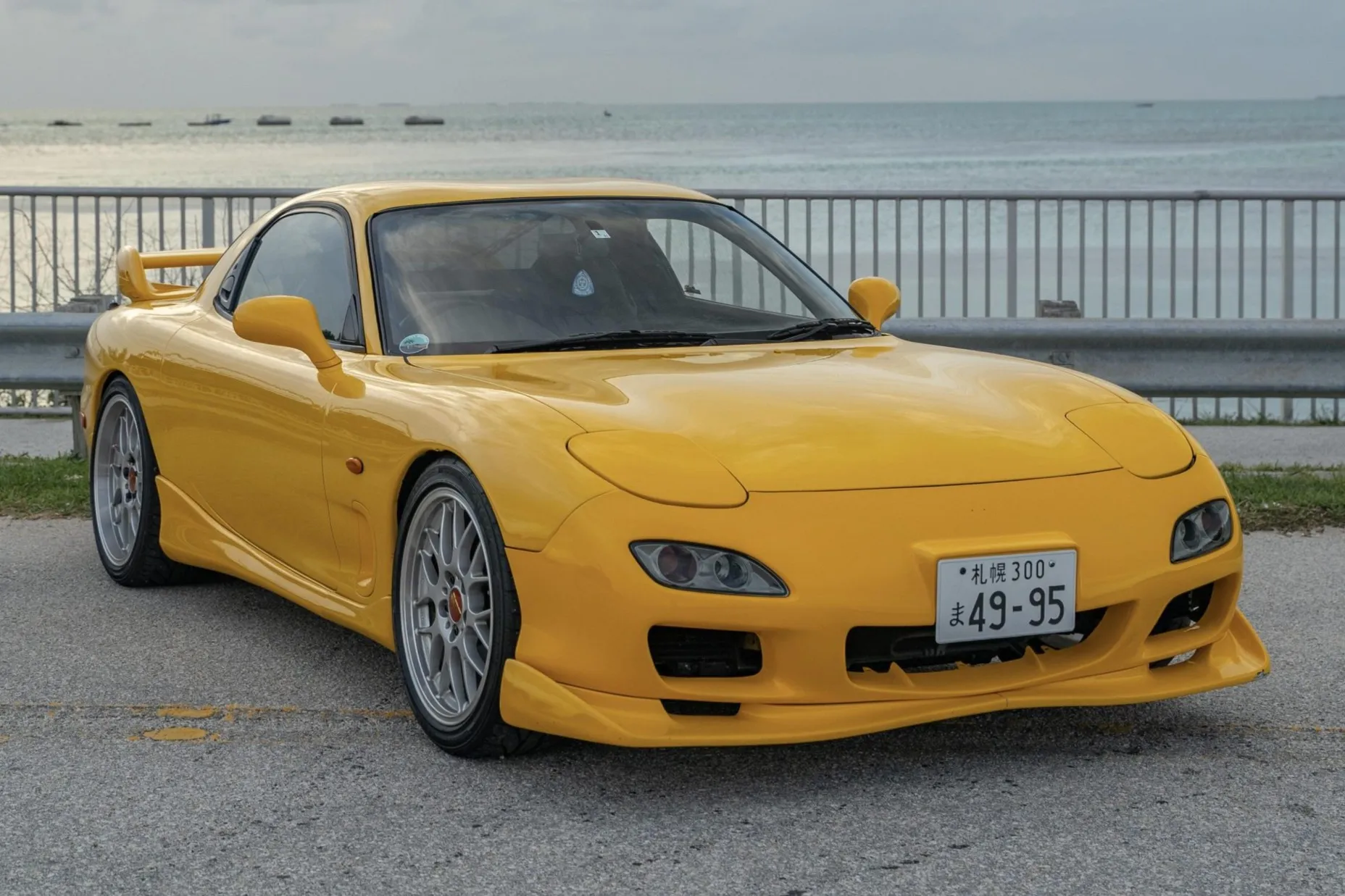
The Mazda RX-7 Spirit R represents the ultimate and final iteration of the legendary FD3S-generation RX-7, combining peak performance, collector appeal, and exclusive design touches.
Launched as a limited-production series in April 2002, the Spirit R was designed to celebrate the end of RX-7 production and is widely regarded as the most desirable FD3S model among enthusiasts and collectors. Only 1,500 units were produced, all sold exclusively in Japan, cementing its rarity and status.
The Spirit R series was offered in three variants: Type-A, Type-B, and Type-C, each with unique characteristics while sharing common features. The Type-A, a two-seater with a five-speed manual transmission, is the most coveted and performance-oriented model.
It features lightweight Recaro full bucket seats in red, which reduce chassis weight by approximately 10 kilograms, enhancing agility and handling. Type-B is a four-seater manual with red leather seats, while Type-C is a four-seater automatic, offering a more conventional experience. The Type-A remains the ultimate expression of the RX-7’s driving dynamics.
All Spirit R models share exclusive exterior and interior enhancements. Common elements include BBS-manufactured 17-inch wheels (gunmetal for Type-A, silver for Type-B and Type-C), red brake calipers, and front strut tower bars.
The cabin features soft-coated interior panels, a Nardi leather steering wheel, a leather shift knob, and a matching handbrake lever. Spirit R-specific meters and ornaments further distinguish the series from standard RX-7s.
Performance-oriented features include large cross-drilled ventilated brakes and high-rigidity stainless mesh brake hoses for Type-A and Type-B, along with Bilstein dampers for enhanced handling.
The Type-A’s lightweight bucket seats and suspension upgrades make it the ultimate driving machine, emphasizing Mazda’s commitment to a pure, driver-focused sports car experience.
Exterior options for the Spirit R were limited to five colors, including the exclusive Titanium Gray Metallic, Innocent Blue Mica, Pure White, Brilliant Black, and Vintage Red. Engine choices varied slightly: the Type-A and Type-B models used the 13B-REW twin-rotor producing 206 kW (280 PS), while the Type-C’s automatic transmission produced 188 kW (255 PS).
The Spirit R embodies the essence of the RX-7: lightweight, agile, and rotary-powered. Its combination of performance enhancements, limited production, and collectible appeal makes it the pinnacle of the FD3S generation.
With upgraded brakes, suspension, exclusive wheels, and meticulously crafted interior details, the Spirit R stands as the ultimate FD3S RX-7, representing both the end of an era and the enduring legacy of Mazda’s rotary sports car philosophy.
Also Read: 5 Cars That Outlast Their Radios vs 5 With Failing Electronics
6. Nissan Skyline 2000GT-R “Hakosuka”
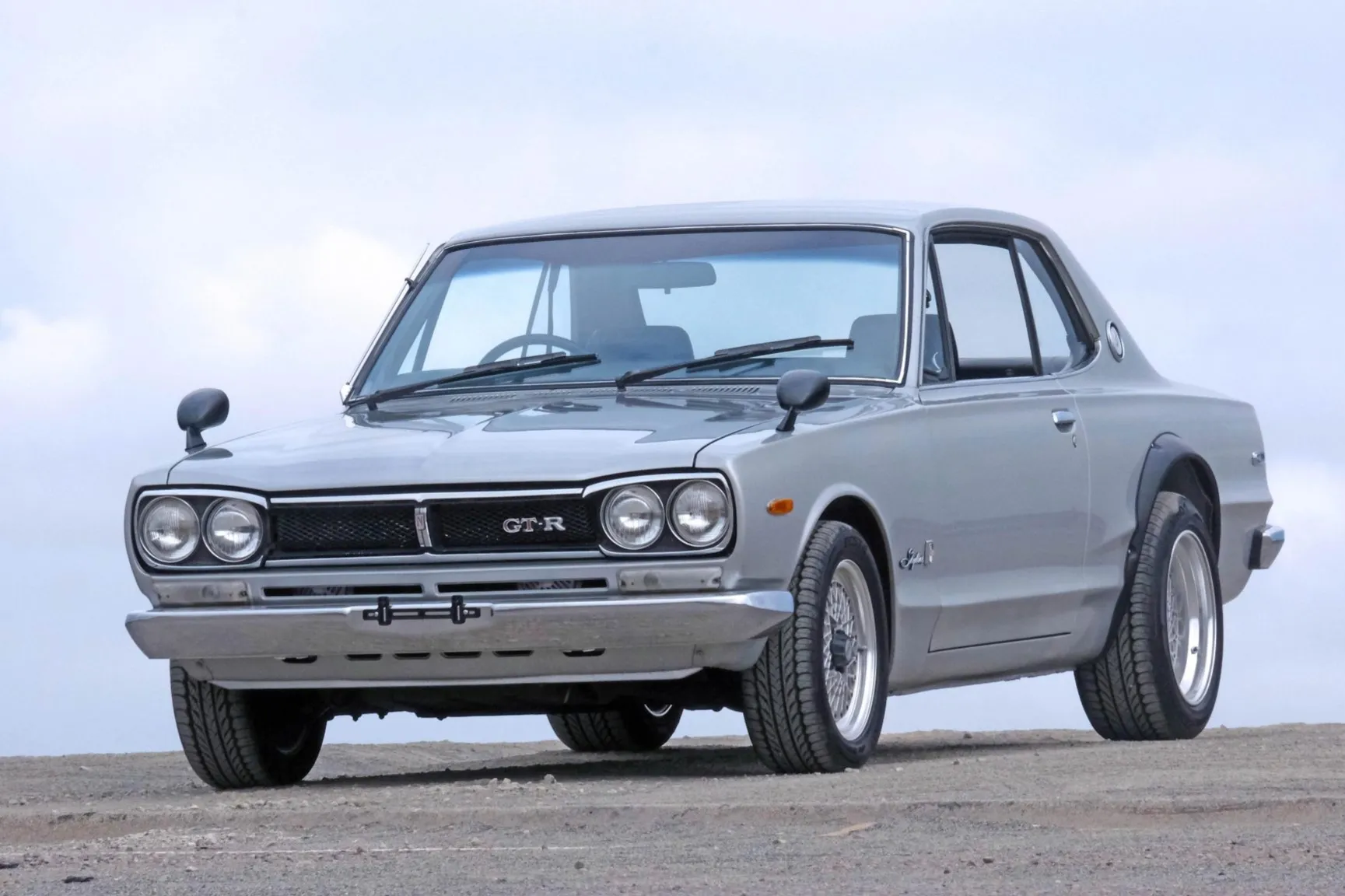
The Nissan Skyline 2000GT-R, affectionately nicknamed the “Hakosuka” (Boxy Skyline), is the first-ever GT-R and the progenitor of Nissan’s legendary performance lineage.
Introduced in 1969 as part of the third-generation C10 Skyline, the Hakosuka quickly established itself as a formidable contender in motorsport, dominating Japanese racing circuits and laying the foundation for the “Godzilla” GT-R legacy.
Its combination of rarity, performance, and engineering innovation has cemented its status as a highly collectible and revered Japanese sports car.
The Hakosuka traces its roots to the earlier Skyline lineage developed by the Prince Motor Company. The first Skyline debuted in 1957 as a modest luxury car, but the series’ fortunes shifted with the S54 2000GT in 1964, engineered by Shin’ichiro Sakurai.
This model extended the wheelbase to accommodate the G7 six-cylinder engine, allowing it to compete in the GT-II class at the Japanese Grand Prix. Its racing prowess, finishing second to a Porsche 904 Carrera GTS while sweeping multiple top positions, marked the beginning of the Skyline’s motorsport reputation.
The C10 Skyline, released in 1968 after the merger of Prince and Nissan, brought the ultimate evolution: the 2000GT-R. Initially launched as a four-door sedan (PGC10) in February 1969, the GT-R featured the race-derived 1,989 cc S20 inline-six engine.
With dual overhead cams, four valves per cylinder, hemispherical combustion chambers, and triple Mikuni-Solex carburetors, the engine produced 160 hp, paired with a five-speed manual transmission.
A two-door coupe version (KPGC10) followed in 1970, enhancing the model’s iconic presence. Production was limited, with only 832 sedans built, making the four-door GT-R exceptionally rare.
The Hakosuka’s chassis combined front strut and independent semi-trailing-arm rear suspension with front disc and rear drum brakes, delivering a well-balanced, high-revving driving experience. Its distinctive styling, including the “dog bone” front grille and headlight surrounds, gave it a menacing yet understated appearance.
Original features, such as black steel wheels, a wood-rimmed steering wheel, a correct shift knob, and a complete set of tools, contribute to its collectible appeal.
Today, the Hakosuka GT-R is highly sought after by collectors worldwide. Authentic examples are rare outside Japan, yet they are celebrated for their advanced engineering, motorsport heritage, and exhilarating driving dynamics.
From winding canyon roads to historic racetracks, the high-revving S20 engine, balanced chassis, and throaty exhaust note deliver a driving experience that remains unmatched.
The Nissan Skyline 2000GT-R “Hakosuka” is not merely a classic car; it is the original Godzilla, the foundation of a legendary line of high-performance Skylines and modern GT-R supercars, embodying the spirit of innovation, motorsport excellence, and timeless Japanese automotive engineering.
7. Toyota 2000GT
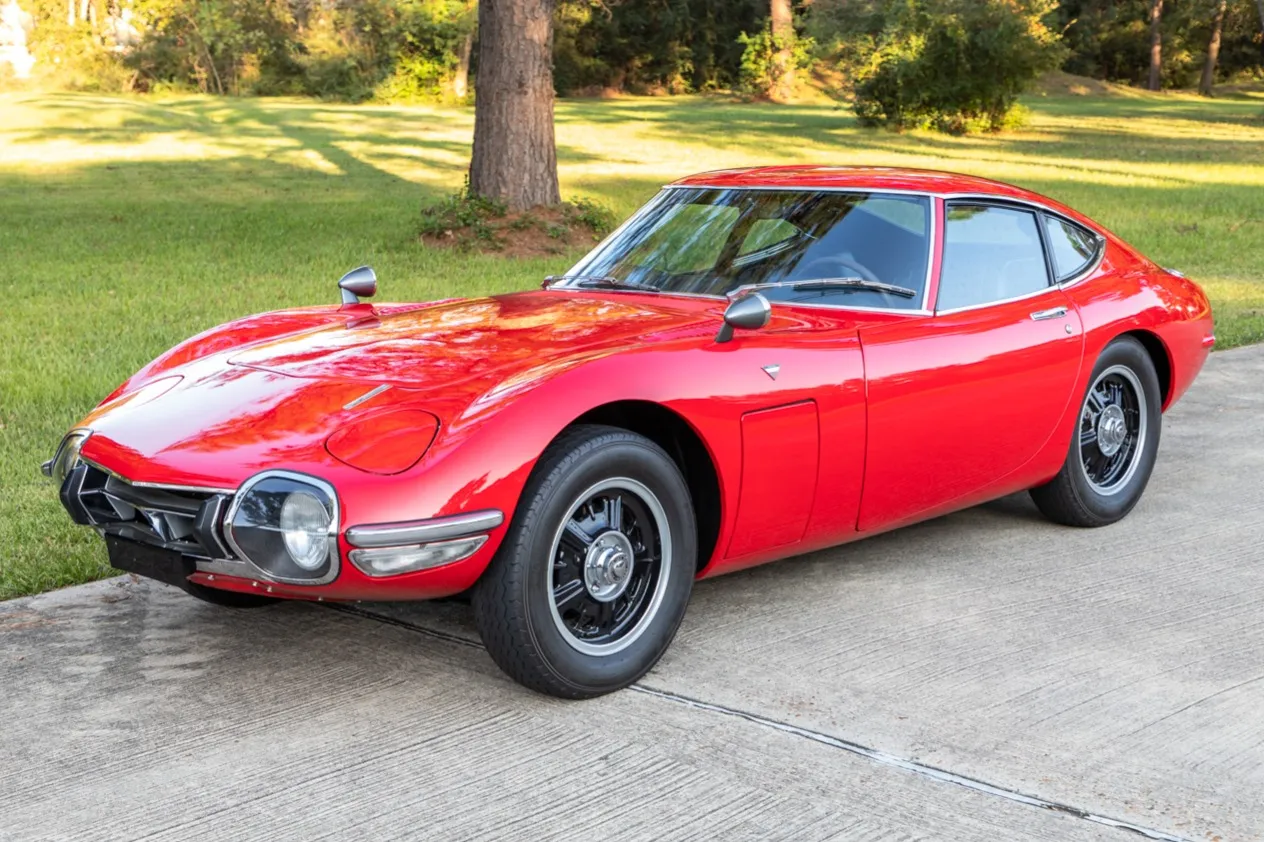
The Toyota 2000GT is widely regarded as one of the most beautiful and highly sought-after Japanese sports cars of all time. Introduced in the 1960s, it served as Toyota’s first halo car, establishing the brand’s presence in the high-performance sports car market long before the era of the Supra. Its timeless design, engineering pedigree, and rarity have cemented its status as a Japanese automotive icon.
Stylistically, the 2000GT drew clear inspiration from the Jaguar E-Type, featuring long, flowing lines, a sleek roofline, and a low-slung stance. Pop-up headlights, chunky fog lamps, and a distinctive front grille accentuated its aggressive yet elegant appearance.
The car’s compact proportions and refined bodywork reflected both European influences and meticulous Japanese craftsmanship. Only 351 examples were ever produced, and just 84 of these were left-hand drive, making it extremely rare and highly valuable today.
Mechanically, the 2000GT was powered by a 2.0-liter inline-six engine, derived from the Toyota Crown but enhanced with Yamaha-designed aluminum cylinder heads and Mikuni-Solex carburetors.
Producing around 145–150 horsepower and 118 lb-ft of torque, the engine was paired with a five-speed manual transmission, delivering a responsive and engaging driving experience.
The 2000GT featured lightweight magnesium alloy 15-inch wheels, improved suspension components, and upgraded brakes, giving it impressive handling for a car of its era.
Many of the surviving 2000GTs have undergone restorations or refurbishments to maintain their condition. One notable example, built in 1967 and originally sold in Switzerland, was refurbished in 2014.
Cosmetic updates included rust repairs near the A-pillars, rubber seal replacements, and a black-trimmed interior with rosewood accents on the center console and steering wheel.
Mechanical updates included a full engine rebuild, upgraded brakes, and a new suspension with modern shock absorbers. Despite these restorations, the car retains its original Solar Red exterior, preserving its classic appeal.
The 2000GT is more than just a collector’s car; it represents a milestone in Japanese automotive history. As Toyota’s first halo sports car, it set the stage for decades of innovation in the sports coupe segment. Its combination of elegance, performance, and rarity has made it a global icon, with prices reaching extraordinary levels at auctions and private sales.
Today, the Toyota 2000GT stands as a symbol of Japanese automotive ambition and artistry. Its sweeping lines, sophisticated engineering, and limited production make it not only one of the most coveted Japanese cars but also one of the most beautiful sports cars of the 20th century, earning a lasting legacy among enthusiasts and collectors worldwide.
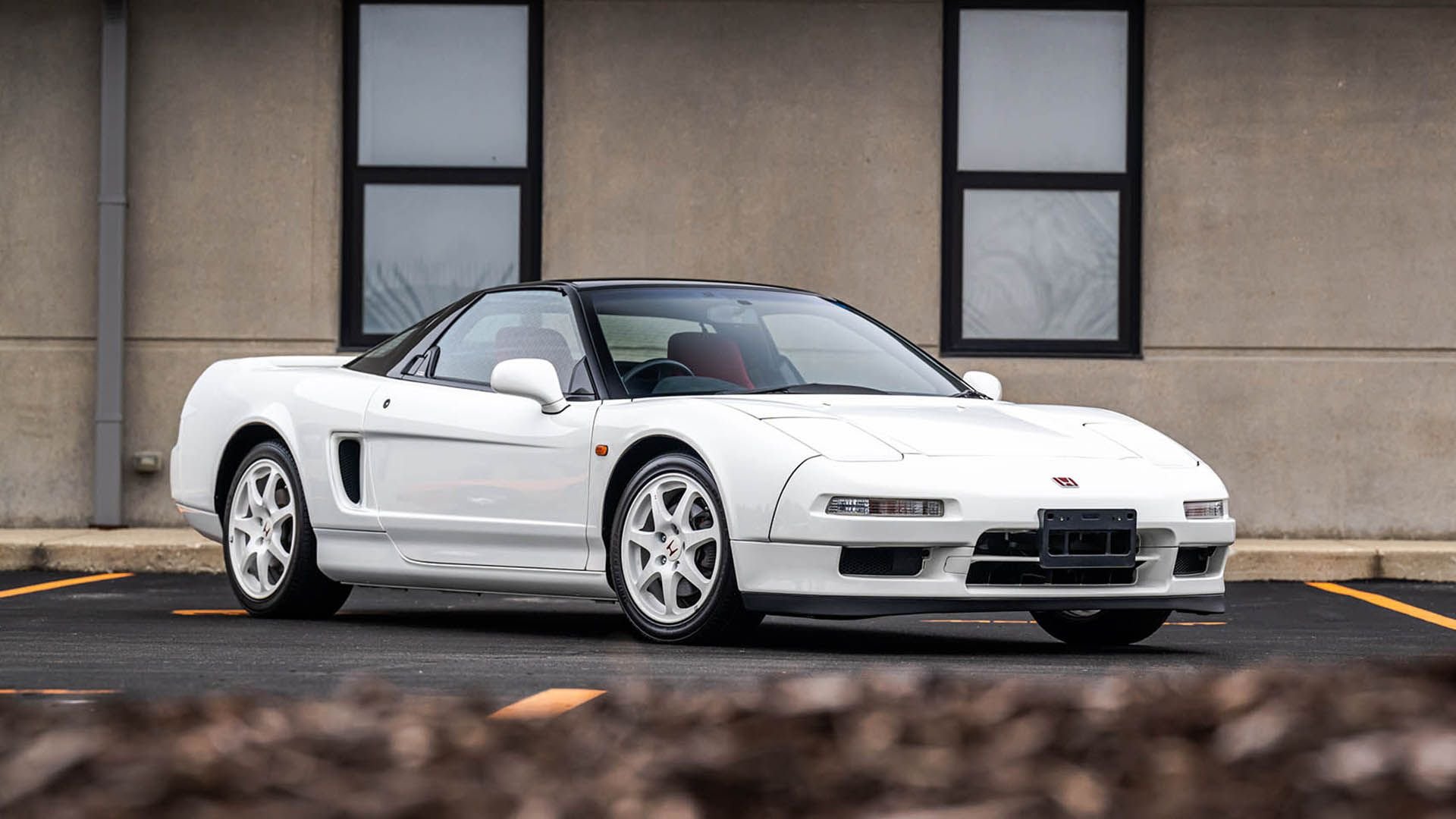
8. Honda NSX-R and NSX-R GT
The first-generation Honda NSX revolutionized the supercar world by combining performance with everyday usability, offering a reliable, comfortable, and highly visible cabin alongside a thrilling 276 hp V6 and lightweight chassis.
While the standard NSX was a capable and practical supercar, Honda created the NSX-R for enthusiasts seeking a pure, uncompromised driving experience, and the NSX-R GT to meet homologation requirements for the JGTC racing series. Both represent extreme variants of an already groundbreaking car.
The NSX-R focused on weight reduction and agility above all else. Carbon fiber played a central role, with the hood, rear wing, and front splitter crafted from the lightweight material, the hood being the largest carbon panel used on any car at the time.
Honda stripped out non-essential features, including the stereo, air conditioning, and most sound-deadening materials, and even removed power steering. These measures cut roughly 220 pounds, making the NSX-R sharper, more responsive, and more challenging to drive than the standard NSX.
The suspension was stiffened, and the car handled with increased precision, perfectly complementing the high-revving 3.2-liter V6. Although Honda officially rated the engine at 290 hp, each unit was meticulously hand-assembled, with pistons and crankshafts precision-matched to reduce rotational inertia.
The NSX-R could reach 62 mph in 4.7 seconds with a top speed of 174 mph, despite sharing the same official output as the standard NSX.
The NSX-R GT, introduced in 2005, was built to comply with JGTC regulations requiring five road-going cars to homologate a race variant. Only five were ever produced, and just one entered private ownership.
The R GT featured an aggressive carbon fiber body kit, longer front and rear sections for improved aerodynamics, larger side air intakes, and a rear roof snorkel for aesthetics and track-inspired flair.
Mechanically, it retained the NSX-R’s V6, six-speed manual, and chassis setup, focusing on homologation rather than performance gains. Its rarity and racing heritage make it one of the most collectible Japanese supercars, with values now exceeding $1 million.
The NSX-R series represents Honda’s commitment to precision, lightweight engineering, and driver-focused performance. The original 1992 NSX-R, produced in 483 units, began this legacy by shedding unnecessary weight and enhancing handling with upgraded suspension, differential, and final drive ratio.
The 2002 facelifted NSX-R refined the concept further, combining carbon fiber, hand-built engines, and race-bred chassis dynamics. Together with the ultra-exclusive NSX-R GT, these models highlight Honda’s mastery of engineering, creating some of the most agile, responsive, and celebrated Japanese supercars of their era.
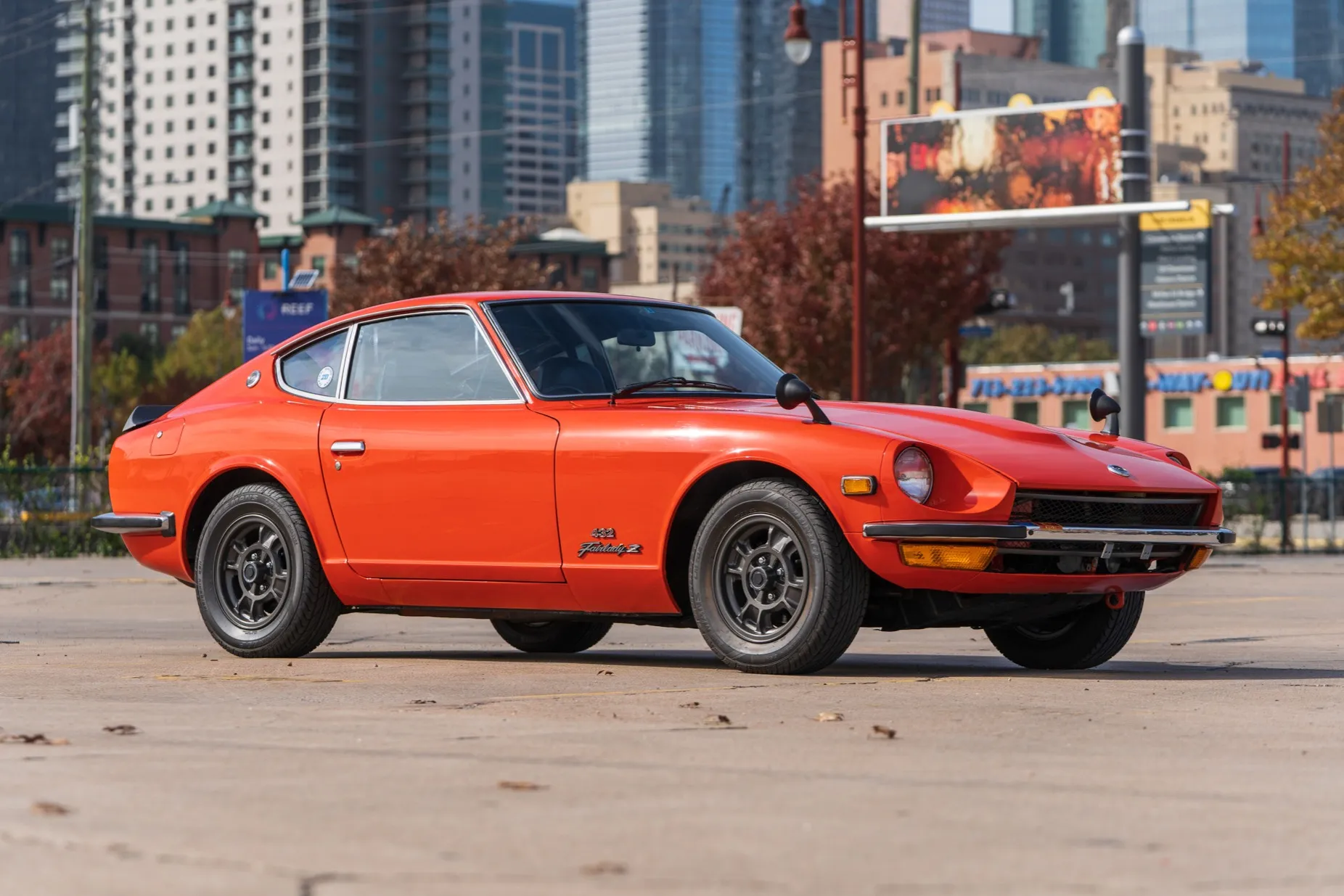
9. Nissan Fairlady Z 432
The Nissan Fairlady Z 432, also known as the S30 Z-car or Datsun 240Z in international markets, represents the ultimate high-performance version of the first-generation Z.
Introduced in December 1969, the S30 laid the foundation for one of the most enduring sports car lineages, combining Japanese engineering with sleek, sporty styling. Among the original Z-cars, the 432 stands out for rarity, performance, and historical significance.
The “432” designation reflects its engineering: 4 valves per cylinder, 3 carburetors, and 2 camshafts, drawn directly from the S20 inline-six engine used in the Skyline 2000GT-R. This 1,989 cc DOHC engine produced 160 PS at 7,000 rpm and 177 Nm of torque at 5,600 rpm.
Only 420 units of the Z432 were ever built, making it extremely rare and highly sought after, with examples recently selling for over $1 million. The car came standard with a limited-slip differential and lightweight magnesium wheels, underscoring its performance-focused nature.
The S30 Z432 weighed just 1,040 kg, and its suspension combined front and rear struts for independent handling. Braking was handled by front disc and rear drum brakes, providing confident stopping power for its era. Its dimensions are 4,115 mm long, 1,630 mm wide, and 1,290 mm tall, with a 2,305 mm wheelbase, making it compact, agile, and ideal for spirited driving.
Globally, the first-generation Fairlady Z achieved immense success, selling over 520,000 units across Japan, North America, and other markets. The 432 variant, however, was a halo model, priced at 1.85 million yen, nearly double that of the base Z-car, reflecting its advanced engineering and exclusivity.
Today, the Z432 remains an icon of Japanese automotive history, celebrated for its racing pedigree, Skyline-derived powertrain, and status as the ultimate expression of the original Z-car.
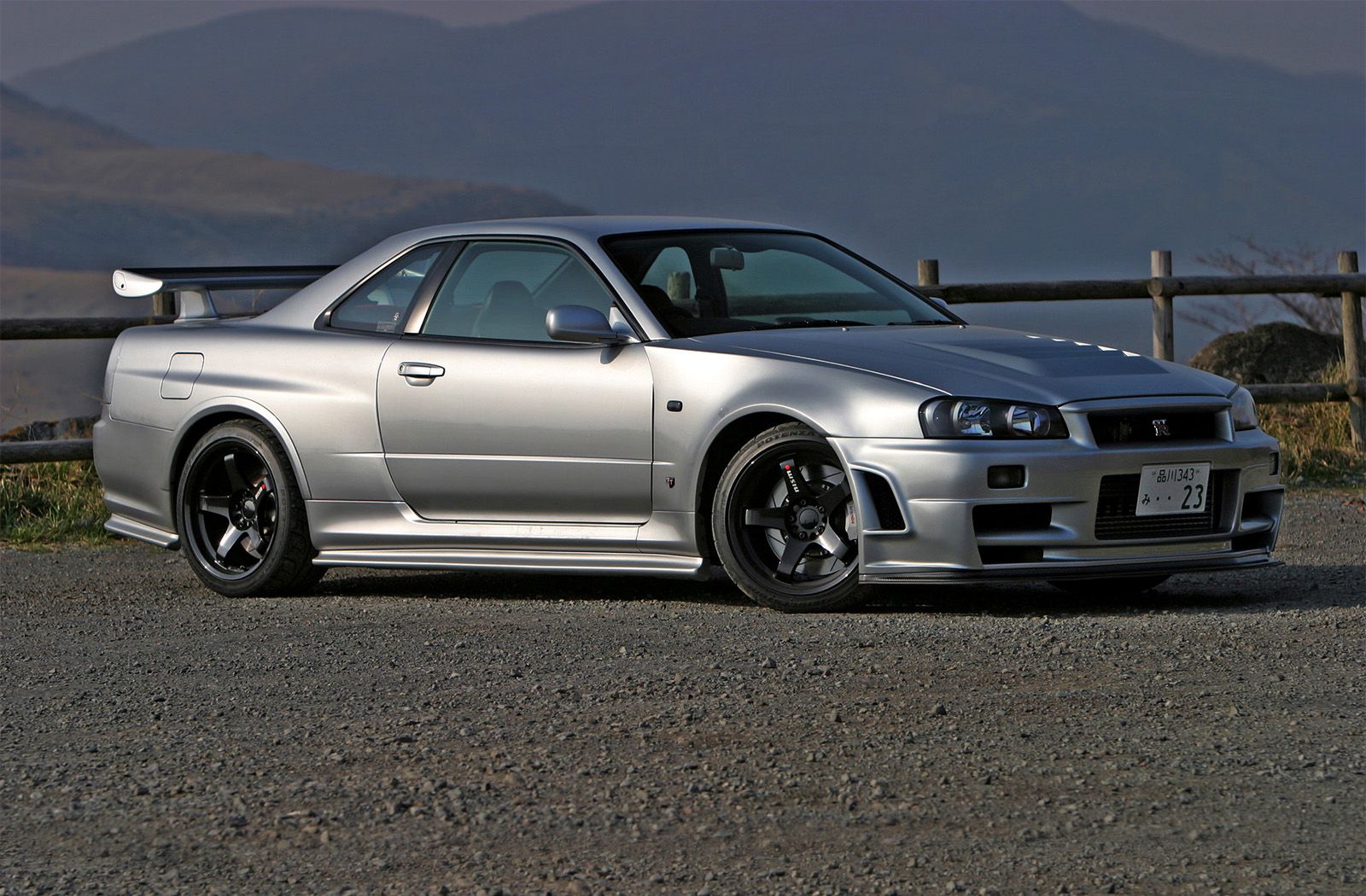
10. Nissan Skyline GT-R Nismo Z-Tune
The Nissan Skyline GT-R Nismo Z-Tune is widely regarded as the pinnacle of the R34 generation, representing the ultimate expression of Nismo’s engineering prowess.
Produced 18 months after the R34 had ended production, the Z-Tune was a hand-built, limited-edition masterpiece designed to celebrate Nismo’s 20th anniversary. Only 19 cars were ever completed, making it exceedingly rare and extremely valuable, with prices now reaching millions of dollars.
The Z-Tune project began with the Z1 concept, revealed at the Nismo festival at Mount Fuji in 2000. Featuring a 2.8-liter Z1 engine, the prototype won the Tuners’ Battle competition and laid the foundation for the road-going Z-Tune.
Over the following years, Nismo refined the car for durability, emissions compliance, and drivability, culminating in the Z2-spec engine, which became the heart of the production Z-Tune.
The Z-Tune’s engine was a hand-built 2.77-liter RB26DETT variant with GT500-derived enhancements, producing 500 bhp at 6,800 rpm and 398 lb-ft of torque at 5,200 rpm. Upgrades included forged pistons with cooling channels, a long-stroke GT500 crankshaft, SNCM 439 steel connecting rods, and a baffled oil sump.
Twin heavy-duty IHI turbochargers, an upgraded Nismo intercooler, and additional oil coolers ensured optimal performance. A remapped ECU allowed the engine to rev to 8,000 rpm, and a titanium-Weldina exhaust system completed the setup.
Power was transmitted via the Getrag V160 six-speed manual, coupled with a twin-plate Super Coppermix clutch, carbon-fiber driveshaft, and the ATTESSA E-TS Pro all-wheel-drive system with upgraded LSDs.
The chassis and suspension were heavily reinforced with additional spot welding and carbon-fiber-reinforced polymer (CFRP) components, including the floor, strut towers, central tunnel, and trunk.
Three-way adjustable Sachs dampers, thicker anti-roll bars, and revised camber settings enhanced handling, while upgraded brakes, 365mm front and 355mm rear, provided formidable stopping power. Unique black-painted Rays LM GT4 wheels and Bridgestone Potenza RE-01R tires completed the performance package.
Aerodynamic improvements were extensive, with CFRP front bumper, hood, and fenders, ABS resin side and rear skirts, and a rear spoiler flap optimizing airflow.
The interior was upgraded with black leather and red Alcantara seats, red-stitched steering wheel and handbrake, titanium gear knob, and Nismo-branded white-faced gauges. Each car included a carbon-fiber Z-Tune briefcase, reflecting the model’s exclusivity.
Despite weighing 1,600 kg, slightly more than a standard R34, the Z-Tune’s performance was extraordinary. Top speed reached 203 mph, and 0-62 mph acceleration dropped to just 3.8 seconds, a significant improvement over the standard V Spec.
The Nismo Z-Tune remains the ultimate R34 Skyline, combining hand-built precision, extreme performance, and rare exclusivity, solidifying its status as one of the most legendary Japanese sports cars ever produced.
These ten rare Japanese sports cars represent the peak of engineering, performance, and design. From the Nürburgring-tuned Lexus LFA to the hand-built Nissan Skyline GT-R Nismo Z-Tune, each car combines technical mastery, motorsport heritage, and unmistakable style.
Their rarity and historical importance make them highly desirable to collectors and enthusiasts alike. As prices continue to rise, the appeal of these cars extends beyond investment; they offer a direct connection to Japan’s tradition of precision, innovation, and driving excitement.
For those who appreciate speed, craftsmanship, and automotive artistry, these machines remain symbols of excellence and timeless achievement in Japanese sports car history.
Also Read: 5 Rare Diesel Cars That Keep Running vs 5 Common Diesels With Early Turbo Failures