
When people think of future classic cars, they often picture iconic muscle machines like the Dodge Challenger, Chevrolet Camaro, or Ford Mustang. But lurking in the shadows are a number of underrated American models that, while overlooked in their day, are already showing signs of gaining collector status.
These cars didn’t always dominate sales charts or headline advertisements, yet they blended performance, rarity, and character in ways that resonate strongly with enthusiasts today.
From luxury sedans hiding V8 muscle to turbocharged compacts tuned for the track, these vehicles proved that American engineering could compete with and sometimes outperform their European and Japanese rivals.
More than just daily drivers, they carried stories of bold experimentation, short production runs, and cult followings that only grow with time. As the automotive world shifts toward electrification, these underappreciated machines are becoming more than just used cars; they’re future classics.
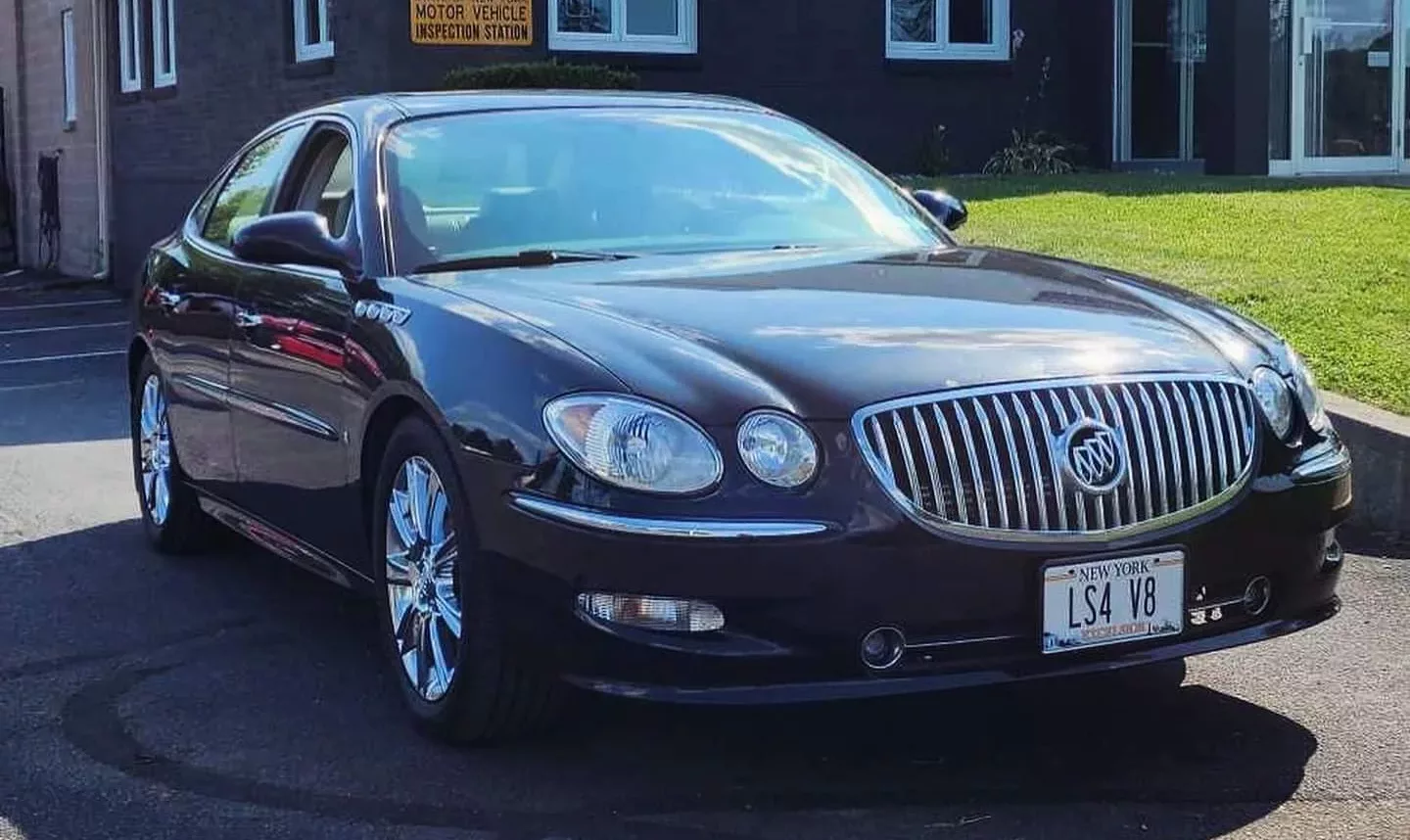
1. Buick LaCrosse Super: The Sleeper Sedan with Muscle
Introduced in 2004, the Buick LaCrosse was widely regarded as a dependable but uninspiring mid-size sedan. That reputation changed in 2008 with the arrival of the LaCrosse Super, a performance-oriented variant that injected muscle-car DNA into Buick’s lineup. Much like how the legendary 442 package transformed the Oldsmobile Regal, the Super gave the LaCrosse an unexpected edge.
At the heart of the LaCrosse Super is a 5.3-liter V8 engine producing 300 horsepower and 323 lb-ft of torque. Paired with a four-speed automatic transmission and front-wheel drive, it launched from 0-60 mph in just 5.7 seconds and reached a top speed of 150 mph.
These numbers made the sedan a legitimate contender in the performance space, while its refined ride and upscale styling maintained Buick’s luxury appeal. The addition of unique wheels and subtle styling tweaks gave it a more aggressive presence, shifting public perception of the LaCrosse from mundane to menacing.
Despite its performance credentials, the LaCrosse Super was produced only from 2008 to 2009, making it a rare find today. Its short production run and V8 engine, an increasingly scarce feature in modern sedans, add to its potential as a future collectible. Enthusiasts often view it as a “sleeper car”: unassuming on the surface but surprisingly powerful under the hood.
However, ownership comes with caveats. The LaCrosse Super’s reliability is mixed, especially compared to the more common V6-powered models. The 5.3L V8, while strong, is prone to costly issues such as oil leaks, oil pump failures, and cooling system problems. High-mileage examples are particularly risky, and buyers are strongly advised to secure a thorough mechanic’s inspection before purchase.
For those prioritizing reliability over performance, the standard LaCrosse with the 3800 V6 may be a safer choice. Yet, for enthusiasts who value rarity, muscle, and comfort, the LaCrosse Super stands out as an underappreciated gem. With proper care and maintenance, it offers the thrill of a V8-powered sleeper sedan wrapped in Buick luxury.
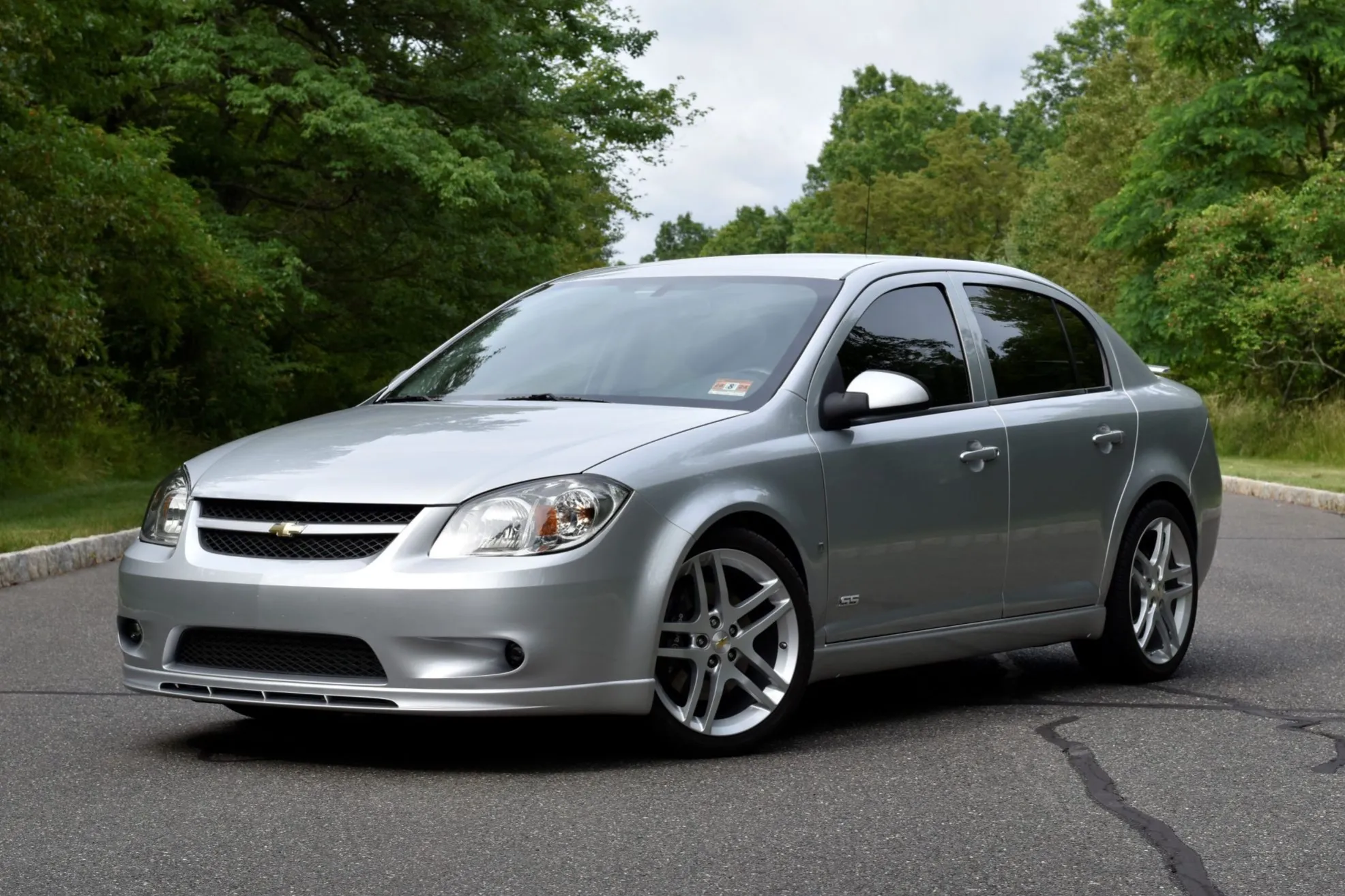
2. Chevrolet Cobalt SS Turbocharged: America’s Affordable Tuner Icon
The Chevrolet Cobalt SS Turbocharged, produced from 2008 to 2010, represented Chevy’s strongest attempt at entering the tuner and compact sports car market. Positioned against imports like the Subaru WRX and Mitsubishi Lancer Evolution, it aimed to deliver affordable performance with an American twist.
Although the styling, particularly its oversized rear wing, drew criticism, the Cobalt SS quickly earned respect for its speed, agility, and upgrade potential.
At the heart of the Cobalt SS Turbocharged was a 2.0-liter Ecotec turbocharged inline-four engine producing 260 horsepower and 260 lb-ft of torque. Mated exclusively to a five-speed manual transmission, the car could sprint from 0-60 mph in just 5.5 seconds and reach a top speed of 155 mph.
Performance features like launch control, no-lift shift, Brembo brakes, and a sport-tuned suspension elevated its driving dynamics, while a Nürburgring lap record for front-wheel-drive production cars further cemented its credibility.
Chevrolet also offered a Stage 1 upgrade kit, boosting output by an additional 30 horsepower, making the compact coupe even more formidable.
Enthusiasts appreciated its lightweight chassis, nimble handling, and strong aftermarket support, with companies such as ZZ Performance offering a wide range of bolt-on upgrades. Despite lacking a standard, limited-slip differential, the car was praised for its responsive steering and balance.
Inside, the Cobalt SS featured GM performance bucket seats with aggressive bolsters, similar to those in the Corvette, and a distinctive pillar-mounted digital boost gauge that highlighted its tuner appeal. While its interior materials and styling didn’t match European or Japanese rivals, the focus was clearly on delivering performance at a reasonable price.
Today, the Cobalt SS Turbocharged is recognized as an underrated “sleeper” car. Affordable, fast, and tuner-friendly, it occupies a unique place in American performance history.
With its rare combination of speed, affordability, and racing pedigree, it is increasingly viewed as a future classic. Collectors and enthusiasts alike now see the Cobalt SS Turbo as one of the best hidden gems from the late 2000s tuner era.
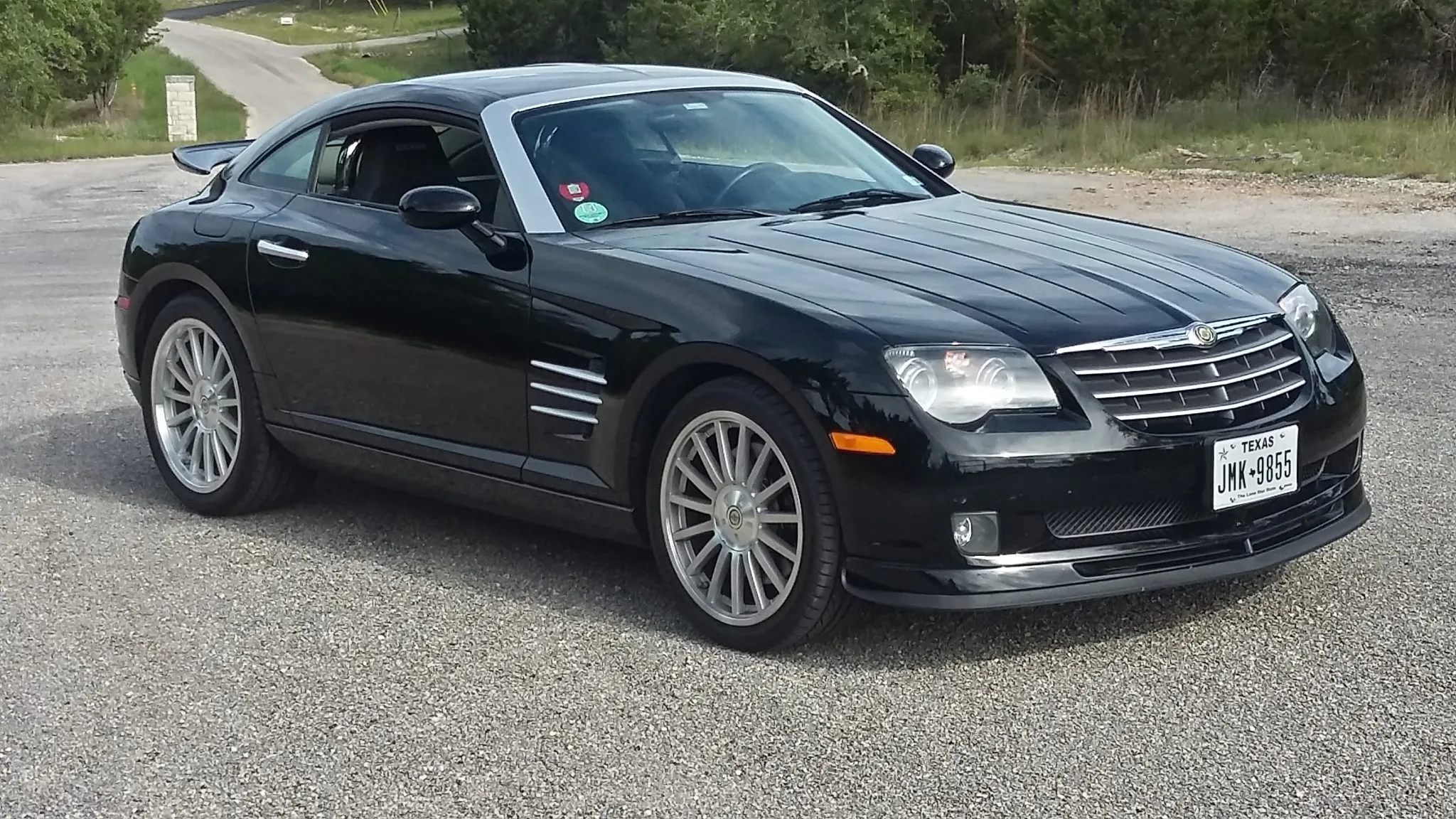
3. Chrysler Crossfire SRT-6: The Overlooked AMG in Disguise
The Chrysler Crossfire SRT-6 is one of the most underrated sports cars of the 2000s, a product of the Daimler-Chrysler partnership that gave American buyers German engineering at a domestic price.
Built from 2005 to 2008, the Crossfire shared about 80 percent of its components with the Mercedes-Benz SLK, including its suspension, chassis, and powertrain. Despite this prestigious lineage, Chrysler struggled to market the car effectively, and it never achieved mainstream success.
The high-performance SRT-6 variant elevated the Crossfire into near-supercar territory. Under the hood sat a hand-built, supercharged 3.2-liter Mercedes-Benz AMG V6 engine, producing 330 horsepower and 310 lb-ft of torque. Mated to a five-speed automatic transmission with manual shift capability, the car delivered a 0-60 mph sprint in 5.4 seconds and a top speed of 158 mph.
The powertrain, suspension, and braking system were nearly identical to those found in the Mercedes SLK 32 AMG, providing impressive stability, cornering grip, and stopping power.
Beyond its mechanical prowess, the Crossfire SRT-6 stood out visually with performance-oriented cues such as a fixed rear spoiler, aggressive body lines, and wide Z-rated Michelin Pilot Sport tires.
Inside, it offered bolstered performance seats and driver-focused details that aligned with its Street and Racing Technology (SRT) branding. Available as both a coupe and a roadster, the SRT-6 combined European refinement with American accessibility.
Rarity is another hallmark of the Crossfire SRT-6. With only 2,466 coupes and 1,321 roadsters produced during its run, it remains one of the scarcest performance cars of its era. This limited production, coupled with its AMG-derived engineering, positions it as a potential future collectible.
While it may have been overlooked at launch, the Crossfire SRT-6 has gained new appreciation among enthusiasts who recognize it as an affordable alternative to its Mercedes counterpart.
Offering thrilling performance, exclusivity, and a strong connection to German engineering, the Chrysler Crossfire SRT-6 represents one of the most intriguing hidden gems of the 2000s sports car market.
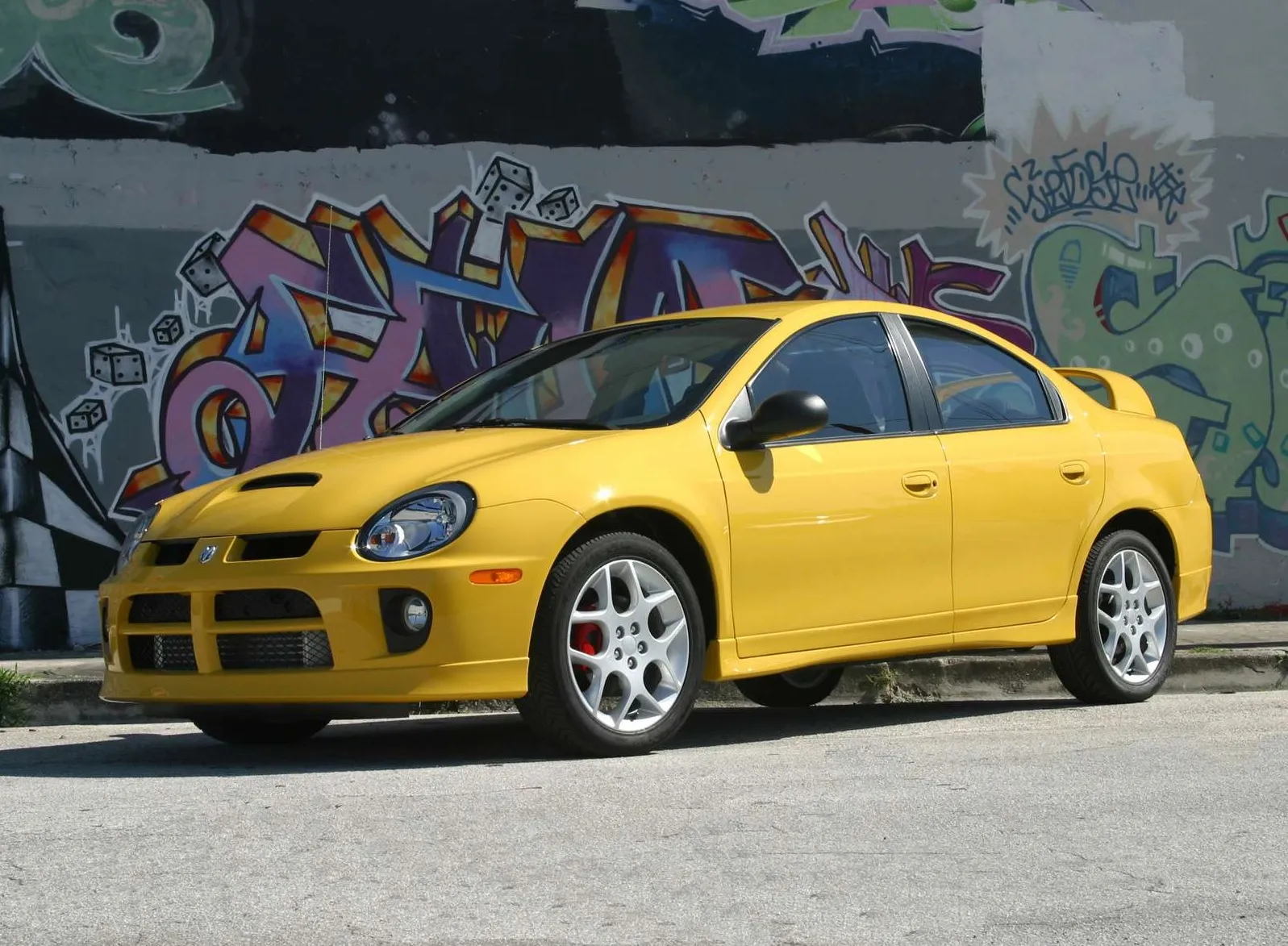
4. Dodge Neon SRT-4: The Compact Mopar Powerhouse
The Dodge Neon SRT-4, produced from 2003 to 2005, stands as one of the most surprising performance compacts of the early 2000s. Developed by DaimlerChrysler’s Performance Vehicle Operations (later renamed Street and Racing Technology, or SRT), the car was essentially Dodge’s attempt to transform the modest Neon into a turbocharged tuner-killer.
To distance it from the underwhelming reputation of the base Neon, Dodge even requested that the media call it simply the “SRT-4.” Despite this marketing effort, the car’s association with the Neon name may have prevented it from achieving the respect it deserved.
At its heart, the SRT-4 featured a turbocharged 2.4-liter inline-four producing 215 horsepower in its first year and 230 horsepower with upgrades in 2004–2005. Torque figures rose to 250 lb-ft, with independent dyno tests revealing the actual output was likely higher, around 255–265 horsepower at the flywheel and up to 270 lb-ft of torque.
Weighing under 3,000 pounds, the SRT-4 offered an outstanding power-to-weight ratio, allowing it to sprint from 0-60 mph in as little as 5.3 seconds and complete the quarter-mile in under 14 seconds. Top speed was measured at 153 mph, putting it on par with Japanese rivals like the Mitsubishi Evo and Subaru WRX.
The SRT-4 wasn’t just a Neon with a turbo. Its engine block was heavily reworked with stronger crankcase webbing, forged connecting rods, Mahle aluminum alloy pistons, oil squirters for cooling, and improved head design.
A Mitsubishi TD04LR-15Gk turbocharger was mated to a front-mounted intercooler, pushing up to 14 psi of boost. Mopar’s Stage 2 and Stage 3 kits further enhanced output and raised the rev limit to 6,500 rpm, making the car a serious contender in the tuner market.
The exhaust system was another standout. With no muffler, only resonators and the turbo to dampen sound, the SRT-4 produced a raw, aggressive exhaust note that became part of its identity.
Two notable versions expanded the SRT-4 lineup. The ACR (American Club Racing) edition offered track-focused suspension and performance upgrades, while the 2005 Commemorative Edition sported Viper-inspired stripes, enhancing its visual appeal. These special trims, combined with limited production numbers, have made certain SRT-4 models particularly desirable among collectors.
On the road, the SRT-4 was praised for its explosive acceleration, responsive handling, and affordability. Its front-wheel-drive setup did bring torque steer, but many enthusiasts found it manageable given the performance. With factory features like a short-throw shifter and aggressive styling, the SRT-4 carved out a reputation as an underdog that could outperform pricier rivals.
Today, the Dodge Neon SRT-4 is remembered as a “sleeper” car, humble in appearance but capable of surprising speed. Its combination of Mopar engineering, tuner potential, and raw driving character has cemented its status as a modern classic. As V8s and high-output compacts fade, the SRT-4’s collectibility and cult following continue to grow.
5. MazdaSpeed3: The Sleeper Hot Hatch
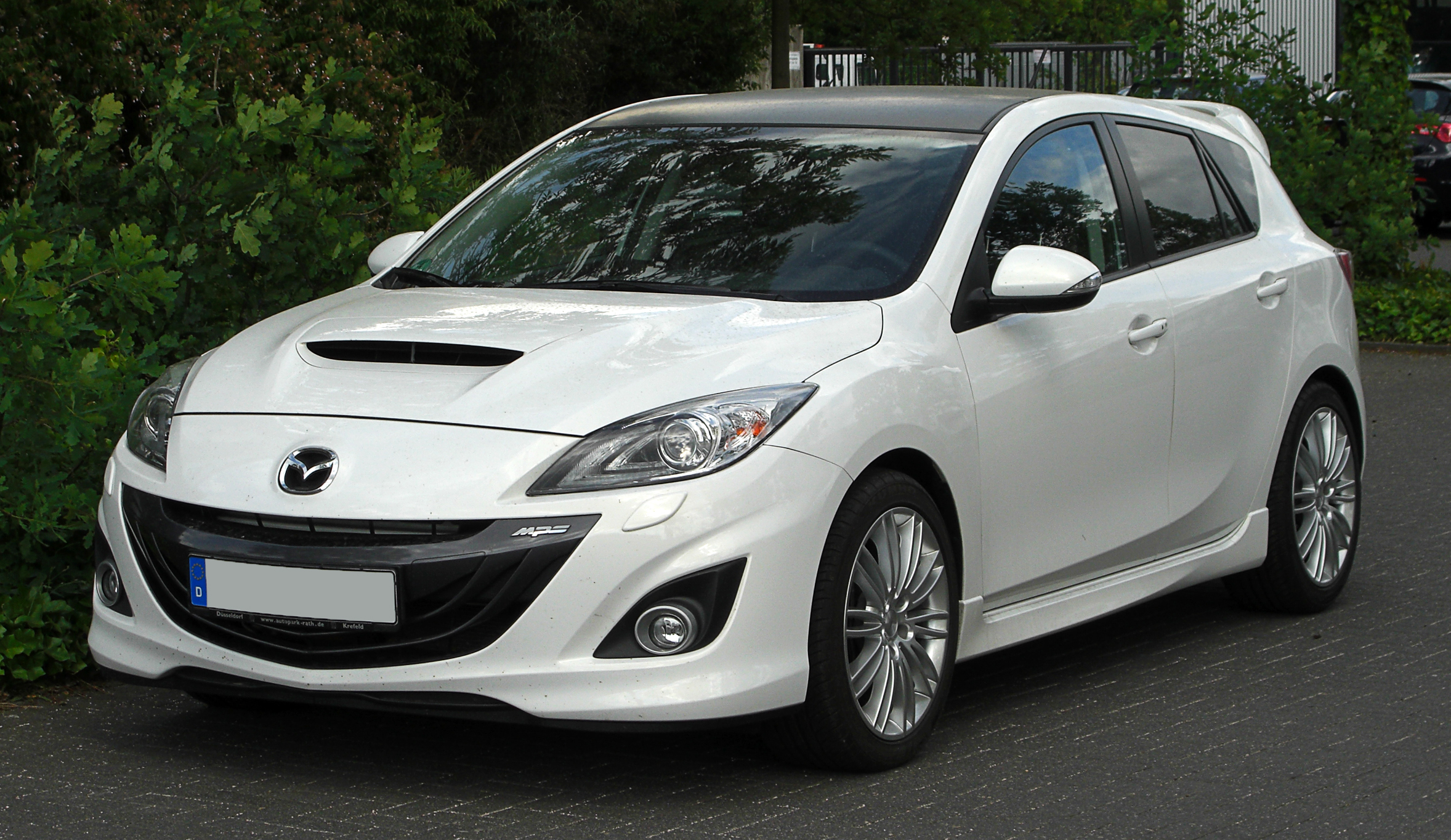
The early 2000s saw hatchbacks transform from practical budget cars into performance icons, and Mazda’s contribution to the segment was the MazdaSpeed3.
Built by Mazdaspeed, Mazda’s in-house performance division, the car arrived in 2007 and remained in production until 2013. Known internationally as the Mazda3 MPS and in Japan as the Mazdaspeed Axela, it was Mazda’s first true hot hatch since the BG Familia GT-X of the 1990s.
At the core of the MazdaSpeed3 was a 2.3-liter turbocharged inline-four producing 263 horsepower and 280 lb-ft of torque. Paired with a six-speed manual transmission and front-wheel drive, it could accelerate from 0–60 mph in just 5.2 seconds and reach a top speed of 155 mph. To handle the power, Mazda equipped the car with a limited-slip differential, enhancing grip during aggressive cornering and acceleration.
Chassis upgrades, including additional cross-members and stiffened body structure, reduced torsional flex and improved handling. Ventilated disc brakes on all four wheels, assisted by ABS, provided consistent stopping power, while traction and stability control systems kept the car composed under demanding driving conditions.
The first generation (2007–2009) featured a restrained, clean look that gave little away about its performance potential. However, the second generation (2010–2013) brought sharper styling and a functional hood scoop, giving the hatchback a more aggressive and athletic presence. This design change alone boosted its visual appeal and reinforced its hot hatch identity.
Mazda offered two trims: Sport and Grand Touring (GT). Both came with performance seats featuring embroidered logos and red stitching, aluminum pedals, and 18-inch alloy wheels.
The GT trim added luxury touches such as leather-and-Lycra sport seats, a Bose sound system, automatic Xenon headlamps, rain-sensing wipers, and LED taillights. This balance of everyday usability and track-ready performance made the MazdaSpeed3 versatile enough for daily driving while remaining exciting for enthusiasts.
Internationally, equipment varied slightly. Japanese models emphasized convenience with features like keyless entry and start, while Australian and New Zealand versions included half-leather seats and headlamp washers but lacked keyless systems. In late 2007, most markets also received an interior refresh, swapping silver accents for piano black and updating upholstery colors.
The MazdaSpeed3 was lauded for its raw, lively driving character. Its front-wheel-drive layout, combined with nearly 270 horsepower, produced noticeable torque steer, but enthusiasts often saw this as part of its charm. The precise six-speed gearbox, quick steering, and limited-slip differential made it agile and responsive, capable of challenging rivals such as the VW Golf GTI and Honda Civic Type R.
Although it never reached the fame of its European or Japanese competitors, the MazdaSpeed3 carved out a niche as an underrated performance car. Its combination of practicality, affordability, and thrilling speed makes it a compelling choice for collectors today. With rising interest in hot hatches of the 2000s, the MazdaSpeed3 stands poised to earn recognition as one of the era’s best sleeper cars.
Also Read: 5 Nissan Leaf Years Worth Owning vs 5 To Avoid
6. Subaru Impreza WRX STi: Rally-Bred Legend with Collector Potential
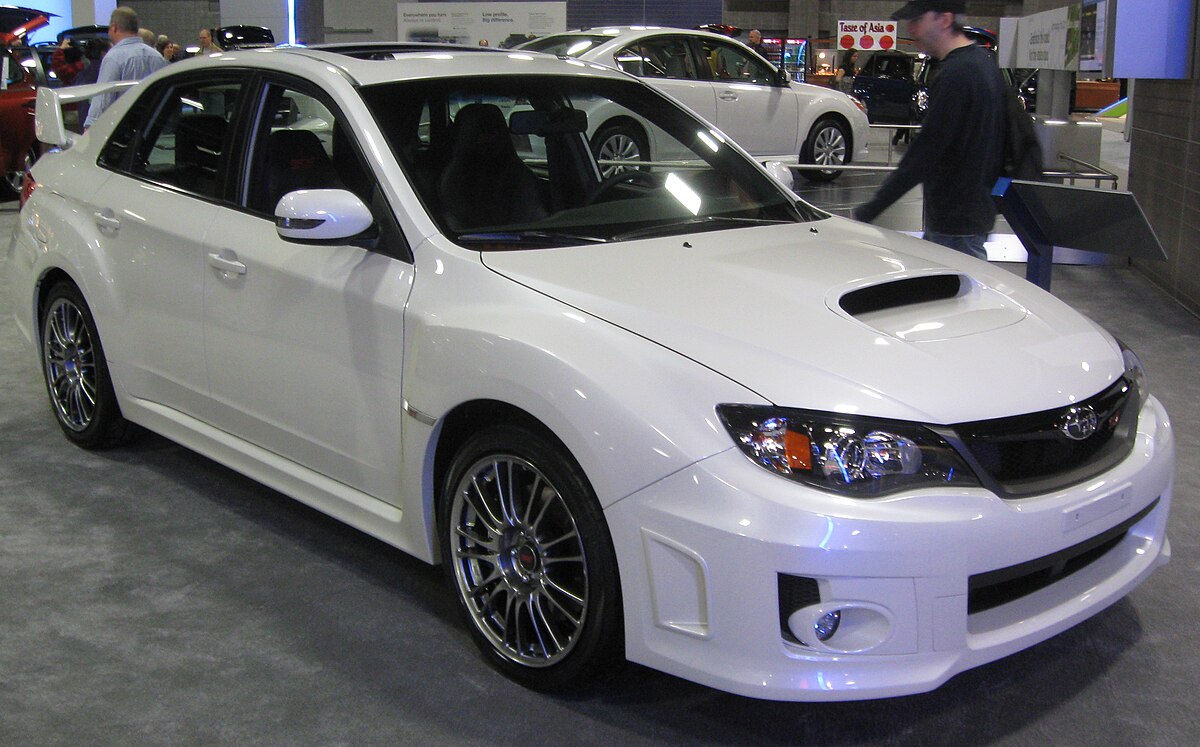
The Subaru Impreza WRX STi, produced for the U.S. market between 2004 and 2008, remains one of the most exciting compact performance sedans of its era. While Subaru’s rally heritage gave the WRX STi instant credibility, its sales figures were modest: only 25,813 units sold across four model years, averaging about 6,400 annually.
Those numbers make it rarer than many enthusiasts realize, and rarity often fuels collectibility. With a blend of performance, versatility, and motorsport pedigree, the WRX STi is now seen as one of the best candidates to become a modern classic.
At its core, the WRX STi was powered by a turbocharged 2.5-liter flat-four producing 300 horsepower and 300 lb-ft of torque. Paired with a six-speed manual transmission and Subaru’s legendary all-wheel-drive system, the car rocketed from 0–60 mph in just 4.7 seconds and topped out at 155 mph.
Its drivetrain was tuned for aggressive driving, making it equally capable as a drag racer, drift car, or off-road rally machine. This adaptability, uncommon among compact sedans, contributed to its cult following.
The WRX STi wasn’t just about speed; it looked the part too. Flared fenders, an oversized rear wing, hood scoop, and rally-inspired stance gave it a muscular presence on the road.
Subaru built on its rally identity, offering buyers a four-door compact with everyday usability but the attitude of a race car. Early U.S. models from 2004 remain the most sought-after, thanks to their raw character and connection to Subaru’s motorsport golden years.
After 2008, Subaru continued producing WRX STi models under its Subaru Tecnica International (STI) tuning division, with the VA generation (2014–2021) marking the next major step.
The VA featured upgrades like a retuned EJ257 engine, stronger brakes, a refined six-speed manual, and interior enhancements such as Recaro bucket seats and STI-exclusive details. In 2018, revisions included a restyled front fascia, 19-inch wheels, and an electronically controlled differential for sharper handling.
Subaru closed this chapter in 2020 with the EJ25 Final Edition, a highly exclusive run of just 75 cars worldwide. Featuring gold forged BBS wheels, Brembo brakes, and unique STI badging, it marked the end of the legendary EJ-series engine, further cementing its collector appeal.
Although the VB-generation WRX launched in 2021 without an official STi variant, Subaru has continued offering “tuned by STI” trims and accessories in global markets. Enthusiasts continue to speculate about a revival.
In June 2025, Subaru’s CTO hinted at a major reveal during the Japan Mobility Show, showing a sketch that resembled a next-generation WRX STi, fueling hopes for a comeback.
The Subaru WRX STi blends rarity, performance, and heritage in a package few cars can match. Its role in rally history, combined with its road-going versatility, makes it a prime candidate for collectibility.
Already beloved by enthusiasts, early U.S. models in particular are poised to become valuable classics. For those who appreciate raw speed, AWD confidence, and motorsport DNA, the WRX STi stands as one of the definitive performance icons of the 2000s.
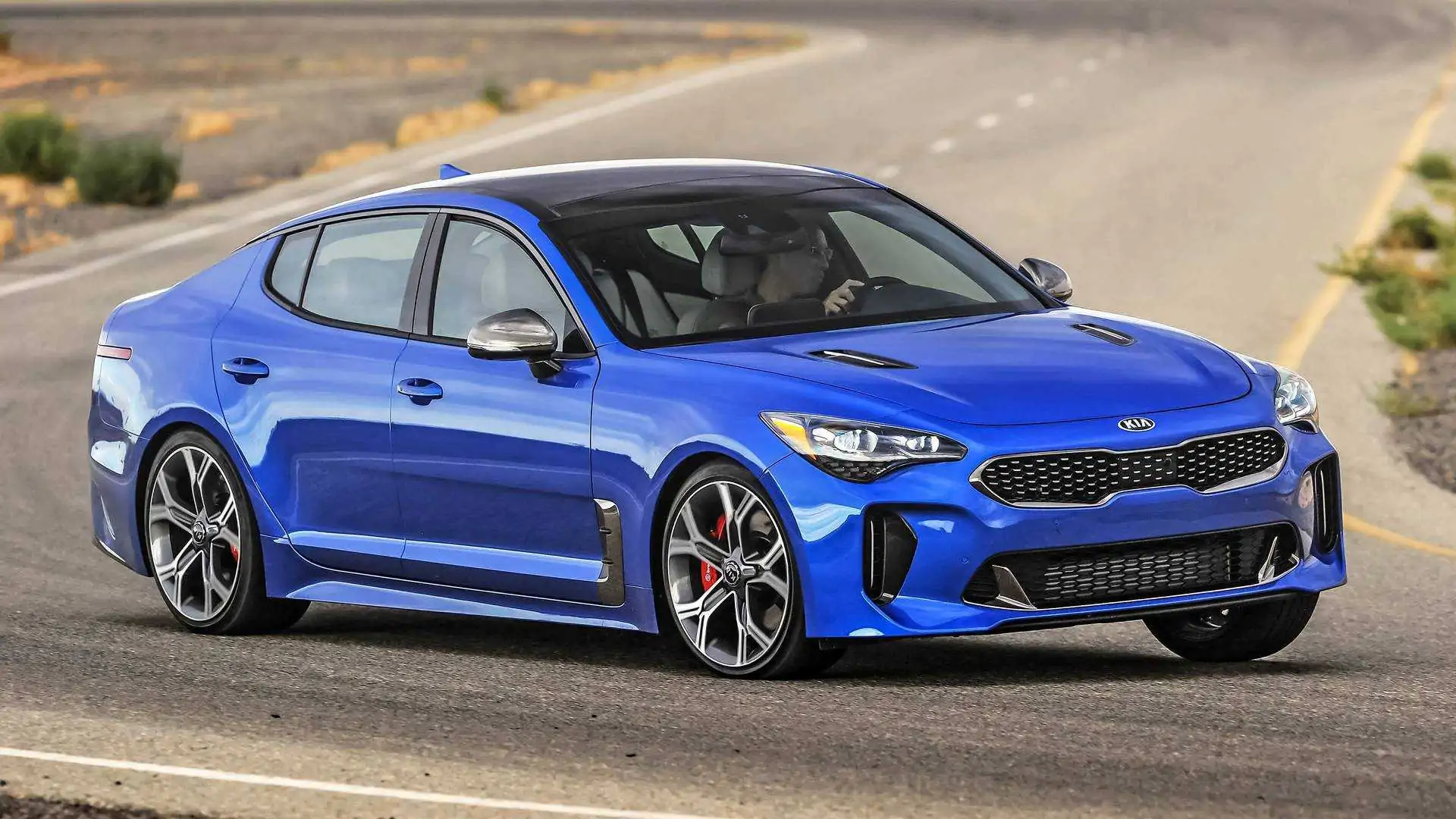
7. Kia Stinger: A Modern Sports Sedan Cut Short
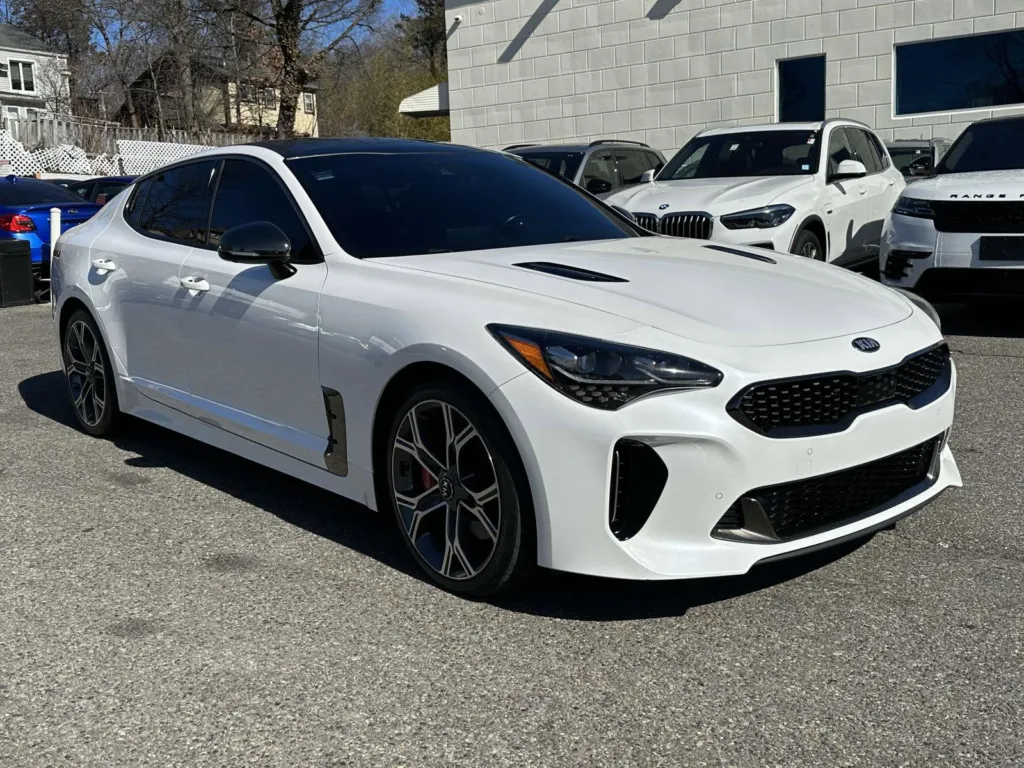
The Kia Stinger arrived in 2018 as a bold statement from the Korean automaker, blending sleek styling with impressive performance.
Offered with a 3.3-liter twin-turbocharged V6 producing 368 horsepower and 376 lb-ft of torque, paired to an eight-speed automatic and available all-wheel drive, the Stinger could sprint from 0–60 mph in just 4.6 seconds and reach a top speed of 149 mph.
This put it in direct competition with established muscle cars like the Dodge Charger, Ford Mustang, and Chevrolet Camaro, an achievement few expected from Kia.
Despite its strengths, the Stinger struggled in the market. Discontinued in 2023, its failure wasn’t due to performance or design shortcomings but rather shifting consumer preferences.
Buyers favored crossovers and SUVs, while many still hesitated to view Kia as a contender in the sports sedan space. As a result, the Stinger became an overlooked gem in Kia’s lineup.
From a reliability perspective, the Stinger holds its own as a well-rounded sports sedan. With proper care, it is expected to last around 200,000 miles. Owners often praised its performance, handling, and striking design, though some reported issues with electrical systems, brakes, and fuel-related components.
Early 2018 models faced more mechanical quirks, such as transmission oil leaks, but later versions were improved. Additionally, Kia’s extended warranty and responsive recall management, including fixes for fuel pump concerns in 2020–2021 models, gave buyers added confidence.
In hindsight, the Stinger represents a rare blend of affordability, reliability, and performance in a stylish package. While overshadowed by SUV demand, it remains a standout modern sedan with the potential to be reappraised as a future collectible, proof that Kia could build a sports car to challenge the best.
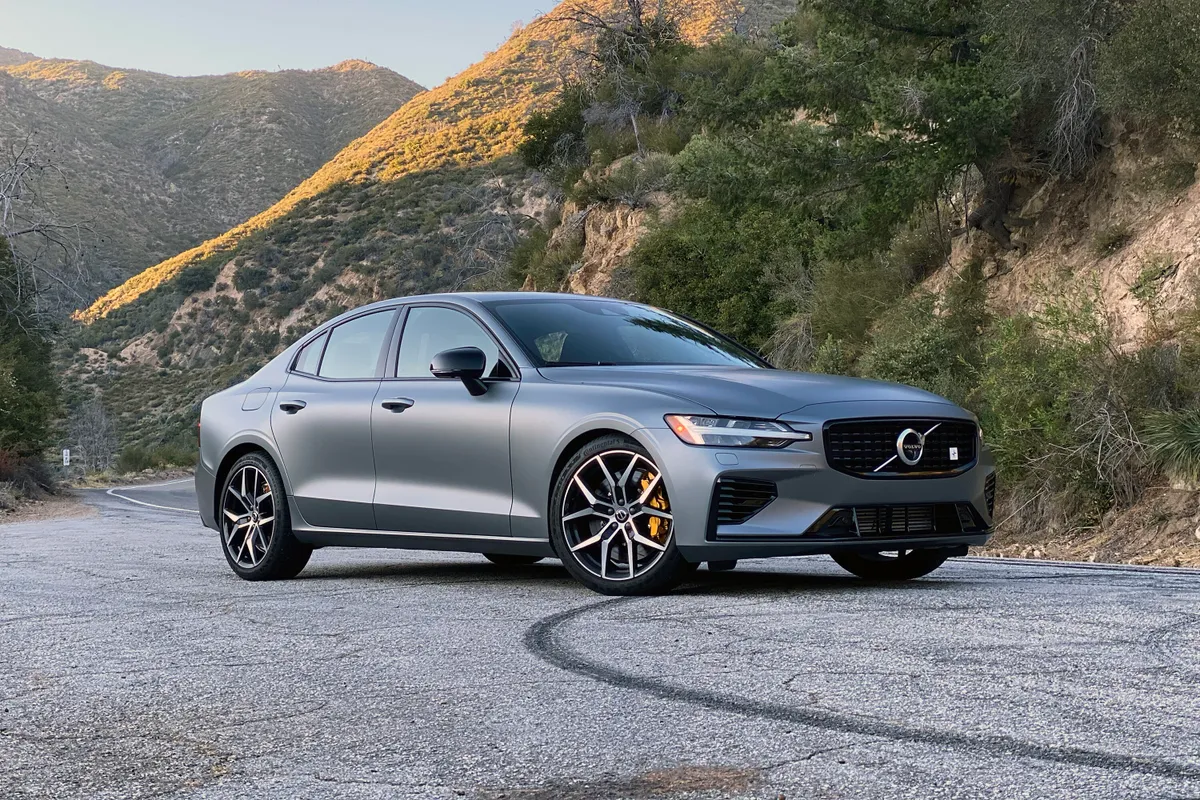
8. Volvo S60 Polestar: A Rare Scandinavian Sleeper
The Volvo S60 Polestar stands as one of the most underrated performance sedans of the 2010s, largely because Volvo produced so few of them and never heavily marketed the car. Initially, just 50 units were sent to Australia in 2013, and only a few hundred eventually reached the U.S., making it a rare sight on the road.
Beneath its understated Scandinavian design, however, lies a machine built to rival luxury German competitors, offering both refined styling and serious performance.
At its core, the S60 Polestar was equipped with a 3.0-liter turbocharged inline-six producing 345 horsepower and 369 lb-ft of torque. This powertrain delivered a 0–60 mph time of 4.4 seconds with all-wheel drive grip and a six-speed automatic transmission.
Later models upgraded to a more advanced 2.0-liter four-cylinder engine that was both turbocharged and supercharged, raising output to 362 horsepower and improving performance further. Despite its rarity, the S60 Polestar showcased Volvo’s engineering prowess and a bold step beyond its reputation for boxy, safety-first vehicles.
Reliability is generally solid for a performance car, though ownership comes with caveats. Polestar-specific parts, such as Ohlins adjustable shocks and oversized brake rotors, are costly to repair or replace.
Prospective buyers should prioritize cars with complete service histories and inspect suspension and braking systems carefully. Electrical quirks, a common Volvo trait, should also be checked thoroughly.
Ultimately, the S60 Polestar combines rarity, luxury, and serious driving dynamics in a sleeper package that many enthusiasts overlook. With limited production numbers, Scandinavian design appeal, and high-output performance, this sedan is a strong candidate for future collectible status.
For those seeking exclusivity with everyday usability, the S60 Polestar is one of the most intriguing under-the-radar sports sedans of its era.
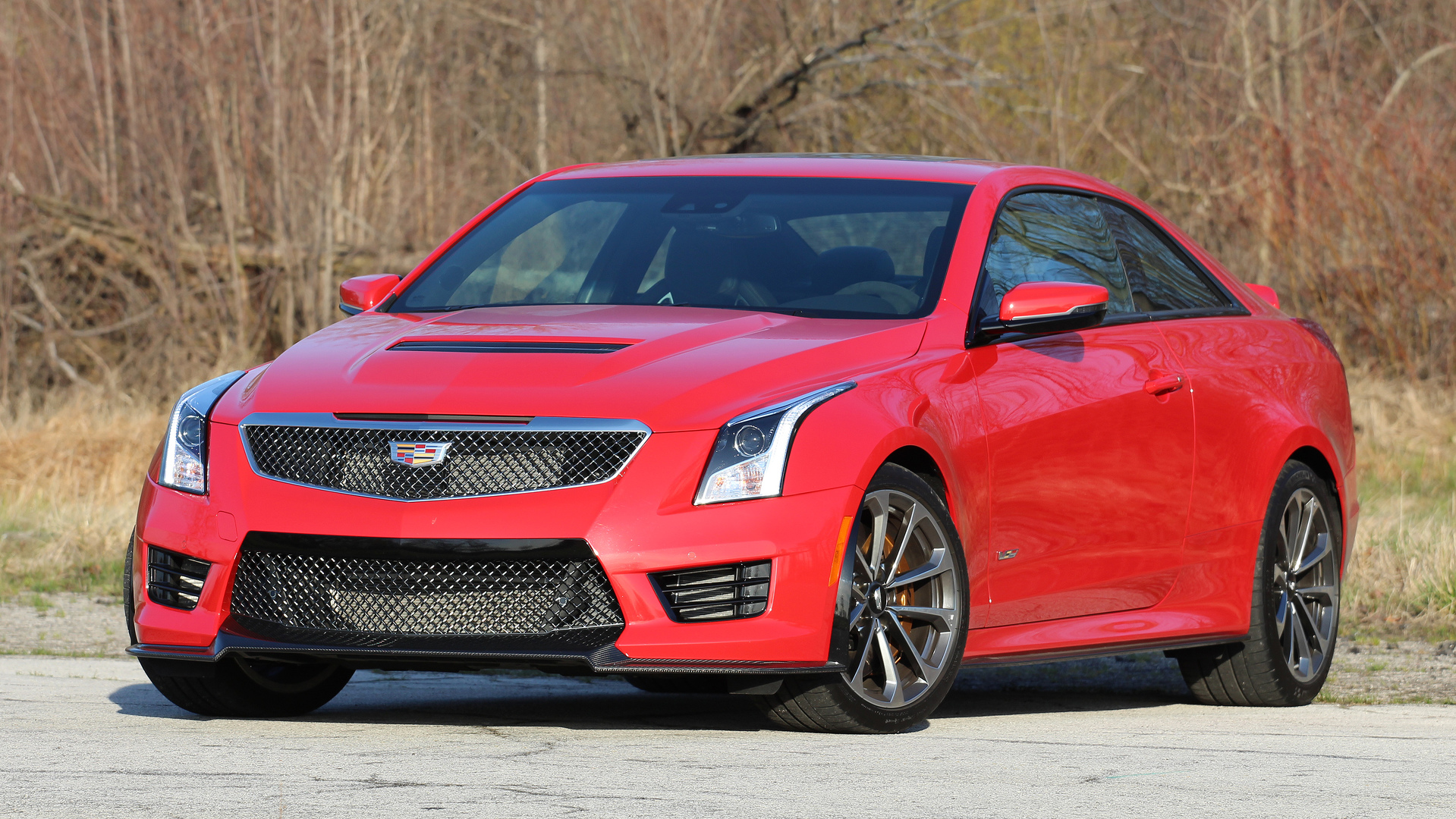
9. Cadillac ATS-V: America’s Answer to German Sport Sedans
The Cadillac ATS-V was introduced in 2016 as the high-performance version of the ATS luxury compact sedan, and it marked a turning point for Cadillac’s image. Long associated with stately cruisers, the ATS-V helped redefine the brand as a serious performance contender, taking direct aim at European rivals like the BMW M3 and Mercedes-AMG C63-S.
Under the hood, the ATS-V packed a 3.6-liter twin-turbocharged V6 producing 464–488 horsepower and 443 lb-ft of torque. Paired with a six-speed manual or an optional eight-speed automatic, this setup propelled the car from 0–60 mph in just 3.9 seconds, with a top speed of 189 mph.
With nearly 500 horsepower on tap, the ATS-V not only kept up with its German competitors but, in many cases, outpaced them in straight-line acceleration.
Despite its brilliance, sales were modest, and Cadillac later replaced it with the CT4-V Blackwing. However, the ATS-V remains significant as a bridge to Cadillac’s modern high-performance era, blending sharp handling, luxury refinement, and raw power into a compelling package that has strong collector potential.
Reliability for the ATS-V is generally solid, with many owners praising its chassis balance, road handling, and long-term durability when maintained properly. The car can last between 150,000–200,000 miles, though, like most performance sedans, it requires consistent upkeep.
Common complaints include the CUE infotainment system, which can be slow or unresponsive, and occasional mechanical quirks such as cooling fan replacements or rare issues with engine debris.
In retrospect, the ATS-V was ahead of its time, a true American sport sedan that rivaled the best from Germany while offering distinct Cadillac flair. As collectors begin to value overlooked performance cars of the 2010s, the ATS-V is poised to gain recognition as one of Cadillac’s most underrated modern classics.
The beauty of future classics lies in their unpredictability. While many of the cars on this list didn’t achieve mainstream success, their rarity, performance, and distinctiveness have cemented them as hidden gems in American automotive history.
Vehicles like the Buick LaCrosse Super and Cadillac ATS-V broke stereotypes, while tuner-inspired compacts like the Dodge Neon SRT-4 and Chevrolet Cobalt SS proved American manufacturers could build affordable, thrilling performance cars.
Others, such as the Kia Stinger and Volvo S60 Polestar, show how short production runs and unique engineering often create lasting appeal.
As collectors and enthusiasts continue to reevaluate overlooked models, these cars are poised to rise in value and prestige. T
hey serve as a reminder that the road to classic status isn’t always about fame at launch; sometimes it’s about being ahead of the curve. For anyone who loves driving, these nine underrated American cars deserve a second look before their prices soar.
Also Read: 5 Honda Sedans That Rarely Break vs 5 That Constantly Do
