
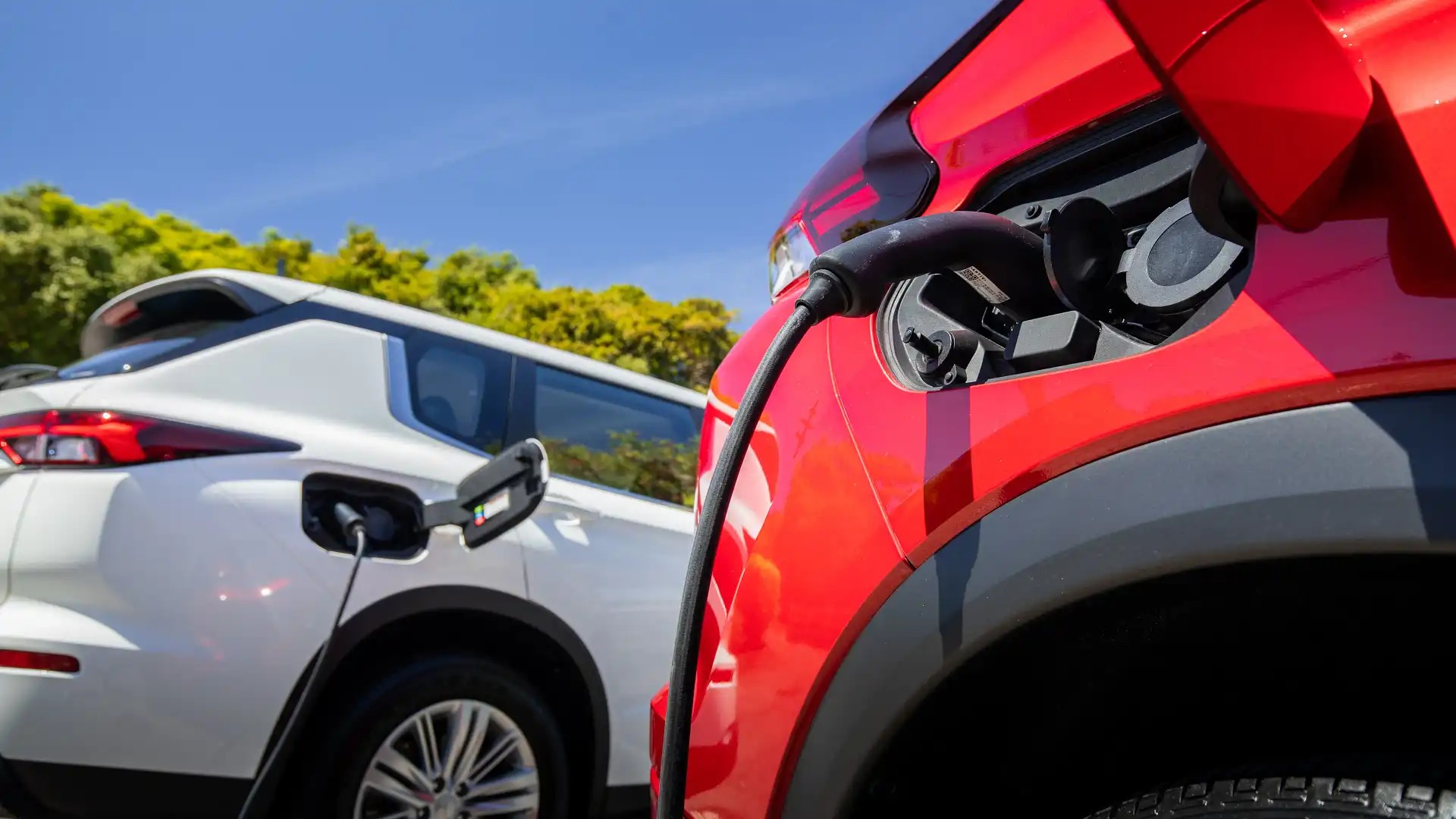
Electric vehicles have transformed the way people think about cars, creating an industry that is no longer only focused on performance and fuel economy but also on design, technology, and cultural importance.
For many decades, car collectors have searched for models that represent turning points in automotive history, whether it was the first muscle cars, luxury sedans that defined an era, or limited-edition supercars that stood apart.
With the rapid move towards electrification, many vehicles produced in recent years are expected to carry a similar weight in the future. When people speak of collector cars, they often point to limited supply, emotional attachment, historical role, and styling that stands the test of time. Electric vehicles bring another dimension into that discussion.
Many of them mark the early stage of a new period, and some will be remembered as the first attempts at a technology that later became standard. Others are already seen as bold experiments that did not last long in production but left a mark strong enough to be appreciated decades later.
As governments around the world push toward electric mobility, these cars are no longer niche products. They are now part of mainstream manufacturing, but certain models are expected to become far more valuable than others.
What makes them unique ranges from being a company’s first electric effort, a groundbreaking design, or even a short-lived project that could not survive commercially but will later be praised by collectors for its rarity.
Below is a list of ten electric cars that are strongly expected to move from current market value to collector treasures in the future. Each one represents more than just transportation. They speak about innovation, bold engineering, culture, and even the identity of the companies that built them.
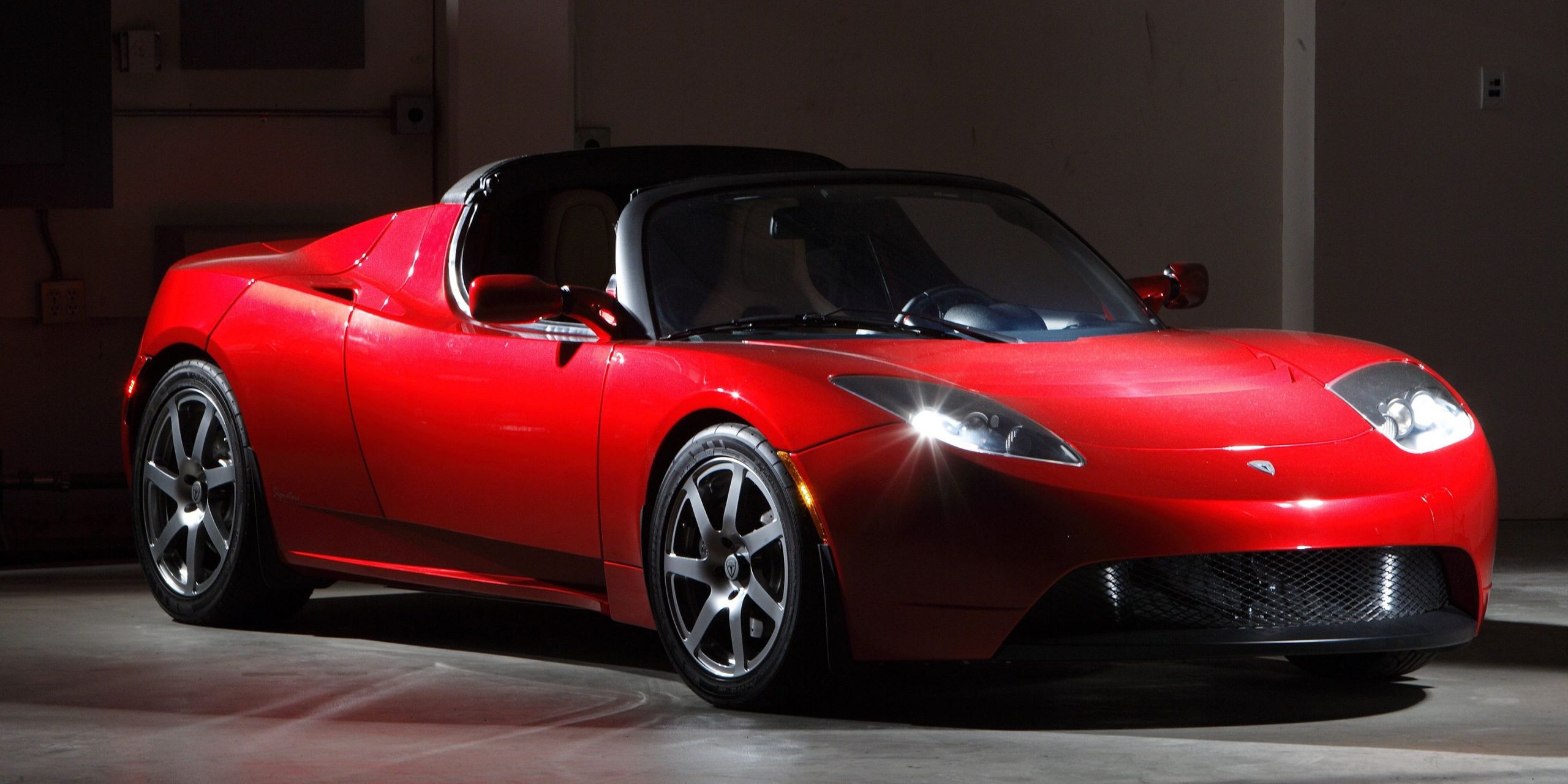
1. Tesla Roadster (First Generation)
When Tesla introduced the Roadster in 2008, it was more than a new car. It was the first proof that electric cars could be exciting, stylish, and capable of high performance without being limited to small city ranges.
Built on a Lotus chassis, the Roadster offered over 200 miles on a charge, which at the time was unheard of. Collectors often chase cars that represent a company’s first effort, and in Tesla’s case, the Roadster is the foundation of everything the company later achieved.
The Roadster also represents a cultural move. Before its release, most electric cars were considered dull or experimental. Tesla proved that people could desire an electric sports car the same way they admired gasoline-powered models.
That move changed public perception and opened doors for electric performance vehicles. This cultural role makes the Roadster a car that collectors will always link to the early days of the electric revolution. Only about 2,450 units were produced, and many have already been placed in private collections.
The limited supply will only drive prices higher with time. Add to that the car’s connection to Elon Musk’s early vision for Tesla, and the Roadster becomes an artifact that is both automotive and cultural history. Collectors look for rare beginnings, and this car fits the bill.
Performance also adds to its desirability. With a 0 to 60 time of under four seconds, it showed that electric speed could compete with some traditional sports cars. While technology has moved forward since then, the Roadster remains a symbol of what started it all. In the years ahead, people will see it as the spark that changed the auto industry forever, making it a clear future collector item.
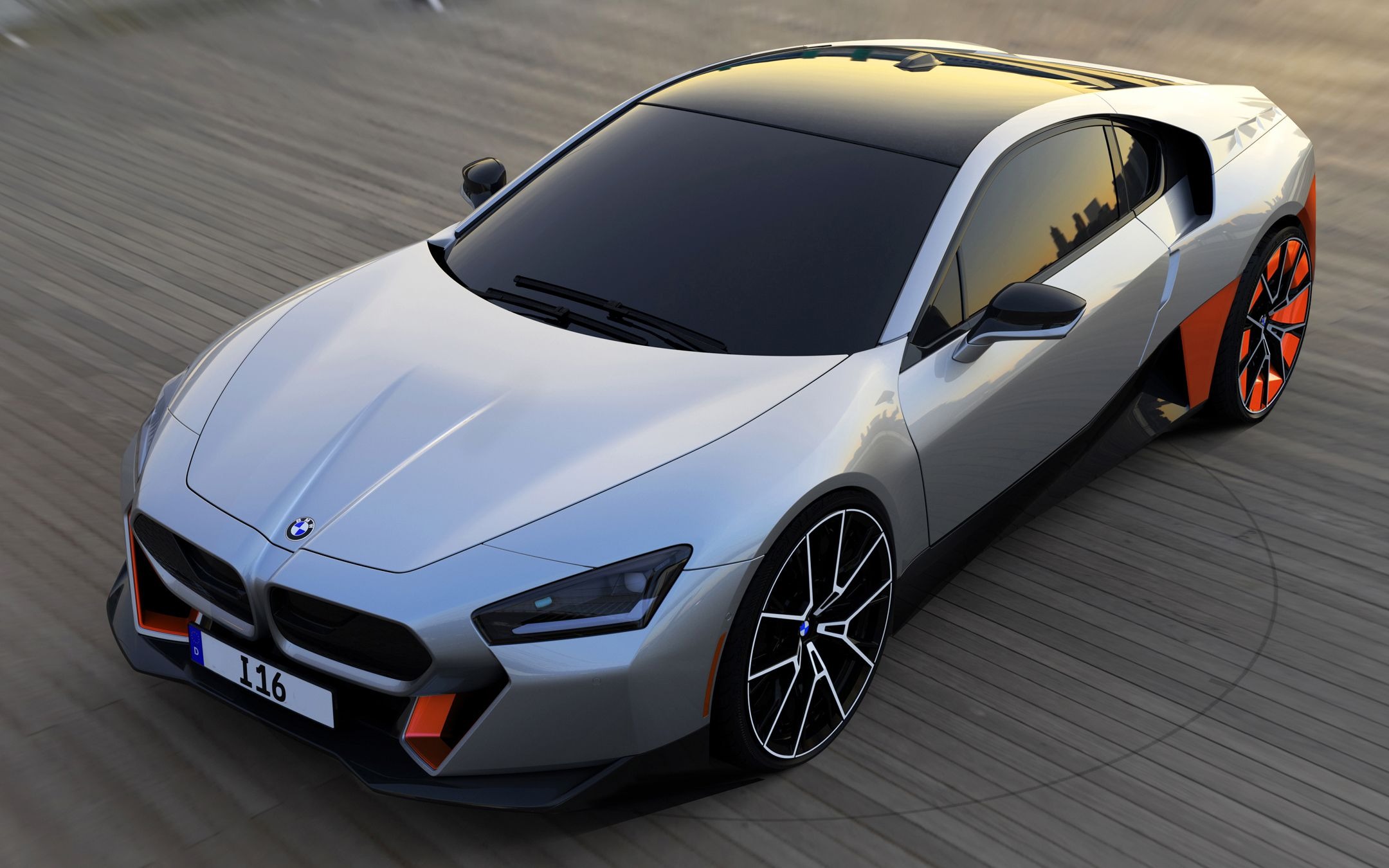
2. BMW i8
The BMW i8 combined futuristic styling with a plug-in hybrid system, creating one of the most recognizable cars of the last decade. While not a fully electric model, it represented BMW’s early effort to show that hybrid-electric technology could be sleek and performance-driven rather than boxy or boring.
With its butterfly doors, carbon fiber bodywork, and concept-car looks, the i8 drew attention everywhere it appeared. Collectors often value cars that look ahead of their time, and the i8 certainly fits this description. Even today, it looks modern, almost like a design study that was never meant to be mass-produced.
The fact that BMW committed to producing it at scale makes it even more appealing. Few cars combine such a futuristic appearance with limited production numbers, and that is part of what ensures its place in collections.
The i8 was also an experiment that BMW chose not to continue. After producing about 20,000 units, the company ended its run in 2020. That decision creates a natural boundary around its numbers, ensuring that no more will be made. For collectors, a car that was produced in limited quantity and then discontinued becomes more desirable with time.
Another aspect that increases its long-term value is the driving experience. The i8 blended an electric motor with a three-cylinder petrol engine, creating strong performance while still being efficient. It was never about raw power alone but about technology and design working together. For collectors, the car tells the story of how BMW balanced performance with environmental focus.
Looking ahead, the BMW i8 will stand as one of the first plug-in hybrid sports cars that combine advanced materials, striking looks, and innovative engineering. For that reason, collectors are expected to prize it highly, not just as a car but as a statement from an era when automakers were experimenting with what electric could mean.
Also Read: 9 EVs That Don’t Lose Value as Fast as Expected
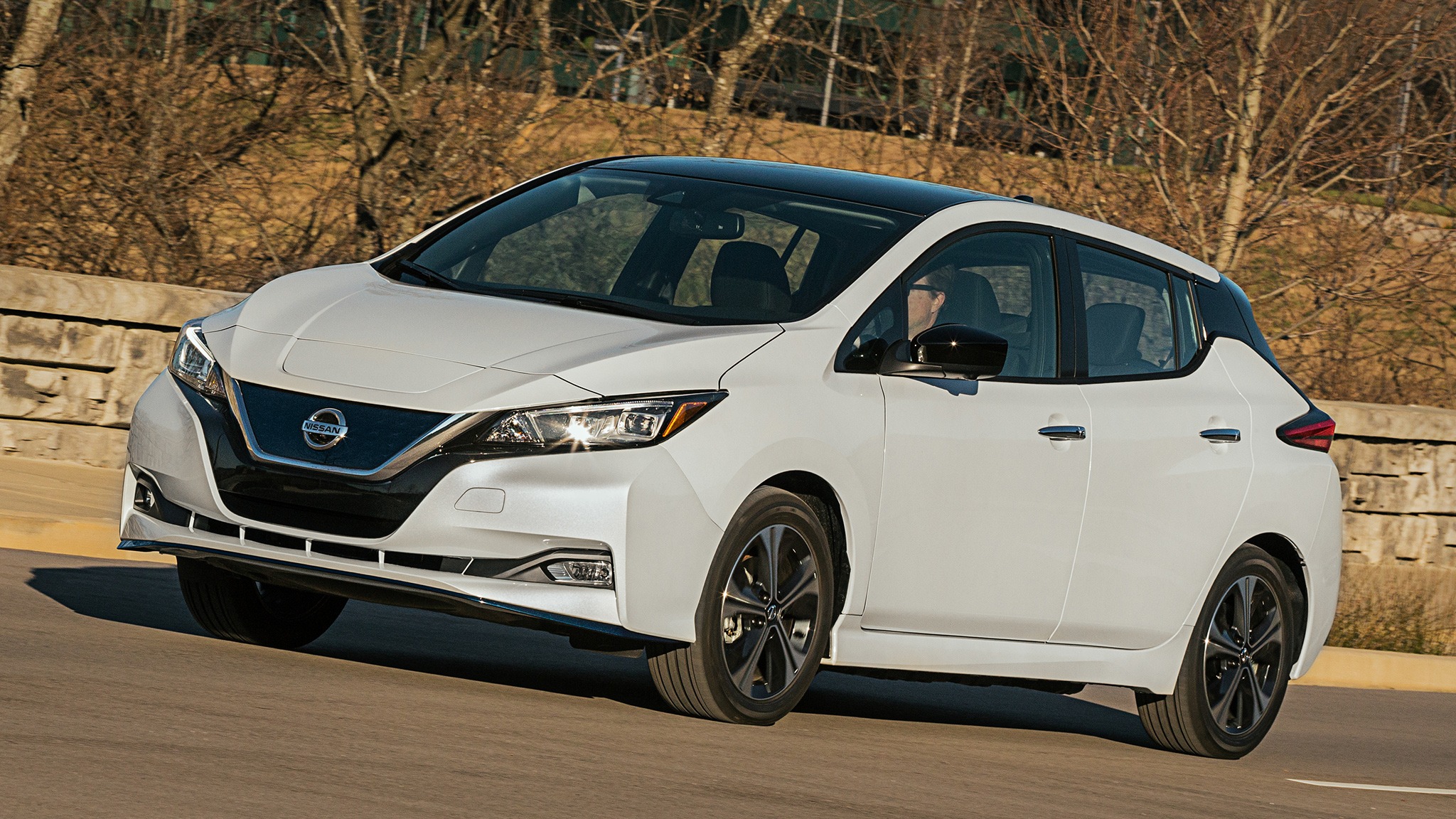
3. Nissan Leaf (First Generation)
The first-generation Nissan Leaf may not have had the glamorous looks of sports cars, but its role in the history of electric mobility cannot be ignored. Launched in 2010, it became the first mass-market electric car from a major manufacturer. At a time when electric vehicles were still considered unusual, the Leaf placed battery-powered cars into everyday life, making it practical for ordinary families.
Collectors often value cars that changed public access to new technology. The Leaf played that role for electric vehicles. With over 500,000 units sold across its lifespan, it proved that electric cars could be produced and purchased at scale.
While high production numbers may suggest lower value, special versions of the early Leaf, particularly the first-year models, are expected to gain strong collector attention. Part of its appeal lies in its symbolic status.
Future generations will look back and say this was the car that first put electric power into many driveways across America, Europe, and Asia. Just as early Ford or Volkswagen models gained value after a while because of their historical role, the Leaf will become collectible because of its pioneering place in electric car history.
The car’s simplicity also helps. Collectors often enjoy vehicles that mark a clear beginning, and the Leaf’s basic design, small size, and modest range make it an authentic starting point. When compared with today’s electric vehicles that feature luxury interiors and long ranges, the Leaf will stand out as a reminder of how it all started.
With time, well-preserved early Leafs will become harder to find, especially as many were used heavily by families and fleets. Low-mileage examples will become prized, and the car’s place as the first widely accessible EV ensures it will gain collector status in the years ahead.
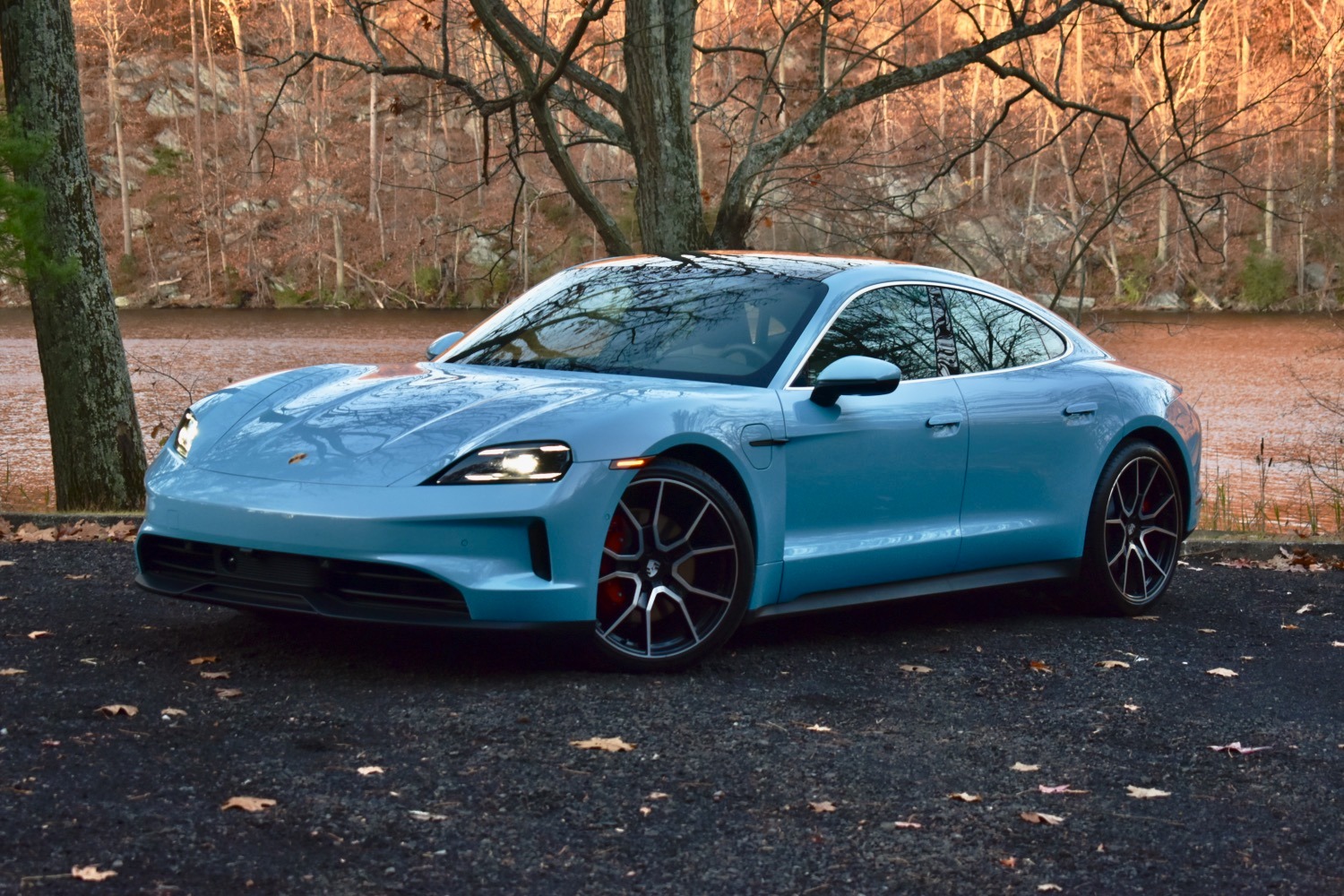
4. Porsche Taycan
When Porsche entered the electric market with the Taycan in 2019, it proved that a traditional performance brand could successfully adapt to new technology without losing its identity. The Taycan delivered Porsche handling and styling while offering a fully electric powertrain, showing that heritage and innovation could live together.
Collectors value firsts, and for Porsche, the Taycan was the company’s first all-electric sports car. Its importance is similar to how the 911 once defined performance cars for the brand. That makes the Taycan a landmark model. Whether in its Turbo, Turbo S, or Cross Turismo versions, it represents Porsche’s decision to step into electric mobility at full force.
The Taycan also brings advanced technology that collectors will remember as groundbreaking. With its 800-volt system, it charges faster than most EVs, and its acceleration places it among the top-performing electric sedans. While future models may surpass its specs, the Taycan will always be remembered as the one that started it for Porsche.
Design is another factor. The Taycan manages to look futuristic while still carrying Porsche DNA. It did not abandon the brand’s style but reinterpreted it for electric power. Collectors who love Porsche’s history will see the Taycan as the moment when the brand successfully shifted direction without losing its core identity.
As production continues, certain limited versions such as special trims or performance editions will become especially prized. Porsche has a history of limited models gaining huge value, and the Taycan is expected to follow the same pattern. Collectors will not just be buying an electric car but a symbol of Porsche’s new era.
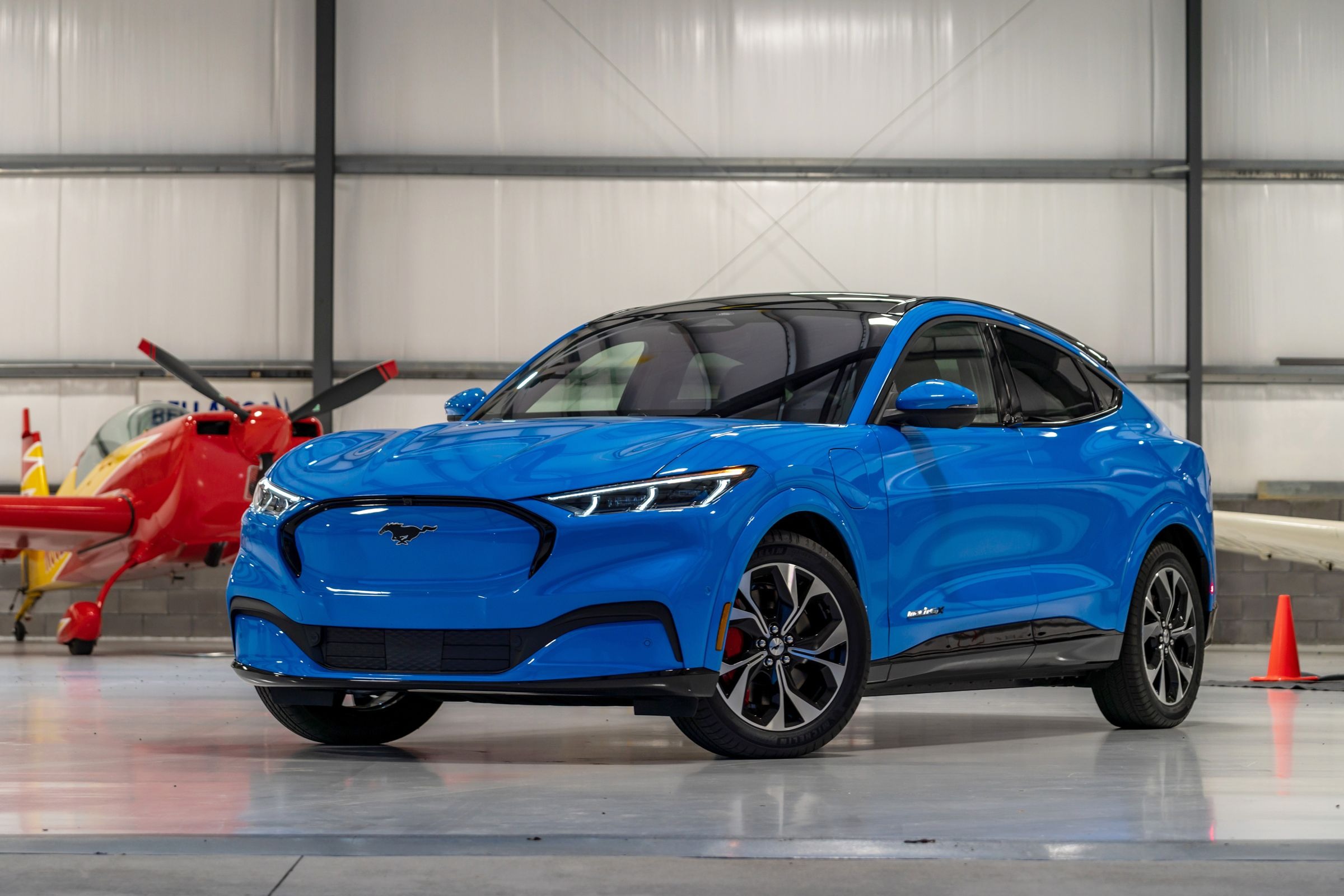
5. Ford Mustang Mach-E (First Edition)
When Ford announced that its first major electric car would carry the Mustang name, the reaction was mixed. Some felt it should not use such an iconic badge, while others welcomed it as a bold step. Whatever the opinion, the Mustang Mach-E has already established itself as one of the defining electric cars of its time.
The first edition of the Mach-E is particularly expected to become collectible. Limited in number, it marked the start of Ford’s commitment to electric vehicles and connected one of America’s most beloved muscle car names to the future of mobility. Collectors often look for cars that create debate and stand at the center of cultural conversations, and the Mach-E fits that perfectly.
Performance also contributes to its appeal. With strong acceleration, practical range, and the option of all-wheel drive, it balances family utility with the excitement of the Mustang heritage. The design may not look like a traditional Mustang, but it signals how Ford redefined the name for a new generation.
Historically, cars that carry iconic names into new directions become prized. Just as earlier Mustangs from the 1960s are collector treasures today, the Mach-E will represent the time when the Mustang family expanded into electric form. The first edition, with unique trims and limited production, will be the most sought after.
Ford’s role in American car culture also adds weight. For many collectors, owning the first true electric Ford that carried the Mustang badge will be seen as owning a piece of automotive history. That makes the Mach-E first edition a car to watch as a future collector item.
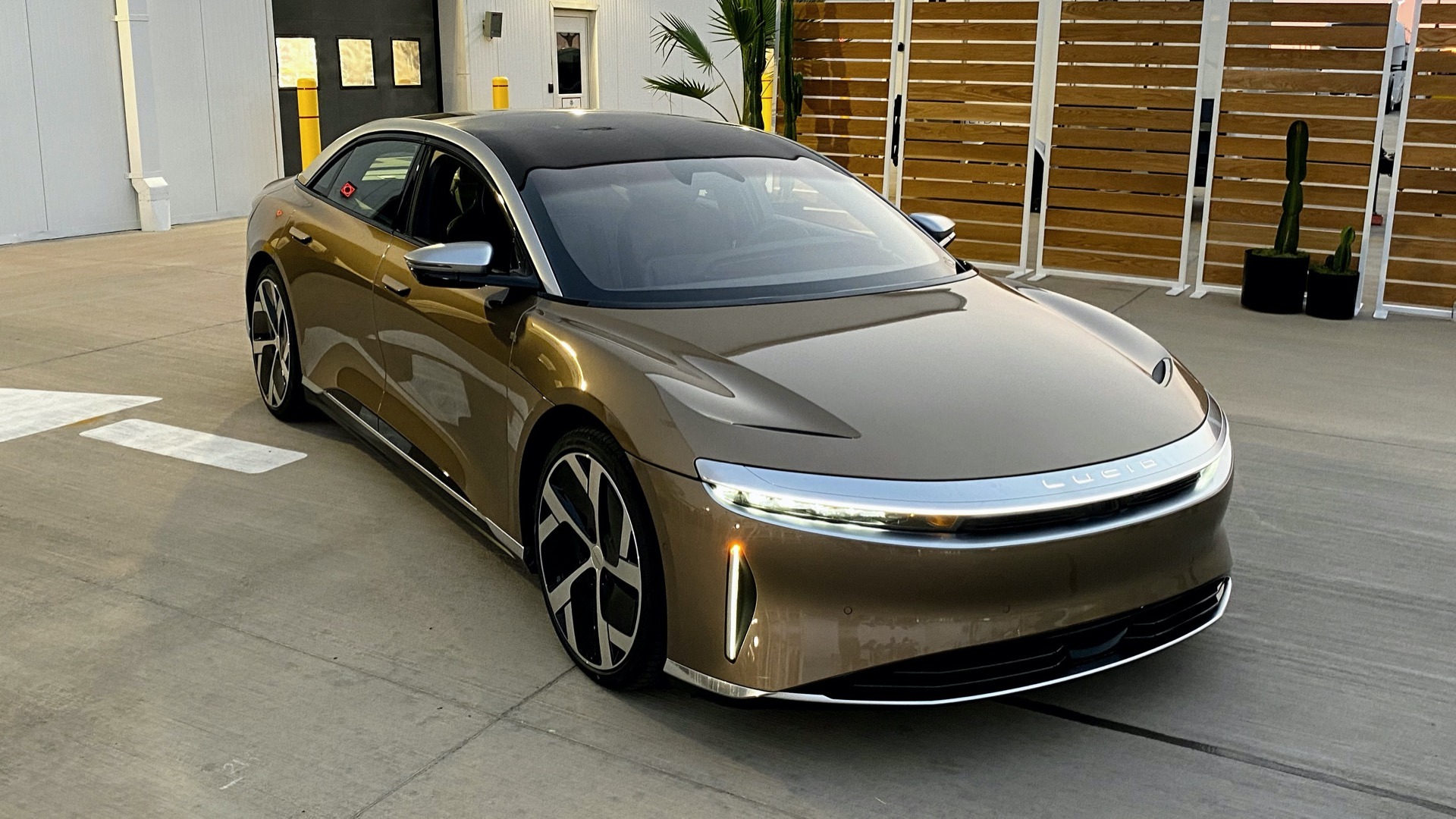
6. Lucid Air Dream Edition
The Lucid Air Dream Edition represents both luxury and innovation, coming from a company that entered the market determined to compete with established brands. With over 1,000 horsepower, impressive range, and a design focused on elegance, it sets itself apart as more than just another electric sedan.
Collectors will view the Dream Edition as the first flagship car from Lucid Motors. Just as early Tesla Roadsters are valued for starting Tesla’s story, the Air Dream Edition will be remembered as Lucid’s bold entry into the market. Limited to only a small number of units, its rarity adds to its collector potential.
The technology inside the Dream Edition also makes it special. With its advanced battery system delivering over 500 miles of range, it broke barriers and set new expectations for electric vehicles. Such milestones are what collectors often prize, since they mark a leap forward in capability.
Design plays another role. The Dream Edition combines a sleek exterior with a luxurious interior filled with high-end materials and cutting-edge displays. This balance of comfort and performance will ensure its desirability for years to come.
Lucid’s status as a challenger brand makes the Dream Edition even more meaningful. If Lucid grows into a major company, this first limited model will gain status as the car that launched it. If the company faces struggles, the rarity will be valued even higher. Either way, the Dream Edition stands as a collector’s item waiting to be appreciated.
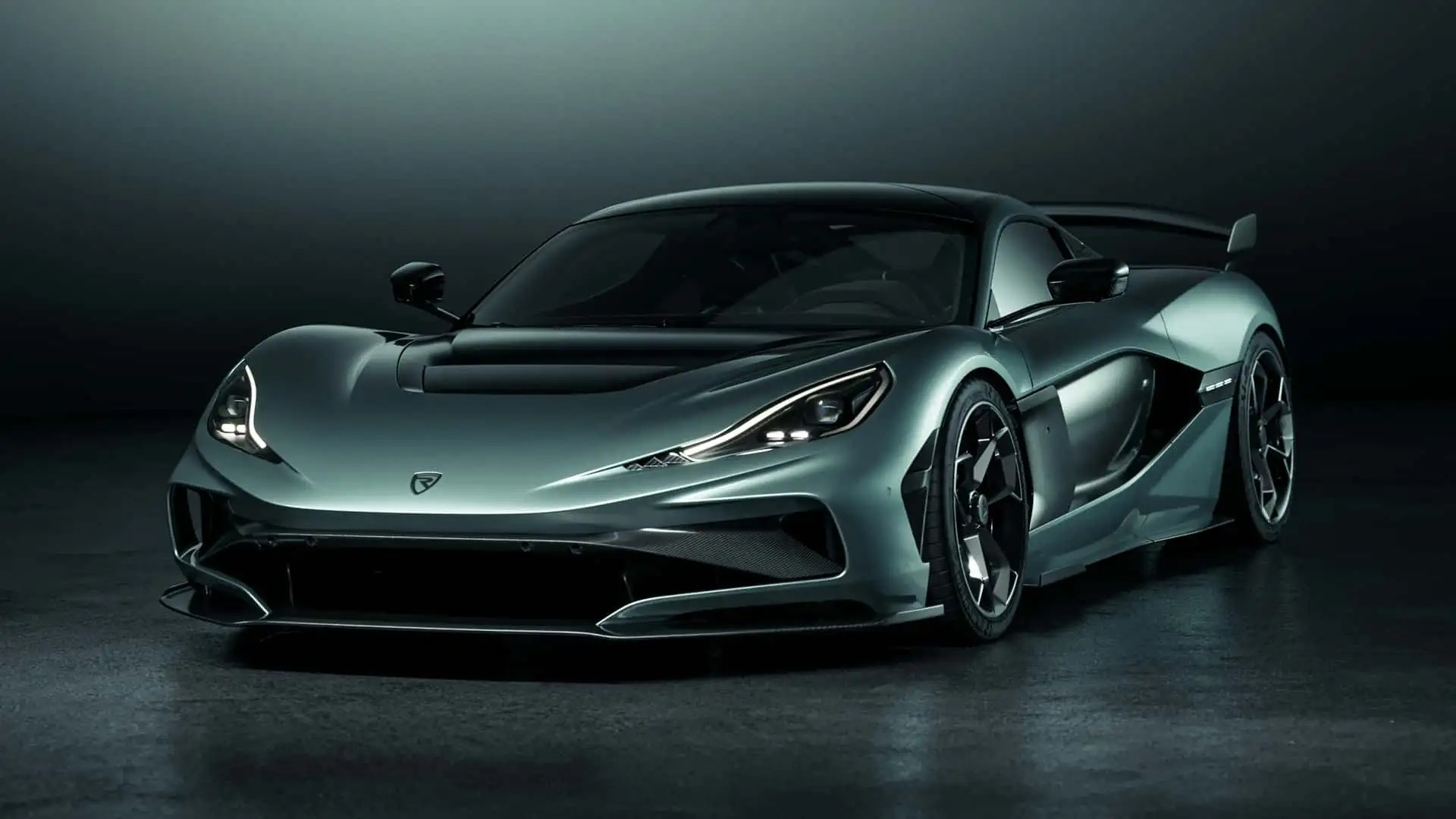
7. Rimac Nevera
The Rimac Nevera is not just another electric car. It is one of the most powerful production vehicles ever made, with nearly 2,000 horsepower and record-breaking acceleration times. For collectors, such performance alone ensures desirability. But the Nevera offers much more than numbers.
As a hypercar built in very limited numbers, it is already positioned as a future treasure. Only 150 units will ever exist, making it extremely rare. Collectors often search for cars with both extreme performance and limited availability, and the Nevera checks both boxes.
Its importance also lies in Rimac’s role as a small company that has had a huge impact on the industry. Rimac technology has been used by major manufacturers, and the Nevera stands as the company’s showcase product. Owning one is like owning a piece of history from a company that helped shape the electric hypercar era.
The design of the Nevera combines advanced aerodynamics with striking looks, ensuring that it will always stand out. Its technology, from torque vectoring to advanced battery cooling, will be remembered as leading-edge at the time. Collectors will see it not just as a car but as a demonstration of what electric engineering could achieve.
Because of its rarity, performance, and the story of the company behind it, the Rimac Nevera will hold strong collector value. It represents a moment when electric power reached a level of performance that many thought impossible, making it a treasure for future generations.
8. Tesla Model S Plaid
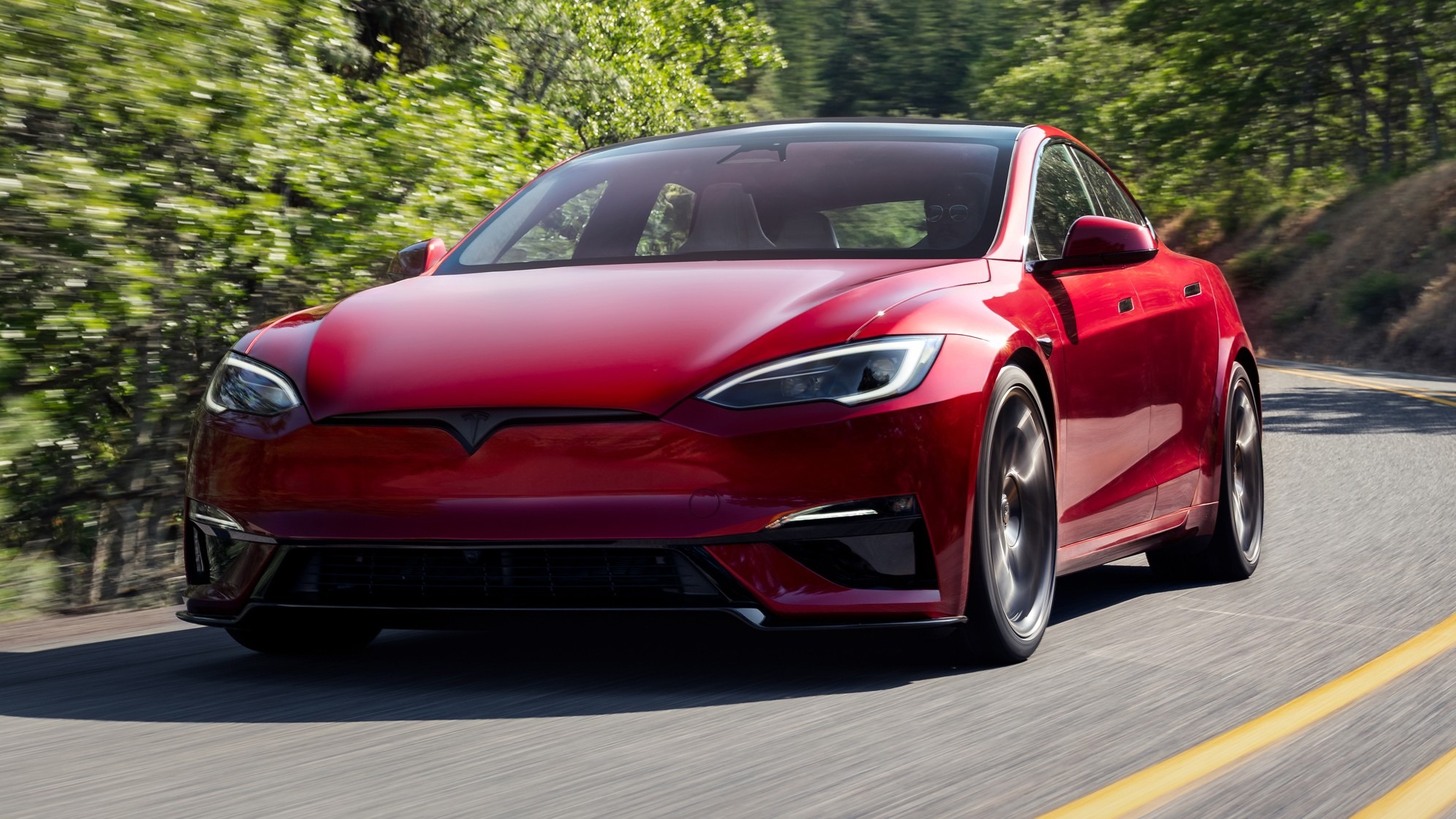
The Tesla Model S Plaid stands as one of the fastest production sedans ever made, combining family practicality with extreme performance. With a 0 to 60 time under two seconds, it redefined what an electric sedan could do. For collectors, it will always be remembered as a record-setting model.
Tesla has produced many Model S vehicles, but the Plaid trim stands apart. It represents the peak of performance for the company’s flagship sedan and has already gained attention worldwide. Cars that redefine performance in their category often become collector items, and the Plaid will be no exception.
Beyond performance, the Model S Plaid is also a cultural marker. It demonstrates how electric cars are not only efficient but also capable of rivaling or surpassing the most powerful gasoline cars. Collectors will prize it as the moment when family sedans entered supercar territory.
The car also reflects Tesla’s approach to constant improvement. While the design may not have changed dramatically, the Plaid’s technology inside makes it a distinct moment in the Model S story. Future collectors will see it as the high point of this generation.
As years pass, limited numbers of Plaid editions will remain in good condition, and those will be the ones collectors chase. It is both a performance milestone and a cultural symbol, ensuring its place as a collector car.
9. Hyundai Ioniq 5 (First Edition)
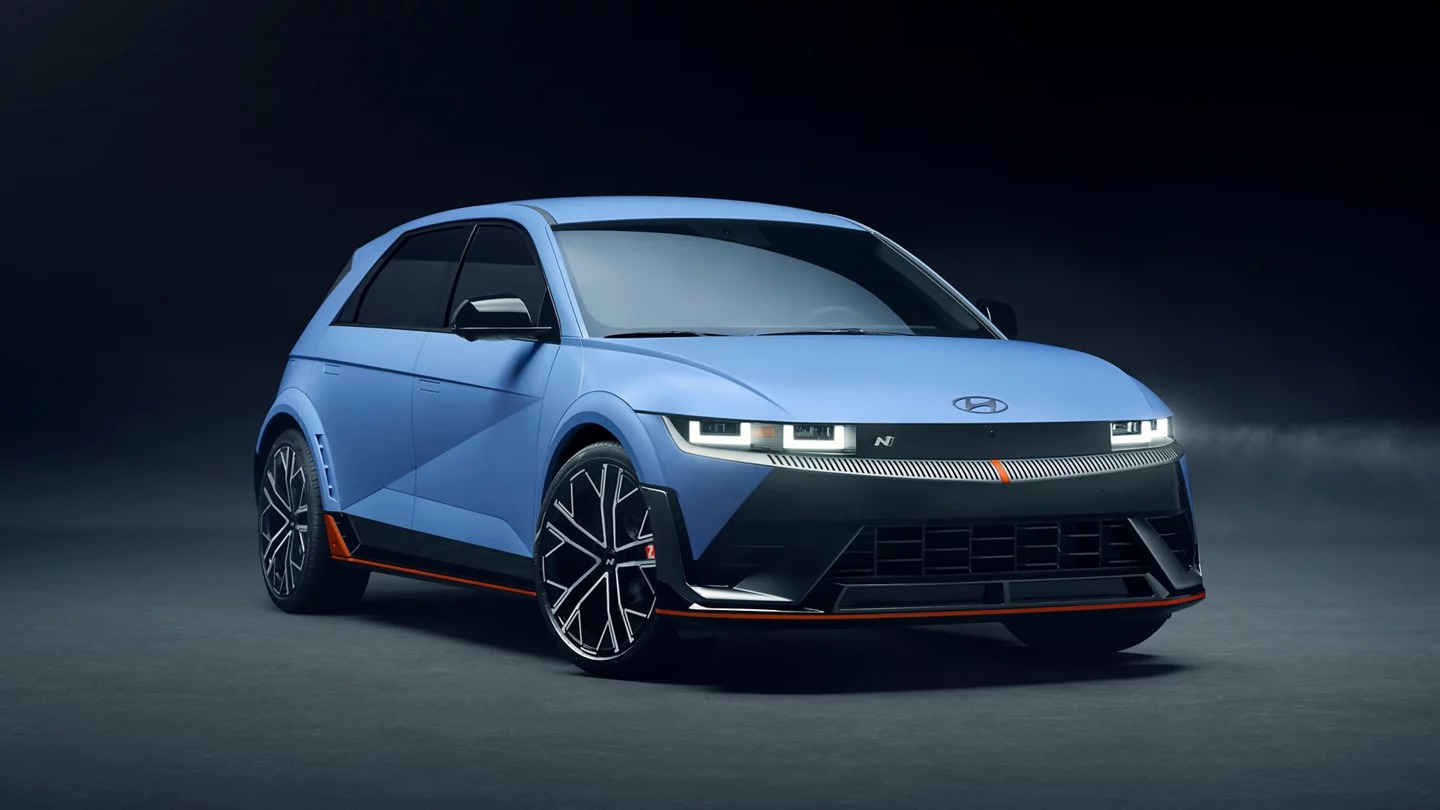
The Hyundai Ioniq 5 made a strong impression when it entered the market with its sharp retro-inspired design and advanced technology. Unlike many electric vehicles that follow similar styling cues, the Ioniq 5 stood out as unique, and collectors often value cars that dare to look different.
The first edition of the Ioniq 5, which featured exclusive trims and limited production, will be especially prized. It represents Hyundai’s early serious step into electric mobility, a moment that will be remembered as the start of the brand’s electric story.
Technology also sets it apart. With its 800-volt system, fast charging, and spacious interior, it delivered innovation at a price accessible to many. For collectors, cars that combine breakthrough features with affordability often gain status later, as they show how advanced technology reached ordinary buyers.
Design remains its strongest point. The Ioniq 5’s pixel-themed lights, sharp angles, and hatchback proportions give it a character that is unlike other cars of its time. Future generations will recognize it as one of the first mass-market EVs to embrace bold styling rather than blending in.
As Hyundai grows its electric lineup, the first edition Ioniq 5 will stand as the car that launches that new chapter. Collectors will chase it for its design, rarity, and symbolic role in changing Hyundai’s direction.
Also Read: 10 EVs That Are Holding Up Surprisingly Well
10. Fisker Karma
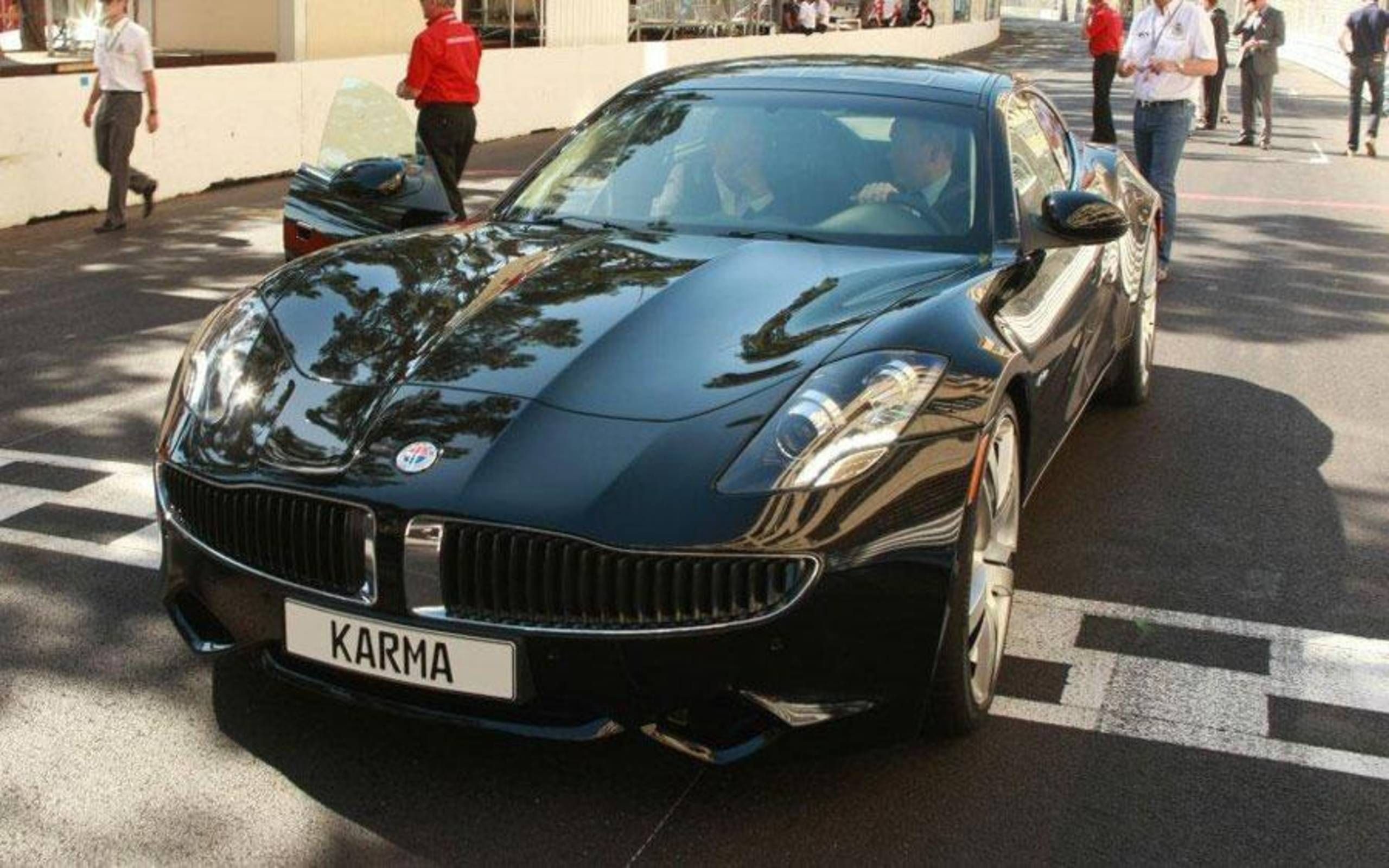
The Fisker Karma is one of those cars that may not have succeeded commercially but left a lasting impression. Released in 2011, it was a luxury plug-in hybrid sedan that looked far ahead of its time. Its sleek styling, long proportions, and eco-friendly pitch made it memorable, even though the company later faced financial struggles.
Collectors often search for cars that tell stories of ambition and risk. The Fisker Karma represents a bold attempt to challenge established luxury brands with a design-focused electric vehicle. While production numbers were limited and the company faced difficulties, the Karma’s rarity is exactly what makes it a strong candidate for future collections.
Design is its strongest asset. Even today, the Karma’s flowing lines and dramatic stance make it look modern. Henrik Fisker’s design reputation adds weight to its appeal. Collectors who value design heritage will see it as a landmark car.
Its story also adds to its desirability. The Fisker company’s struggles make the Karma a rare reminder of one of the earliest luxury electric efforts. For collectors, the story of a company that tried and failed often adds charm, making the car more valuable as a piece of history.
As the electric movement grows, the Fisker Karma will be remembered as one of the first attempts to bring luxury and sustainability together. That role, combined with its rarity and striking design, ensures that it will become a collector’s treasure in the years to come.
Electric vehicles are no longer just an experiment. They have become part of everyday transportation, yet certain models stand out because of their history, design, or cultural impact. When collectors look at cars, they often focus on more than speed or luxury. They look at what the car represents, how rare it is, and the story that comes with it.
The ten EVs listed above meet those conditions in different ways. Some like the Tesla Roadster and Nissan Leaf mark the beginning of a new era, while others, such as the Porsche Taycan and Lucid Air Dream Edition, show how performance and luxury can move into electric form without losing identity.
Cars like the Rimac Nevera and Tesla Model S Plaid prove that electric technology can reach performance levels once thought impossible. Meanwhile, the Fisker Karma and BMW i8 stand as reminders of bold experiments that may not have lasted long but left a clear mark on automotive history.
Collectors in the future will not only see these cars as machines but also as symbols of how society embraced change. Each of them carries a piece of the story of how electric vehicles rose from being small projects to shaping the future of mobility. Because of that, their value will only grow with time.
For anyone who follows cars closely, paying attention to these models today is like looking at tomorrow’s treasures. They may be common on the road now, but in the years ahead, they will become collector items admired for both rarity and history.
