The 1980s and 1990s were decades of bold experimentation in the automotive world, blending sharp styling, turbocharged power, and innovative engineering.
From the dawn of digital dashboards to the rise of rally-inspired all-wheel-drive systems, these two eras gave birth to cars that were once everyday machines but are now earning collector respect.
While icons like the Ferrari Testarossa and Toyota Supra often grab the headlines, the real treasures lie in the underappreciated models that quietly defined the era. Vehicles like the Plymouth Laser, Toyota Celica All-Trac, and Buick Reatta may have slipped through the cracks when new, but today their rarity and character make them highly desirable among enthusiasts.
Whether built for performance, style, or sheer quirkiness, these cars carry stories that resonate more strongly with each passing year. Here are 10 standout cars from the ’80s and ’90s that are rapidly transforming into true collector gold.
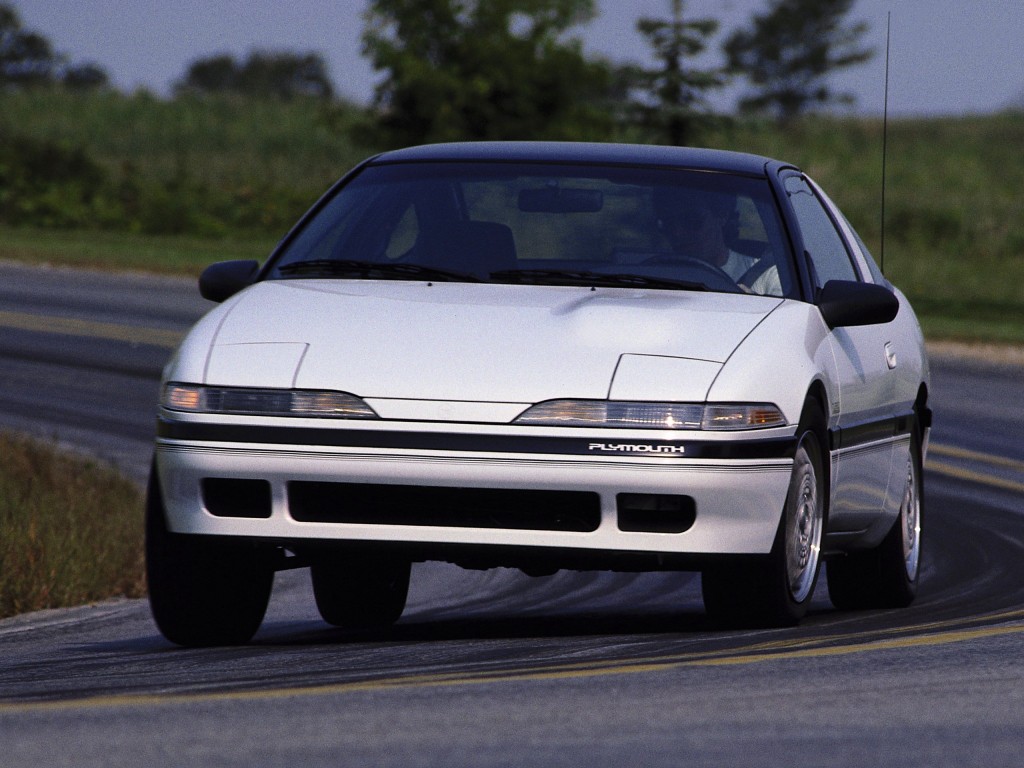
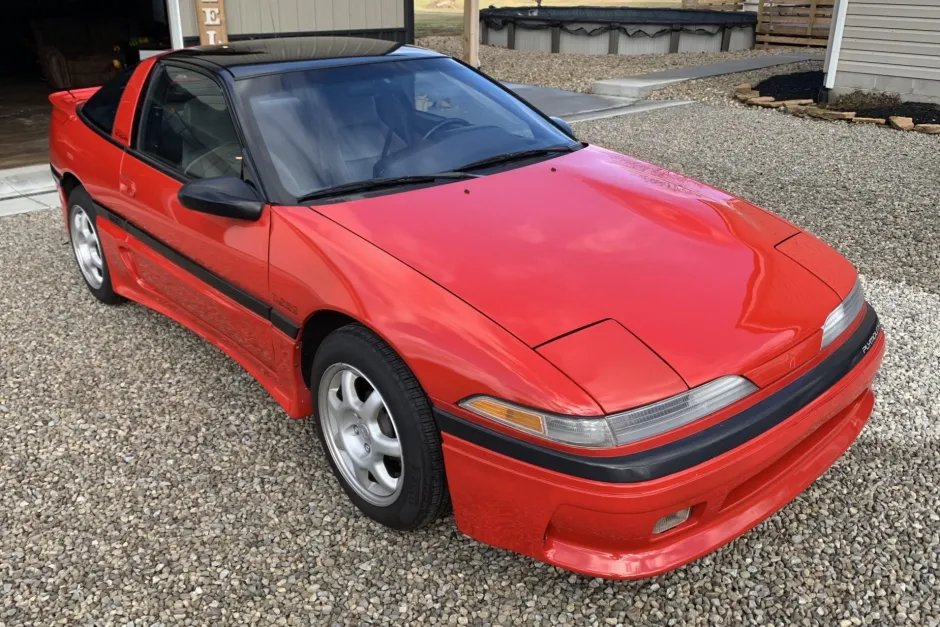
1. Plymouth Laser (1990–1994): The Forgotten DSM Gem
The Plymouth Laser, produced from 1990 to 1994, remains one of the most overlooked sports coupes of the 1990s. Part of Chrysler and Mitsubishi’s Diamond-Star Motors (DSM) joint venture, the Laser shared its platform with the Mitsubishi Eclipse and Eagle Talon. Despite this, it never achieved the same recognition, quietly fading into obscurity after modest sales and eventual discontinuation in 1994.
At its core, the Laser was a performance-focused 2+2 coupe, offered with several inline-four engines. Options included a 1.8L single-cam, a 2.0L DOHC twin-cam, and the standout turbocharged 2.0L 4G63T engine, the same powerplant found in the Lancer Evolution.
The turbocharged RS AWD version delivered 190–195 horsepower and 203 lb-ft of torque, paired with an optional all-wheel-drive system introduced in 1992. This setup gave the car strong acceleration and impressive grip, making it a thrilling driver’s car. However, its stiff suspension, torque steer, and focus on performance often came at the expense of comfort.
Stylistically, the Laser stood out with its aggressive front fascia, pinch-waist body, and stubby rear design. It was positioned as a more affordable entry in the small sports coupe market, but sales never exceeded 40,000 units after its debut year. Ultimately, low demand led to its discontinuation after the 1994 model year, making it the rarest of the DSM triplets.
Today, the Plymouth Laser is enjoying renewed appreciation among enthusiasts. Unmodified examples are increasingly scarce, boosting its collectibility. Current market values average around $8,175 at auction, with high-condition models commanding over $11,000.
Hagerty even values concours-quality examples as high as $25,800 for 1993 models. While once overshadowed, the Plymouth Laser RS Turbo AWD is now being recognized as a hidden 1990s gem, celebrated for its rarity, performance heritage, and overlooked charm.
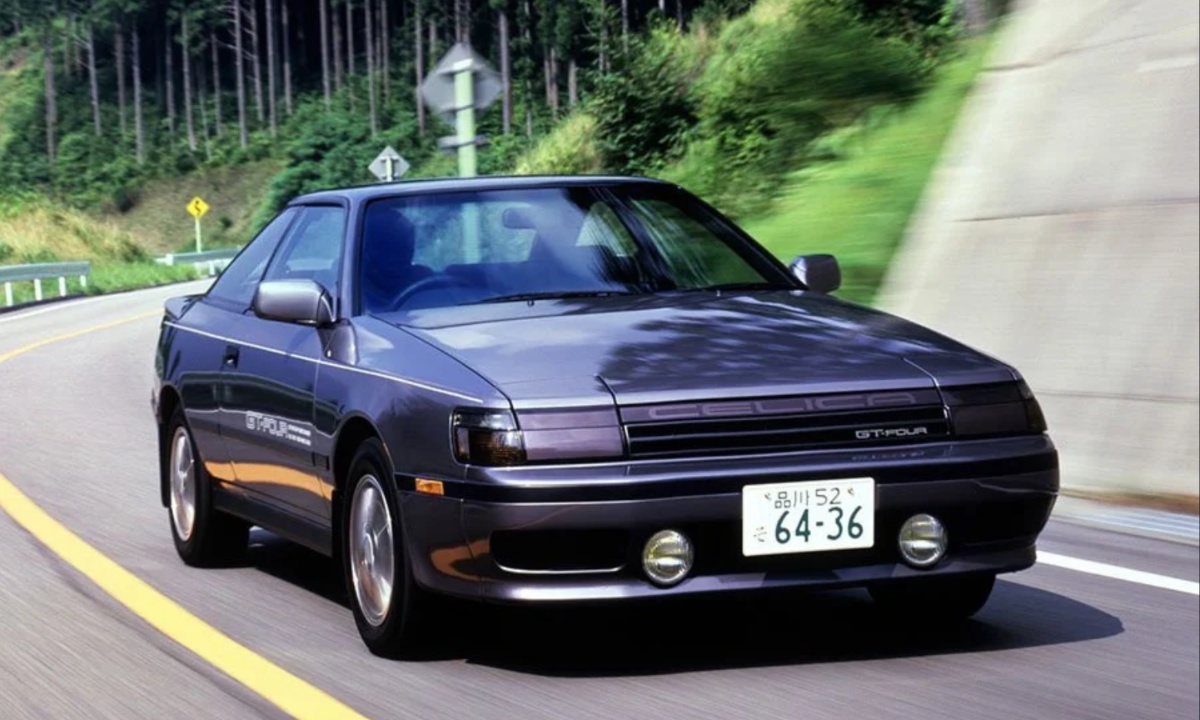
2. Toyota Celica All-Trac (1986–1989): Toyota’s Forgotten Rally-Bred Contender
The Toyota Celica All-Trac, particularly in its fourth-generation ST165 form, is one of the most underrated performance cars of the 1980s.
Developed during the turbocharged all-wheel-drive revolution sparked by rallying, the Celica All-Trac was Toyota’s answer to the dominance of Audi’s Quattro and a rival to Subaru and Mitsubishi before they became household rally names. Despite its pedigree and motorsport success, the All-Trac never achieved mainstream recognition and remains a hidden gem in the collector market today.
The Celica All-Trac owes its existence to the World Rally Championship (WRC) homologation rules, which required manufacturers to produce street-legal versions of their rally cars.
Using the fourth-generation Celica (T160) as its base, Toyota created the ST165 All-Trac, sold in the U.S. from 1988. The model gained fame in the hands of Carlos Sainz, who drove the next-gen ST185 to Toyota’s first-ever WRC Drivers’ Championship in 1990, making Toyota the first Japanese brand to claim that title.
While overshadowed by later “GT-Four” Celicas, the ST165 was the foundation. It showcased Toyota’s engineering prowess and stood toe-to-toe with legends like the Porsche 959 on rally stages.
Under the hood, the All-Trac packed Toyota’s Yamaha-tuned 2.0L turbocharged inline-four, the 3S-GTE. Paired with a fast-spooling CT26 twin-scroll turbocharger, it delivered 200 horsepower and 200 lb-ft of torque.
With Japan-only versions pushing up to 225 horsepower thanks to ceramic-coated turbos, the car achieved 0–60 mph in roughly 7 seconds and topped out near 140 mph. A hood scoop fed its top-mounted intercooler, giving it a distinctive rally-bred look.
The All-Trac’s AWD system wasn’t as complex as Audi’s Quattro, but it was simpler and more balanced, paired with a fully independent suspension for agility. While not the fastest in a straight line, it excelled in handling and cornering, offering a responsive and engaging driving experience.
Visually, the Celica All-Trac stood out with its sleek pop-up headlights, muscular lines, and rally-inspired hood vents. Though based on the fourth-generation Celica coupe, it incorporated Supra-inspired elements for a more aggressive stance. Toyota’s focus on blending style and function resulted in a car that looked as purposeful as it performed.
The Celica All-Trac was rare from the start, produced only to satisfy homologation requirements. In the U.S., it lasted just two years before being replaced by the ST185, further limiting availability. Sales were modest, and its subtle styling meant many enthusiasts overlooked it in favor of flashier rivals.
Today, however, values are climbing as collectors rediscover its significance. Average auction prices hover around $8,631, with highs reaching $23,446. Pristine examples, especially unmodified ones, are increasingly scarce, and their rally heritage makes them particularly appealing to enthusiasts seeking authentic 1980s performance cars.
Although Subaru and Mitsubishi often get credit for popularizing Japanese rally cars, Toyota was an early pioneer with the Celica All-Trac. Its motorsport credibility, robust turbocharged engine, and AWD system proved Japan could compete with and even beat Europe’s best.
Not as famous as the Supra, the Celica All-Trac nevertheless deserves recognition as Toyota’s true rally-bred hero, blending performance, rarity, and history into a car that enthusiasts are finally beginning to appreciate.
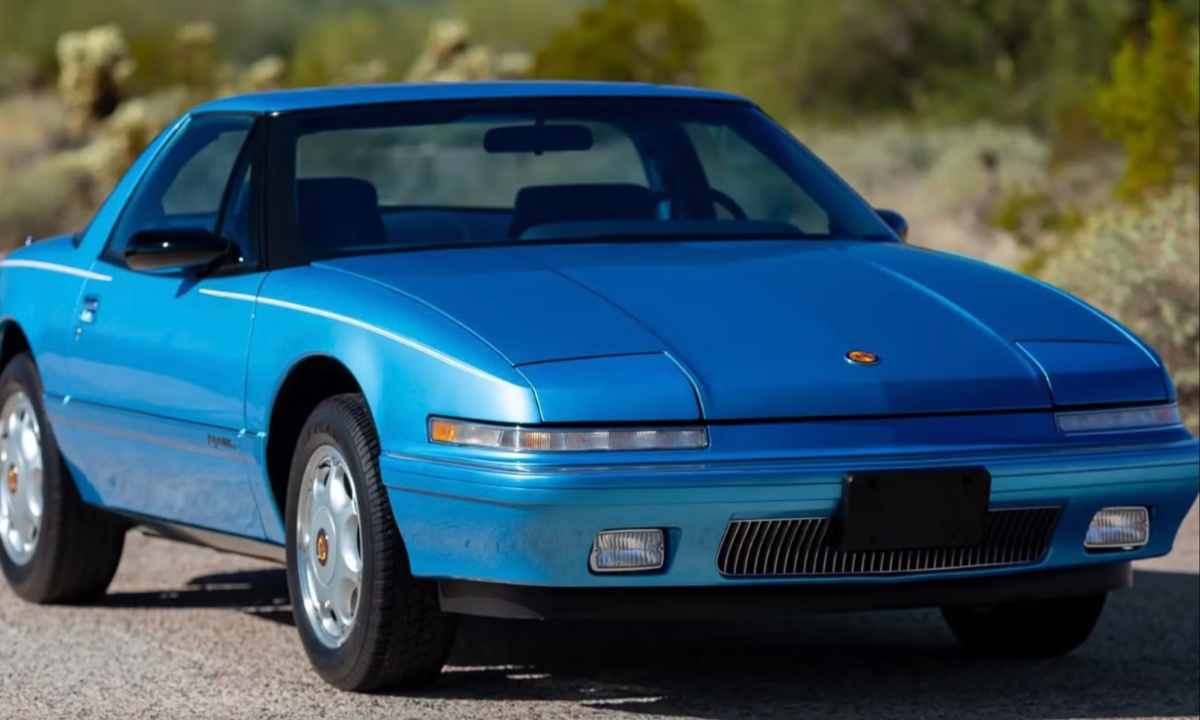
3. Buick Reatta (1988–1991): Buick’s Handcrafted Luxury Experiment
The Buick Reatta was a bold departure from Buick’s traditional lineup, a handcrafted two-seater grand tourer aimed at competing with European luxury coupes. Produced between 1988 and 1991, it combined distinctive styling, advanced technology, and a focus on craftsmanship.
Despite these strengths, limited performance and high pricing kept it from achieving mainstream success. Today, however, its rarity and innovative features have made it a collectible classic.
The Reatta was hand-assembled at the Reatta Craft Centre in Lansing, Michigan, where specialized teams worked on each car in a station-based process rather than a conventional assembly line.
Robots transferred the cars between stations, while PPG Industries handled paintwork. Buick intended the Reatta to be its “halo car,” highlighting American craftsmanship and technology.
Available first as a coupe (1988–1991) and later as a convertible (1990–1991), the Reatta shared a shortened version of the GM E-platform with the Buick Riviera. It was Buick’s first two-seater and first convertible since the mid-1980s Riviera. In total, only about 21,000 coupes and 2,400 convertibles were produced, far below GM’s projection of 20,000 units annually.
The Reatta was powered by Buick’s 3.8-liter 3800 V6, producing 165–170 horsepower and up to 220 lb-ft of torque. While far from a performance car, it delivered smooth power suited for grand touring.
The Reatta featured front-wheel drive, fully independent suspension, four-wheel disc brakes with ABS, and an electronically limited top speed of 125 mph. Fuel economy was respectable for its class at 18 mpg city and 27 mpg highway.
Perhaps the most striking feature of the Reatta was its technology. Early models (1988–1989) included the Electronic Control Center (ECC), a touchscreen interface that controlled climate, radio, trip computer, and even provided onboard diagnostics, a remarkable innovation at the time.
Later models (1990–1991) adopted more conventional push-button controls but added features like a driver’s airbag, optional CD player, and automatic headlamps.
The Reatta’s interior emphasized comfort and luxury, with twin bucket seats, ample storage space, and premium touches. Each car came with a leather-bound owner’s manual, and later models included a zippered folio with a flashlight, tire gauge, and even a craftsman’s log signed by assembly supervisors, underscoring its artisanal image.
Stylistically, the Reatta was notable for its clean coupe profile and pop-up headlights, the only Buick model ever to feature fully retractable headlamps. Options included power seats, a sunroof, and keyless entry. Special “Select Sixty” editions in 1988 and 1990 added exclusive trims and emblems, enhancing collectibility.
At launch, the Reatta carried a price tag of around $25,000 (roughly $66,000 today), positioning it against imports like BMW and Mercedes-Benz. While well-equipped, it lacked the performance and prestige to match its European rivals. Production ended in 1991 after underwhelming sales.
Today, however, collectors are rediscovering its appeal. Auction prices average around $9,598, with highs reaching $38,500 for exceptional examples. Hagerty lists concours-level 1991 models at nearly $30,000.
With its rarity, forward-thinking design, and handcrafted legacy, the Reatta has earned recognition as one of Buick’s most interesting and overlooked creations.
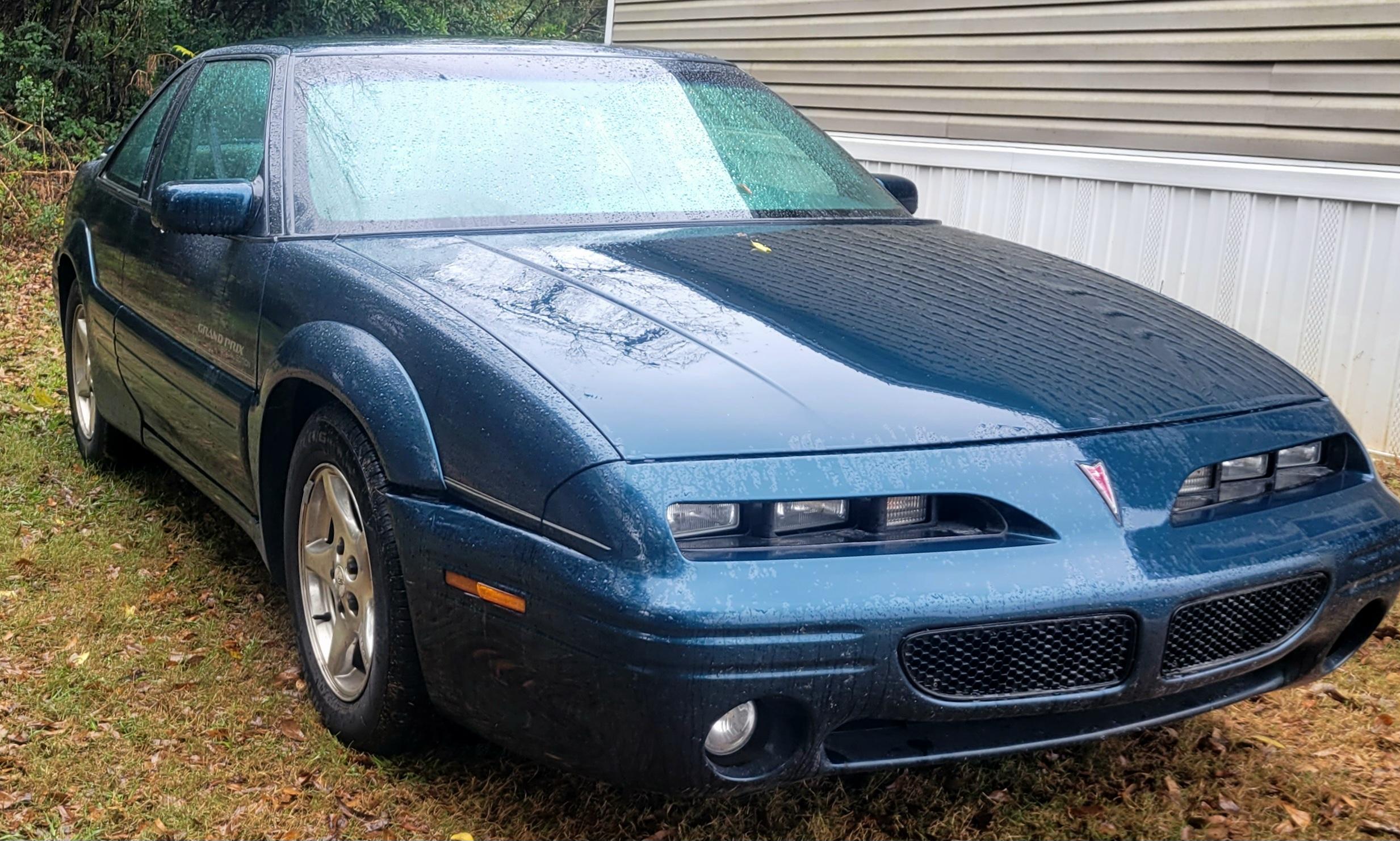
4. Pontiac Grand Prix (1988–1996): A Transitional Era for Pontiac’s Performance Sedan
The Pontiac Grand Prix of 1988–1996, representing the model’s fifth generation, marked an important yet complicated chapter in Pontiac’s history. Initially launched as a coupe in 1988, the Grand Prix expanded into sedan form in 1990 to better compete in the growing mid-size market.
While the Grand Prix offered flashes of performance and innovative features, it struggled against stronger rivals like the Ford Taurus, Honda Accord, and, later, sportier competitors from both domestic and import brands.
The fifth-generation Grand Prix featured a variety of engines, but the most notable was the 3.4-liter DOHC V6 introduced in 1992. Producing 215 horsepower and 215 lb-ft of torque, this engine transformed the Grand Prix into a respectable performer for its time.
Paired with front-wheel drive and sportier suspension tuning, it delivered an engaging driving experience, particularly in the GTP trim. Even so, the Grand Prix’s engineering left critics unimpressed, often described as underdeveloped compared to competitors.
Despite this, the Grand Prix did offer advanced features for its class, including a heads-up display (HUD), which projected critical information onto the windshield, a rarity in mainstream vehicles of the early 1990s.
Over the years, incremental improvements such as interior redesigns (1994), refined drivetrains, and updated styling packages helped keep it competitive on paper, though buyers increasingly looked elsewhere.
The platform underpinning the Grand Prix, shared with the Buick Regal and Oldsmobile Cutlass Supreme, took GM nearly a decade to bring to market. Unfortunately, it proved costly and underwhelming.
Sales never matched expectations, and the program became a money-loser for General Motors. While the Grand Prix’s low pricing gave it some appeal, sedans arrived too late to capitalize on shifting buyer trends, and both the coupe and sedan struggled against better-engineered rivals.
By 1996, Pontiac was already preparing to launch an all-new Grand Prix for 1997, which overshadowed the outgoing model. The final 1996 models received modest updates, including a new high-polished wheel package and improved ignition systems. Nevertheless, reviewers at the time advised buyers to wait for the redesigned sixth-generation model, which promised far greater sophistication.
Pontiac attempted to distinguish the Grand Prix with sporty design cues, particularly in GTP trim. The coupe’s aggressive styling and optional performance packages gave it a “bad boy” image compared to rivals like Ford’s Thunderbird and Chevrolet’s Monte Carlo.
However, these efforts couldn’t mask the car’s weight, dated appearance, and mediocre refinement. In sedan form, it competed with cars like the Nissan Maxima and Volkswagen Jetta GLX, but failed to offer the same level of polish or desirability.
The fifth-generation Grand Prix occupies a niche space in the collector market. Auction values average around $9,924, with highs reaching $21,500 for rare, well-kept examples. While not as revered as Pontiac’s classic muscle cars, enthusiasts are beginning to appreciate the 3.4-liter GTP models as affordable performance sleepers from the 1990s.
The 1988–1996 Grand Prix represents a transitional phase: a car that kept Pontiac in the performance conversation but lacked the engineering finesse to truly excel.
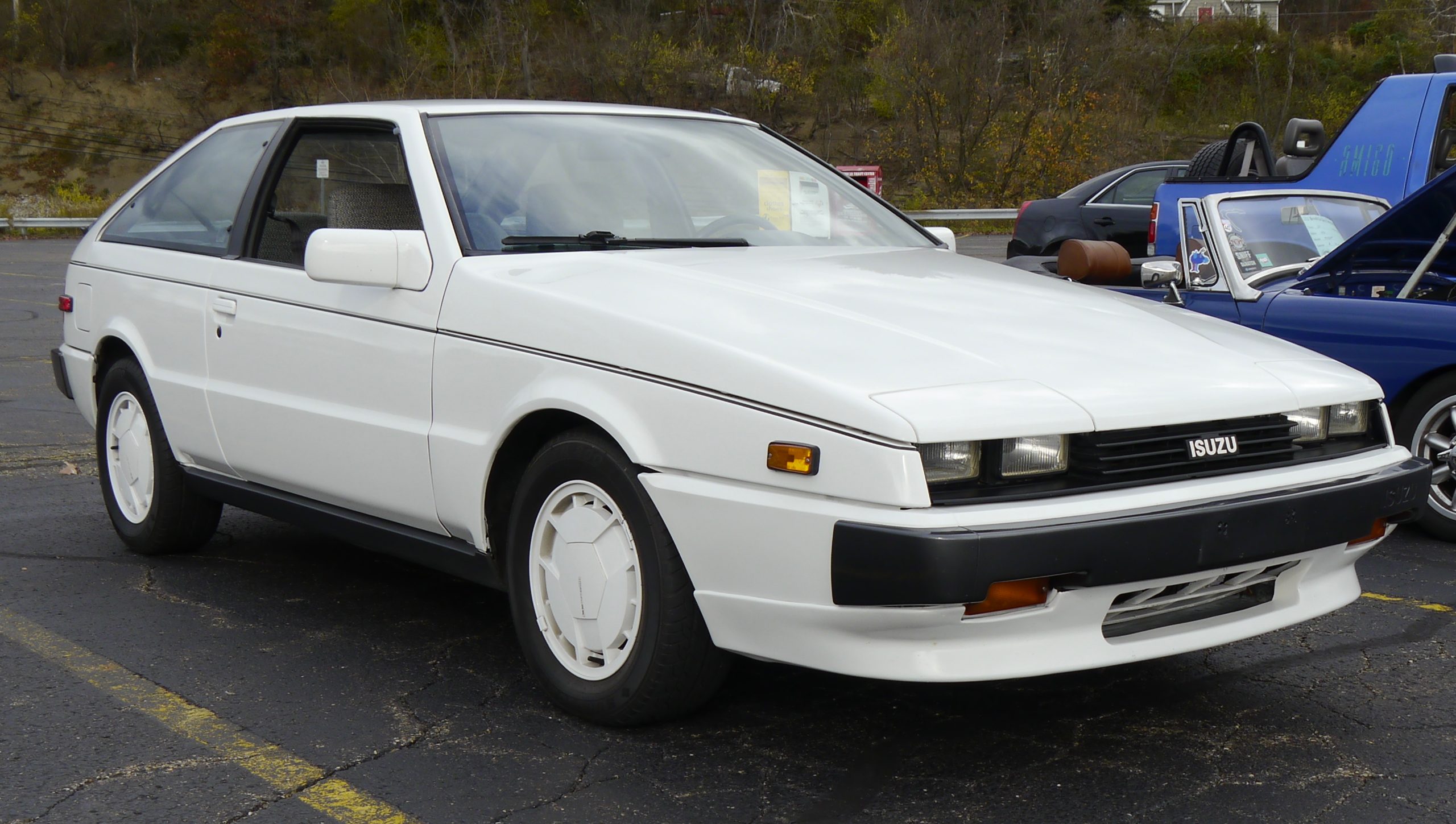
5. Isuzu Impulse (1981–1992): The Cult Classic That Punched Above Its Weight
The Isuzu Impulse, sold in North America from 1981 to 1992, has become one of the most intriguing forgotten sports coupes of its era. Known for quirky styling, advanced engineering, and rarity, the Impulse is now enjoying renewed recognition among collectors. With an average auction value of $10,962 and high sales nearing $20,000, this once-overlooked hatchback is turning into a desirable niche collectible.
Although the Impulse enjoyed a decade-long run in the U.S., only about 2,300 units were sold, making it exceptionally rare. Early models drew from the Giugiaro-designed Isuzu 117, but it was in the late 1980s and early ’90s that the Impulse truly hit its stride.
By 1989, Isuzu, backed by General Motors and aided by Lotus chassis tuning, delivered a compact coupe that could compete with the Acura Integra, Toyota Celica, Mitsubishi Eclipse, and Honda Prelude.
The highlight was the 1991 Isuzu Impulse RS, a technological showcase for the brand. It featured a turbocharged and intercooled 1.6-liter DOHC engine producing 160 horsepower, paired with a rear-biased all-wheel-drive system.
A sophisticated passive rear-steering setup, ABS, and Lotus-tuned suspension gave the car handling precision rare in its price class. At just under 2,800 pounds, the Impulse RS could sprint to 60 mph in around seven seconds and brake from 60 mph in only 116 feet figures that rivaled far more expensive sports cars of the era, including the Toyota MR2 Turbo and even the Lamborghini Diablo.
Styling was overseen by Shiro Nakamura, later known for designing the Nissan GT-R. The Impulse carried sharp, angular lines with a wraparound rear glass that hinted at GM design influences. To enthusiasts, it looked aggressive yet elegant, standing apart from its Japanese rivals.
On the road, the RS was raw and engaging. Owners described it as loud, gritty, and unfiltered a machine that demanded mastery rather than immediate confidence. Contemporary reviews often placed it mid-pack in comparisons, but praised its track capability when pushed to the limit. Motor Trend highlighted its ability to be “flung with abandon,” while also noting its unpredictable mix of understeer and oversteer.
Despite its brilliance, sales were minuscule. Only 800 RS models were built in 1991, with just 600 reaching the U.S. Today, roughly 130 examples are known to survive, giving the car cult-like status. Enthusiasts often rely on donor parts from Geo Storms or even imported Kia Elan components to keep their cars alive, highlighting both the scarcity and dedication of the community.
Isuzu’s withdrawal from passenger cars in the 1990s, driven by financial struggles and shifting priorities, ensured the Impulse’s obscurity. Yet its influence lived on. Lotus borrowed its engine and gearbox for the Elan, Subaru engineers applied lessons from the RS in developing the Impreza WRX, and Nakamura’s design DNA eventually shaped icons like the McLaren F1 and Nissan GT-R.
Today, the Impulse RS is remembered as a flawed but fascinating performance car that embodied the experimental spirit of the late ’80s and early ’90s. Rare, affordable, and historically significant, it stands as proof that even short-lived efforts can leave a lasting legacy.
Also Read: 5 Honda Models That Rarely Need Major Service vs. 5 That Often Do
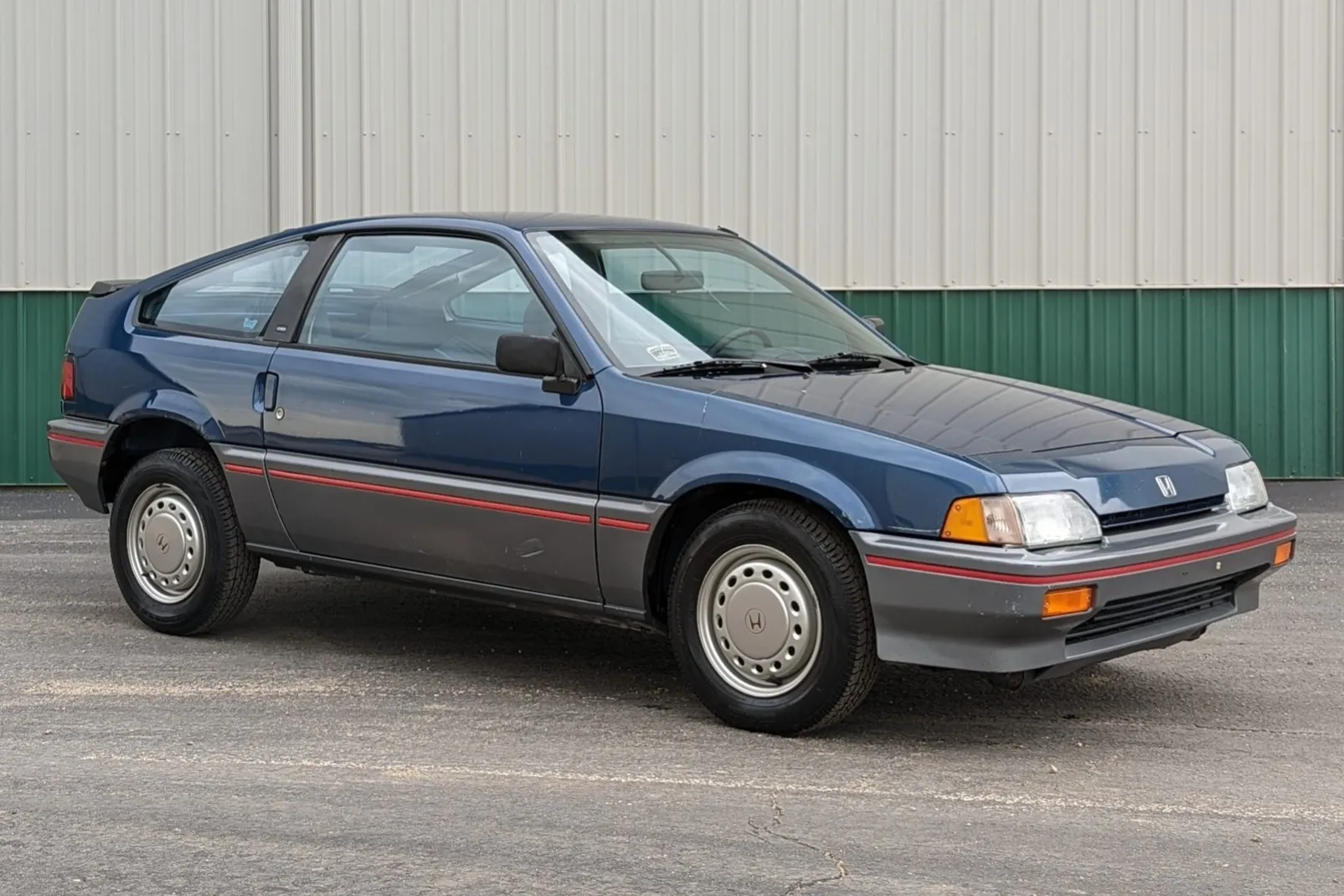
6. Honda CRX (1984–1987): The Lightweight Icon That Defined Fun and Efficiency
In the mid-1980s, Honda shifted its reputation from simply producing practical, fuel-efficient cars to building something fun and sporty with the launch of the CRX. Introduced in 1984 and sold in North America through 1987, the first-generation CRX combined sharp styling, lightweight engineering, and surprising versatility.
With an average auction value today of $11,283 and concours-condition examples fetching over $35,000, the CRX has evolved from a quirky commuter into a sought-after collectible.
Based on the Civic platform, the CRX was a front-wheel-drive, two-seat hatchback with an unusually large and practical cargo area. Weighing just over 1,800 pounds, it delivered nimble handling and strong fuel efficiency. Its aerodynamic wedge-shaped design, curved windshield, and compact proportions gave it a futuristic look that set it apart from other economy cars of its era.
Honda offered several versions. The base 1.3-liter four-cylinder prioritized economy, with the HF (High Fuel Economy) variant capable of delivering 50–60 mpg, a figure that still impresses today.
For enthusiasts, the CRX Si arrived in 1985 with a 1.5-liter fuel-injected engine, offering a lively driving experience without sacrificing practicality. By 1986, the CRX gained updated headlights and color-matched cladding on the Si, while 1987 marked the final year for the first generation.
During its heyday, the CRX earned a dual reputation: a favorite among fuel-conscious commuters and a stylish, sporty ride that became a hit with younger drivers. While it was once seen as the car of choice for “Madonna-wannabe” high schoolers, it later became a staple of tuner culture, prized for its light weight, mod-friendly design, and affordability.
Today, clean examples are becoming increasingly rare, and values continue to rise as enthusiasts rediscover its unique mix of efficiency, style, and driving fun. The CRX remains a symbol of Honda’s ability to build cars that were not only practical but also irresistibly engaging.
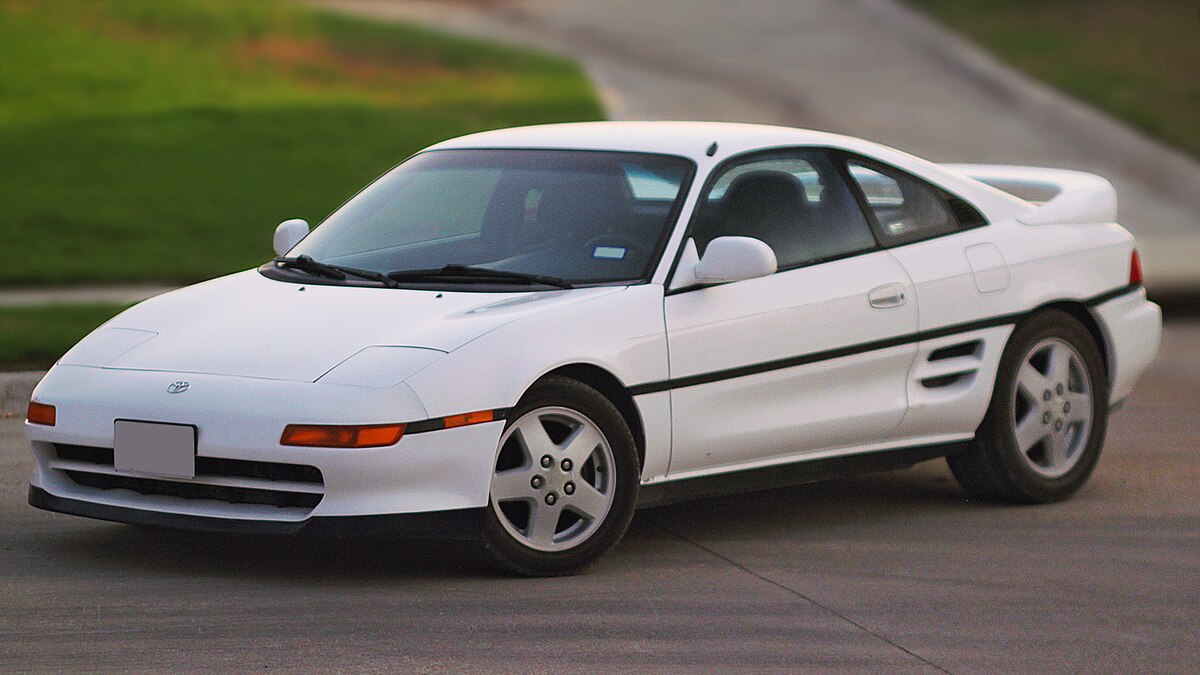
7. Toyota MR2 (1985–1989): The Mid-Engine Pioneer That Redefined Affordable Fun
When Toyota introduced the MR2 in 1985, it created something entirely new for the mass market: a lightweight, mid-engine, rear-wheel-drive sports car that blended affordability, sharp styling, and exhilarating handling.
While it never achieved the mainstream fame of the Supra, the first-generation MR2 (W10) carved its own cult following, proving to be everything the Pontiac Fiero aspired to be but never quite was.
With an average auction value of $13,129 today and concours-quality cars fetching more than $50,000, the MR2 is increasingly recognized as a hidden gem among Japanese classics. A pristine 1988 MR2 Supercharged with only 39,000 miles recently sold for $42,250 still considered a bargain compared to its rising desirability.
At the heart of the MR2 was Toyota’s legendary 1.6-liter 4A-GE engine, also found in the Corolla AE86. This high-revving four-cylinder produced lively performance, complemented by the car’s featherweight chassis and precise steering. For enthusiasts seeking more punch, the supercharged version, introduced in 1987, added a noticeable boost without sacrificing reliability.
The car was known for its reliability, though age has exposed several potential pitfalls. Early manual transmissions, particularly the C50 gearboxes in 1985–87 models, could suffer from a fifth-gear pop-out issue.
Rust is perhaps the MR2’s greatest enemy, with hidden corrosion common in the sills, chassis legs, and A/B pillars due to moisture-trapping foam within the bodywork. Additionally, models with T-tops are prone to leaks if the seals aren’t properly maintained.
Buyers today are advised to look closely for structural rust, signs of accident damage, and evidence of consistent maintenance, including cam belt and coolant changes. A well-preserved MR2 remains not only reliable but immensely rewarding to drive, offering the kind of feedback and agility that modern cars rarely replicate.
As collectors and enthusiasts rediscover its brilliance, the first-generation MR2 is rapidly transitioning from a budget-friendly curiosity into a respected classic. For those who appreciate pure driving fun wrapped in a uniquely 1980s design, there may never be a better time to own one.
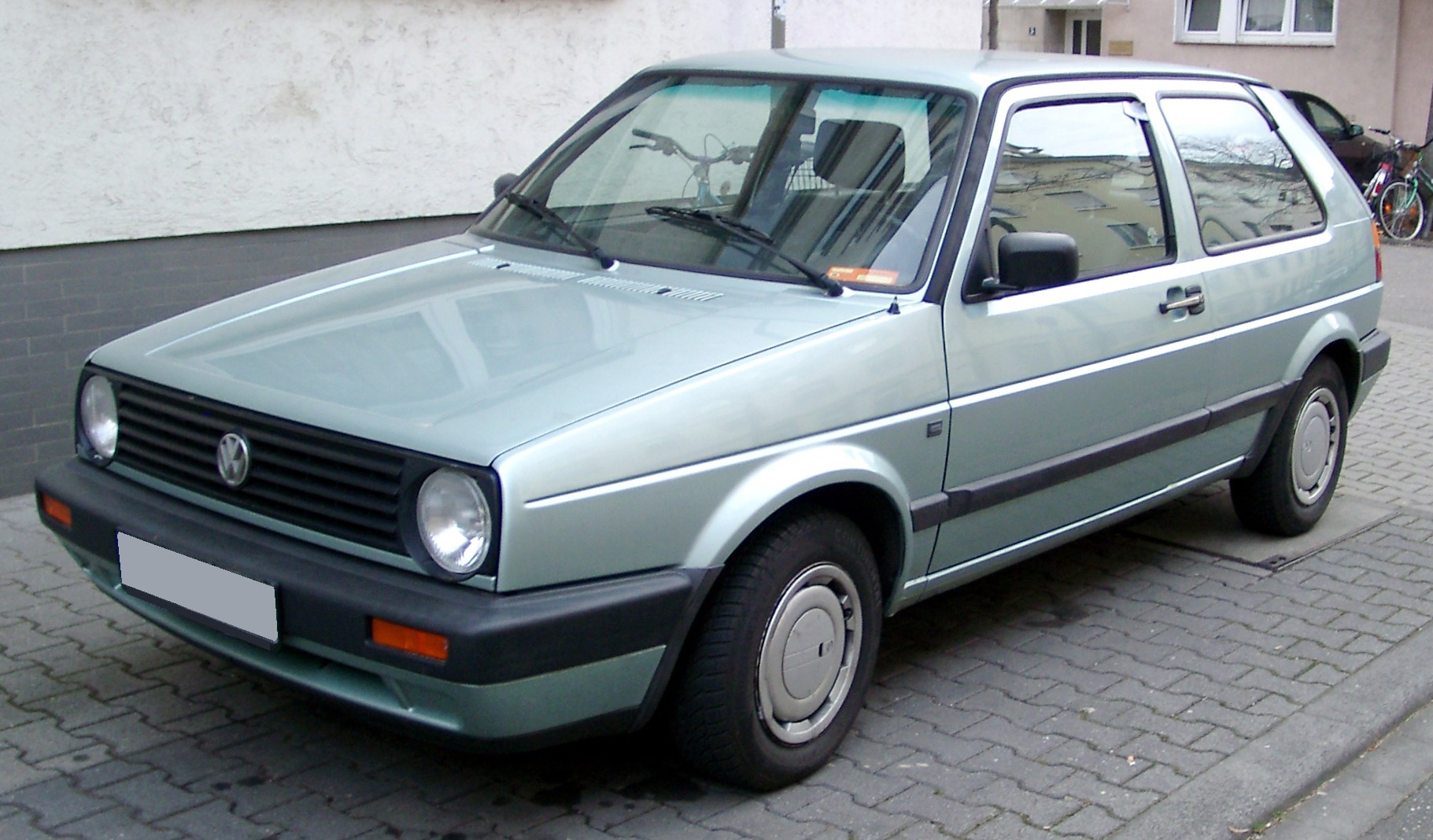
8. Volkswagen Golf Mk2 (1984–1992): The Retro Hot Hatch With Staying Power
The second-generation Volkswagen Golf, produced from 1984 to 1992, cemented the brand’s reputation for fun, affordable driving. Despite its modest inline-four engines, the Golf’s lightweight construction gave it an excellent power-to-weight ratio, making it quick, agile, and surprisingly engaging. The sporty GTI variant in particular helped define the “hot hatch” segment, offering everyday practicality with a performance edge.
Today, the Mk2 Golf has become a retro collectible, with average auction prices around $15,232 but values spanning dramatically, from as low as $1,922 to as high as $87,000. A pristine 1992 GTI 16V recently hit that top mark, proving the growing demand among enthusiasts. Hagerty pegs concours examples at nearly $39,000, while J.D. Power’s more conservative retail value reflects its wide market accessibility.
Whether kept stock for originality or tuned for performance, the Mk2 Golf remains one of the most iconic and versatile classics of the 1980s and ’90s.
9. Subaru BRAT (1979–1994): The Quirky Cult Classic That Blurred Car and Truck Lines
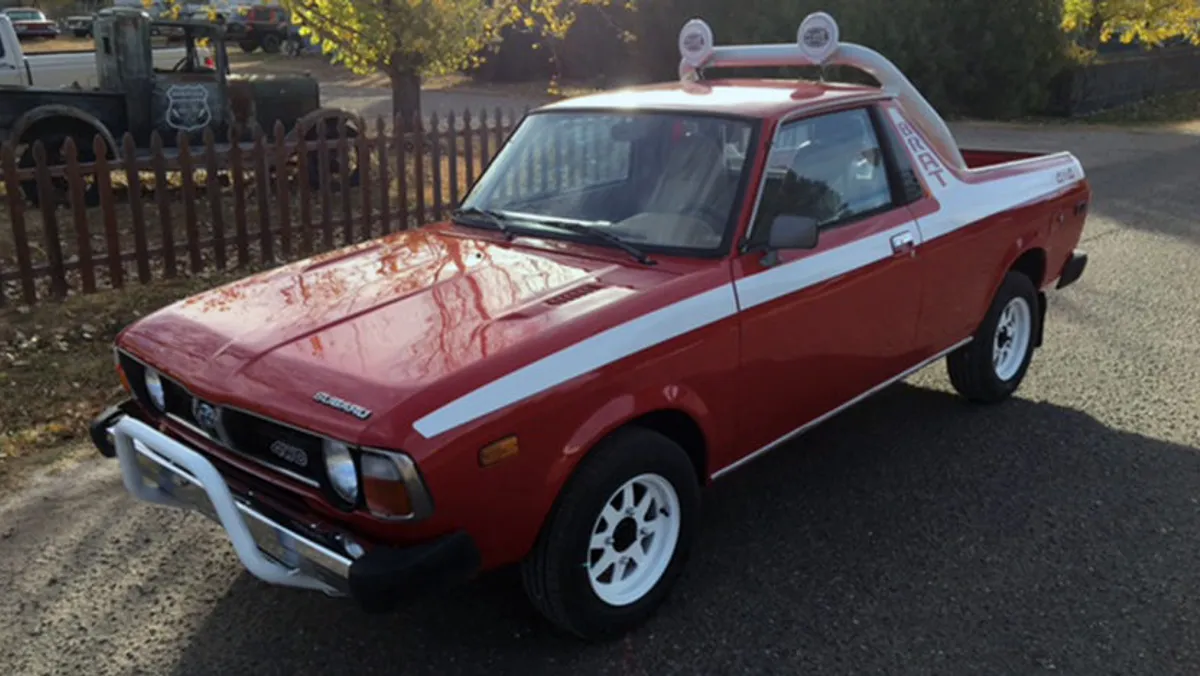
The Subaru BRAT, short for Bi-drive Recreational All-terrain Transporter, remains one of the quirkiest vehicles of the late 20th century. Built from 1979 to 1994, this coupe-utility fused the lines of a small car with the practicality of a pickup, creating endless debate about whether it was truly a car or a truck.
In truth, it was both. Initially dismissed as odd, the BRAT has since gained recognition as a beloved collectible from the 1980s, appreciated for its character, utility, and rarity.
Developed at the request of Subaru of America’s president, the BRAT was designed to tap into the rising U.S. demand for compact trucks from Toyota, Nissan, and Mazda. Unlike its rivals, the BRAT was based on the Leone station wagon and featured standard four-wheel drive across all trims.
Early models used the 1.6L EA-71 engine, later upgraded to a 1.8L EA-81, with optional turbocharged versions in 1983–84 producing 94 hp. Manual transmissions dominated, though turbocharged variants could be paired with a three-speed automatic.
One of the BRAT’s most unusual features was its welded-in, rear-facing plastic jump seats in the cargo bed. These weren’t designed for comfort but as a clever workaround for the U.S. “chicken tax,” which levied a steep 25% tariff on imported trucks. By adding these seats, Subaru classified the BRAT as a passenger car, reducing the tariff to just 2.5%. While fun for passengers, these seats disappeared after the 1986 model year.
The BRAT also offered quirky touches like a spring-loaded side step for cargo bed access, a spare tire under the hood, and even a targa-top version in the early 1980s. In markets like Australia and New Zealand, special Ag-quip packages added roof bars, sump guards, wagon wheels, and unique graphics, further cementing its character as a go-anywhere utility vehicle.
Though discontinued in North America after 1987, global production continued until 1994. Known as the Brumby in Australia and the MV Pickup or Shifter in the UK, it became an export-only model and was never sold in Japan.
Today, the Subaru BRAT has become a rising star in the collector market. With an average auction value of $15,535 and pristine examples fetching over $30,000, enthusiasts are beginning to restore and preserve these once-overlooked vehicles. A refurbished 1985 BRAT GL, for instance, sold for $25,000, highlighting the growing appreciation for its charm and uniqueness.
Blurring the lines between practicality and eccentricity, the Subaru BRAT embodies 1980s automotive experimentation at its finest. Whether remembered for its jump seats, its car-truck personality, or its role in skirting tariffs, it has become a cult classic. For collectors seeking something fun, affordable, and undeniably distinctive, the BRAT remains an iconic piece of Subaru’s history.
10. Mitsubishi Starion (1982–1989): The Underrated Turbo Sports Car of the ’80s
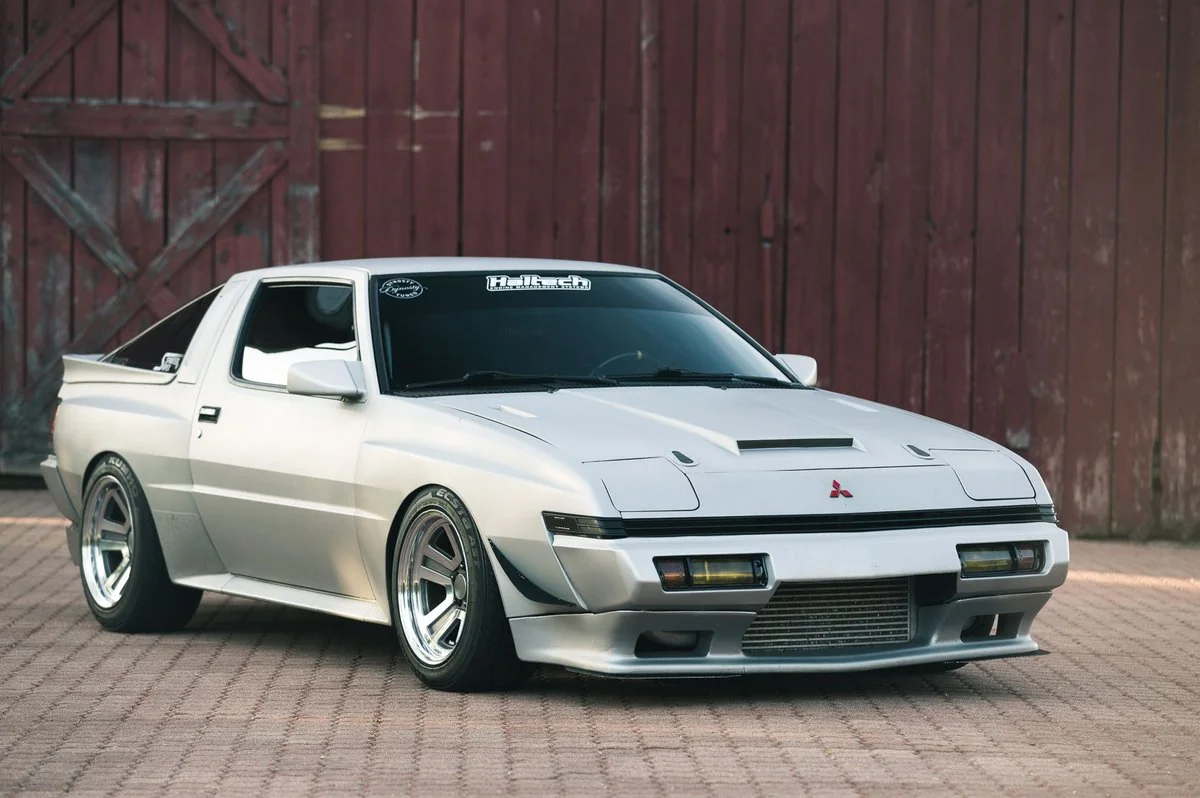
The Mitsubishi Starion is one of the most underappreciated sports cars of the 1980s, overshadowed by Japanese rivals like the Toyota Supra and Nissan Z cars. Produced from 1982 to 1989, the Starion offered sleek styling, turbocharged power, and competitive handling at an affordable price.
Despite this, it never reached the cultural prominence of its peers, remembered more as a cult classic than a mainstream icon. Even its U.S. badge-engineered siblings, the Chrysler, Dodge, and Plymouth Conquest, couldn’t boost its profile. Yet today, collectors are rediscovering its value, with average auction prices around $16,821 and top examples exceeding $40,000.
The Starion’s design was heavily inspired by the Group B rally era. Its low hood, sloping roofline, and flared arches gave it a muscular, aerodynamic presence, complemented by a wide rear spoiler. Inside, it featured sporty bucket seats, a leather-wrapped steering wheel, and a futuristic dashboard layout, though critics at the time called it “tacky.” Despite the mixed reviews, its driver-focused cabin emphasized its performance roots.
Globally, the Starion earned respect on both the road and the track. Marketed under different names including Sapporo in Japan it became an endurance racing success, winning its class at the 1983 Paris-Dakar Rally.
Two main versions were offered: a narrow-body 2.0L turbo-four, primarily for Japan, and a wide-body 2.6L turbo-four, offered in export markets like the U.S. The latter produced 145 hp and 185 lb-ft of torque, with the upgraded 1986 ESi-R pushing output to 176 hp and 223 lb-ft thanks to an intercooler.
Mechanically, the Starion was advanced for its time, equipped with four-wheel independent suspension and ventilated disc brakes at all corners. Buyers could choose between a four-speed automatic or a five-speed manual, with enthusiasts favoring the latter for its engagement.
The car’s one shortfall was its gearbox steering, which lacked the precision of rack-and-pinion setups. Still, the Starion delivered lively handling that compared well against pricier competitors.
One of the Starion’s biggest advantages was its affordability. Priced lower than many European and Japanese rivals, it offered turbocharged excitement to a wider audience.
Over 50,000 units were produced before its discontinuation in 1989, making it one of Mitsubishi’s more accessible sports cars of the decade. Many were sold under Chrysler’s Conquest badge, cementing its place in the joint American-Japanese venture, Diamond-Star Motors.
Today, the Starion is valued as a sensible entry into vintage turbo sports cars. Well-kept examples often sell below $20,000, while concours-quality cars approach $50,000. Restored models, like a pristine 1991 ESi-R sold for $16,750 in 2020, highlight how undervalued these cars remain.
With tasteful upgrades, the Starion can easily rival later-era sports cars in both performance and style. However, early non-intercooled models require careful modification, as larger turbos can compromise drivetrain reliability.
Though it may have played second fiddle in pop culture, the Mitsubishi Starion’s blend of turbocharged power, sleek styling, and affordability has secured it a loyal following. Once overlooked, it is now rightly recognized as one of the most underrated Japanese sports cars of the 1980s.
As collectors and enthusiasts look back, the cars of the ’80s and ’90s shine brighter than ever. These decades bridged the gap between analog driving purity and the arrival of modern technology, giving us machines that balanced character with capability.
Many of the cars on this list whether the rally-ready Celica All-Trac, the mid-engine Toyota MR2, or the turbocharged Mitsubishi Starion were once overlooked in favor of flashier rivals. But scarcity, unique engineering, and rising nostalgia have changed the narrative.
Today, these vehicles are not just affordable entry points into classic car ownership; they are artifacts of a vibrant automotive era. Preserving them means keeping alive the creativity and ambition that defined two transformative decades in car culture.
As values continue to rise and unmodified survivors become harder to find, one thing is clear: the overlooked cars of the ’80s and ’90s are now collector gold.
Also Read: 5 Dodge Muscle Cars With Longevity And 5 That Eat Oil