
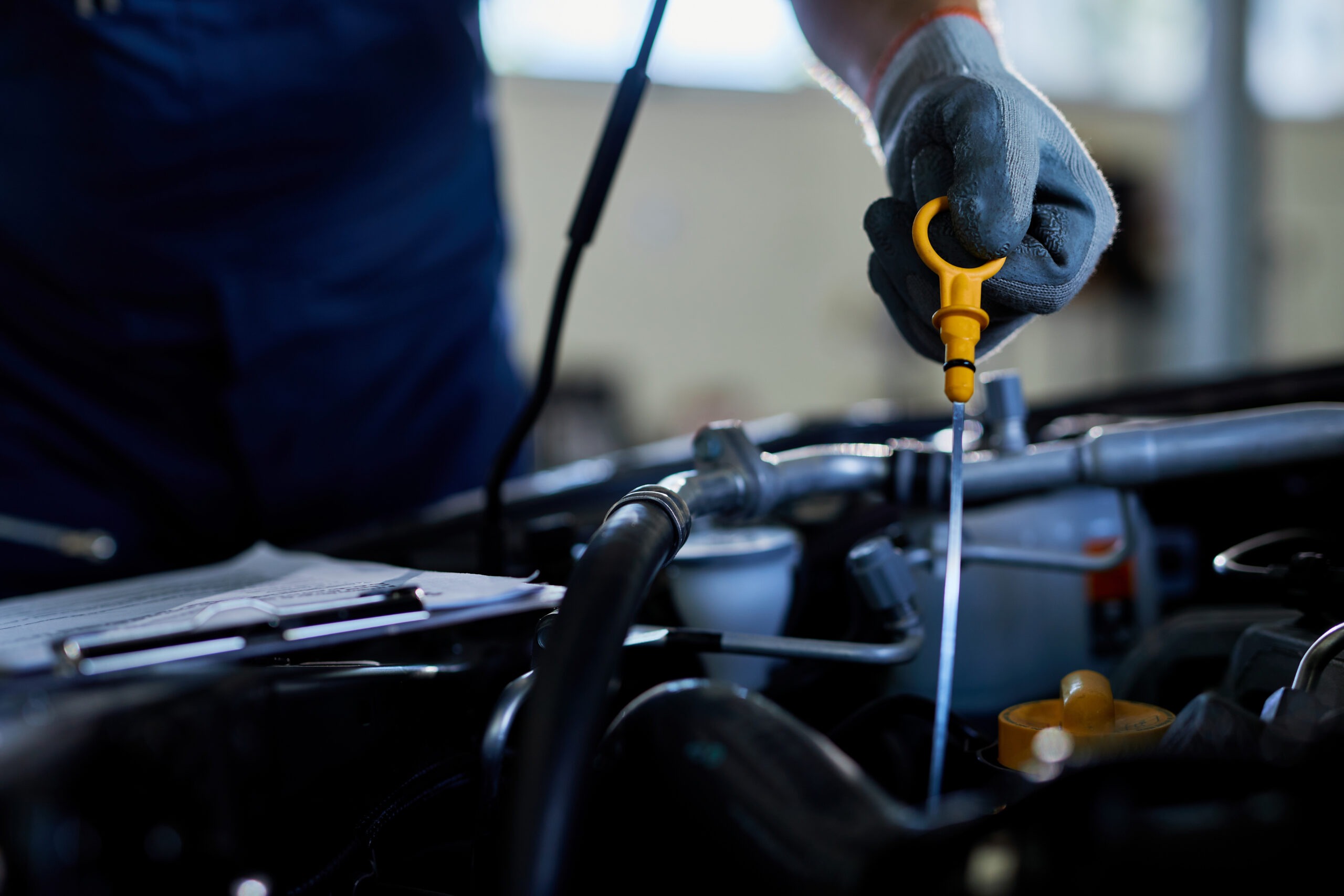
When people buy a car, they usually hope for one that will last long without giving them constant trouble. While many drivers pay attention to fuel economy, engine strength, or design, there is another factor that matters a lot, which is how the engine consumes oil. Some vehicles are known for staying reliable and rarely consuming more oil than they should.
Others, unfortunately, are known to drink oil so much that owners must always monitor the dipstick or carry extra quarts in the trunk. Oil consumption problems can become stressful because they affect both money and peace of mind. A vehicle that consumes too much oil not only forces owners to spend more, but it can also reduce engine life if the situation is ignored.
On the other side, cars that manage oil well make maintenance easier, save costs, and bring more confidence for drivers during long trips. For this reason, buyers often pay attention to records of oil consumption when deciding which brand or model to choose.
The difference between cars that rarely burn oil and those that constantly do has to do with engineering decisions, quality of engine parts, and even how the engine was designed to handle heat and pressure. While modern engineering has solved many oil-related issues, some brands still carry models that are commonly reported for burning oil.
On this page, we will examine five cars that rarely consume oil beyond normal use and five others that are often reported for frequent oil burning. In each section, we will explain why these vehicles stand on either side, how owners experience them, and what makes their engines perform the way they do.
5 Cars That Rarely Burn Oil
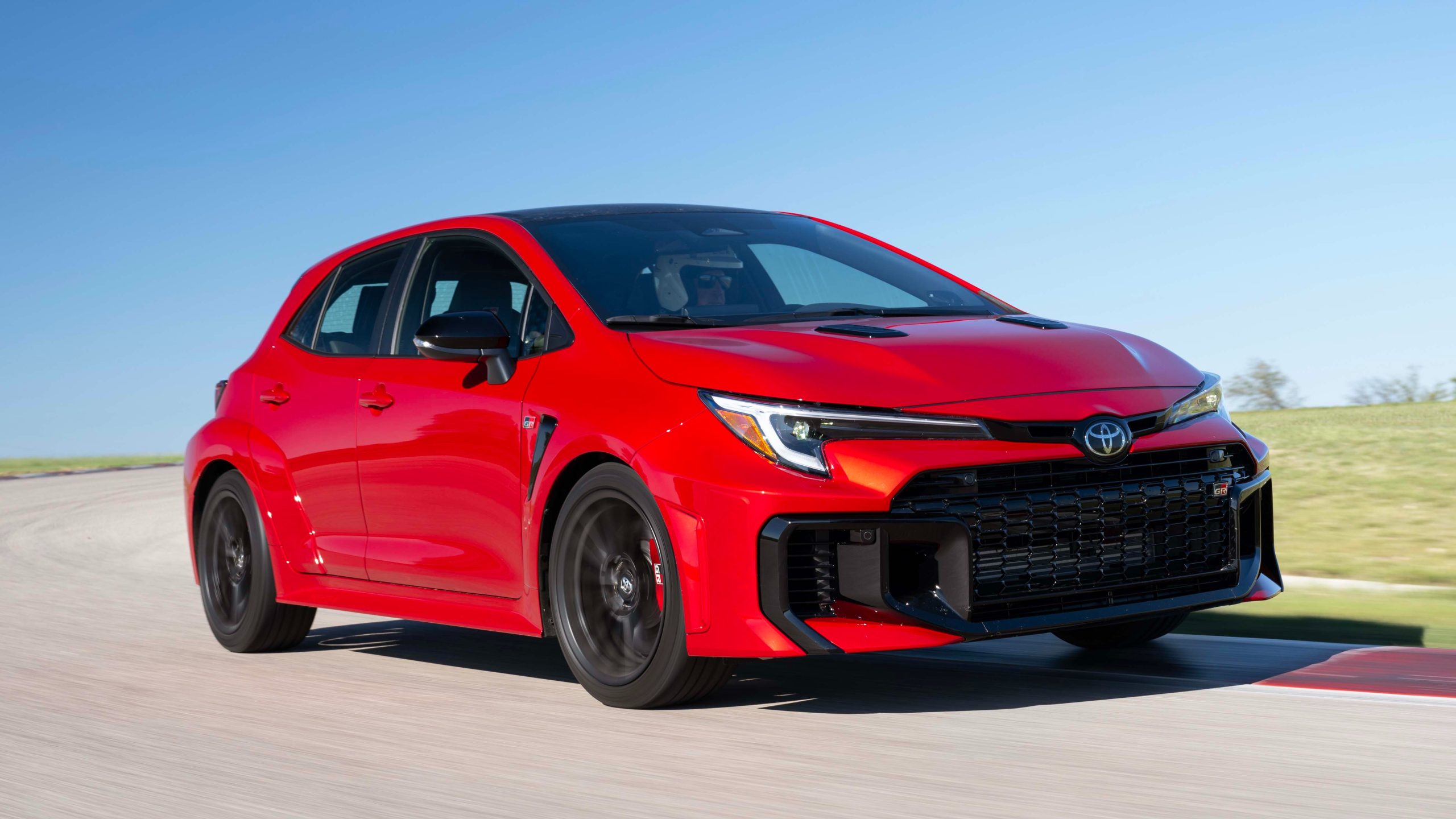
1. Toyota Corolla
The Toyota Corolla has built a reputation as one of the most reliable compact sedans ever made. Drivers across different regions appreciate this model not only because of its affordability and fuel efficiency, but also because it rarely suffers from oil consumption problems. The Corolla’s engine design is made to stay balanced, with well-sealed pistons and strong cylinder walls that do not allow oil to slip into combustion chambers unnecessarily.
One reason this vehicle performs so well in this area is the history of Toyota’s focus on durability. Engineers spend years fine-tuning the combustion process and the lubrication system so that wear and tear remain minimal.
Owners of the Corolla often go for thousands of miles without noticing any drop in oil levels, except for the usual small reduction that comes with regular use. Even when the car has aged, the oil consumption remains far lower than what is commonly seen in some competitors.
Another advantage of the Corolla is its ease of maintenance. Oil changes are straightforward, and mechanics usually do not complain about hidden faults in the lubrication system.
This makes it friendly not just for new drivers, but also for people who want to avoid unnecessary repair bills. Many reviews from long-term owners show that they rarely need to top up between oil changes, which reflects the engine’s healthy condition.
For American buyers, the Corolla represents a vehicle that combines reliability with low running costs. Families, students, and professionals who need a daily driver can depend on this model without worrying about carrying extra bottles of oil. It is one of the strongest examples of cars that rarely burn oil, proving Toyota’s reputation for making engines that stand the test of time.
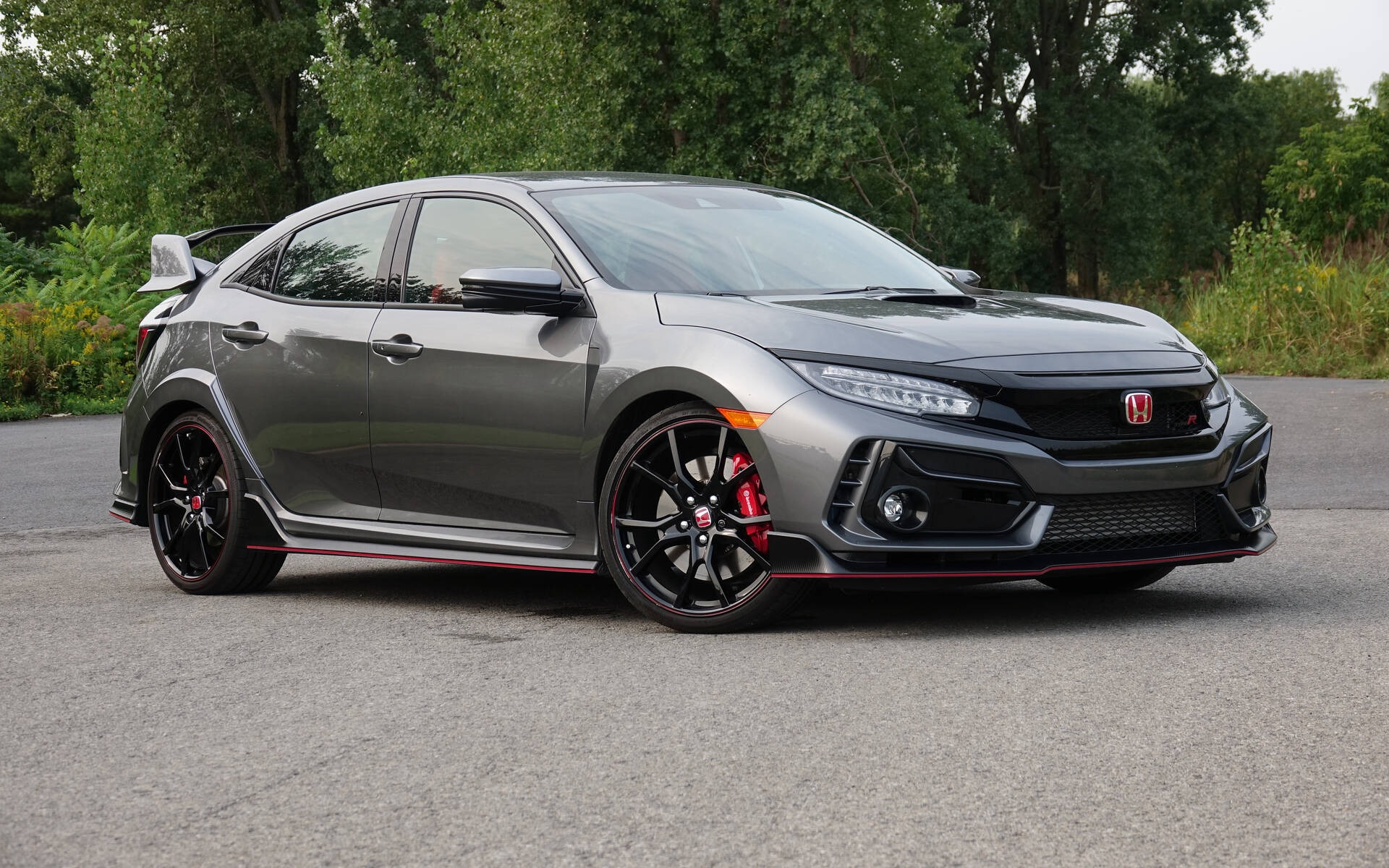
2. Honda Civic
The Honda Civic is another car that shows excellent resistance to oil burning. This model is popular in the United States because of its balance of comfort, durability, and efficient fuel use. Apart from these strengths, the Civic also stays dependable when it comes to oil control. The majority of Civic owners do not complain of oil disappearing too quickly between service intervals.
Honda engineers have consistently emphasized building engines with strong internal sealing and minimal wear. The Civic benefits from this engineering practice. Its engines make use of piston rings and valve seals that do not allow excess oil to leak into combustion chambers. By preventing unnecessary burning, the Civic stays clean and requires fewer top-ups.
Another reason the Civic stands out is that it adapts well to different driving styles. Whether a driver is using it for short city commutes or long highway journeys, the oil system performs consistently. American drivers often report that their cars run smoothly for years with very few oil-related complaints. When owners stick to regular maintenance schedules, the Civic shows even greater resilience against oil consumption.
The Civic also comes with a wide network of support in the United States, as Honda has dealers and service centers across the country. This makes oil changes and maintenance accessible, and mechanics are familiar with its structure, which helps in keeping the car in good condition. With a history of strong resale value, the Civic maintains trust among buyers who want a car that saves them from the stress of excessive oil usage.
Also Read: 12 Cars of the Future That Might Actually Last Longer
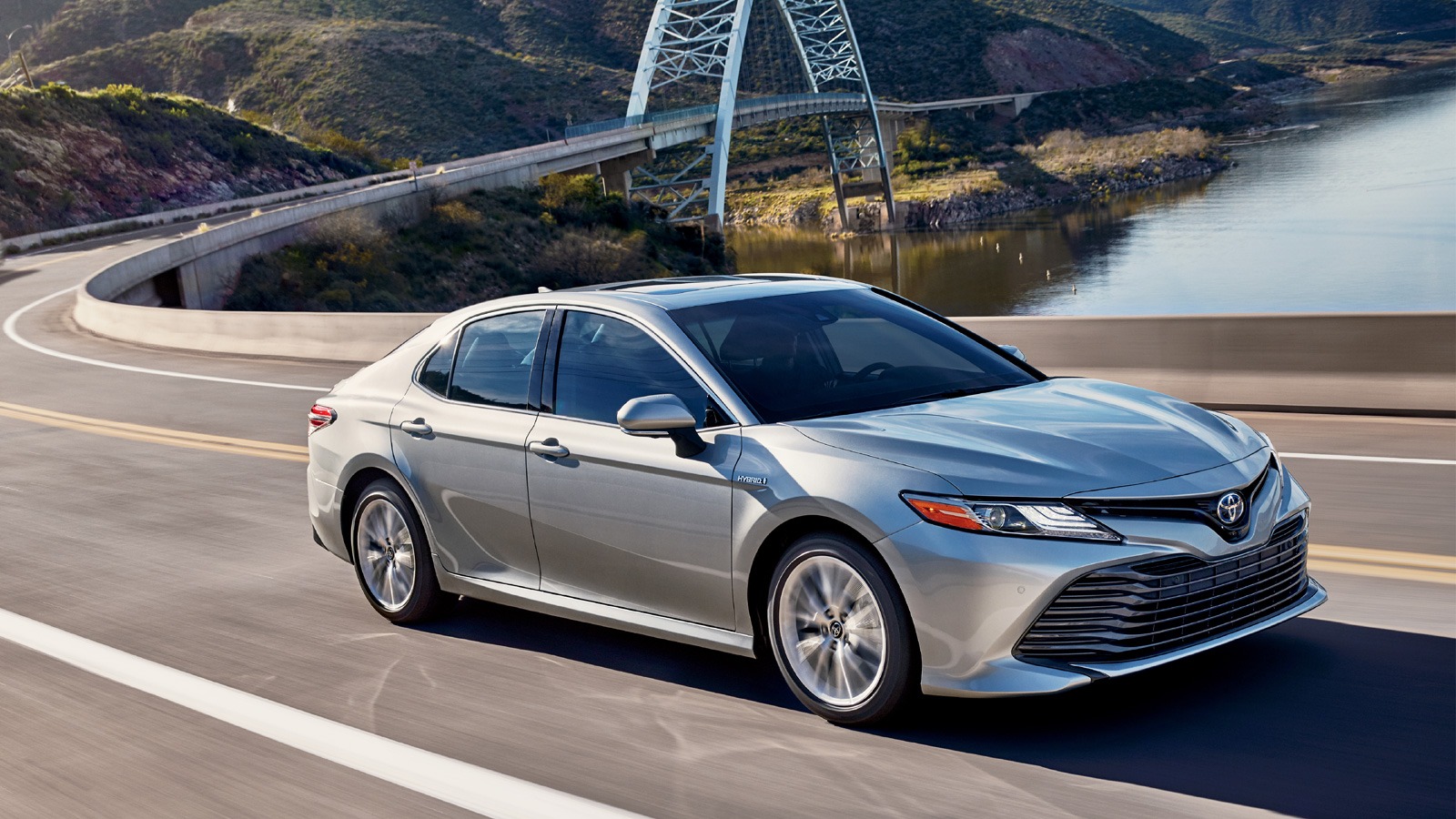
3. Toyota Camry
The Toyota Camry, especially models from the mid-2000s up to recent years, is recognized for its reliability and for being one of the sedans that rarely consume excess oil. Many families in America choose the Camry because it combines size, comfort, and low running costs. Oil consumption is one area where the Camry outshines several competitors in its category.
The reason for its strong oil performance is linked to Toyota’s approach to designing engines that prioritize longevity. The Camry is often powered by four-cylinder or V6 engines that maintain tight tolerances in engine components.
This makes it difficult for oil to escape into the combustion chamber in large amounts. Over thousands of miles, the Camry remains consistent, and oil checks often show stable levels between changes. Owners of the Camry often testify that they do not worry about topping up oil frequently, which is a relief for those who drive long distances across states.
The car performs well in urban settings too, where stop-and-go traffic might stress other vehicles. Toyota’s reliability record, backed by years of consumer trust, supports the Camry’s image as a sedan that stays free from frequent oil issues.
For Americans who want a dependable midsize sedan, the Camry provides not just comfort and space but also peace of mind concerning oil use. It is one of those cars that makes maintenance straightforward and affordable, while offering a long lifespan with fewer engine worries.
4. Mazda 3
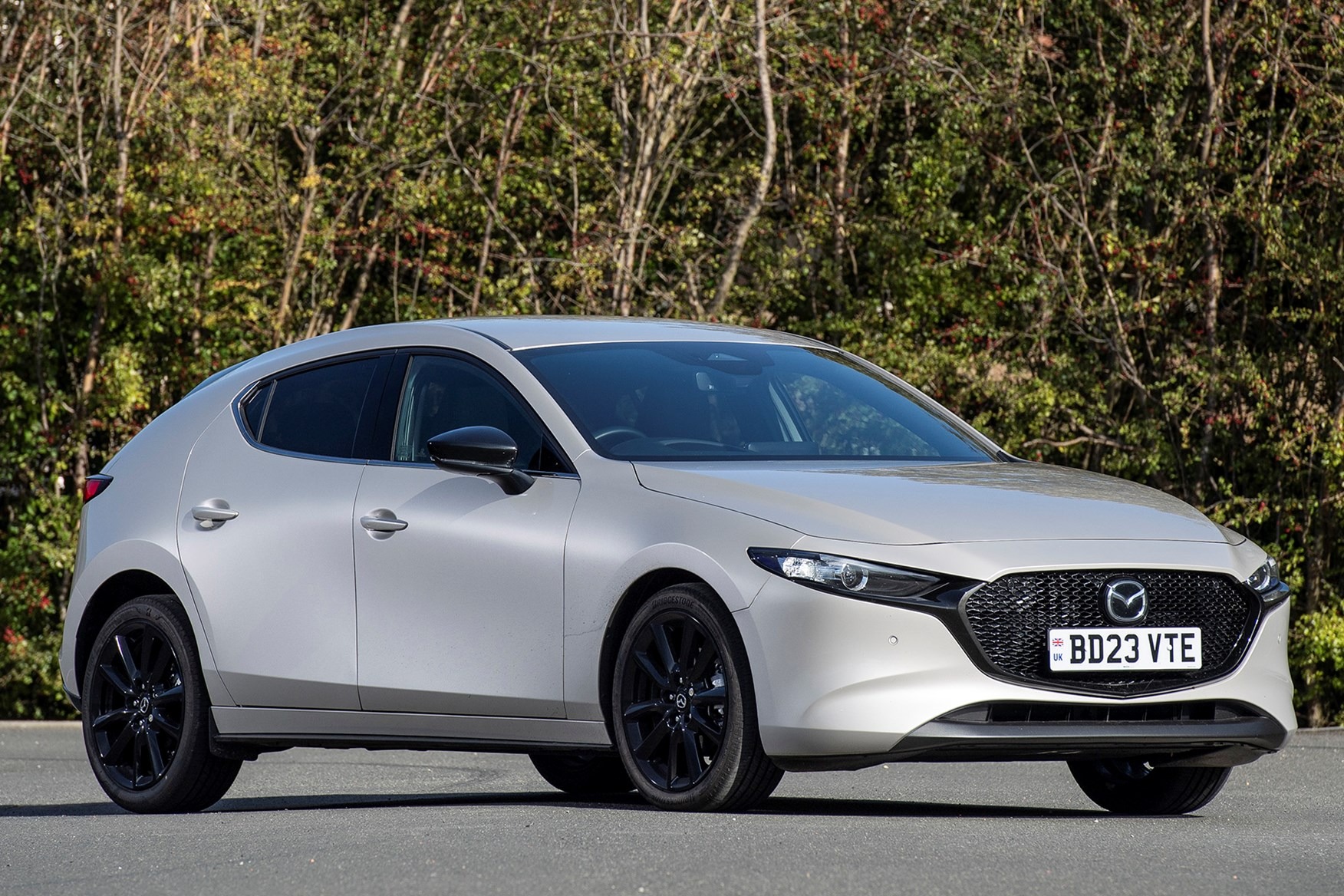
The Mazda 3 has gained popularity for its attractive design and engaging driving experience, but another strength is its engine reliability when it comes to oil control. Drivers who own this model usually report stable oil levels across service intervals. Unlike some compact cars that are criticized for oil consumption issues, the Mazda 3 is generally free from such complaints.
Mazda focuses heavily on engineering details, and its SkyActiv engines are a good example of this dedication. These engines are designed with efficient combustion processes that not only improve fuel economy but also prevent excess oil from being burned during operation. This innovation makes the Mazda 3 stand out in a market where oil consumption can sometimes be a challenge for compact vehicles.
American buyers who select the Mazda 3 enjoy the combination of a stylish car that is also dependable. The oil system is durable, and the piston rings do not wear out quickly, which allows drivers to go longer without worrying about oil levels dropping too much. The car’s performance on highways and city roads stays balanced, and the engine remains strong with proper maintenance.
Many owners describe their experience with the Mazda 3 as stress-free, because it does not surprise them with sudden oil issues. For young professionals, students, and even small families, this model offers a mix of efficiency, comfort, and reduced maintenance concerns, placing it among cars that rarely burn oil.
5. Ford Fusion (2013-2019 Models)
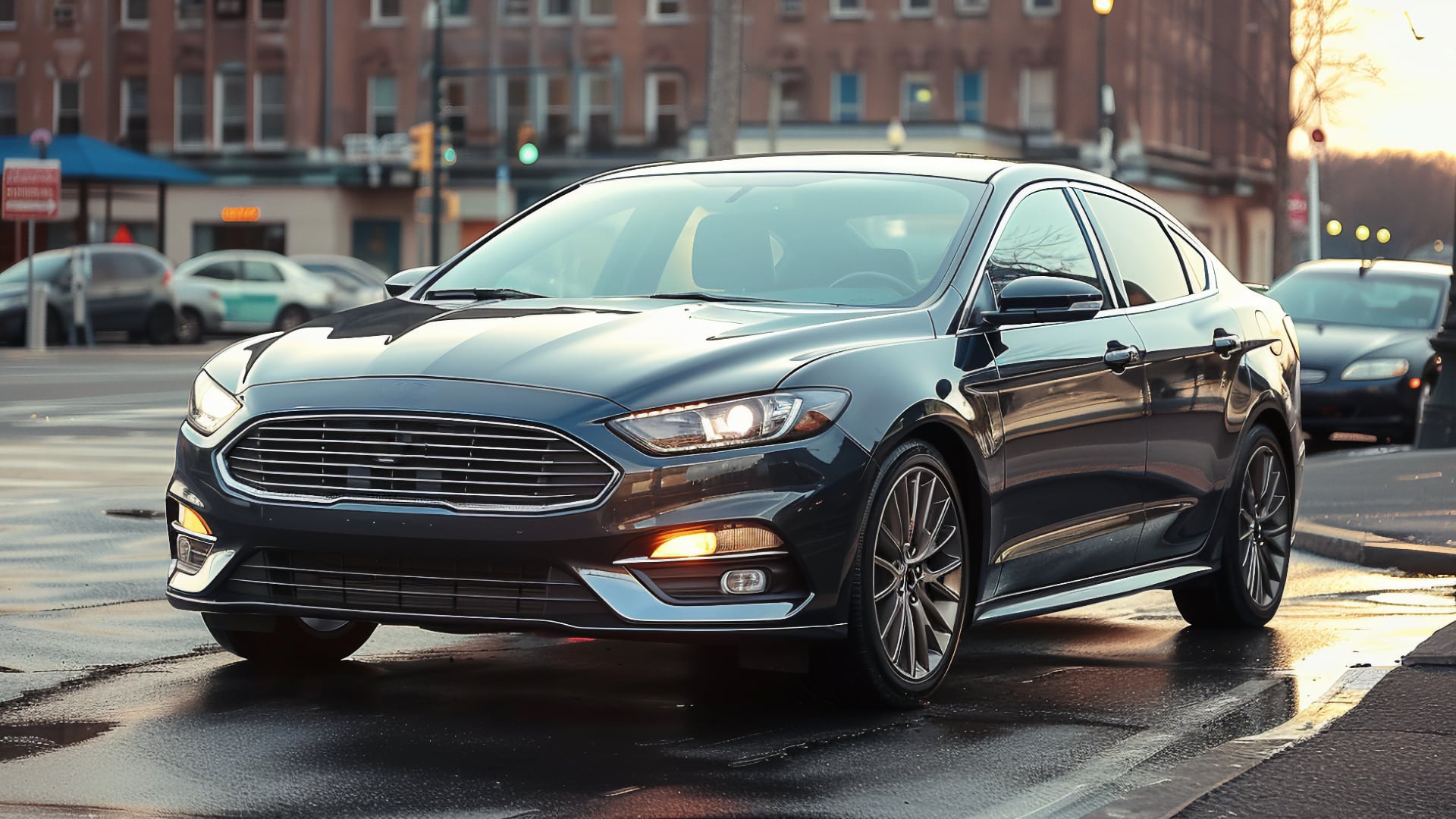
The Ford Fusion, particularly from 2013 to 2019, has been praised for its reliability, especially when talking about oil use. This midsize sedan gained popularity in the United States as an affordable alternative to Japanese sedans while still delivering dependable performance. Owners generally report that the Fusion does not suffer from oil disappearing at high rates, which helps to build trust in the brand.
Ford paid attention to engineering during these years, introducing engines that had improved piston sealing and well-designed lubrication systems. These changes reduced the chances of excess oil leaking into the combustion chamber. As a result, Fusion drivers can travel for long distances without the need to frequently top up oil.
This vehicle also brings good value because it combines comfort, technology, and fuel efficiency with lower maintenance stress. American owners who used the Fusion often highlight how easy it is to maintain, as mechanics rarely complain of unusual oil-related problems.
For buyers who want an American brand that holds its ground against Japanese rivals in oil reliability, the Fusion proves to be a solid option. The Fusion’s record shows that not all American sedans suffer from oil problems. With proper care, this model stays durable, making it a strong choice among cars that rarely burn oil.
5 Cars That Constantly Burn Oil
1. Subaru Outback (2010-2015 Models)
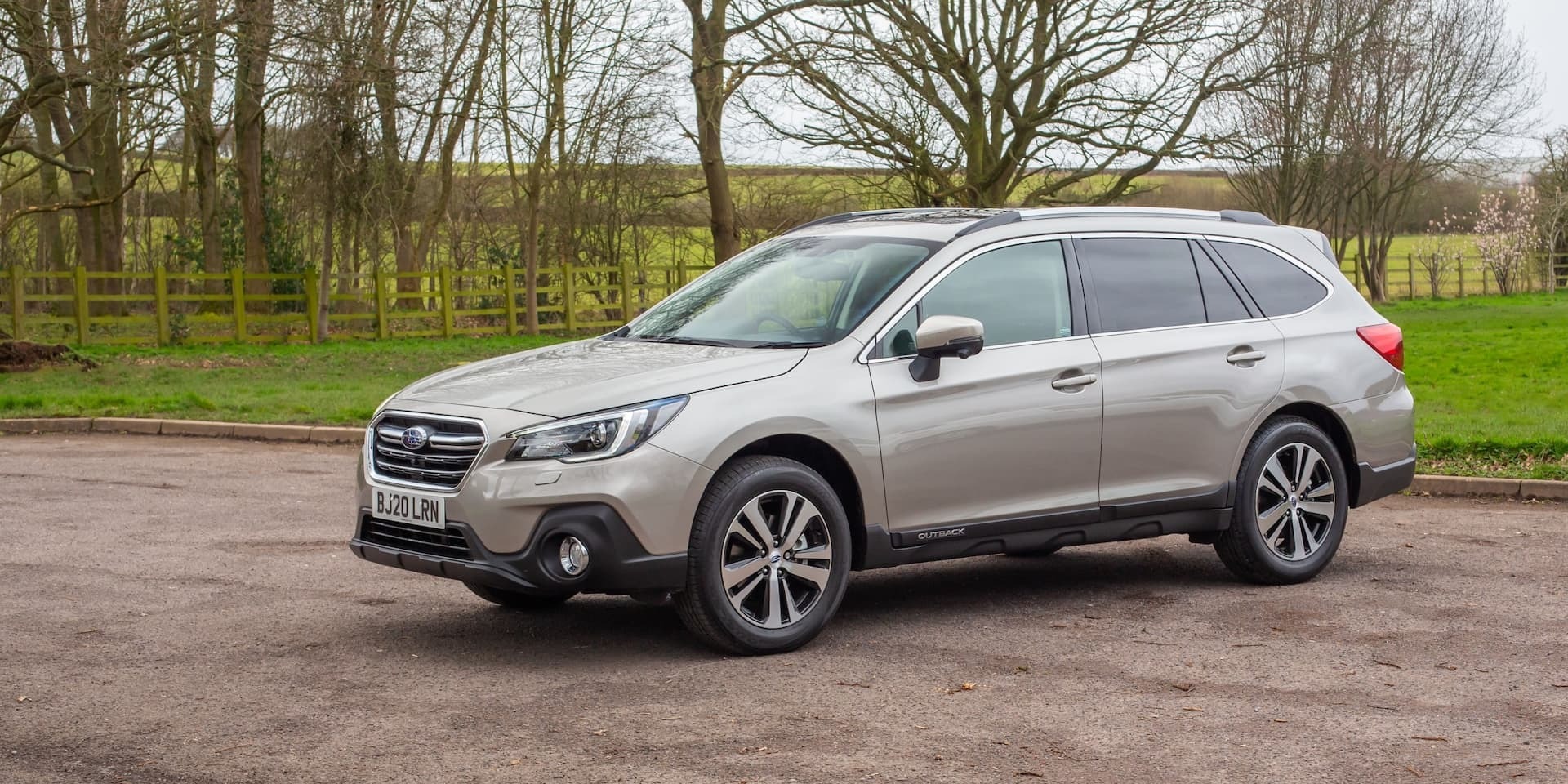
The Subaru Outback is loved by many drivers for its ability to handle tough roads, snowy conditions, and long-distance trips. However, one area where the Outback struggles is with oil consumption. Models from around 2010 to 2015 are widely reported by owners to use up more oil than they should. Drivers have often spoken about needing to add extra quarts between oil changes, which can become frustrating if they are not prepared.
The problem is linked to Subaru’s boxer engine design. While the flat-four engine gives the car good balance and stability, it also creates challenges for sealing. The piston rings in these engines sometimes allow oil to slip into the combustion chamber, leading to burning during normal operation. Once this happens regularly, drivers may notice blue smoke from the exhaust, or they may see the oil light coming on earlier than expected.
American drivers who bought the Outback during these years often had to adjust by carrying oil in the trunk. Some even reported having to check their dipstick weekly, which is far more often than most vehicles require. This constant need for monitoring made the car stressful to own, especially for people who drive long stretches in rural areas.
Even though Subaru later addressed the issue in newer designs, these model years left a strong record of oil consumption troubles. For buyers in the used market, this history has reduced confidence, as many mechanics warn that these engines are prone to such behavior even when serviced regularly. While the Outback remains a capable car for outdoor enthusiasts, its oil-burning record makes it one of the most reported vehicles for this problem.
2. BMW 5 Series (2006-2013 Models)
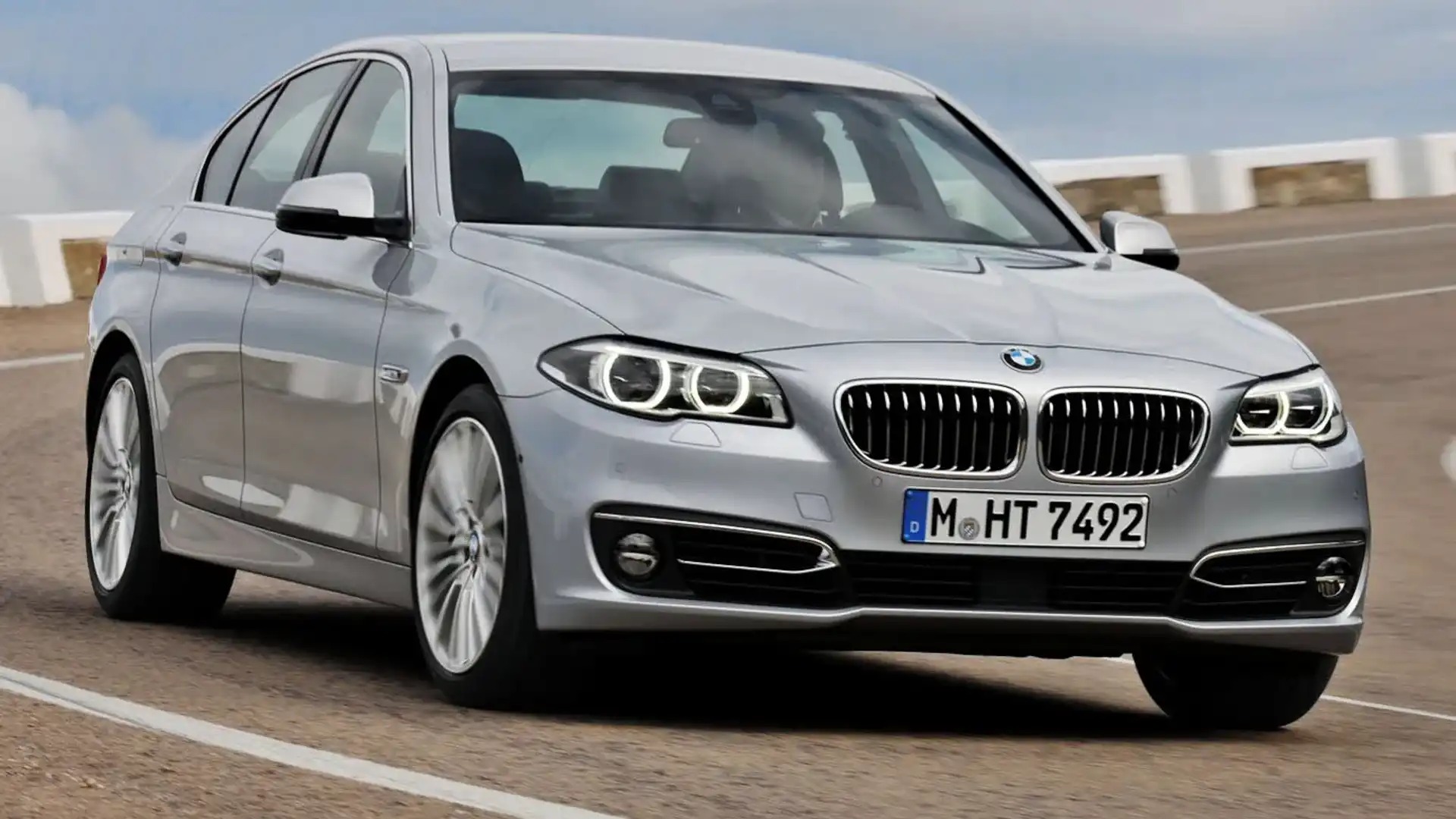
The BMW 5 Series is often associated with luxury, performance, and strong engineering, but owners of models between 2006 and 2013 faced a less glamorous issue. These cars became known for consuming oil faster than expected, forcing drivers to top up frequently. For a vehicle in the premium segment, this became a major complaint, as many buyers expected a smoother ownership experience.
The problem was mostly linked to BMW’s six-cylinder and eight-cylinder engines during this period. The engines were powerful and responsive, but their piston rings and valve seals were not always strong enough to hold back oil after extended use. Once the engines started wearing, oil would slip into the combustion chamber and get burned during regular driving.
Drivers in the United States reported that they sometimes had to add a quart every 800 to 1,000 miles, which is far too soon compared to what most cars require. While the cars still delivered excellent driving performance, the oil consumption issue caused frustration, especially since BMW maintenance is more expensive than average. Having to constantly buy high-quality synthetic oil only increased costs for owners.
BMW did update some of its engine designs later, but these years left a mark on the brand’s reputation in America. Luxury car buyers do not want to be checking their dipsticks often, yet many 5 Series owners had no choice but to keep oil handy. This experience makes the 5 Series from those years a strong example of a car that constantly burns oil.
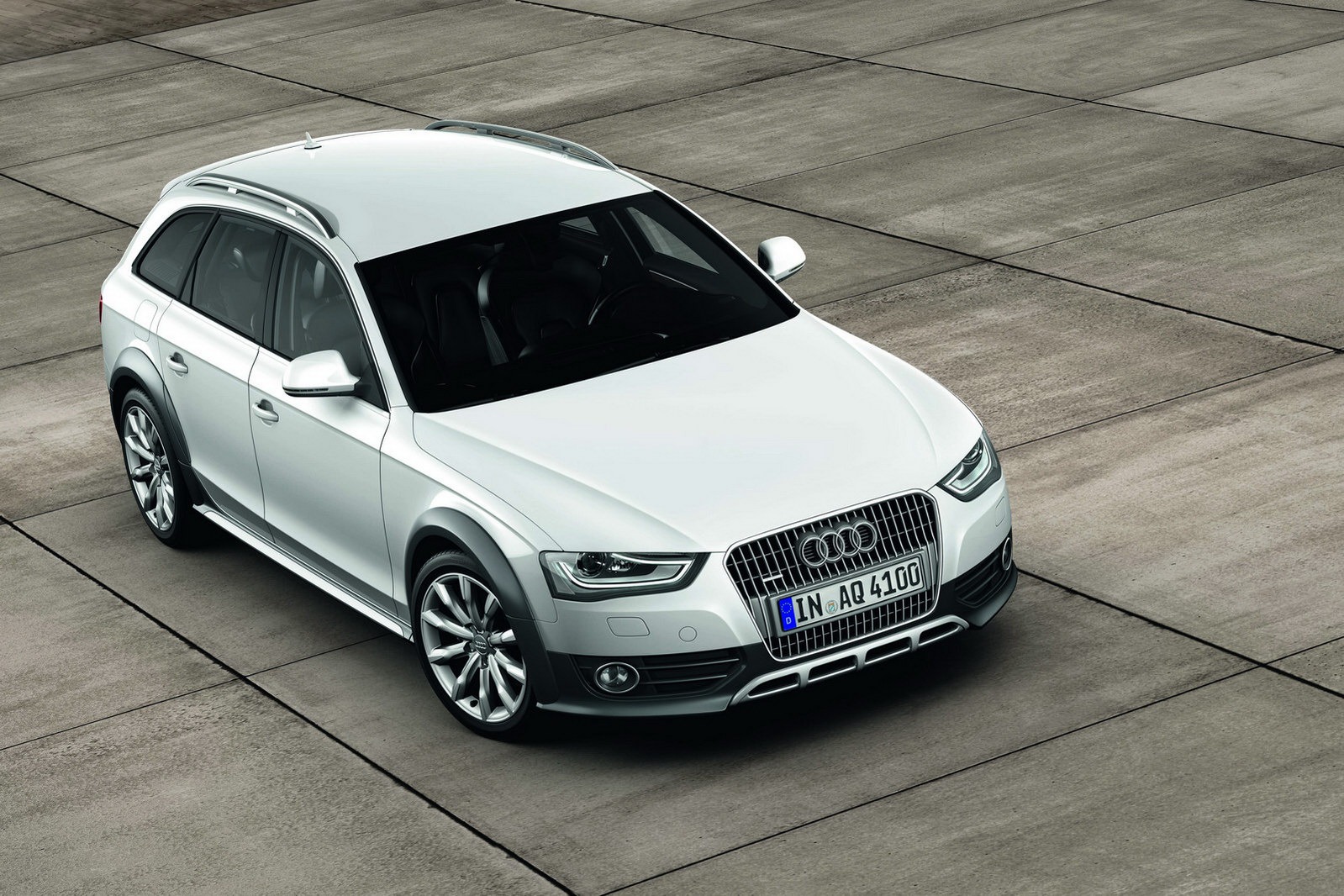
3. Audi A4 (2009-2012 Models)
The Audi A4 has always been admired for its stylish look and smooth ride, but certain models released between 2009 and 2012 developed a reputation for heavy oil consumption. Drivers across the US noticed that their cars required frequent oil top-ups, sometimes as much as a quart every 600 to 700 miles.
The main cause was Audi’s 2.0-liter turbocharged engine. While it delivered strong power and fuel efficiency, the piston rings in some of these engines were not as durable as they should have been. After some time, this weakness allowed oil to pass into the combustion chamber, leading to burning. This caused drivers to experience lower oil levels much earlier than the normal service interval.
Many American owners complained to dealerships, and some even joined legal actions because the problem was so widespread. The cost of keeping up with the oil requirement, combined with the already expensive maintenance of owning a German car, left drivers unhappy. Mechanics also observed that if the issue was ignored for too long, it could cause bigger engine damage, making repairs extremely costly.
Audi later improved the design of its engines, but the 2009–2012 models are still remembered for these oil issues. Buyers in the used market remain cautious, as they know the A4 from those years often comes with an oil-burning reputation. This situation placed the Audi A4 firmly on the list of cars that constantly consume oil beyond normal expectations.
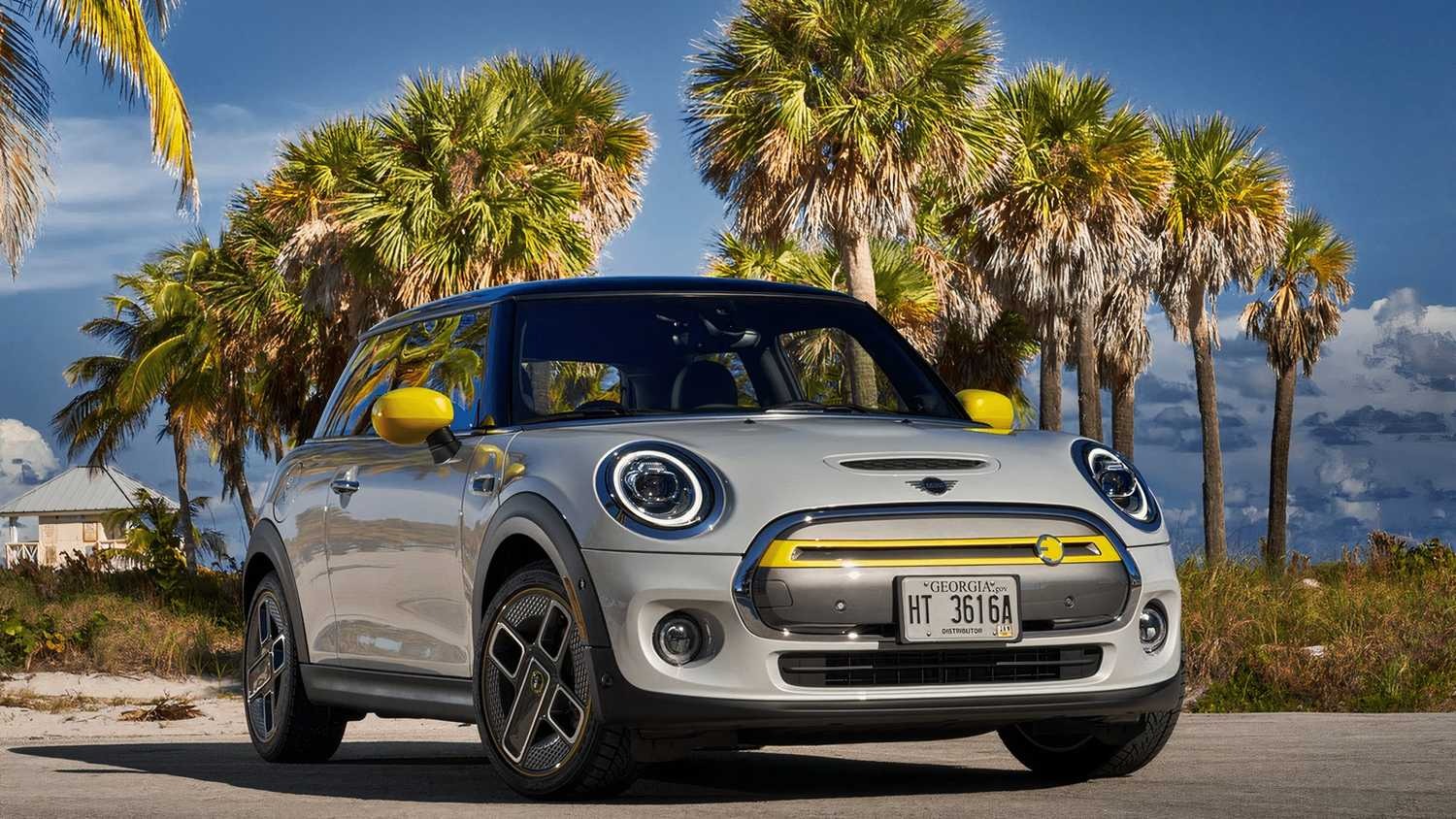
4. Mini Cooper (2007-2012 Models)
The Mini Cooper is a compact vehicle that stands out for its stylish design and unique personality. Many drivers are drawn to it because of its agility on the road and the fun experience it provides behind the wheel. Yet for all its charm, models produced between 2007 and 2012 built a reputation that disappointed many owners.
During these years, the Mini Cooper became known for consuming oil at higher levels than drivers considered normal. Reports across the United States described the oil warning light coming on much earlier than expected, which forced owners to check levels frequently and add extra quarts more often than they would have liked.
The issue was linked largely to the turbocharged engines fitted into these models. While the engines gave the Mini strong performance for its size, they struggled when it came to oil control.
Piston rings and valve seals were unable to keep oil contained properly, allowing it to pass into the combustion chamber. On top of this, the turbocharger added additional pressure to the system, which made the situation worse and encouraged more oil burning.
For American drivers who chose these cars, ownership turned into a mixed experience. They enjoyed the compact size that made parking simple, and they appreciated how quickly the car could respond on city streets. Yet many of them had to change their driving habits because of the oil consumption issue.
Mechanics often advised owners to treat oil checks as part of their routine, sometimes even suggesting that they examine levels each time they stopped for fuel. That kind of attention made the car less convenient compared to other vehicles in its category.
Another layer of frustration came from maintenance costs. The Mini Cooper has always been more expensive to maintain than the average compact car, and the oil issue only added to the bills. Ignoring the problem carried even bigger risks, as engines that ran low on oil could easily suffer damage, leading to very costly repairs or even engine replacement.
For this reason, the 2007–2012 Mini Cooper is remembered not just for its style and agility, but also as one of the small cars most often associated with constant oil burning.
Also Read: 5 Cars That Rarely Need Costly Suspension Work vs 5 That Constantly Do
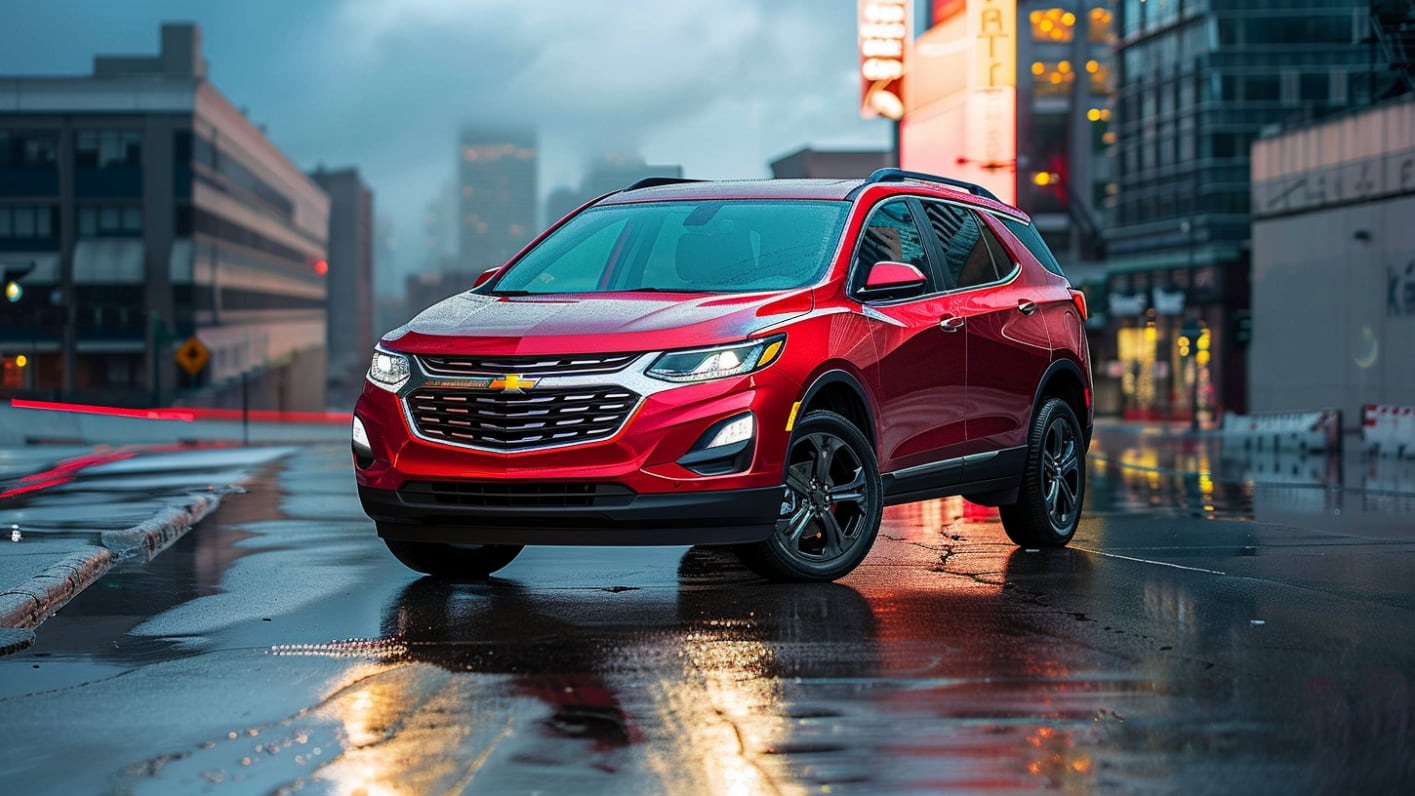
5. Chevrolet Equinox (2010-2013 Models)
The Chevrolet Equinox, especially from the 2010 to 2013 production years, became widely associated with oil consumption problems that frustrated many of its owners in the United States. Families who bought this SUV with the expectation of reliability and low running costs soon discovered that it often used up oil at a much faster rate than normal.
Reports from drivers during those years showed that some had to add a quart of oil every 1,000 miles or even less, which is far beyond what most drivers expect from a family vehicle.
The issue was traced mainly to the 2.4-liter four-cylinder engine that powered a large number of these models. The piston rings in these engines did not provide strong enough sealing, which allowed oil to leak into the combustion chamber.
Once the oil entered this chamber, it burned along with the fuel, reducing oil levels much faster than scheduled maintenance accounted for. This design weakness created a cycle where owners had to keep topping up oil in between official oil changes.
One of the most concerning things about the Equinox oil problem was that it often appeared early in the car’s life, not just in older, high-mileage vehicles. Many buyers reported facing the issue when their cars were only a few years old, which raised serious doubts about long-term dependability.
Families who depended on the SUV for daily driving or long road trips had to change their routines, checking dipsticks more often and sometimes carrying extra oil in their trunks to avoid being stranded. Chevrolet later worked on addressing these concerns in newer models, but the reputation from the 2010 to 2013 versions has continued to affect how the Equinox is viewed in the used car market.
Mechanics frequently warn potential buyers to approach these specific model years carefully, as the oil consumption issue is so common that it has become one of the first questions asked about the vehicle.
For many drivers, this situation placed the 2010–2013 Chevrolet Equinox among cars that constantly burn oil and require more attention than most SUVs in its class. Cars that rarely burn oil give their owners more peace of mind and lower costs, while those that constantly consume oil can turn ownership into a stressful experience.
From reliable models like the Toyota Corolla, Honda Civic, and Toyota Camry to oil-hungry cars such as the Subaru Outback, BMW 5 Series, and Chevrolet Equinox, the difference lies in engineering choices and the durability of engine parts. For American buyers, checking a vehicle’s oil consumption history remains an important step before making a purchase, especially in the used car market.
