Automotive history is full of legends, but not every great car gets the spotlight it deserves. While icons like the Mustang, Camaro, and Supra dominate conversations, countless other machines once turned heads, burned rubber, and defined eras only to fade into obscurity.
These “forgotten heroes” offered bold styling, groundbreaking technology, or raw performance that rivaled, and sometimes surpassed, their more famous counterparts. Yet over time, changing markets, stricter regulations, and shifting consumer tastes pushed them into the shadows.
Today, with retro revivals and performance comebacks fueling modern lineups, it’s the perfect moment to look back at 10 cars that still ignite passion and deserve a second chance.
From muscle-bound sleepers to precision sports cars and rally-bred hatchbacks, these models remind us that greatness doesn’t always come from the obvious names. Each one carried an identity, a spirit, and a legacy worth resurrecting.
1. Ford Torino: The Forgotten Muscle with Lasting Swagger
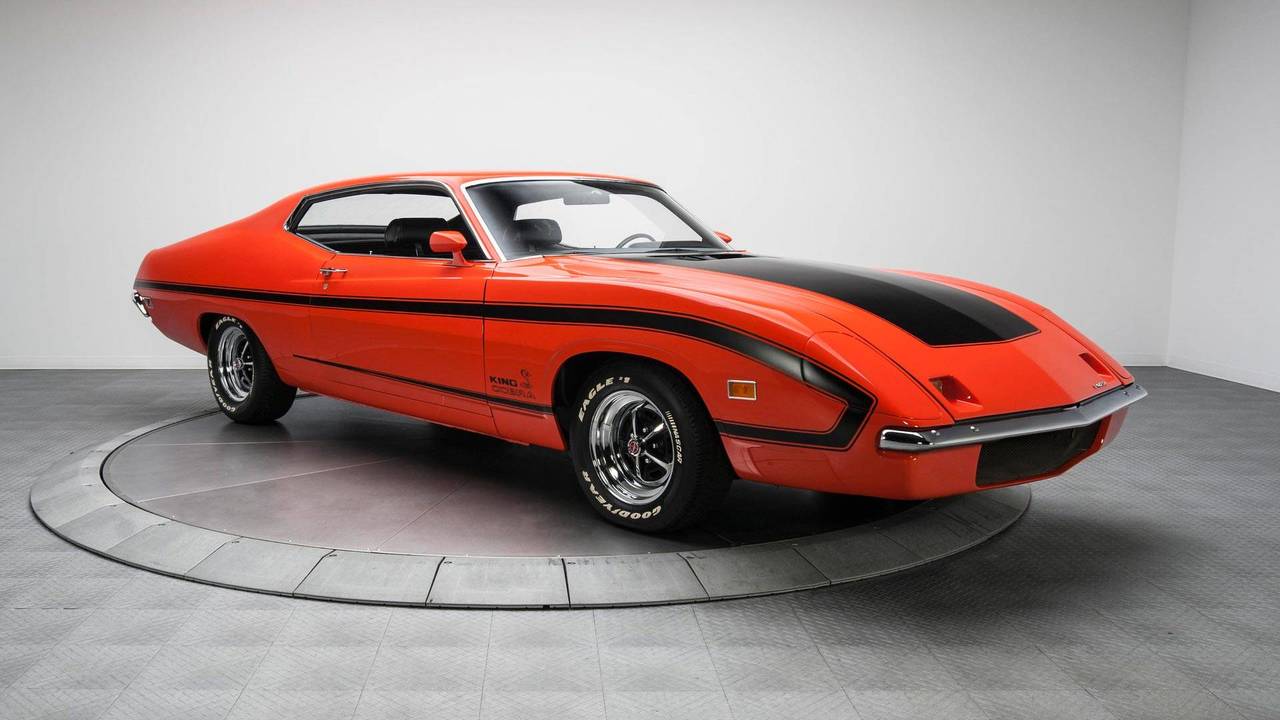
The Ford Torino, produced between 1968 and 1976, was Ford’s entry into the competitive intermediate market. Initially introduced as an upscale version of the Ford Fairlane, the Torino quickly evolved into its own identity.
In its early years (1968–1969), Fairlane models occupied the lower trim levels, while Torino represented the premium offerings. By 1970, Torino became the primary nameplate for Ford’s intermediates, and by 1971, the Fairlane name was discontinued altogether.
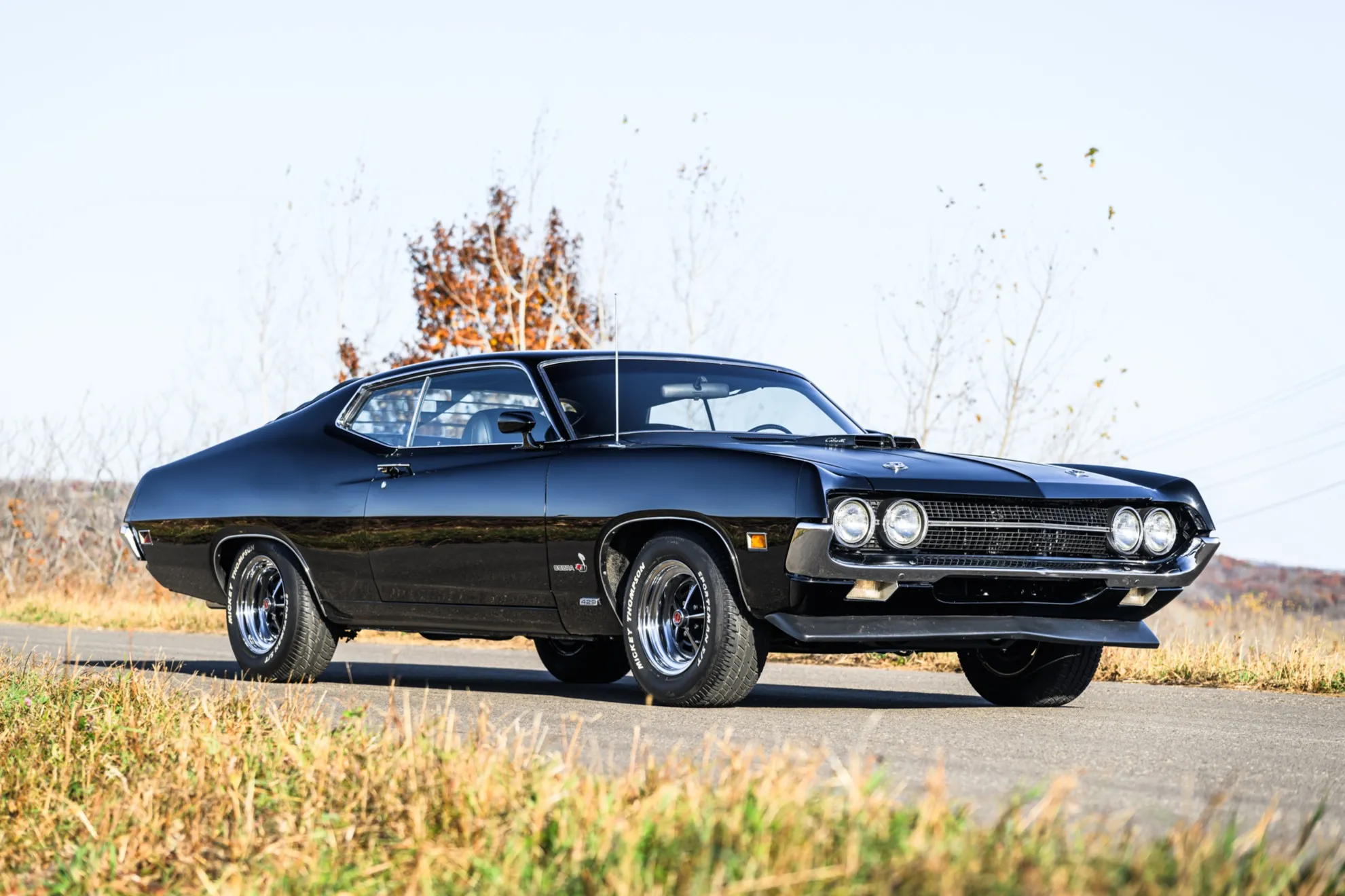
While many Torinos were built as practical sedans and hardtops, the model gained fame through its performance-oriented trims. The GT and Cobra versions showcased aggressive fastback styling and came equipped with big-block V8s, including the legendary 428 and 429 cubic-inch Cobra Jet engines.
These models carried the swagger and raw power needed to compete in the muscle car era, earning the Torino recognition at drag strips, drive-ins, and beyond. Its strong presence made it a natural fit for motorsport, and Ford successfully campaigned the Torino in NASCAR, cementing its performance credibility.
Despite its strengths, the Torino often lived in the shadow of the Ford Mustang, which captured the spotlight as Ford’s flagship performance car. Yet, the Torino carved out its own niche with a blend of style, muscle, and versatility that appealed to a wide audience. While family buyers favored the sedans and hardtops, enthusiasts gravitated toward the high-performance fastbacks.
Production of the Torino ended in the mid-1970s, but its name and legacy continue to carry weight among muscle car enthusiasts. With Ford’s recent trend of reviving classic models through retro-inspired performance vehicles, there remains hope that the Torino name could one day return to modern streets, bringing back the mix of swagger, muscle, and style that once made it an icon.
2. Mazda RX-7: The Rotary Legend That Still Haunts the Streets
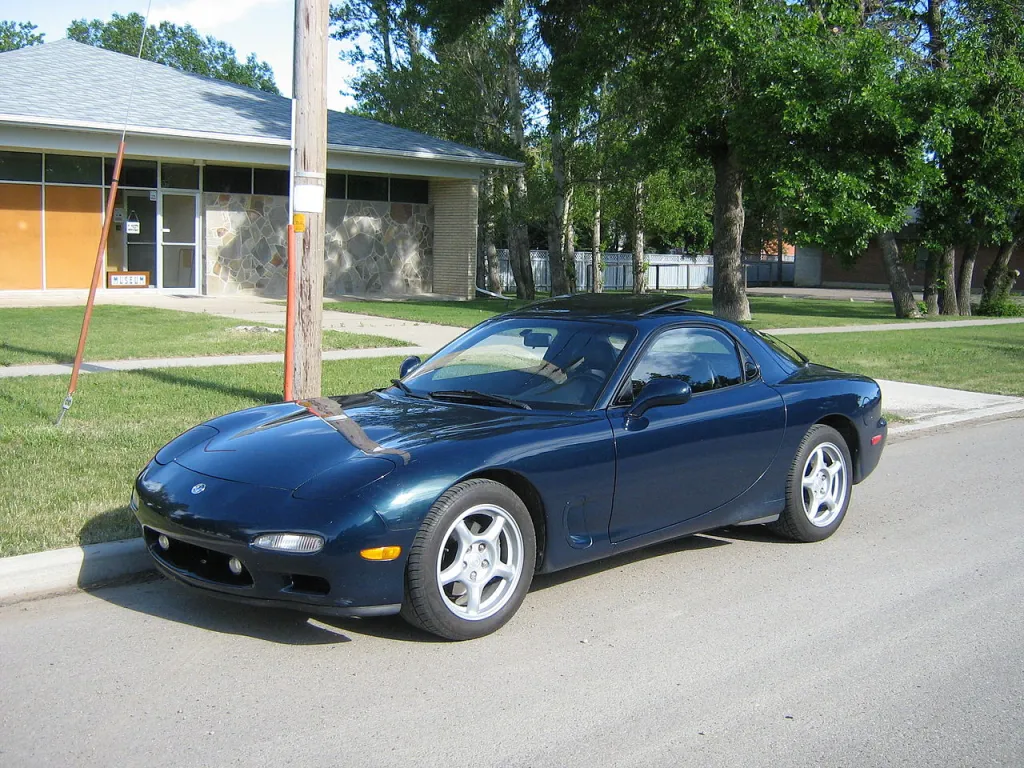
The Mazda RX-7 is one of the most celebrated sports cars of its era, not just for its speed but for its unique character. Unlike the typical piston-driven rivals, the RX-7 featured a lightweight design, near-perfect weight distribution, and a high-revving rotary engine.
This combination made it a darling of tuners, track-day enthusiasts, and performance purists. The third-generation FD, in particular, is widely regarded as a ’90s performance icon, blending sleek styling with cutting-edge engineering.
Mazda ended RX-7 production in 2002, leaving fans longing for a worthy successor. The RX-8, while innovative, failed to capture the magic of its predecessor. In today’s market of turbocharged four-cylinders, a modern RX-7 revival would undoubtedly stand out, rekindling the spirit of a car that was equal parts precision instrument and adrenaline machine.
Yet, the RX-7 has always been as demanding as it is rewarding. Its reliability hinges on meticulous upkeep, especially given the rotary engine’s unique requirements.
Unlike piston engines, the rotary injects oil directly into the combustion chamber for lubrication, meaning frequent oil checks and top-offs are non-negotiable. Neglect in this area often leads to premature engine failure and costly rebuilds.
Cooling is another critical aspect. The FD’s factory cooling system was notoriously inefficient, making regular maintenance and upgrades essential to prevent overheating and damage to the engine’s iron components.
Turbocharged models add another layer of complexity, with fragile vacuum hoses that can crack, leak, and compromise performance.
For prospective owners, the RX-7 isn’t a casual buy; it demands commitment. Those who understand its quirks and are willing to put in the effort will be rewarded with one of the most engaging driving experiences ever built.
Key ownership tips include diligent oil monitoring, vigilant coolant system care, replacing suspect vacuum hoses, and seeking cars with strong service records.
The RX-7 is a car for enthusiasts who see maintenance as part of the ownership journey. While it may not be forgiving, few machines offer the same blend of lightweight agility, rotary magic, and pure driver connection. That’s why, even two decades after its discontinuation, the RX-7 remains a legend waiting for its rightful comeback.
3. Pontiac Firebird: The Camaro’s Wilder Cousin
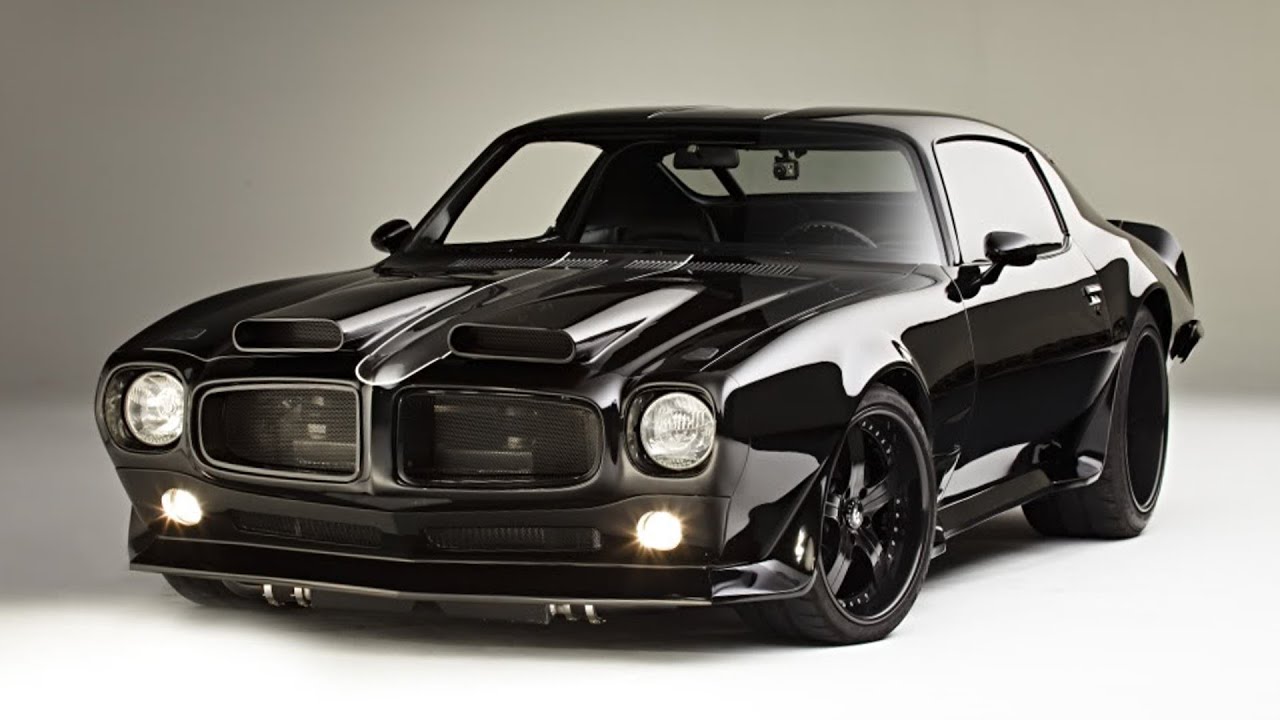
The Pontiac Firebird, introduced in 1967 as Chevrolet Camaro’s sibling, quickly established its own identity with bold styling and a reputation for attitude. While the Camaro was the mainstream choice, the Firebird offered extra flair, most famously in its Trans Am variant.
With big V8s, shaker hoods, and the unforgettable “screaming chicken” hood decal, the Firebird cemented its place as one of the most iconic muscle cars of the 1970s. Hollywood helped boost its legacy, too, with the Trans Am becoming a pop culture symbol thanks to movies like Smokey and the Bandit.
Sadly, the Firebird’s story ended with Pontiac’s demise in 2010, leaving fans to wonder what a modern version might look like. Given the success of retro-inspired muscle cars like the Dodge Challenger and Ford Mustang, enthusiasts argue that the Firebird is a prime candidate for revival, blending its classic swagger with today’s performance technology.
Beyond its cultural impact, the Firebird earned respect for its performance and durability, especially in its fourth generation (1993–2002). Equipped with robust powertrains, particularly the LS1 V8, these models proved capable of handling years of spirited driving when properly maintained.
However, like any 20+ year-old car, age-related issues are common. Rubber seals, plastic trims, and electrical connections often degrade, requiring consistent upkeep.
Reliability depends heavily on prior ownership. Many Firebirds were driven hard, sometimes at the expense of long-term care. Preventative maintenance, such as regular oil changes, fluid flushes, and replacing aging hoses or filters, is crucial to keeping them dependable. Specific trouble spots include worn headlight gears, leaky valve cover gaskets, and the finicky OptiSpark distributor found on certain V8 models.
For buyers and owners today, a few practices make all the difference: review maintenance records, proactively replace aging components, and work with a mechanic familiar with Firebirds. With proper care, these cars can remain both reliable and thrilling to drive.
The Pontiac Firebird may be gone, but its mix of muscle, style, and cultural relevance ensures its legacy endures. More than a Camaro twin, it was the louder, bolder cousin, a car that embodied Pontiac’s performance spirit and still inspires calls for a comeback.
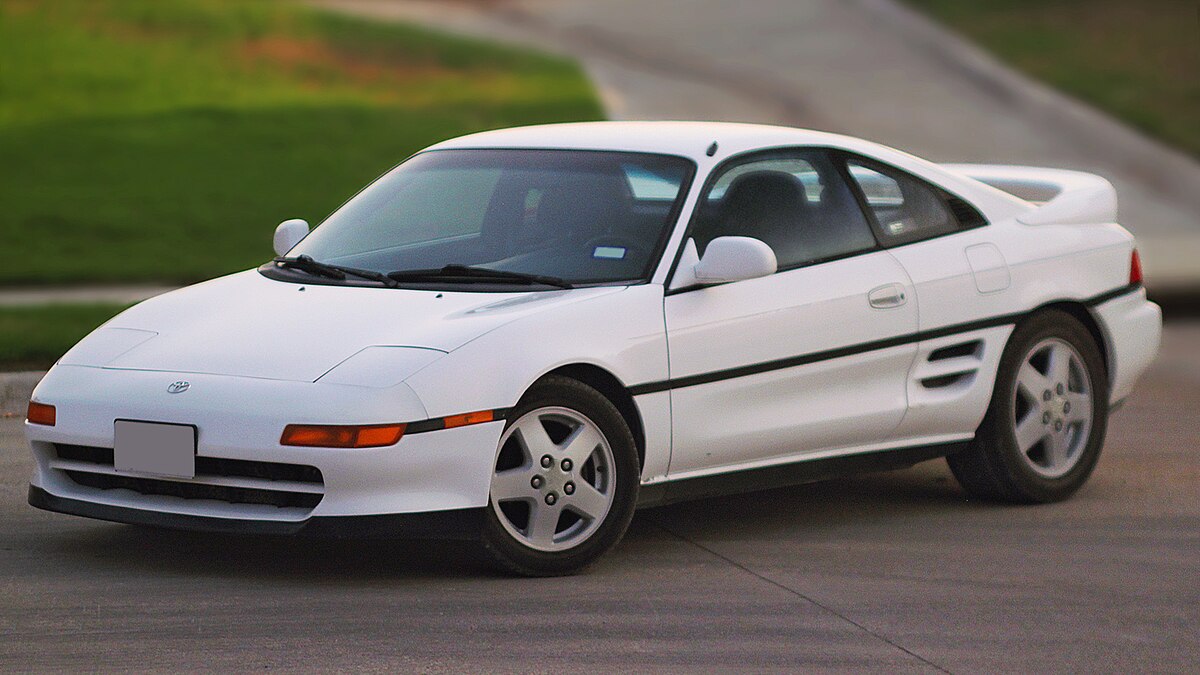
4. Toyota MR2: The Affordable Exotic
The Toyota MR2 remains one of the most unique sports cars ever offered by a mainstream automaker. Produced from 1984 to 2007 across three generations, it was Toyota’s answer to the age-old question: how do you make mid-engine performance affordable? By combining lightweight construction, nimble handling, and reliable engineering, the MR2 delivered exotic-car thrills at a fraction of the cost.
The defining trait of the MR2 was its mid-engine layout, positioning the powerplant behind the driver but ahead of the rear axle. This configuration gave the car exceptional balance, quick turn-in, and a sense of agility rarely found in its price range.
Paired with a small, lightweight chassis, the MR2’s power-to-weight ratio ensured an engaging experience, whether winding through mountain roads or carving corners at the track. Drivers often praised its direct steering feel and low seating position, which together created a cockpit that felt closer to a race car than a commuter.
Each generation brought its own flavor. The first-generation AW11, debuting in 1984, was small, angular, and brimming with 1980s charm, complete with pop-up headlights. The second-generation SW20, arriving in 1991, grew larger and offered turbocharged power, transforming the MR2 into a legitimate performance rival to cars far above its price point.
Finally, the third-generation MR2 Spyder (2000–2007) embraced minimalism with a lightweight roadster design, often compared to the Mazda Miata but with the added intrigue of a mid-engine layout.
Styling cues like T-tops, removable roofs, and those iconic pop-up headlights added character to the MR2, but its appeal wasn’t just skin-deep. Despite being a performance machine, it carried Toyota’s hallmark reputation for reliability, provided owners stayed attentive to maintenance. Unlike fragile exotics, the MR2 proved that exciting cars didn’t have to be temperamental or prohibitively expensive.
Discontinued after 2007, the MR2 left a noticeable gap in Toyota’s lineup. With today’s market leaning on turbocharged and hybrid technology, enthusiasts argue there’s never been a better time for its return. A modern MR2, perhaps powered by a hybrid system or a small turbo three-cylinder, could once again serve as a “giant slayer,” a lightweight, attainable, and endlessly fun sports car.
5. Buick GNX: The Wolf in Regal’s Clothing
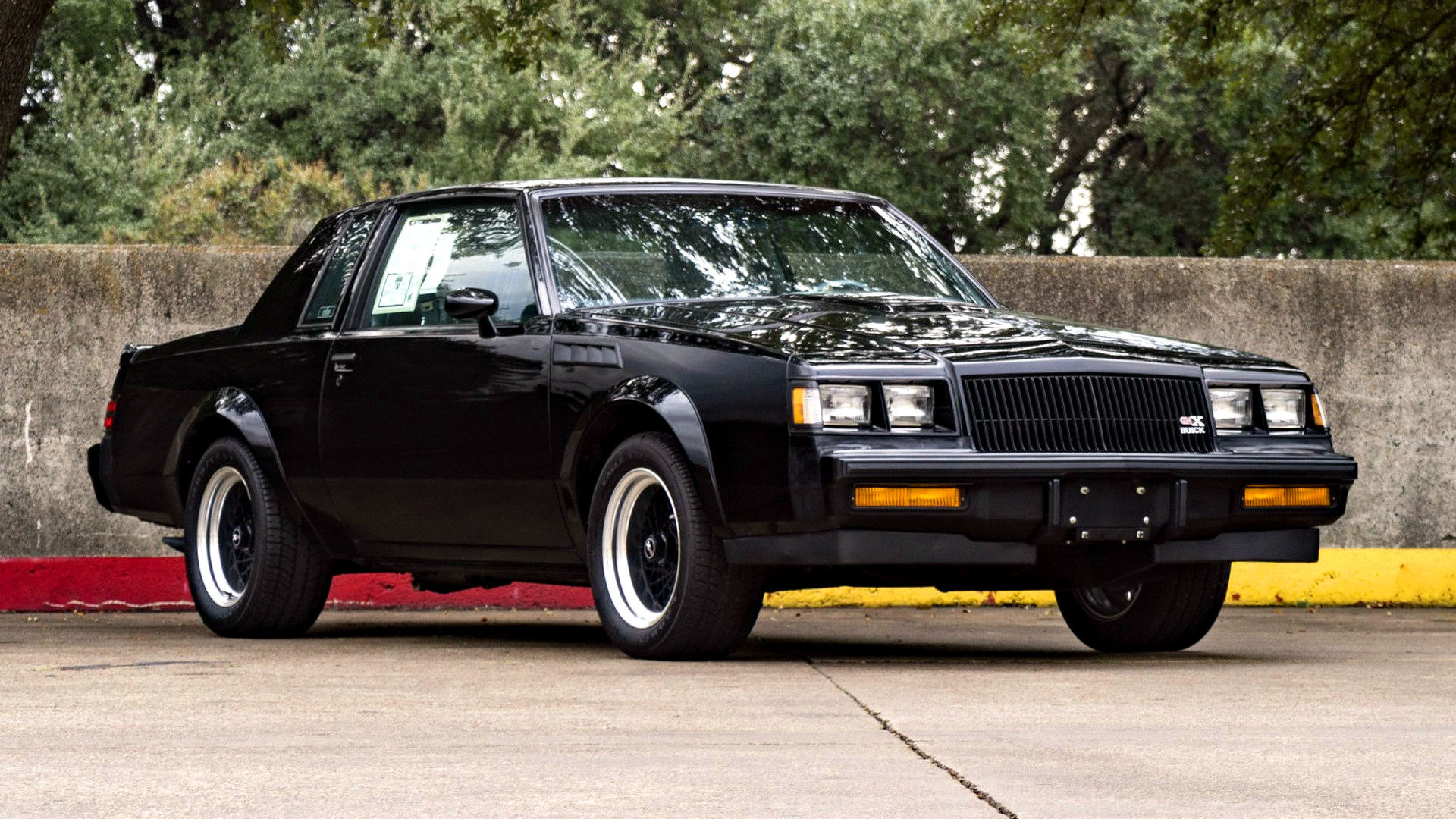
The 1987 Buick GNX is one of the most iconic sleepers of the muscle car world, a machine that redefined American performance in the late 1980s. At first glance, it looked like a standard Buick Regal, boxy, understated, and painted in unassuming black.
But beneath the mild exterior lurked a turbocharged 3.8-liter V6 that could humiliate Mustangs, Camaros, and even Corvettes at stoplights. With 276 horsepower (often underrated by Buick) and massive torque, the GNX could sprint to 60 mph in under 5 seconds, supercar territory for its era. It became a legend almost overnight, embodying the phrase “wolf in sheep’s clothing.”
What made the GNX special wasn’t just its speed but its attitude. It was menacingly subtle, with blacked-out trim, understated badging, and performance tuned in partnership with McLaren Performance Technologies. For enthusiasts of the ’80s, it was the muscle car reborn in an era dominated by emissions regulations and fuel economy concerns.
But as with many classics, owning a GNX today requires commitment. Reliability can be a concern, especially with age and neglect. Turbocharger failures are common, as are cracks in the exhaust headers and downpipes. Oil leaks, particularly from rear rotor seals, plague higher-mileage cars.
Other wear items, such as valve springs and timing chains, demand attention due to the stress of turbocharged performance. Heat buildup is another enemy, often damaging components like bushings over time.
Fortunately, the GNX enjoys a robust aftermarket community. Replacement parts, upgraded turbos, and performance solutions are widely available, making ownership more feasible for enthusiasts willing to invest.
Still, reliability largely depends on maintenance history and whether the car has been kept stock or heavily modified. Stock or lightly modified examples with thorough service records are the safest bet, while neglected or aggressively tuned cars may prove troublesome.
Today, with Buick focused exclusively on SUVs, a GNX revival seems unlikely. Yet, the name remains a powerful reminder of what the brand once stood for: stealthy, unapologetic performance.
For collectors and enthusiasts, the GNX is more than just a fast car; it’s a cultural artifact of the ’80s, a mob-boss muscle machine disguised as a Regal, and proof that sometimes the quietest cars make the loudest statements.
Also Read: 5 Toyota Tacoma Years That Rarely Break vs 5 That Constantly Do
6. Nissan Pulsar GTI-R: The Forgotten Rally-Bred Hot Hatch
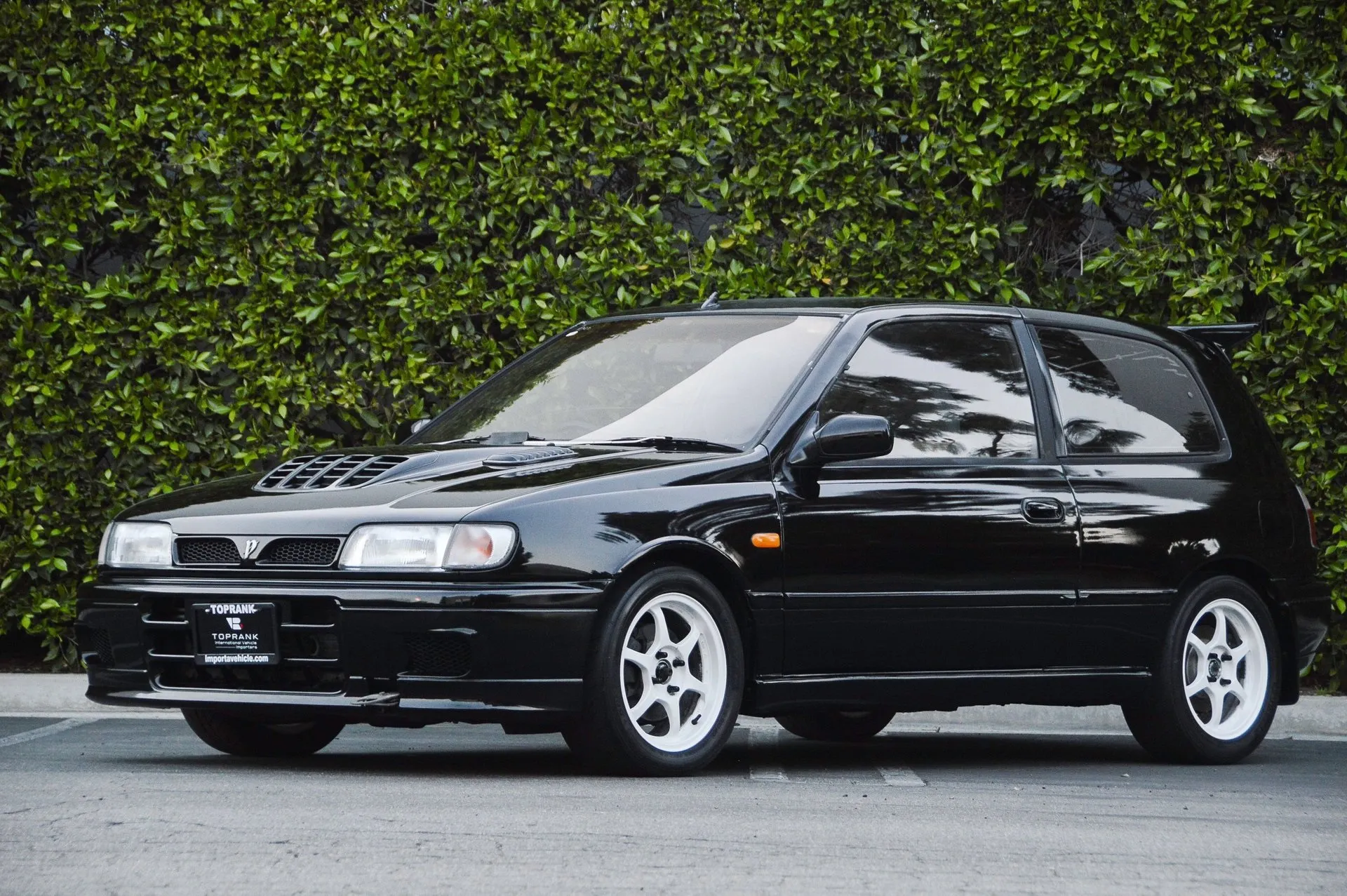
In the early 1990s, Nissan produced one of the most underrated performance hatchbacks of its era, the Pulsar GTI-R. Designed as a homologation special to compete in Group A rallying, it was Nissan’s answer to legends like the Lancia Delta Integrale and Toyota Celica GT-Four. Compact, aggressive, and brutally quick, the GTI-R delivered exotic rally technology in an everyday hatchback body.
Produced between 1990 and 1994, the GTI-R was based on the N14 Pulsar platform and disguised beneath the humble three-door hatch silhouette. But several details gave away its performance intent: a prominent rear wing, flared arches, and the functional hood scoop feeding its turbocharged heart.
Under the hood sat a unique version of the SR20DET 2.0-liter turbocharged inline-four, producing 227 horsepower and 210 lb-ft of torque.
Mated to a five-speed manual gearbox and Nissan’s ATTESA all-wheel drive system, the GTI-R could rocket from 0–60 mph in around 5.4 seconds and cover the quarter mile in the high 13-second range numbers that put it on par with much pricier sports cars of its time. Its official top speed was 144 mph, though real-world tests suggested it could stretch further.
The GTI-R wasn’t just fast in a straight line; its mid-weight balance and rally-derived AWD system gave it impressive grip and handling. At just over 2,690 pounds, it had an excellent power-to-weight ratio, ensuring that even modern hot hatches would have a hard time keeping pace on a twisty road.
Despite its performance pedigree, Nissan sold it in limited numbers, with the Sunny GTI-R badge used in Europe. Two public variants existed, though they were visually identical, distinguished only by VIN codes.
As a rally car, however, the GTI-R faced challenges. Despite strong specifications, Nissan’s World Rally Championship campaign didn’t achieve the success of its European rivals. Still, the road-going version earned a cult following among enthusiasts, especially in JDM circles, where its raw, unfiltered performance became legendary.
Today, the Pulsar GTI-R is remembered as one of Nissan’s boldest performance experiments. In an era where hot hatches dominate the global market, enthusiasts often call for their revival.
A modern version, with turbo or hybrid technology paired with all-wheel drive, could once again turn the segment on its head just as the original did three decades ago.
7. Chevrolet SS: The Four-Door Corvette You Didn’t Know Existed
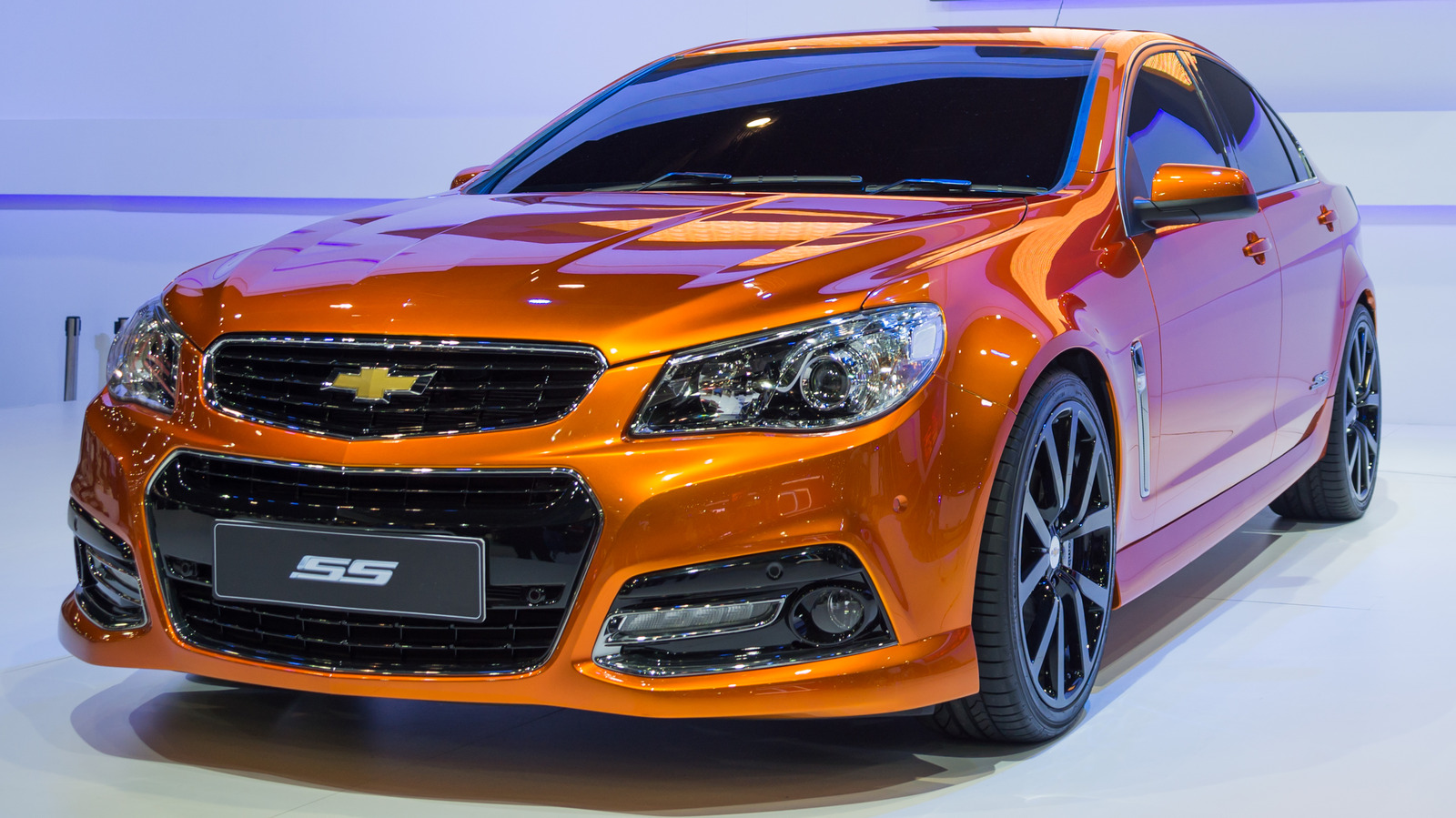
The Chevrolet SS was one of the best-kept secrets in American performance cars. Sold between 2014 and 2017, it looked like a slightly bulkier Malibu, but under its unassuming exterior lay the heart of a Corvette.
Powered by a 6.2-liter LS3 V8 producing 415 horsepower and 415 lb-ft of torque, the SS delivered pure muscle in a practical, family-sized package. Buyers could even opt for a six-speed manual transmission and rear-wheel drive, making it one of the last truly old-school performance sedans available in the U.S.
Marketed quietly and in limited numbers, the SS never received the spotlight it deserved. Chevy failed to differentiate its exterior design, leaving many to mistake it for a rental-grade sedan. Yet, enthusiasts who discovered it realized they were driving a four-door Corvette in disguise.
Capable of 0–60 mph in around five seconds, the SS combined brute force with sophistication. Its Brembo brakes, Magnetic Ride Control adaptive suspension, and performance tires gave it agility far beyond its size, with handling confidence on par with European sport sedans.
Inside, the SS attempted to strike a balance between luxury and performance. Heated and cooled leather seats, lane departure warning, blind-spot monitoring, and even automated parallel parking highlighted its upscale ambitions.
The infotainment system featured an 8-inch touchscreen with navigation, Bose audio, and smartphone integration. The cabin was roomy with generous rear seating, though the trunk’s small size and non-folding rear seats limited practicality. Material quality also fell short, with some GM switchgear feeling dated compared to rivals.
Driving the SS revealed its dual personality. In Tour mode, the suspension softened for commuting, while Sport and Performance modes unlocked its sharper edge. On mountain roads, the car shone with responsive steering, excellent grip, and a well-sorted chassis, making it surprisingly nimble for its size.
The manual transmission added enthusiast appeal, though shifts could feel notchy if rushed. Still, the smooth surge of V8 power and classic exhaust note ensured every drive was memorable.
Its flaws, a plain design, modest interior utility, and lackluster marketing, likely doomed the SS, which was discontinued in 2017.
But for those who value a sleeper sedan with muscle-car DNA, it remains one of the most underrated performance cars of the past decade. With Dodge’s Charger facing an uncertain future, many enthusiasts argue that a reborn SS could fill the gap for a practical, V8-powered sedan with true driver engagement.
The Chevrolet SS proved that muscle and maturity could coexist. Though it vanished quietly, it left behind a legacy as a hidden gem: a car that looked ordinary but drove like a Corvette with four doors.
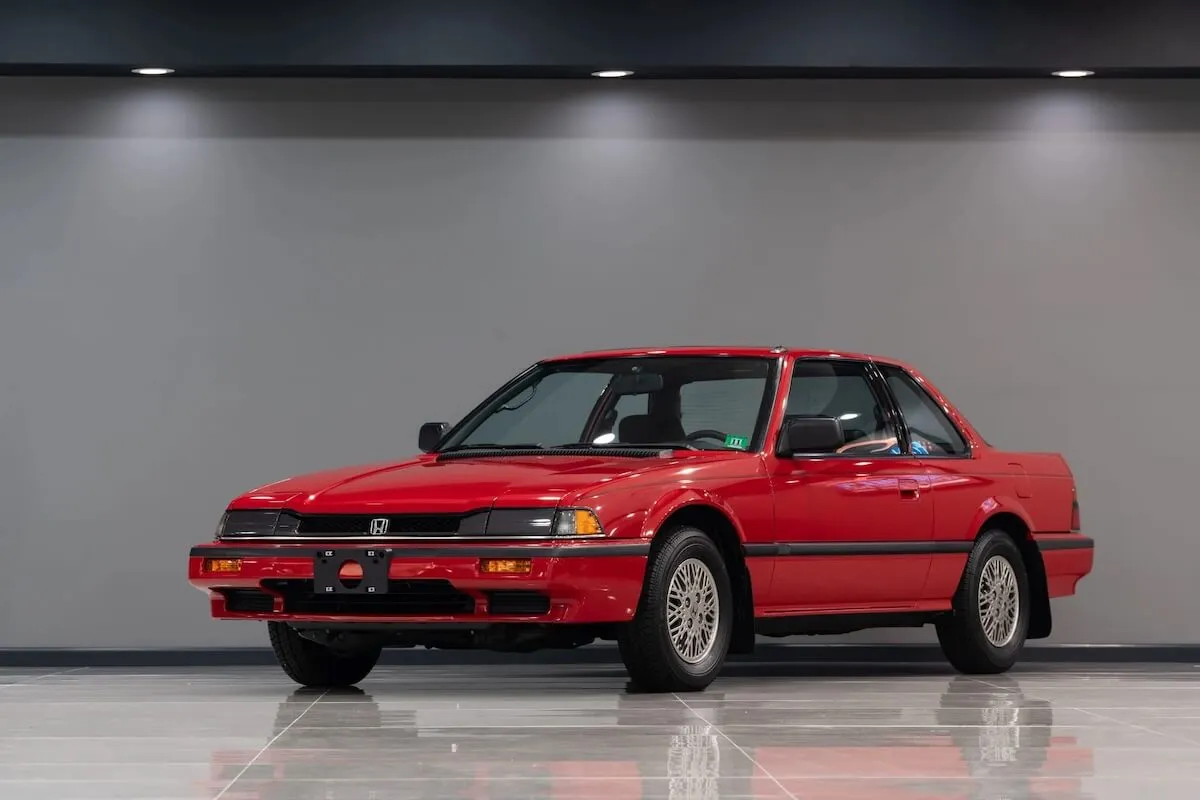
8. Honda Prelude: Honda’s Technological Trailblazer
For over two decades, the Honda Prelude stood as a sporty coupe that showcased the company’s most innovative technologies. Produced from 1978 until 2001, it was Honda’s “preview” of what the brand could achieve, combining sharp styling with engineering firsts that set it apart from rivals.
While front-wheel drive limited its outright performance compared to rear-wheel-drive sports cars, the Prelude built a strong reputation for balance, reliability, and fun.
Throughout its history, the Prelude was a testbed for Honda’s most advanced systems. In 1988, it debuted four-wheel steering, a technology designed to improve agility in tight corners. Later, in the early 1990s, it became one of the first Hondas to feature the VTEC engine, initially introduced in the Acura NSX.
The fifth-generation Prelude, launched in 1997, added another innovation: Active Torque Transfer System (ATTS). This system monitored steering input, speed, and yaw to send extra torque to the outside front wheel during hard cornering, effectively reducing understeer and giving the car handling characteristics closer to a rear-wheel-drive sports car.
Performance was impressive for its class. Both the base and Type SH models used a 2.2-liter four-cylinder VTEC engine producing up to 200 horsepower and 156 lb-ft of torque when paired with a five-speed manual.
Automatic versions lost a few horsepower but offered a SportShift feature, allowing manual gear selection similar to Porsche’s Tiptronic system. With ABS brakes, responsive steering, and a relatively light chassis, the Prelude was equally comfortable on daily commutes and winding back roads.
The cabin, however, was more conservative. After criticism of the previous generation’s quirky design, Honda opted for a simple, Accord-like dashboard in the fifth generation, which some found bland. Still, standard features such as a moonroof, height-adjustable driver’s seat, six-speaker stereo, and anti-theft system made it well-equipped for its price.
Despite its strengths, sales declined in the late 1990s as buyers shifted toward the Honda S2000 roadster and Acura Integra. By 2001, the Prelude was discontinued, leaving a gap in Honda’s lineup that has never truly been filled.
Today, the Prelude is remembered as a forward-thinking sports coupe with an accessible price and a heavy dose of Honda reliability. In an era where hybrid and electrified sports cars are gaining traction, enthusiasts still hope Honda will revive the Prelude this time, blending its tradition of innovation with modern performance technology.
9. AMC AMX: America’s Forgotten Two-Seat Muscle Car
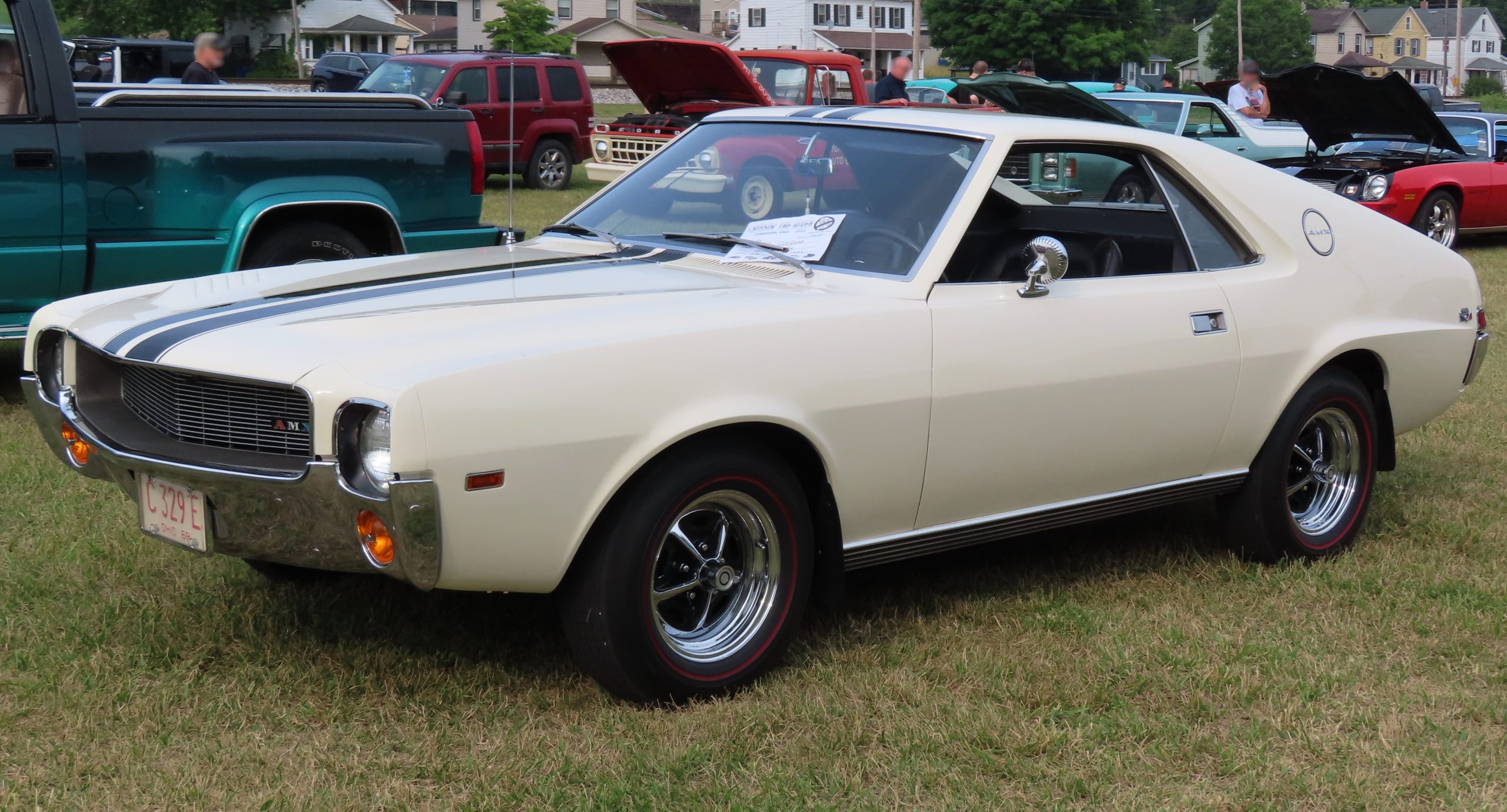
The AMC AMX was one of the most daring moves in American muscle car history. Produced between 1968 and 1970 by American Motors Corporation, the AMX was a short-wheelbase, two-seat GT-style performance car designed to take on the Chevrolet Corvette but at a far lower price.
With its aggressive proportions, powerful V8 engines, and rarity, the AMX carved a unique niche, even if it never achieved mainstream sales success.
Based on the AMC Javelin but with a shortened wheelbase and the rear seat removed, the AMX was unlike anything else in AMC’s lineup. Its fixed rear quarter windows and coupe layout gave it a distinct profile, while its compact size and lighter weight provided an edge against larger pony cars like the Mustang or Camaro.
The AMX’s uniqueness lay in being one of just two American-built two-seaters at the time, positioned as a more affordable Corvette alternative.
Under the hood, buyers could choose from a standard 290 cubic-inch V8 or step up to larger 343 and 390 cubic-inch engines, with outputs ranging up to 325 horsepower.
AMC also supported aftermarket racing modifications, with engines bored out, fitted with high-rise intakes, racing cams, and oil coolers. Combined with heavy-duty suspension, traction arms, and magnesium racing wheels, the AMX proved it could be more than just a showroom muscle car.
The AMX’s performance wasn’t just theoretical. Legendary racer Craig Breedlove took the AMX to the Bonneville Salt Flats, where it reached 189 mph in a sanctioned run and topped an unofficial 200 mph. These feats demonstrated the car’s raw potential, rivaling much pricier competitors.
The AMX wasn’t only about brute strength; it also introduced several industry firsts. Its injection-molded one-piece dashboard, designed for improved crash safety, was a pioneering feature in 1968.
It also used fiberglass padding for windshield posts and, by 1970, became one of the first production cars to use Corning’s chemically hardened safety glass. These engineering advancements earned the AMX consecutive “Best Engineered Car of the Year” awards from the Society of Automotive Engineers in 1969 and 1970.
Despite its performance and recognition, the AMX struggled in the marketplace. Sales were limited, partly due to AMC’s smaller dealer network and lack of brand prestige compared to Ford, Chevy, or Dodge.
After only three model years, the two-seat AMX was discontinued, and the name was shifted to performance versions of AMC’s Javelin (1971–1974) and later to special trims of the Hornet, Concord, and Spirit through 1980. While these carried the AMX badge, none captured the spirit of the original two-seater.
Though short-lived, the AMC AMX left a lasting impression as one of the boldest American muscle cars of its time. Lightweight, stylish, and innovative, it represented AMC’s ambition to break into the performance market dominated by Detroit’s “Big Three.” Today, surviving AMXs are highly collectible, admired for their rarity and engineering.
A modern revival could reimagine the AMX as a lightweight, rear-drive muscle coupe with sharp styling and big power, a fitting tribute to one of America’s most underrated classics.
10. Mitsubishi Eclipse GSX: The Turbocharged Legend
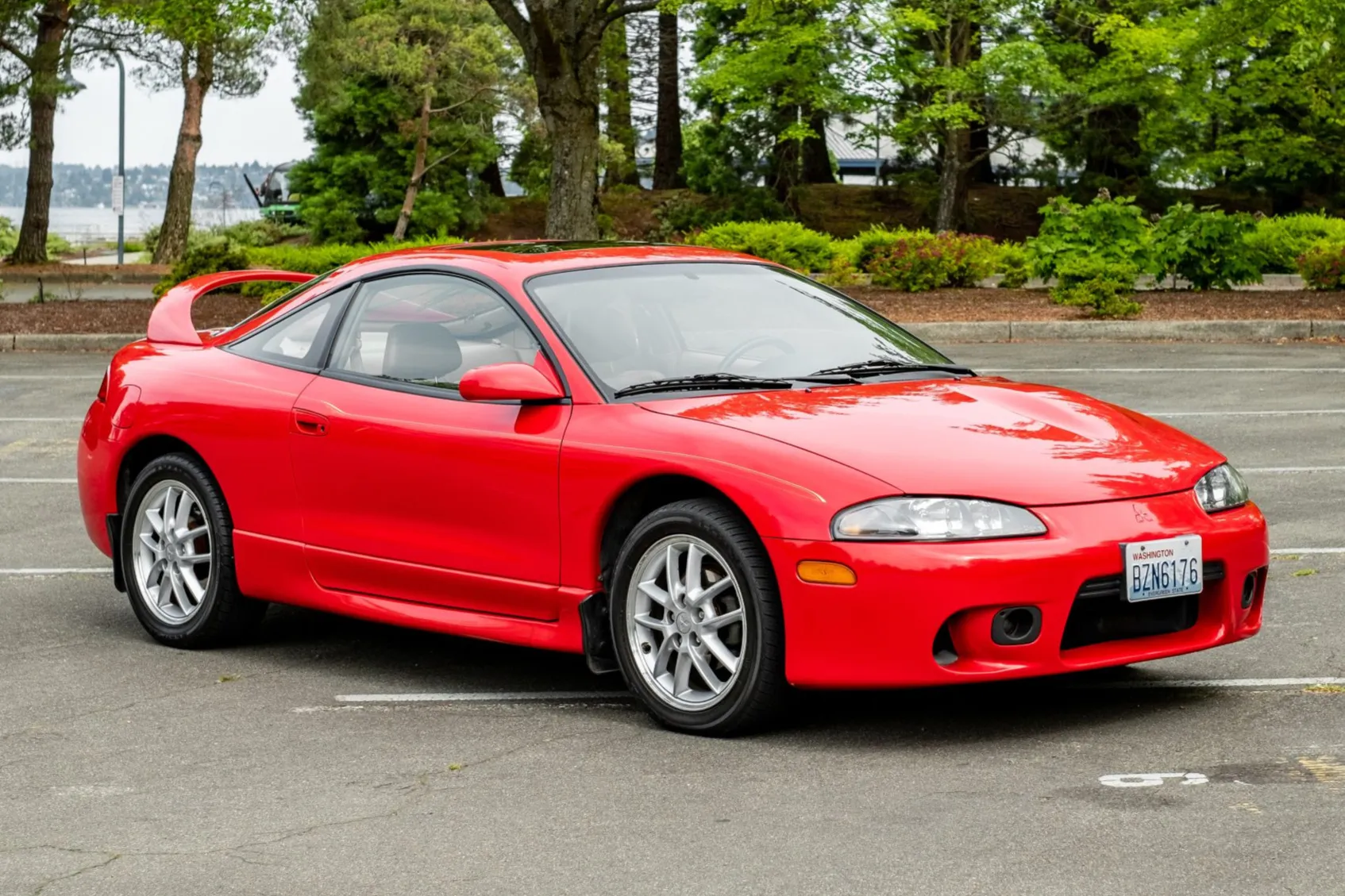
Before the Eclipse name was diluted into a crossover, the Mitsubishi Eclipse GSX stood as a true performance icon of the 1990s. With its turbocharged engine, all-wheel drive system, and aggressive styling, the GSX carved a reputation as one of the most exciting and accessible sport compacts of its era.
Launched in 1989, the Eclipse stunned buyers with sleek looks and strong performance at a reasonable price. By the late 1990s, the second-generation Eclipse GSX had become even more muscular, featuring updated styling, leather interiors, and white-faced gauges.
The 2.0-liter turbocharged inline-four produced 210 horsepower, but it wasn’t until 2,500 rpm that the turbo truly spooled up, delivering a dramatic surge of power. This characteristic, “turbo lag,” added to the thrill, pushing drivers back in their seats once the boost hit.
Mitsubishi wisely paired the engine with a standard all-wheel drive system, ensuring the GSX could put its power down effectively while also offering all-weather usability. Handling was sharp and confidence-inspiring, though the ride was firm and cabin noise was higher than average expected traits for a performance-focused coupe.
The GSX wasn’t just about speed. Its hatchback body gave it surprising practicality, with extra cargo room available when the small rear seats were folded down.
While visibility was hampered by a large rear wing, the car’s styling managed to balance sleek lines with an aggressive edge, making it especially appealing to younger enthusiasts. Inside, the wraparound dash design angled controls toward the driver, creating a cockpit-like feel.
Other trims in the lineup, including the front-drive GS-T and non-turbo GS and RS, catered to different budgets, while Spyder convertible versions broadened its appeal. However, the Spyder GSX, the combination of turbo power, AWD, and convertible fun was never offered, leaving the hardtop GSX as the ultimate performance Eclipse.
By the late 1990s, rumors circulated that Mitsubishi would drop the very elements that made the Eclipse special: turbocharging, AWD, and even the hatchback body style. Unfortunately, those predictions proved true, and subsequent models lost the performance pedigree that made the GSX a standout.
Today, the Eclipse GSX is remembered as one of the most capable sport compacts of its time, rivaling cars like the Subaru WRX and even Mitsubishi’s own Lancer Evolution. Its blend of turbocharged power, all-weather traction, and everyday usability made it a cult classic among enthusiasts.
If Mitsubishi ever seeks to reclaim its performance roots, resurrecting the Eclipse GSX with modern technology and styling would be the perfect place to start.
The beauty of the automotive world lies not only in innovation but also in memory. Cars like the Torino, RX-7, Firebird, and Eclipse GSX may no longer roll off production lines, but their legacies endure through enthusiasts who keep them alive.
These forgotten models weren’t just transportation; they were statements of style, engineering, and ambition that still resonate decades later. In today’s era of electrification, SUVs, and crossovers, the call for a comeback grows stronger.
Imagine modern versions of these classics infused with today’s technology yet faithful to their original spirit: lightweight agility, unapologetic muscle, or motorsport-inspired grit.
Reviving them wouldn’t just honor history; it would give new generations a taste of what made these cars unforgettable in the first place. Until that day comes, they remain legends in waiting, timeless reminders that some cars are too good to stay forgotten.
Also Read: 5 Honda Sedans That Rarely Break vs 5 That Constantly Do