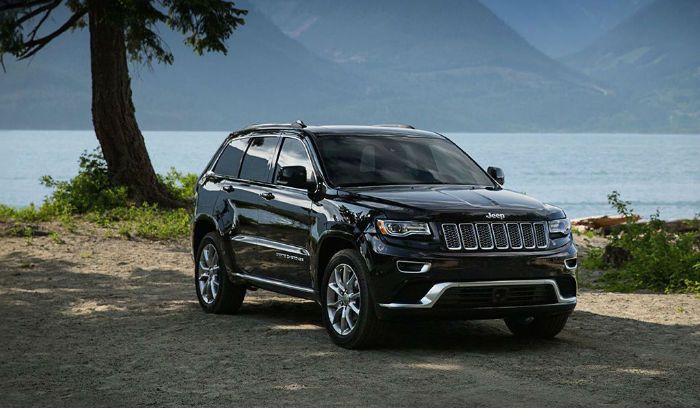
Few SUVs have built the kind of reputation that the Jeep Cherokee has. Born with a rugged spirit and designed to balance city comfort with wilderness toughness, the Cherokee has been a dependable workhorse for decades.
Whether it’s the boxy XJ of the 1980s and 1990s or the sleeker, more modern versions seen today, the Cherokee has consistently delivered on its promise: to take drivers where the road ends.
Not every SUV earns long-term respect, but Jeep’s mix of durability, off-road readiness, and solid engineering has allowed many Cherokee models to remain trail-capable even years after their release.
For off-road enthusiasts, the true test of a vehicle isn’t just its showroom shine or initial specs it’s how well it holds up after years of mud, rocks, steep climbs, and daily use. The Cherokee has stood tall in this regard, earning its place as one of the most beloved Jeeps of all time.
Some model years, in particular, have developed a cult following for their dependability, mechanical strength, and affordable upkeep, making them legends in the off-road community.
In this article, we’ll take a look at 12 Jeep Cherokee years that are still going off-road today. These models are more than just aging SUVs—they’re trusted machines that continue to prove themselves on dirt trails, sand dunes, rocky passes, and snow-covered backroads.
From the early ‘90s XJ models to modern Trailhawk editions, each year on this list represents a vehicle that earned its stripes through performance, not marketing hype.
Whether you’re looking for a budget-friendly off-roader, a nostalgic throwback, or a dependable trail rig that can handle camping trips and weekend adventures, these Cherokees are worth noting. Let’s break down why these 12 model years have held up so well, what makes them stand out, and how they continue to be relevant in today’s off-road scene.
12 Jeep Cherokee Years Still Going Off-Road Today
Picking 12 standout years of the Jeep Cherokee wasn’t easy. Over its long production history, there have been dozens of good models, but some years simply age better than others. The ones on this list represent vehicles that still have strong resale value, active fan bases, and proven off-road chops. They include both the legendary XJ Cherokees renowned for their bulletproof 4.0L inline-six engines, and modern trims like the Trailhawk, which come factory-equipped with advanced 4×4 systems.
Each chosen year is still widely seen on trails, in enthusiast clubs, and across online forums where Jeep owners trade stories, upgrades, and repair tips. They’ve stood the test of time not just because they look cool or carry the Jeep name, but because they can still crawl over rocks, tackle river crossings, and handle steep inclines without blinking.
From the simplicity and strength of the 1990s models to the tech-heavy but capable 2010s editions, these 12 years show the Cherokee’s ability to evolve while maintaining its off-road DNA. They remind us why Jeep has been such a powerful name in the SUV market and why, even as other brands have shifted toward soft-roaders, the Cherokee continues to live up to its legacy.
ALSO READ: 5 SUVs That Rarely Need Electrical Fixes vs 5 That Constantly Break
1. 1984 Jeep Cherokee XJ
The 1984 Jeep Cherokee XJ is where the off-road legend really began. Before this, SUVs were mostly big, bulky, and truck-like. Jeep did something bold by introducing an unibody SUV that was lighter, more maneuverable, and surprisingly capable. Many off-roaders today still swear by the ’84 XJ because it laid the groundwork for everything that followed.
Powered by a mix of inline-four and inline-six engines, the XJ offered enough strength for trails, while keeping things simple enough to repair in the field.
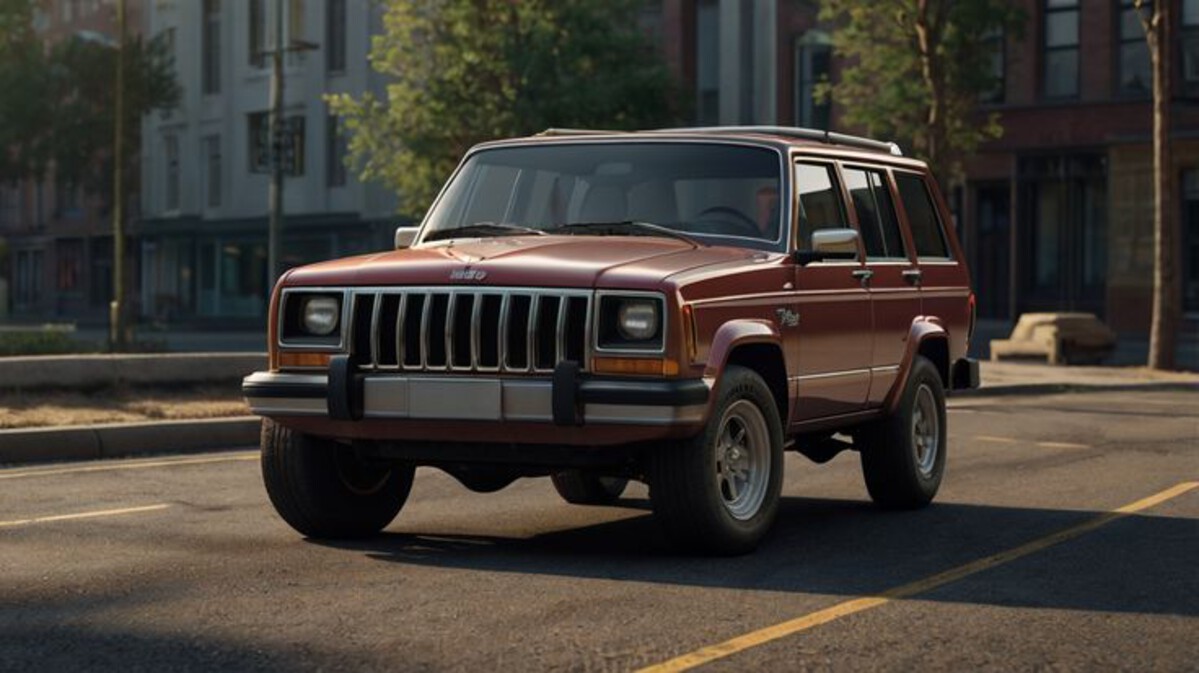
Its lightweight design made it nimble on rocky terrain, and its short wheelbase meant it could squeeze into places larger SUVs couldn’t. The 4.0L inline-six that eventually became iconic started showing up here, and that engine is still one of the most loved powerplants Jeep ever built.
What makes the 1984 model year stand out isn’t just nostalgia; it’s the sheer resilience. Many are still running today with hundreds of thousands of miles, a testament to their durability. Aftermarket support is endless, so even if something breaks, parts are easy to find. Plus, modifications like lift kits, lockers, and bigger tires turn the XJ into a serious trail monster.
Even stock, though, the 1984 Cherokee XJ could handle mud, snow, and rocky climbs. It was one of the first SUVs to balance daily driving comfort with true off-road ability, and it quickly became a favorite for adventurous drivers. If you spot an ’84 XJ still crawling up trails today, don’t be surprised; it was built for exactly that.
2. 1991 Jeep Cherokee XJ
By 1991, the Jeep Cherokee XJ had already cemented its reputation, but this year stands out for one big reason: the arrival of the High Output (HO) 4.0L inline-six engine. Jeep enthusiasts call it bulletproof for a reason it had the perfect mix of torque, longevity, and easy maintenance. That engine is why so many 1991 models are still alive and kicking on off-road trails.
The 1991 Cherokee also benefited from small but important refinements in design and engineering.
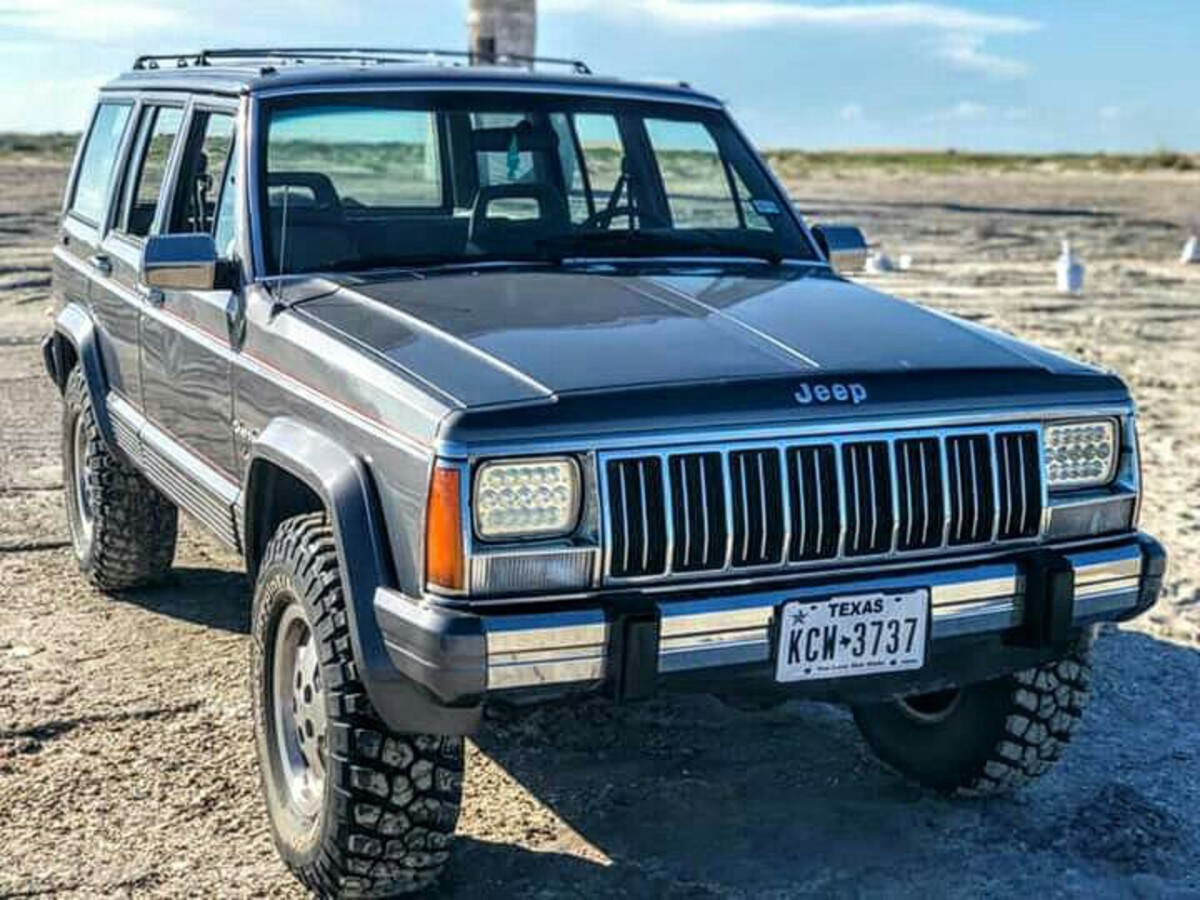
The suspension was strong enough to handle off-road punishment, and the drivetrain options gave buyers the chance to build a Cherokee that fit their needs. With four-wheel drive systems like Command-Trac and Selec-Trac available, it was a versatile year.
Off-roaders today love the 1991 model because it’s the sweet spot between old-school simplicity and slightly modernized reliability. You still get the rugged, boxy XJ design, but you also get one of Jeep’s best engines. On trails, it has enough torque to crawl over rocks and push through mud, yet it’s light enough to stay agile.
Even bone stock, a ’91 Cherokee is trail-ready. Add a lift kit, bigger tires, or lockers, and you’ve got a serious off-road beast. Many 1991 XJs today are still daily driven during the week and trail-tested on weekends.
3. 1997 Jeep Cherokee XJ
The 1997 Jeep Cherokee XJ is a fan favorite because it marked a big refresh that modernized the interior and exterior without losing the rugged DNA. Jeep gave it softer, more rounded headlights, a new grille, and a slightly updated cabin, making it feel more contemporary for the late ’90s. But underneath, it was still the same tried-and-true Cherokee that off-roaders loved.
One of the best parts about the 1997 model is that it still had the 4.0L High Output inline-six engine.
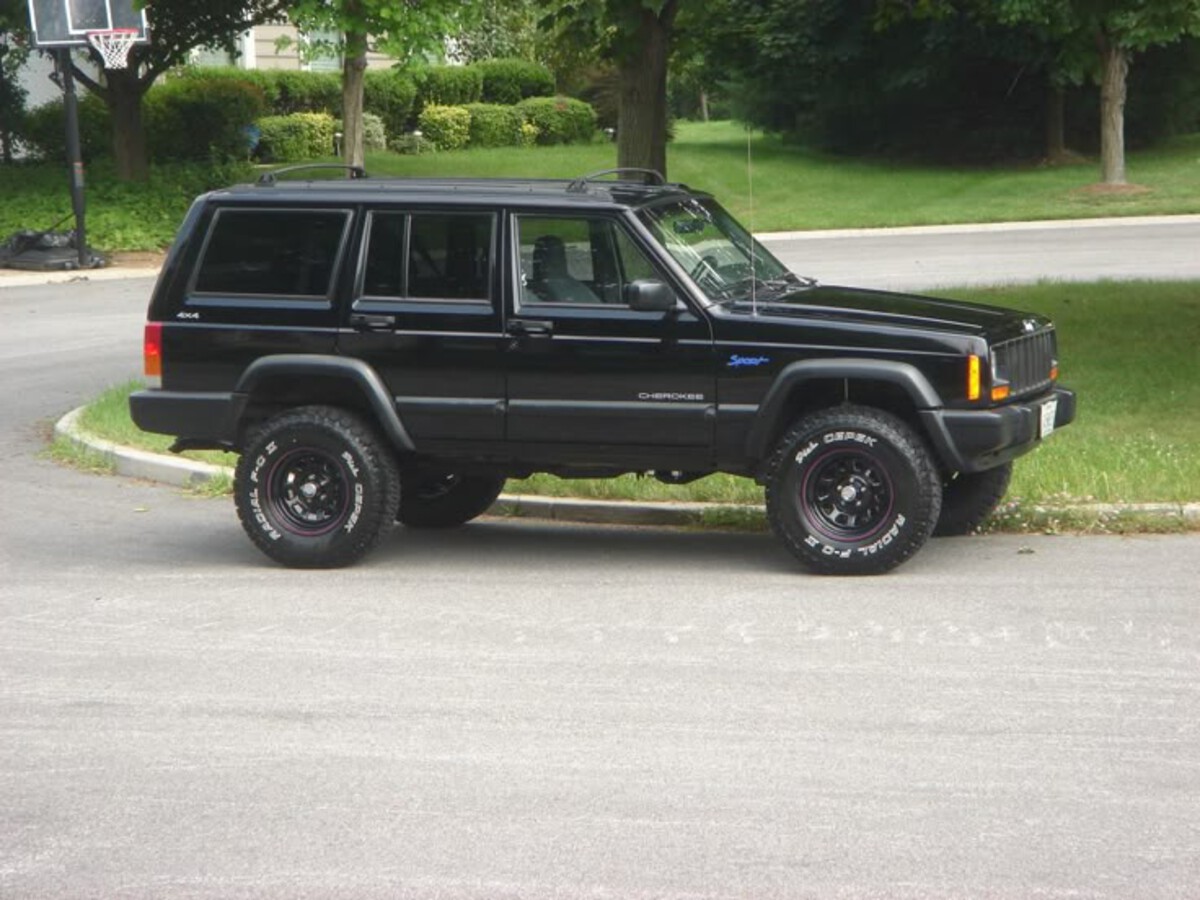
By this time, the motor had a reputation for being nearly indestructible, and many ’97 models today have clocked 200,000+ miles with plenty of trail duty. Jeep paired it with both manual and automatic transmissions, and four-wheel drive systems remained strong with Selec-Trac and Command-Trac options.
What makes the ’97 year special on the trails is its perfect balance. It’s old enough to have that classic XJ character, but new enough to be more comfortable and reliable than earlier models. Suspension upgrades and aftermarket parts are everywhere, so owners can easily turn a 1997 Cherokee into a dedicated off-road build.
Another plus is the relatively simple electronics compared to later SUVs. That means fewer things to fail when you’re bouncing around rocky trails. Many 1997 Cherokees today are still in active off-road use, proving that Jeep’s refresh didn’t soften its edge. If anything, it extended the Cherokee’s reputation as one of the most versatile off-roaders of its era.
4. 1999 Jeep Cherokee XJ
If there’s one XJ year that Jeep fans point to as the peak, it’s often 1999. By this time, Jeep had worked out most of the kinks, refined the design, and locked in the formula that made the Cherokee such a hit. The 1999 model had the 4.0L inline-six at its best, offering strong performance and unmatched reliability.
The ’99 Cherokee also came with upgraded interiors and better ride quality than early versions, making it a practical choice for daily driving while still excelling on the trails.
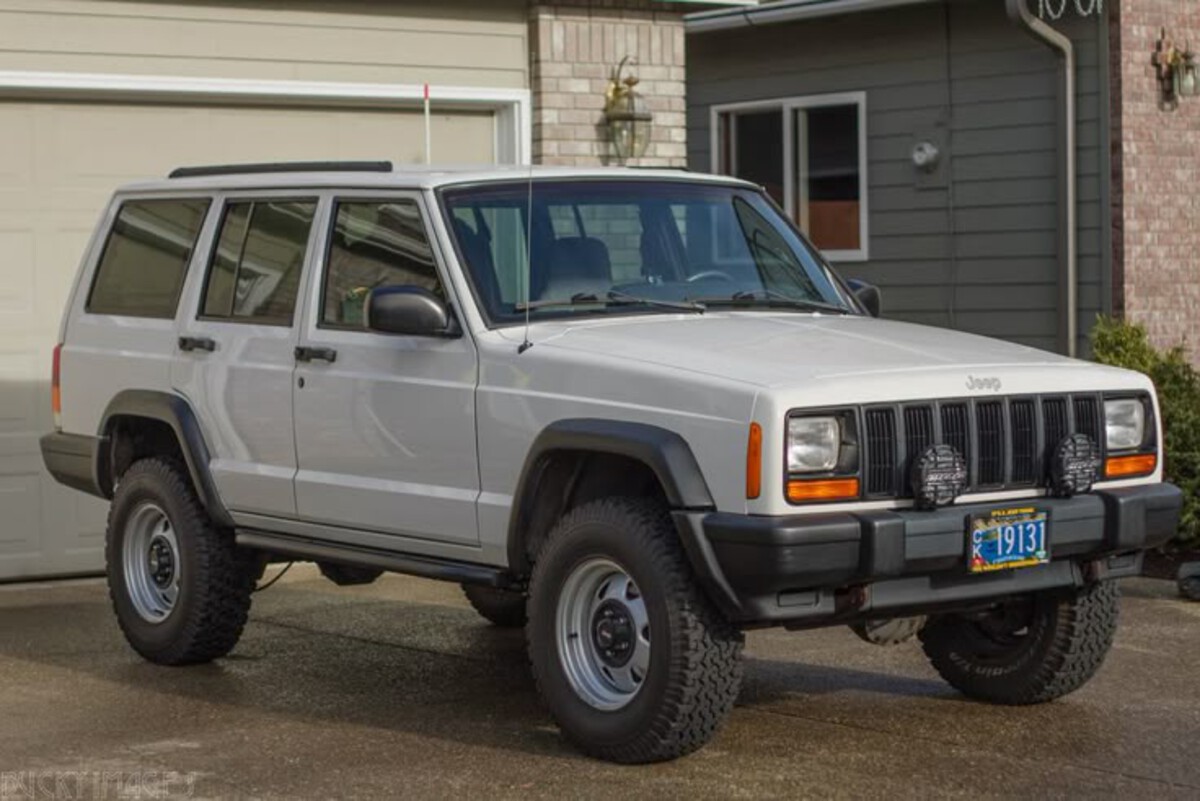
Jeep added options like the UpCountry Suspension Group, which gave the SUV extra ground clearance and skid plates features that made it even more trail-ready right from the factory.
Off-roaders today love the 1999 Cherokee because it’s basically the sweet spot. It’s modern enough to be comfortable, yet rugged enough to handle serious punishment. The unibody frame was light, which gave it agility, but it was tough enough to withstand hard use. With 4×4 systems, locking hubs, and solid axles, the 1999 XJ could go head-to-head with much newer SUVs and still hold its own.
Many consider the 1999 model year the last truly great XJ before the Cherokee’s run ended in 2001. That’s why you’ll still find plenty of ’99s on trails, often heavily modified with lifts, bumpers, winches, and oversized tires. Even stock models can keep up on rough terrain. If you’re hunting for an XJ today that balances dependability, affordability, and off-road chops, the 1999 is often at the top of the list.
5. 2000 Jeep Cherokee XJ
The 2000 Jeep Cherokee XJ is special because it represents the end of an era. Production would stop just a year later, but the 2000 model carried forward everything that made the XJ iconic. By now, Jeep had fine-tuned the Cherokee into a durable, trail-proven machine that buyers could count on.
The heart of the 2000 model was still the 4.0L inline-six, a legend in the off-road world.
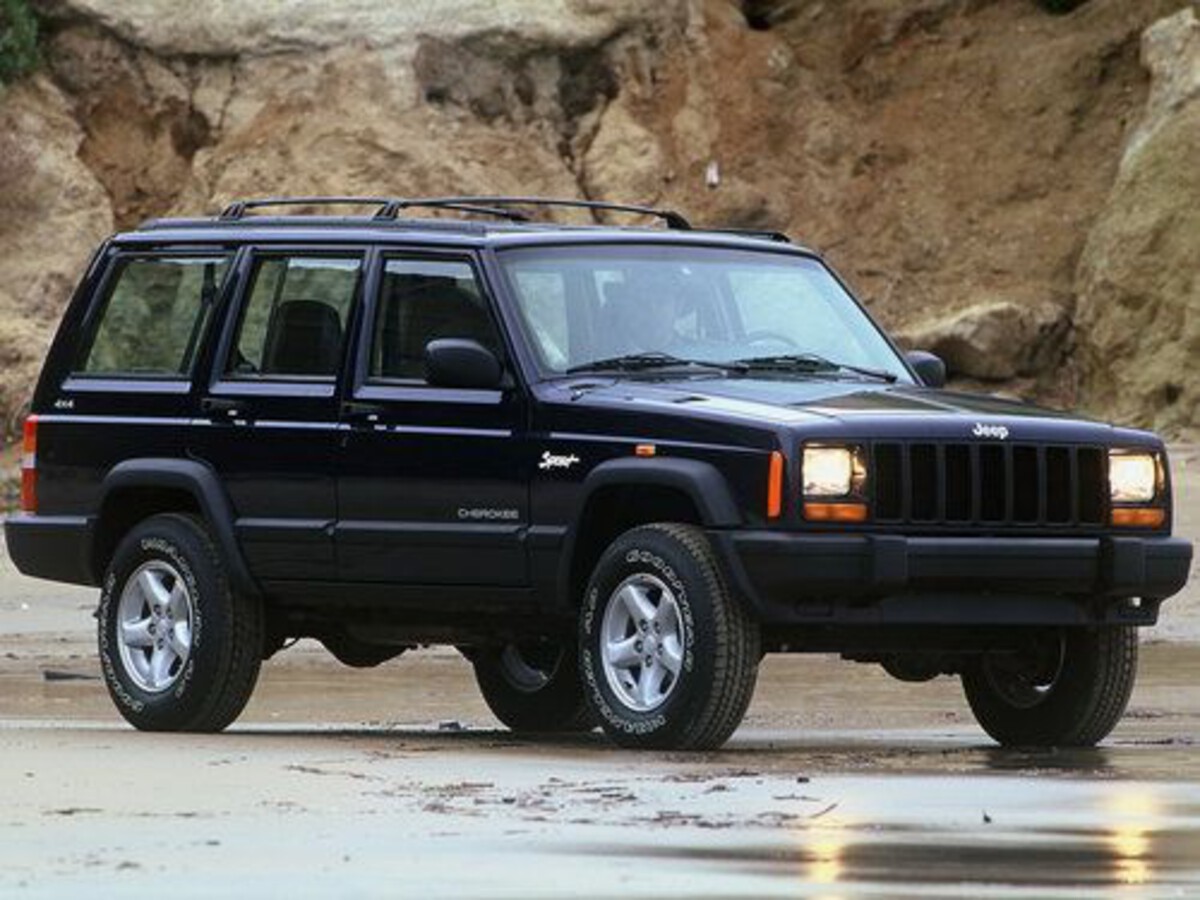
Paired with either manual or automatic transmissions, it delivered torque that was perfect for crawling over rocks and powering through mud. Solid axles front and rear made it one of the most capable SUVs of its time, and it could be easily upgraded with aftermarket suspension systems.
One thing that makes the 2000 XJ attractive for off-roaders is its availability. Since it’s a relatively recent model year in the XJ run, more of them are still around in decent condition compared to older ones. Plus, the aftermarket support is massive, meaning owners can customize them endlessly with lift kits, armor, lighting, and more.
For many Jeep fans, the 2000 XJ is the best mix of modern reliability and old-school ruggedness. It didn’t yet suffer from the more complicated electronics that would later creep into SUVs, keeping it easy to maintain on the trail. It’s also one of the last Cherokees that stuck to the original Jeep philosophy of function over fluff.
Even today, you’ll find 2000 XJs loaded up with gear and heading into backcountry trails. Whether stock or modified, they remain one of the most trusted SUVs for anyone serious about off-roading.
6. 2001 Jeep Cherokee XJ
The 2001 Jeep Cherokee XJ holds a special place in Jeep history it was the final year of the legendary XJ generation. For nearly two decades, the XJ had proven itself as one of the toughest and most capable SUVs ever made, and the 2001 model went out on a high note. Jeep gave it some minor updates inside and out, but at its core, it was the same rugged workhorse that people trusted for everything from family duties to hardcore trail runs.
Under the hood, the 4.0L inline-six was still the star of the show. By 2001, this engine had been perfected to the point of near indestructibility.
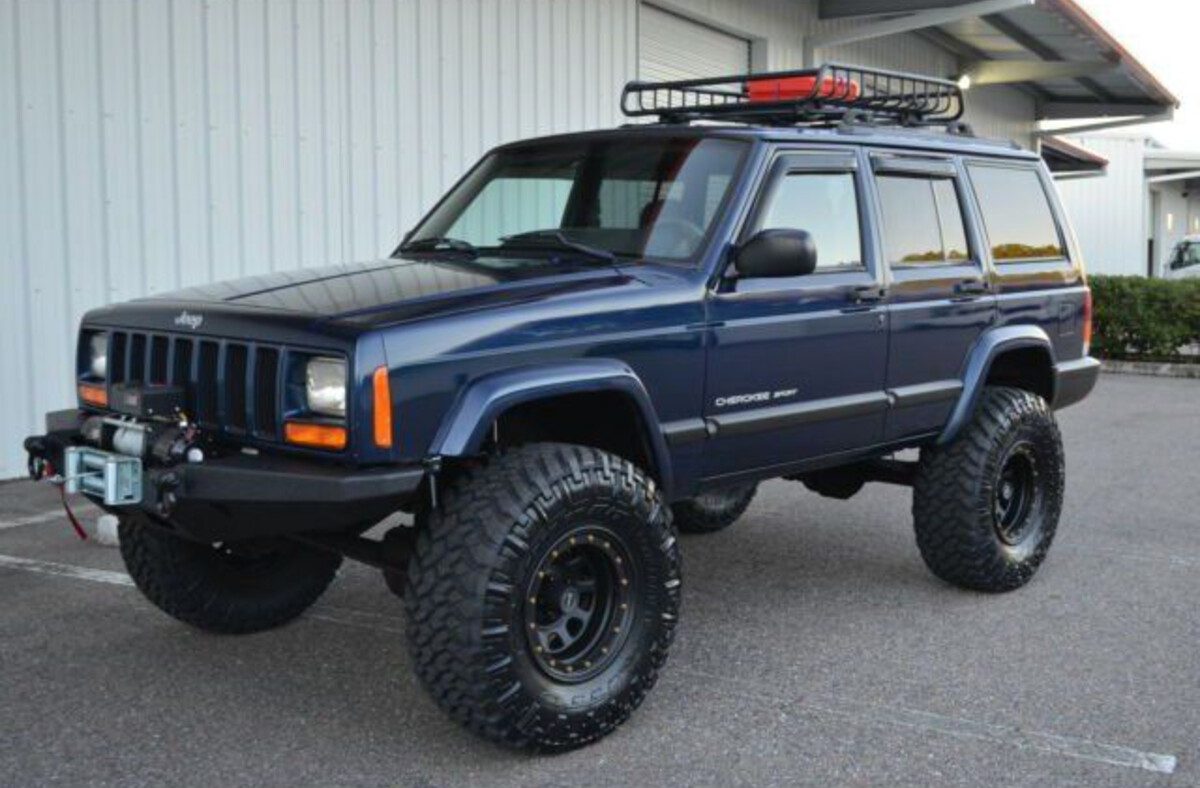
Off-roaders loved its low-end torque, which was perfect for crawling and climbing, while its simplicity made trail repairs straightforward. Combined with solid Dana axles and Jeep’s proven 4×4 systems, the 2001 XJ was just as capable as its predecessors.
What makes 2001 stand out today is its collectability and availability. Many Jeep enthusiasts want the “last of the XJs,” and plenty of them are still alive and running strong. They’re a little harder to find in stock condition now because so many have been modified for off-road use, but that’s exactly what makes them special.
On the trails, a 2001 Cherokee can still hang with much newer SUVs. With a lift kit, bigger tires, and some armor, it becomes a serious off-road weapon. Even left mostly stock, it has enough clearance and toughness to handle rugged terrain. As the final chapter of the XJ story, the 2001 Cherokee is a piece of Jeep heritage that continues to see dirt and rocks today.
7. 2014 Jeep Cherokee
After the XJ era ended, the Cherokee nameplate disappeared for more than a decade, only to return in 2014 with a totally new look. The 2014 Jeep Cherokee was controversial when it launched because it ditched the boxy design for a sleeker, more modern crossover appearance. Hardcore Jeep fans weren’t sure if it still had what it took to earn the badge. But with trims like the Trailhawk, the 2014 Cherokee proved it was still capable of getting dirty.
The Trailhawk version of the 2014 model came with Jeep’s Active Drive Lock 4×4 system, a locking rear differential, skid plates, and increased ground clearance.
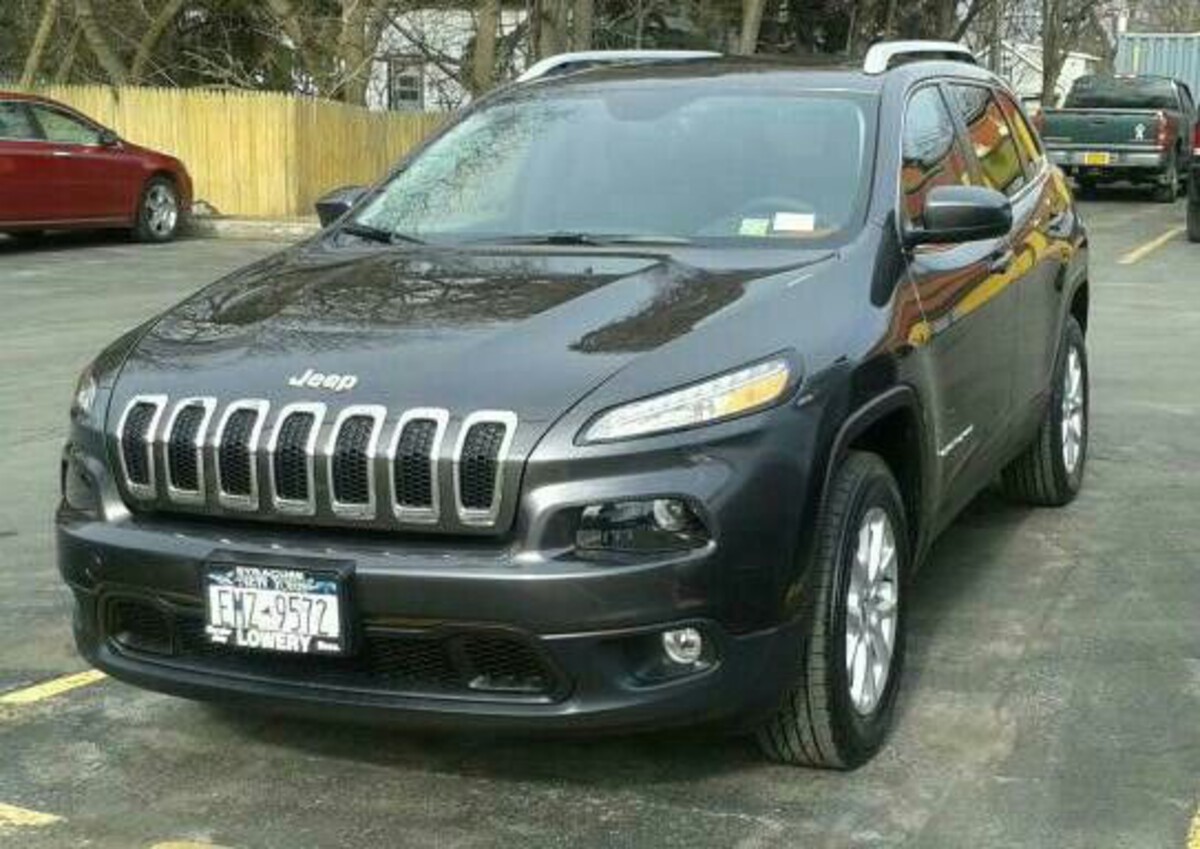
It wasn’t a hardcore rock crawler like the old XJ, but it could handle trails, snow, and mud with surprising confidence. Jeep also introduced the Selec-Terrain system, which let drivers choose modes like Snow, Sand, Mud, and Rock to adapt to conditions.
Power came from a 2.4L Tigershark four-cylinder or a 3.2L Pentastar V6. The V6 in particular gave the Cherokee enough muscle for both highway driving and trail work. While not as simple and rugged as its predecessors, the 2014 Cherokee proved that Jeep could blend modern comfort with genuine capability.
Today, many 2014 Cherokees are still hitting trails, especially the Trailhawk trims. They’ve become a go-to choice for weekend adventurers who want something that works as a daily driver but doesn’t shy away from off-road fun.
ALSO READ: 5 Pickups That Rarely Blow Transmissions vs 5 That Constantly Do
8. 2016 Jeep Cherokee
By 2016, the reborn Jeep Cherokee had settled into the market and found its place. While it was more crossover than old-school SUV, the 2016 model showed that Jeep still knew how to build a capable off-road vehicle, particularly in the Trailhawk trim. For drivers who wanted modern features but still craved trail adventures, the 2016 Cherokee was a solid choice.
The Trailhawk version again stole the spotlight with its lifted suspension, skid plates, tow hooks, and Jeep’s Active Drive Lock system with a locking rear differential.
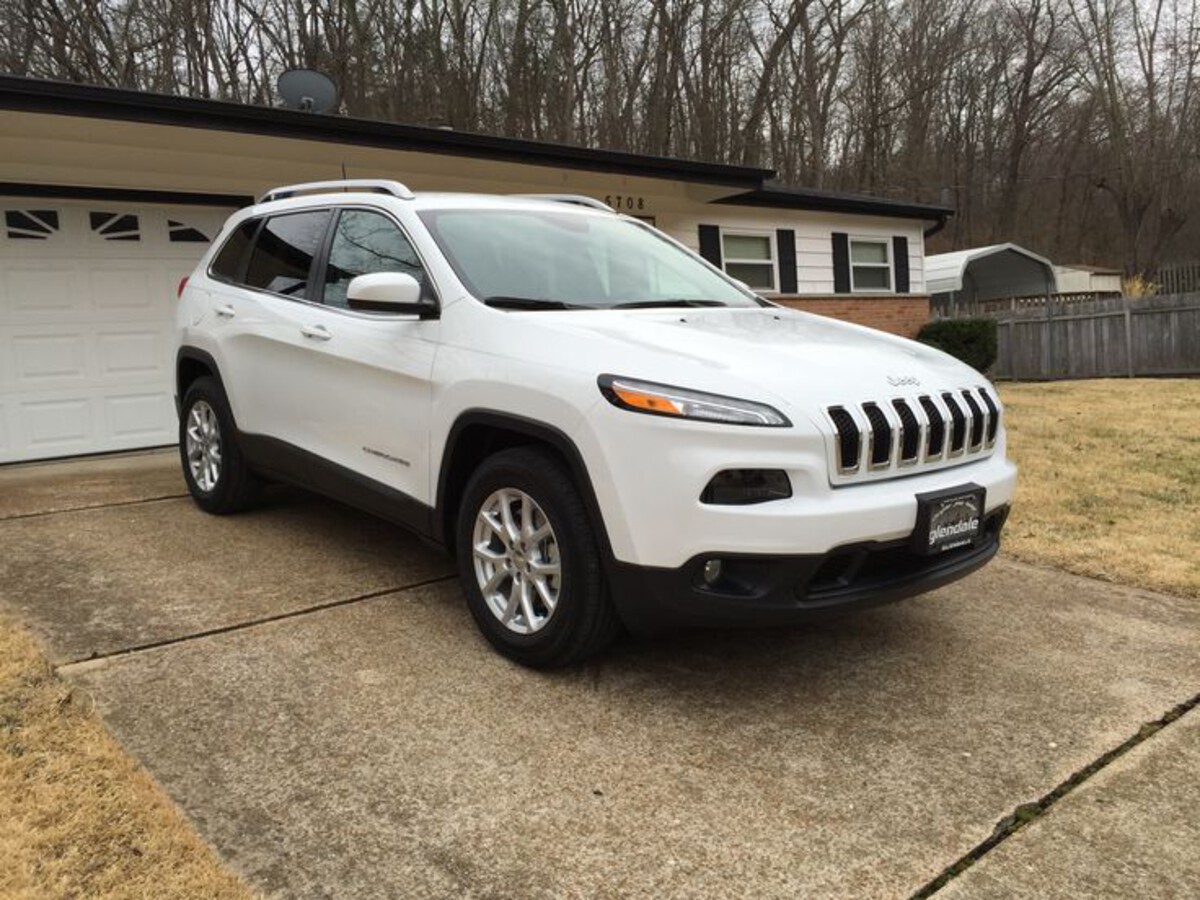
This wasn’t just marketing fluff it gave the 2016 Cherokee genuine off-road chops. With approach and departure angles better than many competitors, the Trailhawk could handle steep climbs and uneven terrain with ease.
Engines included the same 2.4L four-cylinder and 3.2L V6 from the 2014 model. Most off-roaders preferred the V6 for its extra power, especially when tackling tougher trails or towing gear. Inside, the Cherokee offered modern tech like Uconnect infotainment and advanced safety features, making it more comfortable than the old XJs but still trail-ready.
What makes the 2016 model stand out is how it blended daily usability with adventure capability. It could be a family car during the week and an off-road toy on the weekends. Even today, many 2016 Cherokees, especially the Trailhawks, are still being used exactly that way. For those who wanted Jeep capability without sacrificing comfort, the 2016 Cherokee hit a sweet spot.
9. 2018 Jeep Cherokee
The 2018 Jeep Cherokee sits at an interesting point it was the last year before Jeep gave the Cherokee a big facelift in 2019. That makes it a favorite for people who like the slightly aggressive front-end design but still want the proven capabilities Jeep packed into these models. And, as always, the Trailhawk trim is the star when it comes to off-road performance.
Under the hood, the 2018 Cherokee offered three engine options: the 2.4L Tigershark four-cylinder, the 3.2L Pentastar V6, and a 2.0L turbocharged four-cylinder.
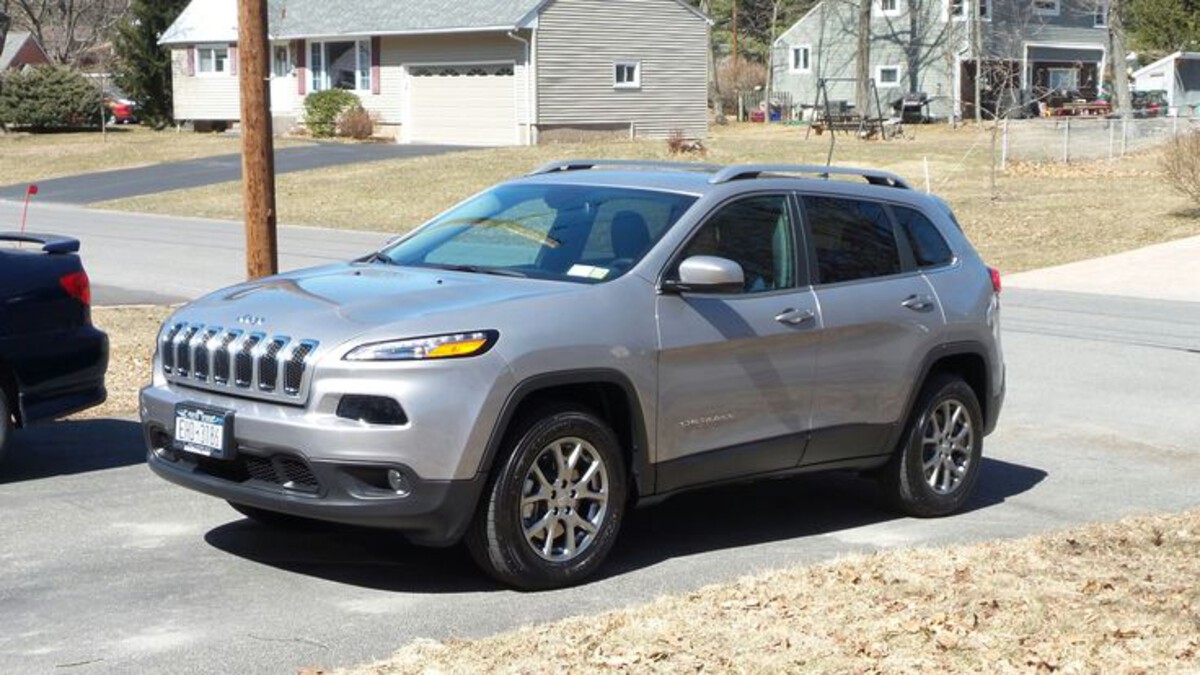
Off-roaders generally lean toward the V6 for its torque and durability, but the turbo option gave a nice balance of power and efficiency. When paired with Jeep’s Active Drive Lock system, the Cherokee had legitimate off-road credibility.
Trailhawk models came with red tow hooks, extra ground clearance, skid plates, and Jeep’s Selec-Terrain system. Features like Rock Mode gave the Cherokee a clear edge over most crossovers in its class. Approach and departure angles were solid, meaning it could handle rocky climbs and steep slopes with ease.
Off the trails, the 2018 Cherokee was more refined than earlier generations. It offered advanced tech, a quieter cabin, and modern conveniences. That dual personality, comfortable commuter by day, weekend warrior by night, made it appealing to buyers.
Today, the 2018 Cherokee is still going strong. Many Trailhawks are modified with bigger tires and suspension upgrades, but even stock versions are capable of tackling trails. For those who like the pre-facelift look and want a proven mix of daily comfort and off-road grit, the 2018 Cherokee remains a solid choice.
10. 2019 Jeep Cherokee
The 2019 Jeep Cherokee brought a fresh new face, ditching the controversial split-headlight design for a more traditional SUV look. While aesthetics were the most noticeable change, Jeep also gave the Cherokee updated engines and improved features making it an even better off-road companion, especially in Trailhawk form.
One big highlight for 2019 was the introduction of a 2.0L turbocharged inline-four engine.
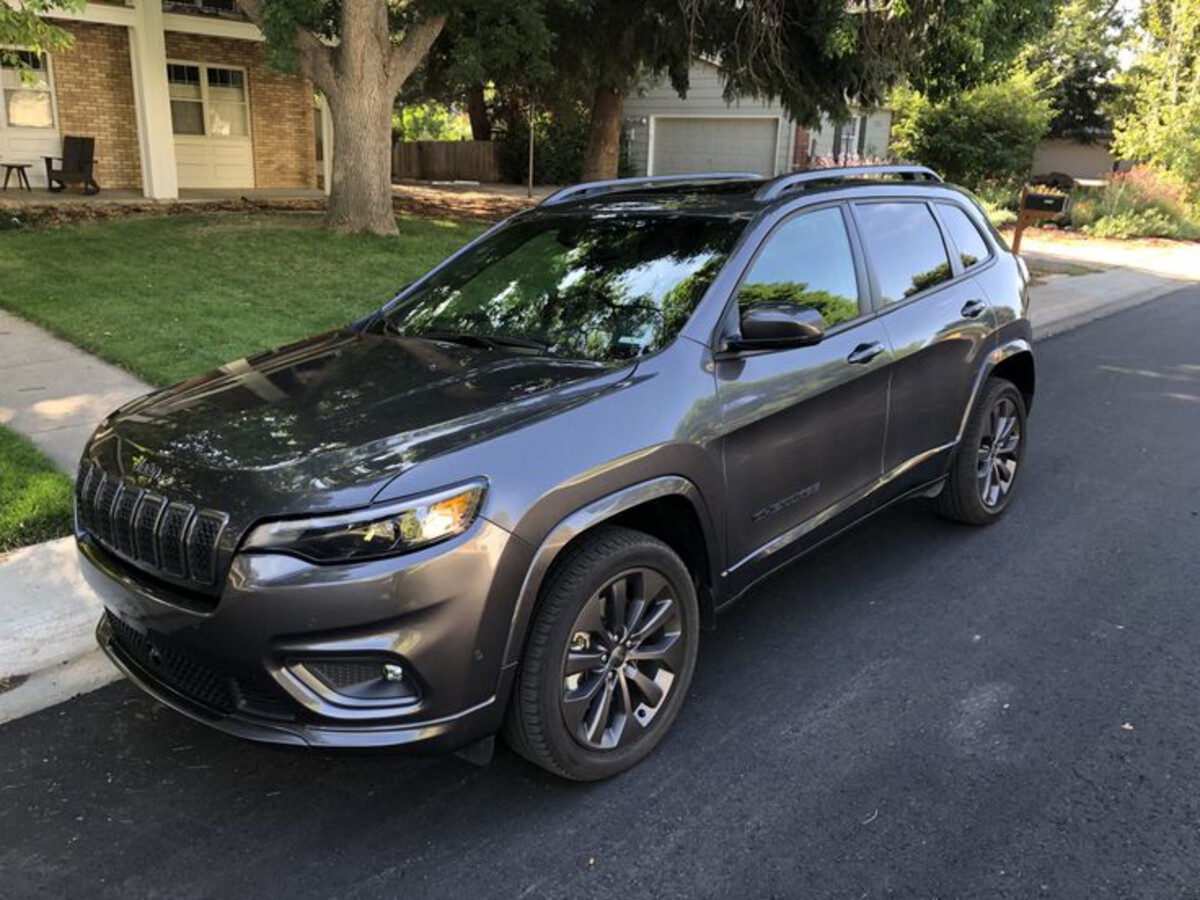
It delivered strong performance with 270 horsepower and 295 lb-ft of torque, giving the Cherokee extra muscle on the trails without sacrificing efficiency. The trusty 3.2L Pentastar V6 was still available and remained the go-to choice for many off-roaders who wanted proven durability.
As always, the Trailhawk trim was the real deal for off-road fans. It came with Jeep’s Active Drive Lock 4×4 system, a locking rear differential, skid plates, and a one-inch suspension lift. With approach, departure, and breakover angles better than most compact SUVs, the 2019 Cherokee Trailhawk was more than capable of handling rocks, mud, and steep grades.
Inside, the 2019 update added more tech and comfort, making it easier to live with daily. Uconnect infotainment, Apple CarPlay, Android Auto, and driver-assist features made it modern and competitive. But when you left the pavement, it still had the Jeep toughness that mattered most.
Even now, the 2019 Cherokee is one of the most popular used choices for off-road enthusiasts who want a newer Jeep without the price tag of a brand-new Trailhawk. With the turbo engine option and refreshed styling, it’s still a common sight on trails.
11. 2020 Jeep Cherokee
The 2020 Jeep Cherokee is built on the improvements of the 2019 model, refining the design and offering even more tech while staying true to Jeep’s off-road roots. By this time, the Cherokee had fully embraced its dual personality: part comfortable family SUV, part trail-capable adventure rig.
Powertrain options included the 2.4L four-cylinder, the 3.2L Pentastar V6, and the strong 2.0L turbocharged four-cylinder.
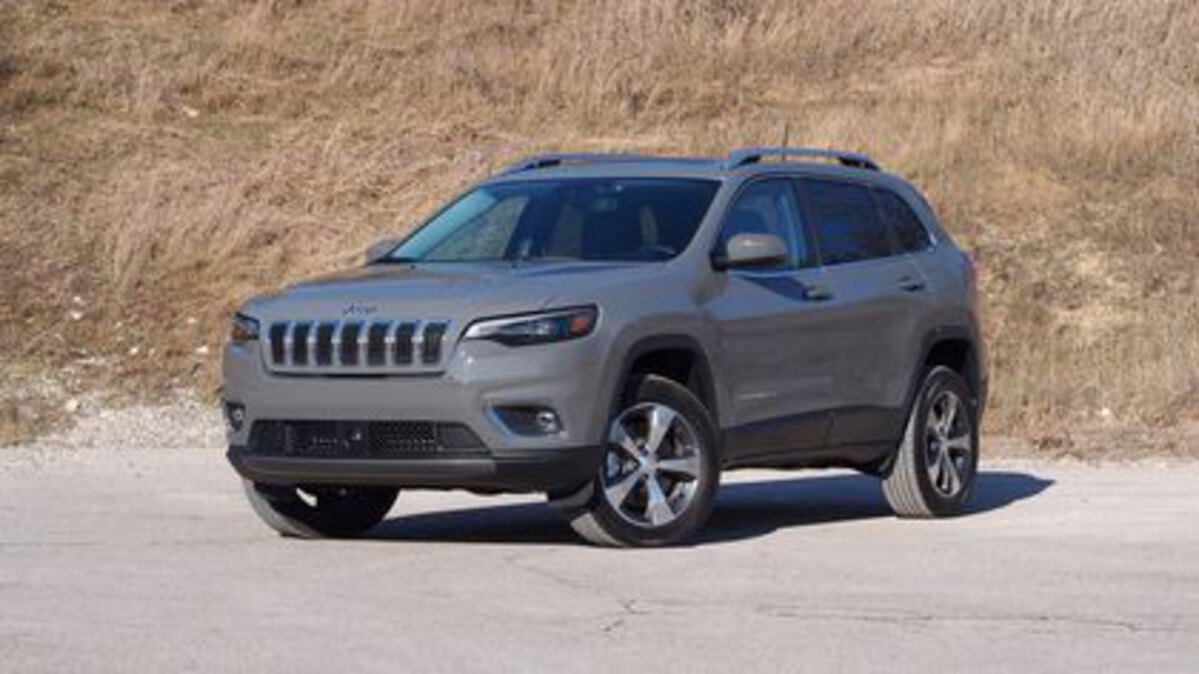
The turbo remained a favorite for its balance of power and efficiency, while the V6 was still the choice for off-roaders who valued proven performance. Trailhawk models once again came with skid plates, tow hooks, increased ride height, and Jeep’s Active Drive Lock 4×4 system with a rear locker, making them stand out from the crowd of soft-road crossovers.
Where the 2020 Cherokee shines is in its versatility. It could be loaded up with comfort features like heated seats, adaptive cruise control, and premium sound systems, yet it was also ready for dirt roads and mountain trails. Jeep didn’t forget its heritage, and the Trailhawk proved it by being able to tackle terrain that many crossovers couldn’t dream of attempting.
Off-road enthusiasts appreciate the 2020 Cherokee for its reliability and modern safety. Even stock, it could handle weekend trail runs. With a few aftermarket upgrades like bigger tires or suspension lifts it transformed into a serious adventure vehicle.
Today, the 2020 Cherokee remains a strong option for anyone looking for a used off-road SUV with modern tech. The Trailhawk models, in particular, are still seen hitting trails across the country, keeping the Cherokee’s reputation alive.
12. 2021 Jeep Cherokee
The 2021 Jeep Cherokee represents the modern face of this iconic SUV polished, tech-heavy, yet still rooted in Jeep’s off-road heritage. By now, Jeep had fully refined the Cherokee lineup, offering trims that catered to different buyers, from city commuters to trail enthusiasts. Unsurprisingly, it’s the Trailhawk trim that still shines for off-roaders today.
Under the hood, the 2021 Cherokee offered three engine choices: the 2.4L Tigershark four-cylinder, the 3.2L Pentastar V6, and the 2.0L turbocharged inline-four.
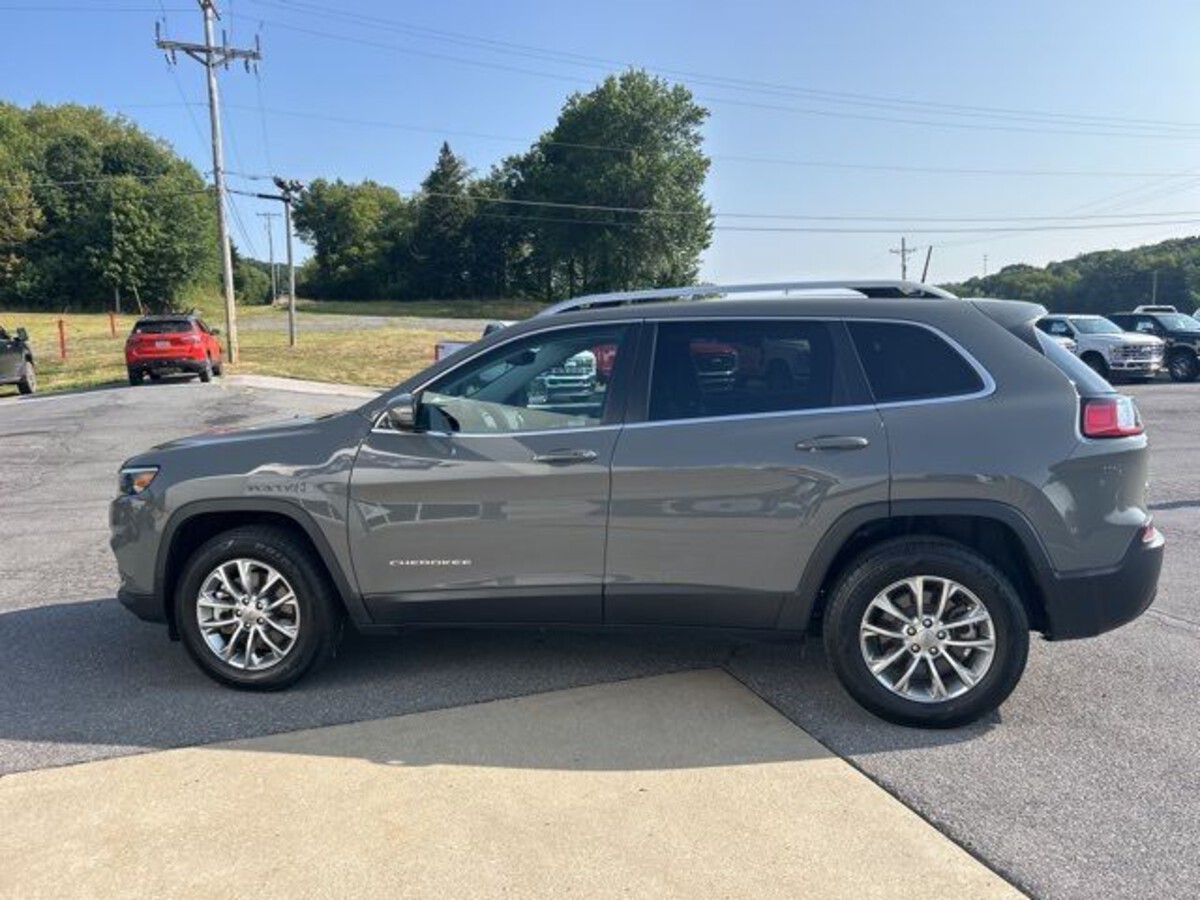
The turbo option remained the sweet spot for those who wanted a balance of power and efficiency, but the Pentastar V6 was still the go-to for off-road enthusiasts who valued proven reliability and torque.
The Trailhawk package included Jeep’s Active Drive Lock 4×4 system with a locking rear differential, higher ground clearance, skid plates, red tow hooks, and a suspension tuned for trail use. With these features, the 2021 Cherokee could crawl over rocks, power through mud, and climb steep inclines with confidence. Jeep’s Selec-Terrain traction management system added versatility, letting drivers dial in performance for different conditions like sand, snow, or rock.
Inside, the 2021 Cherokee brought comfort and tech upgrades. Features like Uconnect infotainment, Apple CarPlay, Android Auto, and advanced safety systems made it an easy daily driver. But unlike many crossovers, the Cherokee Trailhawk didn’t compromise when it came to off-road toughness. It could carry you to work during the week and then take you deep into the wilderness on weekends.
Even today, the 2021 Cherokee Trailhawk is still a favorite among off-road enthusiasts who want a newer, reliable SUV with serious trail capabilities. It may not be the boxy XJ of old, but it carries the spirit forward, proving that the Cherokee name still means something in the off-road world.
Final Thoughts: 12 Cherokee Years That Still Get Dirty
The Jeep Cherokee’s story is one of resilience. From the boxy XJ that debuted in the ’80s to the sleek, tech-filled models of the 2020s, it has always managed to carve out a spot in the off-road world. Not every year was a winner, but the 12 years we’ve covered here stand out because they continue to prove themselves where it matters most on the trail.
The older XJ models like the 1984, 1991, 1997, 1999, 2000, and 2001 are legends in their own right. Built with simplicity, toughness, and the bulletproof 4.0L inline-six engine, they’re still out there today, racking up miles on rocky trails and muddy backroads. They’ve earned cult status because they combine affordability, durability, and endless aftermarket support.
On the flip side, the modern Cherokees from 2014 through 2021 show that Jeep didn’t forget its roots. While they leaned more toward comfort and technology, trims like the Trailhawk proved that the Cherokee name still belongs in off-road conversations. Features like locking rear differentials, skid plates, and advanced traction systems made them stand out from the pack of generic crossovers.
What ties all these years together is their ability to keep going. Some are nearly 40 years old and still trail-ready, while others are recent models that blend modern convenience with off-road grit. The Cherokee, in all its forms, continues to be more than just a daily driver; it’s an adventure partner.
For anyone thinking about picking up a used Cherokee, these 12 years are where you’ll find the best mix of capability, reliability, and Jeep DNA. And for those who already own one, the fact that so many are still going off-road today is proof you’re driving a true legend.