
While human relationships often falter, some machines demonstrate that true longevity isn’t limited to people. Certain legendary cars are built not only to perform but to endure decade after decade, mile after mile.
From luxury sedans that redefine refinement to rugged pickups that laugh in the face of abuse, these vehicles have earned reputations for reliability that rival, and sometimes outlast, even the most committed unions.
This list of “10 Cars That Last Longer Than Most Marriages” celebrates vehicles that combine engineering excellence, practicality, and sheer resilience.
Whether it’s the quietly revolutionary Lexus LS 400, the indestructible Toyota Hilux, or the endlessly cheerful Volkswagen Beetle, these cars have demonstrated that durability, thoughtful design, and consistent maintenance can create machines capable of outliving fleeting trends and occasionally, even our longest-lasting vows.
1. Lexus LS 400
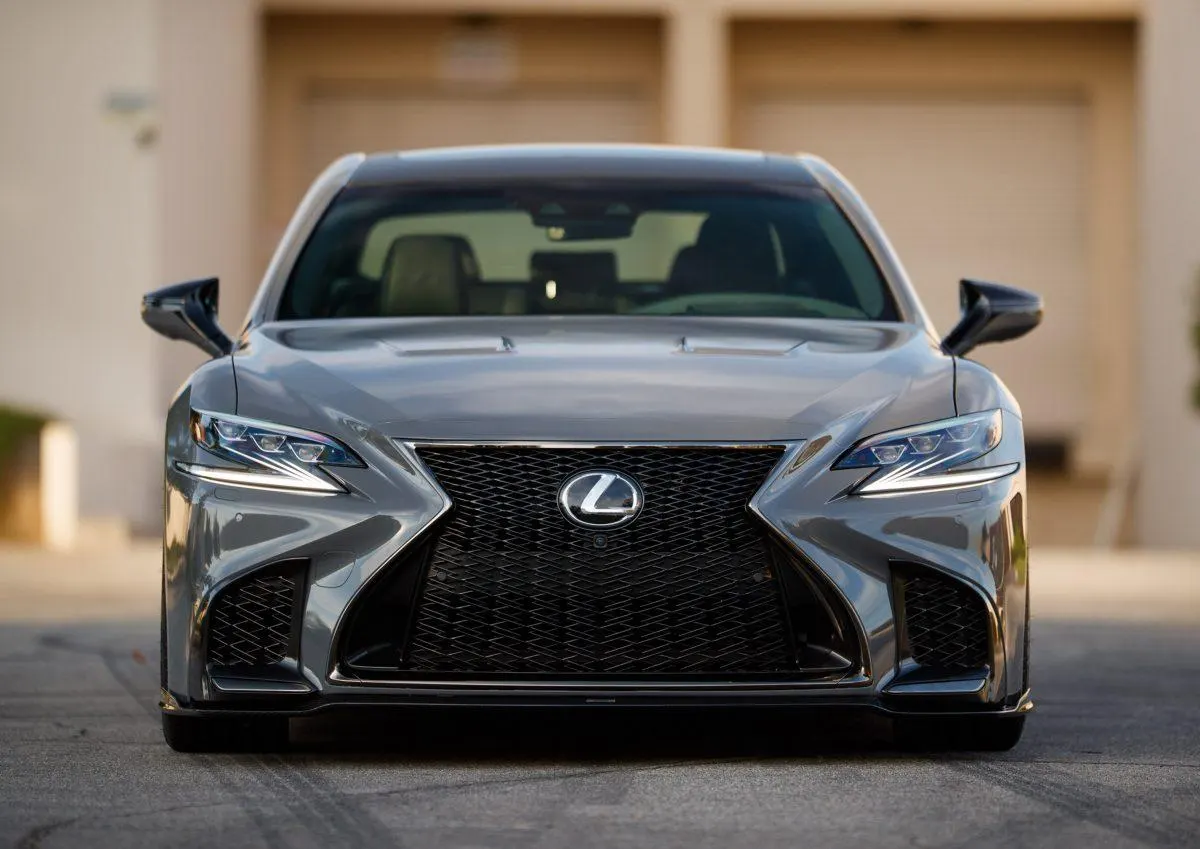
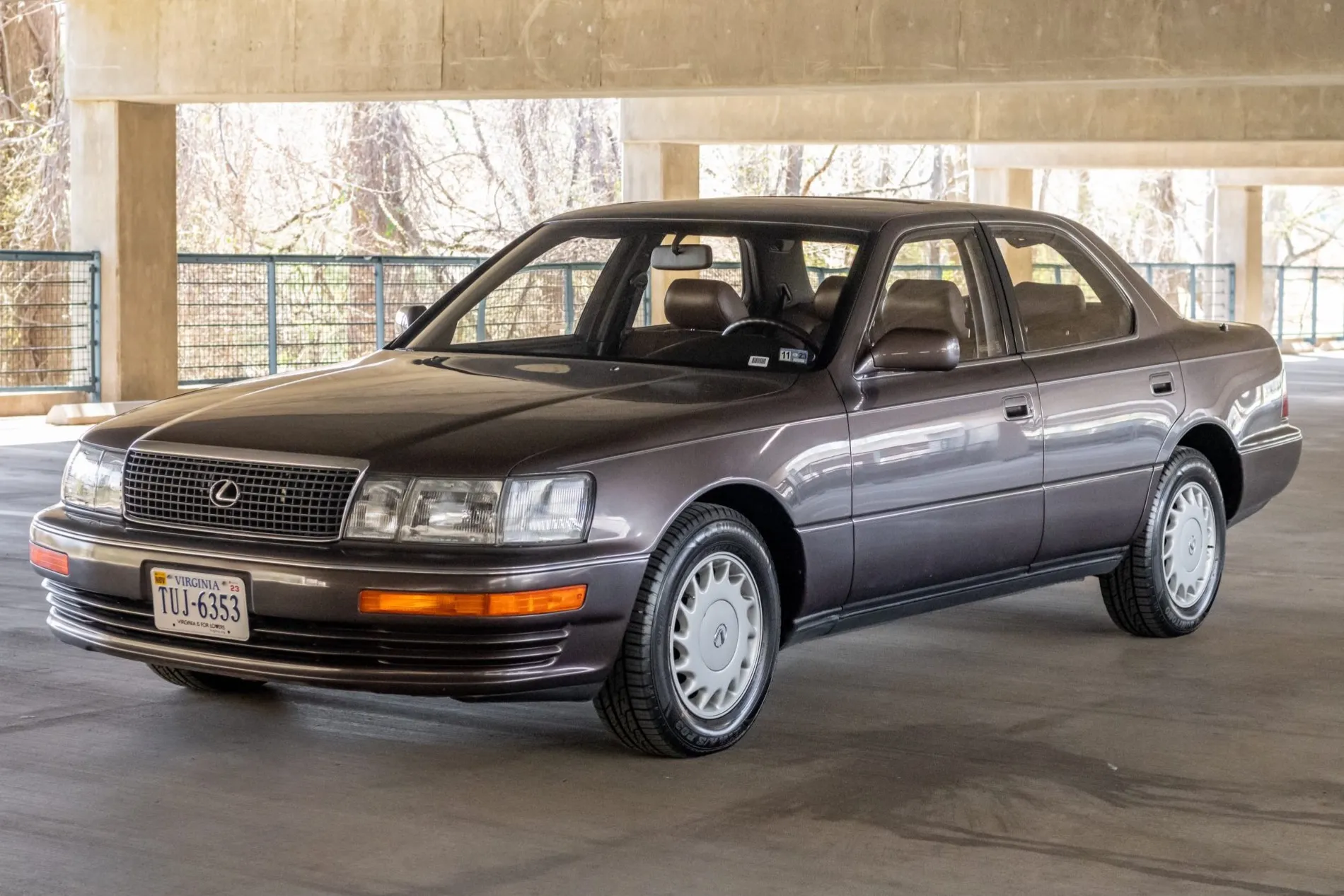
The Lexus LS 400, introduced by Toyota under its new Lexus brand in 1989, marked a revolutionary entry into the luxury car market. Tasked with competing against established European and American luxury sedans, Toyota launched the “Flagship” project in the early 1980s with virtually no budget limits.
The development team was extraordinary in scale and scope: 60 designers, 1,400 engineers divided into 24 units, and 2,500 supporting workers meticulously crafted every detail.
From testing 24 types of wood and multiple leather options to assigning a specialist to perfect the button damping, every element of the LS 400 was over-engineered. This attention to detail ensured that even decades later, well-maintained examples exude a premium feel.
Debuting in 1990, the first-generation LS 400 challenged preconceived notions about Japanese automakers, known primarily for reliable economy cars. Its styling was understated, reminiscent of the Mercedes W126, while the 4.0-liter V-8 engine produced 250 horsepower.
The interior offered warmth and luxury, contrasting sharply with the chrome-heavy American sedans or the austere German cabins. While not a driver’s thrill machine, the LS 400 impressed with its solid, dignified presence and exceptional build quality. Minor updates in 1993, including suspension and trim adjustments, further refined the car.
The LS underwent its first major redesign in 1995, extending the wheelbase by 1.4 inches to enhance rear-seat legroom.
The 1998 model introduced a mid-cycle refresh with updated styling, a new variable valve timing system boosting output to 290 horsepower, and a five-speed automatic transmission, improving 0-60 mph times by nearly 1.5 seconds. This version also debuted a GPS navigation system using CD-ROM maps.
The third generation, renamed LS430 in 2001, featured a 4.3-liter V-8 engine and new technologies such as adaptive cruise control and the LexusLink telematics system. Styling remained conservative but refined, and the model lineup expanded to include a sport-tuned Touring version.
By 2007, the LS460 brought a dramatically more aerodynamic design and a 4.6-liter V-8 with 380 horsepower. Long-wheelbase models offered an “executive” package with reclining seats, massaging functions, and folding tables.
Hybrid variants, LS600h and LS600hL, combined a 5.0-liter V-8 with Toyota’s Hybrid Synergy Drive, producing 438 horsepower. Subsequent updates introduced all-wheel drive, sport-tuned suspensions, and the F-Sport variant.
The fifth-generation LS500 (2018) switched to a twin-turbo 3.4-liter V-6 producing 415 horsepower, alongside a hybrid LS500h using a 3.5-liter V-6 with a Multi Stage Hybrid transmission simulating ten speeds. A 2021 facelift improved sound insulation, added minor styling changes, and replaced the difficult touchpad interface with a touchscreen.
The LS 400 transformed the American luxury market, forcing competitors to rethink design, quality, and customer experience. While not the most exciting car to drive, Lexus’ legendary reliability makes even high-mileage examples remarkably durable, with some exceeding one million miles.
Early models, particularly first-generation and limited editions like the Inspiration Series, hold the most potential for future collectibility. Buyers seeking low-mileage examples are best served by looking in rust-free retirement states such as Florida.
The Lexus LS 400 remains a landmark in automotive history: a quietly revolutionary luxury sedan that set new standards for build quality, refinement, and reliability.
2. Toyota Hilux
The Toyota Hilux has earned a reputation for near-indestructibility, famously demonstrated by Top Gear, which failed to “kill” a Hilux despite an entire season of abuse. While all Hilux models are known for their reliability, the sixth generation (1997–2004) is often considered the most robust.
It offered engines such as a 3.0-liter naturally aspirated diesel and the turbocharged 3.0-liter KZ-TE producing 123 horsepower and 218 lb-ft of torque. Combined with a strong ladder-frame chassis built to endure decades of heavy use, the Hilux established itself as a benchmark for toughness.
Replacement parts for these models are readily available worldwide, even in remote locations, enhancing their reputation for practicality and longevity.
Since its debut in 1968, the Hilux has become a global sales phenomenon, with over 27 million units sold. Outside the U.S., it is arguably the world’s best-selling pickup truck.
The Hilux has also proven itself in motorsport, winning the Dakar Rally four times (2019, 2022, 2023, and 2025). Its combination of dependability, ease of maintenance, and off-road prowess has made it a favorite among farmers, tradespeople, and adventurers alike.
To compete with modern lifestyle pickups like the Ford Ranger and VW Amarok, Toyota has updated the Hilux with more refined features. The latest models include larger, motorway-friendly engines, such as a 2.8-liter diesel, offering better performance on paved roads.
Higher-spec trims come equipped with heated leather seats, automatic gearboxes, touchscreen infotainment systems, LED lighting, and premium audio options.
Additional conveniences like panoramic cameras, dual-zone air conditioning, automatic service reminders, and remote diagnostics further enhance the Hilux’s appeal for urban and recreational drivers without compromising its workhorse nature.
The 2025 Hilux introduced a 48V mild hybrid system, which pairs a small electric motor and battery with the 2.8-liter diesel engine. This system improves fuel efficiency by around seven percent, smooths acceleration, and reduces idle emissions.
It adds 16 horsepower and 48 lb-ft of torque without changing the engine’s total power output. While it offers environmental benefits and slightly smoother performance, the hybrid does not transform the Hilux’s core driving dynamics.
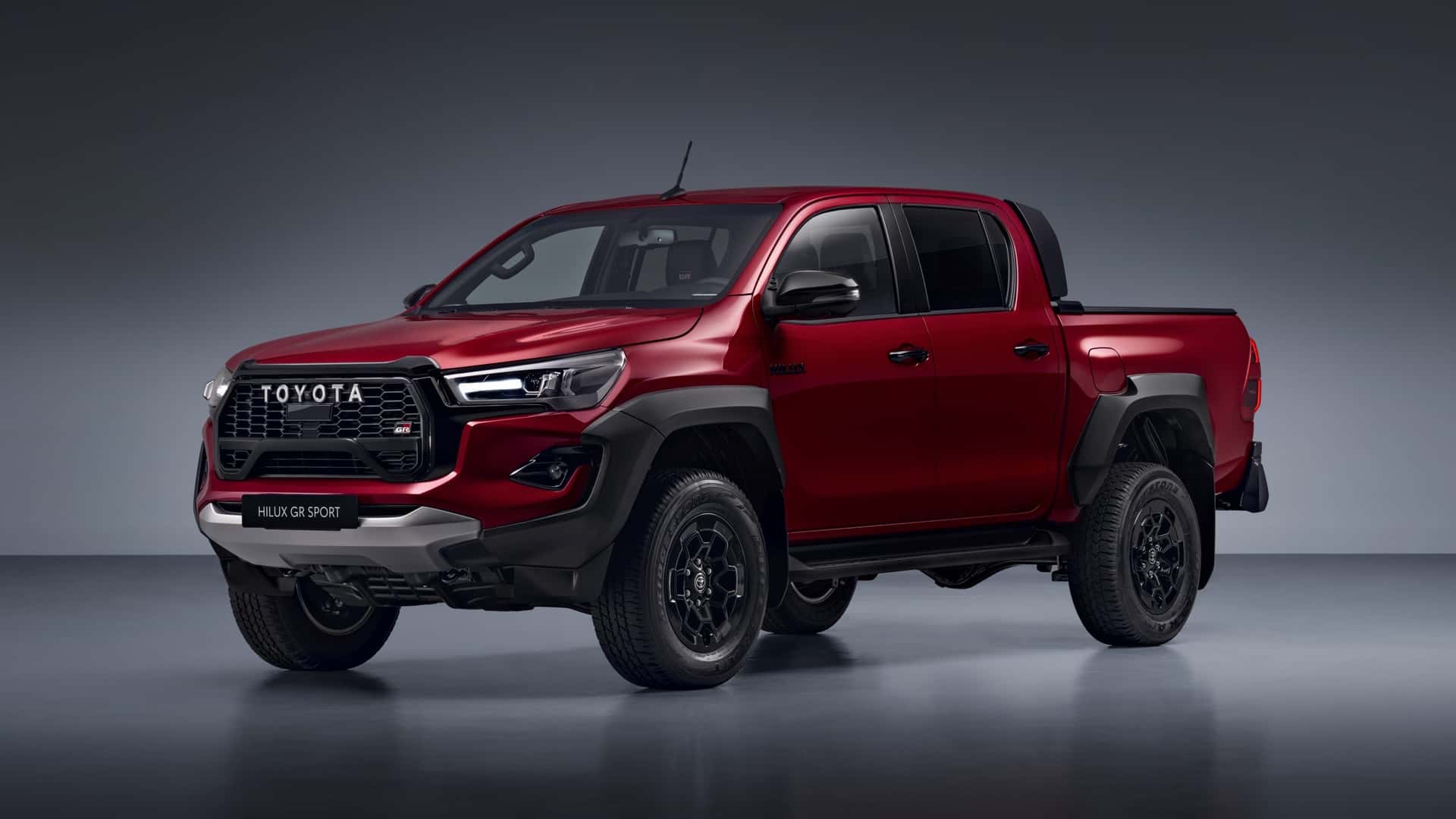
Toyota has also leveraged its Dakar success with sportier GR Sport versions. The GR Sport features upgraded suspension, shock absorbers, stiffer springs, all-terrain tires, and distinctive styling cues, including a black mesh grille and GR badging. Interior upgrades include leather sports seats and aluminium pedals.
The subsequent GR Sport II adds wider wheel arches, aerodynamic enhancements, retuned suspension, and improved braking for a slightly more refined on-road experience. Despite these sportier touches, the Hilux remains fundamentally a durable, no-nonsense truck.
The modern Hilux balances comfort and utility. Unlike older models tuned for heavy loads, current versions handle unladen driving smoothly, catering to lifestyle users while retaining the truck’s legendary resilience.
Despite technological upgrades and luxury touches, the Hilux remains a rugged, utilitarian vehicle. Its cabin prioritizes durability over finesse, reflecting its primary role as a reliable workhorse rather than a performance or luxury vehicle.
The Toyota Hilux continues to be a steadfast and practical pickup. Modern refinements have made it more comfortable and efficient without undermining its core values of durability and dependability.
The 2.8-liter engine is recommended for optimal performance, while hybrid technology offers minor efficiency gains. Above all, the Hilux remains a trusted partner for both work and adventure, a global icon of robustness and reliability.
3. Toyota Camry
The Toyota Camry has been a cornerstone of Toyota’s lineup since 1982, earning a reputation for simplicity, reliability, and practicality. Initially introduced as a compact, narrow-body sedan in Japan, it evolved into a mid-size vehicle by the 1990s to meet growing global demand.
Despite its size increase, the Camry retained its core formula: a transverse-mounted four- or six-cylinder engine, front-wheel-drive layout (with all-wheel drive added later), a spacious cabin for five passengers, and a large trunk.
This straightforward approach has made it one of the most dependable cars in history, consistently ranking among vehicles likely to exceed 250,000 miles.
The Camry began as a derivative of the Celica in Japan, known as the Celica Camry (1979–1982), before becoming an independent model with the V10 series in 1982. Early variants included liftback and sedan options, while the V20 series (1986) introduced station wagons and Japan-only hardtop sedans.
By 1991, the demand for larger models overseas led to the wide-body XV10 series, later marketed as the Toyota Scepter in Japan. The XV10 also spawned a coupé variant, which evolved into the Camry Solara in 1998.
Over time, Toyota introduced parallel narrow-body versions for the Japanese market, culminating with the V40 series in 1994. Eventually, the narrow-body and wide-body lines were unified by 1998, while the Vista model branched off until its discontinuation in 2003.
The Camry has been adapted worldwide, with regional variations to suit local tastes. In some markets, it was rebadged or modified, such as the Lexus ES in 1989, a luxury derivative of the Camry hardtop, and the Toyota Windom in Japan (1991–2005).
Other badge-engineered models include the Daihatsu Altis in Japan, the Holden Apollo in Australia, and the Toyota Aurion (2006–2017), based on the V6 Camry. These adaptations reflect the Camry’s flexibility as a global platform, accommodating different styling, engine options, and luxury features while retaining its core reliability.
The wide-body XV30 debuted in 2001 as a sedan-only model, featuring distinct regional styling variations. The XV40 (2006) and XV50 (2011–2019) series continued this trend, offering alternative designs in Japan, Eastern Europe, and Southeast Asia.
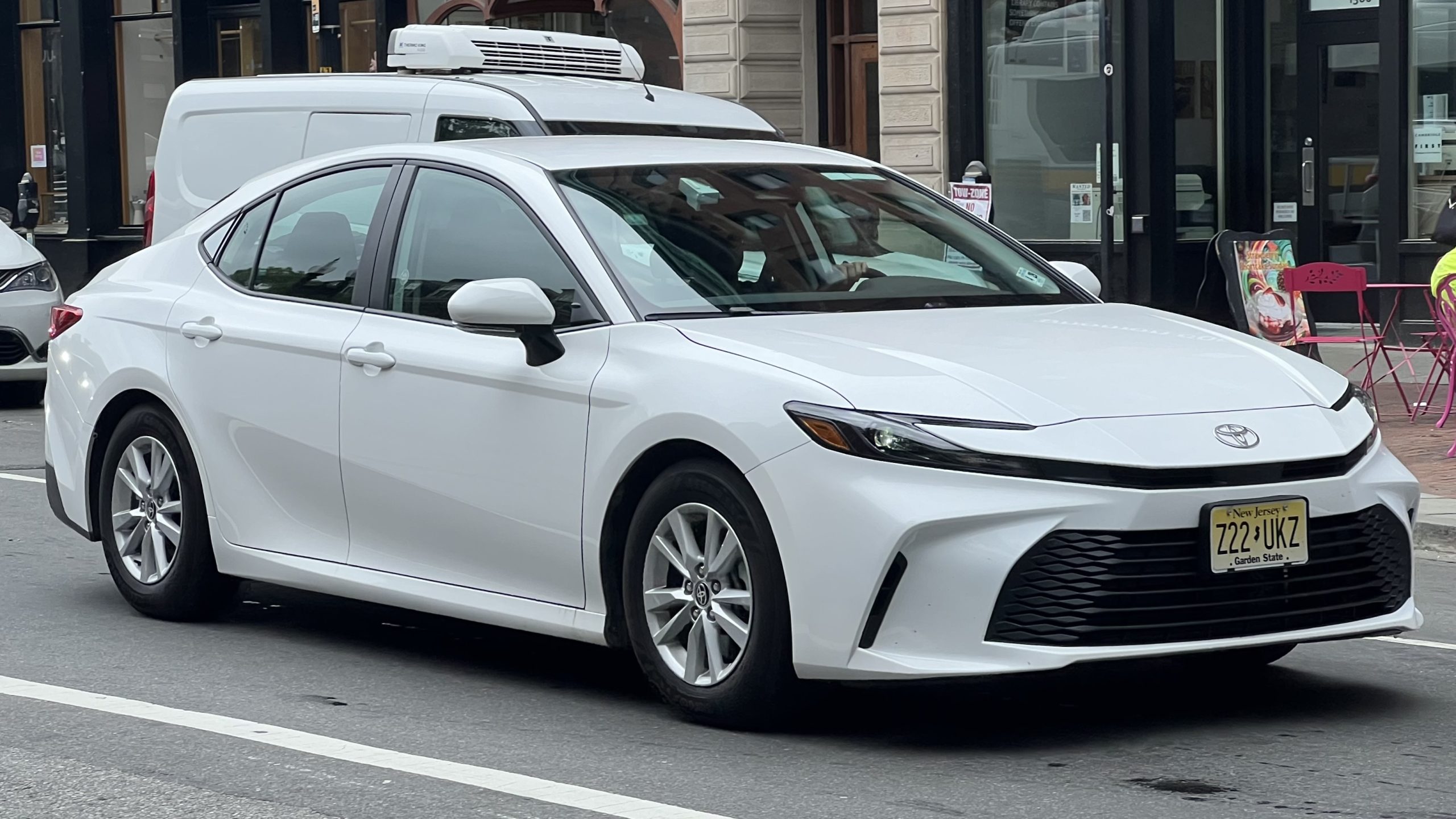
The current generation, XV70, represents Toyota’s continued emphasis on a spacious, efficient, and dependable mid-size sedan. Over the decades, Camry engines have remained simple and durable, with hybrid variants further improving fuel economy without compromising reliability.
The Camry has served as Toyota’s second “world car” after the Corolla, balancing global appeal with straightforward engineering. Its combination of reliability, comfort, and low maintenance costs has made it a favorite for families and fleet buyers alike.
After 43 years of production, Camry sales ended in Japan in late 2023 due to declining demand, though it remains a popular model worldwide.
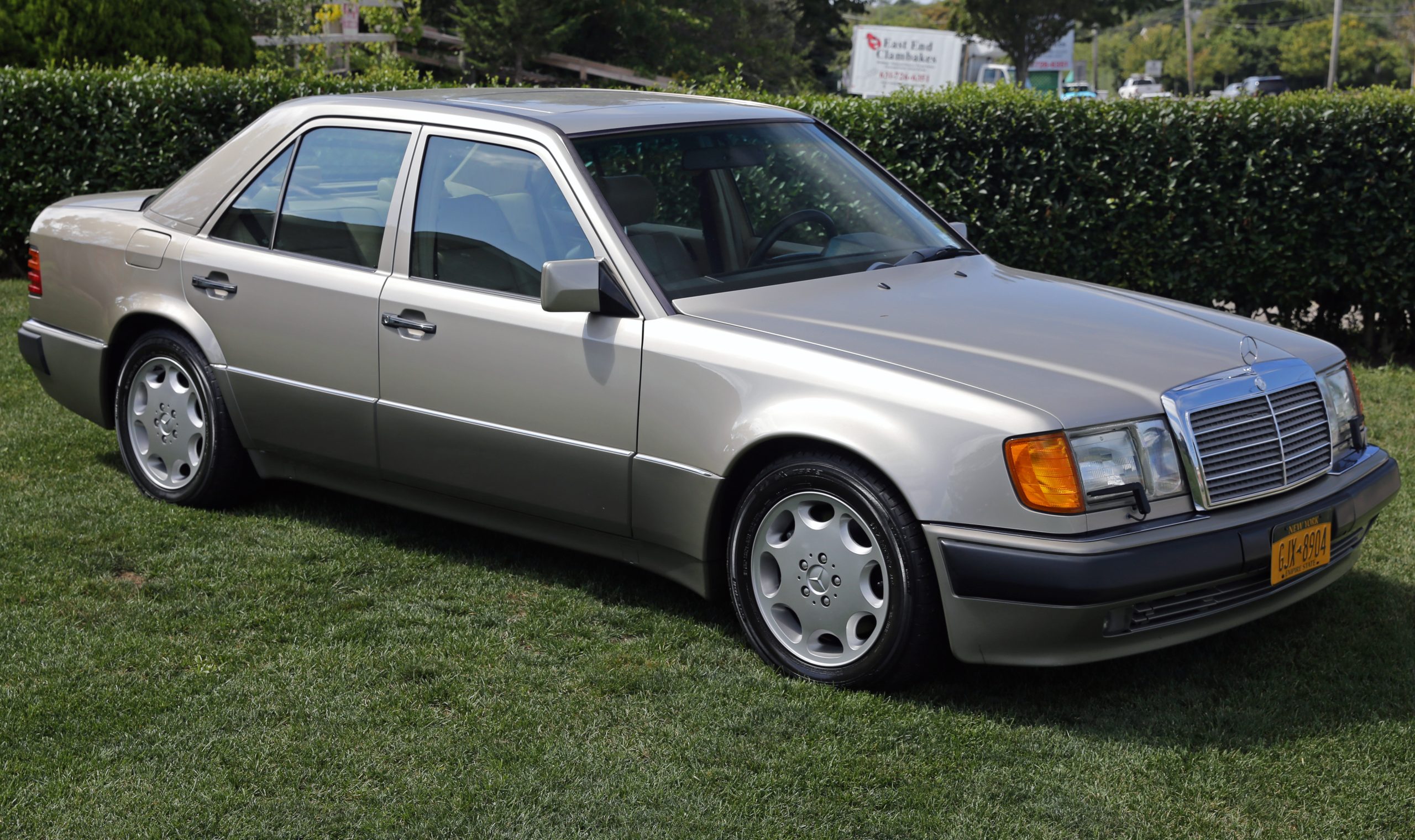
4. Mercedes-Benz E-Class (W124)
The Mercedes-Benz W124, produced between 1984 and 1995, represents a hallmark of German engineering from an era when Mercedes prioritized durability and precision. Although early W124s predate the official E-Class designation, they have earned a reputation as virtually indestructible vehicles.
Diesel engines, in particular, are renowned for longevity, and many examples have surpassed 500,000 miles with only routine maintenance. While models like the Porsche-developed 500 E (later E500) attract enthusiasts, the W124 remains a practical, reliable classic for everyday use.
The W124’s enduring appeal lies in its combination of robust engineering and Bruno Sacco’s sleek, modernist 1980s design. Underneath its aerodynamic bodywork, the W124 introduced innovations such as multi-link rear suspension, electronic safety systems (ABS, traction control), and advanced windscreen wipers, influencing automotive design for years to come.
The W124 series debuted in late 1984 with the four-door saloon, followed by the S124 estate in 1985, the C124 coupe in 1987, and the A124 cabriolet in 1991. All are commonly referred to under the W124 designation. The E-Class name officially arrived in 1993 alongside a facelift and new Mercedes naming conventions.
The original lineup included diesel engines (200 D, 250 D, 300 D) and petrol engines (200, 200 E, 260 E, 300 E), later updated with four-valve variants and turbo diesels. All-wheel drive (4Matic) was available in select markets from 1985.
After the 1993 facelift, Mercedes introduced smoother, more powerful four- and six-cylinder engines, along with design updates like smaller grilles, body-colored bumpers, and clear indicators.
Transmission options ranged from rare manual gearboxes to a reliable four-speed automatic, with later cars offering a five-speed automatic. Early engines are simple and durable when properly maintained, though six-cylinder and 24-valve versions are prone to oil leaks. Later engines remained robust but could suffer from wiring loom failures.
Despite conservative styling, the W124 is a surprisingly engaging driver’s car. While the recirculating ball steering is slower than modern standards, the multi-link rear suspension delivers excellent ride quality and handling.
Six-cylinder engines provide a balanced blend of performance and refinement, especially in coupes and cabriolets, whereas early AMG V8 “Hammers” offer raw power and excitement.
The Porsche-assembled 500 E/E500 combines understated styling with sports-car-level performance, providing Autobahn-worthy acceleration in a discreet package.
The W124’s interiors are simple but built to a very high standard. Prospective buyers should ensure that power windows, sunroofs, and air conditioning function correctly. Rust is a common concern, particularly post-1993 models using water-based paint.
Front wings, inner wings, crossmembers, jacking points, and rear subframe mounts are frequent trouble spots. Coupe and cabriolet models feature pillarless windows, which must operate smoothly, and cabriolet roofs, though robust, are complex and expensive to repair.
V8-engined AMG models are rare and highly desirable but require specialist maintenance. Lesser-known options, such as the E420 V8, are also collectible. Throughout the range, proper servicing ensures longevity and maintains the W124’s “they don’t build them like they used to” reputation.
The W124 E-Class exemplifies Mercedes-Benz’s peak era of engineering and design, combining durability, refinement, and understated elegance. From economical diesels to high-performance AMG and Porsche collaborations, the W124 offers an extensive range of options while maintaining legendary reliability.
Its comfortable ride, advanced suspension, and timeless styling make it both a practical classic and a rewarding driver’s car, securing its place in automotive history as a true modern classic.
5. Honda Civic
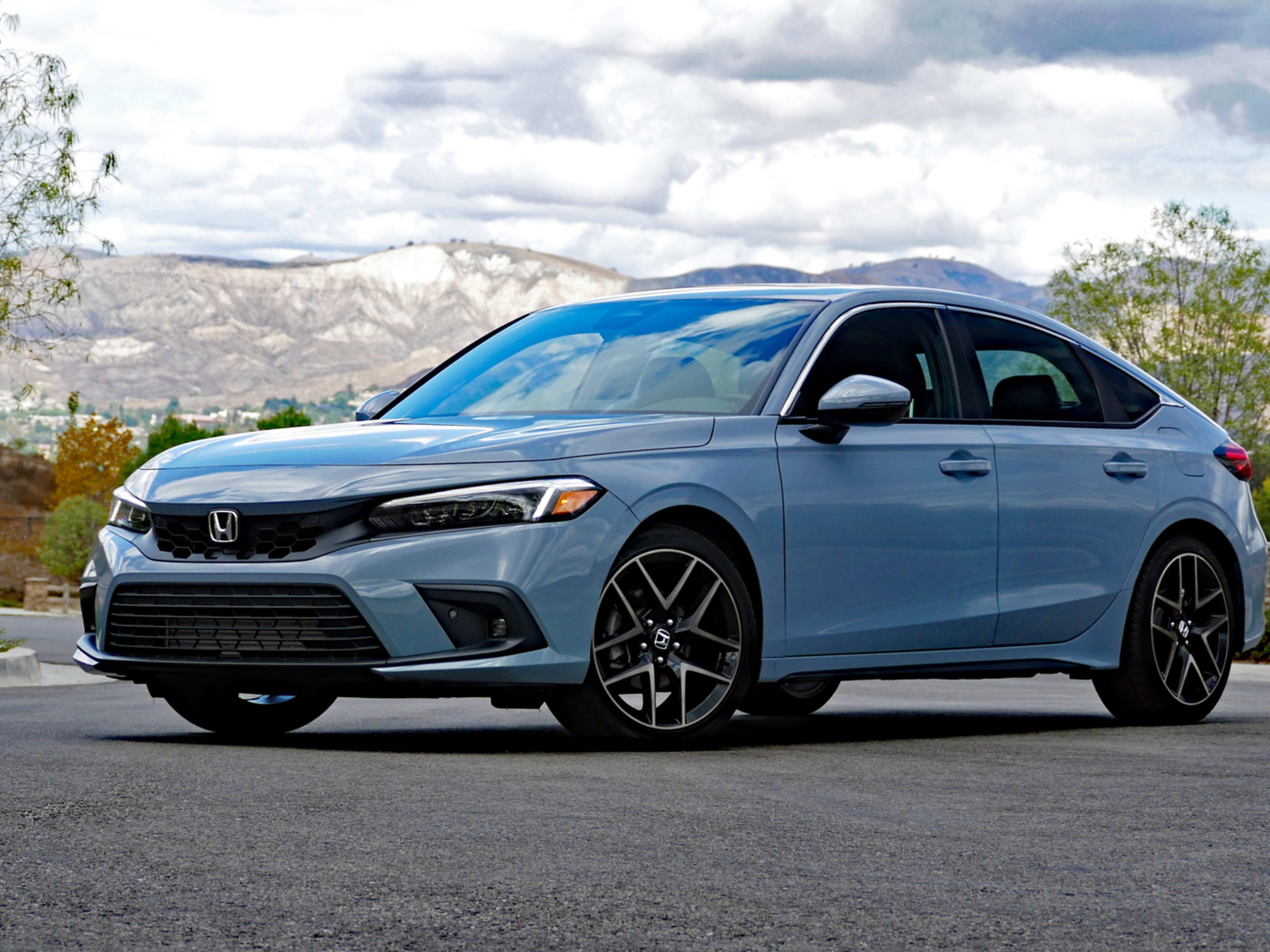
The Honda Civic, produced from 1972 to the present, is celebrated for its simplicity, durability, and thoughtful approach to ownership. Designed to be affordable yet long-lasting, the Civic established a new standard for reliability, making it a popular choice for first-time buyers and those on a budget.
Its enduring reputation is reinforced by Honda’s commitment to providing a steady supply of affordable replacement parts, ensuring maintenance is accessible and cost-effective.
Civics are well-known for their ability to exceed 200,000 miles when properly maintained. Both early and later models, including the performance-oriented Type R variants, benefit from strong engineering and high-quality components, which minimize mechanical issues over time.
The Civic’s efficient fuel consumption and practical design further enhance its appeal as a dependable daily driver.
The vehicle’s reliability stems from its careful engineering, durable materials, and Honda’s long-standing reputation for producing dependable cars. Repairs and upkeep are generally inexpensive, which contributes to the Civic’s status as a cost-effective choice for long-term ownership.
However, some model years have experienced isolated problems. For example, early 10th-generation Civics produced between 2016 and 2018 with the 1.5L turbo engine faced oil dilution issues in colder climates. Longevity and performance depend on regular maintenance, careful driving habits, and selecting well-regarded model years.
The Honda Civic remains a benchmark for affordability, reliability, and practicality. With consistent care and attention, Civics provide decades of service, combining strong fuel efficiency with low ownership costs.
Choosing a proven model year and maintaining it properly ensures a dependable vehicle that can meet the demands of daily driving while offering the reassurance of Honda’s legendary engineering quality.
Also Read: 5 Lexus Models With Bulletproof Reliability vs 5 With Unexpected Issues
6. Subaru Legacy
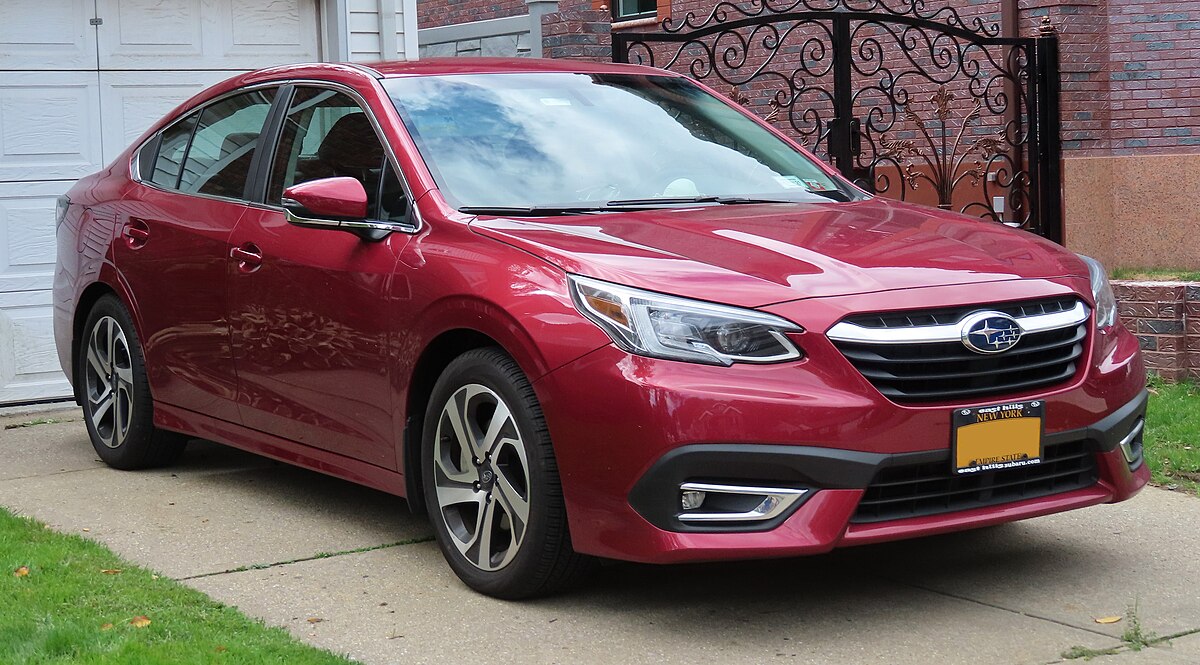
The Subaru Legacy, produced from 1989 to the present, is an often underrated midsize sedan that combines practicality, reliability, and driving enjoyment.
While overshadowed by Subaru’s more performance-focused models, the Legacy offers a spacious interior, a comfortable ride, and the brand’s signature all-wheel-drive system as standard. Its robust engineering and thoughtful design make it a dependable option for families and long-term ownership.
The fourth-generation Legacy is widely regarded as a high point for the model. Available with a 3.0-liter flat-six producing 245 horsepower and 215 lb-ft of torque, it provided both power and refinement.
Subaru, in collaboration with Prodrive, also enhanced the responsiveness of its automatic gearboxes during this era, adding to the car’s engaging driving dynamics.
However, later models have been criticized for the introduction of CVT transmissions and a move toward more anonymous styling, which some enthusiasts feel diminished the character and excitement of the vehicle.
In general, the Legacy is considered durable, with high resale value reflecting its reputation for longevity and reliability. Most model years perform well, but certain generations have experienced specific issues.
Infotainment glitches, such as screens freezing, affect some newer models, while older models have faced headlight problems, oxygen sensor failures, and occasional excessive engine oil consumption.
Proper maintenance is key to avoiding these issues, particularly timely oil changes and regular timing belt replacements on older models to prevent engine damage.
The Subaru Legacy strikes a balance between practicality and driving enjoyment. Its standard all-wheel drive, solid construction, and spacious interior make it a versatile and reliable choice.
By selecting well-regarded model years and adhering to regular maintenance schedules, owners can enjoy the Legacy’s durability, high resale value, and dependable performance over many years.
7. Chevrolet Suburban
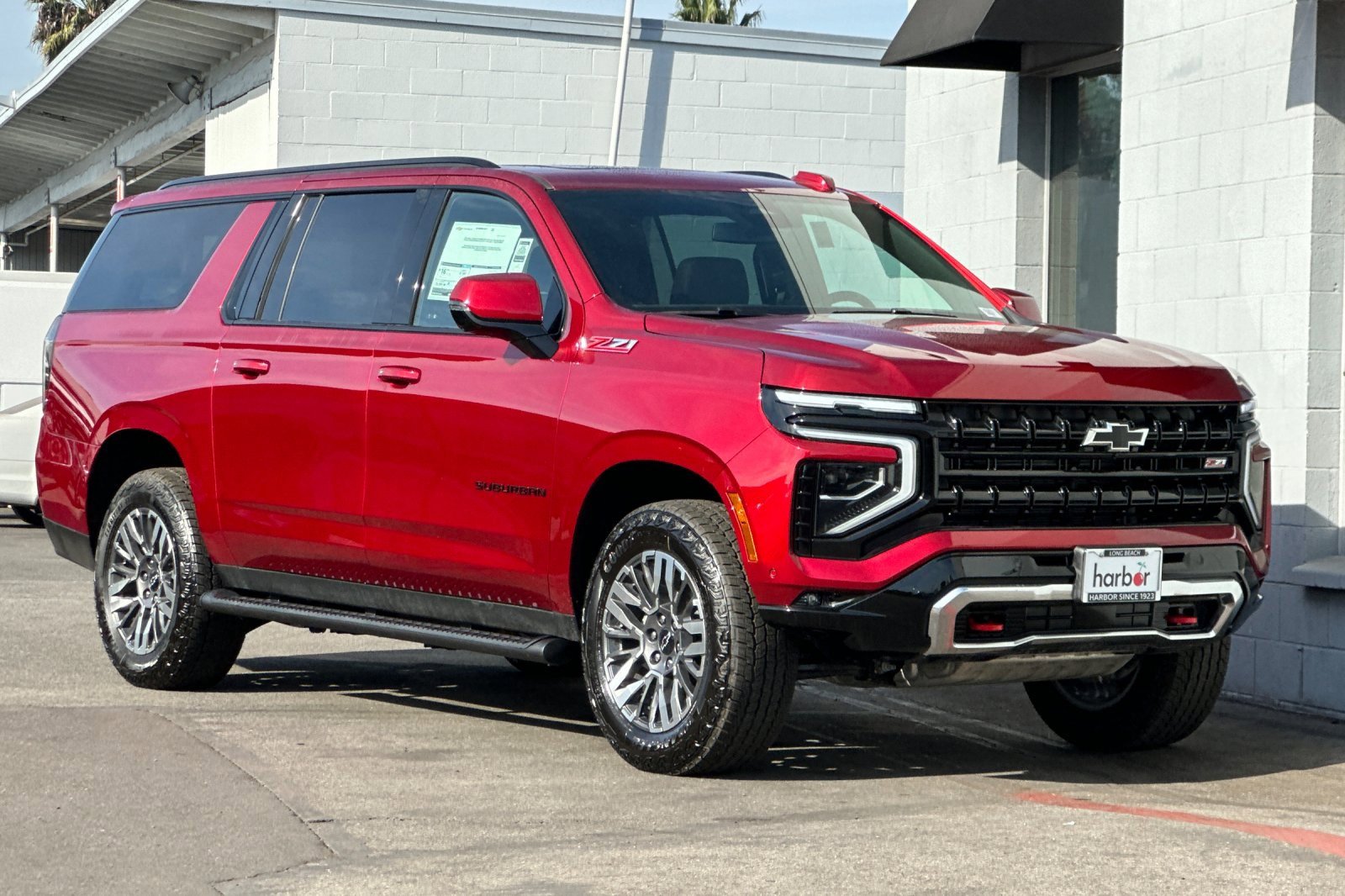
The Chevrolet Suburban, in continuous production since 1935, holds the distinction of being the longest-running nameplate in U.S. automotive history.
Known for its massive size, exceptional cargo and passenger capacity, and impressive towing abilities, the Suburban has long been a favorite for buyers needing more space and capability than a typical three-row crossover can provide.
While early model years of each generation often face reliability issues, the final year of a generation frequently proves far more dependable, making it a key consideration for prospective owners.
For example, the 2006 Suburban, a prelude to the tenth generation, received only four complaints from owners, whereas the first year of the new generation spiked to 353 complaints.
The Suburban has evolved significantly over the years, maintaining a reputation for robustness while adding modern comforts and technology. Currently in its twelfth generation, it shares its platform with the Chevrolet Tahoe but offers greater length and interior capacity.
Recent updates include a major refresh for the 2025 model year, which introduces a new infotainment system with a 17.7-inch touchscreen, integrated Google Maps, and Google Assistant.
Advanced safety features such as a 360-degree camera, rear cross-traffic automatic braking, adaptive cruise control, and an automatic parking system are now standard, with GM’s Super Cruise hands-free driver assist available on all trims except the base LS and Z71.
Additionally, the optional turbodiesel inline-six gains extra horsepower and torque, and the Suburban offers powerful V8 engine options for those requiring maximum performance.
On the road, the Suburban delivers smooth and confident handling despite its size. Equipped with the 6.2-liter V8 and a 10-speed automatic transmission, it can accelerate from 0 to 60 mph in 6.7 seconds.
Braking performance is excellent, with the vehicle stopping from 60 mph in just 122 feet. Its independent rear suspension, along with optional Magnetic Ride Control and adaptive air suspension, significantly improves ride comfort compared to older solid-axle designs, smoothing out road imperfections and enhancing passenger comfort.
Nevertheless, the Suburban’s truck-based architecture remains evident, and it can feel heavy or less nimble on curvy roads. Steering feedback is muted, favoring straight-line stability, which is particularly useful for towing.
Inside, the Suburban is spacious and practical, offering generous headroom and legroom in all three rows. While front seats are wide and feature optional power lumbar adjustments, some find them relatively flat and less supportive over long drives.
The climate control system works hard to maintain comfort, but some occupants may notice inconsistencies in temperature regulation.
Access to all three rows is straightforward thanks to large door openings, and the high driving position provides commanding visibility over the massive hood, though thick roof pillars contribute to blind spots.
The Chevrolet Suburban blends utility, space, and capability with modern technology and safety. By selecting a well-regarded final-year model of a generation and equipping it with upgraded suspension or powertrain options, owners can enjoy a reliable, comfortable, and highly capable full-size SUV suited for both daily driving and heavy-duty hauling.
8. Volkswagen Beetle
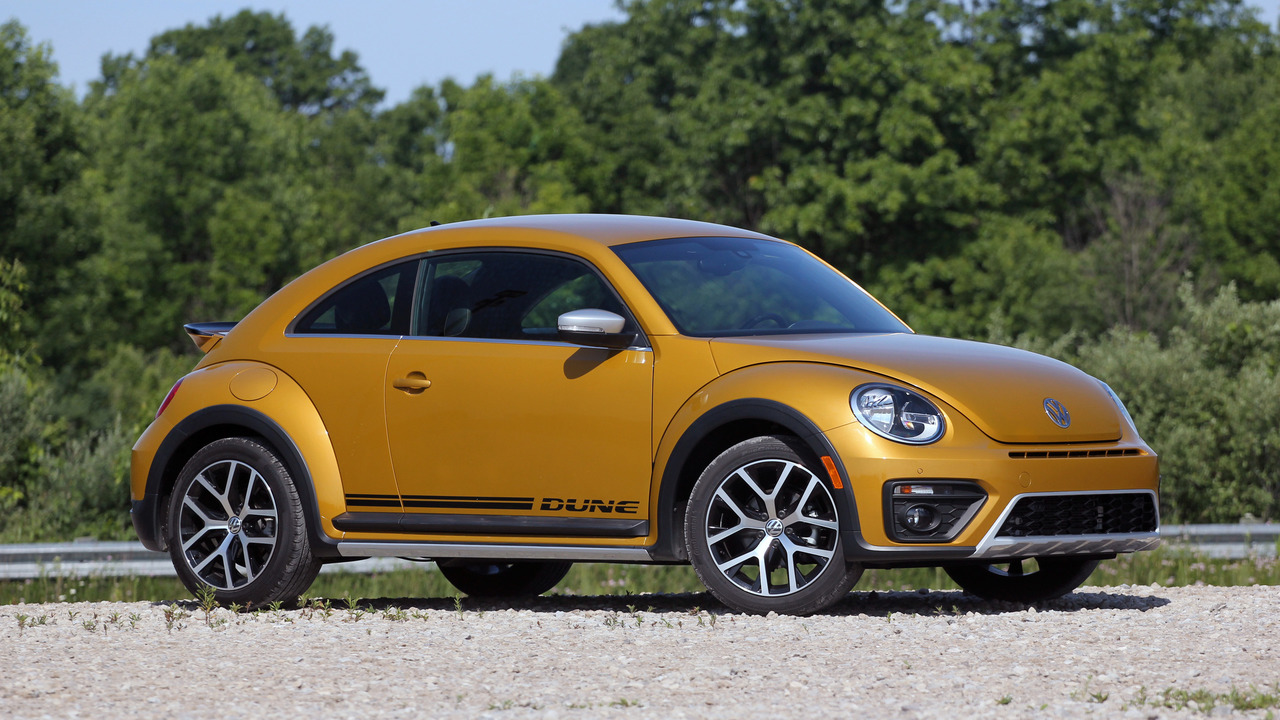
The Volkswagen Beetle, produced from 1938 to 2019, is one of the most iconic and longest-running cars in automotive history.
Originally designed under Hitler’s regime, its legacy was transformed after World War II by British Major Ivan Hirst, who recognized the vehicle’s potential and revived production at the bombed-out Wolfsburg factory.
Over its long production run, the Beetle became a symbol of peace and accessibility, with more than 23 million units sold worldwide. Its simple air-cooled flat-four engine, robust construction, and readily available parts have contributed to its enduring appeal, particularly among young drivers and first-time car buyers.
The Beetle is generally considered reliable, earning above-average ratings from sources such as RepairPal and Cars.com. With proper maintenance, many Beetles can last well over a decade, offering a durable and dependable driving experience. However, reliability varies by model year.
Some early “New Beetle” models experienced issues, while later years, such as the 2017 model, are noted for improved dependability. Consistent upkeep, including routine servicing and timely repairs, is crucial to maximizing the car’s lifespan.
Common problems with the Beetle include faulty power locks and windows, ignition coil failures, and occasional engine misfires. Older models may also face electrical issues, such as condensation in lights or malfunctioning door and hood mechanisms.
Air conditioning performance is important due to the Beetle’s large windows, especially in warmer climates.
For those considering a used Beetle, it is essential to research specific model years, verify that any recalls have been addressed, and review maintenance records. A professional pre-purchase inspection can identify potential issues before buying.
The Volkswagen Beetle combines cultural significance, simple engineering, and dependable performance, making it a beloved classic for drivers seeking both character and reliability.
9. Citroën 2CV
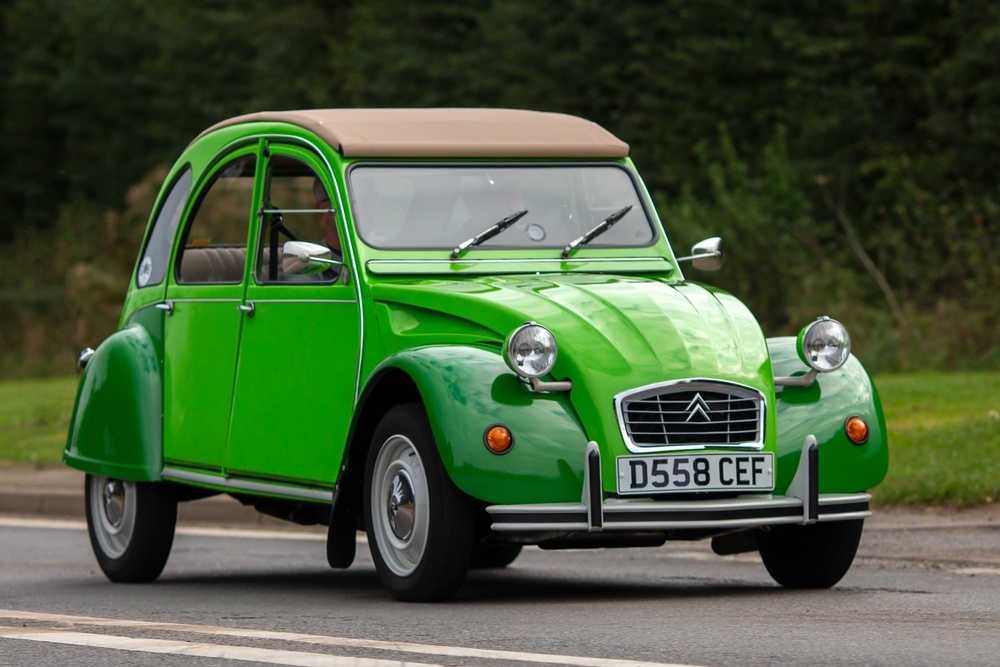
The Citroën 2CV, produced between 1948 and 1990, is a legendary example of practical, thoughtful, and inventive automotive design.
Conceived by Pierre Boulanger in the late 1930s, the 2CV was intended to be a simple, affordable, and rugged vehicle capable of carrying four passengers and 50 kilograms of goods across unpaved roads at 30 mph.
Its most famous design requirement, transporting a basket of eggs across a ploughed field without breaking them, highlights the clever engineering and attention to real-world utility that defined the car.
Even with its modest air-cooled two-cylinder engine, the 2CV met these specifications, evolving over time to a more powerful 602cc flat-twin producing 33 horsepower by the 1970s.
The 2CV’s simplicity is key to its enduring appeal. The engine, transmission, and suspension were all designed to be serviceable at home. Its ladder chassis, built from steel tubing and bolt-on panels, made repairs straightforward and reduced rust issues compared to monocoque designs of the era.
The suspension system was innovative for its time, linking front and rear wheels to maintain stability and softness over rough terrain. This design also meant the car could corner with surprising agility despite its minimal power, and the long-travel suspension contributed to its legendary ability to transport delicate loads safely.
A narrow track and soft suspension made rolling over nearly impossible, giving the 2CV remarkable stability for such a lightweight vehicle.
Over its 42-year production run, the 2CV built a devoted following. Its charm lies not in speed or luxury but in ingenuity and character.
While the car’s top speed never exceeded modest levels, and acceleration could take nearly a minute to reach 40 mph in early models, enthusiasts appreciated its practical, clever, and almost whimsical engineering.
Beyond standard models, Citroën also produced specialized variants, such as the 2CV Sahara, which featured two engines, two gearboxes, and twin fuel tanks to handle rugged off-road conditions.
Culturally, the 2CV is iconic. It became a symbol of accessible mobility, particularly in postwar Europe, and continues to be celebrated for its quirky design, functionality, and historical significance.
Boulanger’s commitment to protecting his designs during the Nazi occupation of France, hiding prototypes, sabotaging transport, and frustrating German efforts to seize the car adds a layer of historical intrigue to its story.
The 2CV’s practicality and simple mechanics mean that even today, a restored or well-maintained example can be enjoyed without major expense, though rarer models such as the Sahara command higher prices among collectors.
The Citroën 2CV combines ingenious engineering, simplicity, and charm. It was never about speed or luxury but about intelligent design that addressed real-world needs. From its innovative suspension to serviceable air-cooled engine and practical construction, the 2CV remains a symbol of creativity in automotive history.
Its decades-long production, cult following, and influence on small car design make it an enduring classic, celebrated for character, reliability, and clever problem-solving rather than raw performance.
10. Mazda MX-5 Miata
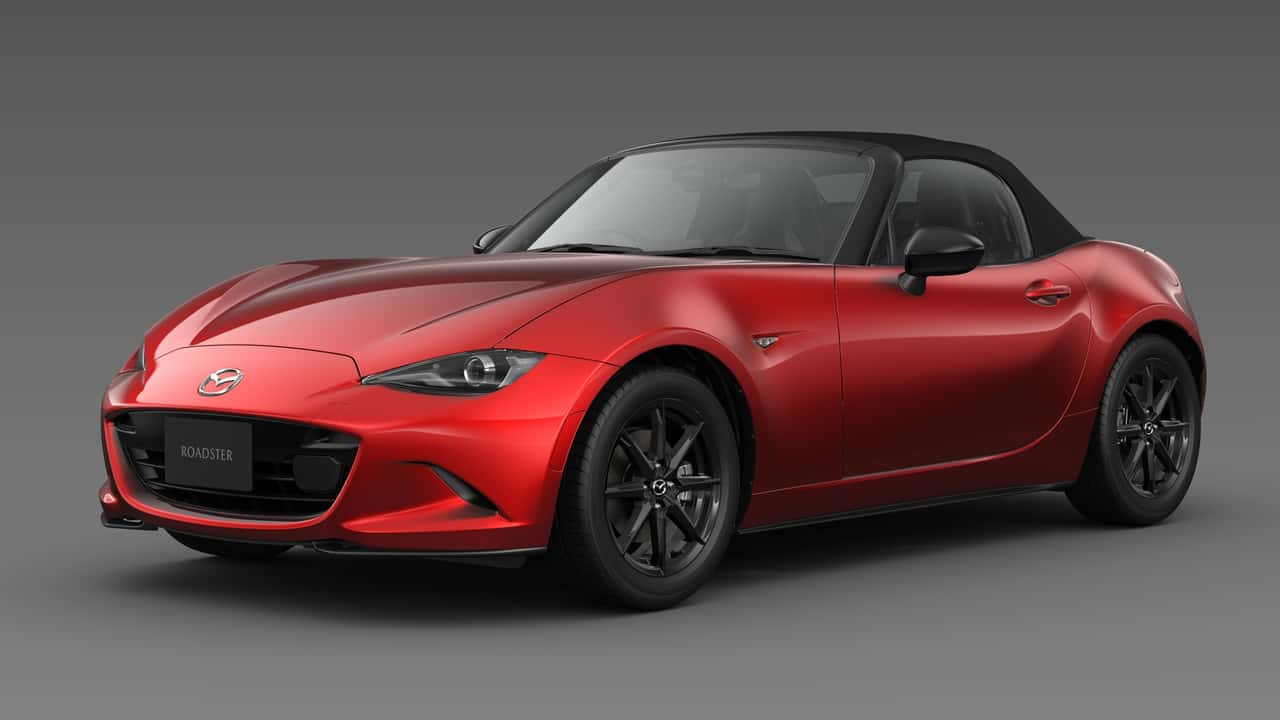
The Mazda MX-5 Miata, produced from 1989 to the present, is widely regarded as one of the most reliable and enjoyable sports cars ever built.
Its combination of lightweight design, straightforward engineering, and efficient engines has allowed it to earn a reputation for durability and low maintenance costs, making it a practical choice for enthusiasts who want a fun, affordable vehicle.
While other sports cars, such as the Honda S2000, have become prohibitively expensive due to rarity, the Miata remains accessible without compromising on reliability.
Early first-generation (NA) models demonstrated remarkable sturdiness, with many owners reporting minimal issues even beyond 200,000 miles. Replacement of basic components like the radiator or exhaust system is often the only major maintenance required, and parts are inexpensive and easy to source.
Later generations, particularly the NC and ND models, continued this trend, benefitting from improved build quality and refinement while maintaining the core attributes that make the Miata both enjoyable to drive and low-cost to maintain.
Several factors contribute to the Miata’s enduring reliability. Its simple design and lightweight components reduce wear and tear and make the car easier to service.
The engines, small but efficient, are capable of exceeding 200,000 miles when properly maintained, and repair costs are lower than most other vehicles in the sports car segment. These qualities make the Miata a practical choice for enthusiasts who want a hands-on experience with maintenance or tuning without facing exorbitant costs.
However, certain model years have specific issues to be aware of. Early NA models can develop rust, especially if used in harsh climates or poorly maintained.
Retracting headlights on some early models and soft-top wear, including brittle plastic rear windows, are common concerns. Later models, such as the 1999, 2000, and 2006 vehicles, have occasionally experienced brake or radiator problems.
Despite these isolated issues, consistent adherence to maintenance schedules, including oil changes, tire rotations, and inspection of the soft top, ensures that a Miata remains dependable for decades.
For prospective buyers, it is important to research the specific model year and review maintenance history, particularly for older NA-generation cars. Ensuring the vehicle has been cared for properly and checking for rust or worn components will help maintain the Miata’s legendary reliability.
The Mazda MX-5 Miata remains a lightweight, fun, and remarkably durable sports car, offering drivers a cost-effective, long-lasting, and thoroughly enjoyable automotive experience.
Longevity in a car, much like in life, requires foresight, care, and a bit of luck. The vehicles on this list have shown that smart engineering, robust materials, and timeless design can transcend fleeting trends, offering owners decades of dependable service.
From family sedans like the Toyota Camry and Subaru Legacy to adventurous workhorses like the Chevrolet Suburban and Toyota Hilux, each car proves that resilience comes in many forms.
Even quirky classics like the Citroën 2CV and iconic fun machines like the Mazda MX-5 Miata remind us that durability need not sacrifice character or joy.
In celebrating these ten remarkable cars, we honor the idea that some things, whether engines, chassis, or spirits, truly can endure longer than most marriages, leaving a lasting legacy for generations of drivers to appreciate.
Also Read:5 Subaru Models That Handle Mileage Well vs 5 That Don’t
