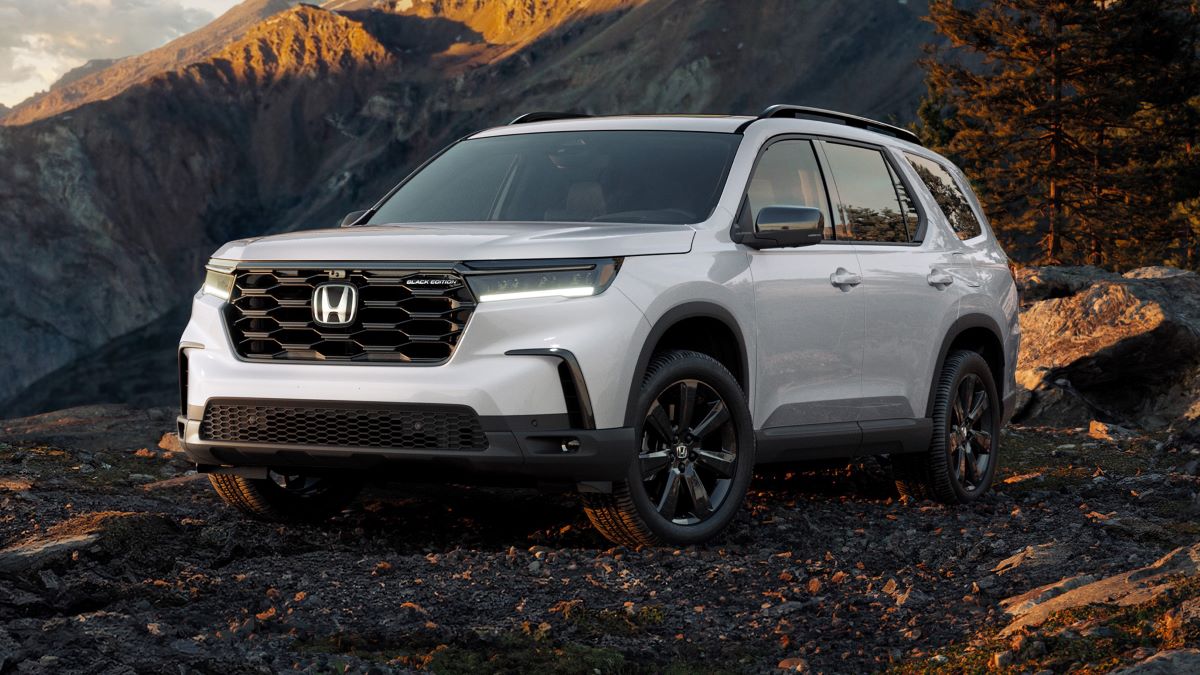
When it comes to owning an SUV in the United States, one of the biggest concerns buyers have is reliability. After all, many families, commuters, and outdoor enthusiasts rely on their SUVs not just for daily driving but also for long road trips, hauling gear, and sometimes even towing.
And while things like engine longevity, fuel efficiency, and safety features matter a great deal, transmission reliability is one area that can make or break the ownership experience.
A failing transmission can cost thousands of dollars to repair or replace, sometimes making it more expensive than the vehicle is worth.
That’s why savvy SUV buyers often pay close attention to brands and models known for durable drivetrains that require minimal transmission work throughout their lifespans.
While no vehicle is completely immune to wear and tear, some SUVs consistently prove themselves capable of hitting high mileage with little more than routine fluid changes.
Here are 10 SUVs that rarely need transmission work, based on real-world reliability reports, owner experiences, and expert analysis.
1. Toyota 4Runner
The Toyota 4Runner is practically legendary in the U.S. for its rugged build quality and mechanical simplicity. Its body-on-frame design, paired with a tried-and-true five-speed automatic transmission, makes it one of the most dependable SUVs on the market.
Unlike newer SUVs that often come with complex dual-clutch systems or CVTs, the 4Runner keeps things traditional and proven.
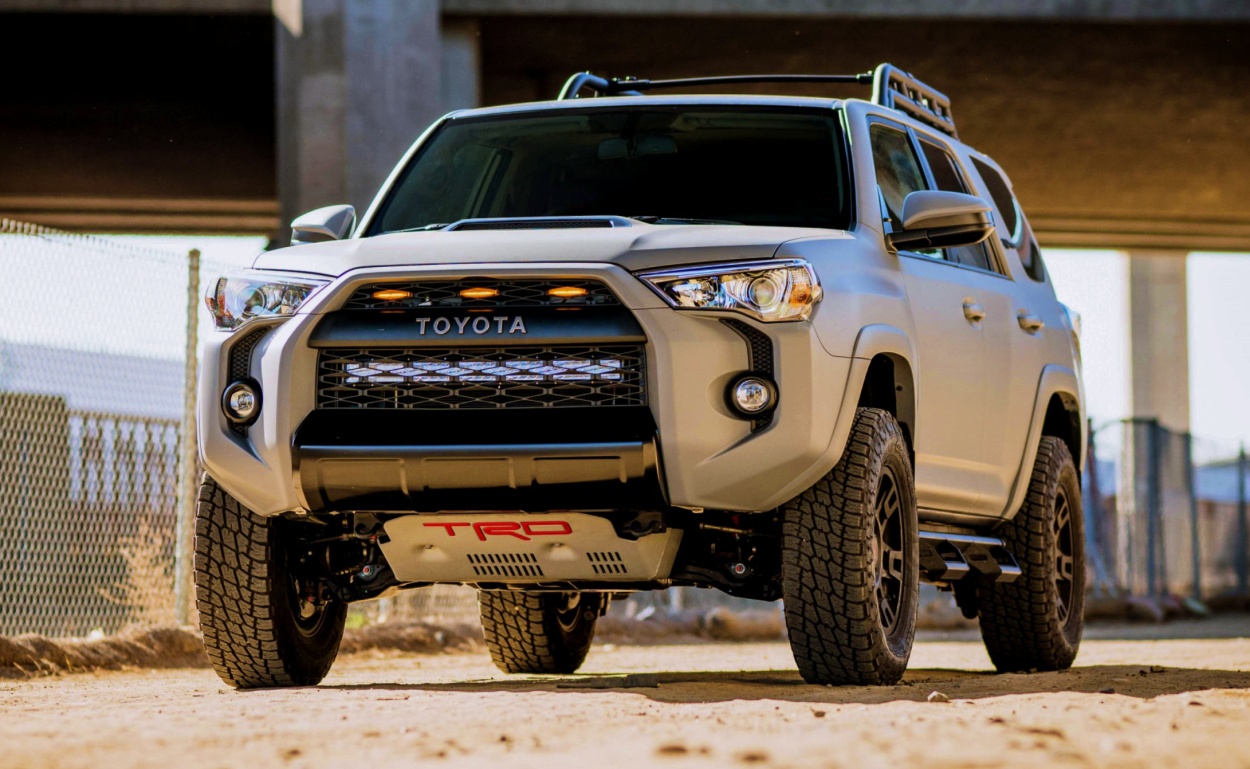
Owners routinely report going past 250,000 miles without major transmission repairs, provided they stick to fluid changes. This reliability is a big reason why resale values for used 4Runners are so strong.
2. Honda Pilot
The Honda Pilot has become a favorite among American families for its spacious three-row seating and long-term dependability. While early 2000s Pilots had some transmission issues, Honda worked hard to address those problems.
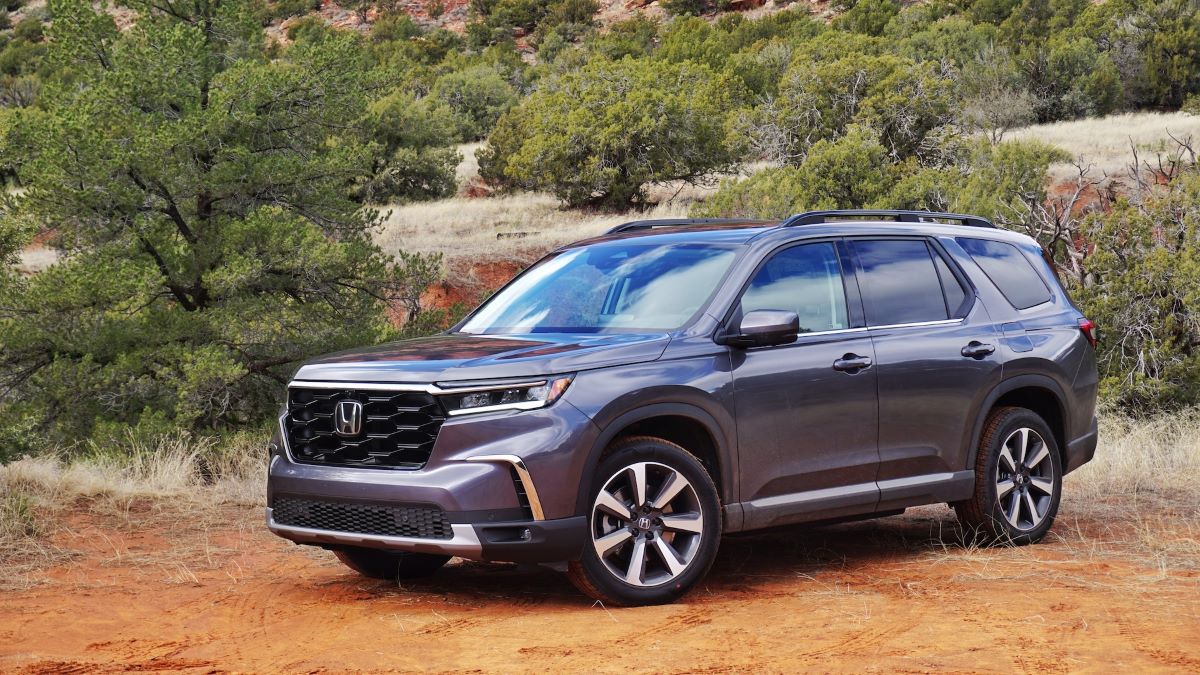
Modern Pilots use a well-engineered automatic transmission that balances smooth performance with durability. Many Pilots on the road today have surpassed 200,000 miles with minimal transmission issues, making it a solid bet for anyone seeking peace of mind.
The 2025 Honda Pilot manages to do a lot of things well, offering a nimble driving experience with a composed ride and strong, confident braking. Its steering is light, which makes it easy to maneuver in tight spaces, but drivers who prefer a heavier, more engaging feel may find it a little lacking.
Power comes from a 3.5-liter V6 that produces 285 horsepower and 262 pound-feet of torque, paired with a 10-speed automatic transmission. Front-wheel drive is standard, with all-wheel drive available. Acceleration from a stop isn’t especially quick, but the engine and transmission work together smoothly on the highway, even though the gearbox can feel a bit too sensitive in city driving.
Fuel economy is slightly below average for the segment. The front-wheel-drive Pilot returns an EPA-estimated 19 mpg in the city and 27 mpg on the highway, while all-wheel-drive models achieve 19 mpg city and 25 mpg highway. The TrailSport trim is the least efficient at 18/23 mpg. Inside, the Pilot provides a spacious, well-built cabin with seating for seven or eight, depending on configuration.
There are plenty of hard plastics, which might disappoint some buyers expecting a more upscale feel, but their durability will appeal to families. Adults have ample space in the first two rows, though seat cushions could be more supportive, and while the third row can fit adults, it’s best suited for kids.
Cargo space is one of the Pilot’s strengths, offering 18.6 cubic feet behind the third row, 48.5 cubic feet with it folded, and up to 87 cubic feet with both the second and third rows down. A manual liftgate is standard, with power and hands-free power liftgates available.
From a value standpoint, the 2025 Pilot sits about average for its class when factoring in MSRP and long-term ownership costs. Safety is an area where the SUV shines, earning strong crash-test ratings from both the IIHS and NHTSA.
Standard driver-assistance features include lane-keep assist and forward collision warning. For child seats, the Pilot provides up to four complete LATCH sets, along with tether anchors for the third-row middle and driver’s side seats.
3. Lexus GX
Luxury SUVs aren’t always known for being bulletproof, but the Lexus GX is an exception. Based on the same platform as the Toyota Land Cruiser Prado (sold overseas), the GX benefits from Toyota’s commitment to reliability while adding premium features.
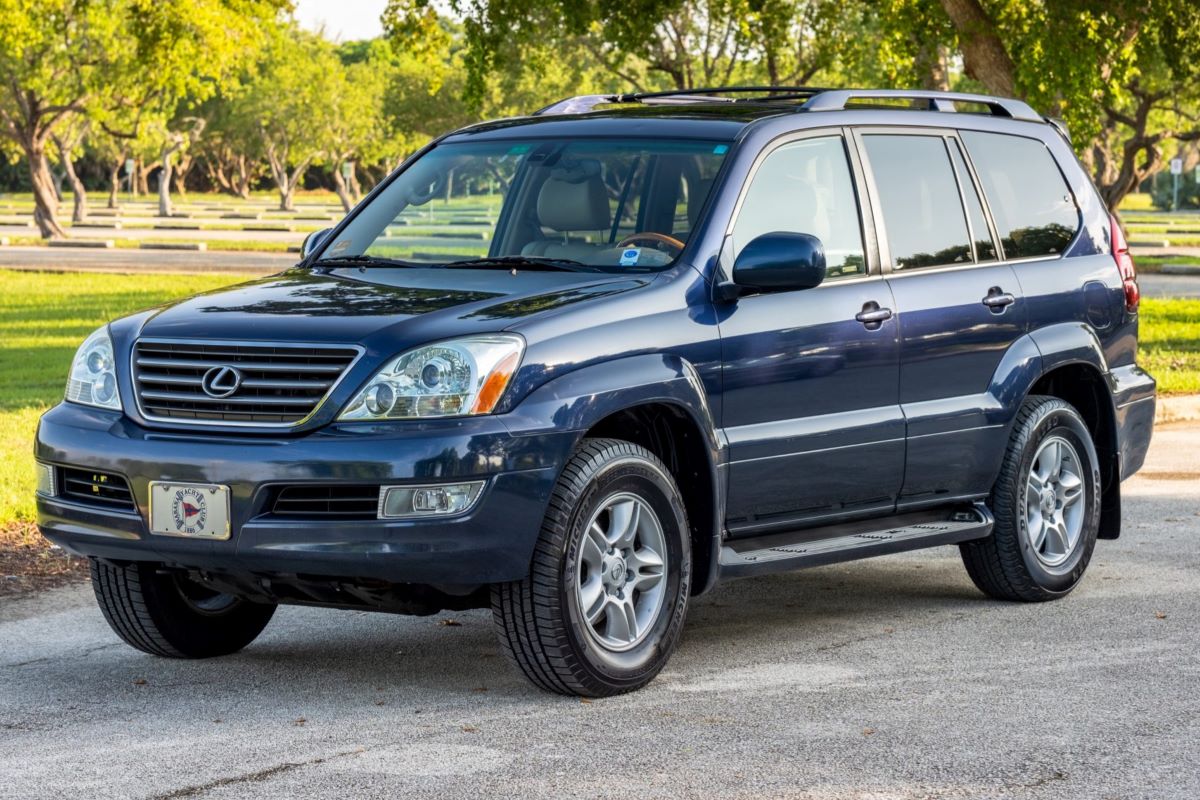
Its transmission is built to handle off-road stresses, towing, and daily driving with ease. Owners frequently report trouble-free ownership experiences, which is especially impressive given the SUV’s heavy use in rugged conditions.
4. Subaru Outback (SUV Wagon)
While technically a crossover wagon, the Subaru Outback is often cross-shopped with SUVs thanks to its ground clearance and all-wheel drive capability.
Subaru has faced criticism for its CVT (continuously variable transmission) in some models, but the Outback has proven to be one of its most reliable.
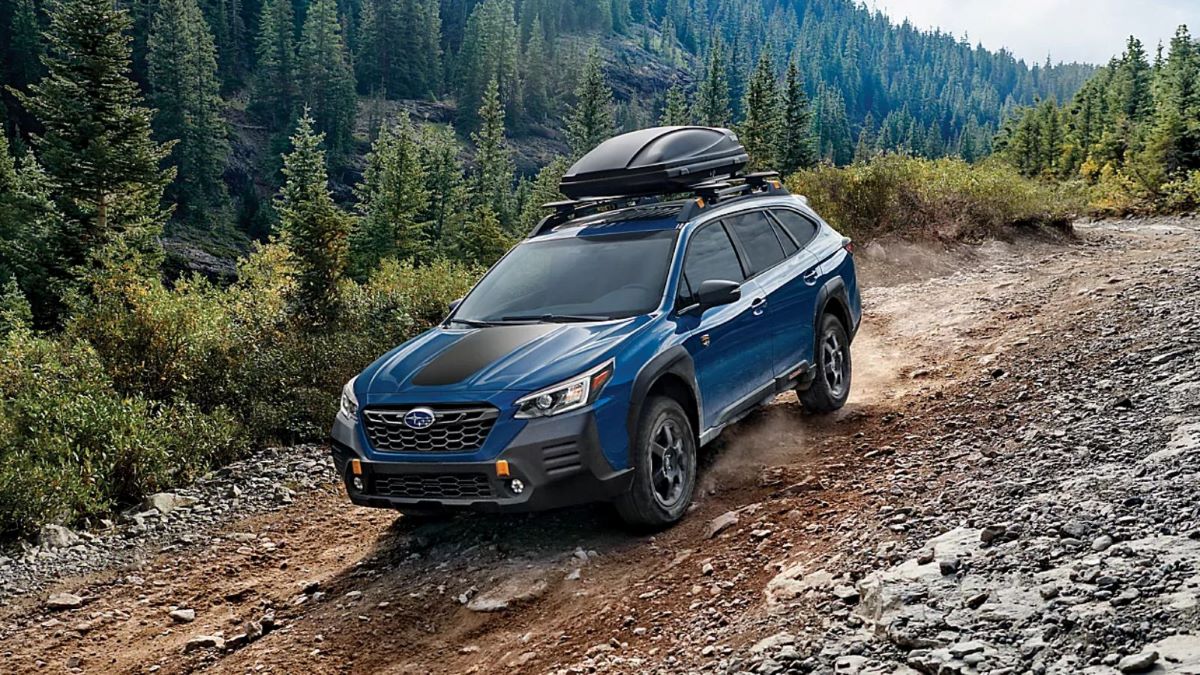
With regular maintenance and proper fluid changes, the CVT in the Outback rarely sees catastrophic failures. Many U.S. drivers rely on Outbacks for long commutes and outdoor adventures, and the transmission keeps up without complaint.
That’s why whenever a new generation rolls out, Subaru has to make sure it gets the formula right. For 2026, the Outback has been completely redesigned for the first time in over half a decade, accompanied by the addition of a new Wilderness model. This latest version also represents perhaps the boldest departure from Subaru’s traditional Outback DNA to date.
Interestingly, Subaru’s own materials describing the new Outback never once use the word “wagon.” That omission isn’t accidental. With the American market still firmly in the grip of SUV fever, Subaru’s decision to push the Outback further into crossover territory makes plenty of financial and strategic sense.
Gone are the softer curves and sleeker, more wagon-like profile, replaced by a boxier, upright stance. Despite its more squared proportions, Subaru insists that in person the new Outback looks smaller than photos suggest. Whether these changes feel authentic to the Outback heritage is ultimately up to the buyer to decide.
Dimensionally, the 2026 Outback now features a roofline that’s two inches taller, improving rear-seat headroom, while the overall body grows slightly wider and longer. The 108-inch wheelbase remains unchanged from the previous generation, maintaining some continuity.
Practicality continues to be a core focus, as every new Outback comes standard with ladder-style roof rails rated for an 800-pound static load, meaning rooftop tents are no problem for adventurous owners. Cargo space grows to 34.6 cubic feet, and thanks to a taller, more squared-off rear hatch opening, loading bulky gear should be easier than before.
Subaru has also made substantial improvements under the skin. For this seventh-generation Outback, the automaker claims “lateral sway” has been cut by 42%, which should translate into a more stable, less floaty ride on the road. And in a move that will no doubt please longtime Subaru fans, the company has reversed course on one of its most frustrating decisions: physical controls are back.
Essential functions such as temperature, fan speed, and heated or cooled seats now have their own buttons and knobs. With so many automakers burying core features in touchscreen menus, Subaru’s decision to restore tactile controls feels refreshing and user-friendly. A physical volume knob and shortcut buttons for the infotainment system are also still in place.
Speaking of infotainment, the overhaul here is arguably the most dramatic. The old Starlink system was notoriously slow, glitchy, and cluttered, trying to do too much with too little processing power.
Subaru has ditched that setup entirely in favor of Android Automotive, a Google-based platform, powered by a far more capable processor. The centerpiece is a sharp, responsive 12.1-inch landscape-oriented touchscreen that finally feels modern and intuitive rather than frustrating.
Complementing it is a new 12.3-inch digital instrument cluster offering four distinct display modes. Drivers can choose between a standard setup with digital speedometer and tach, a minimalist “calm” display, a driver-assist–focused layout, or a map-prioritized screen, tailoring the experience to their preferences.
5. Toyota Highlander
The Toyota Highlander is one of America’s best-selling midsize SUVs, and much of its popularity comes from its low ownership costs. Toyota’s V6 Highlander models in particular are known for having transmissions that can last the lifetime of the vehicle.
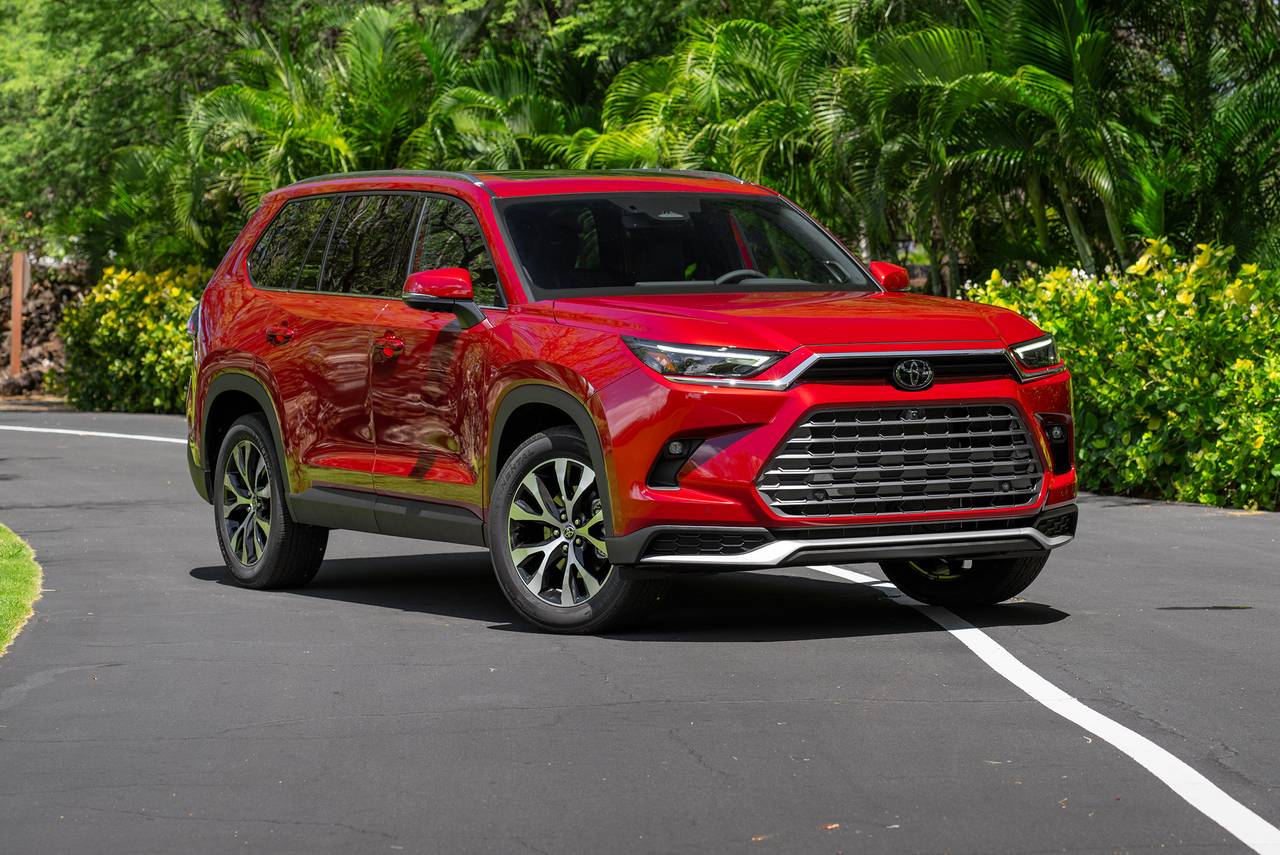
Unlike some competitors that shifted to experimental gearboxes, Toyota stuck with conservative, proven transmission technology that emphasizes reliability. This makes the Highlander a top pick for families who want a worry-free SUV that will run for years.
6. Ford Expedition
The Ford Expedition has long been one of the most popular full-size SUVs in the U.S., and its robust transmission has helped it maintain that reputation.
Modern Expeditions use a 10-speed automatic transmission co-developed with General Motors. While that might sound complex, it’s actually been praised for its durability and smooth operation.
With proper servicing, these transmissions are known to last well beyond 150,000 miles without major repairs, making them a reliable choice for those who tow boats, trailers, or campers.
The Ford Expedition remains one of the most versatile full-size SUVs on the market, capable of tackling moderate off-road challenges while also excelling at heavy hauling with a maximum towing capacity of 9,600 pounds.
It delivers a comfortable, composed ride, though its vague steering gives it more of a pickup-truck feel than some may prefer. Where it truly shines is interior space. Both the standard Expedition and the extended Expedition Max, which stretches an extra foot in length, can seat up to eight passengers comfortably.
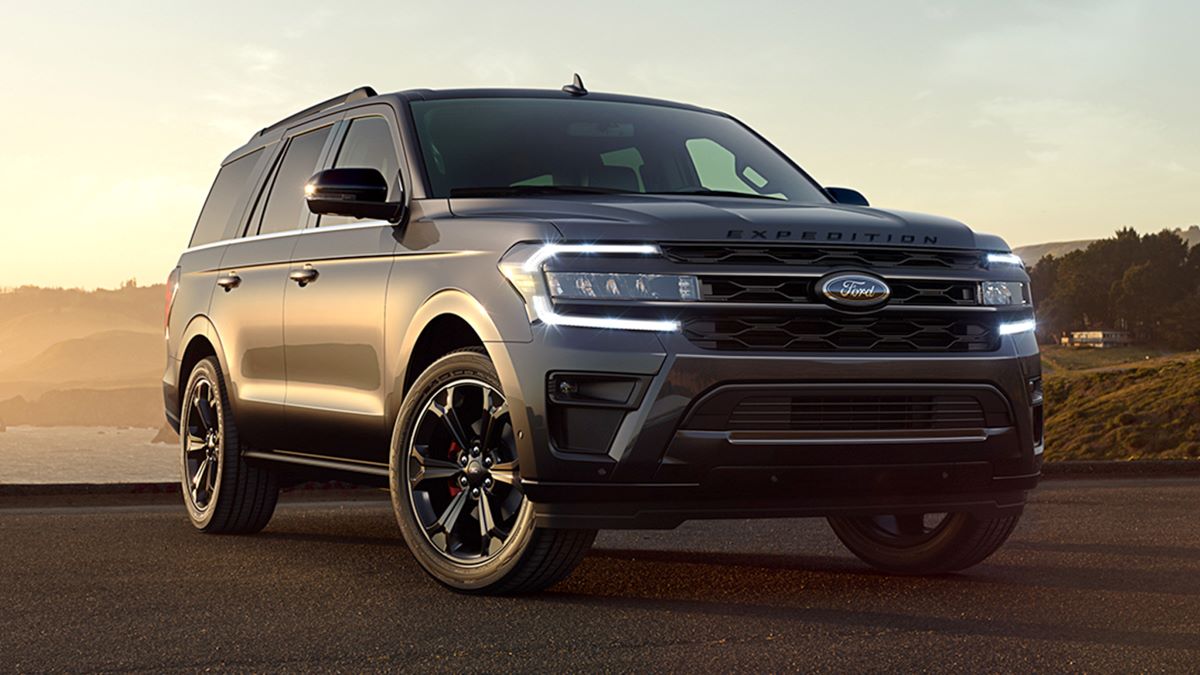
Power comes exclusively from a twin-turbocharged V-6 that produces between 400 and 440 horsepower depending on trim. While rivals like the Chevrolet Tahoe and Suburban offer more engine variety, including a diesel option, the Ford still edges them out in towing ability, even if its steering isn’t quite as engaging.
For 2025, the Expedition lineup receives a refresh. Subtle updates like redesigned headlights and taillights, a revised grille, and new wheel designs give it a fresher look, while the rear now features a two-piece opening with an upper liftgate and lower tailgate, similar to the setup on the Lincoln Navigator.
Inside, buyers will find a modernized dual-screen layout: a large infotainment display in the center stack paired with a wide upper unit that displays gauges and additional information. The former Timberline trim has been retired in favor of a new Tremor model, which carries over the rugged, off-road-ready equipment.
Pricing for the 2025 Expedition starts at $64,515 for the Active trim and ranges up to $86,170 for the top-tier King Ranch. The entry-level model is well-equipped, boasting a massive 24.0-inch screen, onboard Wi-Fi, and even a power-adjustable center console.
That said, the Tremor is arguably the sweet spot, especially for adventure-seekers. It adds 33-inch all-terrain tires, the high-output 440-horsepower version of the V-6, and specialized off-road features like Trail Turn Assist and low-speed cruise control for tricky terrain.
Under the hood, all Expeditions use a 3.5-liter twin-turbo V-6 paired with a responsive 10-speed automatic transmission, available with rear- or four-wheel drive. The standard setup makes 400 horsepower, while the upgraded version bumps output to 440.
An independent rear suspension provides stability across the lineup, but on a recent 350-mile road trip, the Expedition Platinum Max delivered mixed results: its highway ride was impressively smooth, yet its handling felt cumbersome and its steering imprecise on smaller roads.
For off-road enthusiasts, the Tremor trim adds raised suspension, skid plates, 18-inch wheels with 33-inch General Grabber all-terrain tires, and specialized modes like Rock Crawl. Features such as Trail Turn Assist, which applies the brakes to the inside rear wheel to help pivot the SUV in tight corners, make this version the most capable choice for rugged trails.
7. Lexus RX
The Lexus RX is one of the best-selling luxury SUVs in the U.S., and much of its success comes from its combination of comfort and dependability.
The RX’s transmission is tuned for smoothness rather than aggressive performance, which actually works in its favor when it comes to long-term durability.
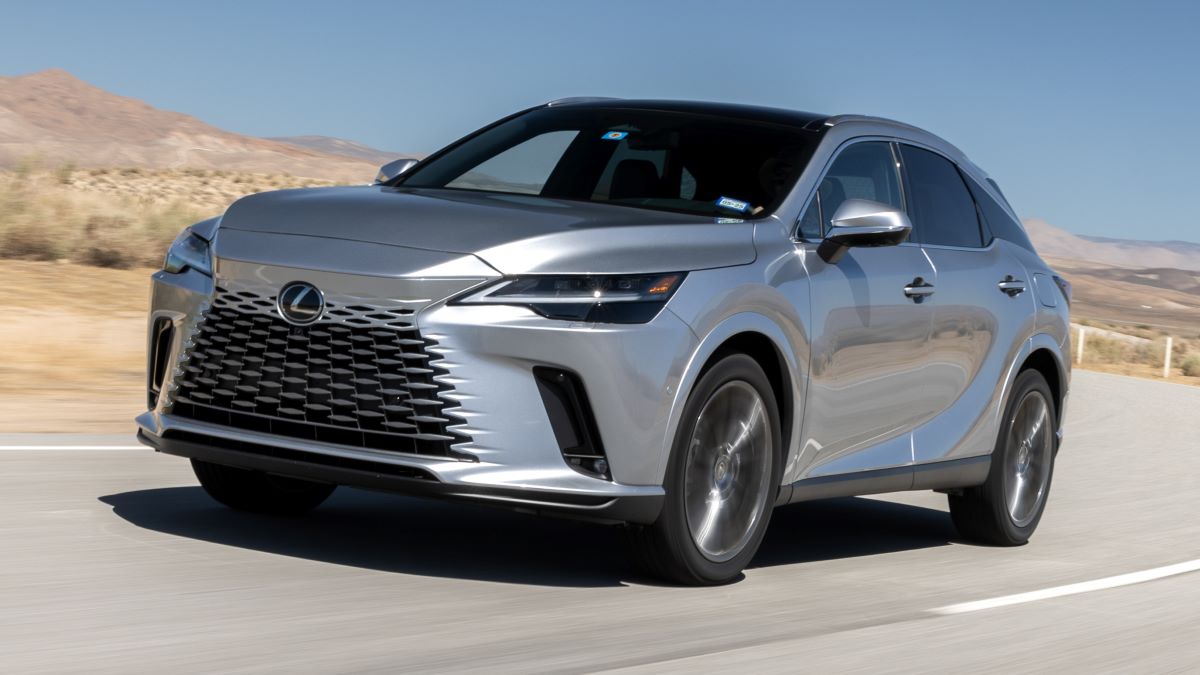
Owners report that as long as they stay on top of fluid changes, transmission issues are extremely rare even at high mileage. For buyers who want a luxury SUV without the headaches, the RX is a smart pick.
8. Toyota Land Cruiser
The Toyota Land Cruiser, though discontinued in the U.S. after 2021, remains a legend in the SUV world. Known for conquering some of the harshest environments on the planet, the Land Cruiser’s transmission is built to handle extreme heat, off-road terrain, and long-distance travel.
Many Land Cruisers from the early 2000s are still running strong today with their original transmissions. Because of this durability, used Land Cruisers command premium prices, even with high mileage.
The Toyota Land Cruiser remains one of the most iconic SUVs in automotive history. For decades, it has been the vehicle associated with tackling jungles, crashing through palm fronds, fording streams, and navigating rocky paths, whether in the hands of movie villains making their escape or the police in pursuit.
Over the years, it has cultivated a massive following among off-roaders, overlanders, and suburban fathers who see themselves as weekend adventurers.
Now entering its seventh generation, the 2025 Toyota Land Cruiser faces something of a midlife crisis. On one hand, Toyota has refined it with serious off-road capability, a retro-inspired design, smaller exterior dimensions that make it easier to park, and a practical interior with plenty of space for children.
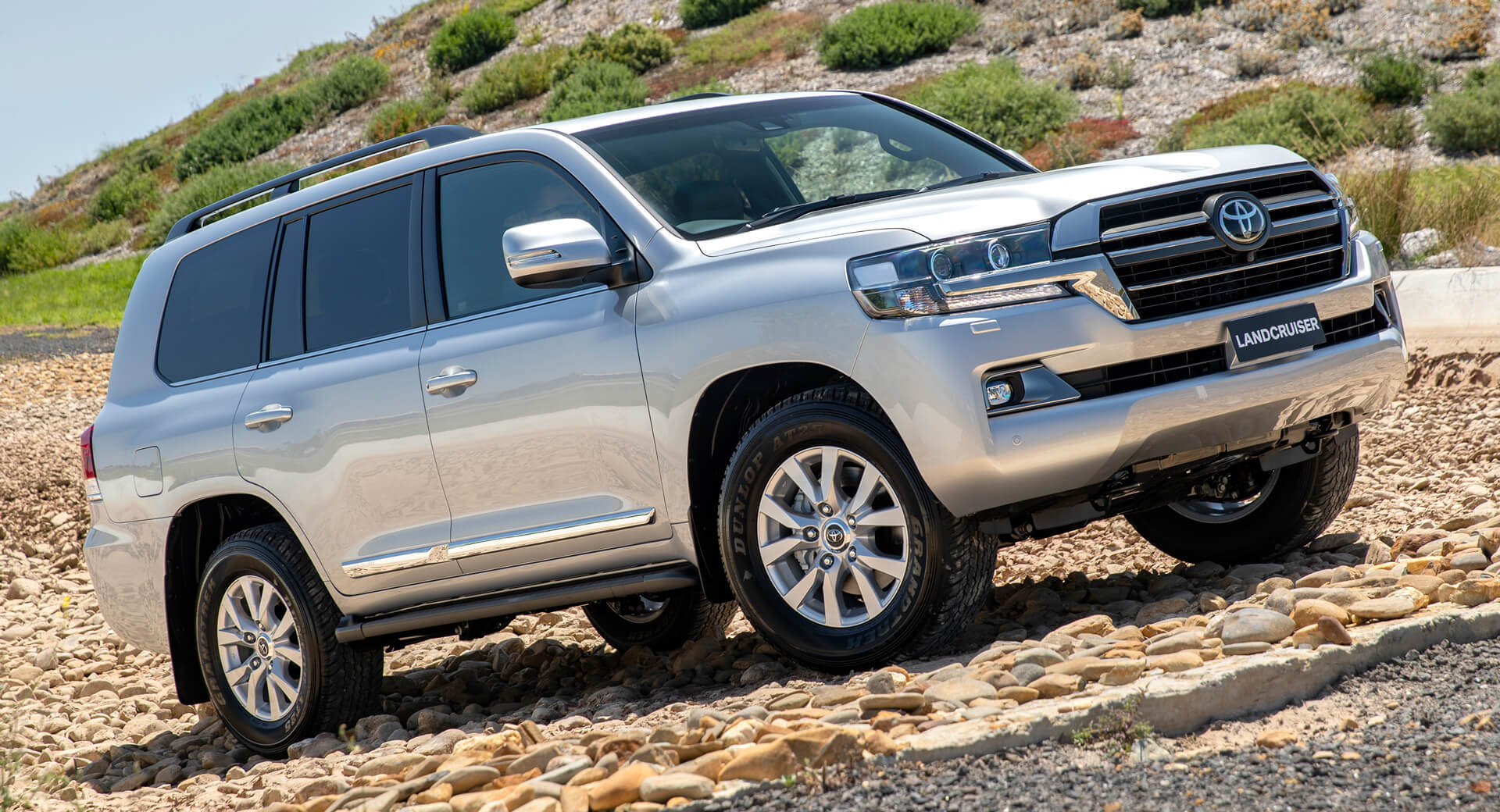
On the other, it arrives with a four-cylinder hybrid powertrain, cloth seating in its base form despite a nearly $60,000 starting price, and an interior filled with plastic materials and lightweight doors that lack the bulletproof feel of its predecessors. Without the “Land Cruiser” nameplate, it might cost about $10,000 less. Yet, even with its compromises, it remains a vehicle many buyers will still want.
The 2025 Land Cruiser carries a starting MSRP of $56,700. Its base model is powered by a 2.4-liter turbocharged hybrid engine paired with an eight-speed automatic transmission and full-time four-wheel drive. EPA estimates place fuel economy at 22 mpg in the city, 25 mpg on the highway, and 23 mpg combined.
Towing capacity is rated at 6,000 pounds. Buyers can choose between two trims: the Land Cruiser 1958 and the standard Land Cruiser. The setup includes a lead-acid battery for hybrid operation, while the cabin prioritizes function over luxury. Although roomy and versatile, the materials do not fully match the price point.
The model’s strengths and weaknesses are clear. Its rugged boxy design delivers excellent cargo capacity and interior room, especially useful for families with car seats or teens. The styling also channels nostalgia, evoking the square-edged toughness of earlier Land Cruiser generations.
At the same time, the SUV’s shortcomings cannot be overlooked. Cloth upholstery and plasticky finishes feel underwhelming at this price, and longtime enthusiasts are disappointed by the absence of a V-8 option. Even as a hybrid, fuel efficiency is modest at 23 mpg combined. The tall body and oversized mirrors also generate noticeable wind noise at highway speeds, detracting from refinement.
Where the new Land Cruiser excels is in its exterior character and legacy. Wearing the historic badge is less about branding than it is about honoring a reputation for toughness. The Land Cruiser 1958 edition in particular stands out, named after the year Toyota first introduced the model in North America.
9. Chevrolet Tahoe
The Chevrolet Tahoe is a workhorse of American families, law enforcement, and fleet operators alike. Its reputation for toughness is partly due to its strong transmission.
While GM has had transmission issues in some smaller cars, the Tahoe’s gearbox is widely considered reliable when maintained.
Owners regularly report these SUVs lasting over 200,000 miles without needing transmission rebuilds, making them a favorite for those who want a full-size SUV that can handle daily life and heavy use.
When Chevrolet rolled out the current-generation Tahoe in 2021, the full-size three-row SUV brought major advancements that helped solidify its status as the bestselling vehicle in its class. The outdated live rear axle was replaced by a more refined independent rear suspension, a setup already used by competitors like the Ford Expedition and Jeep Wagoneer.
A torque-rich, fuel-efficient diesel engine joined the options list, along with a four-corner height-adjustable air suspension. Chevy also committed more seriously to the off-road Z71 model. Now, three years later, the Tahoe enters 2025 with the equally updated Suburban, receiving a mild exterior refresh, a much-improved interior, and several subtle but meaningful upgrades.
The most noticeable changes to the 2025 Tahoe include a revised front and rear design with new dynamic LED lighting that can perform animations, such as sweeping turn signals. But the real news is found in the wheel options.
For the first time, Chevrolet is offering factory 24-inch wheels, available exclusively on the RST, Premier, and High Country trims. The LS, LT, and Z71 trims retain smaller wheel choices ranging from 17 to 22 inches. The addition of the massive 24-inch wheels necessitated updates to the Tahoe’s magnetorheological shocks and the air suspension to handle their added size and weight.
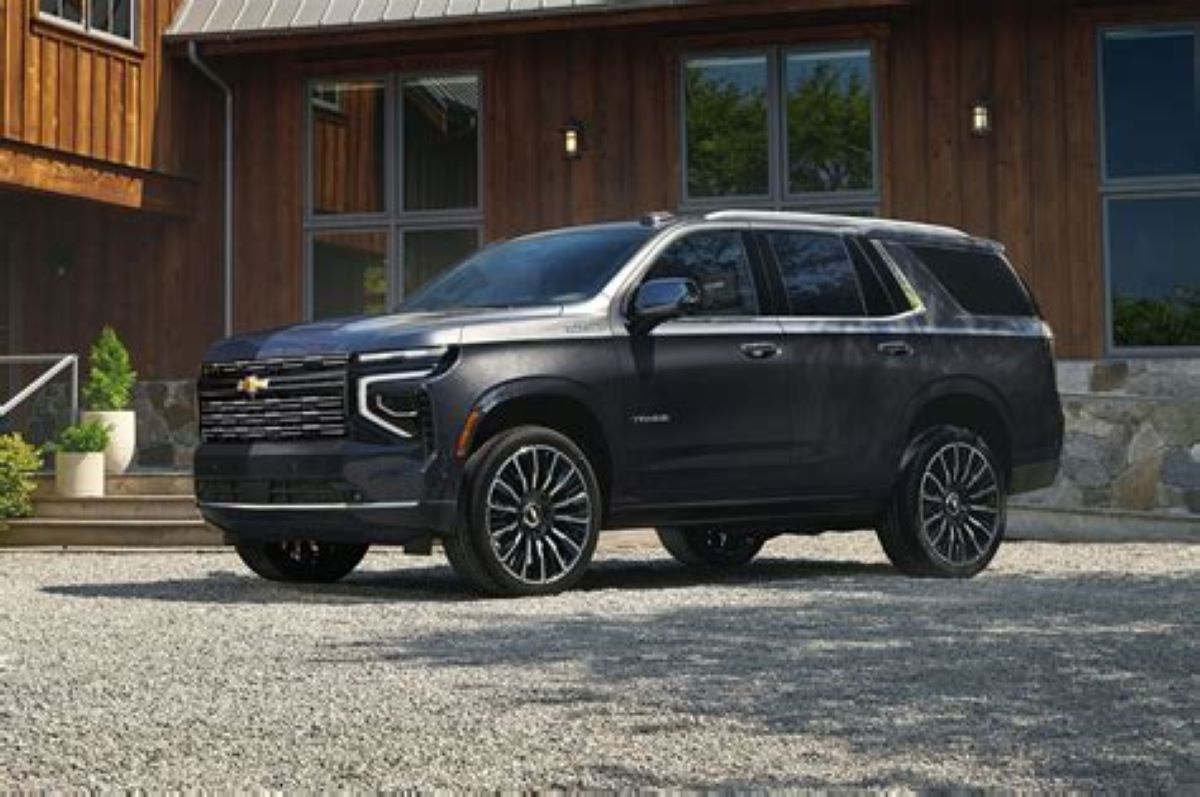
Buyers opting for these wheels are required to purchase the air suspension package, but even for those who stick with smaller wheels, Chevrolet has applied the improved shock and suspension tuning across the lineup. In short, if the suspension can manage 24s, it can handle anything.
Inside, Chevrolet has completely revamped the Tahoe’s cabin, bringing it up to date with the technology found in the Silverado 1500. Gone is the cluttered center stack and dated gauge cluster, replaced with a more modern dashboard that includes a fully digital gauge cluster and a massive 17.7-inch central touchscreen.
Additional refinements include redesigned air vents, with the central units now positioned below the screen, as well as a dedicated row of physical climate controls for ease of use. To round out the upgrades, Chevrolet has also recalibrated the steering to deliver more engaging feedback, addressing one of the Tahoe’s long-standing criticisms.
10. Mazda CX-5
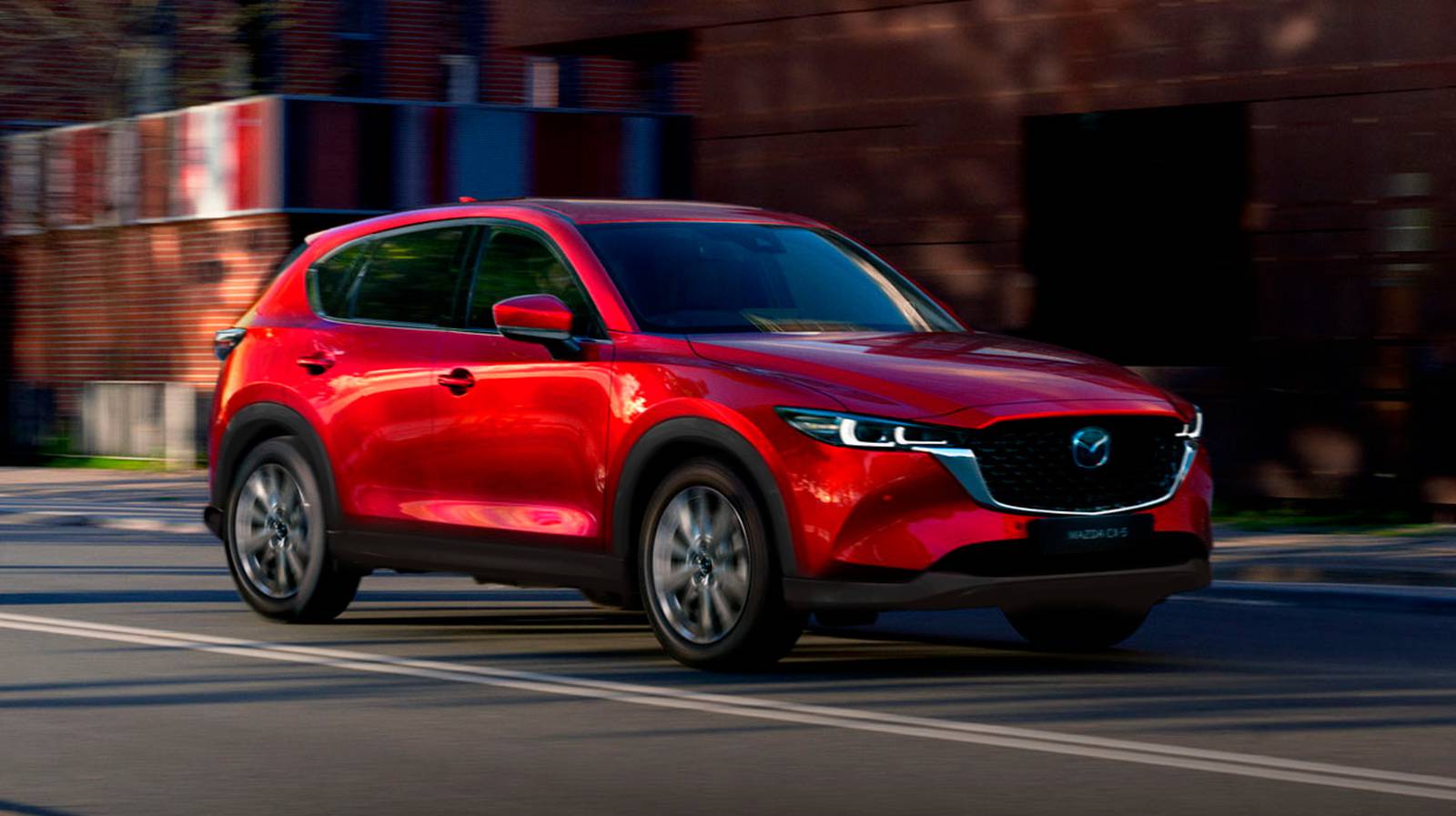
Mazda may not have the same reputation for longevity as Toyota or Honda, but the CX-5 has been quietly building a name for itself as one of the most reliable compact SUVs on the market.
Unlike some rivals that use problematic CVTs, the CX-5 sticks with a conventional automatic transmission, which is both smooth and durable.
Many owners appreciate that they don’t have to worry about costly transmission failures, and reliability surveys back up these real-world experiences.
When shopping for an SUV in the U.S., it’s tempting to get caught up in horsepower, touchscreen size, or flashy styling. But at the end of the day, reliability especially transmission reliability can save owners thousands of dollars and years of frustration.
The models listed above stand out because they rarely require transmission work, even at higher mileage. Toyota and Lexus clearly dominate the list, thanks to their conservative engineering philosophy and track record of dependability.
But Honda, Ford, Chevrolet, Subaru, and Mazda also prove that strong, lasting transmissions are possible when manufacturers prioritize durability over complexity.
If you’re in the market for a new or used SUV and want to avoid costly transmission repairs down the road, these 10 models should be at the top of your consideration list.
They not only hold their value well but also give peace of mind knowing that your SUV will keep running smoothly for years to come.