

Head gasket failure is one of the most dreaded mechanical issues a pickup truck owner can face. This critical component seals the combustion chambers and prevents coolant and oil from mixing, making it essential for proper engine operation.
When head gaskets fail, the repair costs can easily reach thousands of dollars, often approaching or exceeding the vehicle’s value in older trucks. The reliability of head gaskets varies dramatically between different pickup truck models and manufacturers.
Some trucks have earned legendary status for their bulletproof engines that can run for hundreds of thousands of miles without major issues, while others have gained notorious reputations for premature head gasket failures that plague owners with expensive repairs.
Several factors contribute to head gasket durability, including engine design, materials used, cooling system efficiency, and manufacturing quality.
Aluminum cylinder heads, while lighter and more efficient at heat dissipation, can be more prone to warping under extreme temperatures. Cast iron heads, though heavier, typically offer superior durability and resistance to thermal stress.
Understanding which pickup trucks are most and least likely to experience head gasket problems can save buyers from costly mistakes and help current owners make informed maintenance decisions.
This comprehensive guide examines five pickup trucks with exceptional head gasket reliability alongside five models notorious for premature failures, providing detailed insights into what makes these engines succeed or fail.
5 Pickups That Rarely Blow Head Gaskets
These exceptionally engineered pickup trucks feature robust head gasket designs and superior cooling systems that maintain perfect combustion sealing through hundreds of thousands of demanding miles under extreme operating conditions.
Their thoughtful construction includes multi-layer steel gaskets, precision-machined deck surfaces, and oversized cooling capacity that resists the thermal stress patterns typically created by heavy towing and sustained high-load operation.
From cross-country trailer pulling that challenges cooling systems to construction site duty cycles with constant stop-and-go operation, these remarkable engines continue operating without experiencing the combustion pressure breaches or coolant mixing that destroys head gaskets in lesser powerplants.
Strategic design includes reinforced cylinder head bolt patterns, conservative compression ratios, and massive radiator capacity that prevents the overheating scenarios that cause gasket failure in problematic alternatives.
Owners report these bulletproof engines lasting entire vehicle lifespans without head gasket replacement, often requiring multiple transmission rebuilds while the original head gaskets remain perfectly sealed.
The combination of premium gasket materials, superior thermal management, and conservative engineering creates powerplants that prove their worth through maintained compression and clean coolant even after decades of punishing work truck duty.
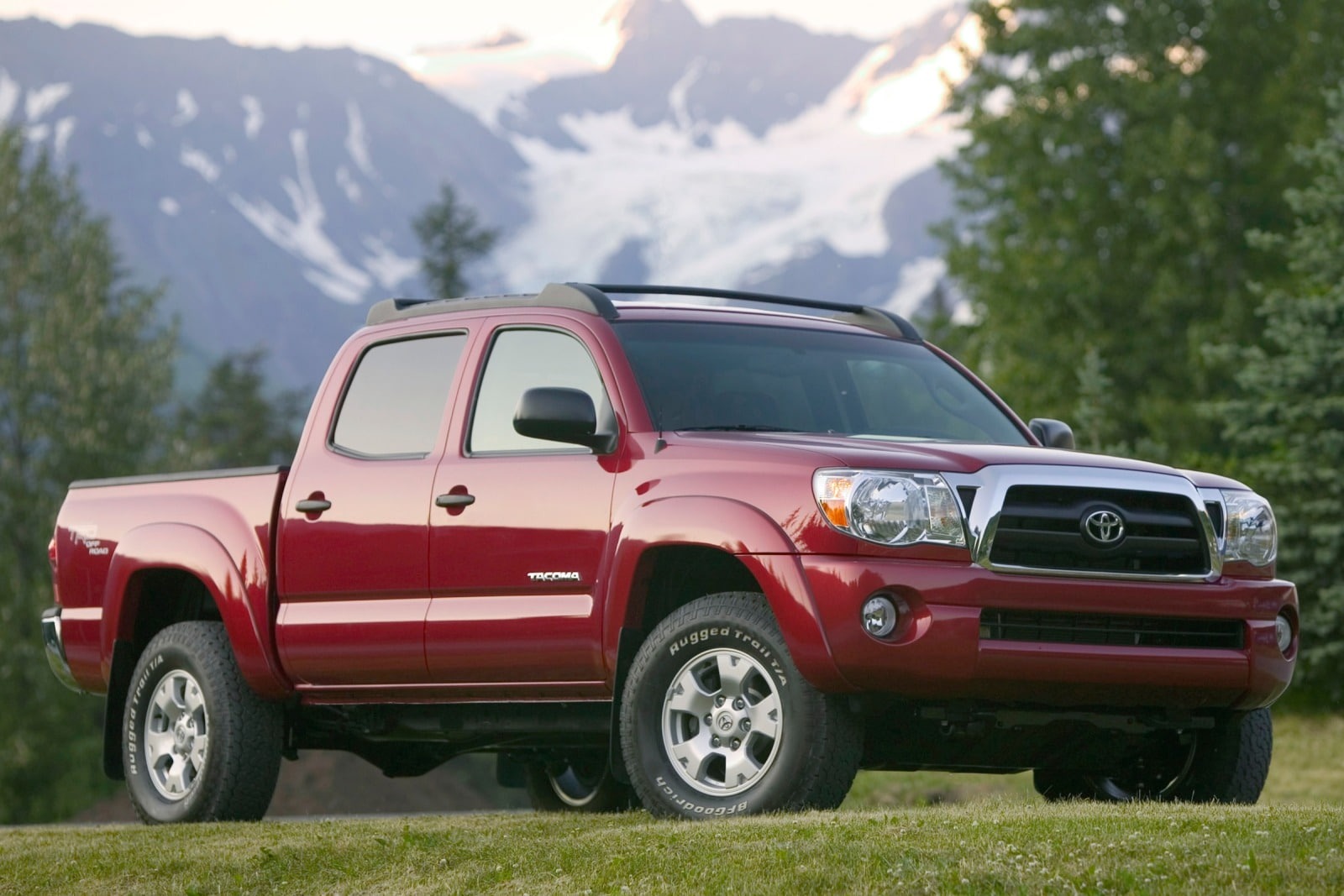
1. Toyota Tacoma (2005-2015) – 4.0L V6
The Toyota Tacoma equipped with the 1GR-FE 4.0-liter V6 engine stands as a testament to Japanese engineering excellence and represents one of the most reliable powertrains ever installed in a mid-size pickup truck.
This engine has earned an almost mythical reputation among truck enthusiasts for its ability to withstand extreme abuse while maintaining consistent performance and reliability.
Toyota’s commitment to over-engineering is evident throughout the 1GR-FE’s design. The engine features a robust cast iron block paired with aluminum cylinder heads, creating an optimal balance between durability and weight savings.
The head gasket design incorporates multiple layers of steel with specialized coatings that provide exceptional sealing properties under varying temperature and pressure conditions.
Toyota’s meticulous attention to torque specifications and assembly procedures ensures consistent head gasket compression, virtually eliminating the risk of premature failure.
The cooling system design deserves particular recognition for its role in head gasket longevity. Toyota engineered an efficient cooling circuit with strategically placed coolant passages that maintain optimal operating temperatures even under heavy load conditions.
The radiator capacity is generous for the engine’s displacement, and the cooling fans are programmed to engage at conservative temperature thresholds, preventing the thermal stress that often leads to head gasket failure in other vehicles.
Regular maintenance plays a crucial role in Tacoma’s reliability, but the engine is surprisingly forgiving of neglect. Owners who follow Toyota’s recommended service intervals often see these trucks surpass 300,000 miles without major engine work.
Even when maintenance is delayed, the 1GR-FE typically continues running without catastrophic failures, though performance and fuel economy may suffer.
The engine’s conservative tuning also contributes to its longevity. Toyota prioritized reliability over peak power output, resulting in an engine that operates well within its stress limits during normal driving conditions.
The compression ratio is moderate, reducing combustion pressures and thermal stress on the head gaskets. This philosophy extends to the engine management system, which includes multiple safeguards to prevent overheating and detonation that could damage the head gaskets.
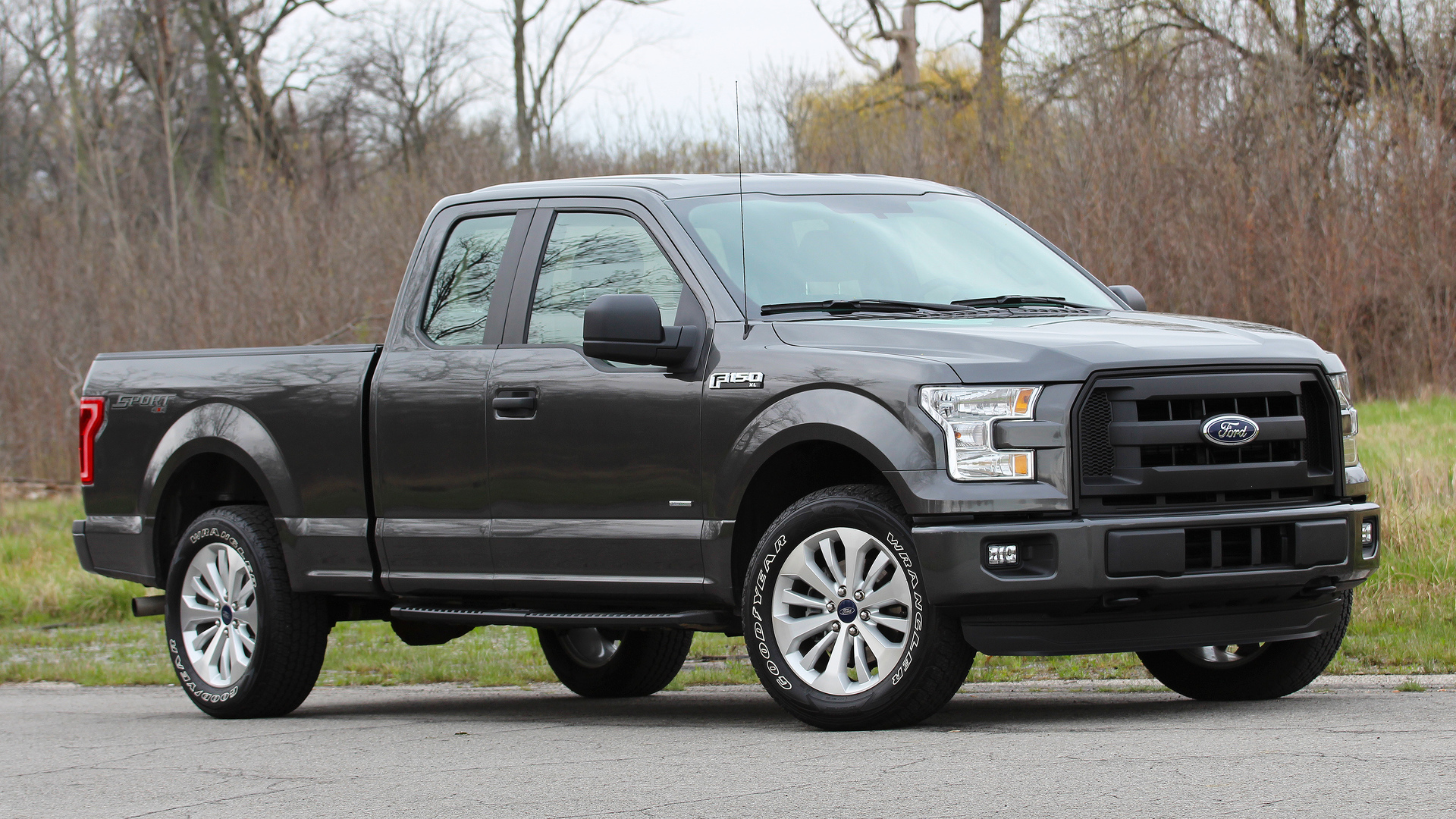
2. Ford F-150 (2011-2017) – 5.0L Coyote V8
Ford’s Coyote 5.0-liter V8 engine represents a remarkable achievement in modern engine design, combining impressive performance with exceptional reliability that rivals the best Japanese engines.
Introduced in 2011 for the F-150, the Coyote engine quickly gained a reputation for durability that continues to this day, with head gasket failures being extremely rare even in high-mileage examples.
The Coyote’s advanced design incorporates lessons learned from decades of V8 engine development. Ford engineers utilized a deep-skirt cast iron block design that provides exceptional strength and dimensional stability under thermal stress.
The aluminum cylinder heads feature a sophisticated cross-flow design with four valves per cylinder, optimizing both performance and cooling efficiency. The head gasket design uses multi-layer steel construction with advanced sealing compounds that maintain integrity across a wide range of operating conditions.
Ford’s commitment to quality control during the Coyote’s manufacturing process has been exemplary. The engine assembly facilities employ rigorous testing procedures and precise torque specifications that ensure consistent head gasket compression.
The deck surfaces are machined to extremely tight tolerances, creating an ideal sealing surface that prevents the micro-leaks that can develop into major failures over time.
The cooling system design in Coyote-equipped F-150s demonstrates Ford’s understanding of thermal management’s critical role in engine longevity.
The system features a large-capacity radiator, efficient water pump design, and strategically positioned cooling passages that maintain consistent temperatures across all cylinders.
The thermostat opening temperature is calibrated to provide rapid warm-up while preventing excessive operating temperatures that could stress the head gaskets.
Performance enthusiasts particularly appreciate the Coyote’s ability to handle modifications without compromising reliability. The engine’s robust bottom end and well-designed head gasket system can typically handle moderate power increases through bolt-on modifications without experiencing failures.
This tolerance for enhancement speaks to the fundamental strength of the engine’s design and the quality of its components. Regular maintenance requirements for the Coyote are straightforward and reasonable.
Ford’s recommended service intervals are realistic for the engine’s design, and following these guidelines typically results in trouble-free operation well beyond 200,000 miles. The engine’s diagnostic capabilities are sophisticated, providing early warning of potential issues before they become catastrophic failures.
3. Chevrolet Silverado (2014-2018) – 5.3L EcoTec3 V8
General Motors’ EcoTec3 5.3-liter V8 engine marked a significant improvement in reliability compared to earlier GM V8 designs, incorporating advanced technologies and manufacturing processes that have resulted in exceptional head gasket durability.
This engine represents GM’s successful effort to combine modern efficiency technologies with the proven durability that truck owners demand. The EcoTec3’s aluminum block and head construction utilizes advanced metallurgy and manufacturing techniques that provide superior dimensional stability compared to earlier aluminum engines.
GM’s engineers addressed the thermal expansion challenges that plagued some previous aluminum engine designs by incorporating sophisticated cooling circuits and improved head gasket materials.
The multi-layer steel head gaskets feature advanced coatings and sealing compounds specifically designed for aluminum-to-aluminum sealing applications.
Active Fuel Management (cylinder deactivation) technology in the EcoTec3 initially raised concerns about potential reliability issues, but real-world experience has demonstrated that the system operates without negatively impacting head gasket integrity.
The seamless transition between four and eight-cylinder operation is managed by sophisticated engine controls that maintain optimal combustion conditions regardless of the active cylinder count, preventing the uneven heating that could stress head gaskets.

The direct injection system contributes to both performance and reliability by providing precise fuel delivery that optimizes combustion efficiency. This precise control reduces combustion irregularities and hot spots that can create localized thermal stress on head gaskets.
The high-pressure fuel system is designed with multiple redundancies to prevent lean conditions that could cause overheating and subsequent gasket failure.
GM’s manufacturing quality control for the EcoTec3 has been notably improved compared to previous generations. The engine assembly process includes multiple quality checkpoints and precise torque procedures that ensure consistent head gasket compression across all production units.
The machining tolerances for deck surfaces and cylinder bores are held to extremely tight specifications, creating optimal conditions for long-term gasket sealing.
The cooling system design deserves recognition for its role in the EcoTec3’s reliability. The system features an efficient water pump, a large-capacity radiator, and an advanced thermostat that maintains optimal operating temperatures under various load conditions.
The coolant circulation pattern is designed to eliminate hot spots and ensure even temperature distribution across all cylinders, reducing thermal stress on the head gaskets.
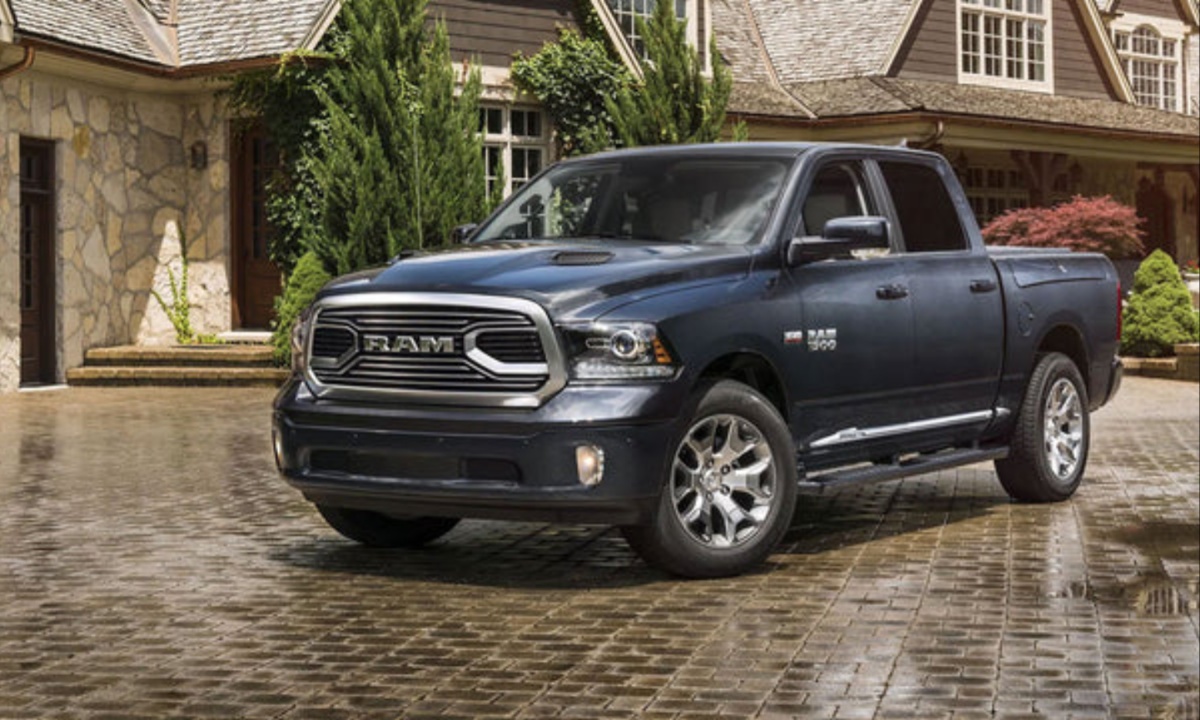
4. RAM 1500 (2013-2018) – 3.6L Pentastar V6
Chrysler’s Pentastar 3.6-liter V6 engine has established itself as one of the most reliable powertrains in the modern automotive wi, with head gasket failures being virtually nonexistent across millions of units produced.
This engine represents Chrysler’s most successful engine design in decades, combining advanced technology with proven durability principles. The Pentastar’s all-aluminum construction incorporates sophisticated engineering solutions that address the traditional challenges associated with aluminum engines.
The cylinder heads and block are designed with carefully calculated thermal expansion coefficients that work in harmony rather than creating stress points.
The head gasket design features multiple layers of steel with specialized coatings that maintain sealing integrity across the engine’s full operating temperature range.
Advanced manufacturing processes contribute significantly to the Pentastar’s reliability. Chrysler invested heavily in precision machining equipment and quality control procedures that ensure consistent dimensional accuracy across all production units.
The deck surfaces are machined to mirror-like finishes with tolerances measured in fractions of thousandths of an inch, creating ideal conditions for head gasket sealing.
The engine’s variable valve timing system enhances both performance and reliability by optimizing combustion timing across the entire operating range.
This precise control prevents the combustion irregularities and pressure spikes that can stress head gaskets in less sophisticated engines. The system operates seamlessly throughout the engine’s life with minimal maintenance requirements.
Cooling system design in Pentastar applications demonstrates Chrysler’s commitment to thermal management. The system features an efficient crossflow radiator design, variable-speed cooling fans, and sophisticated thermostat control that maintains optimal operating temperatures.
The coolant passages are designed to provide uniform cooling across all cylinders, preventing the hot spots that can lead to localized head gasket stress. The Pentastar’s conservative tuning philosophy prioritizes longevity over maximum power output.
The compression ratio is moderate, combustion pressures are well within the engine’s design limits, and the redline is set at a reasonable level that prevents excessive stress on internal components. This approach has resulted in an engine that consistently delivers reliable service well beyond 200,000 miles with proper maintenance.
Also Read: 5 Pickups That Outlive Their Beds vs 5 That Rust Out First
5. Honda Ridgeline (2017-2025) – 3.5L V6
Honda’s 3.5-liter V6 engine in the Ridgeline represents the pinnacle of Honda’s engineering expertise, incorporating decades of experience in building exceptionally reliable powertrains.
This engine has maintained Honda’s reputation for bulletproof reliability while delivering impressive performance in a pickup truck application. The J35 engine family’s design philosophy emphasizes long-term durability through conservative engineering and exceptional build quality.
The all-aluminum construction features Honda’s advanced casting techniques that create a uniform metal grain structure and eliminate the porosity issues that can lead to head gasket problems.
The cylinder heads incorporate Honda’s proprietary VTEC variable valve timing system, which has proven its reliability across millions of engines over decades of production.
Honda’s manufacturing quality control is legendary in the automotive industry, and the Ridgeline’s engine benefits from these rigorous standards.
Each engine undergoes extensive testing during assembly, with critical measurements verified at multiple stages of the build process. The head gasket installation procedure follows precise torque specifications and sequence requirements that ensure optimal compression and sealing.

The cooling system design reflects Honda’s deep understanding of thermal management requirements. The system features a large-capacity radiator with efficient heat exchanger design, variable-speed cooling fans that respond precisely to temperature changes, and strategically placed coolant passages that maintain uniform temperatures across all cylinders.
The thermostat and cooling system controls are calibrated to prevent overheating under any normal operating condition. Honda’s conservative approach to engine tuning contributes significantly to the long-term reliability of the head gaskets.
The compression ratio is optimized for regular fuel while maintaining good performance, combustion pressures are well within safe limits, and the engine management system includes multiple safeguards against conditions that could damage the engine.
The redline is set at a reasonable level that allows spirited driving without risking component damage. Regular maintenance requirements for the Honda V6 are straightforward and reasonable.
Honda’s recommended service intervals are conservative enough to ensure long-term reliability while being practical for owners to follow. The engine includes sophisticated diagnostic capabilities that provide early warning of potential issues, allowing problems to be addressed before they become serious failures.
5 Pickups That Frequently Blow Head Gaskets
These catastrophically unreliable pickup trucks suffer from fundamental engineering compromises, including inadequate head gasket designs and insufficient cooling capacity, which creates perfect conditions for premature combustion seal failure under normal operating conditions.
Their cost-cutting construction shows in single-layer gaskets that cannot withstand normal combustion pressures, poorly designed cooling passages that create hot spots, and inadequate cylinder head clamping that allows gasket movement under thermal cycling.
These trucks represent the unfortunate consequences of prioritizing peak power output over reliability, creating powerplants that deliver impressive initial performance but leave owners facing thousands of dollars in head gasket repairs that often exceed the vehicle’s remaining value, making these pickups expensive liabilities rather than dependable work tools.
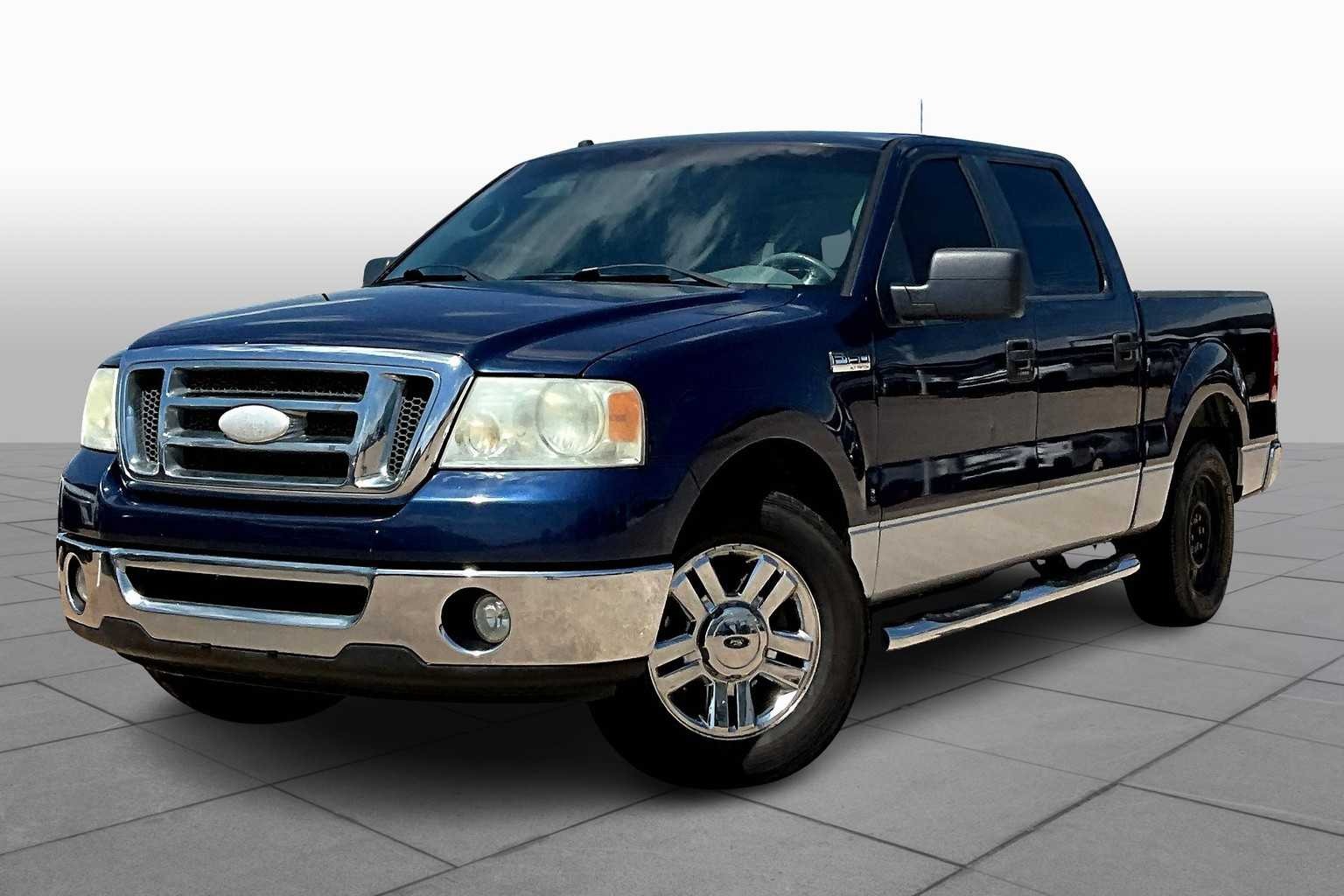
1. Ford F-150 (2004-2010) – 5.4L Triton V8
The Ford 5.4-liter Triton V8 engine from 2004-2010 represents one of the most problematic powertrains in modern pickup truck history, with head gasket failures being alarmingly common and often catastrophic.
This engine’s issues stem from fundamental design flaws and manufacturing problems that Ford struggled to resolve throughout its production run.
The primary culprit behind the 5.4L Triton’s head gasket problems lies in its three-valve-per-cylinder design and the associated spark plug configuration.
Ford’s decision to use two-piece spark plugs with a steel upper portion and ceramic lower section created a weak point that often led to plug breakage during removal.
When plugs break, carbon debris can contaminate the combustion chamber, creating hot spots and uneven combustion pressures that stress the head gaskets beyond their design limits.
The aluminum cylinder heads on the 5.4L Triton were prone to warping under thermal stress, a problem exacerbated by inadequate cooling system design in many applications.
The head gasket design, while technically adequate for the engine’s power output, proved unable to maintain sealing integrity when heads warped or when combustion irregularities created pressure spikes. The multi-layer steel gaskets used in this engine were particularly sensitive to surface irregularities that developed as heads warped over time.
Cooling system inadequacies compound the head gasket problems in 5.4L Triton engines. The radiator capacity is marginal for the engine’s heat output, particularly when towing or operating under heavy loads.
The cooling fan programming is often too conservative, allowing temperatures to climb higher than optimal before engaging cooling assistance. These e=rzxoperating temperatures accelerate head warping and gasket degradation.
The cam phaser problems endemic to this engine generation create additional stress on head gaskets. When cam phasers fail, they often cause timing irregularities that result in uneven combustion pressures and increased thermal stress.
The metallic debris generated by failing cam phasers can circulate through the cooling system, potentially damaging gasket sealing surfaces and accelerating failure.
Manufacturing quality control issues during the production of this engine have been well documented. Inconsistent torque procedures, inadequate surface finishing, and dimensional variations between production units contributed to premature head gasket failures.
Some engines experienced problems within the first 100,000 miles, while others might last longer depending on usage patterns and maintenance quality.
Repair costs for 5.4L Triton head gasket failures are typically substantial, often requiring cylinder head resurfacing or replacement in addition to gasket replacement.
The spark plug accessibility issues that plague this engine add significant labor time to any head gasket repair, driving costs even higher and making these failures particularly expensive for owners.
2. Chevrolet Silverado (2007-2013) – 5.3L Vortec V8
The GM 5.3-liter Vortec V8 from the 2007-2013 generation suffers from a specific type of head gasket failure that has affected hundreds of thousands of vehicles, creating significant financial hardship for owners and damaging GM’s reputation for truck reliability.
This engine’s problems are particularly frustrating because they often manifest without warning and can occur in relatively low-mileage vehicles.
The primary issue with these engines involves the head gasket failing between cylinders rather than externally into the cooling system or oil passages.
This type of failure, often called a “blown head gasket between cylinders,” allows compression from one cylinder to leak into an adjacent cylinder, dramatically reducing engine performance and potentially causing catastrophic damage if not addressed immediately.
The symptoms include rough idle, loss of power, and distinctive misfiring patterns that can be diagnosed through compression testing. GM’s choice of head gasket material and design for this engine generation proved inadequate for the thermal and pressure stresses encountered during normal operation.
The gaskets were particularly vulnerable to failure in the area between adjacent cylinders, where the sealing requirements are most demanding. The aluminum cylinder heads expand and contract at different rates than the iron block, creating stress concentrations that exceed the gasket’s ability to maintain sealing.
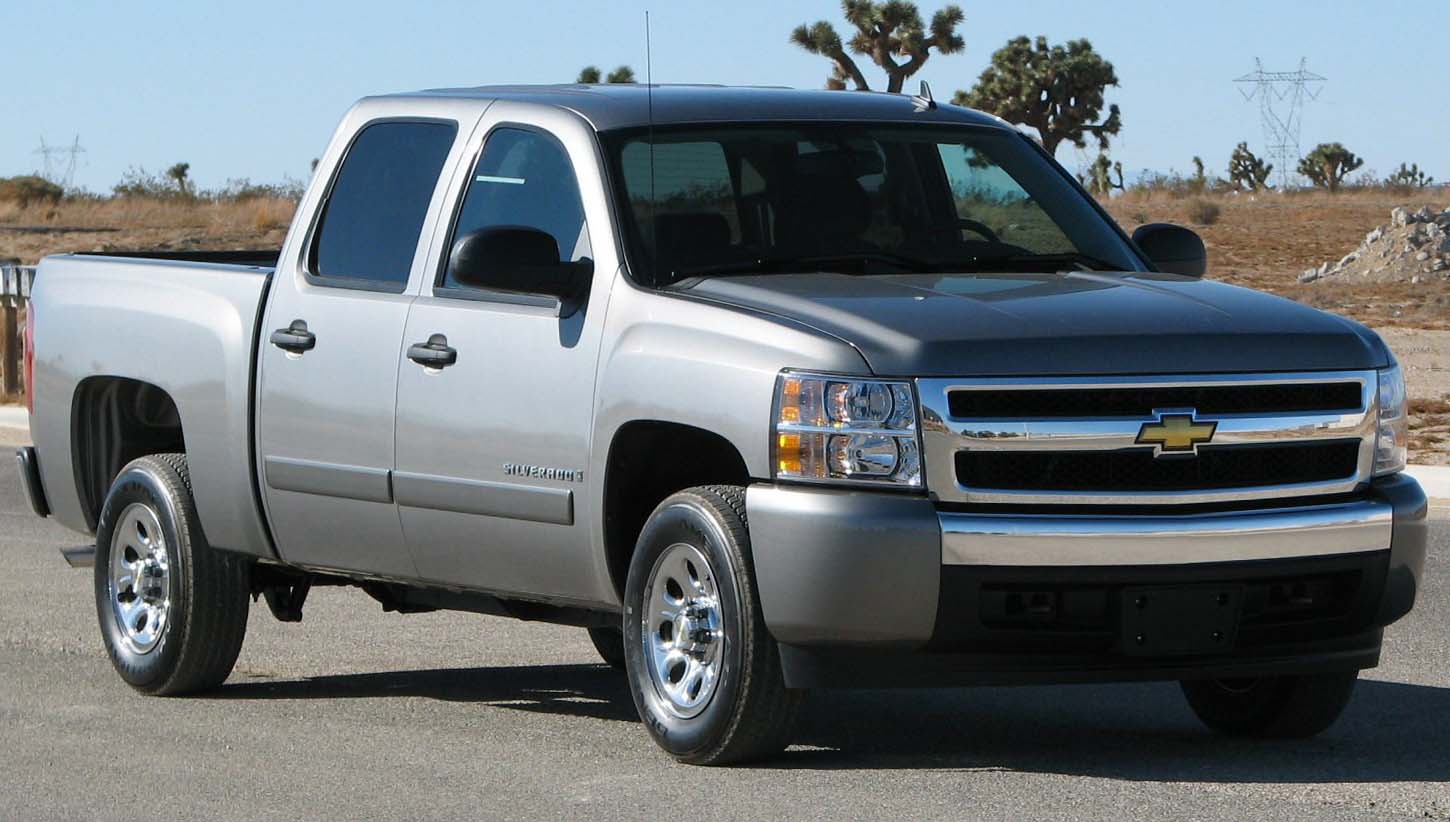
Active Fuel Management (AFM) technology, while intended to improve fuel economy, has been implicated in accelerating head gasket failures in these engines.
The system’s constant switching between four and eight-cylinder operation creates varying thermal loads that stress the head gaskets unequally. The oil pressure variations associated with AFM operation can also affect the hydraulic lifters, leading to timing irregularities that create additional combustion pressure variations.
The cooling system design in these trucks, while generally adequate, includes some features that may contribute to head gasket stress. The coolant flow patterns don’t always provide uniform cooling across all cylinders, and the thermostat positioning can allow localized overheating in certain operating conditions.
The cooling fans are often slow to respond to temperature changes, allowing brief periods of raised temperature that can stress gasket materials.
Many owners have experienced multiple failures, suggesting that the underlying design issues weren’t fully addressed in repair procedures, leading to repeat failures that can cost more than the vehicle’s remaining value.
3. Dodge RAM 1500 (2003-2008) – 4.7L V8
The Chrysler 4.7-liter V8 engine used in RAM 1500 trucks from 2003-2008 has earned a notorious reputation for premature head gasket failures that often occur without warning and can cause extensive secondary damage.
This engine represents one of Chrysler’s less successful attempts at modern V8 design, with fundamental flaws that were never fully resolved during its production run.
The 4.7L engine’s all-aluminum construction, while beneficial for weight savings, created thermal expansion challenges that Chrysler’s engineering team never adequately addressed.
The aluminum cylinder heads and block expand at slightly different rates due to their different thicknesses and cooling characteristics, creating stress points that exceed the head gasket’s ability to maintain sealing.
This problem is particularly pronounced during rapid temperature changes, such as when starting a cold engine or during stop-and-go driving. The head gasket design used in the 4.7L engine proved inadequate for the thermal and pressure stresses it encountered in real-world operation.
The gaskets were prone to developing leaks at the coolant passages, leading to rapid coolant loss and potential engine overheating. Unlike external coolant leaks that are easily visible, these internal leaks often go unnoticed until catastrophic overheating occurs, frequently resulting in severe engine damage beyond just gasket replacement.
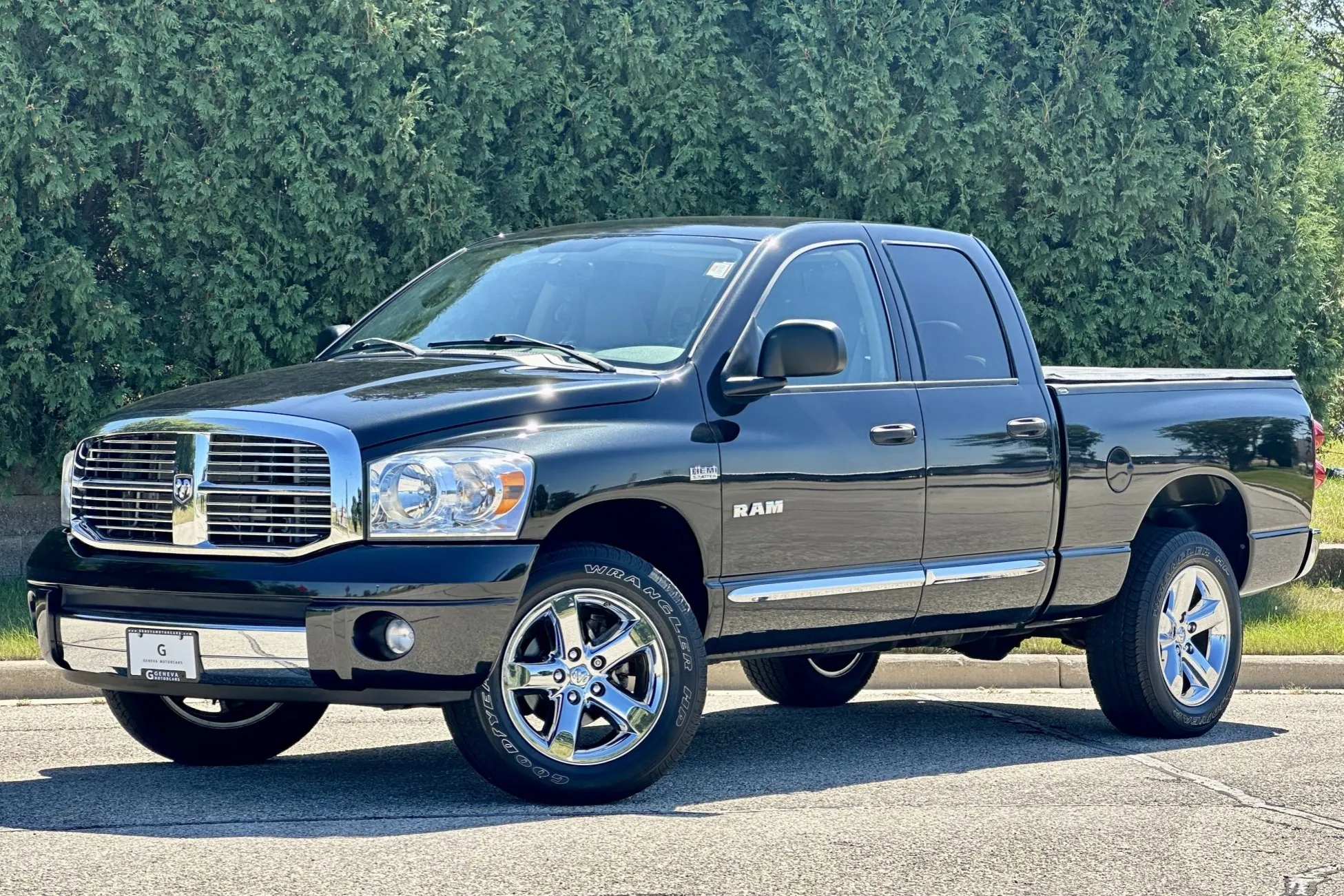
Cooling system inadequacies compound the head gasket problems in 4.7L engines. The radiator capacity is marginal for the engine’s heat output, and the cooling fan operation is often inadequate for severe service conditions.
The water pump design has also been problematic, with many units failing prematurely and causing overheating that can trigger head gasket failure. The thermostat housing design is prone to cracking, creating additional cooling system vulnerabilities.
The timing chain system in the 4.7L engine can contribute to head gasket stress when it begins to stretch or when tensioners fail. Timing variations caused by chain stretch can create combustion irregularities and pressure spikes that stress the head gaskets beyond their design limits.
The plastic timing chain guides are particularly prone to failure, creating metallic debris that can circulate through the oil system and potentially affect gasket sealing surfaces.
Manufacturing quality issues during the production of this engine have been documented, including inconsistent torque procedures and surface finishing problems that contributed to premature gasket failures.
Some production batches experienced higher failure rates than others, suggesting that quality control procedures weren’t consistently applied across all manufacturing facilities. The symptoms of head gasket failure in 4.7L engines can be subtle initially, often beginning with minor coolant loss that gradually accelerates.
Many owners report that their trucks ran normally until sudden catastrophic overheating occurred, often while driving at highway speeds. This pattern suggests that the gasket failures often progress rapidly from minor seepage to complete failure, giving owners little warning to prevent engine damage.
4. Nissan Frontier (2005-2012) – 4.0L V6
The Nissan VQ40DE 4.0-liter V6 engine used in the Frontier pickup truck has developed a concerning pattern of head gasket failures that typically manifest between 80,000 and 150,000 miles, creating significant reliability concerns for owners who expected Japanese engineering to deliver bulletproof performance.
This engine’s problems represent a departure from Nissan’s traditionally excellent reliability record. The VQ40DE’s head gasket issues primarily stem from inadequate cooling system design and thermal management problems that allow localized overheating in critical areas.
The engine’s aluminum construction requires precise thermal control to prevent the expansion-related stress that can compromise gasket sealing, but the cooling system design includes several shortcomings that make consistent temperature control difficult to maintain.
The most common failure mode involves head gasket leakage between the combustion chambers and cooling passages, leading to coolant consumption that often goes unnoticed until significant damage occurs.
Unlike external leaks that leave visible puddles, these internal leaks can consume coolant gradually while producing white exhaust smoke that may be mistaken for normal condensation, particularly in cold weather. By the time owners recognize the problem, extensive engine damage has often occurred.
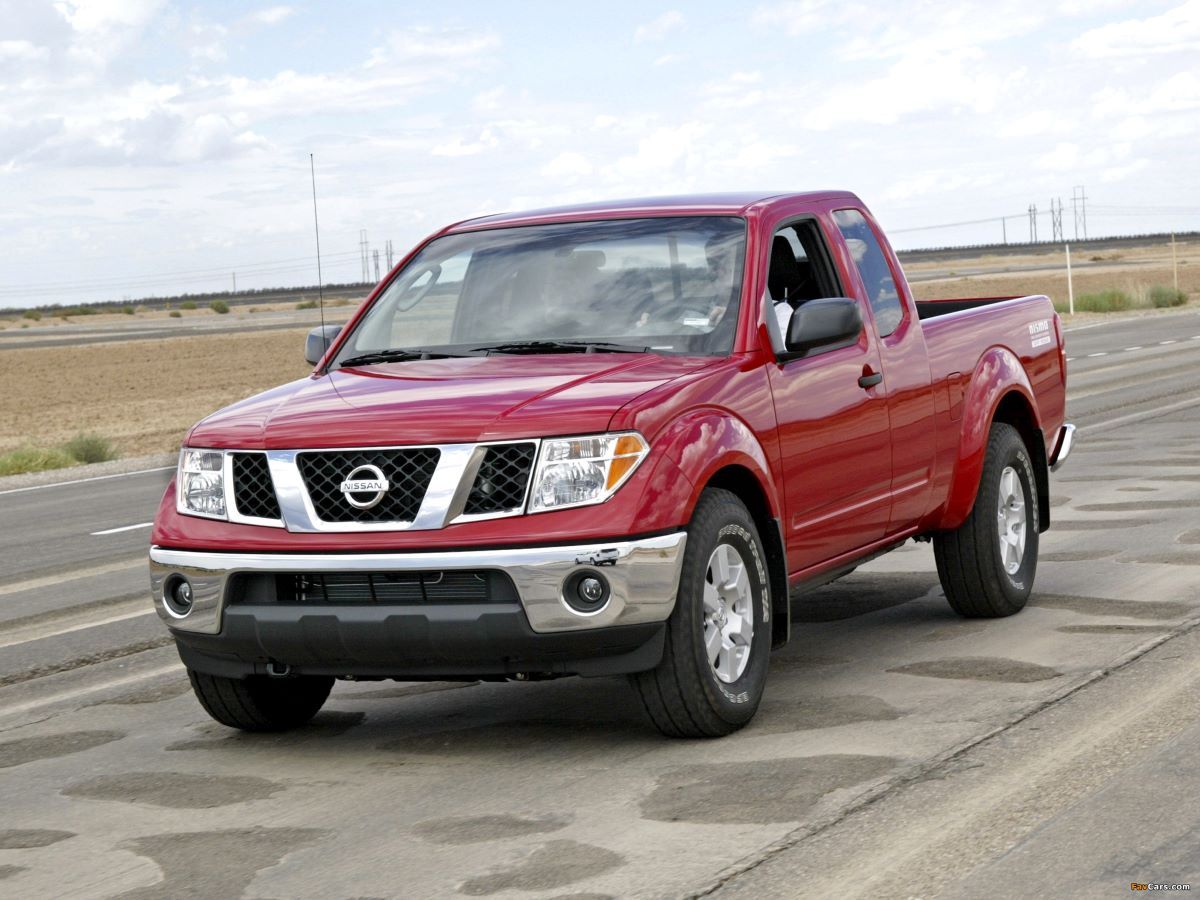
Nissan’s choice of head gasket materials and design for this engine appears inadequate for the thermal stresses encountered during normal operation.
The gaskets are particularly vulnerable to failure in areas where cooling passages intersect with combustion chambers, suggesting that the sealing system cannot adequately handle the pressure and temperature differentials that develop during operation.
The problem is exacerbated by Nissan’s use of aluminum cylinder heads that may be more prone to warping than cast iron alternatives. The cooling system design includes several features that contribute to head gasket stress.
The radiator capacity is adequate for normal operation but marginal for severe service conditions such as towing or extended highway driving in hot climates.
The cooling fan operation is often delayed, allowing temperatures to climb higher than optimal before additional cooling is provided. The thermostat design and placement can create uneven coolant distribution that leaves some areas of the engine inadequately cooled.
Timing chain issues in the VQ40DE can indirectly contribute to head gasket problems. When timing chains stretch or tensioners fail, the resulting timing variations can create combustion irregularities and pressure spikes that stress the head gaskets.
The secondary timing chain system is particularly prone to problems, and failures often occur without obvious symptoms until significant engine damage has occurred.
The financial impact of VQ40DE head gasket failures is substantial due to the extensive labor required for repair and the high likelihood of additional damage.
Many engines require cylinder head resurfacing or replacement, and the timing chain system often needs attention during head gasket repairs. The complex engine design makes diagnosis and repair time-consuming and expensive, often approaching or exceeding the vehicle’s remaining value in higher-mileage examples.
5. GMC Sierra (1999-2006) – 6.0L Vortec V8
The GM 6.0-liter Vortec V8 engine used in GMC Sierra trucks from 1999-2006 represents one of the most problematic large-displacement engines of its era, with head gasket failures being so common that they’re often considered an inevitable maintenance item rather than an unexpected failure.
This engine’s problems have created significant financial hardship for owners and damaged GM’s reputation in the heavy-duty truck market. The 6.0L Vortec’s head gasket problems stem from fundamental design flaws in both the gasket material and the engine’s thermal management system.
The iron block and aluminum head combination creates thermal expansion differentials that stress the head gaskets beyond their design limits, particularly during heavy-load operation such as towing or hauling.
The head gasket design used in these engines proved inadequate for the thermal cycling and pressure variations encountered in real-world truck applications.
The most common failure mode involves gasket failure between the combustion chamber and cooling passages, leading to coolant consumption and potential overheating. These failures often begin as minor seepage that gradually worsens, but the symptoms can be subtle initially.
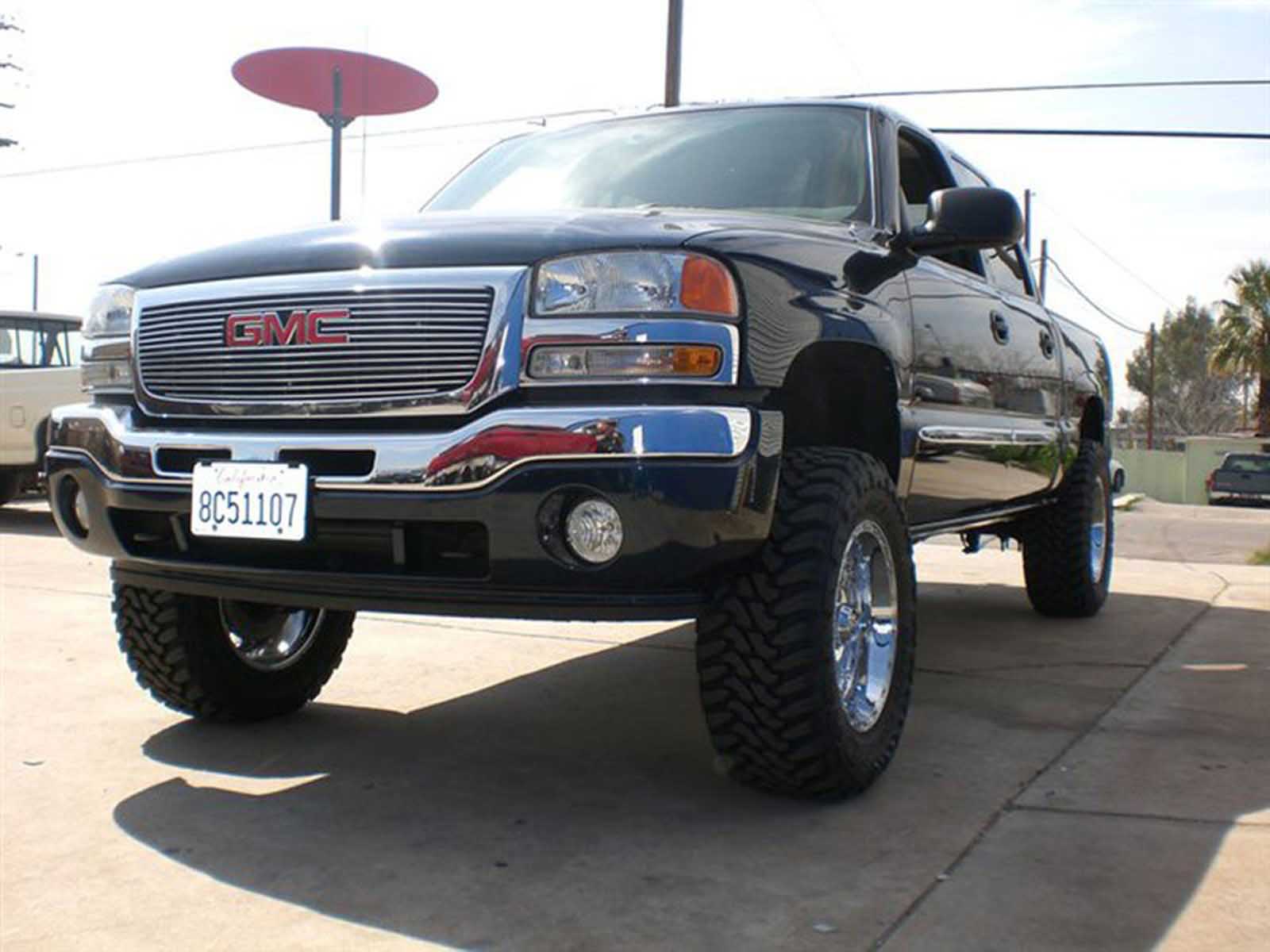
Many owners report normal operation until sudden catastrophic overheating occurs, often while towing or under heavy load conditions when engine stress is highest.
Cooling system inadequacies significantly contribute to the head gasket problems in 6.0L engines. The radiator capacity, while seemingly adequate, proves marginal for sustained heavy-duty operation.
The cooling fan operation is often inadequate for severe service conditions, and the cooling system design doesn’t provide sufficient heat rejection capability for the engine’s output.
The water pump design has also proven problematic, with many units failing prematurely and causing overheating that can trigger head gasket failure.
The repair costs for 6.0L Vortec head gasket failures are typically substantial due to the engine’s size and complexity. The labor-intensive repair process often requires engine removal, and many engines need cylinder head work in addition to gasket replacement.
The high likelihood of repeat failures has led many owners to sell their trucks rather than invest in expensive repairs that may not provide long-term reliability. The resale values of trucks equipped with this engine have been negatively affected by its reputation for head gasket problems, creating additional financial losses for owners.
Also Read: 5 BMW Models That Age Well vs 5 That Don’t
