
When it comes to luxury automotive engineering, BMW has long stood as a beacon of performance, innovation, and prestige. The Bavarian automaker has crafted vehicles that range from economical daily drivers to track-focused monsters, each carrying the iconic blue and white roundel that signifies engineering excellence.
However, not all BMWs are created equal when it comes to aging gracefully. Some models become more desirable with time, developing cult followings and appreciating, while others suffer from reliability issues, steep depreciation, and costly maintenance that can turn ownership into a financial nightmare.
The concept of how well a car “ages” encompasses multiple factors that go beyond simple depreciation curves. A well-aging BMW maintains its mechanical integrity over time, with robust engineering that stands up to years of use without major system failures.
It retains its aesthetic appeal, with timeless design elements that don’t look dated after a decade. Most importantly, it achieves a balance between performance, reliability, and reasonable maintenance costs that makes long-term ownership financially viable.
BMW’s history spans over a century, during which the company has produced some of automotive history’s most celebrated vehicles alongside some that enthusiasts prefer to forget.
The brand’s reputation for producing “Ultimate Driving Machines” has been built on models that combine precise handling, powerful engines, and luxurious interiors.
Understanding these distinctions helps buyers make informed decisions whether purchasing new or used BMWs, and provides insight into which models deserve preservation as future classics versus those better avoided entirely.
5 BMW Models That Age Well
These exceptionally engineered BMW models feature time-tested mechanical systems and premium construction materials that maintain their legendary driving dynamics through decades of demanding use and environmental exposure.
Their thoughtful engineering includes naturally aspirated engines with proven reliability records, robust manual transmissions, and premium interior materials that resist the wear patterns typically created by daily use and UV exposure.
The combination of proven mechanical components, premium materials, and timeless design creates vehicles that prove their worth through maintained driving excellence and preserved luxury appointments that continue to impress decades after production.
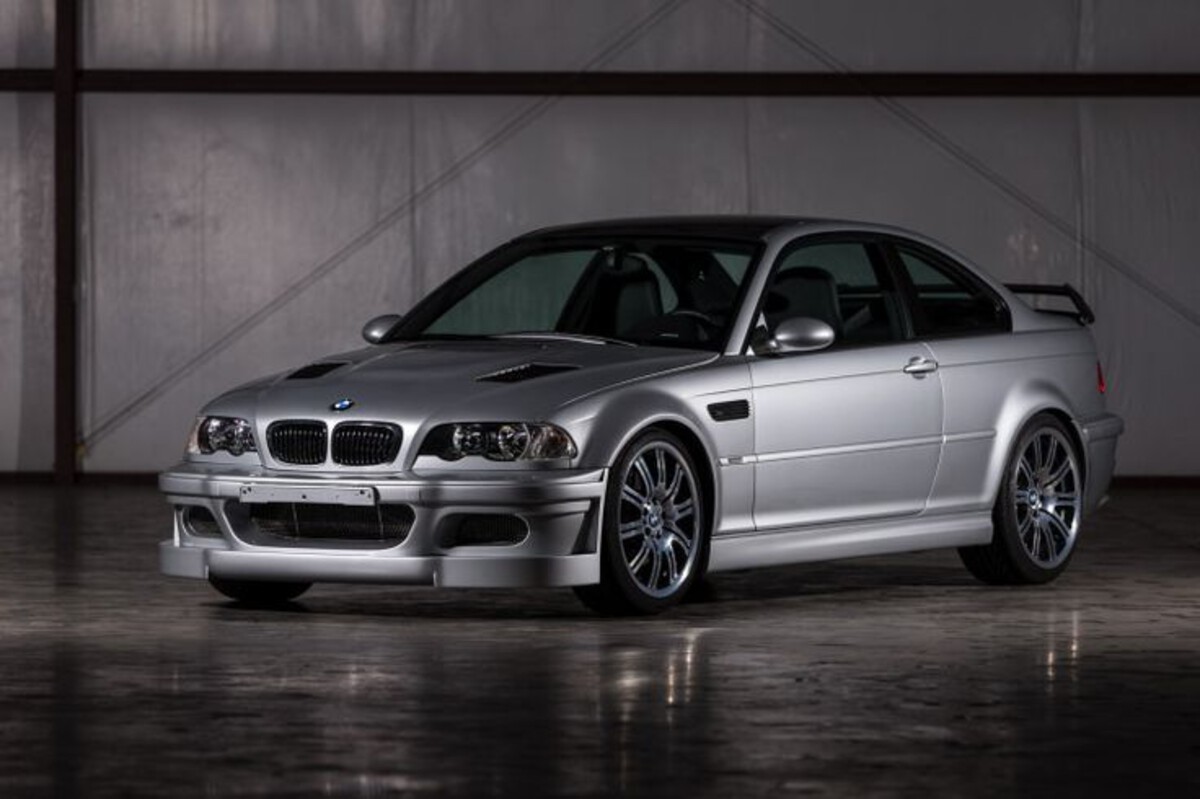
1. BMW E46 3 Series (1998-2006)
The BMW E46 3 Series stands as perhaps the finest example of a BMW that has aged like fine wine, representing the pinnacle of the brand’s engineering philosophy before complexity began overwhelming driving purity.
Launched in 1998 and produced until 2006, the E46 emerged during what many consider BMW’s golden era a time when the company successfully balanced advancing technology with mechanical simplicity and driver engagement.
What makes the E46 exceptional in its aging process is its fundamental engineering approach. BMW 3 Series reliability and quality took a dip with the arrival of the E90 in the mid-2000s, highlighting how the E46 represents the last generation before BMW began prioritizing technology over mechanical robustness.
The E46’s naturally aspirated engines, particularly the renowned M54 inline-six found in the 330i, have proven remarkably durable over time. These engines feature robust iron blocks, aluminum heads, and relatively simple fuel injection systems that mechanics can easily diagnose and repair.
The E46’s chassis represents a masterclass in balanced engineering. Its multi-link rear suspension and MacPherson strut front setup provide exceptional handling characteristics that remain impressive by today’s standards, while the car’s 50-50 weight distribution creates an engaging driving experience that modern BMWs struggle to match.
The steering is hydraulically assisted rather than electric, providing the kind of tactile feedback that has become increasingly rare in contemporary vehicles.
From a reliability standpoint, the E46 benefits from proven technology and straightforward systems. The interior electronics, while advanced for their time, remain comprehensible and repairable without specialized diagnostic equipment.
Common issues like window regulators, cooling system components, and suspension bushings are well-documented and relatively inexpensive to address. Most importantly, these issues rarely leave owners stranded and can often be anticipated through regular maintenance.
Market appreciation for the E46 continues growing, particularly for well-maintained examples with manual transmissions. The M3 variant has already achieved collectible status, but even standard models are finding new appreciation among enthusiasts seeking an authentic BMW driving experience.
Parts availability remains excellent, with BMW still supporting many components and aftermarket suppliers filling gaps. The enthusiast community surrounding the E46 is robust and knowledgeable, sharing maintenance wisdom and preserving examples for future generations.
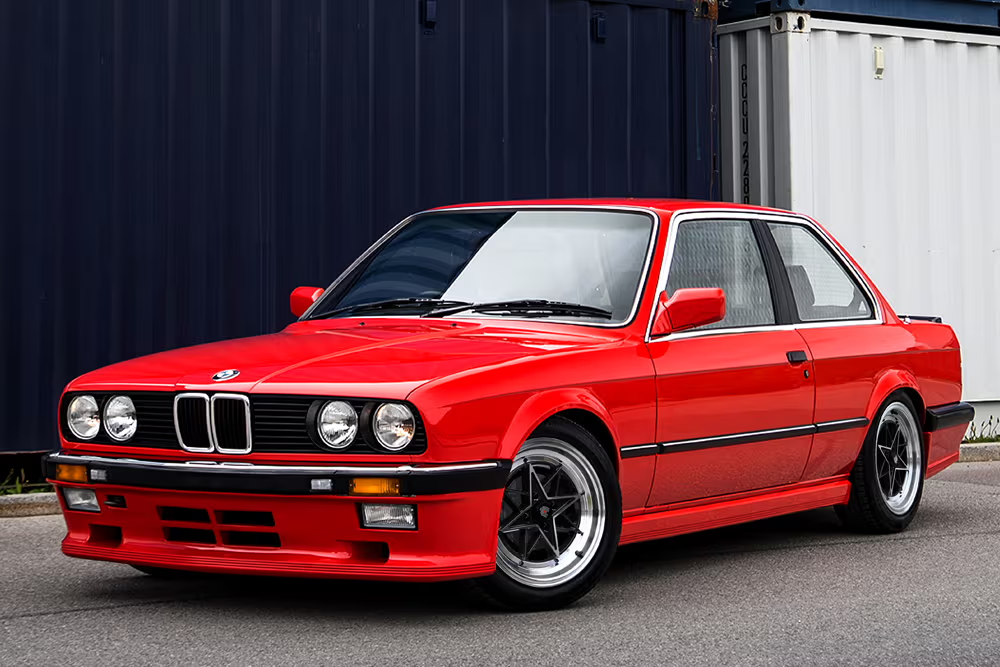
2. BMW E30 3 Series (1982-1994)
The BMW E30 3 Series has transcended its origins as an entry-level luxury sedan to become one of the most beloved BMWs ever created, representing the pure essence of what made the brand’s reputation for driver engagement.
Produced from 1982 to 1994, the E30 introduced the world to BMW’s compact sedan formula while establishing design and engineering principles that would influence generations of vehicles.
The E30’s aging success stems from its fundamental simplicity and honest engineering. Every system in the car serves a clear purpose without unnecessary complexity.
The naturally aspirated engines, ranging from the efficient M10 four-cylinder to the smooth M20 and later M50 inline-sixes, are mechanical marvels that respond well to maintenance and modification.
These engines feature robust construction with iron blocks and aluminum heads, designed during an era when BMW prioritized longevity over emissions compliance or fuel economy regulations.
Mechanically, the E30 represents BMW engineering at its most accessible. The fuel injection system is simple and reliable, the suspension components are straightforward to service, and the electrical systems are comprehensive enough for modern driving while remaining diagnosable with basic tools.
This simplicity means that competent home mechanics can maintain E30s without expensive diagnostic equipment or specialized training, contributing significantly to their long-term viability.
The E30’s design philosophy emphasized function over form, resulting in aesthetics that have aged remarkably well. The exterior features clean lines, perfect proportions, and restrained details that look as appropriate today as they did forty years ago.
The interior design prioritizes driver focus, with controls logically arranged and a dashboard layout that emphasizes functionality. Unlike modern BMWs with complex infotainment systems, the E30’s cockpit remains intuitive and timeless.
The E30’s aging success is also evident in its continued relevance in motorsport and enthusiast circles. The chassis remains competitive in vintage racing, while the platform serves as the foundation for numerous track-focused builds and modifications.
Parts availability remains strong through both BMW Classic and aftermarket suppliers, ensuring that well-maintained E30s can remain on the road indefinitely.
The model’s combination of simplicity, character, and cultural significance has created a self-sustaining ecosystem that continues supporting ownership decades after production ended.
3. BMW E39 5 Series (1996-2003)
The BMW E39 5 Series represents the perfect synthesis of traditional BMW values and modern luxury, creating a vehicle that has aged exceptionally well both mechanically and aesthetically.
Produced from 1996 to 2003, the E39 emerged during a crucial period in BMW’s history when the company successfully modernized its mid-size sedan without sacrificing the driving dynamics that made the 5 Series legendary.
The E39’s aging success begins with its exceptional build quality and engineering integrity. BMW invested heavily in the E39’s development, resulting in a vehicle with robust construction and proven mechanical components.
The chassis features a sophisticated multi-link suspension system that provides excellent handling while maintaining ride comfort, striking a balance that contemporary luxury sedans struggle to achieve.
The body structure is exceptionally rigid, contributing to both safety and long-term structural integrity that prevents the creaks, rattles, and alignment issues that plague lesser vehicles as they age.
Powertrain reliability represents another key factor in the E39’s aging success. The naturally aspirated engines, particularly the M62 V8 found in the 540i and the M52/M54 inline-sixes in other variants, have proven remarkably durable over time.
These engines feature robust construction with proven technologies that don’t rely on complex turbocharging or direct injection systems that can cause expensive failures in newer vehicles. The automatic transmissions, while not as engaging as manual alternatives, are equally reliable and smooth-operating even after high mileage.
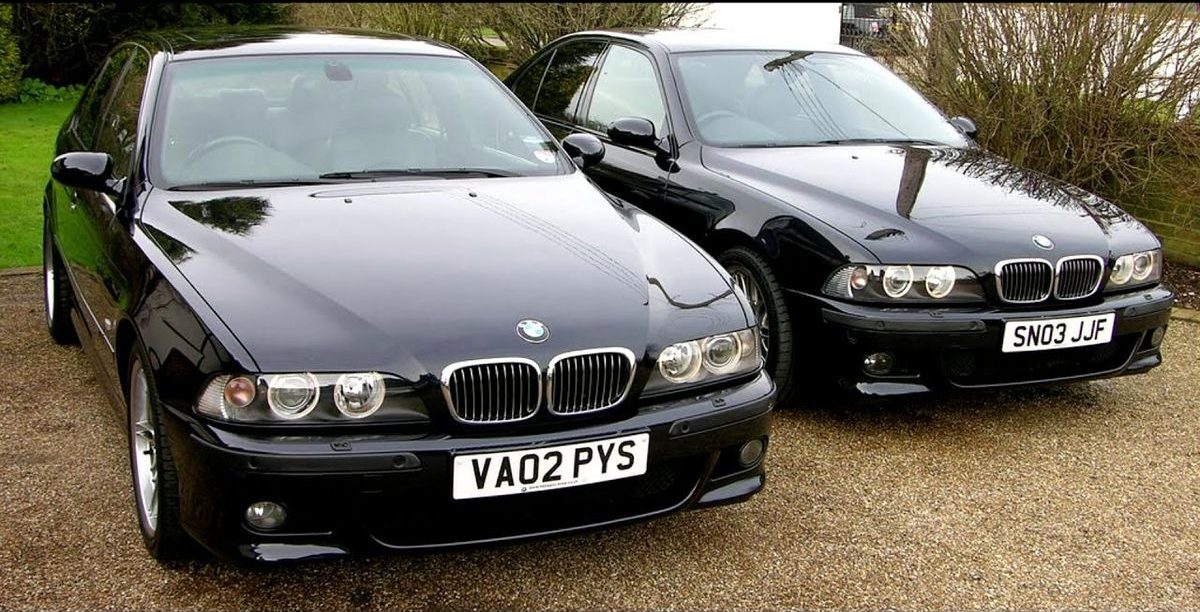
The E39’s design has aged magnificently, representing what many consider the last truly beautiful BMW sedan. The exterior styling, penned under the direction of Joji Nagashima, features elegant proportions and restrained details that look contemporary despite being over two decades old.
The famous “flame surfacing” design language that would later dominate BMW styling hadn’t yet appeared, allowing the E39 to maintain the clean, understated elegance that characterized the best BMW designs. The interior design is equally timeless, with high-quality materials and an intuitive layout that prioritizes functionality.
Market appreciation for the E39 continues growing, particularly for well-maintained examples with desirable specifications. The M5 variant, featuring the legendary S62 V8 engine, has already achieved collectible status and commands premium prices.
However, even standard E39 models are finding new appreciation among enthusiasts seeking a luxury sedan that provides genuine driving engagement without the complexity of modern vehicles.
Parts availability remains strong through BMW and aftermarket suppliers, while the enthusiast community provides extensive knowledge sharing and support for maintaining these vehicles in excellent condition.
4. BMW Z3 (1995-2002)
The BMW Z3 roadster holds a unique position in BMW’s lineup history as the company’s return to affordable sports car production and their first vehicle manufactured in the United States.
Produced from 1995 to 2002 at BMW’s Spartanburg facility, the Z3 introduced a generation of buyers to BMW’s driving philosophy while establishing the foundation for the brand’s modern roadster program.
The Z3’s aging success stems from its straightforward engineering and proven mechanical components. Unlike many sports cars that prioritize performance over reliability, the Z3 was designed as a daily-drivable roadster that could provide BMW’s signature driving experience without the complexity or maintenance demands of more exotic vehicles.
The chassis is based on a shortened E36 3 Series platform, inheriting that model’s balanced handling characteristics while benefiting from lower weight and a more rigid structure due to additional bracing required for convertible duty.
Mechanically, the Z3 benefits from using proven BMW engines and drivetrains. The base four-cylinder models, while not particularly powerful, are extremely reliable and economical to maintain.
The inline-six variants, particularly those equipped with the M52 and later M54 engines, provide excellent performance while maintaining the durability that made these powerplants legendary.
The manual transmissions are robust and engaging, while the available automatic provides smooth operation for those preferring convenience over maximum engagement.
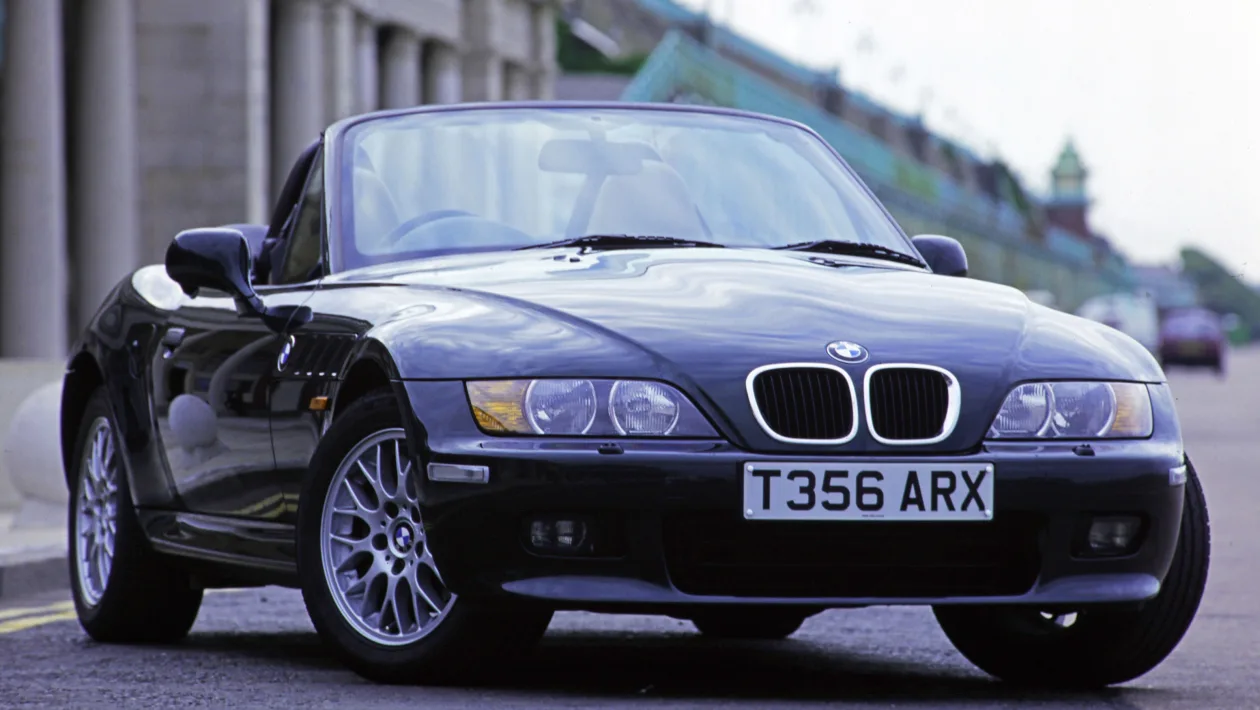
The Z3’s design has aged remarkably well, representing a modern interpretation of classic roadster proportions without the retro styling cues that can quickly appear dated.
The long hood, short deck proportions create a timeless silhouette that looks appropriate in any era, while the clean body lines and minimal ornamentation prevent the design from appearing overwrought or period-specific. The interior design is similarly restrained, with a driver-focused layout that emphasizes functionality over flashy details.
What makes the Z3 particularly appealing as it ages is its accessibility and character. Unlike more exotic sports cars that require specialized maintenance and expensive parts, the Z3 can be serviced at any competent BMW facility or even independent shops familiar with the brand.
Parts availability is excellent due to shared components with the E36 3 Series, and the enthusiast community provides extensive support for maintenance, modifications, and restoration projects.
Market trends show increasing appreciation for the Z3, especially as buyers seek alternatives to modern sports cars that prioritize technology over driving engagement.
The Z3 offers an authentic sports car experience with modern reliability and reasonable maintenance costs, making it an ideal choice for enthusiasts seeking weekend entertainment without exotic car complications. The model’s combination of BMW driving dynamics, proven reliability, and timeless design ensures its continued relevance for years to come.
Also Read: 5 Cars That Still Drive Like New After 20 Years vs 5 That Don’t
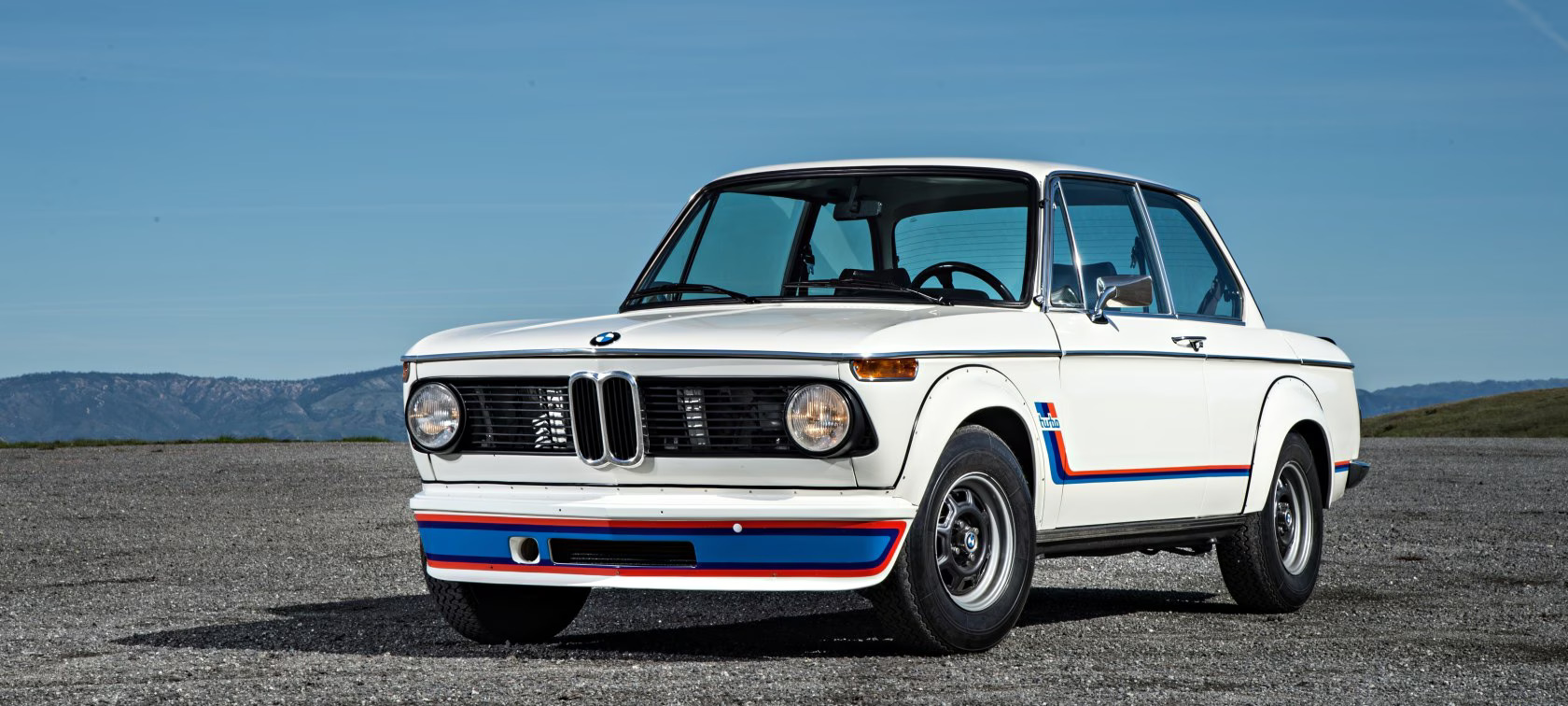
5. BMW 2002 (1968-1976)
The BMW 2002 stands as perhaps the most historically significant BMW in terms of aging gracefully, representing the model that established BMW’s reputation in North America and laid the foundation for the brand’s sporting sedan formula.
Produced from 1968 to 1976, the 2002 transformed BMW from a struggling Bavarian manufacturer into a global performance brand while creating the template for the compact sports sedan that would define the automotive world for decades.
The 2002’s aging success begins with its fundamental honesty and mechanical simplicity. Every component in the car serves a clear purpose without unnecessary complexity or electronic interference.
The naturally aspirated M10 four-cylinder engine is a masterpiece of engineering simplicity, featuring robust construction that responds well to maintenance and modification.
This engine’s design prioritizes durability and serviceability over emissions compliance or fuel economy, resulting in a powerplant that can easily exceed 200,000 miles with proper care.
Structurally, the 2002 benefits from BMW’s traditional engineering approach that prioritized driving dynamics over cost considerations. The rear-wheel-drive layout provides ideal weight distribution, while the independent front suspension and solid rear axle create handling characteristics that remain engaging by modern standards.
The steering is unassisted and communicative, providing direct feedback that allows drivers to feel connected to the road in ways that modern BMWs cannot match.
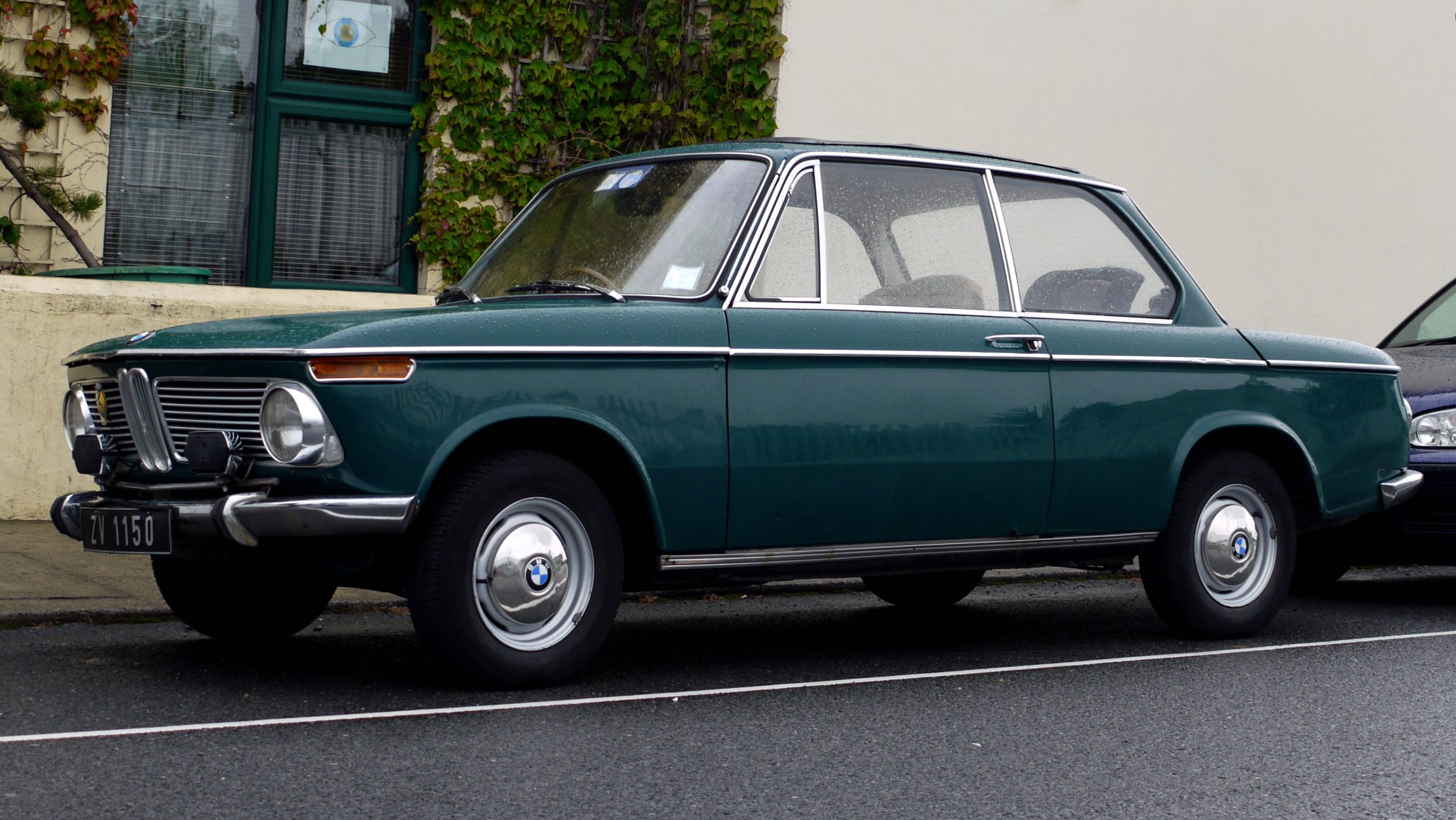
The 2002 design represents automotive aesthetics at their purest, with clean lines and perfect proportions that have influenced sports sedan design for over fifty years.
The exterior styling avoids unnecessary ornamentation while maintaining visual interest through careful attention to proportion and detail. The interior design is similarly functional, with controls logically arranged and a dashboard layout that prioritizes driver engagement over luxury appointments.
What makes the 2002 particularly remarkable in its aging is its cultural and historical significance. The model not only established BMW’s performance credentials but also influenced an entire generation of automotive enthusiasts and manufacturers.
The 2002’s success demonstrated that small, lightweight sedans could provide more engaging driving experiences than larger, more powerful vehicles, establishing the foundation for the modern sports sedan segment.
The model’s combination of historical importance, mechanical simplicity, and driving engagement ensures its continued relevance and desirability as automotive culture evolves toward electrification and automation.
5 BMW Models That Don’t Age Well
These catastrophically unreliable BMW models suffer from fundamental over-engineering, including complex electronic systems and fragile components that create perfect conditions for expensive cascade failures under normal operating conditions.
Their cost-cutting construction shows in cheap interior plastics that crack and discolor, problematic iDrive systems that malfunction without warning, and sophisticated engines with timing chain issues and carbon buildup problems that require thousands in preventive maintenance.
Poor material choices in critical components lead to premature failure patterns that make routine ownership financially devastating, while complex electronic integration means single component failures can disable multiple vehicle systems simultaneously.
These BMWs represent the unfortunate consequences of prioritizing technological showcase features over proven durability, creating vehicles that deliver impressive initial experiences but transform into financial nightmares that destroy their owners’ enthusiasm for the brand while sitting unused in garages due to prohibitive repair costs.
1. BMW E65/E66 7 Series (2001-2008)
The BMW E65/E66 7 Series represents one of the most controversial and poorly aging BMWs ever produced, embodying everything that can go wrong when a manufacturer prioritizes technological complexity over proven engineering principles.
Launched in 2001 and produced until 2008, the E65 generation marked BMW’s aggressive push toward electronic integration and innovative features, but this technological ambition created a vehicle that has aged disastrously in terms of reliability, maintenance costs, and ownership experience.
The BMW 7 Series has the highest depreciation rate of any new car, and The BMW 7 Series has been the perceived king of depreciation for generations, and the reputation holds up today.
This dramatic depreciation reflects the market’s recognition of the model’s fundamental flaws and the enormous costs associated with maintaining these complex vehicles as they age.
The E65’s primary aging problems stem from its revolutionary but ultimately problematic approach to automotive electronics. BMW equipped the E65 with groundbreaking features like the controversial iDrive system, electronic valve control, active suspension, and numerous electronic comfort systems.
While impressive when new, these systems have proven catastrophically expensive to maintain and repair as the vehicles age. The iDrive system, in particular, was notorious for confusing operation and frequent failures that could cost thousands of dollars to resolve.
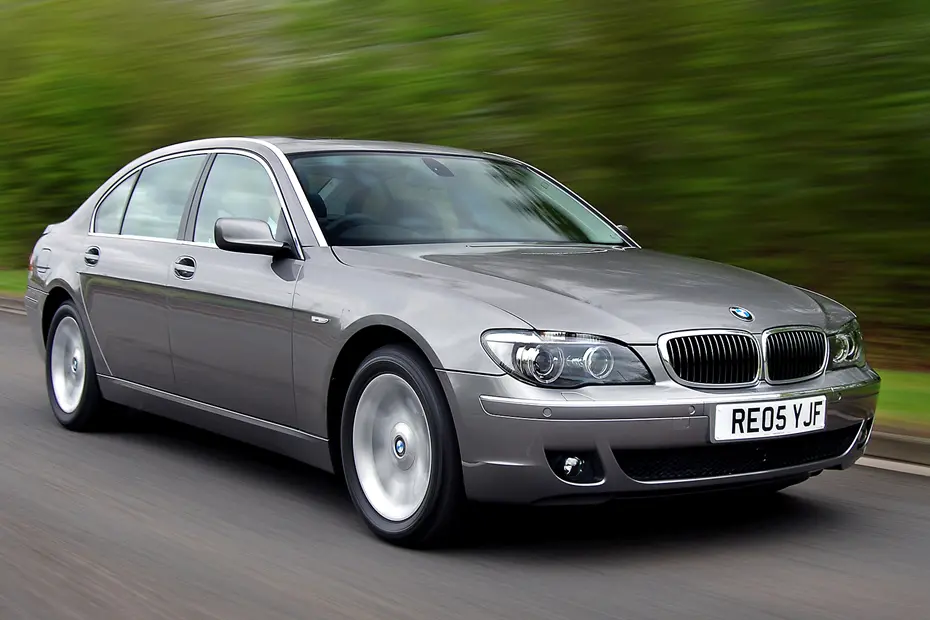
Mechanically, the E65 suffers from numerous design decisions that prioritize innovation over reliability. The N62 V8 engine, while powerful and smooth, features complex electronic systems and problematic design elements like plastic cooling system components that fail predictably and expensively.
The engine’s valve timing system relies on electronic actuators that can fail catastrophically, often requiring complete engine replacement rather than economical repair.
The E65’s electrical systems represent perhaps its greatest aging weakness. The vehicle features multiple electronic control modules that communicate through complex networks, creating opportunities for cascading failures that can be extremely difficult and expensive to diagnose.
The E65’s poor aging has damaged BMW’s reputation for luxury vehicle reliability and serves as a reminder that technological innovation must be balanced with proven engineering principles to create vehicles that age gracefully.
2. BMW E90 3 Series (2005-2013)
The BMW E90 3 Series represents a dramatic departure from the reliable, driver-focused 3 Series tradition, marking the beginning of BMW’s modern era of electronic complexity and turbocharged engines.
While the E90 introduced advanced safety features and improved interior space compared to its E46 predecessor, it has aged poorly due to numerous reliability issues, expensive maintenance requirements, and design elements that quickly became dated.
BMW 3 Series reliability and quality took a dip with the arrival of the E90 in the mid-2000s. This was in the era when BMW gradually began replacing traditional controls with the iDrive interface.
Other technologies, like run-flat tires and problematic turbocharged engines such as the N54, highlight the systematic problems that have made the E90 age poorly compared to its predecessors.
The E90’s most significant aging problem involves its turbocharged engines, particularly the much-criticized N54 twin-turbo inline-six found in 335i models.
While powerful and efficient, the N54 suffers from numerous design flaws, including problematic high-pressure fuel pumps, carbon buildup on intake valves, wastegate failures, and injector problems. These issues often manifest after the warranty period expires, leaving owners with repair bills that can easily exceed the vehicle’s depreciated value.
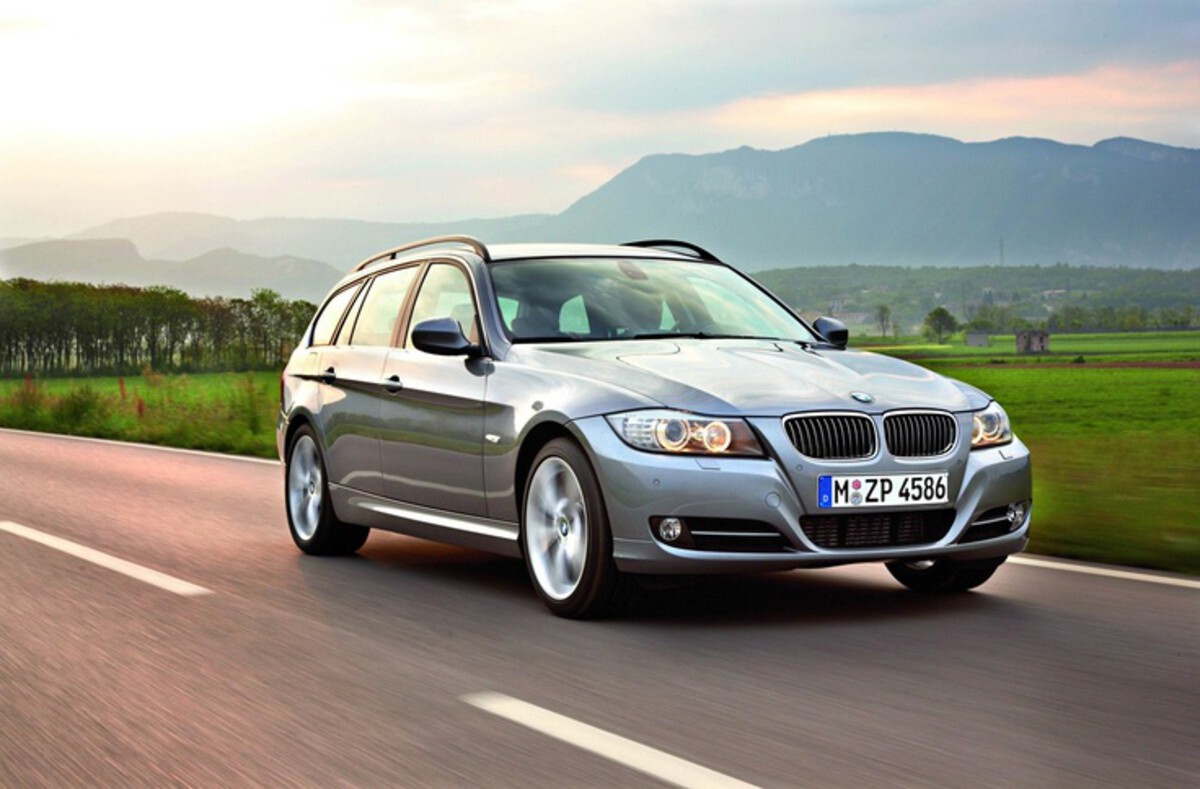
Electronic systems represent another major aging weakness for the E90. BMW equipped the generation with numerous electronic features including advanced climate control, sophisticated audio systems, and early versions of connected services.
As these systems age, they become increasingly prone to failures that require expensive diagnostic work and electronic component replacement. The complexity of these systems often makes repair costs prohibitively expensive compared to the vehicle’s residual value.
Market perception of the E90 reflects these aging problems, with values dropping rapidly and many examples being avoided by informed buyers.
While newer E90 models with fewer miles might still provide reasonable service, higher-mileage examples often face maintenance costs that exceed their market value.
The model serves as a cautionary example of how prioritizing technological advancement over proven reliability can create vehicles that age poorly and disappoint long-term owners.
3. BMW i3 (2013-2022)
The BMW i3 electric vehicle represents one of the most ambitious and ultimately unsuccessful aging stories in BMW’s history, embodying the challenges that arise when a manufacturer attempts to revolutionize automotive design and technology simultaneously.
Launched in 2013 as BMW’s entry into the electric vehicle market, the i3 featured radical construction methods, unusual design elements, and experimental technologies that have proven problematic as the vehicle ages.
The i3’s aging problems begin with its unconventional construction and materials. BMW built the i3 using a carbon fiber-reinforced plastic (CFRP) body mounted on an aluminum chassis, creating a lightweight structure that was revolutionary when introduced.
However, this exotic construction has proven extremely expensive to repair when damaged, with even minor collision damage often resulting in total loss declarations from insurance companies. The specialized materials and construction methods require specific expertise and tools that most repair facilities don’t possess.
Battery technology represents the i3’s most significant aging challenge. While the vehicle’s lithium-ion battery pack was advanced when new, electric vehicle battery technology has evolved rapidly, making the i3’s range and charging capabilities appear primitive by current standards. More problematically, as these battery packs age, they suffer from capacity degradation that reduces driving range, while replacement costs often exceed the vehicle’s depreciated value.
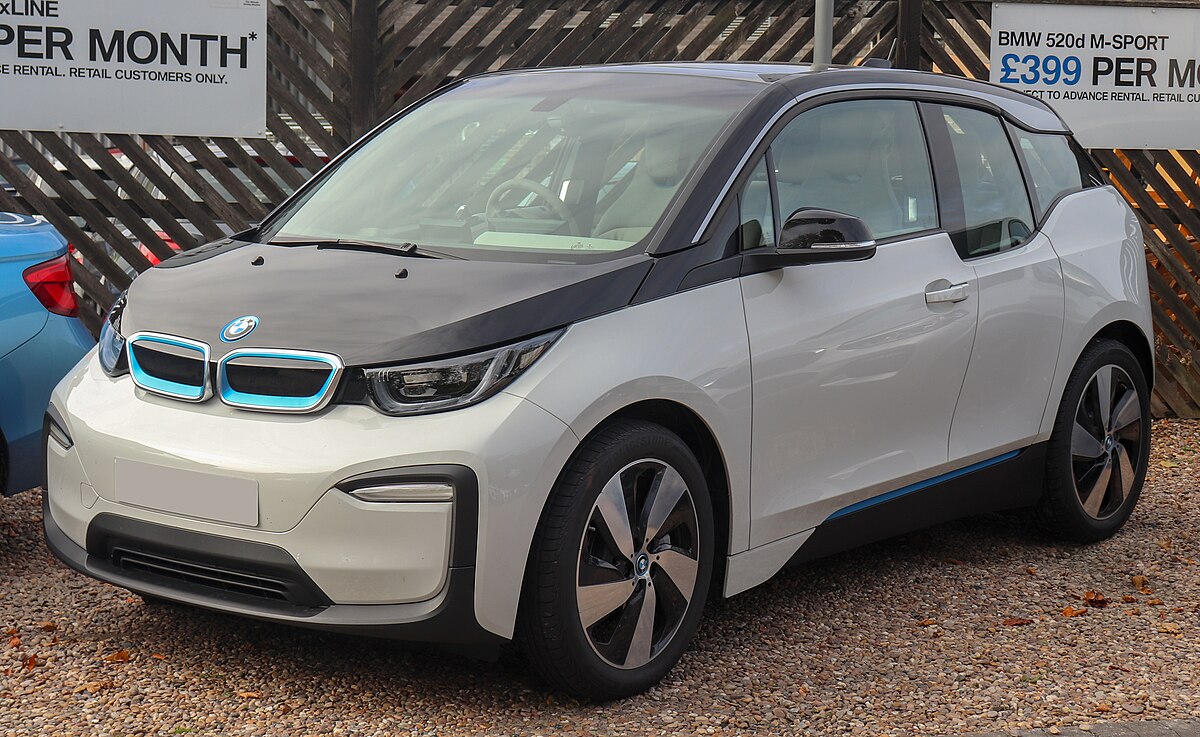
The i3’s unusual design, once considered futuristic and innovative, has aged poorly and appears awkward compared to more conventional electric vehicles.
The exterior styling features numerous unusual proportions and details that were intended to emphasize the vehicle’s electric nature but now look dated and gimmicky.
The interior design, while spacious and innovative, relies heavily on sustainable materials that haven’t aged well physically and appear cheap compared to traditional luxury vehicle appointments.
As the vehicle ages, electronic system failures become more common while replacement parts become increasingly expensive and difficult to obtain.
4. BMW F01/F02 7 Series (2008-2015)
The BMW F01/F02 7 Series continued many of the problematic trends established by its E65 predecessor while introducing new complications that have made it age poorly in terms of reliability, maintenance costs, and market acceptance.
Produced from 2008 to 2015, the F01 generation attempted to address some of the E65’s most criticized features while maintaining BMW’s commitment to technological innovation and luxury features, but these efforts created new problems that have proven equally challenging as the vehicles age.
The F01’s aging problems begin with its continued reliance on complex electronic systems that have proven fragile and expensive to maintain. While BMW simplified some aspects of the controversial iDrive system, the F01 introduced new electronic features, including advanced driver assistance systems, sophisticated climate control, and numerous comfort systems that all rely on complex electronic networks.
As these vehicles age, electronic failures become increasingly common and expensive to resolve. Engine reliability in the F01 varies significantly depending on specification, but several powerplants have proven problematic as vehicles age.
The N63 V8 engine, while powerful and efficient, suffers from numerous design flaws including problematic turbochargers, timing chain issues, and electronic system failures. These problems often manifest after warranty expiration, leaving owners with repair bills that can easily exceed $15,000 for major engine work.
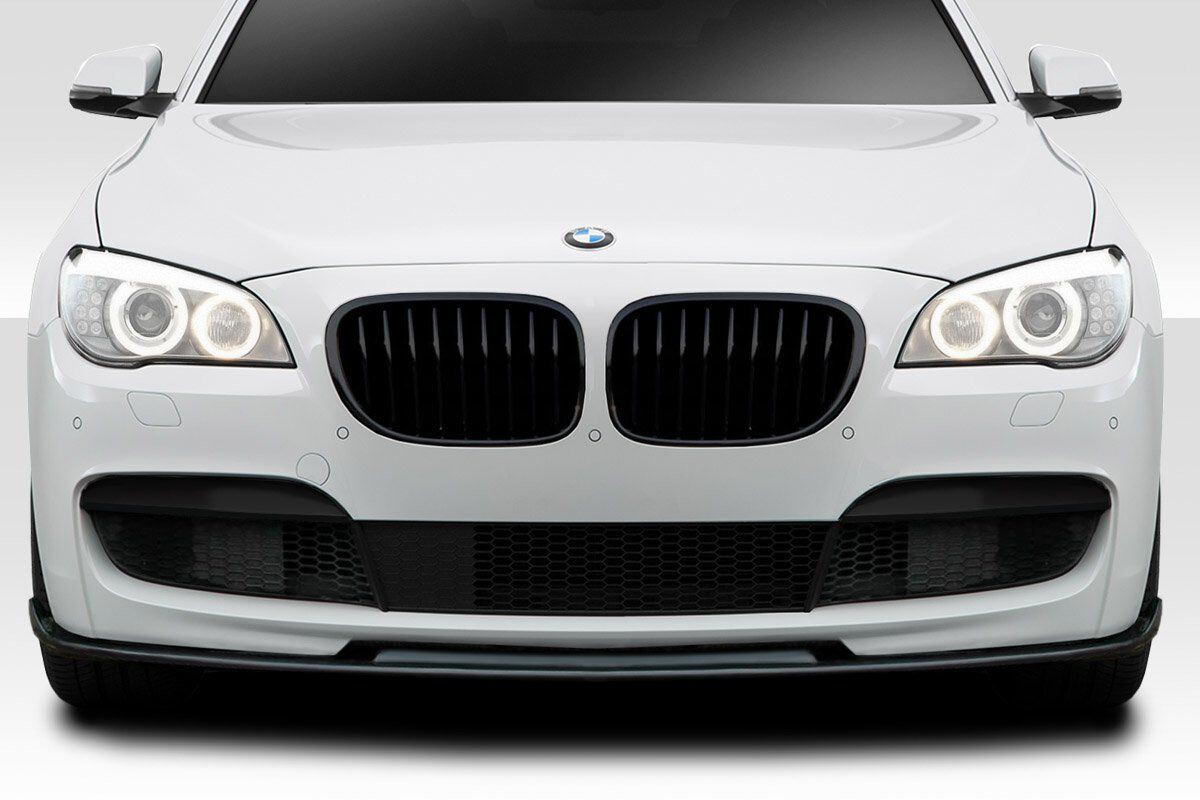
The F01’s air suspension system, while providing excellent ride quality when functioning properly, has proven extremely expensive to maintain as vehicles age.
Air suspension components have limited service lives and require regular replacement, with complete system rebuilds often costing more than $10,000. Many owners opt to convert to conventional suspension systems, but this modification can affect vehicle dynamics and may create other complications.
Interior electronics and comfort systems in the F01, while impressive when new, have proven fragile and expensive to repair. Features like massaging seats, advanced climate control, premium audio systems, and electronic seat adjustments all suffer from reliability problems that require expensive diagnostic work and component replacement.
Common repairs involving electronic systems, engine components, or suspension systems can each cost several thousand dollars, while more complex issues can easily exceed $20,000. These costs make the F01 one of the most expensive BMW models to maintain as it ages, creating an ownership experience that few can afford to sustain.
5. BMW X6 (2008-2014, First Generation)
The BMW X6 represents one of the most controversial and poorly aging BMWs ever produced, embodying the pitfalls of prioritizing style over substance and creating a vehicle that serves no clear purpose while suffering from numerous practical and reliability problems.
Launched in 2008 as BMW’s “Sports Activity Coupe,” the X6 attempted to combine SUV capability with coupe styling. Still, this compromise created a vehicle that excels at nothing while aging poorly in multiple dimensions.
The X6’s fundamental aging problem stems from its confused identity and purpose. Neither a practical SUV nor an engaging sports car, the X6 offers compromised functionality in exchange for controversial styling that has aged poorly.
The sloping roofline that defines the vehicle’s character severely reduces rear passenger space and cargo capacity compared to conventional SUVs, while the high seating position and heavy weight prevent it from providing the engaging driving experience of a true sports car.
Mechanically, the first-generation X6 suffers from numerous reliability problems that have become increasingly expensive as vehicles age. The turbocharged engines, particularly the N54 twin-turbo inline-six found in xDrive35i models, share the same problematic design elements that plague other BMW models of this era.
These engines suffer from high-pressure fuel pump failures, carbon buildup, wastegate problems, and injector issues that can cost thousands of dollars to resolve.
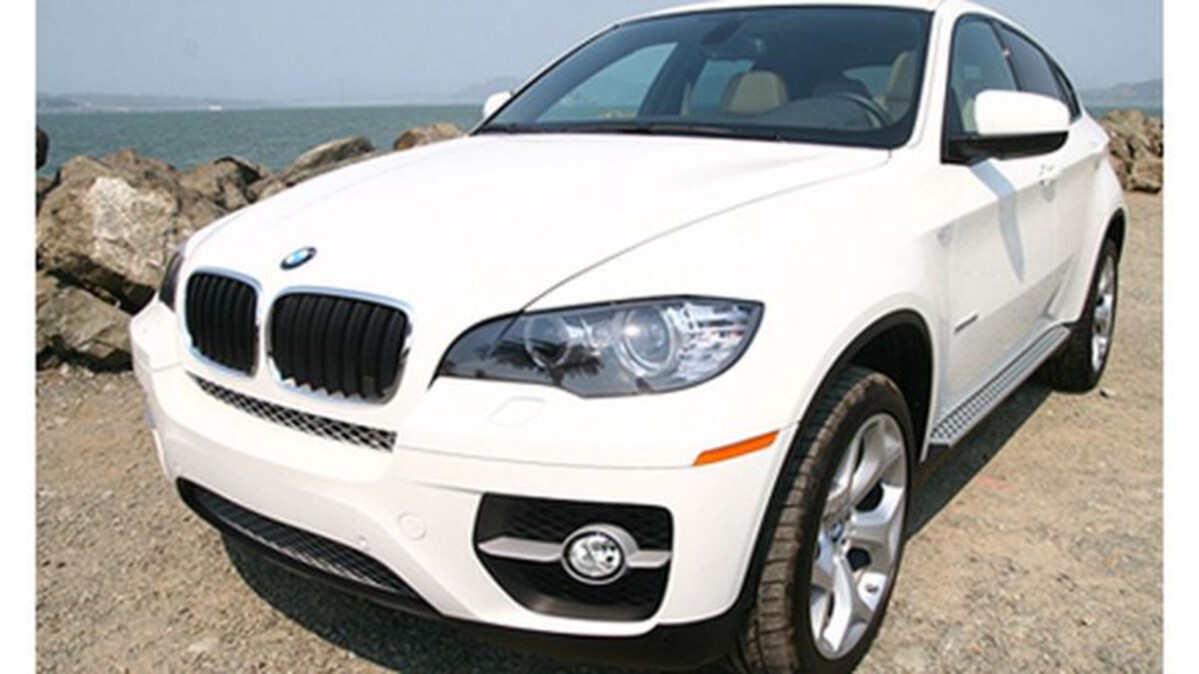
The X6’s xDrive all-wheel-drive system, while sophisticated, adds complexity and maintenance requirements that contribute to expensive aging. The system relies on numerous electronic components and sensors that can fail over time, often requiring expensive diagnostic work and component replacement.
Transfer case and differential problems are also common in higher-mileage examples, with repairs often costing more than the vehicle’s depreciated value.
Electronic systems in the X6 suffer from the same aging problems that affect other BMW models from this era, but the vehicle’s high purchase price created higher expectations for long-term reliability.
This lack of community support means that knowledge sharing, parts sourcing, and maintenance expertise remain limited, making long-term ownership even more challenging and expensive than it would be otherwise.
Also Read: 5 Engines That Rarely Leak Oil vs 5 That Constantly Drip
