

The plug-in hybrid electric vehicle (PHEV) market has exploded in recent years, offering consumers the best of both worlds: electric driving capabilities for daily commutes and the peace of mind that comes with a gasoline backup engine for longer trips.
However, not all plug-in hybrids are created equal when it comes to reliability and long-term ownership satisfaction.
While some manufacturers have mastered the complex engineering required to seamlessly integrate electric and gasoline powertrains, others continue to struggle with the technical challenges inherent in these sophisticated dual-power systems.
The reliability world for plug-in hybrids presents a fascinating dichotomy. On one hand, we have established automotive brands leveraging decades of hybrid expertise to create remarkably dependable vehicles that often surpass traditional gasoline cars in terms of problem-free ownership.
These stellar performers benefit from proven hybrid technologies, extensive testing programs, and refined manufacturing processes that minimize potential failure points.
This complexity can manifest in problems ranging from hybrid battery degradation and charging system failures to software glitches that affect powertrain coordination.
Understanding which plug-in hybrids excel in reliability versus those that struggle is crucial for making informed purchasing decisions, especially given the significant financial investment these vehicles represent.
5 Plug-In Hybrids That Outlast Rivals
These exceptionally engineered plug-in hybrid vehicles feature robust electrical systems and time-tested integration approaches that maintain reliable operation through hundreds of thousands of demanding miles without major component failures.
Their thoughtful construction includes conservatively managed battery packs with active thermal regulation, proven gasoline engines with hybrid-specific modifications, and robust power electronics that resist the stress patterns typically created by constant switching between electric and combustion modes.
From extreme temperature cycling that challenges battery chemistry to frequent charge-discharge cycles that stress electrical components, these remarkable vehicles continue operating seamlessly without experiencing battery degradation, inverter failures, or integration problems that plague lesser alternatives.
Strategic component selection prioritizes proven reliability over cutting-edge technology, while superior thermal management protects sensitive electronics from the heat generated during high-power operation.
Owners report these bulletproof hybrids maintaining their original electric range and fuel economy after decades of service, often requiring nothing beyond routine maintenance while delivering consistent dual-mode performance.
The combination of conservative engineering, premium components, and excellent integration creates electrified powertrains that prove their worth through maintained efficiency and reliable operation even after hundreds of thousands of miles of mixed driving.
1. Toyota RAV4 Prime
The Toyota RAV4 Prime stands as the gold standard for plug-in hybrid reliability, earning consistently high marks from both industry experts and owners alike.
This compact SUV leverages Toyota’s decades of hybrid expertise, building upon the proven foundation of the regular RAV4 Hybrid while adding plug-in capability.
The RAV4 Prime’s exceptional reliability stems from Toyota’s conservative engineering approach and extensive real-world testing before bringing new technologies to market.
What sets the RAV4 Prime apart is its robust hybrid battery system, which benefits from Toyota’s industry-leading battery management technology.
The vehicle’s lithium-ion battery pack is designed for longevity, with sophisticated thermal management systems that prevent overheating and degradation.
Toyota’s hybrid control unit has been refined through multiple generations, resulting in seamless transitions between electric and gasoline power that rarely experience glitches or failures.
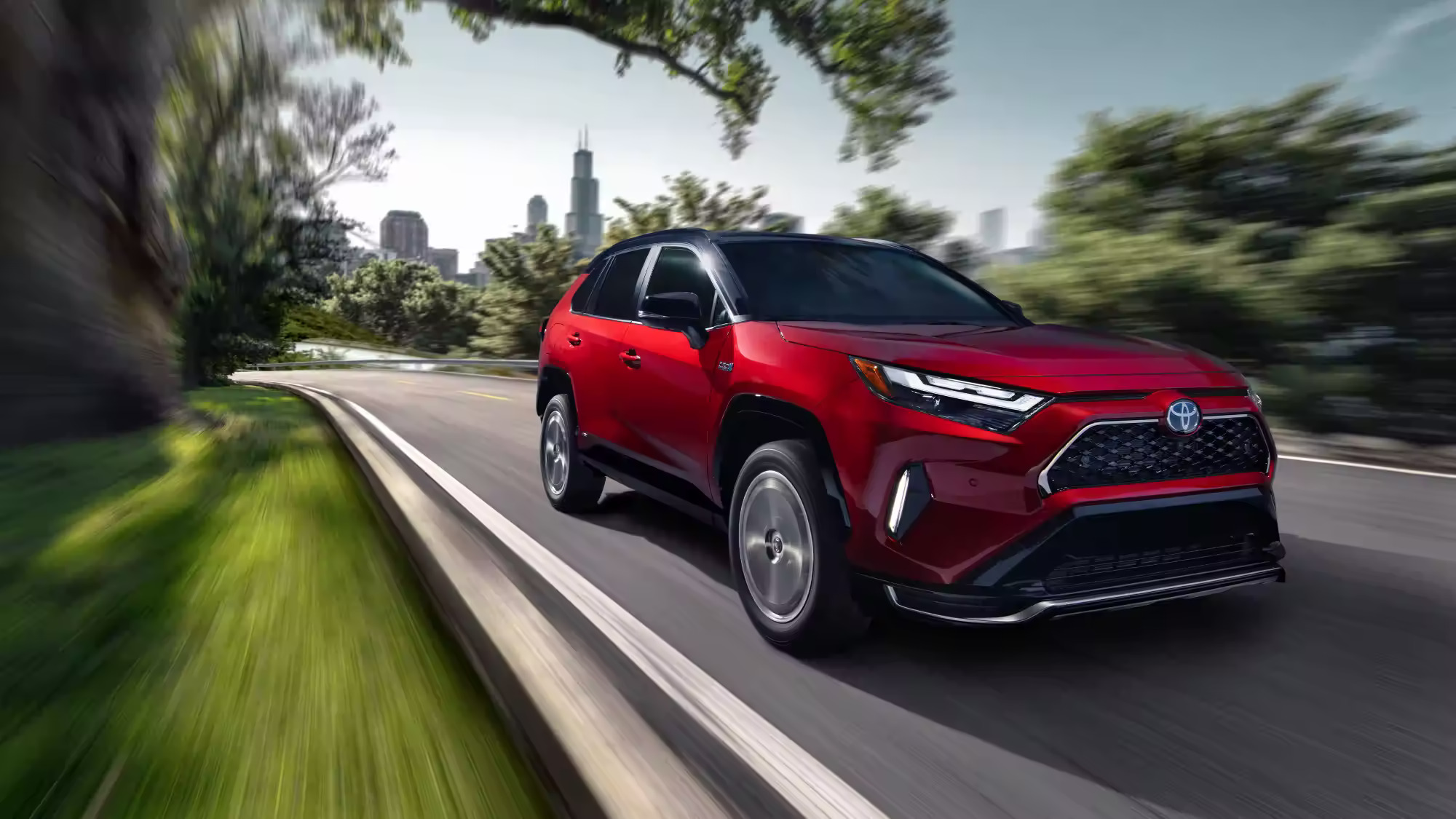
The integration between the electric motors and the naturally aspirated 2.5-liter four-cylinder engine is so well-engineered that many owners report never experiencing the jarring transitions or hesitation issues that plague some competing plug-in hybrids.
Maintenance requirements for the RAV4 Prime remain refreshingly straightforward, following Toyota’s reputation for building vehicles that don’t require frequent or expensive service interventions.
The regenerative braking system helps extend brake pad life significantly, while the electric drive system actually reduces wear on traditional engine components during city driving.
Owner reports consistently highlight the RAV4 Prime’s ability to deliver on its promised electric range without significant degradation over time, with many vehicles maintaining close to their EPA-estimated 42 miles of electric range even after several years of use
The vehicle’s charging system has proven particularly robust, with very few reports of onboard charger failures or charging port issues that have affected some competitors.
Toyota’s comprehensive warranty coverage, including an 8-year/100,000-mile hybrid battery warranty, provides additional peace of mind and demonstrates the manufacturer’s confidence in the system’s durability.
2. Lexus RX 450h+
The Lexus RX 450h+ represents the premium tier of plug-in hybrid reliability, combining luxury appointments with the rock-solid dependability that both Lexus and Toyota are renowned for.
This luxury SUV shares its fundamental hybrid architecture with other Toyota products but raises the experience through superior build quality, enhanced noise isolation, and premium materials that contribute to its exceptional long-term durability.
The RX 450h+ benefits from Lexus’s meticulous attention to detail in manufacturing and quality control, resulting in fit and finish levels that often exceed those of European luxury competitors.
The plug-in hybrid system in the RX 450h+ utilizes a sophisticated all-wheel-drive configuration that seamlessly distributes power between front and rear axles while managing the transition between electric and gasoline power.
This system has proven remarkably reliable in real-world conditions, with very few reports of drivetrain issues or power delivery problems.
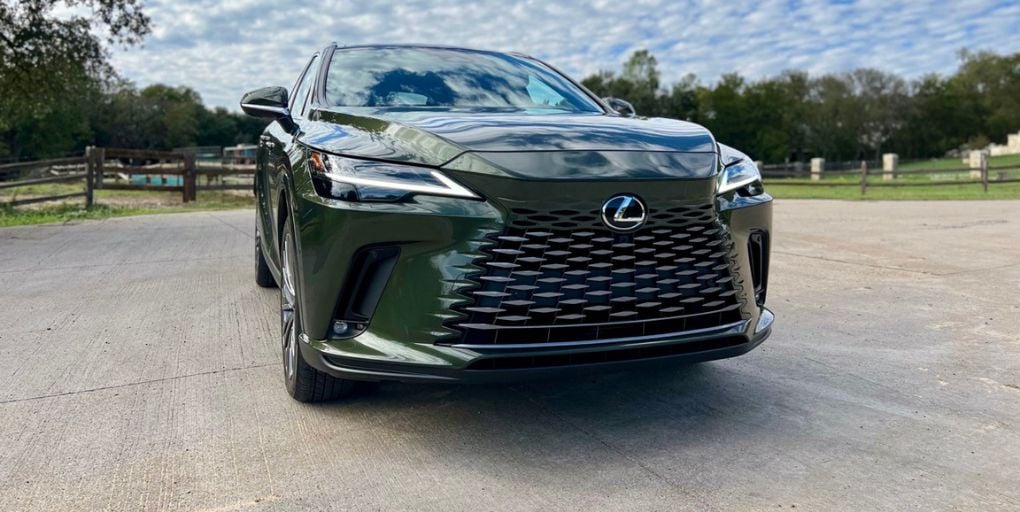
The vehicle’s advanced predictive energy management system learns driving patterns and optimizes battery usage accordingly, helping to preserve battery life and maintain consistent performance over time.
Lexus engineers have paid particular attention to the integration of the electric motor with the continuously variable transmission, resulting in smooth acceleration and deceleration that doesn’t exhibit the rubber-band effect or hesitation issues common in some other plug-in hybrids.
From a maintenance perspective, the RX 450h+ follows Lexus’s philosophy of requiring minimal intervention from owners. The hybrid system’s self-diagnostic capabilities are particularly advanced, providing clear warnings well before potential failures occur.
The vehicle’s regenerative braking system is calibrated to feel natural while maximizing energy recovery, and the brake components themselves are designed for extended service life.
Lexus’s dealer network is well-trained in hybrid system maintenance, ensuring that when service is required, it’s performed correctly the first time.
The luxury SUV’s charging system has proven exceptionally reliable, with robust hardware and sophisticated software that prevents common charging issues.
Owner satisfaction ratings for the RX 450h+ consistently rank among the highest in the luxury plug-in hybrid segment, with particular praise for the vehicle’s trouble-free operation and minimal unscheduled maintenance requirements.
3. Honda Clarity Plug-In Hybrid
The Honda Clarity Plug-In Hybrid, while no longer in production, established itself as one of the most reliable plug-in hybrids ever created during its production run.
This midsize sedan showcased Honda’s ability to engineer a plug-in hybrid system that prioritized simplicity and reliability over maximum performance or complexity.
The Clarity’s approach to hybrid technology was refreshingly straightforward, using a series-parallel hybrid configuration that allowed the electric motor to handle most driving situations while the gasoline engine primarily served as a generator or provided direct power during highway driving.
Honda’s engineering philosophy for the Clarity centered on proven technologies and conservative tuning, resulting in a powertrain that rarely experienced unexpected behavior or failures.
The vehicle’s 17-kWh lithium-ion battery pack was designed with significant thermal management capabilities, including active liquid cooling that helped maintain optimal operating temperatures in all weather conditions.
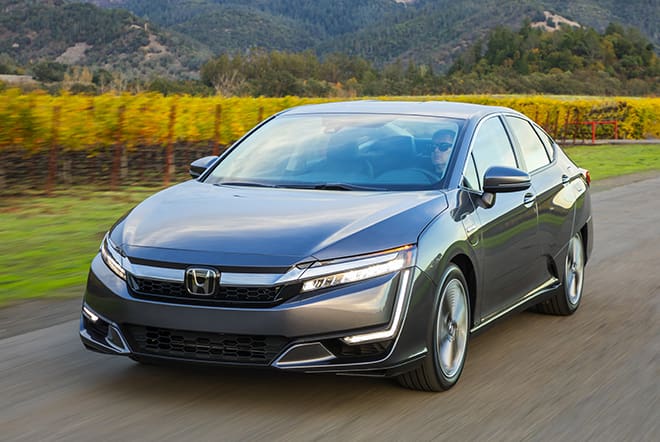
This attention to battery thermal management has paid dividends in terms of long-term reliability, with many Clarity owners reporting minimal battery degradation even after high-mileage use.
The electric drive motor and gasoline engine integration was handled through Honda’s sophisticated power control unit, which managed the complex interactions between systems with remarkable consistency.
The Clarity’s maintenance requirements were notably minimal, benefiting from Honda’s reputation for building long-lasting vehicles with extended service intervals.
The regenerative braking system was tuned to provide a natural pedal feel while maximizing energy recovery, and the traditional brake components experienced reduced wear due to the electric motor’s ability to handle most deceleration duties.
Honda’s approach to software integration avoided the complexity pitfalls that have plagued some manufacturers, instead focusing on proven algorithms and straightforward user interfaces.
The vehicle’s charging system was particularly robust, with a simple yet effective onboard charger that rarely experienced failures.
Owner reports consistently praised the Clarity for its predictable operation and lack of unexpected issues, with many vehicles accumulating high mileage without significant problems. The sedan’s reputation for reliability has made used examples highly sought after, even years after production ended.
4. Chrysler Pacifica Hybrid
The Chrysler Pacifica Hybrid stands as a remarkable achievement in plug-in hybrid engineering, successfully combining the complex requirements of a three-row family vehicle with reliable hybrid operation.
As the only plug-in hybrid minivan currently available in the North American market, the Pacifica Hybrid has had to prove itself capable of handling the demanding duty cycles that large families impose on their vehicles.
Despite initial concerns about the complexity of integrating a plug-in hybrid system into a full-size minivan platform, the Pacifica Hybrid has demonstrated impressive reliability and durability in real-world use.
The vehicle’s plug-in hybrid system uses a sophisticated dual-motor electric drivetrain paired with a 3.6-liter Pentastar V6 engine, managed by an advanced electronic control system that seamlessly coordinates power delivery.
What makes the Pacifica Hybrid particularly impressive from a reliability standpoint is how well this complex system has been integrated into the minivan’s existing architecture without compromising the vehicle’s fundamental utility.
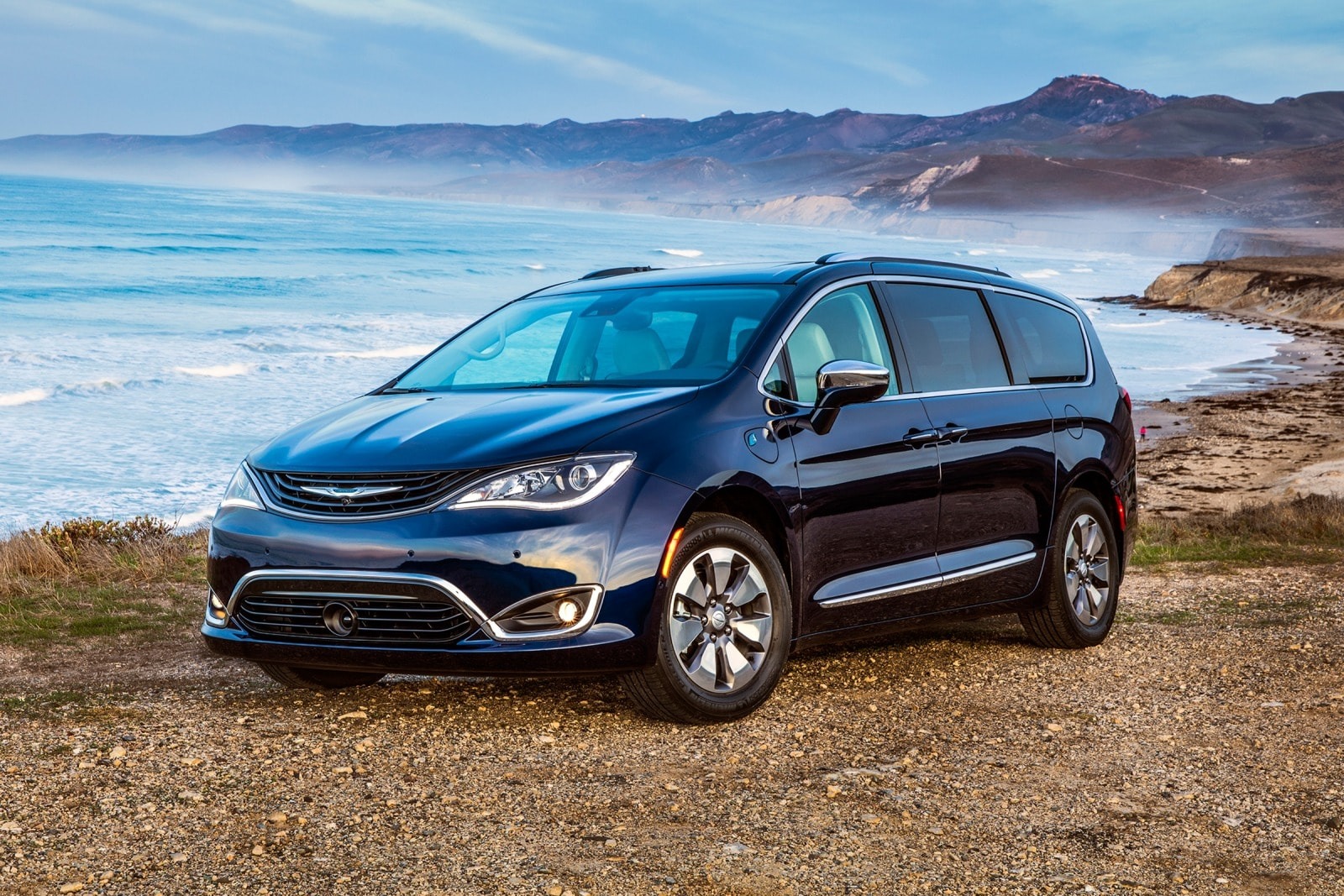
The 16-kWh lithium-ion battery pack is strategically located beneath the second-row floor, protecting it from damage while maintaining the vehicle’s low center of gravity.
This placement also helps with thermal management, as the battery stays cool and protected from environmental extremes that could accelerate degradation.
Chrysler’s approach to hybrid system calibration in the Pacifica emphasizes smooth operation and family-friendly behavior, avoiding the aggressive regeneration or abrupt transitions that can make some plug-in hybrids challenging to drive smoothly.
The eFlite electrically variable transmission has proven particularly reliable, managing the complex task of coordinating two electric motors and the gasoline engine without the mechanical complexity of traditional multi-speed transmissions.
Owner reports consistently highlight the Pacifica Hybrid’s ability to deliver on its promised electric range while maintaining strong gasoline fuel economy when operating in hybrid mode.
The vehicle’s charging system has demonstrated robust performance across various climates and usage patterns, with few reports of charging failures or port issues.
Maintenance requirements remain reasonable despite the vehicle’s complexity, with most service needs following conventional vehicle patterns.
The Pacifica Hybrid’s reliability success has been crucial for family buyers who depend on their vehicle for daily transportation and can’t afford unexpected breakdowns or extensive service requirements.
Also Read: 5 Vehicles That Keep Their Ride Smooth vs 5 That Don’t
5. BMW X5 xDrive45e
The BMW X5 xDrive45e represents German engineering excellence applied to plug-in hybrid technology, combining luxury, performance, and surprising reliability in a package that has exceeded many expectations for premium PHEV dependability.
BMW’s approach to the X5 plug-in hybrid system emphasizes sophisticated integration and advanced materials, resulting in a vehicle that delivers both impressive capability and long-term durability.
The luxury SUV benefits from BMW’s extensive experience with hybrid and electric drivetrains, including lessons learned from the i-series electric vehicles and previous-generation hybrid models.
The X5 xDrive45e’s plug-in hybrid system pairs a turbocharged 3.0-liter inline-six gasoline engine with a powerful electric motor, managed by BMW’s advanced eDrive technology.
This system has proven remarkably reliable in real-world conditions, with the electric motor providing a seamless boost during acceleration while the gasoline engine delivers efficient highway cruising.
The integration between the electric and gasoline powertrains is handled through BMW’s sophisticated 8-speed automatic transmission, which has been specifically calibrated for hybrid operation.
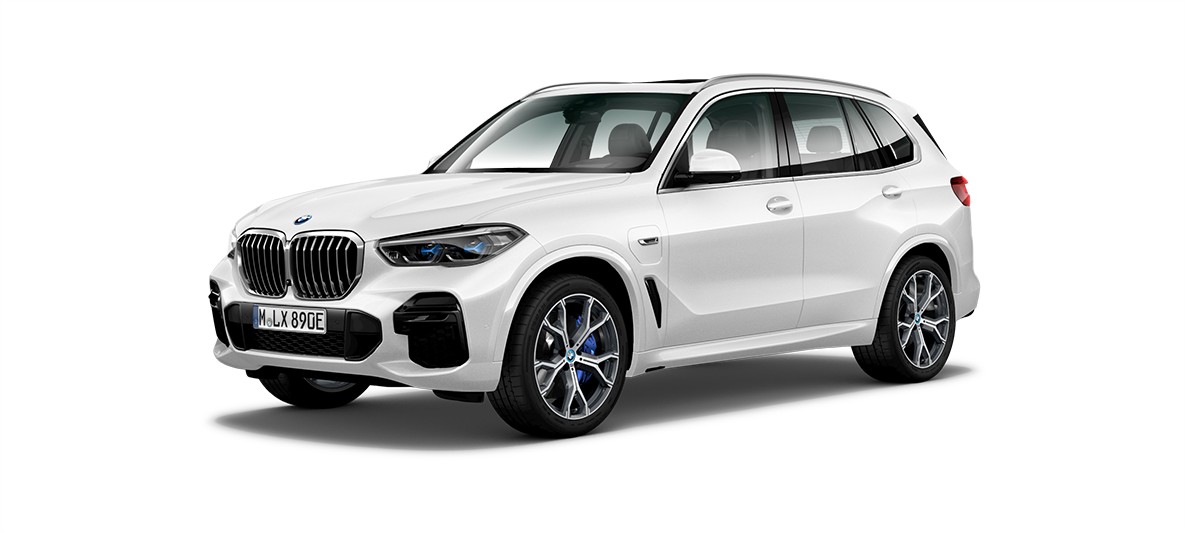
The 24-kWh lithium-ion battery pack utilizes advanced battery chemistry and comprehensive thermal management to ensure consistent performance across a wide range of operating conditions.
BMW’s attention to detail in the X5’s hybrid system extends to every component, from the high-voltage electrical architecture to the regenerative braking calibration.
The vehicle’s intelligent all-wheel-drive system seamlessly distributes power between front and rear axles while managing the interaction between electric and gasoline power sources.
This complexity could potentially create reliability concerns, but BMW’s extensive testing and validation programs have resulted in a system that operates with remarkable consistency.
The onboard charging system has proven particularly robust, supporting both AC Level 2 charging and DC fast charging without the thermal management issues that have affected some competitors.
Maintenance requirements for the X5 xDrive45e follow BMW’s condition-based service intervals, which use sophisticated monitoring systems to determine when service is actually needed rather than following arbitrary time or mileage schedules.
Owner satisfaction with the X5’s reliability has been notably high, with particular praise for the vehicle’s consistent electric range delivery and trouble-free hybrid system operation even under demanding driving conditions.
5 Plug-In Hybrids That Constantly Break
These catastrophically unreliable plug-in hybrid vehicles suffer from fundamental over-engineering, including complex control systems and inadequate component testing that create perfect conditions for expensive cascade failures under normal operating conditions.
Their cost-cutting construction shows in cheap battery management systems that fail prematurely, problematic inverters that overheat during routine operation, and overly complex integration software that creates mysterious malfunctions requiring dealer-only diagnostic procedures.
Poor thermal management allows critical electronics to operate beyond their design limits, while insufficient quality control means many vehicles experience multiple system failures within their first few years of ownership.
The combination of cutting-edge technology and minimal durability testing creates vehicles where routine commuting becomes a gamble against expensive repair bills that often exceed the vehicle’s remaining value.
Owners frequently report battery pack replacements, inverter failures, and integration problems beginning around 50,000 miles, with some vehicles spending more time at dealerships than in driveways due to recurring electronic issues.
These hybrids represent the unfortunate consequences of rushing complex technology to market without adequate real-world testing, creating vehicles that promise environmental benefits but deliver financial nightmares through constant failures of sophisticated systems that require specialized knowledge and expensive parts to repair.
1. Ford Escape Plug-In Hybrid
The Ford Escape Plug-In Hybrid has unfortunately become a cautionary tale about the challenges of rushing complex hybrid technology to market without adequate development and testing time.
Despite Ford’s extensive experience with hybrid vehicles dating back to the original Escape Hybrid in the early 2000s, the latest plug-in version has been plagued by numerous reliability issues that have frustrated owners and tarnished the model’s reputation.
The problems begin with the vehicle’s 14.4-kWh lithium-ion battery pack, which has experienced higher-than-expected failure rates and premature degradation in many vehicles.
The most significant issues with the Escape PHEV center around its hybrid control systems and battery management. Many owners report sudden loss of electric power, with the vehicle unexpectedly switching to gasoline-only mode and displaying warning messages about hybrid system malfunctions.
These failures often occur without warning and can strand drivers who were depending on electric-only operation.
The battery cooling system has proven particularly problematic, with coolant leaks and pump failures leading to expensive repairs and extended downtime.
Ford’s battery management software has also struggled with accurate state-of-charge calculations, leading to situations where the vehicle reports full battery capacity but delivers significantly reduced electric range.
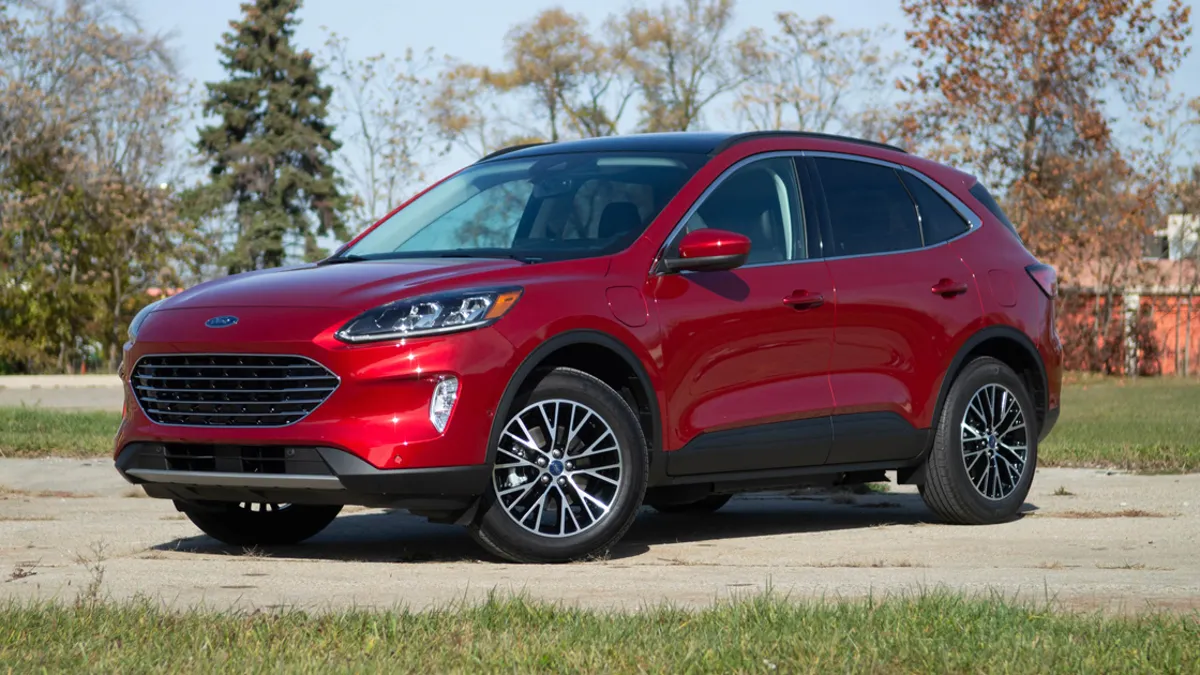
The Escape PHEV’s charging system represents another major reliability weakness. Numerous owners have reported failures of the onboard charger, charging port malfunctions, and issues with the charging cable that comes with the vehicle.
These problems often manifest as an inability to charge at all, extremely slow charging rates, or charging sessions that terminate unexpectedly.
The vehicle’s regenerative braking system has also experienced problems, with some units developing harsh engagement or complete failure of the regenerative function.
Ford has issued multiple technical service bulletins addressing these issues, but many problems require expensive component replacements that can take weeks to complete due to parts availability issues.
The integration between the 2.5-liter four-cylinder engine and electric motor has proven inconsistent, with some vehicles experiencing rough transitions between power sources, hesitation during acceleration, and unusual noises during hybrid operation.
These reliability problems have been compounded by Ford dealer service departments that often lack the expertise to properly diagnose and repair complex hybrid system failures, leading to extended repair times and repeated visits for the same issues.
2. Jeep Wrangler 4xe
The Jeep Wrangler 4xe represents an ambitious attempt to electrify an iconic off-road vehicle, but the execution has been marred by significant reliability concerns that highlight the challenges of adapting plug-in hybrid technology to rugged, body-on-frame construction.
While the concept of an electric-capable Wrangler appeals to environmentally conscious off-road enthusiasts, the reality has been a vehicle plagued by electrical problems, hybrid system failures, and integration issues that have left many owners frustrated with their purchase decision.
The Wrangler 4xe’s most persistent problems relate to its high-voltage electrical system and the complex integration required to make hybrid technology work in a traditional truck-based platform.
Many owners report sudden hybrid system shutdowns, often accompanied by multiple warning lights and loss of electric driving capability.
These failures frequently occur without warning and can leave the vehicle operating solely on its 2.0-liter turbocharged four-cylinder engine, which struggles to move the heavy Wrangler with acceptable performance.
The 17-kWh battery pack has experienced higher-than-expected failure rates, with some units developing cell imbalances or cooling system problems that require complete battery replacement.

Water intrusion has emerged as a particular concern for the Wrangler 4xe, despite Jeep’s claims of maintaining the model’s traditional off-road capability.
The complex sealing required to protect high-voltage electrical components from water and dust has proven challenging, with some vehicles experiencing electrical problems after moderate water crossing or even heavy rain exposure.
The vehicle’s charging system has been problematic, with reports of charging port corrosion, onboard charger failures, and issues with the charging infrastructure integration.
The Wrangler 4xe’s regenerative braking system has also struggled with the vehicle’s off-road requirements, sometimes providing inconsistent pedal feel or failing to engage properly on steep descents.
Build quality inconsistencies have compounded these technical problems, with some vehicles experiencing loose electrical connections, improperly secured battery components, and software glitches that affect hybrid system operation.
Jeep’s dealer network has struggled to provide adequate service support for these complex issues, with many service departments lacking the specialized equipment and training needed to properly diagnose and repair hybrid system problems.
The combination of technical complexity and manufacturing inconsistencies has made the Wrangler 4xe one of the most problematic plug-in hybrids currently available, despite its appeal to buyers seeking electric capability in a traditional off-road platform.
3. Volvo XC60 Recharge
The Volvo XC60 Recharge, despite the Swedish brand’s reputation for safety and quality, has developed a troubling pattern of reliability issues that have surprised both critics and customers who expected better from this premium plug-in hybrid SUV.
Volvo’s venture into plug-in hybrid technology has been marked by ambitious performance targets and sophisticated engineering, but the execution has suffered from integration problems and component failures that have undermined the vehicle’s dependability.
The XC60 Recharge’s most significant problems center around its complex hybrid drivetrain, which combines a turbocharged and supercharged 2.0-liter four-cylinder engine with an electric motor.
This sophisticated power plant, while impressive on paper, has proven problematic in real-world use. Many owners report sudden power losses, rough idle conditions, and unusual noises during hybrid operation.
The integration between the gasoline engine and electric motor is managed by complex software systems that have experienced numerous glitches, sometimes causing the vehicle to operate in limp mode or display confusing warning messages about powertrain malfunctions.

The vehicle’s 18.8-kWh lithium-ion battery pack has experienced higher-than-expected failure rates, with some units developing cooling system problems or cell degradation that significantly reduces electric range.
Battery management system failures have been particularly troublesome, sometimes causing the battery to become completely unusable and requiring expensive replacement.
The XC60 Recharge’s charging system has also proven problematic, with reports of onboard charger failures, charging port malfunctions, and issues with DC fast charging capability.
Electrical system problems extend beyond the hybrid components, with some vehicles experiencing failures of electronic systems throughout the vehicle, including infotainment malfunctions, sensor failures, and problems with the advanced driver assistance systems.
The vehicle’s air suspension system, when equipped, has shown higher failure rates than expected, with air struts and compressor problems leading to expensive repairs.
Volvo’s dealer service network, while generally competent, has sometimes struggled with the complexity of diagnosing and repairing these hybrid system problems, leading to extended repair times and multiple service visits for the same issues.
Software updates intended to address some problems have sometimes introduced new issues or failed to fully resolve existing ones, creating ongoing frustration for owners who expected more reliable operation from a premium Swedish luxury vehicle.
4. BMW i3 Range Extender (REX)
The BMW i3 Range Extender, while innovative in its approach to electric mobility, has developed a reputation as one of the more problematic plug-in hybrid configurations ever produced.
BMW’s decision to use a small motorcycle engine as a range extender created a unique technical solution, but also introduced numerous reliability challenges that have frustrated owners throughout the vehicle’s production run.
The i3 REX represents an ambitious engineering experiment that prioritized innovation over proven reliability, resulting in a vehicle that appeals to early adopters but struggles with real-world dependability.
The i3’s range extender system uses a 647cc two-cylinder engine derived from a BMW motorcycle, and this unusual powerplant has been the source of numerous problems.
The small engine operates at high RPM when activated, leading to accelerated wear and higher-than-expected failure rates. Many owners report engine failures, cooling system problems, and issues with the engine’s startup and shutdown procedures.
The range extender’s integration with the electric drivetrain has proven particularly problematic, with software glitches sometimes preventing the engine from starting when needed or causing it to run when not required.
The fuel system for the range extender has also experienced problems, including fuel pump failures, evaporative emissions system malfunctions, and issues with fuel degradation during extended periods of electric-only driving.
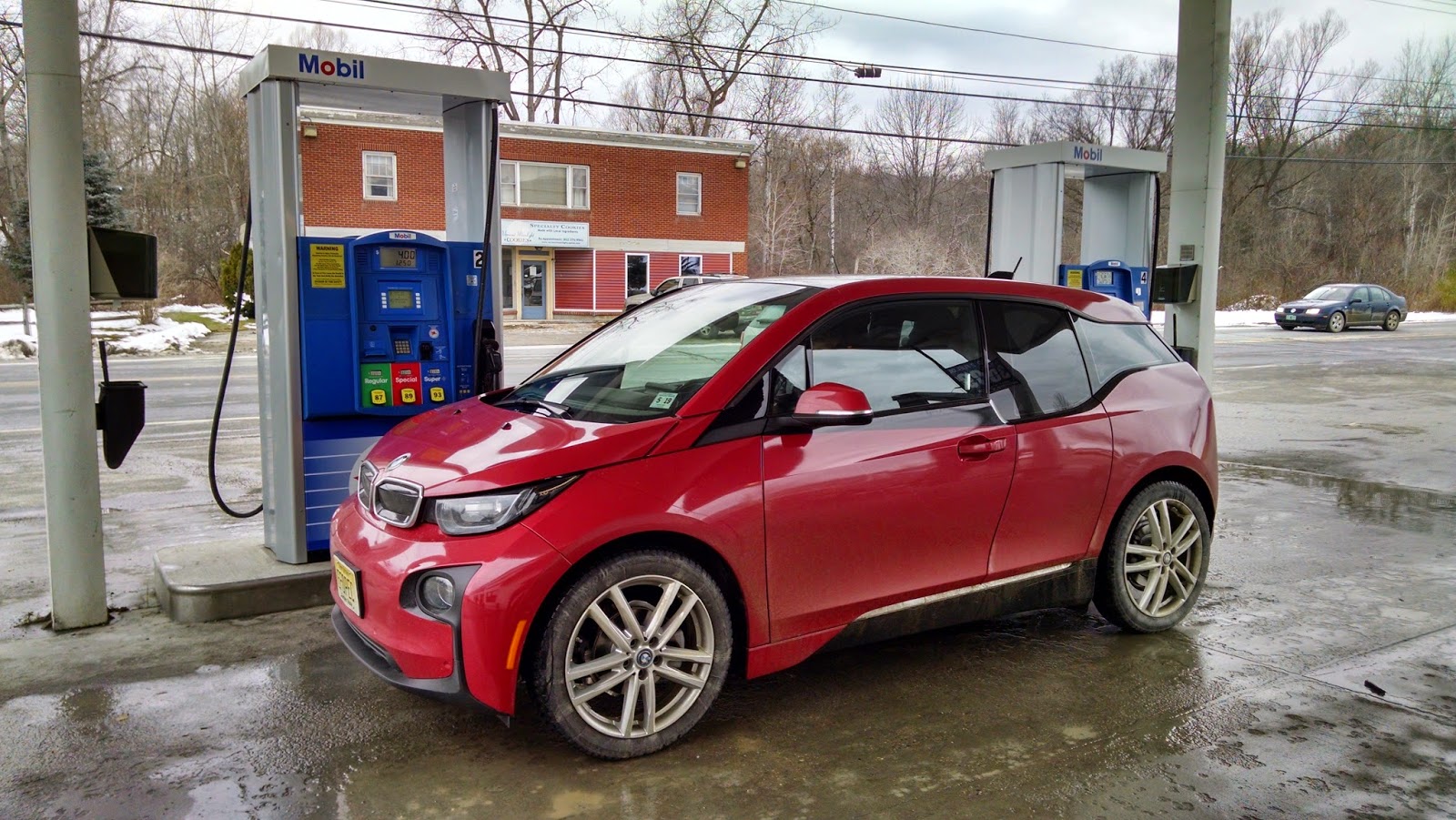
The i3 REX’s charging system has been another source of reliability concerns. The onboard charger has experienced higher failure rates than conventional plug-in vehicles, and the charging port has proven vulnerable to corrosion and mechanical damage.
The vehicle’s unique carbon fiber body construction, while lightweight and innovative, has created service challenges when repairs are needed, with specialized tools and training required for proper body work.
The i3’s sophisticated electronic systems, including the advanced driver assistance features and infotainment system, have experienced numerous software glitches and hardware failures.
Particularly problematic have been the vehicle’s range estimation algorithms, which often provide inaccurate information about available electric range and range extender operation.
The complex interaction between the electric drivetrain, range extender engine, and various electronic control systems has created a vehicle that requires frequent software updates and sometimes experiences unexpected behavior.
BMW’s service network, while generally capable, has sometimes struggled with the i3’s unique requirements and the specialized knowledge needed to properly maintain and repair the range extender system.
These reliability challenges have contributed to the i3’s reputation as an interesting but problematic vehicle that appeals more to technology enthusiasts than buyers seeking dependable daily transportation.
5. Mitsubishi Outlander PHEV (Previous Generation)
The previous generation Mitsubishi Outlander PHEV, while pioneering as one of the first plug-in hybrid SUVs available globally, has developed a concerning track record of reliability issues that have tarnished its reputation and highlighted the challenges of bringing complex hybrid technology to market without adequate development resources.
Mitsubishi’s ambitious attempt to create an affordable plug-in hybrid SUV resulted in a vehicle that offered innovative features but struggled with build quality, component durability, and long-term reliability.
The Outlander PHEV’s most persistent problems have centered around its 12-kWh lithium-ion battery pack and the associated cooling and management systems.
Many owners have reported premature battery degradation, with significant reductions in electric range occurring much earlier than expected.
The battery cooling system has proven particularly problematic, with coolant leaks, pump failures, and sensor malfunctions leading to expensive repairs and reduced battery performance.
The vehicle’s charging system has experienced numerous issues, including onboard charger failures, charging port problems, and compatibility issues with various charging networks.
These problems often manifest as an inability to charge, extremely slow charging rates, or charging sessions that terminate unexpectedly with error messages.
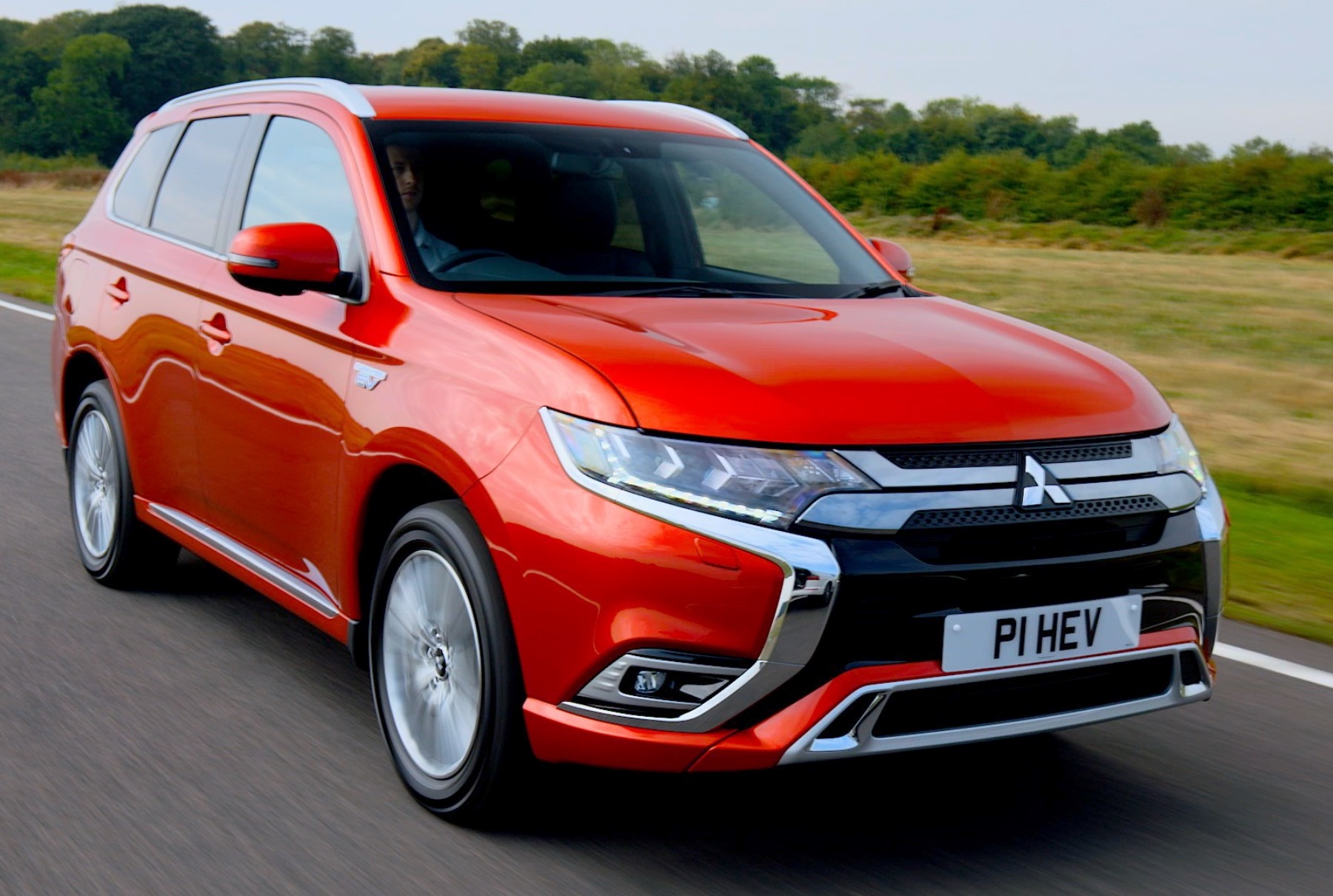
The integration between the Outlander PHEV’s two electric motors and 2.4-liter gasoline engine has been another source of reliability concerns.
The complex control systems managing the interaction between these power sources have experienced software glitches, sensor failures, and communication problems that sometimes leave the vehicle operating in reduced power mode or displaying confusing warning messages.
The vehicle’s regenerative braking system has shown inconsistent behavior, with some units developing harsh engagement or complete failure of the regenerative function.
Build quality issues have compounded these technical problems, with reports of loose electrical connections, water intrusion into electrical components, and premature wear of hybrid system components.
The Outlander PHEV’s transmission and drivetrain components have also experienced higher-than-expected failure rates, with some vehicles requiring major powertrain repairs relatively early in their service life.
Mitsubishi’s limited dealer network and service support infrastructure have made these reliability problems even more challenging for owners, with many service departments lacking the specialized equipment and expertise needed to properly diagnose and repair complex hybrid system failures.
Parts availability has been another ongoing issue, with some repairs requiring extended wait times for specialized components.
These cumulative reliability challenges have made the previous generation Outlander PHEV a vehicle that appeals to budget-conscious buyers seeking plug-in hybrid capability but comes with significant risks of unexpected repair costs and extended downtime.
Also Read: 5 Pickups That Rarely Blow Head Gaskets vs 5 That Do
