
The used car market in the United States can be unpredictable. Some vehicles lose their charm as soon as they rack up miles, while others continue to hold a special place in the hearts of drivers and collectors long after they leave the showroom.
These cars stay desirable even when old because they combine reliability, strong engineering, timeless design, or cultural significance.
For enthusiasts and everyday drivers alike, owning one of these models can feel like holding onto a piece of automotive history. Below, we explore 12 cars that remain highly sought after even decades later.
1. Toyota Supra (Mark IV)
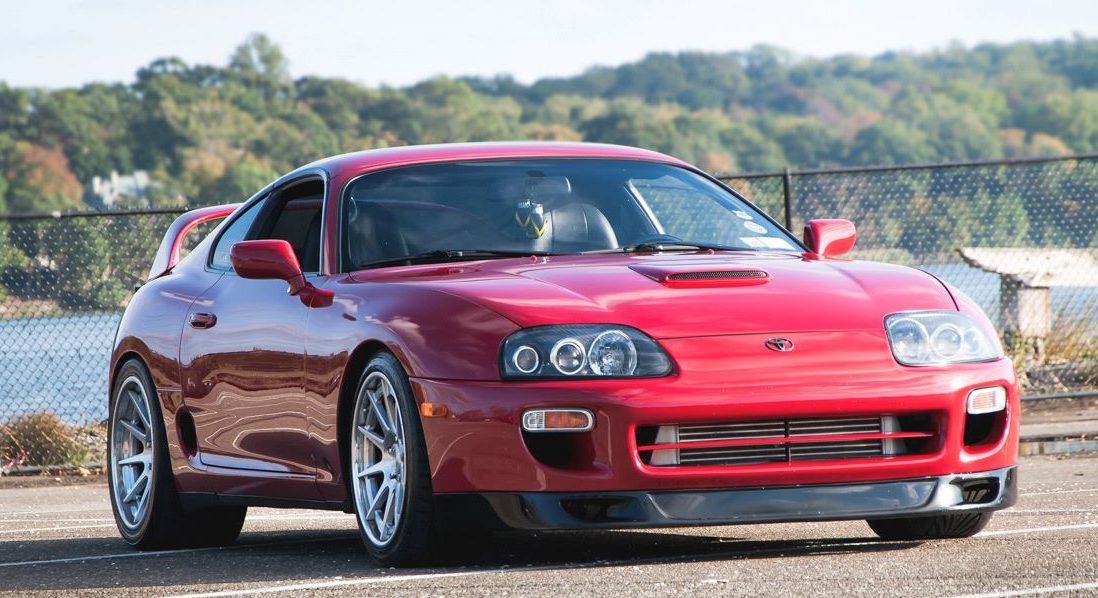
The fourth-generation Toyota Supra, produced in the 1990s, remains one of the most iconic Japanese sports cars. With its bulletproof 2JZ engine and the ability to handle massive aftermarket tuning, the Supra’s reputation has only grown stronger over time.
Thanks in part to its starring role in the Fast & Furious franchise, even high-mileage examples demand premium prices today. Collectors appreciate the Supra’s blend of reliability, performance, and cultural impact.
So, what exactly makes the A80 Supra so sought after? At the time of its release, few could have predicted that well-kept examples of this once relatively affordable sports car would cross the $100,000 mark at auctions.
What was easier to foresee, though, was the way tuners and modifiers would embrace the A80 Supra platform. From drifting to road racing, Concours-quality show builds to air-ride SEMA creations, the Supra carved its place in virtually every corner of the automotive scene. Let’s break down why the MK4 Supra became legendary.
This 3.0-liter, twin-turbo inline-six earned global respect for its durability, giving tuners the freedom to push performance far beyond factory specs without touching the internals. Its cult status exploded after the movie The Fast and the Furious, and soon, the 2JZ engine wasn’t just a Supra engine, it was being swapped into nearly everything imaginable. Even so, the MK4 Supra remains the car most closely associated with it.
Factory ratings placed the 2JZ-GTE at 280 horsepower. However, during the late 1980s, Japanese automakers had an unspoken “gentleman’s agreement” to cap horsepower figures at 280. Conveniently, high-performance models like the Supra and GT-R all shared that same number.
Dyno testing of stock Supras quickly revealed actual outputs were higher. More impressively, the 2JZ’s stock block has been proven capable of approaching 1,000 horsepower, supported by one of the most extensive aftermarket ecosystems in the world.
Of course, a strong engine doesn’t mean much without the drivetrain to back it up. Luckily, the six-speed manual Getrag transmission found in turbocharged Supras is just as tough. The differential and driveshaft also deliver reliable performance. With an affordable entry point when new and nearly limitless performance potential through modifications, the MK4 Supra became an instant favorite among enthusiasts.
Its styling also played a big role. The smooth, rounded nose paired with oversized headlamps set it apart from its contemporaries and made it instantly recognizable. While large for a sports car, the Supra leaned more toward the grand touring category.
Toyota designed it less as a pure track machine and more as a powerful, comfortable cruiser for everyday driving and spirited runs along twisty roads. With surprising trunk space and even a pair of tiny back seats (practically useless, but still there), it struck a balance between practicality and excitement.
Blending daily comfort, endless tuning potential, and one of the most indestructible engines ever built, the MK4 Supra earned its legendary reputation. From drag strips to drift circuits and everywhere in between, it remains one of the most iconic Japanese cars of all time.
2. Honda Civic (’90s Models, Especially the EK and EG Hatchbacks)
The Honda Civic from the 1990s, particularly the hatchback models, has never lost its appeal. Affordable, fuel-efficient, and endlessly customizable, these cars remain favorites among tuners and budget-conscious drivers alike.
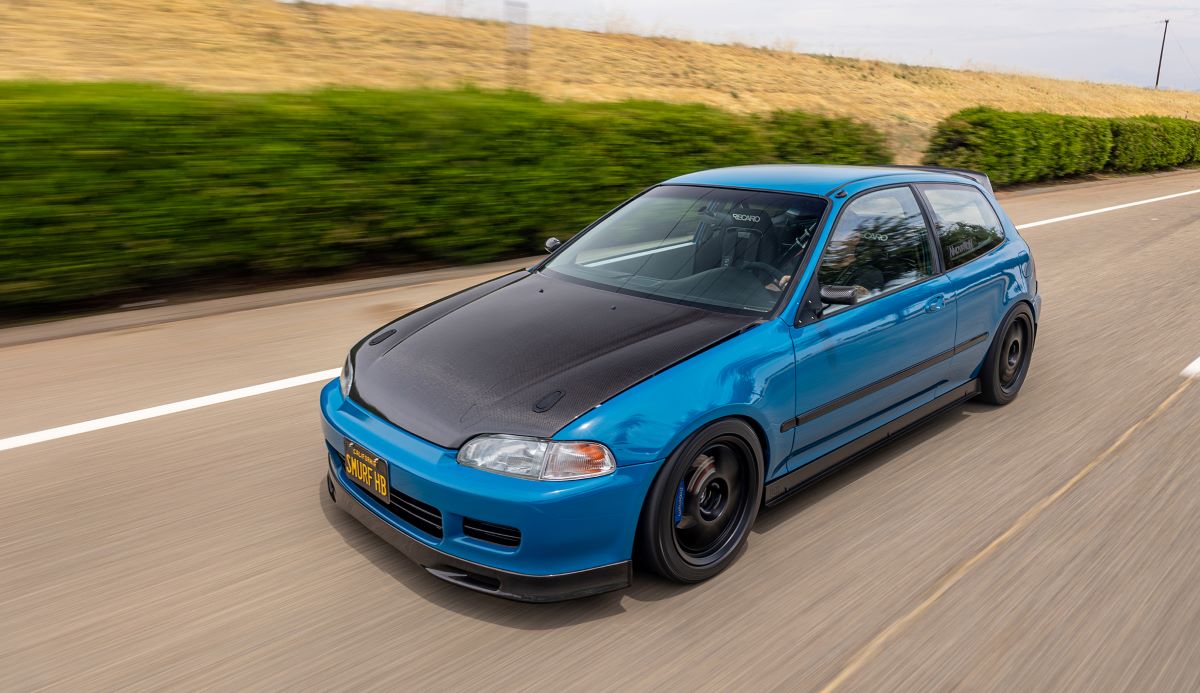
The simplicity of their design and ease of maintenance make them a long-lasting choice. Even older Civics with 200,000 miles still command attention in the used car market, especially clean, unmodified versions.
3. Jeep Wrangler (TJ and JK Generations)
The Jeep Wrangler is more than just a vehicle it’s a lifestyle choice. Older Wranglers remain desirable because of their rugged design, open-air driving experience, and unmatched off-road capabilities.
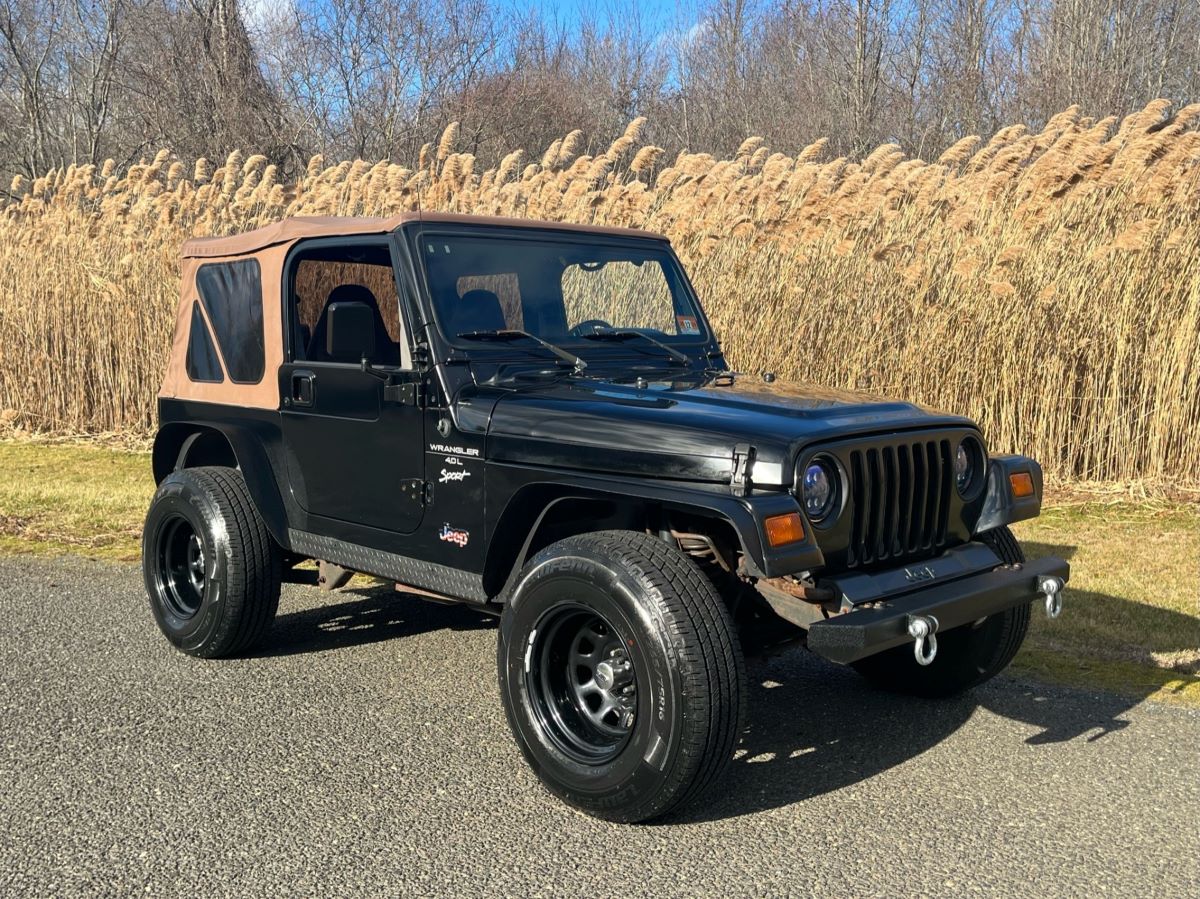
Models from the late ’90s and 2000s continue to sell quickly, even with rust and high mileage, as buyers know parts are easy to source and repairs are straightforward. The Wrangler’s timeless look ensures it never feels outdated.
4. Ford Mustang (Fox Body and SN95 Generations)
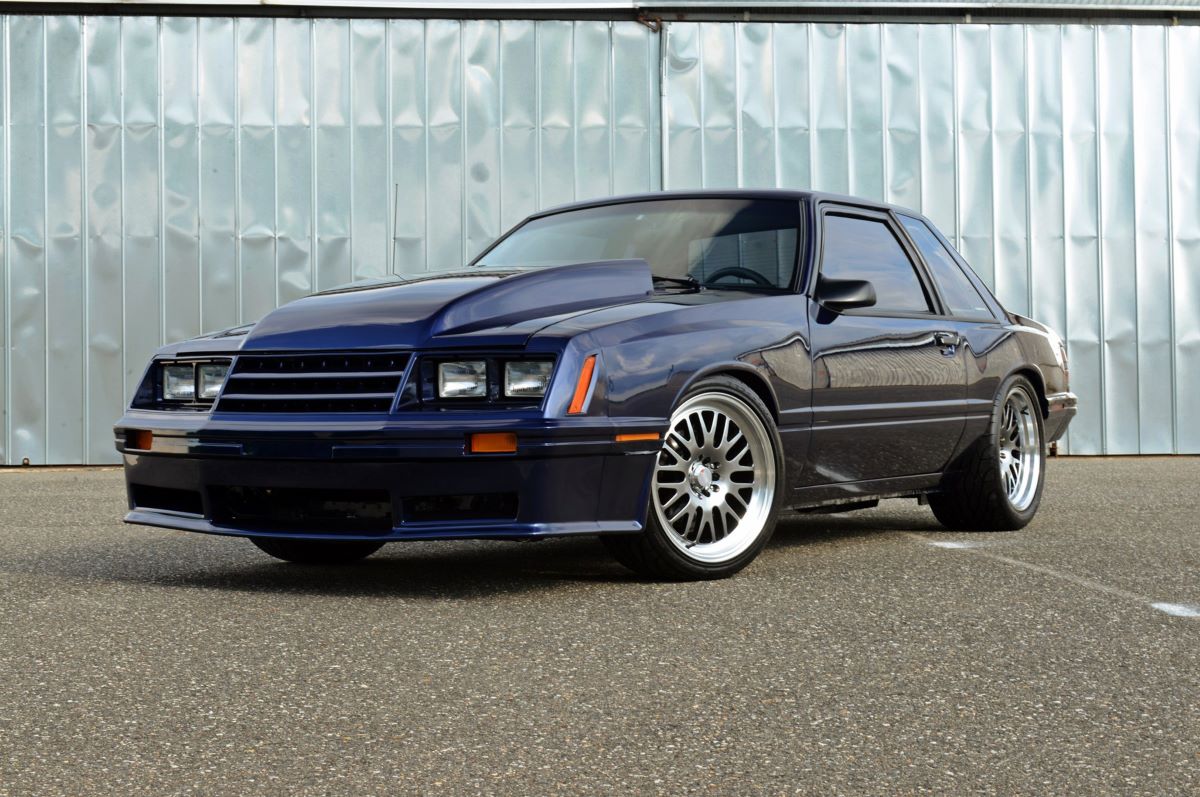
Muscle car fans never let go of the Ford Mustang, and the Fox Body generation (1979–1993) has especially become a cult classic. These cars represent affordable American performance, with a massive aftermarket scene keeping them alive.
Even the following SN95 models from the mid-’90s continue to attract enthusiasts looking for a budget-friendly V8 thrill. Their appeal lies in nostalgia, raw power, and iconic styling that still turns heads.
The American pony car era is still alive and kicking. Ford rolled out the seventh-generation Mustang for 2024, bringing with it updated engines, refreshed styling, and new technology.
For 2025, the lineup expands with the introduction of the GTD, a track-focused variant developed to meet GT3 racing homologation requirements. While the Mustang doesn’t have many direct competitors, it still squares off against other two-door, gas-powered sports cars like the Toyota GR Supra and Nissan Z, as well as the newly revived Dodge Charger.
Aside from the GTD’s debut, the 2025 Mustang lineup is largely unchanged from the prior year. Dual-zone climate control is now standard across every trim, and Mustang GT buyers can now choose the automatic transmission without paying extra. On the downside, the EcoBoost’s optional 2.3L High Performance package has been discontinued, and pricing has increased for both GT and Dark Horse models.
The current Mustang rides on the S650 platform, an evolution of the outgoing S550, and was designed to carry the pony car legacy into a new era. When we tested the 2024 version, the car impressed with excellent handling across all trims. From the turbocharged EcoBoost four-cylinder to the Dark Horse’s naturally aspirated V-8, the power delivery was outstanding.
Unfortunately, the 10-speed automatic transmission revealed inconsistent programming that took away from the experience. Thankfully, Ford still offers a six-speed manual on V-8 models, keeping purists happy. One of our highlights was the booming soundtrack of the Mustang GT Convertible, although the chassis’ lack of rigidity made rougher roads less enjoyable.
The big story for 2025 is, without question, the GTD. Priced at roughly $300,000, this race-bred monster is gunning for Europe’s most prestigious sports cars on both road and track. For enthusiasts seeking maximum performance without the supercar price tag, the Dark Horse remains the more attainable choice.
Ford’s commitment to keeping the pony car alive is something we deeply value, and the Mustang continues to deliver gas-powered thrills in an era where that’s becoming increasingly rare.
The 2025 Mustang lineup retains the same engines as 2024 but adds a new supercharged 5.2-liter V-8 exclusive to the GTD. The 10-speed automatic remains standard on EcoBoost, GT, and Dark Horse models, while the GT and Dark Horse also offer a six-speed manual for those who prefer to shift themselves. The GTD, meanwhile, will feature an eight-speed dual-clutch automatic transaxle, tailored for ultimate performance.
5. Chevrolet Corvette (C4 and C5 Generations)
The Corvette has always been America’s sports car, but the C4 (1984–1996) and C5 (1997–2004) generations stand out for their continued desirability.
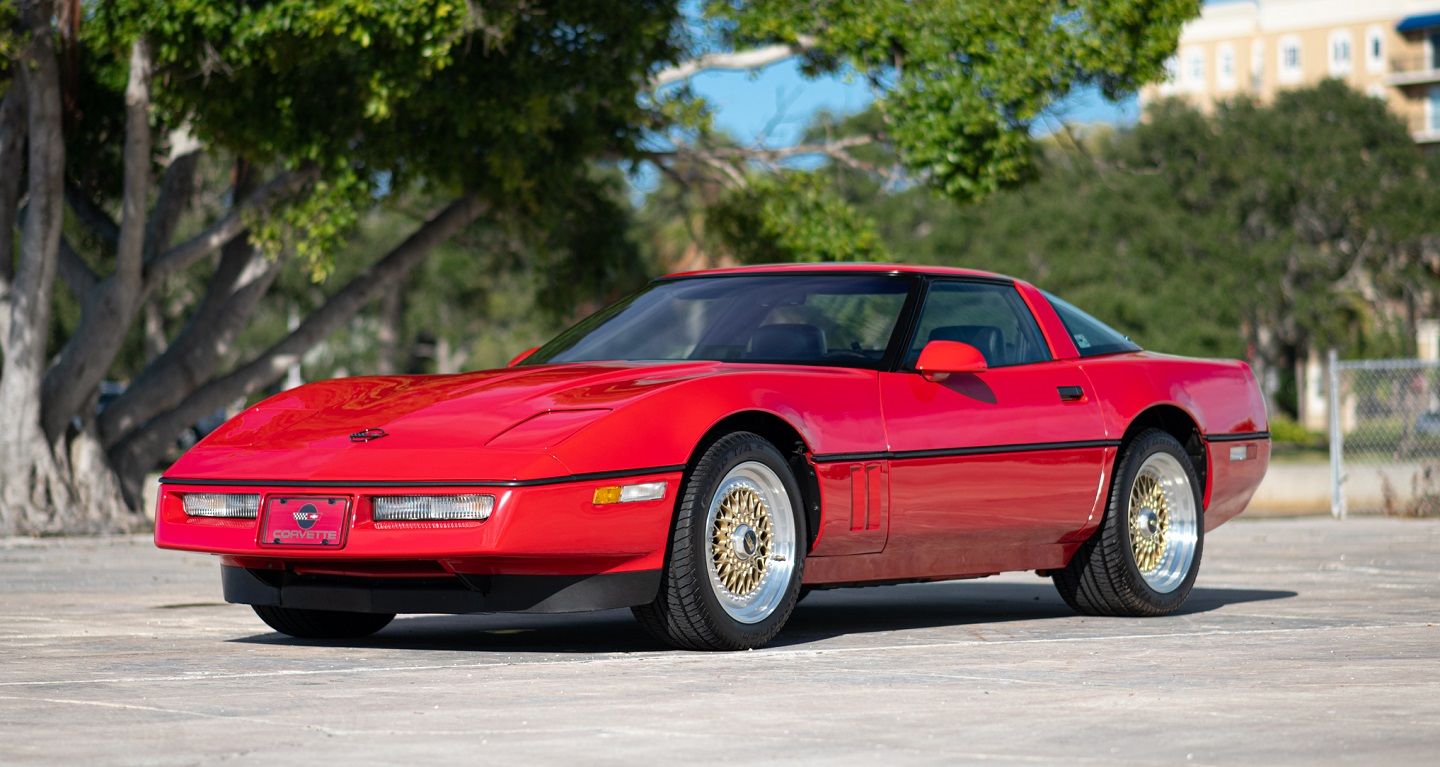
They represent an affordable entry point into high-performance ownership, with sleek designs and powerful V8s that remain competitive even today.
Corvette enthusiasts value these models because they combine daily drivability with track-ready performance, all wrapped in a package that never goes out of style.
6. Mazda MX-5 Miata (NA and NB Generations)
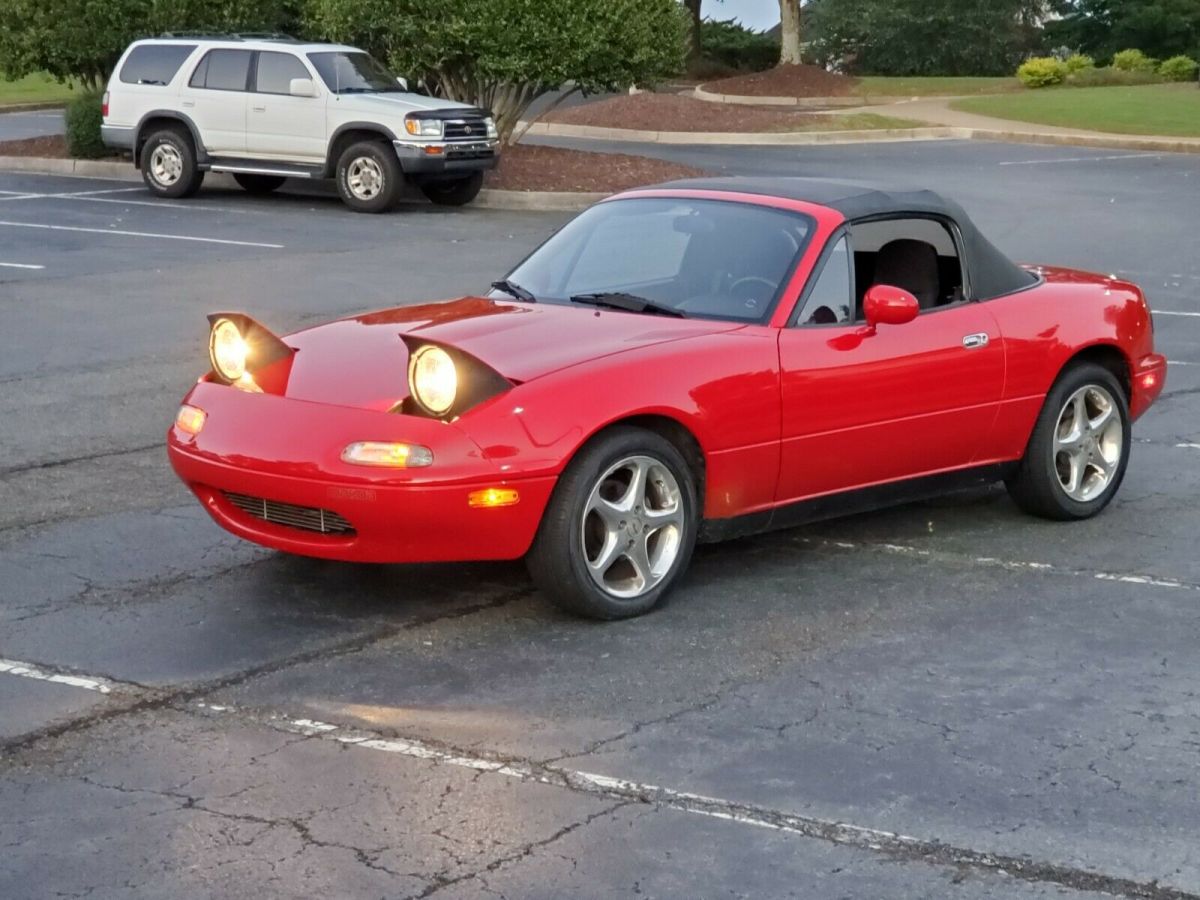
Lightweight, simple, and fun the Mazda MX-5 Miata is a car that has never lost its charm. The first two generations (NA from 1990–1997 and NB from 1998–2005) are particularly beloved.
With their open-top design, sharp handling, and reliable engines, they represent the pure joy of driving. Even decades later, Miatas are highly desirable for weekend cruisers, autocross enthusiasts, and first-time sports car buyers.
Few cars today deliver genuine, unfiltered driving excitement without demanding a hefty price tag. The Mazda MX-5 Miata stands out as a roadster that blends affordability with pure fun behind the wheel, all while maintaining solid fuel efficiency.
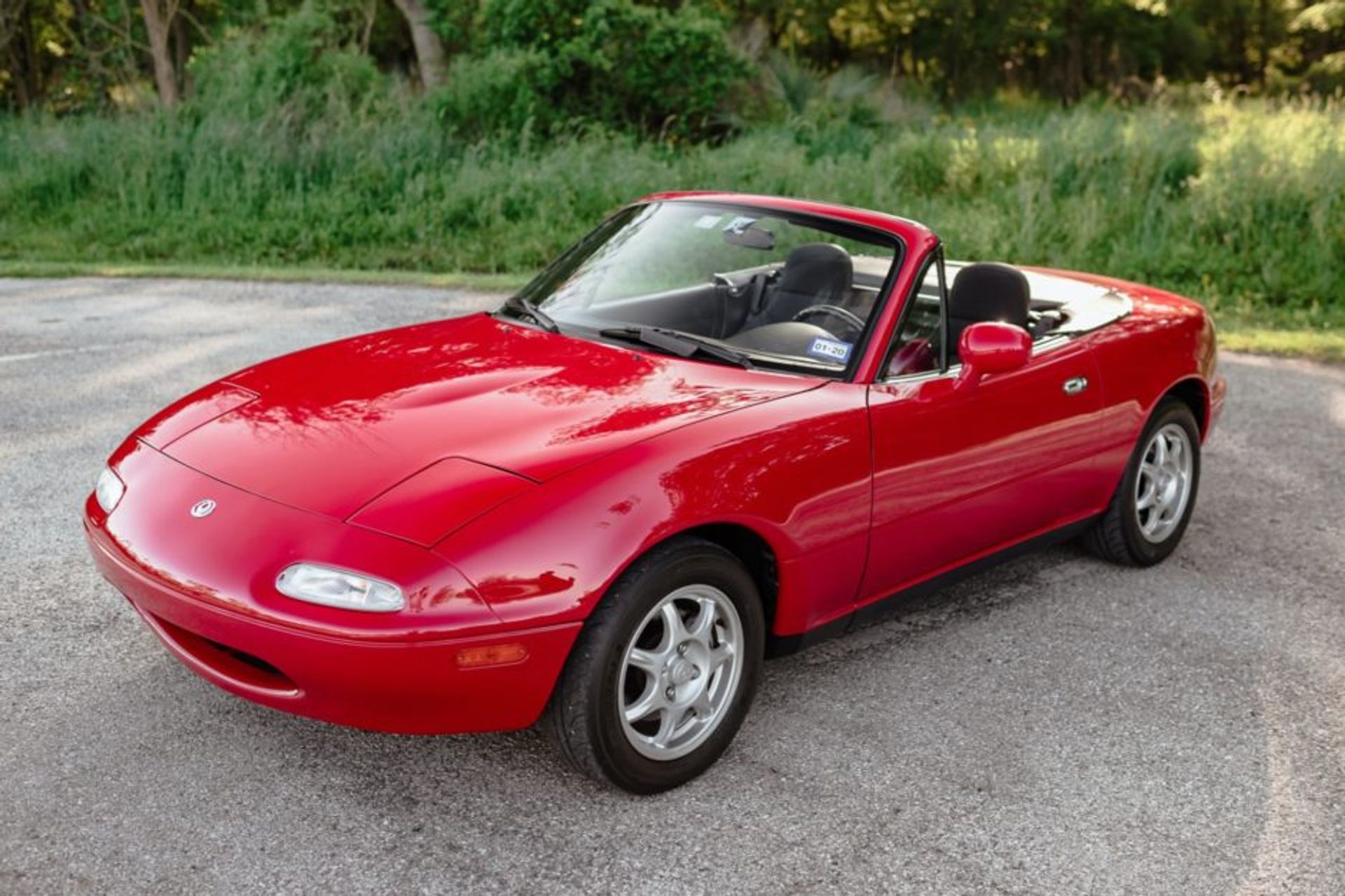
While space inside this lightweight fighter is limited, the thrills it delivers more than make up for it. After receiving subtle updates for the 2024 model year, the Miata enters 2025 with a milestone celebration: its 35th Anniversary Edition. Offered exclusively as a soft top with a six-speed manual transmission, Mazda has confirmed production will be limited to just 300 units.
The MX-5 Miata has the ability to completely reshape your idea of what makes a car “fun.” On paper, its 2.0-liter four-cylinder engine with 181 horsepower and 151 lb-ft of torque doesn’t sound especially groundbreaking.
But the Miata’s magic lies in its lightweight build, rear-wheel-drive layout, and standard short-throw six-speed manual transmission. This combination results in a responsive, balanced sports car that feels alive on the road.
7. BMW 3 Series (E30 and E46 Generations)
BMW’s reputation for the “Ultimate Driving Machine” is largely built on the legacy of the 3 Series. The E30 (1980s–early ’90s) has become a collector’s item, while the E46 (late ’90s–2006) remains a favorite for its balance of performance and everyday usability.
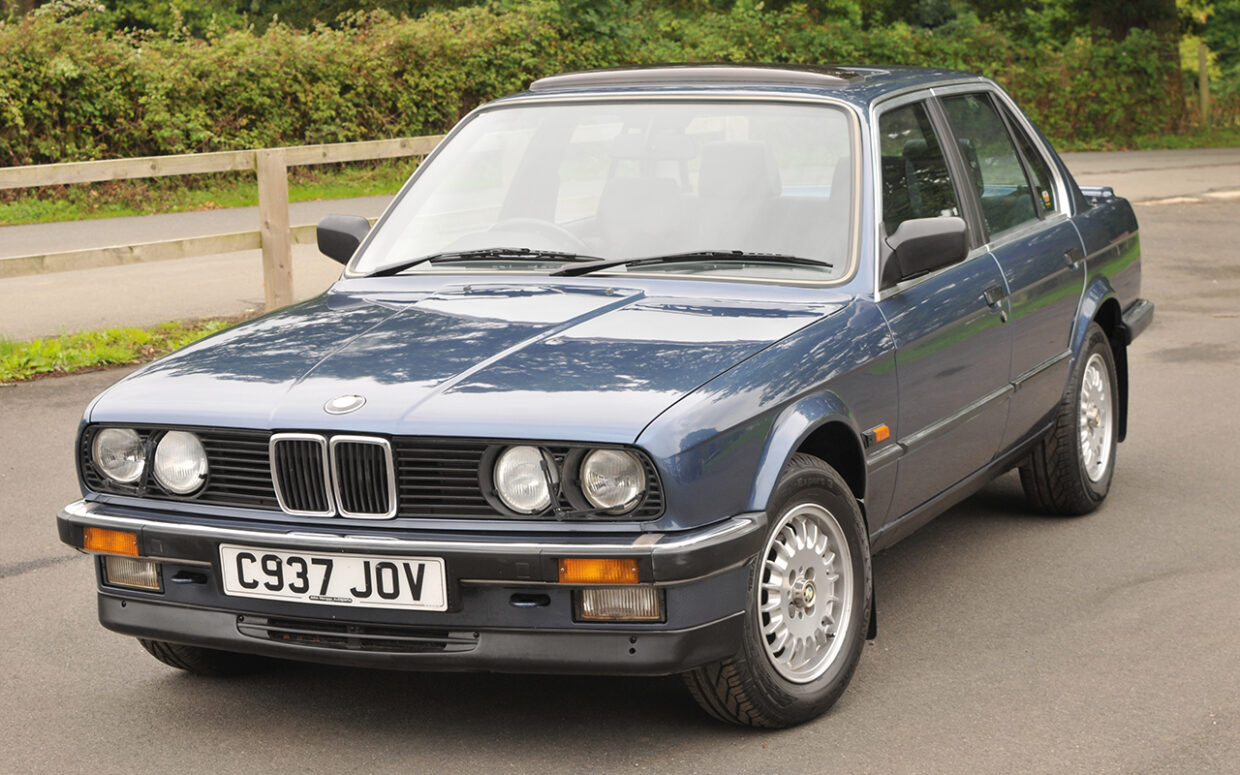
Both generations are known for their engaging driving dynamics and timeless design. While maintenance costs can be higher than Japanese alternatives, their desirability remains strong among enthusiasts.
8. Toyota Land Cruiser (80 and 100 Series)
If there’s a vehicle that defines durability and desirability in the SUV market, it’s the Toyota Land Cruiser. The 80 and 100 Series models from the ’90s and early 2000s are legendary for their off-road capabilities and ability to rack up hundreds of thousands of miles with minimal issues.
They’re still in high demand across the US, especially among outdoor adventurers and overlanding enthusiasts. Prices for clean examples have skyrocketed, reflecting their timeless appeal.
The Toyota Land Cruiser stands as one of the most respected and legendary off-road vehicles in the world. Across more than 60 years of production, it has earned a dedicated following, becoming progressively more refined and capable with every new generation.
Yet despite its evolution, each model has carried an unshakable spirit, a blend of clarity, purpose, and functionality that ties them all together. By 2020, the Land Cruiser may feel like a relic compared to modern SUVs, but its long history and unmatched versatility secure its place as a timeless icon.
For 2020, Toyota introduced a new Heritage Edition, which adds distinctive trim elements, special styling, and enhanced off-road capability.
In today’s world, crossovers dominate the market, but the Land Cruiser refuses to fall into that category. It isn’t one of those soft-road SUVs that only look rugged. Instead, it’s the real deal, a traditional body-on-frame vehicle equipped with live axles, a transfer case, and genuine off-road hardware designed for tackling difficult terrain.
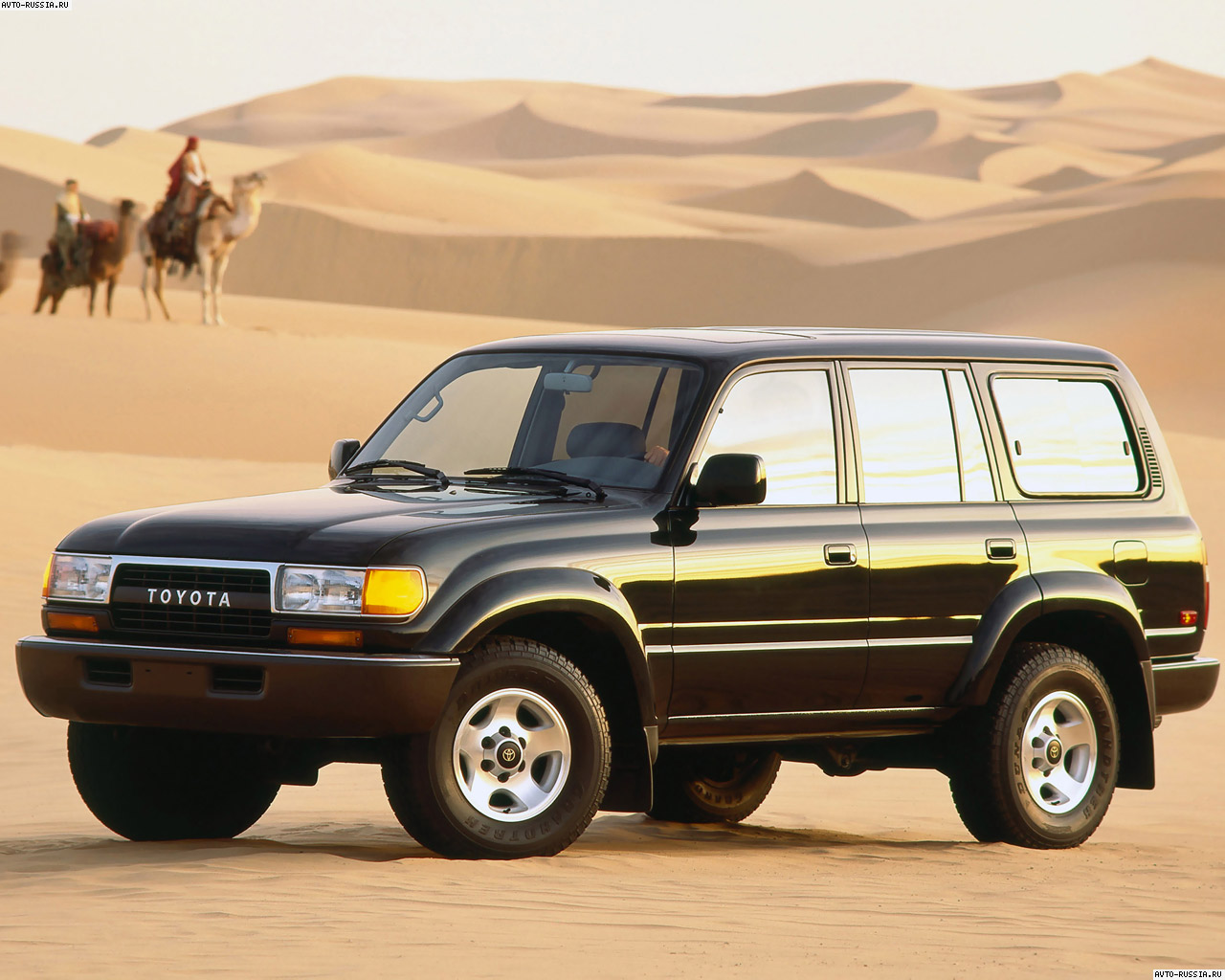
We’ve tested the Land Cruiser on Moab’s infamous trails and through snowy stretches of the Rocky Mountains. Despite its imposing size, it excelled where many vehicles would falter, showing near-unstoppable performance once the pavement disappeared. Its current generation relies on advanced technology to further sharpen its off-road capability, making steep climbs, tight turns, and rock-filled paths manageable.
On-road, the Land Cruiser proves just as rewarding in a different way. The cabin is finished with upscale materials like leather and wood, complemented by a wide array of digital displays, though it notably lacks Apple CarPlay and Android Auto.
With three rows of seats, it may not maximize interior space as efficiently as today’s unibody crossovers, but it still provides plenty of room, strong comfort, and a range of modern driver-assist features. It’s not a sports car, but its composed, steady ride quality delivers confidence on highways and city streets alike.
The Land Cruiser was never intended to be a mainstream vehicle. For daily practicality, there are certainly more fuel-efficient, spacious, and affordable three-row options available. But that’s missing the point. This SUV is engineered to endure, to go anywhere, and to do almost anything, a machine built with longevity and capability at its core.
The 2020 Toyota Land Cruiser comes powered by a 5.7-liter V-8 producing 381 horsepower and 401 lb-ft of torque. This engine pairs with an eight-speed automatic transmission that drives a full-time four-wheel-drive system.
9. Nissan 300ZX (Z32)
The Nissan 300ZX from the early ’90s remains one of the most desirable Japanese sports cars of its era. With sleek styling, advanced technology for its time, and strong performance, it carved out a loyal fan base.
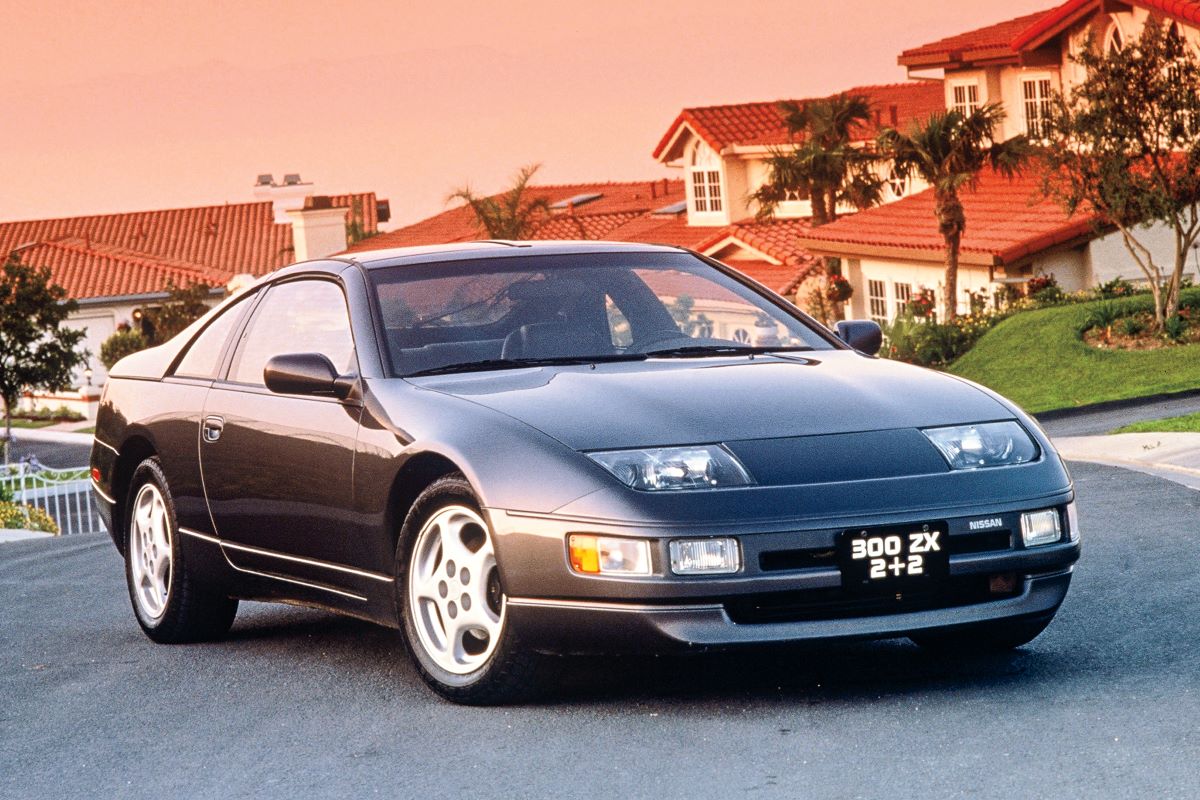
Turbocharged versions are especially sought after, but even non-turbo models hold value thanks to their driving experience and collectible status. While maintenance can be complex, the 300ZX continues to capture attention in the used market.
Considered one of the most technologically advanced sports cars of its era, the Nissan 300ZX Z32 remains just as beloved today as it was nearly three decades ago. Much like its rival, the Toyota Supra of the same generation, the Z32 had two distinct production runs: a longer one in Japan from 1989 to 2000, and a shorter North American run from 1990 through 1996.
Like the Supra, the 300ZX has played a key role in inspiring generations of enthusiasts, many of whom weren’t even born when the car first launched. The difference, however, is that unlike the MK4 Supra, prices for the Z32 haven’t skyrocketed, at least not yet. Clean, well-maintained examples can still be found at relatively reasonable costs, making it an attractive option for collectors and fans alike.
The Z32 was a ground-up redesign, finalized by Nissan engineers in 1986. Known in Japan as the “Fairlady,” it introduced updated versions of the engines used in the previous generation.
The highlight was the twin-turbocharged 3.0-liter VG30DETT V6, producing 300 horsepower and 283 lb-ft of torque thanks to parallel Garrett AiResearch turbos and dual intercoolers. The naturally aspirated 3.0-liter VG30DE version delivered 220 horsepower while retaining the same displacement.
This generation also marked a milestone as it was the first model introduced under JAMA’s (Japan Automobile Manufacturers Association) 280-horsepower ceiling, a restriction that remained until 2004.
Even so, Nissan pushed boundaries, an extremely rare, factory-backed Steven Millen (Stillen) tuned SMZ edition with 365 horsepower was sold through U.S. dealerships. Both naturally aspirated and turbocharged models could be paired with either a four-speed automatic or a five-speed manual, and all were rear-wheel-drive only.
The Z32’s suspension was considered sophisticated for its time. Turbo models received two-mode adjustable suspension with unequal-length front control arms, while the rear featured a multi-link setup similar to the 240SX.
Performance figures were equally impressive. The twin-turbo 300ZX could sprint from 0–60 mph in just 5.0 seconds and cover the quarter mile in 13.7 seconds at 102 mph. Top speed was electronically capped at 155 mph, though with the limiter removed, the car was capable of reaching around 170 mph. These numbers allowed the 300ZX to outperform several higher-priced competitors in both straight-line and handling tests.
When compared against cars like the Porsche 944, Chevrolet Corvette ZR-1, and Acura NSX, the twin-turbo Z32 stood out as a performance bargain. With a base price of about $33,000, it delivered world-class performance for thousands less than its rivals, solidifying its reputation as one of the most compelling Japanese sports cars of the 1990s.
10. Porsche 911 (Air-Cooled Models, Especially 964 and 993)
Few cars hold their value like the Porsche 911, especially the air-cooled models built before 1998. The 964 and 993 generations are particularly desirable for their blend of modern refinements with old-school Porsche character.
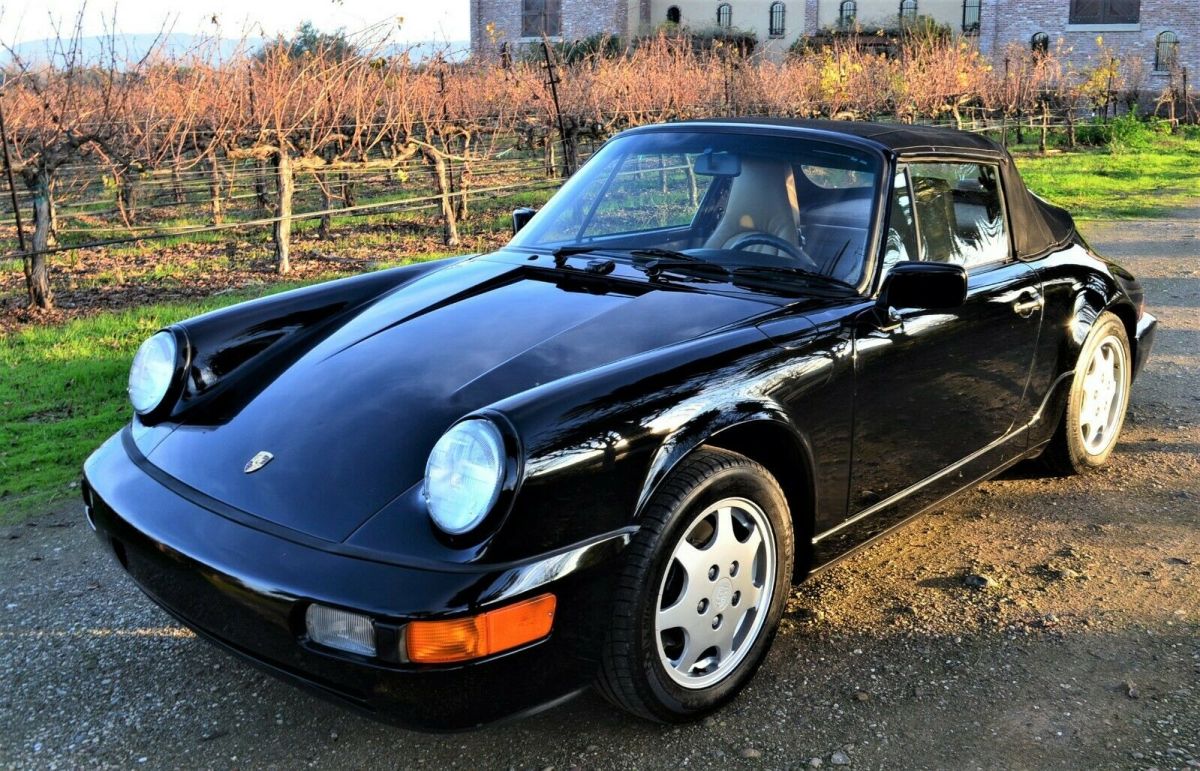
They are considered investment-grade vehicles, with prices rising steadily year after year. Beyond their value, these 911s are loved for their timeless styling and unmatched driving experience that still feels special decades later.
11. Lexus LS400
Introduced in 1989, the Lexus LS400 completely reshaped the luxury car market. With a reputation for bulletproof reliability, smooth performance, and understated elegance, the LS400 remains a standout even decades later.
Enthusiasts appreciate that many examples with over 300,000 miles still drive like new. Its quiet luxury and dependability make it a desirable used car for buyers who want comfort without sacrificing longevity.
Today, Lexus is universally recognized as the premier name in Japanese luxury. Defined by elegant styling, meticulous craftsmanship, and an unwavering commitment to refinement, the brand has carved out a commanding position in the luxury segment.
With its strong foundation in reliability and engineering excellence under Toyota, Lexus was created to achieve the same dependability but at a significantly higher level of prestige and sophistication.
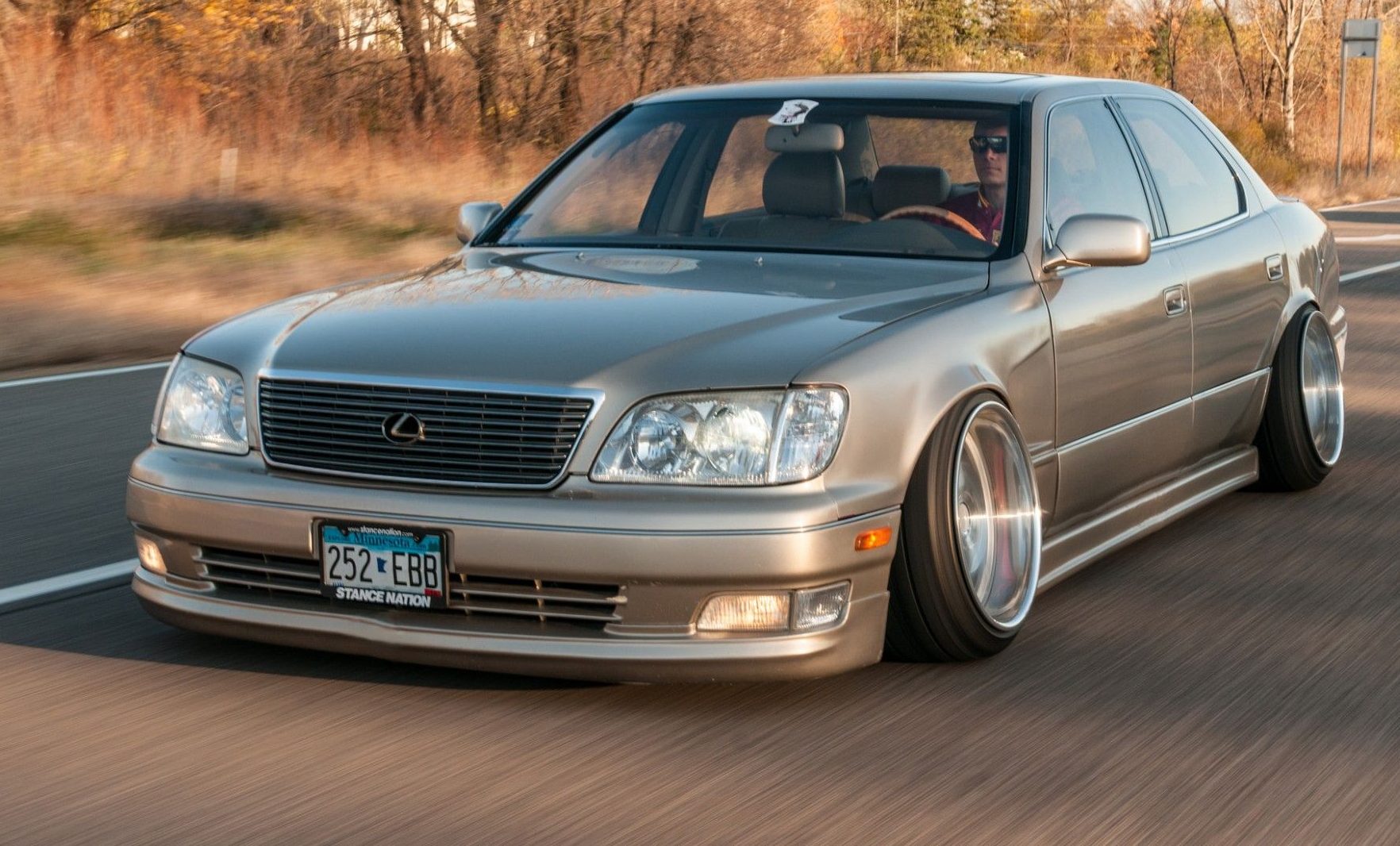
The mission behind Lexus was clear: build the best luxury car in the world. The company launched with a single flagship model, the LS, which continues to embody the pinnacle of Lexus design and engineering. The LS set the tone for the entire brand, becoming what many still consider the benchmark Japanese luxury sedan.
By the late 1970s and early 1980s, Japanese automakers had already captured significant U.S. market share with their efficient, affordable cars, especially in the wake of the oil crisis.
Between 1969 and 1980, their market share jumped from 11% to 28%, a dramatic surge that prompted restrictions. In 1981, Japanese imports were capped at 1.68 million vehicles annually. To remain profitable under this limitation, Japanese manufacturers pivoted toward higher-priced, higher-margin luxury vehicles.
This led Toyota to establish Lexus. In 1983, Ichiro Suzuki spearheaded “Project F1,” an ambitious five-year program aimed at creating nothing less than the world’s finest car.
By 1989, the project culminated in the debut of the Lexus LS400, the first-ever Lexus. The LS was an immediate success, propelling Lexus above its domestic rivals and putting it in direct competition with Europe’s most established luxury marques.
Before launch, Toyota dispatched a small team to Orange County, California to study the lifestyles and preferences of wealthy American buyers. The findings guided Lexus engineers to position the LS directly against German luxury leaders like Mercedes-Benz and BMW. While daunting for a new nameplate, Lexus had the full backing of Toyota, which imposed no financial or time limitations on development.
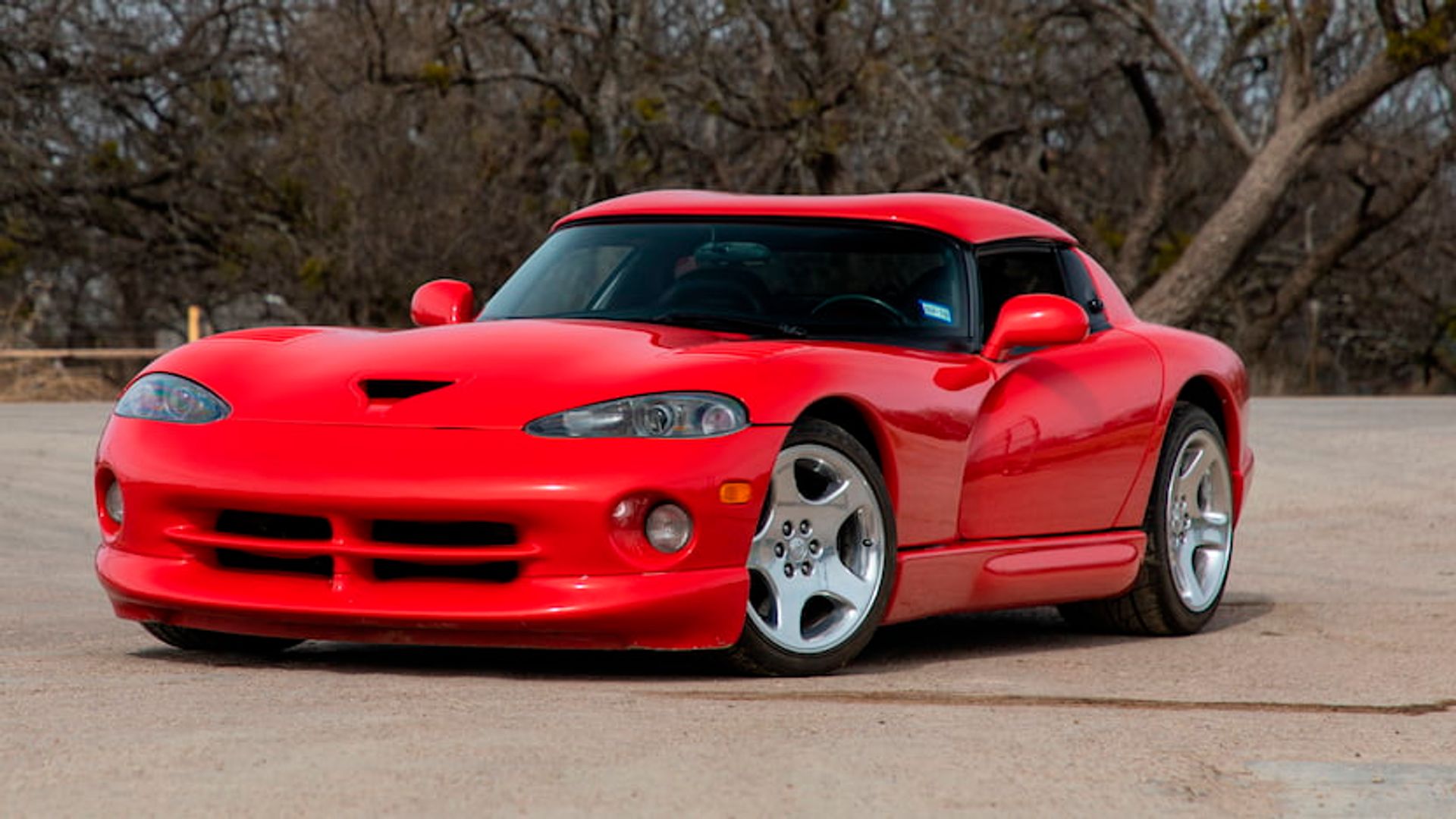
12. Dodge Viper (First and Second Generations)
Few cars embody raw American performance like the Dodge Viper. The first- and second-generation models, with their massive V10 engines and minimal electronic driver aids, deliver a visceral driving experience that modern cars can’t replicate.
Even though they can be intimidating to handle, their rarity, aggressive styling, and unique place in American automotive history keep them highly desirable among collectors.
The cars on this list prove that desirability isn’t only about being new. Some vehicles gain more appreciation as they age, whether it’s because of their reliability, performance, design, or cultural influence.
From Japanese tuners like the Toyota Supra to American legends like the Dodge Viper, these cars remain relevant and attractive in today’s market. For US buyers, they represent not just transportation, but a piece of history worth preserving.
