When shopping for a car in the United States, one of the biggest worries for buyers is the long-term cost of ownership. While a vehicle’s price tag may seem appealing at first, unexpected repair bills can quickly drain your wallet.
That’s why budget-conscious drivers often prioritize reliability and durability over flashy features. A dependable budget car isn’t just about affordability upfront it’s about avoiding those thousand-dollar repair jobs down the road.
Fortunately, several manufacturers have built reputations for producing cars that are both inexpensive to own and rarely require costly fixes.
Here are 12 budget-friendly cars that have proven themselves over time as reliable daily drivers with minimal repair headaches.
1. Toyota Corolla
The Toyota Corolla is one of the best-selling cars in the world, and for good reason. In the U.S., the Corolla has long been a go-to for students, commuters, and families looking for an affordable ride.
Known for its rock-solid reliability, the Corolla rarely suffers from catastrophic mechanical failures. Most owners report only needing routine maintenance such as oil changes, brake pads, and tires.
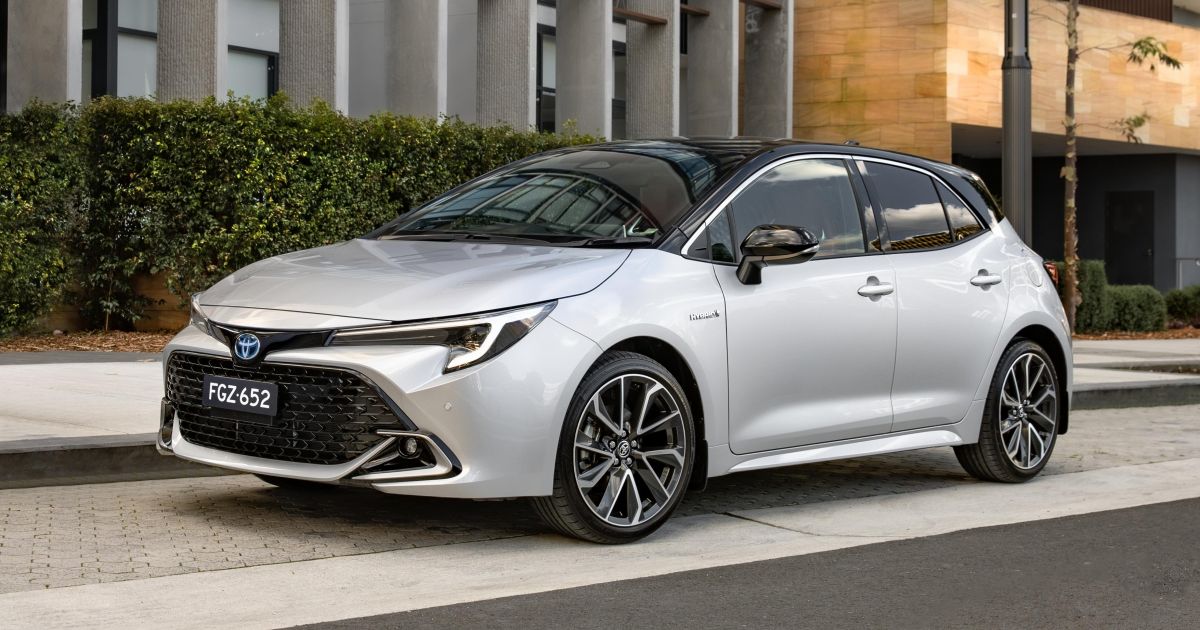
Even older models with high mileage are still commonly found on the road, thanks to Toyota’s reputation for long-lasting engines and transmissions. With a wide availability of inexpensive parts, repair costs when needed stay affordable.
2. Honda Civic
The Honda Civic combines budget pricing with engineering that’s built to last. Whether you’re buying a new or used model, the Civic consistently earns top marks for reliability.
Owners appreciate its fuel efficiency, strong resale value, and low long-term repair costs. Transmission and engine issues are rare, especially when the car is properly maintained.
The Civic’s design simplicity and wide availability of aftermarket parts also mean repair bills, if they do arise, won’t break the bank. For decades, the Civic has been a staple for young drivers and families seeking dependable transportation.
The 2025 Honda Civic keeps its crown as one of the best all-around compact cars by sticking to its formula of value, practicality, and fun-to-drive character, while adding something new: a hybrid.
For the new model year, Honda has given the Civic a mild facelift with revised headlights and a reshaped bumper, but the bigger story is the arrival of the Civic Hybrid. It uses a 2.0-liter four-cylinder paired with two electric motors to deliver 200 horsepower and up to 49 mpg combined, making it both the most powerful and most efficient Civic outside of the enthusiast-focused Si and Type R.
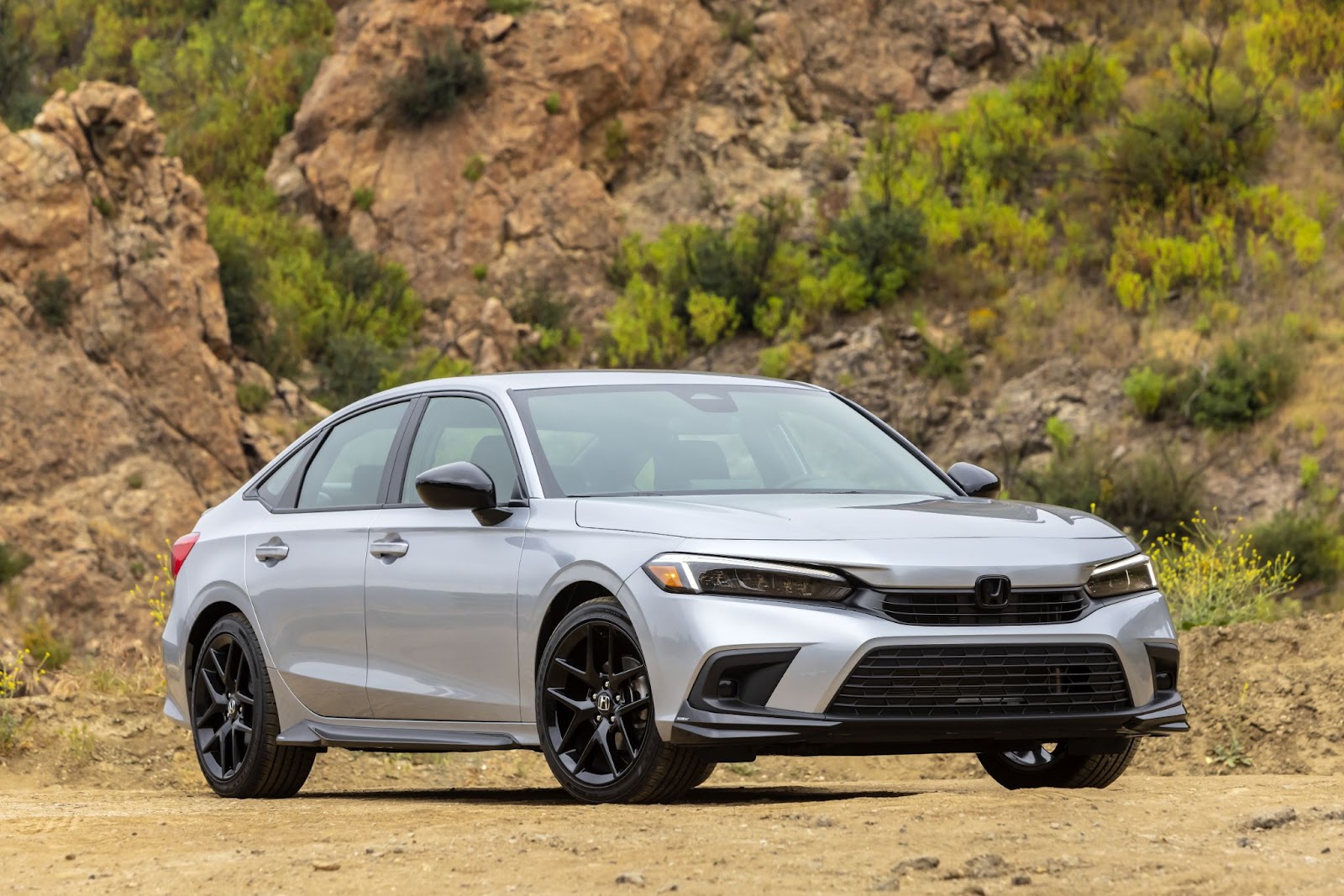
The hybrid powertrain is standard on the Sport Touring and optional on the Sport, and it transforms the Civic into a quicker, smoother, and more refined daily driver. The nonhybrid Civic has been pared down to LX and Sport trims and now comes exclusively with a 150-hp 2.0-liter four-cylinder paired to a CVT.
It’s not fast, but it’s efficient, and thanks to the Civic’s agile handling and well-tuned chassis, it still feels lively enough around town and comfortable on the highway. Unfortunately, the once-available 1.5-liter turbo has been discontinued, and the manual transmission is gone from regular Civic hatchbacks, now reserved for the Si and Type R.
Inside, the Civic continues to impress with a clean, modern cabin that punches above its class in design and quality. The dual-body style choice, sedan or hatchback, gives buyers flexibility, and higher trims pack in more premium features and tech, with the Sport Touring Hybrid being the most well-equipped.
3. Hyundai Elantra
Once seen as a bargain brand, Hyundai has transformed its reputation over the past 20 years, with the Elantra leading the way. This compact sedan delivers strong reliability scores and comes with one of the best warranties in the industry: a 10-year/100,000-mile powertrain warranty.
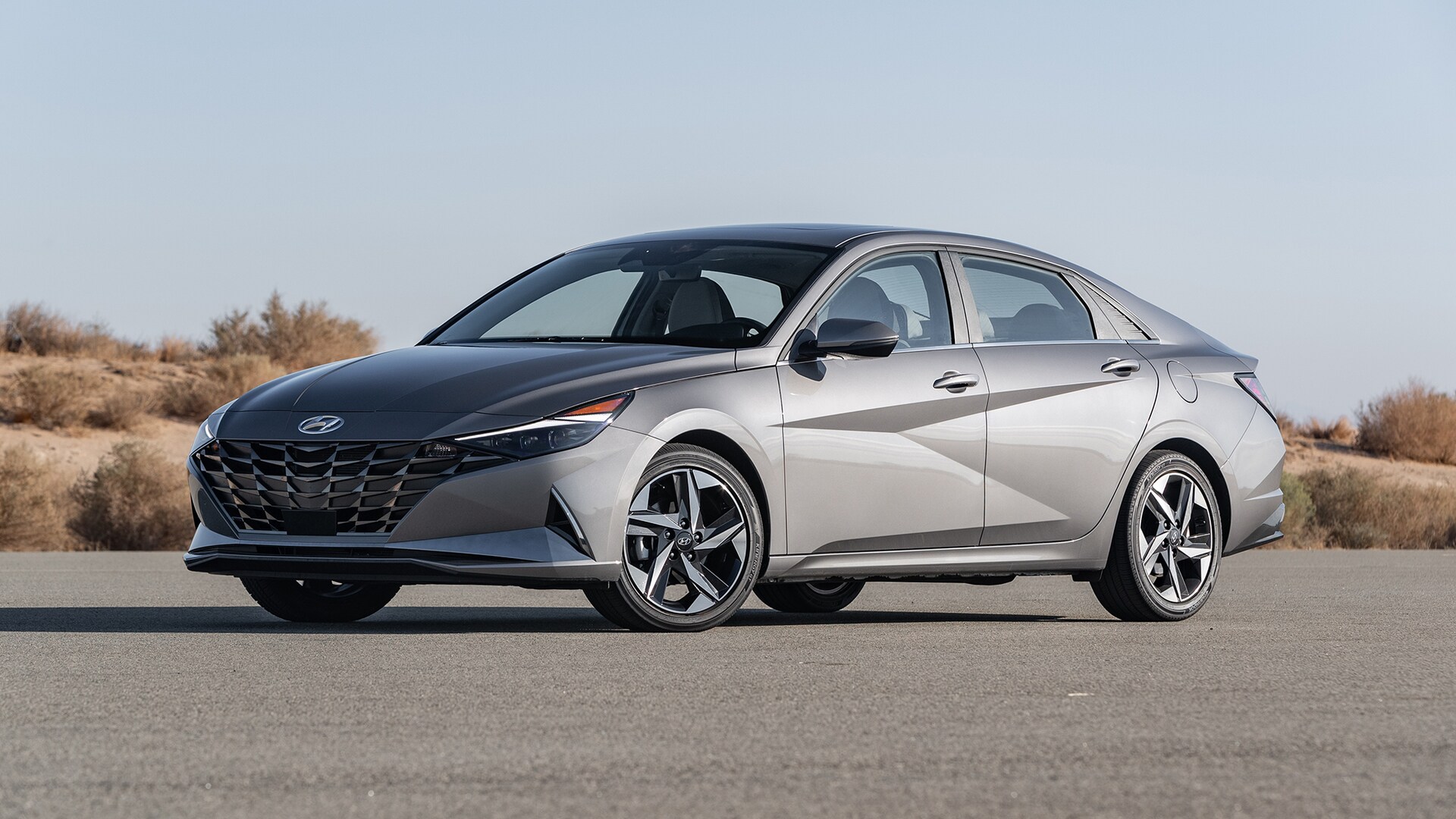
That peace of mind means costly repairs are less likely to fall on your shoulders. Even out of warranty, parts and labor for the Elantra tend to be inexpensive compared to rivals, making it a strong option for budget-focused buyers.
4. Mazda3
Mazda has carved out a niche for making fun-to-drive cars that don’t require deep pockets to maintain. The Mazda3, available as both a sedan and hatchback, blends style with substance.
Reliability ratings are high, and major engine or transmission failures are uncommon. Owners often report that the most frequent expenses are standard wear-and-tear items, not major mechanical issues.
Mazda’s attention to build quality also helps keep the interior and exterior aging gracefully, which means less money spent on cosmetic fixes down the line.
The Mazda 3 continues to stand out in the compact car segment by aiming higher than the average commuter. It’s offered as both a sleek four-door sedan and a stylish five-door hatchback, with the hatch positioned as the more premium of the two despite being slightly shorter in overall length.
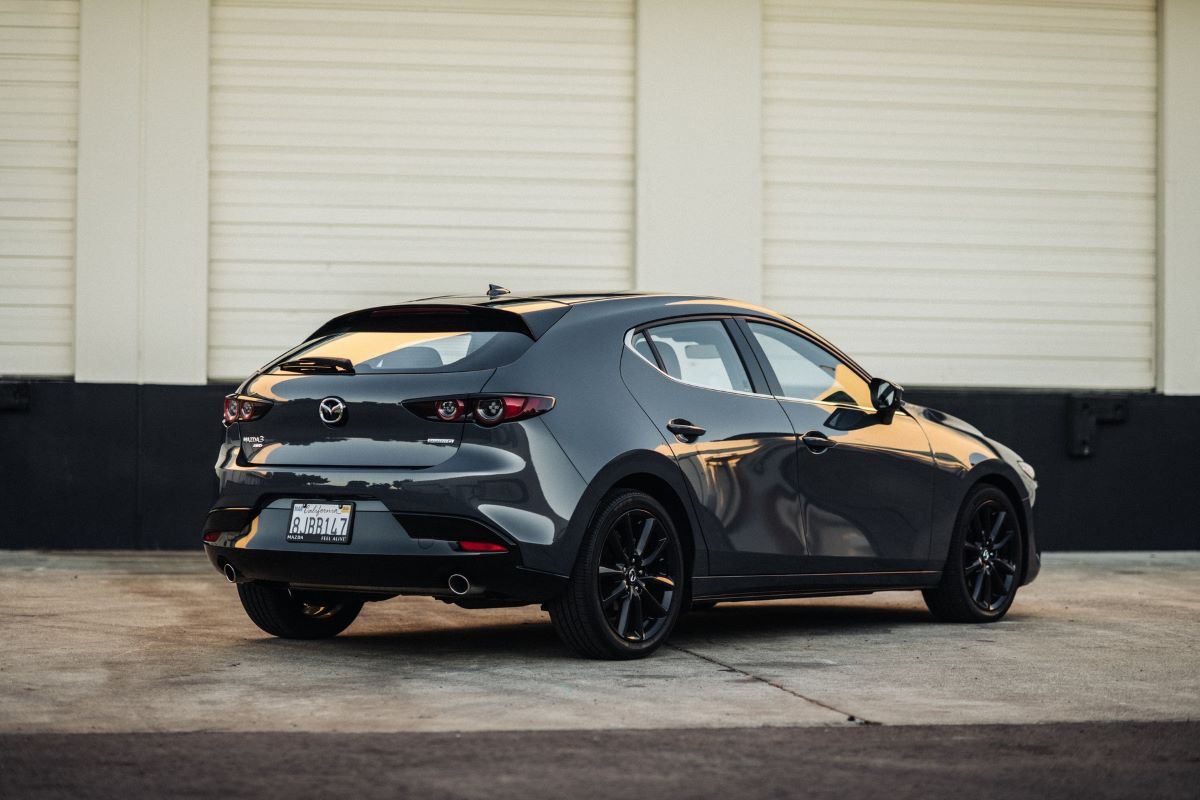
What makes the Mazda 3 special is its ability to blend everyday usability with a genuinely upscale feel. Top trims feature an interior filled with high-quality materials, thoughtful design, and an overall sense of refinement that makes rivals like the Honda Civic and Hyundai Elantra feel more utilitarian by comparison.
Power comes from a 2.5-liter four-cylinder engine that can be had naturally aspirated or turbocharged, with outputs ranging from competent to genuinely quick depending on the setup.
Transmission choices include a six-speed automatic or a six-speed manual, though the manual is reserved for non-turbo, front-wheel-drive models. All-wheel drive is available, but only when paired with the automatic. This drivetrain flexibility is a rarity in the compact class, giving buyers a mix of practicality and performance.
Behind the wheel, the Mazda 3 lives up to the brand’s reputation for driver-focused dynamics. It’s agile and responsive, with well-balanced handling that manages to be fun without sacrificing ride comfort.
That balance, between engaging and refined, is where Mazda excels, making the 3 feel like more than just basic transportation. Add in its elegant exterior design and premium-like cabin, and you’ve got a compact car that feels closer to entry-level luxury than economy commuter.
5. Kia Forte
Kia, like Hyundai, has shed its old reputation and become a strong contender in the affordable and reliable car segment. The Forte, with its solid build quality and efficient engines, rarely sees expensive repair problems.
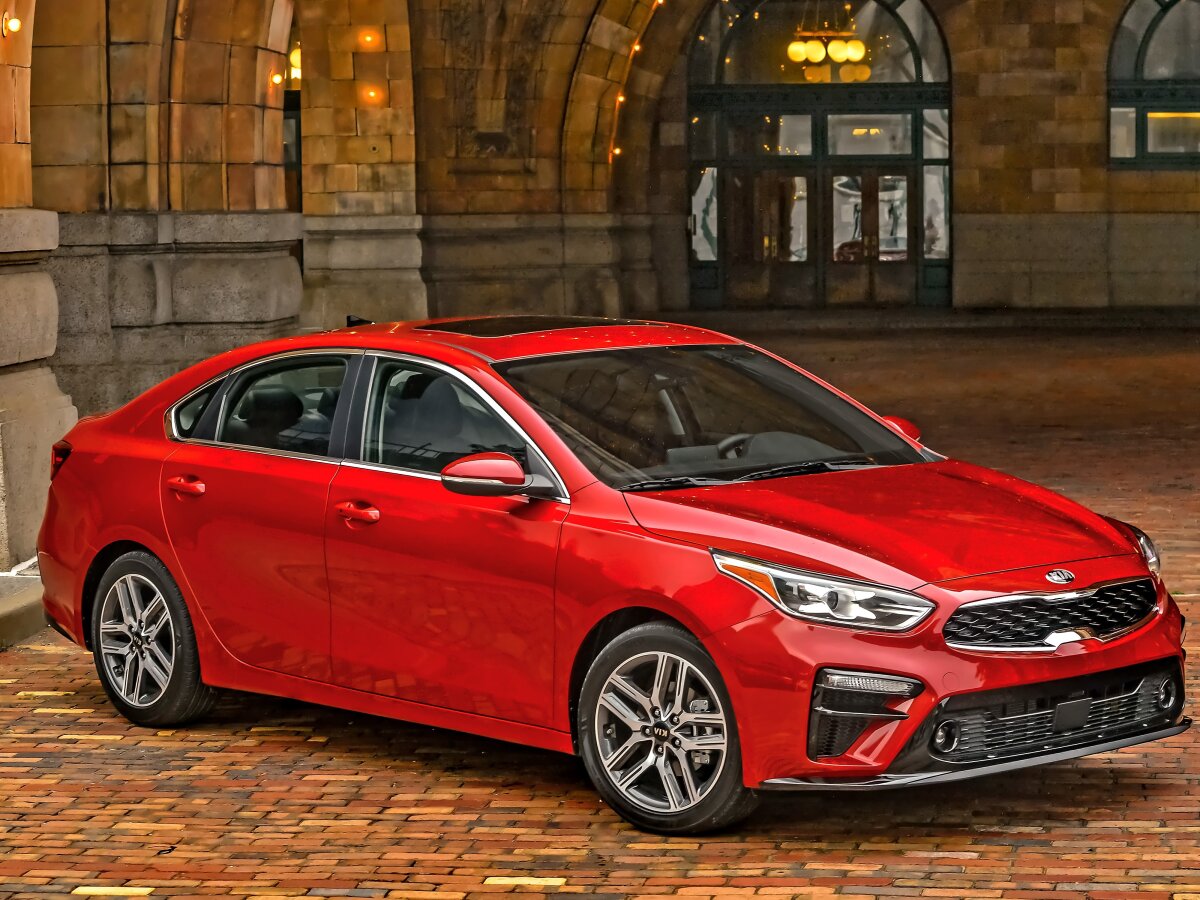
Most of the maintenance comes down to simple things like filters, fluids, and brakes. Kia also offers a long warranty, further protecting drivers from costly repairs in the early years of ownership.
On the used market, the Forte can be an excellent buy for drivers who want a dependable daily driver without high operating costs.
6. Honda Fit
Though discontinued in the U.S. after 2020, the Honda Fit remains a standout in the used-car market. This subcompact hatchback is beloved for its clever interior space, fuel efficiency, and almost bulletproof reliability.
Honda engineered the Fit with simplicity in mind, which translates into fewer things going wrong mechanically.
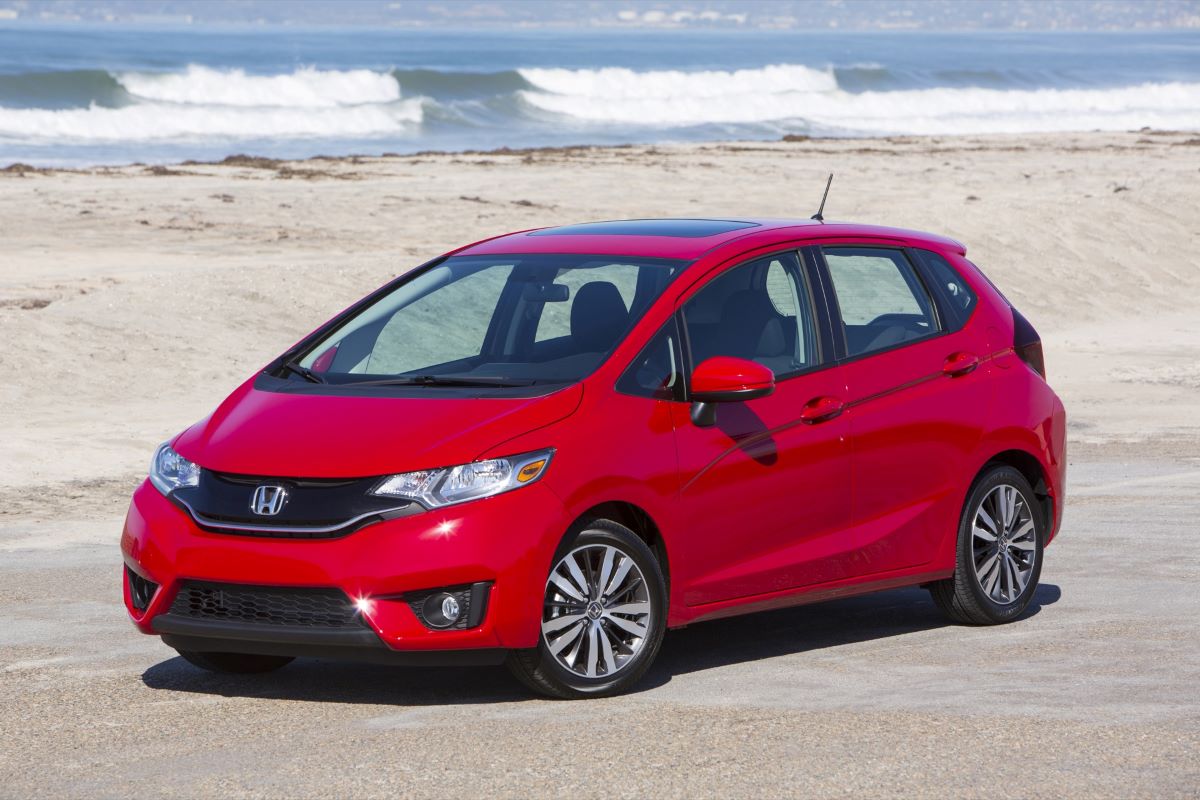
Even older Fits with high mileage are known for starting every morning without fuss. Parts are relatively inexpensive, and many repairs are straightforward for mechanics, meaning labor costs stay low.
7. Toyota Yaris
Another subcompact champ, the Toyota Yaris has long been appreciated for being simple, fuel-efficient, and dependable. Its small size makes it easy to maneuver in city traffic, and its minimalistic design means fewer systems that could fail.
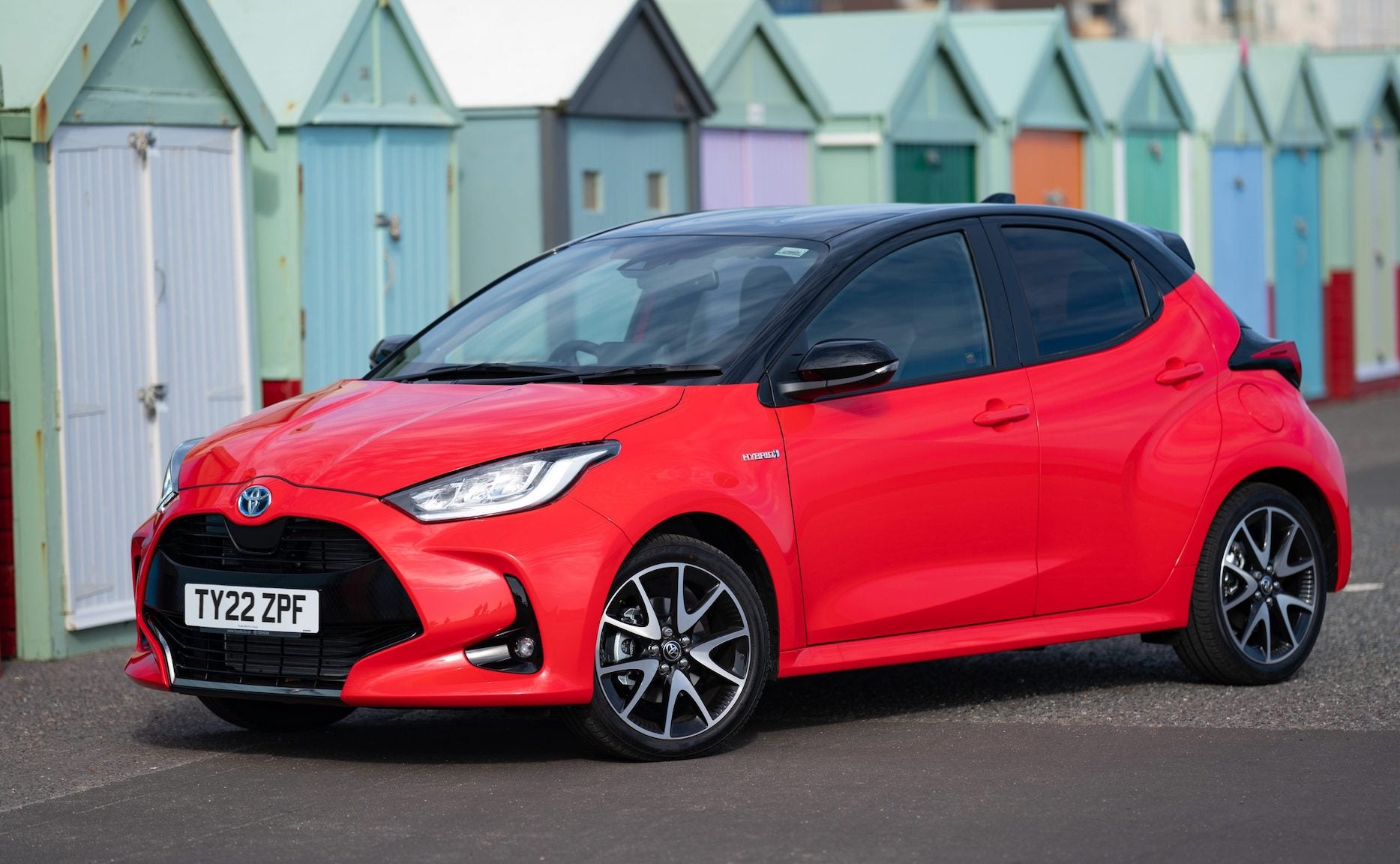
The Yaris doesn’t offer luxury, but what it does provide is peace of mind. Like the Corolla, it benefits from Toyota’s legacy of bulletproof engines and affordable replacement parts.
If you’re looking for a no-frills daily commuter that won’t surprise you with a huge repair bill, the Yaris is an excellent choice.
The Toyota Yaris Hybrid offers a practical, efficient, and city-friendly take on electrified driving, with two power outputs to choose from. The lower-spec version pairs a 114-hp 1.5-liter three-cylinder petrol engine with an electric motor, while the upgraded Yaris Hybrid 130 gets a slightly stronger 128-hp version of the same setup.
Both provide instant response when you first press the accelerator thanks to the hybrid system’s electric assistance, though acceleration quickly levels off. The standard model manages 0–60 mph in 9.7 seconds, while the more powerful variant cuts that to about 9.2 seconds, not a huge difference, but noticeable if you want just a bit more punch.
All Yaris Hybrids use a CVT automatic gearbox, which is smooth enough for daily driving but tends to drone at higher revs when you push hard, especially in the stronger Hybrid 130. That means while the Yaris feels lively around town, sustained acceleration can get noisy.
Ride quality depends heavily on which trim you choose. The base Icon and mid-level Design trims ride on 16-inch alloys with standard suspension, which makes them firm but still tolerable, slightly more jittery than rivals like the Honda Jazz and VW Polo, but never truly uncomfortable.
However, step up to trims like the Excel, GR Sport, or Premiere Edition, and the ride stiffens noticeably. The larger 17- and 18-inch wheels on those versions amplify road imperfections, jostling passengers over bumps and potholes, especially at lower speeds. Things smooth out on the motorway, but in town, the firmer setup can feel harsh.
If comfort is your top priority, rivals like the Audi A1 or Honda Jazz offer a more compliant and settled ride at similar price points. But if you want a hybrid that’s efficient, agile in the city, and available in a range of trims to suit your taste, the Yaris Hybrid makes a strong case, just be mindful of how wheel size and suspension tuning affect ride comfort.
8. Nissan Versa
The Nissan Versa is one of the most affordable new cars you can buy in America, and it also stands out for its relatively low cost of maintenance.
While some older Nissans struggled with transmission issues, the Versa has held up well in terms of reliability compared to pricier rivals.
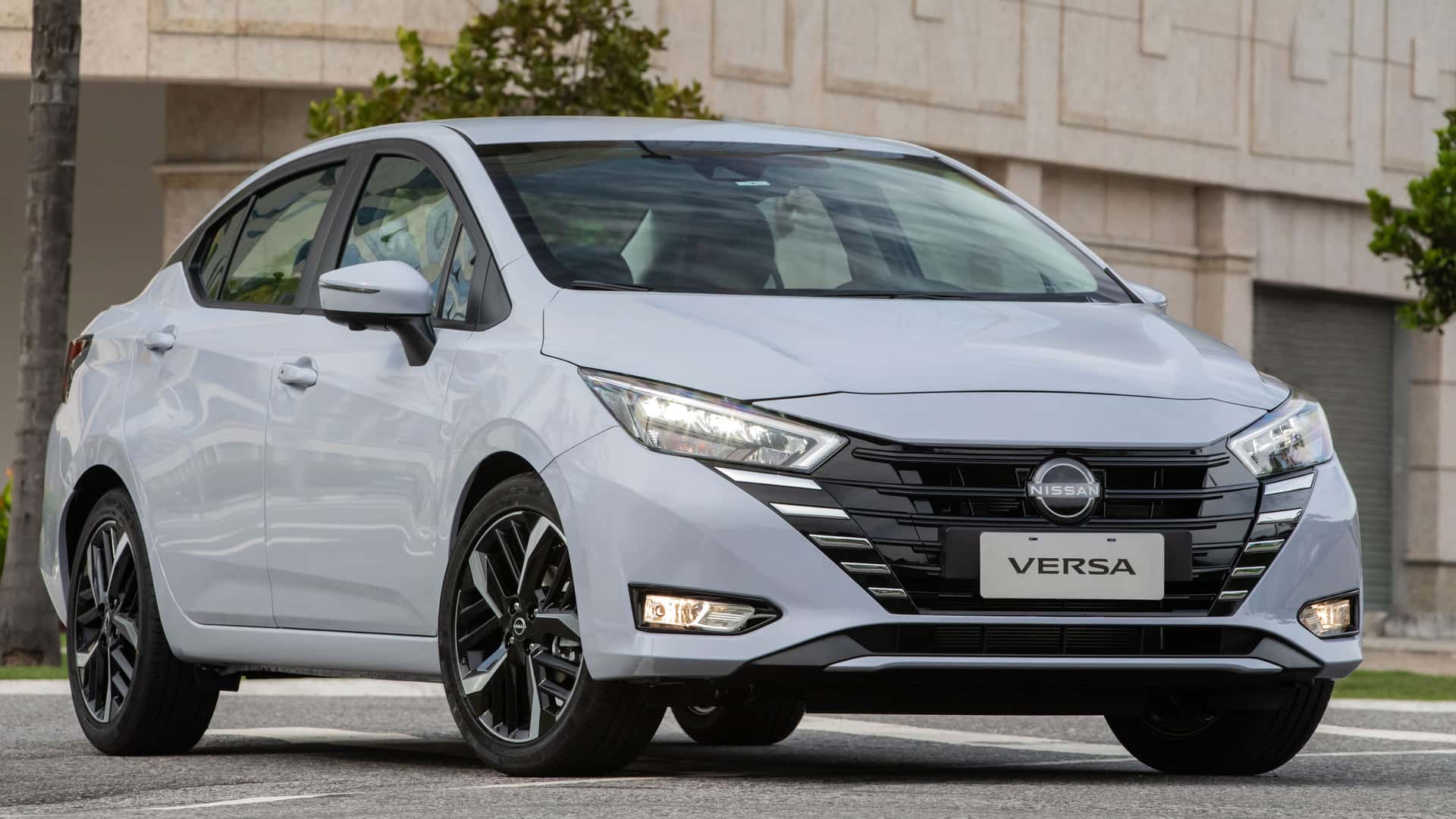
Owners praise its simplicity there aren’t a lot of complicated electronics or luxury systems to break, which translates into fewer expensive repairs. For drivers who need basic transportation with low ownership costs, the Versa is a practical pick.
The 2025 Nissan Versa might be the last truly affordable new car in America, with a starting price under $20,000, a milestone that’s about to vanish once production ends. With the Mitsubishi Mirage already gone, the Versa has been holding down the entry-level market, offering simple, reliable, and budget-friendly transportation.
It’s not a performer by any stretch, but it has always punched above its weight in comfort, ease of driving, and overall livability. For first-time buyers, commuters, or anyone needing a no-frills daily driver that won’t drain the wallet, the Versa has been the go-to choice.
For 2025, Nissan added a little extra value by making LED headlights standard across all trims and including three free oil changes within the first two years or 24,000 miles. The lineup remains straightforward: the base S, the mid-level SV, and the range-topping SR.
The SR trim is the sweet spot, offering 17-inch wheels, a leather-wrapped steering wheel, remote start, and passive entry, all standard. It also pairs with a more complete infotainment system featuring Apple CarPlay and Android Auto. Heated seats are optional with the Convenience package, which makes sense if you live in colder climates.
Under the hood, all Versa models share a 122-hp four-cylinder engine. The base S can still be had with a five-speed manual, a rarity these days, but most buyers will want the smoother, more efficient CVT, which comes standard on SV and SR trims.
Performance is modest: acceleration is slow, especially for highway merges and passing, but the CVT helps keep engine noise in check. The Versa rides surprisingly well, soaking up bumps and offering solid steering feel and brake response. It’s more refined than older versions and feels less like a bare-bones economy car than you’d expect at this price.
The bigger story is what happens after the Versa bows out. Without it, the cheapest new cars on the U.S. market will start in the low $20,000s, with options like the Hyundai Elantra and Kia K4.
That extra four or five thousand dollars is a real barrier for buyers on tight budgets, which makes the current Versa’s value hard to ignore. If owning a brand-new car under $20k matters to you, this might be your last chance to grab one.
9. Ford Fiesta
Although Ford has exited the small-car market in the U.S., the Fiesta still thrives in the used market as an affordable and dependable commuter.
With its fuel-efficient engines and straightforward design, the Fiesta tends to avoid expensive breakdowns. Maintenance costs are reasonable, and parts are widely available at budget-friendly prices.
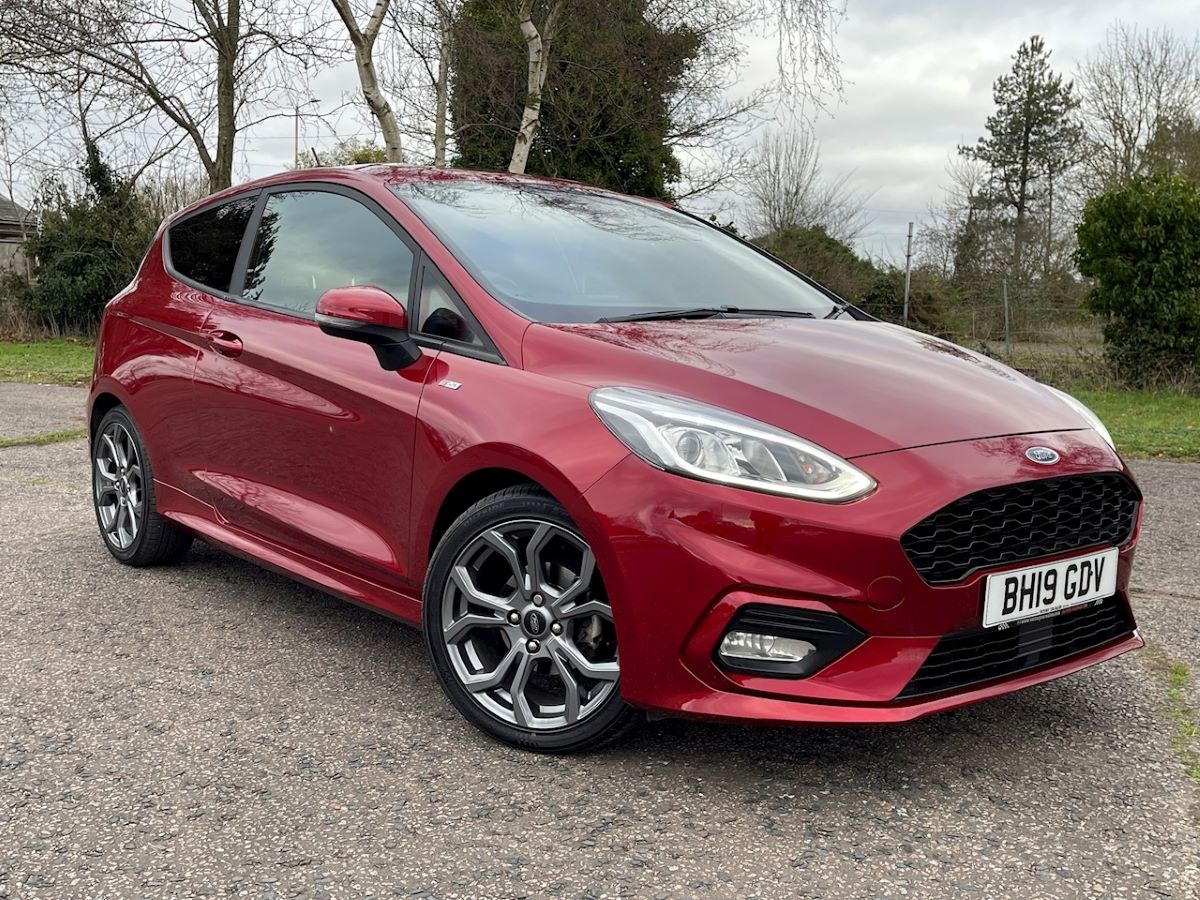
While some model years with dual-clutch transmissions had issues, the majority of Fiestas hold up well with regular servicing. For budget-conscious buyers, it remains one of Ford’s most reliable compact offerings.
10. Chevrolet Sonic
Another discontinued but worthy budget option is the Chevrolet Sonic. Produced until 2020, the Sonic provided drivers with a reliable and affordable small car that holds up well over time.
RepairPal and other reliability trackers report that owners rarely face high repair bills, with most issues limited to inexpensive components.
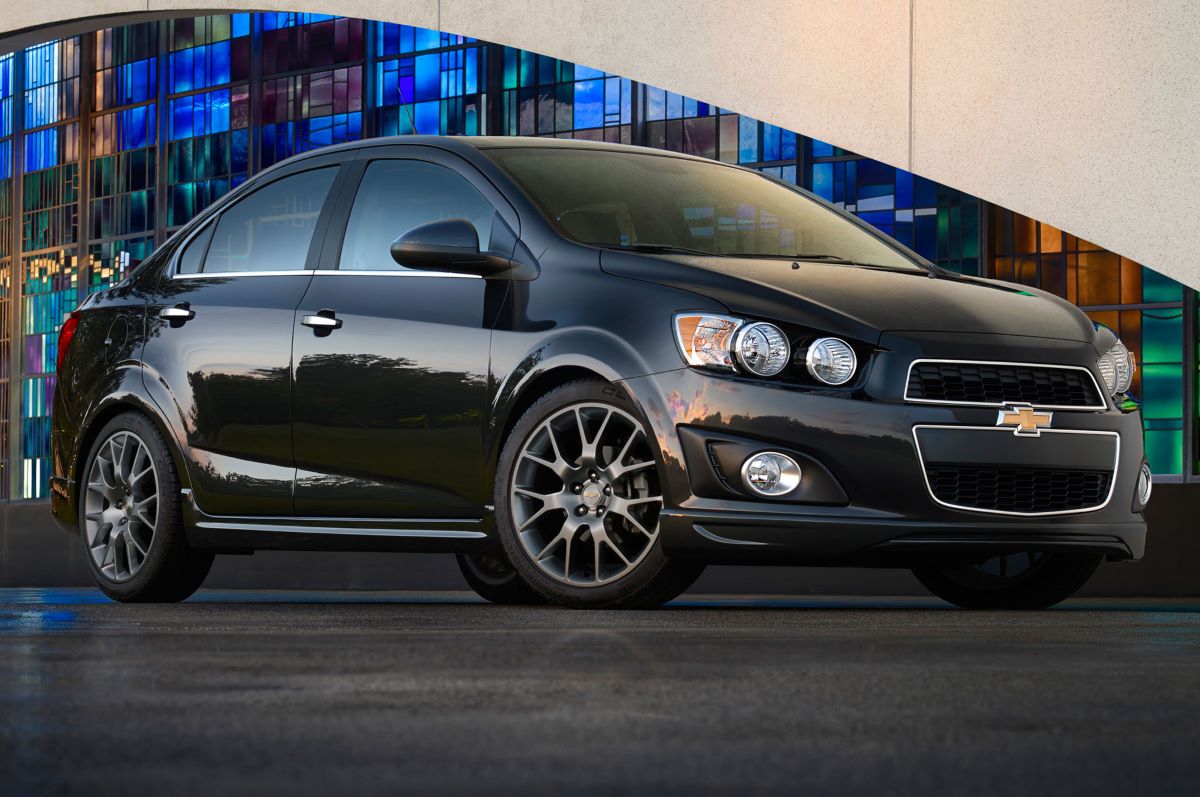
Being a domestic car, parts are readily available and often cheaper than those for imported rivals. The Sonic may not be flashy, but it’s a dependable workhorse for drivers on a budget.
The 2020 Chevrolet Sonic represents the final chapter of Chevy’s subcompact offering, and it goes out as a solid but unremarkable option in a segment that was quickly losing steam. With the base 1.8-liter engine and manual transmission dropped for its last year, every Sonic came with a turbocharged 1.4-liter four-cylinder making 138 horsepower, paired to a six-speed automatic.
That setup delivered adequate performance, with a 0–60 mph time of 8.5 seconds, respectable for the class at the time. The Sonic’s real strength was its quiet ride; at highway speeds, it registered just 67 decibels, putting it on par with much more expensive luxury sedans.
Buyers could choose between sedan and hatchback body styles, and while both offered decent space for a subcompact, the hatch was the smarter pick thanks to its greater cargo flexibility. With the rear seats down, it fit 16 carry-on bags, though rivals like the Honda Fit proved more practical, swallowing 20.
On the inside, the Sonic’s design was simple and easy to live with, though cabin materials were cheap compared to competitors. Mid-level LT and top-tier Premier trims improved things with features like a leather-wrapped steering wheel, a six-speaker audio system, SiriusXM, and cruise control.
Chevy priced the 2020 Sonic between $17,595 and $21,595, keeping it competitive against rivals such as the Hyundai Accent, Kia Rio, Toyota Yaris, and Nissan Versa. However, where the Sonic lagged behind was fuel efficiency.
The EPA rated it at 34 mpg highway, but real-world results hovered closer to 31 mpg, well below the Rio (43 mpg) and Fit (41 mpg). For budget buyers who wanted an inexpensive car with low running costs, that was a significant drawback.
Ultimately, the Sonic offered a comfortable, quiet ride and better refinement than you’d expect for the price, but it didn’t bring the standout value or efficiency needed to hold its ground against stronger rivals. With its discontinuation after 2020, the subcompact market lost another player, leaving only a handful of options for buyers seeking truly small, inexpensive cars.
11. Subaru Impreza
For buyers who live in areas with harsh winters or rough terrain, the Subaru Impreza stands out as an affordable all-wheel-drive option. Unlike many AWD vehicles, which can be costly to maintain, the Impreza delivers reliability at a fair price point.
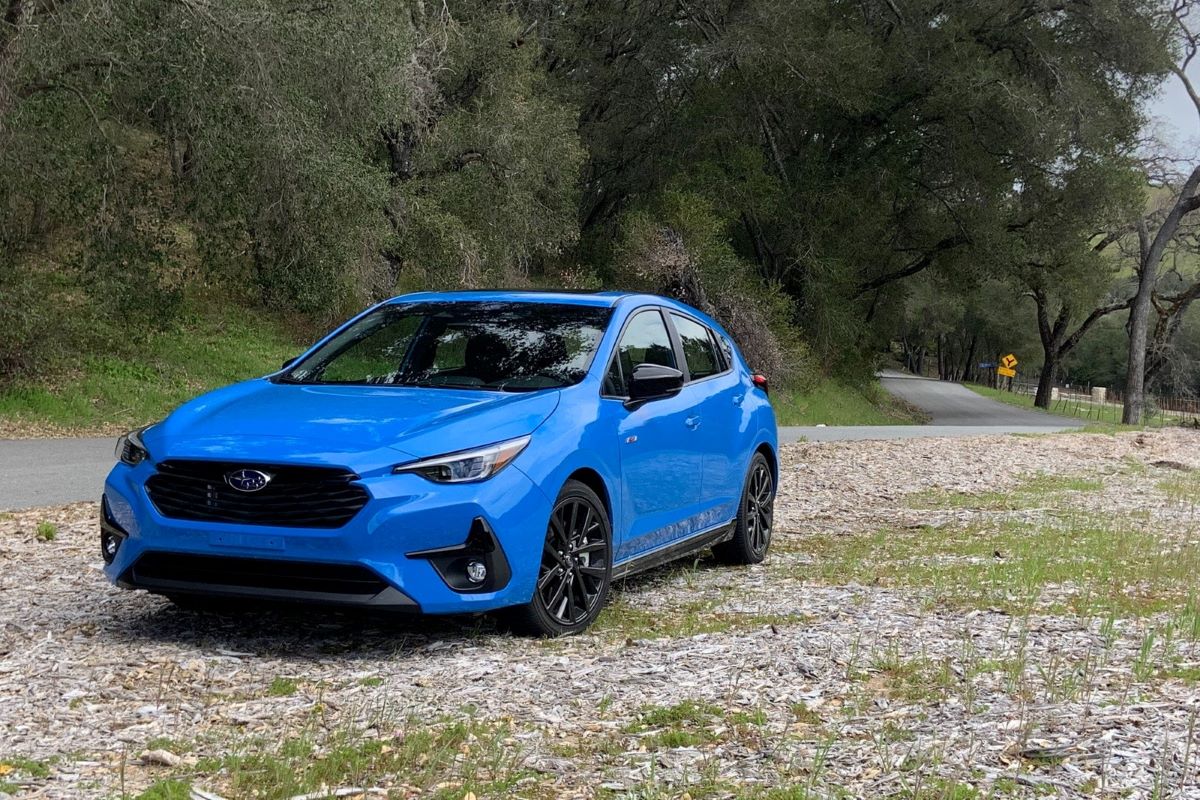
Its engines and transmissions are known for durability, and catastrophic repairs are relatively rare. While Subarus may require more attention to routine maintenance compared to a Corolla or Civic, the Impreza still avoids the sky-high repair costs often associated with AWD systems.
The 2025 Subaru Impreza carries forward the redesign from 2024, sticking to its formula as a practical, all-wheel-drive hatchback that prioritizes usability over flash. It may not win any beauty contests, but the Impreza is a solid choice for buyers who value traction in all weather, a roomy cabin, and a straightforward approach to technology and safety.
Every trim comes with Subaru’s signature AWD system, which is a rarity in the compact car class, and the Impreza backs it up with features like torque vectoring and a stiffer chassis for added composure.
Powertrain options are limited but serviceable. The base and Sport trims use a 2.0-liter flat-four with 152 horsepower,adequate for errands and commuting but far from thrilling. For a little more punch, the RS trim brings a 2.5-liter flat-four good for 182 horsepower and 178 lb-ft of torque. It’s a welcome upgrade but still falls short of making the Impreza feel quick.
A CVT is standard across the board, and while smooth, it leaves enthusiasts missing the manual transmission Subaru dropped in recent years. The Impreza’s chassis is up for more than its engines deliver, meaning a turbocharged option would make this hatchback far more exciting.
On the road, the Impreza balances Subaru’s trademark stability with a dash of sportiness, especially in the RS. The steering system, borrowed from the WRX, adds precision, while the ride quality is tuned for comfort without feeling floaty.
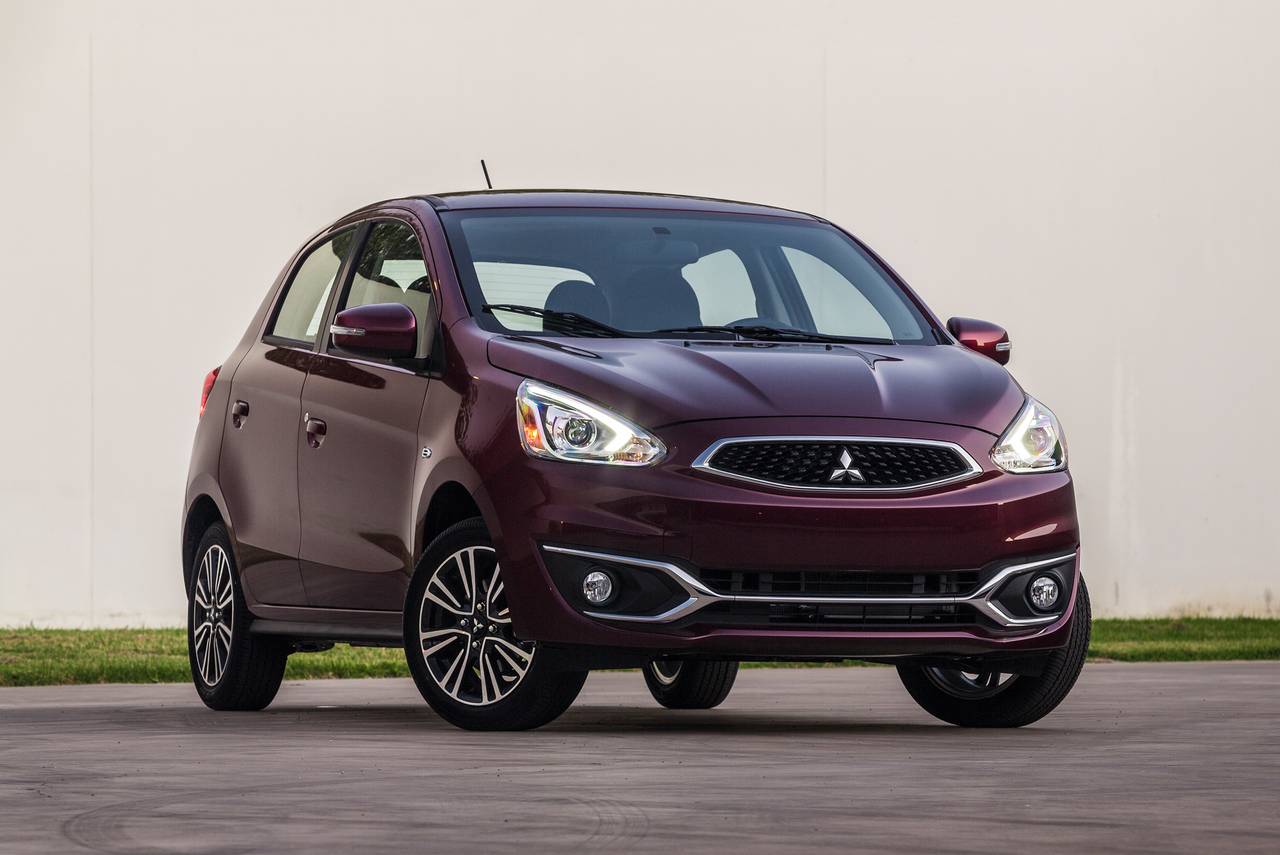
12. Mitsubishi Mirage
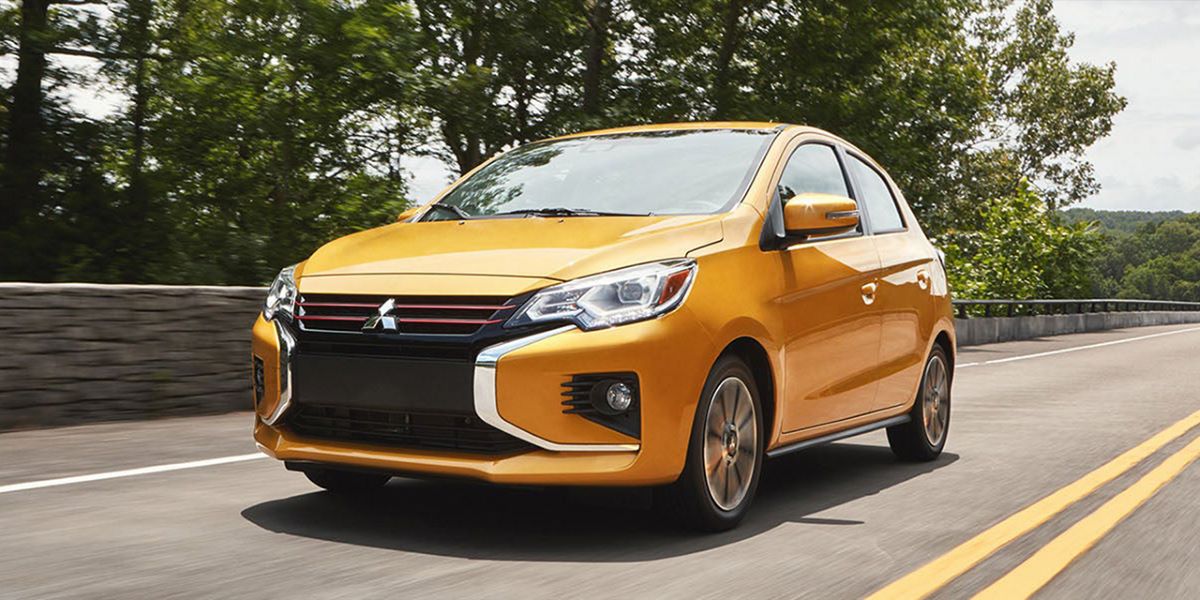
The Mitsubishi Mirage is one of the cheapest new cars sold in the U.S., and while it doesn’t boast luxury or performance, it wins on dependability and low ownership costs.
Its small three-cylinder engine is simple and durable, with fewer components to fail. Owners often report minimal repair costs even after years of driving.
The Mirage’s no-frills approach means fewer electronics and advanced features to break, making it one of the easiest cars to own if avoiding expensive repairs is your top priority.
For budget-minded American drivers, the cost of car ownership goes well beyond the sticker price. The true value of a car lies in how much you’ll spend keeping it on the road.
Models like the Toyota Corolla, Honda Civic, and Hyundai Elantra have earned reputations for being both affordable and dependable, while lesser-known options like the Mitsubishi Mirage and Chevrolet Sonic quietly provide years of low-cost driving.
Whether you’re buying new or used, choosing one of these 12 cars means fewer trips to the mechanic, fewer surprises on your credit card, and more confidence every time you turn the key.
If you want a budget-friendly car that doesn’t saddle you with repair bills, these models prove you don’t have to sacrifice reliability for affordability.