
Muscle cars are more than just machines. They represent an era of raw power, bold styling, and a driving experience that could be felt in the chest as much as it was heard through the exhaust.
Decades after their original production runs, many of these cars continue to leave tire marks on the pavement, proving their lasting appeal. While modern vehicles often focus on efficiency, technology, and refinement, the muscle cars of past decades remain symbols of unfiltered performance.
What sets these cars apart is not just their horsepower but their staying power. Enthusiasts have kept them alive through meticulous care, rebuilds, and restorations.
In some cases, the original engineering was so strong that these cars continue to run reliably with only basic upkeep.
Their simplicity, compared to today’s electronics-heavy models, allows them to be maintained and modified with relative ease, which keeps them on the road long after many of their contemporaries have vanished.
Beyond their mechanical strength, these cars hold a special cultural significance. They embody freedom, individuality, and a love for speed that remains timeless.
Whether lined up at a weekend drag race, parked at a car show, or cruising down the highway, muscle cars from decades past still turn heads.
This article looks at twelve muscle cars that continue to burn rubber decades after their introduction. Each one represents a piece of American car history that refuses to fade, standing as proof that some vehicles are built not just to last but to keep thrilling generations of drivers.
Also Read: 10 Used Cars That Deliver More Than Their Price Tag
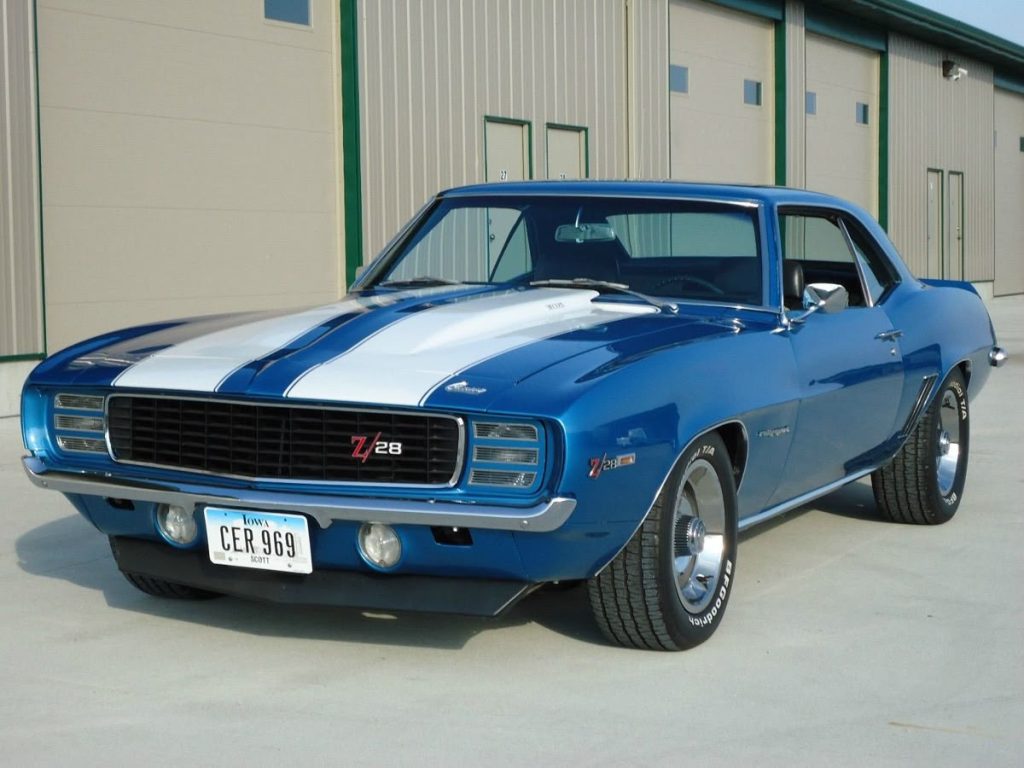
1. 1969 Chevrolet Camaro Z/28
The 1969 Chevrolet Camaro Z/28 is one of the most iconic muscle cars ever produced, and it remains a favorite among collectors and enthusiasts.
Its aggressive styling, combined with a reputation for performance, made it a standout in the golden age of muscle cars. Even decades later, the Z/28 continues to prove its worth both on the street and at the track.
What made the Z/28 special was its high-revving 302 cubic-inch V8, designed specifically to meet Trans-Am racing regulations.
While not the largest engine of its time, it was engineered for precision and power delivery, offering about 290 horsepower but with the ability to rev past 6,000 rpm. This made it a driver’s car, rewarding those who knew how to push it to its limits.
The 1969 model year also gave the Camaro its most aggressive look, with sharp body lines, wide stance, and iconic front fascia. These design cues still resonate today, making the Z/28 one of the most recognizable muscle cars in history.
Many of these cars remain roadworthy thanks to their simple mechanical layout and strong aftermarket support. Enthusiasts have kept them alive through restorations and modifications, ensuring that they continue to perform as intended.
The 1969 Camaro Z/28 is more than just a car; it’s a piece of American history that symbolizes the peak of muscle car culture. Its enduring popularity shows that true performance never goes out of style.
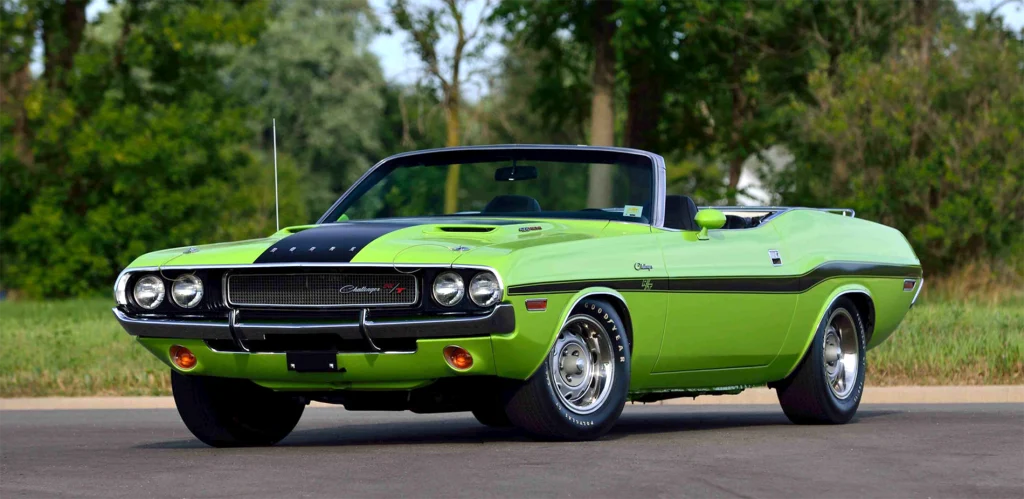
2. 1970 Dodge Challenger R/T
The 1970 Dodge Challenger R/T is another classic muscle car that still commands attention today. Introduced as Dodge’s answer to the Mustang and Camaro, the Challenger brought a bold design and a wide range of performance options that cemented its place in muscle car history.
The Challenger R/T came with a variety of engines, but the standout was the legendary 426 HEMI V8. With 425 horsepower on tap, it offered raw performance that few competitors could match. For those who didn’t opt for the HEMI, Dodge still offered powerful alternatives like the 440 Six-Pack, which provided impressive acceleration and straight-line speed.
Visually, the 1970 Challenger carried a long hood, short deck design that perfectly matched its aggressive personality. Its wide stance and muscular proportions gave it a commanding presence on the road. Today, those design elements still resonate with collectors, making the Challenger R/T a highly sought-after classic.
The car’s mechanical simplicity also contributes to its longevity. With robust engines, solid transmissions, and a strong aftermarket for parts, many Challengers have been restored or kept in running condition decades after they rolled off the assembly line.
The 1970 Dodge Challenger R/T represents the height of Dodge’s muscle car era. Its combination of style, power, and cultural impact ensures that it continues to burn rubber and thrill enthusiasts across generations.
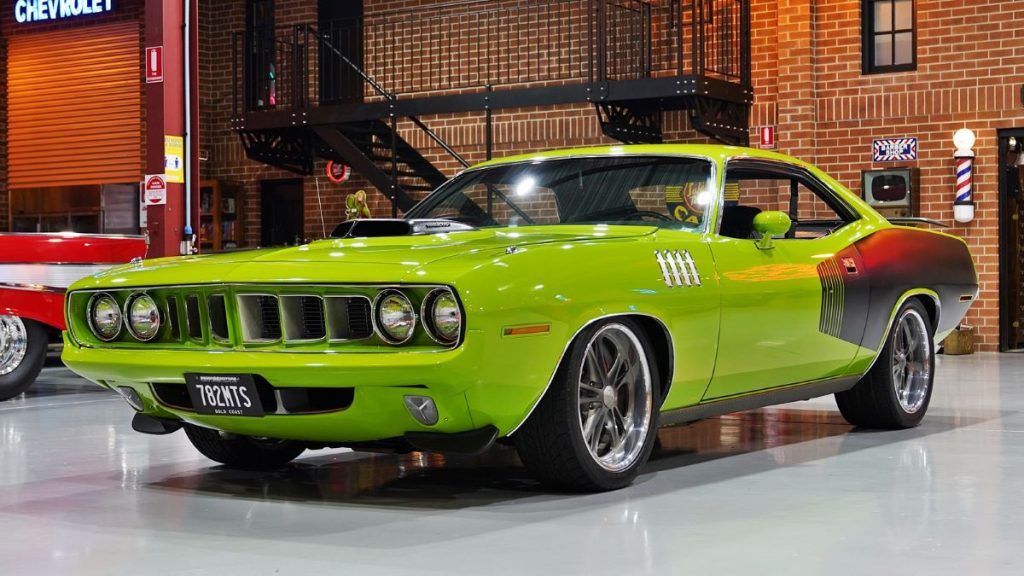
3. 1971 Plymouth HEMI ‘Cuda
Few muscle cars carry the same mystique as the 1971 Plymouth HEMI ‘Cuda. With aggressive styling and one of the most legendary engines ever produced, the HEMI ‘Cuda has become a symbol of performance and rarity in the muscle car world.
Under the hood sat Chrysler’s 426 HEMI V8, an engine synonymous with brute force and racing dominance. Rated at 425 horsepower, it delivered exceptional acceleration and a sound that defined an era.
The HEMI ‘Cuda wasn’t just about numbers, though it was about presence. With its shaker hood, bold graphics, and wide stance, it exuded confidence and performance.
The 1971 model year also introduced unique design changes, including quad headlights and revised grille styling, giving the car an even more aggressive look.
These features, combined with the limited production numbers, have made the HEMI ‘Cuda one of the most valuable and sought-after muscle cars on the collector market.
Despite its rarity, the HEMI ‘Cuda’s straightforward engineering has allowed enthusiasts to maintain and restore them for decades. Many examples remain road-ready today, continuing to showcase the raw power that made them legends.
The Plymouth HEMI ‘Cuda is more than just a muscle car it’s an icon. Its combination of performance, style, and scarcity ensures it remains one of the most celebrated vehicles in American automotive history.
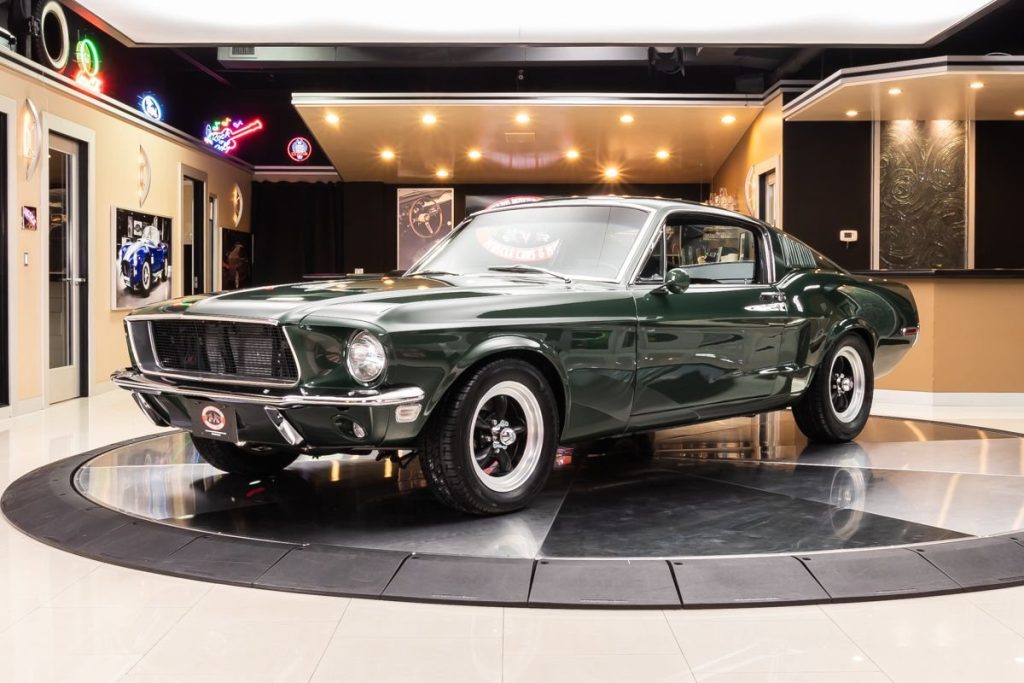
4. 1968 Ford Mustang GT Fastback (Bullitt)
The 1968 Ford Mustang GT Fastback gained fame not only for its performance but also for its starring role in the movie Bullitt.
Driven by Steve McQueen, the Highland Green Mustang became one of the most recognizable cars in cinematic and muscle car history. Beyond Hollywood, however, the GT Fastback proved itself as a durable and exciting muscle car.
Equipped with a 390 cubic-inch V8 engine, the Mustang GT offered plenty of performance for its time.
The engine produced around 325 horsepower, delivering strong acceleration and a deep exhaust note that perfectly matched its aggressive styling. Paired with a four-speed manual transmission, it was a car built for driving excitement.
The Mustang’s design, with its long hood and fastback roofline, made it a standout on the road. The 1968 model carried refinements that improved both its look and performance, securing its place as one of the most desirable classic Mustangs.
Many enthusiasts have kept these cars alive through careful restoration and maintenance. The wide availability of parts and strong aftermarket support make it easier to keep the GT Fastback running strong even after decades.
The 1968 Mustang GT Fastback represents the essence of muscle car culture: power, style, and cultural impact. Its continued presence on roads and at car shows proves that it remains a timeless symbol of performance.
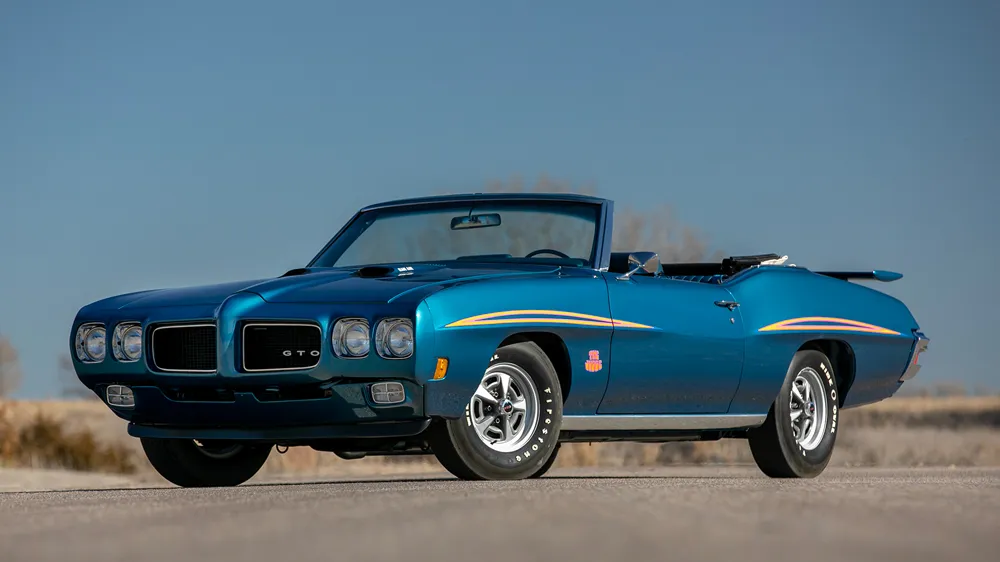
5. 1970 Pontiac GTO Judge
The 1970 Pontiac GTO Judge stands as one of the most flamboyant and powerful muscle cars of its era. Introduced as a special performance package for the GTO, the Judge was designed to command attention both visually and mechanically.
With bold stripes, rear spoiler, and unique badging, it was impossible to mistake this car for anything else on the road.
At its heart, the Judge carried the Ram Air III 400 cubic-inch V8, producing 366 horsepower. For those who wanted even more, Pontiac offered the Ram Air IV, which boosted output and delivered serious track-ready performance.
Drivers could also equip it with a four-speed manual transmission, making the driving experience even more engaging.
The GTO Judge wasn’t just about raw numbers it was about attitude. Pontiac marketed it as a youthful, rebellious alternative to more conservative muscle cars, and its colorful personality reflected that perfectly. Cars like the Judge became symbols of freedom and individuality during the height of the muscle car era.
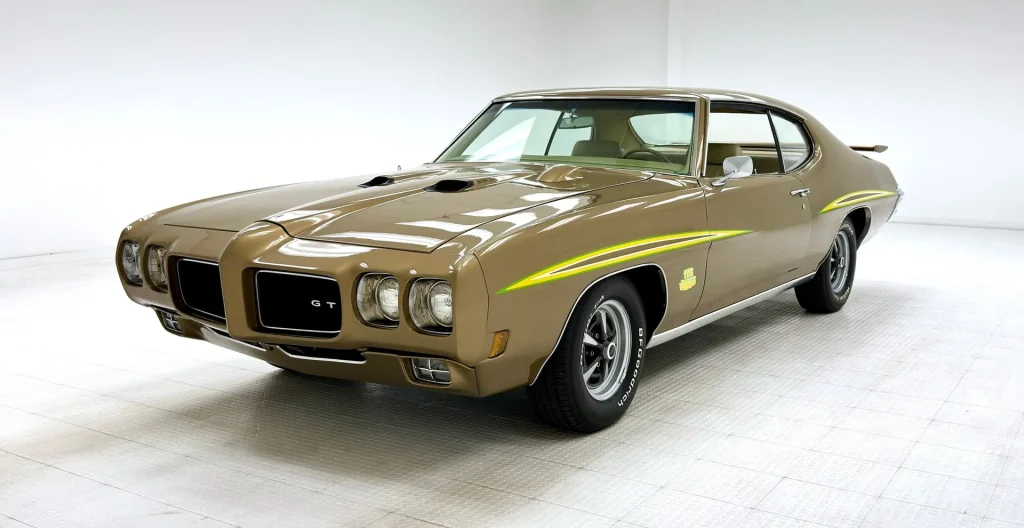
Today, the 1970 Pontiac GTO Judge is still highly respected among collectors. Its combination of striking looks, strong performance, and cultural identity ensures that surviving examples remain cherished. Many have been carefully preserved or restored, keeping them on the road decades later.
The GTO Judge was more than a muscle car it was a statement. Even now, when one roars to life at a car show, it proves that Pontiac’s bold vision of performance has not faded with time.
6. 1970 Chevrolet Chevelle SS 454
The 1970 Chevrolet Chevelle SS 454 is often hailed as one of the most powerful muscle cars ever built. When it debuted, it instantly set benchmarks for performance and street credibility, solidifying its reputation as a king of the muscle car wars.
The Chevelle SS offered several engine choices, but the LS6 454 cubic-inch V8 stole the spotlight. Officially rated at 450 horsepower, many believe the real output was even higher, making it one of the strongest factory engines of its day. Paired with a four-speed manual or automatic transmission, the Chevelle delivered tire-shredding acceleration that enthusiasts still talk about.
Styling played an important role in its appeal. With its wide stance, cowl-induction hood, and bold striping, the 1970 Chevelle SS looked every bit as fast as it was. The aggressive design gave it an unmistakable presence that continues to draw attention decades later.
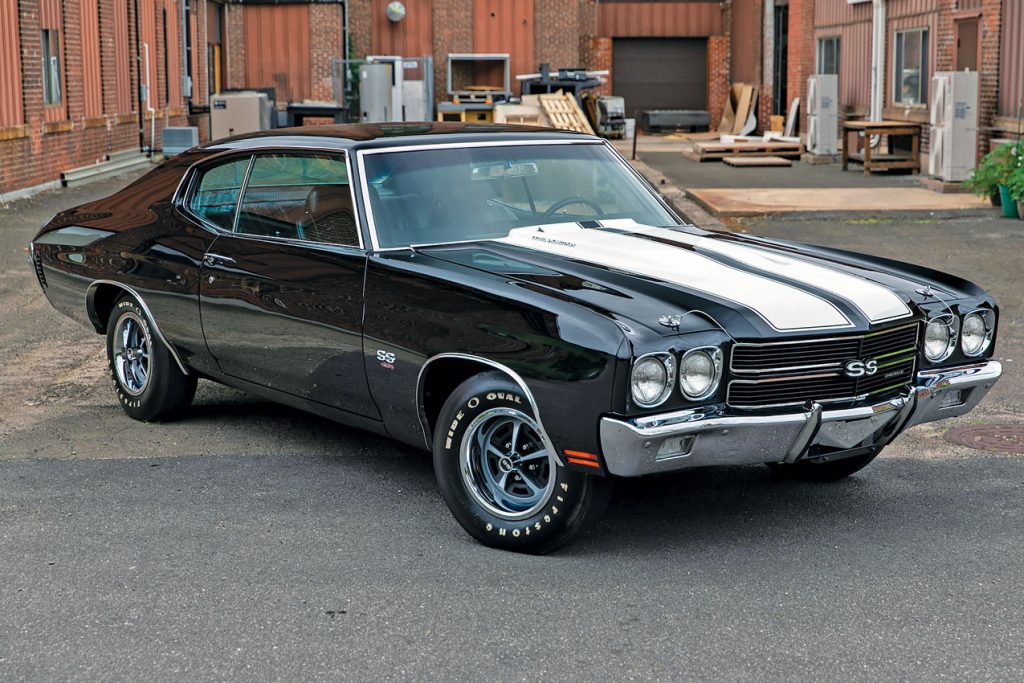
Thanks to its robust construction and immense popularity, many Chevelles have survived the test of time. Restorers and collectors prize the SS 454 models, keeping them alive in excellent condition. Its strong aftermarket support ensures that even well-worn examples can be brought back to their former glory.
The 1970 Chevelle SS 454 remains a true benchmark of muscle car performance. Its power, style, and reputation make it one of the most enduring classics in American automotive history.
7. 1969 Dodge Charger R/T
The 1969 Dodge Charger R/T is a muscle car legend that continues to enjoy admiration thanks to its striking looks and immense performance.
While it’s famous for its role in The Dukes of Hazzard and Bullitt, the Charger R/T is more than just a television or movie star it’s a car built for raw power.
At its core, the Charger R/T could be equipped with engines ranging from the 440 Magnum V8 to the mighty 426 HEMI.
With the HEMI, output reached 425 horsepower, giving the Charger serious street and strip credibility. Its rear-wheel-drive layout and robust suspension made it both fast and durable, capable of handling the abuse enthusiasts often gave it.
Visually, the 1969 Charger is one of the most recognizable cars of the muscle era. Its hidden headlights, long body, and distinctive “coke bottle” styling set it apart from rivals. Add in the R/T badging, and it became a symbol of Dodge’s commitment to performance.
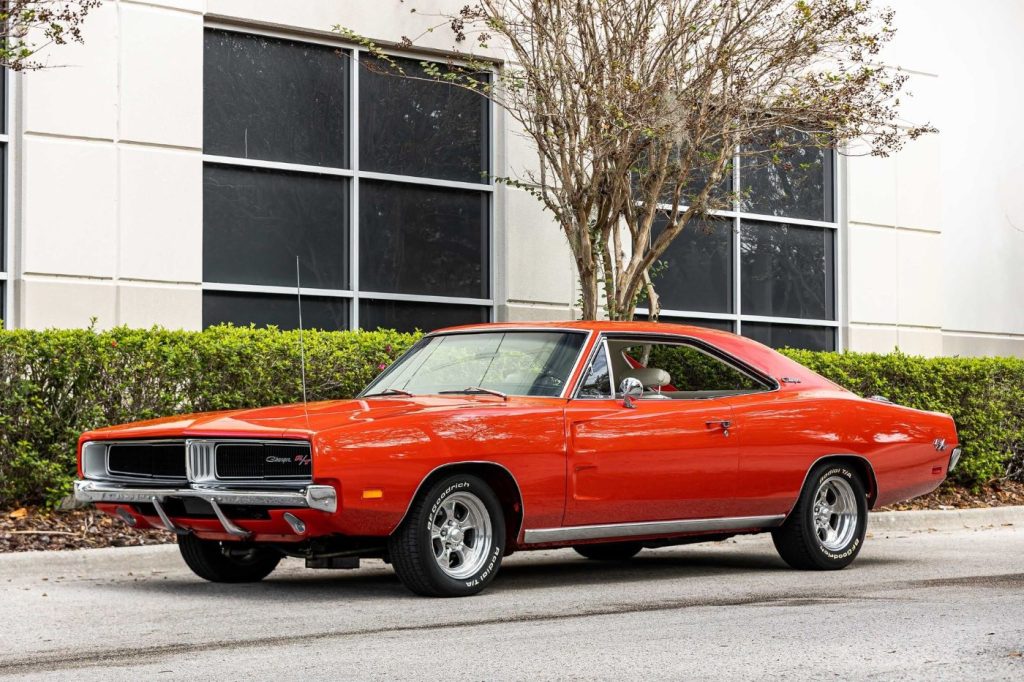
The Charger’s enduring popularity has ensured that many examples are still on the road today. Enthusiasts have poured countless hours into restoring these cars, keeping them true to their heritage. With strong parts availability, they remain accessible to those who want to relive the glory days.
The 1969 Dodge Charger R/T is more than just a classic; it’s a cultural icon. Its blend of style, performance, and notoriety ensures that it continues to burn rubber decades after its debut.
8. 1971 Buick GSX
When people think of muscle cars, Buick isn’t always the first name that comes to mind. Yet the 1971 Buick GSX proved that the brand could produce a serious contender in the performance wars. With its bold looks and incredible power, the GSX earned respect among enthusiasts and continues to do so today.
The GSX came equipped with Buick’s Stage 1 455 cubic-inch V8. Although officially rated at 360 horsepower, its torque output was astonishing, making it one of the strongest engines of the muscle car era. This gave the GSX remarkable straight-line performance, often outperforming more famous competitors at the drag strip.
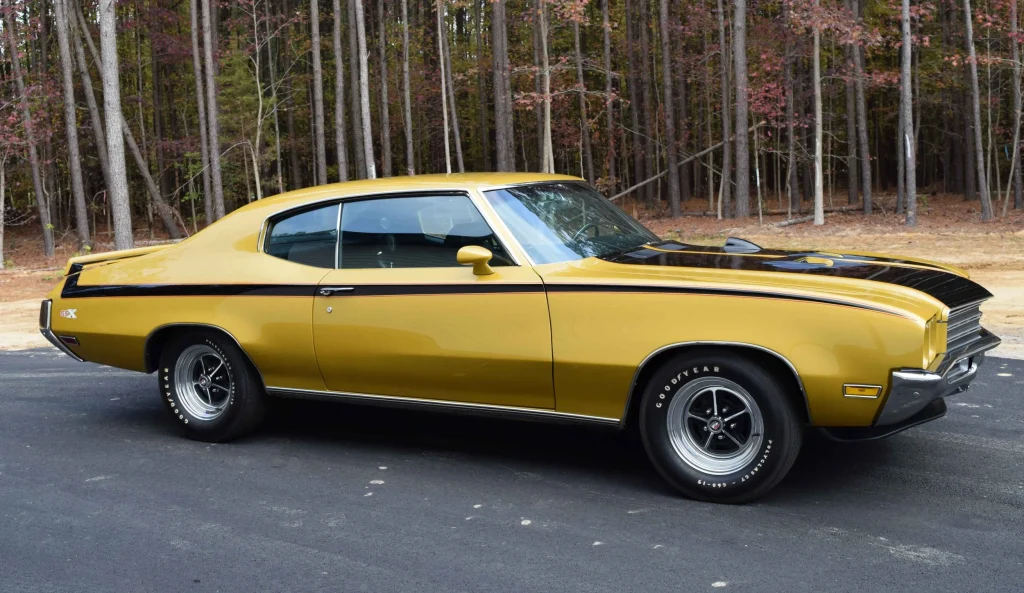
Styling was another highlight. The GSX package included bold stripes, a rear spoiler, and aggressive front-end design that set it apart from standard Buicks. Offered in high-impact colors like Saturn Yellow, it demanded attention wherever it went.
Despite its performance, the GSX retained Buick’s reputation for comfort. It offered a smoother ride and more refined interior compared to some of its rougher rivals. This balance of comfort and muscle made it appealing to a wide range of buyers.
Today, surviving GSX models are rare and highly collectible. Enthusiasts appreciate their blend of style, power, and uniqueness in a field dominated by more common muscle names.
The 1971 Buick GSX shows that muscle cars weren’t limited to just a few brands. Buick proved it could produce a tire-shredding, rubber-burning classic that still turns heads decades later.
9. 1970 Plymouth Road Runner
The 1970 Plymouth Road Runner was designed to bring muscle car performance to the everyday driver without an inflated price tag.
It was a no-nonsense machine, emphasizing power and fun over unnecessary luxury. By keeping things simple, Plymouth created one of the most memorable muscle cars of its time.
The Road Runner came standard with a 383 cubic-inch V8, but buyers could upgrade to the legendary 426 HEMI or the 440 Six Pack.
These engines delivered raw, unfiltered power, capable of producing quarter-mile times that rivaled far more expensive cars. Paired with either a manual or automatic transmission, the Road Runner made serious performance accessible.
The car’s playful personality was highlighted by its Warner Bros. “beep-beep” horn, a small but iconic detail that enthusiasts still love today. Despite its affordability, the Road Runner had strong styling with its aggressive stance and optional Air Grabber hood.
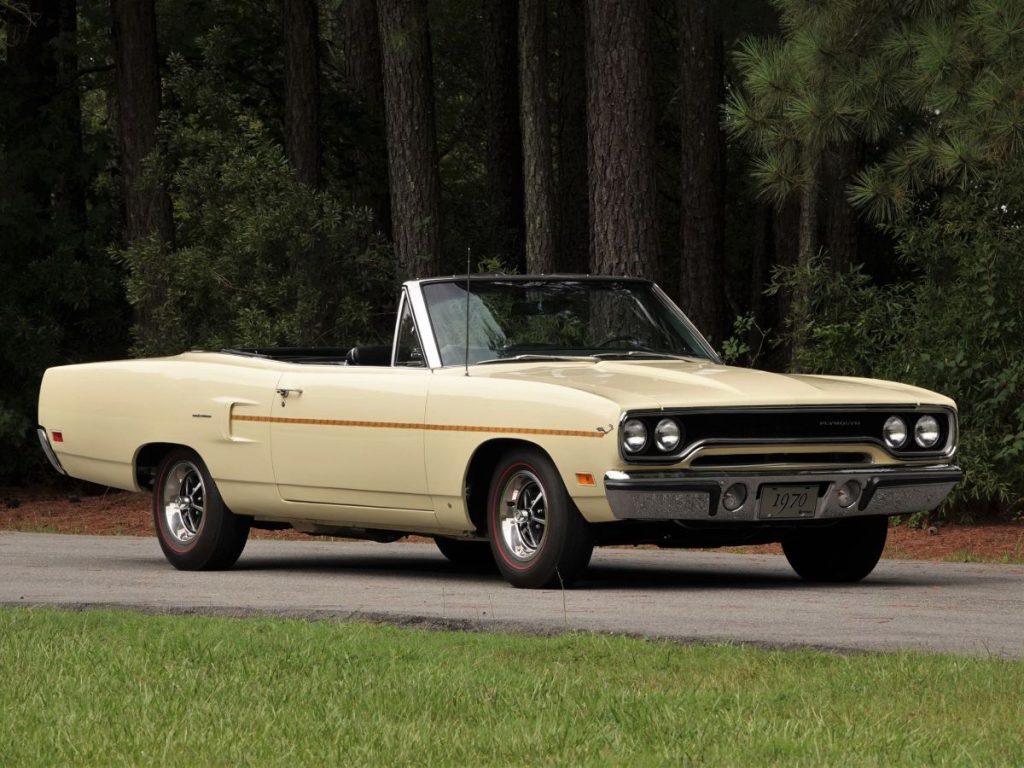
Many Road Runners have survived because of their popularity and robust design. Collectors continue to restore them, ensuring they remain fixtures at car shows and drag strips. Their reputation for performance and fun makes them one of the most enduring names in muscle car history.
The 1970 Plymouth Road Runner captured the essence of the muscle car era. Affordable, powerful, and full of personality, it still represents what enthusiasts love most about classic American performance.
10. 1971 Oldsmobile 442
The 1971 Oldsmobile 442 is often remembered as one of the most stylish and powerful cars of its time. As Oldsmobile’s performance flagship, the 442 combined muscle with refinement, offering a driving experience that was both aggressive and polished.
Under the hood, the 442 could be fitted with the massive 455 cubic-inch V8. When equipped with the W30 performance package, it produced 350 horsepower and immense torque, making it a strong contender on the street and track.
While horsepower ratings were slightly lower in 1971 due to new measurement standards, real-world performance remained impressive.
Styling was one of the 442’s biggest strengths. Its sculpted body, aggressive front fascia, and optional stripes gave it a commanding presence. The dual exhaust and throaty engine note added to its muscle car character, while its comfortable interior reminded drivers that Oldsmobile was still a premium brand.
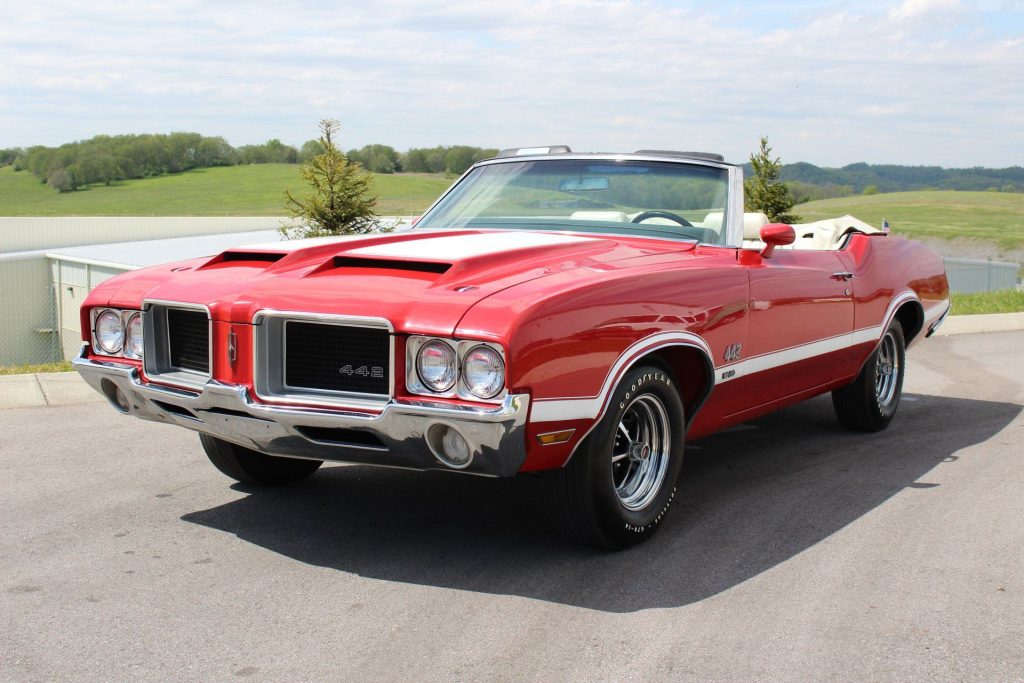
The 442 has held up well over the decades thanks to its solid construction and enthusiastic fan base. Collectors have ensured that many of these cars are restored and maintained in excellent condition, allowing them to keep running strong today.
The 1971 Oldsmobile 442 proves that muscle cars could combine performance with style and comfort. It remains a respected nameplate that continues to burn rubber and draw admiration decades later.
11. 1968 Mercury Cougar XR-7 GT-E
The 1968 Mercury Cougar XR-7 GT-E showed that Mercury could compete with the best in the muscle car market. Positioned slightly above Ford’s Mustang, the Cougar offered more refinement while still delivering serious performance.
The highlight of the GT-E package was its engine. Buyers could choose the massive 427 cubic-inch V8, which delivered 390 horsepower, or the equally impressive 428 Cobra Jet.
These engines gave the Cougar straight-line speed that put it on par with many rivals. Paired with performance suspension and available four-speed manual transmission, it delivered both power and control.
What set the Cougar apart was its blend of muscle and luxury. The XR-7 trim added features like leather seating, wood-grain interior accents, and additional gauges, giving drivers a more upscale experience without sacrificing performance. This unique combination broadened its appeal, attracting buyers who wanted both speed and comfort.
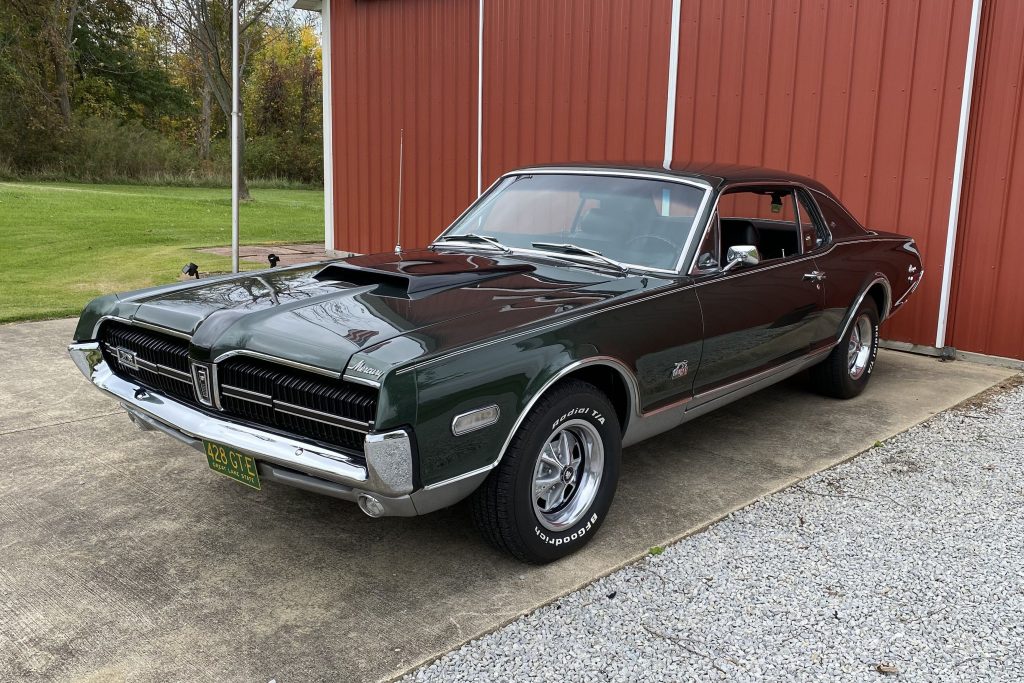
The 1968 Cougar XR-7 GT-E remains a rare and collectible muscle car. Its limited production numbers and impressive performance credentials ensure its place in history. Many have been carefully preserved, keeping the Mercury name alive in muscle car culture.
The Cougar XR-7 GT-E may not be as widely recognized as some of its competitors, but it proved that Mercury could build a machine capable of burning rubber with the best of them. Its balance of refinement and raw power keeps it relevant decades later.
12. 1970 AMC AMX
The 1970 AMC AMX stands as one of the most unique muscle cars of its time. Built by American Motors, a company not typically associated with high performance, the AMX proved that smaller manufacturers could create vehicles that challenged the big names.
The AMX was distinct because it was a two-seat muscle car, giving it proportions more in line with European sports cars than American coupes.
Under the hood, it could be equipped with powerful V8s, including the 390 cubic-inch engine producing 325 horsepower. This gave the lightweight AMX excellent acceleration and strong quarter-mile times.
Styling set the AMX apart from its competitors. Its short wheelbase and aggressive stance gave it a sporty, athletic look. Despite being smaller than most muscle cars, it had presence and performance that earned it respect among enthusiasts.
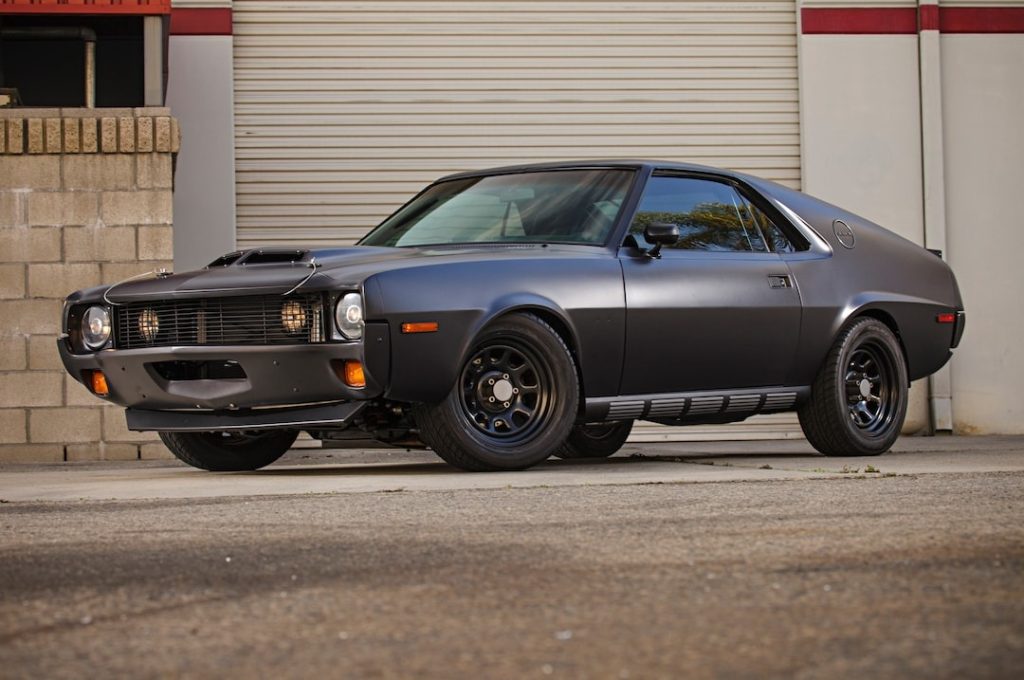
Another strength of the AMX was affordability. It delivered muscle car performance at a lower price point, making it accessible to younger buyers. Its limited production numbers, however, have made surviving examples quite rare today.
The 1970 AMC AMX shows that innovation and bold design can leave a lasting legacy. Decades later, it remains a favorite among collectors who appreciate its uniqueness and performance.
The AMX continues to prove that muscle cars don’t need to come from the biggest manufacturers to earn their place in history.
Also Read: 10 Used SUVs That Give You the Most Miles for Your Money
