
Japanese Domestic Market (JDM) cars are renowned not only for performance and style but also for exceptional reliability. While many vehicles may fade after years of use, certain JDM legends have earned reputations for enduring quality, robust engineering, and longevity.
These vehicles continue to thrive even decades after their release, proving that Japanese automotive engineering combines excitement with dependability.
Many JDM legends achieve long life through thoughtful design and overbuilt mechanical components. Engines are often engineered to withstand high mileage, transmissions are resilient, and chassis are crafted to handle spirited driving without premature wear.
These cars were built for daily use and, in many cases, motorsport-inspired performance, which contributes to their ability to endure both normal driving and challenging conditions.
Another reason for the longevity of JDM cars is the availability of parts and the supportive enthusiast community.
Many of these vehicles have thriving followings, with resources that help owners maintain, repair, and preserve them over decades. This support network ensures that even older models remain drivable, practical, and enjoyable.
This article highlights ten JDM legends that continue to prove their reliability today. Each model combines engineering excellence, long-term durability, and driving enjoyment.
From nimble sports cars to performance sedans, these vehicles illustrate that Japanese cars are not just about speed or style they are also about long-lasting performance and reliability.
Whether you are an enthusiast, collector, or a driver looking for a dependable classic, these ten JDM cars demonstrate how thoughtful design and careful engineering create vehicles that can withstand the test of time, offering both performance and peace of mind for years to come.
Also Read: 10 Used Cars That Deliver More Than Their Price Tag
1. Toyota Supra (MK4 / A80 Generation)
The Toyota Supra MK4, produced from 1993 to 2002, is widely regarded as one of the most iconic JDM sports cars. Beyond its legendary performance, it has earned a reputation for long-term reliability, making it a favorite among enthusiasts who want speed without constant mechanical concerns.
At the heart of the MK4 Supra is the 2JZ engine family. The naturally aspirated 2JZ-GE delivers smooth, dependable power, while the turbocharged 2JZ-GTE produces impressive horsepower and torque.
Both engines are known for durability, capable of high mileage with proper maintenance, including regular oil changes, timing belt replacements, and coolant system care. Many MK4 Supras continue to exceed 200,000 miles without major issues.
The Supra’s rear-wheel-drive chassis contributes to its resilience. Engineered with balance and stability in mind, the suspension components are strong enough to handle spirited driving, reducing stress on the drivetrain.
This thoughtful engineering ensures that the car remains enjoyable for decades, whether on daily commutes or weekend drives.
Parts availability is excellent, and the large global enthusiast community helps preserve these cars. Replacement parts, upgrades, and technical advice are widely accessible, ensuring that well-maintained Supras remain operational and performing at a high level.
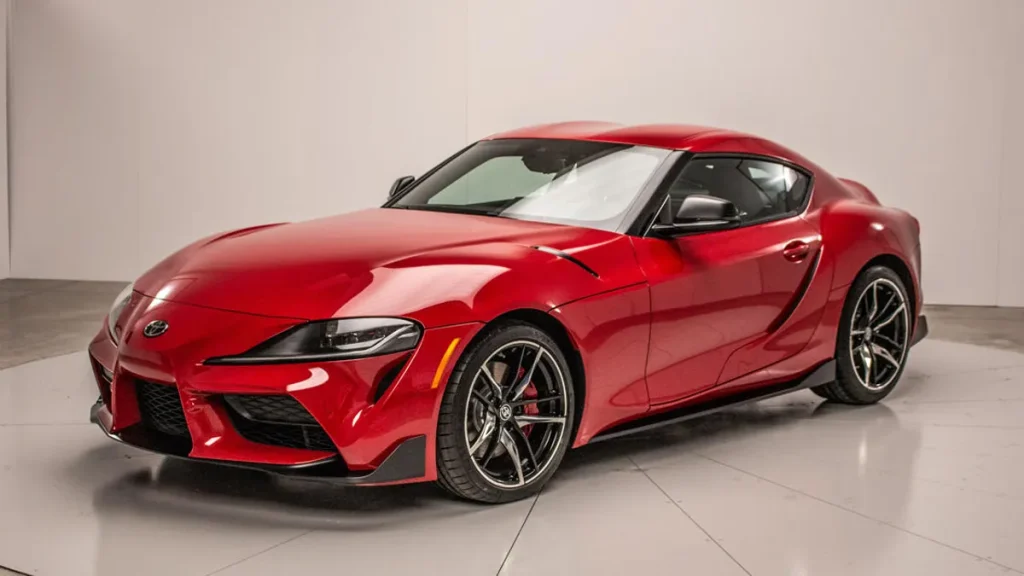
The MK4 Supra also delivers a driver-focused experience, with a comfortable cockpit, strong brakes, and responsive steering. Its combination of reliability, performance, and timeless design makes it one of the most respected JDM legends in history.
Owners appreciate that the car is not only a thrill to drive but also capable of enduring long-term use without constant repairs, proving that performance and longevity can coexist.
2. Honda Civic Si (EG / EK Generations)
The Honda Civic Si, particularly the EG and EK generations from the early 1990s, has long been celebrated as a reliable and fun-to-drive JDM compact car. Lightweight construction, strong engines, and straightforward engineering contribute to its reputation for longevity.
The heart of these Civics is the high-revving B-series engine, including the B16A and B18C variants. These engines are designed to endure high mileage while delivering spirited performance.
With proper maintenance, including regular oil changes, timing belt service, and valve adjustments, these engines frequently surpass 200,000 miles. The manual transmissions paired with these engines are equally durable, providing precise shifts and consistent performance.
The Civic’s suspension and chassis design contribute to long-term durability. Independent front suspension and a simple rear setup minimize stress while offering responsive handling. The lightweight frame reduces wear on components, making the EG and EK Civics ideal for daily driving and occasional spirited use.
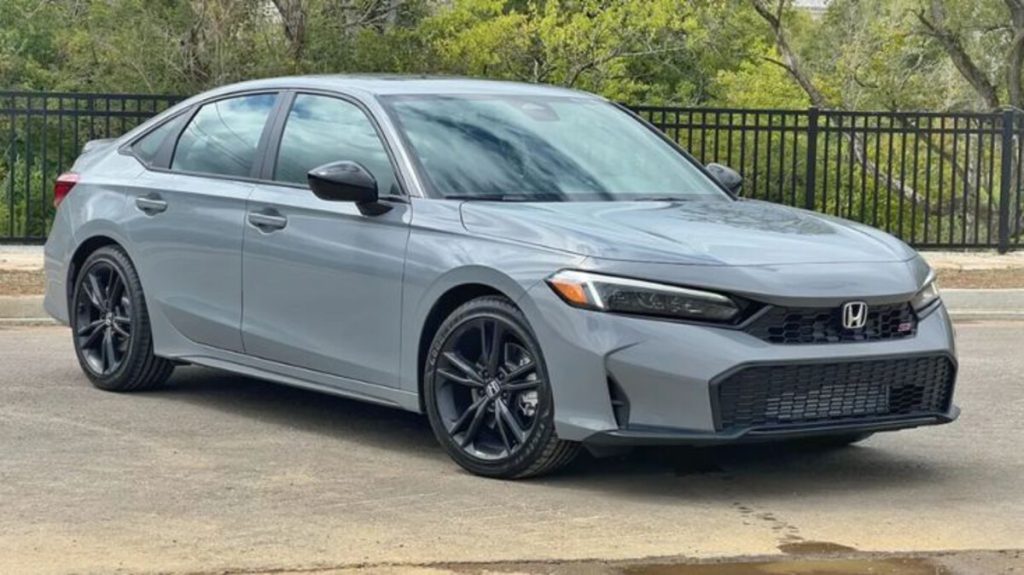
Parts availability is another advantage. Replacement components are abundant, affordable, and easy to source, while an active enthusiast community shares knowledge and upgrades. This support ensures that even decades-old Civics remain operational and enjoyable.
The Civic Si’s practicality, reliability, and engaging driving experience make it a standout among JDM cars. Its balance of performance and longevity ensures that enthusiasts can enjoy both spirited driving and dependable daily use, solidifying its place as a long-lived automotive legend.
3. Nissan Skyline GT-R (R32 / R33 Generations)
The Nissan Skyline GT-R, particularly the R32 and R33 generations from the late 1980s to the mid-1990s, is a performance icon and a JDM legend known for durability.
Its combination of turbocharged engines, all-wheel-drive systems, and strong chassis engineering contributes to a long lifespan.
At the core of these GT-Rs is the RB26DETT inline-six engine. Renowned for its robust design, this twin-turbo engine delivers high power while remaining reliable when properly maintained.
Regular servicing of oil, timing components, and cooling systems allows the RB26DETT to endure high mileage and aggressive driving. Many R32 and R33 GT-Rs continue to run smoothly decades after production ended.
The GT-R’s ATTESA all-wheel-drive system and multi-link suspension ensure stability and longevity. These mechanical systems were engineered to handle power delivery and high-speed cornering without excessive wear, allowing drivers to enjoy spirited driving while minimizing long-term mechanical issues.
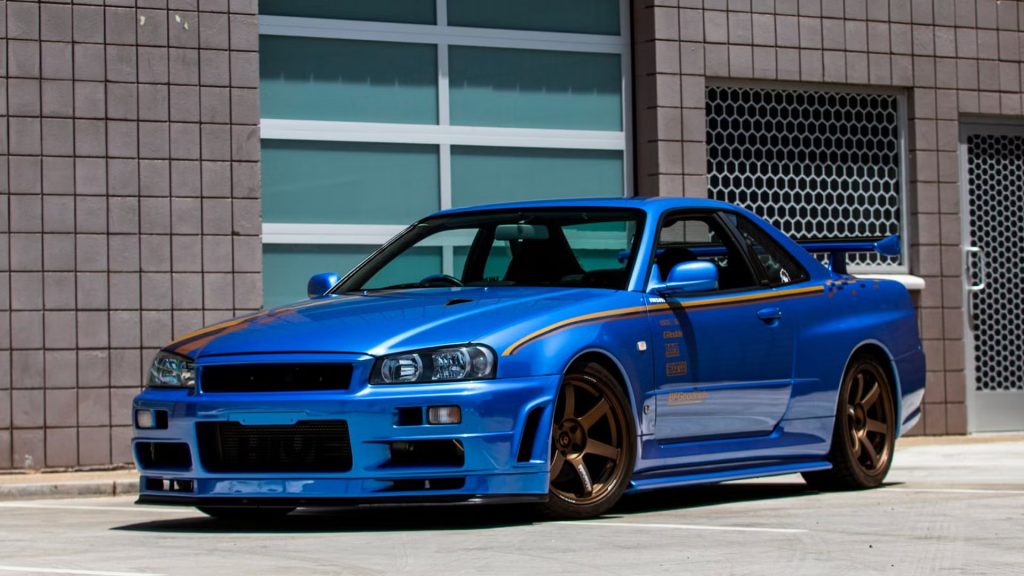
Parts availability and aftermarket support are strong, with enthusiasts sharing maintenance tips, tuning advice, and replacement parts worldwide. This network has kept these cars in roadworthy condition for decades.
The Skyline GT-R R32 and R33 generations combine practicality, performance, and reliability, proving that a high-performance sports car can have a long operational life.
These cars remain highly sought after for their endurance, engineering, and continued ability to deliver thrilling driving experiences.
4. Mazda MX-5 Miata (NA / NB Generations)
The Mazda MX-5 Miata, particularly the NA and NB generations produced from 1989 to the early 2000s, is celebrated for being one of the most reliable and enjoyable sports cars ever made. Its lightweight construction, simple mechanics, and balanced chassis contribute to a long-lasting driving experience.
At the heart of the Miata is a range of small-displacement, naturally aspirated engines, including the 1.6-liter and 1.8-liter inline-fours. These engines are renowned for their durability and ease of maintenance.
With routine oil changes, coolant care, and timing belt or chain inspections, many NA and NB Miatas continue to exceed 200,000 miles. The manual transmissions paired with these engines are equally robust, offering precise and reliable gear changes.
The Miata’s suspension and chassis design also contribute to its longevity. Double-wishbone suspension front and rear reduces wear while providing excellent handling.
Its lightweight body minimizes stress on the drivetrain and braking components, making the Miata suitable for daily use, weekend drives, and even occasional track events without excessive wear.
Parts availability is abundant, and the global enthusiast community is highly active. Replacement parts, performance upgrades, and technical advice are easy to access, allowing owners to maintain these cars at relatively low cost.
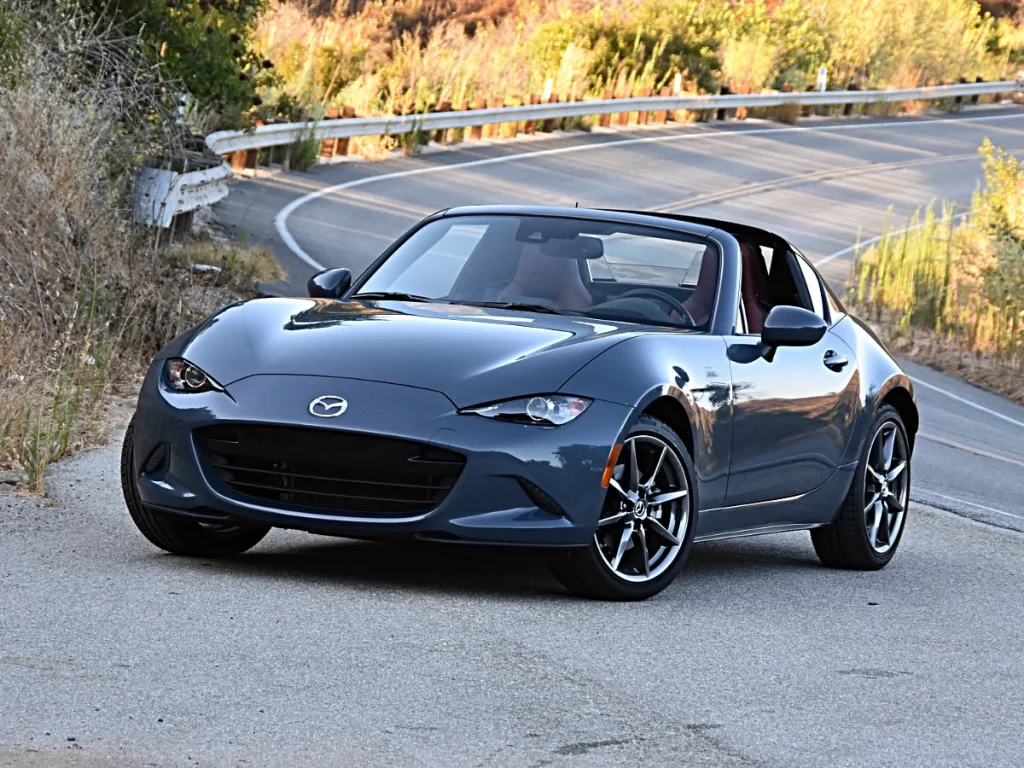
Beyond mechanics, the Miata’s balanced handling, responsive steering, and low center of gravity make it a joy to drive while remaining manageable and dependable. Its simple, driver-focused interior and open-top design enhance the experience, reinforcing its reputation as a reliable classic.
The Mazda MX-5 Miata NA and NB generations demonstrate that lightweight sports cars can combine excitement with endurance. Its longevity, coupled with affordability and ease of maintenance, makes it one of the most enduring JDM legends on the road today.
5. Toyota AE86 Corolla
The Toyota AE86 Corolla, produced from 1983 to 1987, is a lightweight, rear-wheel-drive compact car that has achieved legendary status among enthusiasts. Despite its age, the AE86 remains known for reliability, making it a standout among classic JDM cars.
At the core of the AE86 is the 4A-GE inline-four engine, praised for its durability and high-revving character.
When maintained with regular oil changes, coolant checks, and timing belt service, these engines continue to perform decades later. The manual transmissions are equally resilient, providing precise shifting and enduring use.
The AE86’s chassis and suspension design contribute to its longevity. Its lightweight frame, MacPherson strut front suspension, and rear live axle design offer both nimble handling and durability. The low weight reduces stress on mechanical components, allowing the car to maintain performance without frequent repairs.
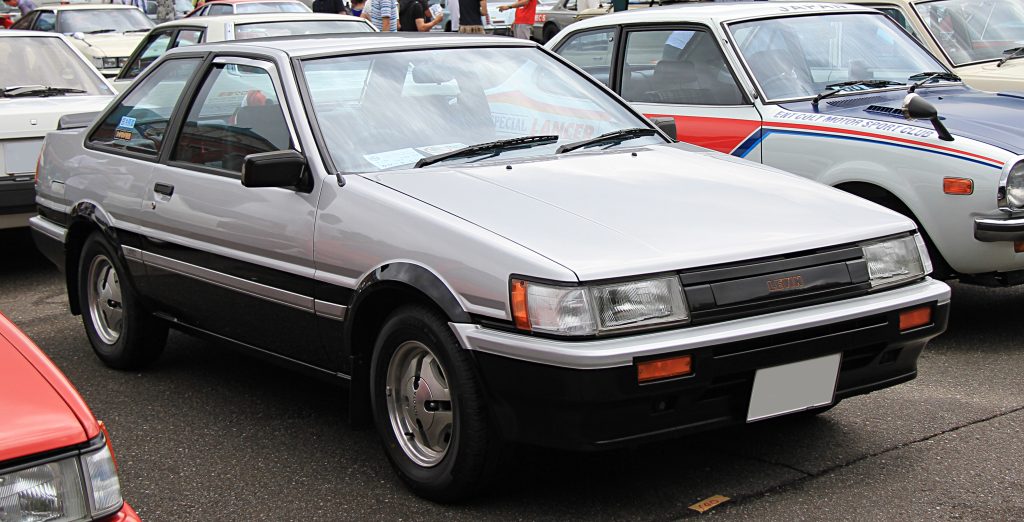
Parts availability is excellent due to the model’s popularity, and an active enthusiast community provides guidance for restoration, maintenance, and modifications. This support ensures that well-maintained AE86s remain operational and enjoyable.
The car’s simple, driver-focused design enhances its practicality and long-term usability. Its compact dimensions, responsive steering, and rear-wheel-drive layout create an engaging driving experience while remaining mechanically forgiving.
The Toyota AE86 Corolla demonstrates that lightweight, well-engineered JDM cars can be both fun and reliable. Its combination of durable mechanics, manageable maintenance, and timeless design ensures that it continues to thrive among collectors and enthusiasts today.
6. Subaru Impreza WRX (GC / GD Generations)
The Subaru Impreza WRX, particularly the GC and GD generations from the 1990s and early 2000s, has earned a reputation for long-term reliability alongside rally-inspired performance.
Its robust engineering, all-wheel-drive system, and durable engines make it one of the most dependable JDM performance cars.
The WRX’s turbocharged EJ20 and EJ25 engines provide strong, consistent power while remaining durable with regular maintenance.
Oil changes, timing belt replacements, and careful monitoring of turbo components help ensure longevity. Many GC and GD WRXs continue to deliver performance well beyond 200,000 miles.
The symmetrical all-wheel-drive system and independent suspension contribute to the car’s endurance. Designed to handle challenging road conditions and spirited driving, these systems distribute stress effectively, reducing wear on key components.
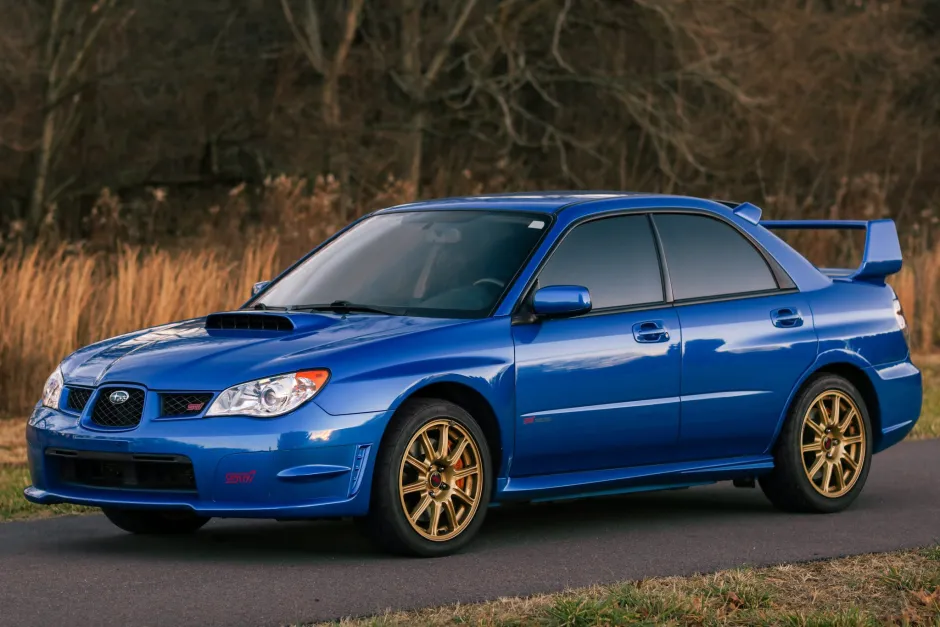
This setup makes the WRX suitable for daily driving, long-distance trips, and rally-style performance without frequent mechanical issues.
Parts availability is excellent, and Subaru enthusiast communities provide extensive guidance on maintenance and upgrades. Replacement components are affordable and widely accessible, helping keep these cars operational for decades.
The Impreza WRX’s combination of performance, practicality, and durability has made it a favorite among enthusiasts and long-term owners.
Its driver-focused cockpit, responsive handling, and versatile design further reinforce its status as a reliable JDM legend.
Subaru Impreza WRX GC and GD generations prove that turbocharged, all-wheel-drive cars can maintain reliability over time.
Their robust engines, strong drivetrain, and supportive community ensure they remain a dependable choice for enthusiasts seeking performance and longevity.
7. Nissan Silvia / 200SX (S13 / S14 Generations)
The Nissan Silvia, particularly the S13 and S14 generations produced from the late 1980s to the mid-1990s, is a rear-wheel-drive sports coupe celebrated for both performance and durability.
Known as the 200SX in certain markets, these cars have earned a reputation for reliability, making them enduring favorites among enthusiasts.
At the heart of these models is the SR20DET inline-four turbocharged engine, renowned for its robust construction and high-revving capabilities.
When maintained with regular oil changes, timing belt replacements, and proper cooling system care, these engines continue to perform reliably even decades after production. Naturally aspirated SR20DE variants are even simpler to maintain, offering excellent longevity.
The Silvia’s suspension and chassis are designed to handle spirited driving while remaining durable. Multi-link rear suspension and MacPherson front struts provide precise handling and stability, minimizing stress on key components.
Lightweight construction further reduces wear on the drivetrain and suspension, contributing to long-term reliability.
Parts availability is abundant, and the large enthusiast community ensures that replacement components, upgrades, and maintenance knowledge are easily accessible. This support makes it easier to preserve these vehicles over decades.
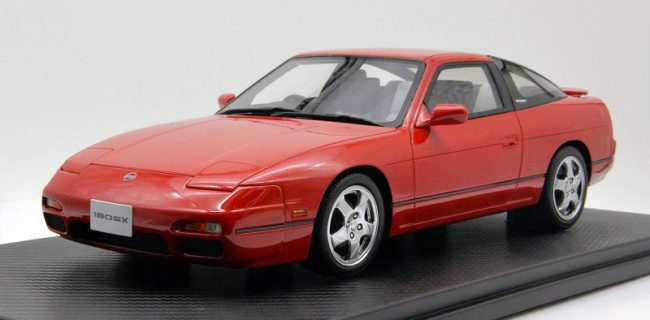
The car’s driver-focused cockpit, balanced weight distribution, and responsive steering enhance the driving experience while keeping maintenance manageable.
The Silvia S13 and S14 prove that a lightweight, rear-wheel-drive sports coupe can combine thrill and endurance, maintaining performance for years with proper care.
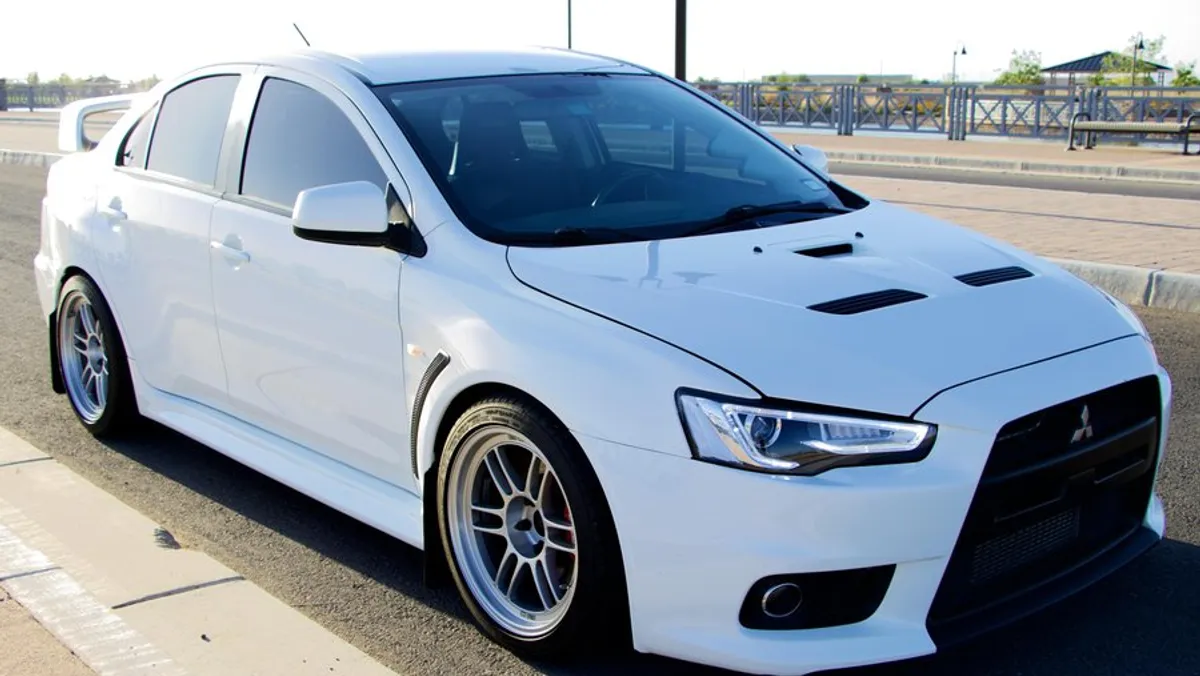
8. Mitsubishi Lancer Evolution (Evo I–VI)
The first-generation Mitsubishi Lancer Evolution through the sixth generation, produced from the early 1990s to 1999, is a rally-inspired sedan built for durability and performance.
These cars are known for their turbocharged engines, all-wheel-drive systems, and resilient mechanicals, contributing to long-term reliability.
At the core of the Evo is the 4G63 turbocharged inline-four engine. This engine delivers strong performance while remaining durable if serviced regularly with oil changes, timing belt replacements, and careful cooling system monitoring. Many early Evolutions continue to perform reliably well beyond 200,000 miles.
The all-wheel-drive system and suspension are engineered to handle spirited driving and challenging road conditions. Multi-link rear suspension, reinforced drivetrain components, and a well-balanced chassis allow the car to endure both track use and daily driving without excessive wear.
Parts availability is strong due to the Evo’s popularity, and dedicated enthusiast communities provide guidance on maintenance, repairs, and performance upgrades. This support helps owners keep their cars in excellent condition for decades.
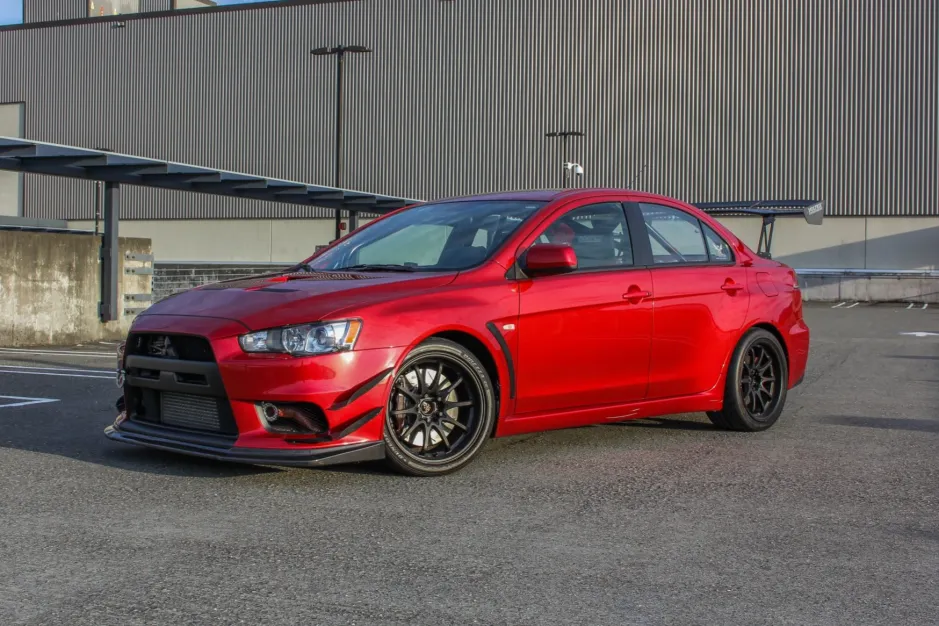
The Lancer Evolution’s combination of performance, practicality, and durability has made it a standout among JDM legends. Its driver-focused interior, precise handling, and rally-inspired engineering ensure that it remains an enjoyable and reliable vehicle.
Mitsubishi Lancer Evolutions I–VI demonstrate that turbocharged, all-wheel-drive performance can coexist with long-term reliability. These cars remain highly respected for their enduring mechanical strength and spirited driving experience.
9. Mazda RX-7 (FC / FD Generations)
The Mazda RX-7, including the FC and FD generations from the mid-1980s through the late 1990s, is a rotary-powered sports car famed for performance and engineering reliability when properly maintained. Lightweight construction, responsive handling, and durable engines make it one of the most enduring JDM sports cars.
The FC generation typically uses the 13B inline-rotary engine, while the FD features the 13B-REW twin-rotor turbocharged engine.
Rotary engines are often considered high-maintenance, yet Mazda’s design allows longevity with regular oil changes, apex seal inspections, and careful cooling system maintenance. Many well-maintained RX-7s continue to run smoothly decades after production.
The car’s suspension and chassis engineering contribute to long-term durability. Double-wishbone suspension on both ends provides precise handling while distributing stress evenly. Lightweight body construction reduces strain on engine and drivetrain components, ensuring reliability even with spirited driving.
Parts availability has improved due to enthusiast support, with replacement components and maintenance guidance widely accessible. This makes it possible to preserve FC and FD RX-7s in top condition for years.
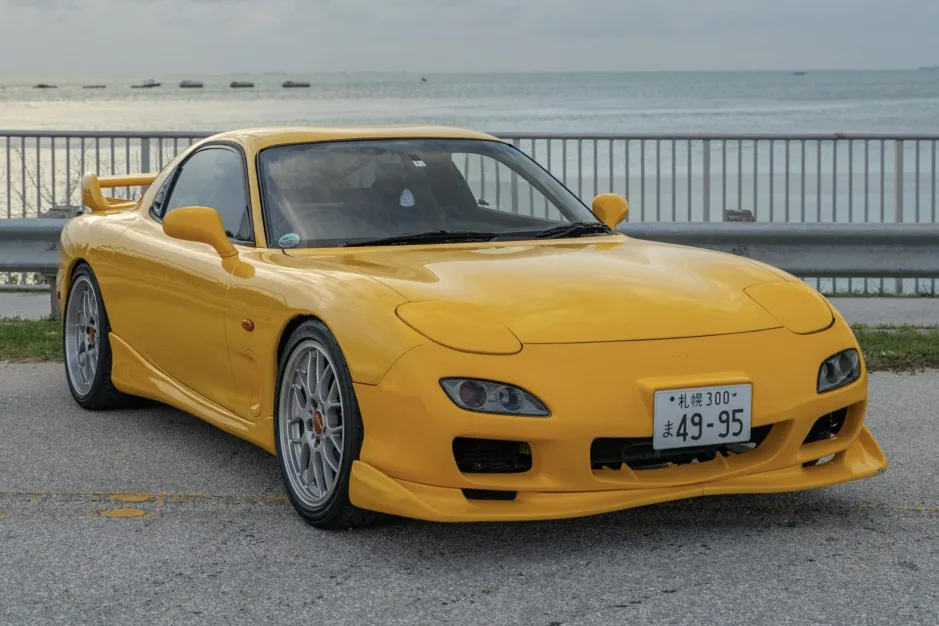
With its combination of balanced handling, responsive steering, and engaging performance, the Mazda RX-7 remains a driver’s favorite.
Its lightweight, durable design ensures that it continues to be a reliable and thrilling sports car, demonstrating that rotary engineering can last when cared for properly.
10. Lexus SC (Z30 Generation)
The Lexus SC Z30, produced from 1991 to 2000, is a luxury coupe that combines refinement with remarkable reliability.
Built on Toyota engineering principles, the SC offers durability, low-maintenance performance, and long-term usability, making it one of the most dependable JDM luxury cars.
The SC’s engines include the 3.0-liter inline-six and 4.0-liter V8, both known for smooth operation and long life.
With regular oil changes, timing belt or chain service, and proper cooling system maintenance, these engines often surpass 200,000 miles. The automatic and manual transmissions are equally robust, providing consistent performance for years.
The chassis and suspension are engineered for comfort and durability. Independent suspension front and rear, along with a well-balanced frame, allows the car to handle daily driving and spirited use without excessive wear. Components are designed to last, reducing long-term maintenance concerns.
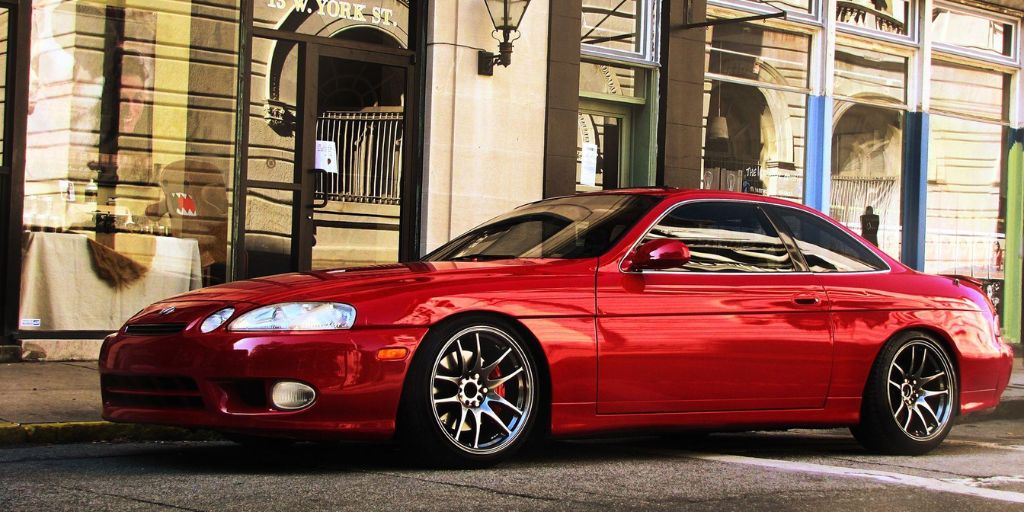
Parts availability is excellent due to Toyota’s extensive network, and an active enthusiast community ensures maintenance and repair knowledge is easily accessible. This support allows owners to maintain these coupes in excellent condition for decades.
The Lexus SC Z30 combines elegant styling, refined interiors, and reliable mechanics, demonstrating that a luxury sports coupe can offer performance and dependability simultaneously. Its reputation for longevity makes it a standout JDM legend that continues to be sought after today.
Japanese Domestic Market (JDM) cars have long been celebrated for their combination of performance, style, and reliability.
While many vehicles from the past struggle with longevity, certain JDM legends have proven that thoughtful engineering, durable components, and careful design allow them to remain dependable decades after production.
These ten models exemplify how Japanese manufacturers created cars capable of enduring high mileage, spirited driving, and daily use while maintaining performance.
Among the standout examples, the Toyota Supra MK4 demonstrates that turbocharged performance and high reliability can coexist.
Its legendary 2JZ engine family delivers exceptional durability, capable of high mileage with routine maintenance. Similarly, the Honda Civic Si EG and EK generations showcase that compact, high-revving engines can endure for decades, combining practicality with engaging performance.
Nissan Skyline GT-Rs, particularly the R32 and R33, leverage turbocharged RB26DETT engines and advanced all-wheel-drive systems to remain highly reliable despite aggressive driving conditions.
Other models, such as the Mazda MX-5 Miata and Toyota AE86 Corolla, demonstrate that lightweight construction and straightforward mechanical setups contribute significantly to long-term endurance.
These cars maintain reliability while offering nimble handling and enjoyable driving dynamics. Subaru Impreza WRX GC and GD generations, with their turbocharged engines and symmetrical all-wheel-drive systems, continue to prove dependable even under challenging conditions.
Performance coupes like the Nissan Silvia S13/S14 and Mitsubishi Lancer Evolution I–VI highlight the importance of robust chassis and drivetrain engineering. Their turbocharged engines, strong suspension systems, and accessible parts make them enduring favorites among enthusiasts.
The Mazda RX-7 FC and FD generations demonstrate that rotary engines, when properly cared for, can provide decades of reliable performance. Finally, the Lexus SC Z30 shows that luxury and reliability can coexist, offering smooth power delivery, durable components, and long-lasting usability.
A common theme across all ten JDM legends is the combination of high-quality engineering, routine maintenance, and strong enthusiast support.
Parts availability and knowledge sharing within the community play a crucial role in ensuring these cars remain operational for decades.
Each of these vehicles illustrates that performance does not have to come at the expense of reliability. Drivers and collectors can enjoy spirited driving, track use, or daily commuting with confidence, knowing that these JDM cars were built to last.
These ten models collectively reinforce the enduring reputation of Japanese automotive engineering.
They prove that longevity, performance, and driving enjoyment can coexist, making them timeless legends that continue to thrive on roads and in enthusiast garages around the world.
