
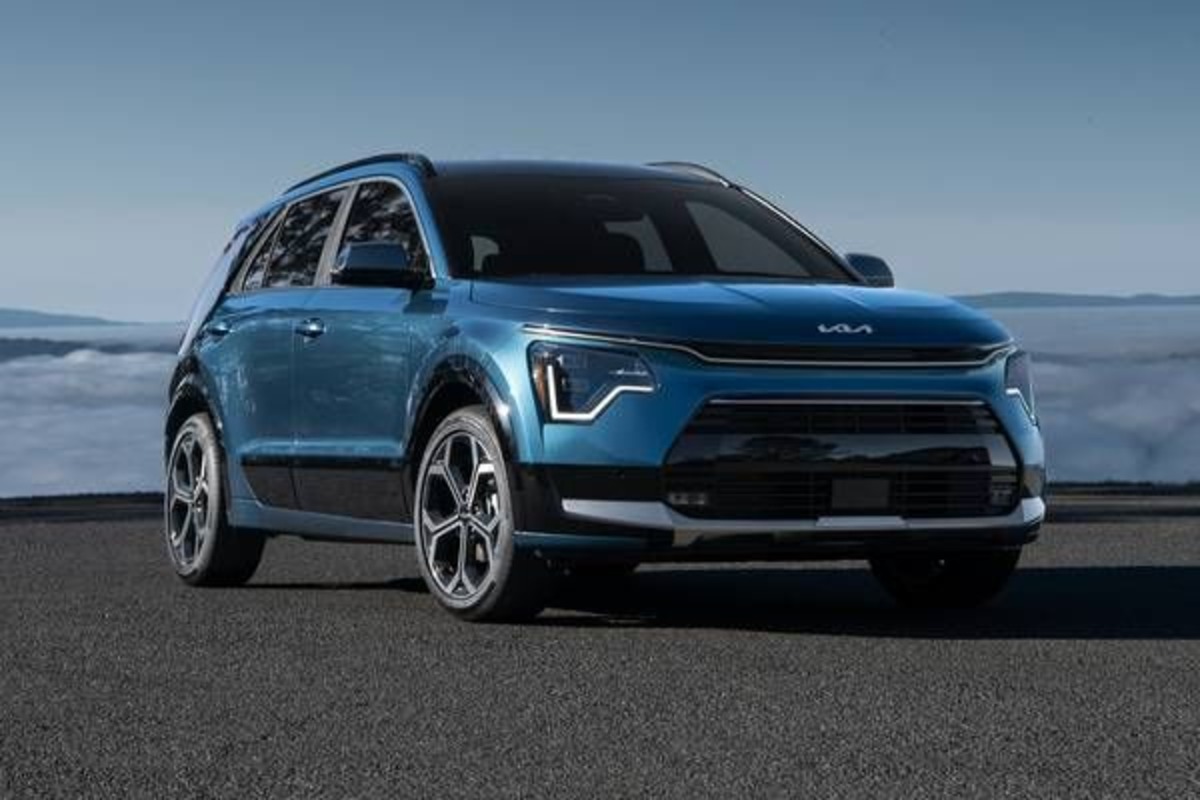
Plug-in hybrid vehicles (PHEVs) have become a popular choice for drivers who want the flexibility of electric power without sacrificing the confidence of a gasoline engine.
These vehicles strike a balance by offering electric-only driving for shorter trips while providing a combustion engine for longer journeys. For many owners, the appeal lies not only in efficiency but also in reliability.
A plug-in hybrid must manage complex systems, from high-voltage batteries to advanced transmission designs, and not every model succeeds at long-term durability. Yet, some have earned a reputation for lasting dependability.
Over the past fifteen years, manufacturers have introduced PHEVs with varying levels of success. Some struggled with early battery issues or costly repair bills, while others quietly proved themselves as dependable daily drivers.
The models that stand out share certain traits: well-tested hybrid systems, proven engineering foundations, and thoughtful integration of electric and gasoline power. These qualities allow them to handle the extra complexity of a plug-in system without becoming a burden for owners.
Drivers who choose these vehicles typically want more than fuel savings. They want a car that starts every morning, endures long commutes, and holds up to years of mixed driving conditions.
The plug-in hybrids that have built a reputation for reliability are those that continue to perform without frequent breakdowns or unexpected problems.
This list highlights ten plug-in hybrids that rarely fail in real life. Each has demonstrated staying power through consistent owner satisfaction, reliable technology, and strong long-term performance. They prove that with the right engineering approach, plug-in hybrids can provide both efficiency and peace of mind.
Also Read: 10 American V8 Engines That Refuse to Quit Over The Years
1. Toyota Prius Prime
The Toyota Prius Prime is one of the most dependable plug-in hybrids on the market. Toyota has a long history with hybrid systems, and that experience shows in the Prime’s consistency and durability. For drivers seeking efficiency without compromising reliability, this model has become a trusted choice.
The Prime builds on the foundation of the regular Prius, which has been known for its long life and minimal repair needs.
By adding a plug-in battery, Toyota gave the car the ability to travel up to 25 miles on electric power alone in earlier models, with newer versions extending that range
. Importantly, Toyota did not overcomplicate the system, ensuring that the additional hardware integrates smoothly with the established hybrid drivetrain.
Owners frequently report few mechanical issues, even after years of daily commuting. The battery pack has proven durable, and the gasoline engine is designed to last well beyond 150,000 miles with regular maintenance.
The continuously variable transmission is also less prone to wear than traditional gearboxes, further reducing the chances of costly repairs.
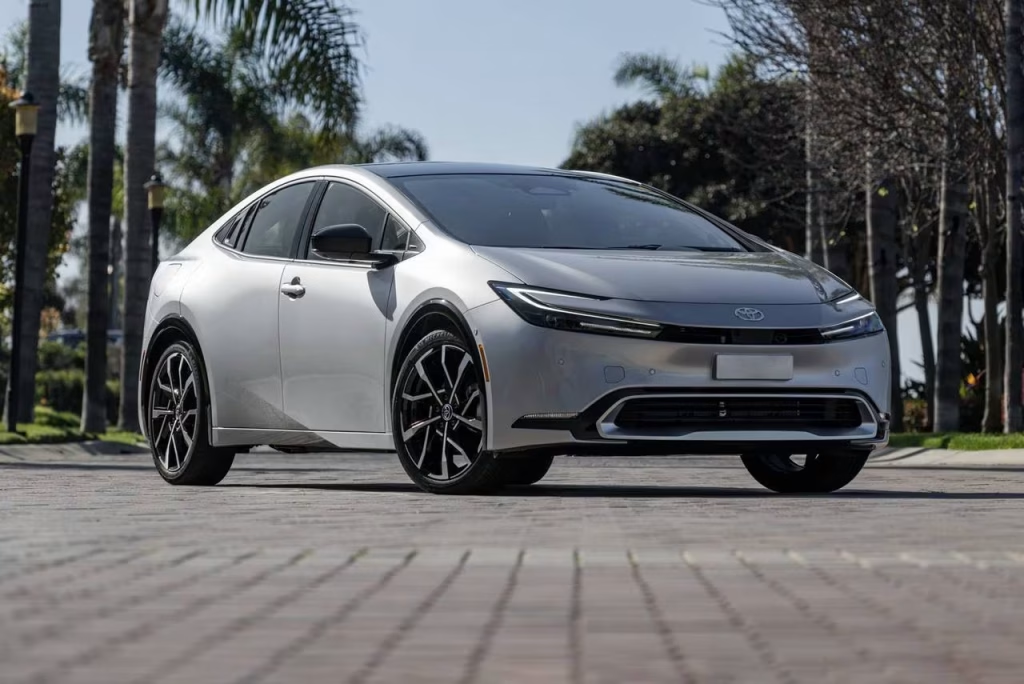
Beyond dependability, the Prius Prime delivers excellent fuel economy. When the electric range is combined with gasoline efficiency, it often averages over 50 mpg, making it one of the most economical cars to operate.
For families or commuters who value both savings and peace of mind, that combination is difficult to beat.
The Prius Prime shows how a carefully engineered plug-in hybrid can deliver reliability alongside innovation. Its track record makes it one of the rare plug-in vehicles that owners can confidently keep for many years without constant worry.
2. Honda Clarity Plug-In Hybrid
The Honda Clarity Plug-In Hybrid is another vehicle known for real-world dependability. While it may not be as well-known as the Prius Prime, the Clarity has gained recognition among owners for its smooth driving experience and long-lasting components.
Honda designed the Clarity with a focus on practicality. It offers around 47 miles of all-electric range, which is more than enough for most daily commutes.
When the electric power runs out, the gasoline engine takes over seamlessly, ensuring there is no anxiety about range limitations. The transition between power sources is smooth, showing Honda’s attention to detail in hybrid engineering.
Reliability has been one of its strongest points. Owners report few issues with the battery or electric motor, and the gasoline engine is based on proven Honda technology. Maintenance is straightforward, and parts availability is not a problem, which helps keep ownership costs manageable.
Inside, the Clarity provides a comfortable ride with quality materials and a quiet cabin. While its styling has drawn mixed opinions, the sedan has aged well in terms of function and dependability. The technology is also user-friendly, with controls that avoid the overcomplication found in some competitors.
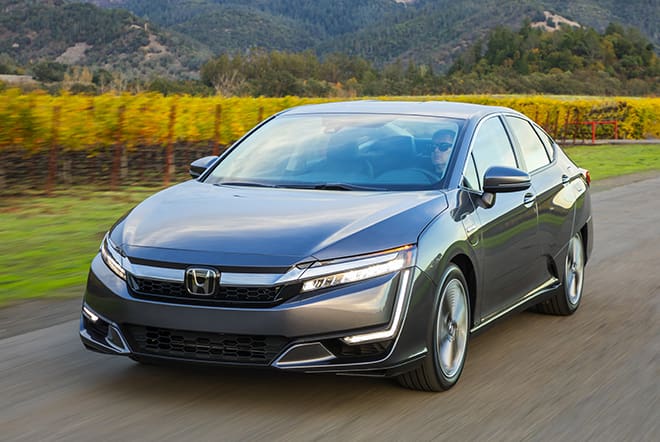
For drivers who want a practical plug-in hybrid that can double as a daily workhorse, the Clarity stands out. Even though it has been discontinued, many examples on the road today continue to perform reliably, which speaks volumes about its durability.
3. Chevrolet Volt
The Chevrolet Volt remains one of the most respected plug-in hybrids, thanks to its unique approach and consistent track record for reliability.
Introduced in 2010 and improved in later generations, the Volt offered a longer electric range than most of its rivals, with some models capable of traveling over 50 miles purely on battery power.
One of the Volt’s strengths is its engineering. Rather than relying heavily on the gasoline engine, the Volt was designed primarily as an electric car with an onboard generator.
This design reduced strain on the gasoline engine while allowing the electric system to handle most daily driving needs. As a result, wear and tear on the engine is minimized, improving long-term durability.
Owners often highlight the car’s low maintenance requirements. Battery packs have proven to be dependable, with many first-generation Volts still operating smoothly after more than a decade. Routine service is limited to brakes, tires, and fluids, which makes the Volt economical to own.
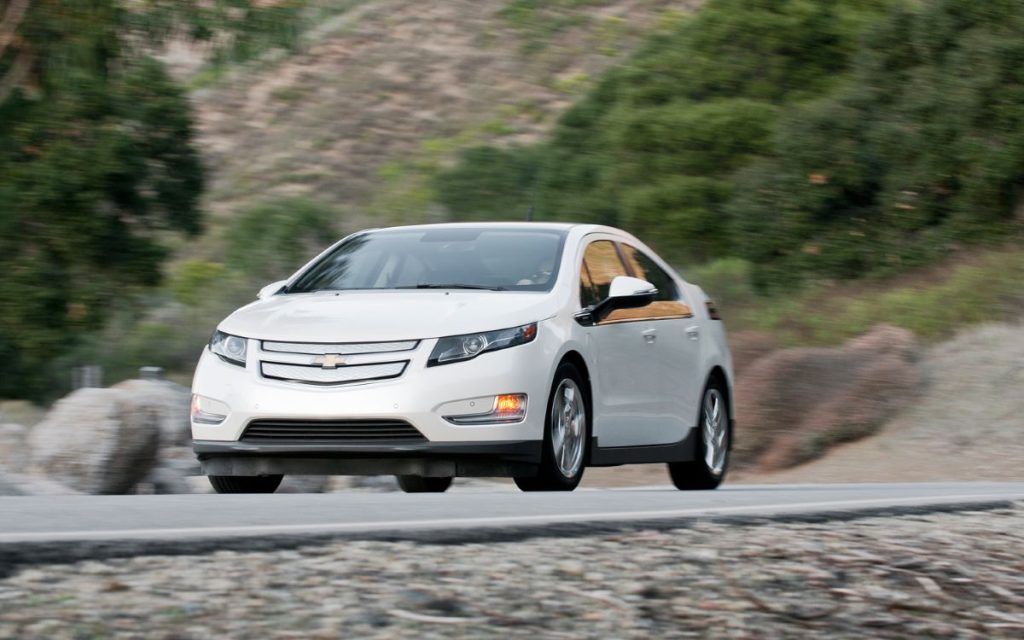
The interior of the Volt is functional and modern, with enough space for commuting or city driving. While not as large as some midsize sedans, it offers solid build quality and a quiet ride. Its technology was ahead of its time, and many of its features still feel relevant today.
The Chevrolet Volt demonstrates that innovation can coexist with reliability. It remains one of the plug-in hybrids most praised by owners for holding up in real-world use, making it a standout in this category.
4. Ford Fusion Energi
The Ford Fusion Energi was one of the earliest midsize plug-in hybrid sedans to make a real impact in the American market.
Built on the foundation of the standard Fusion, it combined a stylish design with proven hybrid technology, resulting in a car that quickly developed a reputation for reliability.
One of the Fusion Energi’s biggest strengths is its proven powertrain. Ford paired a 2.0-liter gasoline engine with an electric motor and lithium-ion battery, creating a system capable of around 20 miles of electric-only driving.
While its range was shorter than some rivals, it was more than enough for short commutes, and the seamless transition to gasoline power ensured dependable operation on longer trips.
Owners report that the Fusion Energi holds up well to daily use, requiring little more than routine maintenance. The battery packs have proven durable, and the electric components show minimal failure rates over time.
Because the car shares many parts with the regular Fusion, repair and replacement costs are also manageable compared to more specialized plug-in models.
The interior was another highlight. Ford gave the Fusion Energi a spacious cabin, supportive seats, and a layout that still feels modern. Higher trims featured premium finishes and an intuitive infotainment system, which made the sedan comfortable for long-term ownership.
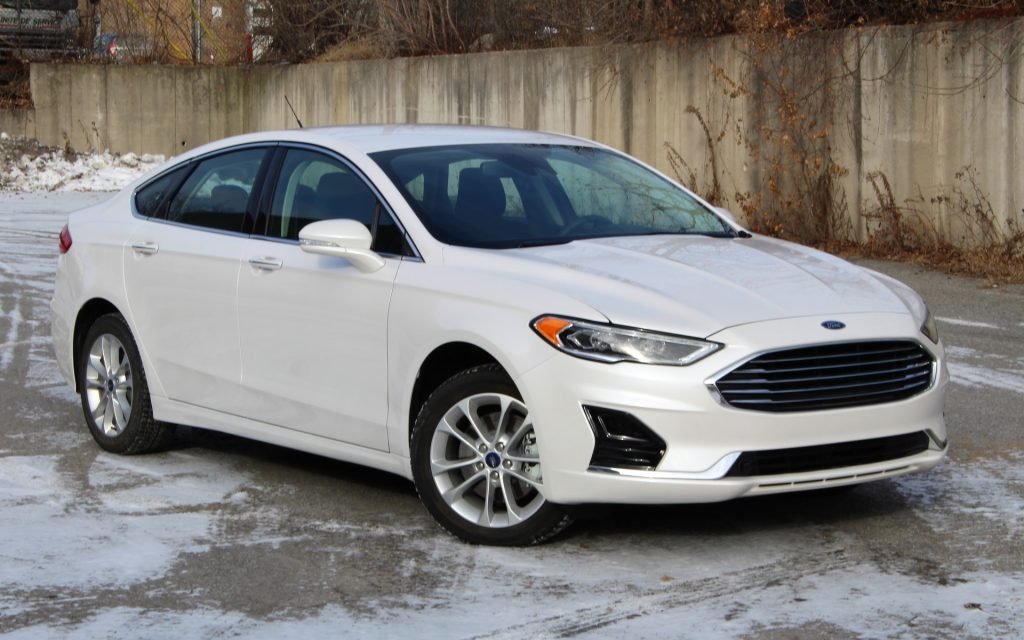
Many Fusion Energis are still on the road today, performing reliably after years of service. For buyers looking for a practical, dependable plug-in hybrid that avoids unnecessary complexity, the Fusion Energi is one of the strongest examples.
It showed that early plug-in technology could be paired with everyday usability without sacrificing reliability.
5. Hyundai Ioniq Plug-In Hybrid
The Hyundai Ioniq Plug-In Hybrid is another dependable entry in this segment, showing how careful engineering can make plug-in systems reliable and user-friendly. First introduced in 2017, the Ioniq quickly earned a reputation for efficiency, affordability, and low running costs.
The Ioniq Plug-In Hybrid offers about 29 miles of electric-only range, making it practical for city driving and short commutes. Once the electric charge runs out, the efficient gasoline engine seamlessly takes over.
Hyundai engineered the transition between the two systems carefully, avoiding the jerky handoffs that some early hybrids struggled with. This reliability in daily operation has been one of the Ioniq’s key strengths.
Owners praise the Ioniq for its minimal maintenance needs. The hybrid battery has shown strong durability, while the gasoline engine is based on a proven platform with few common failures.
Regular service items like oil changes and tire rotations are typically all that is required, keeping ownership costs low.
The interior emphasizes practicality, with simple controls, an easy-to-use infotainment system, and quality materials that hold up well over time.

While it may not be as luxurious as some plug-in hybrids, the Ioniq focuses on function and long-term dependability, which appeals to cost-conscious drivers.
As a newer entry in the market, the Ioniq’s real-world track record continues to grow, but so far it has lived up to expectations.
Drivers consistently report that it performs reliably, both as an electric commuter and as a hybrid sedan for longer journeys. It stands out as one of the more trustworthy modern PHEVs.
6. Kia Niro Plug-In Hybrid
The Kia Niro Plug-In Hybrid has proven itself as one of the most practical and reliable choices in the compact SUV segment. Built on the same platform as the Hyundai Ioniq, it carries many of the same dependable traits, while adding the versatility of a crossover body style.
The Niro Plug-In Hybrid offers about 26 miles of all-electric driving, which suits daily errands and short commutes.
Once the battery depletes, the gasoline engine provides excellent fuel economy, allowing the vehicle to handle both short trips and long-distance travel without issue. Owners appreciate the smooth transitions between electric and gasoline power, a key factor in the Niro’s reputation for reliability.
Durability is another strong point. Kia engineered the hybrid system to minimize stress on both the battery and engine.
As a result, major failures are rare, and long-term owners report very few problems outside of regular maintenance. With a strong factory warranty, Kia also provided additional peace of mind, which has helped build confidence in the model.
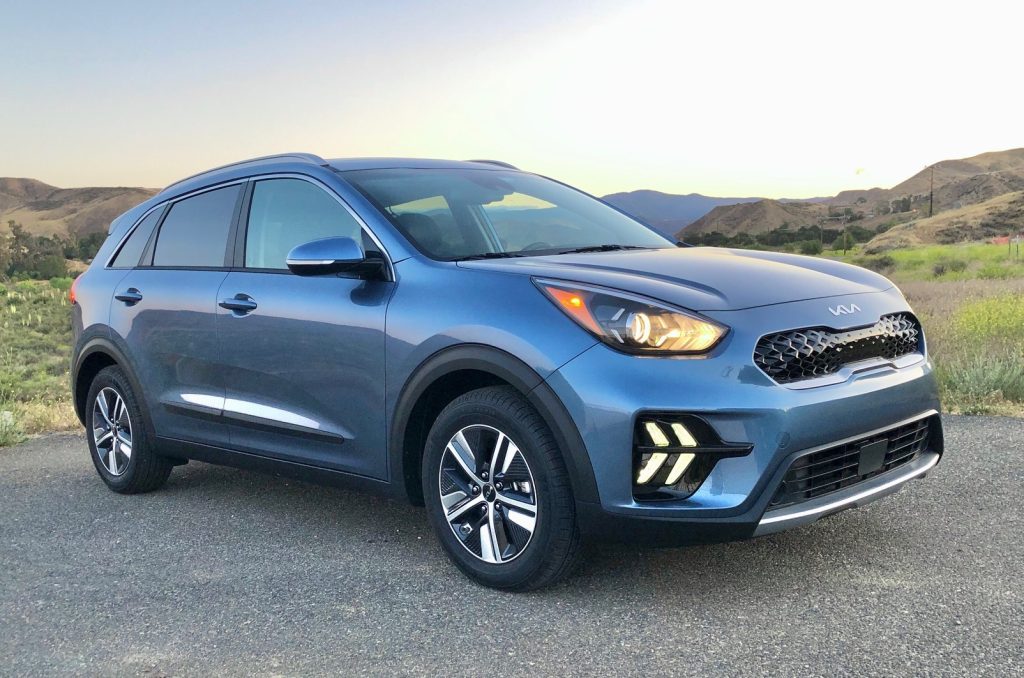
Inside, the Niro offers a roomy cabin with flexible seating and a user-friendly infotainment system. The interior is not overly complicated, which means fewer electronics to fail over time. Practicality is clearly the priority, but the materials and finishes also hold up well to daily use.
Because it combines crossover utility with proven plug-in technology, the Kia Niro Plug-In Hybrid continues to be a dependable choice for families and commuters alike. Its strong reliability record makes it one of the standout vehicles in its class.
7. BMW 330e
The BMW 330e combines the driving excitement of a traditional sport sedan with the efficiency of a plug-in hybrid system, and it has also built a reputation for reliability in real-world ownership.
Unlike some luxury hybrids that sacrifice dependability for complexity, the 330e strikes a balance between advanced technology and proven engineering.
The 330e uses a turbocharged four-cylinder engine paired with an electric motor, offering both strong performance and the ability to travel around 20 miles on electric power alone in early models.
This combination gives owners the flexibility to handle short commutes on electricity while retaining the capability of a gasoline-powered sedan for longer journeys.
What sets the 330e apart is the durability of its drivetrain. The electric system is based on BMW’s established hybrid technology, while the gasoline engine is a version of BMW’s widely used 2.0-liter turbo. This combination reduces the risks associated with experimental systems, giving the 330e a track record of dependable performance.
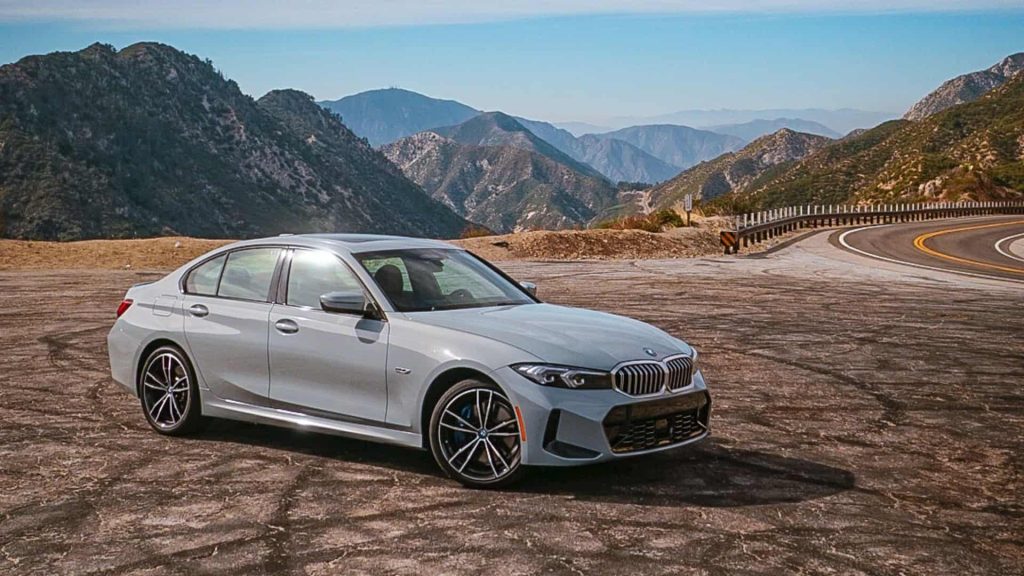
Inside, the 330e maintains the luxury and driver-focused layout expected from BMW. Quality materials, straightforward controls, and an emphasis on comfort ensure the car holds up well over time.
Owners also appreciate that the hybrid features are integrated without compromising the driving experience.
Routine maintenance is straightforward, and major failures are uncommon, provided the car is serviced regularly.
For drivers who want a blend of sportiness, efficiency, and trustworthiness, the BMW 330e has proven itself to be one of the most reliable plug-in hybrids in the premium segment.
8. Chrysler Pacifica Hybrid
The Chrysler Pacifica Hybrid is the first plug-in hybrid minivan to hit the U.S. market, and it has earned praise not only for its practicality but also for its reliability.
Families depend on their vehicles more than most, and the Pacifica Hybrid has shown that it can handle the demands of daily use without frequent breakdowns.
Powered by a V6 engine paired with an electric motor and a large battery, the Pacifica Hybrid provides about 32 miles of electric-only driving.
This range is enough for school runs, grocery trips, and short commutes, while the gasoline engine ensures the minivan can handle long road trips without concern. The transition between electric and gasoline power is seamless, which adds to its dependability.
Durability has been a standout feature. Owners consistently report that the Pacifica Hybrid maintains strong battery health and smooth operation over the years. Chrysler also designed the hybrid system to work efficiently with the minivan’s weight, reducing strain on components.

The interior is another highlight. With three rows of seating, clever storage solutions, and family-friendly features, the Pacifica Hybrid has proven that utility can be paired with reliability. Technology is intuitive, and the overall build quality has held up well in real-world use.
For families seeking efficiency without sacrificing space or dependability, the Pacifica Hybrid is one of the strongest options available. Its reliability track record makes it a standout among larger plug-in vehicles.
9. Volvo XC60 Recharge
The Volvo XC60 Recharge is a plug-in hybrid that blends Scandinavian design with advanced engineering, and it has shown itself to be reliable in everyday driving. While some luxury PHEVs struggle with complexity, the XC60 Recharge has built a reputation for consistency and long-term dependability.
The vehicle pairs a turbocharged and supercharged four-cylinder engine with an electric motor, delivering strong performance along with around 19 to 22 miles of electric-only driving in earlier models.
Later updates improved range, but even the initial versions proved themselves capable of handling daily commutes without issue.
Owners praise the smoothness of the hybrid system and its durability. The electric battery holds charge well over time, and the gasoline engine is based on Volvo’s proven Drive-E technology. Maintenance is straightforward, and Volvo’s focus on safety engineering extends to ensuring the reliability of the hybrid components.
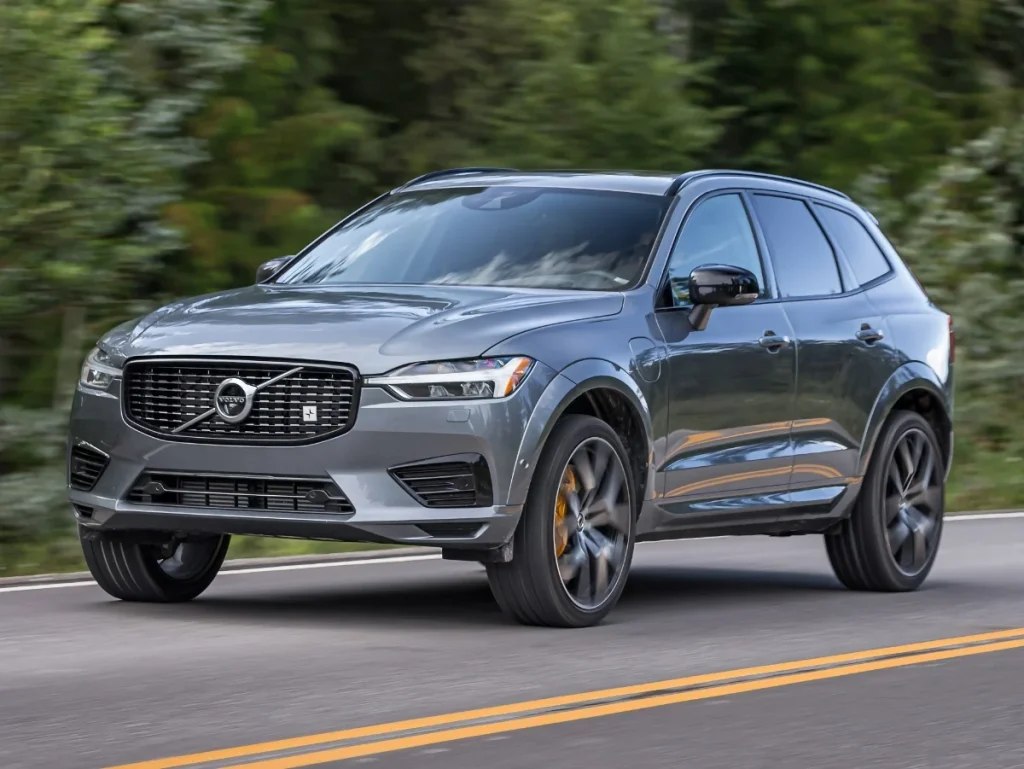
Inside, the XC60 Recharge offers a cabin that combines elegance with functionality. High-quality materials, a clear infotainment interface, and a focus on driver comfort contribute to its long-lasting appeal.
Unlike some hybrids that compromise cargo or passenger space for battery placement, the XC60 balances practicality with efficiency.
On the road, the XC60 Recharge has proven dependable for both city commutes and long-distance drives. Its ability to deliver luxury and reliability in one package has made it one of the stronger performers in the premium plug-in segment.
10. Mitsubishi Outlander PHEV
The Mitsubishi Outlander PHEV is one of the most successful plug-in hybrid SUVs worldwide, and its reliability record has been a key factor in its popularity.
First introduced in 2013, it quickly gained a following thanks to its practicality, affordability, and dependable engineering.
The Outlander PHEV pairs a 2.0- or 2.4-liter gasoline engine with two electric motors, offering all-wheel-drive capability alongside plug-in efficiency. Early models provided around 22 miles of electric-only driving, while newer versions extend that figure closer to 24 miles.
For most drivers, this range covers daily errands, with the gasoline engine stepping in for longer trips. The seamless switch between systems has contributed to the vehicle’s trustworthy reputation.
Durability is one of its strongest traits. The Outlander PHEV’s battery technology has proven stable, with few reports of premature failures.
The hybrid system is designed with simplicity in mind compared to more complex luxury setups, which helps reduce long-term risks. Owners also appreciate Mitsubishi’s focus on practical engineering, making it less prone to costly repairs.
Inside, the Outlander PHEV offers a comfortable cabin with flexible cargo space, making it well-suited for families.
While it may not have the premium finishes of higher-end hybrids, the interior materials hold up well to everyday use. Its user-friendly layout also avoids unnecessary complexity, which supports long-term dependability.
As one of the pioneers of plug-in SUVs, the Mitsubishi Outlander PHEV has shown that practicality and reliability can go hand in hand. It remains one of the most trustworthy choices in its category.
Plug-in hybrids are often judged by efficiency and range, but reliability is equally important. A vehicle can only be valuable if it consistently performs as promised, year after year.
The ten models highlighted here have all demonstrated that plug-in technology does not have to mean compromise. Instead, they show that dependable engineering, proven hybrid systems, and careful integration of electric and gasoline power can result in vehicles that rarely fail in real life.
From compact sedans like the Toyota Prius Prime and Chevrolet Volt to larger family vehicles such as the Chrysler Pacifica Hybrid and Mitsubishi Outlander PHEV, each model offers a unique blend of strengths while maintaining a reputation for trustworthiness.

Whether through Toyota’s long history with hybrid systems, Honda’s balanced approach, or BMW’s integration of performance and efficiency, these vehicles prove that plug-in hybrids can be as dependable as traditional cars.
For drivers considering a shift to electrified vehicles, these models stand out as reassuring choices.
They have shown, through years of ownership experiences, that they can handle both the demands of daily commuting and the challenges of long-term use. Reliability remains their defining strength, ensuring peace of mind alongside efficiency.
Also Read: 10 Cars That Deliver Thrills in 2026 Without the Breakdowns
