
When most vehicles reach the end of their lives, they wind up in junkyards waiting to be crushed or stripped for parts.
Some models, however, resist that fate. Instead of fading away quietly, they continue to be sought after, repaired, and even rescued from scrapyards because of their ability to withstand age and mileage.
These vehicles earn a reputation for toughness, making them stand out in places where most cars simply disappear.
The cars that refuse to die in junkyards are not always the newest or flashiest models. Many are humble, practical machines that were built with durability in mind.
Their engines are renowned for running hundreds of thousands of miles, their transmissions withstand years of use, and their straightforward designs make them easy to maintain.
Owners and mechanics often choose to repair them rather than discard them because the cost of keeping them alive is usually far less than replacing them with something newer.
Junkyards across the country often see the same story: cars from certain brands are picked up with high mileage, yet they still start and run when placed on the lot.
Even when they are finally retired, other drivers eagerly disassemble them to keep their own versions running. These models develop a loyal following because they demonstrate that a car does not need to be expensive or luxurious to be dependable.
This article highlights twelve such cars. Each one has earned a reputation for outlasting expectations, proving that some vehicles truly refuse to die, even when surrounded by rows of broken-down machines.
Also Read: 12 Cars That Offer Luxury for Pennies After 10 Years
1. Toyota Corolla
Few cars symbolize durability quite like the Toyota Corolla. Since its introduction, the Corolla has earned a reputation for reliability, making it one of the most common cars still found running even after decades of use. In junkyards, Corollas are often discovered with high mileage, yet many of them can still start right up.
The secret lies in Toyota’s focus on simplicity and quality engineering. The engines are designed to be fuel-efficient and long-lasting, and the transmissions rarely fail when maintained.
Because parts are inexpensive and widely available, many owners choose to fix their Corollas rather than replace them, keeping the car alive much longer than expected.
It’s not unusual to see Corollas from the 1990s or early 2000s still on the road, sometimes with odometer readings over 300,000 miles.
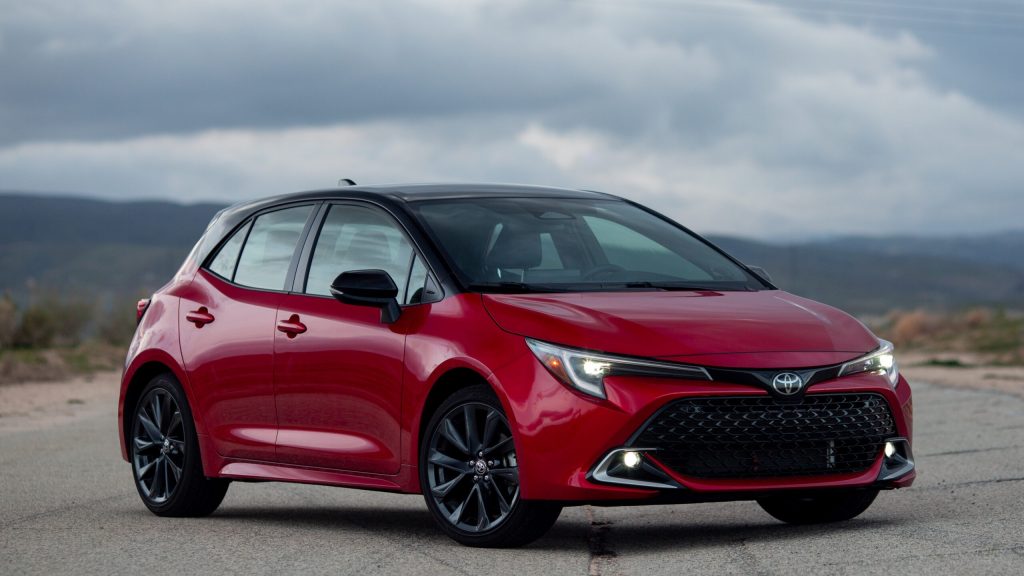
Their popularity also ensures that when one does reach the junkyard, other Corolla owners rush to grab parts, knowing they can easily use them to keep their own vehicles going. This cycle of reusing and repairing makes the Corolla one of the least likely cars to truly “die.”
The Corolla’s legacy is simple: it just works. Even though it may not be the most exciting car to drive, its ability to keep moving when others quit makes it a true survivor. That’s why, even when parked in a junkyard, the Corolla often refuses to stay down for long.
2. Honda Civic
The Honda Civic has been a cornerstone of dependable transportation for decades, and it shows in junkyards where Civics often look too solid to be scrapped.
Known for their efficient engines and sturdy build quality, Civics frequently keep going long after other cars have given up.
Honda’s engineering approach balances performance and durability. The engines, particularly the D-series and K-series, are famous for lasting hundreds of thousands of miles with regular oil changes.
Manual transmissions are nearly bulletproof, and even the automatics often hold up well over time. Combined with relatively low repair costs, Civics are prime candidates for repair rather than disposal.
In junkyards, Civics are rarely left untouched. Enthusiasts often hunt them for parts, since their engines, transmissions, and body panels can be swapped into other vehicles. This demand keeps them valuable, which means many Civics never fully “die” but instead live on in other cars.
Another reason Civics refuse to disappear is their popularity in car culture. From daily commuters to modified street machines, Civics serve a wide range of drivers. Their simple mechanics make them easy to upgrade, fix, and maintain.
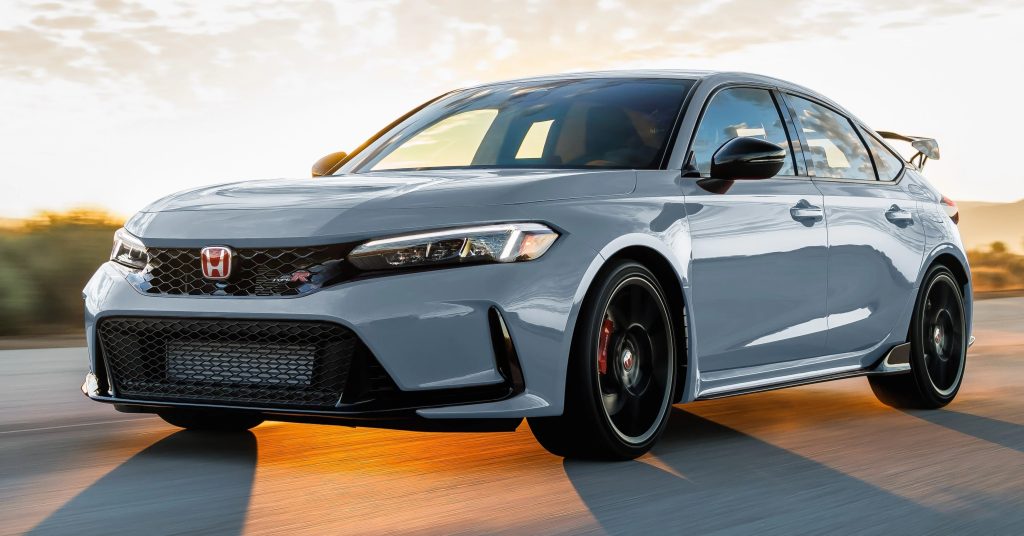
For these reasons, a Honda Civic in a junkyard often isn’t really at the end of its story. More often than not, it’s a donor that helps another Civic keep rolling, or it gets rescued and put back on the road itself. That resilience ensures the Civic remains one of the toughest survivors in automotive history.
3. Ford Crown Victoria
The Ford Crown Victoria, often remembered as the workhorse of police fleets and taxi services, has an unmatched reputation for toughness.
Even today, junkyards across the country are filled with Crown Victorias that still run despite enormous mileage. These full-size sedans were built for abuse, and they take it better than almost any other car.
Under the hood sits the legendary 4.6-liter V8, known for being nearly indestructible. Paired with a sturdy automatic transmission and body-on-frame construction, the Crown Vic could handle everything from long idling hours to rough driving conditions.
It wasn’t uncommon for police units or taxis to rack up 300,000 miles before being retired, and many of them still ran well.
In junkyards, Crown Vics are prized for their parts. Enthusiasts and mechanics often strip them for engines, drivetrains, and suspension components that still have plenty of life left. Some buyers even rescue entire cars, refurbishing them as affordable daily drivers or hobby vehicles.
Another factor is their simplicity. Unlike modern vehicles packed with electronics, Crown Vics have straightforward mechanical systems that are easy to repair. That makes it more cost-effective to keep them running rather than replace them with newer cars.
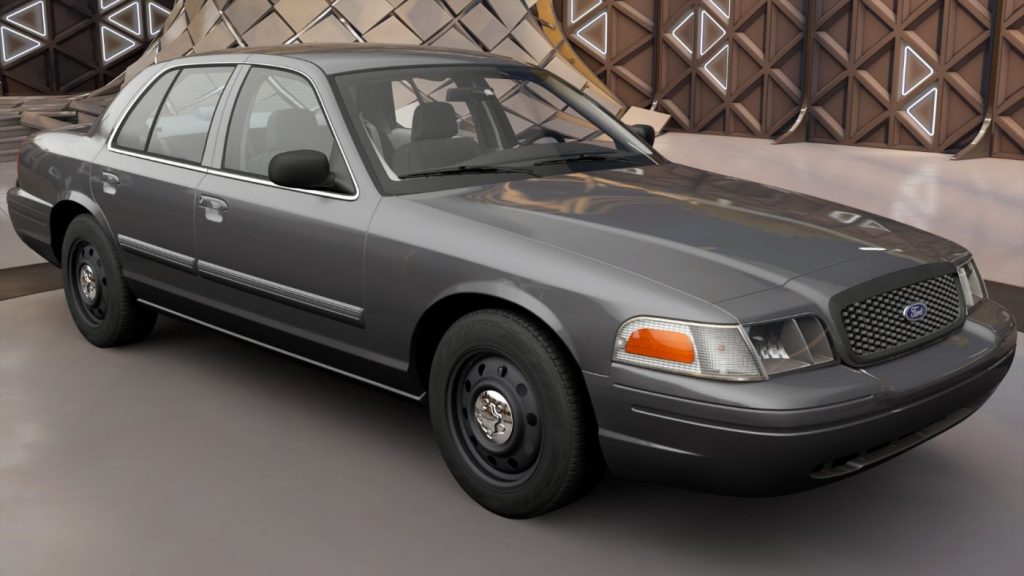
Though they may not be flashy, Crown Victorias are remembered fondly for their reliability and resilience.
Their presence in junkyards is not a sign of weakness but proof that they served for decades before retirement. Even then, many continue to find second lives, refusing to die completely.
4. Volvo 240
The Volvo 240 is a true legend when it comes to vehicles that refuse to quit. Produced from the mid-1970s to the early 1990s, the 240 gained fame for its boxy design, safety features, and most of all, its incredible longevity. Even today, junkyards often house these cars, but many still have engines that fire up without hesitation.
Volvo engineered the 240 with simplicity and strength in mind. Its engines, particularly the four-cylinder “redblock” engines, are renowned for lasting several hundred thousand miles.
With proper care, it’s not unusual to see a Volvo 240 exceed 400,000 miles, a feat few vehicles can match. The manual transmissions were equally tough, and the body construction was built to withstand rust and wear.
Owners loved the 240 for its practical design and unmatched durability. When these cars finally make it to junkyards, they rarely stay there long.
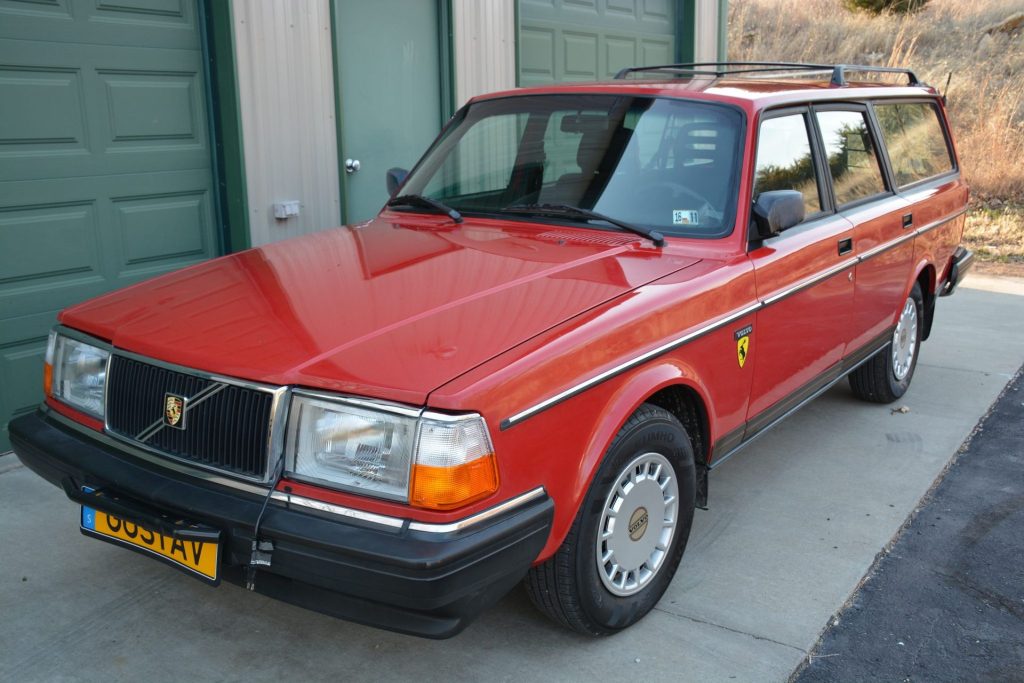
Enthusiasts often collect them for restoration projects, and parts are always in demand. The car’s loyal following ensures that very few are left to waste away completely.
The Volvo 240 has become more than just a dependable car. It’s a symbol of old-school engineering that prioritizes durability over complexity. Even decades after production stopped, its reputation continues to grow.
Junkyards may receive them, but they never stay forgotten. Many are saved, repaired, and sent back to the road, proving why the Volvo 240 is one of the toughest survivors in automotive history.
5. Jeep Cherokee (XJ)
The Jeep Cherokee XJ, built from 1984 to 2001, has earned legendary status for its toughness. Even decades later, these boxy SUVs continue to appear in junkyards, often still running despite being well past 200,000 miles. Their longevity has made them a favorite among off-road enthusiasts and practical drivers alike.
The heart of the XJ’s reliability is the 4.0-liter inline-six engine. Known for its simple design and robust construction, this engine can last half a million miles with proper maintenance.
It pairs with durable manual and automatic transmissions that rarely fail under normal use. Add Jeep’s rugged four-wheel-drive system, and the Cherokee becomes nearly unstoppable in rough terrain.
In junkyards, XJs don’t sit untouched for long. Parts like axles, transfer cases, and engines are in constant demand by off-road builders who rely on their durability.
Many XJs are pulled from junkyards entirely and brought back to life by enthusiasts who value their blend of utility and dependability.
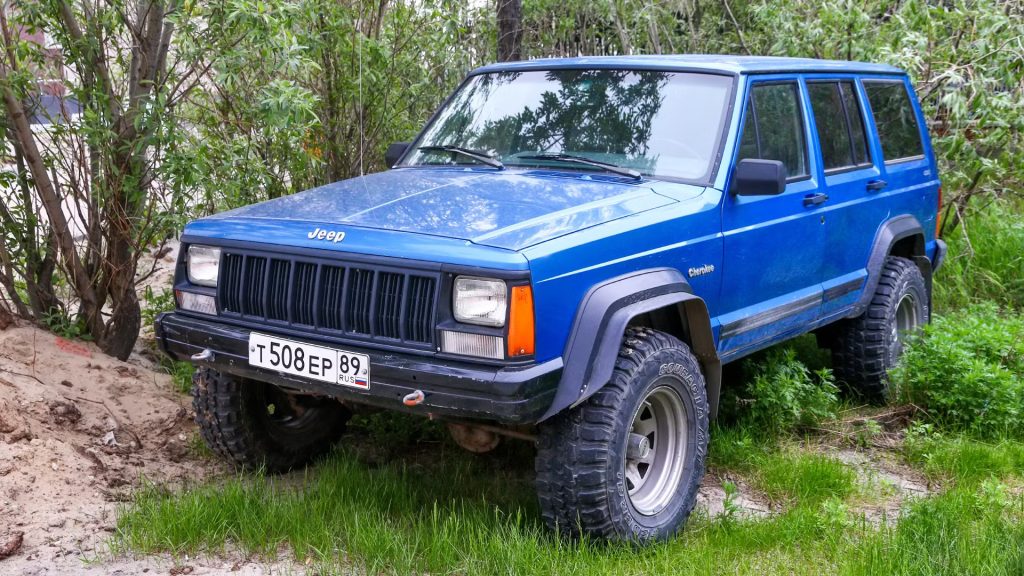
Another factor is the Cherokee’s simplicity. With fewer electronics than modern SUVs, it’s easier and cheaper to repair. This keeps costs down and encourages owners to fix them rather than scrap them.
The Jeep Cherokee XJ stands as proof of old-school engineering at its best. Its rugged design, legendary powertrain, and devoted following ensure that even when they reach junkyards, they rarely stay there for long. Instead, they live on in new hands, refusing to die quietly.
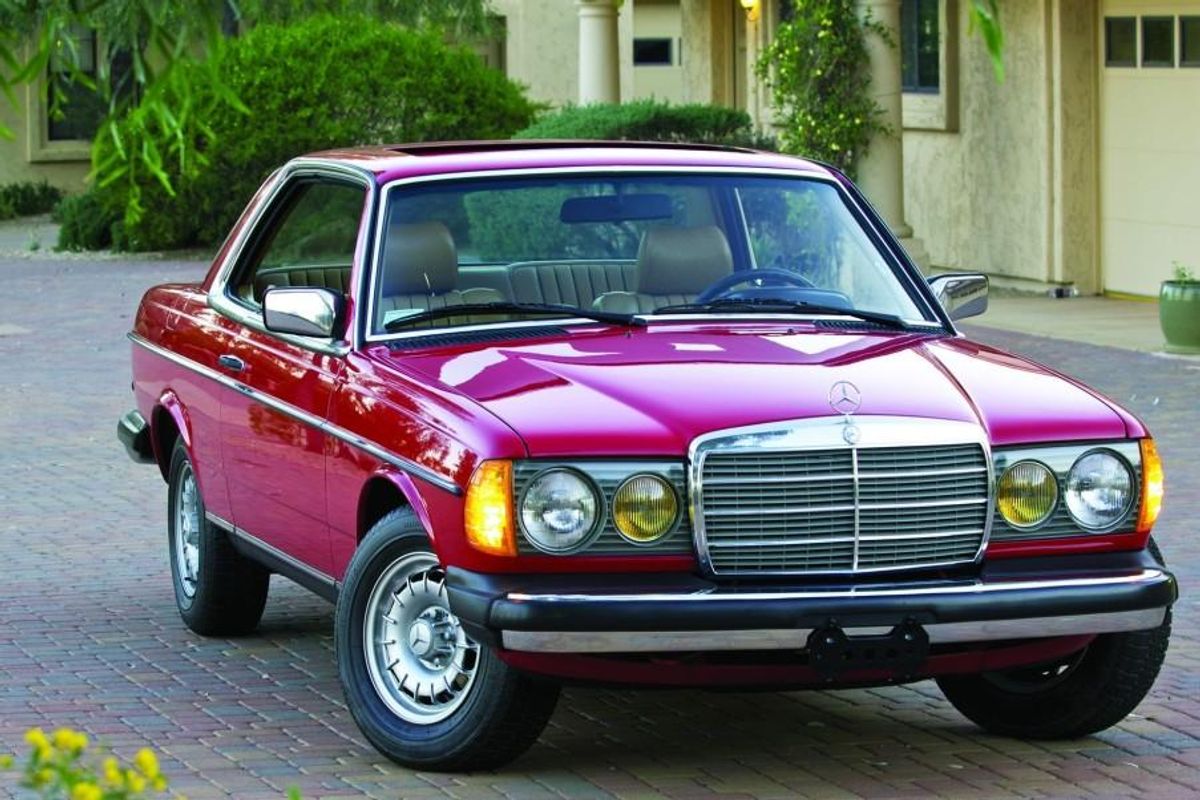
6. Mercedes-Benz W123
The Mercedes-Benz W123, produced between 1976 and 1985, is often regarded as one of the most durable vehicles ever made.
Even today, junkyards worldwide hold examples that, despite their age, still run. Built during a period when Mercedes prioritized longevity over luxury gadgets, the W123 became a global symbol of durability.
The W123 was offered with both gasoline and diesel engines, but the diesels in particular gained a reputation for indestructibility.
Models like the 240D and 300D could run for over half a million miles with regular maintenance. Taxi fleets in Europe, Africa, and the Middle East relied on them for decades, proving their resilience in harsh conditions.
In junkyards, W123s are quickly scavenged for parts. Their engines, transmissions, and interior pieces remain in demand because so many are still on the road. Enthusiasts also rescue entire vehicles, restoring them for daily use or collector purposes.
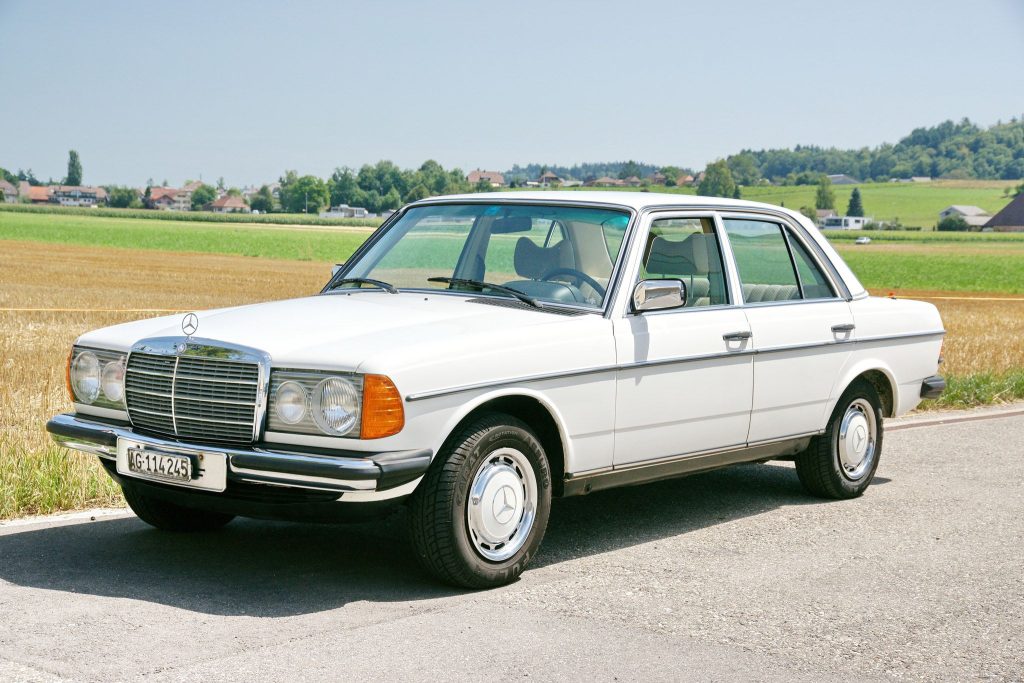
What makes the W123 so special is the philosophy behind its construction. Mercedes engineered it with overbuilt components, heavy-duty materials, and a focus on ease of repair. This allowed the cars to survive well beyond the lifespan of typical vehicles from the same era.
Even today, spotting a W123 on the road is not unusual. Junkyards may collect them, but rarely do they go to waste. With their enduring build quality and loyal fan base, the W123 continues to prove that true engineering excellence resists the passage of time.
7. Toyota Hilux
The Toyota Hilux is nearly mythological when it comes to durability. Known worldwide for its ability to endure abuse, it has become a symbol of toughness in places where vehicles are pushed to their limits. Even in junkyards, Hilux trucks are often found still running, earning them a place among cars that refuse to die.
Central to the Hilux’s reputation is its rugged engine lineup, particularly the diesel options. These engines were designed to handle poor fuel quality, extreme climates, and heavy workloads without failing.
Combined with simple mechanical systems and a sturdy frame, the Hilux became the go-to vehicle in remote regions where breakdowns were not an option.
The Hilux gained even more fame when automotive shows tested its resilience by subjecting it to extreme punishment, yet it kept running.
That reputation translates into junkyards, where Hilux trucks are highly valued for their engines, drivetrains, and body parts. Owners often pull pieces to keep their own trucks alive.
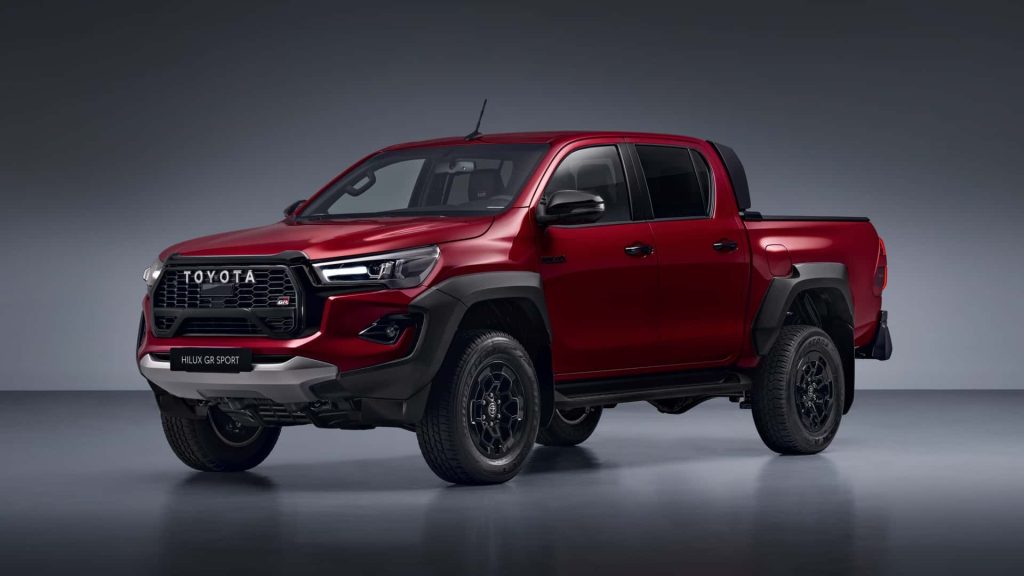
In many parts of the world, Hilux trucks never even make it to junkyards because they are repaired repeatedly until the cost of maintenance outweighs their value. Their ability to keep running under punishing conditions ensures that they remain useful long after other trucks have failed.
Few vehicles have such a universal reputation for toughness. The Toyota Hilux is more than just a pickup; it is a global standard for durability. Its presence in junkyards is temporary at best, as parts or entire trucks quickly find their way back to use.
8. Subaru Outback (Early 2000s Models)
The Subaru Outback from the early 2000s has proven to be one of the most enduring wagons on the road.
Designed as a versatile crossover before the term became common, these Outbacks were built for both city driving and rugged terrain. Even today, junkyards are filled with them, yet many are still mechanically sound.
What makes these Outbacks special is their reliable 2.5-liter boxer engine and Subaru’s signature symmetrical all-wheel drive.
While some models had head gasket concerns, many examples survived well past 200,000 miles with attentive maintenance. The drivetrain design gave them excellent handling in all conditions, making them favorites in snowy regions where reliability is essential.
In junkyards, Outbacks are often stripped quickly for parts. Engines, transmissions, and AWD components remain in demand, as they allow other Subarus to stay on the road.
Many owners prefer keeping their Outback alive rather than replacing it, which means junkyard examples frequently get revived instead of left to rust.
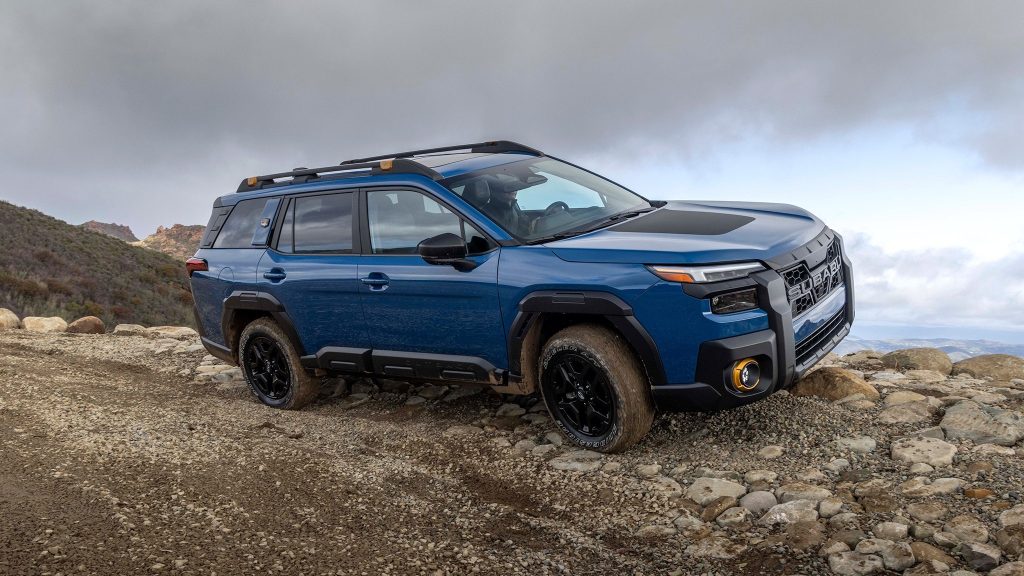
Their practicality also plays a role in their resilience. With roomy interiors, strong safety ratings, and comfortable rides, these Outbacks provided a long-term solution for families and outdoor enthusiasts. Their appeal hasn’t faded, which is why even two-decade-old models are still desirable.
The Subaru Outback’s reputation for reliability, especially in early 2000s models, ensures that it continues to resist the junkyard fate. Whether serving as parts donors or returning to the road, they prove that Subaru built them to last.
9. Honda Accord
The Honda Accord has long been a symbol of practical reliability, and that reputation shows in junkyards where many still run despite high mileage.
For decades, the Accord has been one of Honda’s most successful models, blending comfort with durability in a way that appeals to families and commuters alike.
The strength of the Accord lies in its dependable engines. Both the four-cylinder and V6 options are known for long lifespans, often exceeding 300,000 miles with proper maintenance.
Manual and automatic transmissions have proven sturdy, and parts are widely available, making repairs affordable. This makes owners more likely to keep them alive rather than give up on them.
In junkyards, Accords rarely sit untouched. Engines, transmissions, and suspension parts are often salvaged to breathe life into other vehicles. Many Accords are also pulled out entirely and given second chances by buyers who recognize their enduring quality.
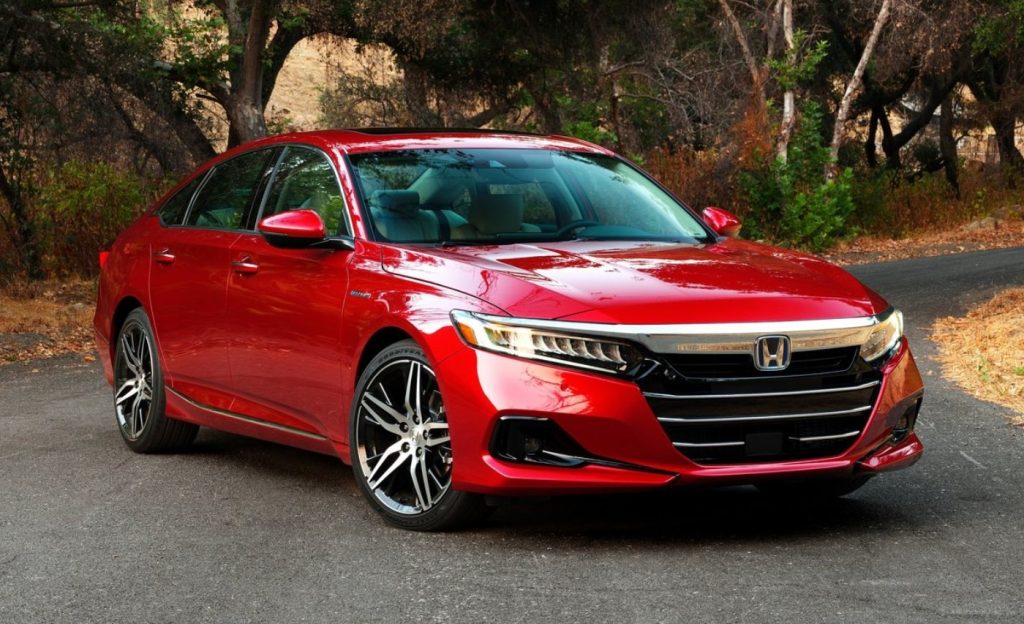
Another factor in the Accord’s resilience is its balanced design. It’s practical enough to serve as a daily driver yet refined enough to remain enjoyable. That mix, combined with ease of repair, makes it one of the longest-lasting cars on the road.
Even when they do end up in junkyards, Accords rarely stay there for long. They either become valuable parts donors or are rescued for another chapter on the road.
Their longevity has made them a household name, proving that the Accord is a car built to resist obsolescence.
10. Chevrolet Silverado
The Chevrolet Silverado is one of America’s most popular pickup trucks and a model that refuses to quit, even after years of hard labor.
Junkyards often have Silverados with over 200,000 miles, yet many are still mechanically sound. These trucks are built for heavy use, and they deliver on that promise.
A major contributor to their resilience is the lineup of reliable V8 engines. The small-block V8, in particular, is renowned for its durability and power.
Paired with robust transmissions and strong frames, the Silverado can endure towing, hauling, and rough terrain without giving up easily.
Because they are so widely used, Silverado parts are in constant demand. Junkyard examples are quickly scavenged for engines, transmissions, and body panels, keeping other Silverados on the road. The sheer number produced also means that knowledge and replacement parts are abundant, reducing repair costs and encouraging owners to extend their trucks’ lives.
Many Silverados have been used in demanding roles, from construction sites to family workhorses, yet they consistently exceed expectations. It’s common to see trucks still running strong past 250,000 miles. This kind of dependability makes them highly valued, even when they reach junkyards.
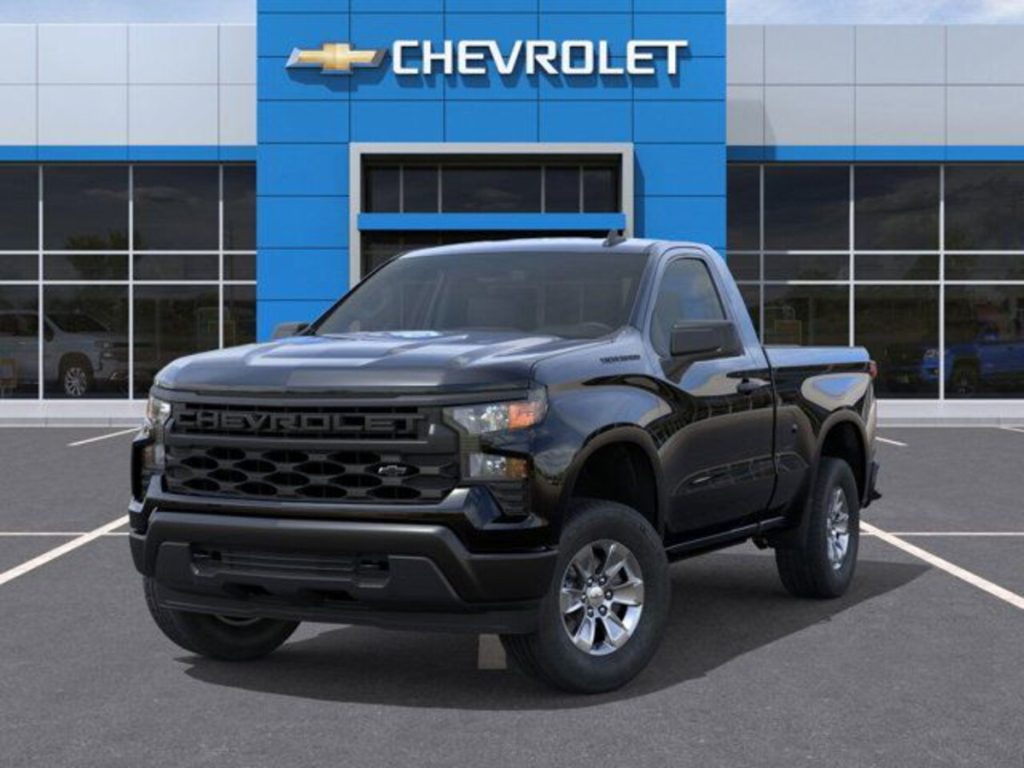
The Silverado embodies the idea of a truck that simply won’t quit. Its ability to withstand heavy use ensures that, whether as a work vehicle or a family hauler, it refuses to fade away completely. Junkyards may house them, but they rarely die there.
11. Volkswagen Beetle (Classic Models)
The classic Volkswagen Beetle, produced for decades in various forms, is one of the most iconic cars ever built.
Known for its quirky design and unmatched durability, the Beetle earned its place in history as a car that just keeps running. Even today, junkyards often hold Beetles that could be revived with minimal effort.
Central to the Beetle’s resilience is its simple air-cooled engine. This design was easy to maintain, forgiving of neglect, and capable of running in harsh conditions. Mechanics around the world learned to repair it quickly, and parts were inexpensive, ensuring that owners rarely gave up on their Beetles.
Another reason for its longevity is its cultural status. The Beetle became more than just a car; it was a symbol of freedom and affordability. Enthusiasts and collectors continue to restore them, pulling them out of junkyards and giving them new lives on the road.
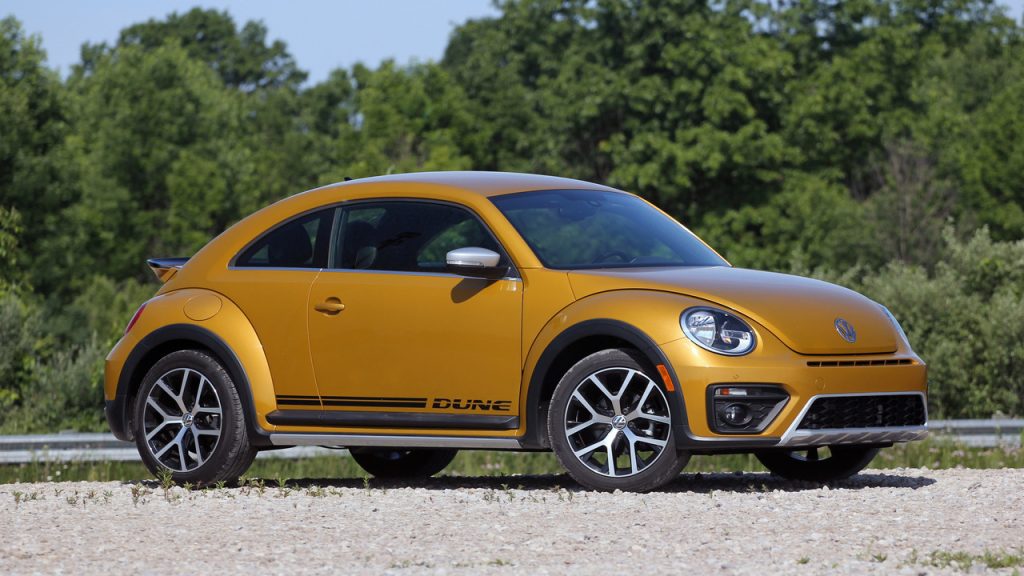
In junkyards, Beetles rarely remain forgotten. Their engines, body panels, and unique parts are in demand, making them valuable even in retirement. Many Beetles that end up in scrapyards are rescued by hobbyists who see them as restoration projects rather than throwaways.
The Volkswagen Beetle’s charm and durability mean it refuses to disappear. From its iconic design to its resilient mechanics, it continues to live on, proving that simplicity and smart engineering can outlast generations of drivers.
12. Toyota Camry
The Toyota Camry has built a reputation as one of the most reliable sedans ever made. Its presence in junkyards often tells the story of high-mileage vehicles that still have plenty of life left. Known for comfort, efficiency, and longevity, the Camry is another Toyota that refuses to die.
The Camry’s four-cylinder and V6 engines are remarkably durable. With regular maintenance, it’s common to see these engines surpass 300,000 miles.
The transmissions are equally reliable, and when combined with low repair costs, they make it practical for owners to keep their Camry running rather than replace it.
In junkyards, Camrys are highly valued for parts. Engines, transmissions, and suspension components are quickly salvaged because so many Camrys remain on the road. Their widespread use ensures that demand for parts stays high, making even old models valuable.
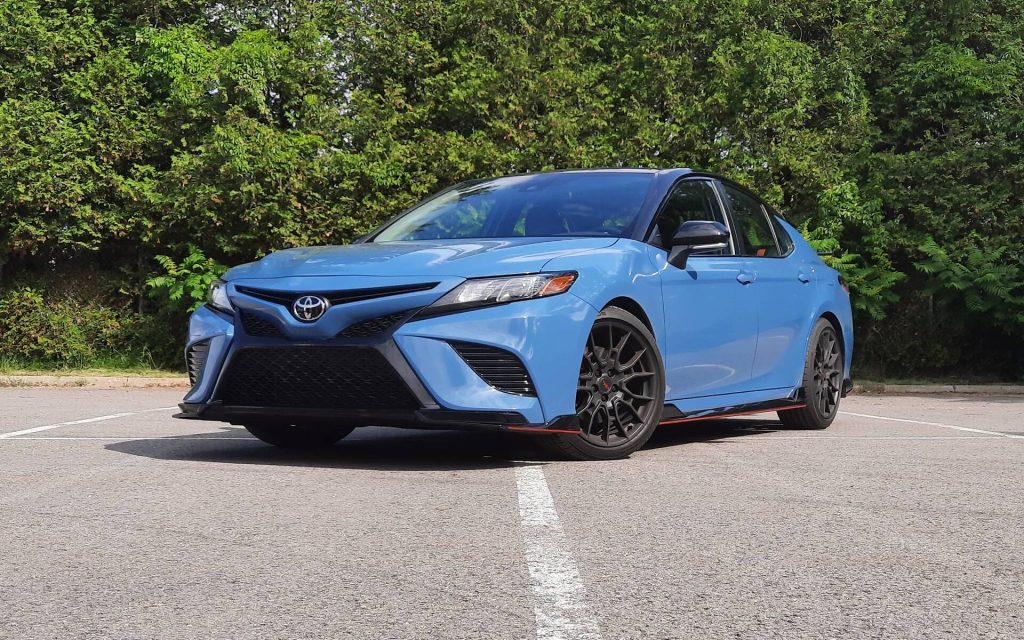
The Camry also benefits from Toyota’s philosophy of building cars to last. Its simple design, strong reliability record, and affordability create a car that resists obsolescence. Owners often hold on to their Camrys for decades, only giving them up when rust or accidents make them impractical to repair.
Even then, many Camrys are pulled from junkyards, refurbished, and given new life. Their enduring appeal lies not in flashiness but in steady dependability. The Camry’s refusal to die cements its place among cars that remain useful long after others have quit.
Also Read: 12 Cars of the Future That Might Actually Last Longer
