
The Ford Mustang has held a special place in automotive culture since its debut in 1964. Its combination of striking design, performance, and affordability helped it become a symbol of American motoring.
Over the decades, certain model years have gained particular recognition among collectors for their distinct style, engineering innovations, and overall driving experience.
While every Mustang has its own charm, some years stand out for factors that extend beyond their time on the road, including rarity, special trims, or notable performance packages.
Collectors and enthusiasts often seek Mustangs that offer a blend of originality and excitement. Classic models are admired not only for their aesthetics but also for their engineering quality and enduring appeal.
The market for vintage Mustangs has remained strong because these vehicles often reflect a combination of cultural relevance and mechanical reliability.
Whether it is a first-generation Mustang with a legendary V8, a limited-edition model, or a performance-oriented variant, each of these cars has earned a loyal following.
This article highlights twelve Mustang years that continue to capture attention among collectors.
By focusing on individual years, we can appreciate what made each model exceptional, including performance upgrades, design tweaks, and historical significance.
These Mustangs are more than just cars; they represent milestones in automotive history and moments that defined the muscle car era.
For anyone interested in Mustang collecting or simply fascinated by classic cars, understanding the characteristics of these standout years provides valuable insight into why they remain highly sought after today.
Also Read: 12 Cars That Offer Luxury for Pennies After 10 Years
1. 1965 Ford Mustang
The 1965 Ford Mustang holds a legendary status as the model that truly launched the Mustang craze. As the first full production year, it offered buyers a combination of style, performance, and affordability that was unprecedented.
The long hood, short rear deck, and sporty proportions made it instantly recognizable, while its range of engine options from the economical inline-six to the powerful V8 catered to a wide audience.
The introduction of the Mustang in 1965 marked a turning point for American automotive design, setting a new standard for personal luxury cars.
Collectors particularly value the 1965 models with the high-performance 289 V8 engine, which provided impressive acceleration and a thrilling driving experience.
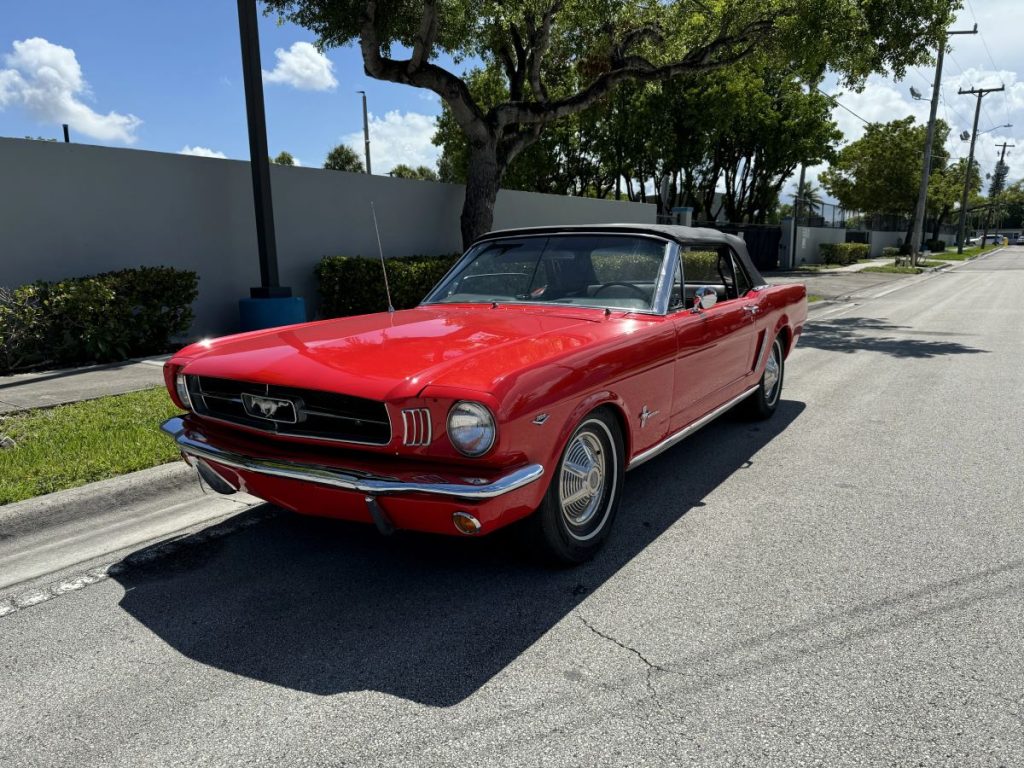
The GT package, which included disc brakes, fog lights, and special trim, also enhanced the car’s appeal. Originality is a key factor for collectors, so Mustangs that maintain their factory specifications and finishes are highly prized.
The 1965 Mustang is also notable for its cultural impact, appearing in numerous films and television shows of the era, further solidifying its iconic status.
Today, the 1965 Mustang remains a benchmark for classic muscle cars. Its combination of style, performance, and historical significance makes it a standout choice for collectors.
Whether maintained as a fully original vehicle or restored to factory specifications, this model year continues to draw enthusiasts eager to experience the car that started the Mustang legacy.
2. 1967 Ford Mustang
The 1967 Mustang introduced several updates that refined the original formula while boosting performance. This year marked the first major redesign, with a slightly longer and wider body that allowed for larger engines, including the legendary 390 V8.
The changes gave the Mustang a more aggressive stance without sacrificing its sleek, sporty appearance. Collectors often seek out models with the GT and Shelby-inspired performance options from this year.
A key highlight of the 1967 Mustang is the range of performance packages offered, including the GT package and the high-output V8 engines.
These enhancements provided greater power and improved handling, attracting enthusiasts who wanted a true sports car experience.
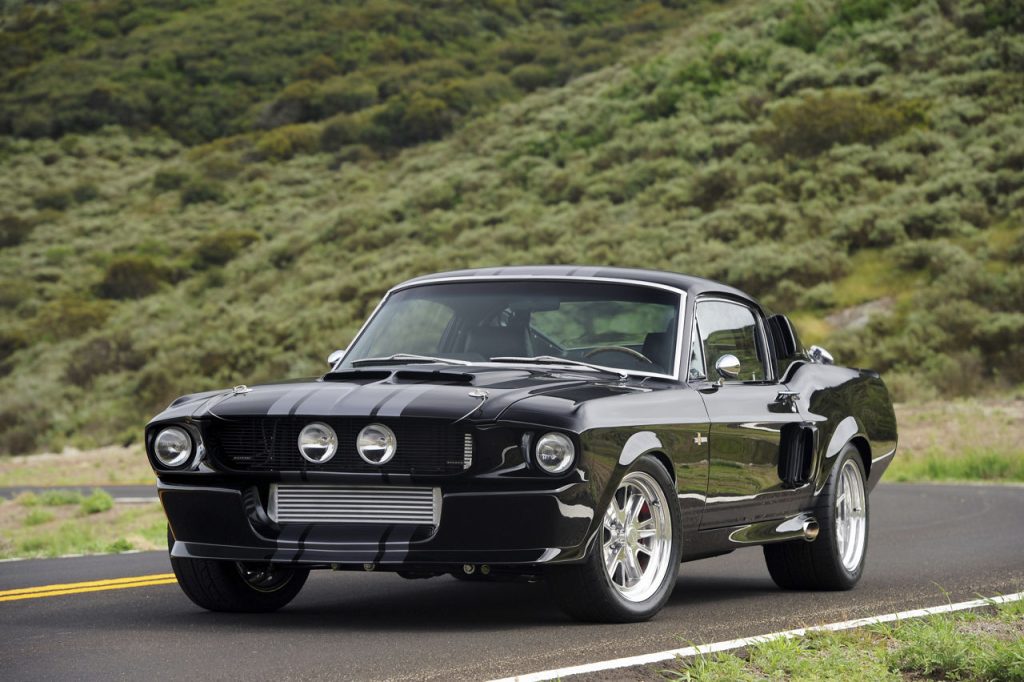
The interior also received upgrades, with improved seating and additional comfort features. Special editions, such as the California Special, added unique styling cues that make the 1967 Mustang even more collectible.
For modern collectors, originality and condition are critical. Cars that retain factory parts and finishes command higher value, while well-restored examples are also highly regarded.
The 1967 Mustang combines historical importance with performance and style, making it a sought-after classic.
Its enduring appeal stems not only from its engineering but also from its status as a symbol of the muscle car era. Owning a 1967 Mustang is considered both a driving pleasure and a smart investment in automotive history.
3. 1969 Ford Mustang
The 1969 Mustang represents a turning point in the muscle car era, blending bold styling with powerful performance. This year introduced the fastback body as a standard option, along with more aggressive front and rear styling, including new grilles, headlights, and taillights.
The vehicle’s dimensions were slightly larger than previous models, allowing for even bigger engines and higher performance potential.
Performance was a major focus in 1969, with the introduction of the legendary 428 Cobra Jet engine. This V8 offered incredible power and speed, making the Mustang a favorite among racing enthusiasts.
Other engine options included the 351 Windsor and 302 small-blocks, providing a range of choices for buyers seeking performance or affordability. Special editions and high-performance trims like the Mach 1 made the 1969 Mustang particularly desirable to collectors.
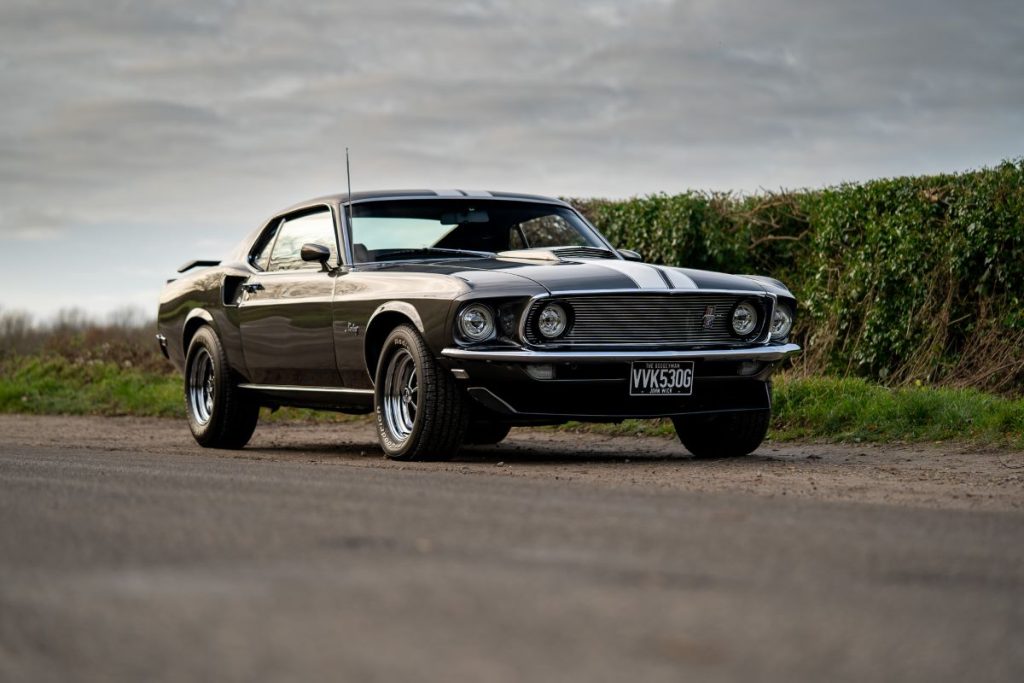
Collectors also value the 1969 model for its cultural significance, as it became an icon of American automotive design. Cars that have been preserved in original condition, including factory paint and interior finishes, command the highest prices.
Restored models also attract attention when accuracy and quality are maintained. The 1969 Mustang continues to be celebrated for its blend of style, power, and collectibility, securing its place as one of the most admired years in Mustang history.
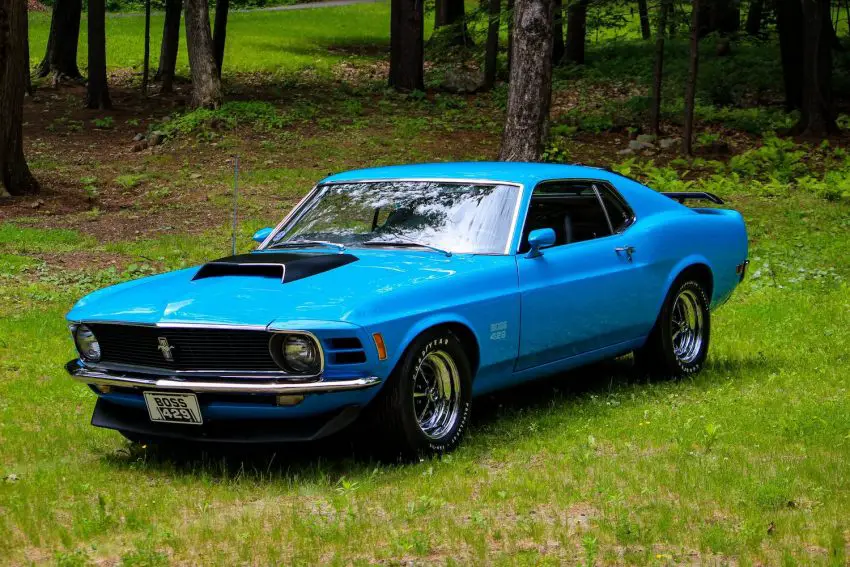
4. 1970 Ford Mustang
The 1970 Mustang refined the aggressive styling introduced in 1969, with a slightly longer hood, reworked grille, and new rear styling.
The fastback and coupe designs were popular, and Ford continued to offer multiple performance options that enhanced the car’s appeal to enthusiasts. Collectors often focus on high-performance models such as the Mach 1 and Boss 302.
Engine options in 1970 were extensive, ranging from the base six-cylinder to the powerful 429 Cobra Jet. The Boss 302, introduced this year, was designed specifically for Trans-Am racing and has since become one of the most collectible Mustangs.
The Mach 1 offered a combination of style and performance, featuring sporty interiors, shaker hoods, and upgraded suspension for improved handling. The variety of trims and engines made the 1970 Mustang adaptable for a range of buyers, which contributes to its lasting popularity among collectors.
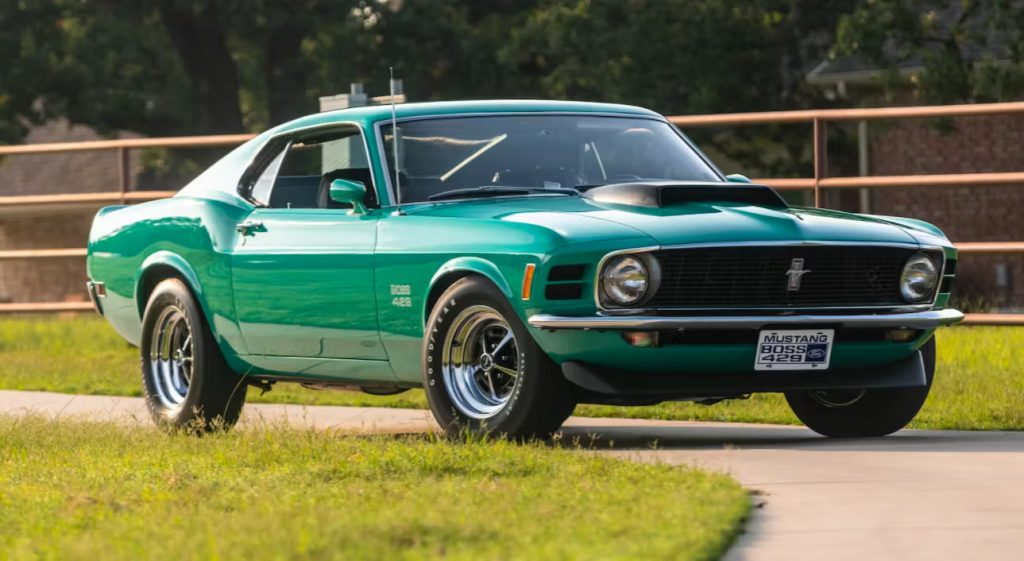
Condition, originality, and provenance are key factors that influence the value of a 1970 Mustang. Cars that retain factory parts, paint, and interiors tend to command premium prices, while accurately restored vehicles are also highly sought after.
The 1970 Mustang’s blend of aggressive styling, performance capabilities, and historical significance makes it a standout choice for enthusiasts and collectors looking to own a piece of muscle car history.
5. 1965 Shelby GT350
The 1965 Shelby GT350 represents the collaboration between Ford and Carroll Shelby, creating a performance-focused Mustang that still resonates with collectors today.
Unlike the standard 1965 Mustang, the GT350 featured a more aggressive suspension, lightweight components, and a high-output 289 V8 that offered enhanced performance on both the street and the track.
Distinctive styling set the GT350 apart, including racing stripes, unique emblems, and performance-oriented details that made it immediately recognizable.
The interior included minimalistic features designed to reduce weight and improve handling, reflecting the model’s racing heritage. Shelby’s modifications improved acceleration, cornering, and braking, making the GT350 a sought-after example of American performance engineering.
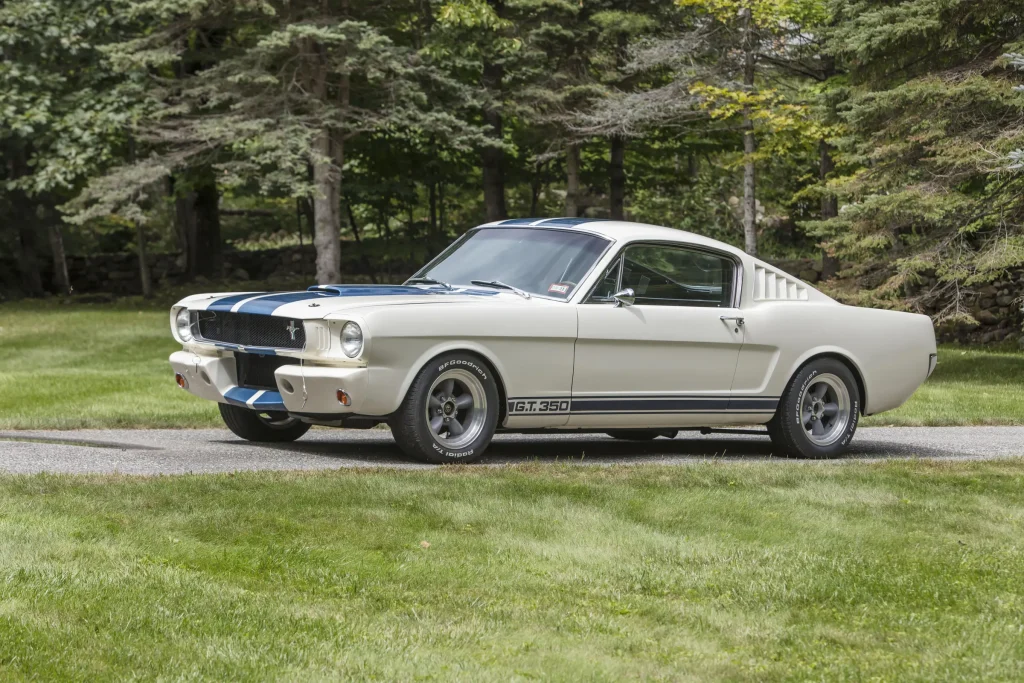
Collectors prize the 1965 Shelby GT350 for its rarity and historical significance. Only a limited number were produced, and those that retain original components and finishes are especially valuable.
The car’s connection to Carroll Shelby adds another layer of prestige, making it a centerpiece in any Mustang collection. Owning a 1965 GT350 is both a nod to automotive history and a thrilling driving experience, which is why it continues to be one of the most desired Mustangs among enthusiasts.
6. 1968 Ford Mustang
The 1968 Mustang introduced subtle yet important updates, including side marker lights to comply with federal regulations and a slightly refined body design.
This year also saw the introduction of the 302 cubic inch V8, which became a staple engine option for collectors seeking balance between performance and reliability.
Performance-oriented trims, such as the GT and Shelby variants, continued to draw attention. The GT offered upgraded suspension, disc brakes, and enhanced styling details, while Shelby Mustangs added high-performance engines and racing-inspired features.
Optional features, including air conditioning and premium interiors, added versatility to the 1968 Mustang lineup, appealing to a broad range of buyers.
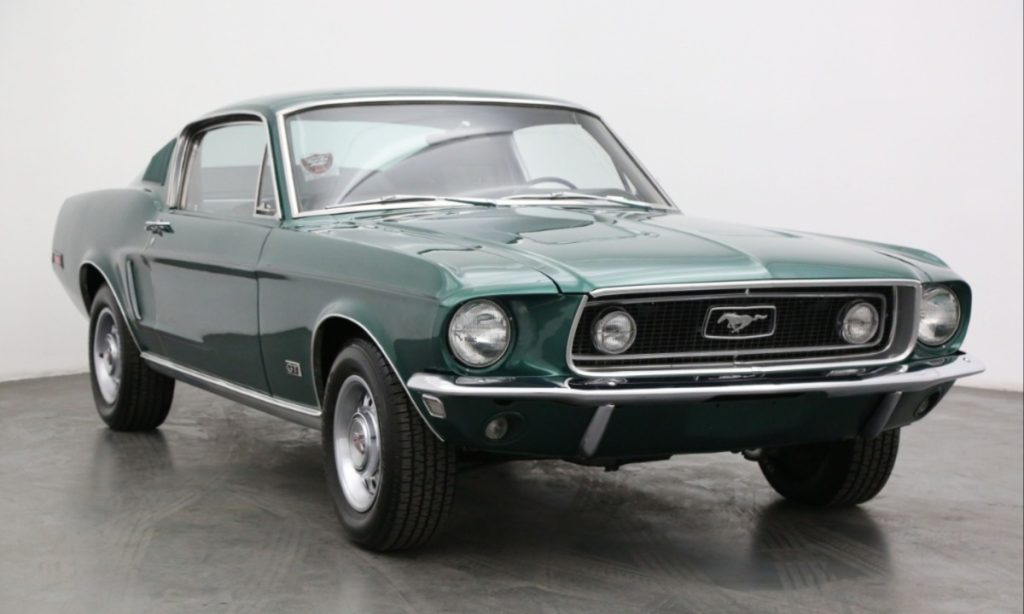
Collectors value the 1968 Mustang for its balance of style, performance, and accessibility. Models in original condition, particularly those with factory V8 engines and desirable trims, command strong prices.
Special editions, including limited Shelby variants, are highly sought after due to their rarity and racing pedigree. The 1968 Mustang remains a standout example of the first-generation Mustang’s evolution, maintaining appeal for collectors and enthusiasts alike.
7. 1969 Shelby GT500
The 1969 Shelby GT500 represents one of the most powerful and desirable Mustangs of its era. This model was equipped with a 428 cubic inch Cobra Jet engine, providing immense performance that appealed to muscle car enthusiasts.
With its aggressive styling, including a longer hood, dual headlights, and racing stripes, the GT500 captured attention on both the street and the track.
Performance upgrades set the GT500 apart from standard Mustangs. The suspension, brakes, and handling improvements allowed drivers to fully utilize the engine’s power.
The interior received sporty touches, including a unique dashboard layout and optional racing-inspired features, emphasizing the car’s performance focus. Limited production numbers added to the model’s collectibility, making it a highly sought-after car for enthusiasts today.
Collectors value the 1969 GT500 for its combination of rarity, performance, and historical significance. Original models with factory specifications command premium prices, while high-quality restorations are also highly regarded.
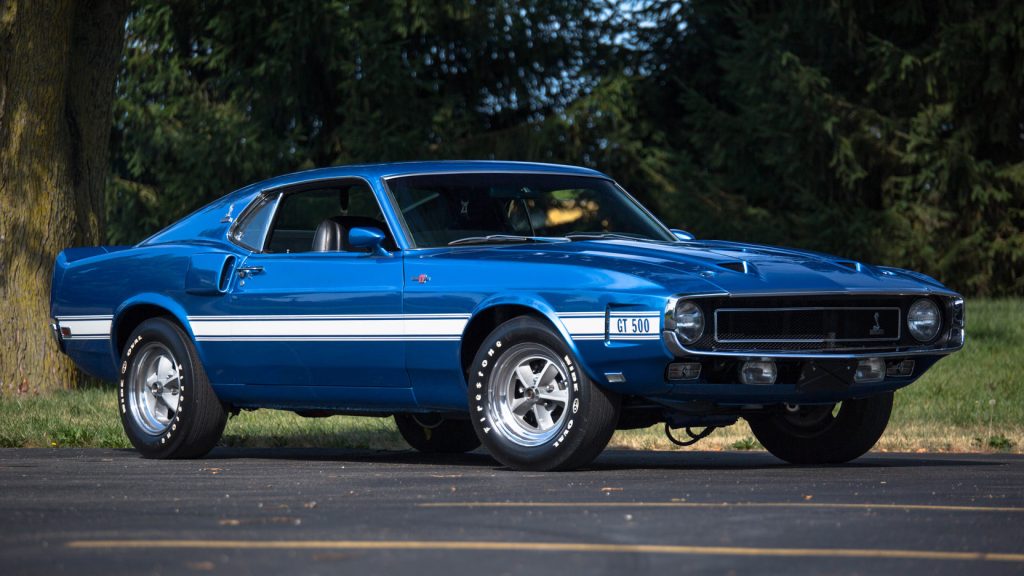
The car’s connection to Carroll Shelby and its presence in automotive history make it a centerpiece in many collections.
Even decades later, the 1969 Shelby GT500 continues to represent the pinnacle of first-generation Mustang performance, offering both driving excitement and a tangible piece of muscle car heritage.
8. 1971 Ford Mustang Mach 1
The 1971 Mustang Mach 1 is a classic example of early 1970s muscle car design. With its longer hood, wider body, and aggressive front-end styling, the Mach 1 presented a bold appearance while offering multiple performance options.
Collectors often favor high-performance engines, such as the 351 Cleveland and the 429 Cobra Jet, which delivered impressive speed and handling for the era.
The Mach 1 featured functional hood scoops, shaker hoods, and optional spoilers, emphasizing performance-oriented styling. Suspension upgrades and powertrain choices made the car suitable for both street driving and track use.
Interiors included sporty accents, bucket seats, and upgraded instrumentation, reflecting a focus on driver engagement. Limited editions and rare options further enhanced the model’s appeal to collectors.
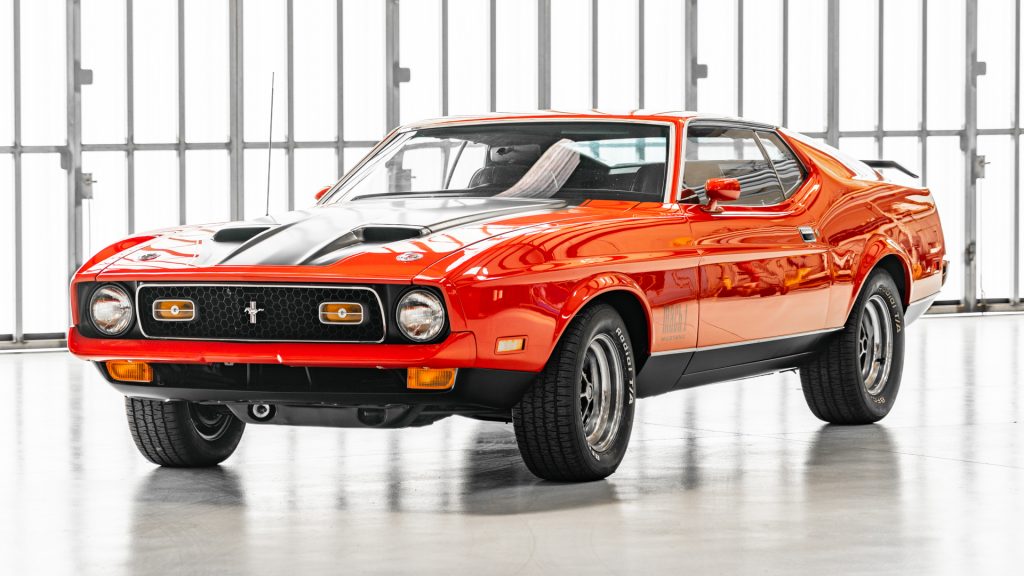
Today, the 1971 Mach 1 is prized for its combination of visual impact and driving performance. Models that retain factory originality, including engine, paint, and interior, command high prices.
Well-executed restorations also attract attention, particularly when rare performance packages are included. The 1971 Mach 1 exemplifies the boldness and capability of early 1970s Mustangs, ensuring its place among the most collectible models in Mustang history.
9. 1966 Ford Mustang GT
The 1966 Mustang GT continued the momentum of the first-generation Mustang while offering enhanced performance and styling.
The GT package included disc brakes, fog lights, and special trim that distinguished it from base models. Engine choices ranged from the economical inline-six to the 289 V8, giving buyers flexibility in performance and budget.
This year’s GT focused on improving handling and driving dynamics. Suspension tweaks and upgraded brakes allowed for better cornering and stability at higher speeds.
The interior offered refined seating, optional air conditioning, and attention to detail that enhanced the overall driving experience. Collectors often seek models with the V8 engine and GT package due to their performance potential and historical significance.
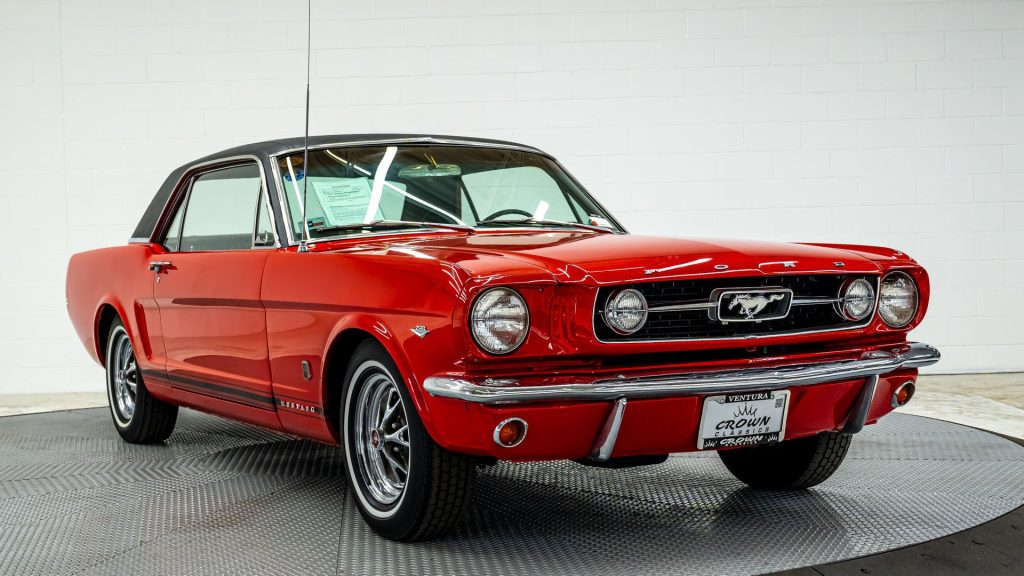
Originality plays a major role in the value of a 1966 Mustang GT. Cars that maintain factory paint, components, and interior details are particularly prized. Restored examples are also desirable when accuracy and quality are maintained.
The 1966 Mustang GT combines early Mustang charm with performance enhancements, making it a favorite among enthusiasts and collectors seeking a classic American muscle car with enduring appeal.
10. 1973 Ford Mustang
The 1973 Mustang marked the end of the first-generation design, carrying forward the styling introduced in 1971 with slight refinements.
This year offered a wide range of engines and performance options, including the 351 Cleveland and 429 V8s, appealing to collectors interested in both speed and style. The Mach 1 and Cobra variants remained highly desirable for enthusiasts.
Suspension and braking improvements enhanced the car’s handling, while styling updates, such as a new grille and front bumper design, gave the 1973 Mustang a slightly modernized look. Interior options included bucket seats, upgraded trim, and driver-focused instrumentation.
Special editions, particularly limited high-performance models, make the 1973 Mustang attractive to collectors who value rarity and historical significance.
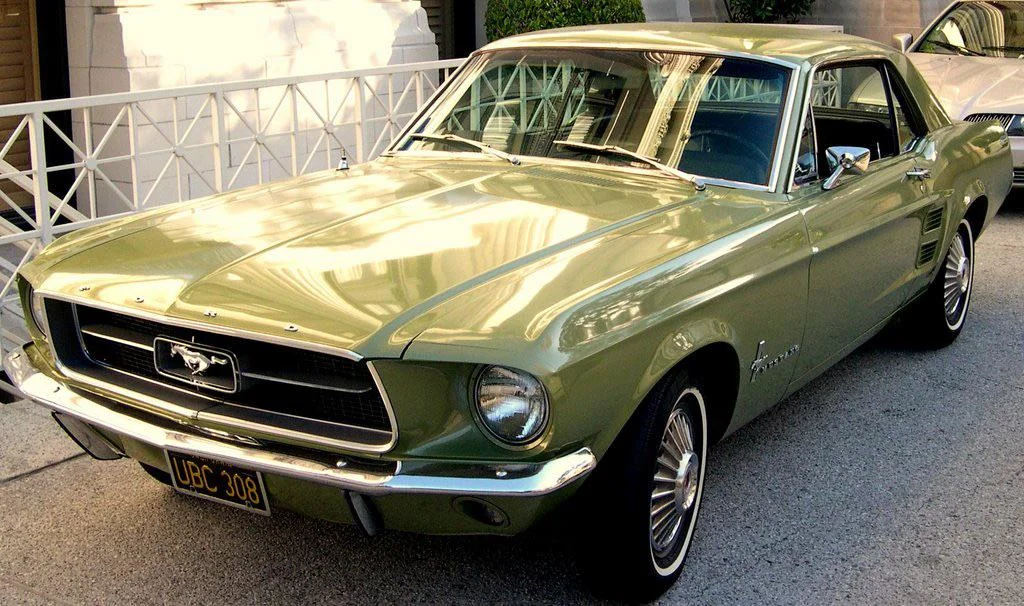
Collectors place high value on 1973 Mustangs that retain original paint, engine, and interior components. Accurate restorations also attract attention, particularly when performance packages are preserved.
The 1973 Mustang represents the culmination of the first-generation design, combining performance, style, and collectibility in a package that remains sought after by enthusiasts today.
11. 1967 Shelby GT500
The 1967 Shelby GT500 took the concept of the GT350 to a new level with an even larger engine and enhanced performance.
Powered by a 428 cubic inch V8, the GT500 offered impressive acceleration and high-speed capability, making it one of the most powerful Mustangs of its time. Its styling included a longer hood, distinctive front grille, and racing stripes, giving it a commanding presence on the road.
Performance upgrades included improved suspension, brakes, and handling components, allowing drivers to exploit the car’s power safely. The interior focused on functionality with racing-inspired details, optional instrumentation, and bucket seats.
Limited production numbers contributed to the GT500’s status as a highly collectible model, particularly among enthusiasts who appreciate Carroll Shelby’s engineering.
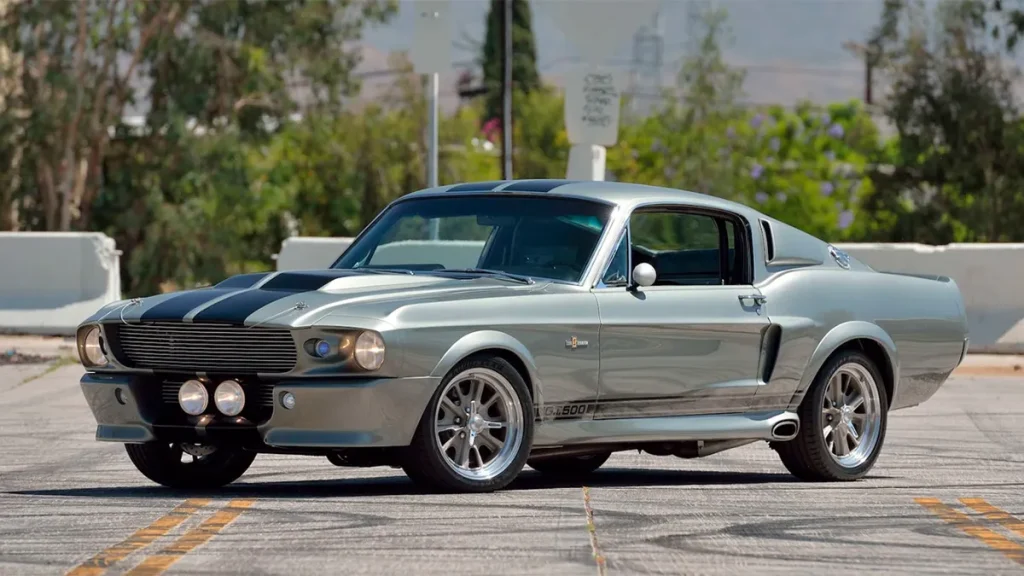
Collectors prize the 1967 Shelby GT500 for its combination of rarity, power, and historical importance. Original examples command significant value, while well-executed restorations also attract attention.
The car’s enduring appeal comes from its performance pedigree, design, and place in Mustang history, making it a centerpiece in any collection of classic American muscle cars.
12. 1968 Shelby GT350
The 1968 Shelby GT350 carried forward the high-performance ethos of the GT350 while introducing subtle refinements.
Powered by a 302 cubic inch V8, the car combined nimble handling with racing-derived performance, appealing to enthusiasts seeking a more focused driving experience. Its styling remained distinct, featuring racing stripes, Shelby badges, and lightweight components designed to enhance agility.
Suspension and brake upgrades ensured superior handling, while the interior included functional features aimed at driver comfort and control. Limited production numbers and Shelby’s personal involvement in development contributed to the GT350’s collectibility.
Collectors often seek models that retain factory specifications, including original paint, engine, and interior details, as these factors significantly influence value.
The 1968 GT350 remains a benchmark for American performance cars. Its combination of racing-inspired engineering, distinctive styling, and rarity makes it highly desirable among collectors.
Owning a 1968 Shelby GT350 represents not only a piece of automotive history but also a rewarding driving experience, which is why this model continues to be celebrated by enthusiasts around the world.
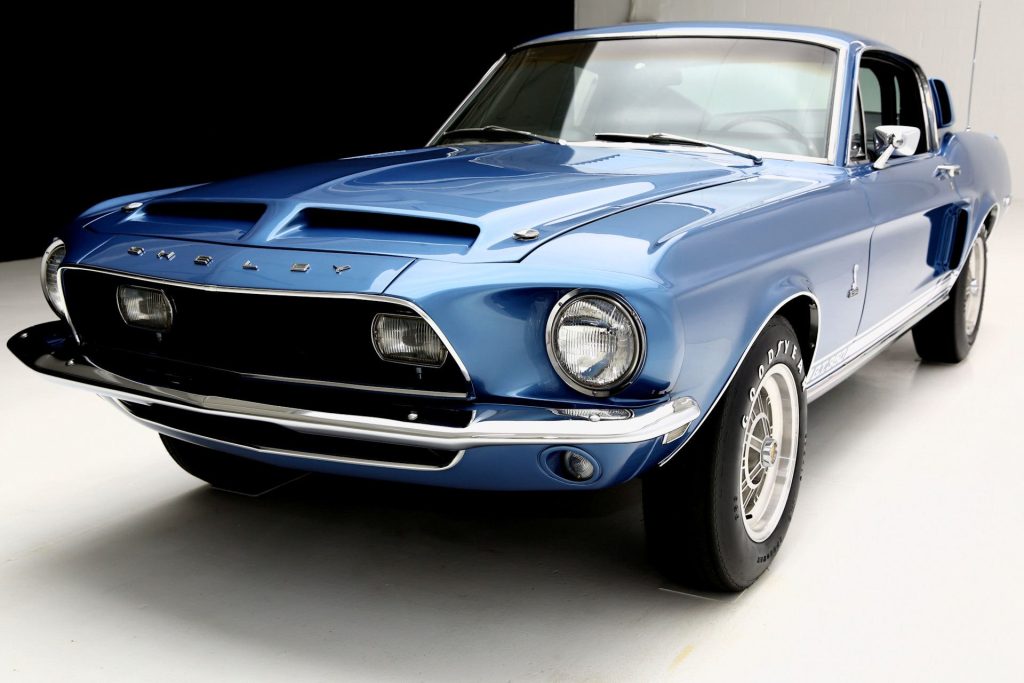
The Ford Mustang’s legacy is built on a combination of striking design, performance, and cultural significance. Over the decades, certain model years have become especially valued by collectors due to a mix of rarity, historical importance, and engineering achievements.
From the early classics of the mid-1960s to the high-performance Shelby variants, each of the twelve years highlighted in this article demonstrates why the Mustang continues to captivate enthusiasts and maintain strong collector interest.
The first-generation Mustangs, including the 1965, 1966, 1967, 1968, and 1969 models, introduced the core elements that define the Mustang identity.
These cars offered a combination of affordability and performance, making them accessible to a wide range of buyers while still providing excitement behind the wheel.
Collectors today place particular value on models that retain original components, including factory paint, engine, and interior finishes. Limited-production variants and high-performance trims, such as the GT packages and Shelby modifications, further increase desirability and market value.
The craftsmanship and design decisions of these early Mustangs have ensured their place in automotive history, representing an era when muscle cars became a defining part of American culture.
The high-performance Shelby models, including the 1965 GT350, 1967 GT500, 1968 GT350, and 1969 GT500, demonstrate how collaboration between Ford and Carroll Shelby elevated the Mustang to a new level.
These vehicles combined enhanced engines, suspension upgrades, and distinctive styling that went beyond standard Mustangs. Limited production numbers and racing heritage make these Shelby variants particularly rare and sought after by collectors.
Ownership of one of these cars is often considered both a privilege and an investment, as their value tends to appreciate over time due to their historical significance and mechanical excellence.
The 1970s Mustangs, such as the 1970 Mach 1, 1971 Mach 1, and 1973 models, reflect a period when styling evolved alongside performance demands.
These models offered more powerful engines, updated suspensions, and interior refinements, making them highly desirable among collectors who appreciate both aesthetics and driving capability.
Special editions and optional performance packages added uniqueness to each car, contributing to their collectible status. Originality remains a key factor in valuing these vehicles, as factory specifications and limited production details attract serious enthusiasts and investors.
Overall, these twelve Mustang years illustrate the range of factors that make certain models stand out for collectors. While performance, design, and rarity are critical, cultural impact and historical context also play significant roles.
Many of these Mustangs appeared in films, motorsport events, and public consciousness during their time, which has enhanced their desirability in today’s collector market.
Enthusiasts continue to seek out models that combine authenticity with performance, ensuring that these Mustangs remain highly regarded and cherished across generations.
Whether one appreciates the early classics, the powerful Shelby variants, or the performance-oriented 1970s models, the Ford Mustang offers a legacy that extends far beyond its time on the road.
Each of the highlighted years demonstrates a distinct blend of style, engineering, and cultural significance, making them essential choices for collectors and enthusiasts alike.
As automotive history evolves, the allure of these Mustangs remains strong, and their value as collectible vehicles continues to grow, cementing their status as icons of American automotive design and performance.
Also Read: 12 Cars of the Future That Might Actually Last Longer
