
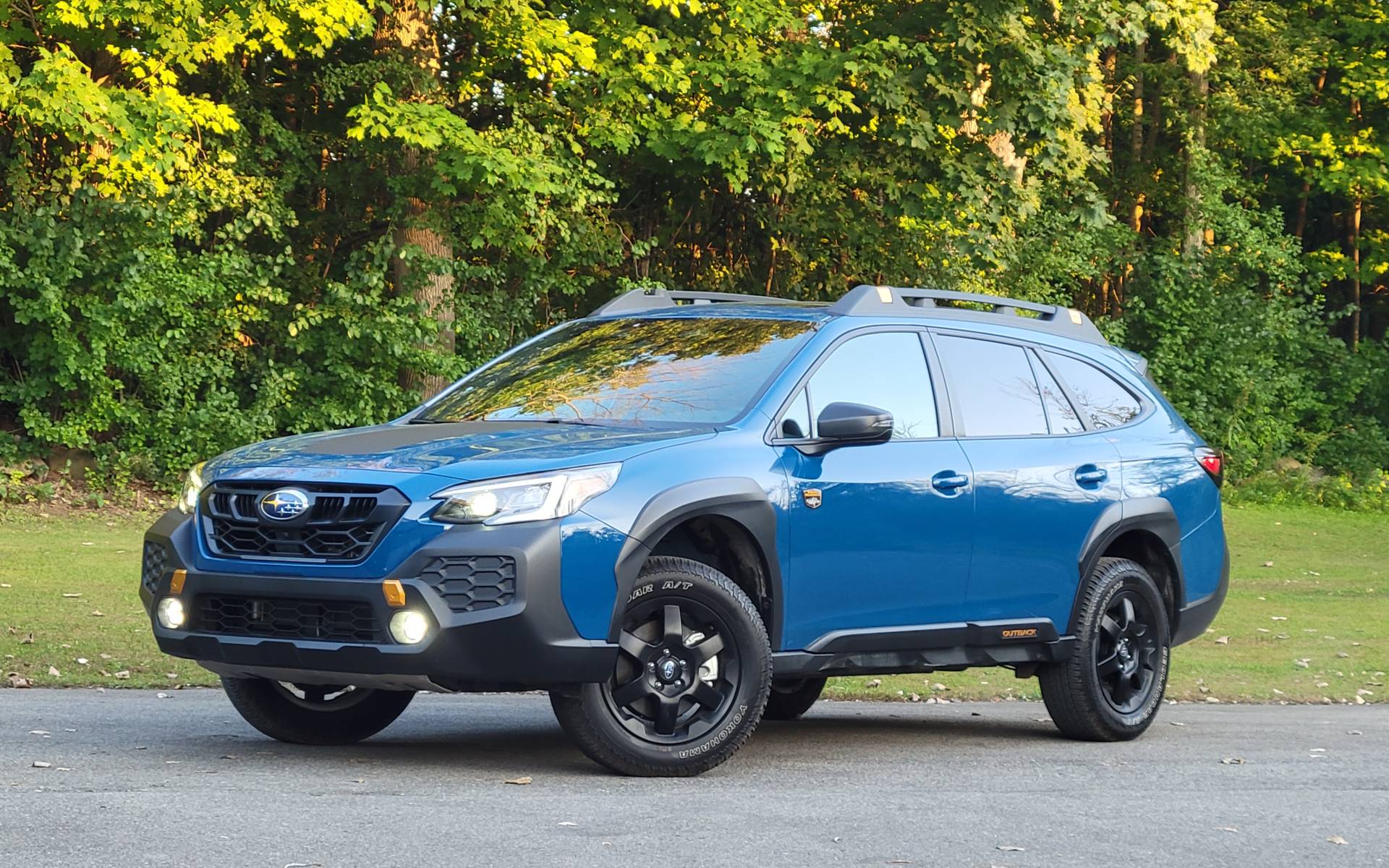
Since its debut in the mid-1990s, the Subaru Outback has carved out a reputation as one of the most dependable vehicles on the road. Blending wagon practicality with SUV ruggedness, the Outback found its niche among drivers who valued capability, comfort, and durability.
Its standard all-wheel drive, solid ground clearance, and long-lasting boxer engine design made it a natural fit for families, outdoor enthusiasts, and commuters alike.
What truly set the Outback apart, however, was its consistent reliability across different model years, allowing it to develop a loyal following that spans decades.
The Outback has always been more than a simple crossover. It embodies the idea of a car that can handle everyday driving with ease while still being ready for rough weather or adventurous weekends.
Over time, Subaru refined the Outback with new safety technologies, upgraded engines, and more comfortable interiors, but one element remained constant: trustworthiness.
Owners often speak about their Outbacks passing 200,000 miles with regular maintenance, and many examples have gone even further without major issues.
Collectors and buyers in the used car market frequently look for specific Outback model years that combine rugged design with mechanical dependability.
These standout years represent high points in the Outback’s production run, offering a mix of long-term durability, reliability ratings, and proven performance in real-world conditions.
This article highlights twelve such years that continue to earn praise from drivers and mechanics alike. By reviewing them individually, we can better understand why the Subaru Outback has remained a household name for those who value vehicles built to last.
Also Read: 12 Cars That Offer Luxury for Pennies After 10 Years
1. 1997 Subaru Outback
The 1997 Subaru Outback is remembered as the year the model truly stepped out of the shadow of the Legacy and established itself as a rugged, reliable option in its own right.
With increased ground clearance, body cladding, and standard all-wheel drive, the 1997 Outback proved itself as a capable vehicle for all types of conditions.
Subaru marketed it as a practical choice for drivers who needed more than just a family wagon but did not want the bulk of a full-size SUV.
From a reliability standpoint, the 1997 Outback was built on Subaru’s reputation for durable engines and robust drivetrains. The 2.5-liter boxer engine offered enough power for daily driving while remaining efficient.
Owners often praised its ability to rack up high mileage with only routine maintenance such as timing belt changes and regular oil servicing.
The suspension system, designed to handle rougher terrain, also contributed to its reputation as a car that could withstand demanding use.
Collectors and used buyers see the 1997 Outback as a turning point. It was one of the earliest models to define what people expect from the Outback today: a dependable, versatile vehicle that balances comfort and rugged ability.
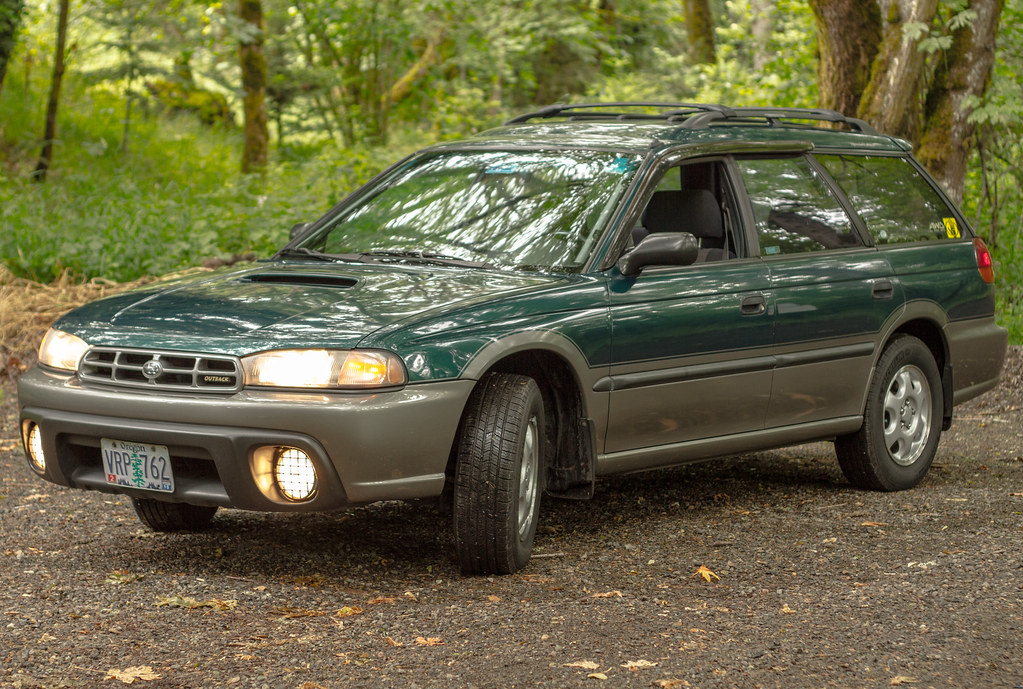
With its simple mechanics, long-lasting drivetrain, and affordable maintenance, the 1997 Outback has proven its staying power. Many examples still on the road today highlight the strength of Subaru’s engineering during this period, cementing its status as one of the most reliable choices of its time.
2. 2000 Subaru Outback
The 2000 Subaru Outback marked the beginning of the second generation and brought improvements that reinforced its dependability.
Built on a new platform, the 2000 model offered increased interior space, better ride quality, and updated styling, making it more attractive to families while maintaining the ruggedness that defined the Outback.
Under the hood, the 2.5-liter boxer engine remained the heart of the vehicle, known for its balance and smooth operation.
While some earlier models faced head gasket concerns, owners who performed proper maintenance often enjoyed well over 200,000 miles without major issues.
The all-wheel-drive system continued to be one of Subaru’s most celebrated features, providing excellent traction in rain, snow, and rough road conditions.
Reliability extended beyond the drivetrain. The 2000 Outback had a strong reputation for durability in its suspension, braking, and transmission systems. Owners frequently reported that the car’s build quality gave them confidence even on long trips.
The practicality of a wagon body with SUV-like toughness meant that it remained a favorite among outdoor enthusiasts and families alike.
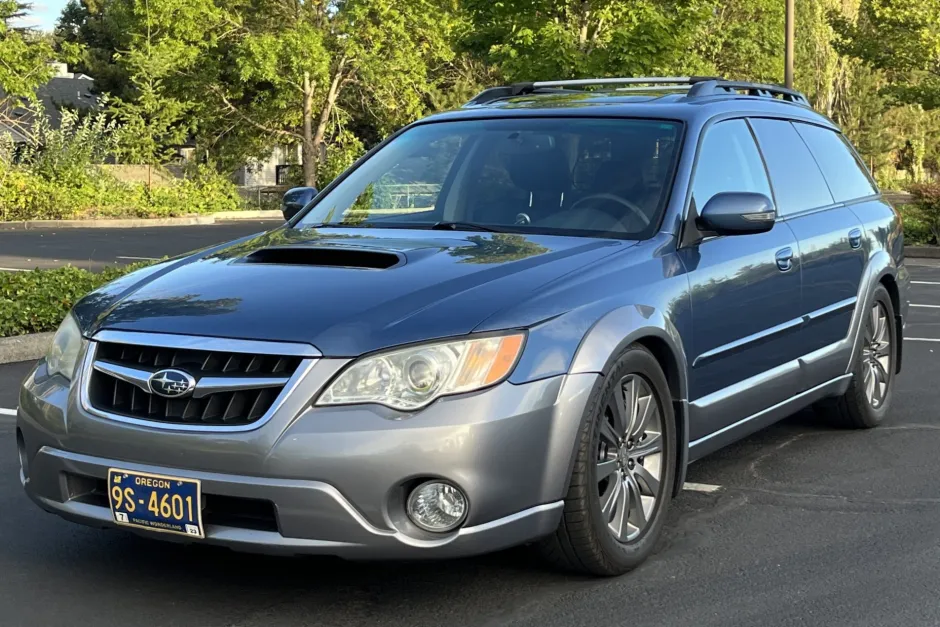
Today, the 2000 Outback stands out in the used market as a dependable and affordable choice. With proper care, these vehicles continue to deliver strong performance decades after their release.
For collectors of reliable wagons or drivers who want a proven model, the 2000 Subaru Outback represents a year that perfectly balanced utility, comfort, and long-term durability.
3. 2005 Subaru Outback
The 2005 Subaru Outback represented another leap forward, moving into its third generation with noticeable improvements in refinement and technology.
Built on a sturdier chassis and featuring updated styling, the 2005 Outback offered buyers a more modern design while holding firm to its reputation for dependability.
A key highlight was the expanded engine lineup. The standard 2.5-liter boxer engine remained dependable, but buyers could also opt for a 3.0-liter six-cylinder for more power. Both engines had reputations for long life when serviced regularly.
Subaru also improved the suspension system, giving the car better ride quality without sacrificing the rugged character drivers valued.
Reliability was enhanced by the addition of advanced safety features, including standard side curtain airbags and stability control on higher trims.
These updates not only made the Outback safer but also added to its reputation as a trustworthy family vehicle. Owners often praised the 2005 model for its ability to handle tough road conditions while remaining comfortable on daily commutes.
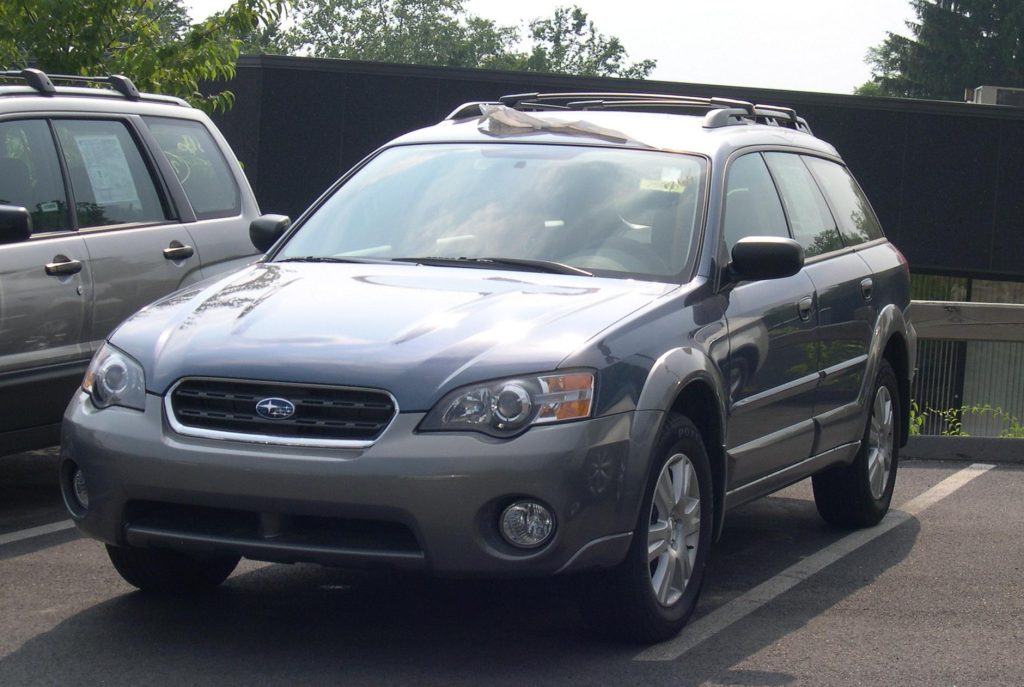
Even today, many 2005 Outbacks remain on the road with high mileage, proving their lasting strength. Maintenance-friendly engines, durable transmissions, and Subaru’s signature all-wheel drive make this model a standout year for reliability.
For those seeking a used Outback that blends modern features with proven dependability, the 2005 version continues to be an excellent choice that reflects Subaru’s commitment to building long-lasting vehicles.
4. 2009 Subaru Outback
The 2009 Subaru Outback closed out the third generation and is often praised as one of the most well-rounded years for this model. It retained the tried-and-true formula of practical wagon versatility, rugged off-road readiness, and strong reliability, while adding refinements that kept it competitive in its segment.
The 2009 Outback came with multiple engine choices, including the reliable 2.5-liter four-cylinder and the stronger 3.0-liter six-cylinder. Both were known for handling high mileage when properly maintained.
Subaru’s symmetrical all-wheel drive continued to be a highlight, ensuring dependable traction in all weather conditions. Many owners valued this capability, especially in snow-prone regions.
Reliability was a major selling point. Owners often reported their 2009 Outbacks surpassing 200,000 miles without significant mechanical issues.
The transmission options, including both manual and automatic, were durable and well-matched to the engines. Routine care such as fluid changes and belt replacements was usually enough to keep the vehicle running smoothly for years.
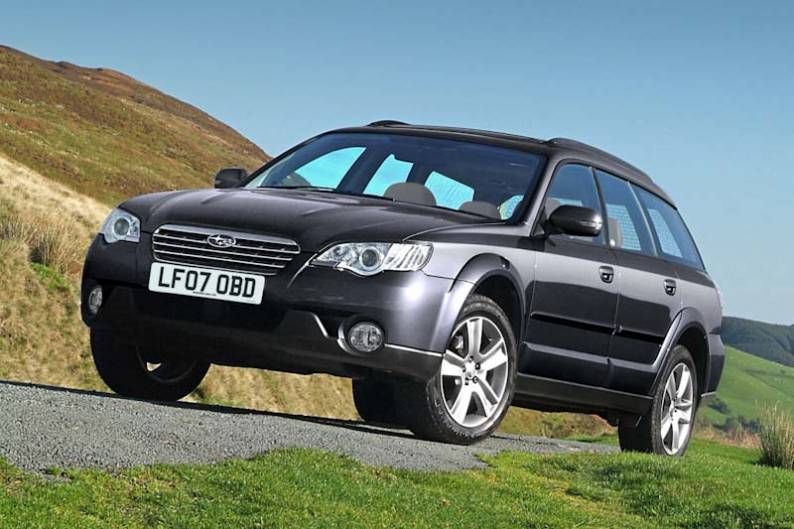
Comfort also improved in the 2009 Outback, with a more refined interior, additional safety features, and better insulation from road noise. This combination of comfort and rugged ability made it a strong competitor in the crossover market.
Today, the 2009 Outback remains popular among used buyers who seek proven reliability, practical space, and confident all-weather performance. It is considered one of the best examples of Subaru’s balance between dependability and usability.
5. 2010 Subaru Outback
The 2010 Subaru Outback introduced the fourth generation and brought a noticeable redesign that shifted the model toward crossover proportions.
With a taller stance, more interior space, and modern styling, it became even more appealing to families while continuing its reputation for strength and reliability.
Engine options included the well-established 2.5-liter four-cylinder and the 3.6-liter six-cylinder, both known for longevity. Subaru also introduced a new continuously variable transmission (CVT) on certain trims, which provided better fuel efficiency.
While some drivers preferred the older automatic, many found the CVT reliable with proper care and fluid changes. The all-wheel-drive system remained a cornerstone of its dependability, ensuring consistent traction across all driving conditions.
Owners frequently praised the 2010 Outback for lasting well beyond 150,000 miles with regular upkeep. The spacious cabin, improved ride quality, and added safety features enhanced its value as a long-term family vehicle.
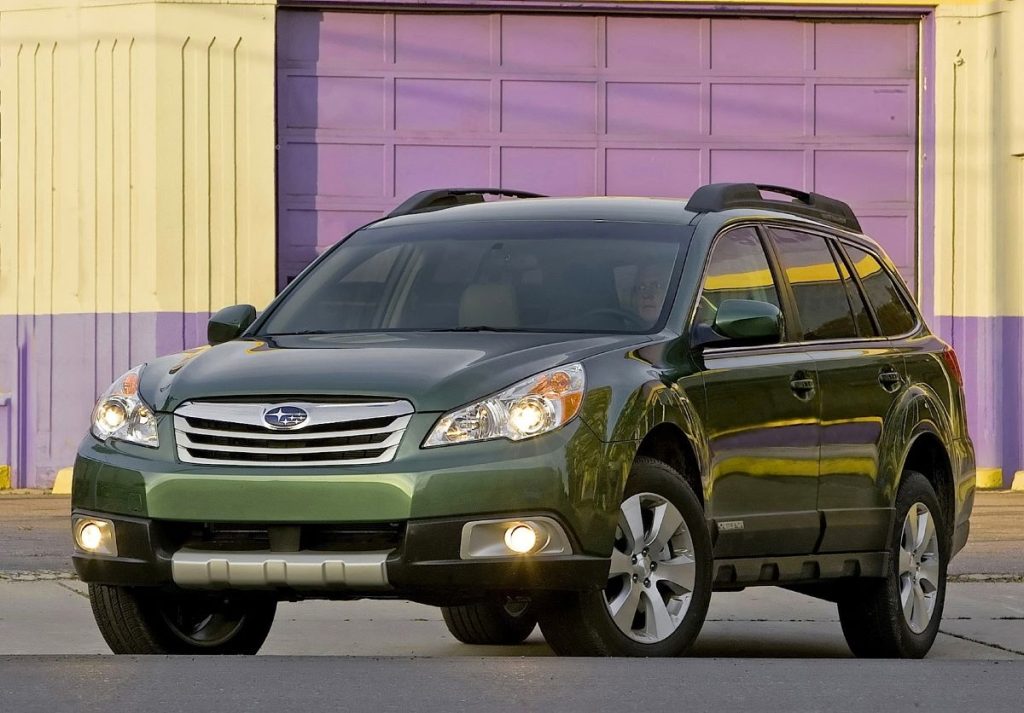
It also offered increased towing capacity and ground clearance, making it versatile for both everyday driving and adventurous weekends.
In today’s used market, the 2010 Outback is seen as a dependable option that bridges older Subaru toughness with newer comfort and technology. Many buyers appreciate its blend of rugged reliability and modern practicality.
As the first year of a new generation, it set a strong standard and continues to prove its worth as one of the most durable choices in Subaru’s lineup.
6. 2012 Subaru Outback
By 2012, the Subaru Outback had refined the fourth-generation design with incremental updates that improved reliability and comfort.
This model year is often highlighted by owners as one of the most dependable choices from the decade, striking an excellent balance between rugged performance and everyday usability.
The 2012 Outback featured the familiar 2.5-liter four-cylinder and 3.6-liter six-cylinder engines. Both engines were praised for their longevity, with many owners reporting mileages well above 200,000 when routine maintenance was performed.
The CVT had matured by this time, showing greater durability compared to its earliest introduction. Subaru’s symmetrical all-wheel drive remained a hallmark of the vehicle, ensuring confident handling in all road conditions.
Reliability extended to the car’s suspension, braking system, and overall build quality. Drivers appreciated how the 2012 Outback managed to handle long highway drives as comfortably as rougher terrain. Safety was also a strong point, with standard stability control and available advanced features that reassured families.
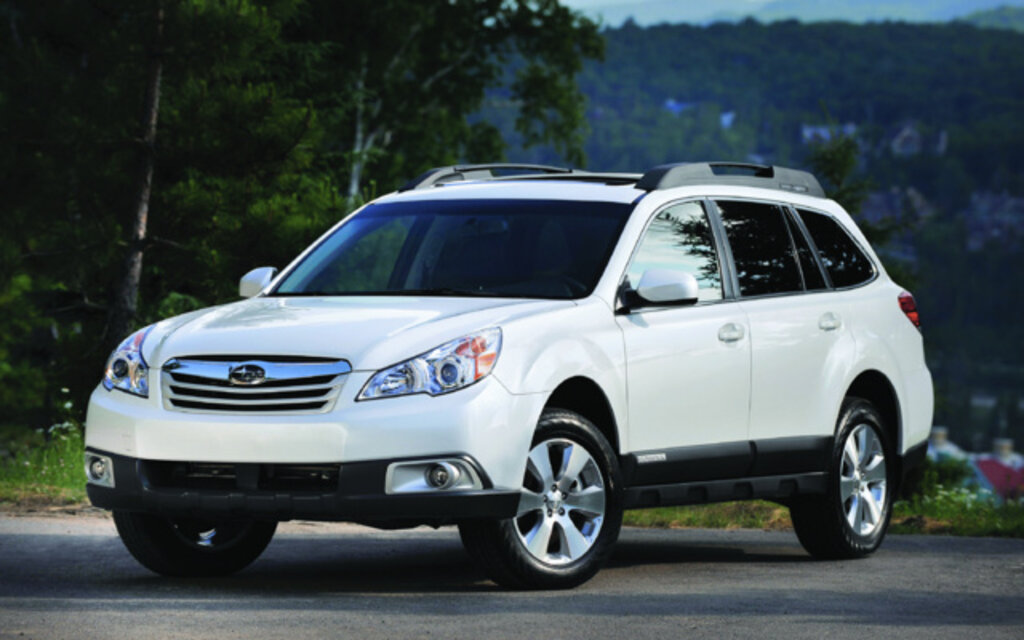
Used buyers today see the 2012 Outback as an affordable yet dependable option. Its reputation for reliability, combined with roomy interiors and practical features, makes it an attractive choice for anyone looking for a long-lasting vehicle.
Many of these models continue to serve as daily drivers, proof of Subaru’s consistent engineering. The 2012 Outback’s combination of mechanical dependability and family-friendly design secures its place as one of the most reliable model years in the lineup.
7. 2013 Subaru Outback
The 2013 Subaru Outback continued the fourth-generation formula but added refinements that further strengthened its reputation for dependability.
Subaru made improvements to the suspension and steering, resulting in a smoother, more stable ride that appealed to families and commuters alike. These updates, while subtle, helped cement the Outback’s image as a vehicle built to last.
Under the hood, the familiar 2.5-liter four-cylinder engine received enhancements for better efficiency and smoother operation. Paired with the reliable CVT or manual transmission, the engine proved capable of high mileage when maintained properly.
The available 3.6-liter six-cylinder offered more power without compromising longevity. Subaru’s all-wheel-drive system remained one of the most trusted in the industry, continuing to deliver dependable performance across all road and weather conditions.
Owners often highlight the 2013 Outback for its balance of comfort and durability. With improved safety features and a more refined cabin, it provided a reliable daily driving experience while still being rugged enough for outdoor adventures.
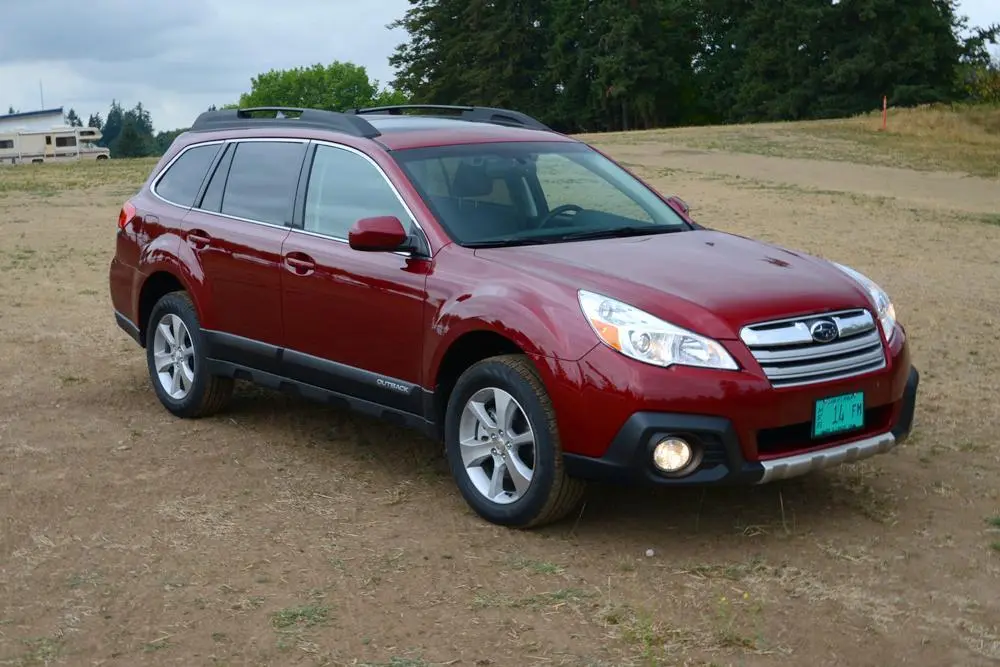
Many examples from this year are still on the road with high mileage, a testament to Subaru’s engineering consistency.
In the used market, the 2013 model is frequently recommended for buyers seeking a long-term vehicle.
Its solid track record, combined with practical space and safety, makes it one of the standout years. For drivers who want a dependable wagon-style crossover that maintains Subaru’s tradition of reliability, the 2013 Outback is a proven option.
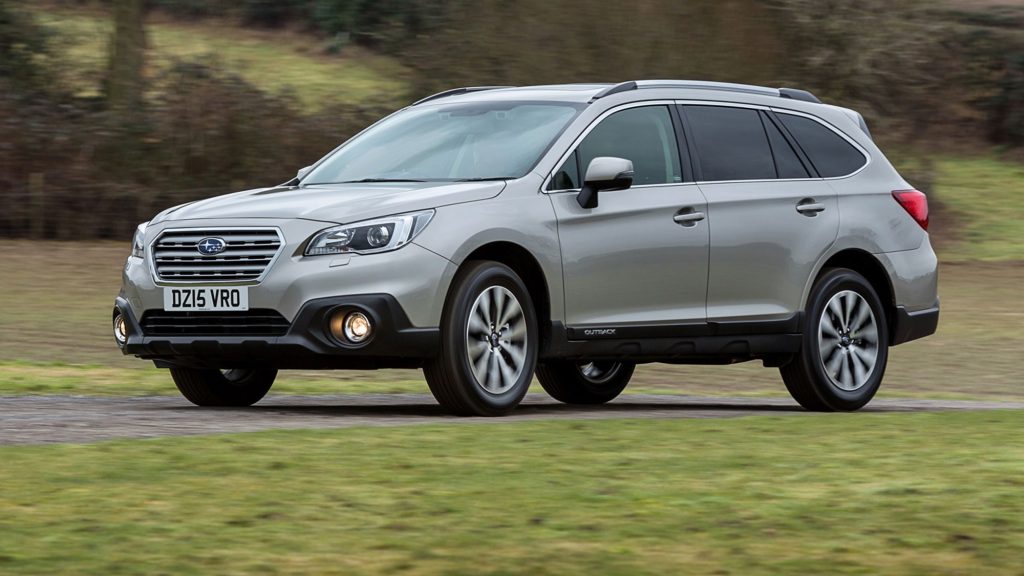
8. 2015 Subaru Outback
The 2015 Subaru Outback marked the beginning of the fifth generation and introduced major updates that carried forward Subaru’s focus on durability.
Redesigned with sleeker styling and improved aerodynamics, the 2015 Outback managed to look modern while staying true to its rugged roots. More importantly, it became known as one of the most dependable models of the decade.
The powertrain options included the 2.5-liter four-cylinder and the 3.6-liter six-cylinder, both of which were proven to handle long mileage with proper servicing.
Subaru refined the CVT for smoother performance and improved fuel efficiency, helping the Outback remain competitive in its class. The all-wheel-drive system, a staple of Subaru reliability, ensured consistent handling in all conditions.
Owners consistently praised the 2015 Outback for reliability, often reporting trouble-free ownership experiences and vehicles surpassing 150,000 miles with ease.
Safety technology advanced significantly this year with the introduction of Subaru’s EyeSight driver assistance system on select trims, adding another layer of dependability for families.
Practical features such as increased cargo space, comfortable seating, and better ride quality made the 2015 model not only reliable but also versatile for a wide range of drivers.
For those shopping in the used market, the 2015 Outback remains highly desirable, combining modern amenities with Subaru’s trademark durability. It represents a turning point where reliability met modern technology without compromising the qualities that built the Outback’s reputation.
9. 2017 Subaru Outback
The 2017 Subaru Outback carried the strengths of the fifth generation forward, earning a reputation as one of the most dependable midsize crossovers of its time.
With refinements in technology, interior quality, and mechanical durability, it struck a balance that appealed to both families and adventure seekers.
The standard 2.5-liter four-cylinder engine remained a cornerstone of dependability, while the optional 3.6-liter six-cylinder provided extra strength for towing and highway driving. Both engines proved to be long-lasting with proper maintenance.
Subaru continued to refine the CVT, and by 2017 it had gained a reputation for smoother, more reliable performance compared to earlier versions.
Owners frequently praised the 2017 Outback for handling a variety of conditions with ease. From snowy roads to long highway trips, the symmetrical all-wheel-drive system ensured consistent dependability.
The model also earned strong safety ratings, with EyeSight driver assistance widely available, giving families extra reassurance.
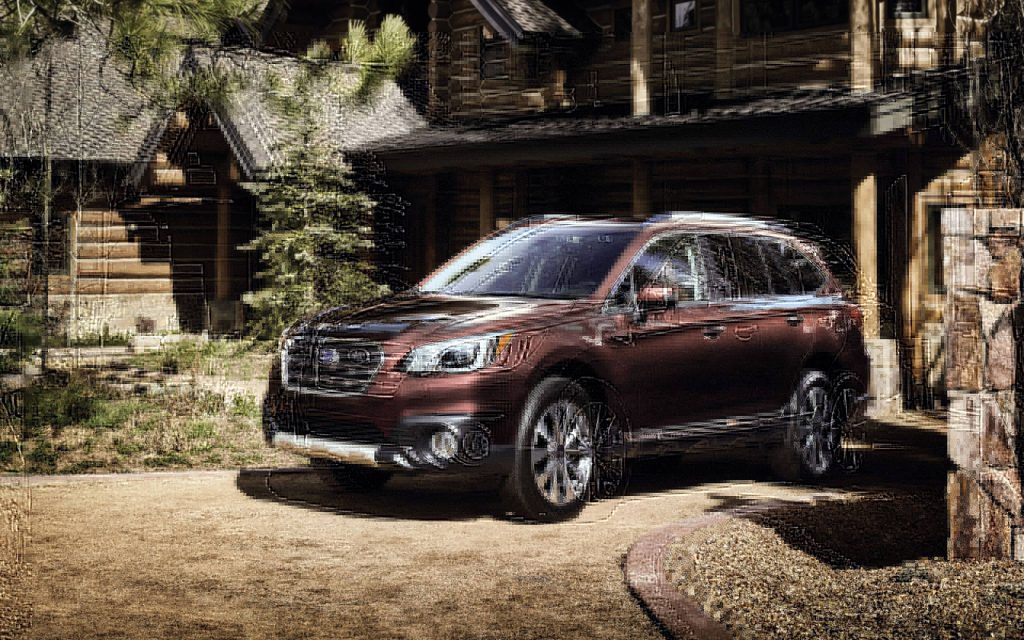
What stands out most about the 2017 Outback is how it combined durability with comfort. The cabin featured quality materials, roomy seating, and advanced infotainment, all while maintaining Subaru’s focus on rugged reliability.
In today’s used market, the 2017 Outback is viewed as a trustworthy long-term choice. Many examples continue to provide reliable service with high mileage, making this model year a proven option for those who want a dependable crossover that can handle both daily routines and adventurous weekends.
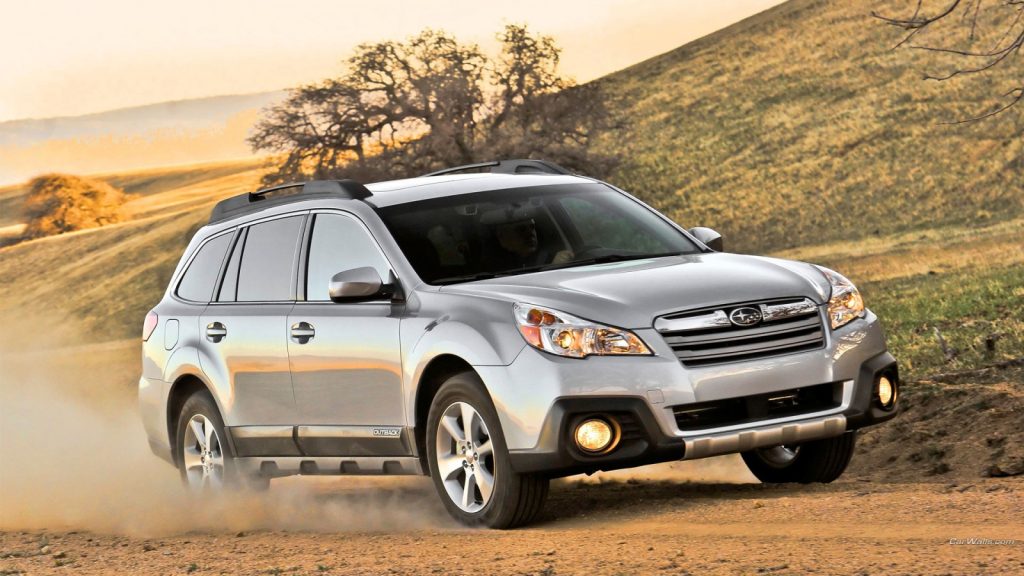
10. 2019 Subaru Outback
The 2019 Subaru Outback is often seen as the peak of the fifth generation, combining years of refinement with proven dependability.
By this point, Subaru had worked out many of the small issues from earlier years, resulting in one of the most reliable and well-rounded Outbacks to date.
Engine choices remained the dependable 2.5-liter four-cylinder and the 3.6-liter six-cylinder. Both engines had reputations for long life, especially with regular maintenance.
The CVT was now a proven part of the drivetrain, delivering efficiency and durability in equal measure. Subaru’s symmetrical all-wheel drive continued to be a standout feature, giving owners confidence in challenging conditions.
The 2019 Outback was also well-equipped with safety features, including EyeSight as standard on most trims. Reliability extended to its electrical systems, suspension, and interior components, which held up well under daily use.
Owners often reported few problems even after many miles, highlighting Subaru’s commitment to consistent engineering.
Today, the 2019 Outback is one of the most sought-after used models due to its balance of modern technology and reliability. Families appreciate its roomy cabin, generous cargo space, and strong safety reputation.
For drivers who want a crossover with proven long-term dependability, the 2019 Outback stands as one of the best examples in Subaru’s lineup, offering peace of mind for years to come.
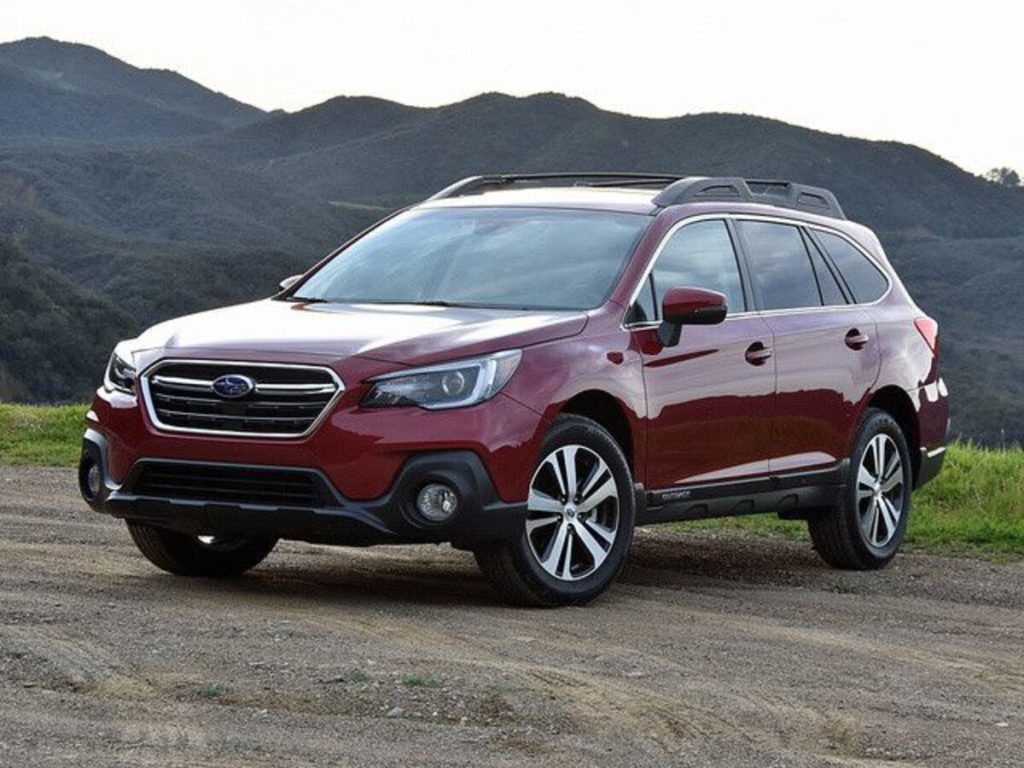
11. 2020 Subaru Outback
The 2020 Subaru Outback marked the introduction of the sixth generation, bringing a fresh design, updated platform, and advanced technology.
Despite the changes, it maintained the reliability that Subaru owners had come to expect, making it a standout year for dependability.
The 2020 Outback offered two engine choices: a revised 2.5-liter four-cylinder and a new turbocharged 2.4-liter option. Both engines proved to be strong and reliable, with the turbocharged model adding more power for those who needed it.
The CVT was further refined, contributing to smoother operation and consistent longevity. Subaru’s all-wheel-drive system continued to provide confidence across all driving conditions, ensuring that the Outback’s reliability reputation carried forward.
Owners often praised the 2020 Outback for its durability even as it introduced new technology. Subaru equipped it with an upgraded infotainment system, advanced safety features, and a more comfortable interior, all of which held up well under daily use.
Reports from long-term owners show that the 2020 Outback continues to handle high mileage without significant concerns.
As a relatively recent model, the 2020 Outback remains popular in the used market. It offers buyers a chance to enjoy modern features without sacrificing Subaru’s hallmark dependability.
For anyone seeking a reliable crossover with advanced technology and proven mechanical strength, the 2020 Outback is a strong contender that upholds the brand’s reputation.
12. 2021 Subaru Outback
The 2021 Subaru Outback built on the strengths of the sixth generation, offering updated technology and comfort while staying true to Subaru’s tradition of dependability.
With more refinement and continued emphasis on reliability, this year quickly became a favorite among drivers who wanted modern features alongside proven durability.
Two engines were available: the 2.5-liter four-cylinder and the 2.4-liter turbocharged four-cylinder. Both were engineered for long-term reliability, with Subaru’s signature boxer layout contributing to balance and efficiency.
The CVT paired with these engines provided smoother operation and strong durability. Subaru’s symmetrical all-wheel-drive system remained a key factor in the Outback’s reputation, ensuring consistent performance across varying terrains and conditions.
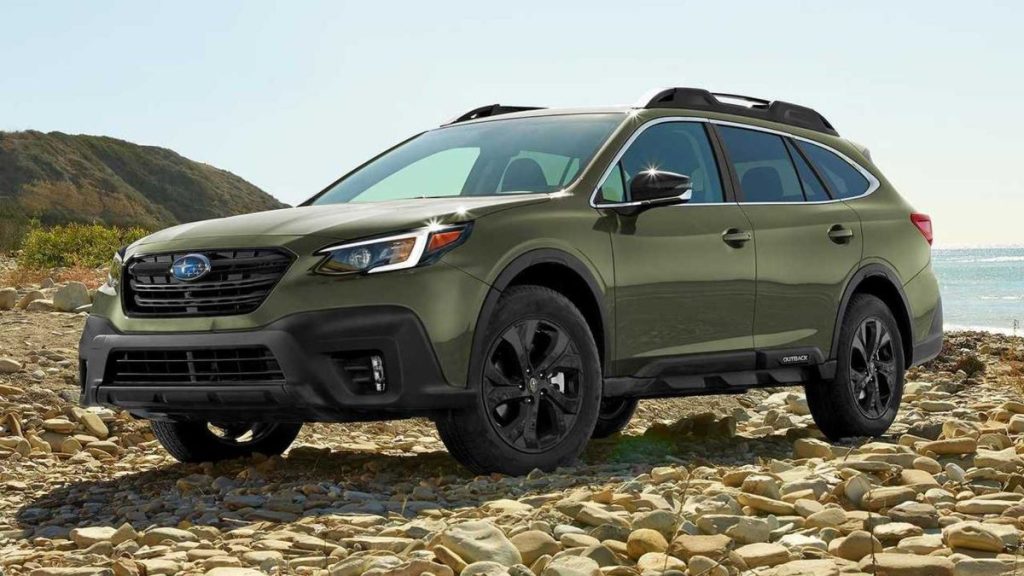
Reliability extended beyond the powertrain. Owners praised the 2021 Outback’s suspension, braking system, and interior build quality for holding up well under regular use. The vehicle also featured advanced safety technologies as standard, adding to its practicality as a dependable family vehicle.
In today’s market, the 2021 Outback is seen as one of the most reliable modern options for buyers who want a crossover that blends advanced features with mechanical strength.
Many examples continue to perform flawlessly with significant mileage already accumulated. Its combination of modern design, comfort, and Subaru’s commitment to durability secures the 2021 Outback’s place as a year that proves the model’s enduring reliability.
Also Read: 12 Jeep Cherokee Years That Are Still Going Off-Road Today
