
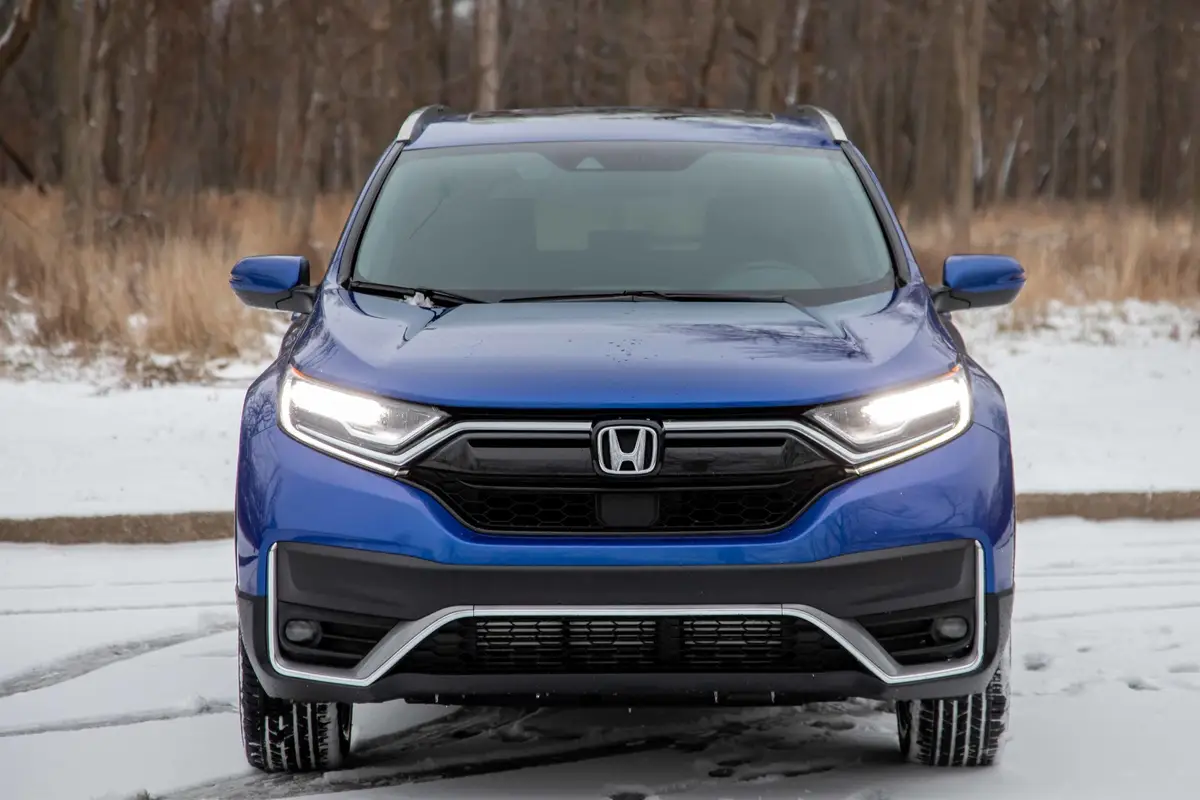
Reliable vehicles are the backbone of daily life, providing safe and consistent transportation with minimal interruptions.
While many cars require frequent maintenance or repairs, some models have earned a reputation among mechanics for exceptional durability. These vehicles rarely appear in repair shops, and when they do, the issues are usually minor.
The cars that mechanics seldom see are often the result of careful engineering, quality materials, and design focused on longevity. Their engines, transmissions, suspension systems, and electronics are built to withstand years of regular use without major failures.
These cars tend to avoid common problems that plague other vehicles, such as oil leaks, transmission malfunctions, and electrical failures. They also resist rust, corrosion, and wear on critical components, ensuring long-term reliability.
Owners of these vehicles often report years of trouble-free operation, which not only saves money but also reduces the stress and inconvenience of frequent trips to the repair shop.
Regular maintenance such as oil changes, tire rotations, and fluid checks may still be necessary, but these cars tend to go far beyond the average in terms of lifespan and dependability.
The following list highlights nine cars that mechanics rarely see in the shop. From compact sedans to luxury vehicles, each model combines engineering excellence, robust components, and consistent performance.
By examining their features, build quality, and reputation among professionals, it becomes clear why these cars are trusted by drivers who value reliability.
These vehicles are proof that careful design and quality craftsmanship can produce cars that not only last for years but also require very little intervention to keep them running smoothly.
Also Read: 9 Ford F-150 Years That Outlast Rivals Retaining Performance
1. Toyota Corolla
The Toyota Corolla has earned a legendary reputation for reliability, making it one of the most dependable compact cars available. Mechanics often report that it is rare to see a Corolla in their shops, as its components are engineered to last well beyond typical lifespans.
The Corolla’s longevity begins with its engine. The inline-four engines used across multiple generations are known for their ability to operate efficiently for hundreds of thousands of miles.
With proper maintenance, such as regular oil changes and filter replacements, these engines rarely encounter major mechanical issues. Transmission systems, both manual and automatic, are similarly robust, offering smooth performance over long periods.
The Corolla also benefits from durable suspension and braking systems. Its struts, shocks, and control arms are designed to endure daily driving as well as long-distance commuting.
Brake components are resilient and, when properly maintained, tend to last longer than many other vehicles in the compact class. Additionally, the car’s electrical systems are simple and reliable, reducing the likelihood of failure.
Another factor contributing to the Corolla’s low repair rate is its body and frame quality. Rust-resistant materials and effective corrosion protection ensure that the car can withstand years of exposure to various weather conditions without significant degradation. Interiors are built with durable materials, maintaining both comfort and functionality over time.
Mechanics often note that owners of Corollas rarely experience emergency repairs, with most visits being routine maintenance.
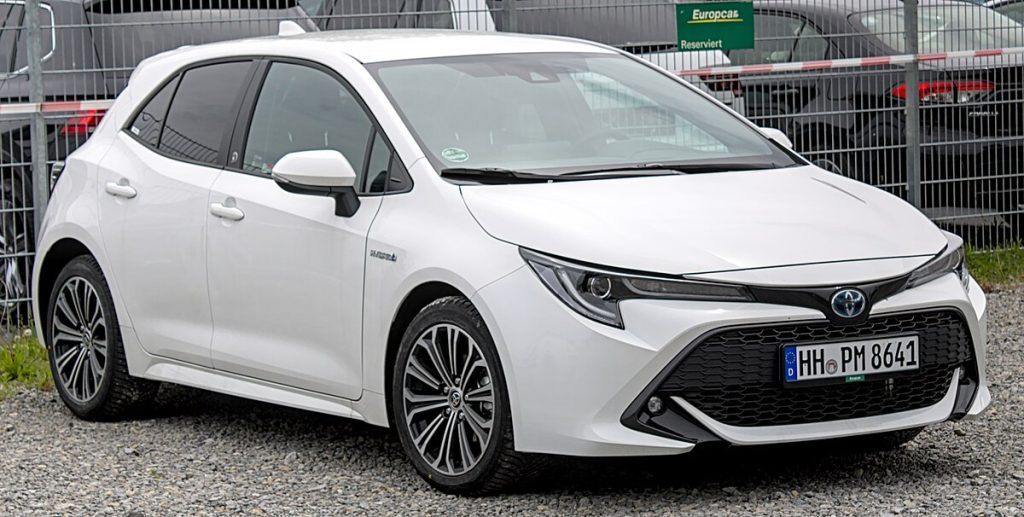
This combination of durable engineering, simple systems, and corrosion resistance has made the Corolla a vehicle that drivers can trust for long-term use. Its reputation for reliability extends across generations and continents, demonstrating that a compact car can be both affordable and enduring.
For drivers seeking a dependable, low-maintenance car, the Toyota Corolla remains a top choice. Its consistent performance, minimal repair requirements, and proven track record make it one of the rare vehicles mechanics seldom see in their shops.
2. Honda Accord
The Honda Accord is widely regarded as one of the most reliable mid-size sedans on the market. Mechanics frequently mention that Accords are rarely brought in for major repairs, a testament to their engineering and build quality.
A key reason for the Accord’s durability is its engine design. Whether equipped with four-cylinder or V6 engines, these powertrains are known for long-term dependability.
High-mileage Accords often run without issues that commonly affect other vehicles, including transmission failures or engine overheating. Routine maintenance, such as oil and filter changes, ensures that the engines continue to perform efficiently for many years.
The Accord’s suspension and braking systems also contribute to its reputation. Its struts and shocks handle both urban and highway driving with minimal wear, while brakes are resistant to frequent use and offer consistent stopping power.
Additionally, the Accord’s electrical systems are straightforward and less prone to failure compared to modern vehicles with complex electronics.
Corrosion resistance and body durability further enhance the car’s longevity. With proper care, Accords rarely develop rust or structural problems, even in regions with harsh winters or high humidity. Interiors are made from high-quality materials that resist wear, maintaining comfort and usability over time.
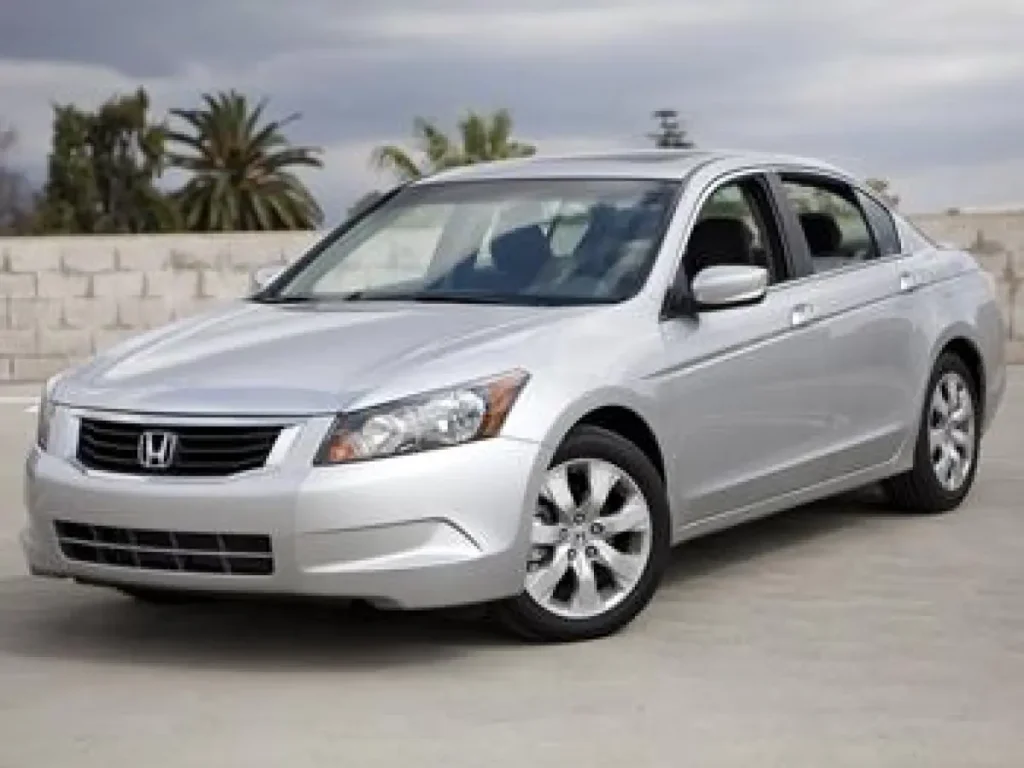
Mechanics note that most issues brought in are minor, such as routine maintenance or tire replacement. Emergency or costly repairs are uncommon, which is why the Accord enjoys a strong reputation among both owners and automotive professionals.
For drivers who value reliability, low maintenance costs, and a long-lasting vehicle, the Honda Accord continues to be a dependable option. Its combination of durable components, resilient engineering, and thoughtful design makes it a car that mechanics seldom see in the shop.
3. Lexus RX
The Lexus RX is a luxury SUV that stands out for its exceptional reliability. Despite its premium features and advanced technology, mechanics rarely see this model for major repairs, highlighting the quality of its engineering and assembly.
At the heart of the RX’s dependability is its engine. The V6 powertrains used in most models are designed to operate smoothly under various driving conditions, from city commuting to long highway trips.
These engines maintain performance over hundreds of thousands of miles with routine maintenance such as oil changes, fluid inspections, and filter replacements. The transmissions paired with these engines are equally robust, providing seamless gear shifts without frequent service needs.
Suspension and braking systems on the RX are engineered for durability. Multi-link rear suspensions and independent front systems absorb road imperfections effectively, reducing wear on components. Brakes are long-lasting and resistant to fading, even under repeated use, contributing to the SUV’s overall reliability.
Corrosion protection and body integrity are another reason the RX rarely appears in repair shops. Rust-resistant materials, quality paint coatings, and precise assembly minimize the risk of structural issues. Interiors are constructed from durable materials that resist wear, maintaining both comfort and aesthetics over time.

Mechanics note that most RX visits involve scheduled maintenance rather than unexpected repairs. Electronic systems, including infotainment and safety features, are reliable and designed to avoid common issues seen in other luxury SUVs.
For drivers seeking a luxury SUV that combines comfort, performance, and long-term reliability, the Lexus RX remains a top choice.
Its engineering excellence, durable components, and strong track record make it one of the rare vehicles that mechanics seldom encounter for major repairs.
4. Toyota Camry
The Toyota Camry has long been a benchmark for reliability in the mid-size sedan category. Mechanics often report that Camrys are rarely brought in for major repairs, which speaks to their consistent engineering and durable design.
The Camry’s reliability begins with its engine. Both four-cylinder and V6 engines have a track record of long-term performance, handling years of commuting, highway driving, and occasional long trips without significant issues.
These engines are designed to operate efficiently over extended periods, and routine maintenance such as oil and filter changes, spark plug replacement, and transmission fluid checks keeps them running smoothly.
Transmission systems, whether automatic or manual, are similarly robust, with minimal reports of failure compared to other vehicles in the same class.
Suspension and braking systems on the Camry contribute to its longevity. Struts, shocks, and control arms are engineered to endure a variety of driving conditions without premature wear.
Brakes are durable and offer consistent stopping power, reducing the frequency of replacements. Additionally, the Camry’s electrical components are straightforward, minimizing the likelihood of malfunctions that commonly affect more complex modern vehicles.
The body and frame of the Camry are also engineered for durability. Corrosion-resistant materials and protective coatings ensure that the vehicle maintains structural integrity even in areas with harsh weather, including rain and snow.
Interior materials are built to withstand daily wear, providing comfort and functionality over many years.
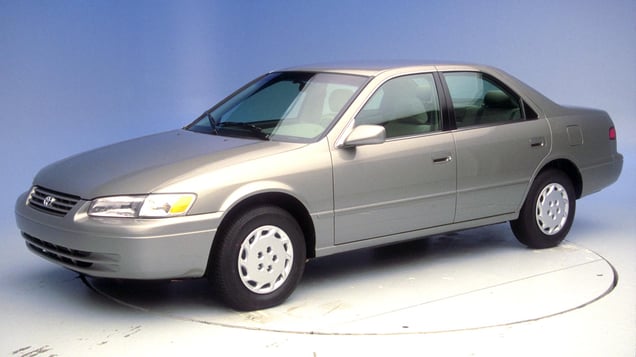
Mechanics note that most Camry service visits are for routine maintenance, and emergency repairs are uncommon. This reputation extends across multiple generations of the vehicle, making it one of the few sedans that consistently demonstrates low maintenance demands.
For drivers seeking a dependable vehicle that requires minimal attention in the shop, the Toyota Camry remains a top choice.
Its combination of resilient engineering, reliable components, and durable design ensures that it can handle daily use for years while rarely needing significant repairs.
5. Honda Civic
The Honda Civic is another compact car that has earned a reputation for long-term reliability. Mechanics often report that Civics are rarely seen in their shops for major repairs, highlighting the vehicle’s exceptional engineering and build quality.
At the core of the Civic’s reliability is its engine. The inline-four engines used in most models are known for longevity and consistent performance.
With proper maintenance, such as oil changes, filter replacements, and periodic inspections, these engines can operate efficiently for hundreds of thousands of miles. Transmission systems, both manual and automatic, are durable and rarely fail, making the Civic a practical choice for daily drivers.
Suspension and braking systems are built to handle a variety of driving conditions. Struts, shocks, and control arms are engineered to endure long-term use, while brakes maintain stopping power even with frequent use.
The vehicle’s electrical systems are straightforward and reliable, minimizing potential issues often seen in modern, feature-heavy cars.
The body and interior also contribute to the Civic’s longevity. Corrosion-resistant materials and coatings protect against rust, while interior components are designed to withstand daily wear and tear.
The vehicle’s compact size and lightweight design reduce stress on the chassis, suspension, and other critical components, further enhancing durability.
Mechanics frequently note that most Civic visits are routine maintenance, such as oil changes or tire rotation, rather than major repairs. This consistent track record has made the Civic a top choice for those who prioritize reliability and low maintenance costs.
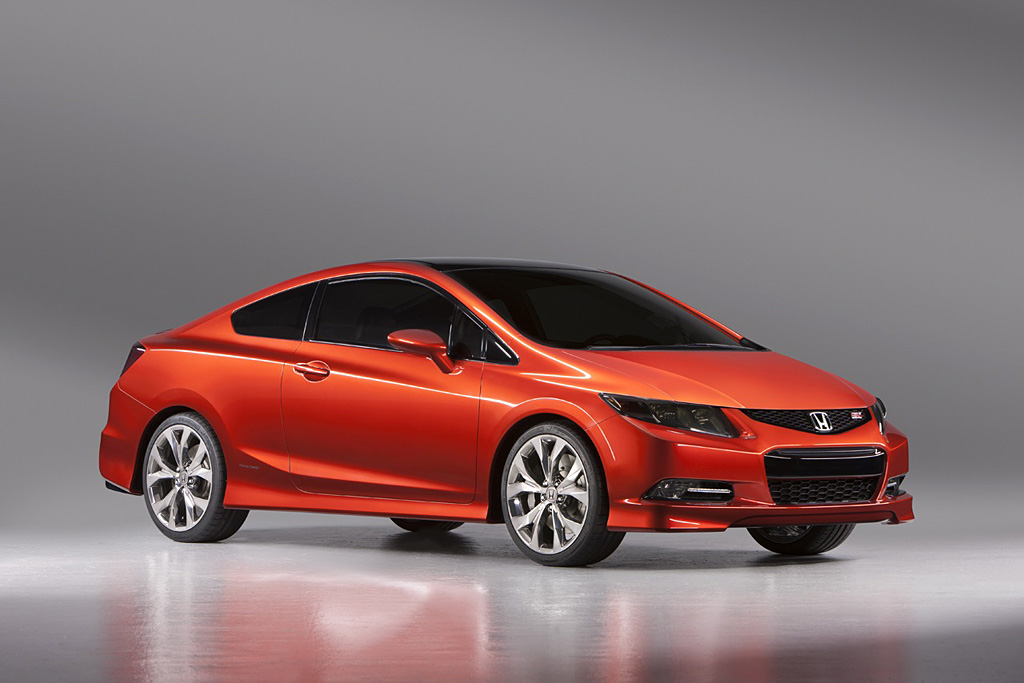
For drivers seeking a compact, dependable, and low-maintenance vehicle, the Honda Civic remains a standout option. Its engineering, durability, and strong reputation make it one of the rare cars that mechanics seldom see in the shop.
6. Subaru Outback
The Subaru Outback is a reliable crossover known for its durability and long-term performance. Mechanics often report that Outbacks rarely arrive in their shops for major repairs, making them a favorite for drivers who value dependability.
The Outback’s engine options, typically the 2.5L flat-four or turbocharged variants, are designed for longevity. These engines perform well under a variety of conditions, from city driving to long road trips and off-road excursions.
Regular maintenance such as oil changes, filter replacements, and periodic inspections ensures the engine remains reliable over many years. The continuously variable transmission (CVT) or automatic options are also built for durability, handling stress efficiently when properly maintained.
All-wheel-drive systems are a defining feature of the Outback, providing traction in adverse conditions. These systems are engineered to endure repeated use, allowing the vehicle to maintain stability on snow, mud, and uneven terrain.
Suspension components, including struts, shocks, and control arms, are designed for long-term reliability, reducing the frequency of replacements.
The body and frame of the Outback feature corrosion-resistant materials and protective coatings, ensuring that the vehicle maintains integrity even in harsh climates.
Interior components are practical and durable, able to withstand daily wear and cleaning, making it suitable for families, commuters, and outdoor enthusiasts alike.
Mechanics note that most Outback visits involve routine maintenance rather than repairs due to mechanical failure.

The combination of resilient engineering, durable components, and attention to long-term reliability has earned the Outback a strong reputation among both drivers and automotive professionals.
For those seeking a reliable, long-lasting vehicle with all-weather capability, the Subaru Outback remains a dependable option. Its reputation for low repair needs and consistent performance makes it one of the vehicles mechanics seldom see in the shop.
7. Lexus ES
The Lexus ES is a luxury sedan that consistently earns high marks for reliability, making it one of the cars mechanics rarely see for major repairs.
Despite offering advanced features, its engineering and build quality minimize maintenance needs, allowing the vehicle to perform smoothly over many years.
At the heart of the ES’s durability is its engine. Most models feature a V6 or hybrid powertrain that operates efficiently under a wide range of conditions.
These engines are designed for long-term reliability, and routine maintenance such as oil changes, filter replacements, and periodic inspections keeps them performing at a high level. Transmission systems are equally robust, ensuring smooth gear shifts and minimal wear even after prolonged use.
The ES’s suspension and braking systems are designed to provide comfort without sacrificing durability. Struts, shocks, and control arms absorb road imperfections while maintaining stability.
Brake components are long-lasting and maintain stopping power with regular maintenance. Electrical systems, including infotainment and safety electronics, are designed to reduce the risk of failure, further contributing to the car’s reputation for reliability.
The body and frame of the ES are engineered for longevity. Corrosion-resistant materials, precise assembly, and protective coatings prevent rust and structural issues, even in harsh climates.
Interiors are constructed from high-quality materials that resist wear and maintain comfort over time, making the ES suitable for daily commuting or long-distance travel.
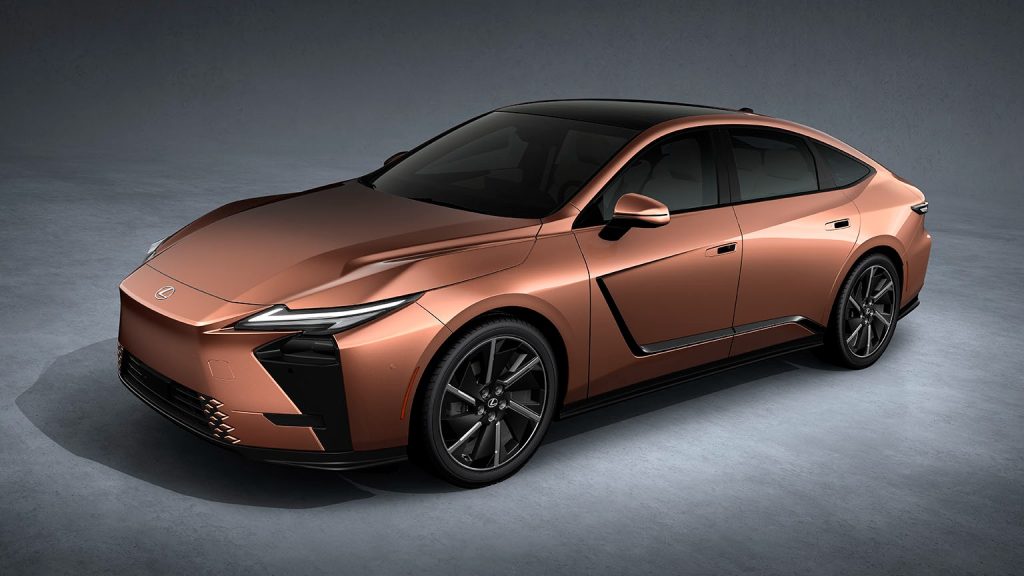
Mechanics report that most ES visits are for scheduled maintenance rather than emergency repairs. This combination of engineering excellence, durable components, and reliable electronics has made the ES a standout choice in the luxury sedan market.
For drivers seeking a dependable, low-maintenance luxury vehicle, the Lexus ES remains an excellent option. Its blend of comfort, performance, and long-term reliability makes it one of the rare cars that mechanics seldom encounter in repair shops.
8. Toyota Prius
The Toyota Prius is widely recognized for its reliability and low maintenance needs, particularly when it comes to hybrid technology. Mechanics often note that Priuses are rarely brought in for major repairs, highlighting the durability of both its hybrid system and conventional components.
At the center of the Prius’s reliability is its hybrid powertrain. The combination of a gasoline engine and electric motor is designed to operate efficiently for many years, with minimal issues.
Battery longevity has improved across generations, and routine maintenance such as checking coolant levels, oil changes, and inspections ensures the system continues to perform reliably. Transmissions and electronic systems are similarly durable, reducing the likelihood of failures often associated with hybrid vehicles.
Suspension and braking components are engineered for extended use. The regenerative braking system not only improves fuel efficiency but also reduces wear on conventional brake components.
Struts and shocks are durable, capable of handling daily commuting as well as long trips. The chassis and body construction provide corrosion resistance, protecting against rust in areas with wet or salty conditions.
Interior materials are practical and durable, able to withstand years of use without significant wear. Electronics, including the infotainment system and hybrid monitoring systems, are designed to be resilient and easy to maintain.
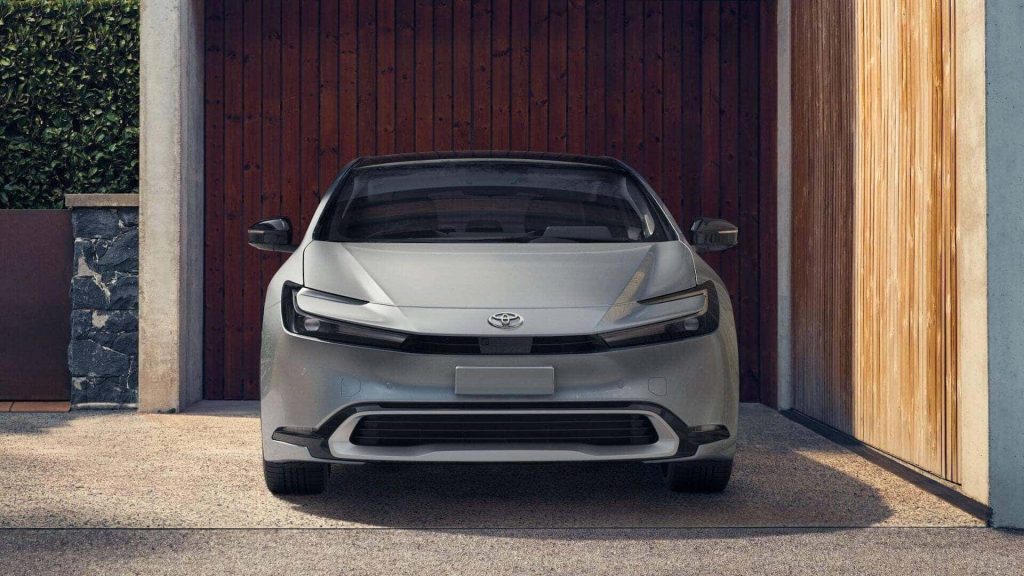
Mechanics report that most Prius visits involve routine service rather than unexpected failures, which reinforces the vehicle’s reputation for reliability.
For drivers seeking a fuel-efficient, low-maintenance, and long-lasting vehicle, the Toyota Prius is an exceptional choice. Its combination of hybrid technology, durable components, and consistent performance makes it one of the cars mechanics rarely see in repair shops.
9. Honda CR-V
The Honda CR-V is a compact SUV known for its durability and long-term reliability. Mechanics frequently note that CR-Vs are seldom brought in for major repairs, which is a testament to their solid engineering and practical design.
The CR-V’s reliability begins with its engines, typically a four-cylinder that balances performance with long-term durability.
With proper maintenance, such as oil changes, filter replacements, and periodic inspections, these engines continue to operate efficiently for many years. Transmission systems are robust and capable of handling both city and highway driving without common failures.
Suspension and braking components are designed for longevity. Struts, shocks, and control arms are engineered to withstand a variety of driving conditions, while brake systems maintain consistent stopping power even under repeated use.
The CR-V’s all-wheel-drive systems are similarly reliable, offering traction in snow, rain, or light off-road conditions.
The body and frame are constructed with corrosion-resistant materials, ensuring the vehicle remains structurally sound over time.
Interiors are built from durable materials, capable of handling daily wear, children, pets, and heavy use. Electronics are straightforward and reliable, reducing the likelihood of failure compared to other modern SUVs.
Mechanics report that most CR-V visits involve scheduled maintenance, such as oil changes or tire rotations, rather than emergency repairs.
The combination of resilient engineering, dependable components, and thoughtful design has made the CR-V one of the most trusted compact SUVs on the market.
For drivers seeking a reliable, long-lasting SUV, the Honda CR-V is a top choice. Its reputation for minimal repair needs, consistent performance, and overall durability makes it one of the rare vehicles that mechanics rarely see in their shops.
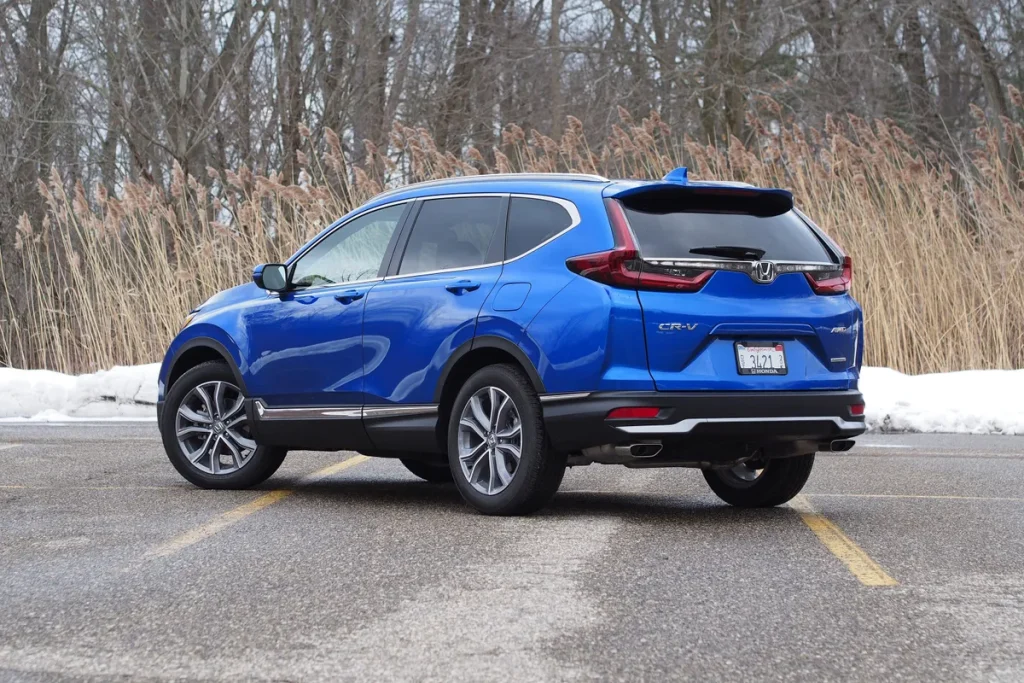
These nine cars have earned reputations for exceptional reliability, making them vehicles that mechanics rarely encounter for major repairs.
From compact sedans like the Toyota Corolla and Honda Civic to mid-size and luxury models such as the Toyota Camry, Honda Accord, and Lexus ES, each vehicle combines durable engineering, dependable powertrains, and corrosion-resistant construction.
SUVs like the Subaru Outback, Honda CR-V, and Lexus RX demonstrate that reliability extends beyond sedans, providing long-lasting performance in larger, more complex vehicles.
The Toyota Prius stands out for its hybrid system, proving that advanced technology can be dependable when engineered properly. Across all these models, routine maintenance remains important, but emergency repairs are uncommon.
Drivers benefit from low-cost upkeep, durable interiors, and robust suspension and braking systems.
Collectively, these vehicles exemplify longevity and consistent performance, offering peace of mind and minimal downtime, making them trusted choices for anyone prioritizing dependability in a car.
Also Read: 9 Pickup Trucks That Keep Their Resale Value Forever
