
For many drivers, few things are more frustrating than hearing rattles or squeaks every time the car goes over a bump. No matter how minor the sound might seem, it often creates doubt about the car’s durability and comfort.
While some vehicles are notorious for developing these annoying noises as they age, others manage to keep their cabins quiet even after years of use. These cars stand out not only for mechanical reliability but also for how well their interiors resist looseness and vibration.
Rattles often appear due to weak fittings, cheap plastics, or design flaws that allow interior panels to loosen over time. Cars that rarely develop these issues usually share a few common traits.
They are built with higher-quality materials, feature tighter assembly standards, and undergo thorough testing to minimize cabin noise and vibration.
Automakers that prioritize long-term owner satisfaction often focus heavily on these details, which can make a huge difference in everyday driving comfort.
Beyond build quality, suspension design and road isolation also play a major role. Vehicles that are engineered to absorb bumps and uneven surfaces place less stress on the cabin, which helps prevent rattles from forming.
Similarly, cars that are known for strong reliability overall often maintain their structural integrity better, leading to fewer squeaks and noises as the miles add up.
Some of the most trusted names in the auto industry consistently produce models that remain solid and rattle-free long after the first owner.
These vehicles not only provide peace of mind mechanically but also create a calmer driving experience, free of the distractions of loose panels or buzzing trim. The following cars have earned a reputation for staying quiet, even after years of daily driving.
Also Read: 5 Engines That Handle Neglect Well vs 5 That Need Constant Care
1. Toyota Camry
The Toyota Camry is one of the most trusted midsize sedans, and its reputation extends beyond mechanical reliability.
Owners frequently highlight how well the cabin resists rattles and squeaks, even as the car ages. This quietness is a result of Toyota’s long-standing focus on refinement and build quality.
Toyota designs the Camry with a strong emphasis on reducing vibration and interior wear. The body structure is reinforced to limit flexing, which is one of the main causes of interior panels loosening over time. Because the chassis stays solid, the trim pieces inside the cabin remain tightly fitted, preventing the development of rattles.
Materials also play an important role. Toyota uses higher-grade plastics, durable upholstery, and well-padded panels to keep surfaces from rubbing against each other. Even in older Camry models, the door panels and dashboards tend to hold together better than those in many competing sedans.
Suspension design contributes as well. The Camry’s smooth and balanced suspension absorbs bumps and road imperfections effectively, reducing stress on the cabin. This not only improves ride comfort but also minimizes the movement that often leads to squeaks and rattles inside the vehicle.
The Camry’s popularity has also helped Toyota refine the model year after year. Each generation benefits from improvements in assembly precision and noise-reduction measures. By addressing customer feedback, Toyota ensures that newer versions stay even quieter than before.
Owners often report that their Camry feels solid even past 150,000 miles, with very few rattles creeping into the interior. For a midsize sedan that many people keep for a decade or longer, that level of long-term refinement is highly valued.
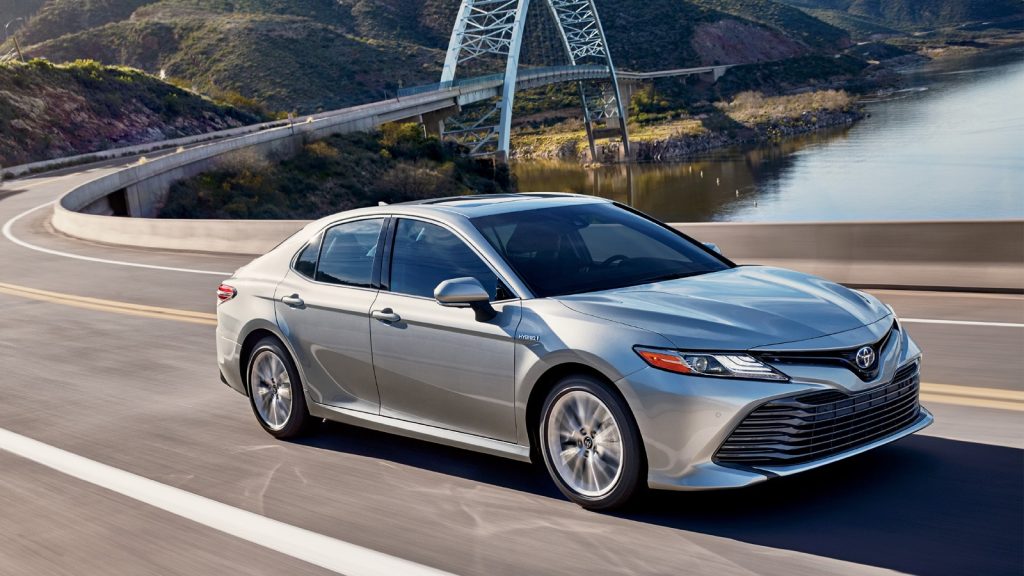
The Toyota Camry proves that reliability is not just about engines and transmissions. Its ability to remain free of annoying rattles makes it one of the most comfortable and durable sedans on the market, offering both peace of mind and a consistently quiet ride.
2. Honda Accord
The Honda Accord has been one of the most consistent performers in the midsize category for decades. Beyond its strong resale value and dependable engines, it is also praised for its ability to maintain a quiet, rattle-free cabin even with high mileage. This focus on refinement sets it apart as a car designed for both reliability and comfort.
Honda engineers the Accord with a stiff body structure, which reduces cabin flex over time. A rigid frame ensures that interior fittings stay secure, and it limits the development of creaks and rattles as the car ages. This structural strength is a key reason the Accord continues to feel solid, even after years of daily use.
Interior design also plays a role. Honda uses durable materials, well-fitted trim, and secure fasteners that hold panels tightly in place.
Unlike some competitors where interior plastics loosen after a few years, the Accord tends to remain tight and quiet. This attention to detail is evident in both older models and the newest generations.
The Accord’s suspension contributes to its reputation for refinement. It is designed to absorb road imperfections smoothly, which reduces vibration transfer to the cabin. Less stress on interior components translates to fewer chances of squeaks and rattles developing as the miles add up.
Honda also conducts extensive noise and vibration testing during development. Customer complaints about minor cabin noises are taken seriously, and each redesign focuses on addressing even small issues. This has resulted in an interior environment that feels consistently sturdy and reliable.
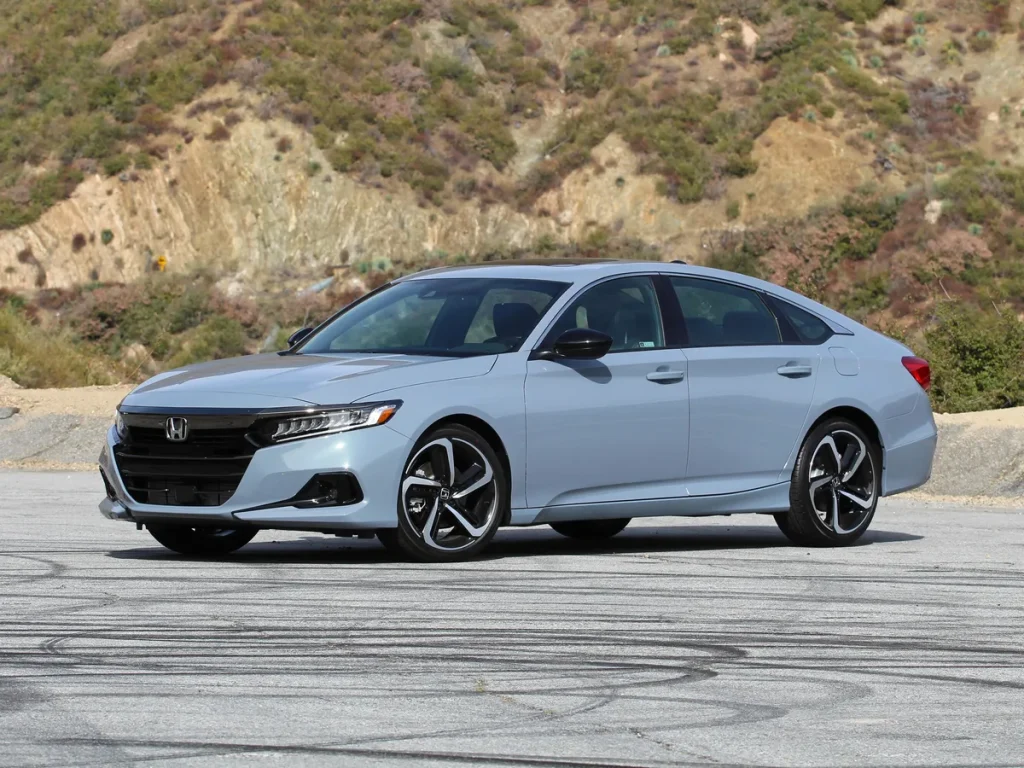
Owners often praise the Accord’s ability to feel nearly new after many years. Reports of cars surpassing 200,000 miles without major rattles are common, highlighting the durability of both its mechanical and structural design.
The Honda Accord stands out as more than just a dependable midsize sedan. Its ability to remain free of distracting interior noises makes it a favorite among drivers who value long-lasting comfort along with reliability.
3. Lexus ES
The Lexus ES has built a reputation as one of the most refined luxury sedans in its class. While some luxury cars develop rattles as their advanced features age, the ES remains impressively solid over time. Lexus designed this model with comfort and quietness as top priorities, and that commitment pays off in its long-term durability.
A major reason the ES stays rattle-free is its close connection to Toyota engineering. Built on the same dependable foundation as the Camry, the ES benefits from a strong chassis that resists flexing. This structural rigidity helps keep the cabin tightly assembled, preventing trim pieces from loosening and causing noises.
The interior materials are another highlight. Lexus uses soft-touch plastics, premium leathers, and carefully padded surfaces that resist wear and minimize contact between panels.
This reduces the chances of squeaks forming where materials meet. The brand’s high assembly standards ensure each piece is precisely fitted, which keeps the cabin quiet as the vehicle ages.
Suspension design also contributes. The ES is tuned for comfort, with a focus on absorbing bumps and isolating the cabin from road vibration. This not only improves ride quality but also helps protect the integrity of the interior over time, keeping rattles from developing.
Lexus also places a strong emphasis on noise, vibration, and harshness testing. Engineers focus on eliminating even the smallest sounds, and this attention to detail is one of the reasons the ES consistently ranks among the quietest sedans in owner surveys.
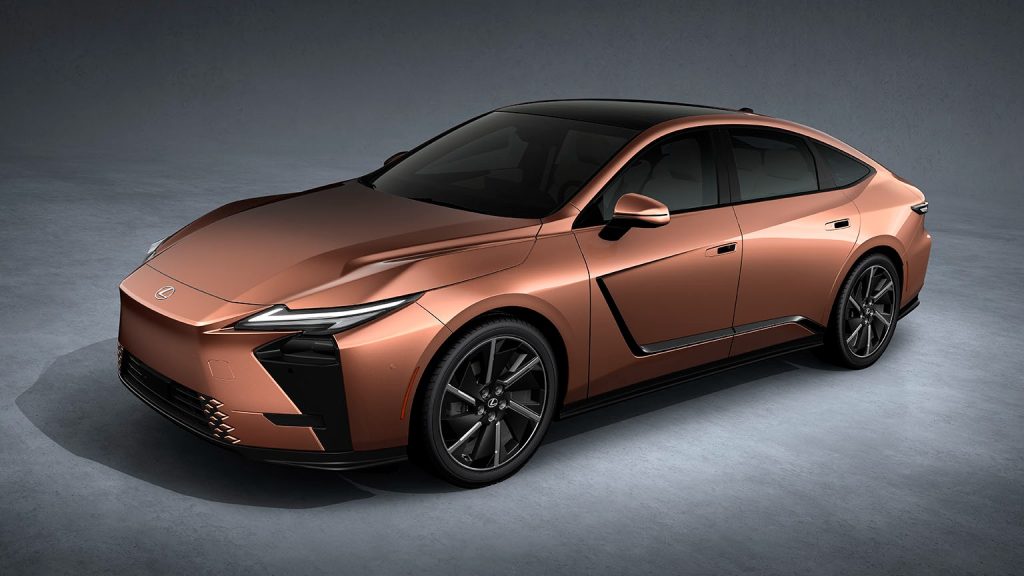
Owners often report that their Lexus ES feels as solid at 150,000 miles as it did at 50,000. Stories of these cars maintaining quiet interiors after a decade of use are common, further proving its reputation for long-term comfort.
For drivers seeking a luxury sedan that combines reliability with an exceptionally quiet cabin, the Lexus ES delivers. Its ability to resist rattles and squeaks makes it one of the most dependable choices in its segment.
4. Subaru Outback
The Subaru Outback has become a favorite among drivers who need a versatile vehicle for both city streets and rugged conditions. One of its underrated strengths is its ability to stay solid and rattle-free, even after years of driving on rough roads.
While some vehicles develop squeaks when pushed through tough conditions, the Outback has a reputation for maintaining its composure.
A big part of this comes from Subaru’s focus on structural strength. The Outback’s body is reinforced to handle the stress of uneven terrain, which reduces the flexing that often leads to interior noises. The strong frame ensures that panels remain tightly in place, preventing the small gaps that can cause squeaks.
The interior materials are designed with long-term durability in mind. Subaru may not always use the most luxurious finishes, but the components are built to last.
The plastics, fabrics, and fasteners inside the Outback resist loosening over time, which helps the cabin remain free from rattles.
Another factor is the suspension design. The Outback is engineered for comfort and control on a variety of surfaces.
Its ability to absorb bumps reduces vibrations that could otherwise loosen fittings inside the cabin. Owners often note that even after driving on gravel or dirt roads, their Outback remains quiet and composed inside.
Subaru also takes into account real-world feedback. Because the Outback is popular with outdoor enthusiasts who push their vehicles hard, engineers place extra focus on reducing long-term wear that could affect comfort. This translates to a cabin that stays solid even under challenging conditions.
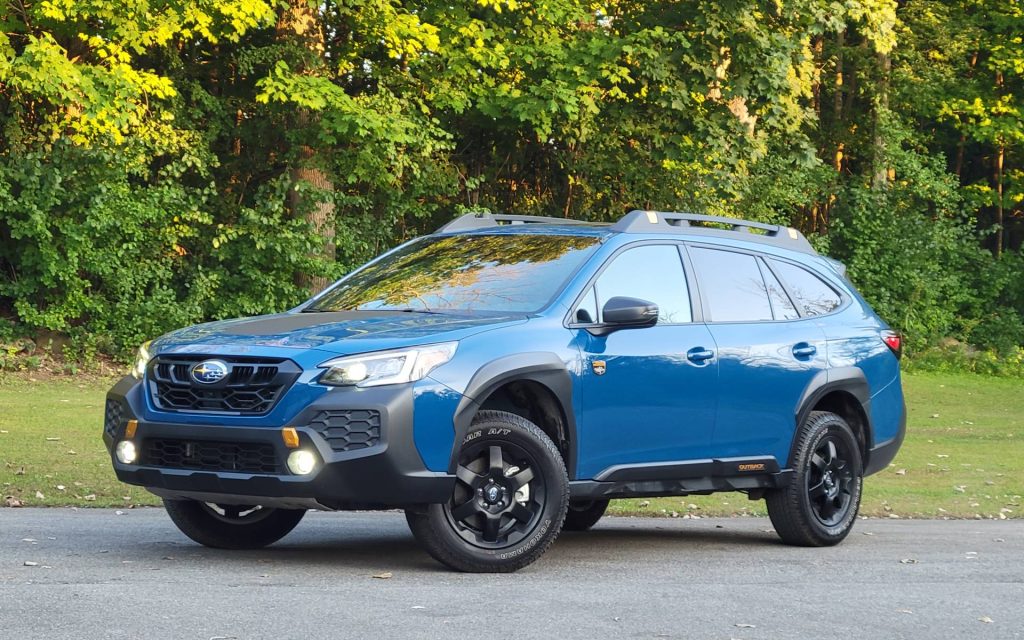
Owners regularly share experiences of driving their Outbacks past 150,000 miles without developing interior rattles.
Even when used as family cars or for long-distance adventures, they remain dependable and comfortable. This makes the Outback an appealing choice for anyone who values both rugged capability and quiet refinement.
For drivers who want a vehicle that can handle rough roads yet remain free of annoying squeaks, the Subaru Outback continues to stand out. Its durability inside and out proves that reliability is not just about the engine but also about long-term comfort.
5. Mazda CX-5
The Mazda CX-5 is often praised for its sporty handling and stylish design, but another quality that sets it apart is how well it resists developing rattles over time. Many compact SUVs struggle with interior noises as they age, yet the CX-5 maintains an impressively solid and quiet cabin.
Mazda engineers place a strong emphasis on body rigidity. The CX-5 is built with a stiff frame that minimizes flexing during everyday driving.
This structural stability ensures that interior panels remain firmly in place, preventing squeaks and rattles from forming as the vehicle racks up miles.
Interior materials are another strength. Mazda carefully chooses higher-quality plastics, trims, and fabrics that fit together tightly. The precision in assembly means fewer gaps where vibrations could create noise.
Owners often comment on how the CX-5 feels more upscale than many of its competitors, and that impression comes partly from its ability to remain quiet over time.
The suspension tuning also contributes to the cabin’s longevity. The CX-5 offers responsive handling without being harsh, which means it absorbs bumps effectively while still feeling sporty. This balance reduces the stress placed on the interior, keeping components from loosening prematurely.
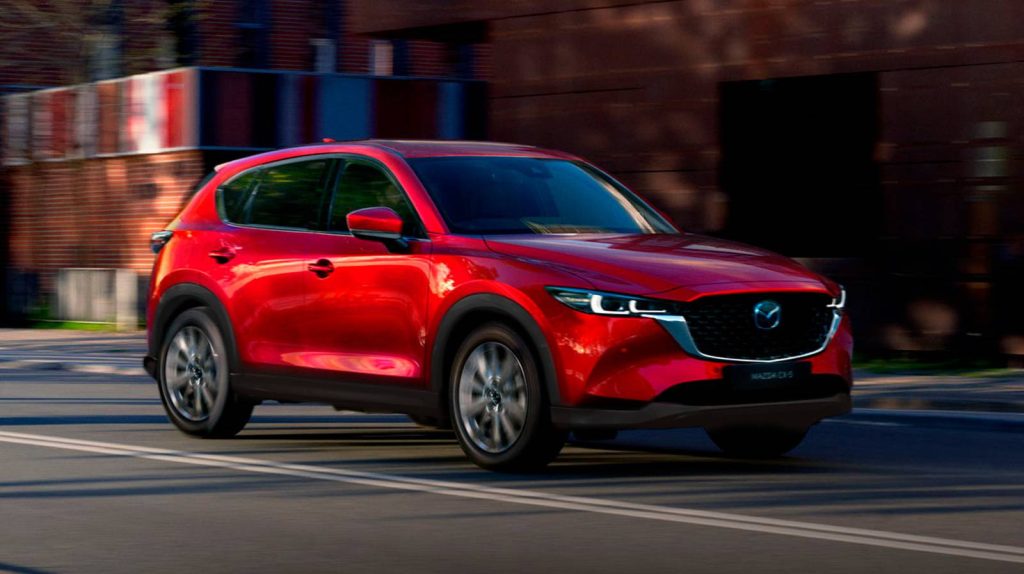
Mazda is known for paying attention to driver experience, and part of that focus includes noise reduction. Engineers test the CX-5 extensively to ensure that it remains quiet under different conditions. The result is an SUV that feels well-constructed long after the initial purchase.
Owner reports support this reputation. Many CX-5 drivers mention how their vehicles remain rattle-free even after years of commuting, family trips, and city driving. Compared to some rivals where interior noises become a common complaint, the CX-5 stands out as a more refined option.
For buyers seeking a compact SUV that delivers not only style and performance but also a quiet, durable interior, the Mazda CX-5 proves to be an excellent choice. Its resistance to rattles underscores Mazda’s commitment to quality and long-lasting satisfaction.
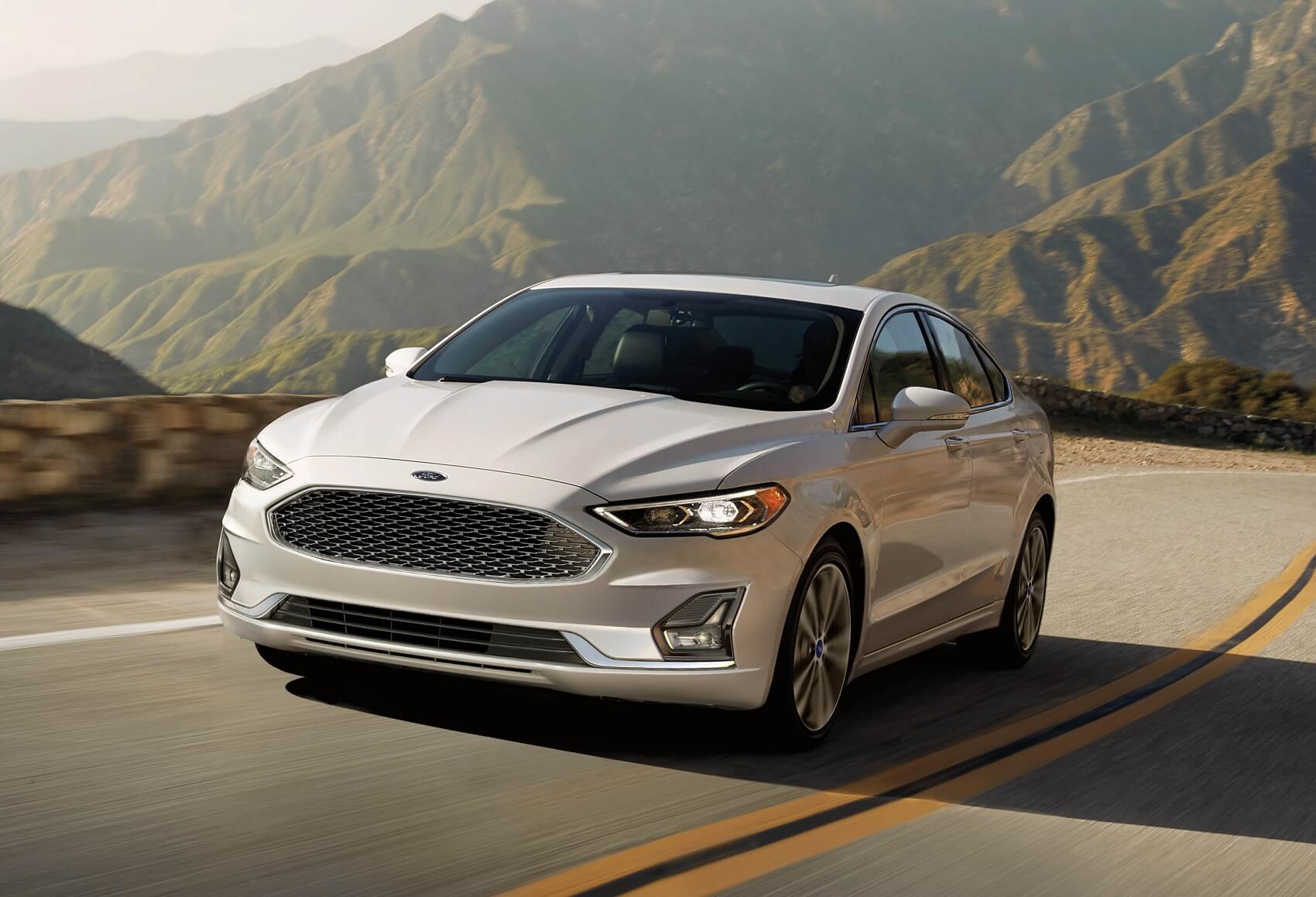
6. Ford Fusion
The Ford Fusion may no longer be in production, but during its years on the market, it earned a solid reputation for reliability and refinement. One aspect that continues to impress owners is how well it resists rattles, even after accumulating significant mileage.
A key reason is the Fusion’s structural integrity. Ford built the sedan with a strong frame that reduces body flex.
This stability allows interior panels and fittings to stay secure, limiting the development of annoying squeaks. Many midsize sedans struggle with interior noises as they age, but the Fusion performs better than most in this regard.
The cabin materials are also worth noting. Ford used durable plastics, fabrics, and trims that hold together under daily use.
While not as luxurious as premium brands, they were selected with durability in mind. The careful assembly process further reduces the chances of panels shifting or loosening over time.
Ride quality plays an important role as well. The Fusion’s suspension is tuned to strike a balance between comfort and control.
By absorbing road imperfections effectively, it reduces vibrations that can wear down interior components. Less vibration means fewer opportunities for rattles to develop.
Ford also invested in noise and vibration testing during the Fusion’s development. This focus on refinement paid off, as the car consistently received positive reviews for its quiet ride. Owners frequently note that the Fusion feels solid and composed, even after years of commuting or highway driving.
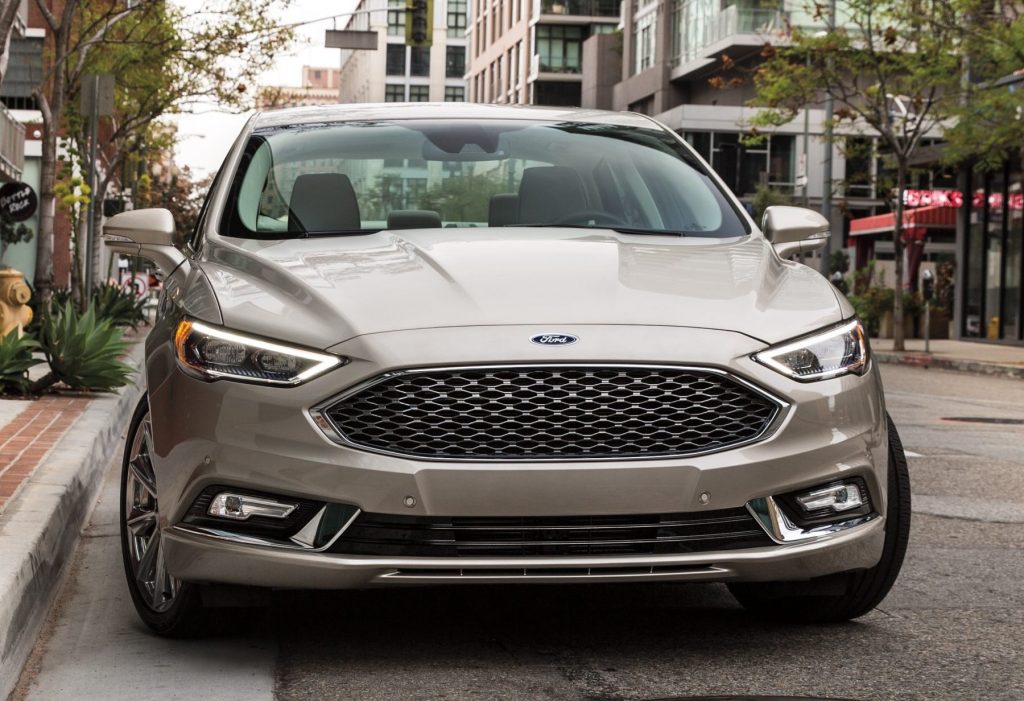
Real-world experiences confirm its durability. Many Fusion owners report that their cars remain free of rattles well past 100,000 miles. Even older models continue to feel sturdy inside, which is not always the case with competitors from the same era.
Although production has ended, the Fusion remains a strong used-car choice for those who value a rattle-free cabin. Its blend of reliability, comfort, and structural integrity ensures it continues to deliver a pleasant driving experience long after leaving the showroom floor.
7. Chevrolet Impala
The Chevrolet Impala has long been admired for its spacious cabin, smooth ride, and reliability. One of its lesser-discussed strengths is how well it resists rattles as it ages. While many large sedans begin to show signs of interior looseness over time, the Impala stands out for maintaining its quietness.
Chevrolet designed the Impala with a stiff and durable frame that helps reduce body flex. This rigidity ensures that interior panels and trim remain firmly secured, minimizing the small shifts that can cause squeaks and rattles. Even when driven on rough city roads, the cabin tends to stay solid.
Interior construction also plays an important role. The Impala uses materials designed for both durability and comfort. Plastic panels and upholstery are fastened tightly, with assembly techniques that prioritize long-term stability. This attention to detail allows the Impala’s cabin to resist the looseness that often develops in other full-size sedans.
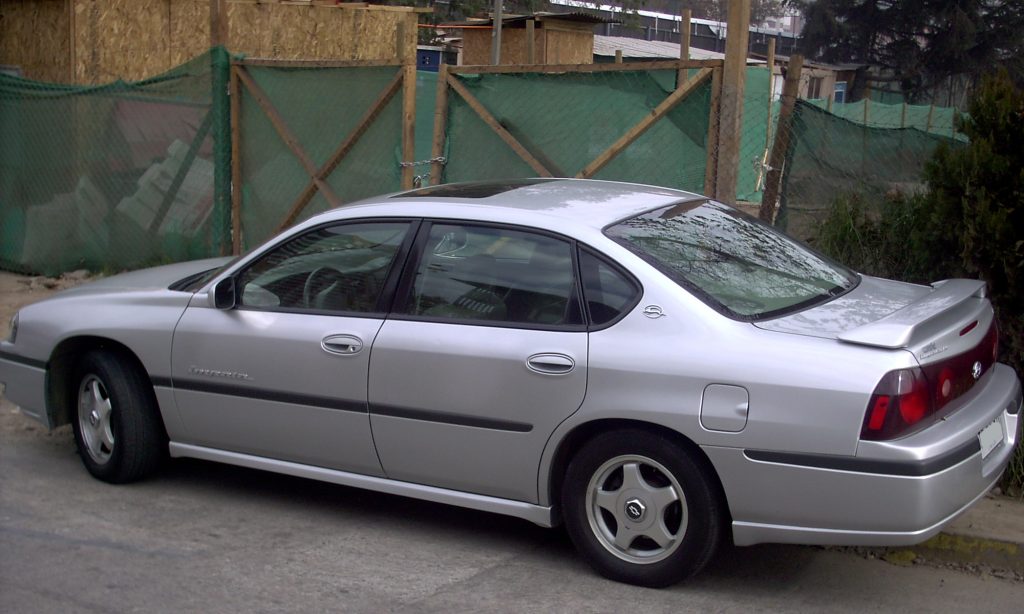
The suspension system contributes as well. Tuned for comfort, the Impala absorbs bumps and vibrations effectively, which reduces stress on the interior. Less vibration means fewer opportunities for components to work themselves loose and create annoying noises.
Fleet usage provides further proof of the Impala’s quiet durability. Police departments and rental car companies relied heavily on this model because it could handle high mileage without losing composure. Many retired fleet vehicles still feel solid despite years of hard use, which says a lot about the car’s construction quality.
Owners often highlight how their Impalas remain free of rattles even past 150,000 miles. This level of refinement is particularly appreciated by families who value quiet, stress-free trips. It also makes the Impala a reliable option on the used market for those seeking a spacious, comfortable sedan.
The Chevrolet Impala proves that long-term dependability is not just about mechanical parts but also about the feel of the cabin. Its ability to resist rattles adds to its appeal as one of the most trustworthy full-size sedans of its time.
8. Hyundai Sonata
The Hyundai Sonata has evolved into a well-respected midsize sedan, known for offering excellent value, strong reliability, and a refined interior. One reason it continues to earn praise is its ability to stay quiet and free from rattles over the years, something not all vehicles in its class achieve.
Hyundai engineers the Sonata with a strong body frame designed to minimize flexing. This structural integrity is key to keeping panels and fittings secure, preventing the small shifts that can lead to squeaks. A sturdy foundation ensures that the cabin feels stable, even after thousands of miles.
Interior quality has also improved dramatically over the years. Hyundai uses soft-touch plastics, well-padded trim, and secure fasteners to reduce the risk of rattles developing. As a result, the Sonata feels more upscale than its price suggests, and this impression lasts as the vehicle ages.
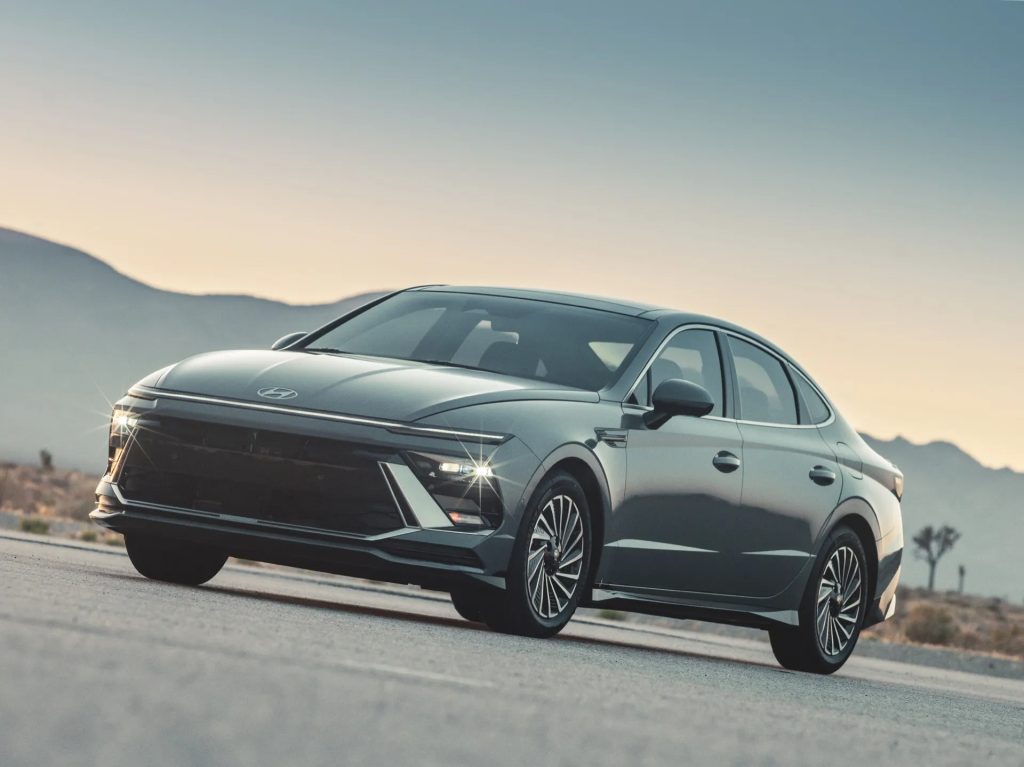
Suspension design is another contributing factor. The Sonata is tuned to prioritize comfort while still offering controlled handling. By absorbing bumps smoothly, the suspension reduces vibrations that could loosen interior components. This tuning allows the car to remain solid during everyday driving.
Hyundai also emphasizes noise and vibration control during development. Engineers test the Sonata extensively to identify potential sources of interior noise and address them before production. This attention to detail shows in the way the cabin holds up over time.
Owners consistently note that their Sonatas remain free of rattles even after years of use. Reports of quiet interiors at 100,000 miles and beyond are common, proving that Hyundai’s commitment to quality has paid off. This makes the Sonata a strong choice for buyers who want long-term refinement in addition to value.
For drivers looking for a midsize sedan that delivers both affordability and a rattle-free experience, the Hyundai Sonata stands as a dependable option. Its blend of durability, comfort, and quality makes it one of the most reliable vehicles in its class.
9. Volkswagen Passat
The Volkswagen Passat combines European styling with practicality, but one of its less obvious strengths is how well it resists rattles over time. While some competitors struggle to maintain cabin quietness, the Passat remains impressively solid through years of use.
The foundation of this quietness is the Passat’s strong frame. Volkswagen builds the car with a rigid body structure that reduces movement and flex.
This prevents interior panels from shifting out of place, a common cause of rattles as vehicles age. The result is a sedan that feels stable and composed even on rough roads.
Interior design also plays an important role. The Passat features high-quality materials that are tightly assembled, with precise panel gaps that leave little room for vibration-related noise. Volkswagen is known for its attention to fit and finish, and this contributes to the car’s ability to stay rattle-free.
The suspension system further enhances the cabin’s durability. Tuned to balance comfort and control, it absorbs bumps effectively while keeping the ride composed. By reducing vibration transfer to the cabin, the suspension helps protect interior fittings from loosening over time.

Volkswagen also prioritizes testing for noise and vibration during development. Engineers work to eliminate even small sources of cabin noise, ensuring that the car maintains its refined feel as it ages. This level of detail has helped the Passat build a loyal following among those who value long-term quality.
Owners often report that their Passats remain solid and quiet even after many years. Stories of vehicles surpassing 150,000 miles without noticeable rattles are common, reinforcing its reputation as a dependable sedan.
For drivers who want a European-inspired sedan that combines comfort, durability, and a rattle-free experience, the Volkswagen Passat remains an appealing choice. It demonstrates that quality construction can make a lasting difference in everyday driving comfort.
Also Read: 5 SUVs That Keep Their Paint vs 5 That Peel Early
