
Modern vehicles are no longer built with only mechanical systems. Over the years, manufacturers have fitted cars with more computers, sensors, wiring, and electronic control units. These improvements bring better performance, safer driving, and comfort features that drivers enjoy daily.
From touchscreens to lane assist systems, cars today depend on electronics almost as much as they depend on engines and transmissions. While these upgrades make vehicles smarter, they also introduce new points where problems can arise.
A car with too many poorly designed circuits or low-quality components may give owners endless frustration. Electrical faults can appear in different ways, such as dashboard warning lights that refuse to go off, power windows that stop working, or infotainment systems that freeze at the wrong time.
Some vehicles even develop issues with sensors that affect the entire driving experience. A few manufacturers have managed to design cars that rarely disappoint when it comes to electrical stability. We will look at five cars that have built strong reputations for electronic reliability.
These are vehicles that owners trust because their wiring systems and control units hold up well even after years of use. After that, we will examine five cars that are known for constant electronic failures, leaving drivers frustrated with expensive repairs and constant visits to workshops.
By going through these two lists, buyers can better understand which cars tend to keep their electrical parts in good condition and which ones have a record of failing repeatedly. For anyone planning to buy a vehicle, knowing these differences can save money, reduce stress, and help in making a wiser decision.
5 Cars That Rarely Break Electronics
1. Toyota Corolla
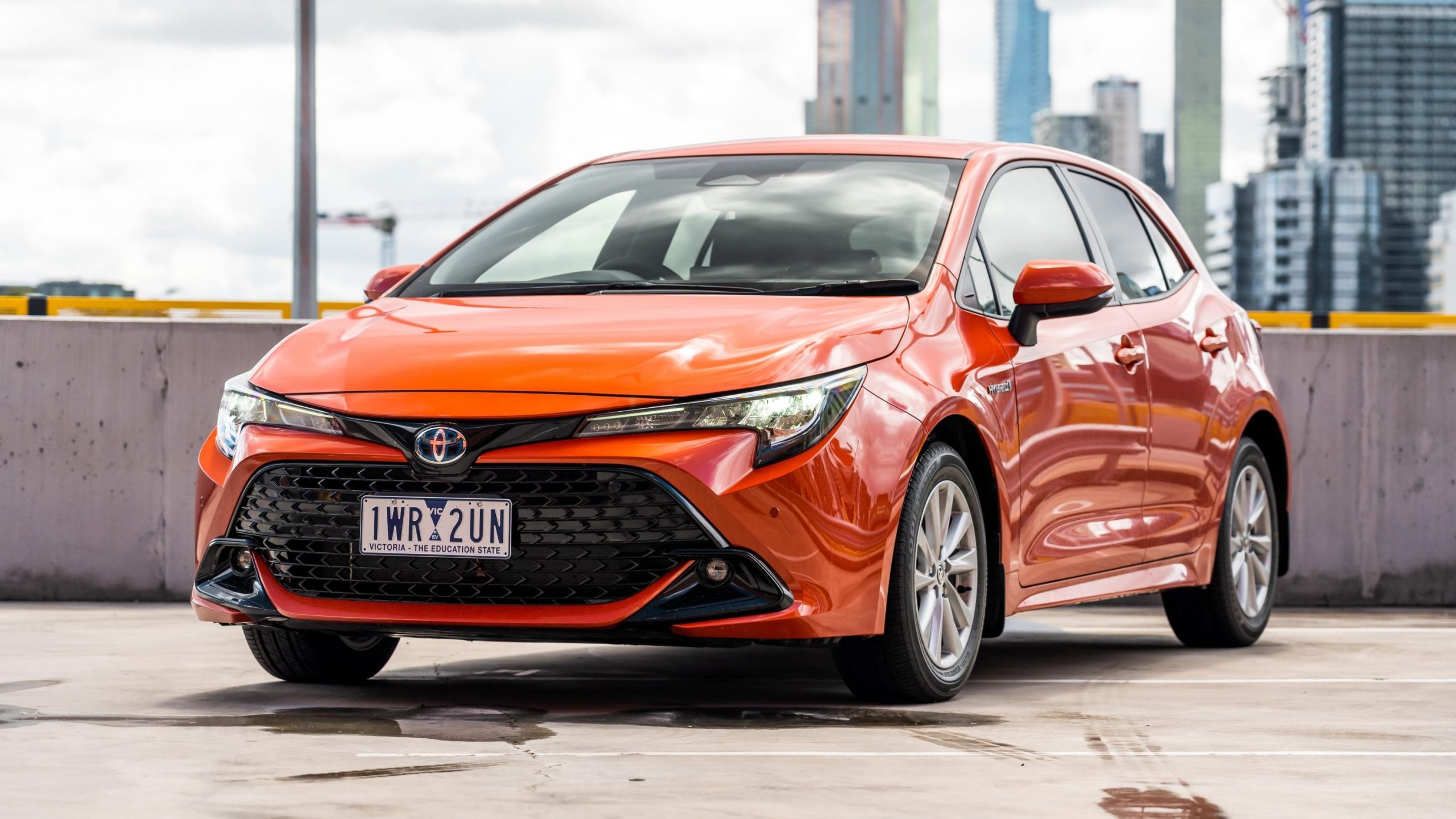
When people discuss cars that rarely disappoint in reliability, the Toyota Corolla always finds a place on the list. This sedan has earned its reputation because of its simple but effective design. Toyota engineers have avoided unnecessary complications when designing the electrical architecture. The wiring harness, fuse boxes, and control modules are built with quality that resists wear even after years of use.
One of the reasons the Corolla holds up so well is that Toyota does not rush into adding untested features. While some brands overload their cars with experimental software and flashy touchscreens, the Corolla uses well-proven technology that has been tried and trusted for years.
This conservative approach ensures that the electronic systems inside the car remain dependable. Owners rarely complain about malfunctioning dashboards, faulty air conditioning switches, or frozen infotainment screens. The Corolla also benefits from Toyota’s global supply chain, where parts are carefully monitored for quality.
Sensors such as oxygen sensors, wheel speed sensors, and throttle position sensors are built to last. Even when a fault does occur, the Corolla’s simple design makes repairs easier compared to other cars filled with unnecessary electronic complications.
Another factor that strengthens the Corolla’s reliability is the availability of skilled mechanics. Because the car is widely used, technicians understand how to fix any rare issues that appear. This helps prevent problems from getting worse.
For an average driver, the Toyota Corolla stands as a vehicle where electronic issues are hardly a worry. It is one of the best options for buyers who want peace of mind and long service life without regular trips to electricians or repair shops.
2. Honda Civic
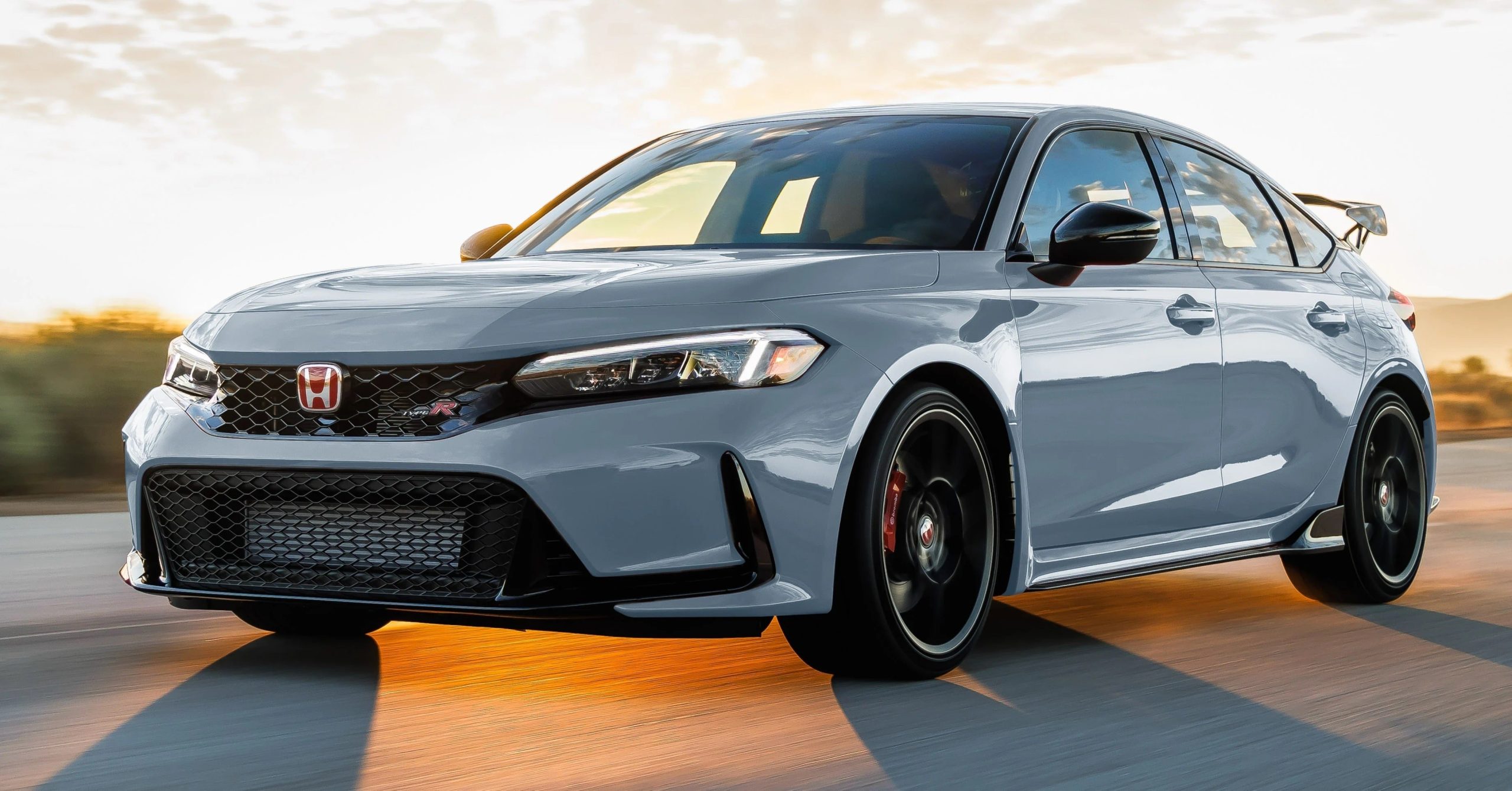
The Honda Civic is another strong contender when discussing cars with dependable electronics. Honda has built this model with a balance of advanced features and strong durability. Owners praise it not only for fuel economy and comfort but also for how rarely it experiences electronic problems.
One important reason the Civic performs well is the way Honda tests new systems before adding them to production cars. The company ensures that software and hardware work together smoothly, reducing the chances of random failures.
For example, the car’s infotainment system is less likely to freeze compared to those in rivals. Honda’s stability control modules, power window systems, and lighting circuits are also built with materials that resist corrosion and long-term damage.
The Civic’s electrical connectors and relays are tightly sealed to prevent moisture from causing failures. Many cars develop problems when water seeps into wiring, but Honda has minimized this risk by focusing on proper insulation. Even after years of driving in different weather conditions, the Civic keeps its electronics in good condition.
Another factor that supports its reliability is Honda’s disciplined use of electronic features. While the Civic includes modern conveniences like backup cameras and Bluetooth, it avoids excessive gimmicks that often introduce problems. Honda engineers prefer to focus on features that add real value to the driver rather than unnecessary technology that becomes a liability.
For buyers seeking a small car with dependable electrical performance, the Honda Civic remains a smart choice. It combines efficiency, comfort, and trustworthy electronics, making it one of the most reliable vehicles in its class.
Also Read: 10 Cars That Shouldn’t Be Reliable—But Somehow Are
3. Lexus RX
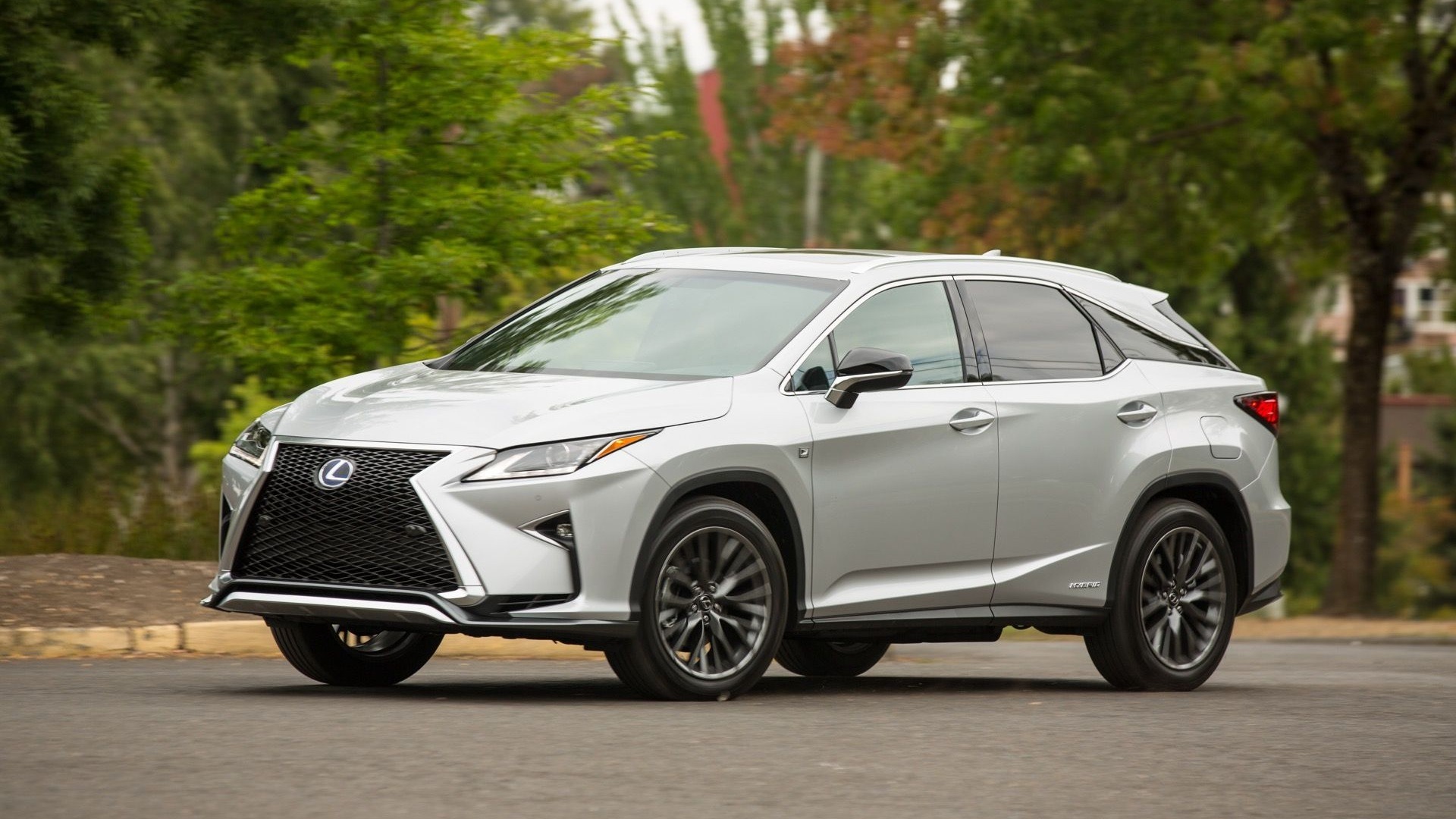
Lexus, the luxury arm of Toyota, has always been recognized for quality, and the RX stands as proof of that. This SUV blends comfort with reliability, offering an experience that is refined yet dependable. While many luxury cars often struggle with complicated electronics, the RX manages to remain solid.
The Lexus RX benefits from Toyota’s reliability philosophy. Its electronic systems, from climate control to navigation, are built with higher-grade materials compared to many rivals. The circuits are designed with redundancy, meaning even if one part develops a small issue, it rarely causes total failure. This makes the RX stand out among luxury SUVs, where electronic faults are common.
Owners often highlight how dependable features like the power tailgate, audio system, and advanced driver assistance remain even after years of use. The RX’s hybrid models also showcase strong durability in battery management systems, avoiding the constant errors some competitors face.
Another reason the Lexus RX rarely disappoints is because of its strong after-sales support. Lexus workshops provide excellent diagnostic tools that help quickly detect and fix any small electronic concerns. This prevents issues from growing into larger failures.
While other luxury SUVs leave drivers worried about dashboard warning lights or costly sensor replacements, the Lexus RX remains an exception. It provides luxury and technology while still retaining the reliability that Toyota products are famous for. For those who want premium comfort without the headache of constant electronic repairs, the RX is a trustworthy option.
4. Mazda 3
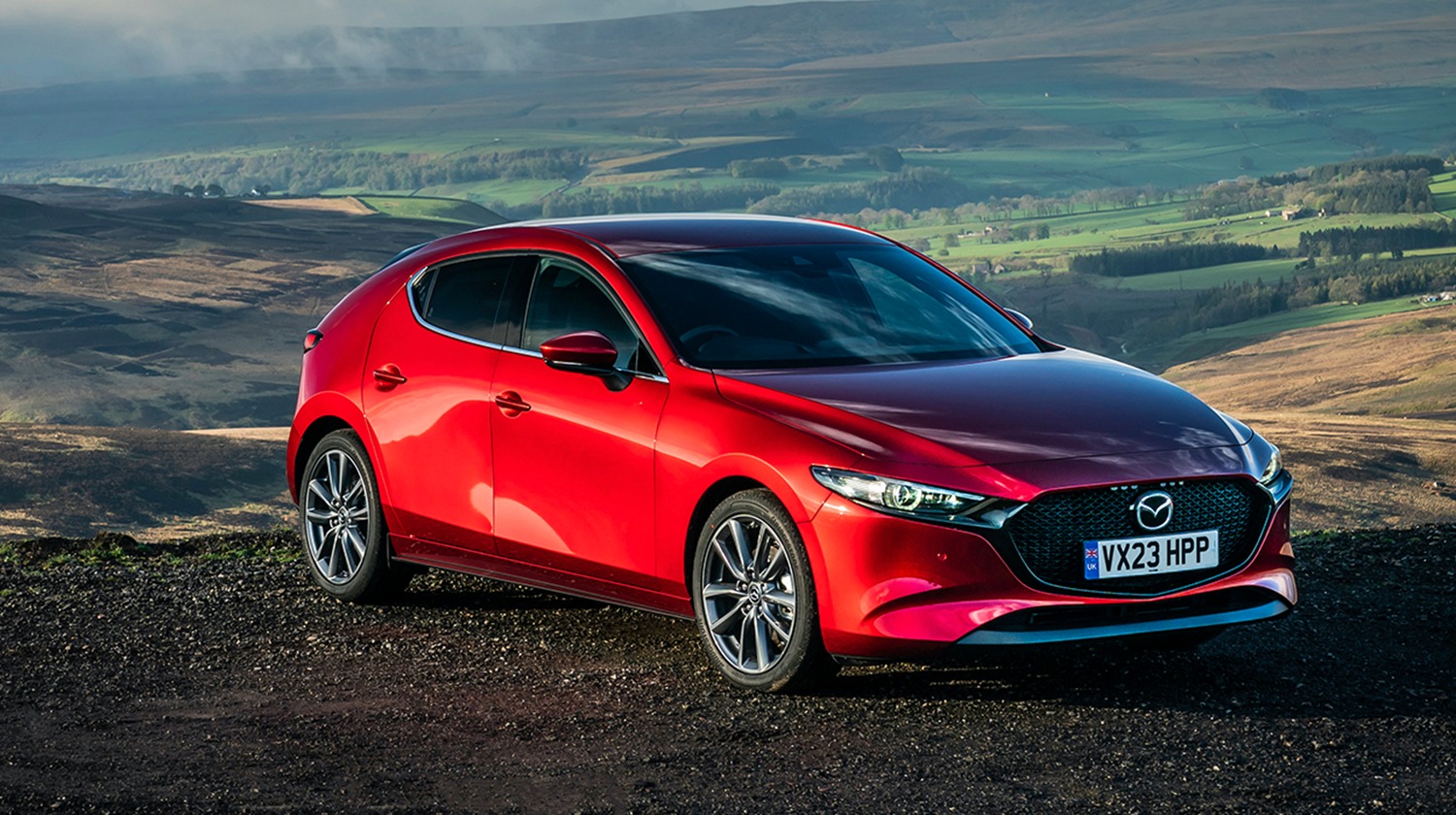
Mazda may not be as large as Toyota or Honda, but the brand has impressed many buyers with dependable vehicles. The Mazda 3 is one of the company’s most reliable models, particularly in terms of electronics. Owners enjoy the stylish design and sporty handling, but what truly sets it apart is the way it avoids constant electrical issues.
Mazda engineers approach design with simplicity in mind. The Mazda 3 does not overload drivers with unnecessary digital gimmicks. Instead, it offers useful technology like a straightforward infotainment system, stable climate control electronics, and strong lighting systems. Because of this, the car rarely experiences the glitches that are common in rivals that pack too much untested technology.
Another strong point is Mazda’s focus on high-quality wiring and connectors. These components resist corrosion even in humid climates, keeping the car’s electronic systems steady. The Mazda 3 also benefits from good software design, meaning updates are smoother and fewer bugs appear.
Owners often praise the car for avoiding small annoyances like faulty sensors, random dashboard lights, or malfunctioning power features. Even after several years, the Mazda 3 continues to perform reliably without leaving drivers stranded.
For those who want a stylish compact car with strong reliability, the Mazda 3 delivers. It gives drivers peace of mind by ensuring electronics remain dependable, making it one of the most trusted cars in its segment.
5. Subaru Outback
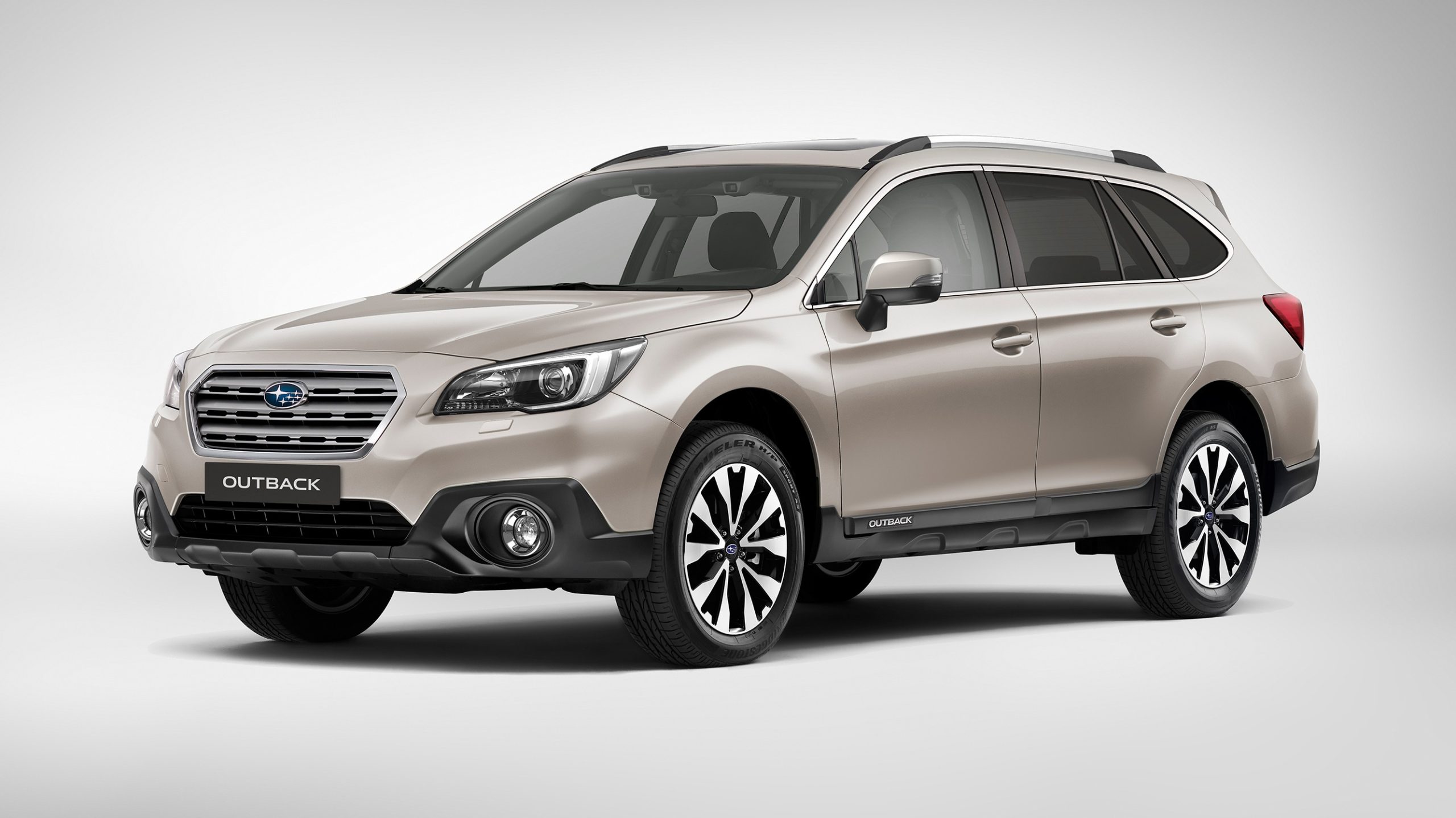
The Subaru Outback stands out as a dependable crossover with strong electrical stability. Subaru has built a reputation for rugged vehicles that handle different terrains, and the Outback carries that same philosophy into its electronic systems.
One of the biggest strengths of the Outback is its all-wheel-drive system, which is controlled by electronics that have been engineered for durability. Unlike some rivals, where AWD systems fail due to poor sensors or weak wiring, Subaru has designed its system to withstand years of use without frequent issues.
The infotainment system in the Outback is also better than average when it comes to dependability. While not the flashiest, it provides drivers with stable performance without frequent freezing or crashing. Electrical parts such as lighting, safety sensors, and power features are carefully designed with long-term reliability in mind.
Owners appreciate how the Outback manages to combine technology with toughness. It does not compromise durability just to add luxury features. Subaru engineers prioritize stability, meaning drivers face fewer problems compared to other crossovers loaded with delicate electronics.
For drivers looking for a family-friendly car that does not regularly develop electrical failures, the Subaru Outback remains a wise option. It combines rugged ability with long-term electronic dependability, making it a safe bet for daily use and long-distance travel.
5 Cars That Constantly Fail
1. Fiat 500
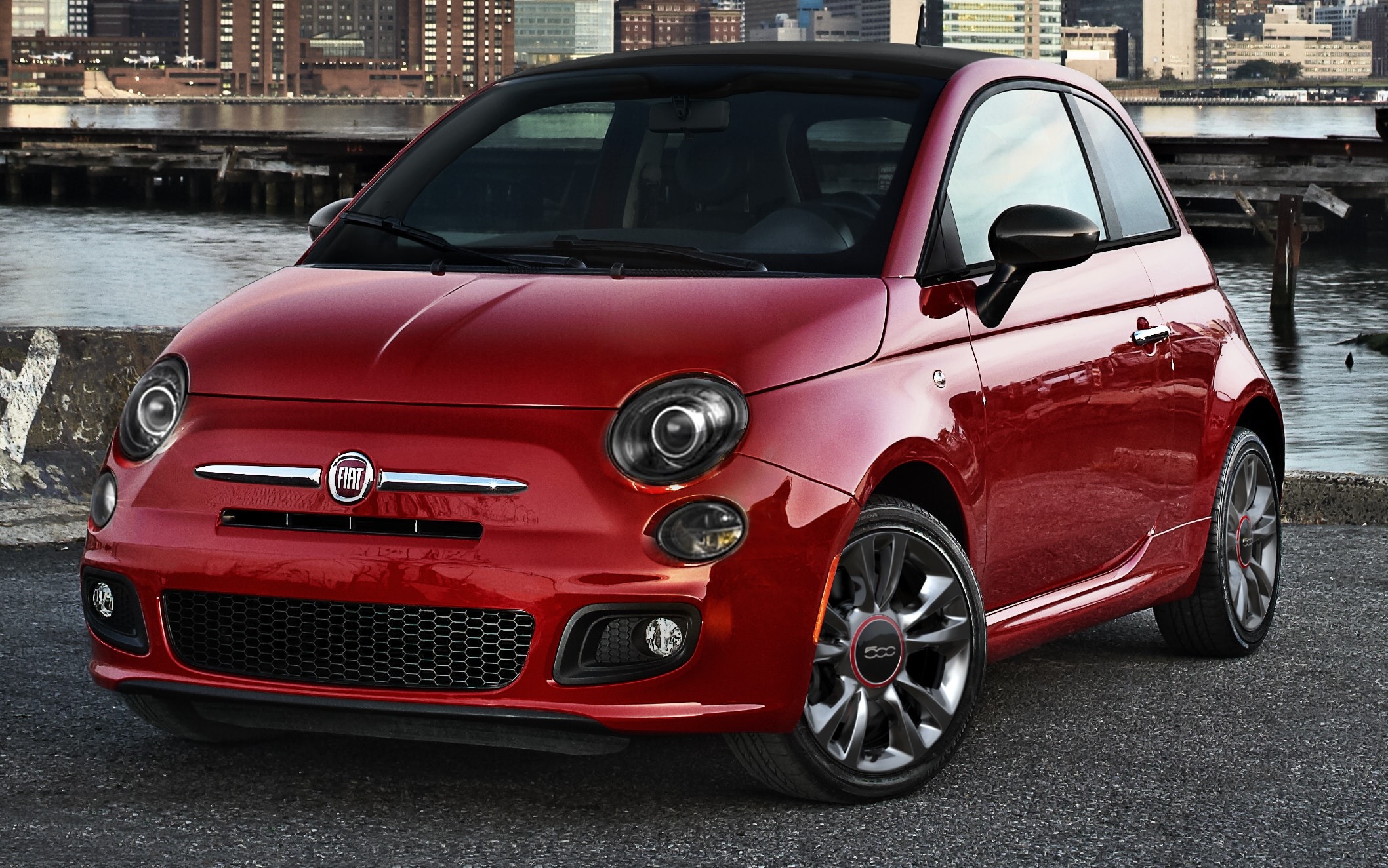
The Fiat 500 may look stylish and charming on the outside, but when it comes to electronic dependability, this car often disappoints its owners. Many drivers who bought the Fiat 500 for its retro design later discovered that the vehicle’s electronics do not live up to expectations. The most common complaints involve dashboard lights that refuse to go off, malfunctioning infotainment systems, and power window failures.
One of the biggest weaknesses of the Fiat 500 lies in its wiring setup. The car uses connectors that are prone to corrosion and loose fittings. This means that after only a few years, owners can experience poor contact points that trigger random error codes. The central locking system and sensors also develop issues, causing unnecessary stress for drivers.
Another common complaint is related to the airbag warning system. Many Fiat 500 owners report that the airbag light switches on without any actual fault, which not only scares the driver but also requires repeated workshop visits. Infotainment screens are also notorious for freezing or resetting during trips, making it frustrating to rely on basic features like navigation or Bluetooth.
The car’s small size does not excuse the poor durability of its electronics. Many buyers expected a simple setup, but instead, they faced a car that constantly left them worrying about when the next electrical fault would appear. For anyone planning to buy a small city car, the Fiat 500 is one option, but electronic problems are frequent and costly to repair.
2. Land Rover Discovery
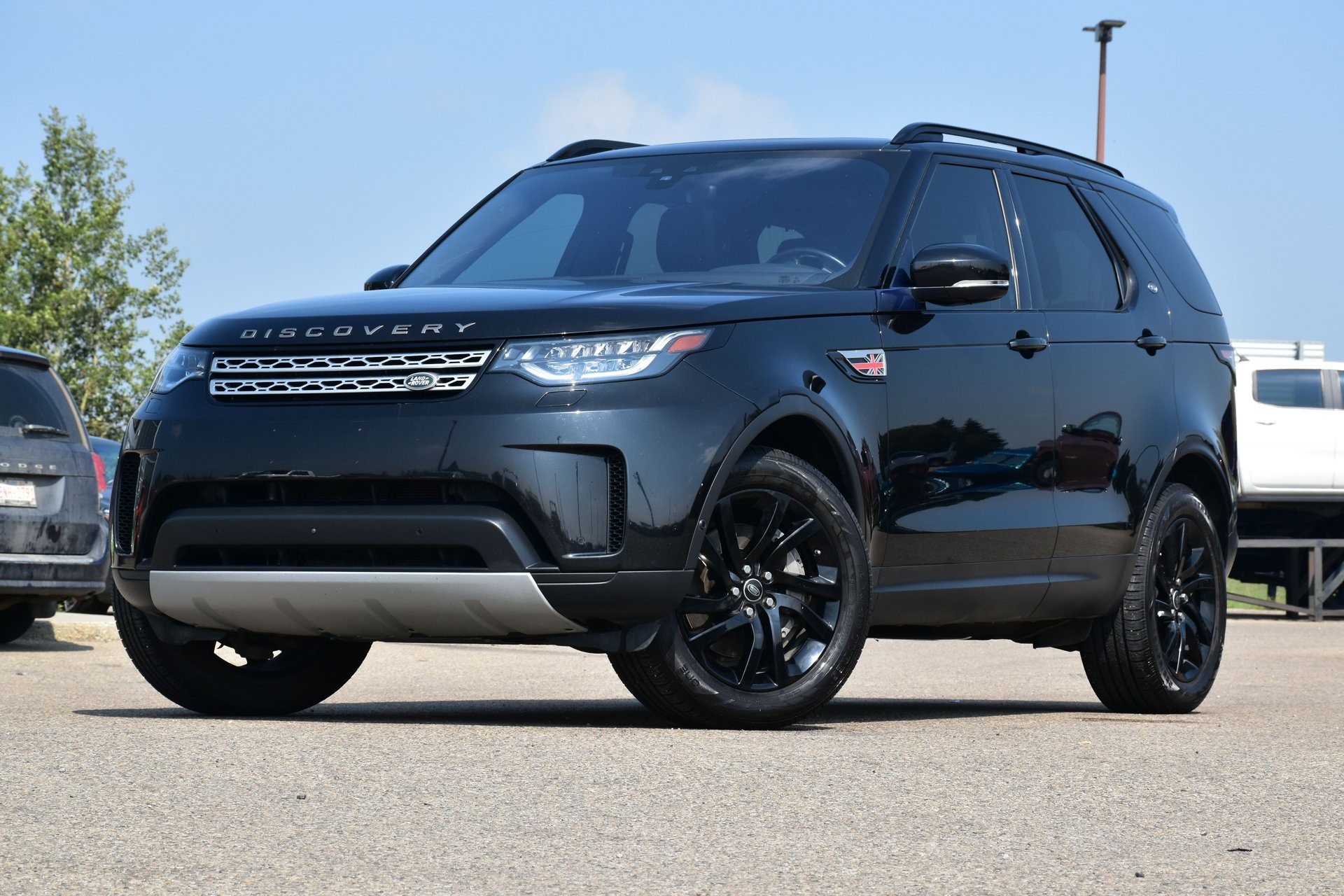
Luxury SUVs are expected to combine comfort, power, and modern features in a way that gives drivers both confidence and pleasure. Yet the Land Rover Discovery has built a reputation for letting many owners down, especially when it comes to electronics.
Even though it carries a high price tag and belongs to a brand with a long history, the Discovery has become associated with constant complaints about its electronic systems. Drivers who bought the SUV expecting peace of mind often find themselves dealing with faults not long after purchase.
The Discovery comes packed with high-end features such as adjustable air suspension, climate control for different zones, multiple driver-assist systems, and large infotainment screens. On paper, these features promise luxury and convenience, but in reality, they create endless problems.
Owners have reported the air suspension failing because of faulty sensors, leaving the SUV unable to hold the correct ride height. This not only affects comfort but also raises safety concerns, especially when the vehicle sags unevenly.
The infotainment system is another major weakness. Drivers complain of freezing displays, slow responses to commands, and screens going completely dark without warning. Since the same screen controls navigation, audio, and even some climate settings, its unreliability makes the driving experience stressful. A luxury vehicle that should be seamless often feels unpredictable.
Electrical issues also extend to everyday functions. The door locking system and keyless entry often stop working properly, sometimes leaving owners locked out of their own cars. The electric parking brake, which should be a simple convenience, is another part that fails too often, causing safety concerns when it refuses to release or engage correctly.
What frustrates buyers the most is that these problems are not limited to older vehicles. Many of these faults appear in relatively new Discoveries, proving that the issues are tied to design rather than age. Repair costs are high, since the electronic systems are complicated and require specialised service centres. Instead of enjoying a dependable family SUV, many owners spend more time and money at workshops than they expected.
The Land Rover Discovery has become an example of how advanced features can backfire when reliability is not prioritized. For drivers who need an SUV that delivers both comfort and trustworthiness, the Discovery rarely provides the worry-free ownership experience that a premium vehicle should guarantee.
3. BMW 7 Series
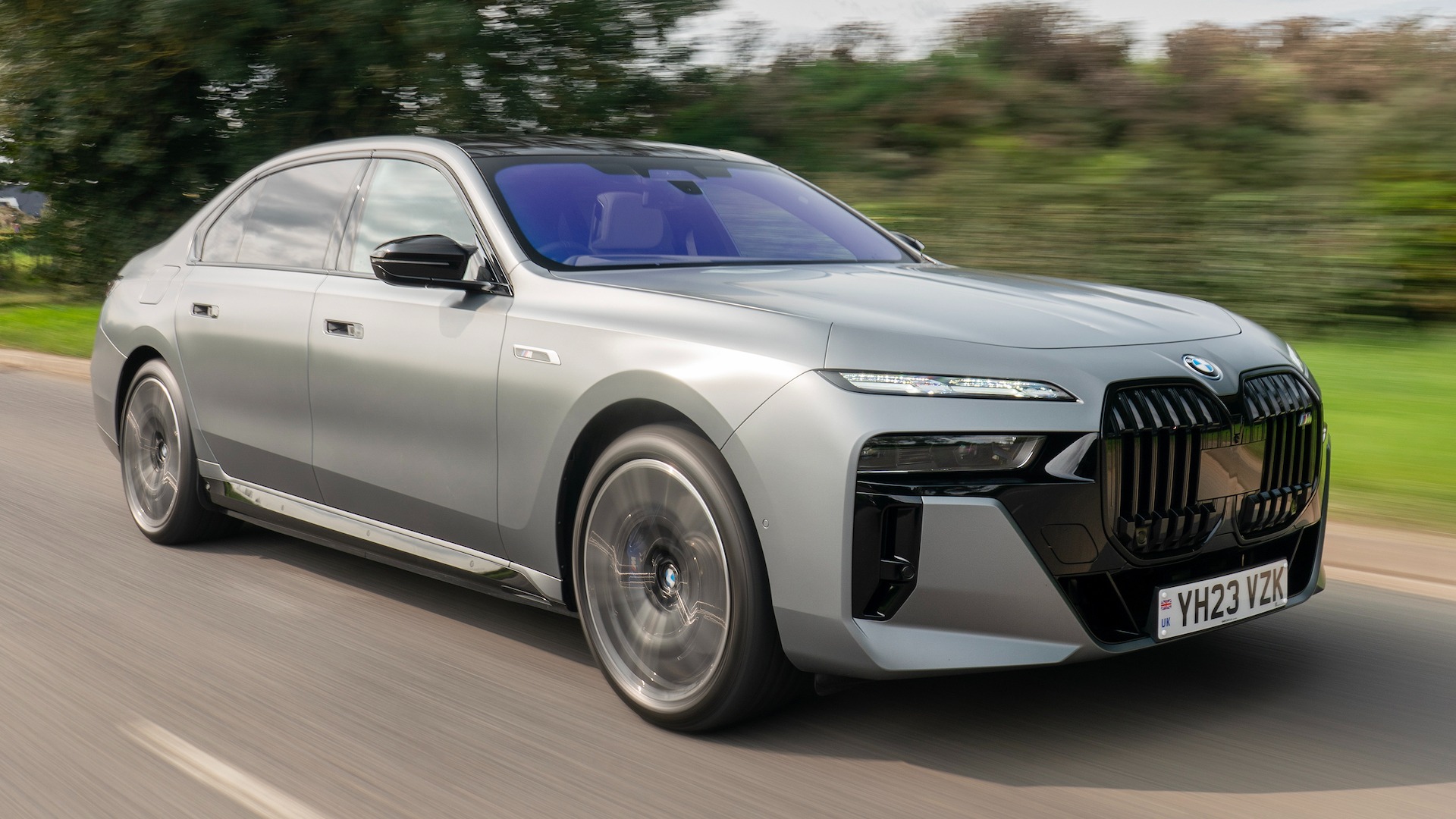
The BMW 7 Series is a luxury sedan that showcases cutting-edge technology, but this same strength becomes its greatest weakness. While the car offers impressive comfort features, its electronic systems have gained a reputation for being among the most unreliable in the luxury market. Owners frequently report that the electronics cause more headaches than the mechanical parts ever do.
One of the most common issues comes from the iDrive infotainment system. Although designed to control many car functions, it is often unstable. Freezing screens, malfunctioning controllers, and software bugs leave drivers struggling with features that should be simple. Updates sometimes fix the issues, but often create new ones.
The 7 Series also suffers from sensor-related faults. Adaptive cruise control, lane-keeping assist, and parking sensors frequently malfunction, sending random error alerts to the dashboard. While these features are designed to improve safety, their unreliability makes them a burden instead of a benefit.
Another major weakness involves the electronic air suspension, which has a record of failure in this model. Owners face expensive repairs when sensors or control units stop functioning. The electronic complication also makes simple problems very expensive to repair, as workshops often need specialized tools just to diagnose the issue.
While the BMW 7 Series delivers luxury and technology on paper, in reality, it leaves many owners frustrated with unreliable electronics. Anyone considering this sedan should be prepared for frequent trips to the workshop if they want to keep everything working properly.
4. Jeep Grand Cherokee
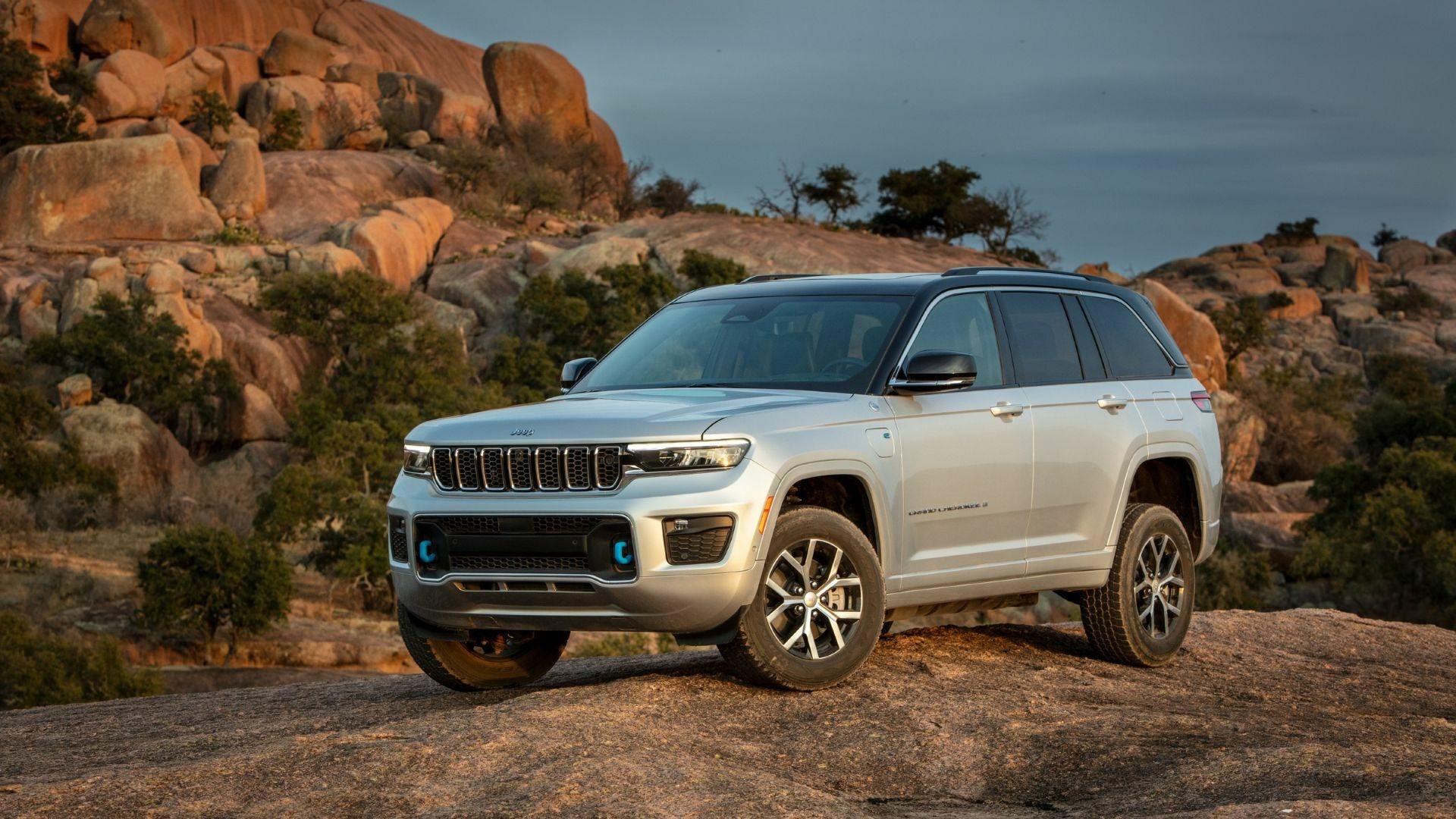
The Jeep Grand Cherokee is designed to be a rugged SUV, but its electrical systems have been a constant source of complaints. Drivers who expected toughness and reliability from Jeep often discover that the electronics are the weakest part of the vehicle. From malfunctioning sensors to failing infotainment systems, the Grand Cherokee struggles to maintain dependable performance.
A common issue comes from the car’s transmission control module, which often develops faults. This leads to jerky gear changes or warning lights that confuse drivers. Electrical faults also affect the vehicle’s four-wheel-drive system, where sensors and actuators fail, leaving the SUV unable to deliver the performance promised.
Owners also complain about the Uconnect infotainment system, which frequently freezes, loses Bluetooth connection, or resets itself during drives. Power seat controls, door locks, and lighting circuits also develop faults that frustrate owners. Many of these problems appear within the first few years of ownership, showing poor durability in design.
Another weak point is the electronic control of safety systems. Blind-spot monitoring, adaptive cruise control, and parking sensors often trigger false warnings or fail completely. Repairing these systems is expensive, as it requires replacing sensors that are costly and sensitive.
The Jeep Grand Cherokee has a reputation for strong off-road ability, but when it comes to electronics, it has left many owners disappointed. Anyone looking for a dependable SUV would need to prepare for regular repairs if choosing this model.
Also Read: 10 Classic Sports Cars That Are Still Reliable Today
5. Mercedes-Benz C-Class
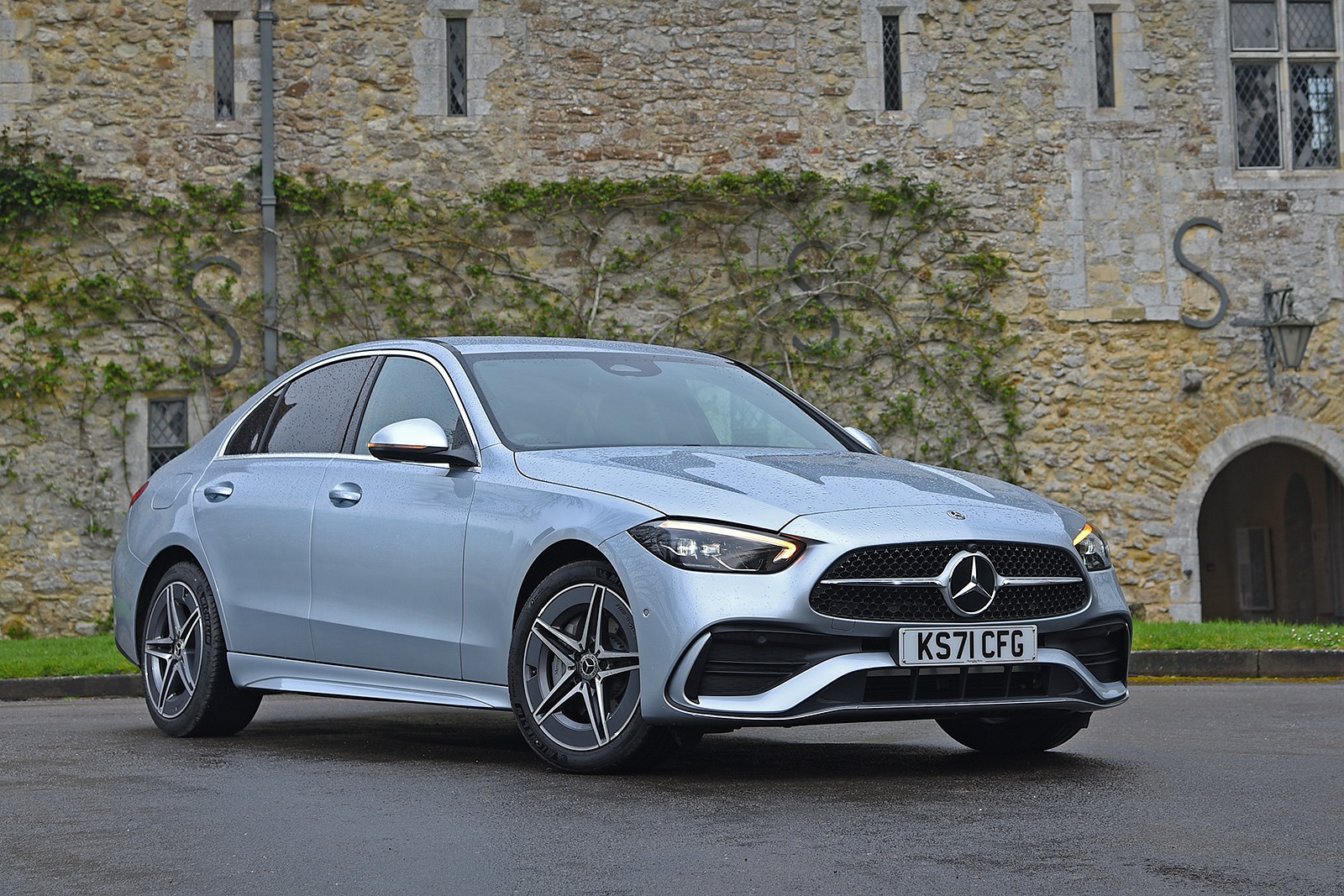
Mercedes-Benz has long been recognized as one of the most respected names in luxury motoring, but the C-Class has not lived up to the expectations many drivers hold for the brand. While the car shines in design, comfort, and prestige, its electronic reliability has been a weak point that frustrates countless owners. The reputation for elegance is overshadowed by frequent electronic failures that reduce the entire driving experience.
One of the first issues owners complain about is the infotainment system. While it appears advanced with its sleek screen and controller, it too often lets drivers down. Reports of freezing displays, lagging menus, poor Bluetooth connections, and complete blackouts are common.
A system meant to provide convenience often turns into a source of irritation. Even updates that are intended to fix the problems sometimes introduce new glitches, leaving owners without lasting solutions. The C-Class also struggles when it comes to safety features that depend heavily on electronic sensors.
Lane assist, adaptive cruise control, and collision prevention systems are marketed as selling points, yet they frequently malfunction. False alerts, sudden disengagements, or complete failures create distrust among drivers who hoped for extra reassurance on the road. Instead of providing peace of mind, these systems often bring more worry.
Another recurring fault lies in the electronic steering lock. This single component has failed so frequently that it has become almost expected among C-Class owners. When it stops working, the vehicle refuses to start, leaving drivers stranded.
For a premium vehicle, this kind of issue damages trust in the brand. Adding to this, other everyday features such as power windows, central locking, and the sunroof are reported to fail repeatedly, making even simple functions unreliable.
The cost of maintaining these electronics adds another burden. Because the systems are complicated, repairs are expensive and often require specialised service centres. Owners who entered the Mercedes-Benz brand expecting luxury and dependability find themselves spending large sums simply to keep their cars functional.
While the C-Class still offers stylish design, strong engines, and a comfortable ride, the constant stream of electrical problems pulls down its reputation. For buyers considering this model, it is wise to prepare for high repair bills and regular service visits if they want the electronics to remain in working condition.
