
Automobile history has shown that some cars have gone through challenges that should have ended their production, yet they kept going.
Certain models were written off as failures when they first appeared, either because of weak sales, negative reviews, or technical faults that made people think they would disappear quickly.
However, a few vehicles managed to stay alive by proving their worth, either through improved engineering, loyal buyers, or unexpected appeal that carried them forward. These cars stood through difficult moments and created lasting impressions, even when everything suggested they would not make it.
When we talk about survival in the auto industry, it does not only mean that the cars keep selling. It also means they were able to gain acceptance after a period of rejection, or they found ways to redefine themselves despite huge criticism.
Some of them became classics because of the endurance they showed, while others gained popularity later in life after being ignored in their early days. For many, their survival was not just about mechanical improvements but also about how people began to view them differently with time.
On our list today, we will look at nine cars that survived against all odds. Each one has its own story of resilience. Some were born from poor beginnings and later transformed into icons, while others continued to exist when rivals had already disappeared.
The details show that a car’s value is not always measured immediately. With time, determination, and the right push from both manufacturers and loyal drivers, even vehicles that once looked like failures managed to stand strong.
These cars did not just survive; they became proof that determination in the auto industry can create a lasting impact.
1. Volkswagen Beetle
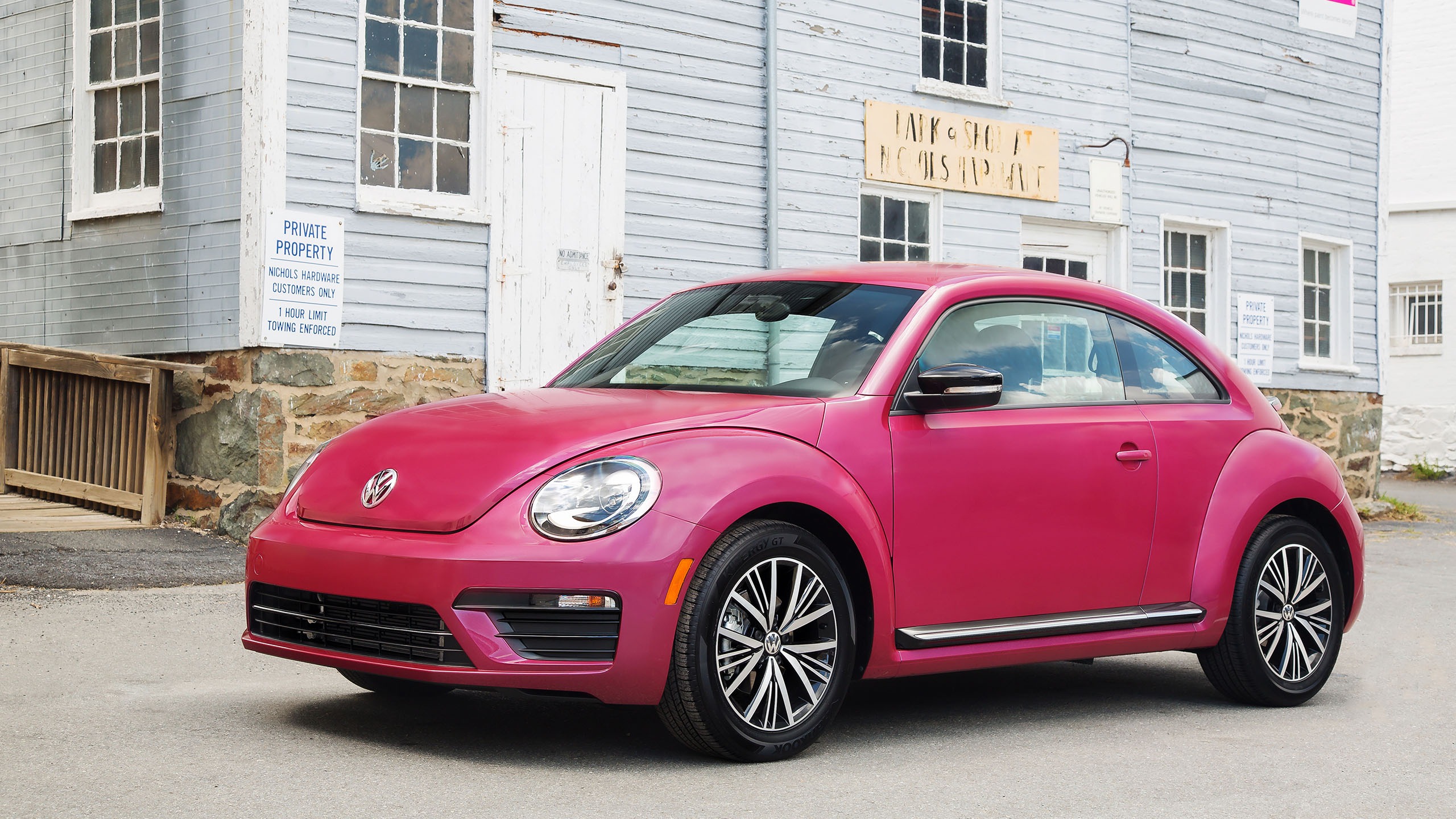
The Volkswagen Beetle had one of the most unlikely success stories in automobile history. When it first appeared, many people dismissed it as too small and too strange. Its round body shape looked unusual compared to the large sedans that dominated markets, especially in the United States.
Industry experts doubted if such a compact car could ever win serious attention. Yet, the Beetle went on to become one of the most famous cars in history. Its survival came from affordability and reliability.
The Beetle was cheap to buy and very economical to run, which made it attractive to students, families, and people who simply wanted dependable transportation.
At a time when fuel consumption was becoming an issue, the Beetle gave drivers a simple solution. Its engine was not the most powerful, but it was durable and easy to repair. Mechanics everywhere could work on it, and parts were widely available.
Beyond practicality, the Beetle grew into a cultural symbol during the 1960s. In the United States, young people embraced it as part of a movement that valued individuality and simple living.
While other cars tried to showcase status or power, the Beetle offered modesty, which strangely became its charm. It was not just a car but a statement of lifestyle.
The Beetle’s story could have ended in the 1970s when its design began to look outdated. However, instead of disappearing, it continued in production in countries like Mexico and Brazil for decades.
Volkswagen later reintroduced modern versions in the late 1990s and early 2010s, proving that the Beetle’s spirit was still alive even though the design had been modernized.
By the time production officially ended in 2019, the Beetle had already secured a permanent place in auto history. It had survived long enough to sell over 20 million units worldwide.
From being called strange and impractical to becoming a cultural icon, the Beetle is one of the clearest examples of a car that survived against expectations and turned doubt into admiration.
2. Ford Mustang
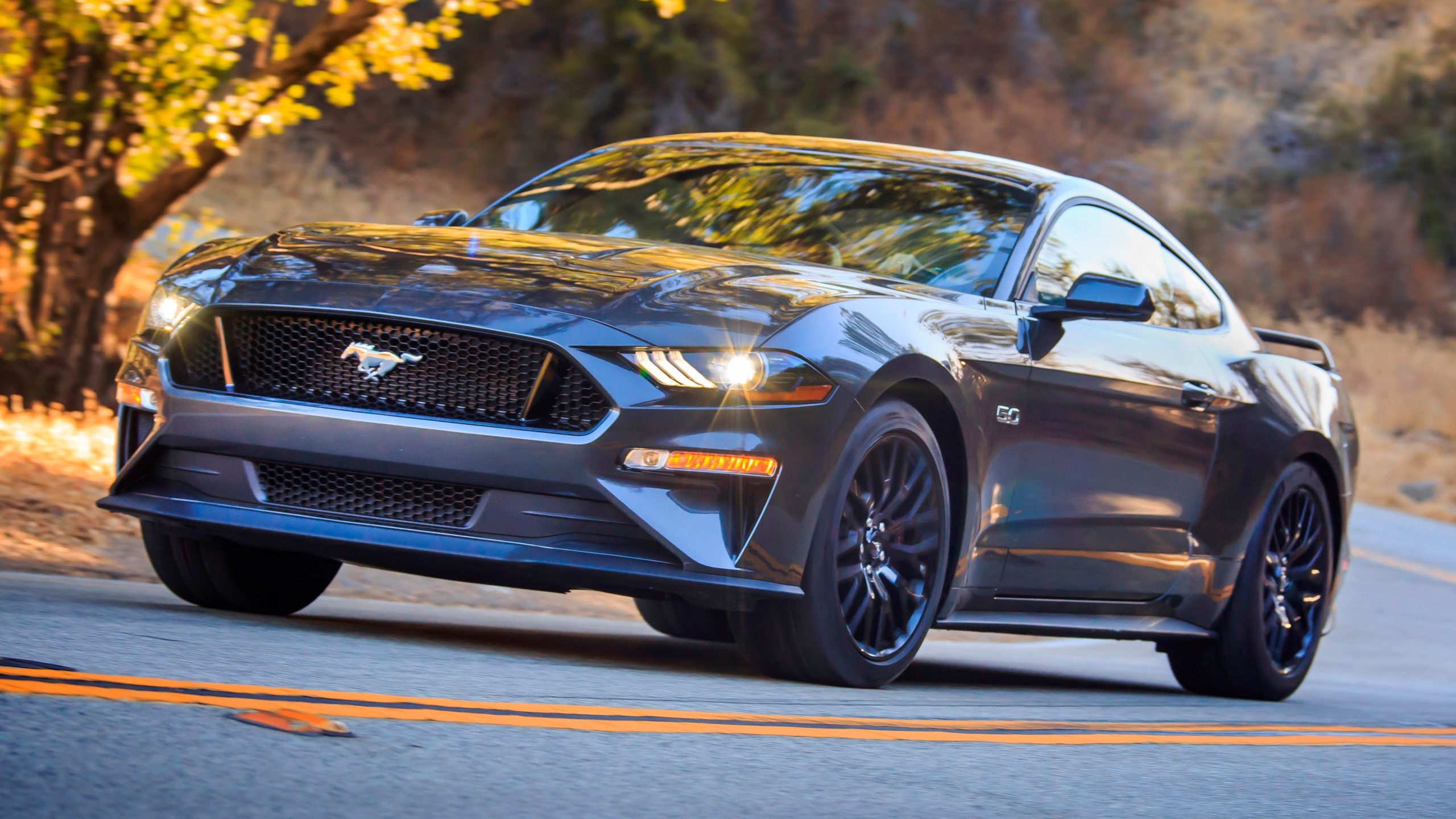
When the Ford Mustang arrived in 1964, few believed it would have a long life. Many critics saw it as a temporary experiment designed to attract young buyers.
The auto market already had muscle cars from other manufacturers, and it seemed unlikely that a new entry would stand out for long. Instead, the Mustang became one of the most enduring and admired names in American automobile history.
The secret to its survival was adaptability. The Mustang constantly changed with time while still holding on to its identity as a sporty yet affordable car. During the late 1970s, the fuel crisis made large engines unpopular, and many muscle cars vanished.
Instead of canceling the Mustang, Ford redesigned it with smaller engines to suit the period. While some enthusiasts were unhappy with this change, the Mustang remained alive until performance cars became popular again.
Throughout its history, the Mustang balanced heritage with innovation. Its design always kept elements that reminded drivers of its classic roots while offering new technology and improved engineering.
This helped it stay relevant across different generations. During the 1990s and 2000s, the Mustang experienced another revival with fresh designs that honored its past but attracted younger buyers.
The Mustang’s endurance becomes even more impressive when compared to rivals. Cars like the Pontiac Firebird and Mercury Cougar disappeared, but the Mustang continued to sell strongly.
Its survival was also helped by its strong presence in movies, music, and popular culture, which gave it recognition beyond car enthusiasts.
Today, the Mustang is not only still in production but also expanding with modern options, including an electric version.
Its journey shows that survival in the auto industry comes from adjusting to changes, keeping loyal buyers happy, and maintaining a brand identity that people can connect with. What started as a doubtful experiment turned into a car that defined generations and continues to thrive.
Also Read: 10 Sports Cars That Rarely See Engine Failure
3. Toyota Corolla
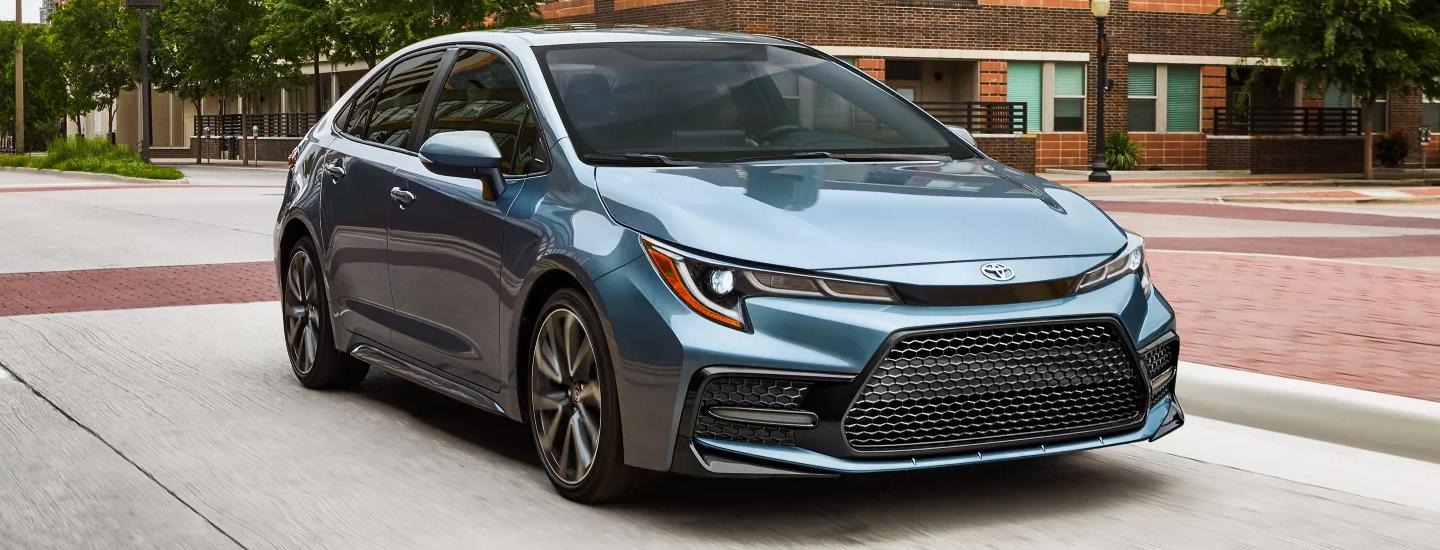
The Toyota Corolla was once considered too plain to succeed. When it entered markets in the 1960s, many drivers in the United States were still unsure about Japanese cars.
They believed American and European brands offered more power and style. The Corolla looked too simple and modest to stand a chance. Yet, that simplicity became its greatest advantage.
The Corolla focused on durability and affordability. It was not flashy, but it worked without problems. Families, students, and workers discovered that the Corolla was cheap to buy, cheap to maintain, and dependable for everyday use.
It offered strong fuel economy, which became important during periods of rising fuel costs. Its reliability created trust among buyers who valued function over appearance.
Over the decades, the Corolla evolved but never lost its purpose. While other cars tried to chase trends, the Corolla stayed true to being a reliable daily driver.
Toyota consistently improved safety features, fuel efficiency, and comfort while keeping the price within reach of ordinary people. Even when SUVs started dominating, the Corolla maintained strong sales because it had built a reputation that few cars could match.
What makes the Corolla’s survival special is the way it turned doubt into dominance. It is now one of the best-selling cars of all time, with more than 50 million units sold globally.
That success came not from being the fastest or most stylish but from being consistent. Buyers knew that a Corolla would not let them down, and that trust carried it through decades of competition.
Today, the Corolla continues to serve millions of drivers around the world. Its history proves that survival can come through steady performance and long-term reliability rather than flashiness. What many once dismissed as boring is now recognized as a global standard for affordable and dependable cars.
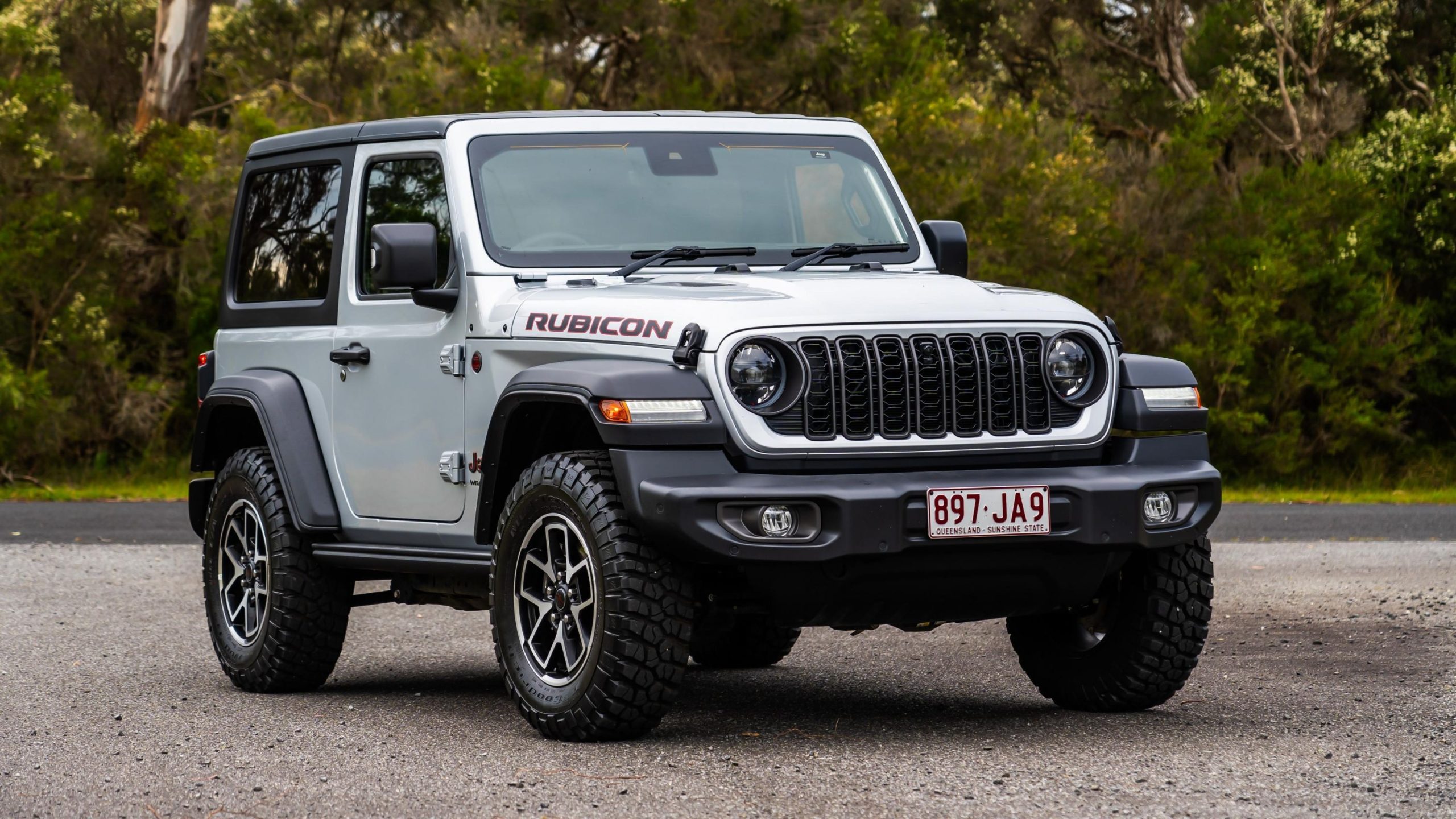
4. Jeep Wrangler
The Jeep Wrangler represents one of the purest examples of survival. Its roots go back to World War II, when military Jeeps became famous for handling tough conditions. After the war, a civilian version was introduced, but many people doubted if such a rugged and simple vehicle would fit into everyday life.
Despite doubts, the Wrangler found a unique place in the market. While most cars focused on comfort and style, the Wrangler stuck to strength and adventure.
Its boxy design, removable doors, and ability to handle rough terrain set it apart from everything else on the road. People who loved outdoor activities and off-road driving saw the Wrangler as the perfect companion.
During the 1980s and 1990s, when family SUVs became more popular, many expected the Wrangler to fade away.
Instead, it grew even more respected as a symbol of freedom and adventure. Its design stayed faithful to its military roots while slowly adopting modern upgrades like better safety, comfort, and technology.
This balance allowed it to attract both traditional off-road enthusiasts and new buyers. The Wrangler survived because it never lost its core identity. While many vehicles change completely after a while, the Wrangler carried its spirit forward across decades.
Even today, modern Wranglers still resemble their ancestors while offering advanced technology and comfort.
This strong sense of identity built loyalty among buyers who passed down their love for the car from one generation to another. Its survival also reflects how a car can succeed by refusing to follow trends.
While rivals disappeared or changed too much, the Wrangler stayed true to itself. That loyalty to purpose allowed it to endure and become one of the longest-living vehicles in production. The Wrangler’s story shows that survival sometimes means sticking firmly to what makes you unique, even when others doubt you.
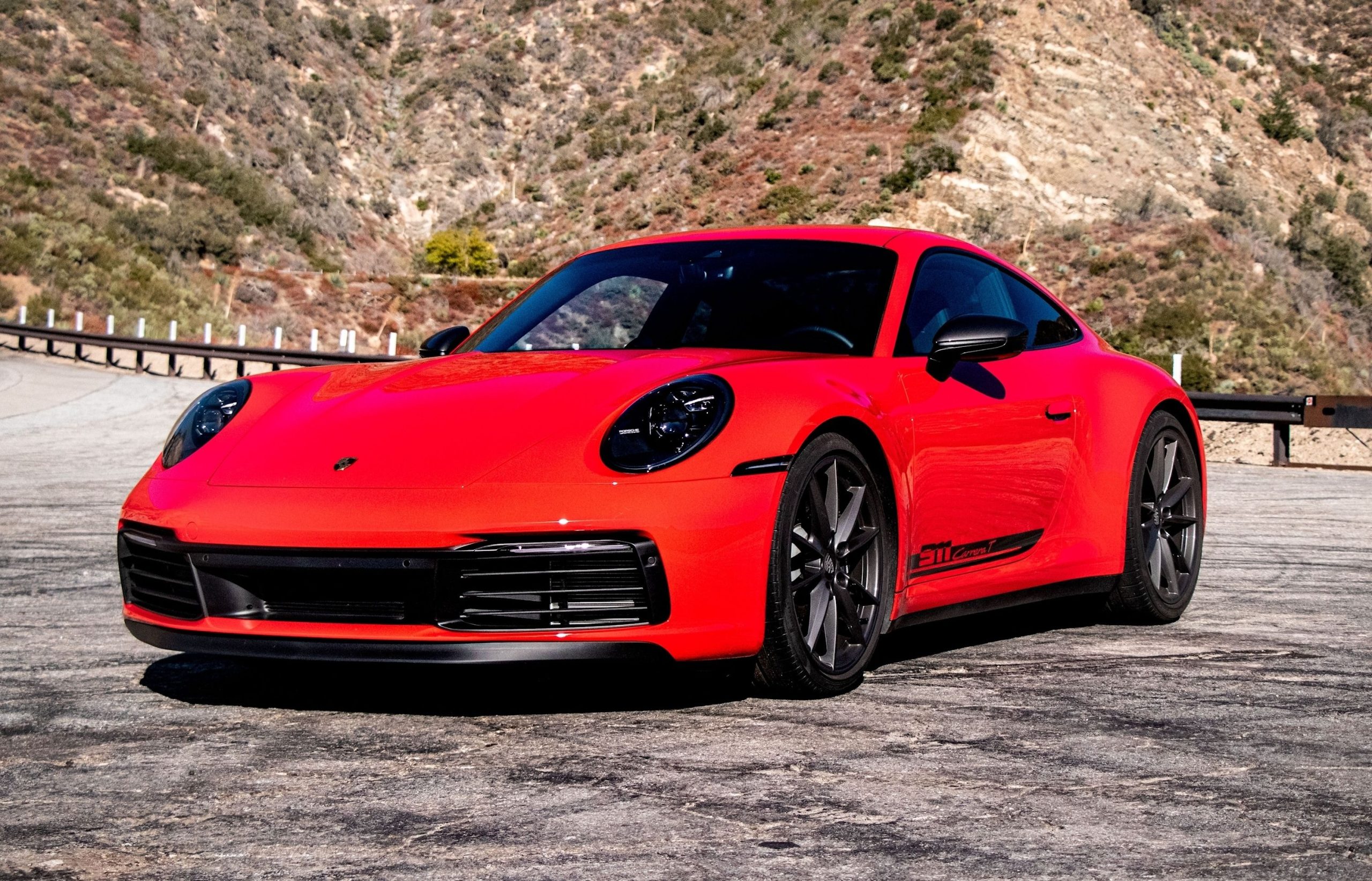
5. Porsche 911
The Porsche 911 is one of the best examples of survival through persistence. When it was launched in the 1960s, many experts criticized its rear-engine layout, saying it would never succeed in sports car markets dominated by front-engine rivals. Some even predicted that the design would lead to poor handling and make it unsafe at high speeds.
Instead of dying out, 911 became a legend. Porsche refused to abandon its unique setup. Instead, the company spent decades improving it, proving critics wrong.
With every generation, the 911 got faster, more stable, and more refined. What was once seen as a design problem became a signature strength that defined the car.
During the oil crises of the 1970s and changing economic conditions, many sports cars disappeared. Yet, the 911 kept moving forward.
Enthusiasts around the world respected it for balancing performance with durability. It was not just a car for the racetrack but also one that could be used every day, which gave it wider appeal.
The 911 survivors show the power of commitment to identity. Porsche never abandoned its unique idea even when it faced criticism. Instead, it proved that sticking to a vision and improving it after a while can turn doubt into respect.
Today, the 911 remains one of the longest-running sports cars still in production, carrying a heritage that began from rejection but transformed into worldwide admiration.
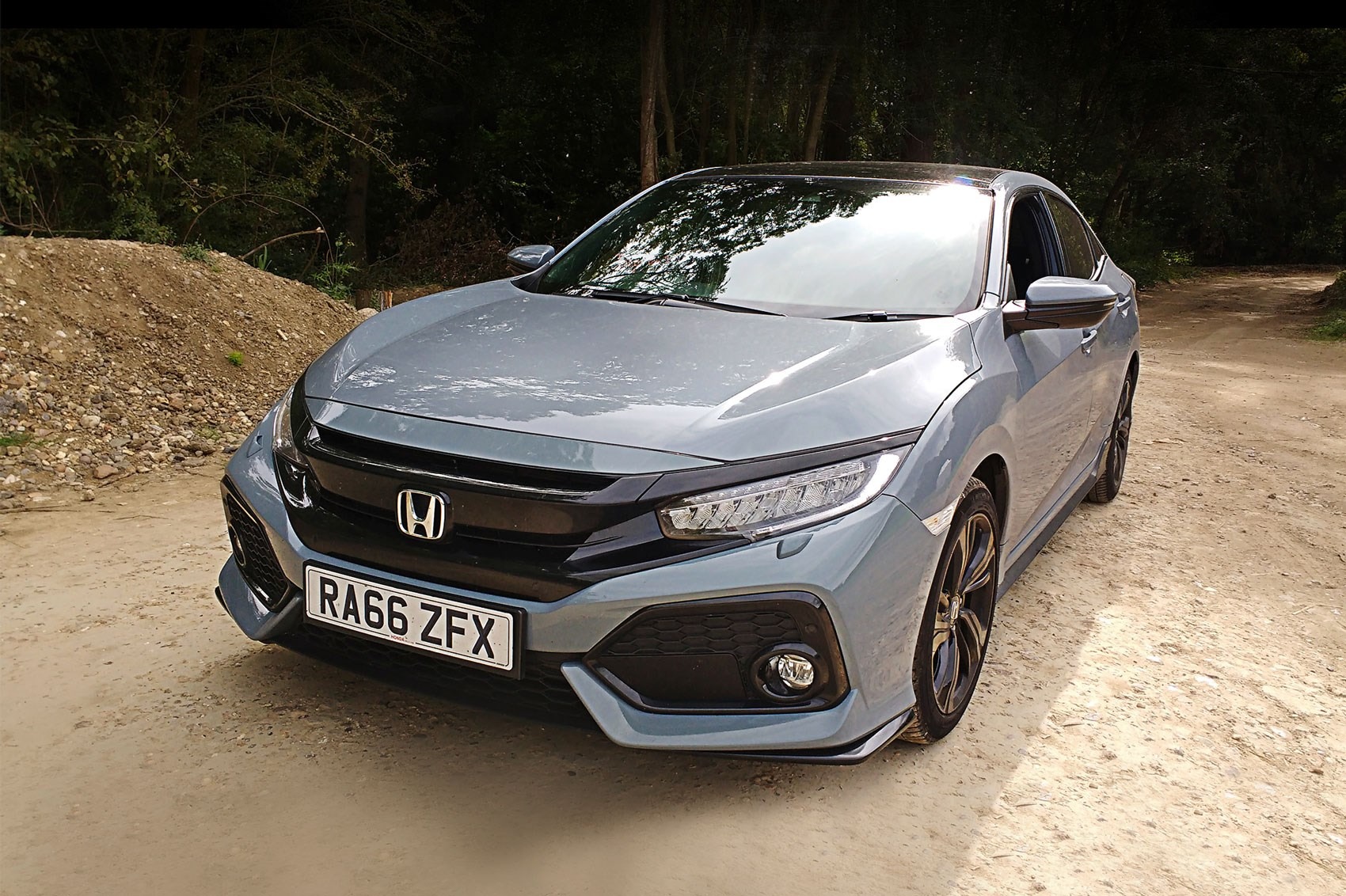
6. Honda Civic
The Honda Civic faced an uphill battle when it was introduced in the early 1970s. At that time, small Japanese cars were not given much chance in the American market. Many people believed they were too fragile and lacked the strength needed for long-term use. But the Civic turned those doubts into a success story.
Its timing played a big role. During the fuel crises of the 1970s, the Civic provided excellent fuel economy when bigger cars were draining wallets.
Drivers began to see it as a practical and affordable option. Beyond fuel economy, the Civic was reliable, easy to maintain, and affordable for students and families.
Honda improved the Civic through every generation without losing focus on its purpose. It balanced efficiency, performance, and comfort in a way that made it attractive to a wide range of drivers. From compact sedans to sporty hatchbacks, the Civic offered variety without losing reliability.
What makes its survival remarkable is that it went through different decades of competition without fading away. Even when SUVs started dominating, the Civic remained strong because it offered value.
Today, it still ranks as one of the highest-selling compact cars worldwide. The Civic’s story shows that survival can come from providing what people need most at the right time and continuing to deliver it for decades.
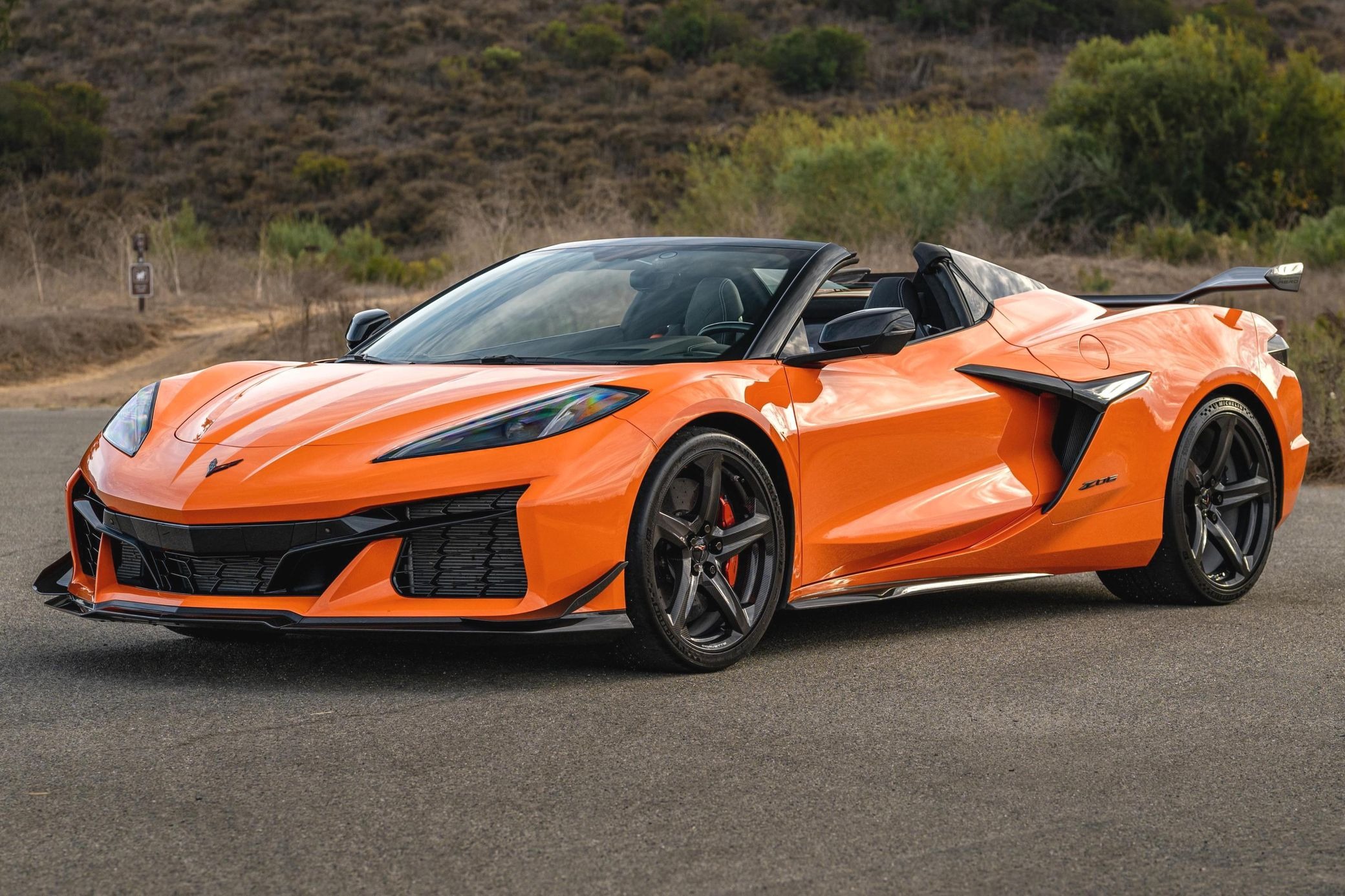
7. Chevrolet Corvette
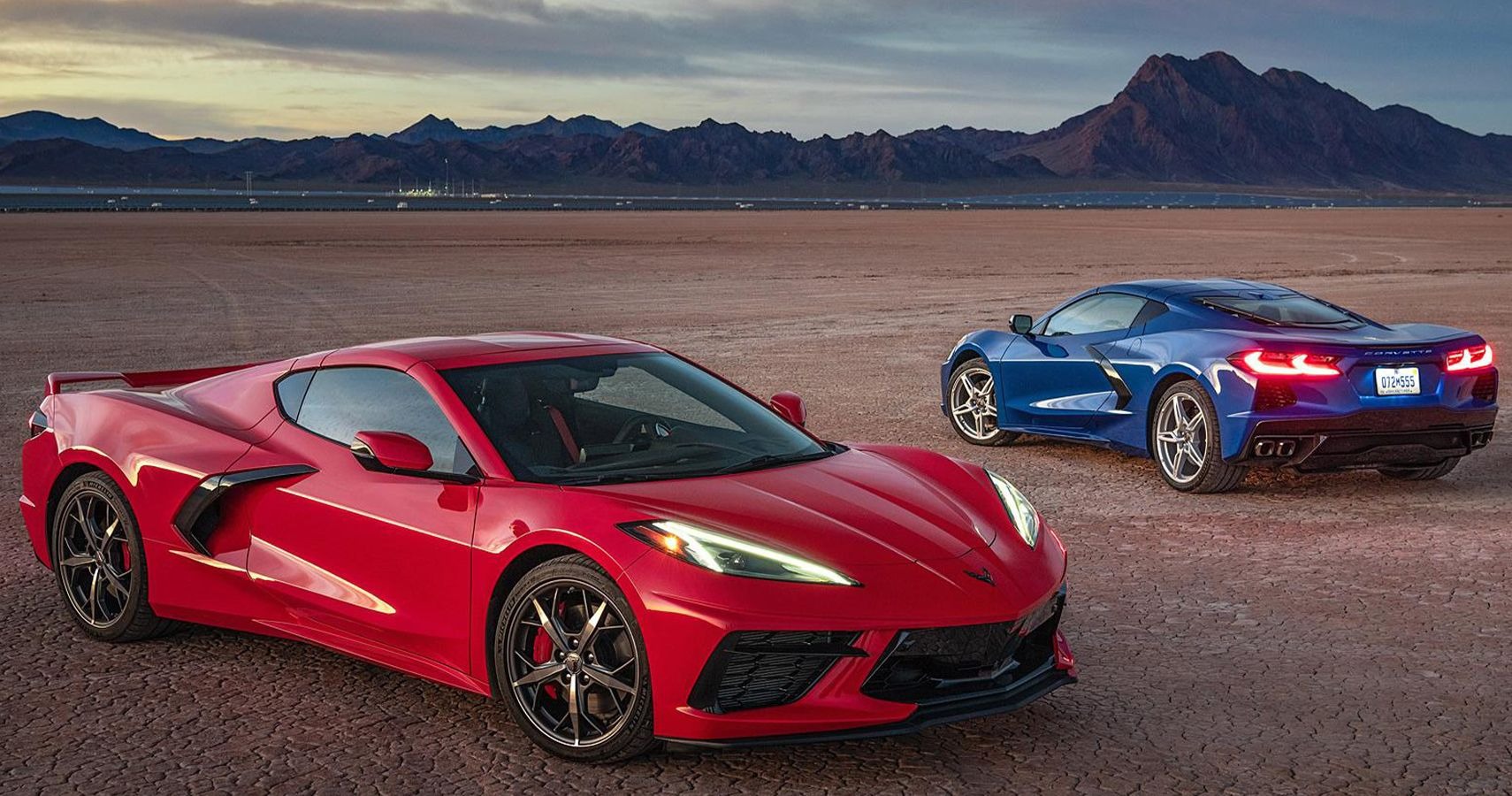
The Chevrolet Corvette nearly disappeared many times in its history. During the 1950s, its early versions faced weak sales, and some people thought General Motors would cancel it. Yet, the Corvette managed to survive, and through survival, it grew into an American icon.
Its breakthrough came when engineers decided to focus on performance. The Corvette gained stronger engines and sportier designs that made it stand out. Over the years, it became associated with speed and style, something that drivers admired.
During tough times like the fuel crises of the 1970s and strict regulations in the 1980s, the Corvette looked like it might not continue.
However, General Motors refused to give up on it. By improving design, upgrading engines, and adding modern features, the Corvette managed to stay alive.
Today, it stands as one of the most respected sports cars in the US. Its recent switch to a mid-engine design has once again proven its ability to adapt while keeping its identity.
The Corvette shows that survival is about fighting through difficulties, adjusting when needed, and never losing the core spirit that makes a car unique.
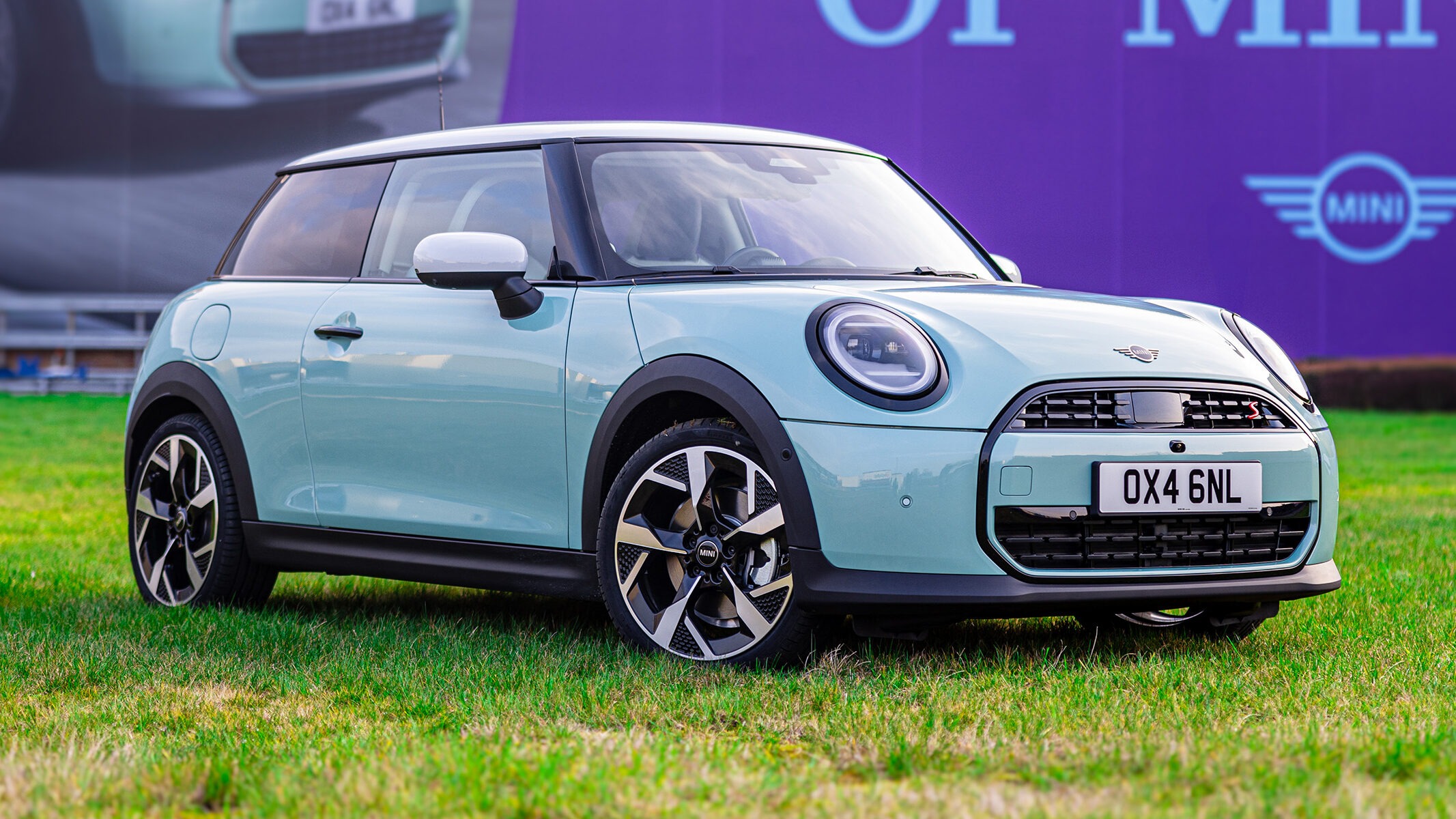
8. Mini Cooper
The Mini Cooper was first introduced in Britain during the late 1950s, and from the beginning, it looked very different from the traditional cars of that era. While most vehicles were long and heavy, the Mini was compact, lightweight, and built to maximize space in a very small frame.
Its unique design placed the wheels at the corners and gave more interior room than people expected from such a small car.
Many at the time believed it was far too tiny to succeed in a market where larger vehicles represented comfort and success. Yet, the very quality that seemed like a weakness became its biggest strength.
Drivers quickly discovered that the Mini Cooper was not only practical but also enjoyable to drive. It handled corners with ease, was very efficient, and could park almost anywhere in crowded cities. Its affordability also gave ordinary families access to a reliable car that saved money on fuel.
What truly pushed the Mini into international recognition was its surprising success in motorsports. During the 1960s, the Mini Cooper stunned the racing world by winning famous rally championships, beating much larger and more powerful cars. These victories gave it a reputation as a small car with big ability, changing the way people looked at compact vehicles.
However, the Mini Cooper’s journey was not always smooth. The brand went through several ownership changes and financial struggles. At different times, it looked like the Mini name would vanish entirely as production slowed down and the car lost attention.
Yet, the love for the Mini never truly disappeared. Its design and cultural status kept people talking about it, and this loyalty gave it a chance to return.
In the early 2000s, BMW revived the Mini Cooper with a modern design that respected the spirit of the original.
The new version was larger and came with advanced technology, but it still carried the playful personality and charm that made the first Mini famous.
The updated Mini became popular in the United States and across Europe, proving that a small car could still compete in a market dominated by larger SUVs and sedans. The Mini Cooper’s survival story is built on personality and connection.
It showed that cars do not have to be big to make a lasting mark. Its unique design, racing heritage, and cultural identity allowed it to remain relevant for more than sixty years.
From being doubted at its launch to becoming a global icon, the Mini Cooper proves that even a car with modest size can leave a very large impact when it builds trust and affection among drivers.
Also Read: 10 Affordable Cars That Refuse to Quit in College Parking Lots
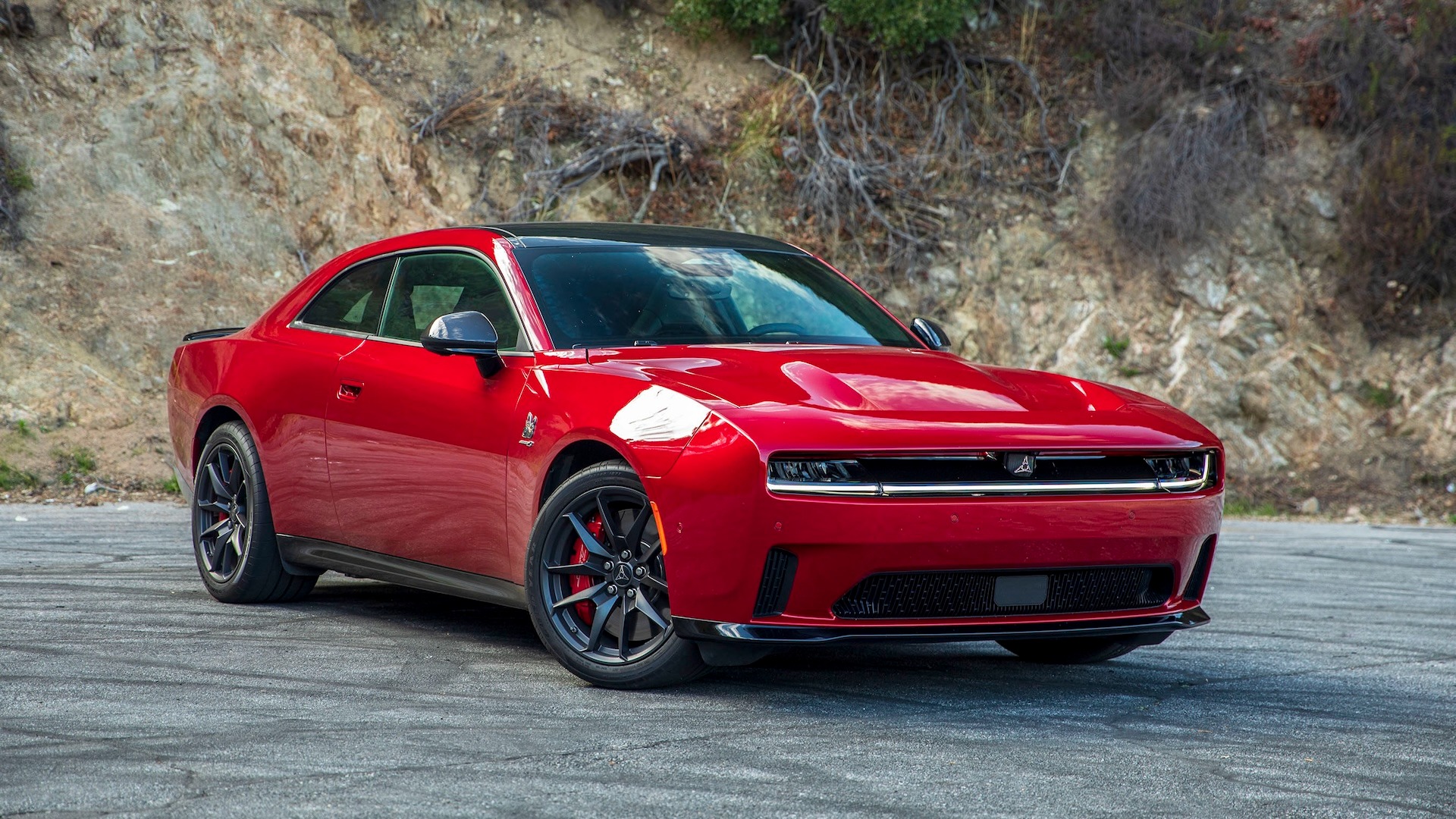
9. Dodge Charger
The Dodge Charger made its entrance in the 1960s and immediately stood out in the muscle car scene. Its bold design, strong engines, and racing influence gave it a presence that few cars could match.
The early Charger was not only a car for speed lovers but also a statement of style, with wide bodies and powerful performance that appealed to young buyers during the golden era of muscle cars.
It became closely tied to American car culture, representing freedom, power, and individuality. However, the Charger’s bright start faced serious challenges in the 1970s. The fuel crisis pushed consumers away from gas-hungry cars, and new federal regulations placed restrictions on performance and emissions.
These changes shook the muscle car industry, and many believed the Charger would not survive. Sales declined, and the car lost some of its original spirit as Dodge experimented with turning it into a personal luxury vehicle.
While some versions during this period carried the Charger badge, they lacked the raw muscle that defined the name in its early years.
What saved the Charger from permanent disappearance was Dodge’s refusal to let go of the name. Even when redesigns were met with mixed reviews, the company kept the Charger alive in some form.
By the 1980s and 1990s, the name was reintroduced in different body styles, including hatchbacks and sedans, though none carried the full weight of the muscle car legend. Yet, those versions kept the Charger’s identity from fading completely.
The true revival came in the mid-2000s when Dodge reintroduced the Charger as a large four-door sedan with aggressive styling and powerful V6 and V8 engine options. While traditionalists complained about the sedan layout, the new Charger quickly gained popularity among younger buyers who valued its mix of practicality and performance.
It was fast, bold, and loud, just like the original spirit intended, but it also worked as a family car. This balance allowed the Charger to find new life in a modern market. Pop culture also played a major role in its survival.
Appearances in action movies, television shows, and racing games kept the Charger’s name relevant to new generations. The car became a favorite in car clubs and among enthusiasts who valued its aggressive design and performance.
Police departments across the United States even adopted modified Charger versions for their fleets, which strengthened its image as a powerful and dependable car. Today, the Dodge Charger remains part of Dodge’s lineup and continues to hold a strong place in car culture. Its survival shows the value of reinvention without abandoning roots.
While many muscle cars disappeared completely, the Charger proved that flexibility, loyal communities, and a strong identity can keep a car alive for decades. From its 1960s glory days to its modern sedan era, the Charger stands as proof that a name can endure even when the industry changes.
