
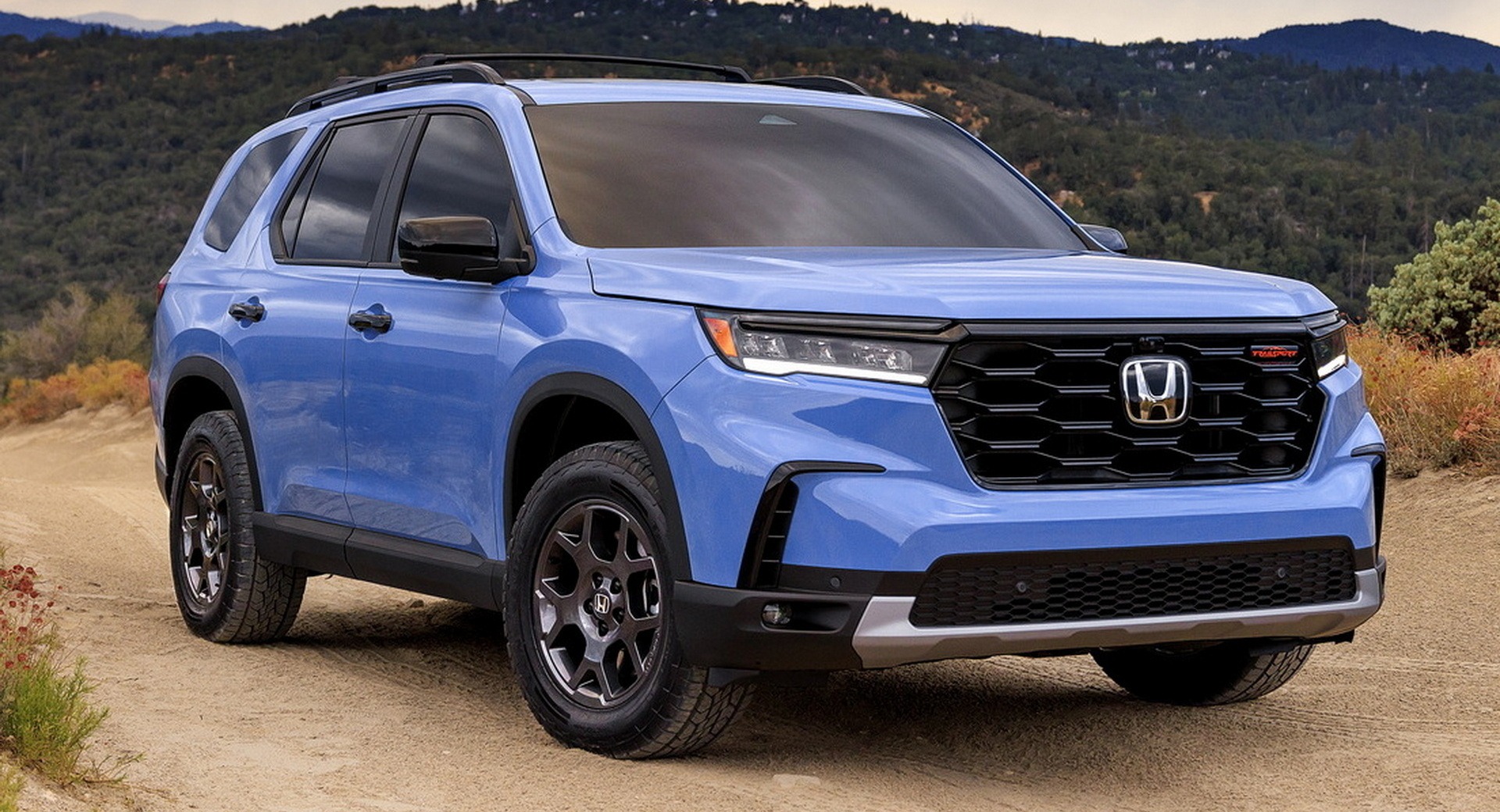
Honda Pilot has remained one of the most trusted midsize SUVs in the American market for families who want a dependable and roomy vehicle. Many buyers pick this model because it blends strong performance with comfort, offering three rows of seating and safety features that suit both short commutes and long trips.
Although the Pilot has a good name for reliability, not every year of production has delivered the same value. Some model years have proven to be durable and dependable, while others have presented challenges with mechanical or design flaws that left buyers spending more on repairs than they expected.
When shopping for a used Honda Pilot, it is very important to know which years perform better and which years might bring headaches. The brand has been in production since 2003, and over the years, there have been changes in engine quality, transmission strength, interior features, and safety systems.
Buyers often ask whether a particular year is worth considering, especially when they want to hold on to the vehicle for a long period without facing costly repairs. We will provide a careful breakdown of five Honda Pilot years that have shown excellent durability and remain a good option for buyers who want peace of mind.
We will also point out five years that have earned a poor reputation because of repeated issues. Knowing the strengths and weaknesses of these years will help you make an informed choice and avoid regret after purchase.
In each section, we will carefully describe why a year stands out, either for lasting performance or for constant trouble, with details on engines, transmissions, interior comfort, and common faults. By the end, you will see clearly which years are dependable and which ones are best avoided.
5 Honda Pilot Years That Last
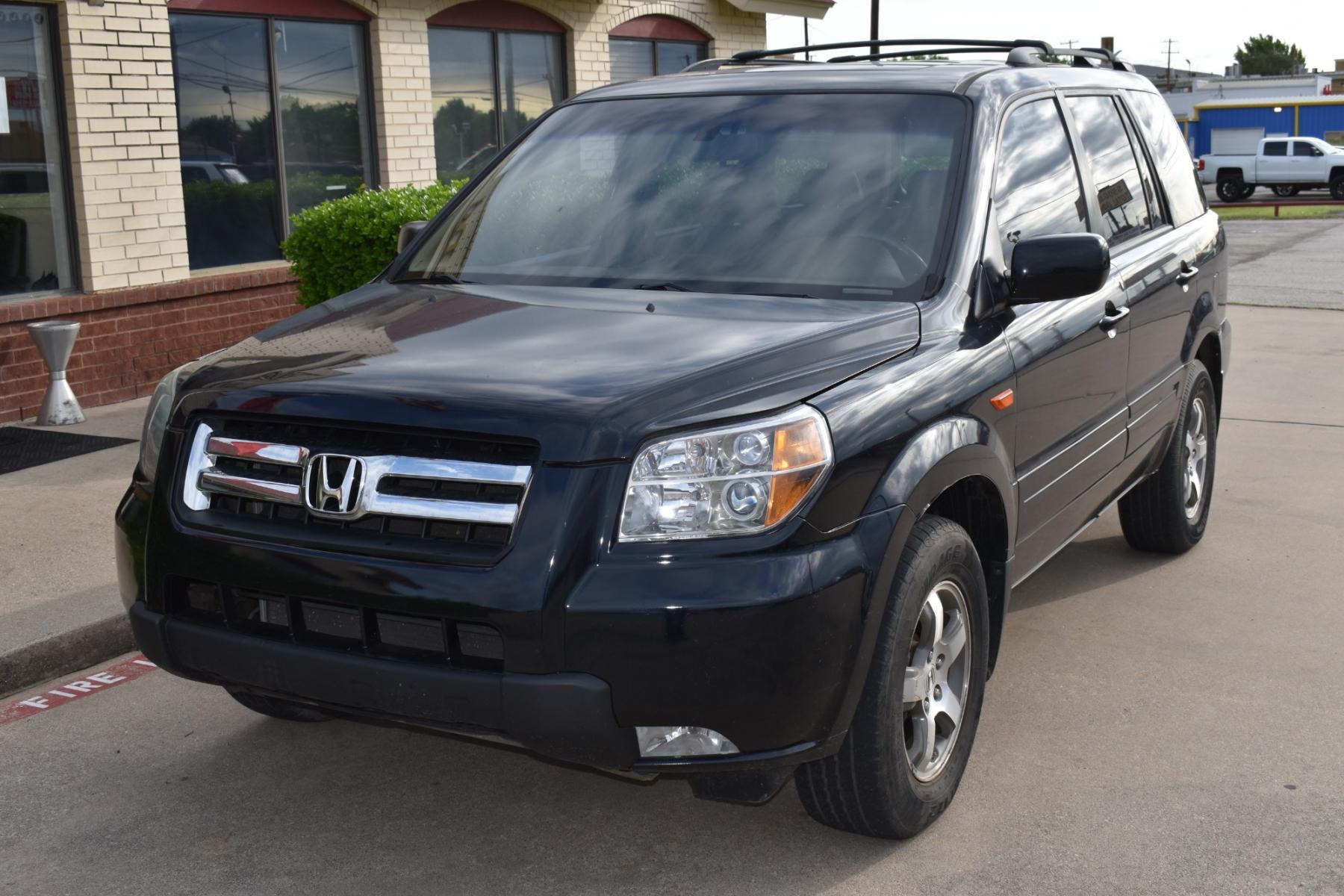
1. 2006 Honda Pilot
The 2006 Honda Pilot remains a solid choice for drivers who want a used SUV that can stand the test of time. It came during the first generation but brought updates that addressed problems seen in earlier years.
Owners praise the durability of the engine, which is a 3.5-liter V6 that delivers strong performance while keeping fuel use within reasonable levels for a midsize SUV. The five-speed automatic transmission in this year is more stable than the versions that came before, leading to fewer reports of sudden failure.
One reason why many drivers still value the 2006 model is the strength of its build. The body design is sturdy, and the suspension handles both city roads and rougher terrain with balance. Drivers who live in areas with different weather conditions also appreciate that this model comes with an optional four-wheel drive that performs well in rain or snow.
When maintained properly, the 2006 Pilot can easily pass 200,000 miles without major breakdowns. Another advantage is the comfort inside the vehicle. Families enjoy the roomy three-row seating that allows both adults and children to travel without feeling cramped.
The materials used in the seats and interior panels resist wear, making the cabin age gracefully. Many buyers also point out that the 2006 Pilot’s safety ratings gave them confidence, as it includes features like anti-lock brakes, side curtain airbags, and stability control.
Repair costs for this year tend to be lower than for models that came after 2010. While every vehicle requires maintenance, the 2006 Honda Pilot avoids the serious transmission or engine issues that plagued other years. Its balance of strength, comfort, and long life makes it one of the most reliable choices for anyone seeking a second-hand SUV.
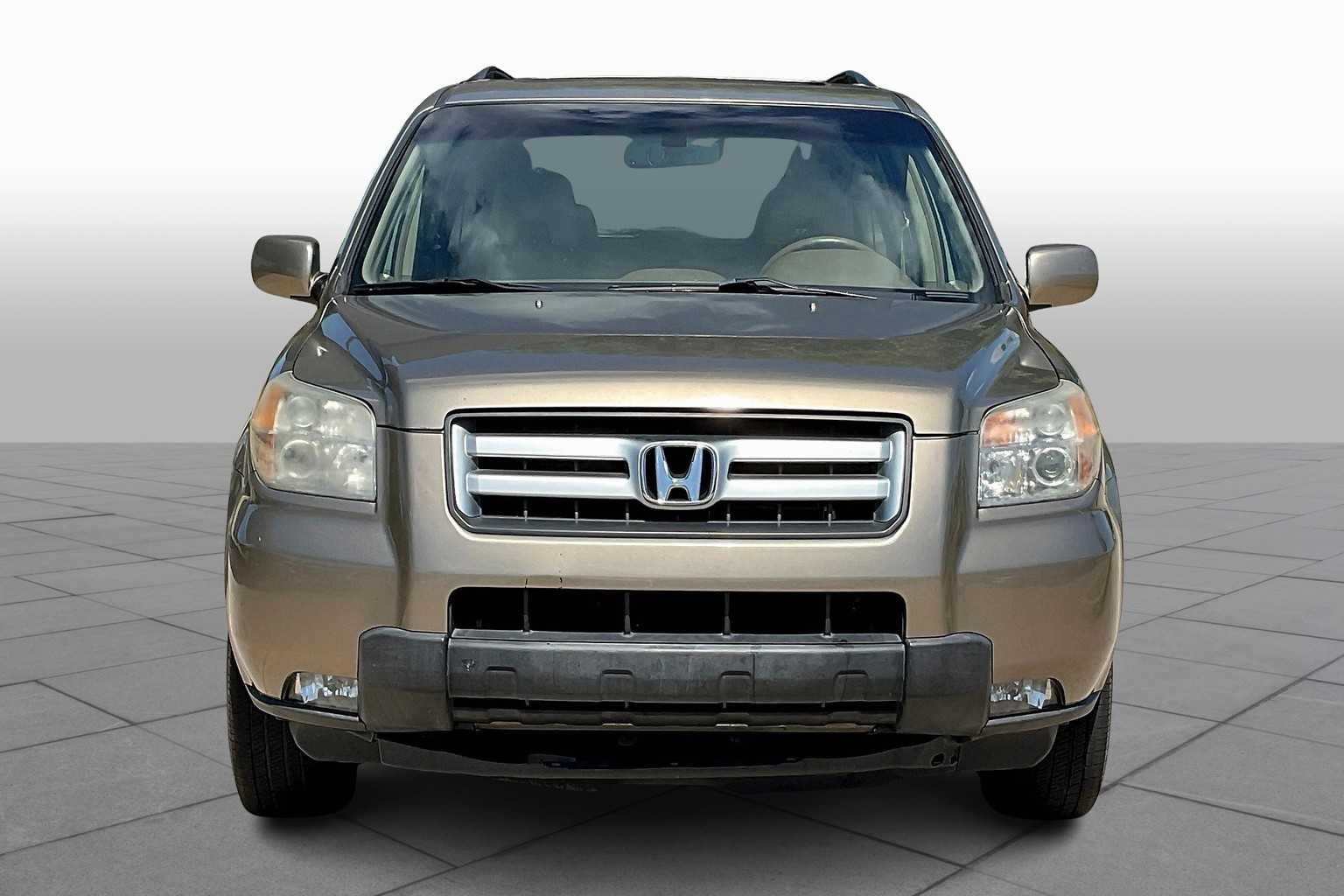
2. 2008 Honda Pilot
The 2008 Honda Pilot marked the last year of the first generation and brought together the improvements Honda had made since the model was first released. Owners consistently praise its dependability, with many reporting that the vehicle can pass 250,000 miles when properly serviced. The 3.5-liter V6 engine in the 2008 version is well refined, delivering smooth power for both highway and city driving.
One factor that makes this model stand out is its fewer reports of major mechanical issues. The transmission is stronger than earlier models, and there are fewer cases of premature failure compared with the troublesome 2003 and 2005 models. The suspension provides a stable and controlled ride, and the steering system feels secure, which adds to driver confidence.
Families appreciate the practicality of the 2008 Pilot because of its three-row seating and flexible cargo space. The rear seats can be folded flat, allowing larger items to fit easily, making it ideal for long trips or everyday errands.
The design of the interior may not appear as modern as later versions, but the materials are durable, resisting quick wear and tear. This year also shines in terms of safety. It offers airbags across all rows, electronic stability control, and a strong crash test performance. Many parents consider it a safe choice for transporting their children.
Repair and maintenance costs for the 2008 Pilot are also more reasonable compared with the second-generation models that followed. Drivers rarely complain about major issues, and most expenses are related to routine service, such as brake pads, tires, or oil changes.
The 2008 Honda Pilot remains a wise pick for buyers who want an affordable and dependable SUV. Its reputation for longevity, combined with comfort and safety, makes it one of the most dependable years of the model.
Also Read: 5 Honda Civic Years That Last Forever vs 5 That Don’t
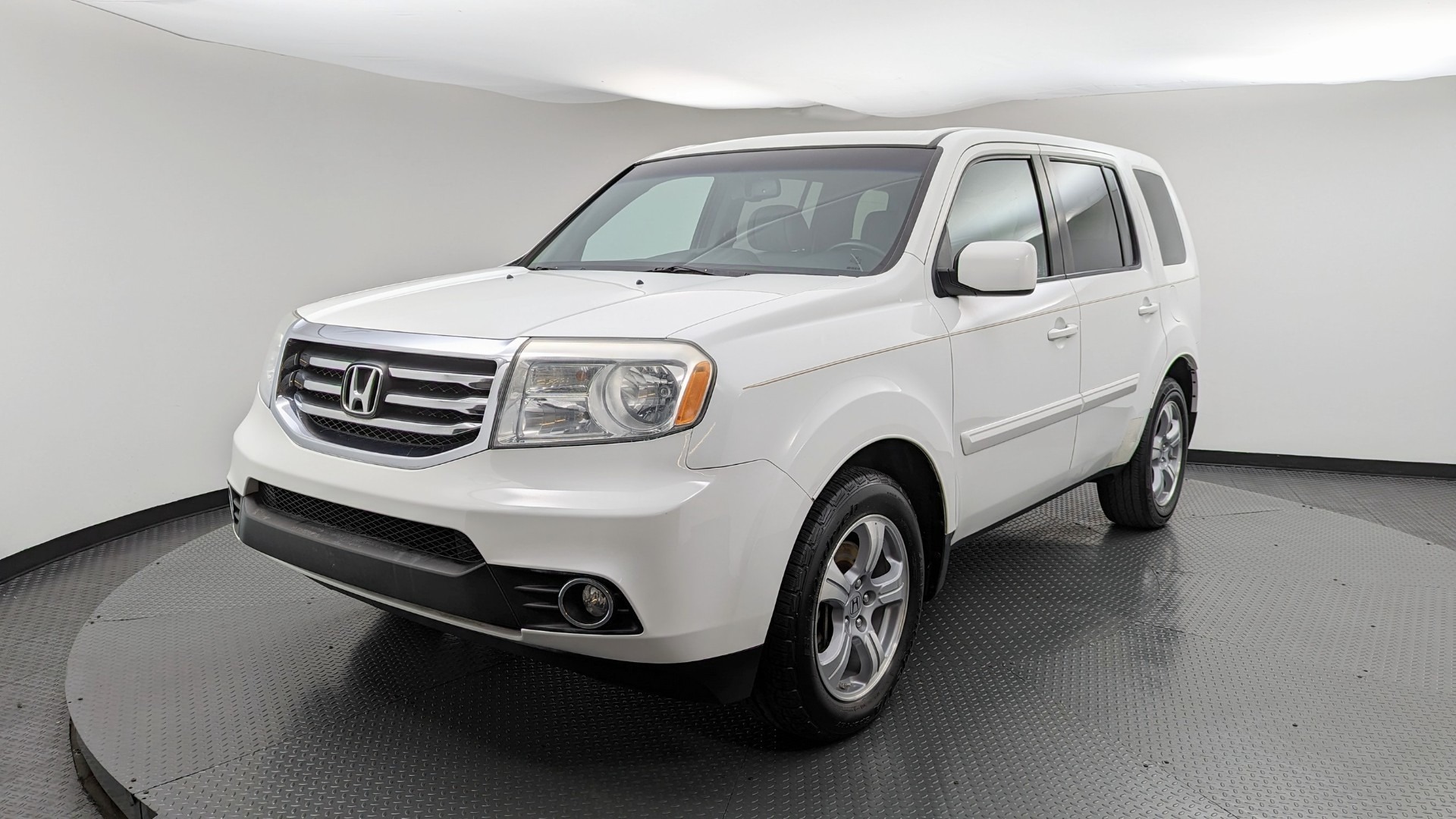
3. 2012 Honda Pilot
The 2012 Honda Pilot was part of the second generation, but corrected several concerns that appeared in the earlier years of that generation. Buyers often describe it as a strong balance between performance and family-friendly comfort. The 3.5-liter V6 engine in this model is paired with a five-speed automatic transmission that holds up better compared with some of the gearboxes used in later models.
Many drivers have reported that the 2012 Pilot delivers reliable service for years when maintained with routine care. It is less likely to experience major engine or transmission failure compared with other second-generation models, particularly the 2009 and 2011 versions. The fuel efficiency is fair for its size, and drivers appreciate that the engine provides steady power for towing or carrying passengers.
The cabin is another reason the 2012 Pilot is seen as dependable. With three rows of seats and well-arranged space, it provides comfort for long trips. The dashboard design, though simple, is easy to use, and the materials used are sturdy enough to handle daily wear. Buyers often highlight the quiet ride, which makes it pleasant for families.
Safety features in the 2012 version include anti-lock brakes, stability control, and airbags across all rows, making it a trusted option for those who prioritize protection. Repair data also shows that this model avoids the frequent and costly problems seen in certain other years. Most repairs are linked to general maintenance rather than serious faults.
Because of its balanced features, steady performance, and record of lasting many miles without constant breakdowns, the 2012 Honda Pilot stands as one of the years that still delivers strong value to used car buyers.
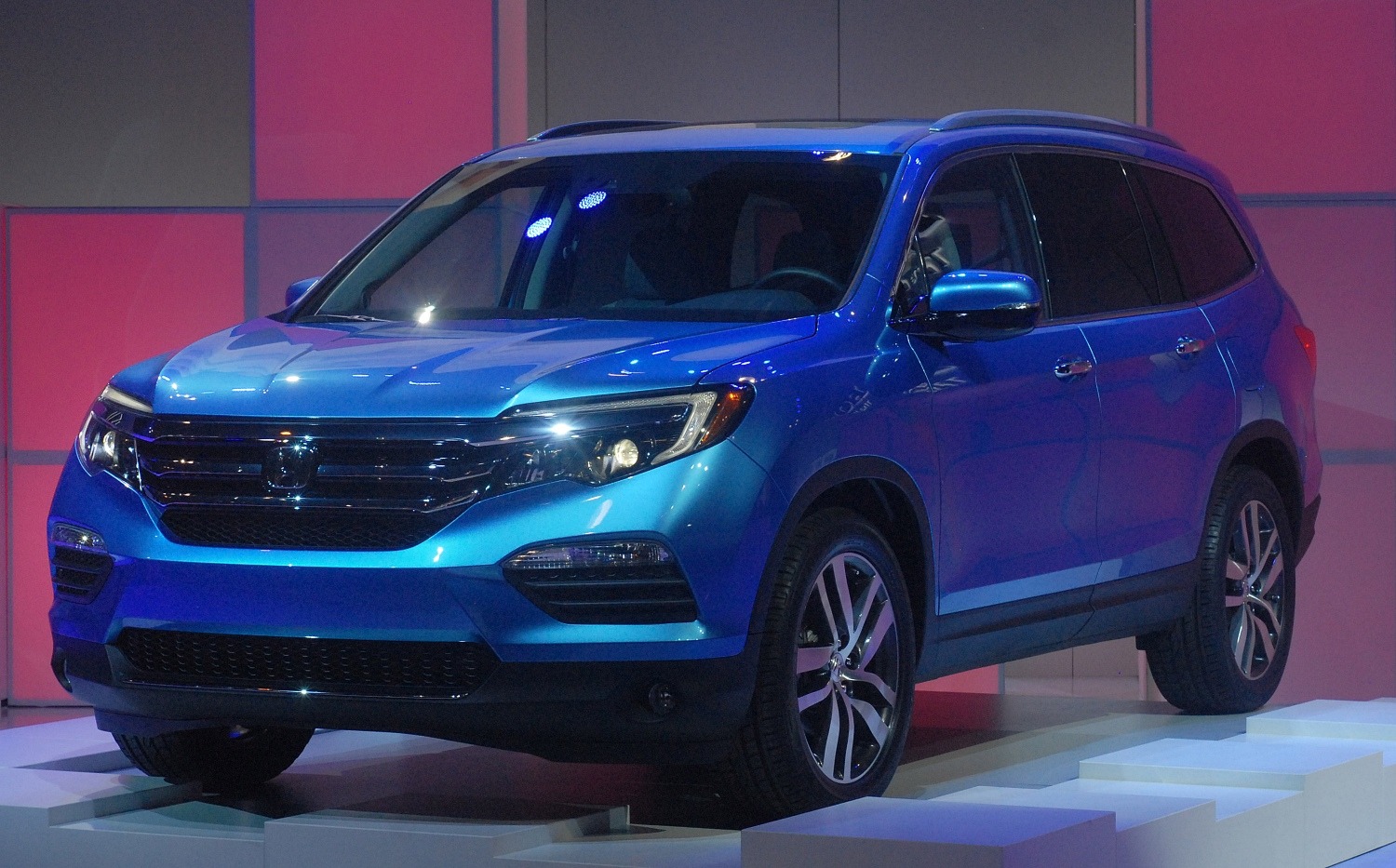
4. 2015 Honda Pilot
The 2015 Honda Pilot represents the final year of the second generation, and Honda managed to polish many of the concerns raised in earlier years. This version is valued because it avoids the constant transmission problems that affected some of the earlier models.
The 3.5-liter V6 engine continues to offer strong performance, and paired with a six-speed automatic transmission, it provides smoother transitions compared with the five-speed system used before. One reason buyers trust the 2015 Pilot is its improved reliability ratings compared with the 2009 to 2013 versions.
Owners often share that the vehicle has fewer issues with powertrain components and can cover high mileage without breaking down. This model also provides a strong towing capacity, which appeals to families who want an SUV capable of pulling trailers or boats.
Inside, the 2015 Pilot continues the tradition of roomy seating with space for eight passengers. The third row is suitable for children and shorter adults, while the first two rows provide comfort even on long trips. Cargo space is generous, and with rear seats folded, it becomes one of the most practical midsize SUVs in its class.
Repair and maintenance costs remain reasonable, with fewer reports of severe engine or transmission repairs compared with the second-generation models that came earlier. Many buyers have stated that the 2015 Pilot gave them years of trouble-free driving with only normal service requirements.
Because of its polished design, stronger transmission, and steady long-term performance, the 2015 Honda Pilot is one of the years that buyers can count on for durability.
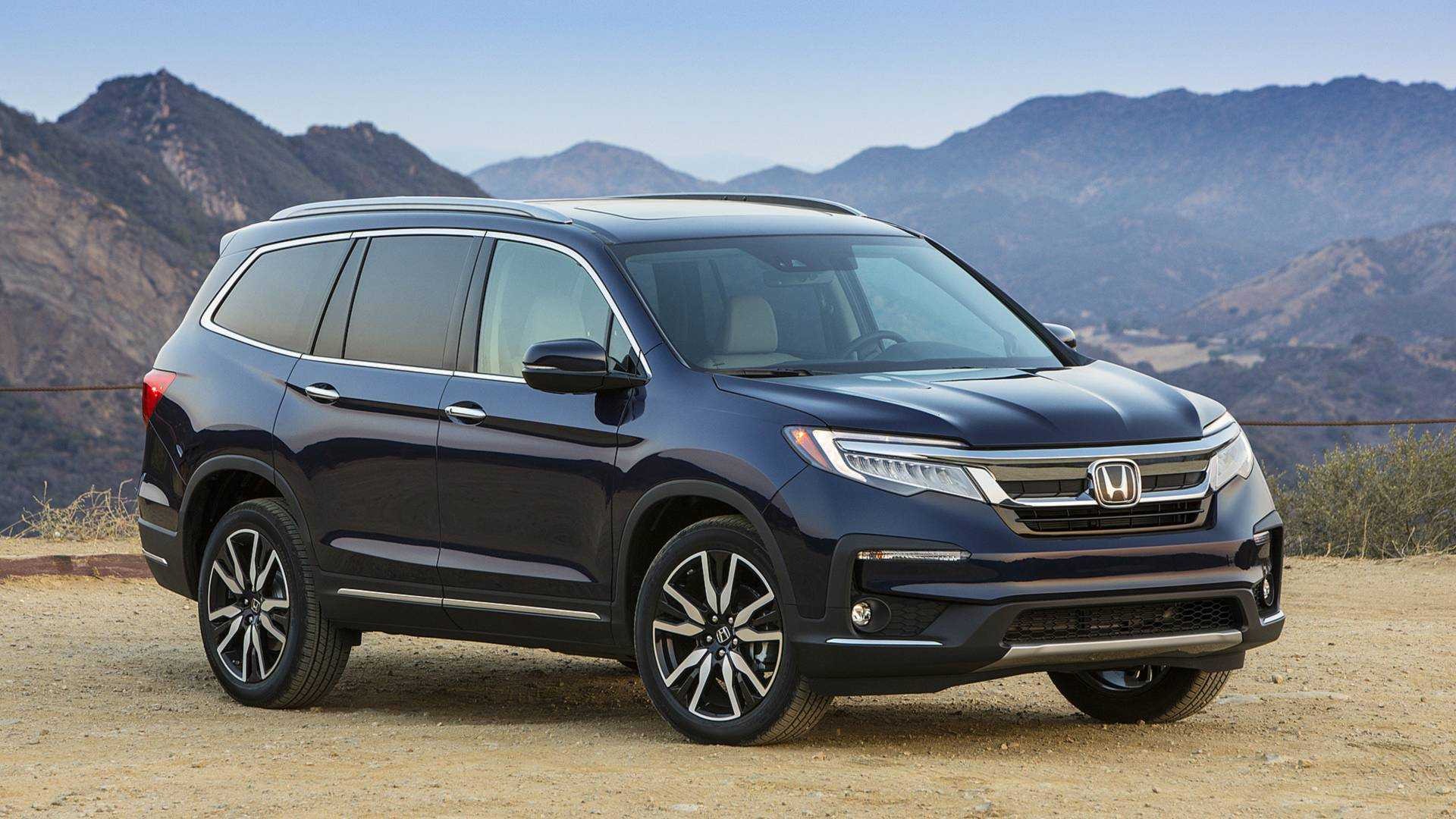
5. 2019 Honda Pilot
The 2019 Honda Pilot belongs to the third generation and brings a refreshed design with modern technology and improved safety. It also addressed many of the reliability issues that had worried buyers in earlier third-generation models.
This version comes with a 3.5-liter V6 engine paired with either a six-speed or a nine-speed automatic transmission, both of which perform better compared with the troubled gearboxes used in the 2016 model.
Drivers have found that the 2019 Pilot runs smoothly and provides power for both everyday commuting and long-distance travel. The ride comfort is high, with suspension that balances road bumps effectively.
Families like this year because of the advanced safety technology, including collision mitigation braking, lane-keeping assist, adaptive cruise control, and blind-spot monitoring. These features provide reassurance that was not standard in older models.
Inside, the 2019 Pilot feels modern and user-friendly. The infotainment system includes Apple CarPlay and Android Auto, which many buyers prefer. The seats are comfortable, with quality materials that hold up well. The cabin is spacious enough to carry both people and luggage without feeling cramped.
From a reliability standpoint, the 2019 Pilot has a much better record than the 2016 and 2017 versions. Owners report fewer complaints about the transmission and electronics, making it a safe choice for those who want a more recent model without constant repair worries.
Maintenance costs are in line with expectations for a midsize SUV and do not present surprises for most buyers. Because of its improved technology, reliable engine, safer driving systems, and more refined transmission, the 2019 Honda Pilot is a dependable pick among recent models.
5 Honda Pilot Years That Don’t Last
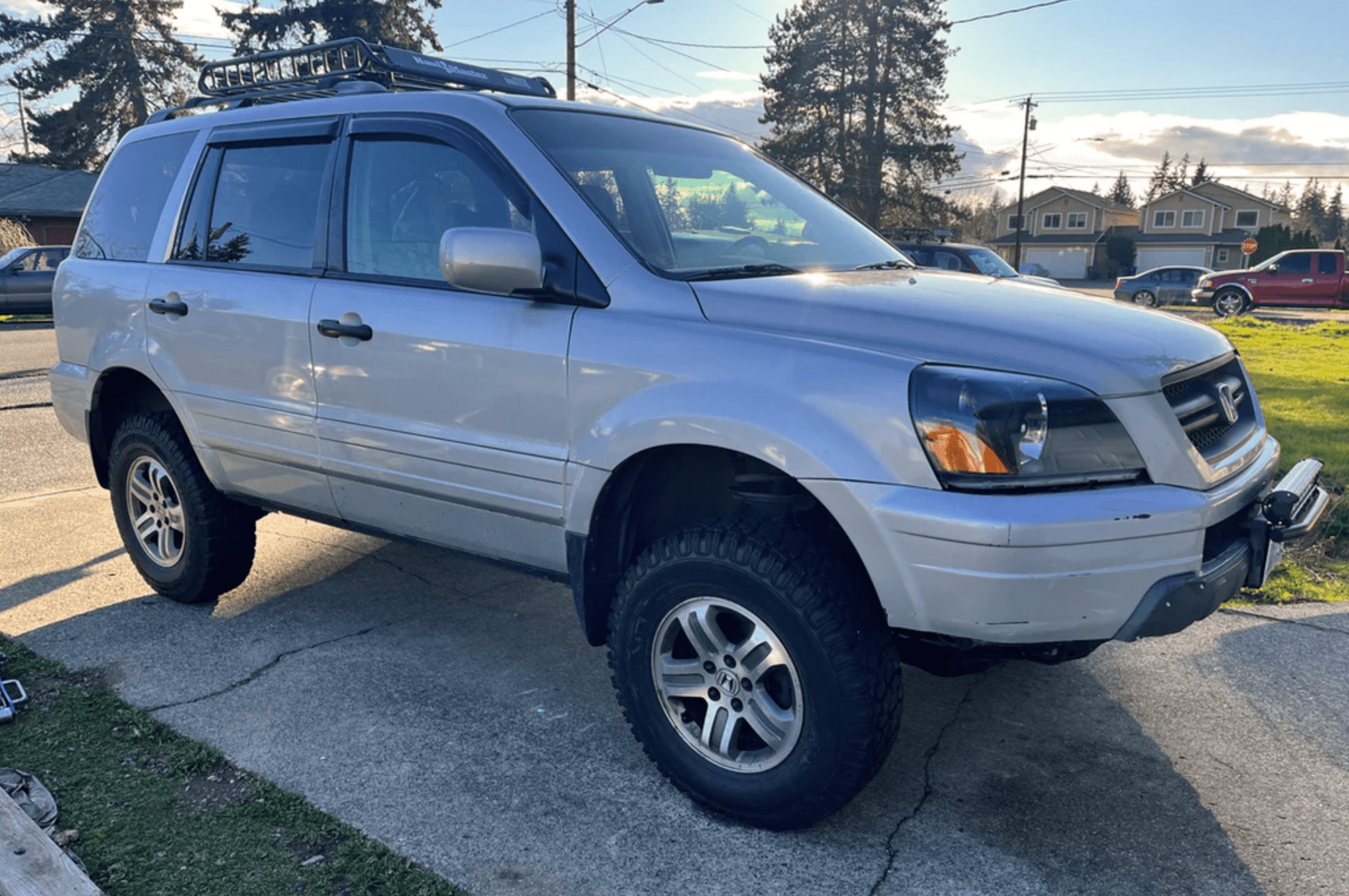
1. 2003 Honda Pilot
The first year of the Honda Pilot may have attracted buyers with its fresh design and roomy cabin, but it quickly gained a poor reputation for reliability. Many owners of the 2003 model reported repeated transmission failures that showed up long before high mileage.
The five-speed automatic gearbox was prone to overheating, slipping, and sudden breakdowns, often leading to expensive repairs or complete replacement. These transmission faults became one of the biggest complaints, making the 2003 Pilot a risky choice in the used market.
The engine itself, a 3.5-liter V6, delivered decent power, but the weak transmission overshadowed its performance. Many drivers had to spend thousands of dollars fixing or replacing the gearbox, which reduced the value of the vehicle.
Even when the transmission was replaced, some owners found that new issues developed after some time. This left many people feeling disappointed with what was supposed to be a family-friendly SUV. Another concern with the 2003 Pilot was the build quality of the interior.
While the cabin was spacious, the materials used were not very durable. Seats wore out quickly, and dashboard rattles became common as the vehicle aged. Electronics also gave trouble, with problems in the climate control system and dashboard warning lights appearing unexpectedly.
Safety was decent for the time, but compared with later years, it lacked many advanced features that buyers now expect. Families who thought they were buying a reliable long-term vehicle often discovered that repair costs piled up more than they anticipated. Routine maintenance alone was not enough to prevent the bigger issues from surfacing.
Because of the weak transmission, poor interior durability, and repeated complaints from owners, the 2003 Honda Pilot is one of the years to avoid. It may be affordable on the used market, but the hidden costs of repairs often outweigh any savings from the low purchase price.
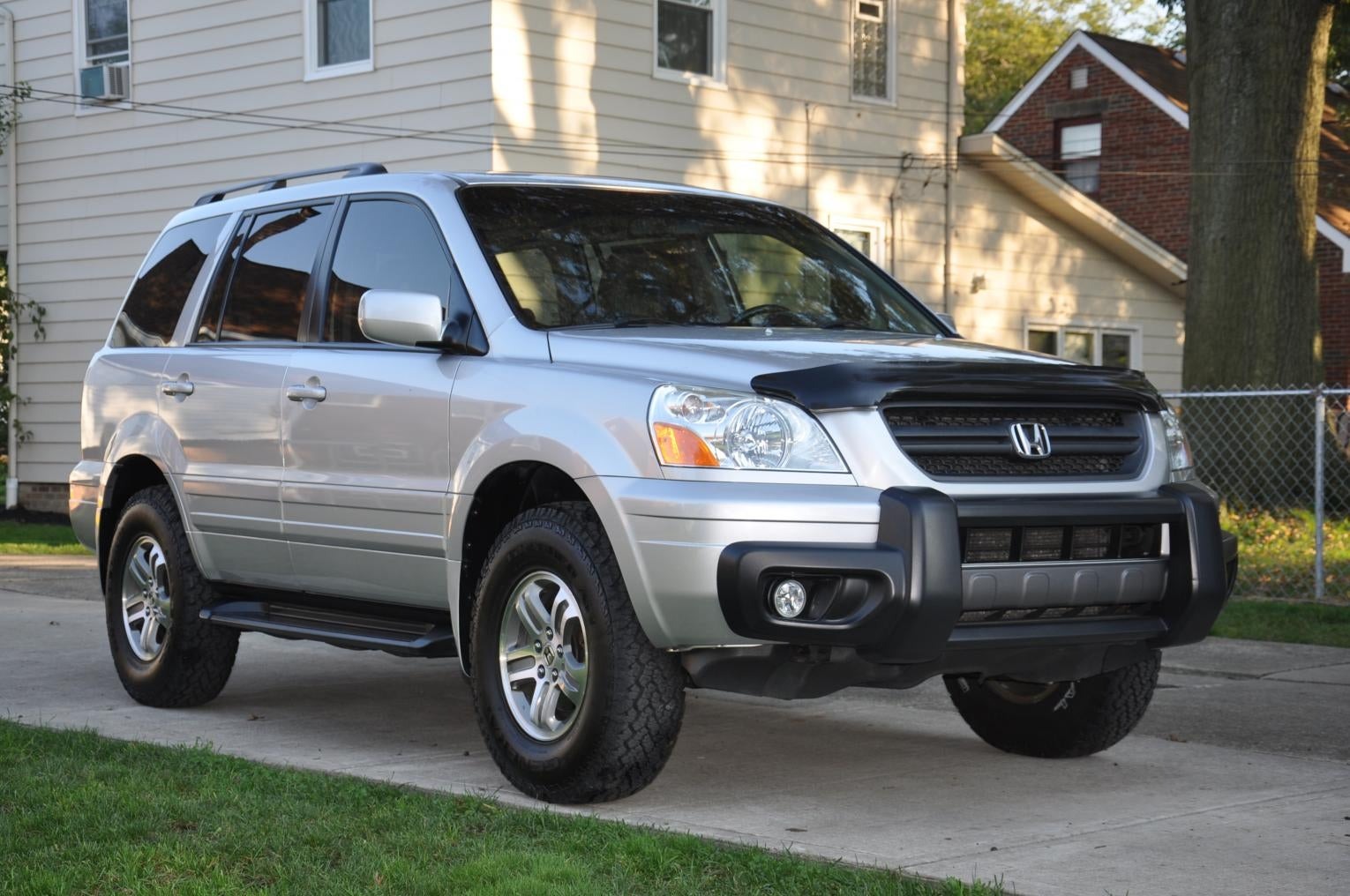
2. 2005 Honda Pilot
The 2005 Honda Pilot carried over many of the same problems that troubled the early models. Transmission reliability was still a major issue, and this year suffered from both mechanical and design faults. Owners frequently reported slipping gears, delayed shifting, or sudden failure of the automatic transmission. In many cases, replacement was the only solution, which came at a very high cost.
The engine itself was reasonably strong, but the poor pairing with the transmission reduced its value. Many drivers also complained about vibrations during acceleration, which were often linked to drivetrain issues. These problems made the driving experience less comfortable and created safety risks when the vehicle struggled to change gears properly.
Interior quality also failed to impress. Seats and interior trim showed wear early, and some of the electronics, such as the audio system and instrument panel, stopped working correctly. The air conditioning system was another weak point, with frequent reports of it failing or producing inconsistent cooling. For families living in warmer regions, this created major frustration.
The 2005 Pilot also faced complaints about braking components wearing out faster than expected. Owners often had to replace pads and rotors much earlier than on competing SUVs. Combined with the costly transmission repairs, these extra expenses made the vehicle less appealing to long-term owners.
While some drivers did manage to use the 2005 Pilot for many miles, it usually required heavy investment in repairs to keep it running. Compared with other model years, the problems in this version were more serious and more expensive.
Buyers today should be cautious, as the cost of fixing known issues may be higher than the value of the car itself. For these reasons, the 2005 Honda Pilot is widely regarded as a year to avoid when looking for a used model.
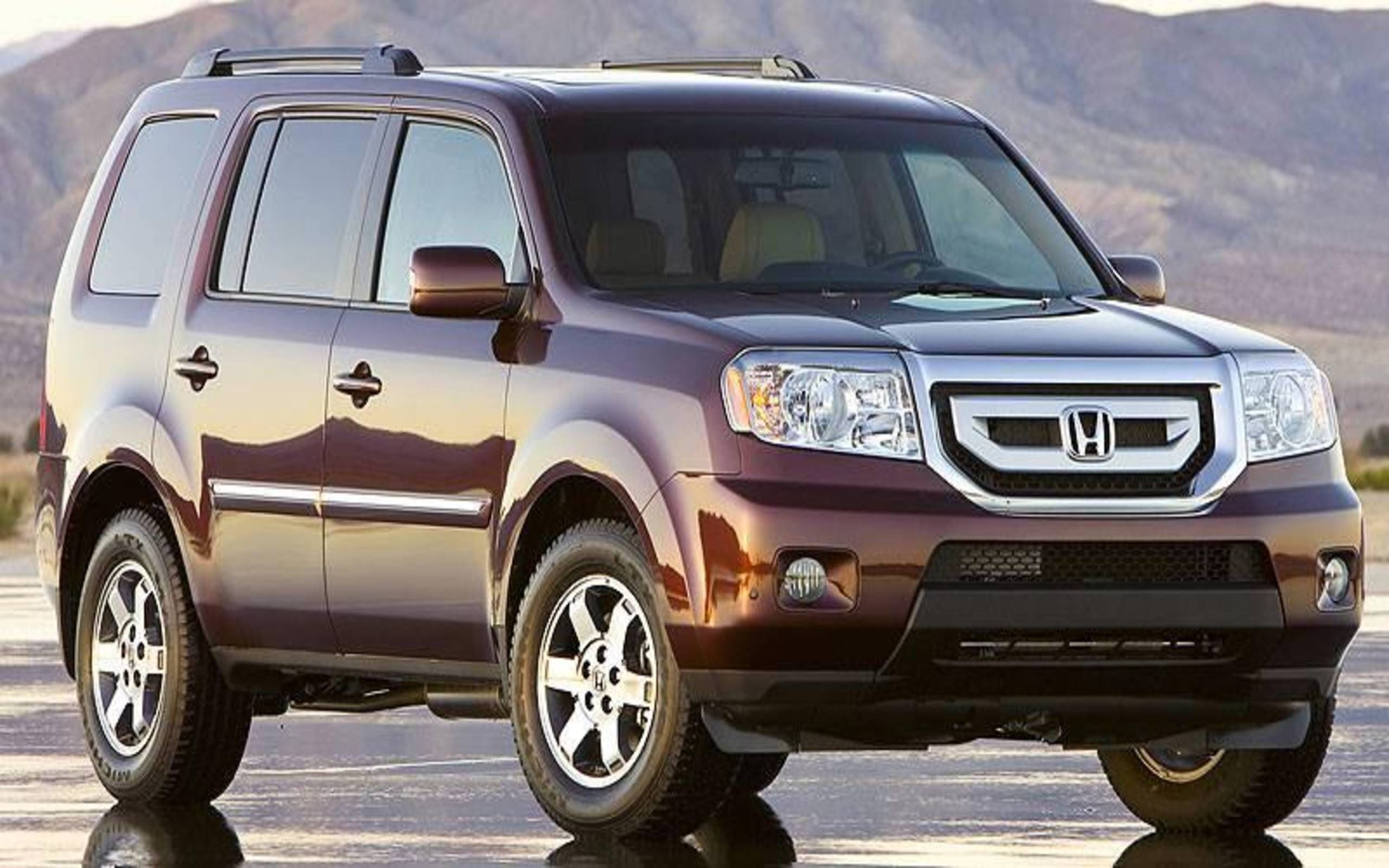
3. 2009 Honda Pilot
The 2009 Honda Pilot was the first year of the second generation, and unfortunately, it started off poorly. Buyers were drawn to its redesigned body and larger interior, but many discovered that reliability was far from impressive.
One of the biggest complaints was the engine’s tendency to develop problems with excessive oil consumption. Some owners found themselves adding oil between changes far too often, which raised concerns about long-term durability.
Transmission problems also showed up in this model, though not as extreme as the early 2000s versions. Many drivers experienced hard moves, rough performance, or sudden jerks when changing gears. These issues reduced driving comfort and raised the risk of costly repairs.
The 2009 Pilot also fell short in terms of interior quality. Although Honda aimed to make the cabin more upscale, the materials did not hold up well. Dashboard plastics scratched easily, seat fabrics wore out quickly, and squeaks or rattles became common. Buyers who expected a premium family SUV often felt let down by the disappointing finish.
Another recurring problem involved the air conditioning system, which was unreliable in many units. Repairs were expensive, and failure often happened earlier than expected. Braking components also wore out faster than usual, leading to frequent replacements.
Safety equipment in the 2009 version was competitive for its time, but that did not balance out the high repair costs and durability concerns. While some owners appreciated the spacious interior and practical layout, the constant maintenance needs took away the value.
The 2009 Honda Pilot is considered a poor choice for buyers who want a long-lasting used vehicle. Its mechanical weaknesses and fragile interior make it less dependable compared with later years.
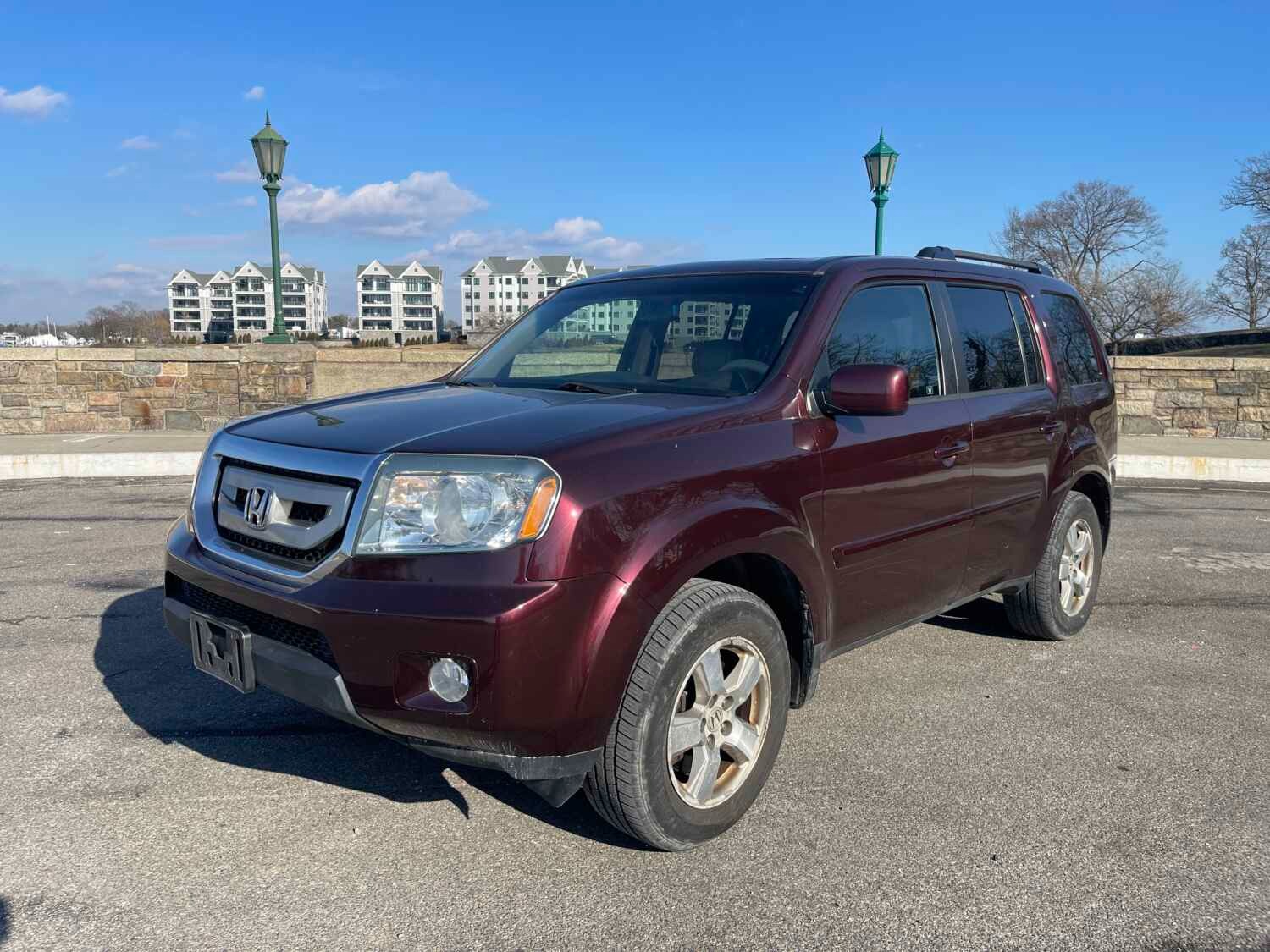
4. 2011 Honda Pilot
The 2011 Honda Pilot looked appealing on the outside with its boxy design and roomy interior, but it did not live up to expectations for reliability. Many owners complained about excessive oil consumption, which was one of the biggest issues in this year.
Engines often burned oil faster than they should, forcing drivers to add oil regularly between changes. Left unchecked, this problem could lead to engine damage and high repair bills. Transmission concerns were also present in the 2011 model.
Drivers reported rough shifting and hesitation when accelerating, which made driving less smooth. While not every vehicle had these problems, enough cases were reported to raise red flags for buyers. Inside, the 2011 Pilot showed weaknesses in material durability.
Seats became worn quickly, and some owners dealt with peeling upholstery. Dashboard rattles were common as the vehicle aged, which reduced comfort during daily use. Families who bought the SUV expecting a refined cabin often found it noisy and less pleasant than expected.
Air conditioning system failures were another frequent complaint. Many units stopped cooling effectively after only a few years, requiring costly repairs. Combined with the engine oil issue and transmission problems, these faults made ownership frustrating for many drivers.
Although the 2011 Pilot offered strong towing ability and decent safety features, the high likelihood of costly repairs overshadowed these positives. Buyers today should be cautious with this model year, as many of its weaknesses appear even in well-maintained vehicles.
For these reasons, the 2011 Honda Pilot is seen as one of the years that do not last well, and it is best avoided when searching for a reliable used SUV.
Also Read: 5 Honda Sedans That Rarely Break vs 5 That Constantly Do
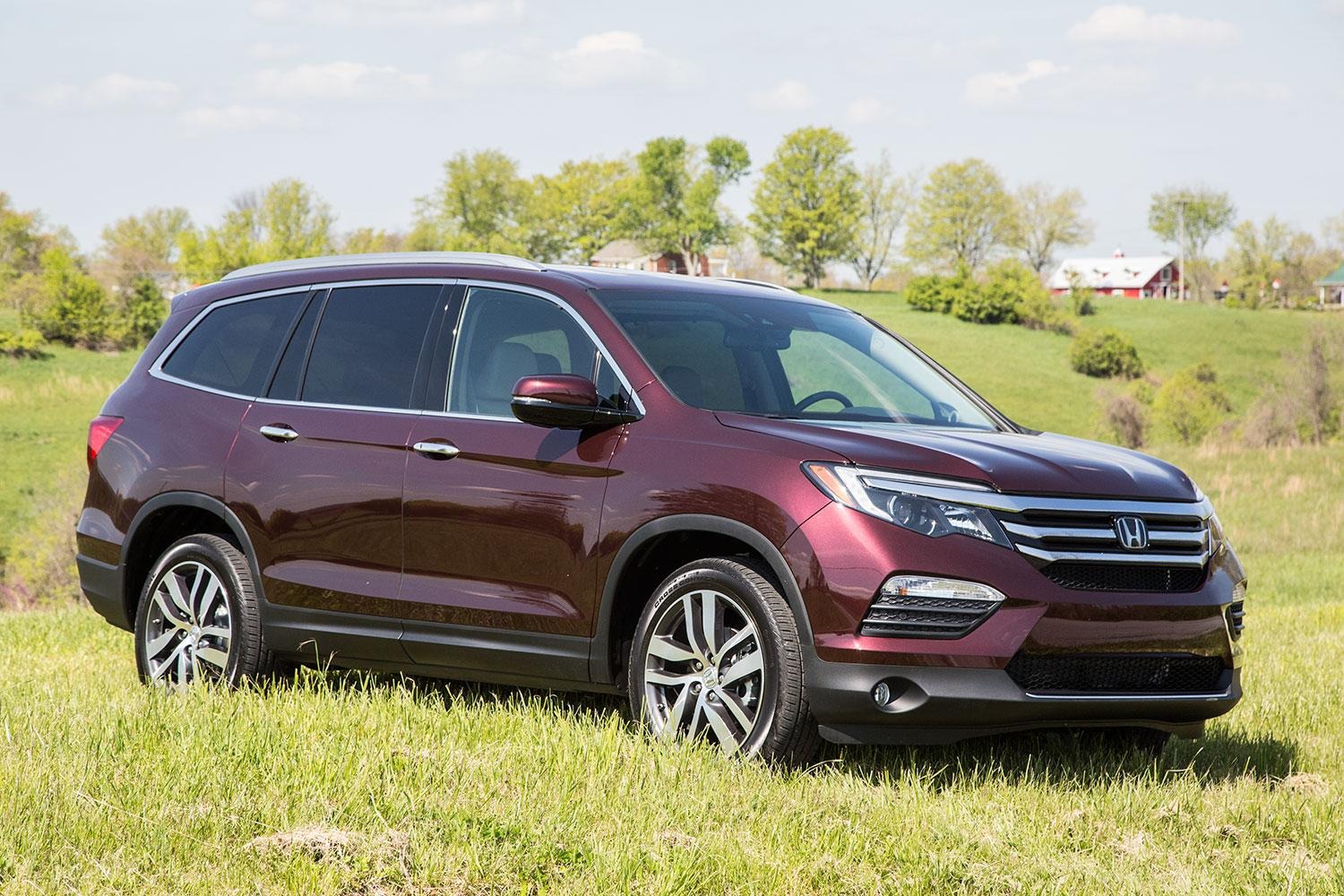
5. 2016 Honda Pilot
The 2016 Honda Pilot was the start of the third generation, and while it impressed with modern styling and updated features, it suffered from serious reliability problems. One of the most common complaints involved the new nine-speed automatic transmission offered in higher trims. Many owners reported jerky shifting, hesitation, or total failure of the gearbox. This created both safety concerns and expensive repair bills.
The engine itself, a 3.5-liter V6 with direct injection, performed well on paper but was linked to issues such as hesitation during acceleration and stalling in some cases. The combination of transmission troubles and engine complaints made this year especially concerning for buyers who wanted dependable performance.
Electronics inside the cabin also caused frustration. The infotainment system often froze or failed, and the push-button gear selector confused many drivers and sometimes malfunctioned. For a family SUV that marketed itself as modern and advanced, these problems reduced user satisfaction.
Interior quality was not the main concern, but the constant technical and mechanical issues meant owners had to spend time and money at repair shops. Many buyers who purchased the 2016 Pilot new felt disappointed that such a well-advertised model gave them stress rather than comfort.
Although it had advanced safety technology, including lane assist and adaptive cruise control, the mechanical problems overshadowed these features. Repair costs were high, and transmission replacements in particular drained budgets.
For buyers considering a third-generation Pilot, the 2016 version is widely seen as the worst choice. Later models improved reliability, but the first year of the redesign struggled with too many issues to be worth the risk.
Honda Pilot has built a strong name in the American SUV market, but a closer look at its history shows that not every year is dependable. The 2006, 2008, 2012, 2015, and 2019 models are known for strong performance, long life, and reasonable repair needs, making them safer options for anyone shopping for a used midsize SUV.
The 2003, 2005, 2009, 2011, and 2016 versions have earned poor reputations because of transmission breakdowns, engine faults, high oil consumption, or weak interior quality. When choosing a used Honda Pilot, careful attention to model year can save thousands in repair costs and ensure a smoother ownership experience.
Buyers who stick to the dependable years will likely enjoy the combination of comfort, safety, and durability that made the Pilot popular, while those who avoid the trouble years can reduce stress and avoid unexpected repair bills.
