
Pickup trucks remain one of the most trusted vehicles on American roads. From job sites to farms to suburban driveways, these machines are built to handle tough assignments and long hours of use. Buyers often look at durability, performance, and comfort when deciding which pickup to own, but one factor that should never be ignored is rust.
Rust has a way of turning a good truck into an expensive headache, especially when it creeps into the bed area where the vehicle does its hardest work. A rusted bed can affect both looks and function, reducing resale value and creating safety problems if left untreated.
While every pickup is exposed to rain, road salt, and other elements that can eat away at the metal, some trucks are designed in a way that makes them less vulnerable. Manufacturers sometimes use thicker steel, better protective coatings, or smarter drainage systems that prevent moisture from sitting where it should not. These efforts can help certain models keep their beds solid for many years.
Few trucks seem more likely to develop rust issues, whether because of design flaws, thinner materials, or poor rust protection from the factory. Owners of those trucks often find themselves spending extra money on repairs, aftermarket liners, or replacement panels.
Now let’s look at five pickups that usually keep their beds free from rust compared to five that often struggle with corrosion. Each model has been examined for real-world performance, long-term durability, and owner experience.
The goal is to give truck buyers and owners clear information about which pickups tend to hold up better in harsh conditions and which ones may need more care and preventive maintenance.
5 Pickups That Rarely Have Rusted Beds
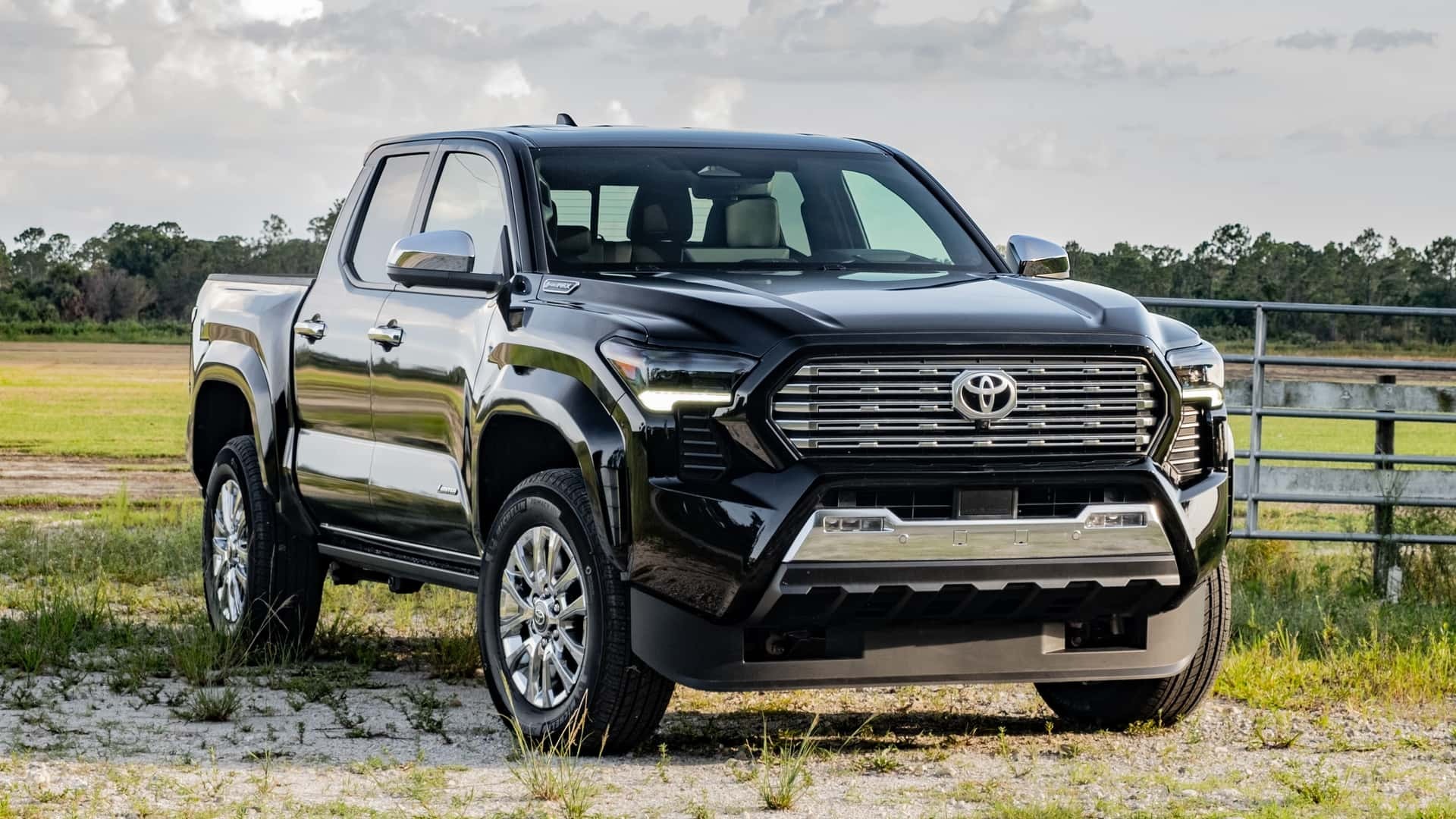
1. Toyota Tacoma
Toyota Tacoma has long been praised for its toughness, and one of the strongest points is the bed design. Unlike most trucks that use steel beds, the Tacoma comes with a composite bed made from a tough fiber-reinforced sheet-molded material.
This decision by Toyota means that the usual problem of corrosion is almost eliminated in the bed area. Steel beds can trap water, collect salt, and eventually rot through, but the Tacoma’s composite material does not allow rust to form.
Owners who use the truck for hauling tools, gravel, or heavy equipment often say the bed takes punishment without showing much wear. The composite structure resists dents and scratches that would normally expose bare steel in other trucks.
Even when the surface is gouged, there is no risk of rust spreading underneath because there is no metal exposed. For drivers in areas with snowy winters where salt is spread on roads, this design offers peace of mind. Another factor that keeps Tacoma beds in good condition is the drainage system.
Toyota made sure water does not pool in the corners, which is one of the common triggers of corrosion in traditional beds. The truck also has factory mounting points that allow owners to add tie-downs and accessories without drilling holes that could later allow rust to spread.
Maintenance of the Tacoma bed is also very simple. Unlike steel beds that often need protective sprays, liners, or coatings, the composite material only requires cleaning. Owners usually just rinse it with water and mild soap. That simplicity reduces the cost of ownership while also increasing long-term durability.
The Tacoma has built its reputation not only on strong off-road ability and reliable powertrains but also on details like this bed design. Many buyers who live in areas with high humidity or frequent snowfall often choose the Tacoma precisely because they do not want to worry about rust.
For those who keep their trucks for a decade or more, avoiding rust repairs in the bed alone saves thousands of dollars. With this design, Toyota gave the Tacoma a lasting advantage that many rivals still cannot match.
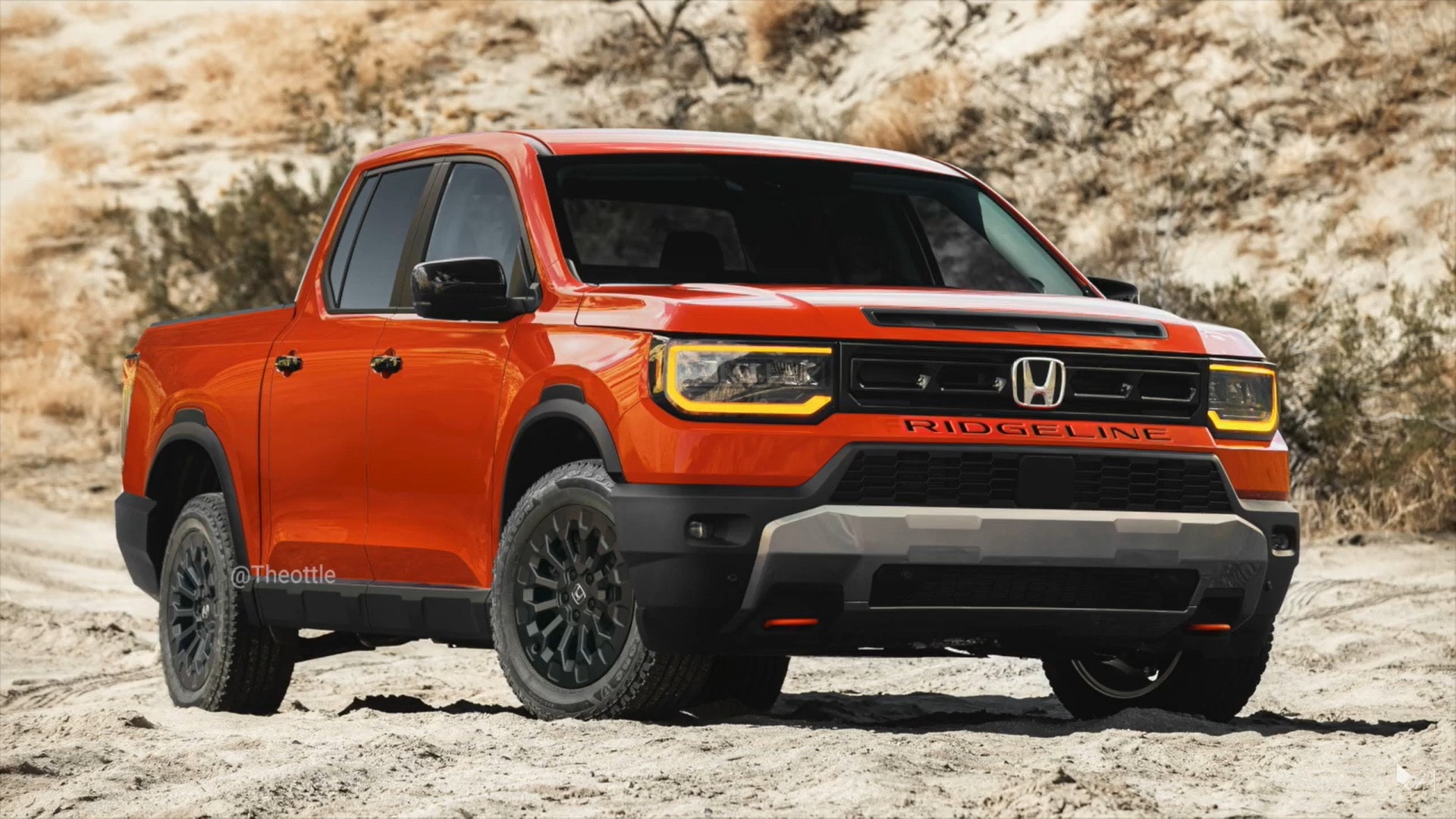
2. Honda Ridgeline
Honda Ridgeline is another pickup that stands out because of its innovative bed design. Just like the Tacoma, the Ridgeline avoids traditional steel construction in favour of a composite material that cannot rust. This gives it a strong edge when it comes to long-term durability, especially in wet or salty environments. The bed not only resists corrosion but also holds up well to scratches and dents that come from regular hauling.
One of the unique features of the Ridgeline bed is the in-bed trunk. It is a lockable storage compartment under the floor of the bed that provides extra space without taking away from hauling capacity. Because this trunk is made from the same rust-proof composite, owners never worry about corrosion even if water gets inside.
There is a drain plug that allows quick cleaning or even use as a cooler. This clever engineering proves that Honda carefully thought about longevity and practical use. Another advantage of the Ridgeline’s design is that it does not require aftermarket liners.
Traditional steel beds often need spray-on or drop-in liners to avoid scratches that later lead to rust. With the Ridgeline, owners save money by not having to add those extras. Cleaning is also simple since the surface is resistant to most chemicals and weather effects.
Drivers who live in states like Michigan, Wisconsin, or New York, where salt is used heavily on roads during winter, often find the Ridgeline bed stays fresh after years of exposure. Rust that commonly eats into wheel wells and bed floors of other trucks rarely appears here.
The design also benefits owners who keep their pickups parked outside most of the year. Rain, snow, and sun have less damaging effects on the Ridgeline bed than they do on steel beds. Honda may not have the same long pickup history as American brands, but the Ridgeline has won respect by offering something different.
While some purists argue it is more of a crossover with a bed, many owners appreciate that it avoids the headaches of rust repairs. For people who value reliability and low maintenance costs, the Ridgeline bed design stands as a clear winner.
Also Read: 5 Pickups That Keep Strong Suspension vs 5 That Collapse Early
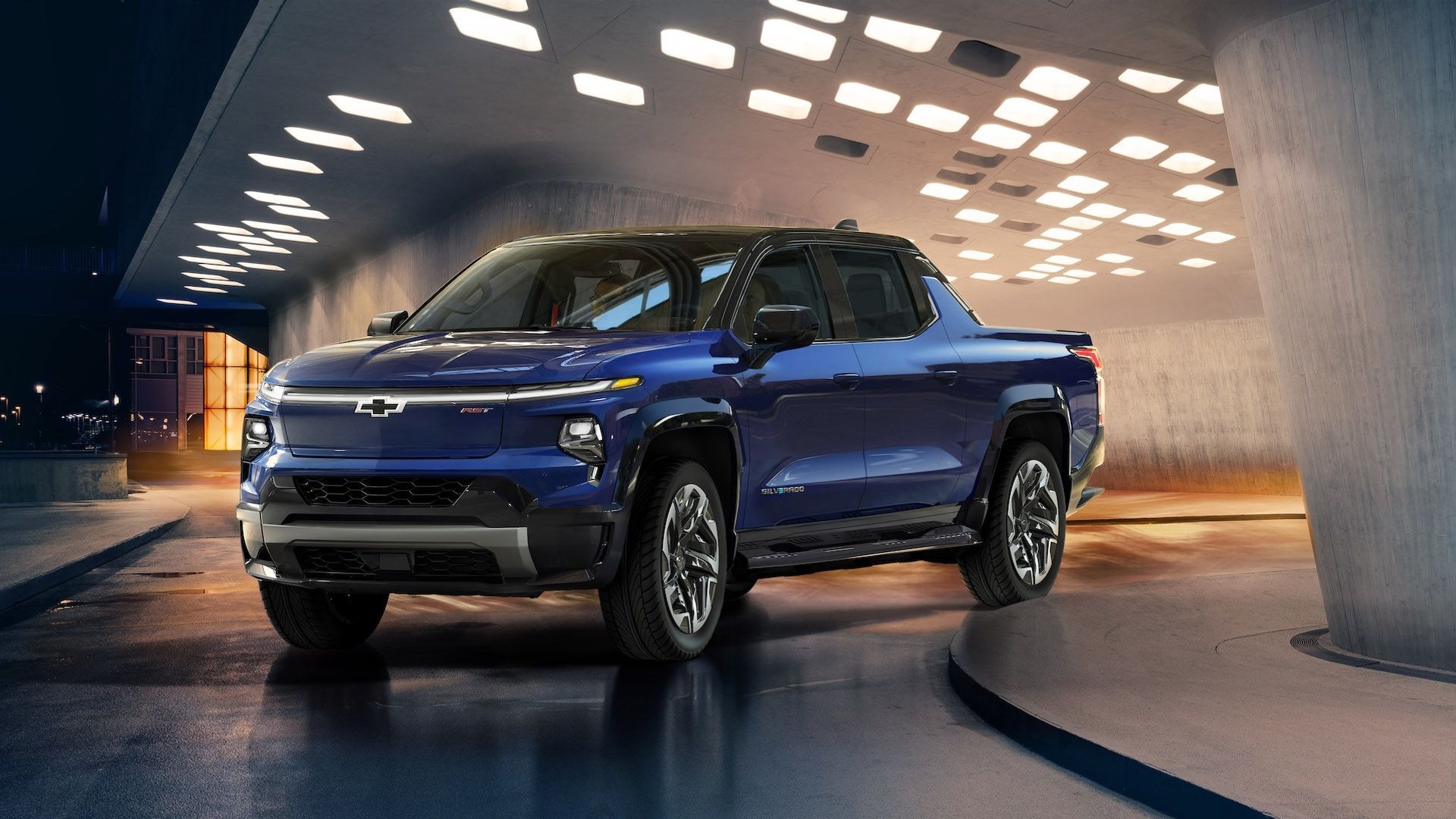
3. Chevrolet Avalanche
Chevrolet Avalanche, though no longer in production, remains a good example of how smart design can prevent bed rust. The truck combined features of an SUV with the utility of a pickup, and part of its uniqueness was the use of composite materials in the bed. Owners who still drive Avalanches today often report that the beds hold up well against rust, even when the rest of the body shows age.
The midgate design that allowed the Avalanche to extend its bed length was paired with protective cladding and durable bed materials. These choices kept corrosion at bay, making the truck attractive to buyers who needed versatility without long-term body damage. Even in northern states where road salt is harsh, the Avalanche bed remained strong after many years of hauling heavy loads.
Another positive point is that the factory included protective liners from the start. Instead of leaving bare metal exposed, Chevrolet ensured the Avalanche came ready to handle scratches, bumps, and moisture without major damage. That means owners did not have to invest extra money immediately after purchase to safeguard the bed.
Cleaning and maintaining the Avalanche bed is also straightforward. A quick wash is usually enough to keep it in good shape. The composite materials also prevent small chips from spreading into bigger rust patches, which is often a common complaint with standard steel beds.
Though Chevrolet discontinued the Avalanche, many used examples still on the road prove how strong the design was. Buyers looking for a used pickup that will not demand expensive rust repairs often consider the Avalanche for this reason. It shows how design innovation can extend the life of a vehicle. Even though production ended, its record stands as proof that a composite bed can make a big difference in resisting corrosion.
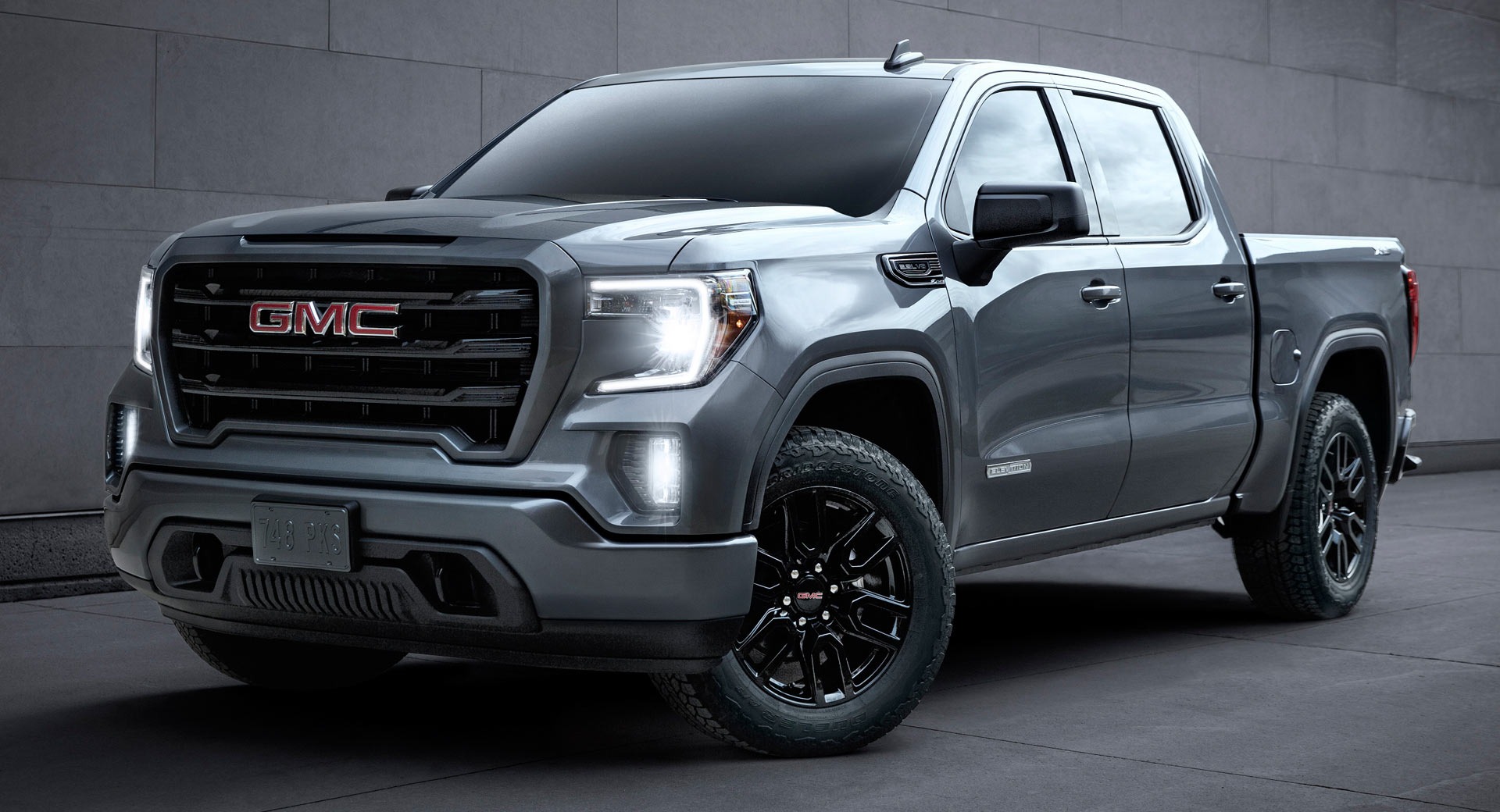
4. GMC Sierra with CarbonPro Bed
GMC Sierra introduced the CarbonPro bed to offer customers a premium solution against rust. This bed is made from a carbon-fiber composite material that is stronger than steel while being resistant to corrosion. The design reflects GMC’s effort to compete at the top level by offering a bed that not only lasts longer but also handles heavy punishment without showing damage.
The CarbonPro bed is lighter than steel, yet it can resist dents from dropped tools, rough cargo, and other impacts. Unlike painted steel beds that can chip and later rust, this material never corrodes. That is an important advantage for contractors, farmers, and outdoor workers who depend on their trucks daily.
The Sierra with CarbonPro bed has become popular among people who want both strength and peace of mind regarding long-term condition. Another aspect of the design is heat and chemical resistance.
Traditional steel beds often show rust after contact with certain fertilizers, construction materials, or even pool chemicals. The CarbonPro bed does not suffer from such issues, making it ideal for diverse job sites. GMC also engineered the bed to avoid water pooling, which further reduces any chance of corrosion.
Owners who invest in this model appreciate the long-term savings. Instead of spending money on coatings, sprays, or liners, they enjoy a bed that stays solid for years. For resale, trucks with CarbonPro beds also hold value better since buyers know they will not face costly rust repairs.
The Sierra itself is already known for strong performance and comfort, but with the CarbonPro bed, it has a unique selling point. Many competitors still rely on steel beds that eventually face corrosion challenges, but GMC provides a future-proof option.
This innovation shows how modern materials can change expectations for truck durability. For anyone who wants a bed that will not rust under any condition, the CarbonPro version of the Sierra stands as one of the best choices available.
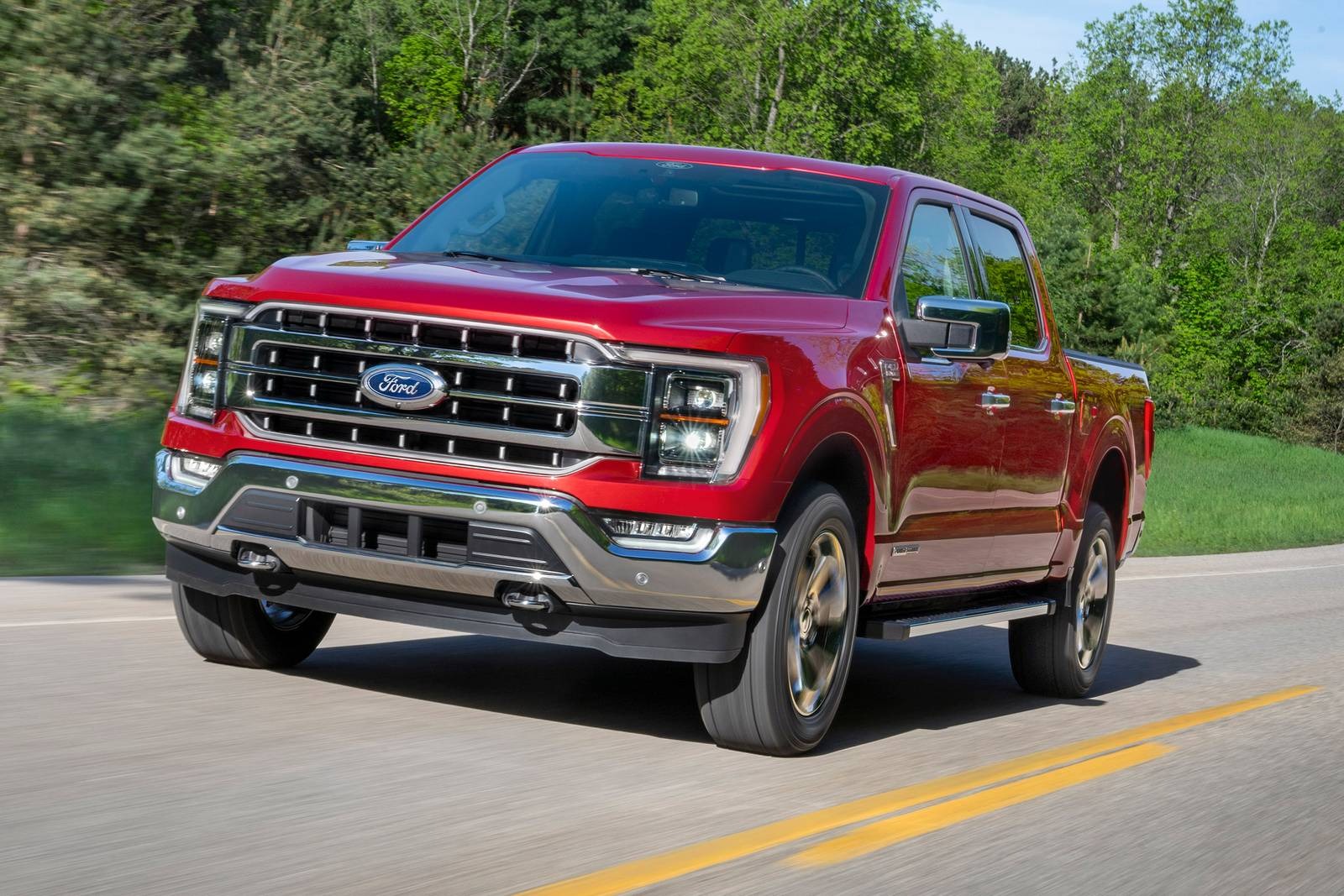
5. Ford F-150 with Aluminum Bed
Ford F-150 is one of the most popular pickups in the United States, and part of its lasting success comes from constant innovation. In recent years, Ford made a bold move by switching much of the body, including the bed, to aluminum. This decision reduced weight for better fuel efficiency but also had another benefit: aluminum does not rust the way steel does.
While aluminum can corrode in certain conditions, it does not develop the brown flaky rust that eats through steel. That means the F-150’s bed is much less likely to rot, even after years of exposure to moisture and salt. Owners who used to worry about bed floors rusting out have found relief with the new design.
Another advantage is that the aluminum bed resists common issues such as bubbling paint from hidden rust. Scratches may still occur, but they do not spread the way they do with steel. Ford also applies protective coatings to make sure the aluminum surface remains strong.
Critics initially worried that aluminum would dent more easily than steel, but Ford designed the structure to be tough enough for work conditions. Many owners report that the beds handle heavy loads without problems. The added benefit of reduced rust risk makes the truck more attractive for buyers who keep their vehicles for a long time.
For drivers in snowy regions, the switch to aluminum has been especially helpful. Salt, slush, and road chemicals that quickly destroy steel beds have little effect on the F-150 bed. While the truck still requires proper care and cleaning, owners enjoy peace of mind knowing rust is less of an enemy.
The Ford F-150 continues to dominate sales year after year, and part of its appeal lies in details like this. By moving away from steel, Ford created a pickup that offers durability in areas where competitors often struggle. The aluminum bed stands as a clear reason why many buyers continue to choose the F-150 over other options.
5 Pickups That Have Rusted Beds
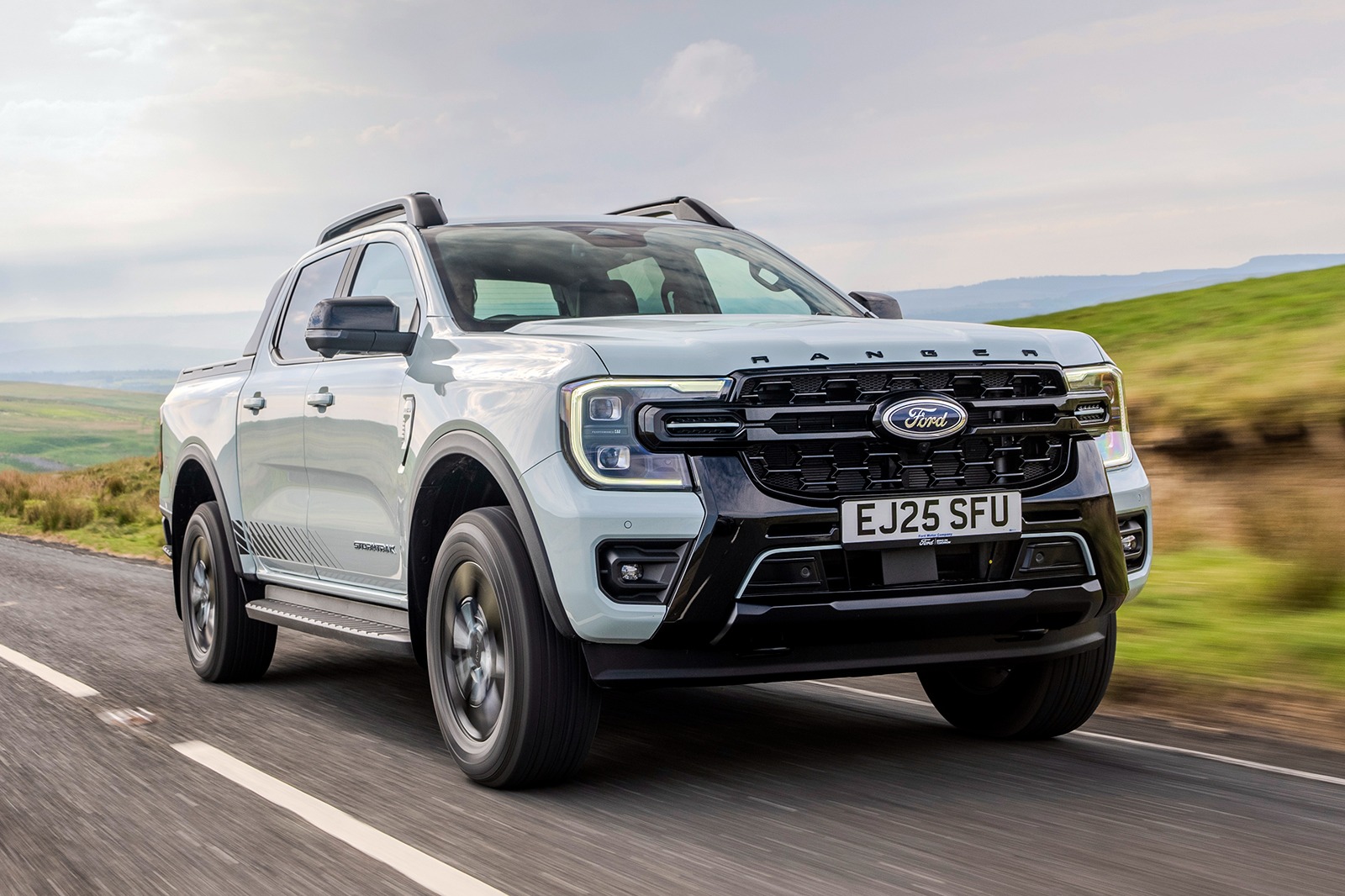
1. Ford Ranger
Ford Ranger has been a trusted name in midsize pickups for many years, but one of the biggest complaints from long-term owners relates to rust in the bed area. The problem is especially common in older models from the late 1990s through the early 2000s.
Many of those trucks developed rust along the bed floor, tailgate, and wheel wells. The steel used during that period did not receive enough protective coating, and once scratches appeared, corrosion spread quickly.
Drivers who lived in areas with snowy winters or near coastal regions reported faster rust development compared to those in dry climates. Salt, whether from roads or ocean air, easily ate into the Ranger’s steel bed. Once corrosion started, it was very difficult to stop because water and dirt collected in corners without proper drainage. The design did not allow moisture to escape, which made the problem worse.
Owners often had to install aftermarket spray-on liners or plastic drop-in liners to protect the metal, but many did not do so until after rust had already begun. By then, repairing the damage usually meant welding in new panels or replacing entire sections of the bed. These repairs were costly and sometimes not worth it compared to the value of the truck.
The Ranger remains a reliable truck in terms of performance and engine strength, but the rust issue has hurt its reputation. Even buyers searching for used models today often check the bed first, since rust damage is almost guaranteed if the vehicle spent years in northern states. Sellers sometimes apply fresh paint or coatings to hide corrosion, but careful inspection reveals bubbling or flaking steel underneath.
Ford has improved rust protection in newer versions of the Ranger, but the older models continue to show the lasting effect of design choices made years ago. Anyone looking to buy a used Ranger must prepare to address rust in the bed sooner or later. Despite strong mechanical durability, the corrosion problem remains a weakness for the Ranger that owners cannot ignore.
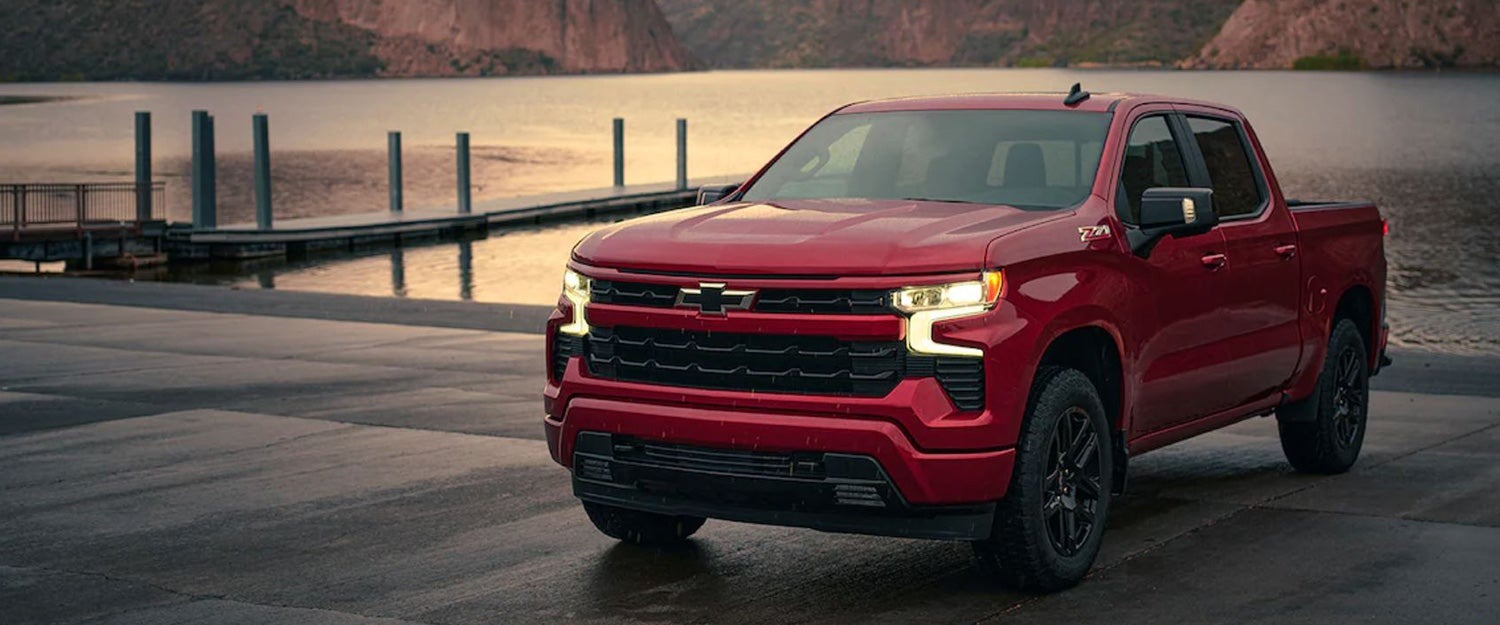
2. Chevrolet Silverado
Chevrolet Silverado is one of the most popular trucks in America, but many owners complain about rust in the bed area. Older generations, especially those built in the early 2000s, are widely known for developing corrosion on the bed floor and around the wheel arches. Even some newer models have been reported to show rust earlier than expected.
The issue often begins when the protective coating on the steel bed wears thin. Road debris, heavy cargo, or small scratches expose bare metal, and once that happens, water and salt work quickly to cause rust. Because many Silverados operate in harsh work environments, the beds take heavy abuse, making them more vulnerable. Farmers, construction workers, and contractors who load tools and materials daily often see rust patches develop in just a few years.
Another weakness is the tailgate area. Dirt and moisture often collect in seams and corners that do not drain well. As time goes on, these areas bubble and flake, spreading across the entire lower section of the bed. In snowy states, the use of road salt makes the problem worse, and some owners report rust forming within five years of purchase if the truck is not protected.
Aftermarket liners help slow the process, but drop-in liners sometimes trap water, speeding up corrosion instead of preventing it. Spray-on coatings offer better defense, yet once rust begins, the coating only hides the issue without stopping it. Many Silverado owners have resorted to replacing panels or welding in new bed sides, which can be expensive.
Despite these issues, Silverado continues to sell strongly because of its power, comfort, and towing ability. However, buyers of used Silverados must be especially cautious. Checking the bed thoroughly before buying is necessary, since even trucks that look clean from the outside may have rust spreading underneath.
Rust has been one of the biggest complaints for Silverado owners through several generations. While Chevrolet has improved paint quality and protective coatings in newer trucks, the history of corrosion in the bed area continues to follow the model. For many long-term owners, dealing with rust repairs has been an expected part of Silverado ownership.
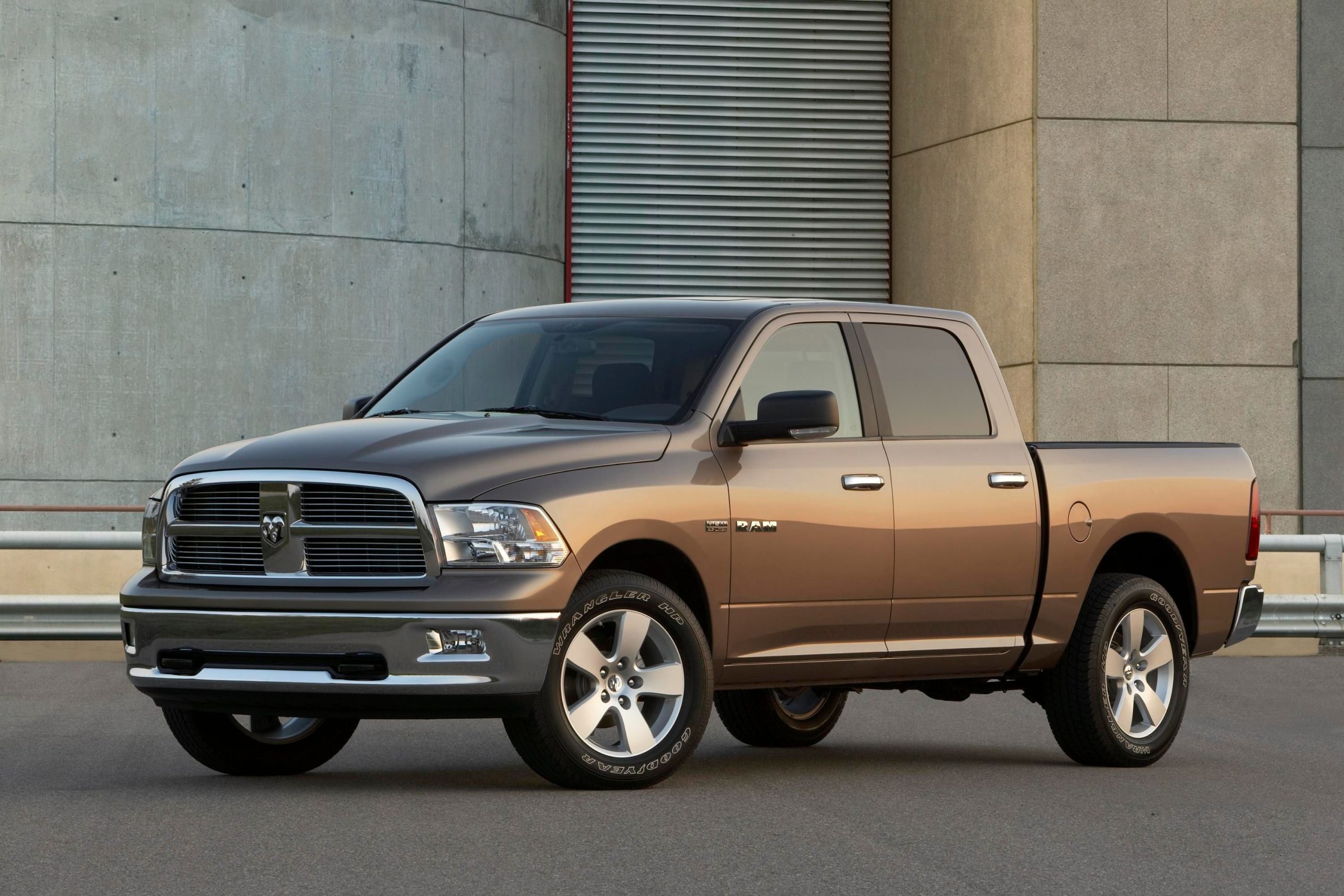
3. Dodge Ram 1500 (Older Models)
Dodge Ram 1500, especially models from the late 1990s and early 2000s, earned a strong reputation for power and aggressive design. However, one of the consistent weaknesses has been rust in the bed area. Many owners who kept their Rams for more than a few years noticed corrosion forming on the bed floor and wheel wells.
The problem was partly due to the thin metal used during production. The steel did not have enough protection against salt and moisture, which meant scratches quickly led to rust. Trucks that worked on farms or construction sites usually suffered the worst, since heavy loads easily chipped paint and exposed bare metal. Once corrosion began, it spread faster than many owners expected.
A common trouble spot is around the rear wheel arches. Moisture collects there and eats through the metal, sometimes creating large holes. Another weak area is the tailgate, where seams trap water and dirt. Many Ram owners report having to replace bed sides or tailgates after only seven or eight years of use in northern climates.
Some drivers attempted to delay the damage with aftermarket liners, but those who used plastic drop-in liners often made the issue worse by trapping water between the liner and steel. Spray-on liners gave better protection, yet they only helped if applied when the truck was new. Once rust set in, the problem rarely stopped without major repairs.
Even though the Ram 1500 had strong performance and comfortable interiors, resale value dropped quickly for models with visible rust. Buyers in states like Ohio, Michigan, and Pennsylvania often found it difficult to locate clean used Rams. Many trucks that appeared solid on the outside had beds that were already compromised.
Newer versions of the Ram 1500 have much better corrosion protection, but the older models continue to be remembered for their tendency to rust. Owners who still drive those trucks often spend time patching holes or applying protective coatings just to keep them functional. The corrosion issue remains a long-standing mark against otherwise dependable trucks.
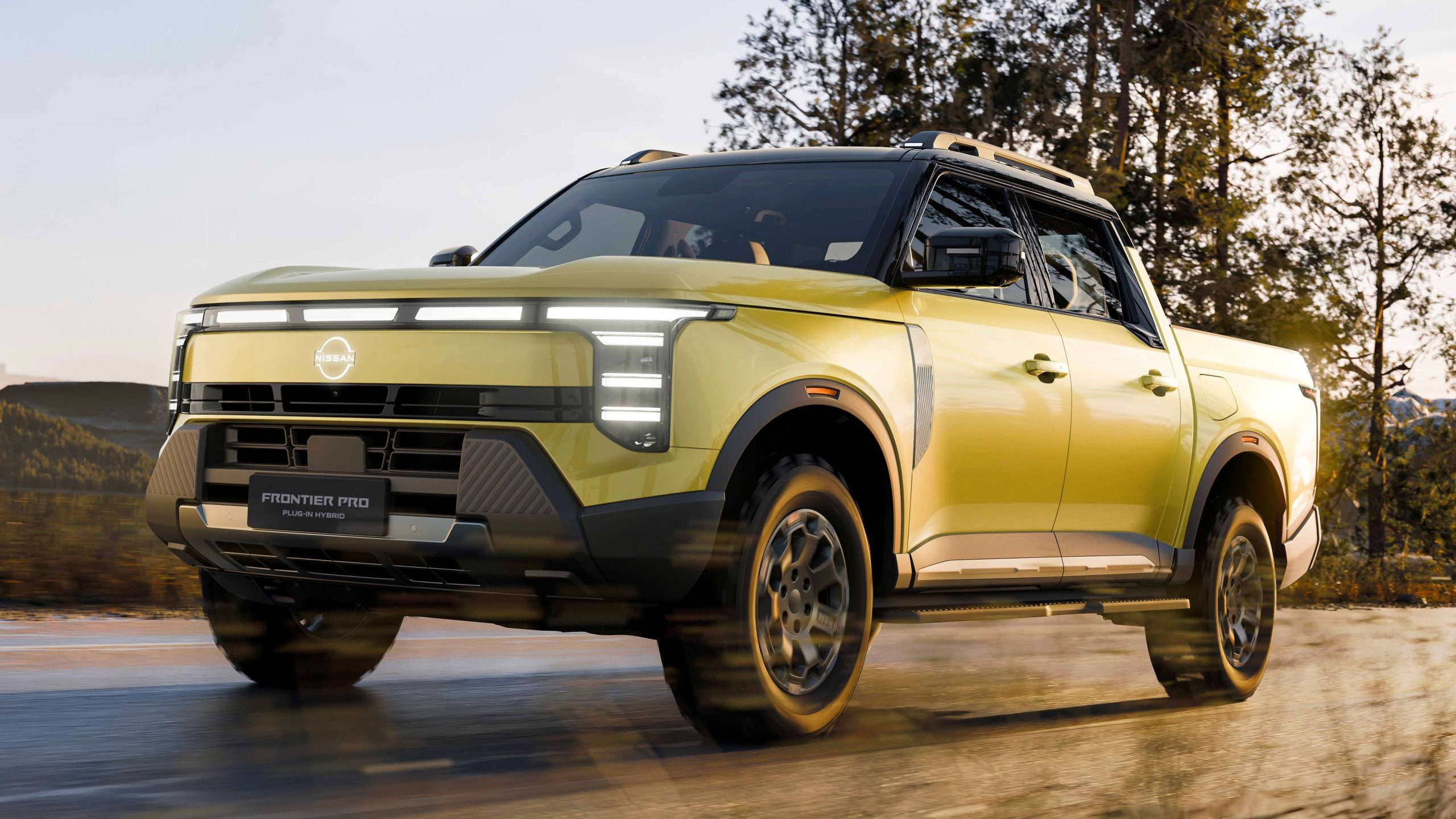
4. Nissan Frontier
Nissan Frontier has delivered good reliability for many years, but rust has been a frequent complaint from owners, especially concerning the bed area. Older models from the late 1990s through the mid-2000s are known for developing corrosion on the bed floor, frame, and wheel arches. The bed often rusted faster than expected, even when the rest of the truck seemed to hold up well.
The steel used in those years lacked strong rust-proofing, and once the paint wore off, bare metal became vulnerable. Owners who lived in coastal states or snowy regions saw corrosion appear within a few years. Water often collects in bed seams without proper drainage, creating the perfect environment for rust to spread.
Even newer Frontiers have not completely escaped this issue. While improvements have been made in protective coatings, many owners still choose to add spray-on liners right after purchase to avoid the same problem. Without that added protection, scratches from tools, heavy loads, or shifting cargo quickly expose metal.
Another area that commonly shows rust is the tailgate. The design allows water and dirt to sit inside seams, leading to bubbling paint and spreading corrosion. Once rust starts in the tailgate, it can be expensive to repair since it often spreads to surrounding panels. Some owners report replacing tailgates entirely rather than attempting patch repairs.
Used Frontiers often show rust damage more than some competitors, and buyers must check beds carefully. Trucks from states with heavy winter salt use tend to show the worst cases. Sellers sometimes apply undercoating to hide damage, but closer inspection usually reveals corrosion underneath.
Despite these problems, Frontier continues to sell because of its dependable engines and lower price compared to rivals. However, the rust issue affects long-term ownership costs. Buyers looking for affordable midsize pickups often choose the Frontier, but they must be prepared for potential repairs if the bed has not been protected from rust.
Also Read: 5 Pickups That Rarely Need Major Repairs vs 5 That Always Do
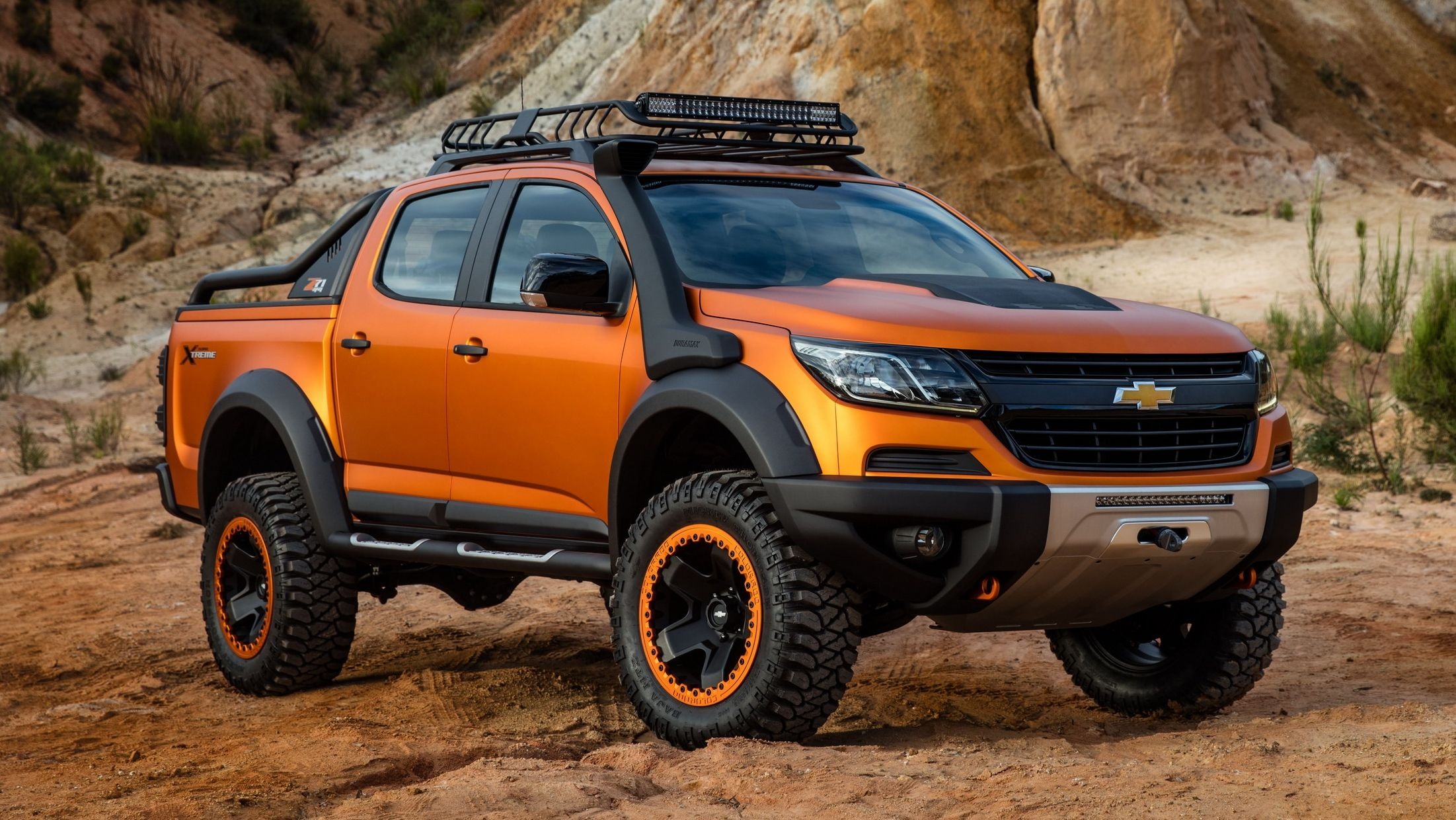
5. Chevrolet Colorado
Chevrolet Colorado has given buyers an alternative to larger full-size pickups, but one drawback often mentioned is rust in the bed area. Many owners of early models from the mid-2000s discovered corrosion forming earlier than they expected. The steel bed did not always receive strong protection, and the design allowed water to collect in corners.
Scratches from normal use quickly exposed bare metal, and once moisture and road salt made contact, rust spread fast. The bed floor often developed bubbling paint that later turned into holes. Tailgates were also prone to corrosion, particularly along the seams where dirt and water gathered without drying.
For drivers in northern states, the problem was even worse. Winter road salt created major rust within only a few years of ownership. Some owners reported rust holes forming while trucks were still under ten years old. Farmers and contractors who used the Colorado for daily work saw faster wear since heavy loads increased scratches.
Aftermarket liners helped, but many trucks did not receive them early enough. Once corrosion started, liners only hid the problem instead of stopping it. Spray-on protection worked better, but even that could not prevent rust if applied after the damage began.
The issue continues to affect resale value for older Colorados. Buyers looking at used models often inspect beds closely since rust repairs can cost thousands of dollars. Many sellers advertise trucks as “rust-free” to attract buyers, but in states with harsh winters, such trucks are rare.
Chevrolet has worked to improve rust protection in newer generations, but the earlier reputation remains. For drivers who want a midsize truck with long bed durability, the Colorado requires more preventive care than many competitors. Owners must be proactive with cleaning and protective coatings if they want to avoid costly repairs later.
