
Pickup trucks have always been seen as dependable workhorses in the United States, serving people in construction, farming, transport, and even regular family use. Many people choose them because they combine strength, durability, and the ability to handle different road conditions with ease.
But even though they are built tough, not every pickup performs at the same level in the long run. Some models are built in a way that their engines can last for hundreds of thousands of miles with only basic care, while others start giving their owners trouble long before they expect it.
A strong engine is the heart of any pickup, and once it begins to fail, repair or rebuilding can be very expensive. Because of this, truck owners and buyers often want to know which models are less likely to need such heavy repairs.
Some pickups are praised for having engines that hardly ever break down, while others are often mentioned for constant complaints about engine failure. Knowing which category a pickup belongs to helps buyers make better choices, especially for those planning to keep the vehicle for a long time.
We will discuss five pickup trucks that rarely need engine rebuilding because of how well they were engineered, and five others that are commonly reported to require frequent engine work. The aim is to show both sides clearly, giving anyone considering a pickup a better idea of what to expect before buying.
In each section, we will look at the background of the truck, the kind of engine it carries, the reliability it has shown as time goes on, and the type of problems, if any, that usually come up. By the end, you will see how different brands have delivered engines that either make life easier or keep mechanics busy.
5 Pickups That Rarely Need Engine Rebuilds
1. Toyota Hilux
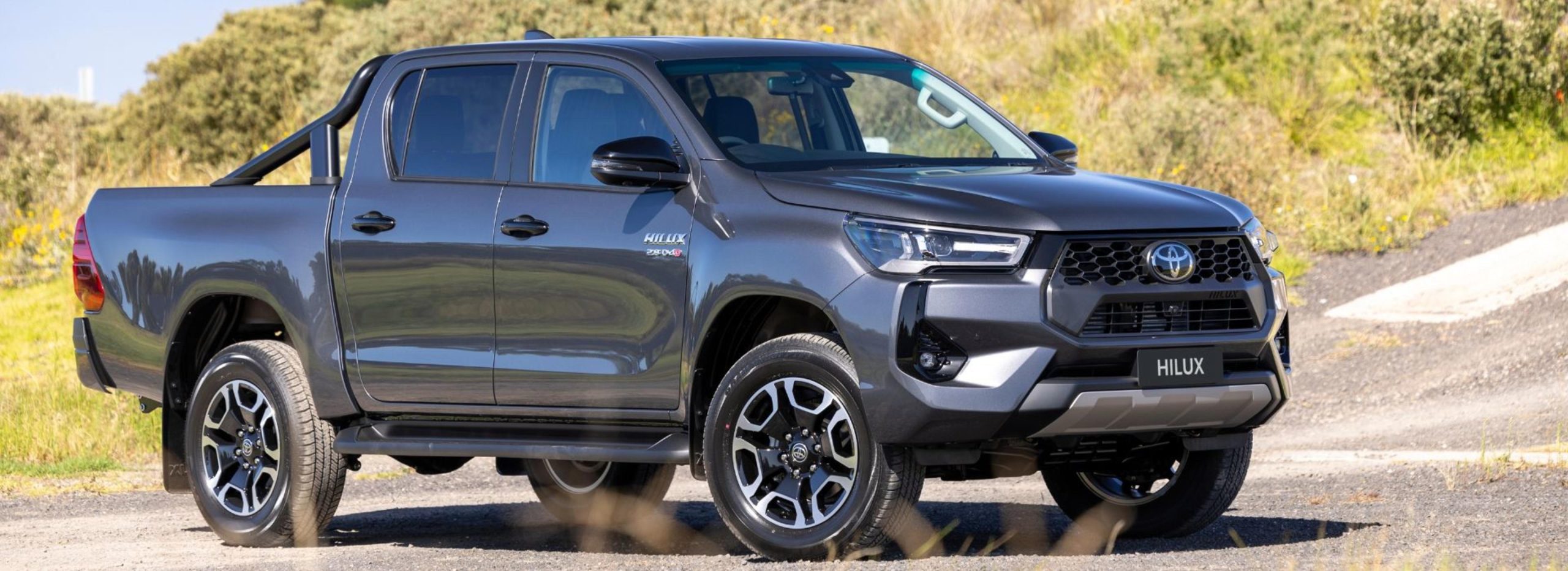
The Toyota Hilux has gained a strong reputation across many countries as one of the most reliable pickups ever made. In the United States, it may not be as common as the Tacoma or Tundra, but it is well respected in regions where it is available.
Drivers trust it because its engine is known to last an incredibly long time when regular maintenance is done. The Hilux was first introduced in the late 1960s, and Toyota built it with durability in mind. Over the years, different engine types were used, but most of them have shown the same pattern of reliability.
One of the main reasons the Hilux engine rarely needs a rebuild is Toyota’s focus on producing engines with simple but effective designs. The engines are not overloaded with unnecessary parts that can easily break.
For instance, the 3.0-liter turbo diesel engine has been praised for running strong for hundreds of thousands of miles without needing more than standard oil changes and routine servicing. People in areas with harsh roads often pick the Hilux because it keeps working even when exposed to dust, heavy loads, and tough weather conditions.
Another strength of the Hilux is the availability of replacement parts. Since Toyota sells large numbers worldwide, parts are easy to find, making repair simpler when something small fails.
But for the engine itself, owners rarely report serious problems that lead to rebuilding. Instead, minor repairs like injector cleaning, filter changes, and timing belt replacements are all that are needed for continued use.
Many owners have shared stories of driving their Hilux pickups past 250,000 miles without any need to open the engine. When compared to some other brands, this shows how far Toyota went in making sure the engine remains reliable.
The Hilux is not always the most stylish pickup, but when it comes to avoiding expensive engine rebuilding, it stands as one of the best options.
2. Ford F-150 EcoBoost
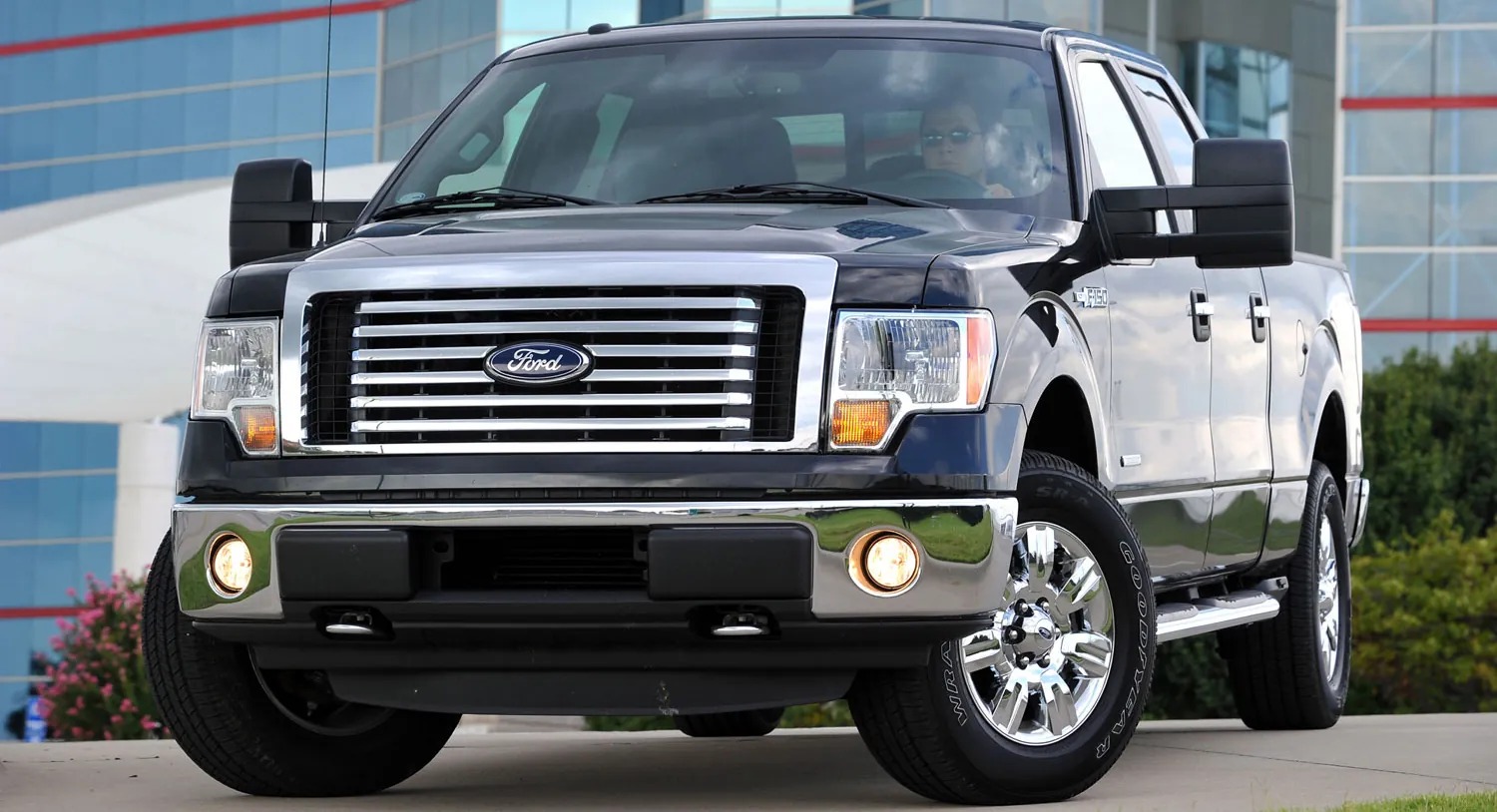
The Ford F-150 is one of the most popular pickups in the United States, and the EcoBoost models are especially known for strong engine life. Ford introduced the EcoBoost line to give drivers more power and fuel efficiency without losing durability.
These engines come in different sizes, like 2.7-liter and 3.5-liter V6 twin-turbocharged versions. Even though some people feared that turbocharged engines might wear faster, the EcoBoost engines have proven to be long-lasting when properly cared for.
What makes the EcoBoost reliable is the way Ford designed it with stronger materials and modern engineering. The engines were tested under tough conditions before being released to the public, and this shows in real-world use.
Owners report that with regular oil changes and proper use of high-quality fuel, these engines can last over 200,000 miles before any serious work is needed.
Another reason they rarely need rebuilding is that Ford has improved the cooling and fuel injection systems. By keeping the engine temperature stable and ensuring fuel burns cleanly, the life of the internal parts is extended.
This reduces the wear that often causes engines to fail early. Mechanics also point out that the most common repairs on the F-150 EcoBoost are related to sensors or minor parts, not the engine block itself.
Truck buyers in the US often look for an F-150 EcoBoost because it combines towing strength, daily driving comfort, and strong reliability.
Many drivers use it for both heavy-duty tasks and family transport without experiencing engine breakdowns. When taken care of, the EcoBoost engine stands as one of the modern pickups that almost never needs rebuilding, which gives it a strong place on this list.
Also Read: 12 Pickups That Survive the Harshest Winters
3. Chevrolet Silverado 1500 with 5.3L V8
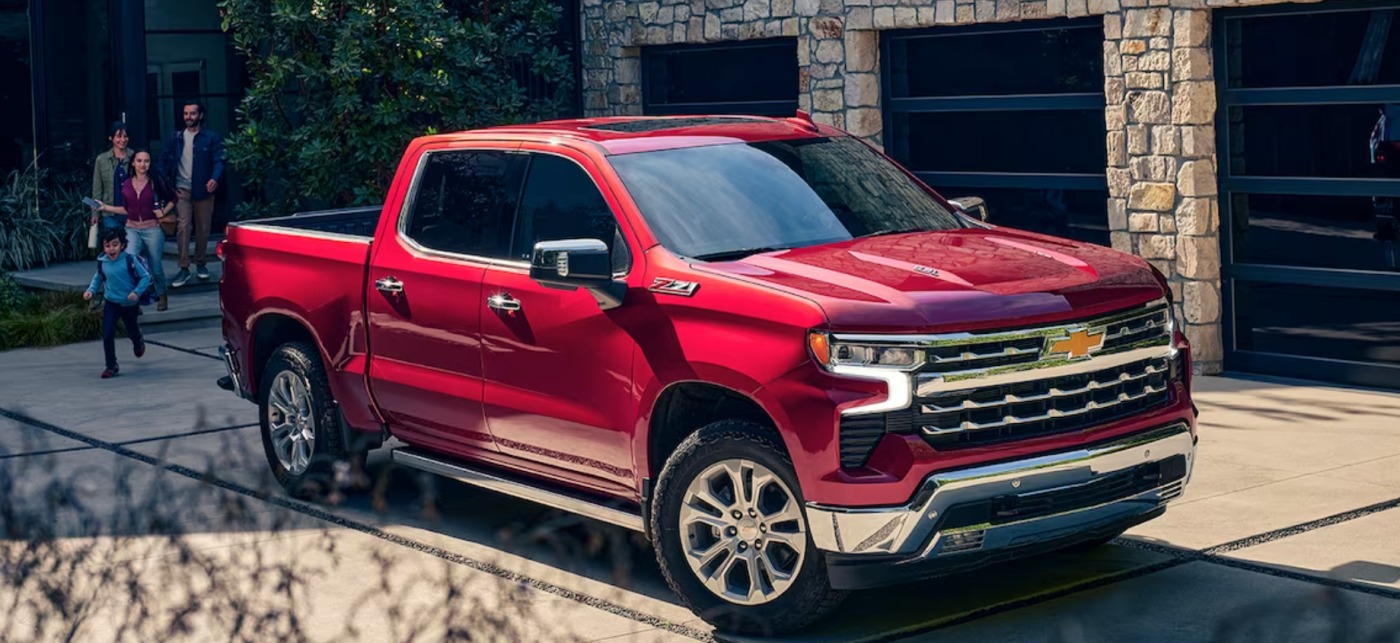
Chevrolet has been producing the Silverado for decades, and the 5.3-liter V8 engine has become one of its most trusted options. Many truck owners in the United States swear by this engine because it has proven to stay strong even after years of use. The Silverado 1500 with the 5.3L V8 is widely used for both work and personal purposes, and its engine is considered one of the toughest in the pickup market.
The reason the 5.3L V8 rarely needs rebuilding is the balanced engineering behind it. General Motors designed it with durability in mind, using strong internal parts and a design that is not overly complicated.
This helps it run smoothly for a very long time. Many mechanics report that these engines can easily reach 250,000 miles if serviced properly.
Another factor that adds to its long life is how well it handles different driving conditions. Whether pulling trailers, carrying heavy loads, or cruising on highways, the 5.3L V8 does not break down easily.
Even when problems do come up, they are usually small issues like sensor replacements or valve cover gaskets, which are far cheaper than a full rebuild.
For many years, the Silverado with the 5.3L V8 has been the go-to pickup for Americans who want strength without worrying about engine failure. The reputation it has built as time goes on makes it stand out as one of the rare pickups where engine rebuilding is hardly ever needed.
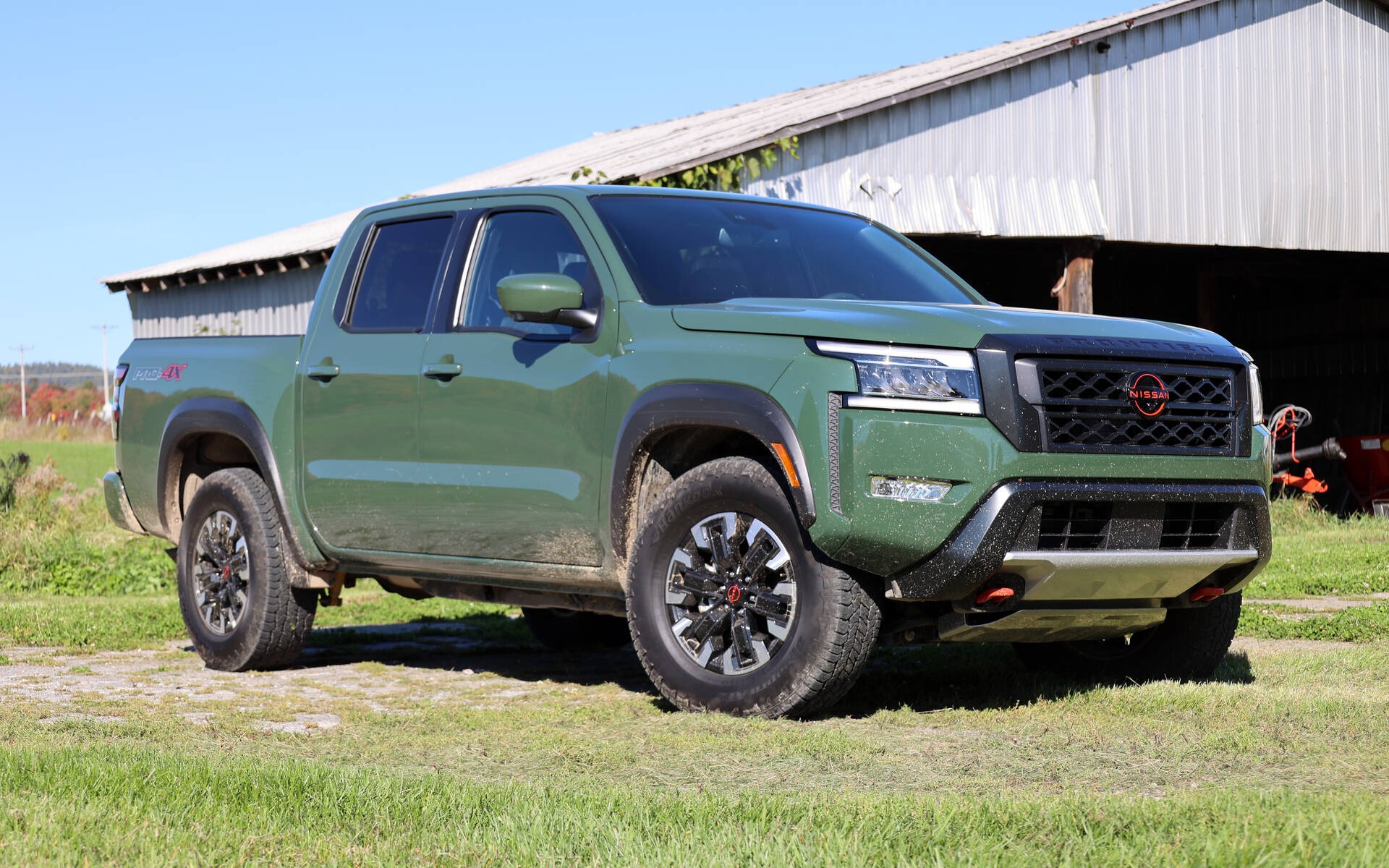
4. Nissan Frontier
The Nissan Frontier has been in the pickup market for several decades and is appreciated for its strong build and dependable engines.
Even though it does not receive as much attention as some American brands, the Frontier has managed to win many loyal buyers who trust its long-lasting powertrain. The truck is known for being simple but effective, which explains why its engine rarely needs to be rebuilt.
One of the most common engines used in the Frontier is the 4.0-liter V6. This engine is designed with fewer complicated parts compared to some modern pickups, and this makes it less likely to suffer from serious failures.
Many owners in the US have reported that their Frontiers keep going strong past 200,000 miles with only basic servicing. Timing chain tensioners, spark plugs, and filters are the main parts that usually need attention, but these are all routine repairs that do not require a full rebuild.
The Frontier also performs well in different driving conditions. Whether on highways, in city traffic, or even on rough rural roads, the engine maintains steady performance.
This is why mechanics rarely receive cases of catastrophic engine failure with this model. In fact, many workshops see more Frontiers coming in for regular maintenance than for major engine problems.
Another strong point is that Nissan built the Frontier with affordability in mind, making both the truck and its replacement parts easy to maintain. Unlike some pickups that require specialized servicing, the Frontier can be taken care of by most experienced mechanics across the US.
This makes it a trusted choice for people who want a pickup that will serve them for many years without worrying about engine rebuilding. For these reasons, the Nissan Frontier holds its place among pickups that are least likely to trouble their owners with heavy engine repairs.

5. Honda Ridgeline
The Honda Ridgeline is different from many other pickups because it is built on a unibody design rather than the traditional body-on-frame style.
While some truck buyers were unsure of it at first, the Ridgeline has shown impressive durability, especially in its engine.
Honda has a long history of building engines that can last a very long time, and the Ridgeline carries on that tradition. The most common engine in the Ridgeline is the 3.5-liter V6, which has proven itself in other Honda vehicles as well.
This engine is known for smooth performance, fuel efficiency, and strong reliability. Many Ridgeline owners report driving over 200,000 miles without experiencing major engine issues. Problems that do come up are usually minor, such as sensor replacements or ignition coil failures, but the core engine remains solid.
Honda’s engineering approach focuses on balance and reliability. The V6 engine in the Ridgeline uses high-quality materials and efficient cooling systems that prevent overheating, which is one of the main causes of engine damage. With regular servicing, oil changes, and proper use, the Ridgeline’s engine rarely requires rebuilding.
Another advantage of the Ridgeline is that it is often used for light-duty work compared to heavy-duty pickups.
Since it is not usually pushed to extreme limits like constant towing of massive loads, the engine experiences less wear and tear. This contributes to its long life and helps owners save money by avoiding costly rebuilds.
Many truck buyers in the US who want a reliable daily driver that also has pickup utility often choose the Ridgeline for this very reason. It shows that a truck does not need to be traditional to be dependable. The Ridgeline has secured its place as one of the pickups with engines that last for years without needing major work.
5 Pickups That Constantly Need Engine Rebuilds
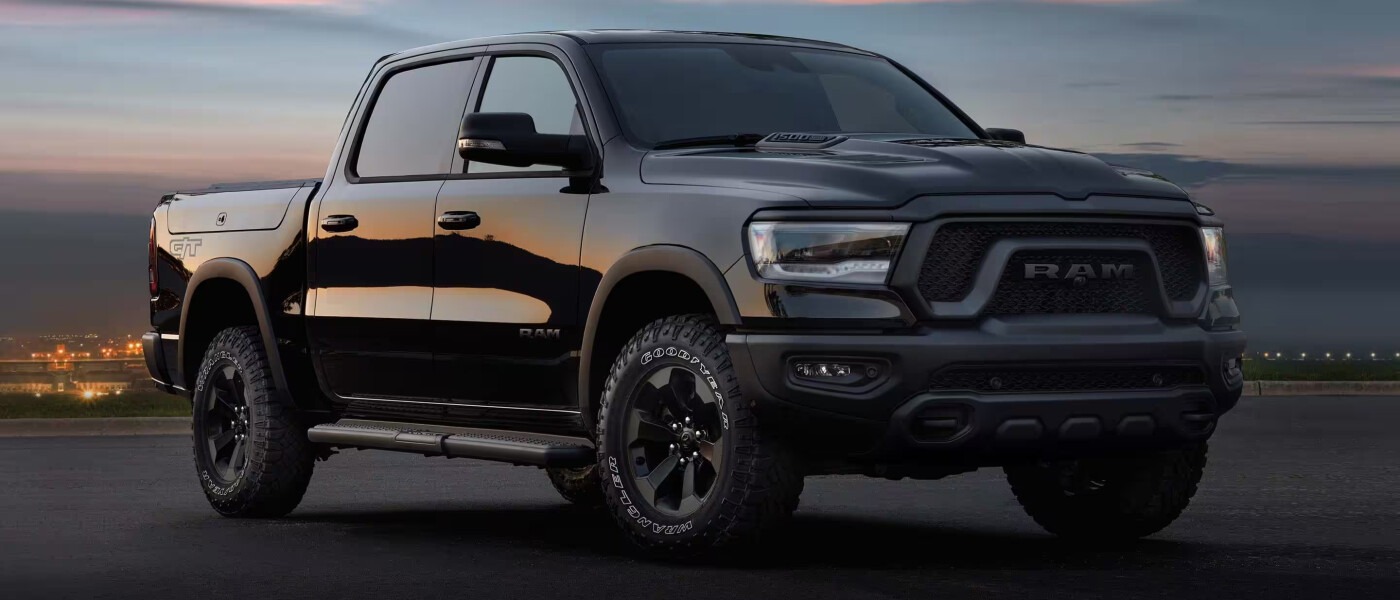
1. Dodge Ram 1500 with 5.7L HEMI
While the Ram 1500 is loved for its power and aggressive look, the 5.7L HEMI engine inside many of these trucks has a history of problems that often lead to expensive rebuilds. At first, the HEMI was praised for its performance and strength, but with time, many owners began facing issues that reduced the trust in its long-term reliability.
One of the biggest problems reported with the HEMI is the so-called “Hemi tick,” a ticking sound that comes from the engine due to worn valve lifters or camshaft problems. This issue can grow worse after a while and eventually cause serious engine damage. Repairs for this problem are often costly, and in many cases, rebuilding the engine becomes necessary.
Another common issue is with the multi-displacement system (MDS) used in some of these engines. The system is meant to improve fuel efficiency by shutting off certain cylinders when they are not needed. However, this design has caused problems for many owners, leading to uneven wear on engine parts and premature failure. Once these problems reach a certain stage, rebuilding becomes the only option.
Many mechanics across the US have shared that they receive a high number of Ram 1500 trucks with engine problems, especially once the mileage goes past 100,000 miles. While some trucks perform well with careful maintenance, the pattern of failure in others is strong enough to place the Ram 1500 with the 5.7L HEMI among the pickups that often need rebuilding.
For buyers who love the Ram brand, it remains a powerful truck, but when it comes to engine reliability, the 5.7L HEMI has caused more headaches than most other modern pickups.
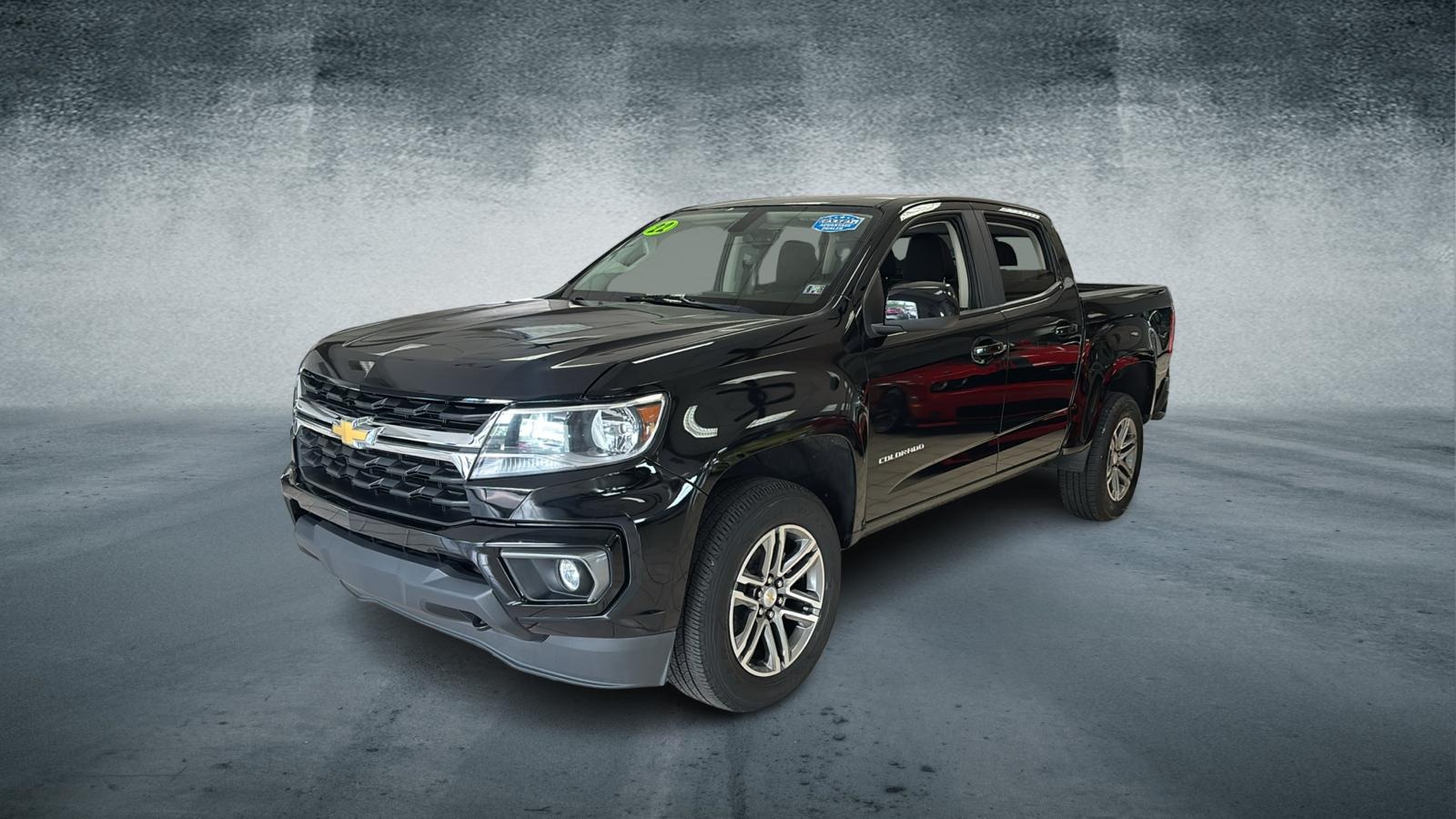
2. Chevrolet Colorado with 2.4L Inline-4
The Chevrolet Colorado is known as a midsize pickup that gives drivers an option smaller than the Silverado. However, the version equipped with the 2.4-liter inline-4 engine has been linked to several reliability complaints. Many owners have experienced issues that, if left unchecked, lead to complete engine failure and rebuilding.
One of the most frequent problems is timing chain failure. When the chain stretches or breaks, it can cause the pistons and valves to collide, leading to catastrophic engine damage. This problem happens more often than it should, especially when the truck has passed 80,000 to 100,000 miles. Rebuilding or replacing the engine often becomes the only solution once this occurs.
Another weakness is that the 2.4L engine sometimes suffers from oil consumption problems. Owners report that the engine burns oil faster than normal, and if the oil level is not checked regularly, the engine can run dry. Running low on oil damages the internal parts, which again leads to costly rebuilding.
Compared to the stronger V6 versions of the Colorado, the 2.4L inline-4 struggles more under heavy loads. Since many drivers still use it for towing or carrying weight, the engine ends up wearing out faster. Mechanics often advise owners to keep a close eye on oil levels and servicing schedules, but even with care, failures are more common than with many other pickups.
Because of these repeated issues, the Chevrolet Colorado with the 2.4L inline-4 engine is placed among the trucks that often face rebuilding problems, making it less dependable for long-term ownership.
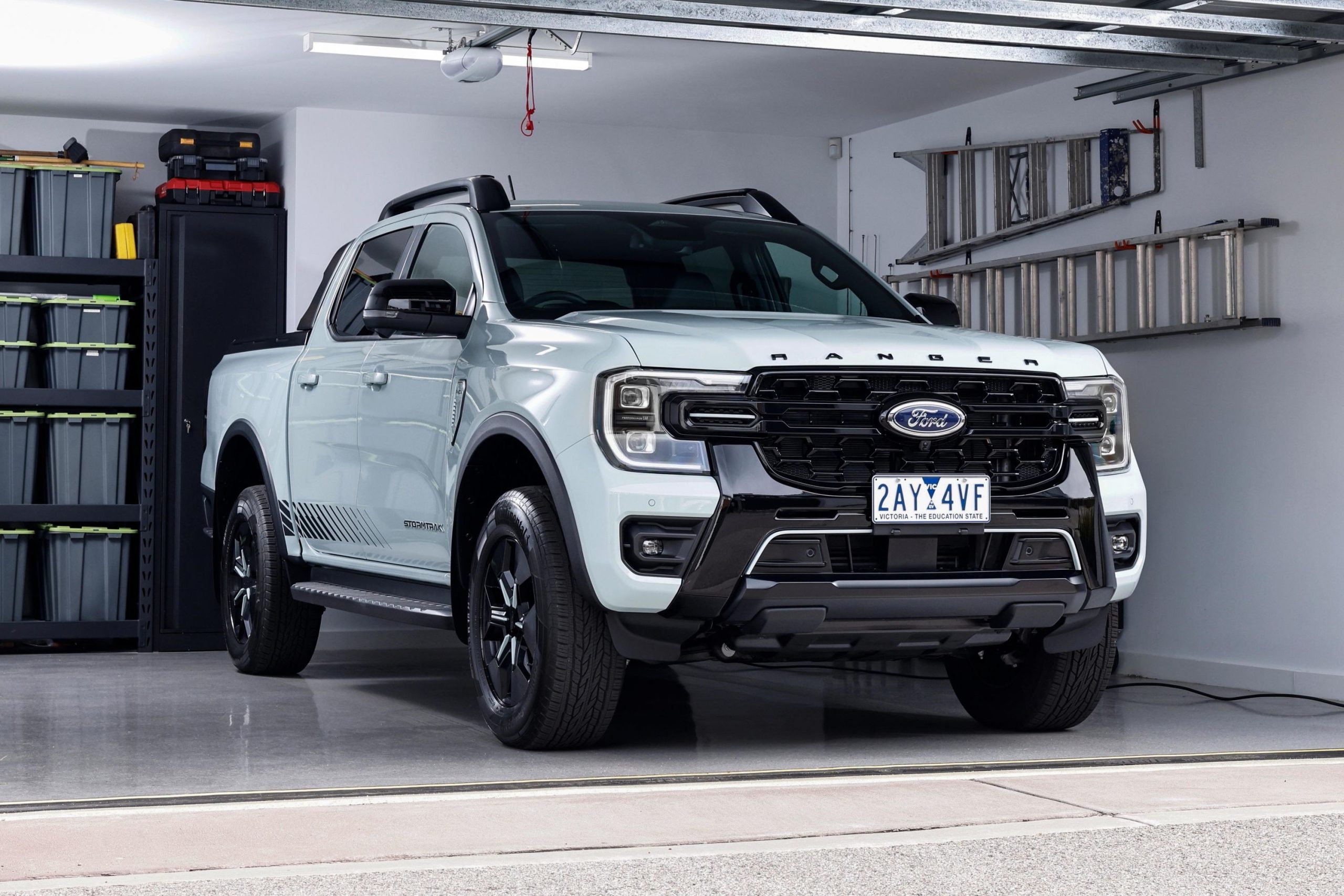
3. Ford Ranger with 3.0L Diesel
The Ford Ranger has been a trusted name for midsize pickups for many years, but certain versions have faced engine issues that reduced their reliability. The 3.0L diesel engine, used in some older models, is one of those engines that many owners have complained about. While the Ranger as a truck remains useful, this particular engine often ends up giving its drivers heavy repair bills.
One common issue with the 3.0L diesel is injector failure. The injectors do not always last as long as expected, and once they start failing, the engine’s performance drops quickly. In many cases, the engine runs rough, produces smoke, or struggles to start. If the injectors are not replaced on time, the damage spreads to other parts, sometimes leading to a full rebuild.
Another weakness in this engine is related to head gasket problems. Many mechanics have reported cases where the gasket fails due to overheating, which then leads to coolant mixing with engine oil. This is a serious failure that requires the engine to be taken apart. In trucks where owners did not notice the problem early, rebuilding became unavoidable.
Oil pump issues have also been reported, which starve the engine of lubrication and cause rapid wear of internal parts. For pickup owners who depend on the Ranger for daily work, such failures can be very frustrating.
Although Ford improved later Ranger engines, the 3.0L diesel models have left a record of frequent breakdowns. For this reason, anyone considering a used Ranger from this range has to be careful, because the chance of needing an engine rebuild is higher than in many other trucks.
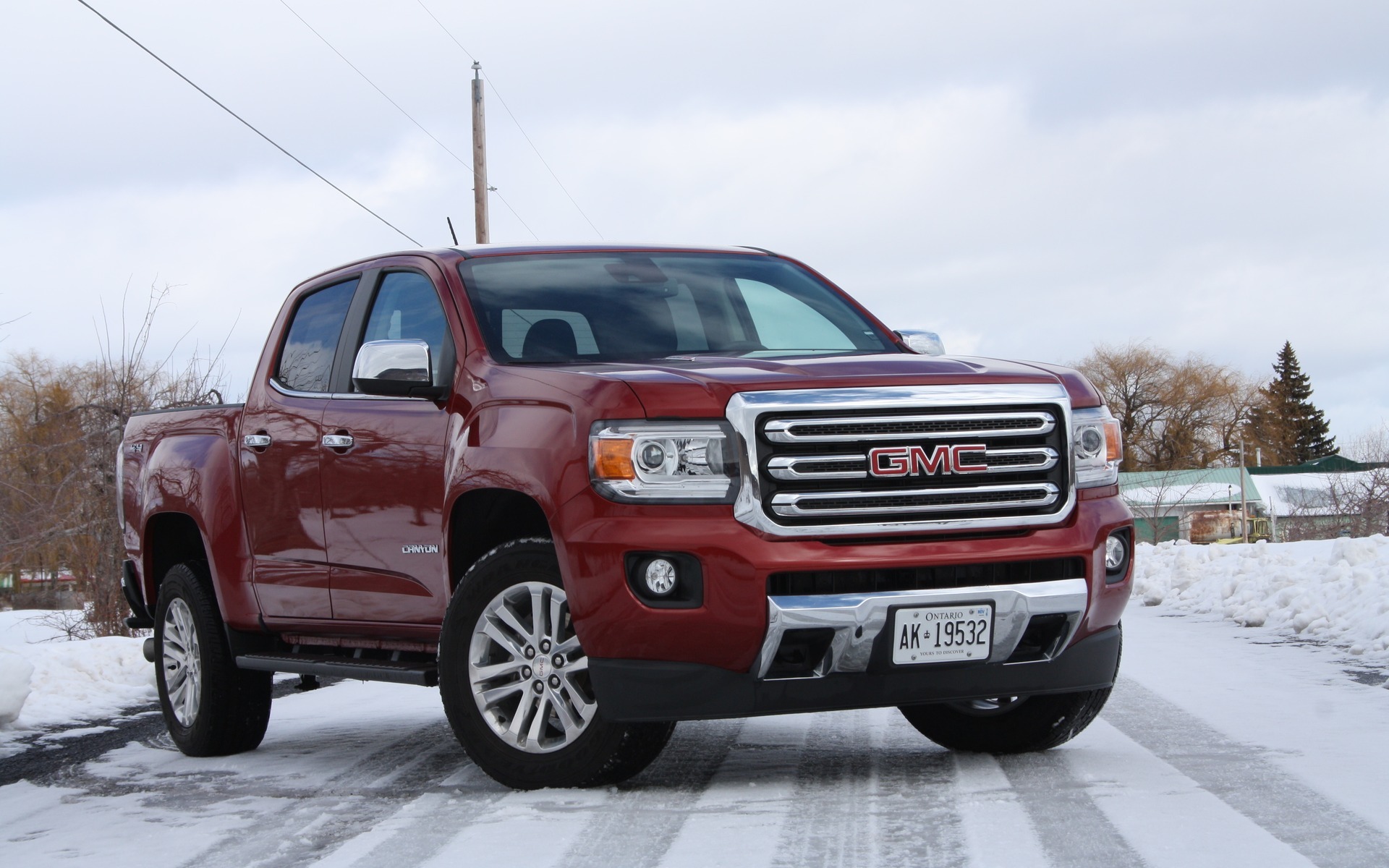
4. GMC Canyon with 2.8L Duramax Diesel
The GMC Canyon shares many parts with the Chevrolet Colorado, and while the 2.8L Duramax diesel engine was meant to give better towing and fuel economy, it has caused several problems that sometimes end with engine rebuilding.
On paper, the 2.8L diesel sounded like a good option for drivers who wanted strength in a midsize pickup, but long-term use has shown a different picture.
One of the most frequent complaints is with the turbocharger system. Many owners experienced turbo failures earlier than expected, which affected the entire engine performance.
When the turbo breaks, it often causes strain on the engine, leading to internal damage. Repairing the turbo is costly, and in some cases, rebuilding the engine is the only way to fix the bigger damage caused.
Another challenge with this engine is carbon buildup in the intake system. Because of the way the exhaust gas recirculation system works, soot builds up in the intake, which chokes the airflow and reduces efficiency.
After a while, this causes serious stress on the engine and can result in valve damage. Mechanics often see this problem after about 100,000 miles.
Fuel system failures have also been common in the 2.8L Duramax. The high-pressure fuel pump is sometimes unable to hold up under long use, and when it fails, metal shavings enter the engine and destroy injectors and cylinders.
Once this happens, rebuilding is often unavoidable because the damage spreads too widely.
Although GMC promoted the Canyon 2.8L diesel as a modern and efficient option, many owners found themselves spending more time and money at repair shops than expected. This has placed the Canyon with this engine among pickups that often face rebuild problems.
Also Read: 12 Pickup Trucks That Rarely Rust Out in Use
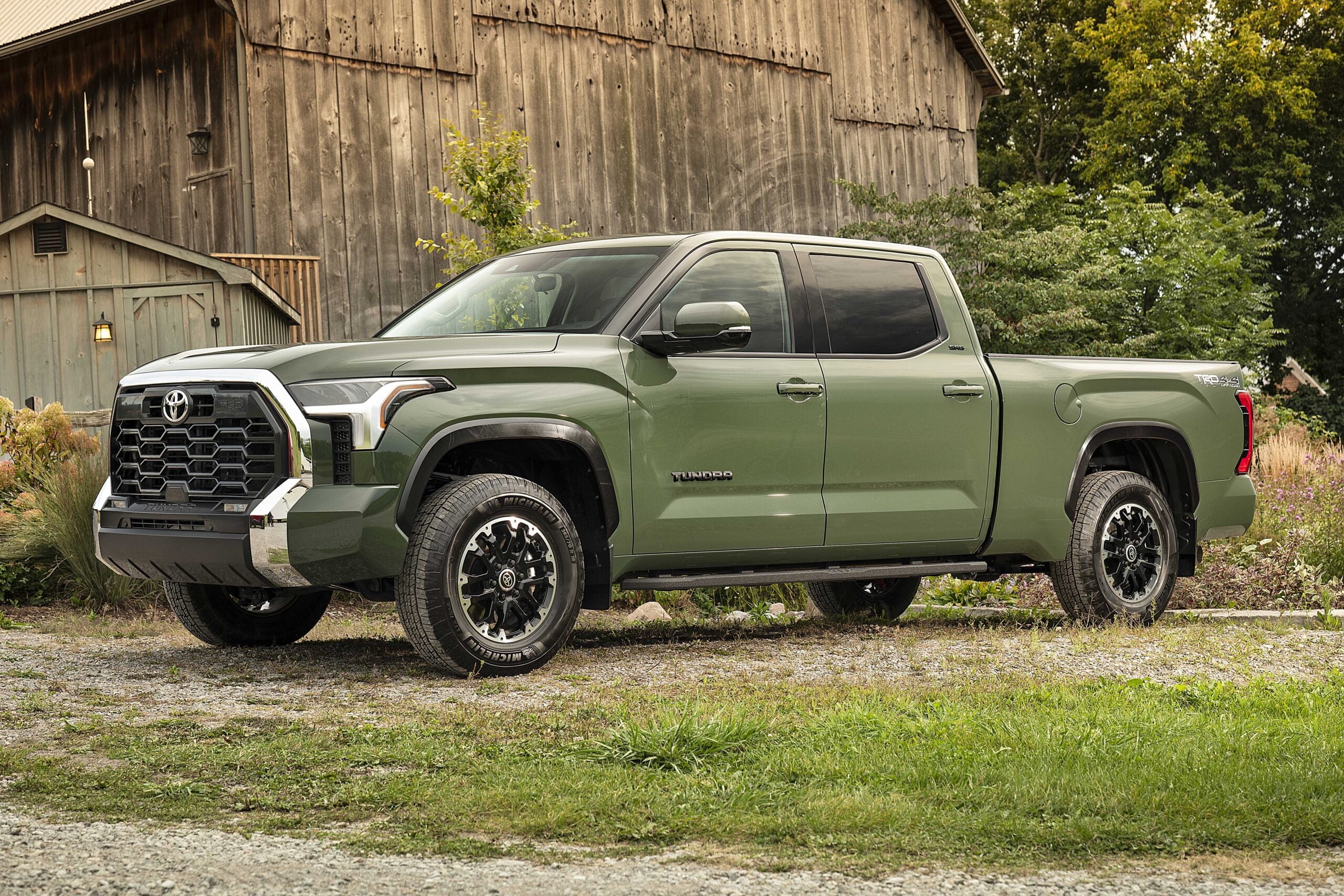
5. Toyota Tundra with 5.7L i-Force V8
Toyota is widely respected for its strong and durable engines, but the 5.7L i-Force V8 in some Toyota Tundra models has faced recurring issues.
While the truck itself is powerful and offers excellent towing capacity, the engine has not matched Toyota’s usual record of dependability in every case. Many owners have reported problems that often result in full engine repairs or rebuilding.
One major problem is with excessive oil consumption. Some Tundra owners discovered that their trucks burn oil much faster than expected.
If the oil is not topped up regularly, the engine runs low, and this leads to serious internal damage. Once the pistons and cylinders are affected, rebuilding becomes the only way forward.
Another issue is the air injection pump system, which has been known to fail and cause the engine to go into limp mode. While this problem may not always require rebuilding at first, it often leads to poor performance that, if ignored, causes deeper engine damage.
Timing chain tensioner problems have also been seen in some Tundras with the 5.7L V8. When the tensioner weakens, the timing chain can skip, leading to valve and piston damage. This kind of failure usually means the engine has to be opened and repaired at high cost.
Although many Toyota engines are famous for lasting beyond 250,000 miles, this particular version of the Tundra’s engine has left some owners disappointed. While not every truck will fail, the number of cases where rebuilding has been necessary is high enough to place it on this list of pickups with engine trouble.
