Finding a used car that offers more than its price can be a rewarding experience. Certain vehicles stand out by combining reliability, performance, and features that exceed expectations, making them excellent investments in the long run.
From rugged trucks and family-friendly SUVs to sporty sedans and electric vehicles, these cars prove that value isn’t always measured by the sticker price. In this list, we highlight ten used models, including the 2021 Toyota Tacoma TRD Sport, the 2021 Tesla Model 3, and the 2020 Honda Civic Si, that retain their appeal, provide comfort and technology, and deliver strong performance.
These cars demonstrate that with the right choice, a pre-owned vehicle can offer both dependability and enjoyment, giving buyers more than they anticipated for the money they spend.
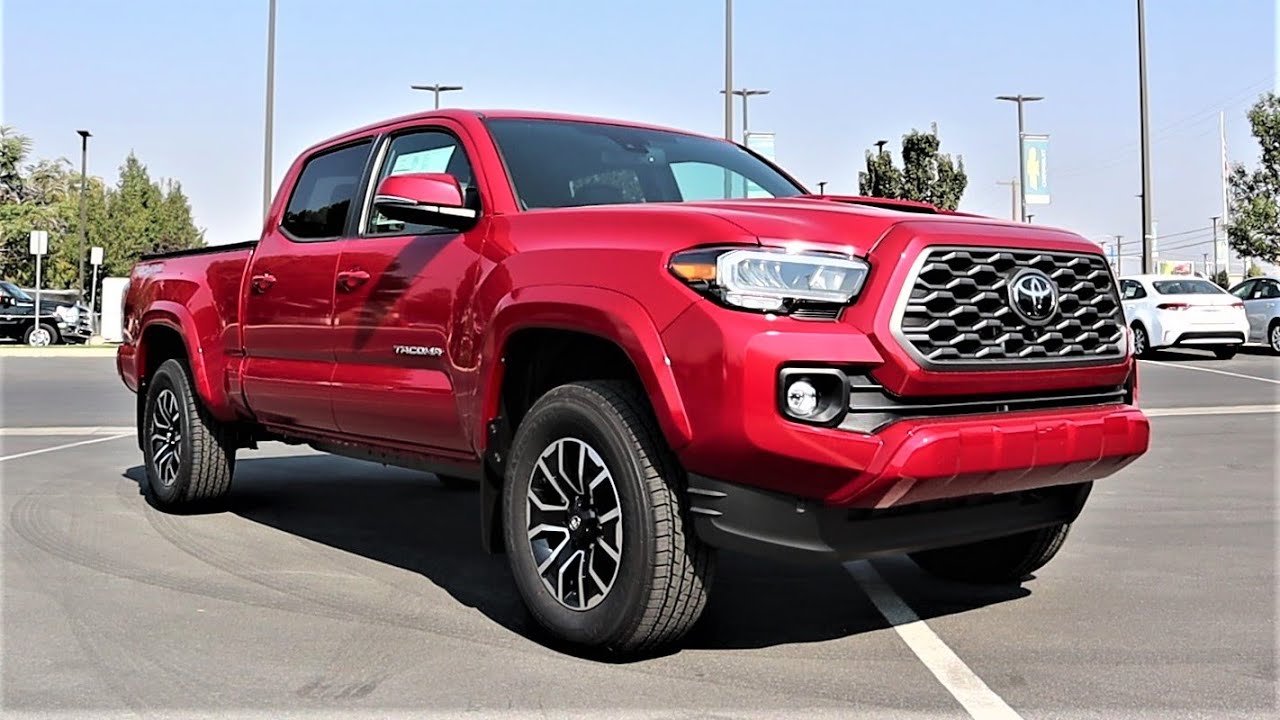
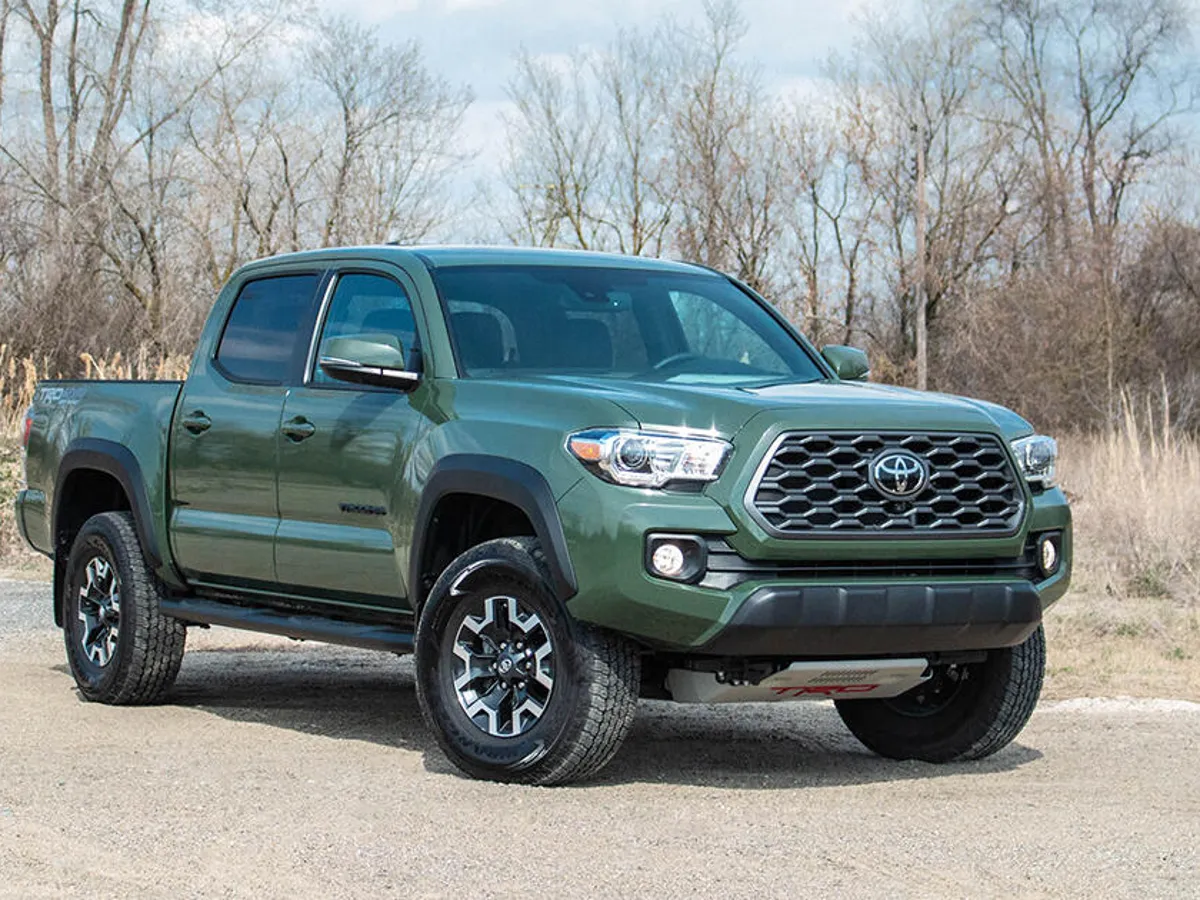
1. 2021 Toyota Tacoma TRD Sport
The 2021 Toyota Tacoma TRD Sport launched at $41,862, with used models now averaging $42,998. Tacomas remain highly sought after, and many used listings show minimal mileage, suggesting quick resales with slight markups. This trend, combined with the ongoing popularity of trucks, has led to noticeable price increases across the country.
Following a major 2020 refresh, the core 2021 Tacoma remains largely unchanged, offering reliability and rugged midsize capability.
Toyota introduced two special editions: the Trail Special Edition, based on the SR5 double-cab, features all-terrain tires and insulated lockable bed storage bins, while the Nightshade Special Edition is an aesthetic package with blacked-out trim based on the Limited trim. Both trims are produced in limited numbers, making them standout options for buyers seeking something unique.
The Tacoma delivers smooth handling and easy steering for daily use, though its brakes can feel grabby under heavy stops. Its 3.5-liter V6 engine provides adequate power, and the six-speed automatic transmission performs reliably.
Off-road, the Tacoma excels, offering superior clearance, traction, and precise throttle and brake control for technical terrain. While the Jeep Gladiator may edge it out in extreme off-road situations, the Tacoma balances capability with daily usability.
Interior comfort improved with the 2020 updates. A fully adjustable 10-way driver’s seat enhances long-distance comfort, and thicker side windows help reduce wind noise. The cabin remains slightly “truckier” than rivals like the Honda Ridgeline or Chevy Colorado, but is still functional and pleasant. S
tep-in height is taller than average, but once inside, controls are intuitive, visibility is strong, and the cabin is well-equipped. Storage options are versatile, with rear seats folding to expand cargo space, and installing child seats is straightforward.
The Tacoma features a modern infotainment system with a large, responsive screen, Apple CarPlay, Android Auto, Amazon Alexa, and optional navigation. Toyota also equips all models with a robust suite of standard safety features, including adaptive cruise control, emergency braking with pedestrian detection, lane departure warning, automatic high-beam control, and driver drowsiness monitoring.
The composite truck bed is durable, versatile, and easy to load, with multiple tie-down points. The Tacoma can tow up to 6,800 pounds, slightly less than some rivals, but still competitive in its class.
Fuel economy for the 3.5-liter V6 with six-speed automatic reaches 20 mpg combined in 4WD and 21 mpg in RWD, with real-world tests confirming these figures.
The Tacoma offers solid build quality, dependable mechanics, and practical features at a reasonable price, particularly in TRD trims.
Toyota provides two years of free scheduled maintenance, though the warranty is limited. For buyers seeking a reliable, capable midsize truck with strong off-road performance, the 2021 Tacoma TRD Sport remains a compelling choice.
2. 2021 Tesla Model 3
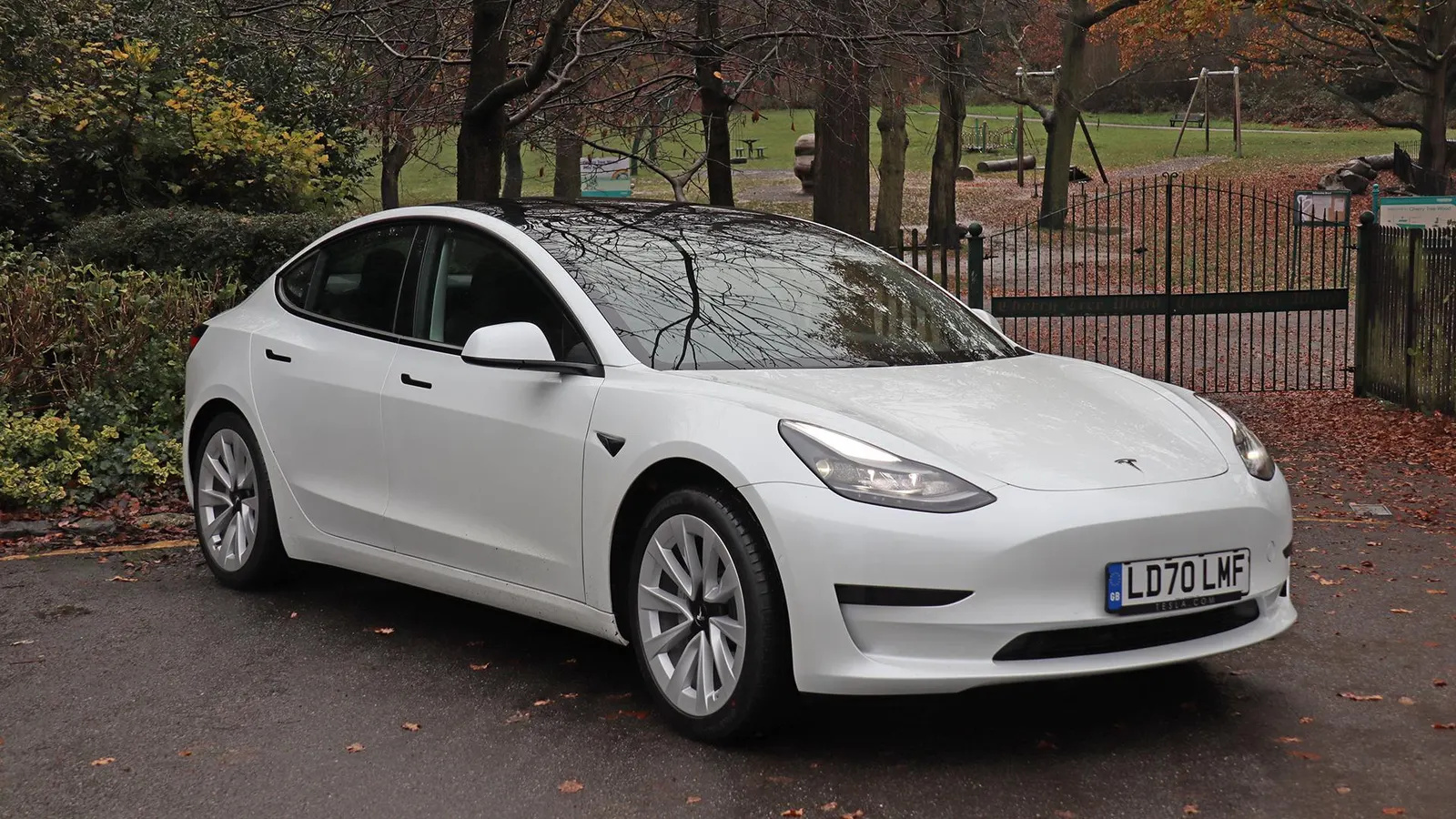
The 2021 Tesla Model 3 Standard Range Plus launched at $41,190, but used examples often sell for $49,950 or more, reflecting the car’s strong resale value.
Tesla’s popularity, coupled with the growing appeal of electric vehicles (EVs) and reduced daily driving demands, has fueled high demand in the secondary market. Some used models are listed at a 21% premium over their original price, demonstrating how coveted these vehicles are.
The 2021 model builds on previous refinements, offering a slightly increased EPA-estimated range of 263 miles for the Standard Range Plus. Exterior updates include black trim replacing chrome, a new window design to reduce noise, and a power trunklid.
Interior enhancements feature a wireless phone charging pad and metal steering wheel dials. The minimalistic cabin, combined with an all-glass roof, creates a bright and airy environment, while low hoodlines enhance forward visibility.
The Model 3 delivers a dynamic driving experience. Its 0–60 mph acceleration of 5.3 seconds in the Standard Range Plus surpasses most entry-level EVs like the Chevrolet Bolt and Kia Niro EV.
Steering is precise and handling is nimble, although heavy-handed stability control limits extreme performance driving. Standard 18-inch all-season tires provide adequate grip, making the car engaging yet safe for spirited daily driving. Dual Motor and Performance trims further enhance the sporty driving experience.
The cabin is comfortable and quiet, effectively dampening road, wind, and electric propulsion noise. Seats are supportive, but non-perforated leather may be warm in hot climates. Innovative touchscreen-controlled climate vents allow personalized airflow for the driver and front passenger.
The minimalistic interior emphasizes openness, with the 15-inch touchscreen serving as the central command for nearly all vehicle functions. However, routine tasks like adjusting mirrors or wipers require attention on the display.
Tesla’s infotainment system is a standout feature, offering real-time Google Maps navigation, Autopilot traffic-aware cruise control, and lane management. Autopilot can even slow the car for curves, although sometimes conservatively.
A key drawback is the absence of Apple CarPlay and Android Auto; Bluetooth is the main option for smartphone integration. The system also supports streaming services like Netflix, Hulu, and Spotify, mostly when the car is stationary.
The Model 3 offers more cargo space than its modest numbers suggest. The rear trunk (12.3 cubic feet) and front trunk (2.7 cubic feet) provide flexible storage, while fold-flat rear seats accommodate larger items like bicycles. Cabin storage is functional, but cupholders lack anti-tip features, and car seat anchors are tight, requiring care during installation.
EPA-estimated range is 263 miles for the Standard Range Plus, with real-world testing yielding 232 miles. Energy consumption averaged 23 kWh per 100 miles, slightly below the EPA estimate, showing high efficiency despite falling short of the projected range. Tesla’s charging options include standard 120-volt adapters, 240-volt adapters, and compatibility with the Supercharger network.
The Model 3 offers strong value, especially for buyers who do not opt for Full Self-Driving features. Build quality has improved over early models, and periodic over-the-air software updates enhance features over time. Combined with versatile charging solutions and a sophisticated electric drivetrain, the Model 3 remains a leading choice in the luxury EV segment.
3. 2021 Toyota RAV4 Hybrid XSE
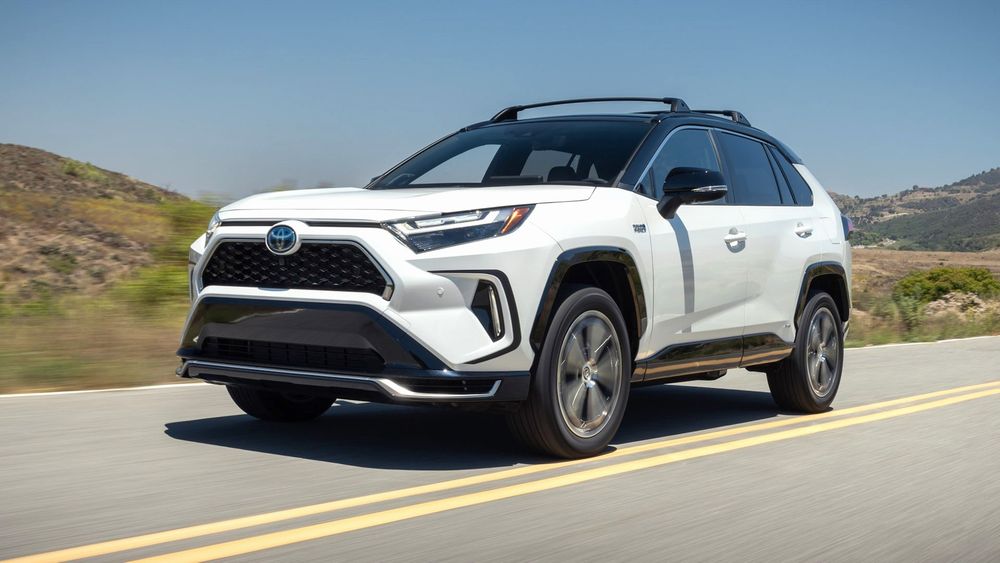
The 2021 Toyota RAV4 Hybrid XSE starts at $38,781, with used models currently listed at around $44,998, reflecting strong resale value and high market demand. The base LE trim offers a more affordable entry into hybrid ownership at roughly $2,000 above a standard RAV4.
As one of the best-selling passenger vehicles in the U.S., the RAV4 owes its popularity to its long-standing reputation, Toyota’s reliability, and the combination of practicality, fuel efficiency, and standard safety features.
While the RAV4 Hybrid XSE is competent for daily driving, it does not impress in terms of outright performance. Its engine provides smooth acceleration in city driving and merging situations, but it is modest when pressed for speed, with a 0–60 mph time of 9.1 seconds in Edmunds’ testing.
Steering feels vague at the center, making precise input challenging. However, the RAV4’s optional upgraded all-wheel-drive system with rear-axle torque vectoring, advanced traction controls, selectable terrain modes, and hill descent control improves its capability for light off-road adventures, complementing its respectable ground clearance.
Ride comfort is balanced, with the suspension absorbing small to moderate bumps effectively. Front seats are supportive, though seat bottoms can feel flat during long drives, and the passenger seat’s limited adjustment may be inconvenient.
The cabin remains quiet on highways, with only noticeable engine noise during heavy acceleration. Climate controls distribute airflow efficiently, and rear passengers have adjustable vents, improving cabin comfort for everyone.
The RAV4’s interior is spacious and practical. Entry and exit are easy, outward visibility is strong, and the driver’s seat and steering wheel have a good range of adjustment. Controls are logically arranged, with tactile knobs for audio and climate systems, though the touchscreen sits slightly out of reach for frequent use.
The infotainment system supports Apple CarPlay and Android Auto, and the standard driver-assist suite is robust. Features include adaptive cruise control, automatic emergency braking, lane-keeping assist, drowsiness detection, automatic high beams, and Line Tracing Assist for semi-active steering support.
Cargo capacity is generous, offering 37.5 cubic feet behind the rear seats and 69.8 cubic feet with them folded. The low cargo floor simplifies loading, while front cabin storage includes multiple bins and shelves. Towing capability reaches 3,500 pounds on certain trims, and child seat installation is straightforward, though the high passenger seat may complicate rear-facing infant seats.
The RAV4 Hybrid XSE excels in efficiency, with combined EPA ratings of approximately 40 mpg. Real-world testing over 7,000 miles in an AWD Adventure averaged 28.6 mpg, with tank-to-tank results ranging from 25.6 to 32.3 mpg, demonstrating consistently strong fuel economy.
The RAV4 Hybrid XSE combines practicality, reliability, and build quality. Its interior features soft simulated leather, tidy stitching, and tactile controls. Toyota’s standard warranty is average, but the two-year/25,000-mile free scheduled maintenance adds value.
The RAV4 Hybrid XSE offers a compelling mix of fuel efficiency, passenger comfort, storage flexibility, and safety, making it a top choice in the small hybrid SUV segment.
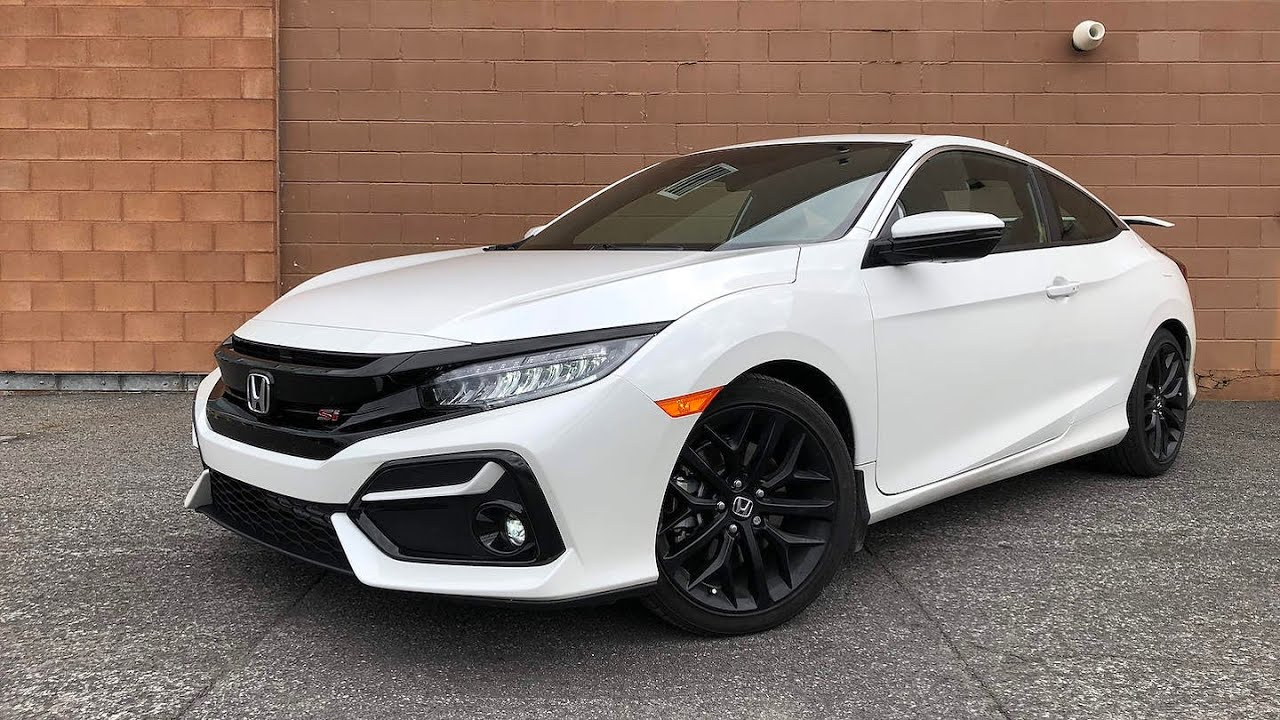
4. 2020 Honda Civic Si
The 2020 Honda Civic Si launched at $24,602, with used models now fetching around $31,998, reflecting strong resale value. The Civic has remained one of America’s best-selling cars since the current generation debuted in 2016, maintaining a reputation for reliability, performance, and practicality.
The Si variant stands out as the sportiest option, delivering enhanced power, handling, and driver engagement compared to the base Civic models.
The Civic Si is powered by a 1.5-liter turbocharged DOHC engine producing 205 horsepower at 5,700 rpm and 192 lb-ft of torque from 2,100 to 5,000 rpm. This engine is paired with a six-speed manual transmission and a limited-slip differential, emphasizing driving fun and precision.
The 2020 Si benefits from a six-percent higher numerical final drive ratio, enhancing acceleration. Edmunds testing recorded 0–60 mph in just 5.82 seconds and 50–70 mph in 2.87 seconds on level ground. The turbocharged engine provides strong torque even at lower RPMs, making daily driving responsive while delivering thrilling performance in spirited conditions.
The Civic Si excels in agility and road feel. Its adaptive dampers, anti-roll bars, low-profile 235/40×18 tires, and independent suspension contribute to precise cornering, flat body control, and excellent grip. Steering is electric, with 2.11 turns lock-to-lock, offering responsive feedback during aggressive driving.
While the ride is firm and tire noise is noticeable on rough surfaces, the Si maintains a composed attitude through twisty roads, delivering a true sports car experience in a compact package.
Despite its performance focus, the Civic Si remains efficient. The EPA rates the vehicle at 26/36/30 mpg city/highway/combined. In real-world testing over 300 miles of spirited driving, the Si averaged 31.8 mpg. On a level highway at 70 mph, it achieved 41.4 mpg, demonstrating that owners can enjoy sporty driving without excessive fuel costs.
The Si features exclusive sport seats that are heated and supportive for aggressive or long-distance driving, though they lack power adjustments. Interior materials are high-quality, and the cockpit is driver-focused.
The large tachometer surrounds a digital speedometer and info center, and the center stack is intuitive to operate. While rear-seat room is adequate, entry and exit are slightly lower than average due to the Si’s sports car stance.
The 2020 Civic Si includes Honda Sensing as standard, offering Lane Keep Assist, Road Departure Mitigation, and a side-view camera for right turns. Headlights provide excellent illumination and coverage, enhancing visibility. The combination of active safety systems and a rigid body structure ensures driver and passenger protection without compromising performance.
The Civic Si features aggressive styling, including a blacked-out grille, LED headlights, and a striking red exterior (“Big Red”). Its sleek, edgy lines, muscular wheel arches, and aerodynamic stance make it the most visually compelling Civic to date. The four-door sedan is nearly mid-size in interior volume, offering practicality alongside sporty aesthetics.
The 2020 Civic Si combines high performance, fuel efficiency, and affordability. With a starting price under $25,000 and no costly options, it delivers a thrilling driving experience and modern features at a reasonable cost. Its strong resale value, sporty design, and engaging dynamics make it an appealing choice for enthusiasts seeking a compact sports sedan without compromise.
5. 2020 Kia Rio
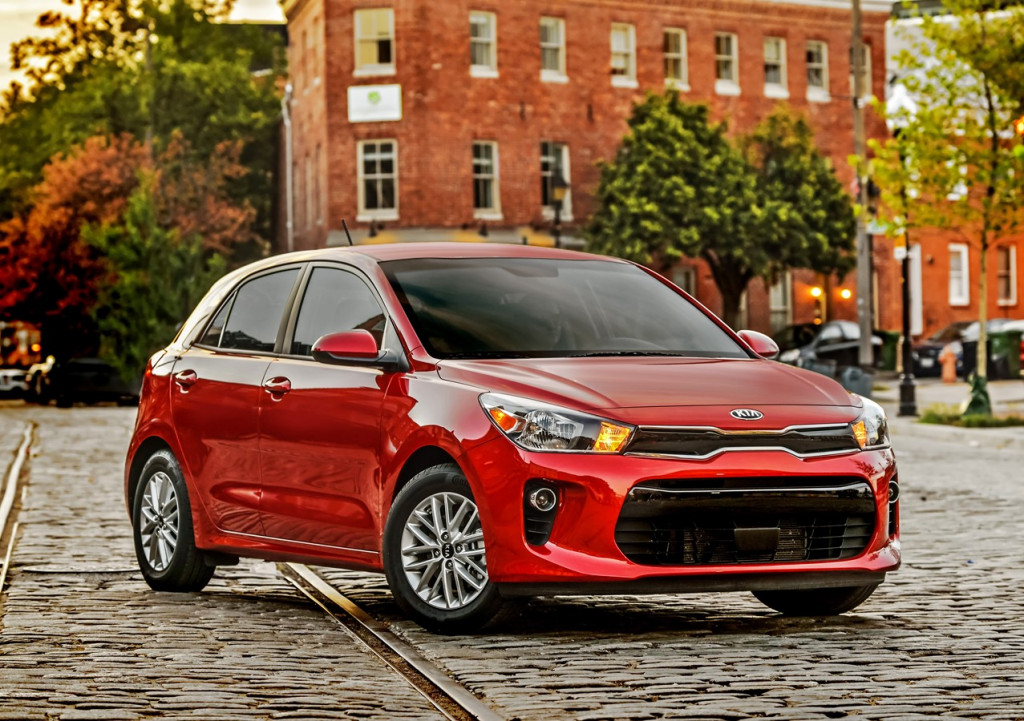
The 2020 Kia Rio launched at $16,566, with used models now selling for approximately $20,590, reflecting rising demand in the subcompact segment. The chip shortage and increased production of higher-margin vehicles have contributed to higher prices for budget-friendly cars. Even with a $4,000 premium in some markets, the Rio offers excellent value, supported by Kia’s industry-leading five-year, 60,000-mile warranty.
Redesigned two years prior, the Rio features a more sophisticated suspension, improved ride quality, and refined exterior styling. The cabin feels spacious for front passengers thanks to thoughtful interior design and an intuitive control layout.
The infotainment system is among the best in its class, now featuring a larger 7-inch touchscreen with standard Apple CarPlay and Android Auto, making connectivity seamless for both drivers and passengers.
For 2020, Kia introduced a new four-cylinder engine paired with a continuously variable automatic transmission (CVT). While the engine produces 10 horsepower less than its predecessor, fuel efficiency has improved, with estimates of 41 mpg on the highway and 36 mpg combined roughly a 10% increase.
The CVT is designed to keep the engine in its optimal power range, offering smooth acceleration and better performance for city and highway driving. The previous engine was adequate for city streets but lacked strength at higher speeds, a limitation that the new powertrain aims to address.
The Rio delivers a lively driving experience for a subcompact car. Crisp steering, responsive handling, and a well-tuned suspension combine to provide a ride that is comfortable yet engaging. Its compact dimensions make it agile in urban traffic and easy to park.
Standard safety features include front and side airbags, while advanced systems like automatic emergency braking are optional. Rear-seat and trunk space are modest, typical of subcompact vehicles, but the interior layout maximizes usability. The car’s nimble size enhances maneuverability, making it convenient for city driving.
The 2020 Kia Rio balances affordability, efficiency, and features in a competitive subcompact package. Fuel-efficient performance, a high-quality interior, modern infotainment, and Kia’s extensive warranty make it a strong choice for budget-conscious buyers seeking a practical, well-equipped, and fun-to-drive vehicle.
Also Read: 5 Honda Civic Years That Last Forever vs 5 That Don’t
6. 2021 Kia Telluride SX
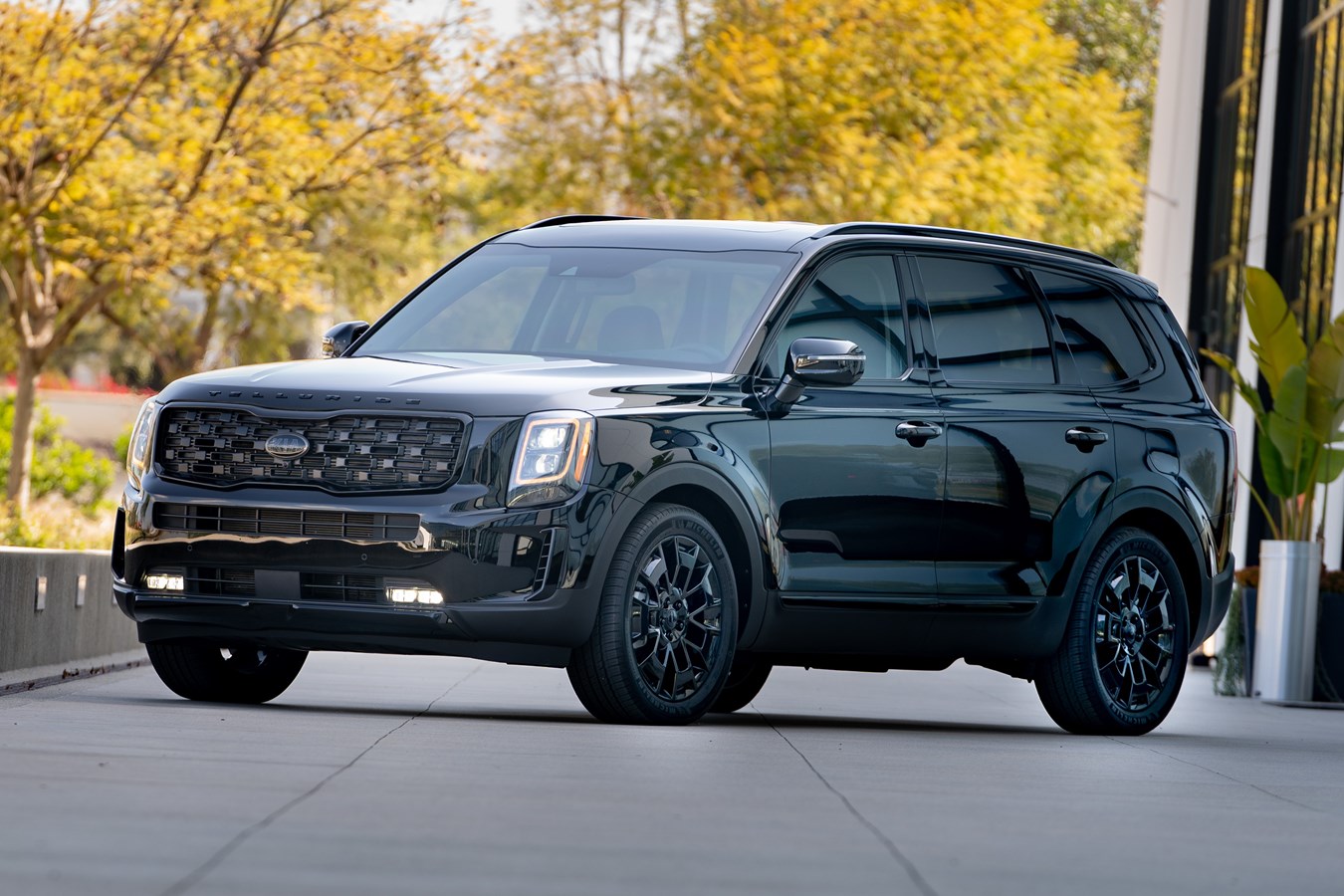
The 2021 Kia Telluride SX launched at $50,648, with used examples now selling for around $53,999. The Telluride has become a strong performer in resale value due to high demand and its reputation as a well-rounded three-row SUV.
Buyers can expect to pay slightly above MSRP for popular trims, reflecting the SUV’s ongoing popularity and limited availability. Kia’s 10-year/100,000-mile powertrain warranty adds significant value.
The Telluride is powered by a responsive V6 engine that balances performance and efficiency. Acceleration is average for its class, reaching 0–60 mph in 7.5 seconds, comparable to rivals like the Honda Pilot and Hyundai Palisade. Brakes are strong and consistent, offering smooth and reliable stopping power.
Steering is light at low speeds but gains weight naturally in turns, while the SUV remains stable with minimal body roll. The engine’s stop-start system functions smoothly, contributing to fuel savings without sacrificing refinement.
The Telluride provides a high level of comfort for a three-row SUV. Seats are supportive and well-contoured, with plush headrests, while cabin noise is minimal, even at highway speeds. Ride quality is generally smooth, though it can feel slightly firm over rough surfaces. The climate control system is effective across all three rows, and heated and ventilated seating is available for both first- and second-row passengers.
The cabin is spacious and upscale-feeling, with excellent passenger space in both second and third rows. Large windows enhance the open feeling, although front-passenger knee room is slightly tight. Controls are logically grouped, but the infotainment screen requires some reach.
Technology features include standard Apple CarPlay and Android Auto, multiple USB ports, adaptive cruise control, and collision avoidance systems. Optional upgrades include a larger infotainment screen, navigation, head-up display, rear-seat intercom, and a 10-speaker sound system.
Cargo space is generous, offering 21 cubic feet behind the third row and 87 cubic feet with both rows folded. The hatch opening is wide, and there is a useful underfloor compartment. Child safety seats are easy to install, and the car seats are accessible. Maximum towing capacity is 5,000 pounds, matching class leaders. Small-item storage is somewhat limited compared to competitors.
The EPA estimates fuel economy at 21 mpg combined (19 city/24 highway). Real-world testing showed approximately 23 mpg, which is reasonable for a mid-size V6 SUV. The Telluride provides strong value through a combination of driving dynamics, interior comfort, feature content, and warranty coverage, delivering a near-luxury experience at a mainstream price.
7. 2020 Honda Odyssey EX
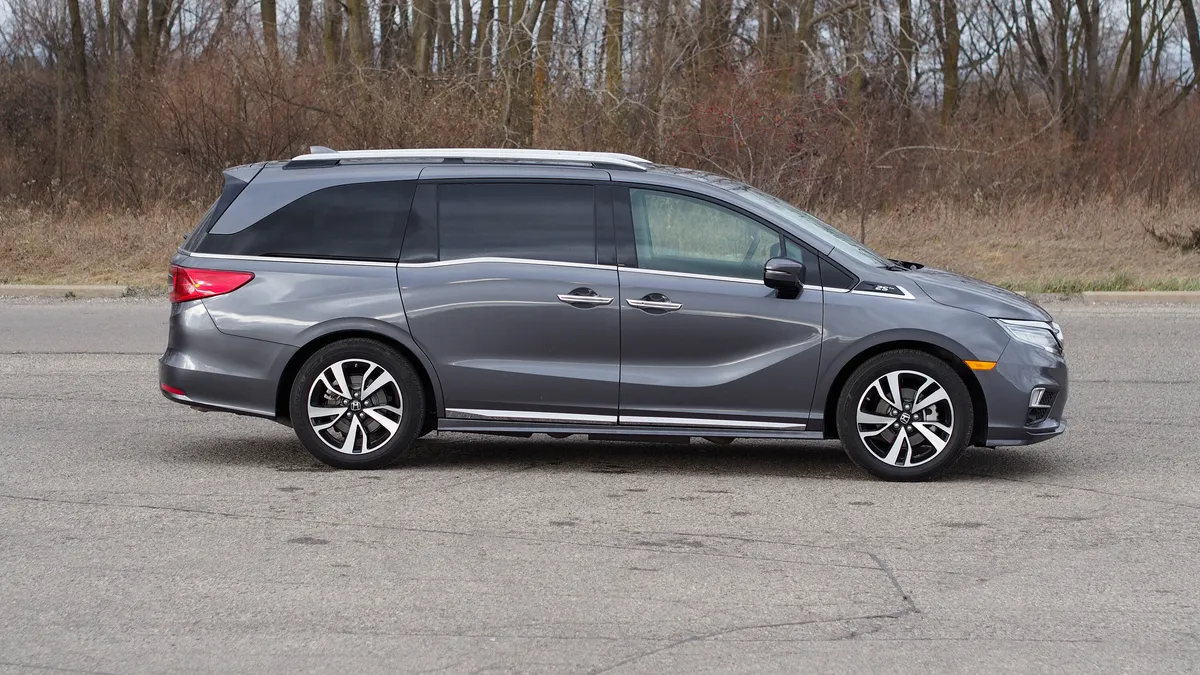
The 2020 Honda Odyssey EX launched at $33,944, with used models now selling around $37,590. The Odyssey continues to offer strong value in the family vehicle segment, combining Honda’s renowned reliability, a V6 engine, and a well-rounded suite of comfort and safety features.
The EX trim hits a sweet spot by offering above-baseline amenities without a significant price jump, making it an appealing option for families seeking versatility and dependability.
The Odyssey drives more like a car than a traditional minivan. Its V6 engine delivers ample power, allowing the vehicle to reach 0–60 mph in just 7.6 seconds. Precise steering, stable handling, and a smooth 10-speed automatic transmission contribute to confident driving, even when the van is fully loaded.
Paddle shifters provide manual control for drivers seeking a sportier feel. The suspension handles bumps well, maintaining composure on uneven roads.
Comfort is a key strength of the Odyssey. Front seats are supportive for long drives, while the second and third rows provide ample space for children and adults, though rear legroom is slightly limited in the back row.
The cabin remains quiet on highways thanks to active noise cancellation and noise-reducing glass. Ride quality is generally smooth, though firmer than some competitors, especially on larger wheels or rough surfaces.
The Odyssey excels in usability. Sliding rear doors and configurable second-row seats allow easy access to the third row. The driver’s seat and steering column offer a wide range of adjustments for a comfortable driving position.
Storage is abundant, with nearly 156 cubic feet of cargo space at maximum capacity, deep storage wells, and numerous bins throughout the cabin. Child seat anchors are easily accessible, and second-row sliding helps with bulky installations. Visibility is somewhat restricted by headrests and front pillars, making a surround-view camera a potential improvement.
The 8-inch infotainment display is responsive and user-friendly, supporting Apple CarPlay and Android Auto. A rear-seat intercom and optional Wi-Fi hotspot help keep passengers connected. Driver aids include lane departure and blind-spot warnings, though adaptive cruise control and lane-keeping assist are less refined.
The Odyssey’s EPA rating is 22 mpg combined (19 city/28 highway), though real-world testing showed 21 mpg on mixed routes, ranging from 14 to 24 mpg depending on driving style.
While the Elite trim is pricier, the Odyssey’s smooth power, spacious interior, and practical features make even lower trims highly functional and family-friendly, providing strong value for those seeking a capable minivan.
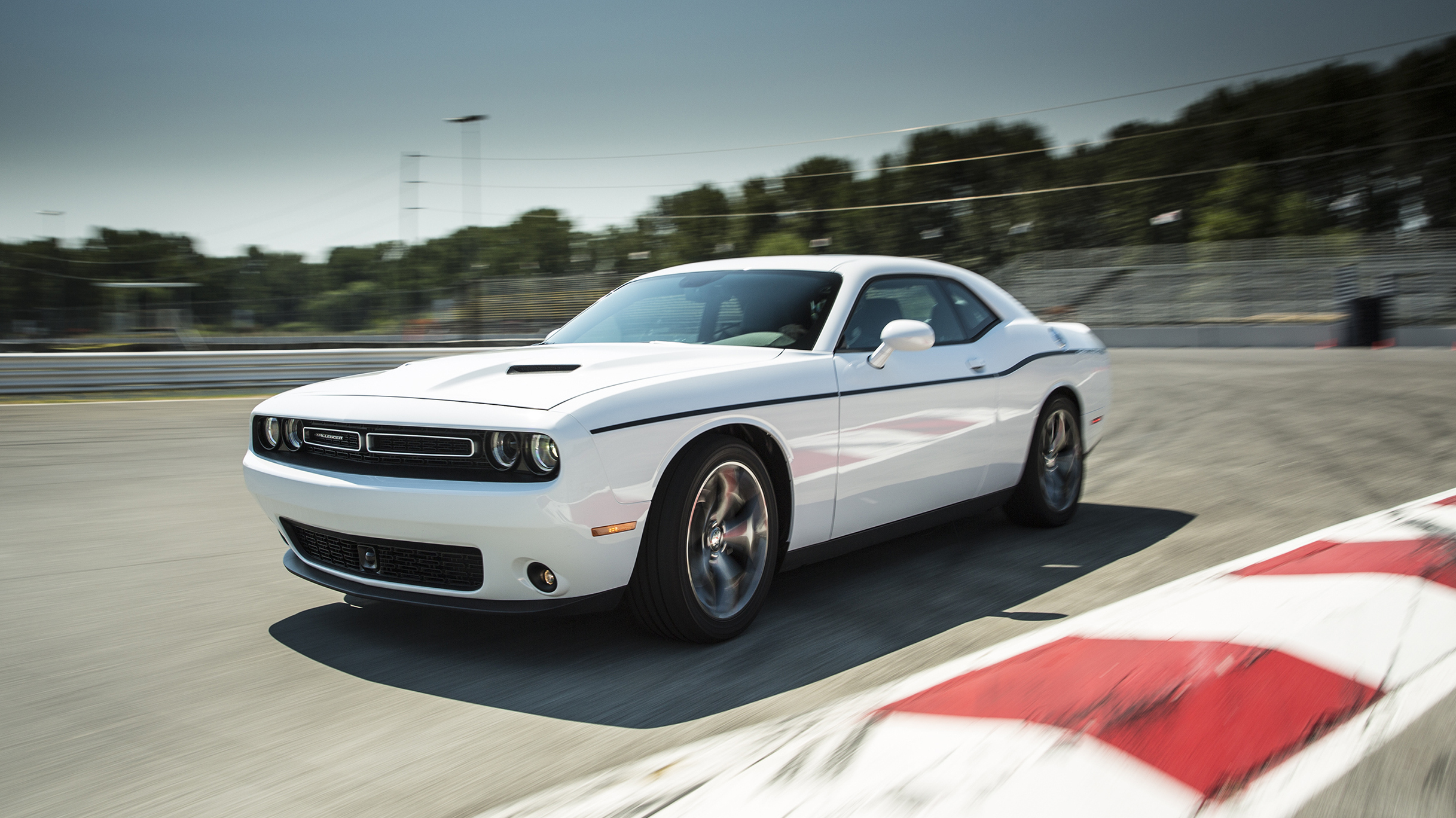
8. 2020 Dodge Challenger SXT
The 2020 Dodge Challenger SXT launched at $27,869, yet used models are selling for around $32,999-$5,000 more than new and $1,000 above original MSRP. High demand and strong brand loyalty contribute to these increased prices nationwide. The Challenger appeals to buyers seeking a classic American muscle car with modern amenities, even as the automotive world shifts toward electrification.
The Challenger emphasizes horsepower and straight-line performance over nimble handling. Equipped with a 6.4-liter V8, power is abundant at nearly any speed. Edmunds’ testing of an R/T Scat Pack Widebody manual showed a 0–60 mph time of 4.9 seconds. Braking performance is strong, with a 60–0 mph stop in just 105 feet.
The vehicle’s large size makes city maneuvering more challenging, but it excels on highways and open roads. While it handles curves competently, its mass and weight limit its agility compared to smaller muscle cars like the Camaro and Mustang.
The Widebody adaptive suspension provides a firm but manageable ride. Long-distance comfort is high, with supportive seats and a quiet cabin that allows passengers to enjoy extended drives.
Dual-zone climate control is standard, with optional heated and ventilated front seats. Seat heating is effective, though ventilation could be improved. The cabin balances muscle-car heft with features designed for comfort, ensuring the Challenger remains suitable for daily driving.
The interior combines muscle car styling with practical elements. Build quality is solid, though material quality declines in higher trims. Space is adequate, and controls are logically placed.
Visibility is decent, and long trips are comfortable thanks to ample legroom and supportive seating. Optional features such as ventilated seats, upgraded audio, and adaptive suspension enhance the in-cabin experience without compromising the vehicle’s classic character.
The Challenger’s Uconnect system is intuitive and supports Apple CarPlay and Android Auto. Voice controls handle audio, navigation, and hands-free calling efficiently. Optional driver aids, such as blind-spot monitoring and rear cross-traffic alert, function reliably. While the interface is user-friendly, it looks slightly dated compared to competitors.
The Challenger stands out among coupes for trunk capacity, offering 16.2 cubic feet, comparable to some midsize sedans. The rear seats fold 60/40 for additional utility. Small-item storage is more limited, with shallow door pockets and a cupholder positioned awkwardly behind the shifter on manual models. Still, the vehicle uses its available space effectively for a coupe.
EPA estimates for the 6.4-liter V8 indicate 17 mpg combined, with real-world city driving dropping closer to 14 mpg. While fuel efficiency is low, it is expected for a vehicle of this class.
The Challenger provides reasonable value for its equipment and performance. Widebody upgrades, while costly, enhance handling, aesthetics, and street presence. Higher trims prioritize power over luxury finishes, highlighting the muscle-car experience rather than refined interior design.
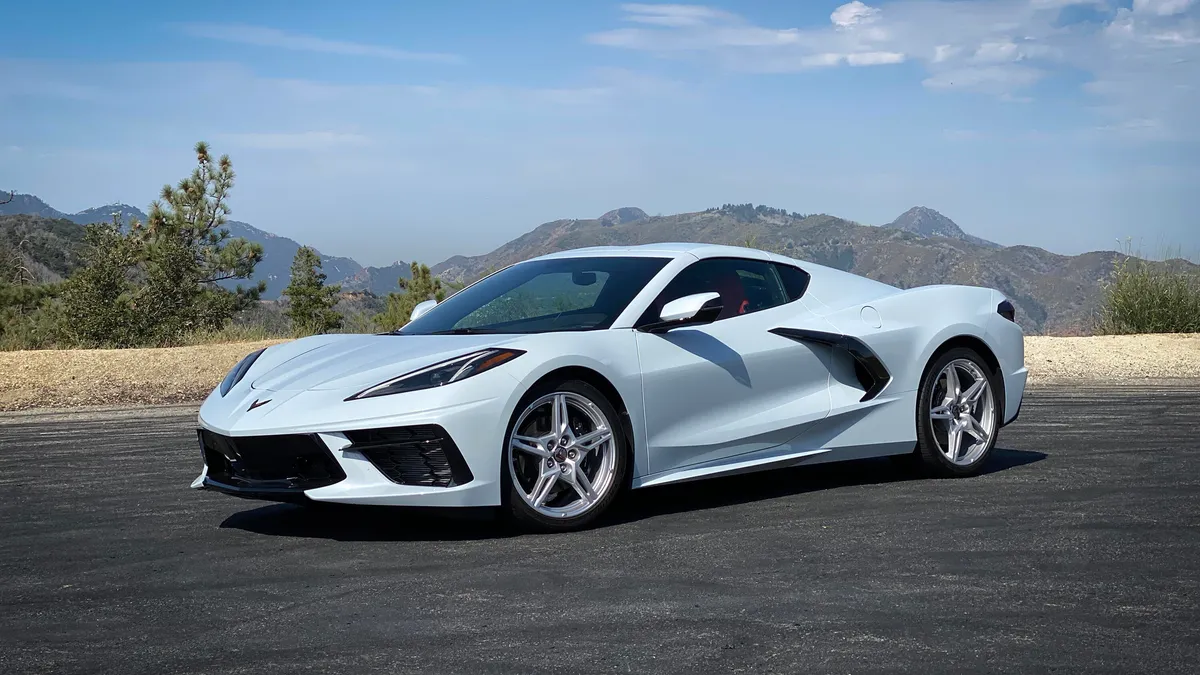
9. 2020 Chevrolet Corvette Stingray Coupe
The 2020 Chevrolet Corvette Stingray Coupe launched at $81,425, but used models are selling for approximately $98,135, reflecting a strong premium in the secondary market. Like high-demand Teslas, the Corvette’s desirability and limited availability generate aftermarket demand.
Buyers are drawn to the eighth-generation Corvette for its mid-engine layout, near-supercar performance, and comparatively accessible price point, making it a compelling option against more expensive exotic vehicles.
The Stingray Coupe introduces a mid-engine layout for the first time in Corvette history, placing the 6.2-liter V8 behind the driver. This configuration allows nearly 500 horsepower and 470 lb.-ft. of torque with the optional Z51 Performance Package.
The package adds performance brakes, upgraded suspension, an electronic limited-slip differential, and a rear spoiler. Acceleration is remarkable, with 0–60 mph in just three seconds, roughly a second faster than the previous C7 model. Top speed ranges from 184 to 194 mph, depending on sources.
Track, Sport, and Tour driving modes allow drivers to tailor steering responsiveness and suspension stiffness to conditions, with Track mode delivering precise, racy handling.
The Stingray’s chassis balance and lightweight design (3,647 lbs.) make it easier to handle than many supercars, and the 8-speed dual-clutch transmission provides rapid, smooth gear shifts without turbo lag.
Despite being a performance-focused car, the Corvette remains usable for everyday driving. The Stingray’s adaptive suspension smooths out rougher roads, while the cabin remains relatively quiet.
Optional GT2 seats are heated, cooled, and highly adjustable, providing comfort for long drives. The power-adjustable tilt-and-telescope steering wheel improves ergonomics for drivers of varying sizes. The low nose and short wheelbase are mitigated by optional lift systems and front/rear cameras for easier maneuvering.
The interior blends driver-focused design with premium finishes. Black leather with gray stitching, satin or brushed chrome accents, and a raised driver-passenger ridge create a sporty, upscale look.
A 12-inch digital cluster, 8-inch infotainment screen, Bose 14-speaker stereo, navigation, adjustable head-up display, and wireless phone charging add convenience and connectivity.
The 2LT package, including the GT2 seats and many tech features, enhances functionality without overwhelming the driver. Visibility is limited due to the mid-engine layout, but multiple cameras compensate.
The Corvette offers two trunks, front and rear, sufficient for a couple of suitcases or groceries. Storage is limited but functional for a high-performance car.
The Vette achieves 15 mpg city and 27 mpg highway per EPA ratings; real-world driving yielded 19.3 mpg on a 60/40 city-highway mix. Regular 91-octane fuel is required. Even with upgrades and options, the test car totaled $79,315, significantly less than comparable supercars like a McLaren 570GT or Ferrari 488 GTB, offering exceptional performance per dollar.
The 2020 Chevrolet Corvette Stingray Coupe delivers supercar-level performance in a relatively attainable package. Its mid-engine balance, near-500-horsepower V8, advanced technology, and high-quality interior make it an enticing option for enthusiasts who want exotic car thrills without paying six-figure prices.
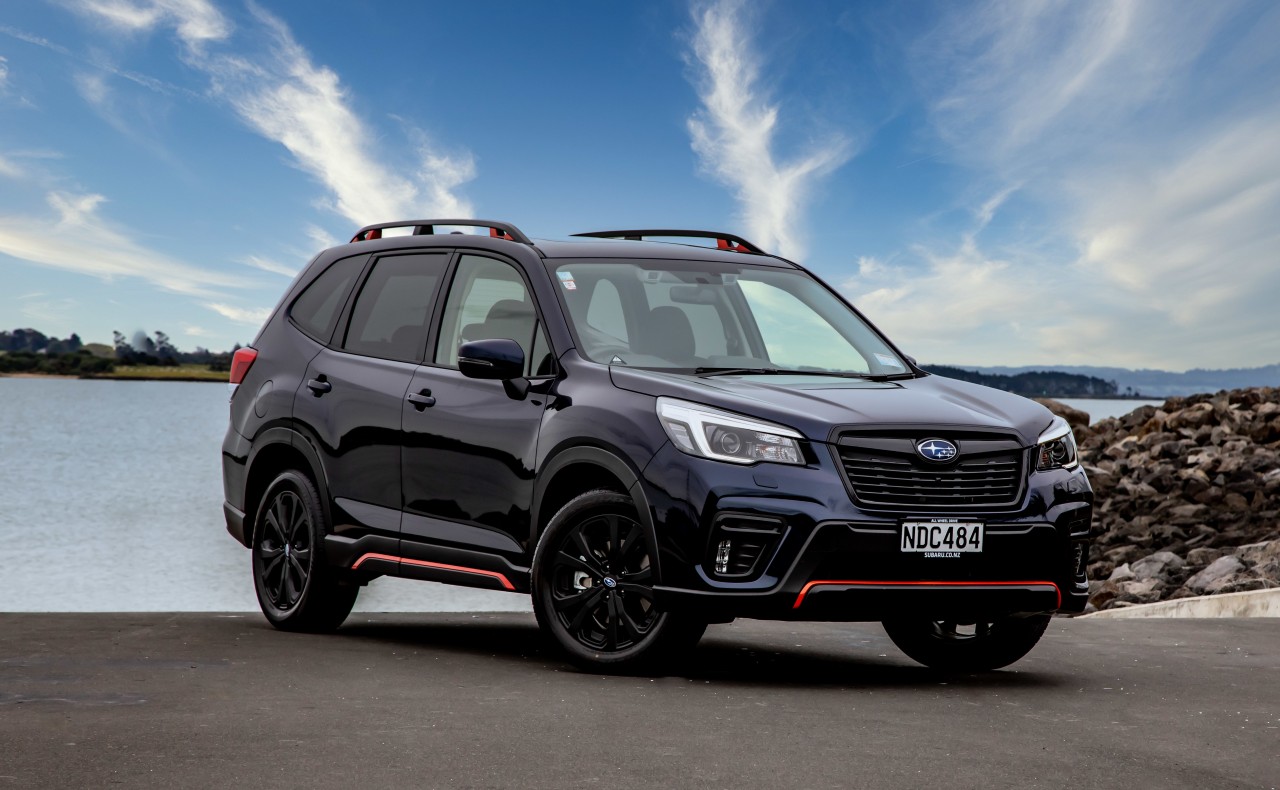
10. 2021 Subaru Forester Sport
The 2021 Subaru Forester Sport has a starting price of $32,987, with used models averaging $34,649, reflecting modest demand-based premiums in regions with snowy climates and off-road trails, such as Colorado and Michigan.
While not as heavily marked up as some crossovers, the Forester’s combination of dependability, all-wheel drive, and practicality keeps it in high regard among consumers. Its enduring popularity is supported by a production history spanning nearly 25 years, cementing its reputation as a reliable early crossover SUV.
The Forester Sport is powered by a 2.5L Boxer four-cylinder engine generating 182 horsepower and 176 lb-ft of torque. While it doesn’t deliver high-performance thrills, the horizontally opposed Boxer engine produces a distinctive sound that enhances the driving experience.
Paired with Subaru’s continuously variable transmission (CVT) and legendary all-wheel-drive system, the Forester feels stable and responsive in various conditions, including snow and light off-road terrain. Despite being a small SUV, it handles with agility, offering a driving experience more akin to a car than a traditional crossover.
Fuel economy proved impressive during testing, with 8.7L/100 km on mixed driving, 7.8L/100 km on highways, and 9.6L/100 km in city conditions, closely matching Subaru’s official estimates.
The Forester Sport’s cabin is spacious and practical, particularly for taller drivers who benefit from generous headroom. Ergonomically designed seats provide comfort on longer drives, and the cabin heats up quickly during winter driving. The Sport trim adds distinctive styling with orange interior accents and stitching.
Visibility is one of the Forester’s standout features, aided by low window lines and a high driving position, which makes maneuvering in urban and off-road environments straightforward. Standard Subaru EyeSight safety systems, including adaptive cruise control and lane centering assist, add confidence for families and new drivers.
The Forester Sport comes equipped with a responsive infotainment system, dual USB ports, Apple CarPlay, and Android Auto integration. While the base six-speaker sound system performs adequately, the higher-end Harman Kardon nine-speaker system is available in the Limited trim. Even in cold weather, the infotainment system remained functional, demonstrating Subaru’s attention to reliability in diverse climates.
Installing child seats is straightforward thanks to well-placed Isofix ports and accessible seat belts, accommodating two car seats comfortably while slightly reducing middle-row seating capacity. The fabric seats are sturdy and well-bolstered, expected to endure years of family use. Cargo space and cabin layout allow families to transport passengers and gear efficiently without feeling cramped.
The Subaru Forester Sport excels in visibility, fuel efficiency, spaciousness, and suitability for taller drivers, making it ideal for families and drivers in harsh climates. Limitations include the lack of a hybrid variant, no performance or manual transmission options, and absence of a sportier AWD manual alternative, which is only available on the Crosstrek.
The 2021 Forester Sport remains a practical, dependable, and safe choice for families and drivers seeking a capable small SUV with excellent utility and long-term reliability.
Buying a used car that delivers exceptional value can transform the ownership experience. The ten vehicles featured here show that performance, comfort, and advanced features are attainable without paying the full price of a new model.
From the capable off-road Toyota Tacoma to the high-tech Tesla Model 3 and the practical Honda Odyssey, each car proves that smart purchases lead to long-term satisfaction. These models combine durability, versatility, and usability in ways that exceed expectations.
For buyers looking for dependable and well-equipped vehicles, these ten cars demonstrate that spending wisely on a used model can result in more enjoyment, practicality, and confidence on the road.
Also Read: 5 Toyota Tacoma Years That Rarely Break vs 5 That Constantly Do