For decades, Honda has built a reputation that transcends simple transportation. The brand has consistently proven that cars can be reliable, efficient, and fun to drive, all while standing the test of time. From humble hatchbacks to sporty roadsters and rugged SUVs, Honda has developed vehicles that appeal to nearly every type of driver.
What makes them stand out is not just innovation or clever engineering it’s the way these vehicles continue to deliver performance and dependability years, and often decades, after they first leave the showroom.
This list, 10 Honda Models That Prove Why the Brand Lasts Forever, highlights the cars and SUVs that embody Honda’s core values. Each model represents a piece of the company’s enduring legacy: durability, versatility, and a focus on drivers’ needs.
Whether it’s the high-revving S2000 or the family-friendly Accord, Honda proves why its vehicles have become lasting favorites across generations.
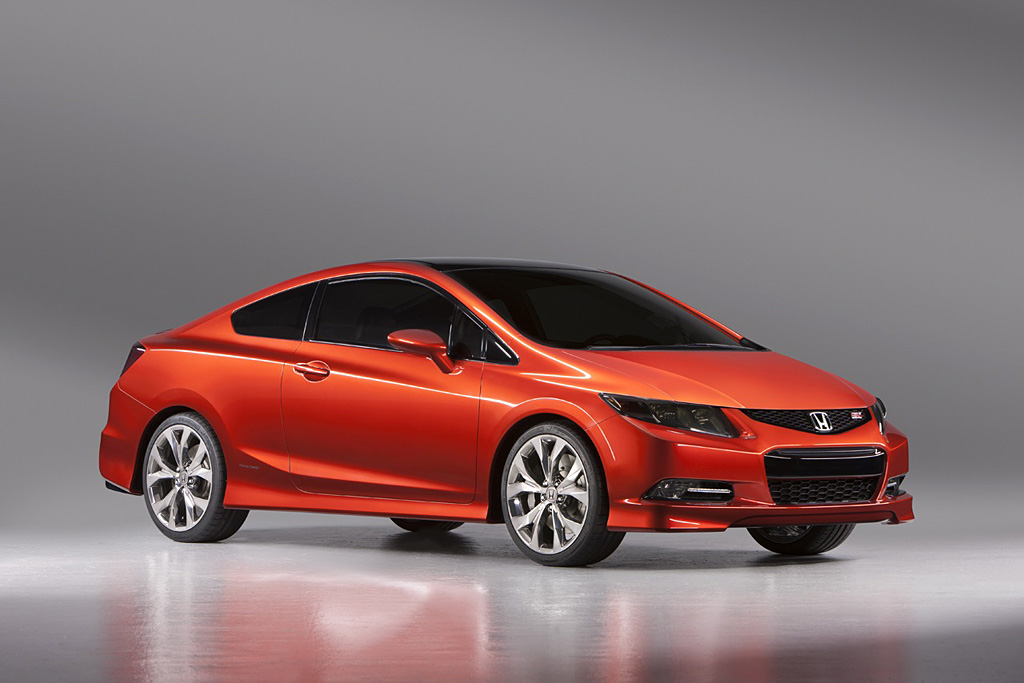
1. 2011 Honda Civic: A Benchmark in Compact Cars
The Honda Civic has long stood as one of the most recognizable names in the compact car segment, offering drivers reliability, efficiency, and a variety of trims to match different needs.
By the time the ninth-generation Civic arrived in 2011, it had already cemented itself as a consumer favorite, earning Kelley Blue Book’s Best Buy award in the compact category for several consecutive years.
The 2011 model, in particular, reflected Honda’s effort to refine reliability after earlier generations showed durability issues, especially with engine block cracks past 100,000 miles.
Since its introduction in 1973, the Civic has evolved from a sporty hatchback into multiple body styles including sedan, coupe, and hatchback. By 2011, it was no longer Honda’s smallest offering, surpassed in size by the Fit and Insight, but it retained its core character: agile handling, comfort, and efficiency.
The ninth-generation Civic was built with dependability in mind, boasting a lifespan of up to 250,000 miles outperforming competitors such as Toyota’s Corolla in long-term durability.
Honda’s ability to adapt the Civic to shifting market demands has been a key reason for its longevity. The 2011 Civic carried forward its reputation as a reliable daily driver while offering diverse trims like the fuel-efficient Hybrid, the clean natural-gas GX, and the enthusiast-friendly Civic Si. This “something for everyone” approach helped it dominate its segment despite strong competition.
The 2011 Civic lineup featured a range of powertrains tailored to different buyers. The standard DX, LX, and EX trims were powered by a 1.8-liter four-cylinder engine producing 140 horsepower. With a five-speed manual or optional automatic transmission, the sedan reached 60 mph in a typical 9.6 seconds, with manuals offering slightly better performance.
For eco-conscious drivers, the GX ran on compressed natural gas, offering America’s cleanest mass-production internal combustion emissions, though with limited range. The Civic Hybrid, powered by a 1.3-liter four-cylinder paired with a continuously variable transmission (CVT), delivered excellent mileage 40 mpg city and 45 highway.
On the performance end, the Civic Si boasted a 197-hp 2.0-liter engine, six-speed manual gearbox, and limited-slip differential, reaching 60 mph in just 7.1 seconds.
Fuel economy remained a strong selling point across the lineup. Standard Civics averaged 29 mpg combined, while the Hybrid topped the charts at 42 mpg. Even the Si, tuned for sportiness, returned a respectable 24 mpg combined.
Safety was mixed for the 2011 model year. All Civics came standard with front-seat side airbags, full-length side curtains, and active head restraints. Antilock brakes were included, but only the EX and Si models benefited from four-wheel disc brakes. Stability control was limited to upper trims.
In government crash testing, the Civic sedan scored three out of five stars, including four stars in frontal crashes but only two in side impacts. The Insurance Institute for Highway Safety (IIHS) awarded the sedan its top rating of “Good” in most categories, though the coupe earned a slightly lower “Acceptable” rating for side impacts.
Behind the wheel, the 2011 Civic delivered a confident ride, blending comfort with responsive handling. While not as engaging as the sportier Mazda 3, it remained enjoyable for daily driving.
Enthusiasts appreciated the Si’s high-revving engine and tuned suspension. However, some models suffered from elevated road noise and the Hybrid’s sluggish acceleration compared to rivals like the Toyota Prius.
Inside, Honda took a futuristic approach with a two-tiered dashboard featuring a digital speedometer above a traditional tachometer. While opinions on the design were divided, controls were intuitive and seats comfortable.
Rear seating was spacious for a compact, with a flat floor improving legroom. Cargo space varied: 12 cubic feet in standard sedans, 10 in the Hybrid, and just 6 in the GX.
The 2011 Honda Civic embodied Honda’s strengths: versatility, reliability, and efficiency. While its quirky interior and uneven safety scores held it back slightly, its broad lineup, strong fuel economy, and proven durability made it one of the most appealing compact cars of its time.
Whether buyers wanted a practical commuter, a fuel-sipping hybrid, or a spirited sporty model, the Civic provided a solution, cementing its legacy as a top choice in the segment.
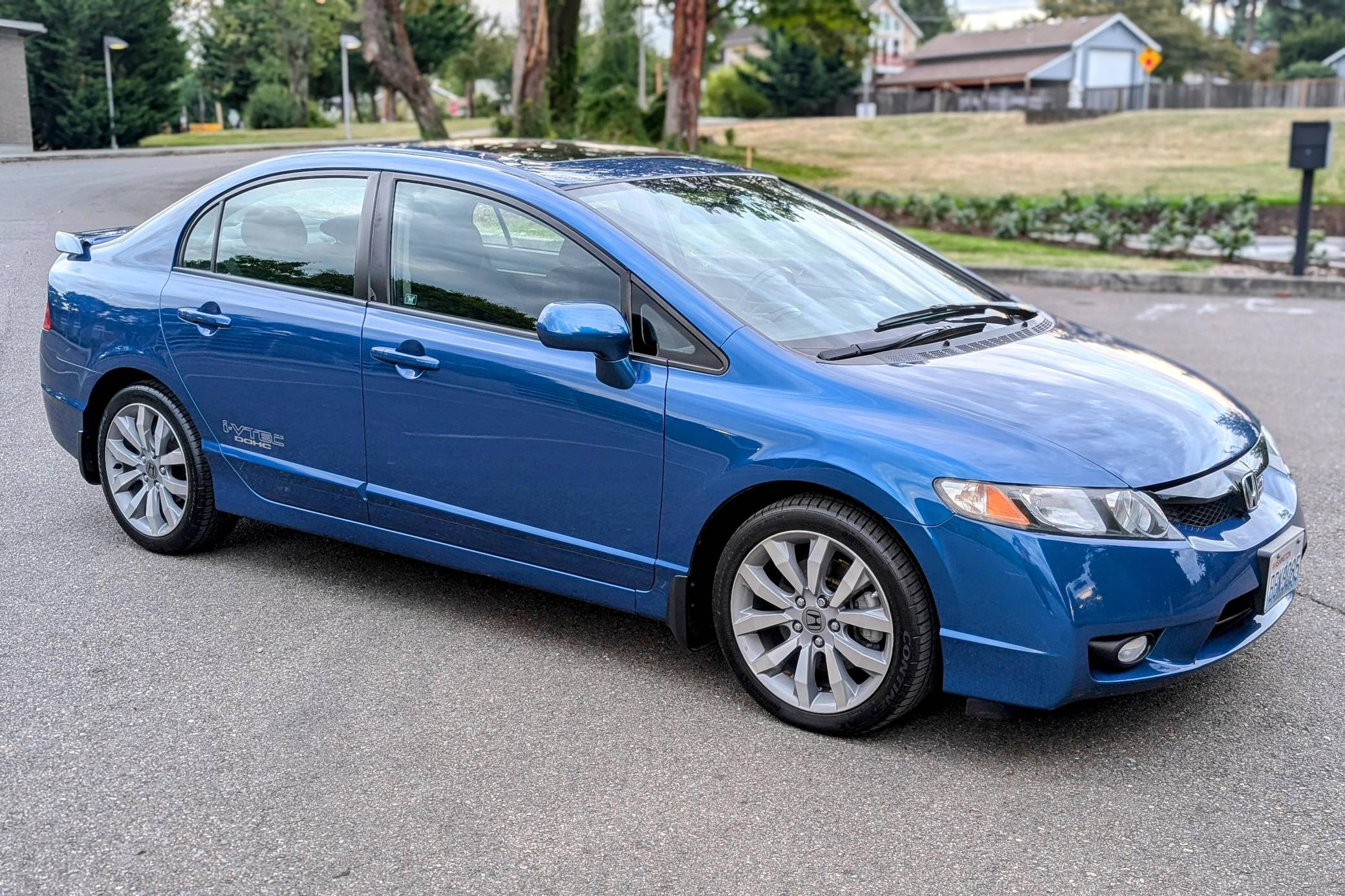
2. 2019 Honda Insight Hybrid: Efficient, Practical, and Reliable
The 2019 Honda Insight marked the third generation of Honda’s pioneering hybrid, evolving from the quirky two-seater of 1999 into a sleek, practical sedan. With conventional styling similar to the Honda Civic, it appealed to drivers who wanted hybrid efficiency without the polarizing design of competitors like the Toyota Prius.
By 2019, the Insight had matured into a well-rounded hybrid, offering impressive fuel economy, practicality, and Honda’s hallmark reliability.
Under the hood, the Insight combines a 1.5-liter four-cylinder engine with an electric motor, producing a total of 151 horsepower. Paired with a continuously variable transmission (CVT), this setup enables smooth operation and the ability to run in full electric mode at lower speeds.
The result is outstanding efficiency, with EPA ratings of 51 mpg city, 45 mpg highway, and 48 mpg combined. Drivers can expect a range exceeding 500 miles on a single tank, making it one of the most practical hybrids for daily use and long commutes alike.
The Insight delivers a comfortable driving experience, transitioning seamlessly between gasoline and electric power. It prioritizes efficiency while maintaining responsive handling and ride comfort.
Unlike some hybrids that sacrifice utility, Honda cleverly placed the hybrid battery beneath the rear seats, preserving a generous 14.7 cubic feet of trunk space and offering a 60/40 split-folding rear seat for added versatility. Inside, the cabin is well-appointed, featuring quality materials, ample passenger space, and a functional layout designed for everyday convenience.
Honda’s reputation for reliability carries through with the 2019 Insight. Repair frequency is relatively low compared to rivals, though when issues do arise, they can be costly, with problem severity rated slightly above average.
Car and Driver’s 40,000-mile endurance test confirmed the durability of its engine and hybrid system, with most concerns limited to peripheral parts. The model is backed by a three-year/36,000-mile basic warranty and a five-year/60,000-mile powertrain warranty, reinforcing buyer confidence.
The 2019 Honda Insight strikes a strong balance between eco-friendly efficiency and everyday practicality. With excellent fuel economy, refined styling, a comfortable interior, and a reputation for reliability, it stands out as one of the most accessible and dependable hybrids of its time.
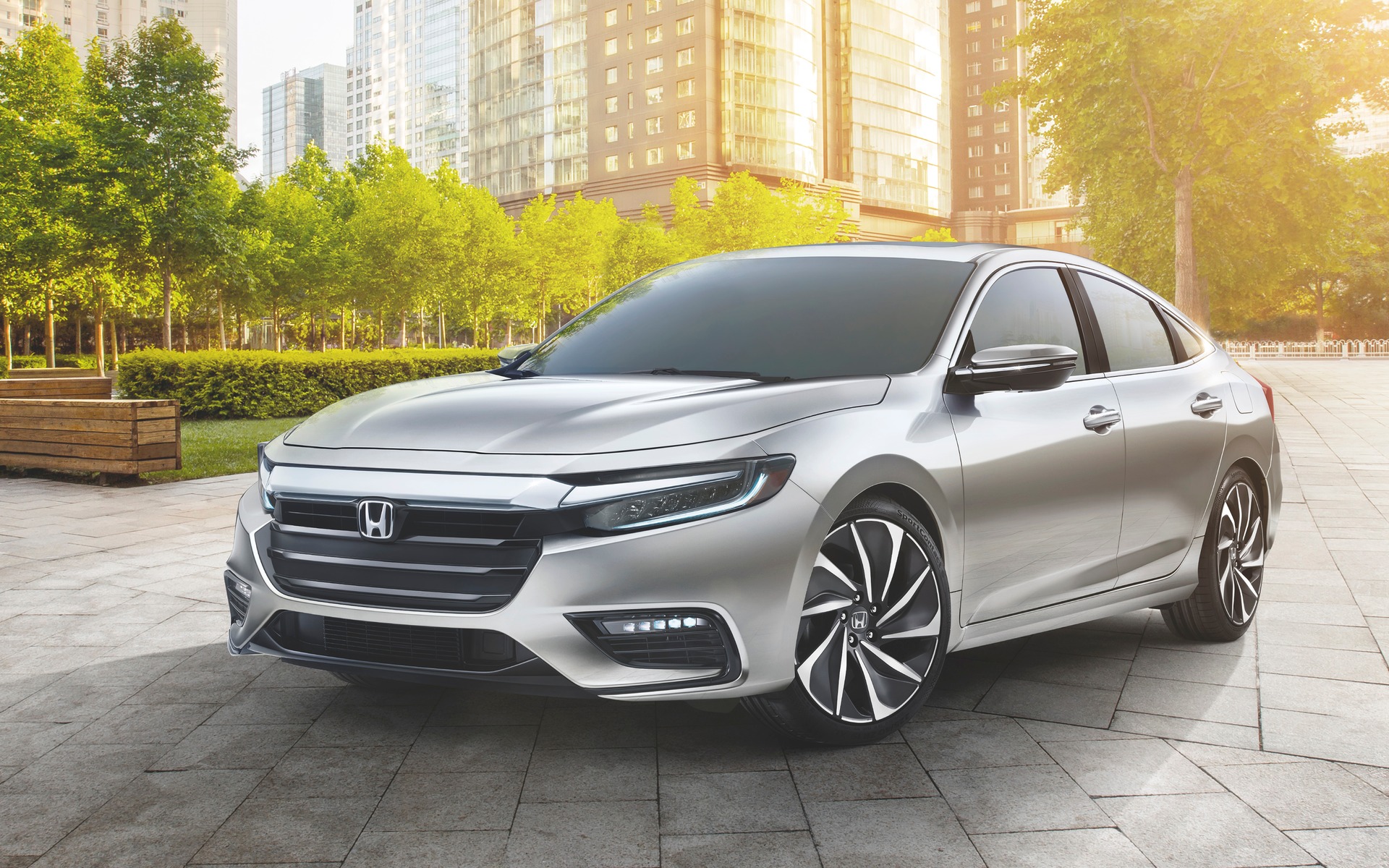
3. 1991 Honda Prelude: A Stylish and Technically Advanced Coupe
The Honda Prelude occupies an important place in Honda’s history as one of its most innovative compact sport coupes. While Honda is often associated with reliable family sedans like the Accord and Civic, the Prelude demonstrated the company’s ability to blend style, technology, and performance.
Launched in 1978, the Prelude shared many components with the Accord but gradually developed into a distinct model with its own identity. By the time the fourth-generation arrived in 1991, the Prelude had evolved into a sleek, performance-oriented coupe that stood apart from both Honda’s family cars and its competitors.
The fourth-generation Prelude represented a significant departure from its predecessors. Its boxy form gave way to a smoother, more aerodynamic design that was considered striking at the time. Beyond looks, Honda upgraded performance by enlarging the engine and modernizing its technology.
The base model came with a 2.2-liter SOHC engine producing 135 horsepower, while the Si variant received a 2.3-liter DOHC engine with 160 horsepower. The top-performing VTEC version featured the DOHC H22A1, delivering 190 horsepower and showcasing Honda’s groundbreaking VTEC valve timing system.
Equally impressive was the Prelude’s four-wheel steering system, now controlled electronically. This innovation allowed for sharper handling and greater stability, enhancing the car’s reputation as one of the most technically advanced coupes in its class. Weight distribution was set at 58% front and 42% rear, contributing to balanced performance.
The 1991 Prelude introduced several design changes that set it apart. Pop-up headlights were replaced with fixed units, while the body design became more rounded and aggressive. A steel sliding roof replaced the glass sunroof, extending outward to reduce wind noise and doubling as a functional spoiler.
Inside, the Prelude’s dashboard stood out as a defining feature, stretching across the cabin with uniform height and distinctive light-blue backlighting. Later models added translucent gauge needles, while Japanese versions even offered an in-dash television.
Market-specific features included heated seats in Canada and power-folding mirrors in Japan, reflecting Honda’s effort to adapt the Prelude for different regions. Despite its innovations, the car’s interior was often criticized for being cramped, limiting its appeal among buyers prioritizing comfort.
In markets such as the UK, the Prelude never achieved the popularity of rivals like the Toyota MR2 or the more iconic Celica. Some enthusiasts overlooked it in favor of Honda’s higher-profile performance models like the NSX, Civic Type R, or later the S2000.
Nonetheless, the Prelude developed a cult following thanks to its sharp styling, advanced technology, and strong performance, particularly in manual transmission versions.
The 1991 Prelude marked a high point for the model line, showcasing Honda’s engineering ambition at a time when Japanese automakers were pushing boundaries in the sports coupe segment.
Though the Prelude was eventually discontinued in 2001 due to declining sales, its reputation endures among enthusiasts who recognize it as a stylish, reliable, and forward-thinking coupe.
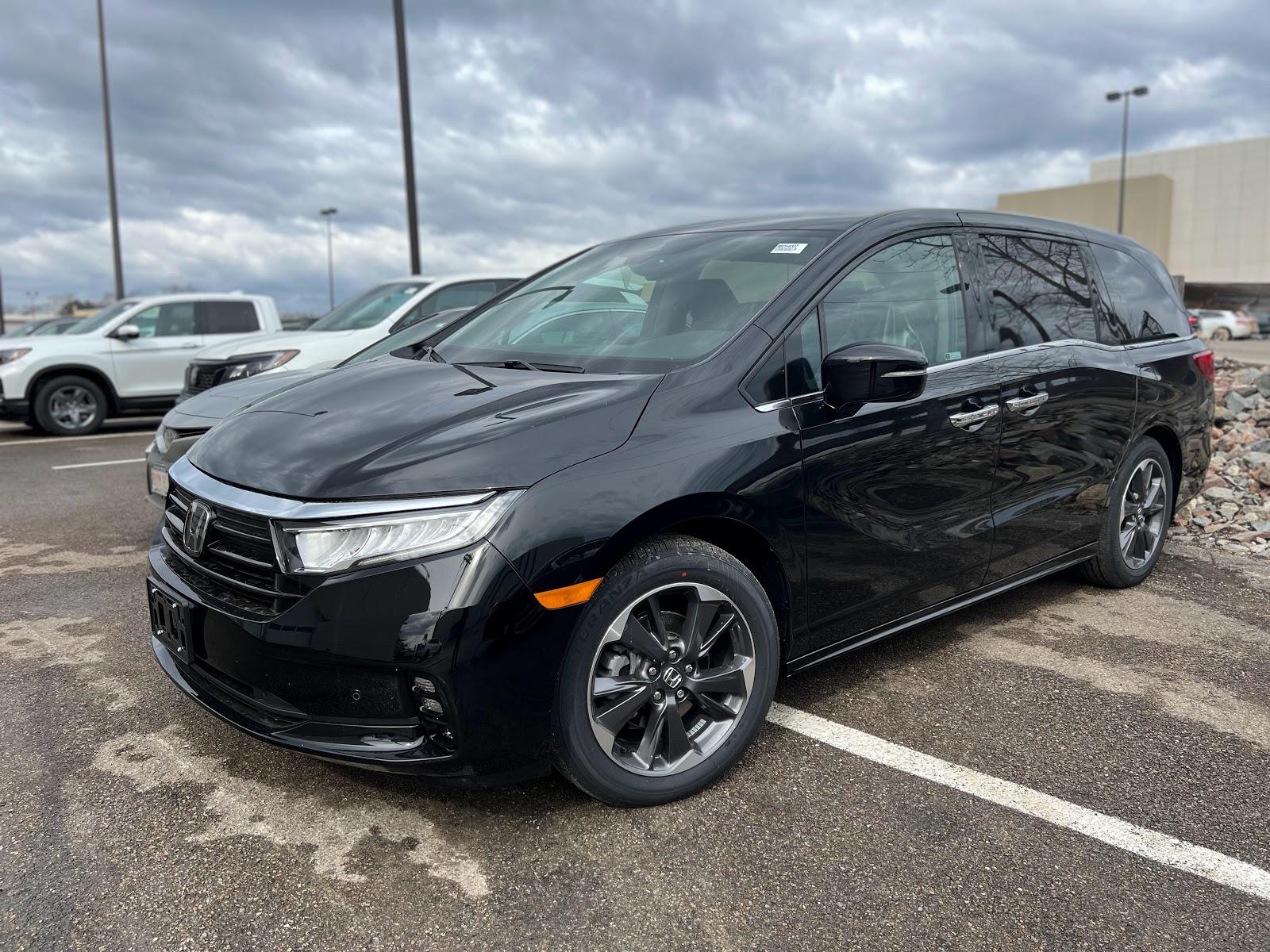
4. 2022 Honda Odyssey: A Family Minivan That Delivers Comfort and Practicality
The 2022 Honda Odyssey remains one of the most versatile and reliable minivans on the market. Since its introduction in 1994, the Odyssey has grown to become a benchmark for family-friendly vehicles, consistently praised for practicality, drivability, and safety.
In a segment that faces stiff competition from the Chrysler Pacifica, Toyota Sienna, and Kia Carnival, the Odyssey stands out for its combination of comfort, technology, and thoughtful design. J.D. Power recently rated it the most reliable minivan with a score of 81 out of 100, and the Insurance Institute for Highway Safety (IIHS) awarded it a top safety pick, reinforcing its appeal as a dependable choice for families.
Powered by a V6 engine paired with a 10-speed automatic transmission, the Odyssey delivers competent acceleration and smooth shifting. The Elite trim can reach 60 mph in 7.6 seconds, providing sufficient power for full passenger loads.
Handling is stable, with precise steering and responsive braking that make the van confident both on highways and tighter roads. While not sporty, the Odyssey offers a cohesive driving experience that is surprisingly enjoyable for a minivan. Features like paddle shifters are included for drivers who want manual control, though the engine’s stop-start system can feel unrefined.
The Odyssey excels in ride comfort, particularly in the front and second-row seats. The third row accommodates adults for shorter trips, though legroom is limited. Noise reduction measures make it the quietest minivan in its class, and Honda’s cabin intercom allows communication with rear passengers without raising one’s voice.
With responsive suspension and thoughtful seating, the Odyssey absorbs bumps with ease, offering a smooth, long-distance driving experience.
Honda prioritizes convenience with sliding rear doors, adjustable second-row seats, and a spacious cabin layout. The driver’s seat and steering column are highly adjustable, though taller drivers may want extended thigh support.
Visibility is somewhat limited due to bulky pillars, but rearview cameras help compensate. Storage is a strong suit: the Odyssey offers 144.9 cubic feet of maximum cargo space, deep storage wells, and accessible car seat anchors, making it ideal for families on the go.
The Odyssey’s infotainment system features large virtual buttons and responsive controls, though its Garmin-based navigation and some voice commands feel outdated.
Apple CarPlay and Android Auto work seamlessly, and useful features like the cabin intercom and rear camera monitor enhance usability. Some driver-assist technologies, including adaptive cruise control, are slower to respond and occasionally trigger false alerts.
The Odyssey Elite’s fuel economy is average for the class, with EPA estimates of 22 mpg combined and observed performance closer to 21 mpg on highway-heavy routes. Pricing for the Elite trim is high, but the base LX delivers core strengths spacious seating, smooth performance, and comfort at a more accessible cost.
Warranty coverage aligns with competitors, offering three years/36,000 miles of basic coverage and five years/60,000 miles for the powertrain, plus roadside assistance.
The 2022 Honda Odyssey blends practicality, comfort, and thoughtful design into a minivan that continues to meet the needs of modern families. With strong reliability, spacious interiors, and a well-rounded feature set, it remains a standout choice for those prioritizing versatility, safety, and a smooth driving experience.
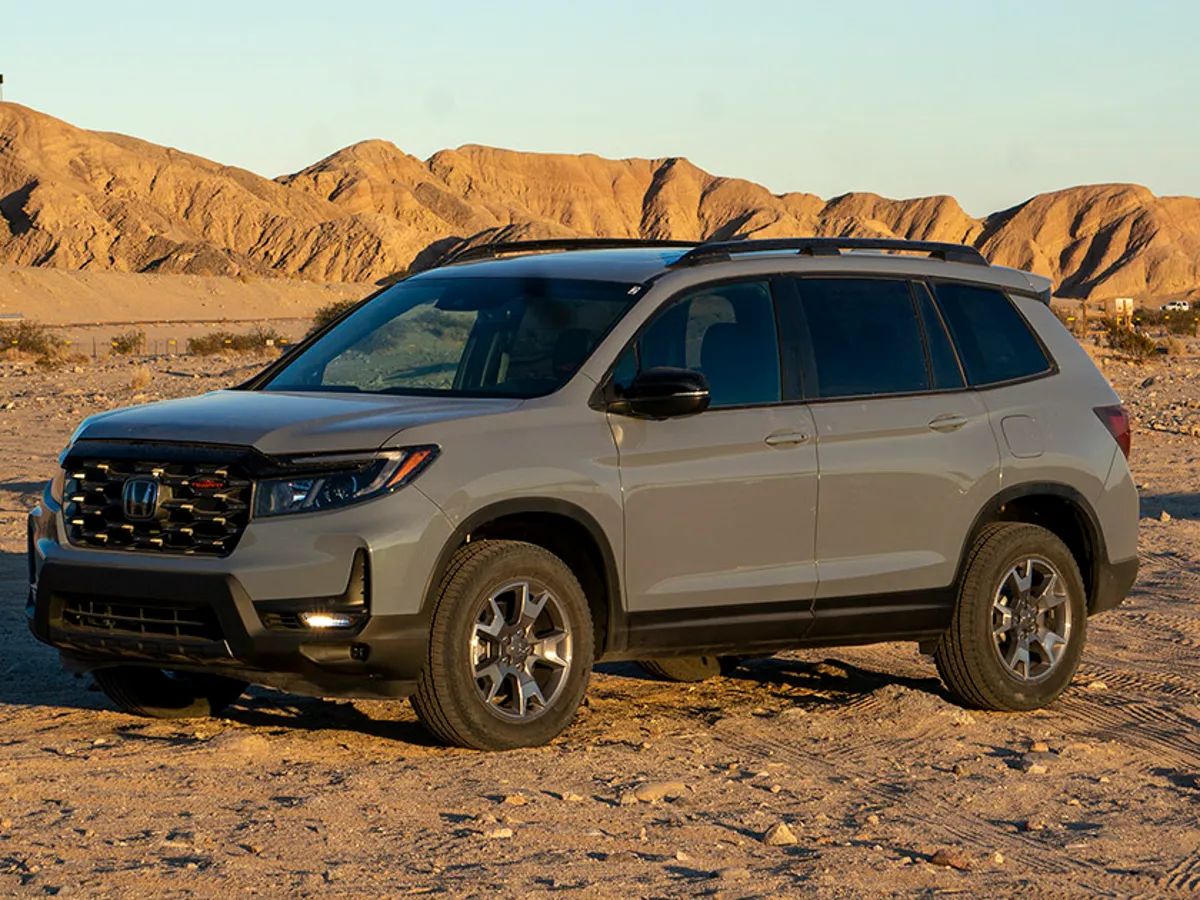
5. 2022 Honda Passport: A Balanced, Spacious, and Capable SUV
The midsize SUV market has become one of the most competitive segments, with families seeking vehicles that blend comfort, practicality, and versatility. Honda’s 2022 Passport fits squarely into this niche, offering a two-row SUV positioned between the smaller CR-V and the three-row Pilot.
While its styling is not as bold as some rivals, the Passport stands out with reliability, comfort, and driving confidence, making it one of Honda’s most appealing utility vehicles.
For 2022, Honda refreshed the Passport’s appearance to give it a tougher personality. It gained a redesigned front fascia inspired by the Ridgeline pickup, a reworked rear bumper with larger exhaust outlets, and a new TrailSport trim.
The TrailSport edition emphasizes light off-road use with standard all-wheel drive, wider track, rugged tires, and orange design accents. Although the Passport does not include a third row, it seats five passengers comfortably and provides generous cargo space, positioning it as a practical yet adventurous family SUV.
The Passport is powered by a strong 3.5-liter V6 engine paired with a nine-speed automatic transmission, producing quick acceleration. In testing, it reached 60 mph in just 6.8 seconds one of the best times in its class.
Steering is responsive, making the SUV feel lighter and more agile than expected. While the brakes work well for everyday driving, they can feel slightly soft during hard stops, leading to some nosedive.
Fuel efficiency is average for the class, with all-wheel-drive models earning 21 mpg combined and front-wheel-drive versions a bit higher. On real-world routes, it performs close to EPA estimates, though its range falls short of some competitors.
Inside, the Passport balances practicality with comfort. The suspension smooths out bumps without sacrificing handling, while both front and rear seats provide long-distance comfort.
The cabin is impressively quiet, keeping wind and road noise to a minimum. Standard tri-zone climate control, available heated and ventilated seats, and a well-insulated cabin enhance the driving experience.
Passenger space is abundant, and rear seats recline for added comfort. Cargo capacity is one of its strengths: 41.2 cubic feet behind the second row and up to 77.9 cubic feet with seats folded, along with thoughtful storage compartments throughout the cabin.
The Passport comes well-equipped with modern tech, including a responsive touchscreen infotainment system with Apple CarPlay and Android Auto. Higher trims add premium audio and quick-reacting navigation.
Safety is a priority, with most driver-assist features included, such as lane-keeping assist, collision mitigation braking, and adaptive cruise control though the latter works only above 20 mph, limiting its usefulness in heavy traffic.
Honda’s reputation for durability extends to the Passport. J.D. Power rated the 2022 model highly for quality and reliability, scoring 83 out of 100. While still too new for long-term data, early indicators suggest strong dependability.
Pricing aligns with segment norms, but high build quality, refined interior materials, and Honda’s reputation make it feel like a strong value. Warranty coverage is standard for its class, with three years/36,000 miles basic and five years/60,000 miles powertrain protection.
The 2022 Honda Passport may not lead in fuel efficiency or styling flair, but it excels in space, comfort, reliability, and driving enjoyment. For buyers seeking a versatile, two-row midsize SUV that balances practicality with a touch of adventure, the Passport is an excellent choice.
Also Read: 5 Honda Civic Years That Last Forever vs 5 That Don’t
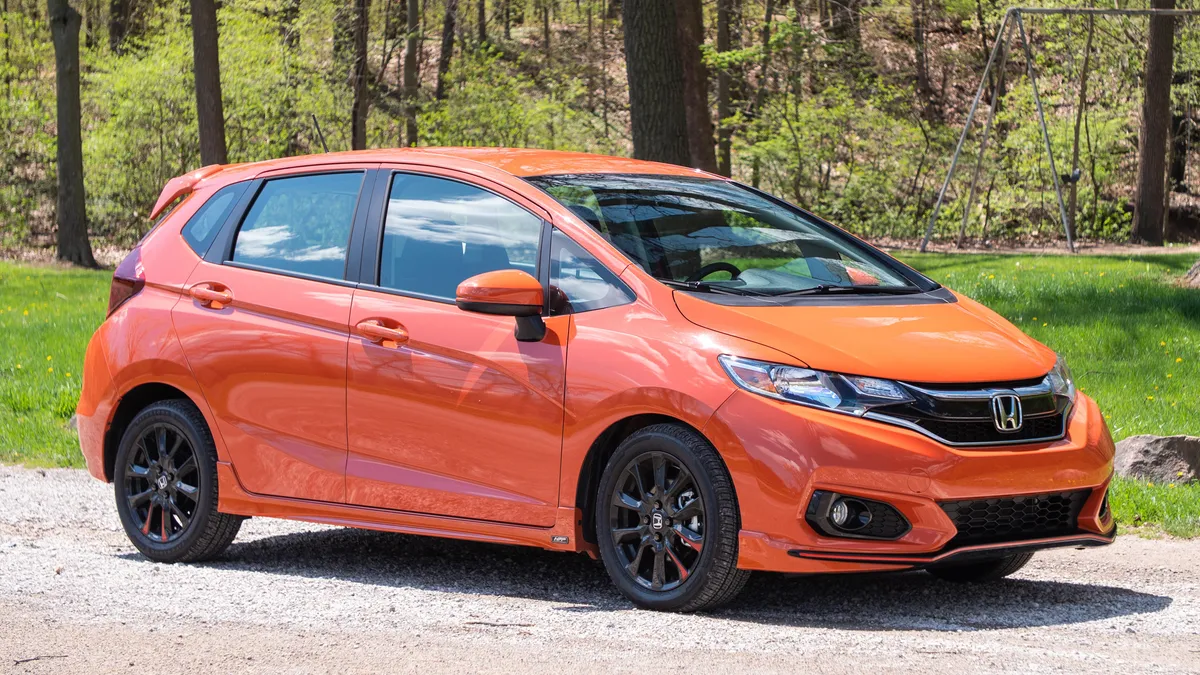
6. 2018 Honda Fit: A Practical and Versatile Subcompact
Honda has long produced cars that inspire enthusiasts, such as the S2000 or the Civic Type R. The Honda Fit, known as the Jazz in some markets, was never designed for that role. Instead, it thrives as a budget-friendly hatchback that emphasizes practicality, reliability, and surprising versatility.
The 2018 model year stands out as one of the best iterations yet, offering improved technology, safety, and comfort while maintaining the space efficiency and everyday usability that have made the Fit a favorite in the subcompact class.
The 2018 Fit received subtle but meaningful updates, including more noise insulation, revised suspension tuning, and sharper steering. These refinements transformed it into a more pleasant daily driver. Honda also added a sportier trim level and optional leather seating to appeal to style-conscious buyers.
More importantly, active safety technology such as adaptive cruise control and lane departure intervention became available, aligning the Fit with modern expectations in its segment.
Powered by a 1.5-liter four-cylinder engine producing 130 horsepower, the Fit delivers adequate performance for city and highway driving. When paired with the CVT, it reached 60 mph in 8.8 seconds during testing respectable for the class. Around town, the Fit feels nimble and easy to maneuver, aided by light but precise steering.
Its suspension provides stability at freeway speeds and enough agility to make cornering enjoyable, though limits remain modest. Braking performance is smooth and predictable, even if the pedal feels slightly soft.
Despite its small size, the Fit manages a balanced ride. Its suspension handles road imperfections without becoming overly harsh, while added insulation reduces wind and road noise compared to earlier versions.
The seats, though simple, are wide and comfortable for long drives. Rear passengers benefit from reclining options and generous legroom, a rarity in this segment. The cabin isn’t luxury-grade, but thoughtful touches like improved climate control and available heated seats make it a comfortable commuter.
One of the Fit’s biggest advantages is its interior packaging. Thanks to Honda’s ingenious Magic Seat system, the rear seats can fold flat or flip up to create multiple cargo configurations. This flexibility makes it easy to carry everything from tall plants to bicycles.
With the seats folded, the cargo hold rivals that of larger vehicles, making the Fit one of the most practical subcompacts available. Entry and exit are simple, even in tight parking spaces, thanks to short doors and large openings.
The 2018 Fit gained full smartphone integration, with Apple CarPlay and Android Auto standard on most trims. A revised infotainment interface brought back a physical volume knob, addressing earlier complaints.
The system is user-friendly and responsive, although some menus feel dated. Safety features like forward collision warning, automatic emergency braking, and lane keeping assist became available, enhancing peace of mind. While adaptive cruise control works well on the highway, it is limited to speeds above 34 mph.
Priced around $17,000 when new, the Fit represented excellent value. It blended affordability with features usually reserved for higher-priced cars.
Competitors like the Kia Soul offered more cargo space, and the Toyota Yaris iA delivered a livelier drive, but neither could match the Fit’s versatility. Even electric options such as the Chevrolet Bolt excelled in range but cost significantly more.
The 2018 Honda Fit cemented itself as one of the most reliable and practical hatchbacks on the market.
With clever interior packaging, improved driving manners, modern tech, and strong safety offerings, it outshone many competitors in the subcompact segment. For buyers seeking a budget-friendly vehicle that punches far above its weight in space and usability, the 2018 Fit is a standout choice.
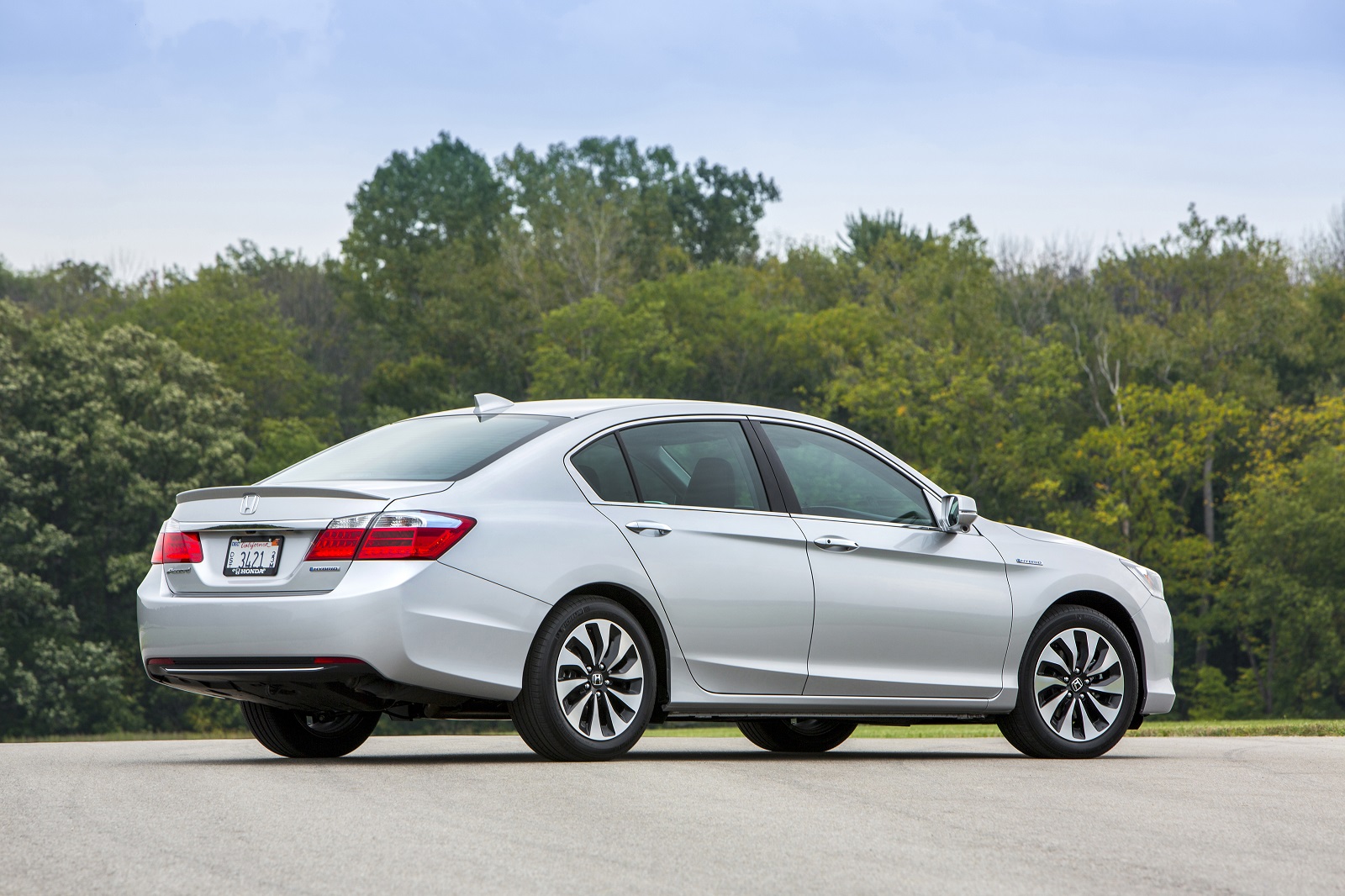
7. 2015 Honda Accord: A Benchmark in the Midsize Sedan Class
Few sedans have enjoyed the enduring success of the Honda Accord. Introduced to the U.S. in 1976, the Accord quickly became a favorite among American drivers, achieving bestseller status in 1989.
By 2015, nearly four decades later, the Accord had evolved into a polished, feature-rich, and highly reliable family sedan that continued to dominate its class. With a balance of performance, comfort, and efficiency, the 2015 Accord exemplified why this model remains a household name in the automotive market.
The 2015 Accord came standard with a 2.4-liter four-cylinder engine producing 185 horsepower and 181 pound-feet of torque, or 189 horsepower in the Sport trim with a dual exhaust. Most trims offered either a six-speed manual or a continuously variable transmission (CVT), with the CVT returning up to 31 mpg combined.
For buyers seeking more power, Honda offered a 3.5-liter V6 producing 278 horsepower, paired with a six-speed automatic or manual in coupe versions. Despite its strength, the V6 still achieved an impressive 26 mpg combined in the sedan.
In testing, the four-cylinder paired with the CVT accelerated from 0 to 60 mph in 7.8 seconds, while the V6 reached the same mark in just 6.1 seconds, making it one of the quickest midsize sedans in its class. The Accord balanced brisk acceleration with excellent fuel economy, particularly with the hybrid variant that delivered 47 mpg combined.
The 2015 Accord earned praise for its precise handling and smooth ride. Honda’s CVT was among the best of its kind, avoiding the droning feel that plagues many competitors. The electric power steering felt light at first but proved accurate and responsive, adding to driver confidence.
The suspension struck a near-ideal balance between comfort and agility, though some found the ride firmer than softer competitors like the Toyota Camry or Volkswagen Passat. Drivers appreciated the Accord for its refined and dependable driving experience.
Reliability was a major strength for the 2015 Accord. RepairPal rated it 4.5 out of 5 for reliability, ranking it first in the midsize sedan class. Standard safety features included a rearview camera, antilock brakes, stability and traction control, and a full suite of airbags. Advanced systems such as lane departure warning, forward collision warning, and the innovative LaneWatch blind-spot camera were available on higher trims.
In government crash tests, the Accord sedan earned five out of five stars for total protection, while the Insurance Institute for Highway Safety (IIHS) awarded it top ratings in most categories. These strong scores cemented its reputation as one of the safest midsize cars of its time.
Inside, the 2015 Accord impressed with its refined materials, elegant design, and solid construction. An 8-inch upper display dominated the dashboard, while higher trims added a touchscreen interface. Though sleek, the touchscreen’s menu structure was occasionally criticized for being less intuitive than traditional buttons.
Cabin space was generous, with excellent rear-seat legroom and supportive front seating. Noise cancellation technology reduced road and tire noise, creating a calmer environment than in past generations. Trunk space measured 15.8 cubic feet in the sedan, which was competitive for the class, though the rear seat did not split-fold, limiting versatility.
The 2015 Accord faced strong competition from the Toyota Camry, Nissan Altima, Mazda 6, Hyundai Sonata, and Ford Fusion. While rivals offered distinct strengths, such as the Mazda 6’s sporty handling or the Camry’s plush ride, the Accord remained unmatched in its balance of performance, efficiency, safety, and comfort.
The 2015 Honda Accord was more than just another midsize sedan; it represented a benchmark in its class. With strong reliability, multiple engine choices, refined driving manners, and a spacious, well-appointed cabin, it appealed to both families and commuters. Its ability to succeed in nearly every category made it a perennial favorite and one of the most highly recommended sedans of its generation.
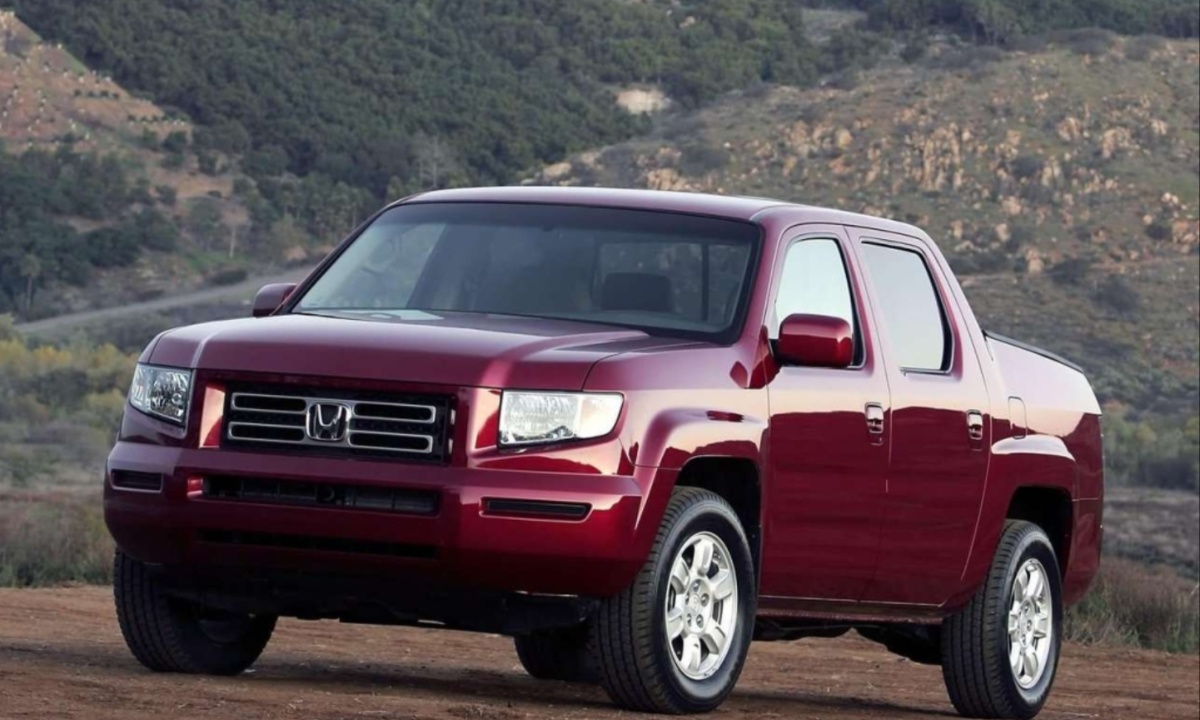
8. 2006 Honda Ridgeline: Honda’s First Pickup Stands Apart
Pickup trucks have long been a cornerstone of the American automotive market. While Ford, Chevrolet, Dodge, and Toyota dominated the segment with proven workhorses, Honda entered the field in 2006 with the Ridgeline, its first pickup truck.
Rather than follow the traditional body-on-frame formula, Honda delivered something very different, blending passenger vehicle comfort with innovative utility. The result was a truck that challenged conventions and won buyers over with reliability, clever design, and a carlike driving experience.
The 2006 Ridgeline departed from the three-box pickup design by integrating the cab and bed into a single unibody structure, reinforced with a ladder frame for strength. This setup gave the truck greater rigidity and ride comfort compared with traditional body-on-frame competitors. Honda also equipped it with an independent suspension, providing a smoother and more composed ride.
One of the Ridgeline’s most impressive features was its dual-function tailgate, which could swing open sideways or fold down conventionally. This design complemented the innovative in-bed trunk, an 8.5-cubic-foot storage compartment hidden beneath the truck bed.
Capable of holding a large cooler or golf bags, it added versatility not found in rivals. The composite bed itself resisted dents and rust, eliminating the need for a bed liner, and measured wide enough to carry standard 4×8 sheets of plywood with the tailgate down. These clever touches highlighted Honda’s focus on practicality for everyday users rather than heavy-duty job sites.
Power came from a 3.5-liter V6 producing 255 horsepower and 252 pound-feet of torque, paired with a five-speed automatic transmission. Honda’s Variable Torque Management all-wheel-drive system was standard, ensuring traction in adverse conditions.
The Ridgeline could tow up to 5,000 pounds and haul 1,550 pounds in the bed. While these figures placed it between midsize and full-size trucks, the absence of a V8 meant it lacked the low-end grunt of some competitors. For light towing, weekend projects, and family use, however, it delivered enough strength while maintaining smooth performance on the road.
Behind the wheel, the Ridgeline felt more like an SUV than a traditional pickup. The steering was precise, the suspension absorbed bumps with ease, and the cabin remained quiet at highway speeds. Unlike many pickups, it avoided the bouncy, unsettled feel over rough pavement.
Off-road, the Ridgeline was capable but not designed for serious trail work, reflecting Honda’s intent to attract suburban families and commuters who wanted utility without sacrificing refinement.
Honda loaded the Ridgeline with advanced safety features for its time. Standard equipment included four-wheel disc brakes with a four-channel ABS system, BrakeAssist, and Electronic Brakeforce Distribution.
Side airbags for front passengers and side curtain airbags for both rows came standard as well. Stability and traction control rounded out the package, giving the Ridgeline safety credentials that matched its family-friendly appeal.
Inside, the Ridgeline continued Honda’s tradition of thoughtful design. Supportive front bucket seats, durable materials, and clever storage solutions made it practical for daily use. The cabin offered twelve storage compartments, six cupholders, and multiple power outlets.
Rear seating provided more legroom than midsize rivals like the Toyota Tacoma, though not as much as full-size trucks. Build quality and ergonomics felt more akin to Honda’s SUVs, reinforcing the idea of the Ridgeline as a bridge between cars and traditional pickups.
Though some truck purists dismissed the Ridgeline for lacking a V8 and rugged off-road credentials, it resonated with buyers who valued comfort, safety, and reliability. Reviewers praised its unique features and strong dependability. J.D. Power awarded it a reliability score of 89 out of 100, while Kelley Blue Book rated it 4.7 out of 5, contributing to high resale values on the used market.
The 2006 Honda Ridgeline may not have been the toughest truck available, but it carved out a niche by offering something few competitors could: the utility of a pickup combined with the comfort and refinement of a Honda. For drivers who wanted a capable yet approachable truck, the Ridgeline was a refreshing and dependable choice.
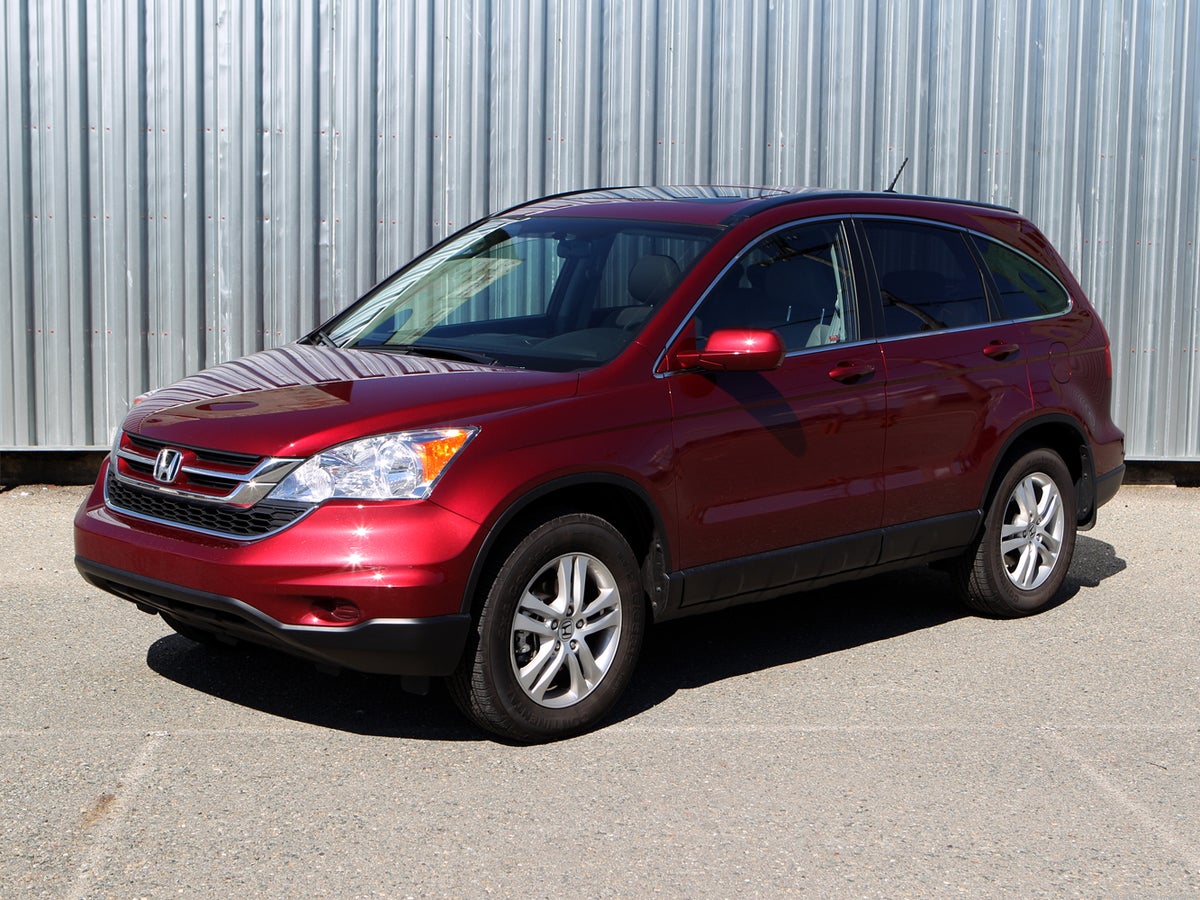
9. 2011 Honda CR-V: A Dependable Pioneer in Compact Crossovers
By 2011, the Honda CR-V had firmly established itself as one of the most reliable and practical compact SUVs on the market. Competing in a segment that often prioritizes function over excitement, the CR-V distinguished itself by balancing style, comfort, and dependability. This generation played a significant role in popularizing the compact crossover, cementing the CR-V as one of Honda’s most trusted nameplates.
The 2011 CR-V featured a modern yet understated look. With body-colored mirrors, bumpers, and tasteful chrome accents, it avoided flash while still maintaining an attractive profile.
The rear design stood out with a tapered window and tall light clusters, lending a sporty touch. Its cabin followed Honda’s hallmark design principles: simple, functional, and intuitive. Wide-opening doors, lightweight liftgate, and a clever two-tier cargo floor made daily use easy, especially for families juggling kids, strollers, and groceries.
Inside, the materials felt solid and the layout emphasized ergonomics. Clear gauges and straightforward controls created a user-friendly atmosphere. Rear passengers benefited from sliding and reclining seats, while a built-in “conversation mirror” allowed front-seat occupants to keep an eye on children in back.
Cargo space was another highlight, with 35.7 cubic feet behind the rear seats and 73 cubic feet when folded, making the CR-V one of the most accommodating vehicles in its class.
Power came from a 2.4-liter four-cylinder engine producing 180 horsepower and 161 pound-feet of torque, paired with a five-speed automatic transmission. Front-wheel drive was standard, with an optional all-wheel-drive system that shifted torque when slippage was detected. Although acceleration was modest a 0-60 mph time of 10.1 seconds in testing it was adequate for everyday driving.
Fuel efficiency was competitive for its class, with EPA ratings of 21 mpg city and 28 mpg highway for front-wheel-drive versions, while AWD models managed 21/27 mpg. While some rivals offered optional V6 engines for stronger performance, Honda prioritized reliability and efficiency, appealing to families who valued long-term dependability over raw power.
Behind the wheel, the CR-V felt composed and predictable. The steering was sharp, the brakes strong, and the handling nimble for a compact SUV. Ride comfort leaned slightly firm, and elevated road and wind noise made highway travel less serene compared with quieter competitors like the Chevrolet Equinox. Still, the balance between agility and everyday usability helped the CR-V remain a popular choice.
Honda equipped the 2011 CR-V with antilock disc brakes, stability control, front side airbags, and side curtain airbags. In brake testing, the CR-V came to a stop from 60 mph in just 119 feet, an impressive result for the class.
Crash test results were equally strong: five stars in government frontal and side-impact tests, and a “Good” rating from the Insurance Institute for Highway Safety in frontal and side evaluations. Its weakest mark came in the newer roof-strength test, where it received a “Marginal” score.
What made the 2011 Honda CR-V stand out was not headline-grabbing performance but consistency across the board. Ranked by J.D. Power as the most reliable compact SUV of its year, it maintained that reputation years later, beating rivals such as the Toyota RAV4, GMC Terrain, and Chevrolet Equinox in dependability studies. Families appreciated its roomy cabin, thoughtful design, and trustworthy record.
Though slightly pricier than some competitors and lacking a more powerful engine option, the CR-V continued to win buyers with its practicality and resilience. It was a compact crossover that did nearly everything right, reinforcing Honda’s reputation for building vehicles that last.
10. 1999 Honda S2000: Honda’s High-Revving Legend
The 1999 Honda S2000 marked a bold departure from Honda’s reputation for practical sedans and family-friendly cars. Inspired by the brand’s motorsport heritage, it was a lightweight, rear-wheel-drive roadster engineered for enthusiasts who craved speed, precision, and reliability.
Competing against icons like the Mazda MX-5 and BMW Z3, the S2000 quickly earned cult status, becoming one of the most celebrated Japanese sports cars of its era.
Visually, the S2000 stood out with a long hood, compact cabin, and sharp lines that emphasized its performance-focused nature. Finished in colors like Silverstone Metallic, it presented a purposeful stance that has aged gracefully.
Honda’s design avoided gimmicks, instead highlighting aerodynamics and balance. A power-retractable soft top gave it classic roadster charm, while small touches such as the buttressed rear and aggressive wheel arches enhanced its sporty silhouette.
Inside, the cabin was unapologetically driver-focused. Inspired by race cars, it featured a digital gauge cluster, push-button start, and ergonomically arranged controls that kept everything within arm’s reach of the steering wheel.
The seats, with cloth inserts, resisted wear remarkably well, even after years of use. Despite its minimalist nature, the S2000 offered conveniences like power windows, air conditioning, and a well-designed audio system. It was a true cockpit that placed the driver at the center of the experience.
At the heart of the S2000 was the legendary F20C engine, a 2.0-liter four-cylinder capable of revving to a stratospheric 9,000 RPM. Producing 240 horsepower, it delivered one of the highest specific outputs of any naturally aspirated engine at the time. The engine was mounted low and far back in the chassis to achieve near-perfect weight distribution, enhancing the car’s agility.
Coupled with a slick six-speed manual transmission, the S2000 offered lightning-fast shifts and encouraged drivers to chase its redline. The combination of high-revving power, sharp throttle response, and precise gearing gave it a raw, exhilarating character that appealed to purists.
The S2000’s handling matched its engine’s enthusiasm. Thanks to its rigid chassis, double-wishbone suspension, and electric power steering, it felt composed yet lively through corners. Grip was enhanced by well-balanced weight distribution and responsive steering feedback, while ABS-equipped brakes provided strong stopping power.
Driving the S2000 was an immersive experience. It rewarded precision and punished sloppiness, making it a favorite for those who valued skillful driving. While its firm ride and high-revving nature weren’t ideal for relaxed cruising, enthusiasts embraced it for what it was designed to be: a driver’s car in its purest form.
Unlike many performance cars, the S2000 earned praise for reliability. Its F20C engine appeared on Ward’s Ten Best Engines list for three consecutive years, and many examples still run strong decades later with proper care. Owners admired not only the performance but also the durability, a rare combination in the sports car world.
The S2000’s legacy endures as one of Honda’s finest achievements. Even as it nears its 25th anniversary, unmodified examples command strong resale values and remain highly sought after by collectors. Its reputation as a dependable, high-revving roadster ensures its place among the greatest enthusiast cars of the late 20th century.
The 1999 Honda S2000 was more than just a sports car; it was a showcase of Honda’s engineering brilliance and racing spirit. With its iconic engine, balanced chassis, and timeless design, it offered enthusiasts a driving experience that remains unmatched. For those who value performance without sacrificing reliability, the S2000 represents one of Honda’s most enduring icons.

Looking back at these ten models, it’s easy to see why Honda has built one of the most trusted reputations in the automotive world. Each car whether a compact Civic, a hybrid Insight, or an adventurous Passport showcases Honda’s ability to adapt to changing times while never compromising on quality or reliability.
These vehicles weren’t just built for their moment; they were engineered to last, often running smoothly well past the 200,000-mile mark. More importantly, they’ve earned loyal followings because they deliver what drivers truly value: confidence, comfort, and peace of mind.
Honda’s legacy is not measured only by innovation but by how long its vehicles remain part of families’ lives. From weekend road trips to daily commutes, Honda models have proven to be dependable companions. Together, they stand as living proof of why the brand doesn’t just survive trends it lasts forever.
Also Read: 5 Honda Sedans That Rarely Break vs 5 That Constantly Do