
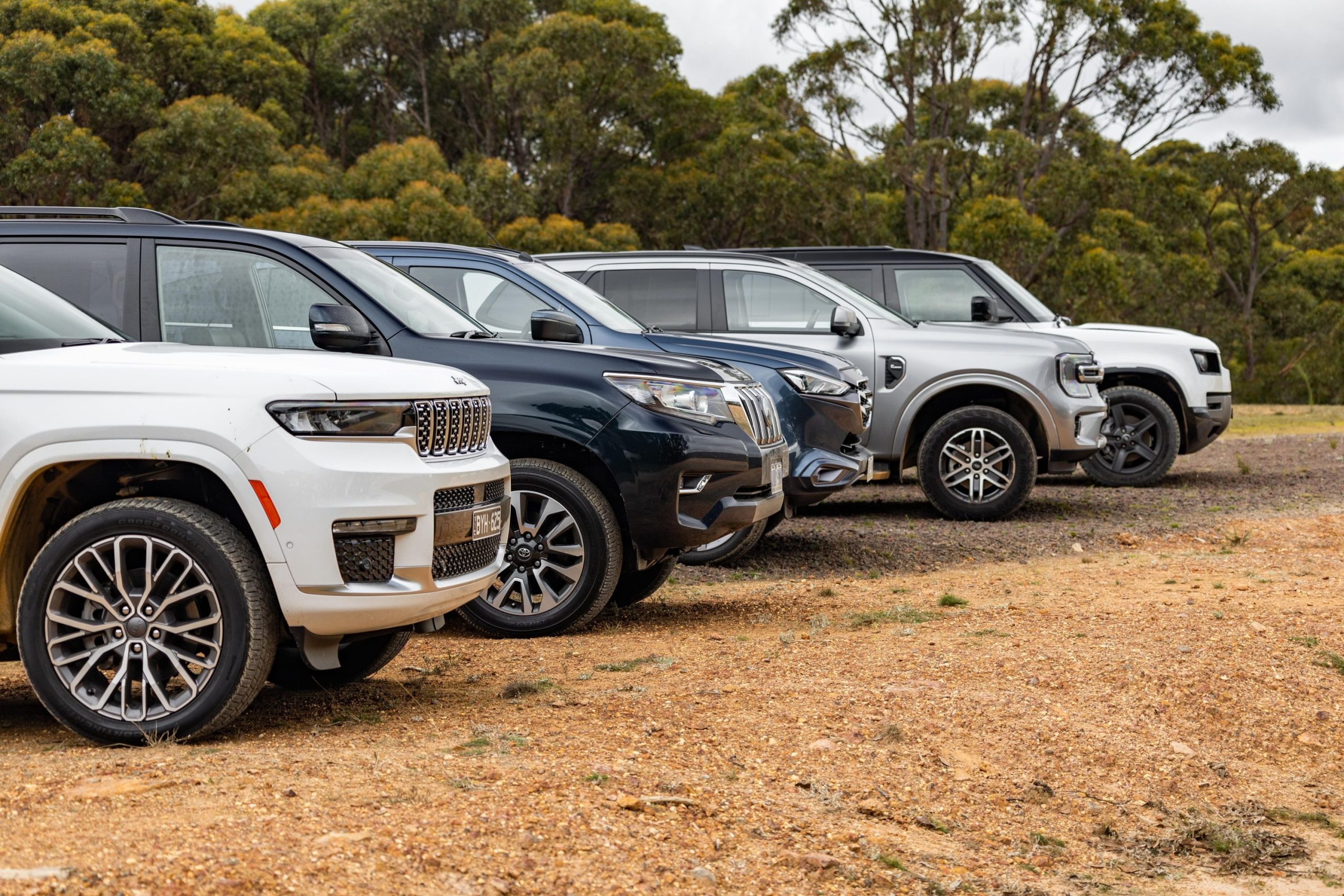
Differentials are a critical part of any SUV, yet many car owners rarely consider their role until problems begin to show. These components allow your vehicle’s wheels to turn at different speeds, especially when going around corners.
When a differential fails, it can cause a lot of trouble, from unusual noises to poor handling, and in extreme cases, total drivetrain damage. For people who rely on SUVs for daily commuting, road trips, or rough terrains, knowing which vehicles demand less maintenance and which ones frequently require repairs is essential.
Choosing the right SUV can save both time and money in the long run. Some SUVs are engineered with robust differentials that handle stress, torque, and off-road driving without constant attention. These vehicles are built with precision, using durable materials that resist wear even under heavy usage.
Owners of such SUVs enjoy smoother drives, lower maintenance costs, and a sense of reliability that makes them suitable for families, business professionals, and adventure seekers alike.
Certain SUVs often struggle with differential problems due to design limitations, lightweight materials, or cost-cutting measures during production. For these vehicles, regular servicing becomes unavoidable, and failure to keep up can lead to costly repairs.
Our goal is to guide potential SUV buyers, enthusiasts, and current owners about which models tend to have trouble-free differentials and which ones are more prone to issues. Each section will provide insight into the reasons behind differential reliability, from mechanical design to manufacturing quality.
By understanding these patterns, drivers can make informed decisions that reduce unexpected downtime and maintenance expenses. Whether you are seeking a dependable SUV for city streets or a rugged companion for off-road adventures, this guide will help clarify which vehicles are a safe bet and which require cautious consideration.
5 SUVs That Rarely Need Differential Work
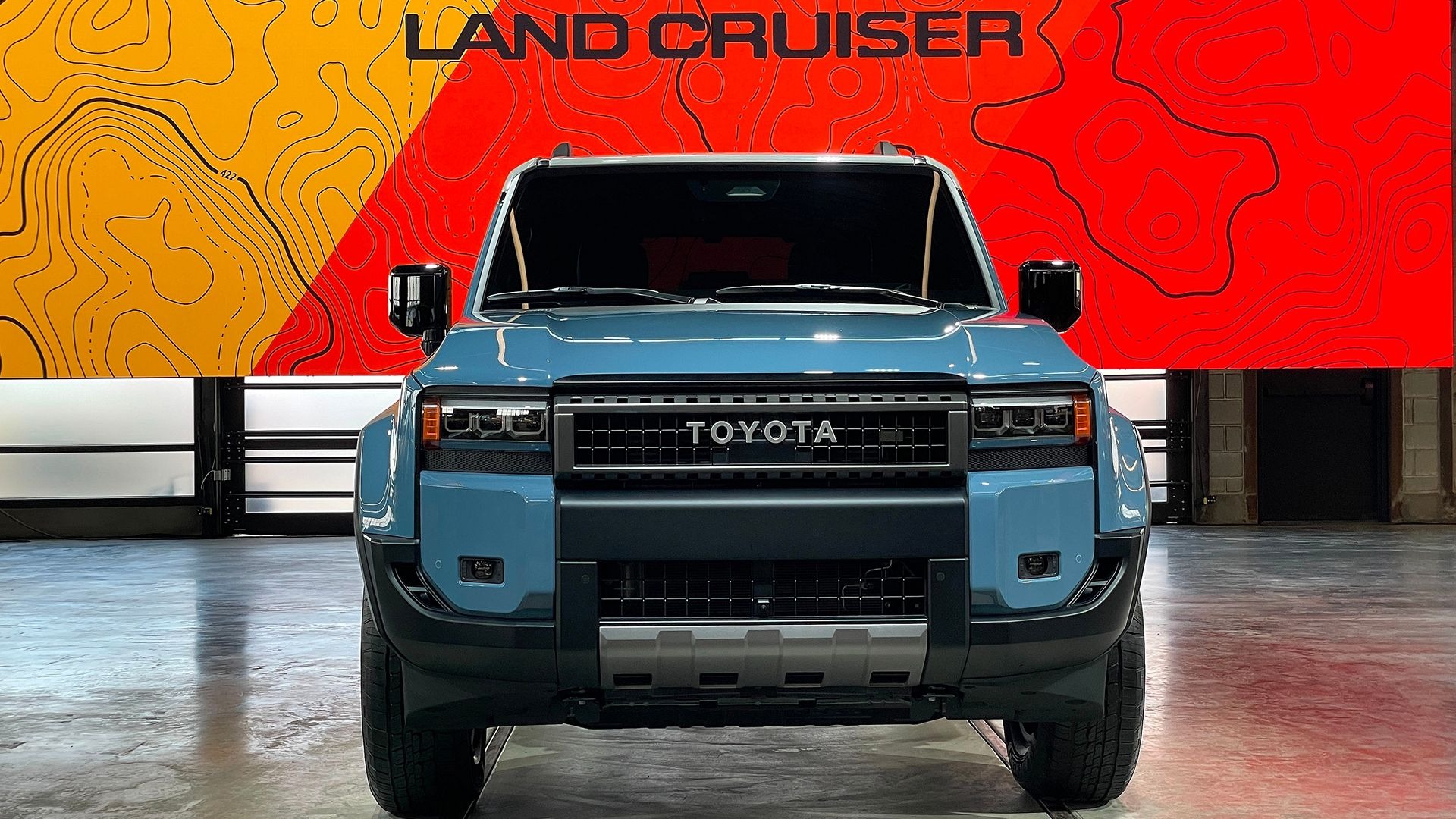
1. Toyota Land Cruiser
The Toyota Land Cruiser has earned a reputation for durability that stretches across decades. Its differential system is designed to handle extreme conditions, from rugged off-road trails to long highway drives.
The gears are constructed from hardened steel, reducing wear even under heavy loads. This SUV comes with a full-time four-wheel drive system, which distributes torque evenly between the front and rear axles, lowering the risk of differential stress.
Owners of the Land Cruiser often report minimal differential issues, even after hundreds of thousands of miles. Regular oil changes and periodic inspections are usually enough to keep the system functioning optimally.
The SUV’s suspension is engineered to reduce strain on the drivetrain, which indirectly helps the differential last longer. For off-road enthusiasts, the locking differential feature provides additional stability without overworking the mechanical components.
Another reason for its reliability is the consistency in Toyota’s engineering. The company has refined the Land Cruiser’s drivetrain over many generations, learning from past designs and incorporating stronger materials and better lubrication channels. The differential is sealed tightly to prevent contamination from dirt and water, which are common causes of wear in other SUVs.
For people who travel frequently on rough terrains or tow heavy loads, the Land Cruiser provides peace of mind. Its differential is less likely to fail under stress compared to most SUVs in its class. This reliability extends to maintenance costs as well, as owners rarely face unexpected repairs.
Choosing the Land Cruiser means prioritizing a combination of luxury, off-road capability, and a differential system that demands little attention while delivering exceptional performance.

2. Lexus GX
The Lexus GX shares much of its mechanical foundation with the Toyota Land Cruiser, but it brings a higher level of interior luxury without compromising its durability. One of the main strengths of the GX lies in its differential system, which is built to handle both city driving and off-road adventures with minimal issues.
The front and rear differentials are engineered with precision-cut gears and reinforced housings, designed to endure high torque loads while reducing friction. This careful engineering ensures the system remains reliable even under challenging driving conditions.
Drivers who use the GX for daily commuting, long highway trips, or occasional off-road excursions report that differential problems are very rare. The SUV’s full-time four-wheel-drive system distributes power evenly between the front and rear axles, which prevents uneven wear and stress on the gears.
The suspension is finely tuned to absorb shocks efficiently, ensuring that the differential is not subjected to sudden jolts or unnecessary strain. These features contribute to a drivetrain that can remain in excellent condition for many years with only routine maintenance.
Another advantage of the Lexus GX is the ease of maintenance. Service intervals for the differential and other drivetrain components are clearly outlined in the owner’s manual, making it simple for owners to follow a consistent schedule.
High-quality factory lubricants are used in the differential, which helps prevent wear and extends the system’s lifespan. Routine inspections and oil changes are straightforward, meaning drivers do not need specialized tools or knowledge to keep the differential in good working order.
For families and professionals seeking a balance between comfort and toughness, the GX is an excellent choice. It allows drivers to carry heavy cargo, tow moderately, or go on long road trips without worrying about the differential.
The SUV combines luxury, reliability, and strong mechanical performance, proving that a premium interior does not come at the cost of drivetrain durability. Choosing the Lexus GX means benefiting from a vehicle that handles stress efficiently, keeps repair costs low, and maintains consistent performance, making it a dependable and sophisticated option in the luxury SUV segment.
Also Read: 5 SUVs With Long-Lasting Interiors vs 5 With Falling Trim
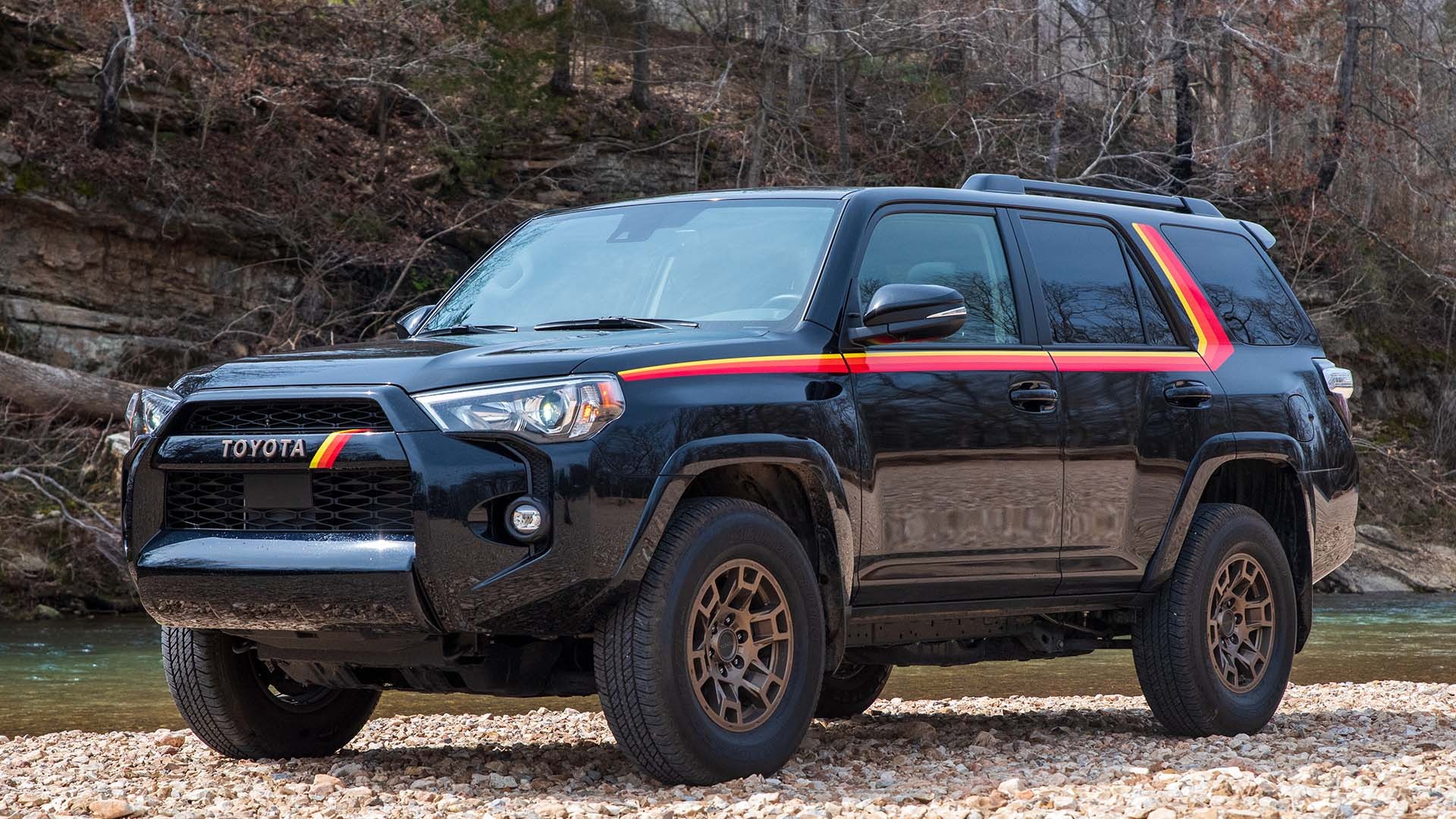
3. Toyota 4Runner
The Toyota 4Runner is widely recognized for its practicality, rugged capability, and long-term reliability, making it a favorite among SUV enthusiasts. One of the areas where it truly excels is in its differential system, which is engineered to handle both daily commuting and challenging off-road conditions.
The gears inside the differential are hardened and treated to resist wear over long periods, which allows the 4Runner to maintain smooth performance even under heavy stress. Its part-time or full-time four-wheel-drive options efficiently distribute torque between the front and rear axles, reducing unnecessary strain and extending the lifespan of these crucial components.
Many owners of the 4Runner report reaching hundreds of thousands of miles without ever needing major differential repairs. Preventive maintenance, such as timely oil changes and routine inspections, is usually sufficient to keep the system in top condition.
The solid rear axle design of the SUV contributes to the longevity of the rear differential, as it handles torque more effectively than more complicated independent setups. This design also adds durability for towing, off-road climbing, and carrying heavier loads.
The reliability of the 4Runner extends across multiple generations due to Toyota’s consistent engineering philosophy. Each model builds upon lessons learned from previous versions, resulting in a drivetrain that remains dependable even in older vehicles.
The differentials are sealed to prevent contamination from common hazards such as mud, sand, and water, which can accelerate wear in less robust systems. This thoughtful design ensures that the vehicle continues to perform well under harsh conditions without frequent mechanical issues.
For families, adventure seekers, and daily drivers, the Toyota 4Runner provides dependable performance and peace of mind. Its differential system is low-maintenance compared to many other SUVs, allowing drivers to focus on their journeys rather than worrying about costly repairs.
Whether going through city streets, towing trailers, or going through off-road trails, the 4Runner blends toughness with practicality. Choosing this SUV means benefiting from a well-engineered drivetrain and a differential system that consistently delivers reliable service as time goes on, making it one of the most trusted vehicles in its class.
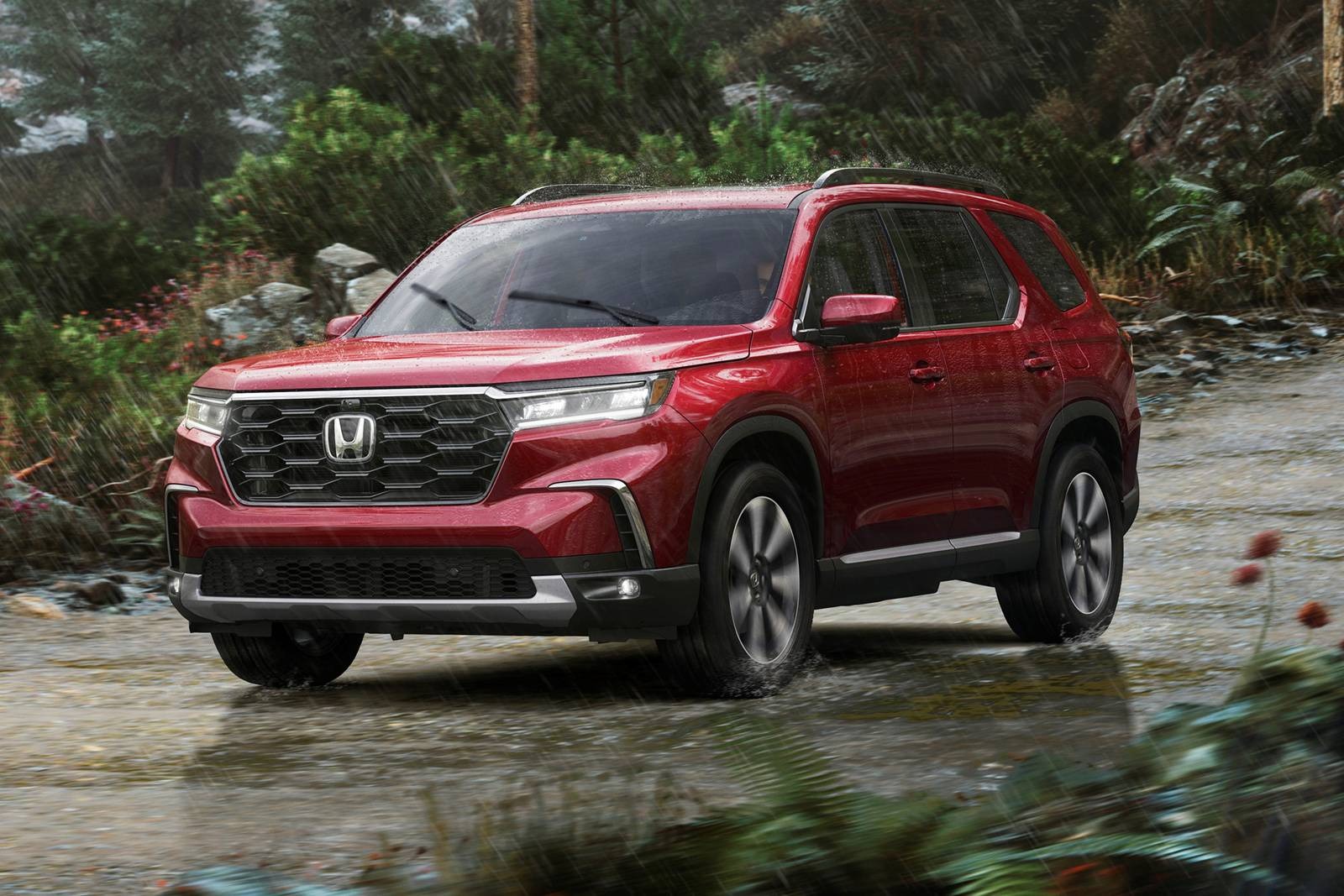
4. Honda Pilot
The Honda Pilot is popular for its combination of smooth highway driving and capable off-road performance in light conditions. Its differential system is engineered to endure urban use and moderate rugged terrain.
The Pilot features a secure and well-lubricated differential that handles torque distribution efficiently, lowering the likelihood of early wear. Owners frequently comment on the longevity of the differential, with many driving over 150,000 miles without incident.
The Pilot’s all-wheel-drive system adjusts torque between the front and rear axles intelligently, ensuring balanced performance while protecting mechanical parts from stress. The SUV also features a well-tuned suspension that minimizes sudden torque spikes that could affect the differential.
The differential components in the Pilot are made with reinforced metals and factory-grade lubricants, reducing the risk of early failure. Honda emphasizes preventative maintenance, which is easy to follow for any driver. The accessibility of differential service points allows for smooth oil changes without the need for specialized tools or knowledge.
Families and professionals who prioritize dependability find the Pilot to be a safe choice. Its differential is engineered to last, meaning owners are less likely to experience costly repairs or sudden breakdowns.
The combination of intelligent torque management, durable components, and clear maintenance guidelines makes the Honda Pilot one of the most reliable SUVs when it comes to differential performance.
5. Subaru Outback
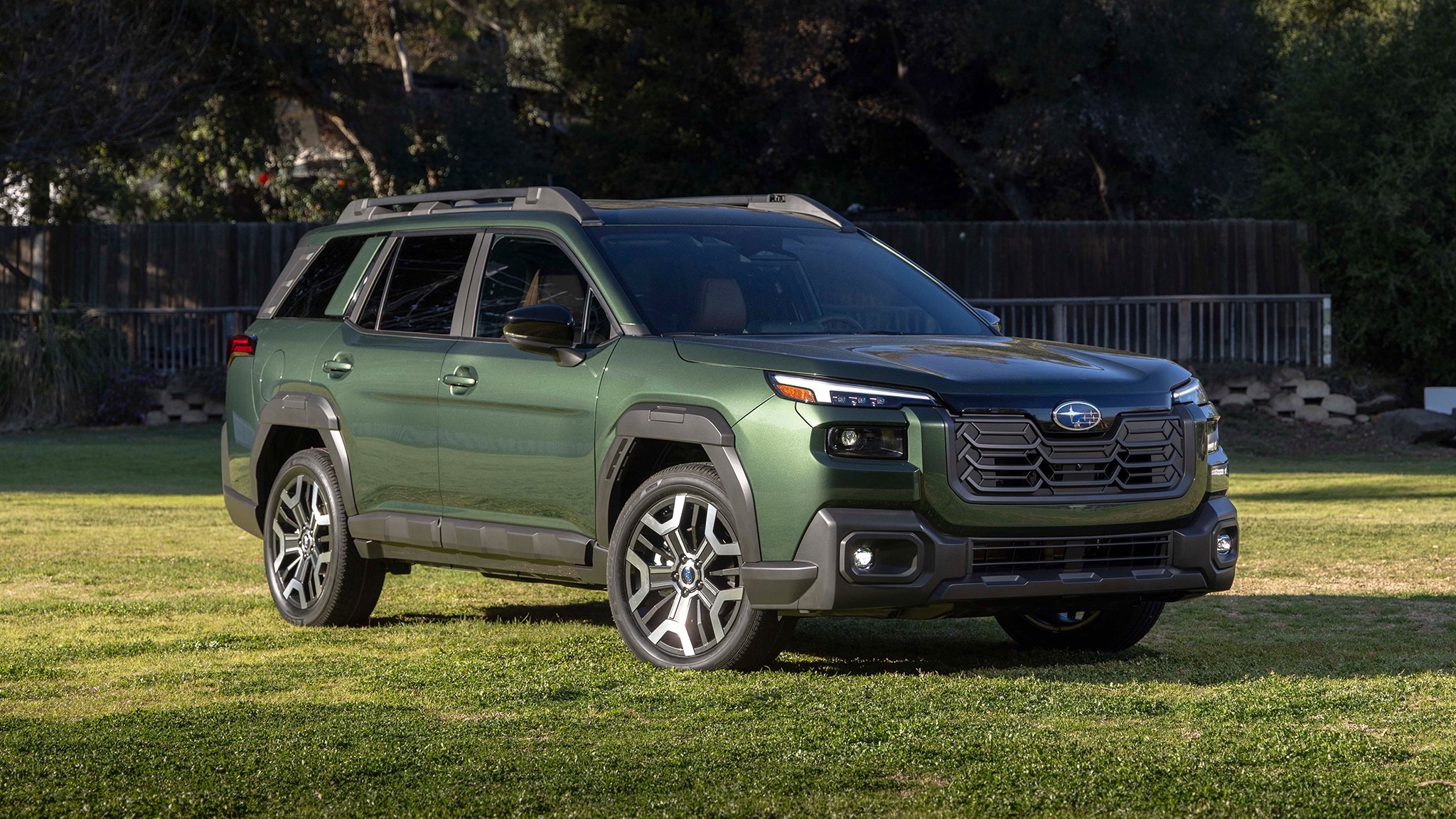
The Subaru Outback, while often categorized as a crossover, shares many characteristics with traditional SUVs, particularly in terms of drivetrain robustness. Its differential system is known for endurance, benefiting from Subaru’s continuous all-wheel-drive technology. Power is distributed constantly between the front and rear wheels, ensuring that the differentials do not endure uneven stress during normal driving.
Subaru equips the Outback with high-quality gears and sealed differential units. This protects the internal components from water, dirt, and road debris. The symmetrical all-wheel-drive system also helps maintain consistent performance even under challenging conditions. Owners report minimal differential issues even after years of frequent use on highways and rougher backroads.
Preventive maintenance is simple, with recommended differential oil changes occurring at clear intervals. Subaru’s design reduces mechanical problems, which in turn lowers the chances of failures. The SUV’s suspension further aids in distributing load evenly, avoiding sudden torque spikes that could damage the differential.
For those seeking a reliable vehicle for both family trips and weekend adventures, the Outback presents an excellent option. Its differential is less likely to fail, reducing stress on owners who depend on dependable performance. With a reputation for durability and low maintenance needs, the Subaru Outback proves that a dependable drivetrain can coexist with comfort and efficiency.
5 SUVs That Constantly Need Differential Work
1. Jeep Grand Cherokee
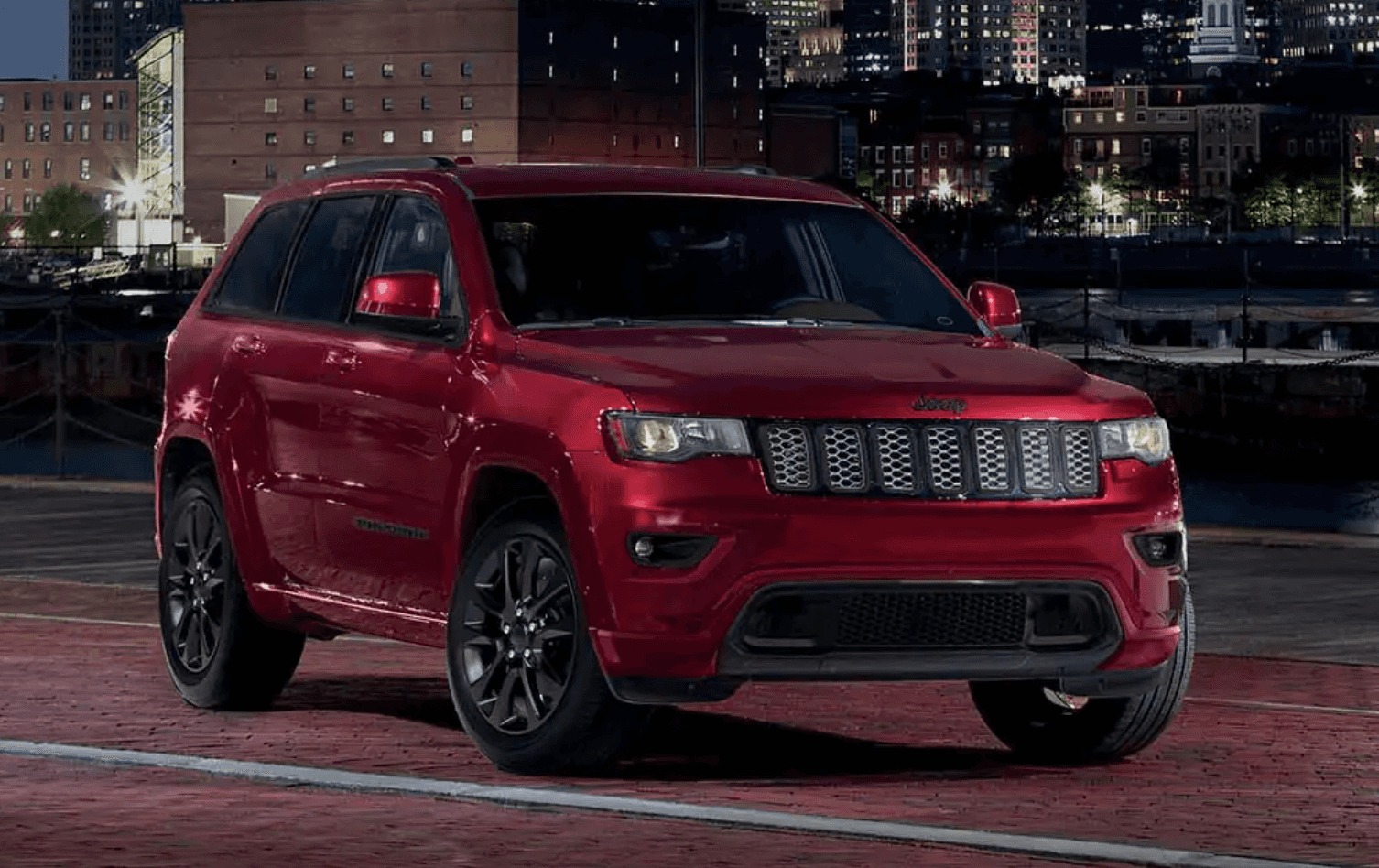
The Jeep Grand Cherokee is widely admired for its off-road capability, yet its differential system has earned a reputation for frequent maintenance needs. The vehicle’s independent front suspension, while providing a comfortable ride, places extra stress on the front differential. This can lead to premature wear, particularly if the SUV is used in heavy off-road conditions or for towing.
Many Grand Cherokee owners report experiencing differential noise, leaks, and in some cases, complete failure after relatively moderate mileage. The torque distribution system is complicated, and while it provides traction advantages, it is more prone to mechanical stress than simpler designs. The differential gears may wear faster if the SUV is used on steep inclines, muddy trails, or during extended off-road drives.
Another contributing factor is the use of lighter components in certain model years, which reduces durability under high-stress conditions. Water intrusion and contamination can accelerate gear wear, especially if the seals or differential housing are compromised.
Regular maintenance is essential, but even frequent oil changes may not fully prevent issues if the SUV is driven aggressively or loaded heavily. For drivers who rely on the Grand Cherokee for rugged adventures, understanding the maintenance needs of the differential is critical. Without consistent attention, the cost of repairs can escalate quickly.
The Grand Cherokee demonstrates that while off-road performance is strong, drivetrain components, especially the differentials, require vigilance to maintain reliability. Owners need to plan for both routine inspections and potential repairs when considering this SUV.
2. Ford Explorer
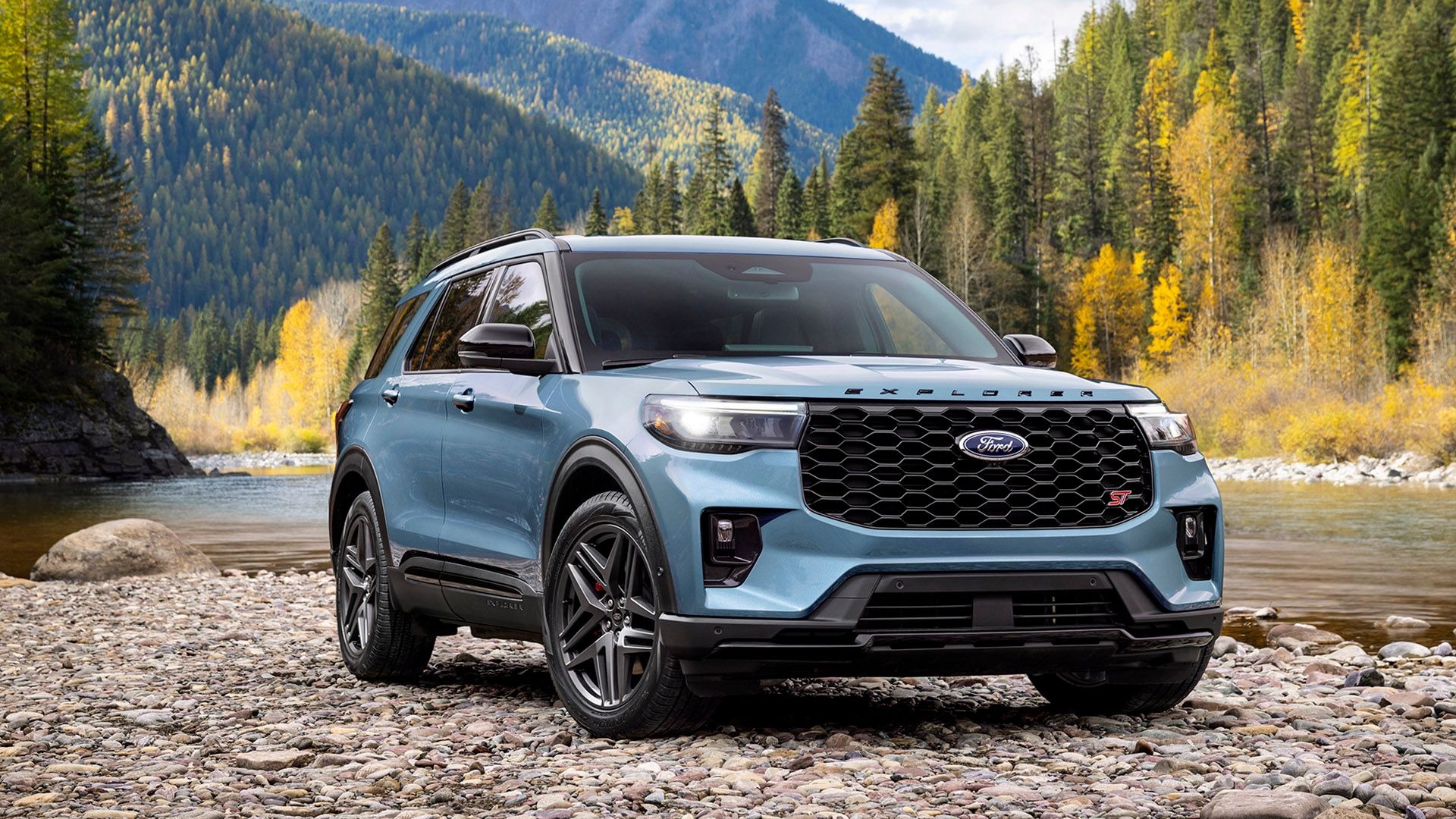
The Ford Explorer offers strong performance and a smooth driving experience, but its differential system has proven vulnerable as time goes on. Certain models, particularly those equipped with all-wheel drive, experience frequent differential wear due to design and manufacturing decisions. The gears are not always reinforced adequately for heavy towing or aggressive driving, which can lead to failures.
Owners often report whining noises, excessive heat, and occasional leaks in the front and rear differentials. While the SUV’s electronic traction system helps control wheel spin, it cannot prevent mechanical wear caused by torque spikes and uneven weight distribution. Many drivers discover differential problems after five to seven years of regular use, often requiring costly repairs or replacements.
The Explorer’s differential housing is also prone to cracking under extreme stress, particularly when the SUV is driven on rough terrain or carries heavy loads. Suboptimal lubrication practices, including extended oil change intervals, can accelerate damage. Even with routine servicing, the differential system can present challenges due to its complicated construction and sensitivity to torque fluctuations.
For families or commuters relying on the Explorer, this means planning for potential maintenance issues. While it remains a comfortable and capable SUV, the differential system can become a weak point if proper care is not taken.
Drivers who prioritize minimal maintenance may find the Explorer less suitable, especially compared to more mechanically durable options. Awareness of these risks helps owners manage expectations and avoid sudden repair expenses.
3. Nissan Murano
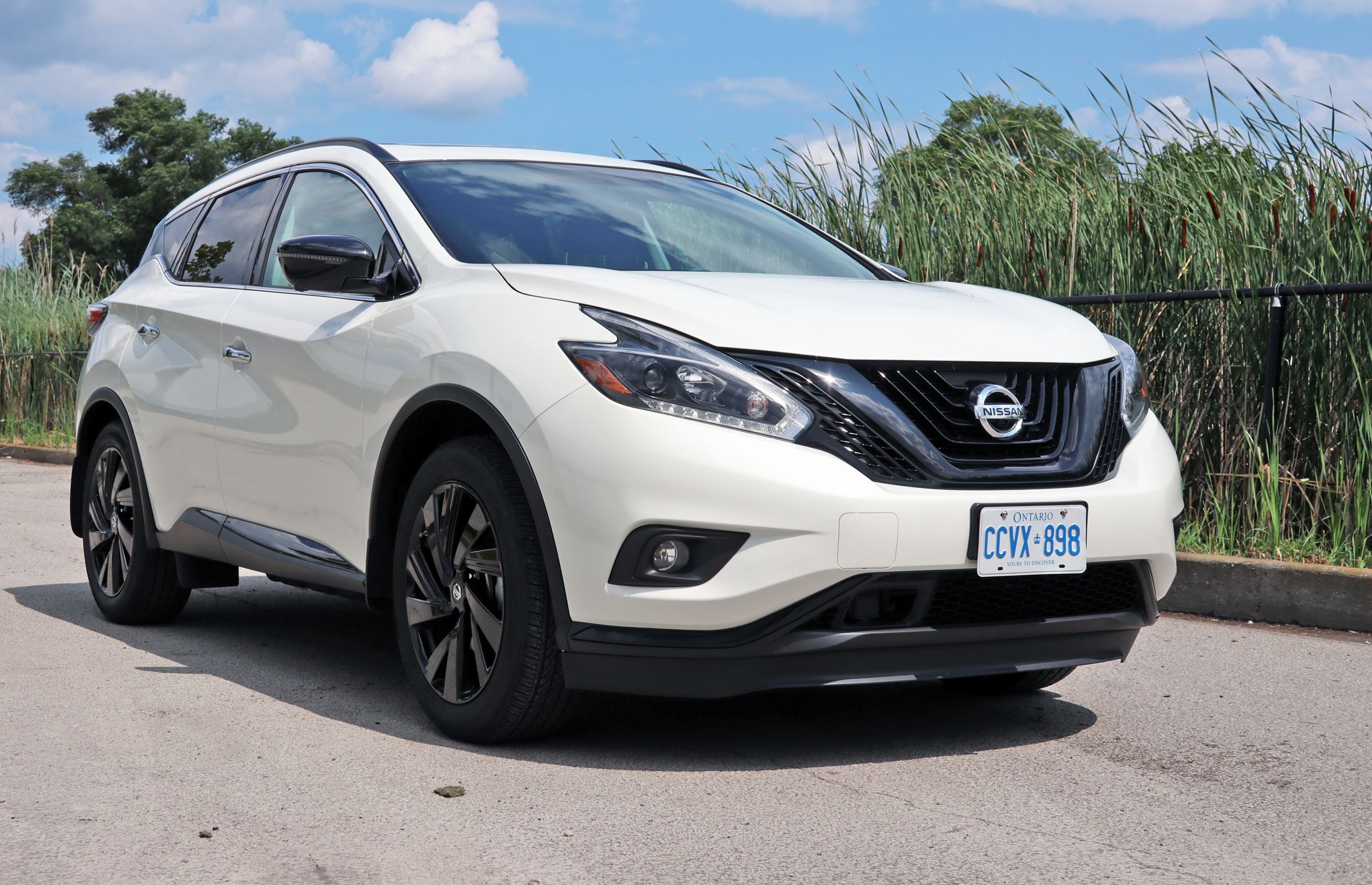
The Nissan Murano is widely praised for its sleek design, smooth ride, and comfortable interior, yet its differential system is known to require more frequent attention than many owners expect. This SUV features a continuously variable all-wheel-drive system that distributes torque electronically between the front and rear wheels.
While this technology enhances traction and stability on slippery surfaces, it also places additional stress on the mechanical components of the differential, particularly in older Murano models or vehicles that have seen heavy use.
Owners commonly report issues such as unusual differential noise, vibrations during acceleration or turning, and occasional fluid leaks. These problems tend to appear earlier than in SUVs with more rugged or traditional drivetrain designs, often becoming noticeable between 60,000 and 80,000 miles.
The differential housing itself can develop stress cracks under prolonged strain, and the gears inside may wear unevenly if the vehicle frequently tackles steep inclines, sharp curves, or carries heavy cargo. These vulnerabilities make Murano’s differential system less forgiving than those found in other similar SUVs.
Maintenance expectations for the Murano’s differential are higher than many drivers anticipate. Regular inspection and timely differential oil changes are critical to prevent premature wear and expensive repairs.
The electronic torque management system, while useful for controlling wheel slip, cannot fully relieve the mechanical strain on the gears and housing. As a result, consistent servicing is essential, particularly for vehicles used in daily commuting with heavy passenger loads or for frequent road trips.
For families and commuters, the Murano provides a quiet, comfortable driving experience and a sophisticated design. However, the trade-off comes in the form of higher maintenance requirements for the differential system.
Being proactive with inspections, lubrication, and repairs can extend the life of the differential, but drivers should anticipate potential issues more frequently than with mechanically tougher or more traditional SUVs. Understanding this risk allows owners to plan maintenance schedules and avoid costly surprises while still enjoying the Murano’s style and smooth handling.
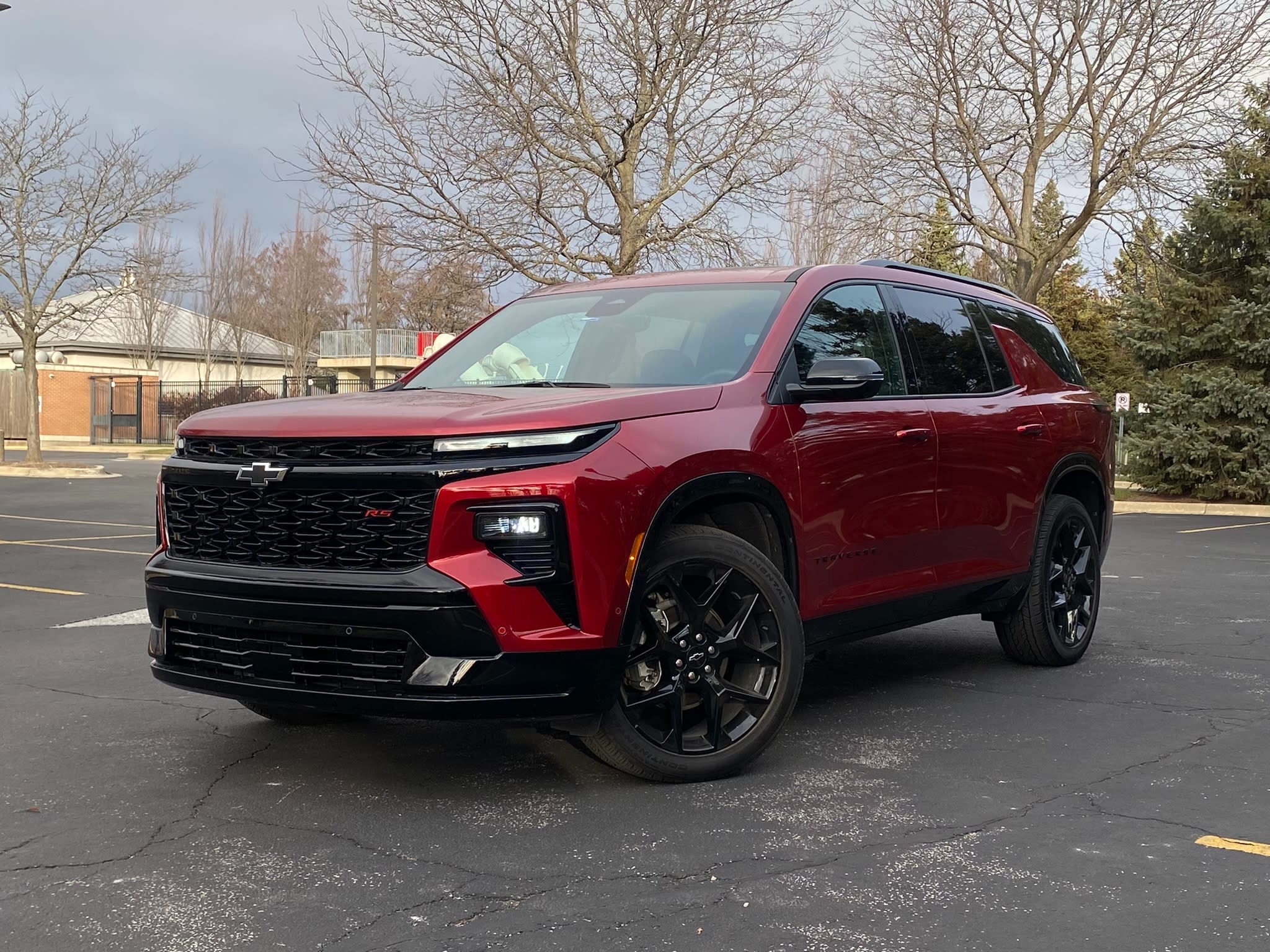
4. Chevrolet Traverse
The Chevrolet Traverse is built to provide ample space for families and cargo, delivering a comfortable and smooth ride on highways and city streets. However, its differential system has shown a tendency to struggle under sustained or heavy use.
The SUV features independent front and rear suspensions that improve ride comfort and handling, but this design places additional mechanical stress on the differential components. As time goes on, this can lead to accelerated gear wear, leaks, and other maintenance issues that require careful attention.
Many Traverse owners report hearing differential noise, especially during cornering or when accelerating with a fully loaded vehicle. These sounds often indicate internal wear or stress within the differential system.
The SUV uses an electronically controlled torque distribution system to manage power between the front and rear axles, which improves traction and stability. While this system offers some protection, it cannot completely prevent mechanical wear, especially when the SUV is frequently loaded with passengers, cargo, or towing heavier loads.
Certain model years of the Traverse included differential components made from lighter metals, which are less capable of enduring prolonged mechanical stress. Exposure to water, mud, or road debris can exacerbate wear, particularly if the differential seals are compromised.
Even with routine maintenance, such as timely differential oil changes and inspections, the system can experience premature failure under challenging driving conditions or aggressive use. This makes the Traverse’s differential one of the more sensitive components in the vehicle, requiring proactive care to avoid costly repairs.
For families and daily commuters, understanding the Traverse’s differential tendencies is important. Planning for regular inspections and maintenance helps prevent unexpected issues and ensures the SUV continues to deliver reliable performance.
While the Traverse is praised for its spacious interior, modern features, and smooth driving experience, its differential system requires closer attention than some competitors in its class. Awareness of these potential vulnerabilities allows owners to manage upkeep more effectively, avoid surprises, and enjoy the SUV’s many strengths without being burdened by frequent mechanical problems.
Also Read: 10 Used SUVs That Give You the Most Miles for Your Money
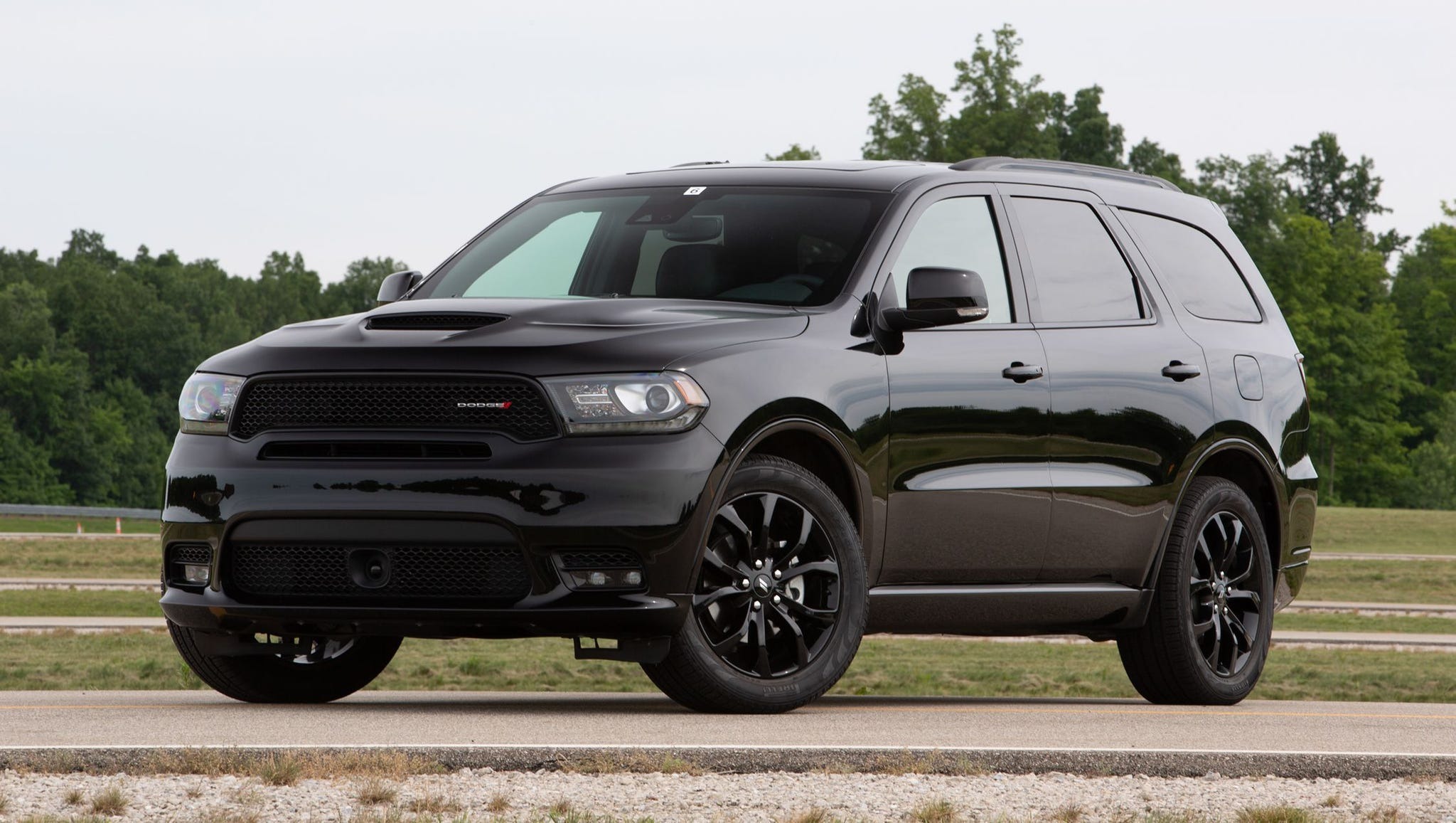
5. Dodge Durango
The Dodge Durango is powerful and capable, particularly for towing heavy loads and handling off-road conditions, yet its differential system often raises concerns among owners. The SUV comes in both all-wheel-drive and rear-wheel-drive configurations, and the differentials in these setups are highly sensitive to torque overload and uneven road conditions.
While the Durango excels in power and acceleration, these same qualities place extra strain on its drivetrain components, particularly the differentials. Owners frequently report issues such as vibrations in the drivetrain, unusual whining or grinding noises, and, in more severe cases, complete gear failure.
The front differential is especially vulnerable to overheating and leaks when the SUV carries heavy cargo or drives on challenging terrains. Similarly, the rear differential can suffer from accelerated wear if maintenance is delayed or if the vehicle is subjected to frequent hard acceleration or towing tasks.
These mechanical stresses make the Durango’s differential one of the more problematic components in the vehicle. Certain model years of the Durango included differential components made from lighter or less durable materials, which reduced their capacity to endure long-term stress.
This means that even with routine maintenance, such as recommended oil changes and inspections, the differential may still require unexpected repairs earlier than owners would hope. Drivers who frequently tow trailers, carry full loads, or traverse rugged roads are particularly at risk for accelerated differential wear, making preventative maintenance crucial.
For potential Durango owners, it is essential to be aware that the differential system will require ongoing attention. Regular inspections, timely oil replacements, and monitoring for unusual noises or vibrations are necessary to prevent costly failures.
While the SUV delivers impressive power, acceleration, towing capacity, and interior space, the differential system remains a mechanical weak point that demands consistent care. Understanding these vulnerabilities allows drivers to plan maintenance schedules and avoid unexpected breakdowns while still enjoying the Durango’s strengths in performance and capability.
