
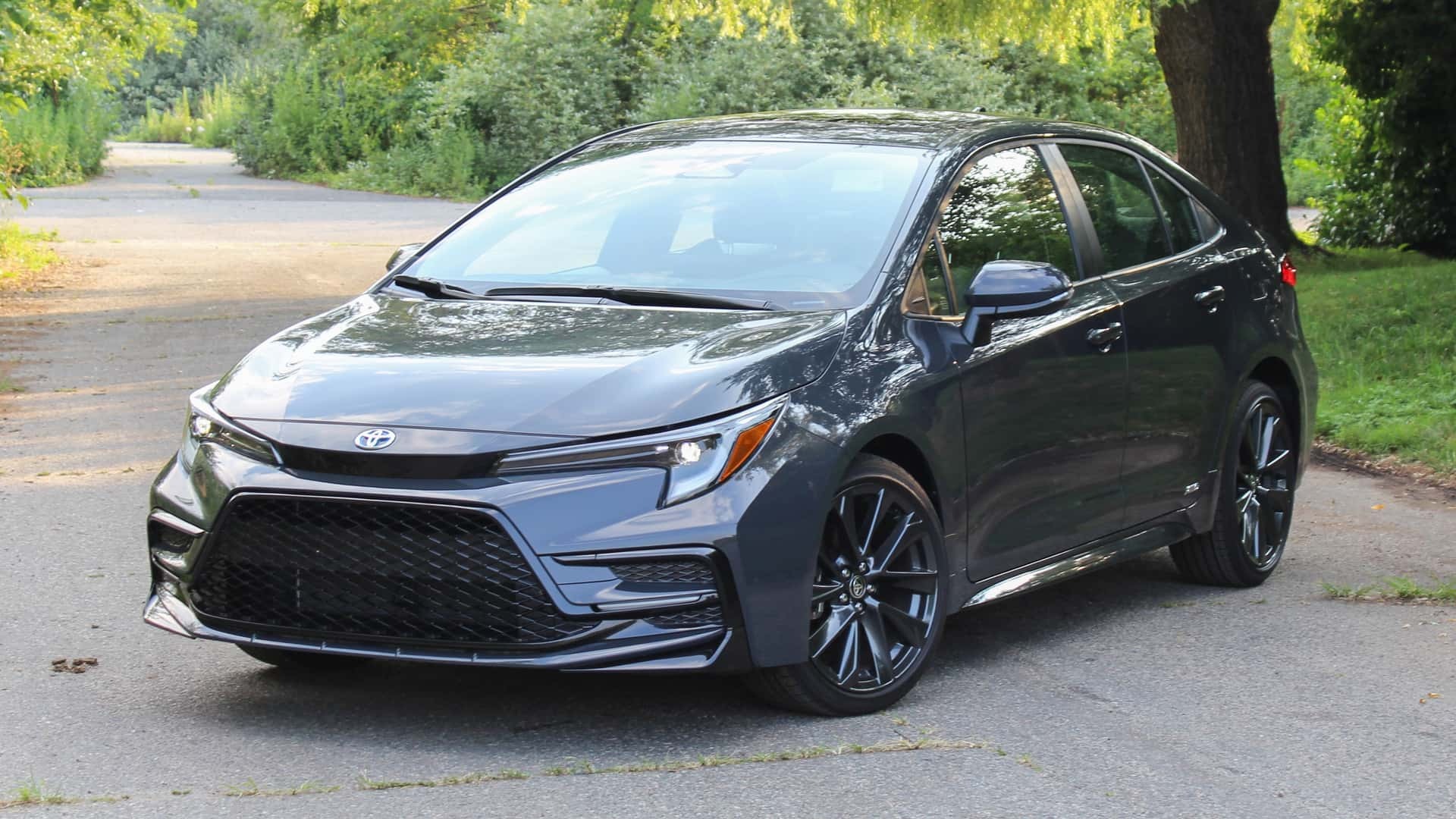
The Toyota Corolla has maintained a strong reputation among car buyers looking for reliability, affordability, and fuel efficiency.
For many drivers, owning a Corolla is a safe choice because Toyota has built its brand on producing vehicles that last for years with minimal issues. However, not every Corolla year offers the same level of dependability.
Some years bring improvements that make them excellent options for long-term ownership, while others have design or mechanical flaws that create ongoing problems for owners.
Knowing which year to choose can save money, reduce stress, and prevent repeated trips to the mechanic.
In the United States, buying decisions for a Corolla often take into account resale value, ease of maintenance, and availability of spare parts.
Some models are extremely easy to maintain and are highly fuel-efficient, while others may have recurring transmission problems, electronic glitches, or suspension issues.
Careful evaluation of each year based on owner experiences, reliability reports, and long-term performance is crucial. Choosing the right model helps buyers avoid expensive surprises and ensures that the vehicle remains a dependable companion for years.
We will look into five Toyota Corolla years that offer dependable performance and minimal headaches for owners. It also identifies five model years that are generally less reliable and may lead to increased repair costs and frustration.
Each year is analysed for mechanical reliability, maintenance ease, safety features, and fuel efficiency. This information equips buyers with the knowledge to make informed decisions, whether purchasing a used Corolla or considering newer models.
The goal is to help you distinguish which Corollas are smart investments and which should be avoided for long-term ownership. Selecting the right Corolla can make the difference between a car that consistently performs well and one that requires frequent attention and repairs.
5 Toyota Corolla Years Worth Owning
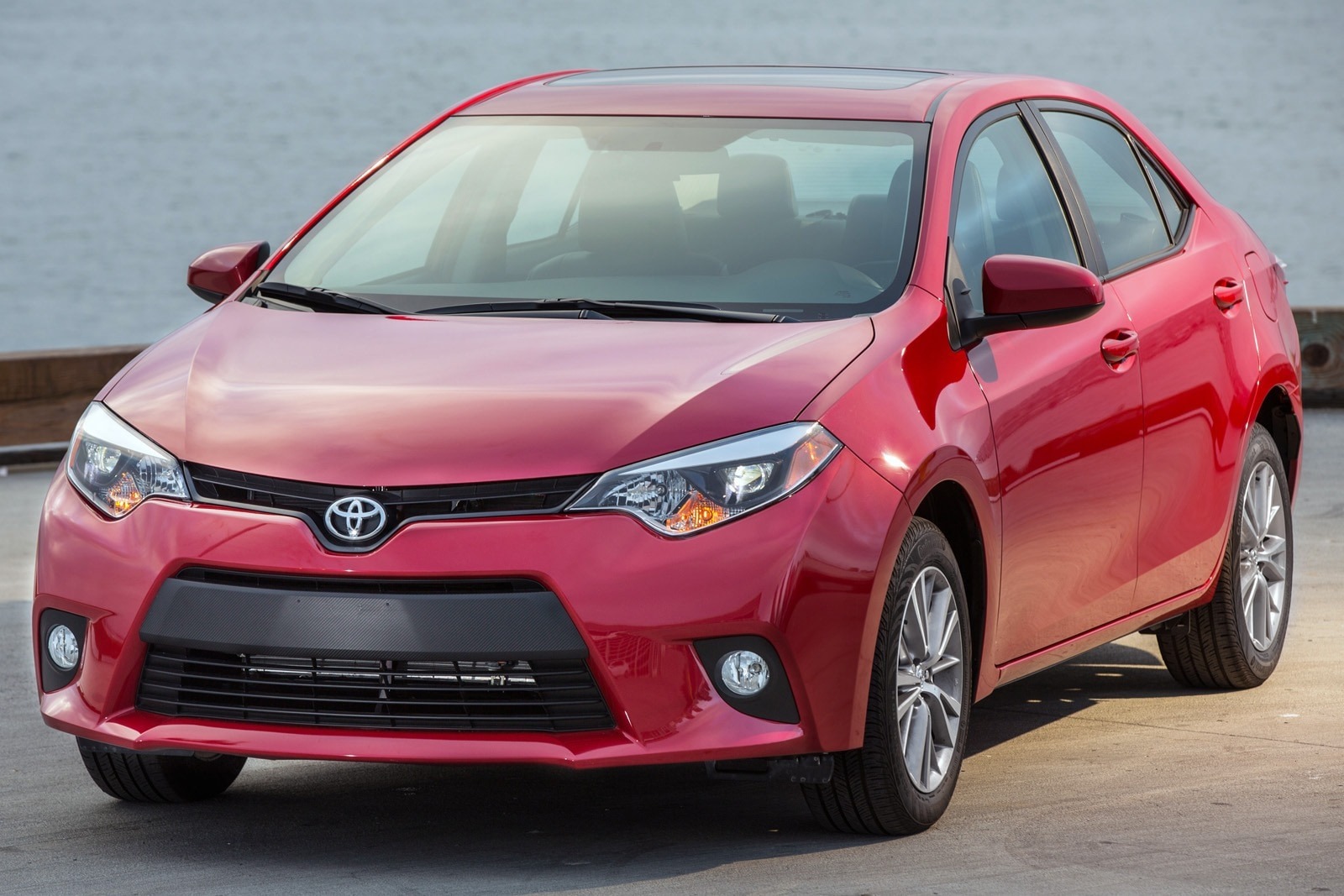
1. 2014 Toyota Corolla
The 2014 Toyota Corolla is regarded as one of the most reliable mid-decade models. It features a 1.8-liter engine that provides enough power for city commuting while keeping fuel consumption low, which is important for anyone looking to save money on gas.
The transmission system, particularly the automatic option, performs smoothly without the jerky or delayed moves reported in older models.
This year also benefits from a well-designed suspension system that ensures comfort and stability, even on rough or uneven roads.
Drivers frequently report that the brakes are consistent and reliable, contributing to the vehicle’s entire durability.
Inside the cabin, the 2014 Corolla offers quality materials and a layout that prioritises driver convenience. Controls are easy to reach and operate, making it user-friendly for first-time owners.
The seating arrangement is comfortable for four adults, and the trunk provides adequate space for luggage or daily errands.
Many owners have praised the quietness of the cabin, which adds to the comfort during long drives. Toyota’s attention to interior ergonomics in this year makes it a practical choice for families and daily commuters.
From a safety perspective, the 2014 model includes multiple airbags, stability control, and anti-lock brakes. These features contributed to higher crash-test ratings and helped reinforce the Corolla’s reputation as a reliable and secure vehicle.
Owners have found that routine maintenance for this year is straightforward, with parts widely available and affordable. Common servicing includes oil changes, brake checks, and occasional suspension adjustments, all of which are simple for mechanics to address.
The resale value for the 2014 Corolla remains strong, reflecting buyers’ confidence in its longevity. Many used car buyers consider this year a smart investment because it combines mechanical reliability, fuel efficiency, and modern comfort.
It is one of the models that consistently demonstrates Toyota’s commitment to quality and long-term performance.
For anyone seeking a low-maintenance, dependable vehicle that delivers peace of mind, the 2014 Corolla is an excellent choice. Proper care and timely maintenance ensure it continues to perform well for many years, making it a sensible long-term option.
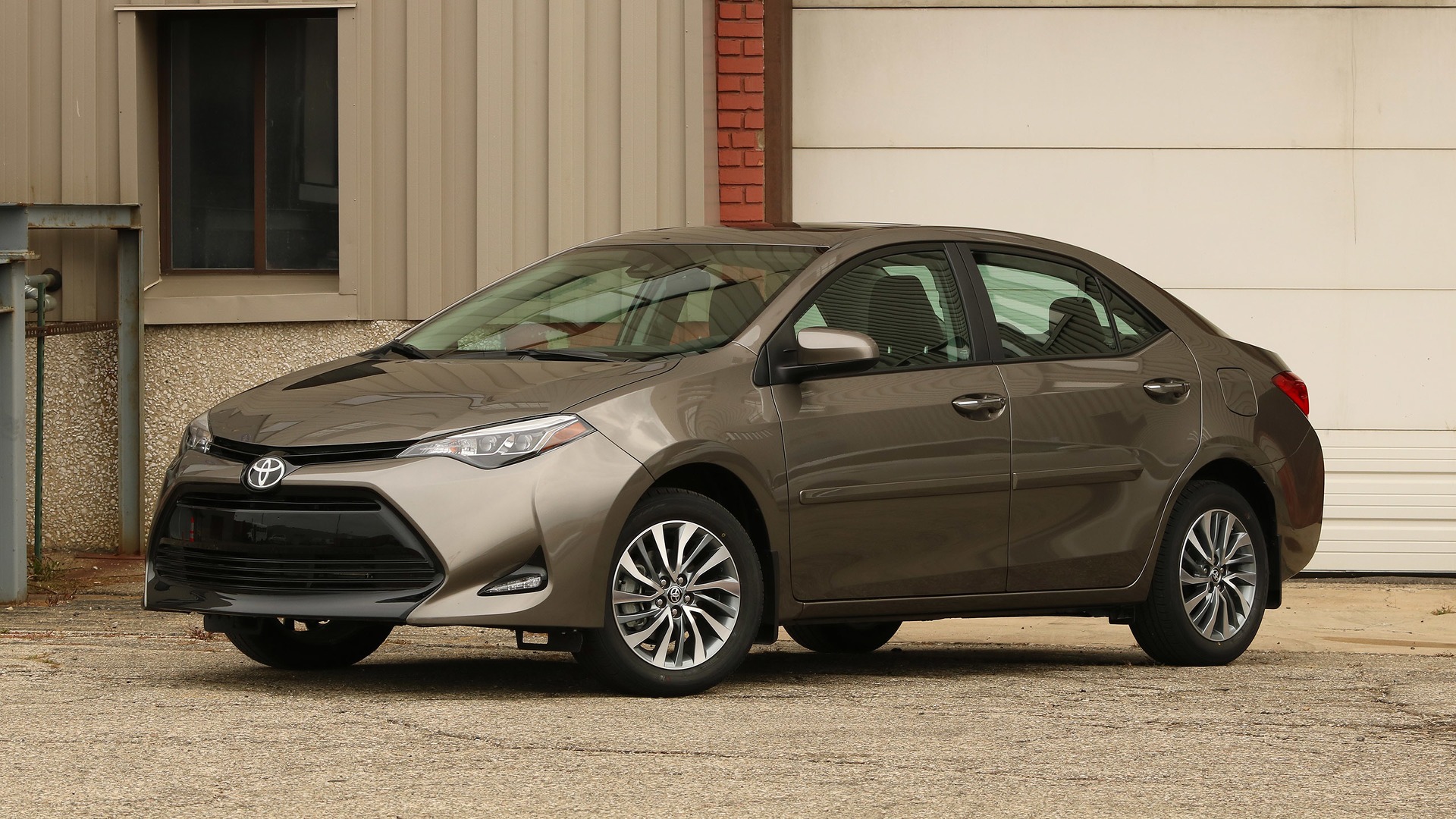
2. 2017 Toyota Corolla
The 2017 Toyota Corolla is a refined version that blends modern features with Toyota’s reputation for reliability. This year introduced a refreshed exterior design with improved aerodynamics and a more polished look.
The interior also received upgrades, with better materials and an updated infotainment system that includes smartphone integration.
Many owners appreciate the improved touchscreen display and straightforward controls, which make going through media and settings easy during daily drives. The cabin is quiet, spacious, and designed for comfort, with enough legroom and headroom for four adults to travel without feeling cramped.
Mechanically, the 2017 Corolla offers a 1.8-liter engine that balances power and fuel economy, making it ideal for commuting or city driving. Automatic transmission moves smoothly and is generally free from the jerking or delayed engagement issues that affected some earlier models.
The suspension system is well-tuned to absorb minor bumps and maintain stability during turns or sudden maneuvers.
Many drivers report that the brakes are reliable and responsive, adding to confidence on highways and in urban traffic. The general driving experience is predictable, which is particularly important for long-term ownership.
This year also introduced more advanced safety features, including reinforced body construction, multiple airbags, and stability control. Crash test ratings improved compared to older models, giving owners extra assurance.
The vehicle also features good maintenance accessibility, and replacement parts are widely available at reasonable prices. Owners report few electronic or mechanical failures, which reduces ongoing repair costs.
Fuel efficiency remains strong, with many drivers achieving between 28 to 32 miles per gallon in mixed driving conditions.
The combination of low running costs, reliability, and modern features makes the 2017 Corolla a preferred choice for budget-conscious buyers seeking convenience, comfort, and long-term dependability.
Resale value remains high due to the model’s proven track record, making it a sound investment.
Drivers who prioritise a balanced package of performance, safety, and technology find the 2017 Corolla appealing. With proper maintenance, this vehicle continues to deliver a smooth and reliable driving experience for years.
Also Read: 5 Toyota Camry Years Worth Owning vs 5 That Aren’t
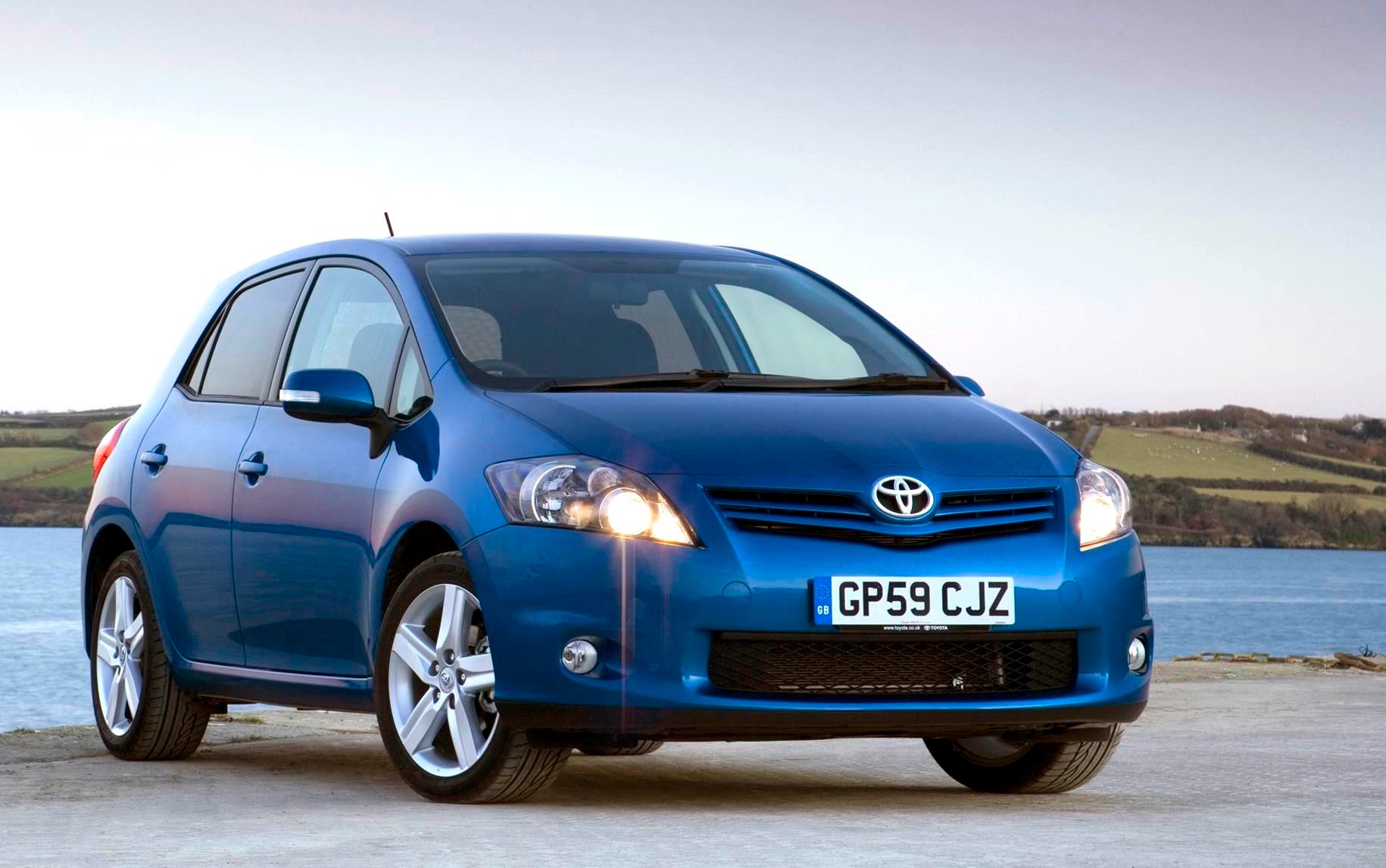
3. 2011 Toyota Corolla
The 2011 Toyota Corolla continues to be a strong choice for used car buyers. This model combines mechanical simplicity with proven durability, which makes it ideal for drivers who want a low-maintenance vehicle.
It comes with a 1.8-liter engine that performs reliably even after high mileage, and the automatic transmission is generally free from major issues.
Many owners report that the brakes, steering, and suspension systems continue to function well even after years of use. The enire design ensures that daily driving remains predictable and safe.
Inside, the 2011 Corolla features a straightforward layout that emphasises practicality. The controls are easy to use, and the seating provides adequate comfort for short and long journeys.
Storage space is sufficient for daily errands, groceries, or luggage, making it suitable for families or individuals with active lifestyles.
The interior materials are durable, with minor wear occurring after a while, but not compromising functionality.
Drivers frequently highlight the simplicity of the cabin as a benefit, especially when compared to more electronically complicated models introduced in later years.
Safety features include multiple airbags, stability control, and anti-lock brakes, which were standard for this year.
These systems help maintain driver confidence and reduce the risk of accidents. Maintenance costs remain low, with common services including oil changes, brake inspections, and minor suspension repairs.
Replacement parts are easy to find, and the simplicity of the mechanical systems reduces the likelihood of expensive repairs.
The 2011 Corolla retains strong resale value for its age, as buyers trust Toyota’s long-standing reliability. It is a practical choice for those who want a dependable vehicle without high maintenance expenses.
This year strikes a balance between affordability and performance, making it a solid option for anyone seeking a car that will continue to perform well with minimal attention.
Proper care ensures that the 2011 Corolla remains a dependable option for years, which explains its enduring popularity among used car buyers.
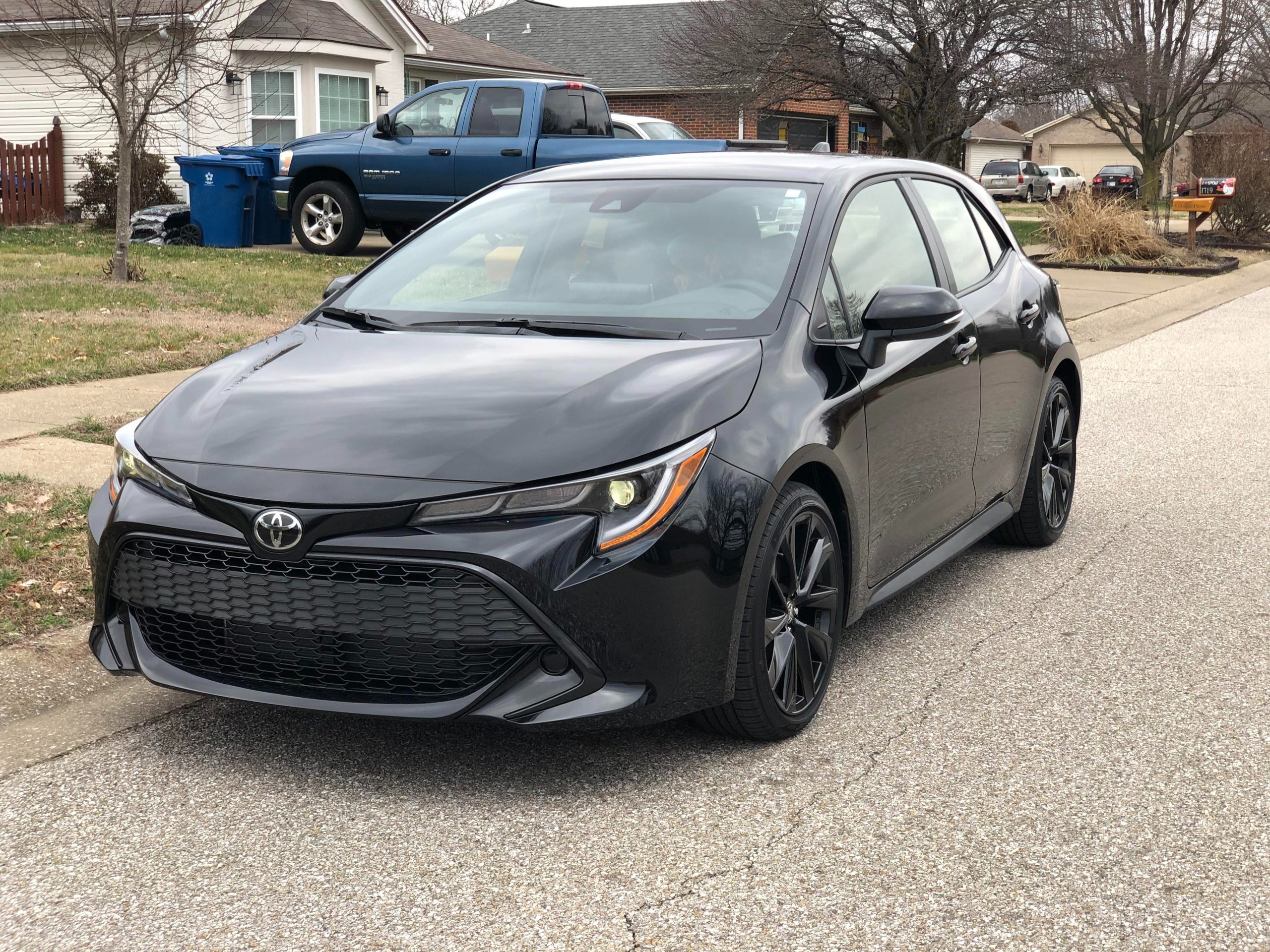
4. 2020 Toyota Corolla
The 2020 Toyota Corolla represents a modern approach to reliability combined with updated safety and technology.
This model features a refined exterior with aerodynamic lines and a stylish appearance. Inside, the cabin provides a comfortable environment with advanced infotainment options, including Apple CarPlay and Android Auto.
The seats are supportive, and the space is ample for passengers and luggage. Drivers report a quiet ride that contributes to a stress-free commuting experience.
Mechanically, the 2020 Corolla is equipped with a 1.8-liter engine that is both reliable and fuel-efficient. Automatic transmission provides smooth shifting without the issues reported in some earlier models.
Suspension and braking systems are durable and respond consistently in various driving conditions.
Fuel economy is impressive, averaging around 30 miles per gallon for combined city and highway driving, which appeals to drivers looking to reduce running costs.
Safety is a strong point for the 2020 model. It includes lane departure warnings, adaptive cruise control, automatic emergency braking, and multiple airbags.
These features help prevent accidents and improve driver confidence on the road. Many owners have noted minimal electronic or mechanical failures, which supports the vehicle’s reputation for reliability.
Routine maintenance is easy, with replacement parts widely available and repairs generally affordable.
Resale value remains strong because this year combines modern technology with Toyota’s well-known durability. It is suitable for drivers seeking a dependable car that also provides comfort, convenience, and advanced safety features.
For those who value both mechanical reliability and updated technology, the 2020 Corolla is a practical choice. Proper care ensures this vehicle continues to deliver a smooth driving experience and remains low-maintenance for years to come.
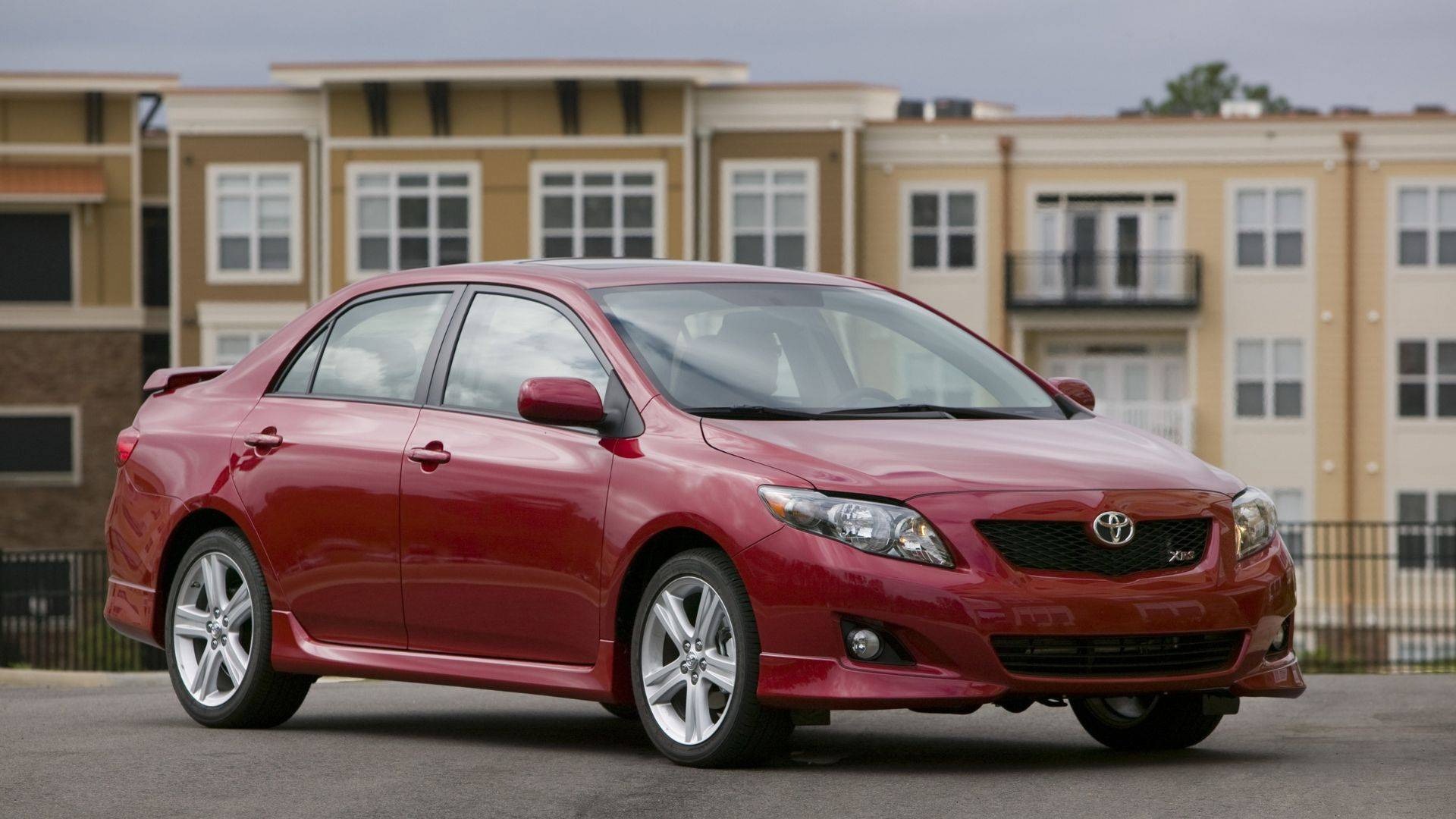
5. 2009 Toyota Corolla
The 2009 Toyota Corolla is highly regarded for its mechanical dependability and long-lasting performance.
It comes with a 1.8-liter engine known for reliability over high mileage. Automatic transmission in this model performs smoothly and rarely experiences issues, which reduces long-term maintenance costs.
Suspension and braking systems are durable, providing a comfortable and safe driving experience even after many miles on the road. Many owners have reported reaching well over 150,000 miles with minimal repairs. The cabin is simple yet functional, with controls that are easy to use.
While it does not feature the modern infotainment systems of later years, this simplicity reduces the likelihood of electronic failures.
Seating is comfortable, and storage space is adequate for both daily use and longer trips. Drivers appreciate the durability of the interior materials, which withstand everyday wear and tear.
Safety features include airbags, anti-lock brakes, and stability control. While not as advanced as newer models, these systems provide reliable protection. Maintenance costs are low, and replacement parts are widely available. Owners report minimal mechanical issues and rarely encounter unexpected repairs.
Resale value remains strong due to the model’s reputation for reliability. Buyers seeking a dependable vehicle with low maintenance requirements find the 2009 Corolla attractive. Its fuel efficiency, mechanical dependability, and ease of maintenance make it a practical choice for anyone looking for a reliable used car.
With proper care, this model continues to deliver years of worry-free driving, reinforcing Toyota’s reputation for producing durable vehicles.
5 Toyota Corolla Years That Aren’t Worth Owning
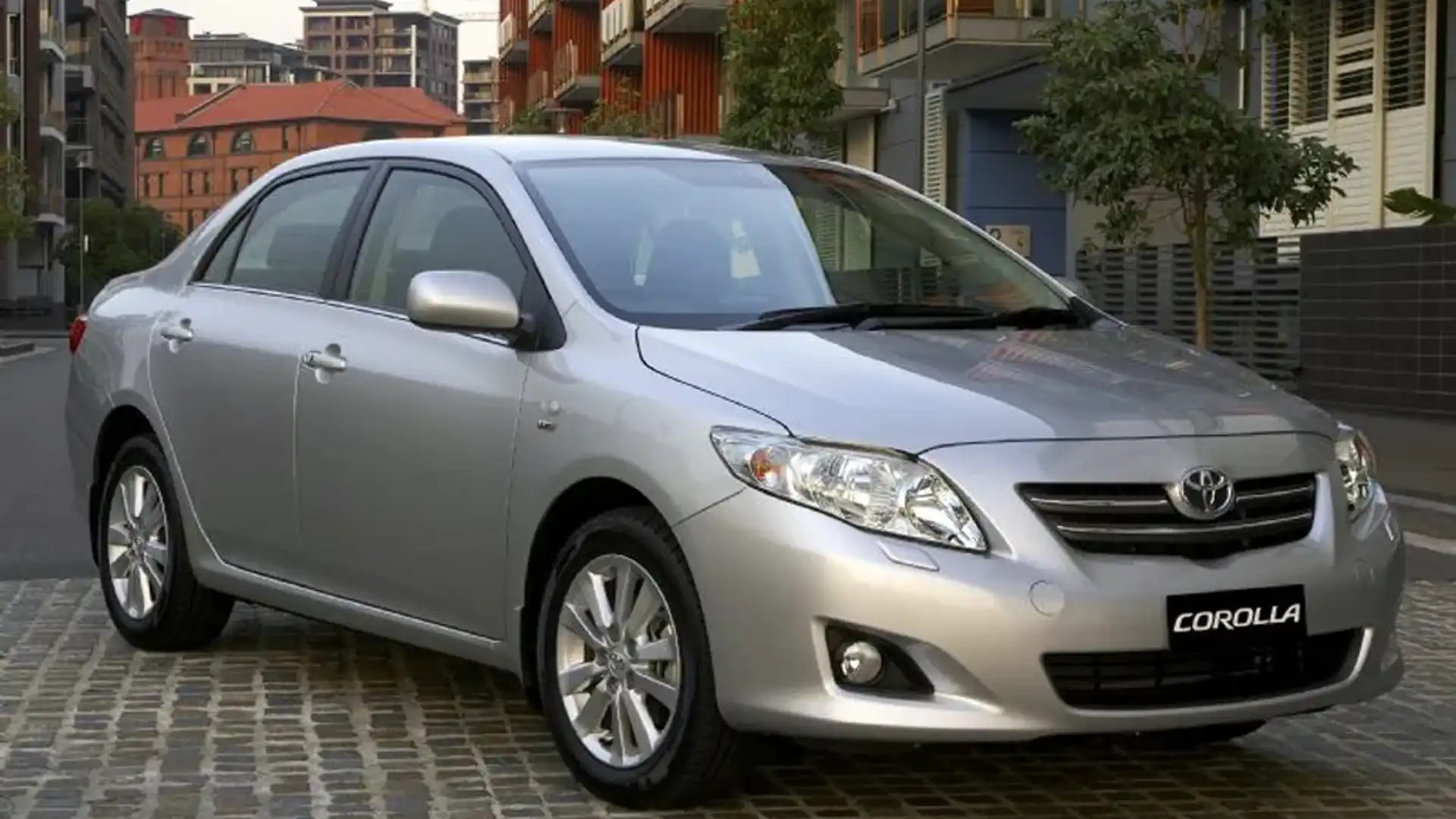
1. 2008 Toyota Corolla
The 2008 Toyota Corolla is widely considered less reliable due to persistent mechanical problems that have been reported by owners. One of the main concerns involves the automatic transmission, which has been known to engage slowly and sometimes jerk during acceleration.
These issues often require repairs that can be expensive and may recur if not addressed correctly. Even though the engine itself remains generally dependable, the transmission problems create a serious risk for long-term ownership, especially for buyers who expect a worry-free driving experience.
Suspension components in the 2008 Corolla have also been prone to early wear. Owners frequently report uneven tire wear and occasional steering alignment problems, which can affect both comfort and safety on the road.
The braking system, while functioning, has sometimes required more frequent adjustments than expected.
Additionally, some drivers have noticed that the cabin interior shows signs of wear faster than other model years, with seat fabric and plastic panels degrading after some time.
While replacement parts are available, fixing major transmission issues often adds to the total cost of ownership and reduces the total value of the vehicle.
Fuel economy for this year is adequate, but it does not outweigh the risks associated with ongoing mechanical problems. For buyers searching for a low-maintenance, long-lasting vehicle, the 2008 Corolla may result in more headaches than benefits.
Despite the lower purchase price on the used market, the potential repair costs often exceed the savings from buying a cheaper model. Many owners who have purchased this year report frustrations with unplanned trips to the workshop and increased stress over maintenance reliability.
Resale value is also impacted because the issues with the transmission and suspension reduce buyer confidence. Prospective buyers often factor in possible repairs, which results in lower market demand and reduced resale prices.
While some 2008 Corollas may operate well for owners who are attentive to maintenance, the consensus is that this model year does not offer the same dependable experience as more reliable years.
Those who want a stress-free car with consistent performance should strongly consider alternative model years that have proven durability and fewer recurring problems.
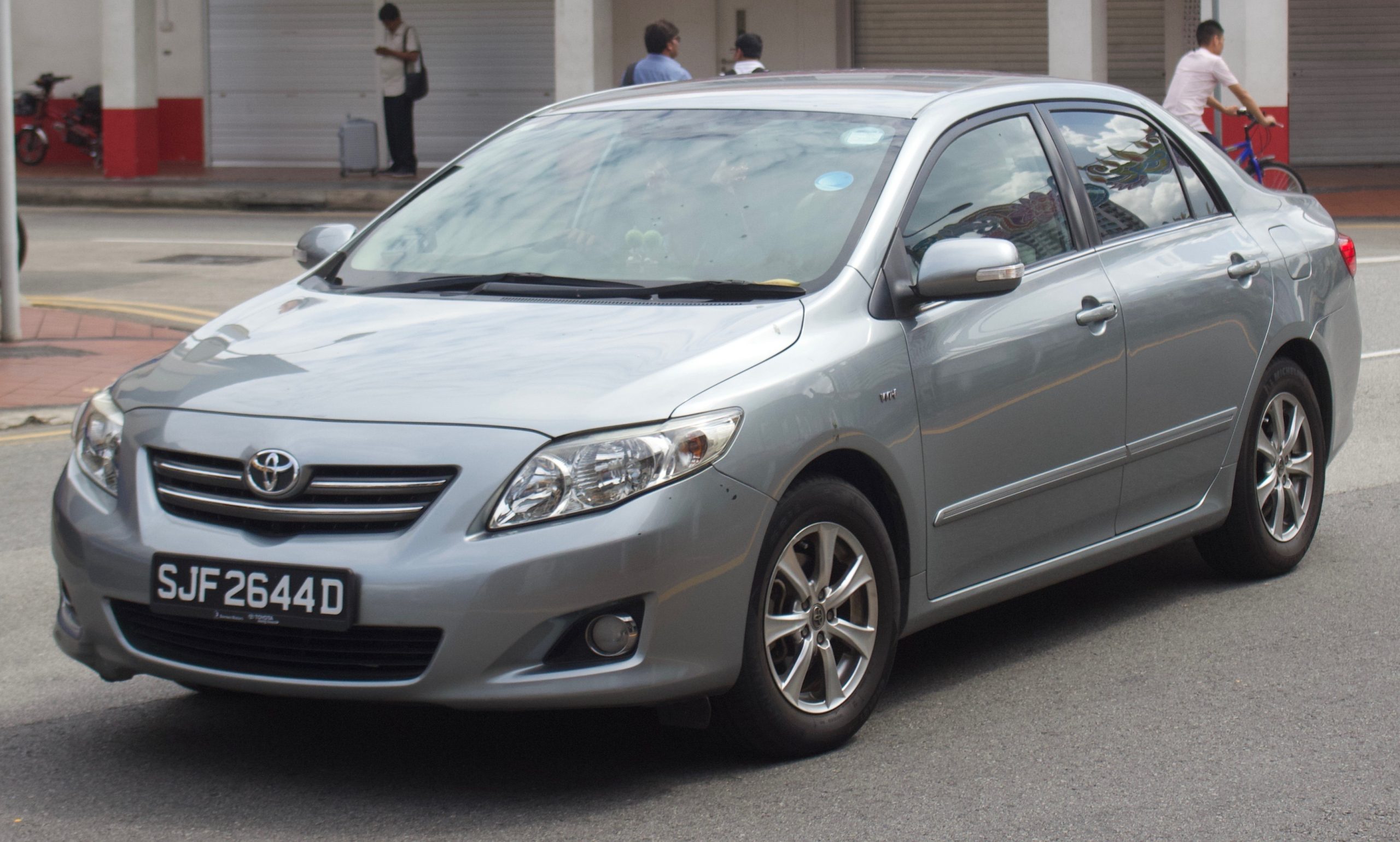
2. 2010 Toyota Corolla
The 2010 Toyota Corolla has developed a reputation for issues related to electronics, making it a less attractive option for buyers focused on reliability. Many owners have reported problems with dashboard warning lights, sensor malfunctions, and issues with the air conditioning system.
These electronic glitches are costly to fix, particularly because the complications of the systems can require specialized diagnostics and parts. While the engine is generally dependable, the combination of electronic and minor mechanical problems makes this year riskier for long-term ownership.
The suspension and steering systems have shown early wear in some vehicles, leading to uneven handling or minor vibrations during driving.
While these issues may seem minor, combined with electronic failures, they create ongoing maintenance challenges that reduce convenience for owners. Interior materials, while functional, have been reported to show signs of premature wear, including seat fabric fading and dashboard scratches.
The cabin layout, though simple, cannot compensate for the cost and stress of recurring repairs in both mechanical and electronic systems. Fuel economy for the 2010 Corolla is reasonable, but it does not offset the potential costs associated with frequent repairs.
Routine maintenance can become more expensive due to the combination of mechanical and electronic issues, which may include sensor replacements, brake adjustments, and suspension repairs.
Buyers seeking a reliable, low-maintenance vehicle may be disappointed by this model year, as unexpected problems are more common than with other Corolla years.
Resale value is affected because buyers are cautious about purchasing a vehicle with a history of electrical or mechanical issues. The 2010 Corolla may sell for less than other years that have a stronger track record, reflecting concerns over long-term reliability.
Although some vehicles may function adequately with careful attention, most owners find that the 2010 model requires more effort to maintain, making it a less sensible choice for those seeking peace of mind.
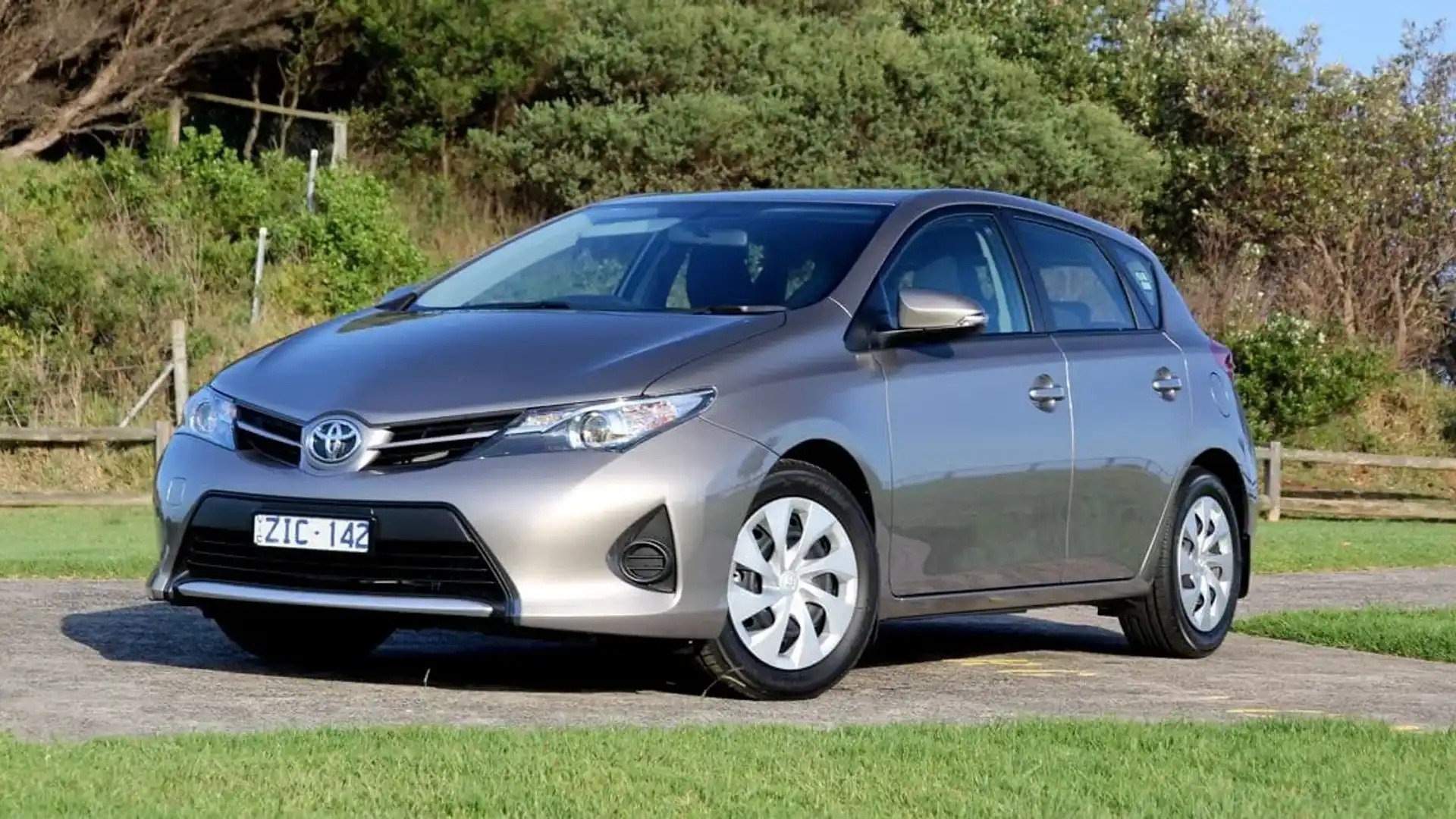
3. 2013 Toyota Corolla
The 2013 Toyota Corolla, while visually updated, has encountered issues that make it less desirable for long-term ownership.
Several owners report engine performance problems such as rough idling, stalling at low speeds, and occasional hesitation during acceleration.
These problems can lead to frequent diagnostics and repairs, which increase both cost and inconvenience for owners. Although the engine design is not fundamentally flawed, the reported inconsistencies in performance reduce confidence in the vehicle’s reliability.
Transmission issues are another concern for the 2013 Corolla. Some automatic models have shown signs of slipping, hard shifting, or delayed engagement, which can impact both drivability and long-term durability.
Suspension components have also worn prematurely in certain vehicles, leading to increased maintenance costs.
Many drivers have noted that, while the vehicle is fuel-efficient, the potential cost of fixing these recurring mechanical issues outweighs the benefits of low fuel consumption.
The interior quality is satisfactory, but it has received complaints about early wear on seats and dashboard plastics.
Electronics in this model, including the stereo and climate controls, have occasionally failed or become unresponsive. For owners seeking a low-maintenance vehicle, these combined mechanical and electronic concerns reduce the 2013 Corolla’s appeal.
Resale value is lower compared to more dependable Corolla years because buyers are aware of these potential issues.
Many prospective owners would rather spend a little more on a model with proven long-term reliability than risk ongoing repair costs with the 2013 model.
While some vehicles may run without major problems, the 2013 Corolla generally requires more attention and investment to maintain its performance, making it less ideal for anyone prioritising durability and minimal repairs.
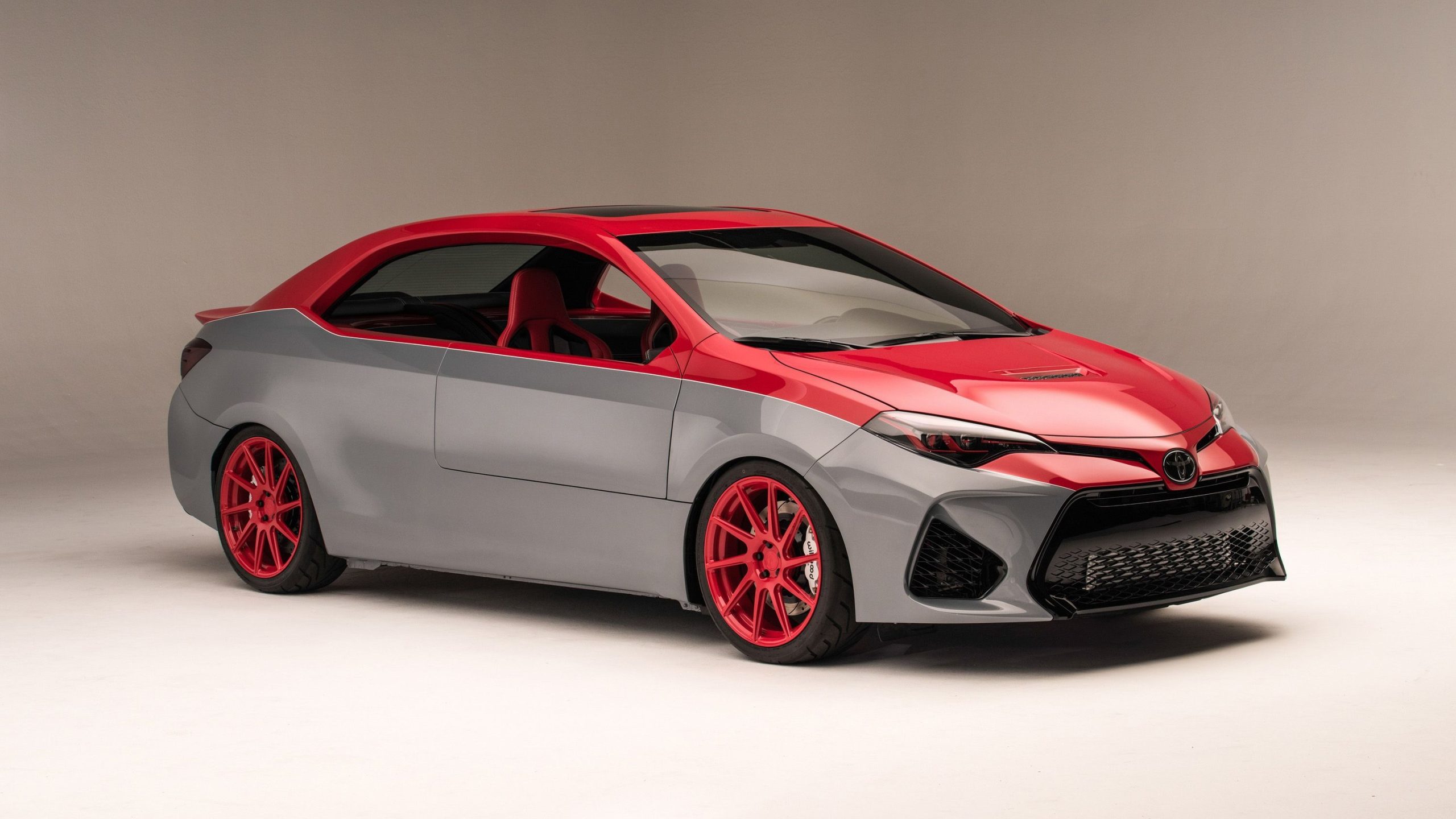
4. 2016 Toyota Corolla
The 2016 Toyota Corolla represents a model year with modern technology, but it has experienced reliability issues that reduce its desirability. Reports indicate problems with the infotainment system, including screen freezes, Bluetooth connectivity failures, and sensor malfunctions.
Although the engine and transmission are generally reliable, these electronic issues can be both frustrating and costly to address. Owners who rely on the convenience of modern systems may find frequent repairs discouraging.
Suspension and braking components have been reported to wear faster than expected, particularly in vehicles used for daily commuting or city driving. These mechanical concerns reduce confidence in the vehicle’s long-term performance.
Interior quality, while aesthetically improved compared to earlier models, sometimes shows minor defects such as rattles, loose panels, or seat fabric wear. The combination of electronic glitches and mechanical wear increases maintenance costs over the life of the vehicle.
Fuel economy remains average for this year, but it does not make up for the additional cost and effort of addressing these problems.
Owners have found themselves visiting service centres more frequently than with other Corolla years that are known for dependability. This can result in unplanned downtime and reduce total satisfaction with the vehicle.
Resale value is lower than in more reliable years, reflecting buyers’ hesitancy to purchase a model with known electronic and suspension concerns. The 2016 Corolla may not provide the worry-free experience that most buyers expect from the Toyota brand.
People who prioritise low-maintenance, long-lasting cars should consider alternative model years with stronger reliability records.
While some 2016 vehicles operate without major issues, the risk of recurring problems makes this year less suitable for those seeking dependable ownership.
Also Read: 5 Toyota Trucks That Outlast Rivals vs 5 That Fail Early
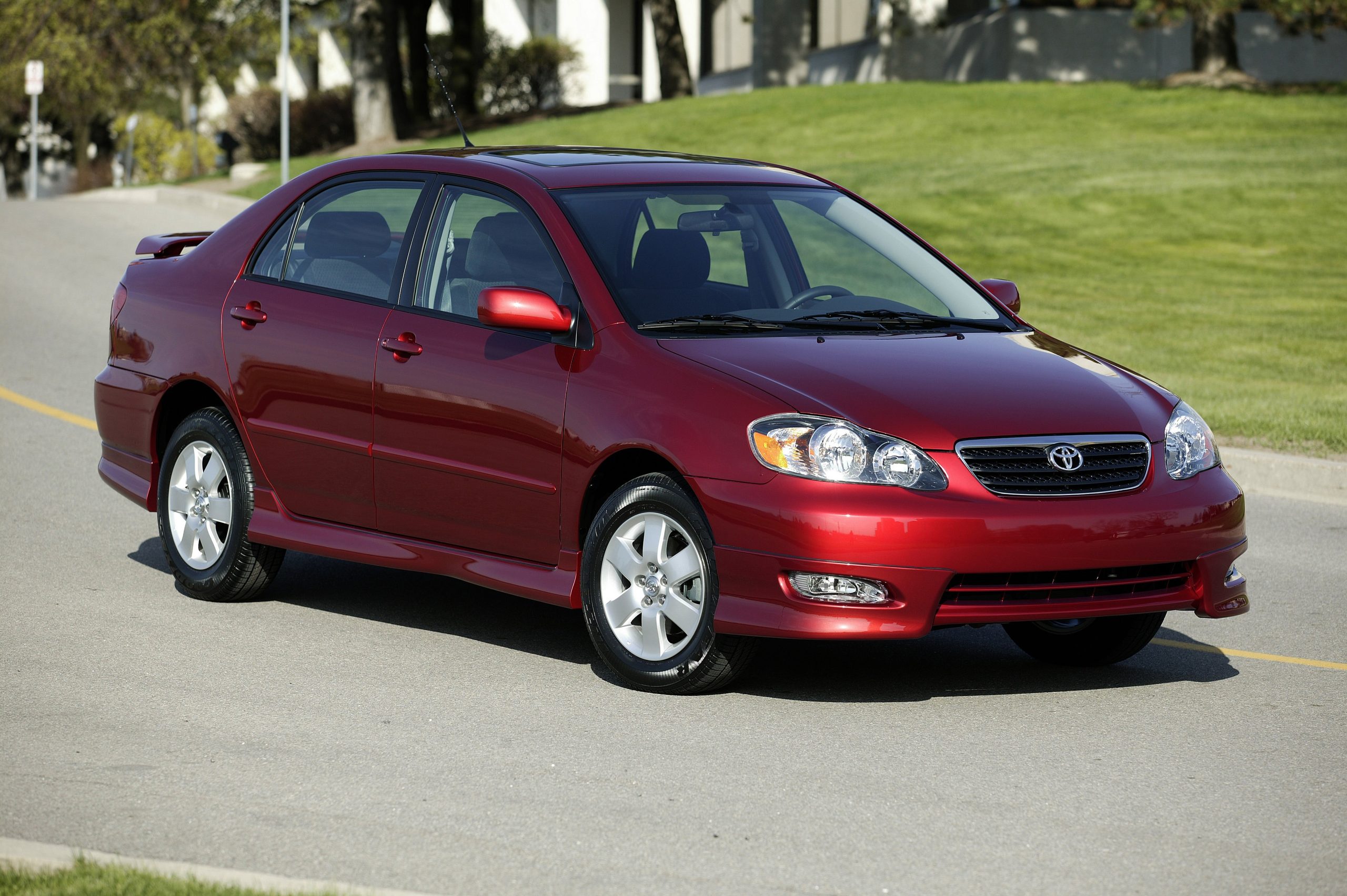
5. 2007 Toyota Corolla
The 2007 Toyota Corolla is generally less recommended due to multiple recurring mechanical problems. Many owners report excessive oil consumption and early wear on timing chains, which can lead to costly engine repairs.
Transmission problems are also common, including slipping, rough shifting, and occasional failure, which reduces reliability and increases maintenance expenses.
While the engine and transmission design are not inherently flawed, the reported problems affect a huge number of vehicles, creating a risk for long-term ownership.
Other common issues include premature suspension wear, brake problems, and minor oil or fluid leaks that require attention.
The cabin design is functional but basic, and interior components such as seat fabric and dashboard plastics tend to wear faster than in later models. For buyers seeking a dependable car, the frequency of repairs diminishes the entire value of the 2007 Corolla.
Fuel economy is reasonable, but the costs associated with mechanical problems reduce the practical advantage of low running expenses.
Resale value is lower than for other Corolla years because the market is aware of the reliability concerns. Buyers typically anticipate repair costs and factor these into purchase decisions, which depresses demand.
While some 2007 Corollas may continue to operate well for attentive owners, the number of recurring issues makes this year less desirable.
Drivers seeking a vehicle that requires minimal attention and offers consistent performance would be better served by considering newer models or years with stronger track records.
The 2007 Corolla’s combination of engine, transmission, and suspension concerns reduces its appeal for long-term ownership and reliability-focused buyers.
