When it comes to vehicles that embody durability, Toyota stands in a league of its own. For decades, the brand has built a reputation for producing cars, trucks, and SUVs that remain dependable long after others have retired to the scrapyard.
Whether it’s a minivan shuttling families for hundreds of thousands of miles, a midsize truck tackling rugged terrain, or a hybrid sedan sipping fuel while outlasting rivals, Toyota consistently delivers vehicles designed for the long haul.
In fact, many models are so reliable that they often outlive their owners, an almost mythical achievement in today’s auto industry. This list highlights 10 Toyota models that prove longevity isn’t just a selling point, but a legacy.
From the versatile 2012 Toyota Sienna to the ever-practical 2014 Toyota Camry, these vehicles offer a rare combination of quality engineering, low ownership costs, and timeless appeal that keeps them on the road for generations.
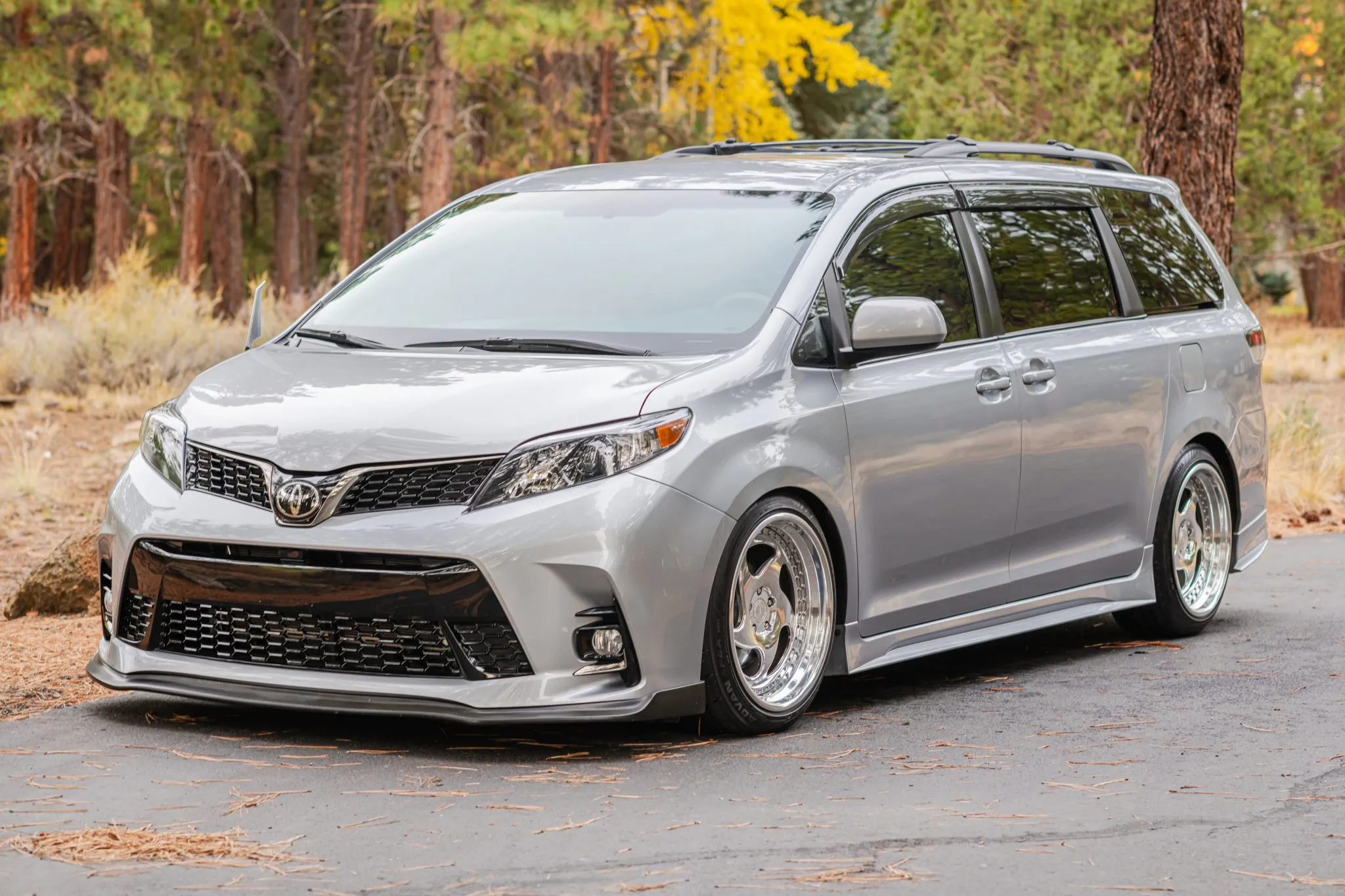
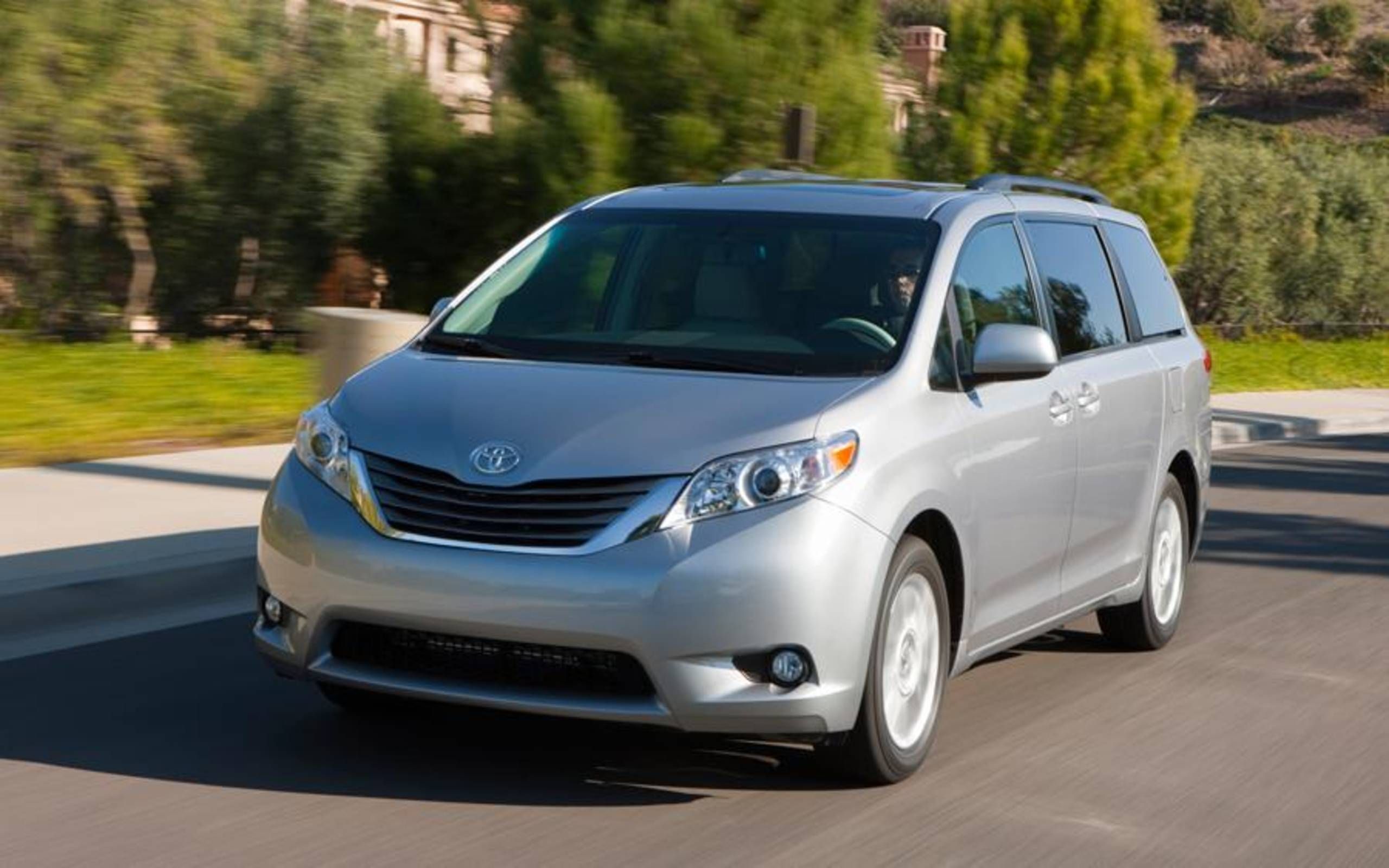
1. 2012 Toyota Sienna: Reliable, Spacious, and Family-Friendly
The 2012 Toyota Sienna is widely recognized as one of the most dependable minivans of its generation. It consistently earns high marks from JD Power and Consumer Reports, and RepairPal estimates its annual ownership cost at just $566, a reasonable figure for an aging vehicle. Well-maintained models can retain nearly 50% of their original value, reflecting the Sienna’s enduring appeal in the used car market.
The Sienna offers two engine choices to suit different driving needs. The 2.7-liter four-cylinder produces 187 horsepower and 186 lb-ft of torque, providing sufficient power for daily commuting and light loads.
The 3.5-liter V6 delivers 266 horsepower and 245 lb-ft of torque, offering lively acceleration and smooth freeway cruising, even with a full complement of passengers. Both engines are paired with a six-speed automatic transmission. Front-wheel-drive V6 models can reach 60 mph in just 7.9 seconds.
Select V6 trims, including the LE, XLE, and Limited, offer all-wheel drive, a unique feature in the minivan segment, enhancing traction in rain or snow. Fuel economy ranges from 19/24 mpg city/highway for the four-cylinder to 18/25 mpg for the V6, with all-wheel drive slightly reducing efficiency to 17/23 mpg.
The Sienna’s interior is designed for families. Seven-passenger configurations include second-row captain’s chairs that tip and slide for easier access to the third row. Eight-passenger models feature a 40/20/40 split bench that allows flexibility in seating and cargo arrangements.
High-end trims offer leather upholstery, faux-wood accents, tri-zone climate control, and a split-screen rear entertainment system that allows two media sources to run simultaneously. With the second and third rows folded, the minivan provides an impressive 150 cubic feet of cargo space, ideal for long trips or bulky items.
Ride quality is a strong suit of the Sienna. All trims deliver a smooth, quiet ride, while the SE trim benefits from a sport-tuned suspension that improves agility without sacrificing comfort. Steering is precise but slightly numb, a characteristic common to Toyota vehicles.
The V6 engine provides sufficient power for merging, hill climbs, and fully loaded trips, while the four-cylinder performs adequately with lighter loads. The six-speed automatic transmission ensures smooth acceleration and keeps the engine responsive.
Safety equipment is comprehensive. Standard features include antilock brakes, stability and traction control, front-seat side airbags, full-length curtain airbags, a driver-side knee airbag, and active head restraints. Optional systems on the Limited trim include a pre-collision warning system and hill start assist.
The Sienna earned four stars in government crash tests, with three stars for frontal impact and five stars for side impact protection. The Insurance Institute for Highway Safety rated it “Good” in frontal-offset, side-impact, and roof-strength tests, confirming its ability to protect passengers in various scenarios.
Even more than a decade after its release, the 2012 Sienna remains a popular choice in the used minivan market, often priced around $15,000 depending on mileage. Its reliability, spacious cabin, smooth ride, and versatile seating make it highly suitable for families.
While competitors like the Honda Odyssey, Dodge Grand Caravan, and Nissan Quest offer similar features, the Sienna’s combination of engine options, all-wheel-drive availability, and long-lasting build quality keeps it a standout option for buyers seeking a practical, dependable family vehicle.
2. 2013 Toyota Tundra: Sturdy and Dependable Full-Size Truck
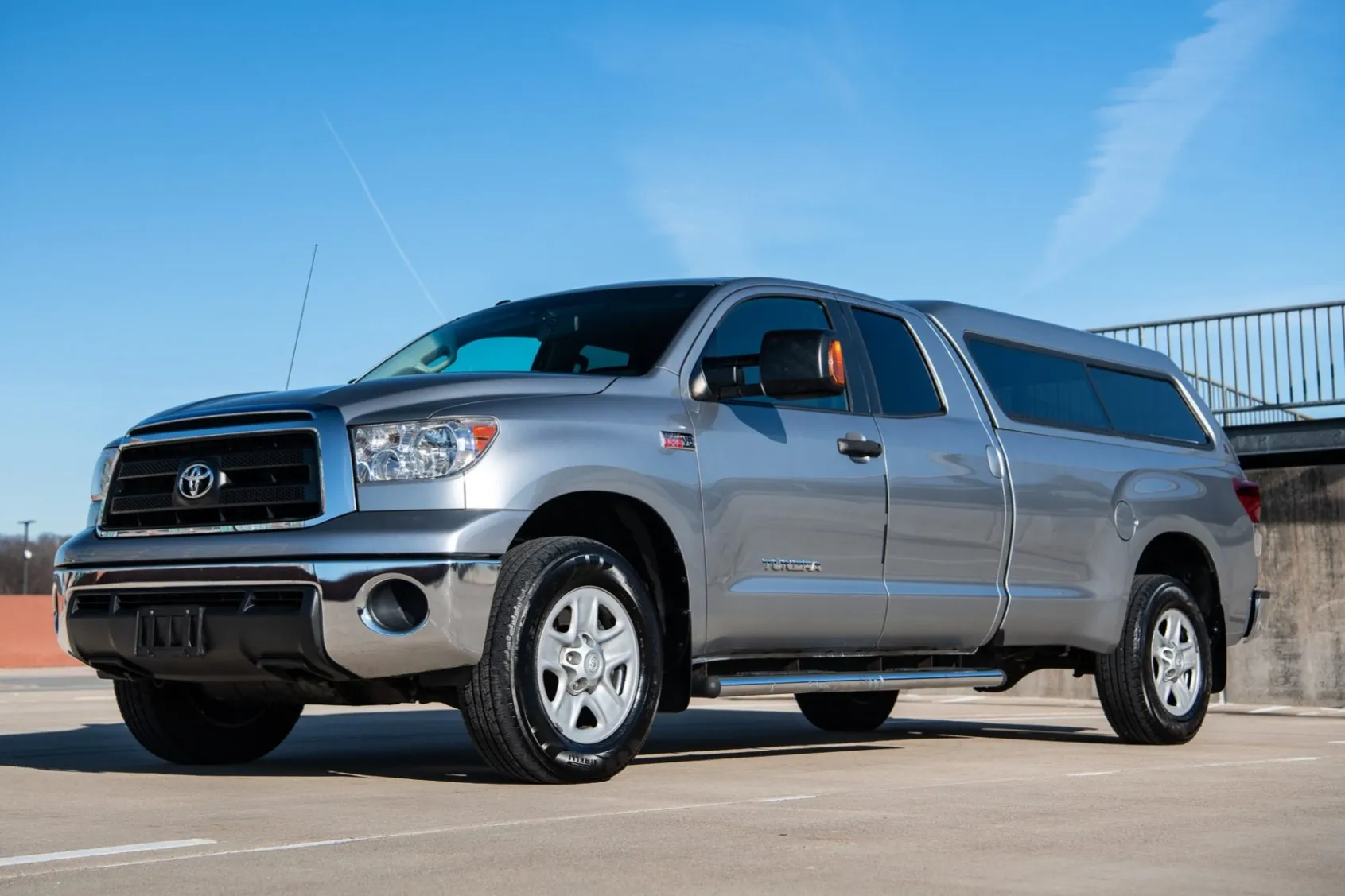
The 2013 Toyota Tundra is recognized as one of the most reliable model years in the truck’s lineup. Highly rated by JD Power and Consumer Reports, it combines durability with long-term value.
Repair costs average around $640 annually, and depreciation has been moderate, with many models still retaining roughly 50% of their original value. The Tundra’s reputation for dependability makes it a solid choice for buyers seeking a work-ready truck that can endure heavy use.
Toyota offered three engines for the 2013 Tundra, catering to different performance needs. The base 4.0-liter V6 produces 270 horsepower and 278 lb-ft of torque, paired with a five-speed automatic transmission, powering rear-wheel-drive Regular and Double Cab models.
Its fuel economy stands at 16 mpg city and 20 mpg highway. The 4.6-liter V8, standard on CrewMax, four-wheel-drive, and long-bed versions, generates 310 horsepower and 327 lb-ft of torque.
It comes with a six-speed automatic transmission and reaches 0-60 mph in 7.9 seconds, offering a balance of power and efficiency at 15/20 mpg for two-wheel-drive models.
The top-tier 5.7-liter V8 delivers 381 horsepower and 401 lb-ft of torque, accelerating a four-wheel-drive CrewMax to 60 mph in 6.9 seconds. When paired with the optional Tow package, it can haul trailers up to 10,400 pounds, demonstrating the Tundra’s impressive towing capability.
The Tundra drives like a traditional full-size pickup. Steering is light and manageable, but its large size and firm suspension make it feel less nimble than newer competitors like the Ford F-150 or Ram 1500. Ride quality is solid, though the suspension can feel stiff over uneven roads.
The V8 engines provide strong acceleration and sufficient power for towing and heavy loads, while the base V6 is adequate for lighter duties. The truck delivers strength and reliability but lacks some refinement and comfort features offered by more recent models.
Inside, the 2013 Tundra prioritizes function over luxury. Base trims feature simple controls and durable plastics, while higher trims, such as the Platinum, offer leather seating, heated and ventilated front seats, and upgraded materials.
CrewMax models provide exceptional rear-seat space with reclining seatbacks, and Double Cab models benefit from front-hinged rear doors for easier access. Folding rear seats add secure storage for valuables. While practical, the cabin feels dated compared with competitors, with some controls positioned awkwardly and lower-quality materials in base models.
The 2013 Tundra comes equipped with comprehensive safety features, including antilock brakes with brake assist, stability and traction control, trailer sway control, front side-impact airbags, full-length side curtain airbags, and front knee airbags. In testing, the Tundra stops from 60 mph in about 134 feet.
It earned four stars in government crash tests, with four stars for frontal impacts and five stars for side protection. The Insurance Institute for Highway Safety gave the truck a “Good” rating in frontal-offset, side-impact, and roof-strength assessments.
Despite its age, the 2013 Tundra remains sought after, with higher trims selling for more than $30,000 in some markets. While it lacks modern interior refinement, its rugged construction, powerful engines, and strong towing capabilities make it a dependable choice for buyers who prioritize utility and reliability.
The Tundra continues to appeal to those needing a durable, work-focused full-size truck that can handle demanding tasks over many years.
3. 2008 Toyota Tacoma: Durable and Versatile Midsize Pickup
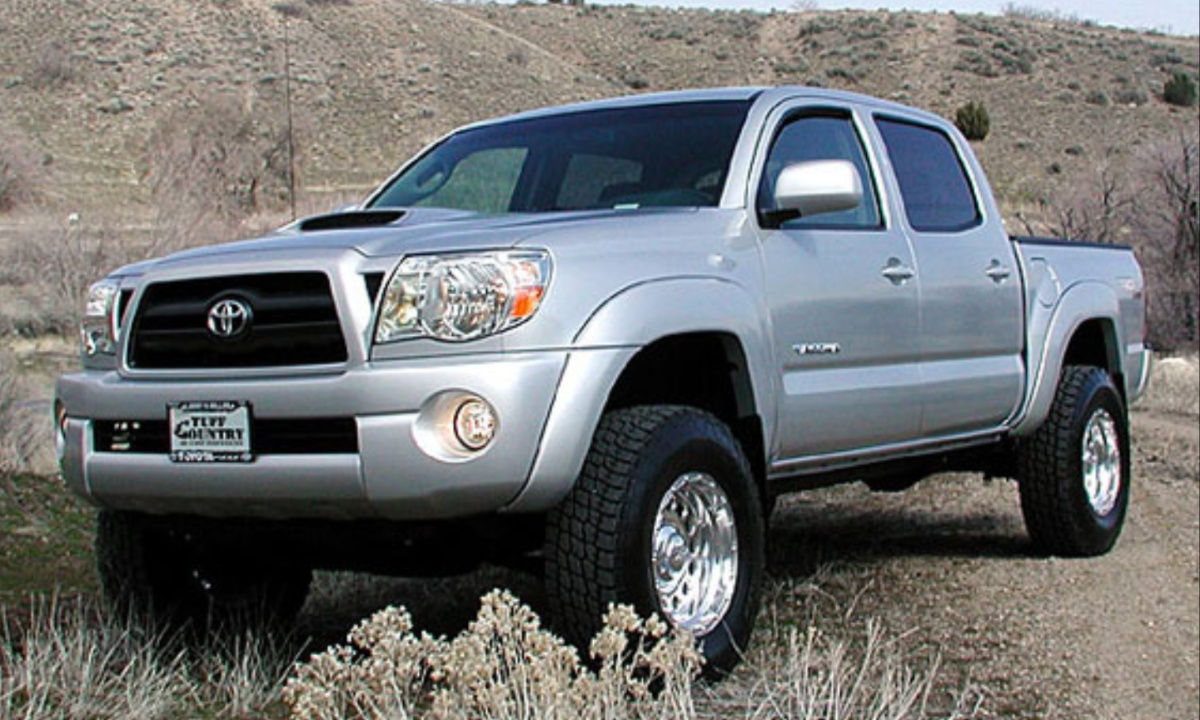
The 2008 Toyota Tacoma remains a standout in the midsize truck segment, combining strong reliability with versatility and low maintenance costs. Even as it ages, it averages just over $400 per year in repairs, remarkably low for a vehicle over a decade old. Many Tacomas continue running well past 200,000 miles, proving that durability is one of its core strengths.
The Tacoma offers several engine and transmission choices to suit different needs. Regular and Access Cab models can be equipped with a 2.7-liter four-cylinder engine producing 159 horsepower and 180 lb-ft of torque. This engine pairs with either a five-speed manual or a four-speed automatic transmission.
Double Cab models exclusively use the 4.0-liter V6, which generates 236 horsepower and 266 lb-ft of torque and comes with a six-speed manual or five-speed automatic. All models offer rear-wheel drive, while four-wheel drive is optional across the lineup.
Performance is strong for a midsize truck. A Double Cab V6 with four-wheel drive and a long bed accelerated from 0-60 mph in 7.8 seconds, making it one of the quicker trucks in its class.
Properly equipped, the Tacoma can tow up to 6,500 pounds. The V6 delivers smooth, usable power throughout the rev range, while the four-cylinder is adequate for light-duty use but slightly underpowered and firmer riding.
Behind the wheel, the Tacoma feels like a traditional, no-nonsense truck. It handles off-road conditions competently and offers a comfortable ride on pavement, though it can feel bouncy depending on load and suspension setup.
Four-wheel-drive models with the Off-Road package include hill-start assist and downhill assist, improving stability on steep terrain. Steering is precise, and the truck maintains predictable control even in challenging conditions.
The Tacoma’s interior emphasizes practicality over luxury. Controls are straightforward, gauges are clear, and storage space is plentiful. Double Cab models provide comfortable rear seating for adults, though the driver’s seat may sit slightly low for some preferences.
A major highlight is the composite cargo bed, which resists dents and rust while offering built-in storage and adjustable tie-downs. Optional features include a 115-volt/400-watt electrical outlet, catering to campers, outdoor enthusiasts, and worksite needs.
Safety is well addressed with standard antilock brakes and optional stability control. Double Cab models also offer optional front-seat side airbags and full-length curtain airbags.
Government crash tests awarded the Tacoma five stars for frontal and side-impact protection. The Insurance Institute for Highway Safety rated it “Good” in offset-frontal impact protection, highlighting the truck’s reliability in protecting occupants.
Today, 2008 Tacomas are often priced under $10,000, making them an affordable choice for a midsize pickup. Despite high mileage on many examples, the Tacoma’s low maintenance costs, versatile configurations, and dependable engines make it a practical option for both work and recreational use.
Its combination of rugged durability, off-road capability, and functional interior ensures it remains a strong recommendation for anyone seeking a versatile, long-lasting midsize truck.
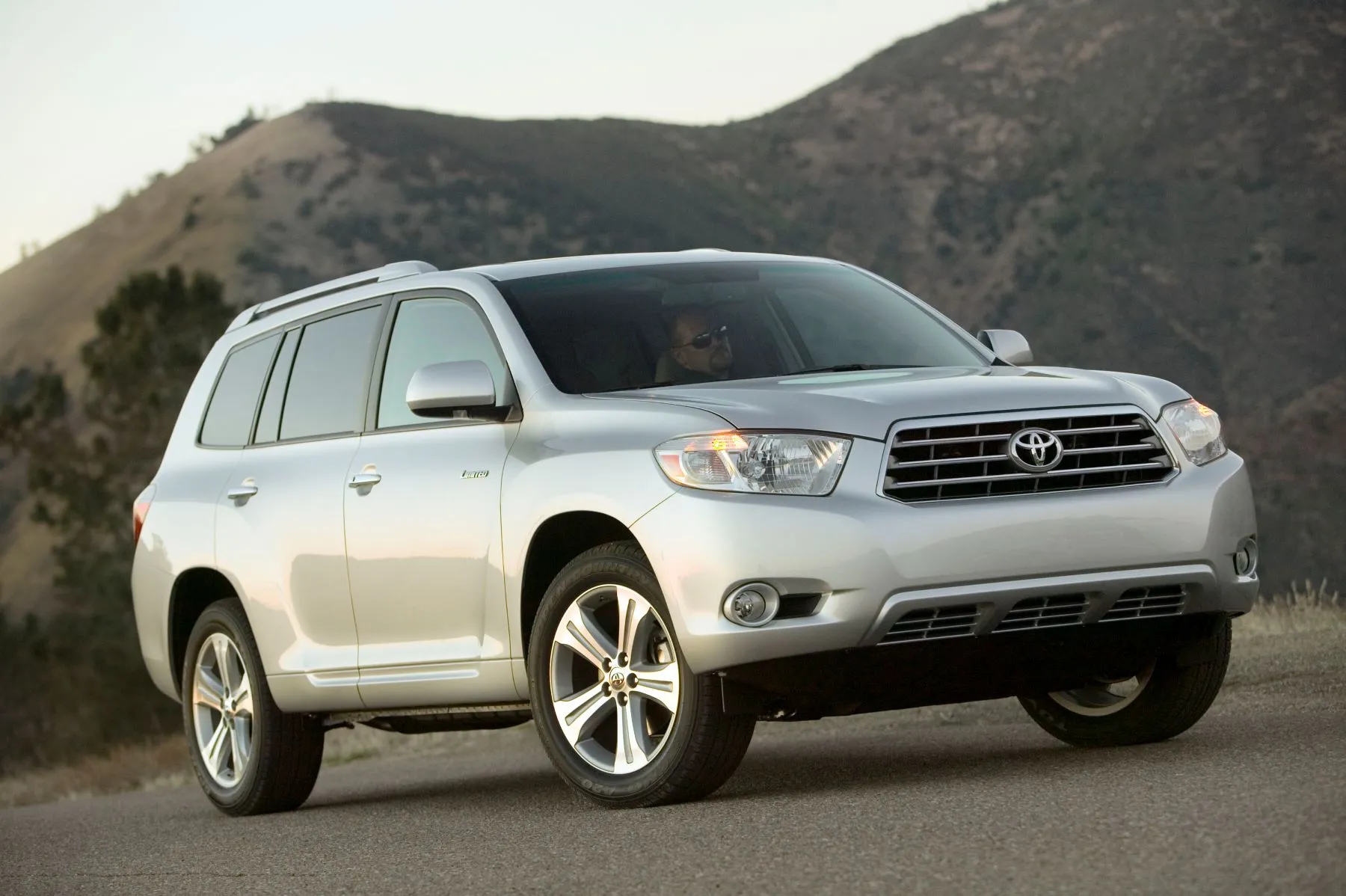
4. 2008 Toyota Highlander: Practical, Spacious, and Reliable
The 2008 Toyota Highlander is widely regarded as one of the most reliable midsize SUVs of its era. Even with the years that have passed, it remains relatively affordable to own, with average annual maintenance costs around $445. That figure is impressively low for a three-row crossover and underscores Toyota’s reputation for durability.
Reliability ratings from leading industry authorities further strengthen its standing, and while its resale value has historically been average for a Toyota, the market shifts brought on by the COVID-19 pandemic and the chip shortage have given this model year a noticeable boost in desirability.
Toyota fully redesigned the Highlander for the 2008 model year, tailoring it more closely to family needs. Compared with the first-generation Highlander, the new model grew significantly in size, with more length, width, and height.
Built on the Camry platform, it offered substantial gains in shoulder room, hip room, and legroom for passengers in the first two rows. Cargo space also expanded, growing from a maximum of 81.6 cubic feet in the previous generation to 95.4 cubic feet in the redesigned model. Toyota added modern conveniences such as an available power liftgate, making everyday errands and family road trips more manageable.
The third row, while still somewhat cramped for adults, became noticeably more usable than before. Improvements to access made it easier to reach, thanks to second-row seats that folded and slid more smoothly.
Toyota also introduced an innovation called “Center Stow,” which allowed the middle portion of the 40/20/40 second-row bench to be folded and stored in a cubby, creating walk-through space to the third row. This feature effectively transformed the second row into captain’s chairs, a configuration that appealed to families accustomed to minivan-style convenience.
Under the hood, the 2008 Highlander came standard with a 3.5-liter V6 engine producing 270 horsepower and 248 pound-feet of torque, paired with a five-speed automatic transmission. Toyota discontinued the four-cylinder option that had been available in earlier models, ensuring stronger performance across the lineup.
Despite gaining weight due to its larger size and added features, the Highlander managed to deliver fuel economy that was competitive for its class. Front-wheel-drive models achieved ratings of 18 miles per gallon in the city and 24 on the highway, while all-wheel-drive versions came in just slightly lower at 17 and 23 miles per gallon.
With a towing capacity of 5,000 pounds when properly equipped, the Highlander provided versatility for families with trailers, boats, or recreational equipment.
On the road, the Highlander offered a refined driving experience. Reviewers noted that despite its increased size, it remained easier to drive than many competing midsize SUVs.
Light steering and excellent outward visibility made maneuvering in tight spaces simple, while the V6 engine delivered smooth and confident acceleration in virtually all conditions.
The ride leaned toward the soft side, prioritizing passenger comfort, although the Sport trim level offered firmer suspension tuning that provided better body control without compromising too much on ride quality.
Inside, Toyota emphasized practicality and comfort. The cabin was roomy in the first and second rows, with larger dimensions that gave adults more space to stretch out. Materials were high in quality, and the control layout was simple and intuitive.
Cargo capacity was versatile, with just over ten cubic feet available behind the third row, forty-two cubic feet with the third row folded, and an impressive 95.4 cubic feet with both rear rows down. One limitation was that the third-row seat folded as a single piece rather than a split design, which reduced flexibility when carrying a mix of passengers and cargo.
The Highlander also stood out for its strong safety profile. Standard equipment included antilock disc brakes, stability and traction control, hill-start assist, and a full suite of airbags, including front-seat side airbags, three-row curtain airbags, and a driver’s knee airbag.
All-wheel-drive models added downhill assist control, which helped manage descents on slippery terrain. In crash testing, the Insurance Institute for Highway Safety awarded the Highlander its top “Good” rating in frontal-offset impact tests, further reinforcing its reputation as a family-friendly vehicle.
In today’s used market, the 2008 Highlander is typically priced under $10,000, often with mileage well above 150,000. Even with high mileage, it remains a dependable option, thanks to Toyota’s build quality and proven track record for longevity.
A hybrid variant was also available that maintained similar levels of reliability while offering better fuel economy, giving buyers another solid option in this lineup.
The 2008 Toyota Highlander succeeded in redefining what families could expect from a midsize crossover. Its redesign brought more space, improved practicality, and thoughtful features, while its V6 engine ensured capable performance without sacrificing efficiency.
Combined with Toyota’s hallmark reliability, reasonable ownership costs, and strong safety record, this model year continues to stand out as an attractive choice for anyone seeking a versatile and dependable three-row SUV.
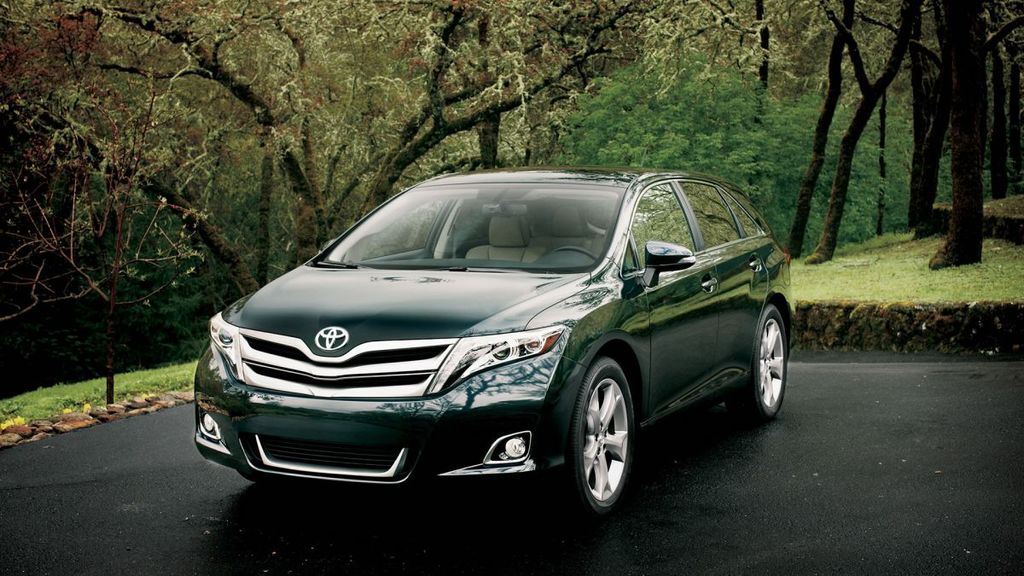
5. 2014 Toyota Venza: A Blend of Comfort, Utility, and Reliability
The 2014 Toyota Venza marked the end of an era for this unique midsize vehicle, which straddled the line between wagon and crossover. As the second-to-last model before Toyota discontinued the nameplate in 2015, it remains one of the strongest years in terms of reliability, with maintenance costs averaging just under $500 annually.
Owners and reviewers alike praised its ability to deliver durability, comfort, and practicality, even as the SUV market shifted rapidly toward larger, three-row options.
Unlike the hybrid-only Venza that returned in 2021, the 2014 model relied on traditional gasoline engines. Buyers could choose between a 2.7-liter four-cylinder or a more robust 3.5-liter V6, both paired with a six-speed automatic transmission and available in either front- or all-wheel drive.
The four-cylinder delivered modest power and slightly better fuel efficiency, while the V6 offered a significant boost in performance with only a negligible difference in mileage.
In fact, the V6-equipped Venza could accelerate from zero to 60 mph in under seven seconds, making it one of the quicker midsize crossovers of its day. With a towing capacity of up to 3,500 pounds when properly equipped, the V6 further expanded the vehicle’s versatility.
Driving the Venza revealed Toyota’s focus on comfort over sportiness. Its suspension smoothed out rough pavement with ease, and the cabin stayed quiet even at highway speeds.
Steering feedback was on the lighter side, leaving driving dynamics less engaging than sportier rivals, yet the Venza maintained confident road manners and solid grip. It excelled at long-distance cruising, where its composed ride and well-insulated cabin gave it a mature, almost luxury-like quality. Families looking for a reliable daily driver appreciated this balance, especially those not concerned with sharp handling.
Inside, Toyota’s designers emphasized practicality and passenger comfort. The cabin was laid out logically, with large controls, an intuitive touchscreen interface, and a high-mounted gear shifter that freed up space in the center console for storage.
Smaller bins and cubbies dotted the interior, accommodating phones, keys, and other essentials. Higher trims added Toyota’s Entune infotainment system, offering smartphone connectivity and app-based features, though it required some setup through a mobile device.
Passenger space was generous for a two-row vehicle, with roomy back seats that could recline for added comfort. The flat rear floor made it easy to seat three passengers across, and taller doors simplified entry and exit, a feature that appealed to both families and older drivers.
Cargo capacity was another strength, with 36.2 cubic feet available behind the second row and up to 70 cubic feet when the seats were folded flat. This versatility placed it firmly between midsize sedans and full-size SUVs in terms of utility, making it an appealing choice for those who wanted extra room without committing to a bulkier three-row vehicle.
Safety was a major highlight for the Venza. Standard features included stability and traction control, antilock brakes, front-seat side airbags, full-length side curtain airbags, and a driver knee airbag. The Limited trim also offered front and rear parking sensors.
A rearview camera, available on higher trims, added convenience and peace of mind. Government crash testing awarded the Venza a five-star safety rating, while the Insurance Institute for Highway Safety gave it top “Good” marks across multiple categories, reinforcing its credentials as a family-friendly choice.
In the used market today, most 2014 Venzas have surpassed 100,000 miles but still command respectable prices around $15,000. Their lasting appeal lies in a strong track record of reliability, versatile utility, and comfort that holds up well even against newer rivals.
While it lacks the advanced tech and efficiency of Toyota’s modern hybrid Venza, the 2014 model remains an excellent option for drivers seeking a dependable, two-row crossover that blends wagonlike drivability with SUV practicality.
Also Read: 5 Toyota Tacoma Years That Rarely Break vs 5 That Constantly Do
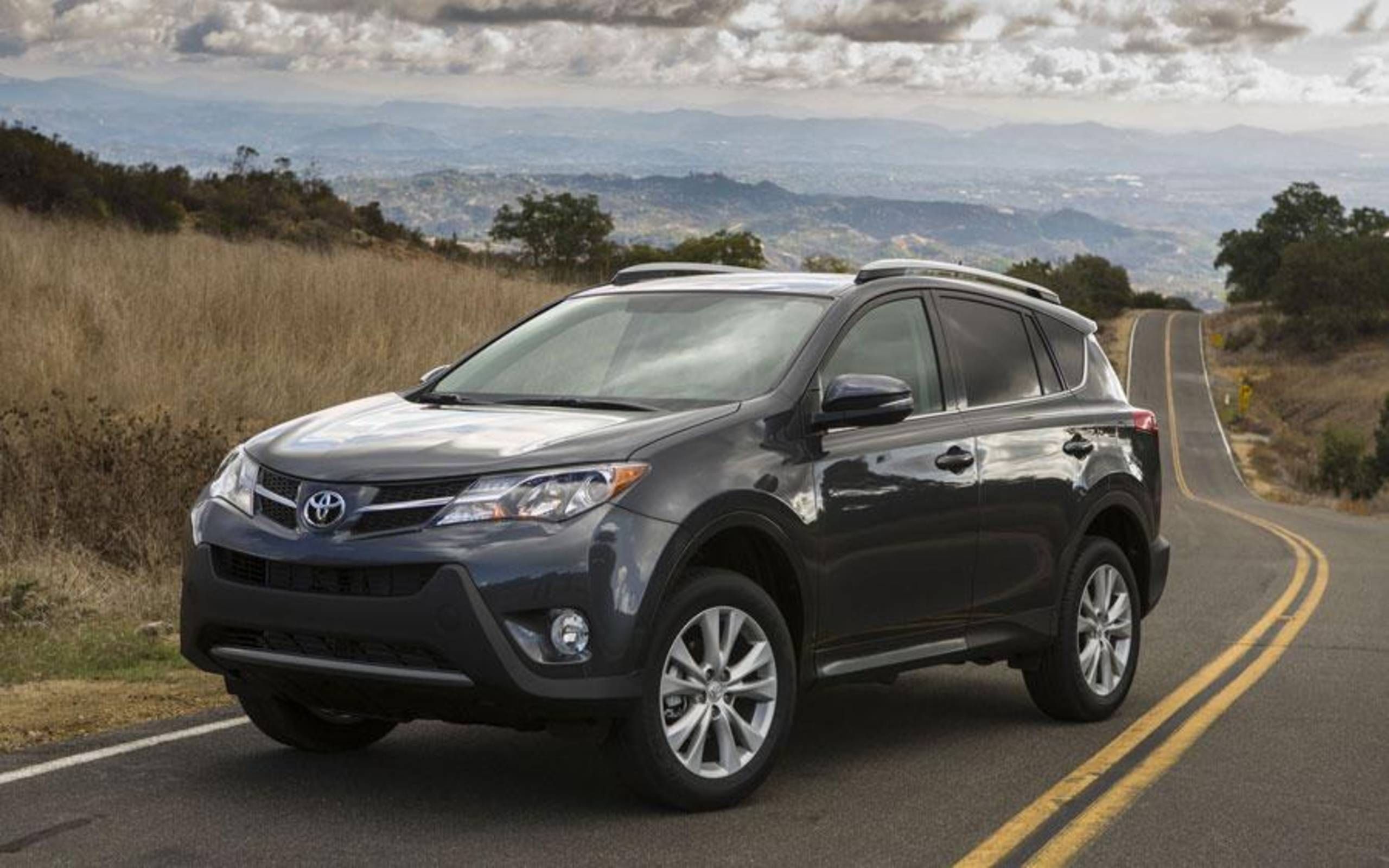
6. 2013 Toyota RAV4: A Redesign Focused on Practicality
The 2013 Toyota RAV4 marked the beginning of the fourth generation, bringing with it changes that reflected what buyers valued most in a compact crossover. Toyota discontinued both the V6 engine and the third-row seat, streamlining the model into a more efficient and user-friendly package.
The sole powertrain was a 2.5-liter four-cylinder paired with a new six-speed automatic transmission. Producing 176 horsepower, it offered respectable performance while delivering improved fuel economy.
Front-wheel-drive models reached 31 mpg on the highway, making the RAV4 a strong choice for families seeking efficiency without compromising everyday capability.
The redesign also addressed some long-standing complaints. The side-hinged rear door, which had frustrated owners for years, was replaced by a roof-hinged liftgate that made curbside loading easier.
The spare tire was moved from the tailgate to beneath the cargo floor, giving the vehicle a cleaner look and lighter rear door. Space remained one of the RAV4’s greatest strengths.
With 73.3 cubic feet of cargo room when the rear seats were folded, it rivaled larger SUVs in practicality. The second row reclined for comfort, and while the seat height was a bit low for taller passengers, the interior space was generous for a vehicle of this size.
On the road, the RAV4 emphasized comfort and ease of use. The ride was smooth, steering was predictable, and noise levels were well controlled on the highway. While it lacked the sharp handling of competitors like the Mazda CX-5, it was easy to drive and offered a composed, relaxed experience.
The available all-wheel-drive system gave it an extra measure of confidence on slippery roads or mild off-road trails, making it versatile for different driving conditions.
Safety was another strength. Standard features included stability and traction control, a driver knee airbag, and side curtain airbags.
Government crash testing awarded the RAV4 four out of five stars for protection, while the Insurance Institute for Highway Safety rated it “Good” in most categories. The exception was a poor score in the newer small-overlap frontal crash test, but in other respects, the vehicle met high safety expectations.
Perhaps the most impressive aspect of the 2013 model is its durability. Even more than a decade later, many examples retain strong resale value, often selling for around $15,000 with over 100,000 miles on the odometer. Maintenance costs average under $450 per year, making it one of the more affordable compact SUVs to own long term.
The 2013 Toyota RAV4 may not have led its class in performance or luxury, but it delivered exactly what most buyers wanted: reliability, efficiency, and a spacious interior. It set the stage for Toyota’s continued success in the compact crossover market and remains a smart choice for those seeking a practical used vehicle.
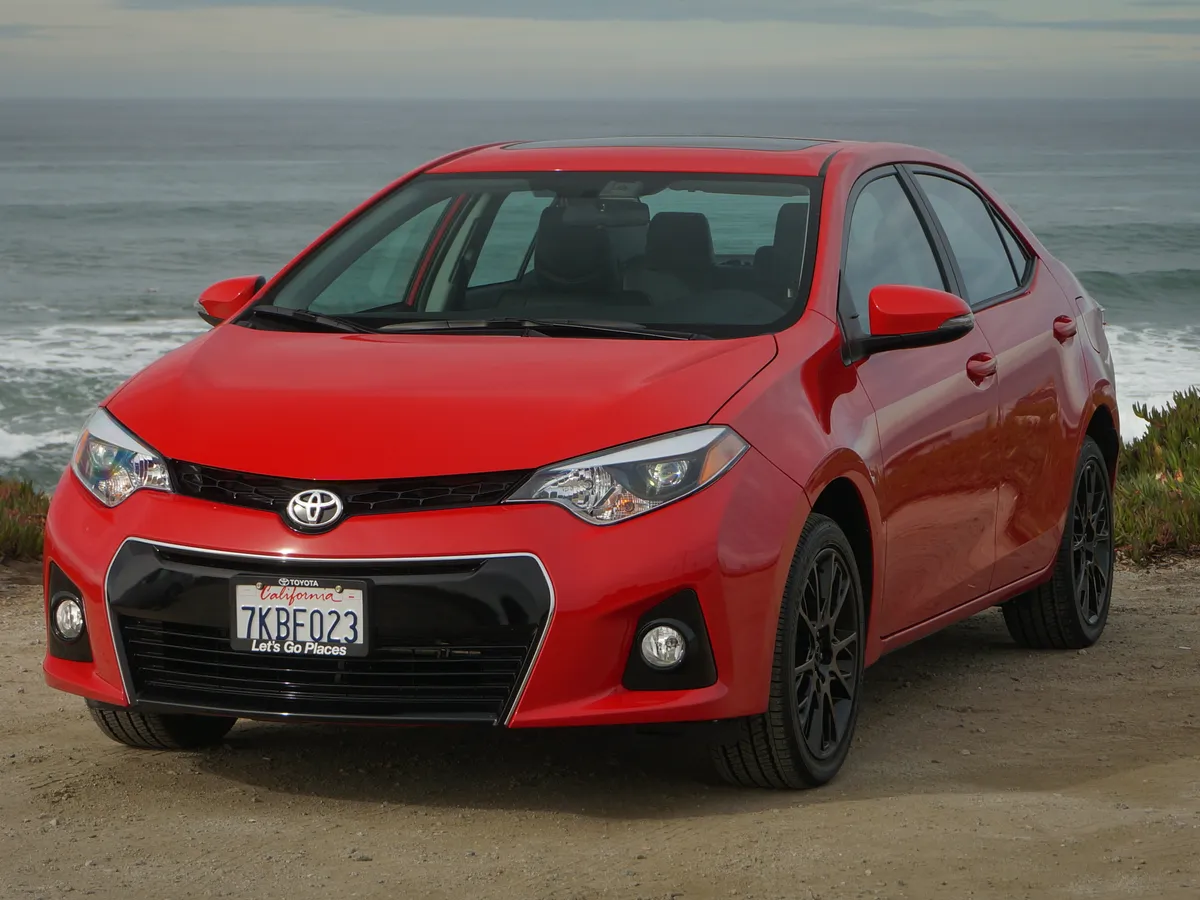
7. 2016 Toyota Corolla: Reliability Above All Else
The 2016 Toyota Corolla stands as one of the brand’s most dependable vehicles, securing its place among the most reliable compact sedans of its era. With annual repair costs averaging just $370, it is among the least expensive Toyotas to maintain, a reflection of its robust engineering and long-lasting parts.
Corollas also hold their value exceptionally well, often retaining more than half of their original worth even after a decade and 100,000 miles on the odometer. This combination of low costs, longevity, and resale strength makes the 2016 model a practical investment for budget-conscious drivers.
Under the hood, the Corolla was powered by a 1.8-liter four-cylinder engine available in two versions. Most trims produced 132 horsepower and 128 lb-ft of torque, while the LE Eco received an upgraded version with Toyota’s Valvematic technology, delivering 140 horsepower and slightly better efficiency.
Transmission choices ranged from a six-speed manual to a dated four-speed automatic on the base L trim, but the majority of models came with a continuously variable transmission (CVT). Although not thrilling in performance, with 0–60 mph times averaging over nine seconds, the Corolla’s true strength lay in its fuel efficiency.
Depending on the configuration, drivers could expect between 31 and 35 mpg combined, with the LE Eco leading the pack at up to 42 mpg on the highway.
Behind the wheel, the Corolla offered a familiar experience. The engine provided steady, if uninspired, power, and the CVT did its best to mimic the shifts of a traditional automatic to reduce the droning often associated with such transmissions.
Handling was competent but never sporty, with numb steering and body roll that discouraged spirited driving. The payoff was comfort: the suspension smoothed out rough pavement, and the cabin remained quiet even at highway speeds. For commuters seeking a stress-free ride, the Corolla fits the bill perfectly, even if it lacks the agility of rivals like the Mazda 3 or Ford Focus.
Safety was another strong point. All models came with stability and traction control, antilock brakes, and a suite of airbags, including front side, side curtain, a driver knee airbag, and a passenger seat cushion airbag. A rearview camera was standard on all trims except the base L.
In government crash tests, the Corolla earned a five-star safety rating, while the Insurance Institute for Highway Safety awarded it top marks in most categories. However, it did receive “Marginal” scores in the small-overlap frontal test and for child-seat anchor usability, areas where competitors performed slightly better.
Inside, the 2016 Corolla was more stylish than any version before it. The dashboard design introduced asymmetrical flourishes and a sportier steering wheel, while still keeping controls intuitive and easy to reach. All but the base trim included a 6.1-inch touchscreen, offering quick responses and user-friendly menus.
Higher trims added Toyota’s Entune system, which brought smartphone integration, streaming apps, and real-time traffic data, though setup required some effort. The cabin was also surprisingly spacious, with nearly midsize levels of rear legroom thanks to a longer wheelbase.
Rear-seat comfort was enhanced by a flat floor that made the middle seat more usable. Trunk space, at 13 cubic feet, was average, but the wide opening improved practicality.
By 2016, rivals such as the Honda Civic and Mazda 3 were more fun to drive, and the Hyundai Elantra offered greater style for the price. Yet the Corolla carved its niche by staying true to its identity: a reliable, efficient, and cost-effective small sedan.
For buyers prioritizing durability and low ownership costs above driving excitement, the 2016 Toyota Corolla delivered exactly what it promised and continues to prove its worth years later.
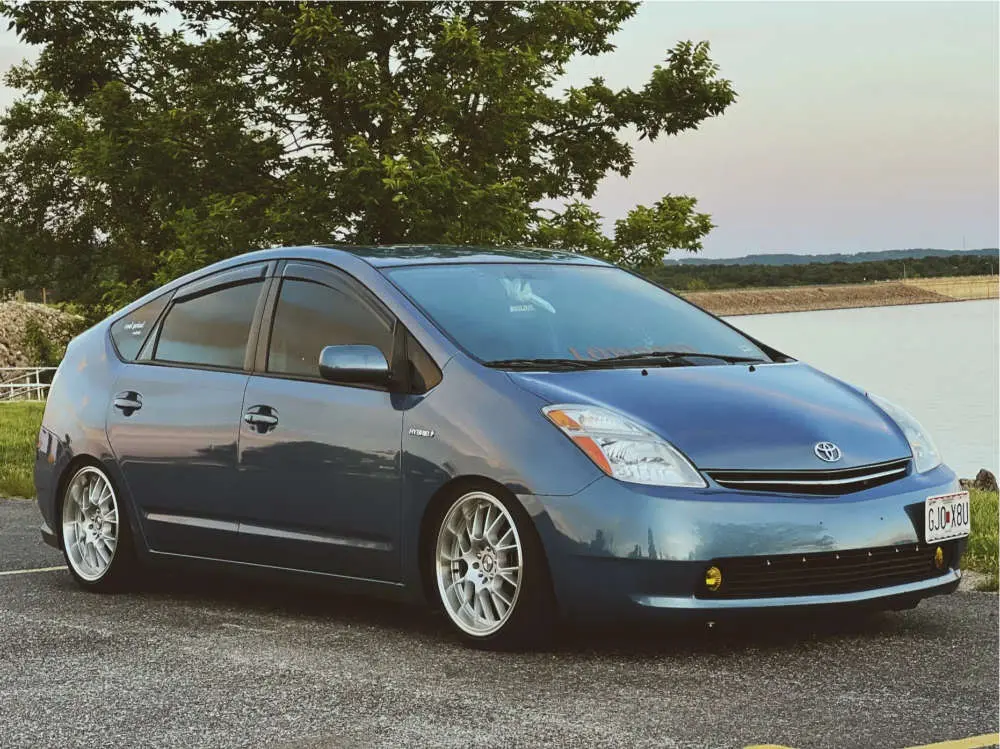
8. 2008 Toyota Prius: A Benchmark in Hybrid Reliability and Efficiency
The 2008 Toyota Prius earned its place as one of the most dependable hybrid cars of its time, defying early doubts about hybrid technology. At a time when many were skeptical about the longevity of vehicles with complex battery systems, the Prius distinguished itself by routinely surpassing 250,000 miles, with some examples even nearing 300,000.
RepairPal estimates its annual maintenance costs at just $370, making it one of the most affordable cars to own in the long run. This combination of durability and low upkeep costs reinforced its reputation as a trustworthy choice for commuters.
Where the Prius truly stood out was in fuel economy. With revised EPA ratings of 48 mpg in the city and 45 mpg on the highway, it outperformed nearly every other mainstream car available in 2008. That efficiency came at the cost of acceleration, as the Prius needed nearly 11 seconds to reach 60 mph.
While it lacked excitement, it was never designed for speed. Instead, it was built for practical everyday use, particularly excelling in urban environments. Stop-and-go traffic was where its regenerative braking and ability to run on electric power alone allowed it to maximize efficiency.
At the heart of the Prius was Toyota’s Hybrid Synergy Drive, which paired a 1.5-liter gasoline engine with two electric motors to deliver a combined 110 horsepower. One motor assisted with driving the wheels, while the other recharged the battery pack.
The setup allowed the Prius to glide silently at low speeds on electric power alone, creating a futuristic driving feel. Although competitors like the Honda Civic Hybrid and Nissan Altima Hybrid offered more engaging performance or higher-quality interiors, none could match the Prius’ balance of fuel savings and practicality.
Safety was another strong suit of the 2008 model. Standard features included antilock brakes, brake assist, traction control, and a suite of airbags covering both rows. In government crash testing, the Prius earned four out of five stars in frontal impacts and five stars for front-seat side protection.
The Insurance Institute for Highway Safety also gave it top “Good” ratings in frontal-offset and side-impact testing, making it a safe option for families.
Driving the Prius was a unique experience compared to conventional sedans. Instead of the rumble of an engine at startup, drivers were greeted with a simple “Ready” light on the dashboard. Its electronic shifter, digital gauges, and touchscreen interface added to its futuristic character.
While acceleration was modest, the car’s ride was smooth, and cabin noise was minimal. It excelled in city driving thanks to light steering, a tight turning radius, and an optional rearview camera, though it was less efficient on highways where the gasoline engine had to work harder.
Inside, the Prius delivered a surprisingly spacious and functional cabin. Its airy design, flat dash with central digital displays, and steering wheel controls created a high-tech vibe, while the hatchback body offered versatility beyond most sedans.
The 14.4-cubic-foot trunk could swallow several suitcases, and folding rear seats expanded capacity further. Passenger space was generous, particularly in the rear, though drivers noted compromises such as a non-adjustable seat height and the absence of a telescoping steering wheel.
By 2008, the Prius had evolved from a niche eco-car into one of America’s top-selling models. Its popularity came not only from its environmental symbolism but also from its practicality, low operating costs, and versatility.
While newer hybrids and alternatives have since entered the market, the 2008 Prius remains a milestone in automotive history and a lasting reminder that efficiency and reliability can define success just as much as performance or style.
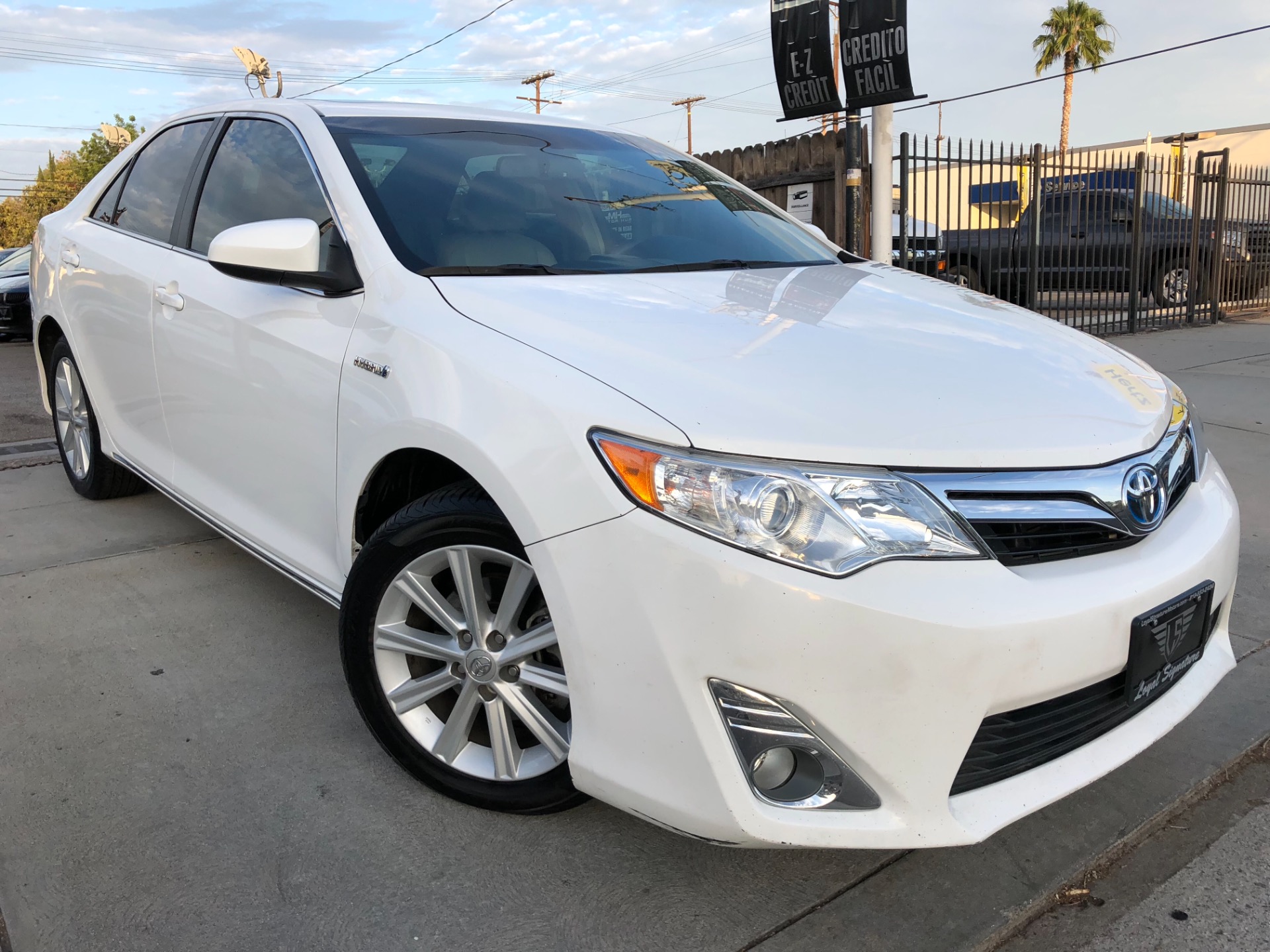
9. 2014 Toyota Camry Hybrid: A Reliable and Well-Rounded Family Sedan
The 2014 Toyota Camry Hybrid emerged as one of the most reliable midsize hybrid sedans of its era, achieving some of the highest reliability ratings from JD Power and other authorities. RepairPal estimated maintenance costs at under $400 per year, highlighting its affordability and dependability.
Competing with the Prius, the Camry Hybrid offered a more traditional sedan body style with greater interior space while still delivering excellent efficiency, making it a versatile choice for families seeking both practicality and long-term durability.
Performance was one of the Camry Hybrid’s stronger attributes compared to earlier hybrids. It paired a 2.5-liter four-cylinder engine with an electric motor to generate a combined 200 horsepower, enabling it to reach 60 mph in just 7.6 seconds during testing, remarkably quick for a hybrid midsize sedan.
While the LE trim achieved a 41 mpg combined rating, the XLE model returned 40 mpg combined due to its larger wheels. Though not the highest in its class, these figures represented a commendable balance of efficiency and performance, especially for daily commuting and long-term ownership.
Safety was another area where the Camry Hybrid performed well. Standard equipment included antilock brakes, stability and traction control, multiple airbags, and a rearview camera. Optional features on higher trims added blind-spot monitoring, rear cross-traffic alerts, and Toyota’s Safety Connect telematics.
In government crash testing, the Camry earned a top five-star rating for protection, while the Insurance Institute for Highway Safety awarded “Good” ratings in most crash categories. Its only notable shortcoming was a “Poor” rating in the small overlap frontal crash test, though it excelled in side-impact and roof-strength evaluations.
Behind the wheel, the Camry Hybrid offered a smooth and composed ride, with careful suspension tuning that absorbed bumps while maintaining stability. While the steering was accurate, some drivers found it lacked road feel compared to rivals like the Ford Fusion Hybrid, which delivered sharper handling.
Still, Toyota’s hybrid system distinguished itself as one of the most refined on the market. Transitions between electric and gasoline power were seamless, and regenerative braking felt more natural than in most competitors, giving the car an edge in everyday drivability.
The cabin of the 2014 Camry Hybrid was spacious and practical, particularly in the rear, where comfort rivaled class leaders like the Honda Accord. Visibility was aided by thin roof pillars, though taller drivers sometimes struggled to achieve an ideal seating position due to limited seat adjustment.
Materials quality was solid, though some plastic trim felt cheaper compared to rivals. The trunk offered 13.1 cubic feet of cargo space, respectable for a hybrid sedan, though reduced slightly by the placement of the battery pack.
Technology included Toyota’s Entune infotainment system, which integrated services like Pandora and traffic updates. While the system provided useful features, setup was cumbersome and required smartphone integration with a steady data connection.
Although rivals such as the Honda Accord Hybrid and Ford Fusion Hybrid surpassed it in fuel economy and driving engagement, the 2014 Camry Hybrid maintained strong appeal as a comfortable, reliable, and efficient family sedan.
It blended Toyota’s hallmark dependability with hybrid efficiency and the space of a conventional midsize car, ensuring its place as one of the most well-rounded options in its segment. Even as newer hybrids have entered the market, the 2014 Camry Hybrid continues to represent a compelling choice for buyers prioritizing longevity, comfort, and low operating costs.
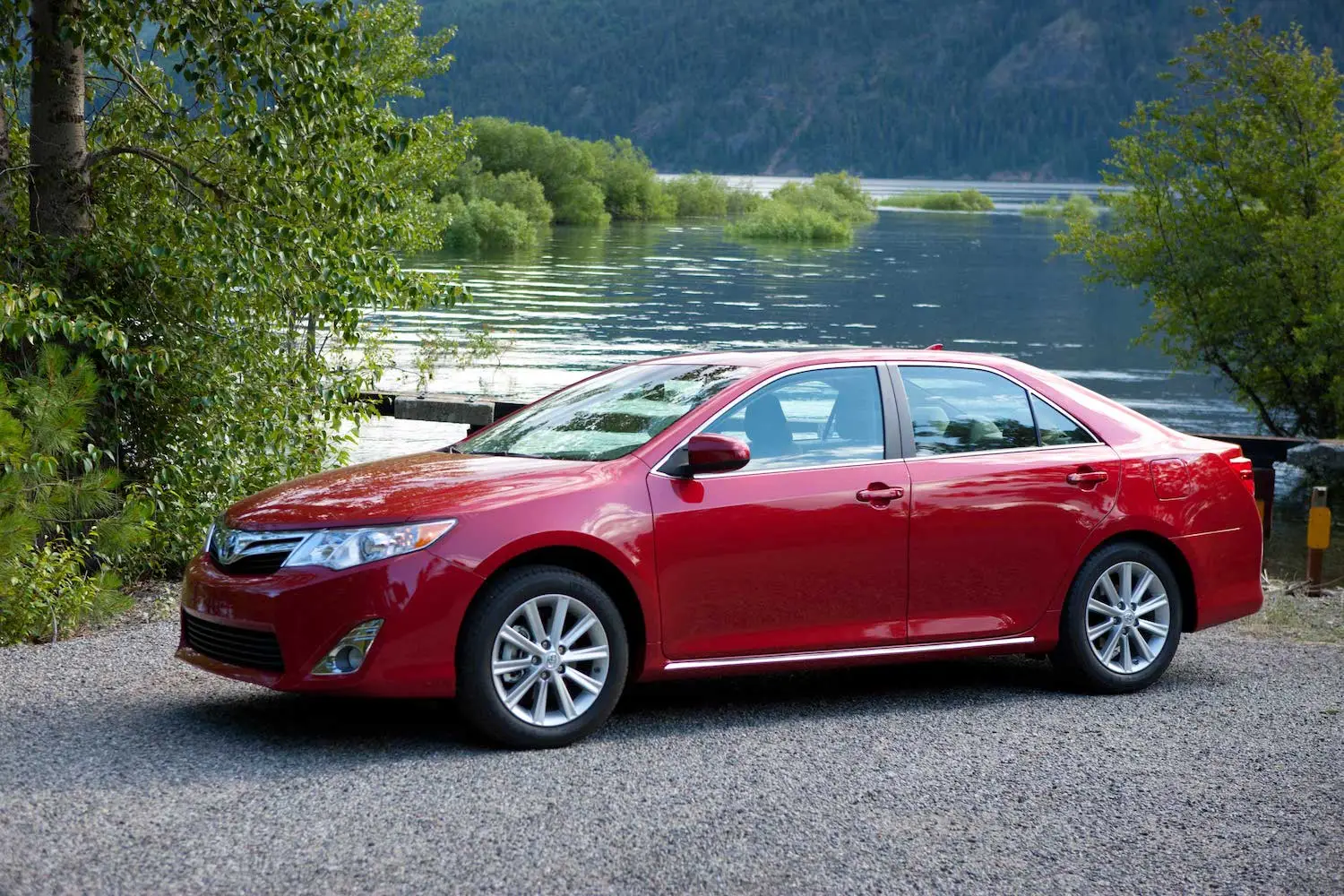
10. 2014 Toyota Camry: Dependability Meets Everyday Practicality
The 2014 Toyota Camry established itself as one of the most reliable midsize sedans available, building on Toyota’s long-standing reputation for durability. JD Power gave it an impressive 92 out of 100 predicted reliability rating, while RepairPal confirmed its low annual maintenance costs, making it a strong contender for buyers who prioritize peace of mind and affordability.
Consumer Reports also praised the model, reinforcing its reputation as a long-lasting car that rarely suffers from serious breakdowns compared to competitors. For shoppers seeking a dependable sedan with a strong track record, the 2014 Camry stood out as a top choice.
Under the hood, Toyota offered two engine options. The base 2.5-liter four-cylinder produced 178 horsepower and delivered 28 mpg combined, while an available 3.5-liter V6 generated 268 horsepower and managed 25 mpg combined, impressive efficiency for its power output.
The four-cylinder reached 60 mph in 8.4 seconds, while the V6 did it in just 6.6 seconds, placing both within class averages. The ride was generally soft and comfortable, although some trims felt floaty on the highway, and handling in lower trims was criticized as dull.
SE versions with sport-tuned suspensions sharpened responsiveness, providing a better driving experience. Although not a sport sedan, the SE trim was widely considered the most satisfying to drive.
Safety was another key selling point. Standard features included stability and traction control, antilock brakes, multiple airbags, and an available blind-spot monitoring system with rear cross-traffic alerts. Higher trims could be equipped with Toyota’s Safety Connect telematics system, which added roadside assistance, stolen vehicle tracking, and collision notification.
The Camry received a five-star safety rating in government crash tests, but its small-overlap frontal crash performance was rated poorly. The later 2014.5 version improved to an “Acceptable” rating. Meanwhile, the Insurance Institute for Highway Safety awarded “Good” ratings in most other crash categories, making the Camry a well-protected family vehicle.
On the road, the Camry performed as expected for a family sedan. Both engine options delivered smooth and quiet power, with the six-speed automatic transmission shifting seamlessly in daily driving and responding quickly when extra acceleration was needed.
Highway driving highlighted the Camry’s comfort and stability, making it a reliable long-distance cruiser. Steering quality varied between trims, while the SE and V6 versions offered better feedback, non-SE four-cylinder models were criticized for feeling numb. Still, most drivers found the Camry’s driving dynamics pleasant enough for everyday use.
Inside, the 2014 Camry balanced comfort with functionality. The cabin was spacious, with thin front pillars improving visibility and a rear seat that matched the Honda Accord for comfort, thanks to its generous recline.
Material quality improved in higher trims, which featured handsome stitching on the dash and door panels, though lower trims were more basic. Technology was another selling point, with an available infotainment system that included smartphone-connected features like Pandora streaming and real-time traffic updates.
While the touchscreen menus were generally intuitive, responsiveness could be inconsistent, and setup for Toyota’s Entune system required additional steps that some found inconvenient. Cargo space was competitive at 15.4 cubic feet, and split-folding rear seats allowed for additional flexibility.
Though not the most exciting option in its class, the 2014 Toyota Camry excelled where it mattered most: reliability, comfort, efficiency, and value. Competing models such as the Honda Accord, Mazda 6, and Ford Fusion offered sportier handling or more distinctive styling, but the Camry’s dependability and practicality gave it enduring appeal.
For buyers seeking a midsize sedan that could handle daily commutes and long-term ownership with minimal fuss, the 2014 Camry remained one of the safest bets in the segment.
Toyota’s enduring success is rooted in one core principle: reliability that never quits. Each model on this list, from the hardworking 2013 Tundra to the efficiency-driven 2008 Prius, showcases why Toyota has earned the trust of millions worldwide.
These vehicles aren’t just machines; they’re companions that carry families on road trips, support daily commutes, tow heavy loads, and stand the test of time with remarkable consistency.
Even as the automotive industry embraces rapid changes in technology, electrification, and design, Toyota’s reputation for longevity remains unshaken. For buyers seeking peace of mind, low maintenance costs, and vehicles that feel nearly indestructible, these ten models are living proof that some cars truly can outlast their owners.
In a marketplace where trends fade quickly, Toyota’s reliability shines brighter than ever, ensuring its legacy will keep rolling for decades to come.
Also Read: 5 Honda Sedans That Rarely Break vs 5 That Constantly Do