
Hybrid vehicles have grown in popularity for their fuel efficiency and environmental benefits, but not all hybrids are equally affordable to maintain over the long term.
Some models combine reliable engineering, simple battery management, and durable components to offer low-cost ownership for years.
These vehicles allow drivers to enjoy the advantages of hybrid technology without worrying about frequent or expensive repairs.
One key factor in keeping maintenance costs low is the design of the hybrid system itself. Models with well-tested batteries, dependable electric motors, and proven regenerative braking systems tend to require fewer repairs.
Additionally, hybrids with conventional engine components that are easy to service contribute to overall affordability. By focusing on simplicity and quality, these vehicles reduce the likelihood of unexpected expenses.
Routine maintenance such as oil changes, tire rotations, and brake servicing remains straightforward for these hybrids. Many models benefit from regenerative braking, which reduces wear on brake pads and extends their life, lowering replacement costs.
Components such as transmissions, suspension systems, and cooling systems in these hybrids are also engineered for longevity, further enhancing their cost-effectiveness.
This article highlights ten hybrid vehicles known for staying cheap to maintain. Each entry will examine why the model is reliable, focusing on battery durability, engine and transmission design, suspension and brake longevity, and overall ease of upkeep.
By identifying these standout hybrids, potential buyers can make informed decisions when seeking a vehicle that balances fuel efficiency with low long-term maintenance costs.
Whether for commuting, city driving, or long road trips, these hybrids demonstrate that eco-friendly driving can be both practical and affordable over time.
Also Read: 10 Honda Civic Years Still Popular With Daily Drivers
1. Toyota Prius
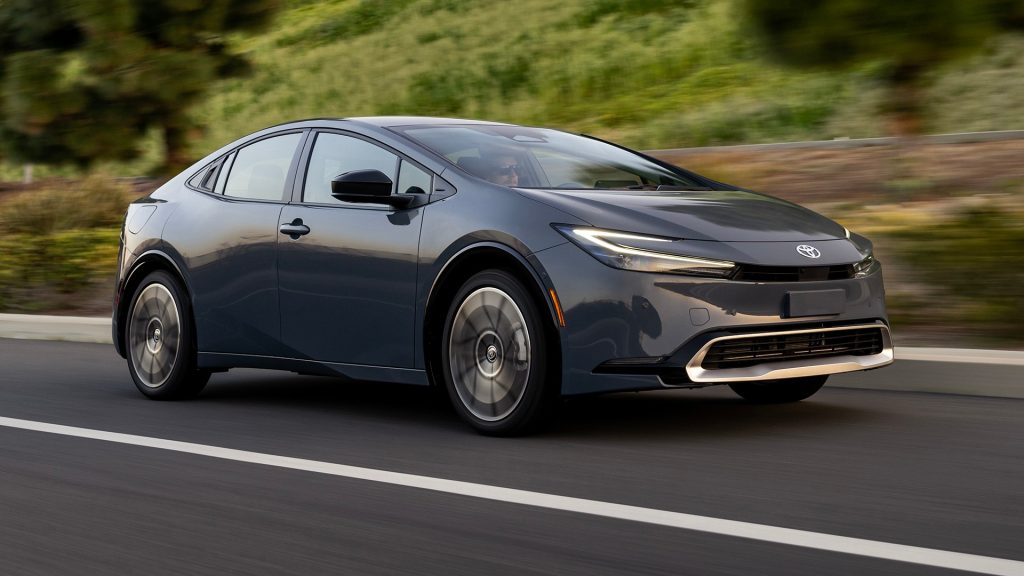
The Toyota Prius has long been synonymous with hybrid reliability and low-cost maintenance. Introduced in the late 1990s, it has become a benchmark for fuel-efficient vehicles that remain inexpensive to own over the long term.
Its proven hybrid system, combined with durable mechanical components, allows many Prius owners to exceed 200,000 miles with minimal major repairs.
The Prius features a hybrid powertrain combining a gasoline engine with an electric motor and a nickel-metal hydride or lithium-ion battery, depending on the generation.
These batteries are designed for longevity, often lasting 150,000 to 200,000 miles before replacement, and many can continue performing well beyond that with proper care.
Regular maintenance, such as cooling system checks and battery monitoring, ensures optimal performance and prevents costly issues.
The gasoline engine in the Prius is a simple, efficient inline-four that is easy to service. Routine oil changes, spark plug replacement, and air filter maintenance are straightforward, keeping service costs low.
The continuously variable transmission (CVT) is reliable, with many examples running smoothly for hundreds of thousands of miles with basic fluid maintenance.
Another factor contributing to the Prius’s low maintenance costs is regenerative braking. By using the electric motor to slow the vehicle, the traditional brake components experience less wear, extending the life of pads and rotors and reducing replacement expenses.
Suspension components are designed for durability rather than sporty handling, further limiting repair costs.
The interior and electronics of the Prius are also built to withstand years of use. Controls, infotainment systems, and hybrid-specific components rarely require major attention if properly maintained.
Overall, the Toyota Prius demonstrates that hybrid vehicles can combine fuel efficiency, reliability, and low ownership costs.
With a strong reputation for longevity and cost-effective maintenance, it remains one of the most practical hybrids for buyers seeking affordability and dependability over the long term.
2. Honda Insight
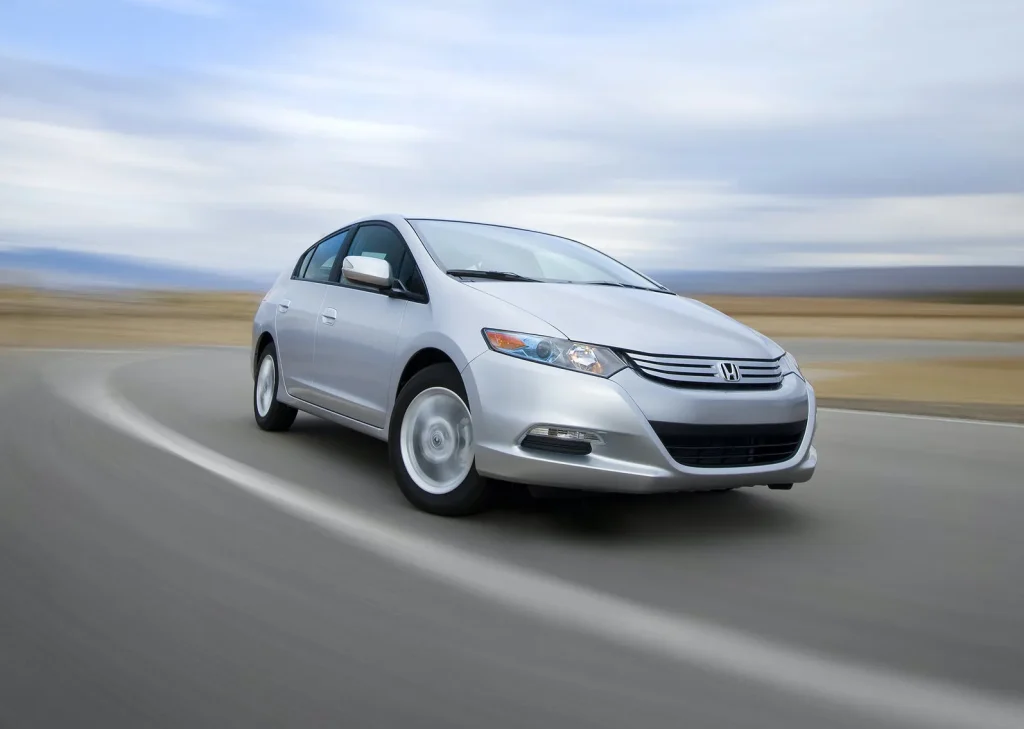
The Honda Insight is another hybrid that remains inexpensive to maintain while offering solid fuel efficiency. Introduced as a compact hybrid, it combines a gasoline engine with a reliable electric motor and battery system, making it a practical option for commuters and budget-conscious drivers.
The Insight’s hybrid system is engineered for simplicity and durability. Batteries, typically nickel-metal hydride, are designed to last well over 100,000 miles.
Many owners report that battery replacement is rarely needed within the first decade of ownership, keeping maintenance costs manageable. Regular inspection of cooling systems and electrical connections ensures the hybrid system remains efficient and reliable.
The gasoline engine is a small, fuel-efficient inline-four that performs well under normal driving conditions.
Routine maintenance, such as oil changes, air filter replacement, and spark plug servicing, is straightforward and inexpensive. The CVT transmission, when maintained with periodic fluid changes, is highly durable and capable of supporting high-mileage operation.
Regenerative braking reduces wear on traditional brake components, extending the life of pads and rotors. Suspension components are also engineered for reliability rather than aggressive performance, minimizing costly repairs over time. These factors help the Insight maintain low ownership costs compared to other vehicles in its segment.
Inside, the cabin focuses on practicality and long-term usability. Controls, displays, and seating materials are durable, and the hybrid system monitoring is user-friendly, allowing owners to track performance and battery health easily.
The Honda Insight proves that hybrid technology does not need to be expensive to maintain. Its reliable engine, durable hybrid system, and low-cost servicing make it a solid choice for anyone seeking an affordable, long-lasting hybrid vehicle.
3. Toyota Camry Hybrid
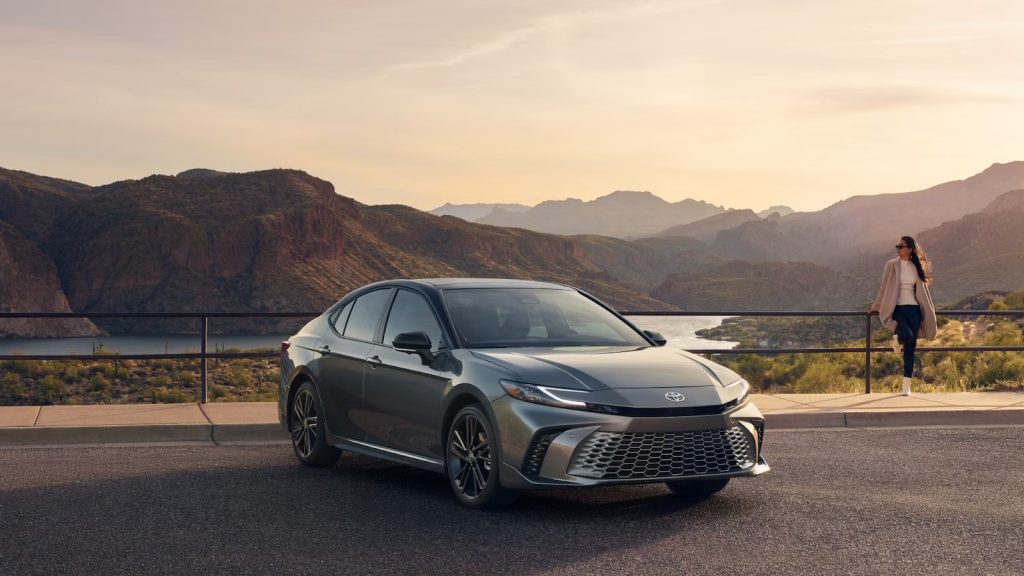
The Toyota Camry Hybrid combines midsize comfort with fuel-efficient hybrid performance and a strong reputation for reliability. It offers the same well-engineered hybrid system as the Prius, but with a larger sedan platform, making it suitable for families and longer trips while keeping maintenance costs low.
The Camry Hybrid features a gasoline engine paired with an electric motor and a nickel-metal hydride battery. This system is known for its durability, often exceeding 200,000 miles with proper care.
Regular checks of the hybrid battery and cooling systems, combined with standard oil changes and spark plug replacements, ensure the vehicle continues to operate efficiently without costly repairs.
The gasoline engine is a smooth, reliable inline-four, and the CVT transmission is engineered for longevity. Owners report that with routine servicing, the transmission and engine can last for decades, making the Camry Hybrid an affordable option for long-term ownership.
Regenerative braking further reduces wear on traditional brake components, extending maintenance intervals and minimizing costs.
Suspension components, including struts and control arms, are built for comfort and durability rather than aggressive handling.
This focus on reliability keeps repairs minimal over years of use. The body and interior are also well-constructed, with seats, trim, and controls that maintain functionality even in high-mileage vehicles.
Overall, the Toyota Camry Hybrid demonstrates that a midsize sedan can deliver hybrid efficiency and low-cost maintenance simultaneously.
With durable powertrains, reliable hybrid components, and practical engineering, it remains one of the most dependable hybrids for owners seeking affordability and longevity.
4. Ford Fusion Hybrid
The Ford Fusion Hybrid offers a comfortable midsize sedan experience while maintaining low maintenance costs, making it a practical hybrid for daily driving.
Known for its efficient powertrain and reliable engineering, the Fusion Hybrid can achieve high mileage with minimal unexpected expenses.
The hybrid system pairs a 2.0-liter or 2.5-liter four-cylinder engine with an electric motor and a lithium-ion battery, depending on the model year.
These components are engineered for longevity, and many owners report their vehicles reaching over 150,000 miles without major battery issues.
Routine inspection of the battery, cooling system, and hybrid electronics helps prevent problems and ensures the vehicle remains efficient and reliable.
The gasoline engine is straightforward and durable. Regular maintenance such as oil changes, air filter replacements, and spark plug servicing is inexpensive and easy to perform.
The continuously variable transmission (CVT) is reliable when serviced with scheduled fluid changes and designed to integrate seamlessly with the hybrid system. This combination keeps long-term servicing costs low.
Regenerative braking is a key factor in reducing maintenance costs. It lessens wear on traditional brake pads and rotors, extending replacement intervals and minimizing expenses. Suspension components are also built for durability, handling daily commuting and highway driving without requiring frequent repairs.
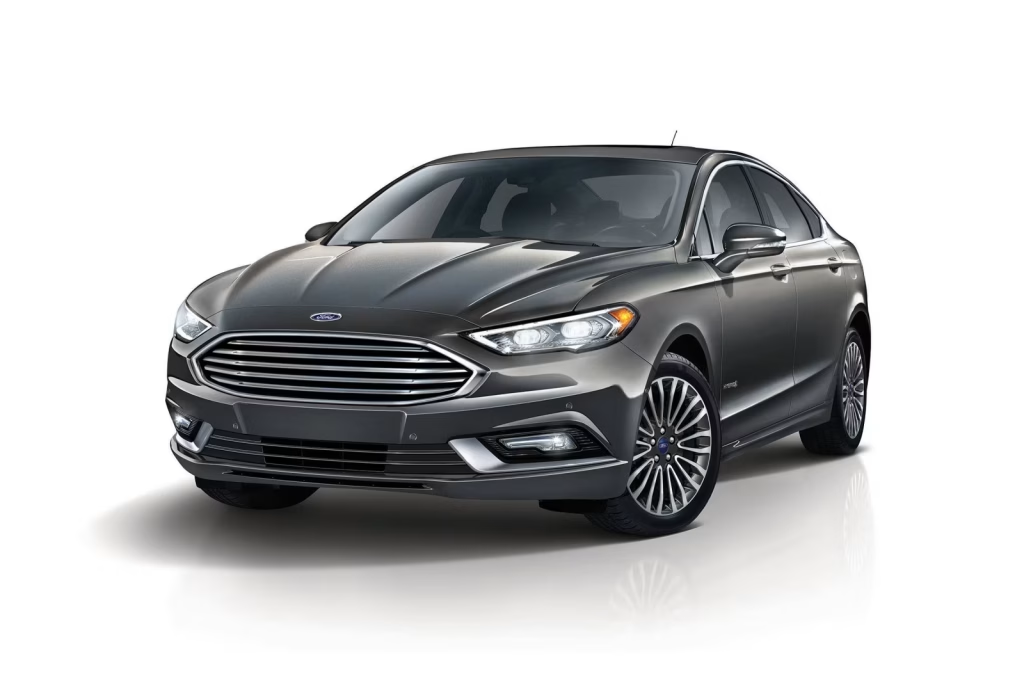
Inside, the Fusion Hybrid offers a well-built cabin that remains functional and comfortable even at high mileage. Seats, controls, and trim pieces are durable, and the infotainment system is straightforward to maintain. Electronics are generally reliable, further supporting low long-term ownership costs.
Overall, the Ford Fusion Hybrid balances comfort, fuel efficiency, and affordability. Its dependable hybrid system, robust engine, and durable components make it one of the hybrids that stay cheap to maintain, providing peace of mind for owners looking for a cost-effective, high-mileage vehicle.
5. Lexus ES 300h
The Lexus ES 300h is a luxury hybrid that combines refined comfort with reliable and affordable maintenance.
Despite being a premium vehicle, it shares Toyota’s proven hybrid engineering, making it a smart choice for drivers seeking long-term dependability.
The ES 300h features a 2.5-liter four-cylinder engine paired with an electric motor and a nickel-metal hydride battery.
The hybrid system is known for durability, often exceeding 200,000 miles with proper care. Regular maintenance of the hybrid battery, cooling system, and power electronics helps ensure reliable performance while minimizing repair costs.
The gasoline engine is smooth and robust, requiring only standard service items like oil changes, spark plug replacements, and air filter maintenance. The CVT transmission is engineered to integrate with the hybrid system efficiently and is capable of high-mileage operation when maintained correctly.
Regenerative braking reduces wear on the brake system, extending the life of pads and rotors. Suspension components are durable, designed to handle daily driving and maintain a smooth ride over years without expensive repairs. Body and interior materials are of high quality, allowing the cabin to maintain comfort and usability even in high-mileage vehicles.
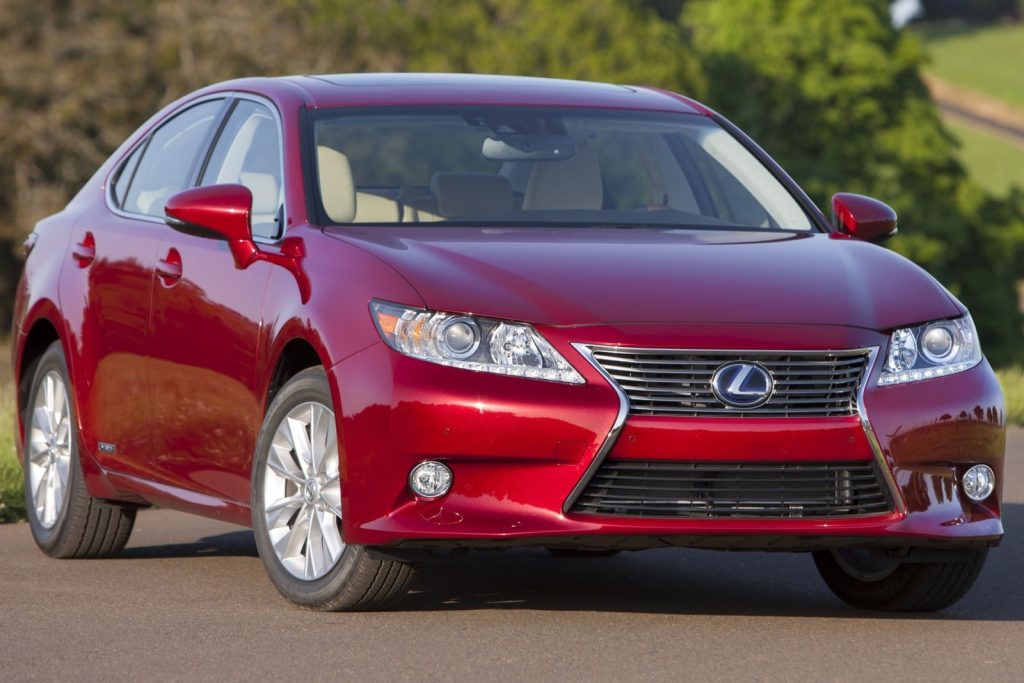
Lexus vehicles also benefit from excellent build quality and engineering, meaning that electronics, climate control, and other systems remain functional for years. Owners frequently report low maintenance costs despite the luxury features, highlighting the ES 300h’s balance of refinement and practicality.
Overall, the Lexus ES 300h demonstrates that a hybrid can provide luxury, efficiency, and low long-term maintenance costs. Its reliable powertrain and durable components make it a standout choice for those seeking a premium yet cost-effective hybrid.
6. Hyundai Ioniq Hybrid
The Hyundai Ioniq Hybrid is a modern, fuel-efficient vehicle designed for affordability and reliability. Its low-cost maintenance, combined with strong fuel economy, makes it a practical choice for drivers looking to save on both fuel and long-term ownership costs.
The Ioniq uses a 1.6-liter four-cylinder engine paired with an electric motor and a lithium-ion polymer battery. The battery system is designed for longevity, with many owners reporting minimal degradation even after 150,000 miles.
Routine inspections of the hybrid system, cooling components, and electrical connections help maintain optimal performance and reliability.
The gasoline engine is straightforward and durable, requiring standard maintenance like oil changes, spark plug replacements, and air filter servicing.
The six-speed dual-clutch transmission integrates seamlessly with the hybrid system, offering smooth operation and minimal maintenance costs when serviced properly.
Regenerative braking reduces wear on brake pads and rotors, which helps extend maintenance intervals. Suspension components are engineered for durability and efficiency, allowing the vehicle to remain reliable under daily commuting conditions. Tires and other consumables are also inexpensive to replace, contributing to overall affordability.
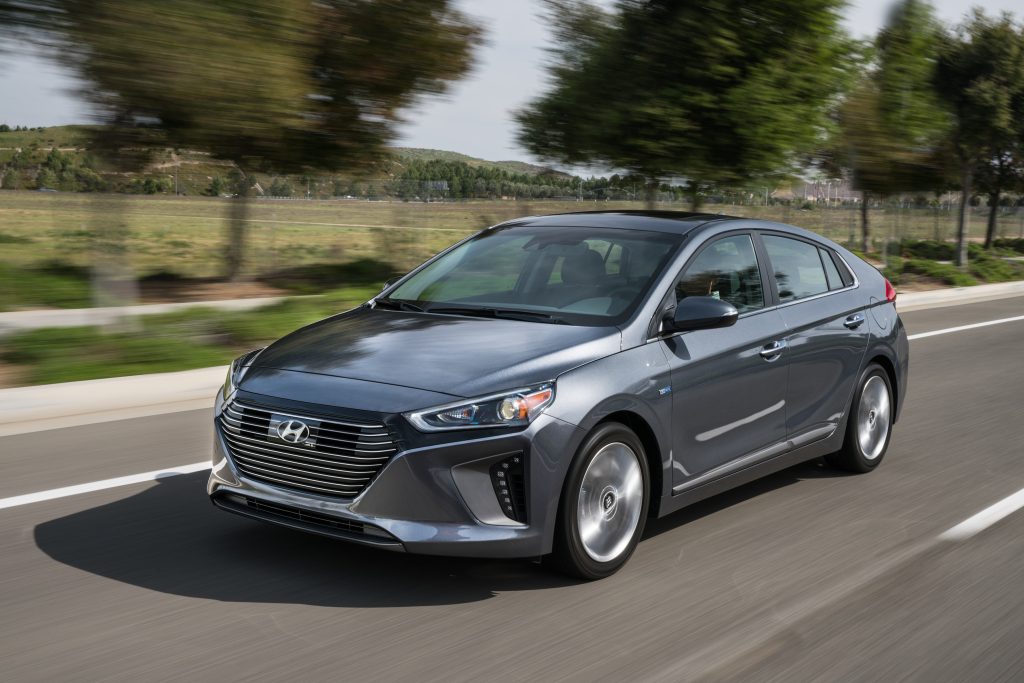
The cabin is designed for practicality and long-term use. Seats, controls, and trim materials are durable, while infotainment and electronics are generally reliable. Owners report minimal issues with interior wear and hybrid system monitoring, keeping ownership costs low.
Overall, the Hyundai Ioniq Hybrid combines a reliable powertrain, durable components, and efficient engineering to deliver one of the most affordable hybrids to maintain. It offers peace of mind for drivers seeking a practical, low-cost hybrid vehicle for long-term ownership.
7. Kia Niro Hybrid
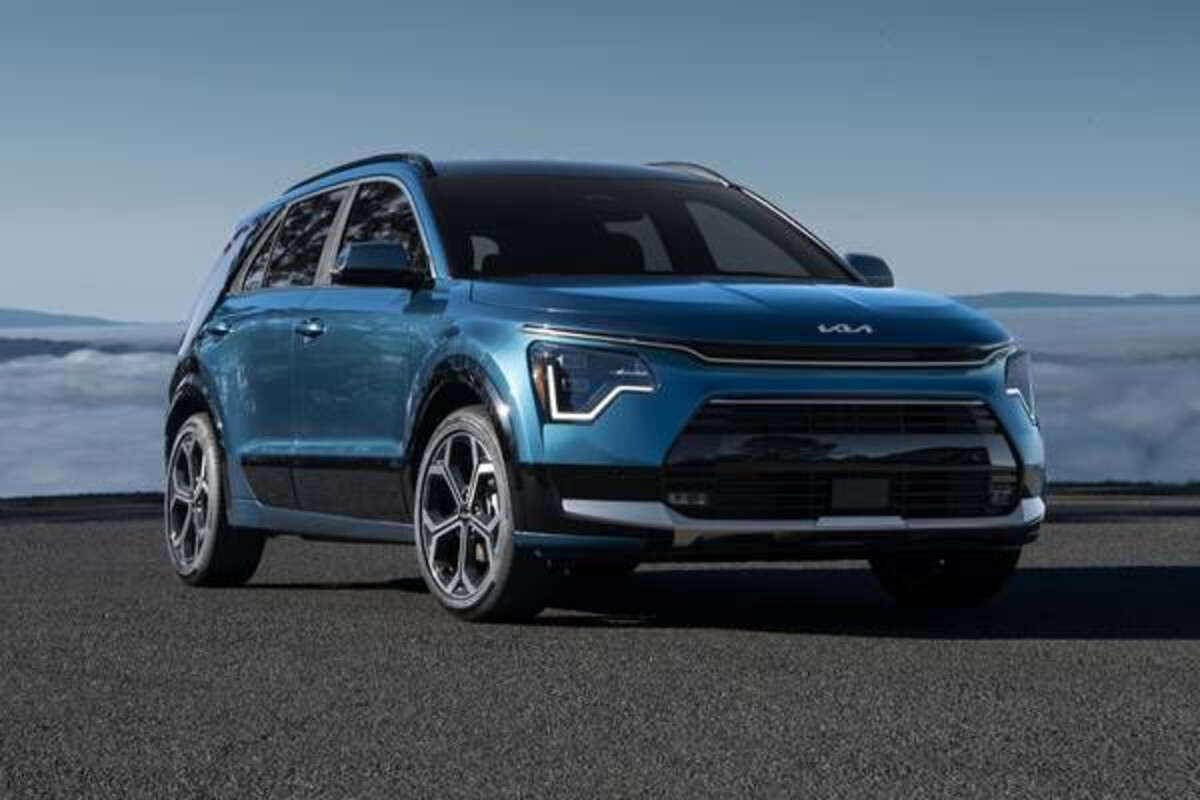
The Kia Niro Hybrid combines compact SUV practicality with hybrid efficiency and low maintenance costs. It is designed for reliability, offering owners a vehicle that remains affordable to service over the long term. Its fuel-efficient drivetrain and durable components make it a standout choice for cost-conscious buyers.
The Niro features a 1.6-liter four-cylinder engine paired with an electric motor and a lithium-ion polymer battery. The hybrid system is engineered for longevity, with many owners reporting minimal battery degradation even after 150,000 miles.
Routine maintenance of the battery, cooling system, and electrical connections ensures continued efficiency and prevents costly repairs.
The gasoline engine is simple and reliable, requiring standard servicing such as oil changes, air filter replacement, and spark plug maintenance.
The six-speed dual-clutch transmission works efficiently with the hybrid system and demonstrates durability when fluid maintenance is performed according to schedule.
Regenerative braking reduces wear on brake pads and rotors, helping extend maintenance intervals and reduce overall ownership costs. Suspension components are durable, built to withstand daily driving, city commutes, and light off-road use without frequent repairs.
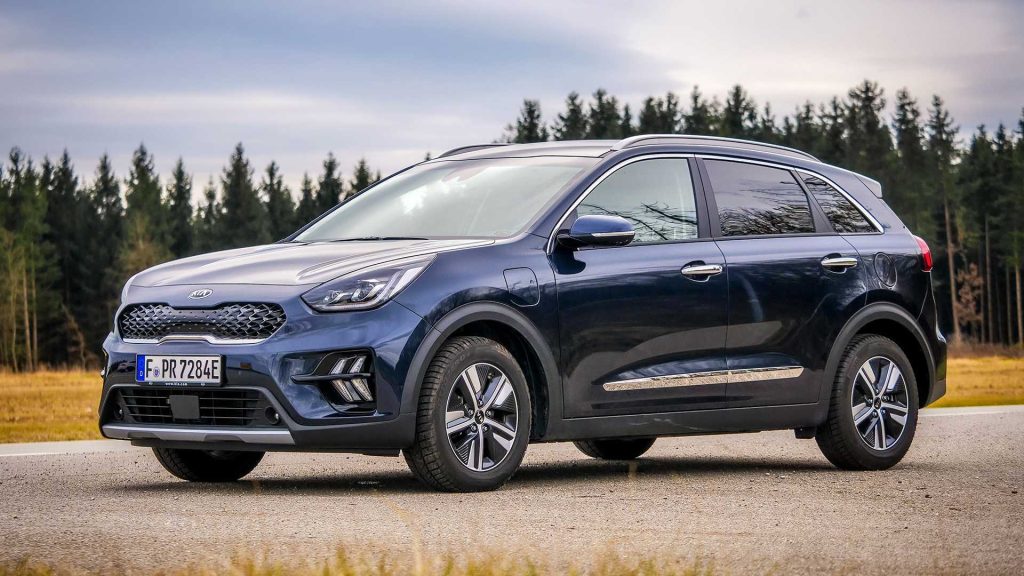
The interior is practical and well-constructed, with durable seats, trim, and controls that hold up well under daily use. Electronics and infotainment systems are generally reliable, further supporting low maintenance costs.
Overall, the Kia Niro Hybrid offers a combination of practicality, efficiency, and affordability. Its reliable hybrid powertrain, durable mechanical components, and cost-effective maintenance make it an excellent option for drivers seeking a long-lasting, inexpensive-to-own hybrid vehicle.
8. Honda Accord Hybrid
The Honda Accord Hybrid provides midsize comfort, strong reliability, and low-cost maintenance. It combines a fuel-efficient hybrid system with Honda’s engineering reputation for longevity, making it one of the most practical hybrids for long-term ownership.
The hybrid system pairs a 2.0-liter four-cylinder engine with two electric motors and a lithium-ion battery. The battery is designed to last well over 150,000 miles with proper care. Routine checks of the hybrid components, cooling system, and electrical connections help maintain reliability and prevent costly repairs.
The gasoline engine is smooth and durable, requiring standard maintenance such as oil changes, spark plug replacement, and air filter servicing. The CVT transmission works seamlessly with the hybrid system, offering low-maintenance operation and long-term durability.
Regenerative braking reduces wear on brake components, extending replacement intervals and minimizing repair costs. Suspension parts are designed for longevity, allowing the vehicle to maintain handling and comfort even with high mileage.
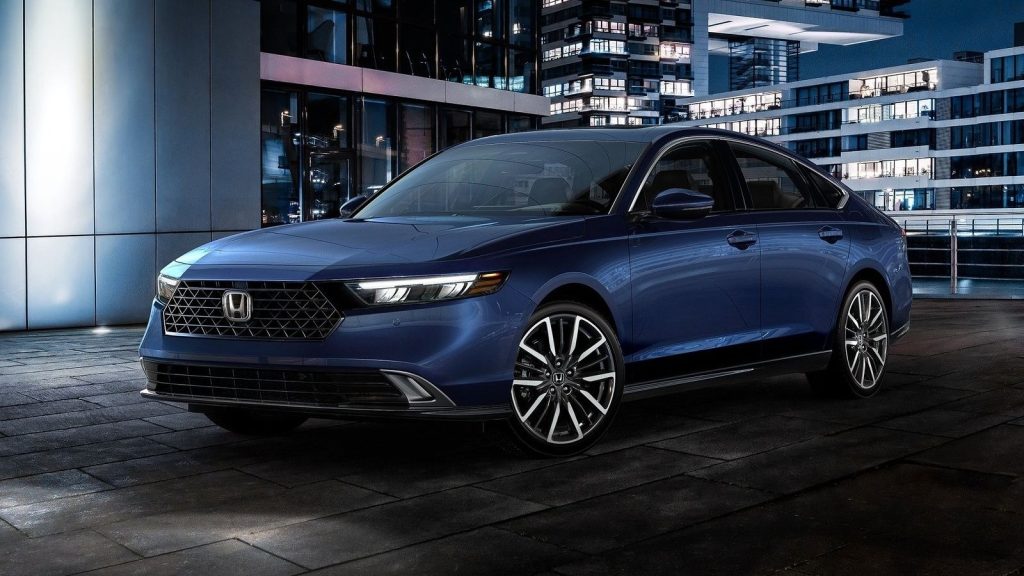
Inside, the cabin offers durable materials and well-built electronics. Seats, controls, and trim withstand years of use, while infotainment and hybrid monitoring systems are reliable and easy to maintain.
The Honda Accord Hybrid combines reliability, comfort, and low maintenance costs, making it a practical choice for drivers seeking a dependable, long-lasting hybrid sedan.
9. Toyota Corolla Hybrid
The Toyota Corolla Hybrid merges compact design, exceptional fuel economy, and long-term reliability. It is designed for low maintenance costs, making it a cost-effective hybrid for city and highway driving.
The Corolla Hybrid uses a 1.8-liter four-cylinder engine combined with an electric motor and nickel-metal hydride battery. The hybrid system is proven to be durable, with many owners experiencing minimal battery issues even past 150,000 miles.
Routine inspections of the battery and cooling system help maintain efficiency and reduce repair expenses.
The engine is reliable and straightforward, requiring only standard maintenance such as oil changes, spark plug replacement, and air filter servicing. The CVT transmission integrates with the hybrid system and is durable when maintained with periodic fluid changes.
Regenerative braking reduces wear on pads and rotors, extending service intervals and reducing overall costs. Suspension and chassis components are built for durability, providing reliable handling and comfort for years.
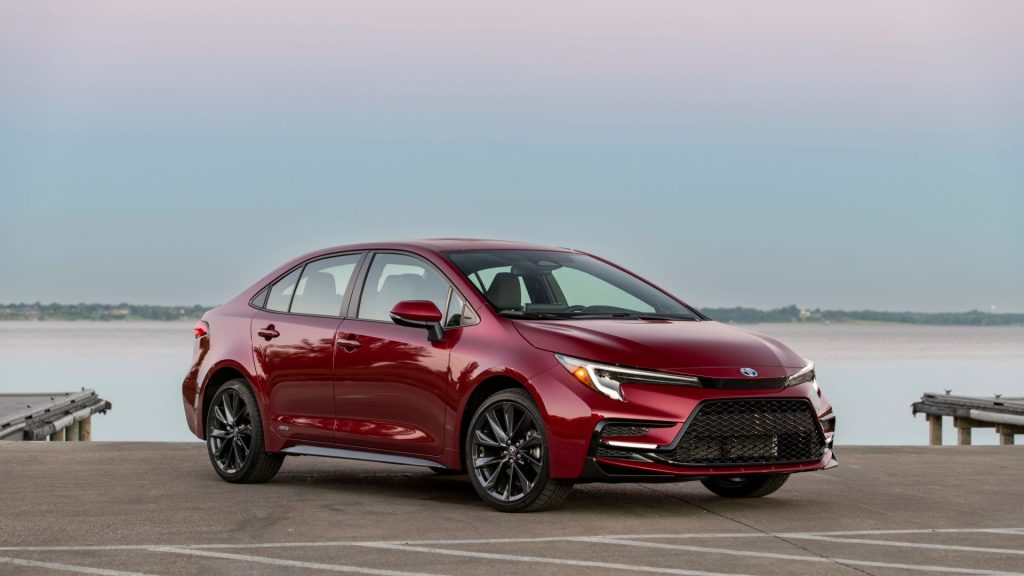
The interior is practical and durable, with seats, controls, and trim designed to withstand daily use. Electronics and hybrid monitoring systems are generally reliable, keeping long-term maintenance costs low.
The Toyota Corolla Hybrid proves that a small hybrid can offer efficiency, reliability, and affordability. Its proven hybrid powertrain and durable components make it an excellent choice for low-cost, long-term ownership.
10. Hyundai Sonata Hybrid
The Hyundai Sonata Hybrid is a midsize sedan that balances fuel efficiency with durability and low-cost maintenance. Its reliable hybrid system and durable components make it a practical choice for long-term ownership.
The Sonata Hybrid features a 2.0-liter four-cylinder engine paired with an electric motor and lithium-ion battery. The hybrid system is engineered for longevity, with many vehicles reaching high mileage without major battery issues. Regular checks of the battery, cooling system, and electrical connections help maintain reliability and performance.
The gasoline engine is robust and requires standard maintenance such as oil changes, spark plug replacement, and air filter servicing. The CVT transmission works efficiently with the hybrid system and demonstrates long-term durability when maintained properly.
Regenerative braking reduces wear on brake pads and rotors, extending replacement intervals. Suspension components are built for reliability, providing stable handling and comfort even under extensive use.
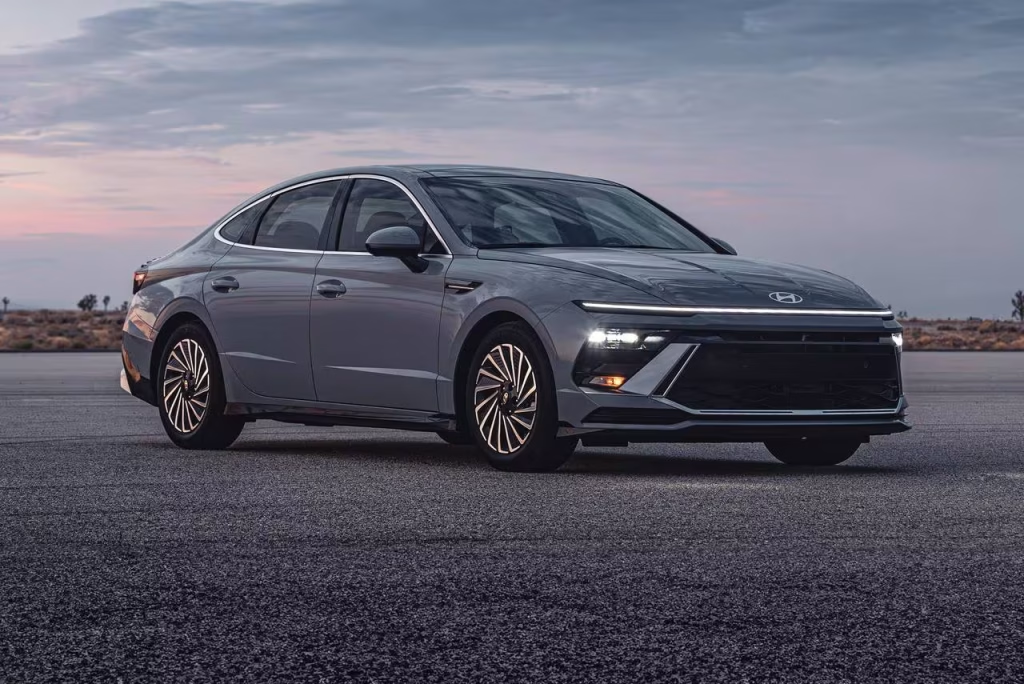
Inside, the cabin is practical and well-built, with durable seats, controls, and trim. Infotainment systems and hybrid monitoring components are generally reliable, contributing to low long-term maintenance costs.
Overall, the Hyundai Sonata Hybrid offers a reliable hybrid system, durable mechanical components, and cost-effective maintenance. It remains an ideal choice for drivers seeking a practical, fuel-efficient, and low-cost-to-maintain midsize hybrid sedan.
Hybrid vehicles are often associated with high-tech systems that can be costly to repair, but certain models prove that long-term affordability and reliability can coexist.
The ten hybrids featured in this article demonstrate that efficient fuel economy does not have to come with expensive maintenance.
Each model combines a well-engineered hybrid powertrain, durable gasoline engine, and reliable transmission, reducing the likelihood of major repairs over the vehicle’s lifespan.
Battery longevity is a key factor in keeping costs low. Vehicles like the Toyota Prius, Camry Hybrid, and Lexus ES 300h utilize proven battery systems that often exceed 150,000 miles without replacement.
Regular inspection and routine maintenance of hybrid components, cooling systems, and fluid changes ensure continued performance and efficiency.
Regenerative braking, standard in all these models, reduces wear on brake pads and rotors, further cutting maintenance costs. Suspension, chassis, and interior components are engineered for durability, allowing these vehicles to remain practical and functional even at high mileage.
By combining dependable hybrid systems, durable mechanical components, and straightforward maintenance requirements, these ten hybrids provide affordable long-term ownership.
They are ideal choices for drivers seeking fuel-efficient, reliable, and cost-effective vehicles that minimize expenses while maximizing usability over the years.
Also Read: 10 Most Reliable Sports Cars That Rarely Break Down
